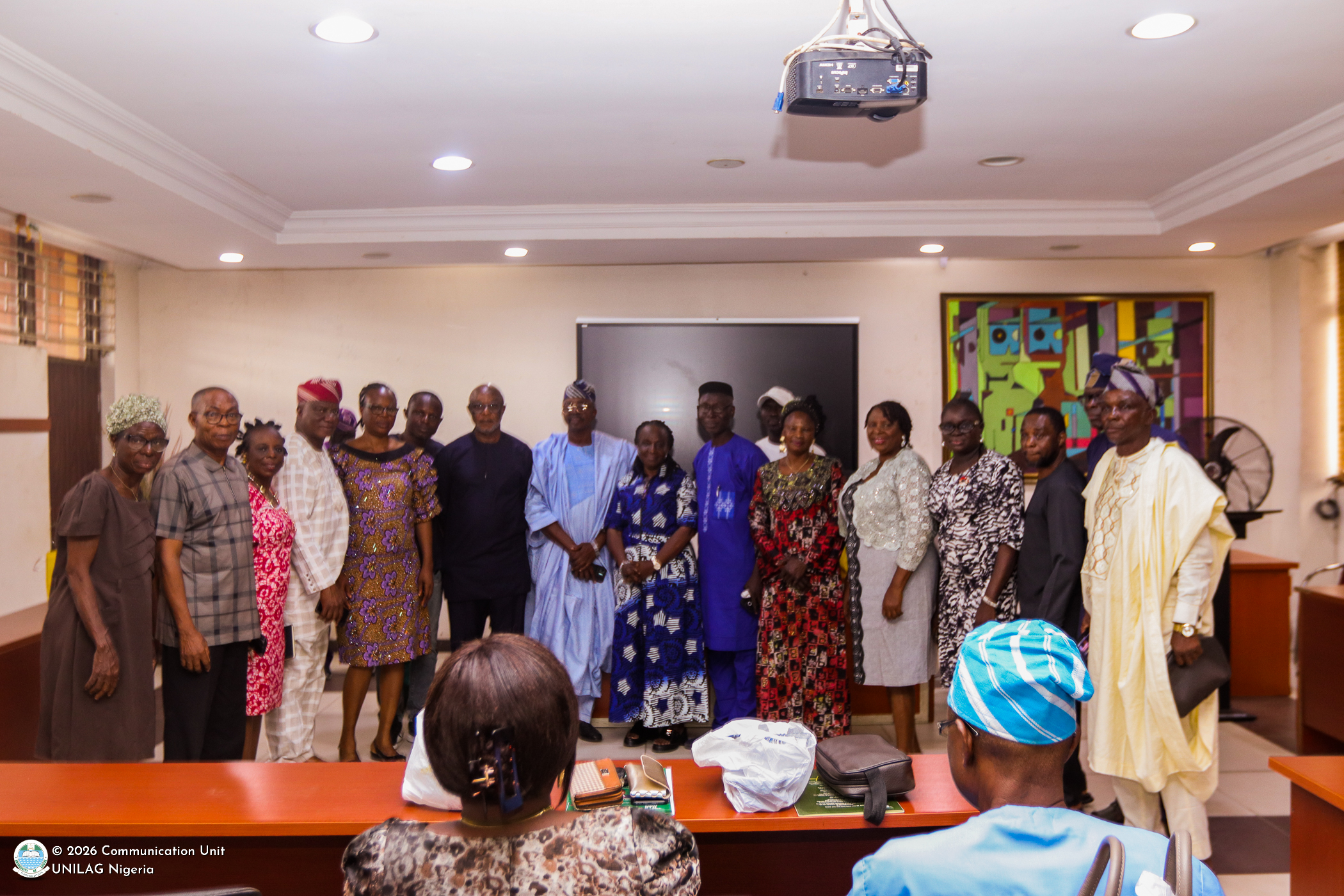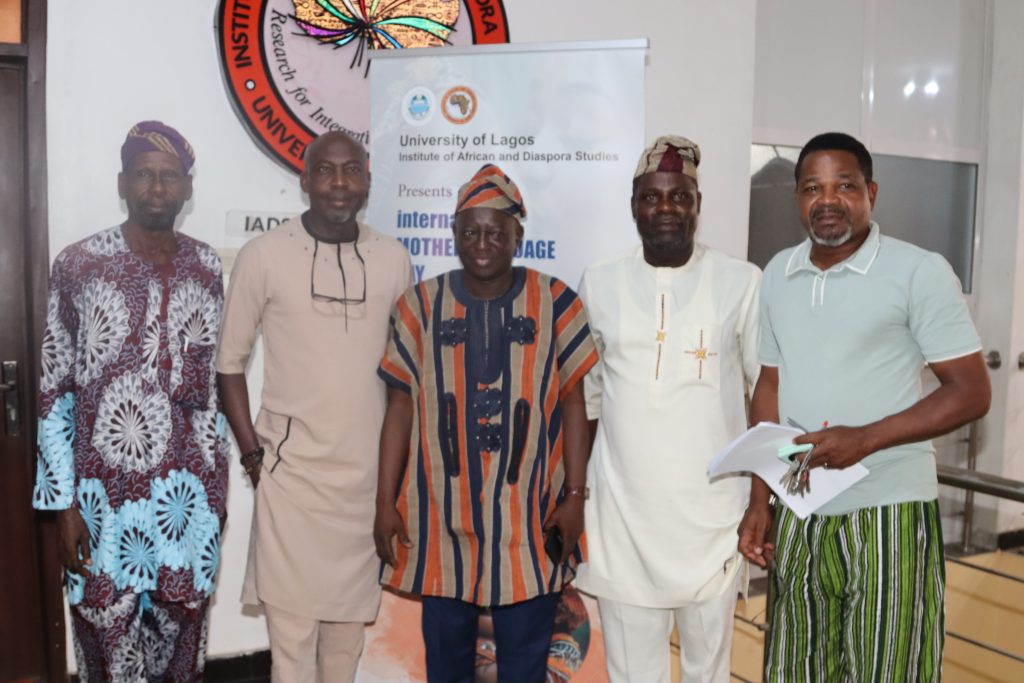
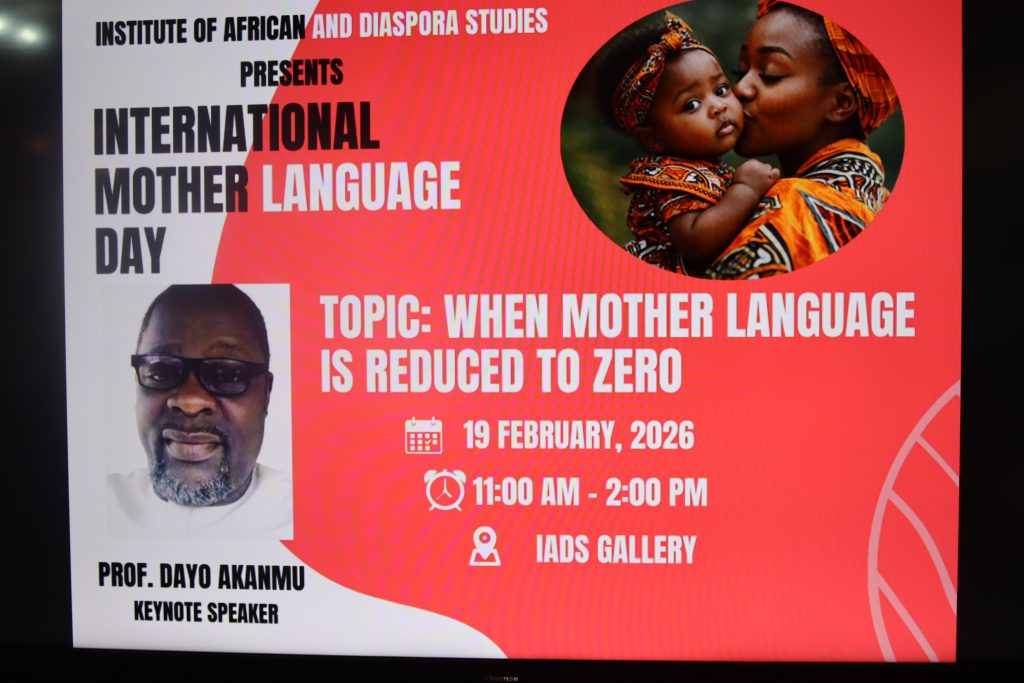
Ahead of the February 21 commemoration of International Mother Language Day (IMLD), the Institute of African and Diaspora Studies (IADS), University of Lagos, hosted a thought-provoking public lecture titled: “When Mother Language is Deliberately Reduced to Zero.”
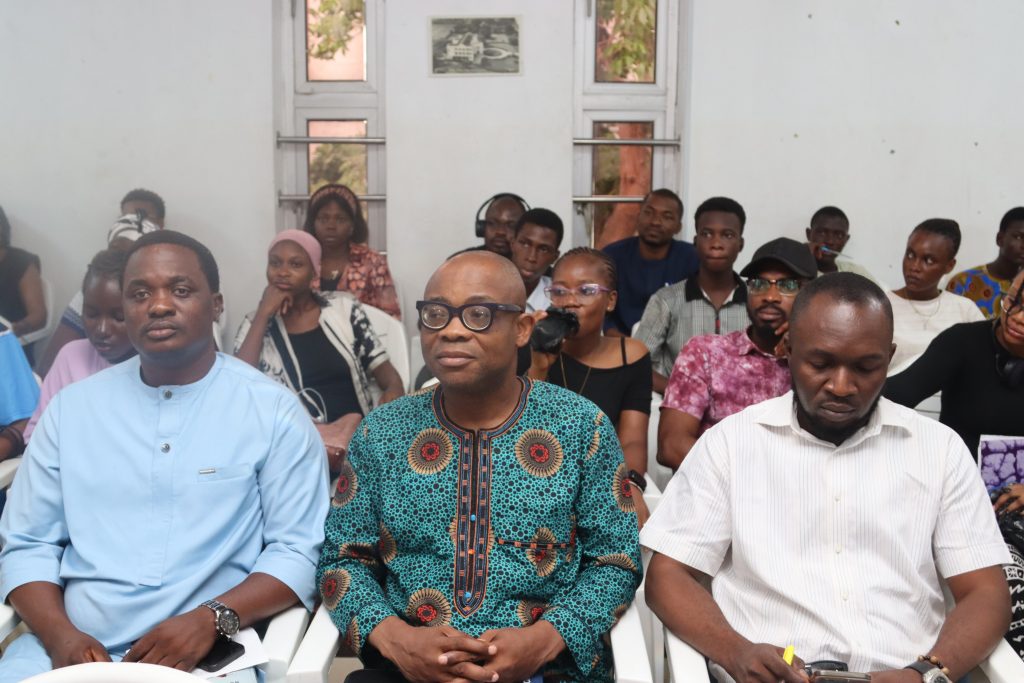
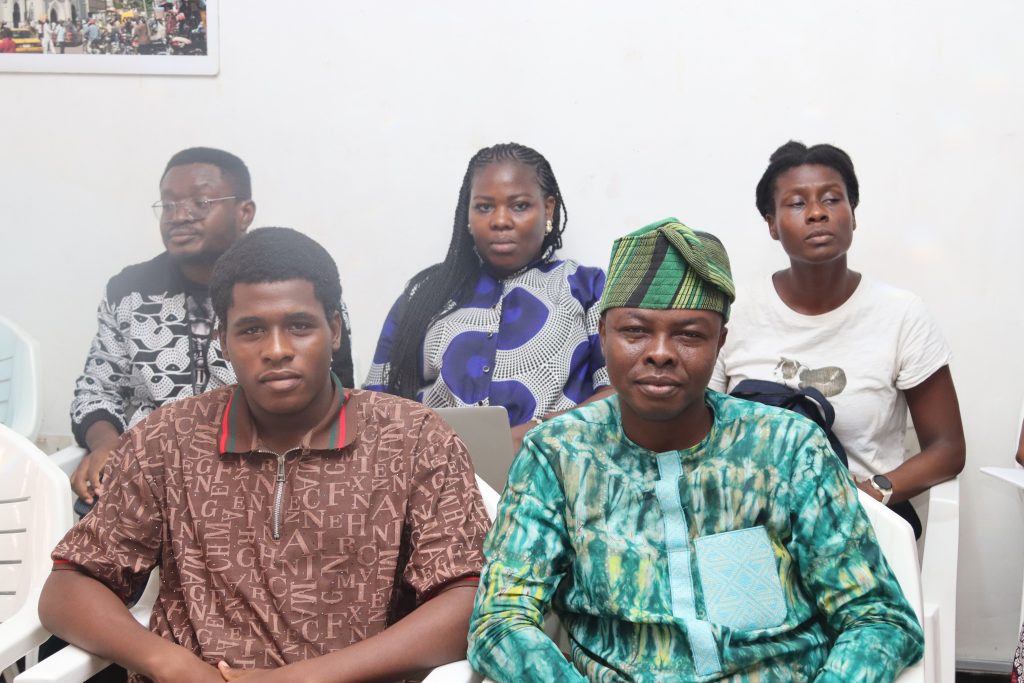
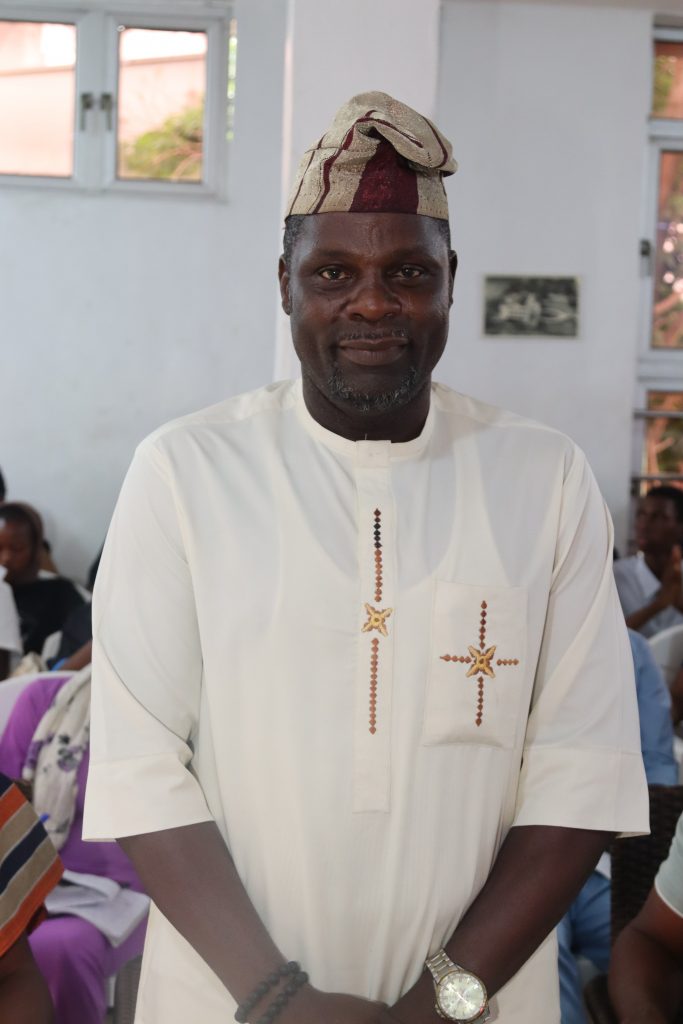
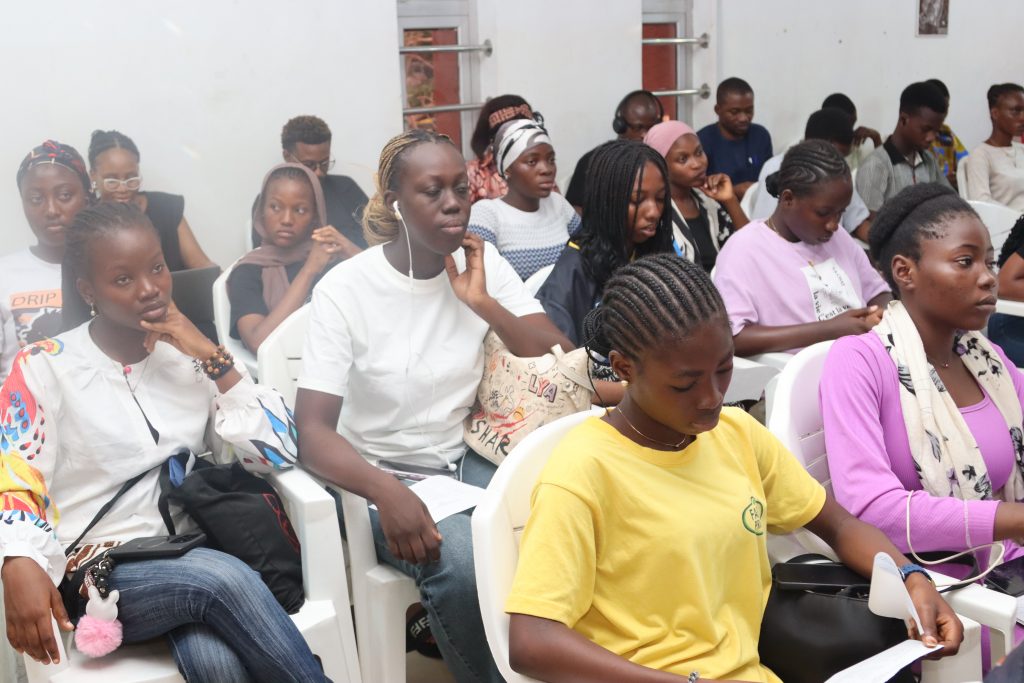
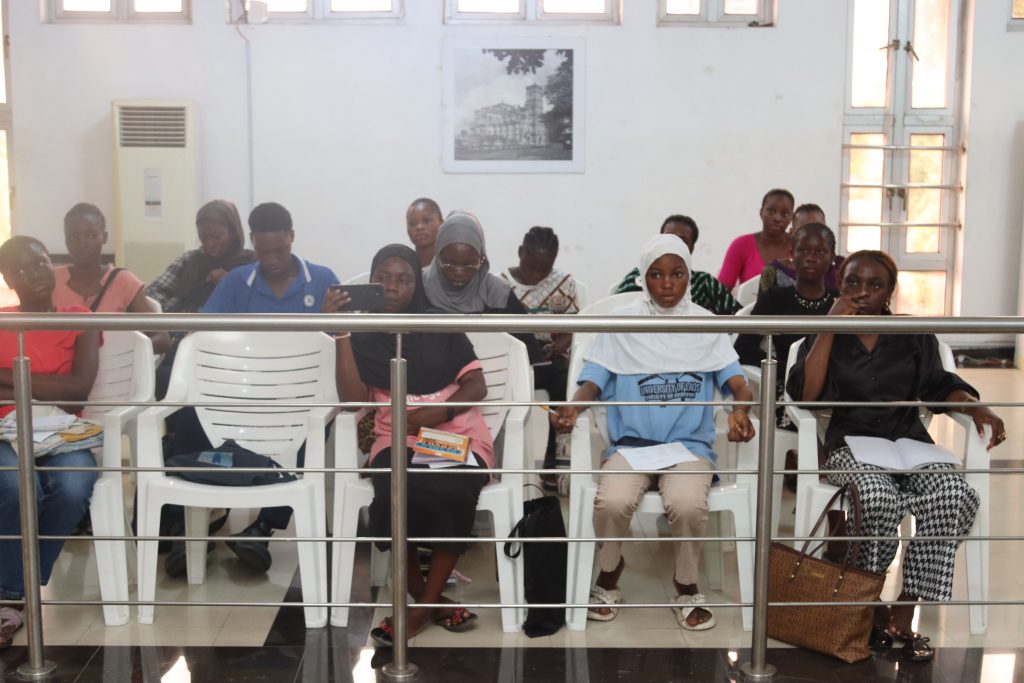
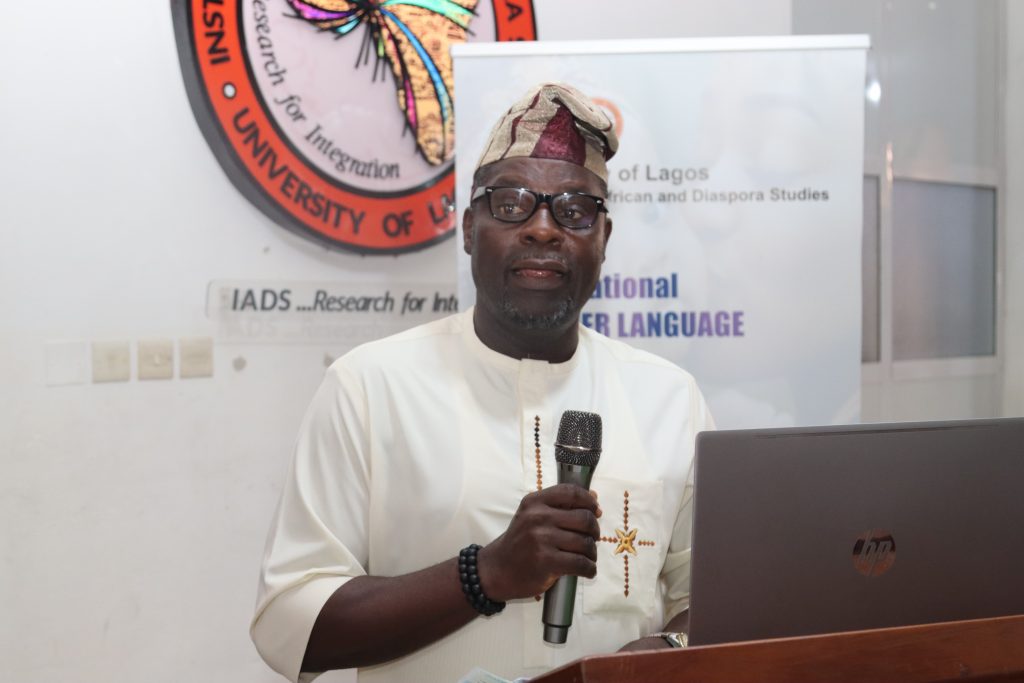
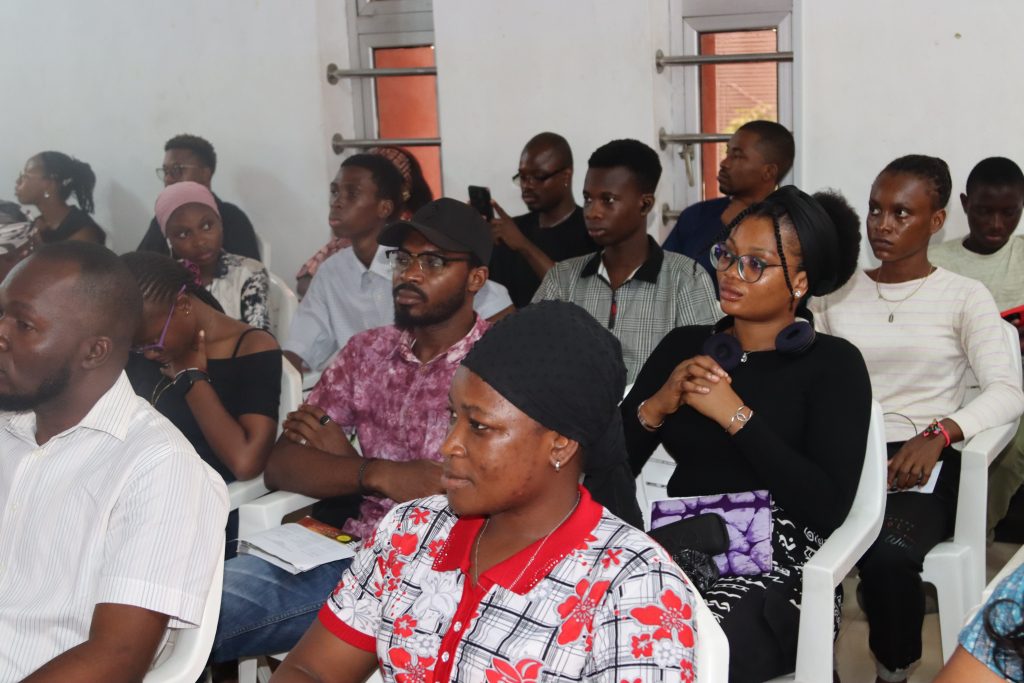
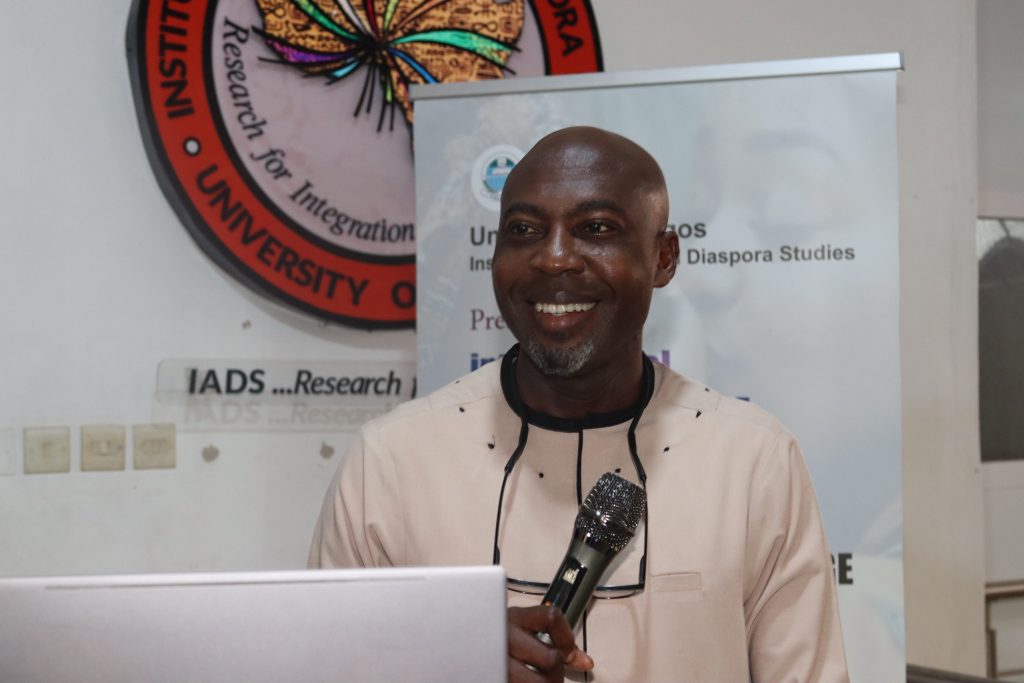
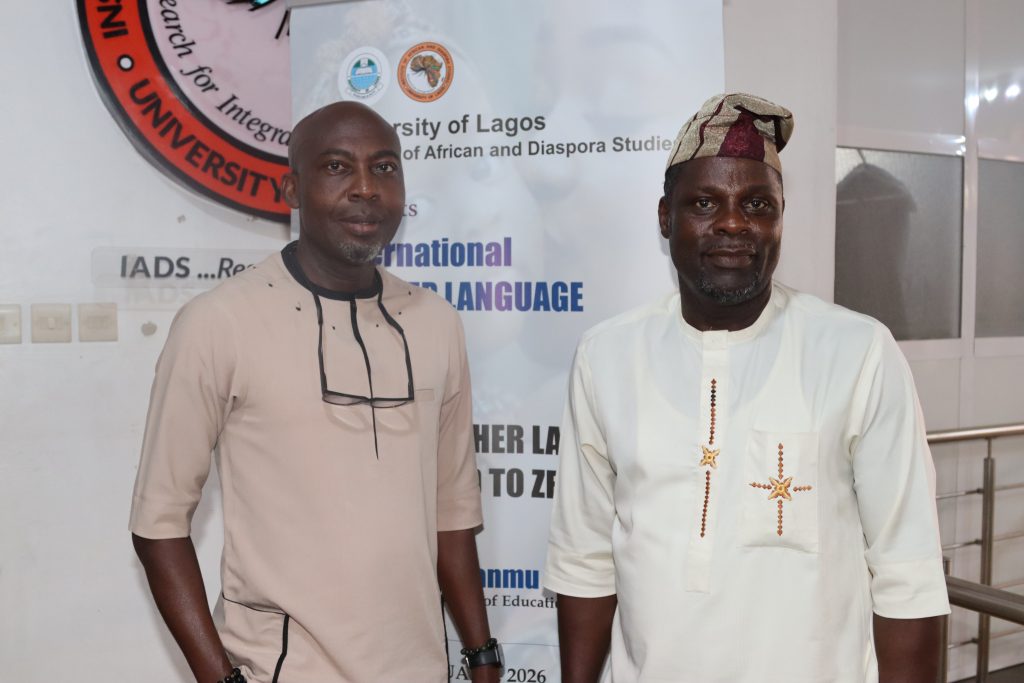
The lecture, delivered by Professor Dayo Akanmu, a Professor of Linguistics Stylistics at Lagos State University of Education, held on Thursday, February 19, 2026, at the J.P. Clark Building and attracted a large audience of students, scholars, and language enthusiasts.
An Intentional Opening
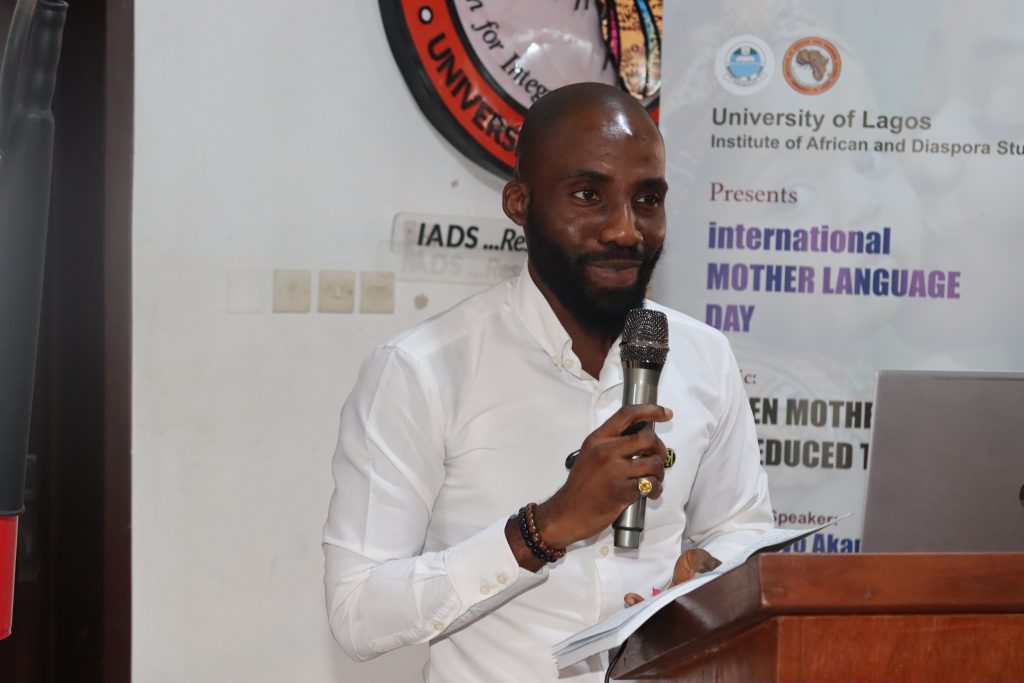
The event began symbolically. The Master of Ceremonies and Senior Researcher at IADS-UNILAG, Dr. Akinmayowa Akin-Otiko, welcomed participants in Yoruba, immediately setting the tone for reflection on identity, heritage, and linguistic pride.
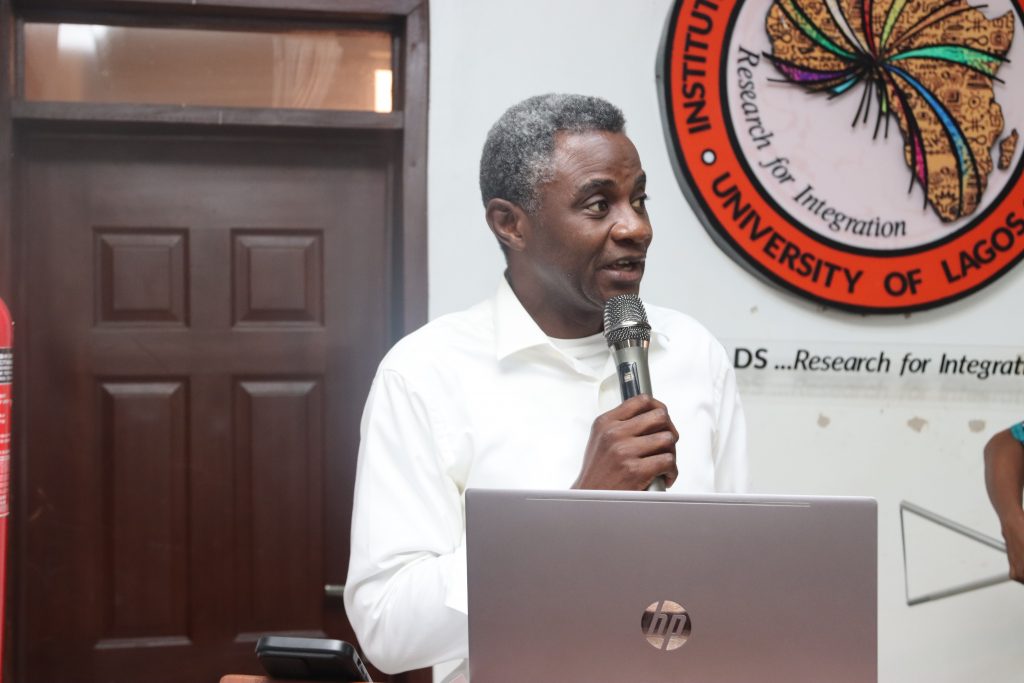
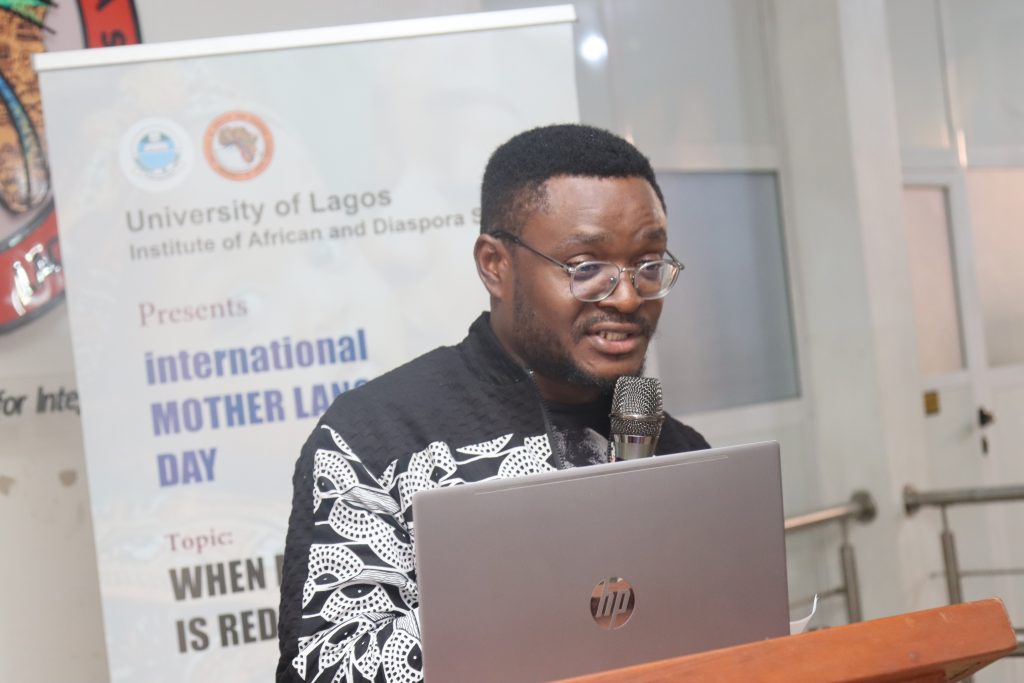
The Director of the Institute, Professor Ayo Yusuff, followed suit, delivering the opening segment of his Welcome Address in lucid Yoruba. He situated the lecture within the broader significance of International Mother Language Day, proclaimed by UNESCO in 1999 to honour the 1952 Bengali Language Movement in Bangladesh.
Professor Yusuff emphasised that linguistic diversity is fundamental to cultural survival. “When a language disappears,” he noted, “cultures and identities disappear with it.”

Colonial Legacy and Contemporary Attitudes
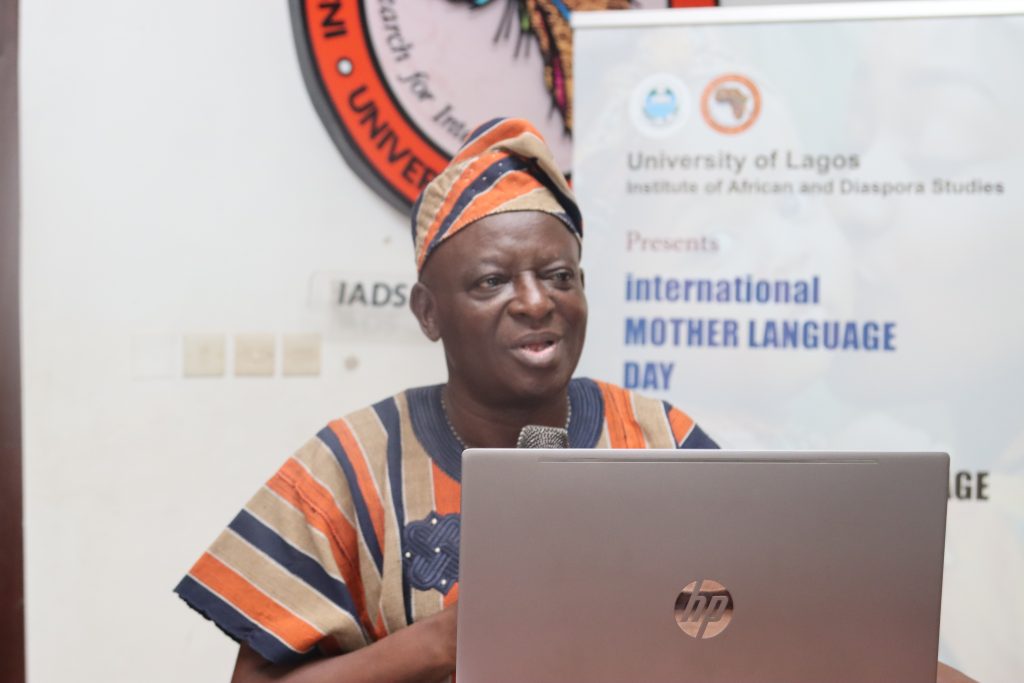
In his lecture, Professor Akanmu identified colonialism as the starting point of what he described as the systematic reduction of indigenous languages in Nigeria.

“The colonial masters projected English as the language of civilisation,” he said, “while Yoruba and other indigenous languages were labelled ‘vernacular’.”
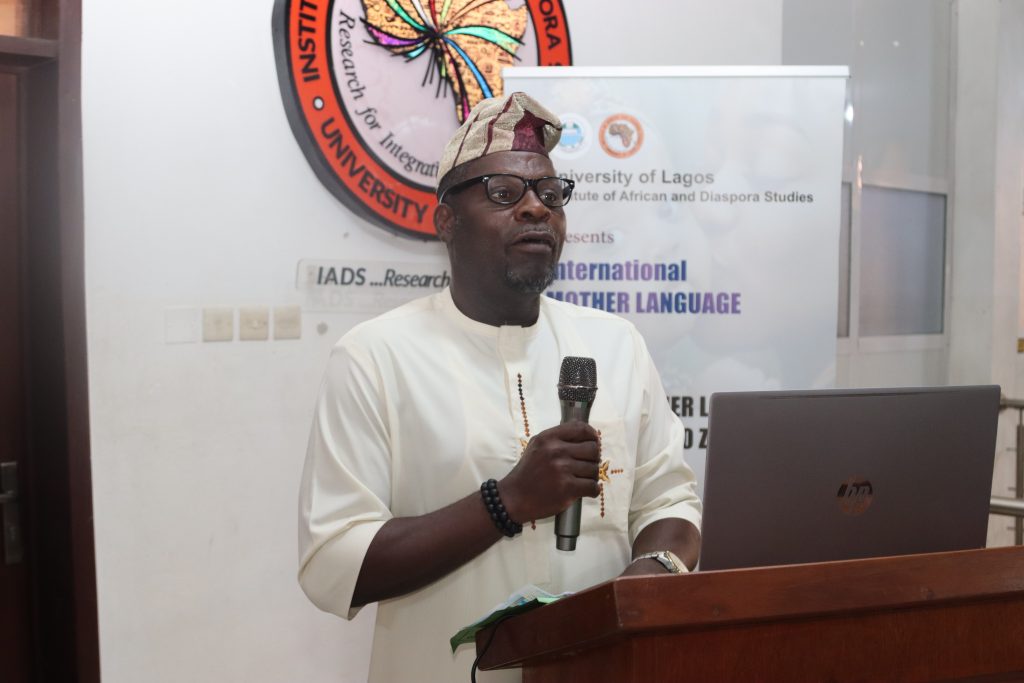

He argued that this colonial social engineering persists subtly in post-colonial Nigeria, where fluency in English is often equated with sophistication, sometimes at the expense of indigenous linguistic identity.
Mother Tongue and Cognitive Development
Defining Mother Language as the first language to which a child is exposed from birth, Professor Akanmu described it as foundational to cognitive, psychological, and social development.
According to him, research establishes that children possess the capacity to learn multiple languages simultaneously in their formative years, and grounding in their Mother Language strengthens that ability.
He outlined several societal benefits of promoting indigenous languages, including:
- Preservation of cultural identity and heritage.
- Enhanced social cohesion and communication.
- Emotional and psychological stability.
- Improved educational outcomes.
A Call for Policy Reversal
Calling for a shift in societal attitude, Professor Akanmu urged Nigerians to speak their indigenous languages confidently and consistently.
“A language you do not speak will not survive,” he cautioned.
He also appealed to President Bola Ahmed Tinubu to encourage the Minister of Education, Dr. Tunji Alausa, to reverse the suspension of the 2022 National Language Policy, which permits mother-tongue instruction at the primary school level.
He concluded by urging governments at all levels to invest in sustained public orientation campaigns to restore pride in indigenous languages, noting that the long-term returns would be immeasurable.
Expanding the Discourse
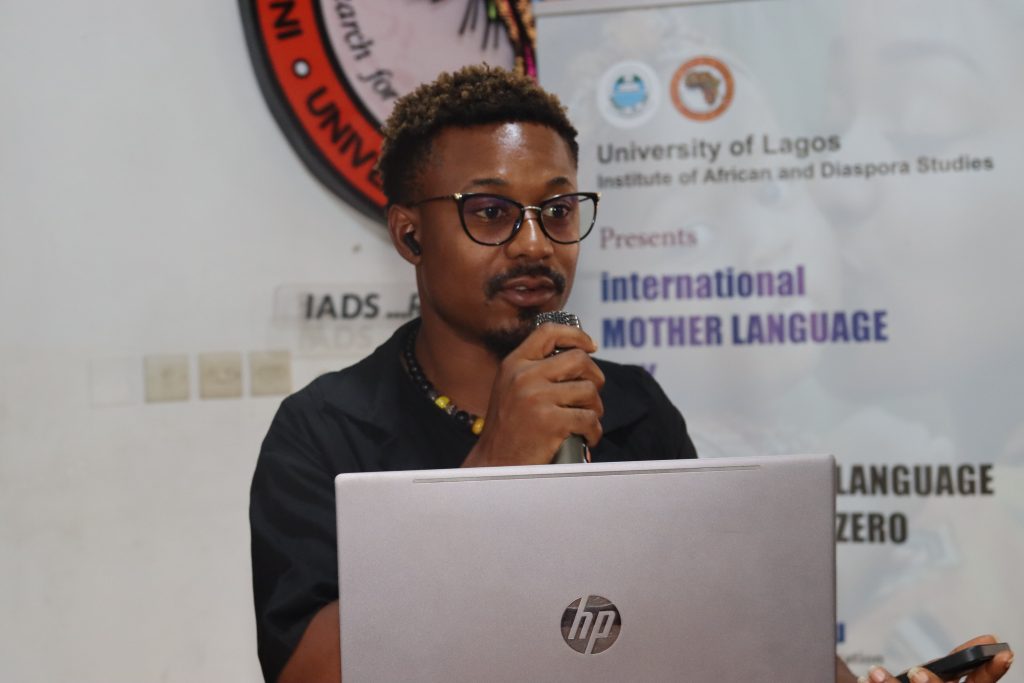
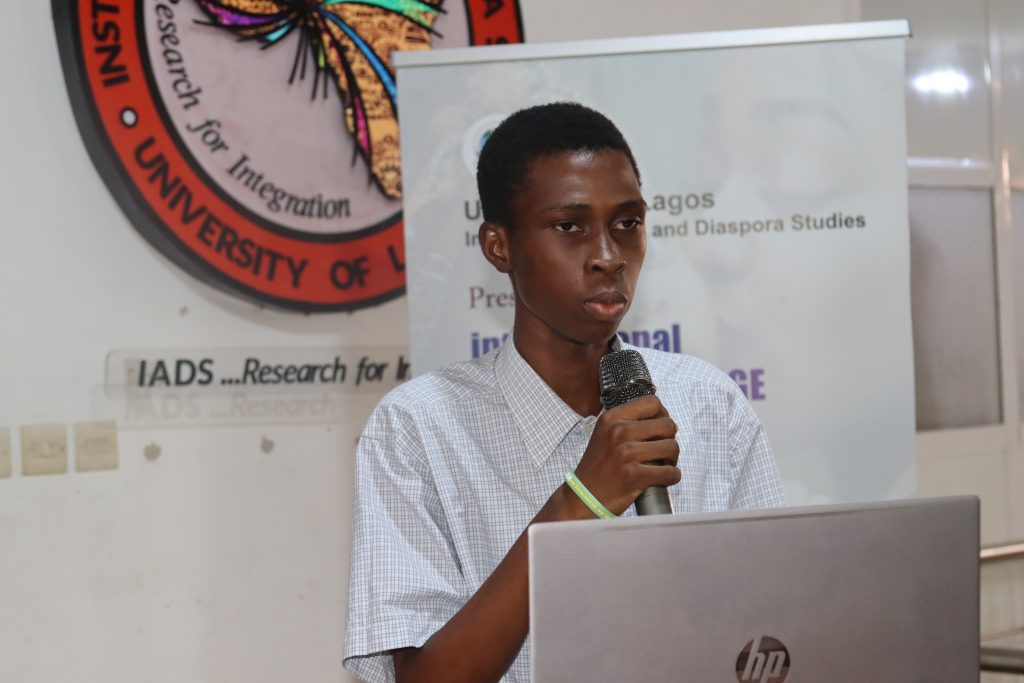
The lecture was followed by an engaging discussion anchored by Senior Research Fellow, Dr. Feyi Ademola-Adeoye, who raised probing questions on identity and nationhood.
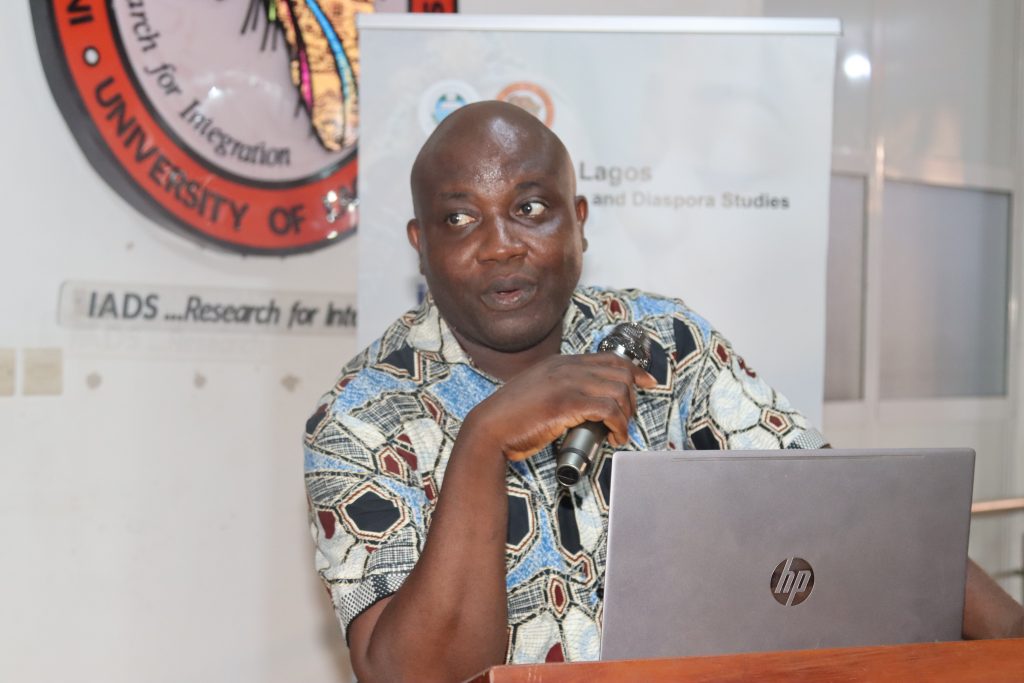
Professor Kayode Eesuola, Head of Research at IADS-UNILAG, extended the conversation by introducing the concept of “global hybridisation of languages,” arguing that the fusion of languages – accelerated by the rise of Artificial Intelligence – is reshaping global communication patterns.
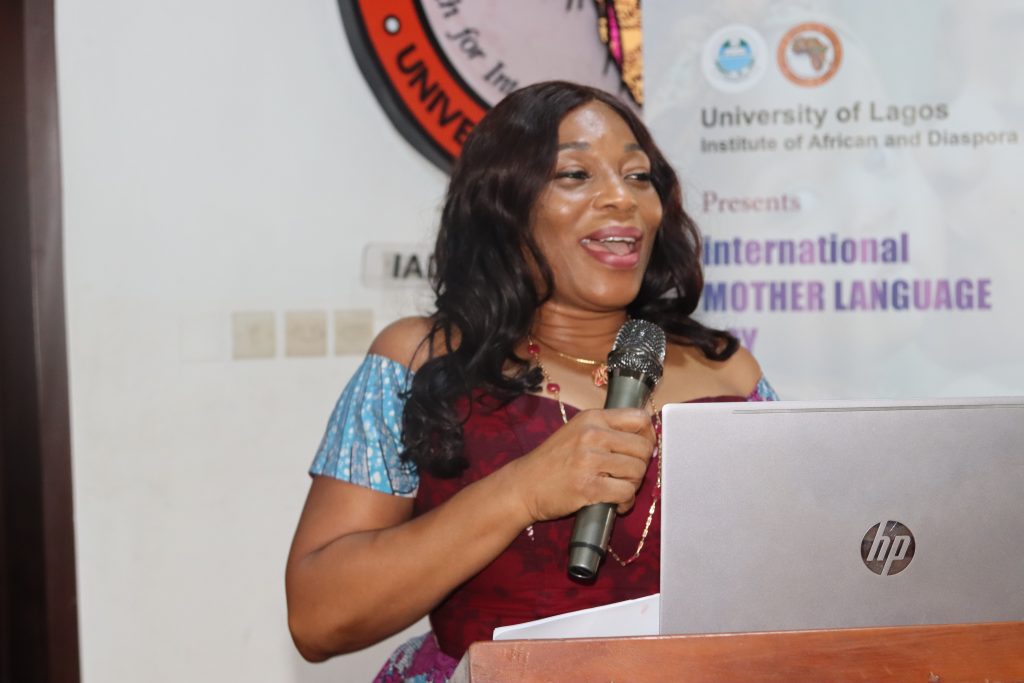
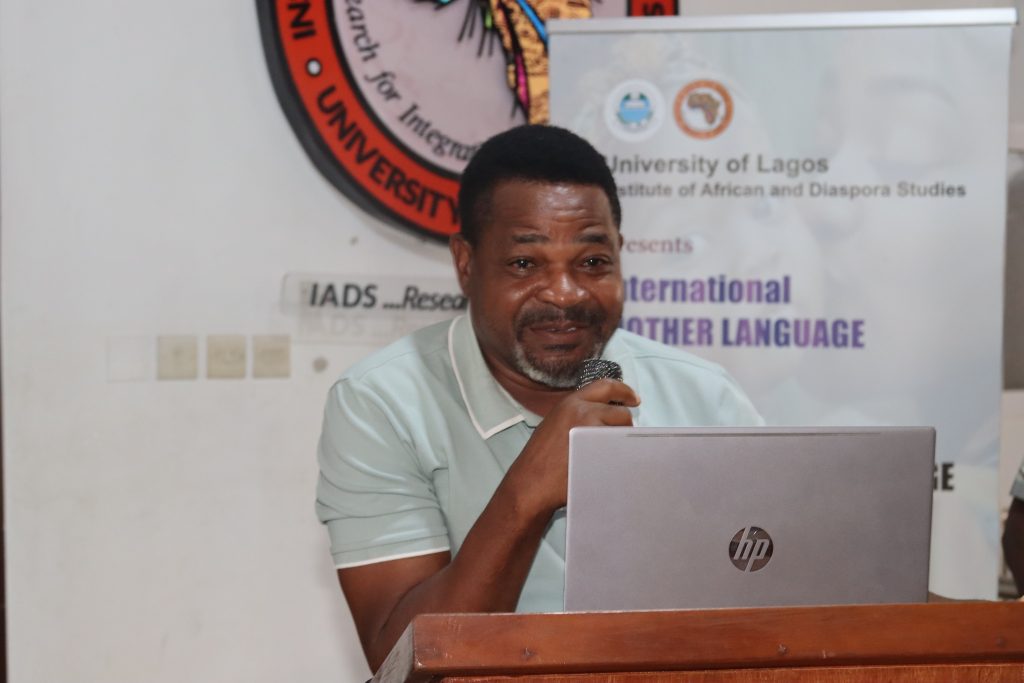
The session was moderated by the Convener of the Lecture, Dr. Abisoye Eleshin, who expressed appreciation to attendees and urged participants to leave with renewed pride in their linguistic heritage.

About International Mother Language Day
International Mother Language Day is observed annually on February 21 to promote linguistic and cultural diversity and multilingualism. Proclaimed by UNESCO in 1999 and globally recognised since 2000, the day underscores the importance of education in one’s native language.

Report: Isaiah Kumuyi
Photography: Samuel Dosumu