The Lagos University Teaching Hospital (LUTH), in collaboration with MedServe Cancer Center has launched Nigeria’s first immunotherapy clinical trial for colorectal cancer, marking a major milestone in the country’s cancer research and treatment landscape.
The trial is being conducted in partnership with Obafemi Awolowo University Teaching Hospitals Complex (OAUTHC), with international support from the Memorial Sloan Kettering Cancer Center which serves as sponsor and data coordinating centre. Additional backing is provided by the African Research Group for Oncology (ARGO) and the Thompson Family Foundation in the United States.
The Principal Investigators of the trial are Professor Fatimah Abdulkareem, Dean, Faculty of Basic Clinical Sciences, College of Medicine, University of Lagos (CMUL)/LUTH for the LUTH Study Site; Professor Olusegun Alatise, Department of Surgery, Faculty of Clinical Science, College of Health Sciences, Obafemi Awolowo University (OAU)/OAUTHC for the OAUTHC site; and Dr. Eben Aje of MedServe Cancer Center.
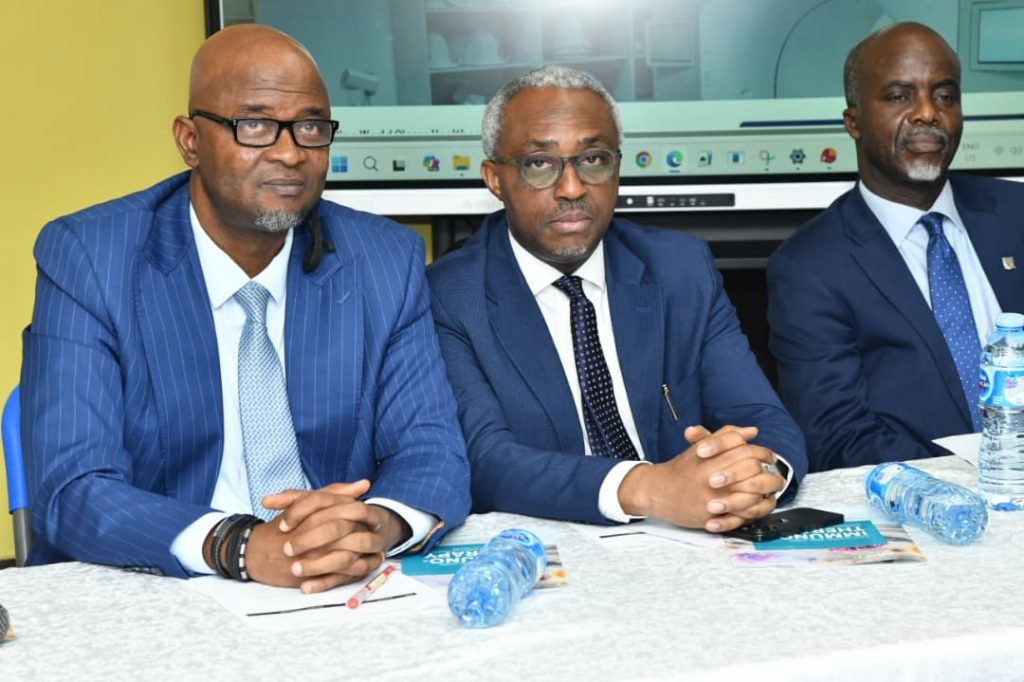
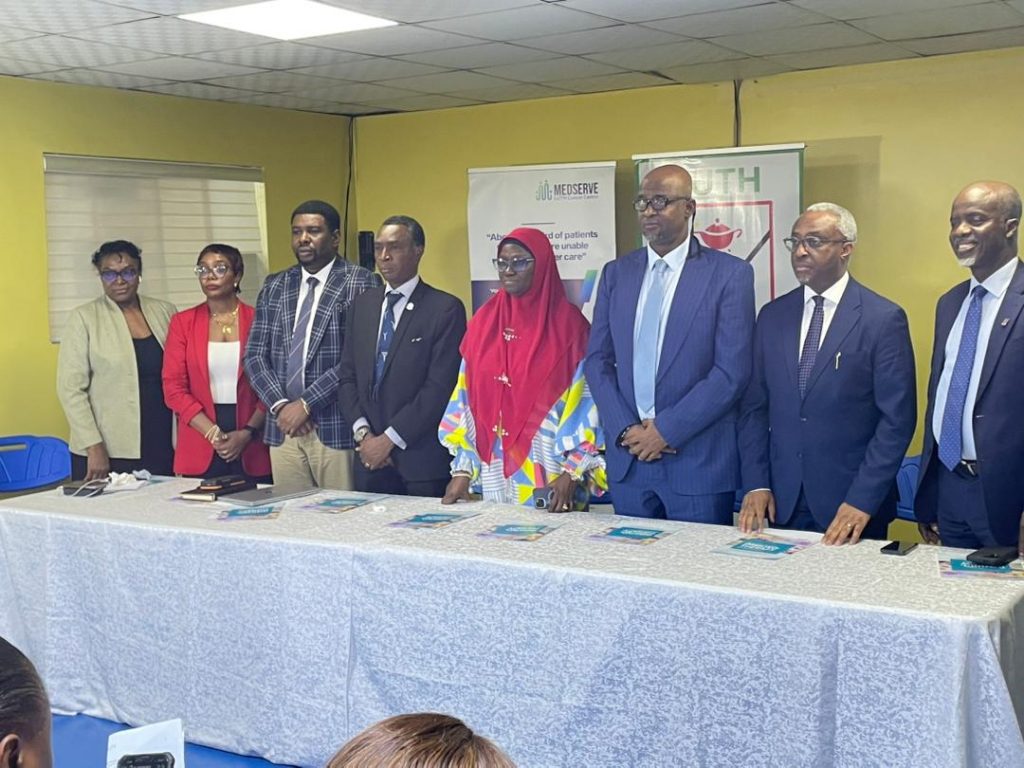
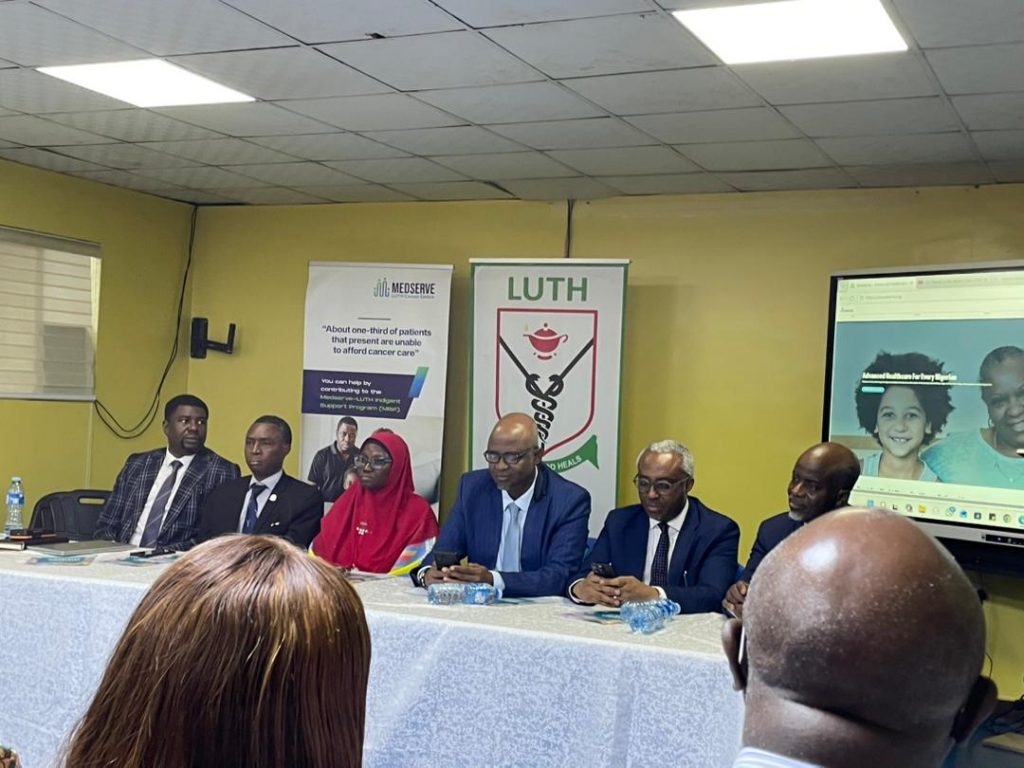
Speaking at a press conference to announce the initiative, the Chief Medical Director of LUTH, Prof. Wasiu Adeyemo, described the development as a landmark achievement for the institution and Nigeria.
His words, “This launch represents the culmination of years of investment in infrastructure, training, and international collaboration. LUTH now has the expertise and systems required to conduct cutting-edge clinical research that meets global standards.”
Addressing the Growing Burden of Colorectal Cancer
Providing a scientific overview of the study, Prof. Abdulkareem pointed out the rising incidence of colorectal cancer in Nigeria.
Her words, “Colorectal cancer is increasingly affecting Nigerians, including younger patients. A significant proportion of our patients have the mismatch repair–deficient subtype, which responds poorly to conventional chemotherapy but has shown promising results with immunotherapy in international studies.”
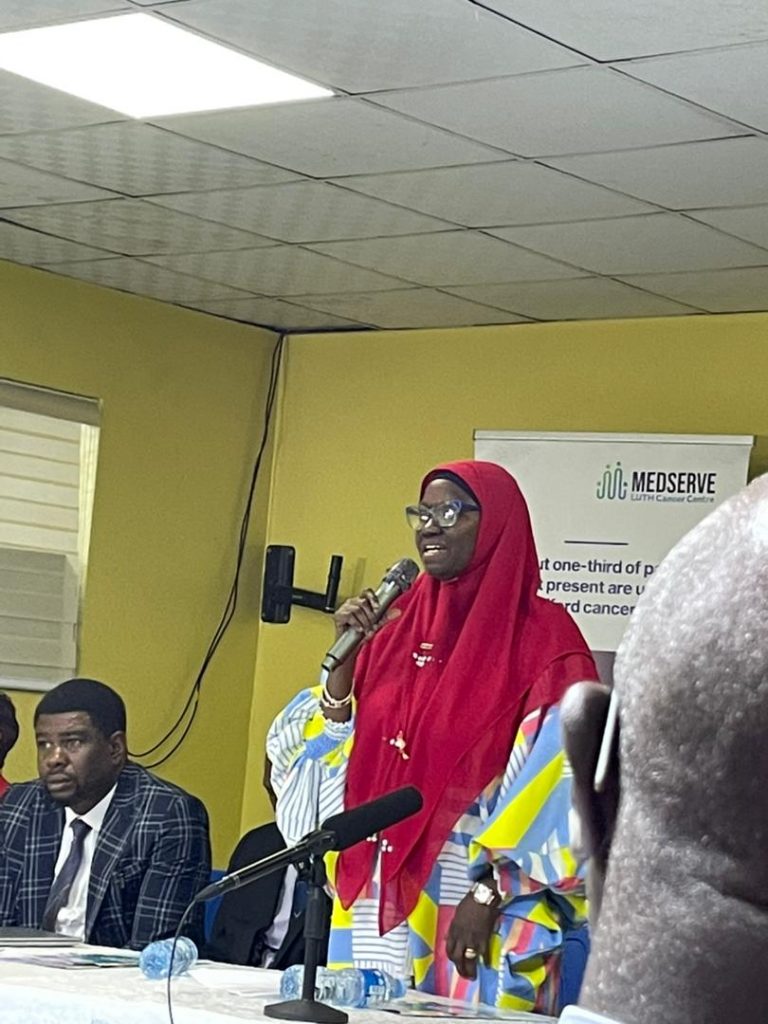
She revealed that mismatch repair–deficient (dMMR) colorectal cancer is known to respond suboptimally to standard chemotherapy regimens but has demonstrated encouraging outcomes with immune checkpoint inhibitors in global trials.
Explaining the mechanism of action, Prof. Fatimah Abdulkareem noted that, “Immunotherapy works by enabling the body’s immune system to recognize and attack cancer cells. The anti-PD-1 therapy removes the brake that prevents immune cells from destroying tumour cells. Participants will be carefully monitored using imaging, laboratory tests, and standardized assessment methods.”
Patient Safety and Access
Dr. Eben Aje of MedServe Cancer Center emphasised that patient safety remains central to the trial’s implementation.
“While immunotherapy can cause side effects, they are generally manageable and often less severe than those associated with traditional chemotherapy. We have comprehensive safety protocols in place, and patient welfare remains our top priority,” he said.
He further disclosed that the investigational medication will be provided at no cost to participants, and all enrolled patients will be insured for the duration of the study.
Study Design and National Significance
Titled “PD-1 Blockade in Mismatch Repair–Deficient Colorectal Cancer,” the trial will enroll forty (40) adult participants. It is designed as a pilot, open-label study involving:
- Patients with metastatic colorectal cancer who are treatment-naïve
- Patients with localized stage II or III rectal cancer
The study has received ethical clearance from the National Health Research Ethics Committee of Nigeria as well as the LUTH Health Research Ethics Committee.
The launch of this trial represents a significant step toward expanding access to innovative cancer therapies in Nigeria and strengthening the country’s capacity to conduct high-quality clinical research aligned with international standards.