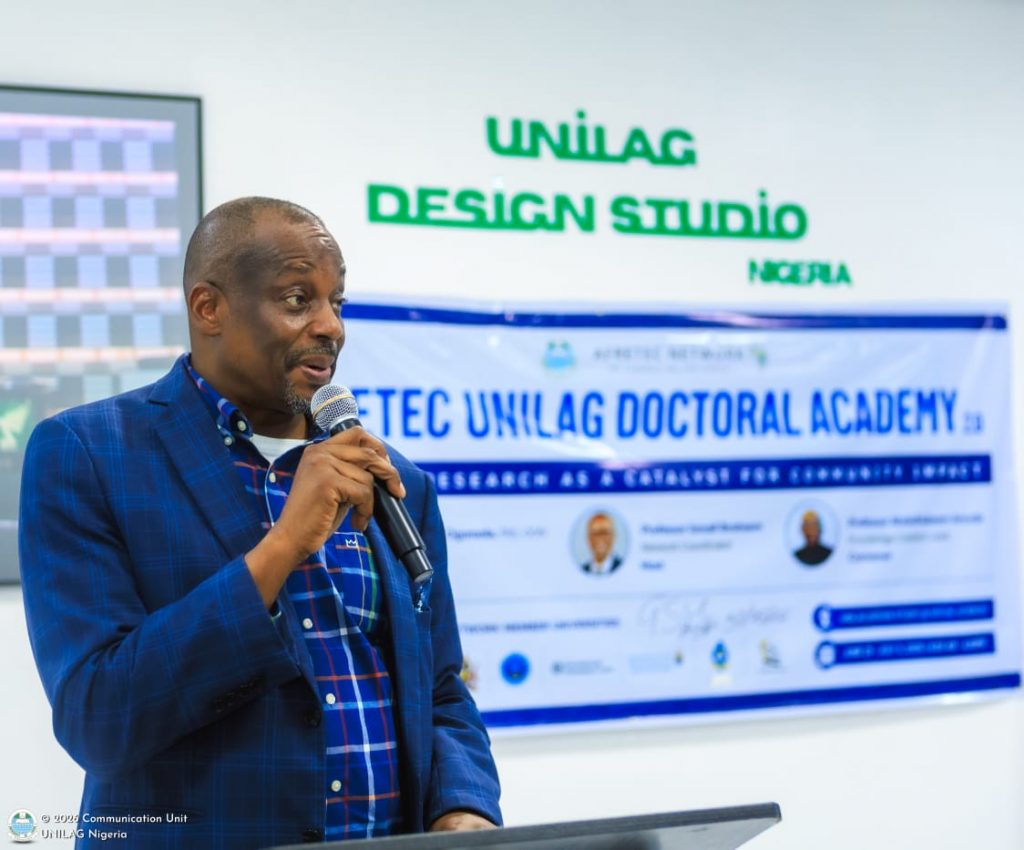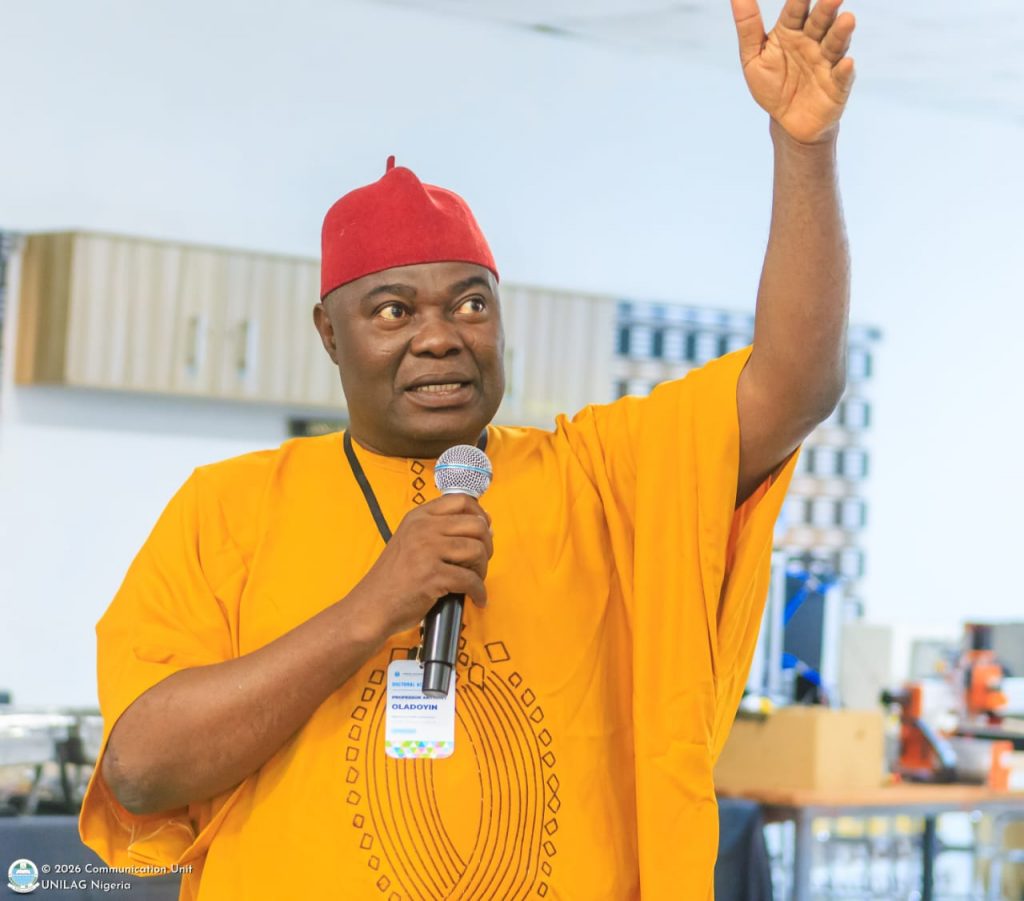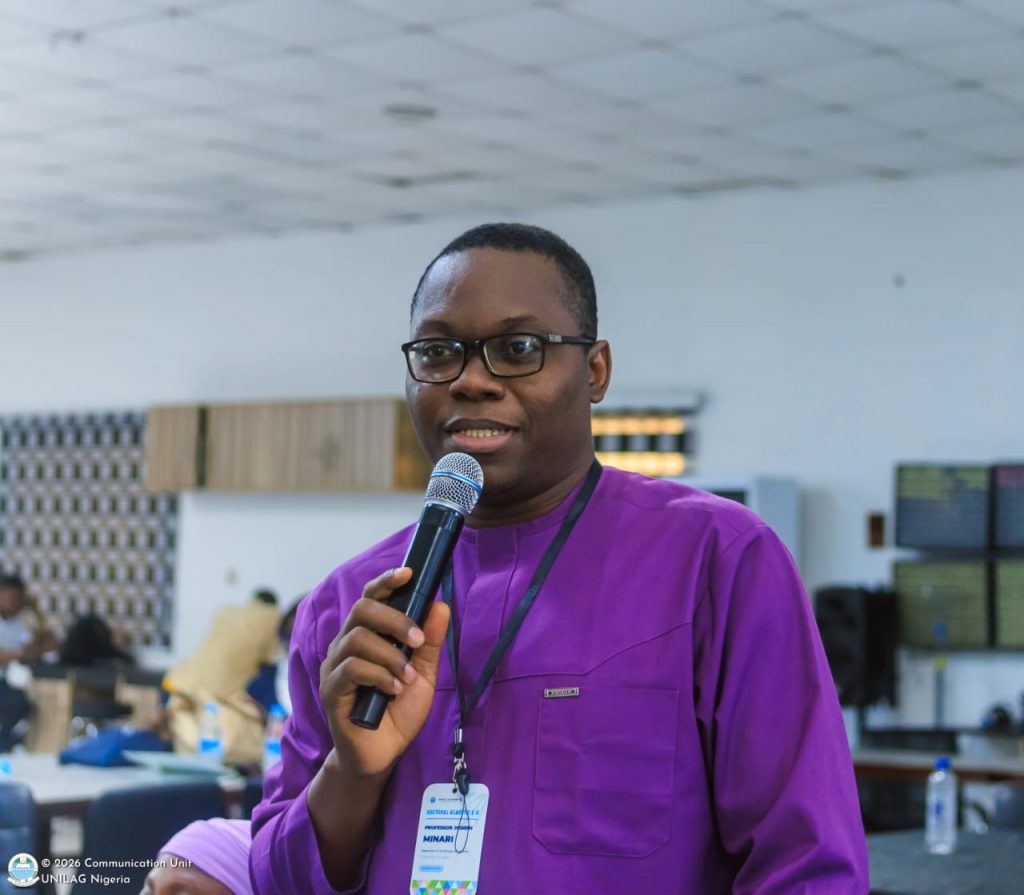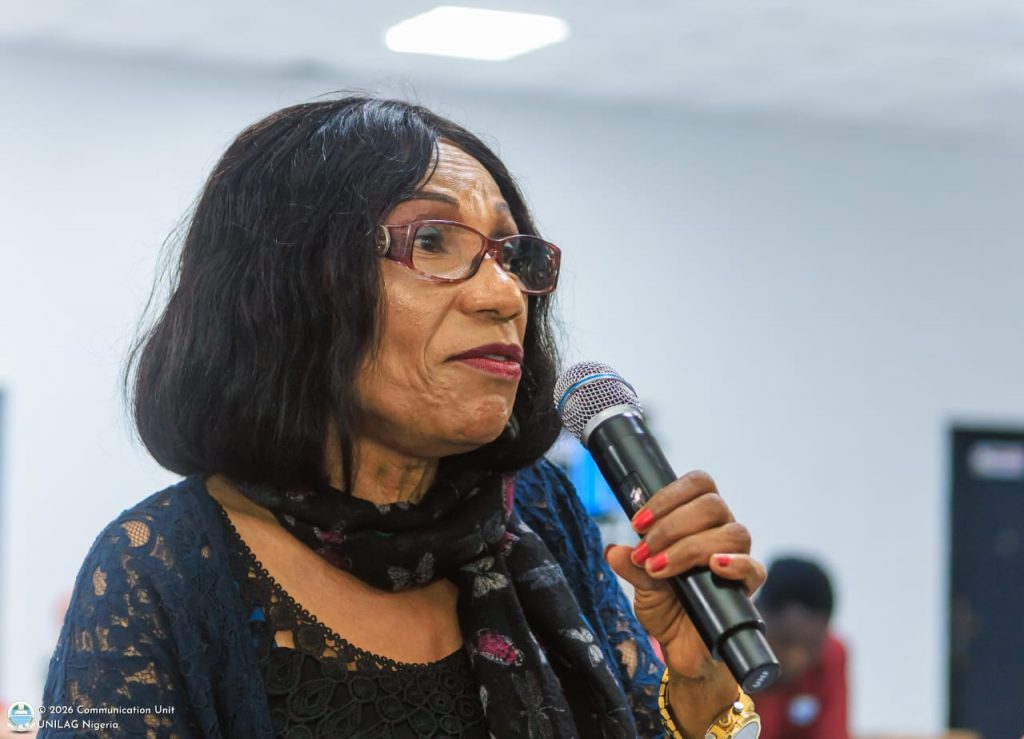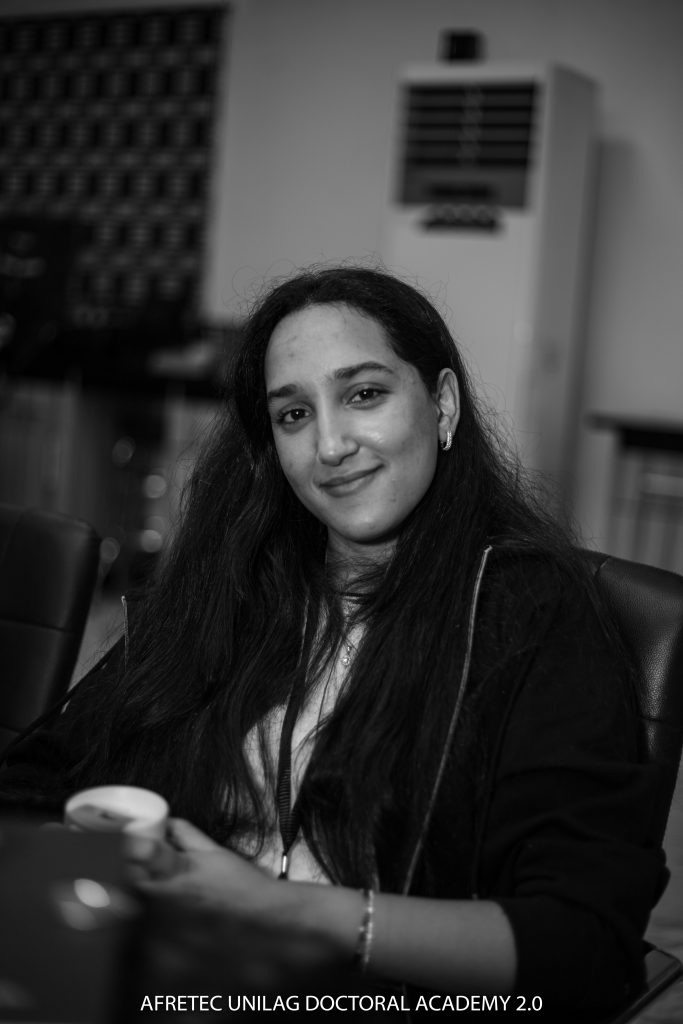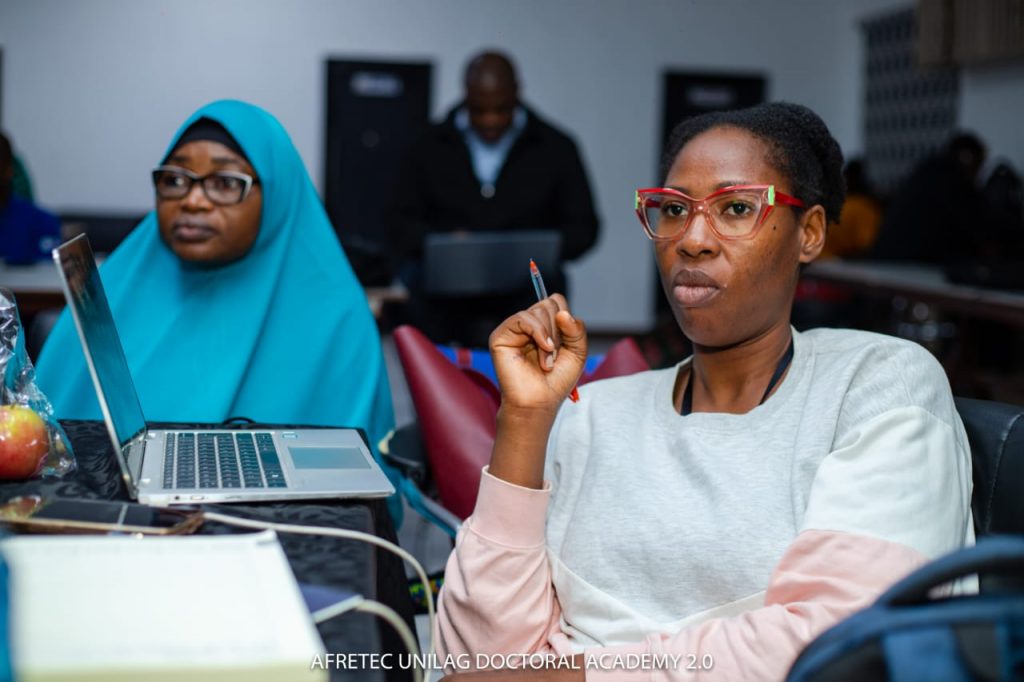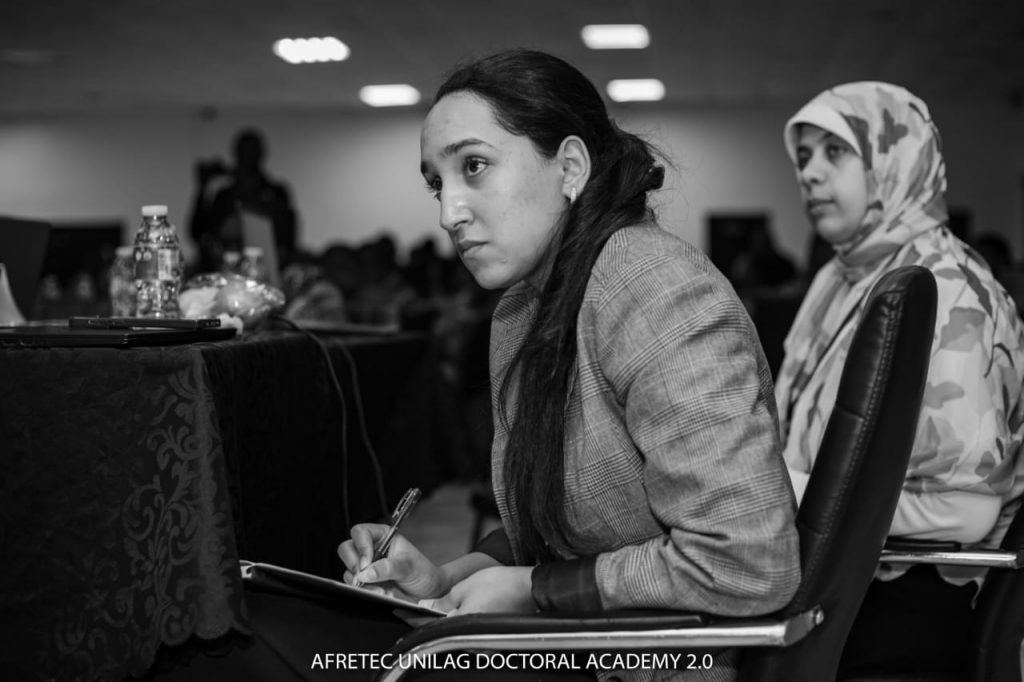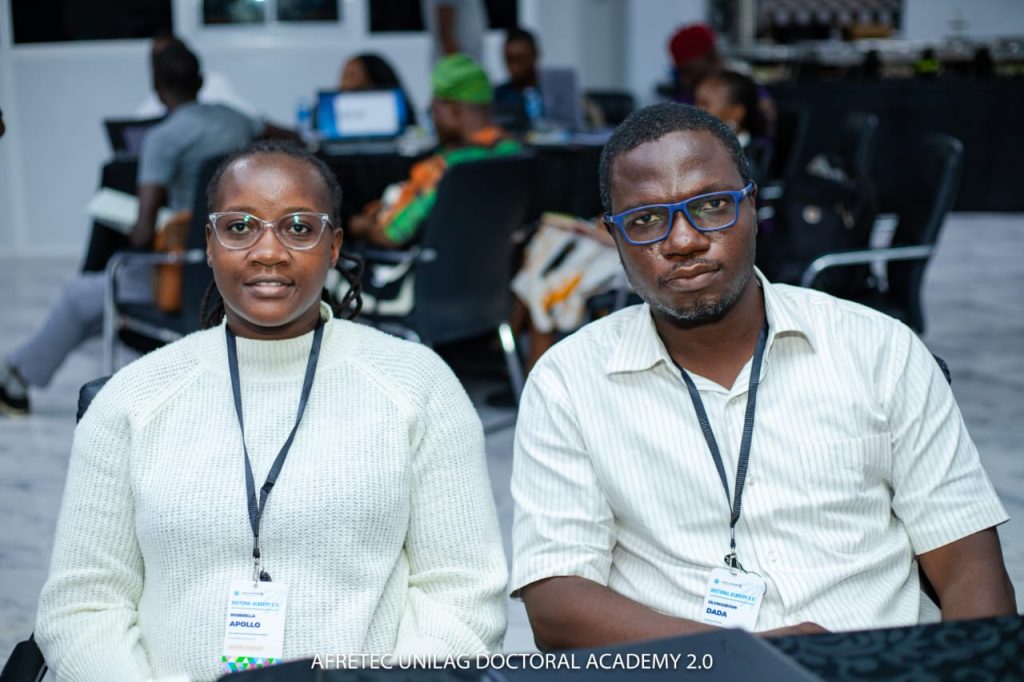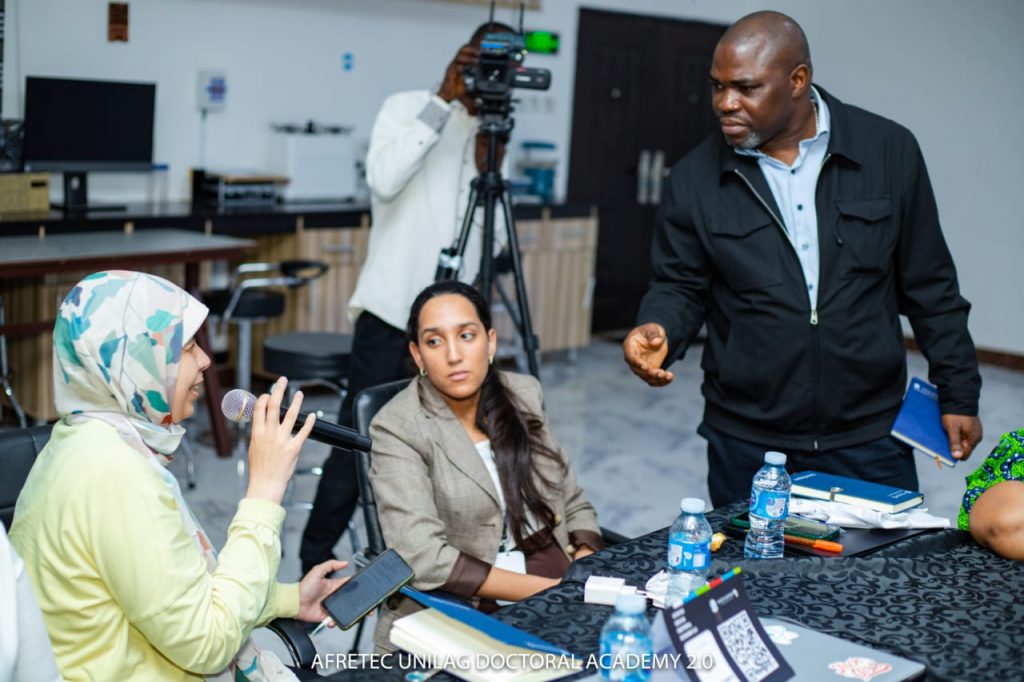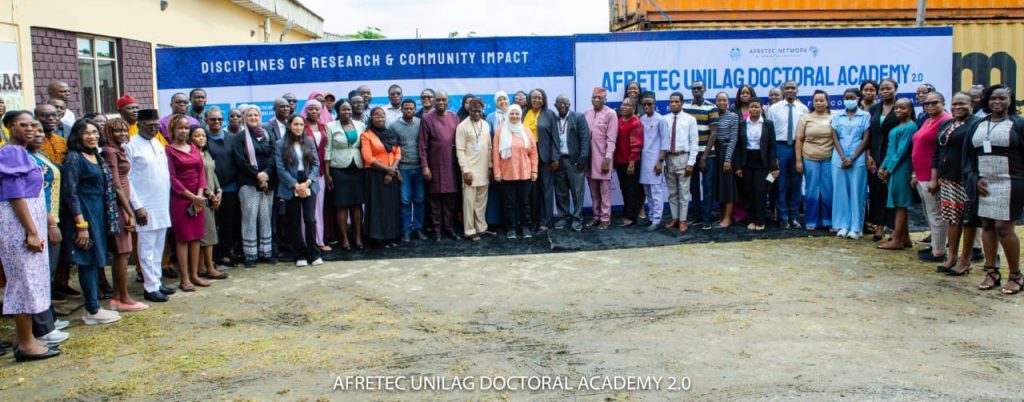
For five (5) remarkable days, the University of Lagos became a living laboratory of ideas where Africa’s next generation of researchers gathered not simply to strengthen their doctoral work, but to rethink what research itself should accomplish.
Scholars arrived not merely to improve their research proposals or refine their academic writing, but to confront a far more fundamental question: What is the true purpose of doctoral research in twenty-first-century Africa?
Conversations extended beyond lecture halls into coaching circles, proposal clinics and spirited debates, united by a shared conviction: that doctoral scholarship should not end on library shelves but should find expression in stronger communities, better policies, transformative innovations and lasting societal change.
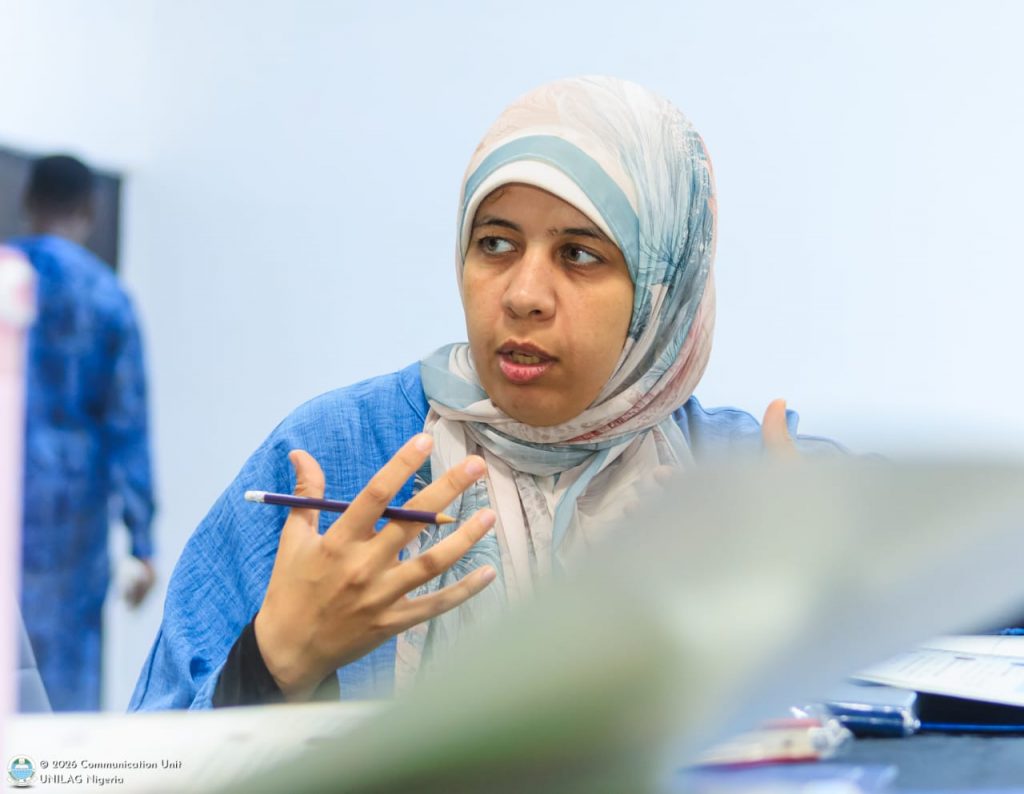
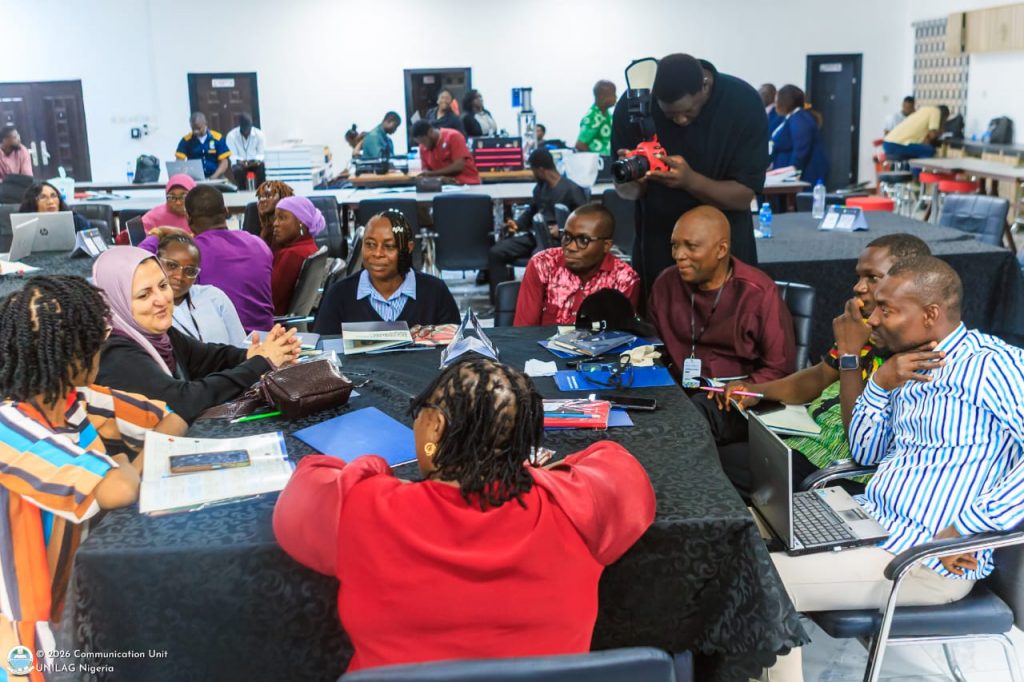
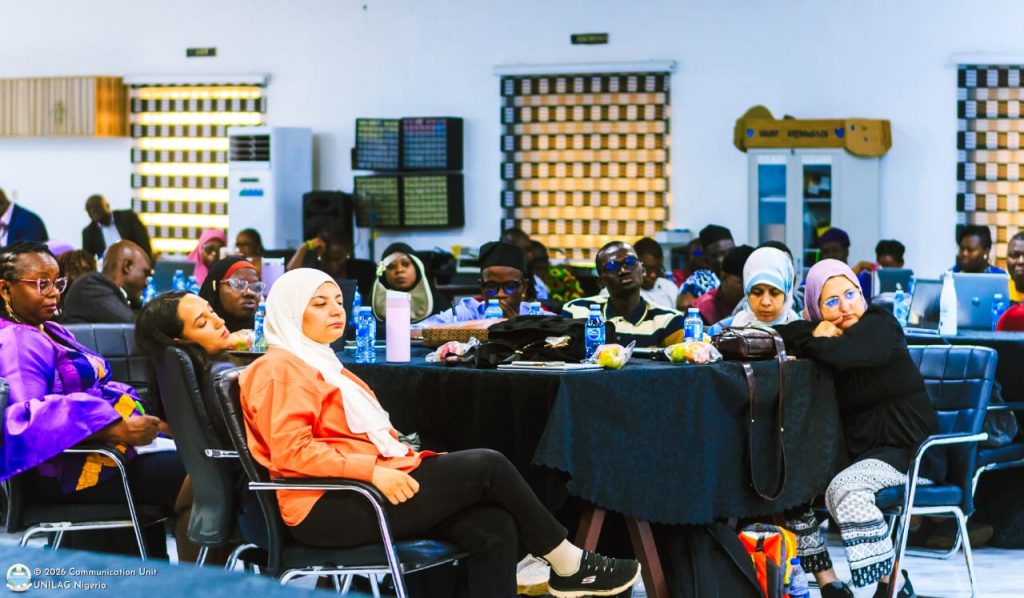
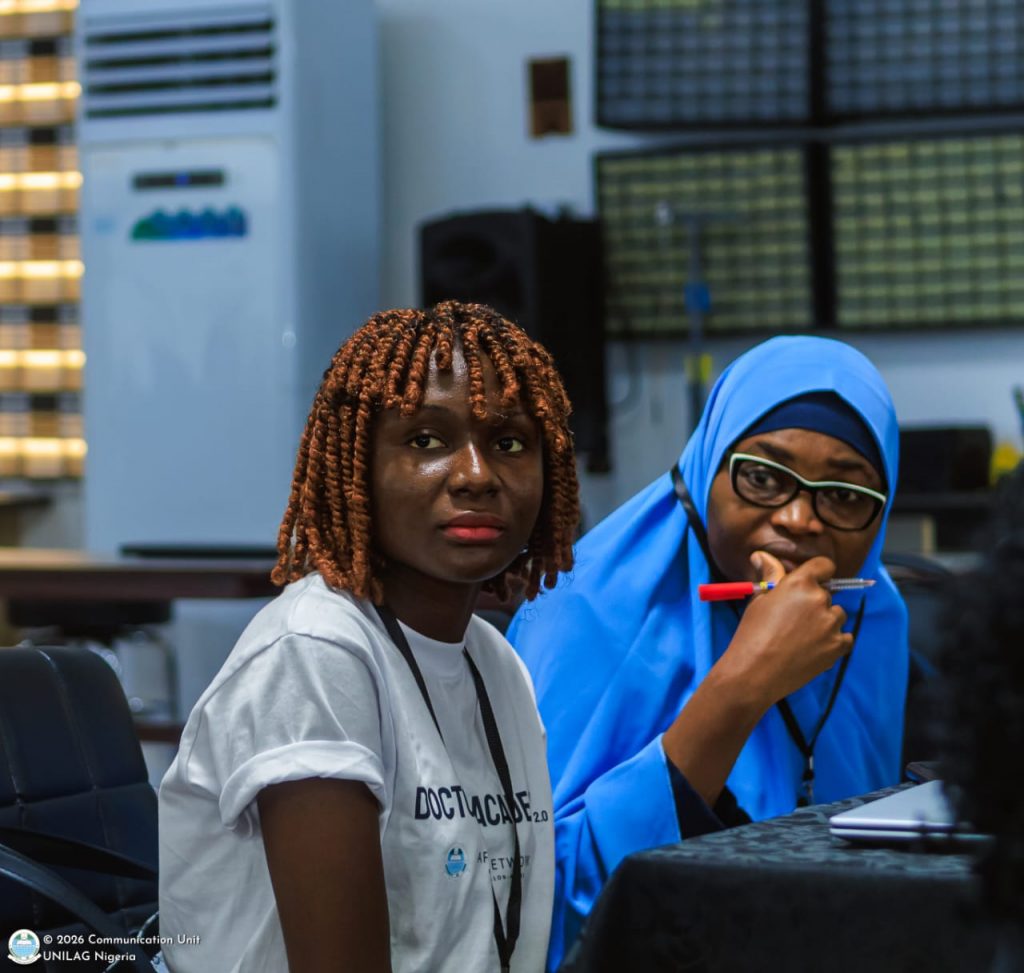
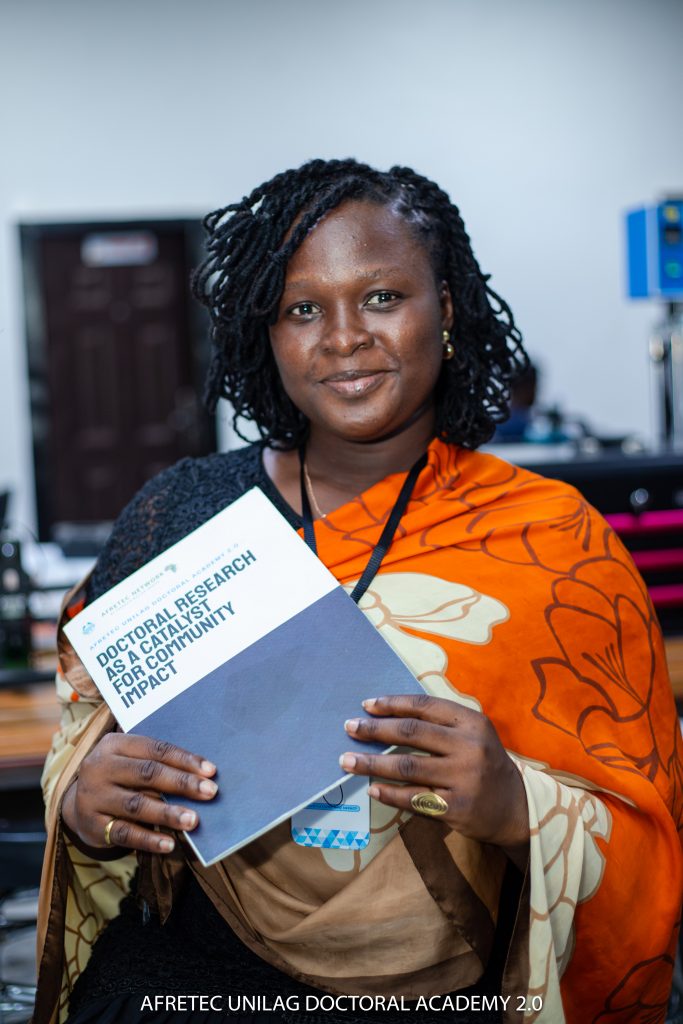
That question echoed through every keynote, workshop, coaching clinic and panel discussion at the AFRETEC Doctoral Academy 2.0, held from Monday, June 29 to Friday, July 3, 2026, under the theme, “Doctoral Research as a Catalyst for Community Impact.”
Yet, this was never just another academic workshop.
Rather than producing better dissertations or more journal articles, the Academy challenged participants to rethink the purpose of research itself.
Throughout five intensive days of learning, they explored how doctoral scholarship can influence public policy, inspire entrepreneurship, shape technological innovation, strengthen communities and generate practical solutions to Africa’s most pressing developmental challenges.
Across every keynote, workshop, panel session and coaching session, one conviction remained constant: research achieves its highest purpose not on library shelves, but in the lives it transforms.
A Call to Purpose-Driven Scholarship: Redefining the African Doctorate
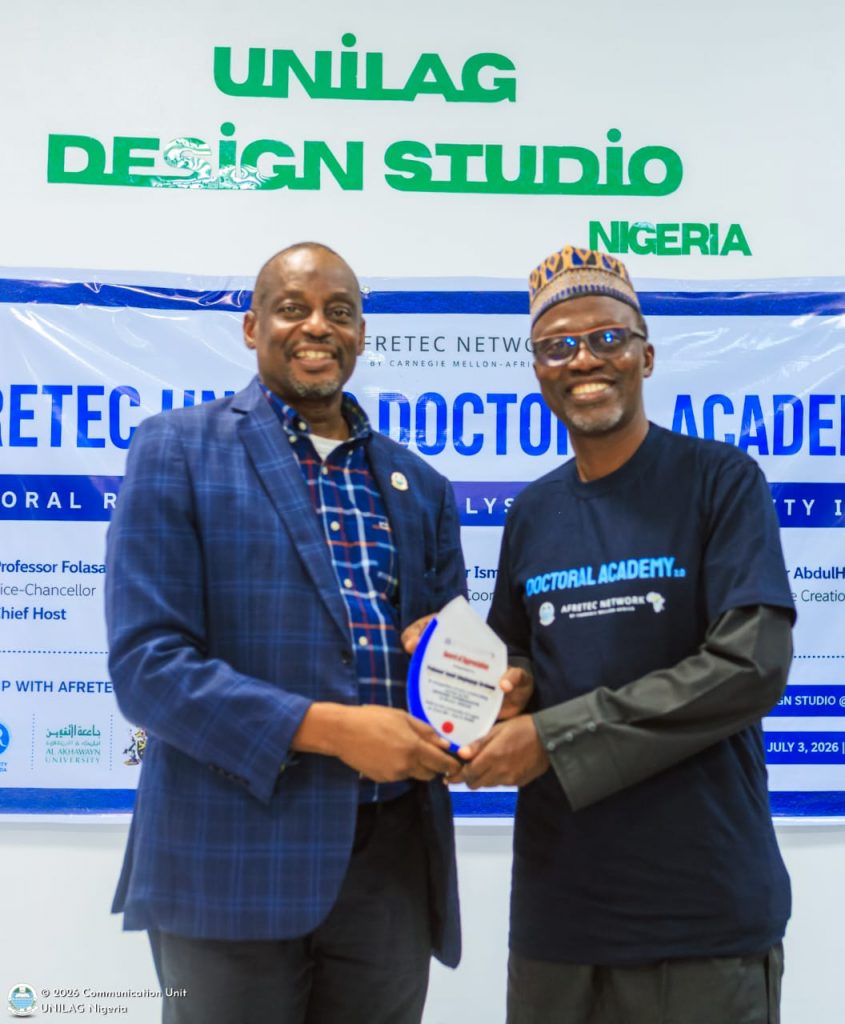
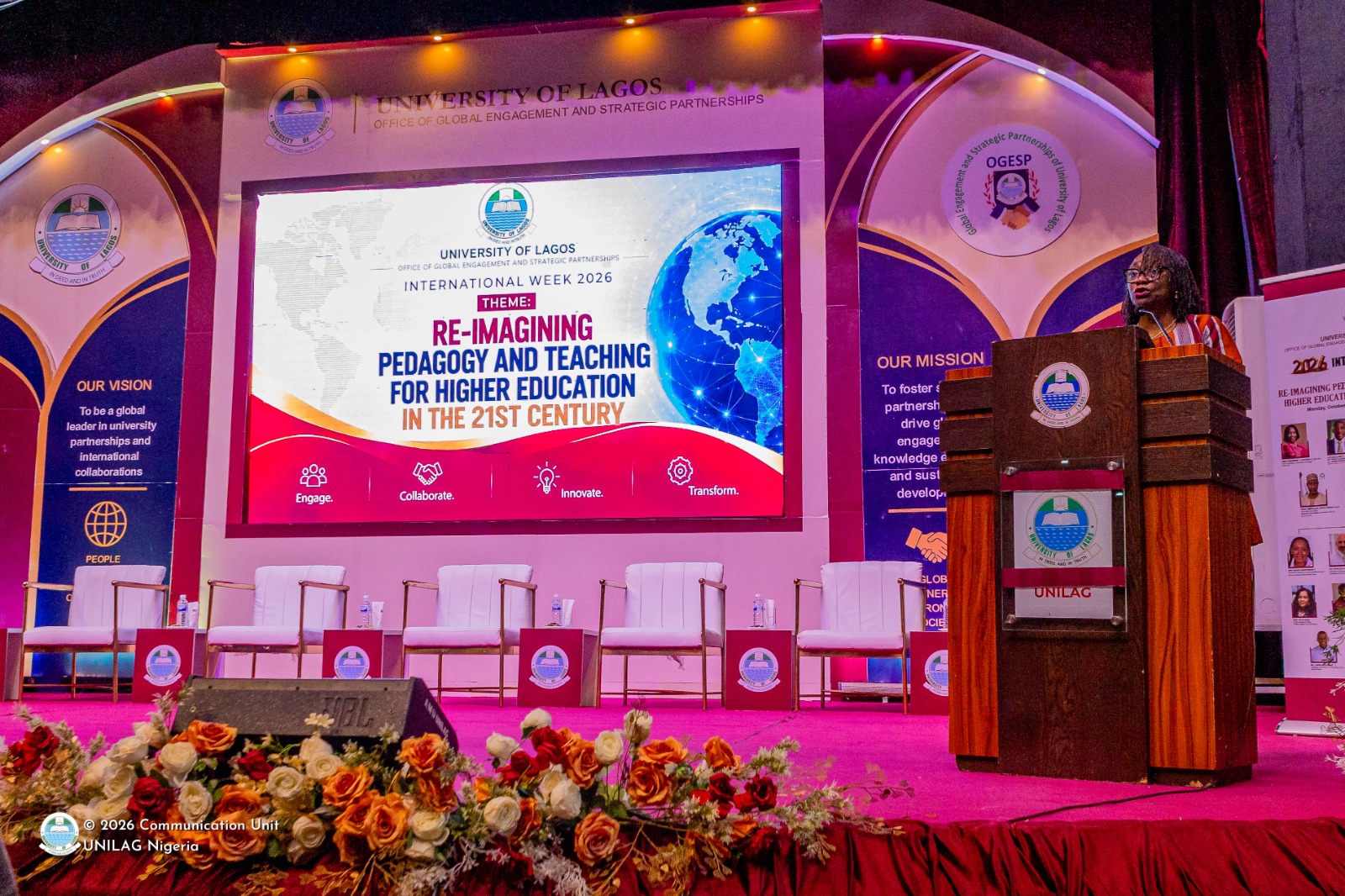
Reaffirming the University’s commitment to research excellence, the Vice-Chancellor, Professor Folasade T. Ogunsola, OON, FAS noted that UNILAG’s vision aligns with AFRETEC’s mission of strengthening engineering, technology and innovation ecosystems across Africa through collaboration, capacity building and impactful research.
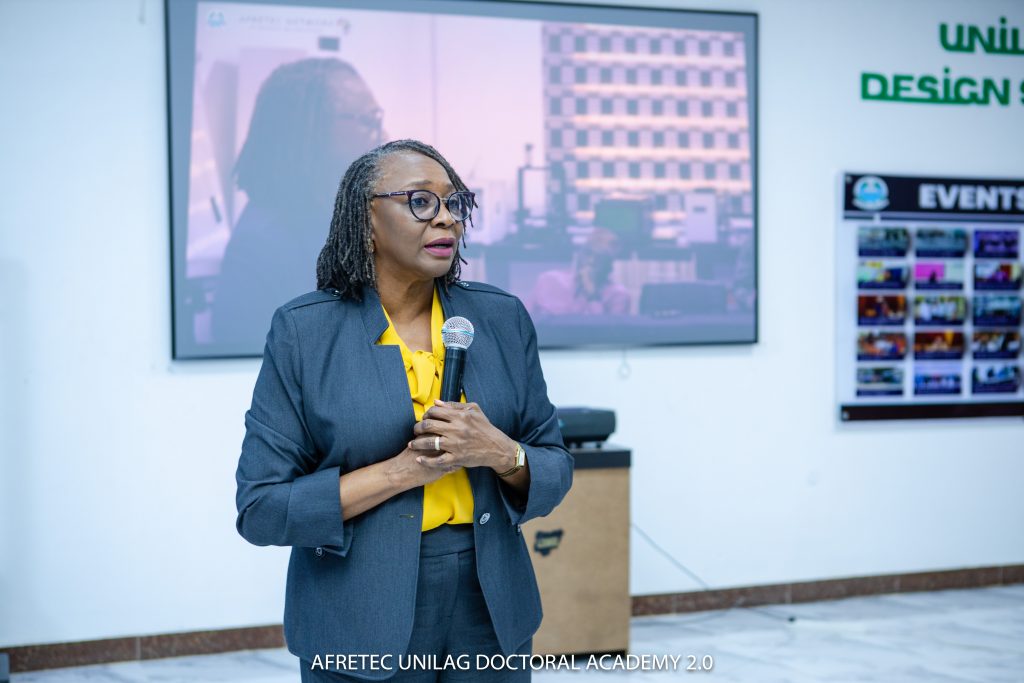
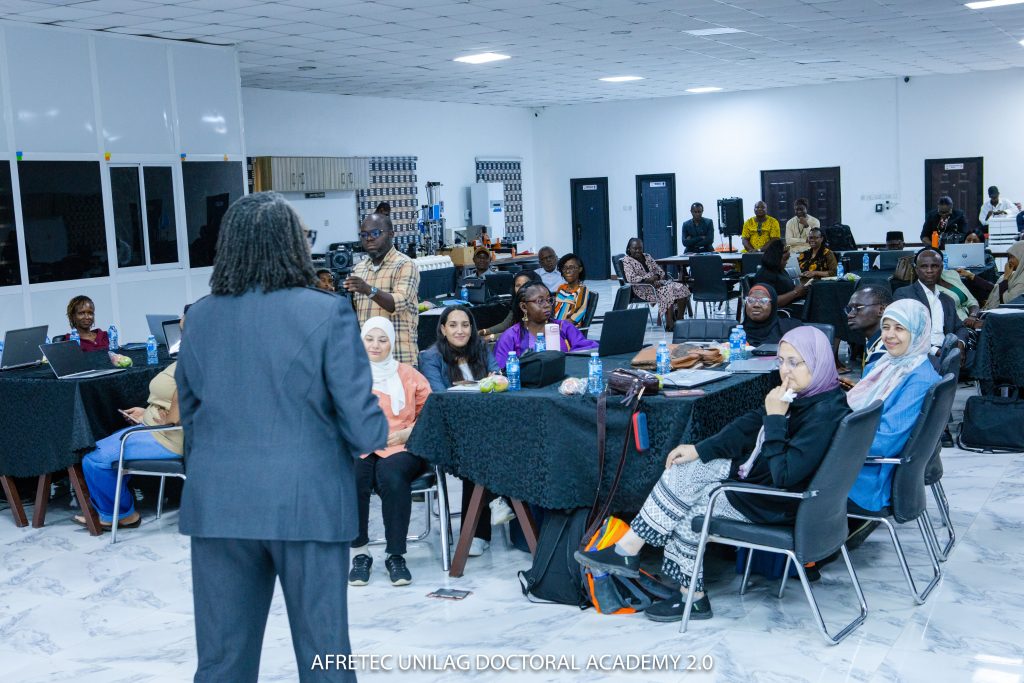
She urged participants to maximise every opportunity the Academy offered by remaining intellectually curious, embracing interdisciplinary collaboration and producing research that advances national development and the continent’s prosperity.
Building on that vision, the Convener of the Academy and Pillar Lead of the AFRETEC Knowledge Creation Pillar at the University of Lagos, Professor AbdulHakeem Amuda, described the Doctoral Academy as one of AFRETEC’s flagship initiatives for redefining doctoral education across Africa.
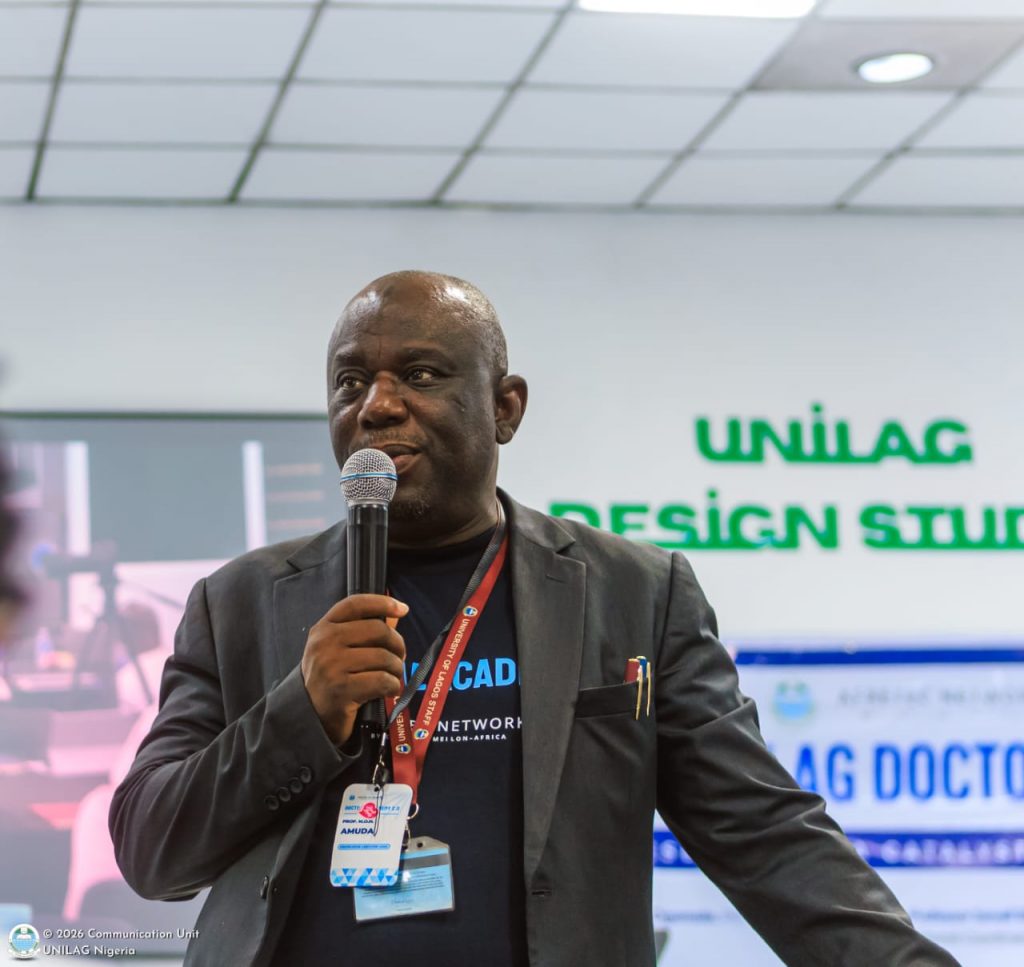
He explained that while doctoral programmes have traditionally been measured by theses and scholarly publications, today’s realities demand research that delivers measurable social, economic and technological impact.
His words, “The true value of doctoral research lies not only in what it discovers, but in the lives, it improves, the policies it informs, the innovations it inspires and the communities it transforms,” he said.
Professor Amuda revealed that the Academy admitted a highly competitive cohort of doctoral candidates and supervisors drawn from universities across Africa. He noted that the second edition was redesigned following extensive evaluations of the inaugural programme, introducing innovations such as the inclusion of supervisors alongside doctoral candidates to strengthen both research and mentorship.
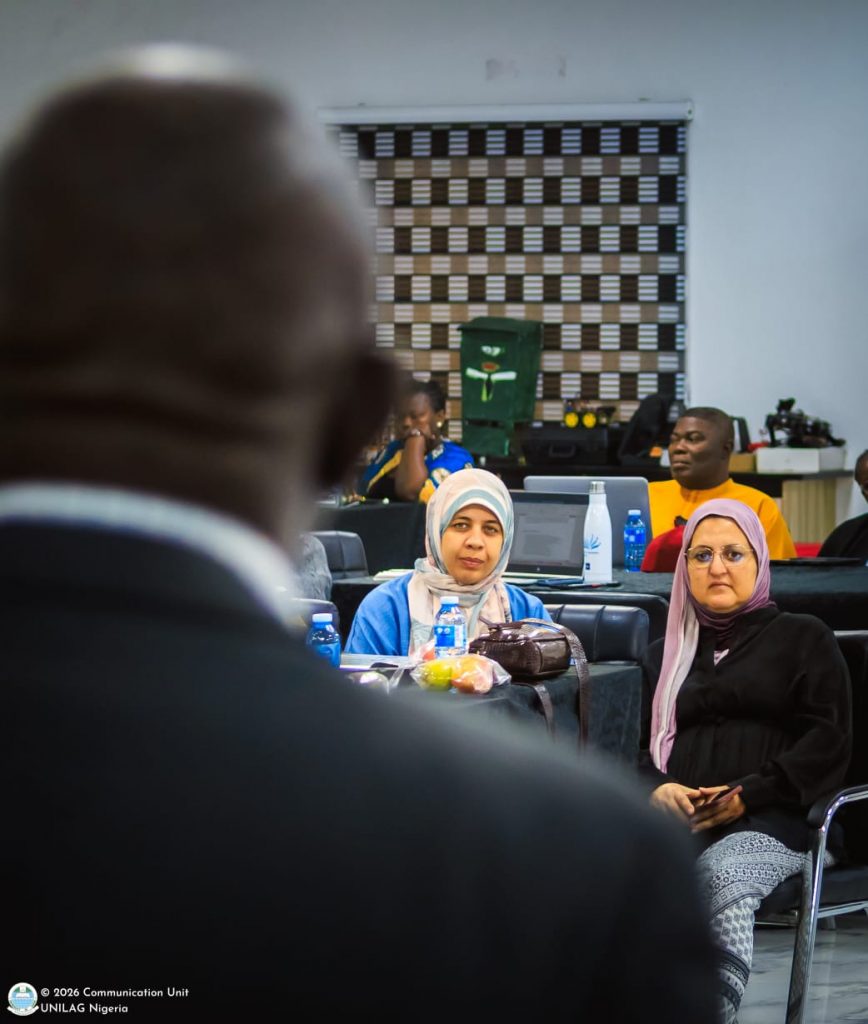
He also highlighted the Academy’s transition from a lecture-based format to a more immersive learning experience, featuring proposal development sprints, coaching clinics, ethics simulations, grant-writing workshops, AI-enabled research workflows and entrepreneurial thinking sessions.
Throughout the week, he said, participants would be guided by three defining questions:
- How can my research solve a real societal problem?
- How can my findings become products, policies, technologies or innovations that improve lives?
- How can I contribute to Africa’s development while remaining globally competitive as a scholar?
Those questions, he noted, would serve as the intellectual compass for every conversation throughout the Academy.
Setting the Intellectual Tone
With the Academy’s vision firmly established, attention turned to the keynote address delivered by one of Africa’s foremost public health scholars, Professor Morenike Folayan-Ukpong, FAS, whose distinguished career has consistently demonstrated how research can transcend academia to influence policy, strengthen health systems and improve lives.
Her presentation, “Research as a Catalyst for Community Impact,” challenged participants to fundamentally rethink the purpose of doctoral scholarship.
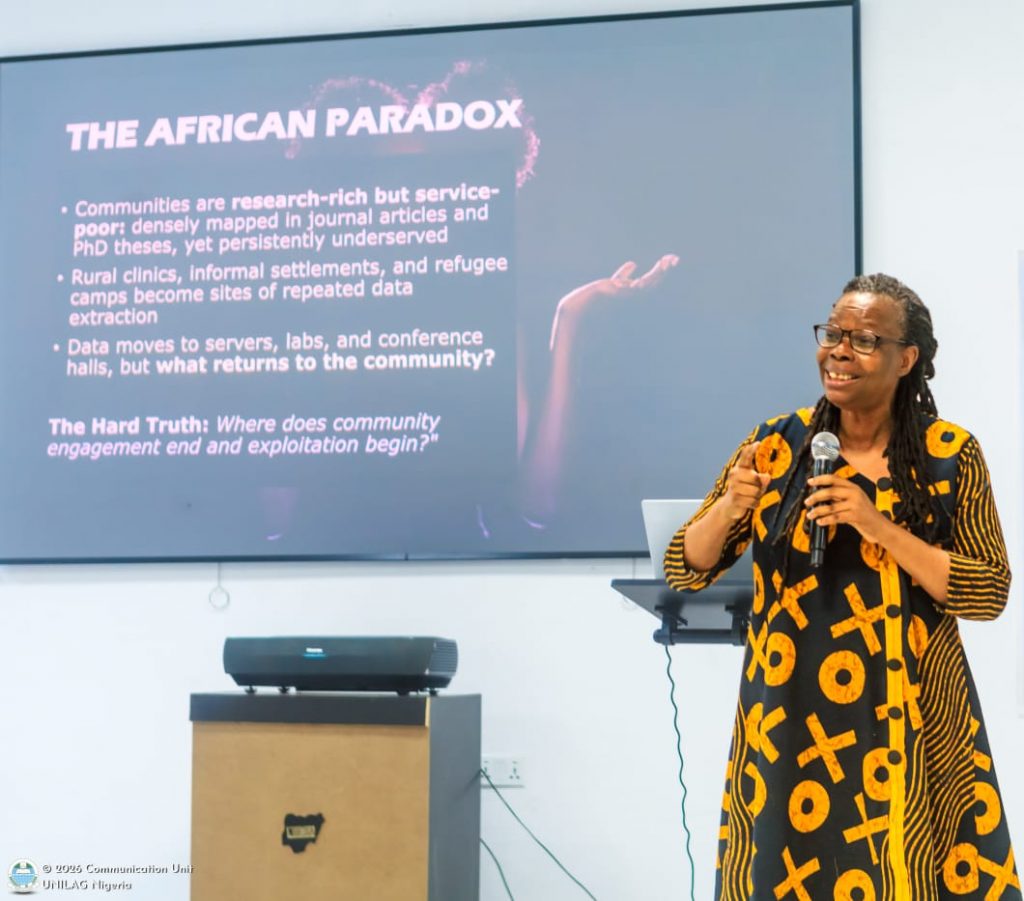
Meaningful research, she argued, does not end with a successful thesis defence or publication in a high-impact journal. Rather, its true significance begins when knowledge generated within universities finds expression in stronger healthcare systems, better public policies, innovative technologies, sustainable enterprises and healthier communities.
Drawing from decades of multidisciplinary research across Africa, Professor Folayan-Ukpong illustrated how impactful scholarship begins with listening- carefully engaging communities, understanding their realities and allowing those experiences to shape meaningful research questions.
She encouraged participants to move beyond identifying theoretical gaps in existing literature and instead focus on addressing the lived experiences of the people their research is ultimately intended to serve.
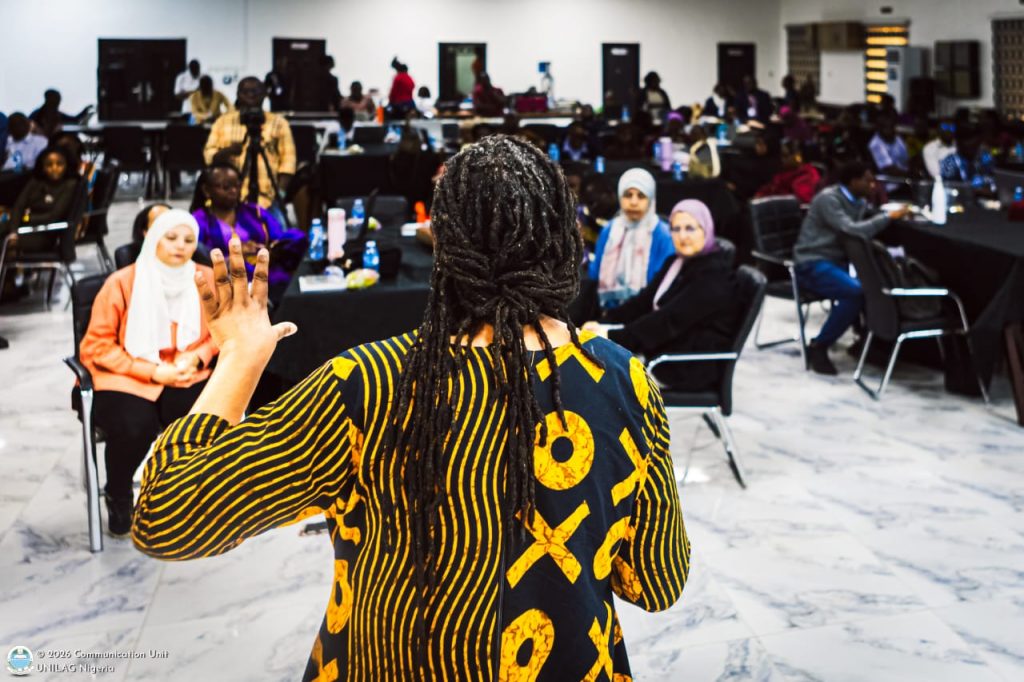
According to her, the most transformative researchers are not simply prolific publishers. They are scholars who remain accountable to their communities, collaborate across disciplines and ensure that the knowledge they produce translates into practical solutions capable of creating lasting societal value.
Her keynote struck a powerful chord with participants, setting the intellectual tone for the conversations that would follow throughout the week. By the close of the session, doctoral research had been reframed-not as an isolated academic exercise, but as a collaborative enterprise connecting universities, governments, industries and communities in pursuit of sustainable development.
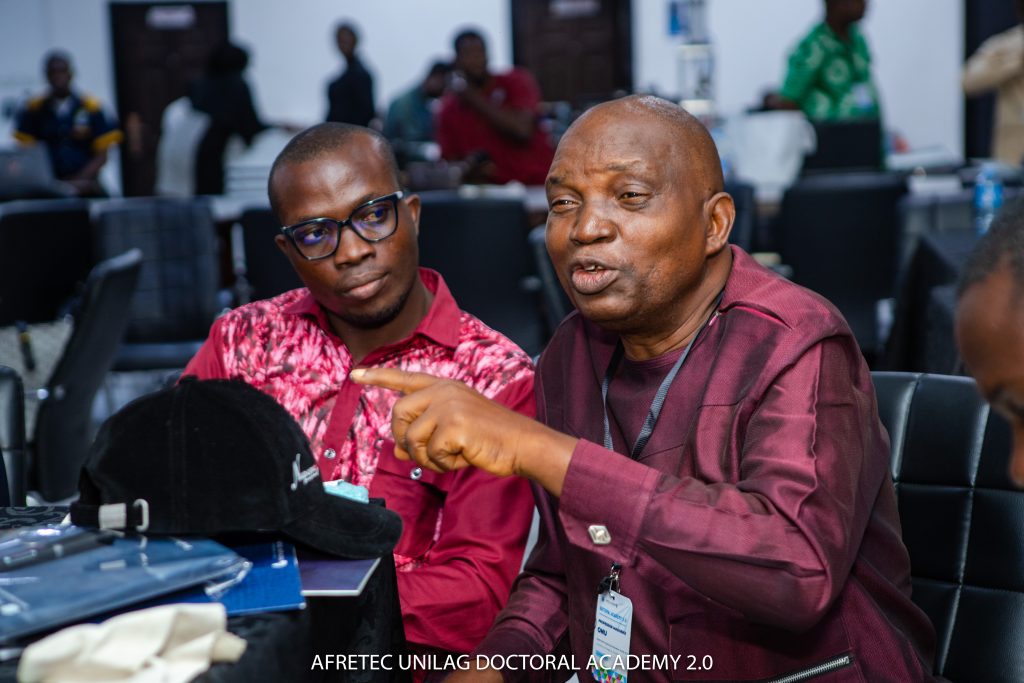
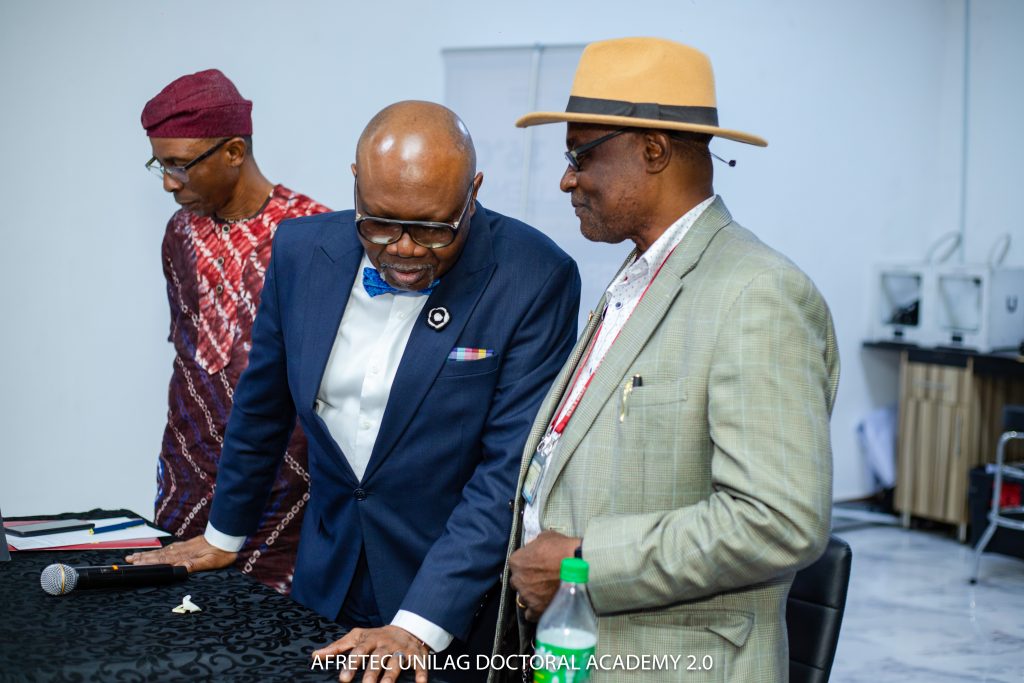
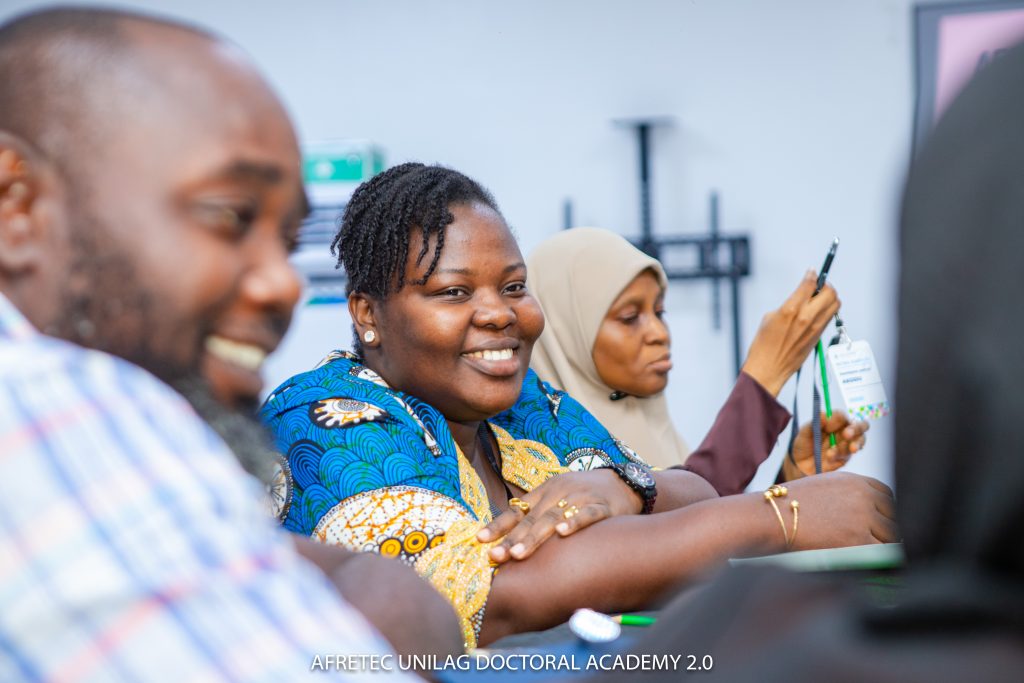
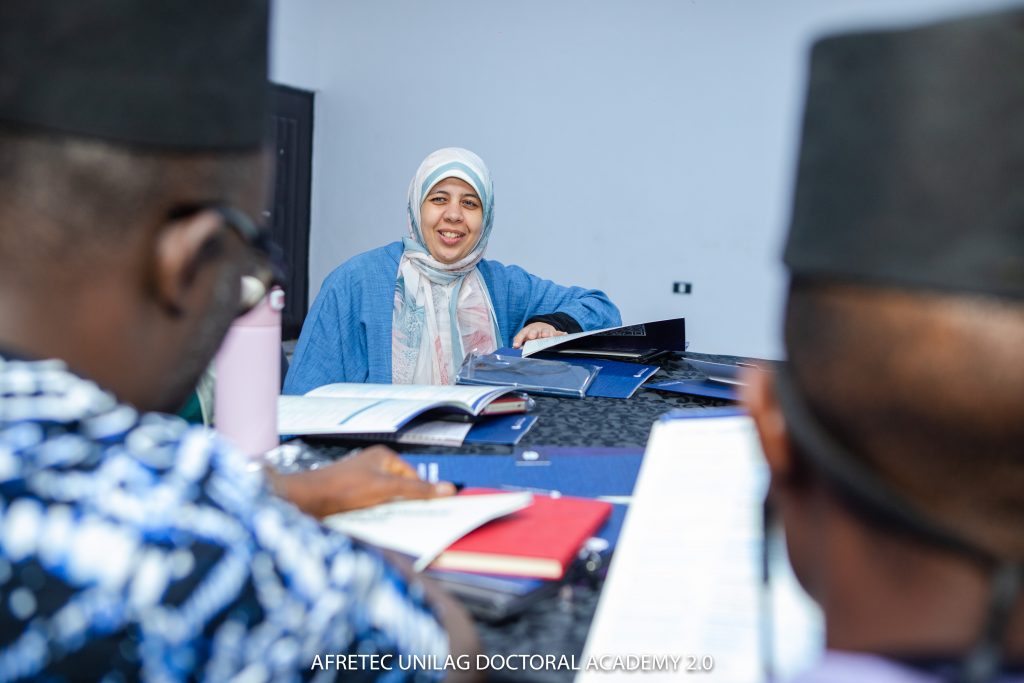
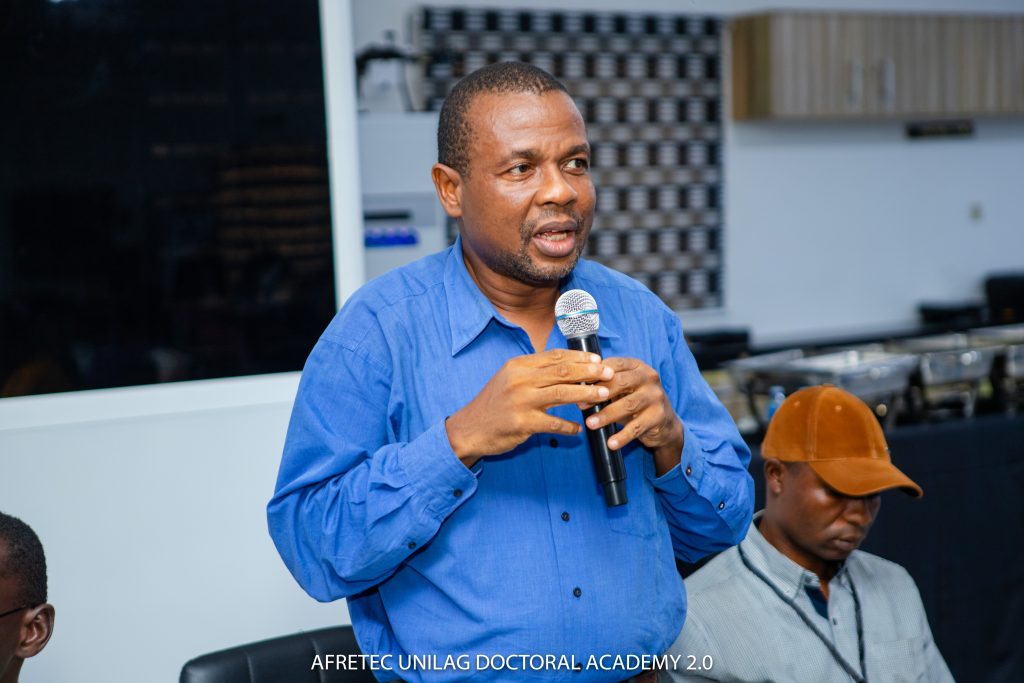
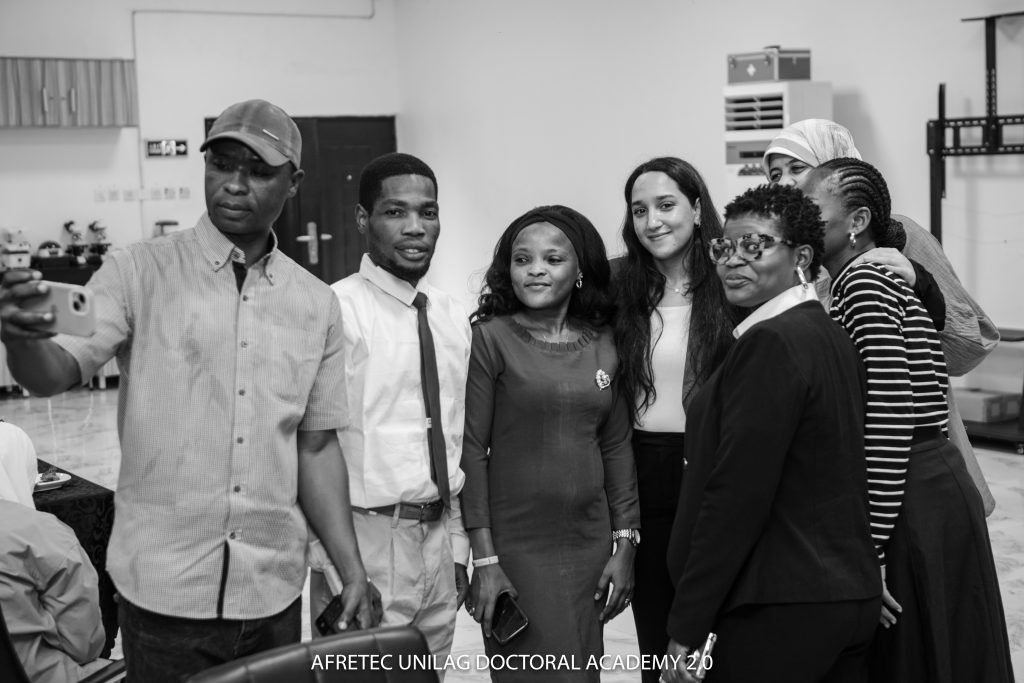
From Curiosity to Clarity: Navigating the Doctoral Journey
With its vision firmly established, the Academy shifted from philosophy to practice, challenging participants to become not just better researchers, but problem-solvers capable of delivering meaningful change.
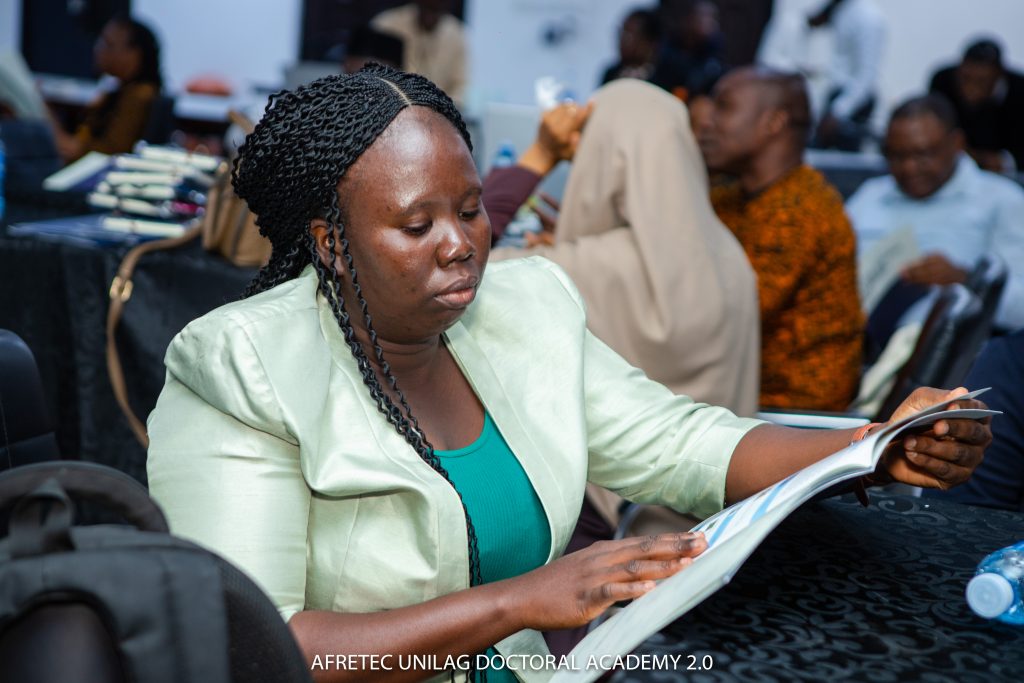
For many participants, the remainder of the opening day became less about acquiring new knowledge and more about re-examining their own doctoral journeys – confronting familiar uncertainties, refining research ambitions and developing the confidence required to navigate one of academia’s most demanding pursuits.
That reflection took centre stage during an engaging roundtable discussion, “Navigating the Doctoral Journey,” facilitated by the Dean of the School of Postgraduate Studies, University of Lagos, Professor Abraham Adewale Adepoju Osinubi.
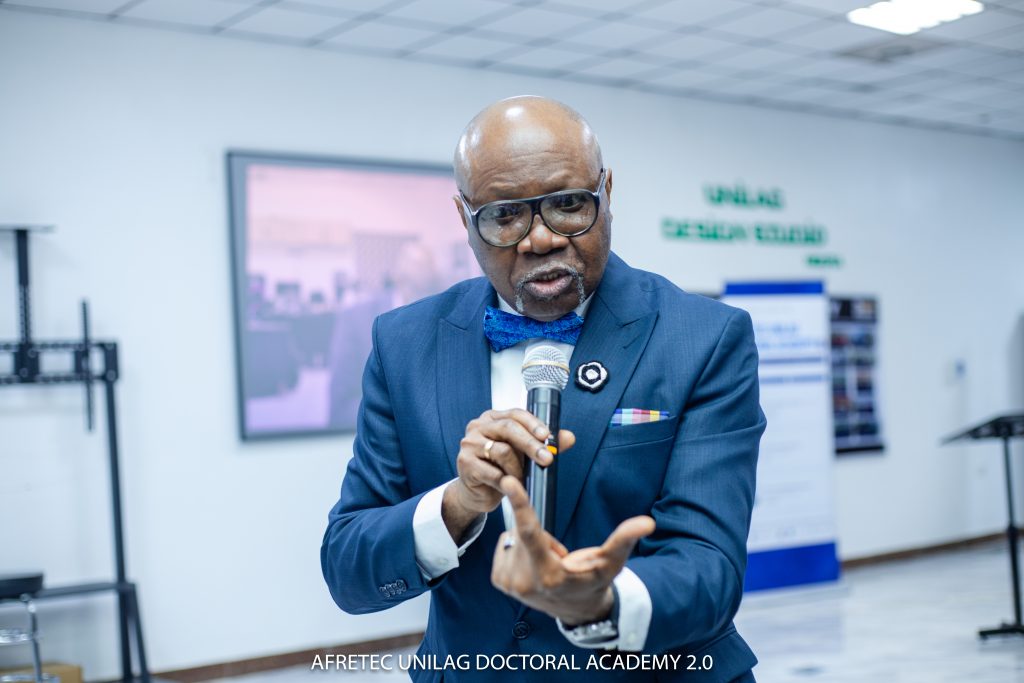
Eschewing the formality of a conventional lecture, Professor Osinubi fostered an atmosphere of honest dialogue, inviting participants to openly reflect on the realities of doctoral study; an experience often marked by intellectual curiosity, periods of self-doubt, competing personal and professional responsibilities, and the resilience required to persevere.
Drawing on years of mentoring doctoral candidates and supervising research across diverse disciplines, he reminded participants that earning a Ph.D. extends far beyond obtaining another academic qualification.
“It is a journey of intellectual transformation,” he remarked, explaining that doctoral education fundamentally reshapes how scholars think, interrogate evidence, challenge assumptions and contribute original knowledge to their respective fields.
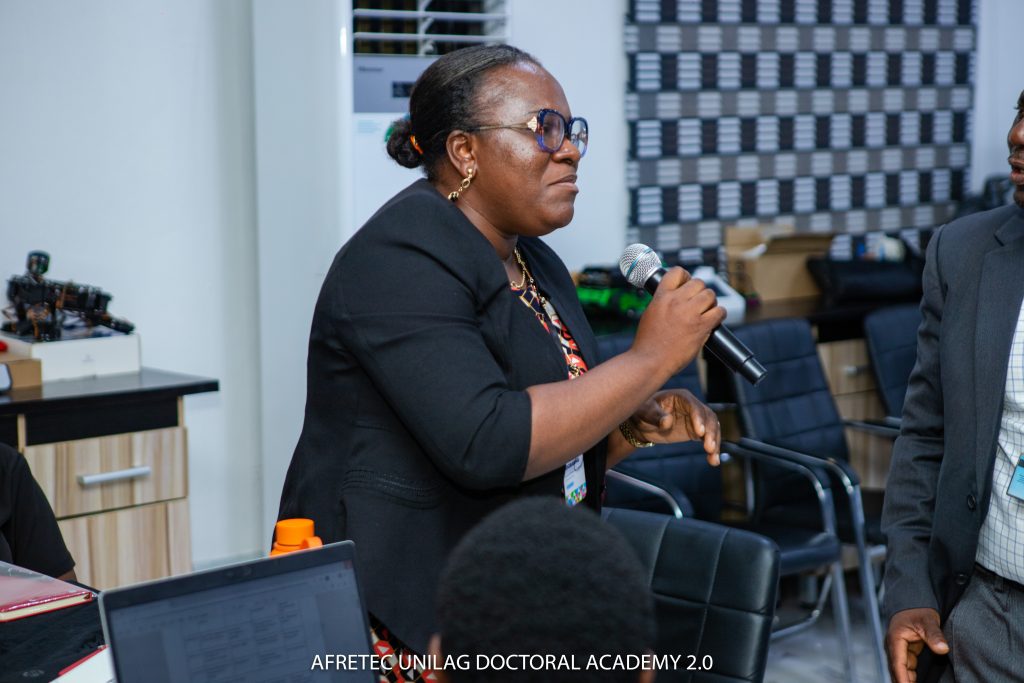
The conversation traversed issues that many doctoral candidates quietly wrestle with but seldom discuss openly. Participants reflected on identifying meaningful research problems, sustaining motivation through demanding phases of study, maintaining productive relationships with supervisors, responding constructively to criticism, managing revisions, overcoming imposter syndrome and striking a healthy balance between academic commitments and personal wellbeing.
Professor Osinubi also challenged long-held perceptions of the supervisory relationship, encouraging participants to see supervisors not as gatekeepers, but as collaborators in the shared pursuit of knowledge. Mutual respect, open communication and intellectual honesty, he noted, often determine the success of the doctoral experience as much as academic ability itself.
As participants exchanged experiences and candidly shared their challenges, the session evolved into something far more meaningful than a discussion. It became a reassuring reminder that while every doctoral journey is unique, many of its obstacles are shared – and that scholarly excellence flourishes most readily within supportive academic communities rather than in isolation.
Ethics in an Era of Artificial Intelligence
With participants now reflecting on their individual research journeys, the Academy turned its attention to a responsibility that underpins every credible scholarly endeavour: research integrity.
Facilitated by renowned scholar Professor Kolawole Oyedeji, the workshop on “Research Ethics and Integrity in the Digital Era” explored the rapidly evolving ethical landscape confronting contemporary researchers in an age increasingly shaped by artificial intelligence, digital scholarship and collaborative technologies.

Moving beyond familiar discussions on plagiarism and research misconduct, Professor Oyedeji challenged participants to grapple with complex ethical dilemmas that have become defining features of modern research practice.
Through carefully designed case studies and interactive simulations, participants confronted questions with no easy answers.
- Should artificial intelligence that substantially contributes to a literature review be formally acknowledged in a thesis?
- Who owns data generated through collaborative research involving multiple institutions and community partners?
- At what point does AI-assisted editing begin to compromise academic originality?
- How should researchers balance transparency with confidentiality when funding agencies request access to sensitive participant data?
- And what ethical obligations arise when research findings have the potential to stigmatise vulnerable communities?
These questions sparked lively debate across the room, revealing that ethical decision-making is rarely a matter of simple compliance.
Rather, Professor Oyedeji demonstrated that research integrity is shaped by countless everyday decisions from the manner in which data are collected and analysed to how collaborators are acknowledged, communities are represented and emerging technologies are responsibly integrated into scholarly work.
By the close of the session, participants had developed a deeper appreciation that ethics is not merely a prerequisite for obtaining research approval. It is the moral compass that safeguards the credibility, integrity and societal value of academic scholarship.
Where Ideas Began to Take Shape
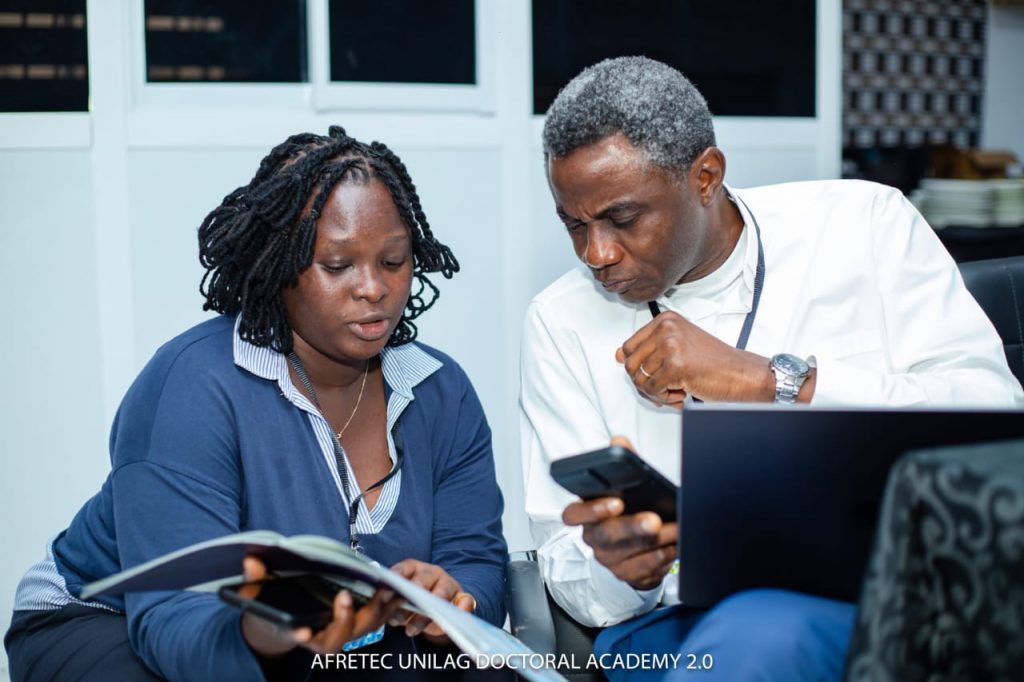
If the earlier sessions challenged participants to think differently, the Academy’s structured Pair Coaching Exercise challenged them to work differently.
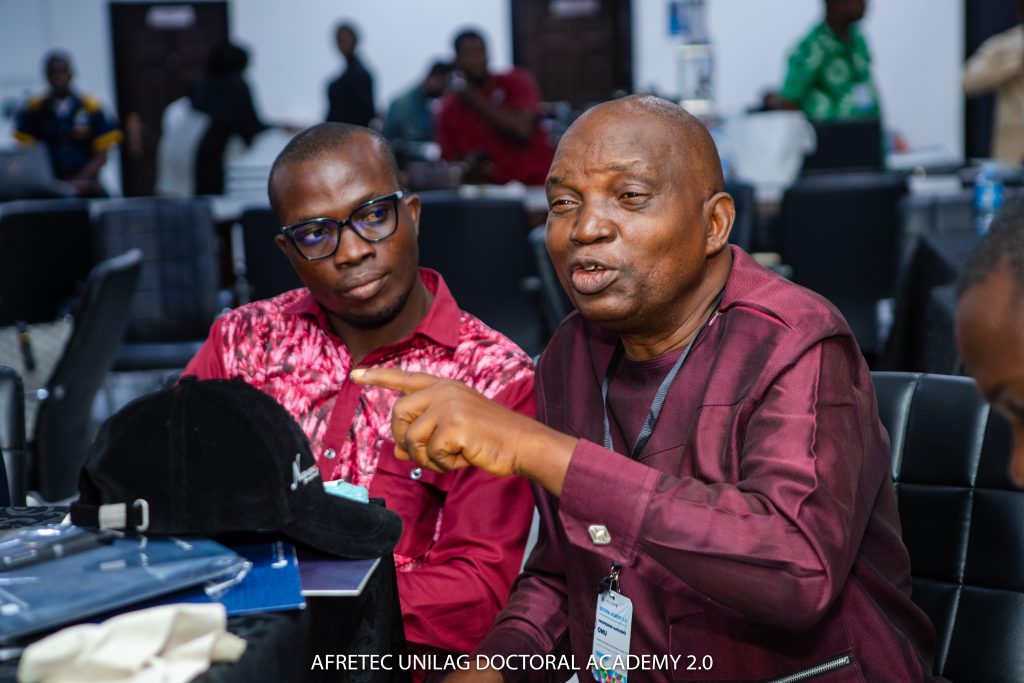
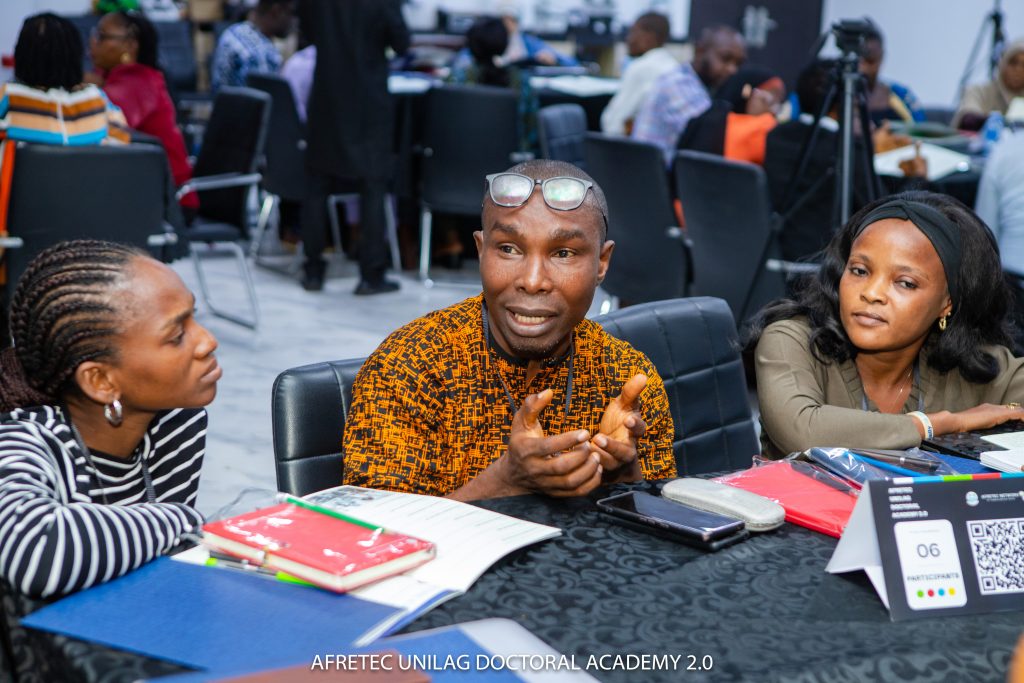
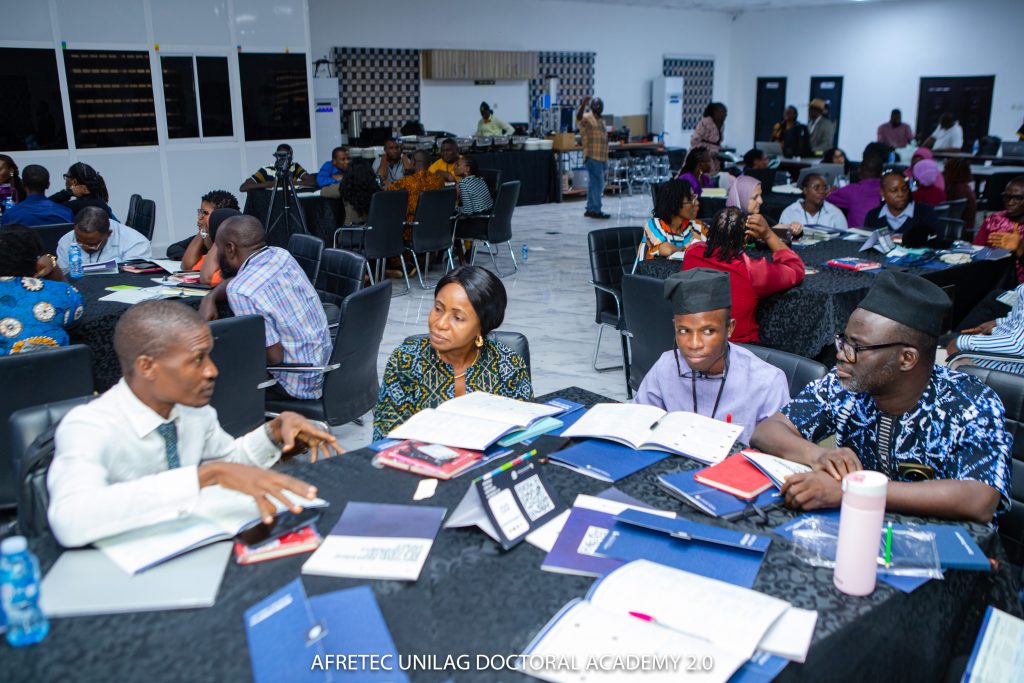
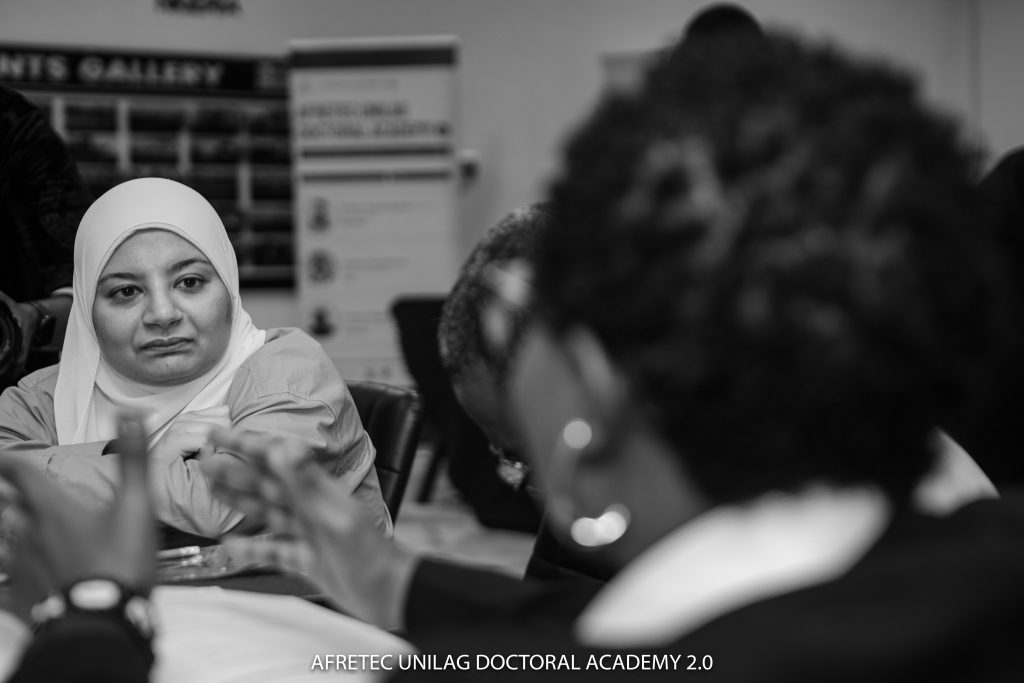
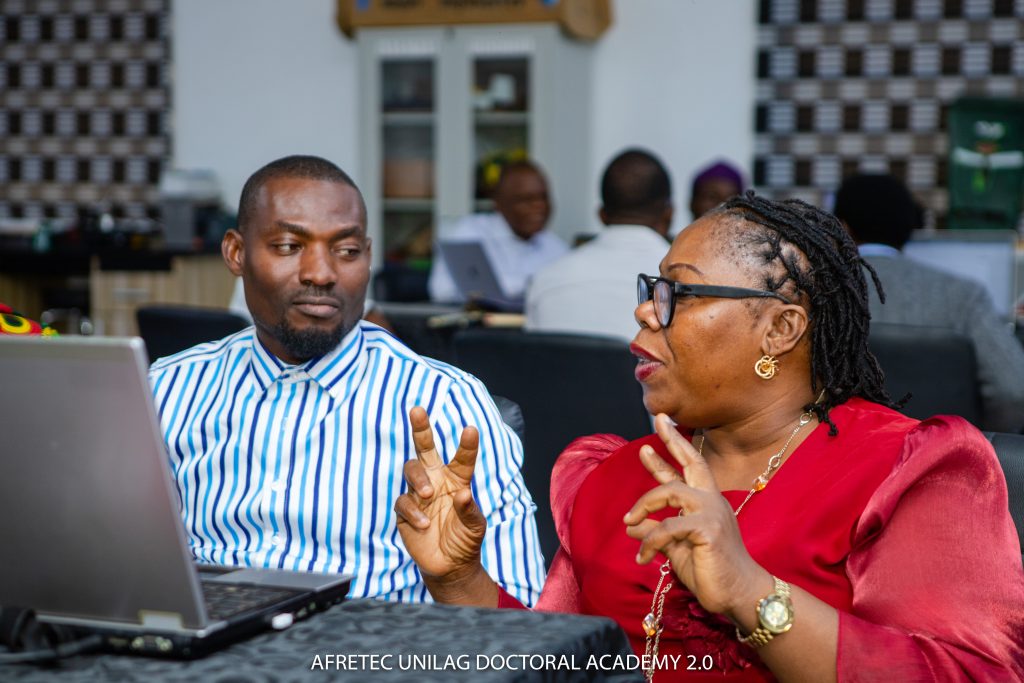
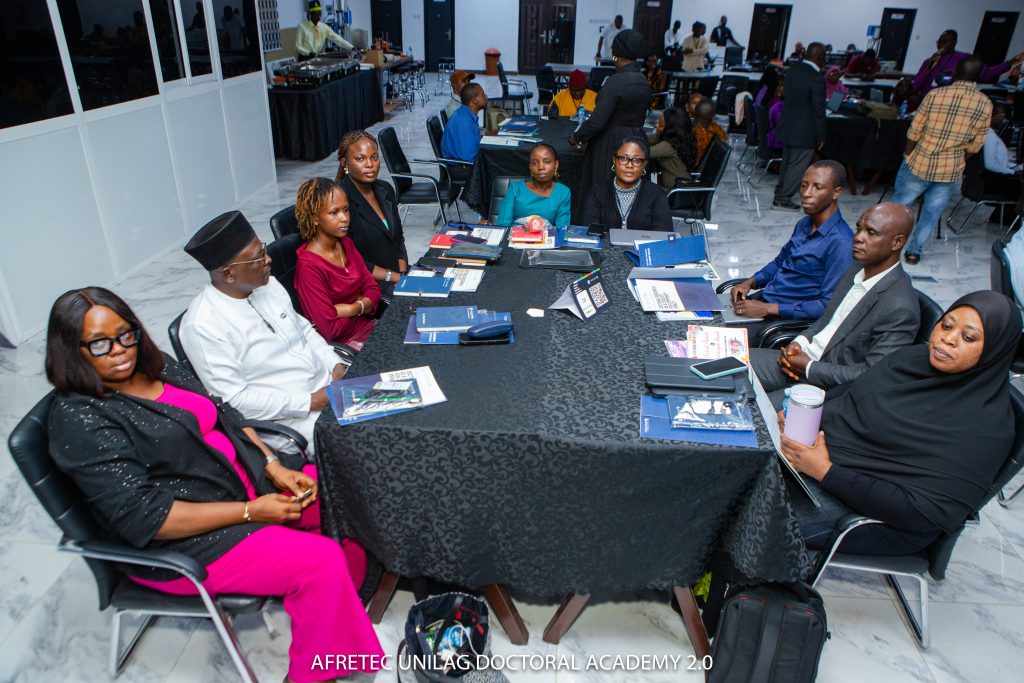
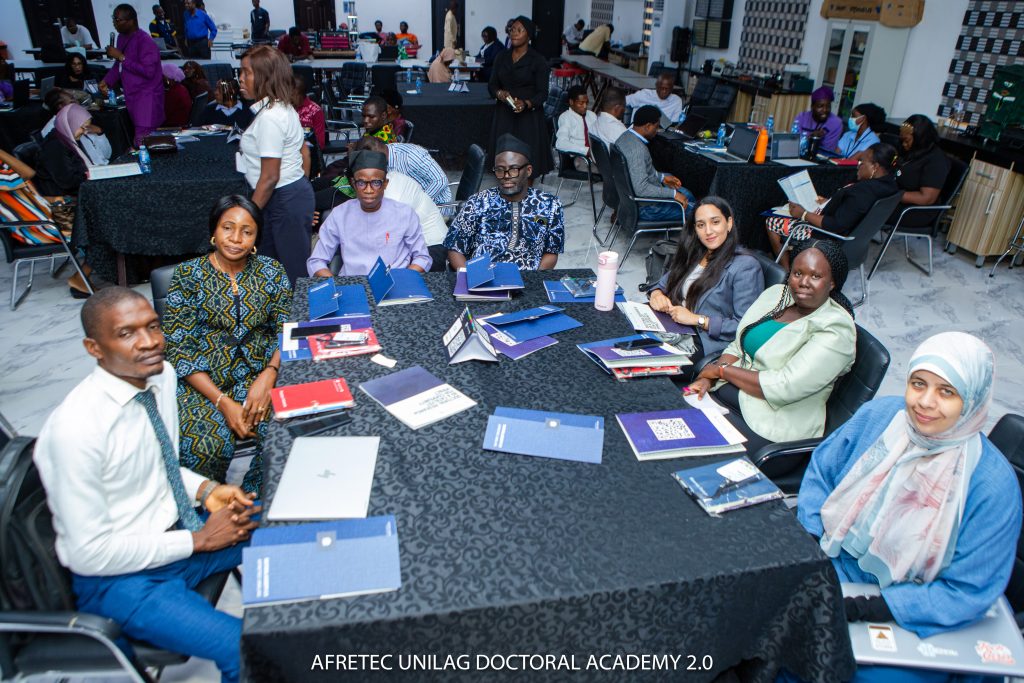
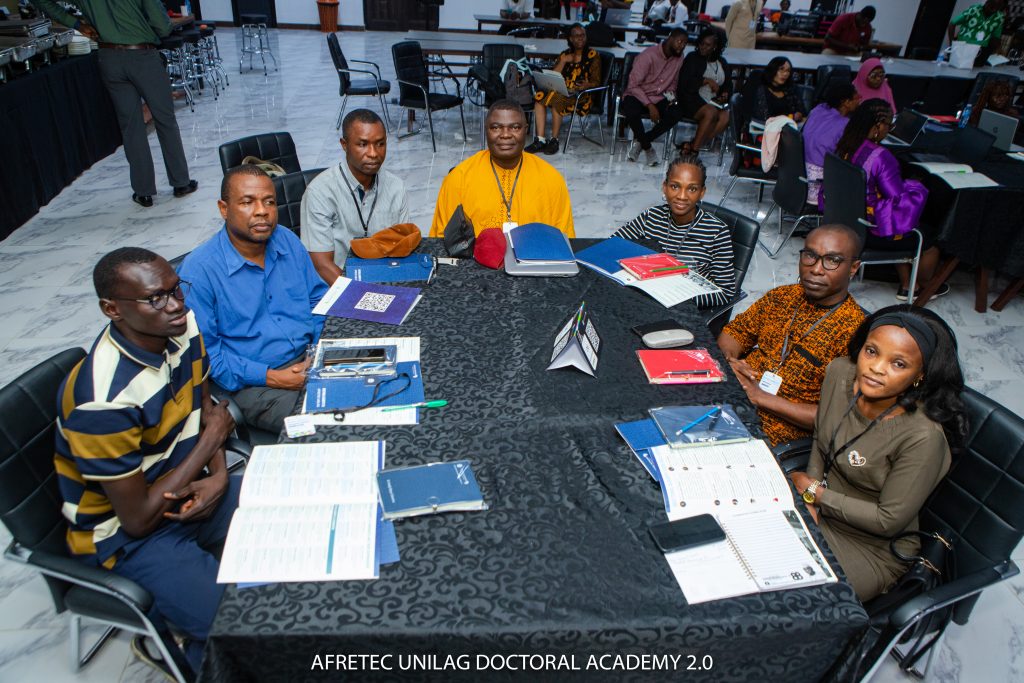
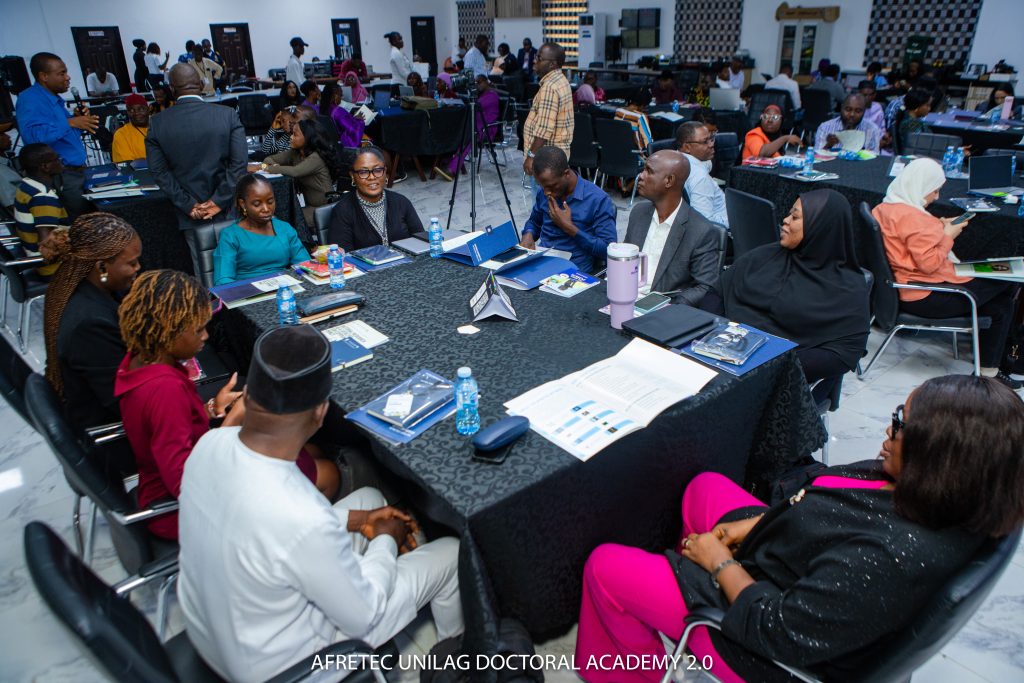
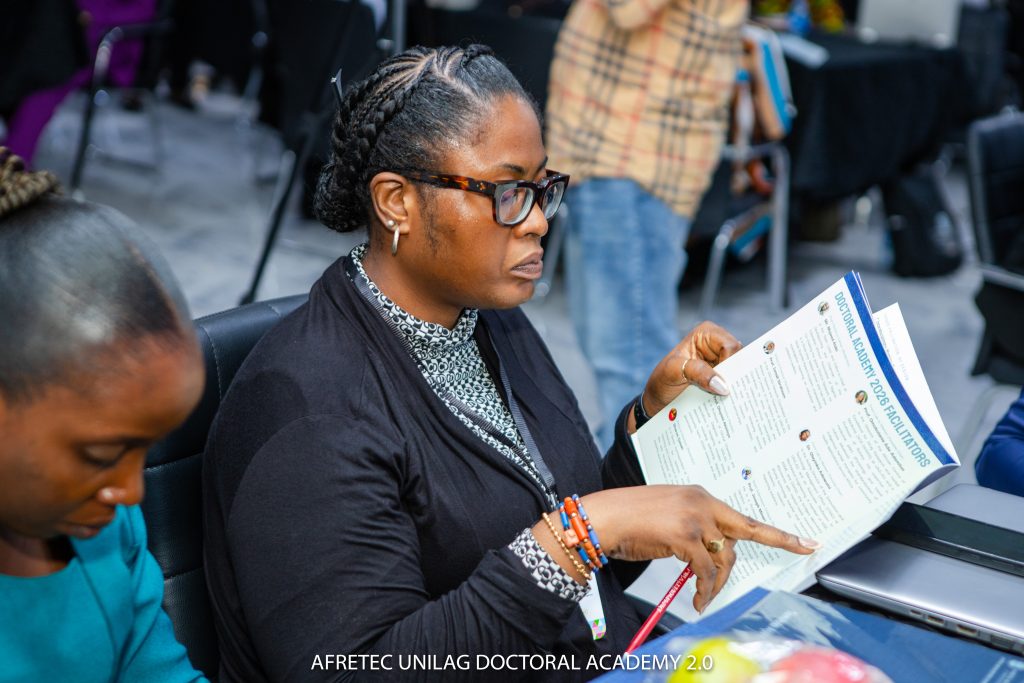
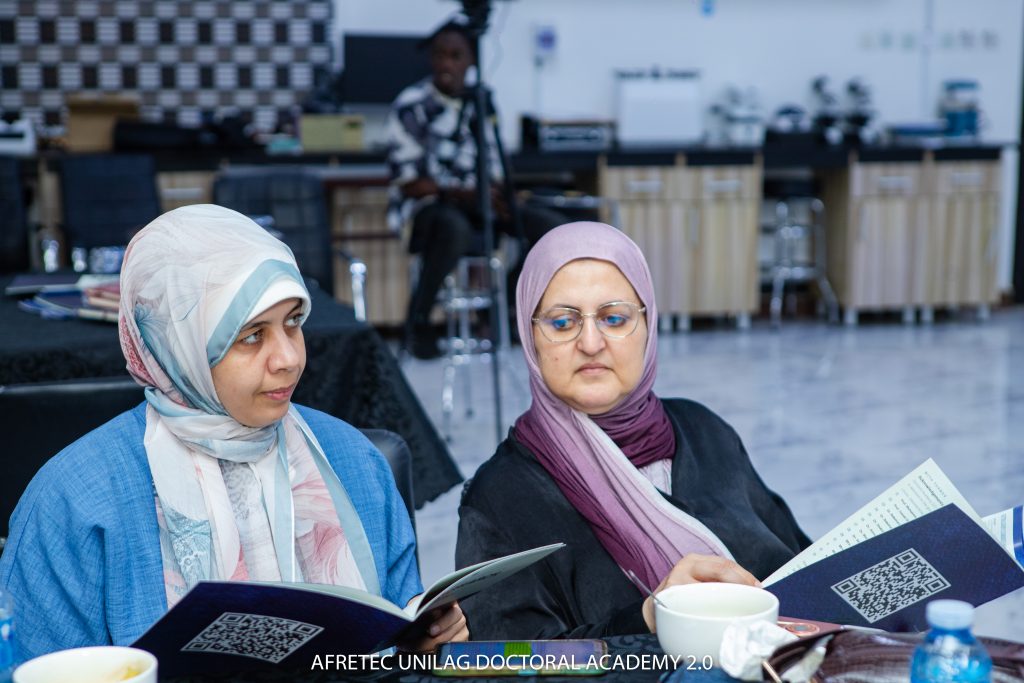
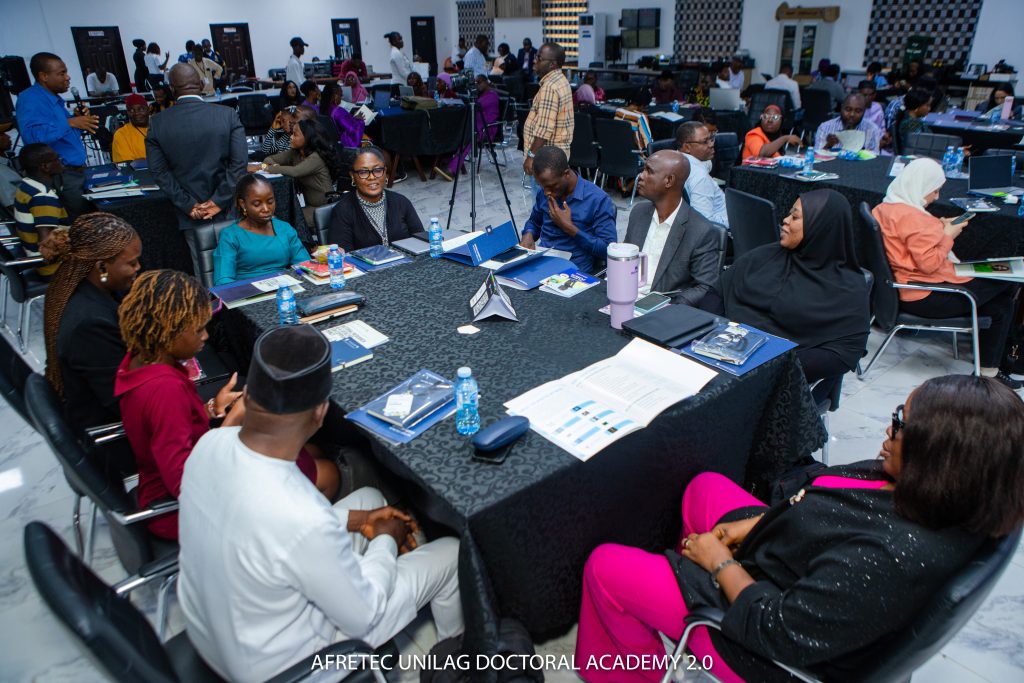
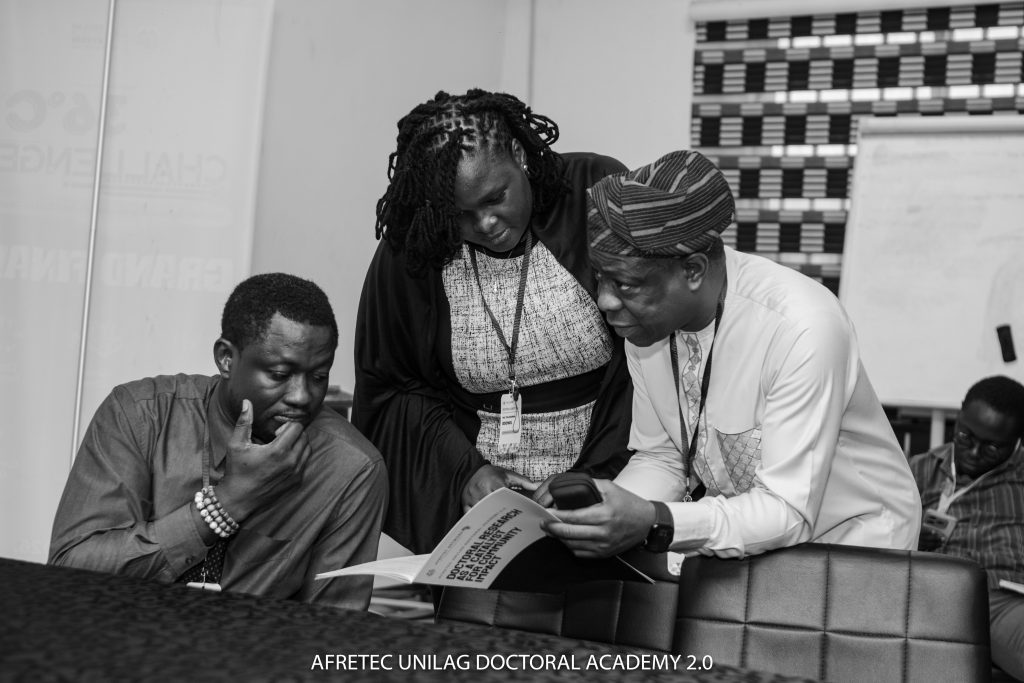
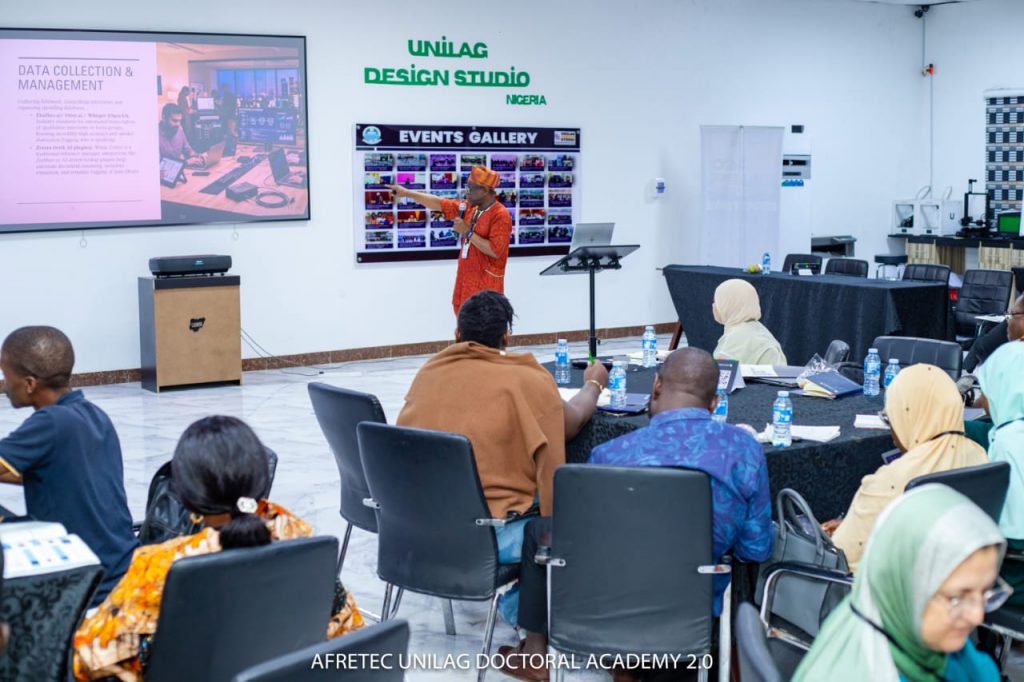
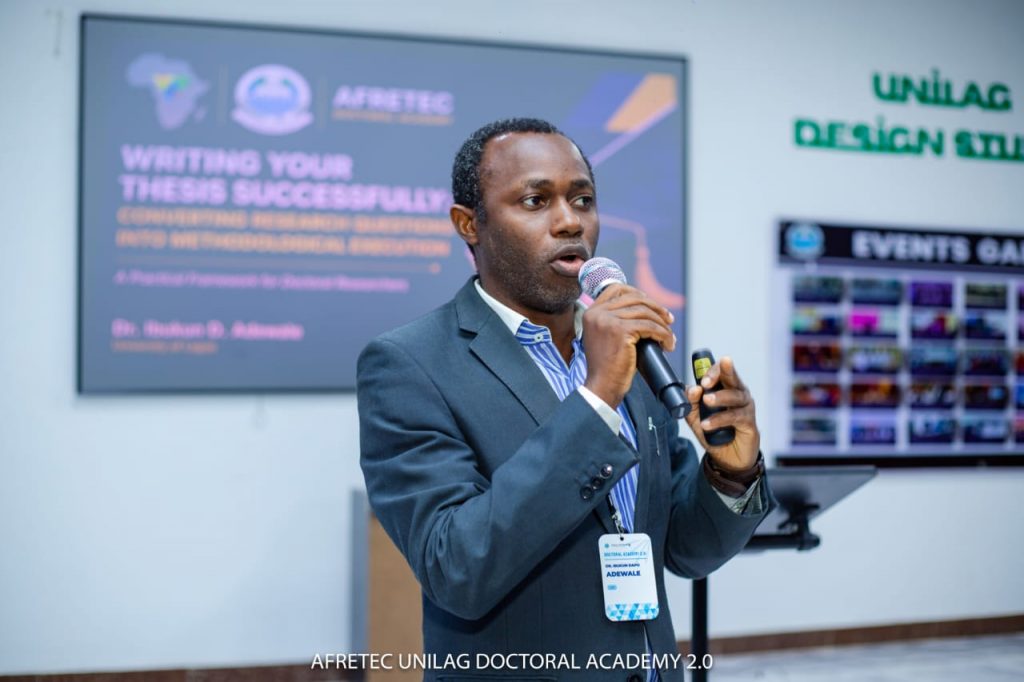
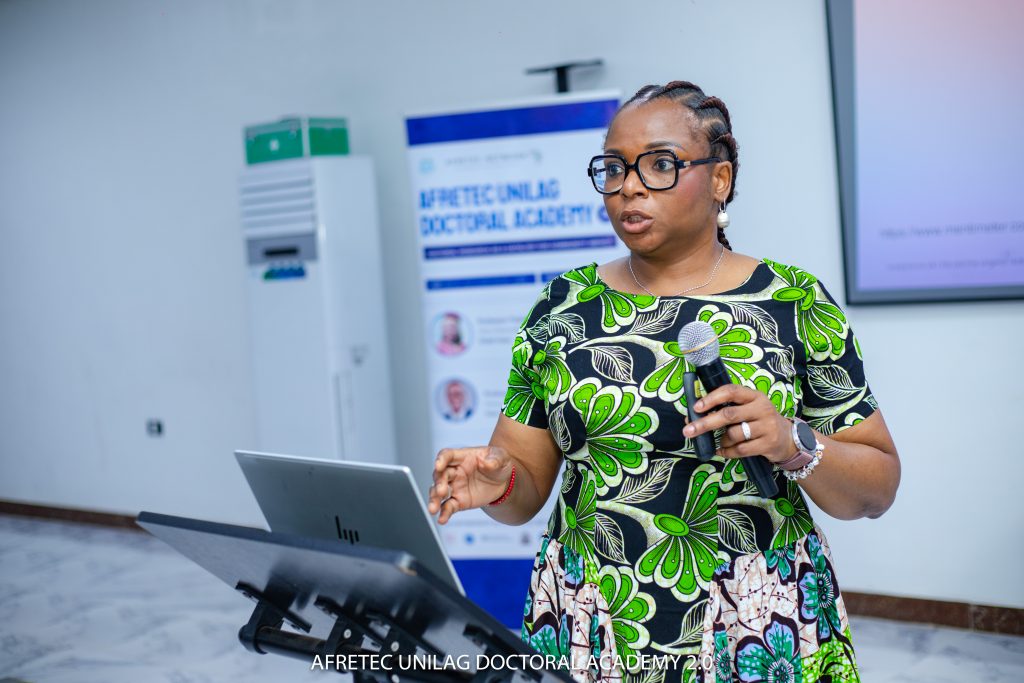
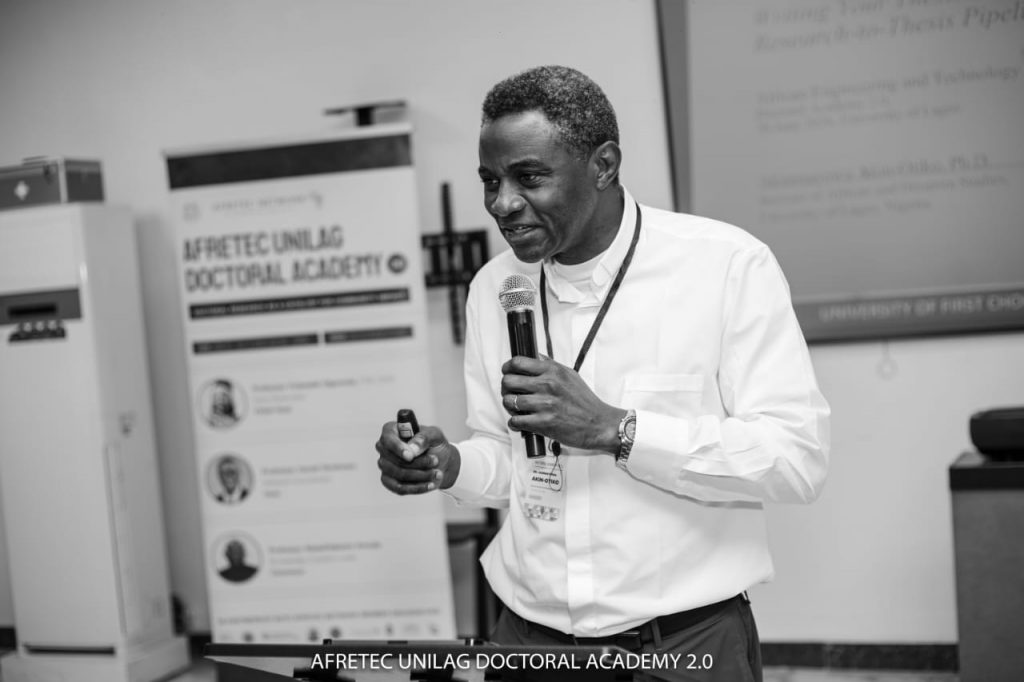
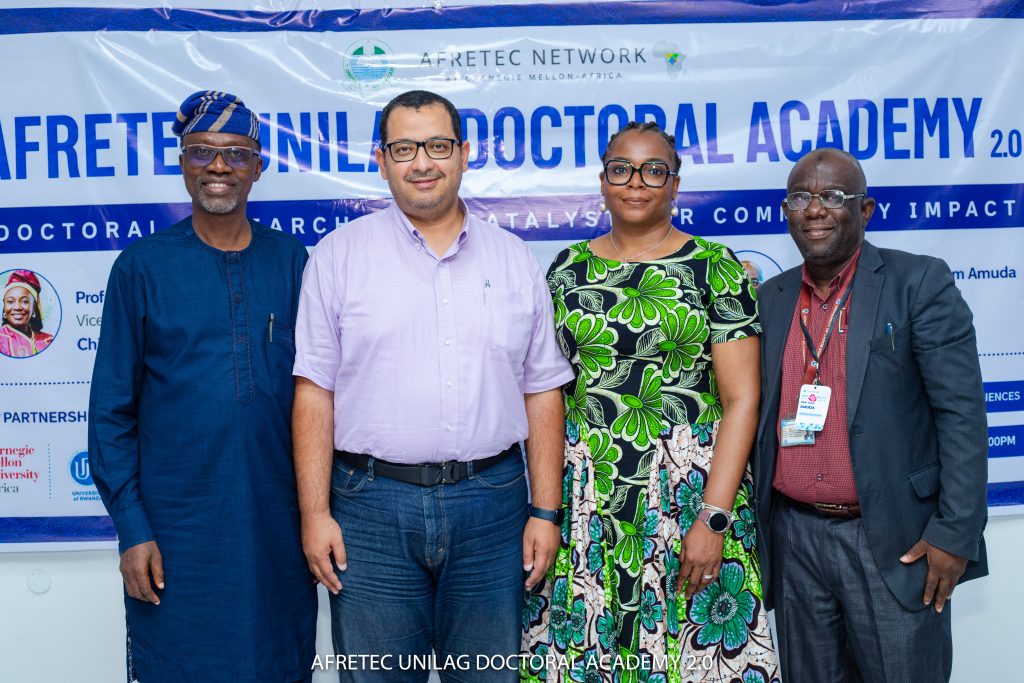
Designed as one of the day’s most collaborative activities, the exercise brought together participants from engineering, public health, education, agriculture, technology and the social sciences in multidisciplinary coaching groups under the academic guidance of Professor Morenike Folayan-Ukpong and other facilitators.
The objective was both simple and demanding.
Participants presented their research ideas for rigorous peer review aimed at strengthening, not criticising, their work. Discussions focused on the societal problems each study sought to address and whether the proposed research could deliver measurable impact.
Key themes included healthcare delivery, educational inequality, climate resilience, digital inclusion, infrastructure development, food security and youth unemployment. The multidisciplinary format encouraged cross-sector insights, with researchers from different fields challenging assumptions and proposing practical solutions.
Facilitators repeatedly returned participants to one central question: What problem does this research solve? By the end of the exercise, broad research interests had been refined into clearer problem statements, sharper research questions and more practical pathways to community impact.
From Promising Ideas to Competitive Proposals
The Academy’s second day shifted from purpose to practice, equipping participants with the skills to transform promising ideas into compelling, fundable research proposals.
Leading an intensive Proposal Development Sprint, the University of Lagos Deputy Vice-Chancellor (Management Services), Professor Muyiwa Falaiye, FNAL, emphasised that successful proposals are built through clarity, critical thinking and continuous refinement.
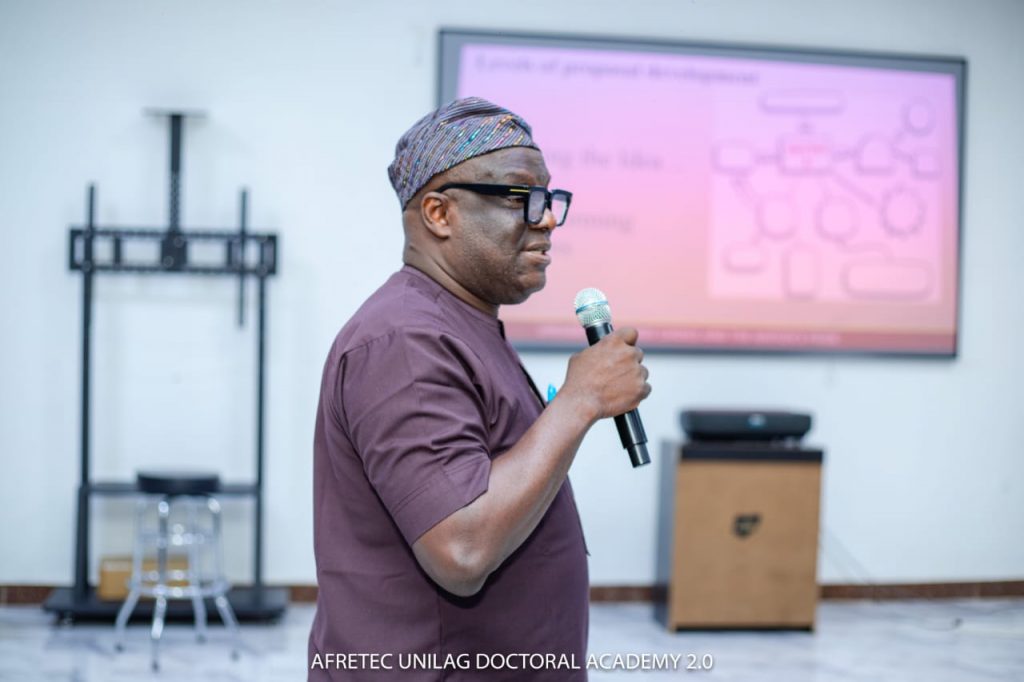
He challenged participants to develop research that not only satisfies academic requirements but also attracts the confidence of grant agencies, policymakers, industry and development partners.
Harnessing Artificial Intelligence to Expand Research Impact
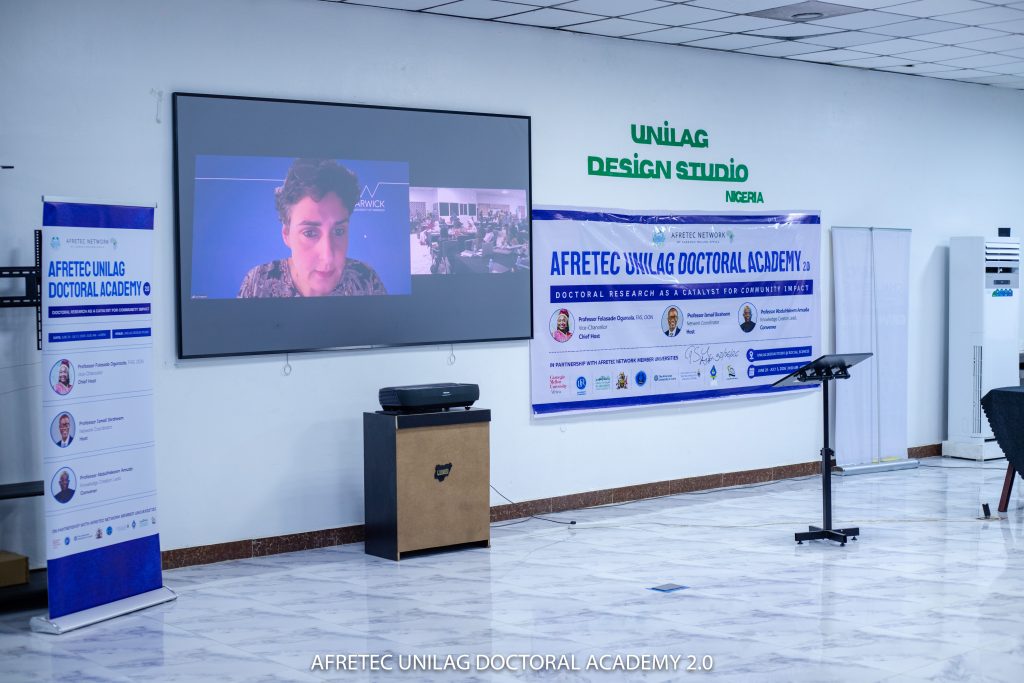
The focus then shifted to artificial intelligence and its growing influence on doctoral research, with equal emphasis on ethical and responsible innovation. In a virtual presentation, the Vice-Chancellor of Summit University, Offa, Professor Musa Aibinu, challenged participants to embrace AI as a tool for enhancing not replacing – critical thinking, originality and academic integrity.
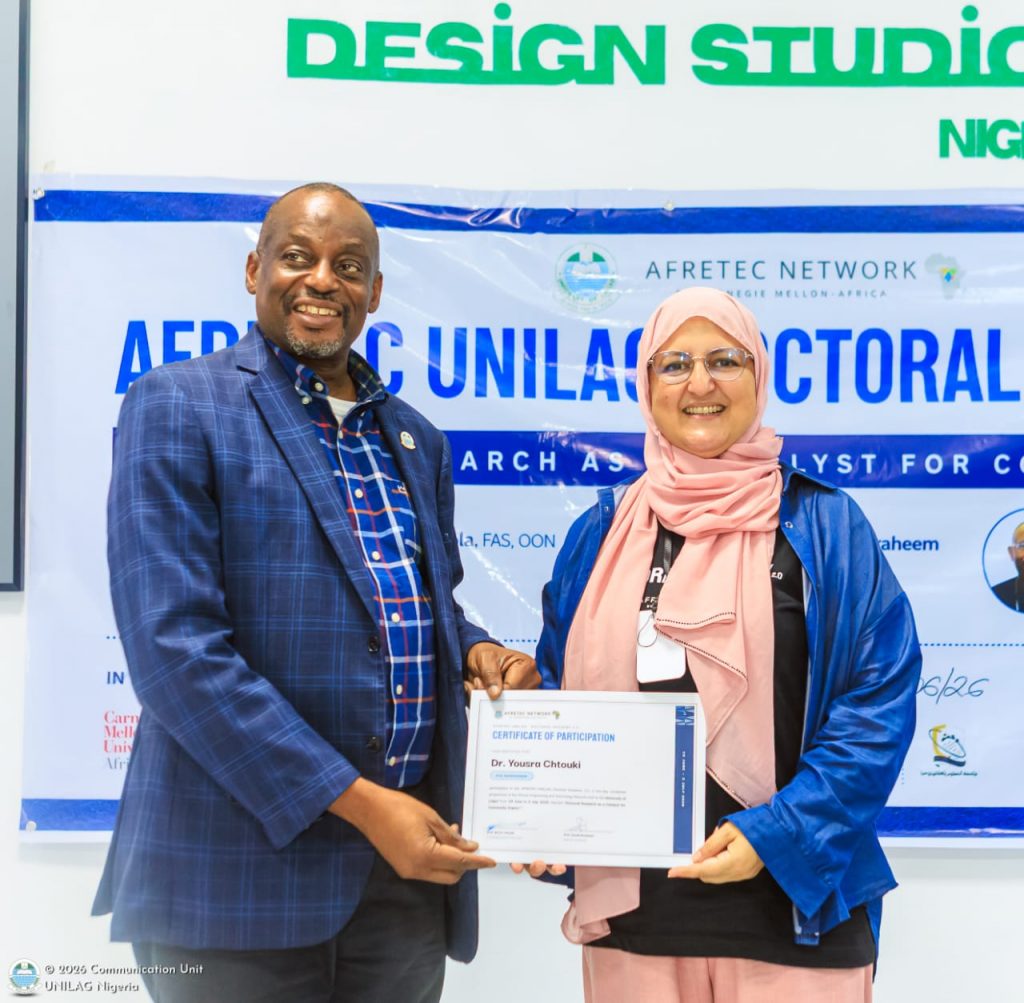
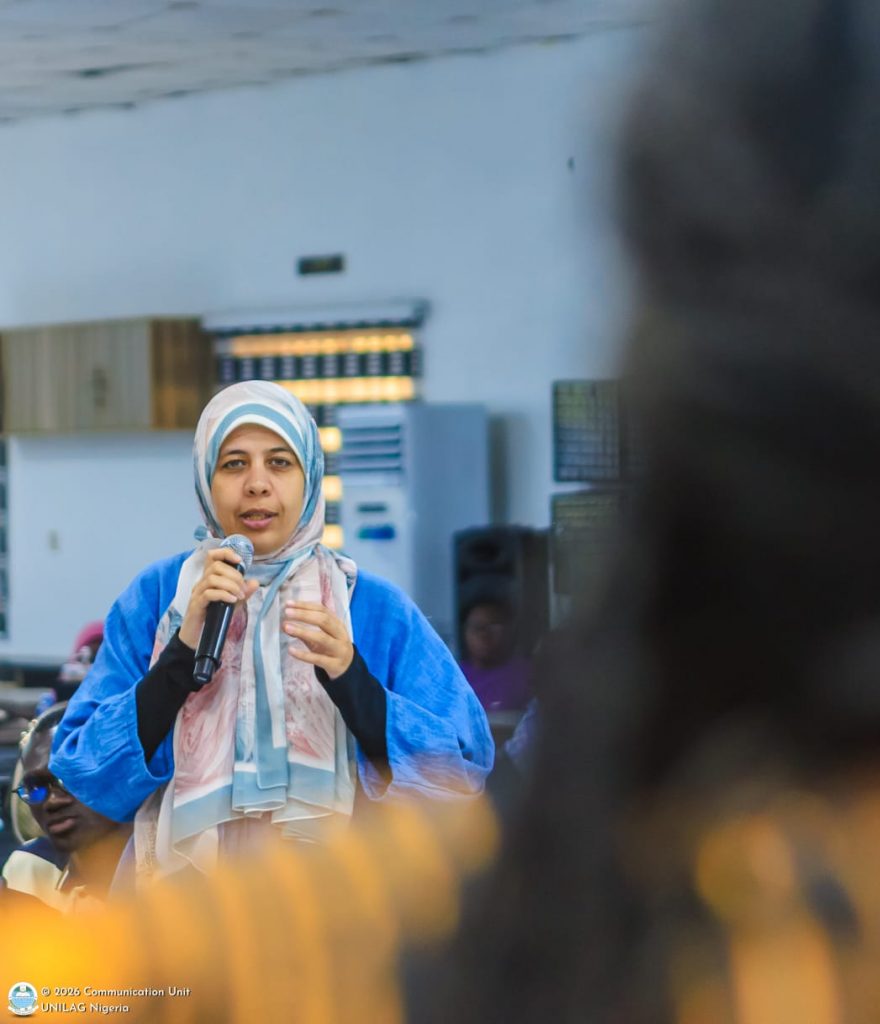
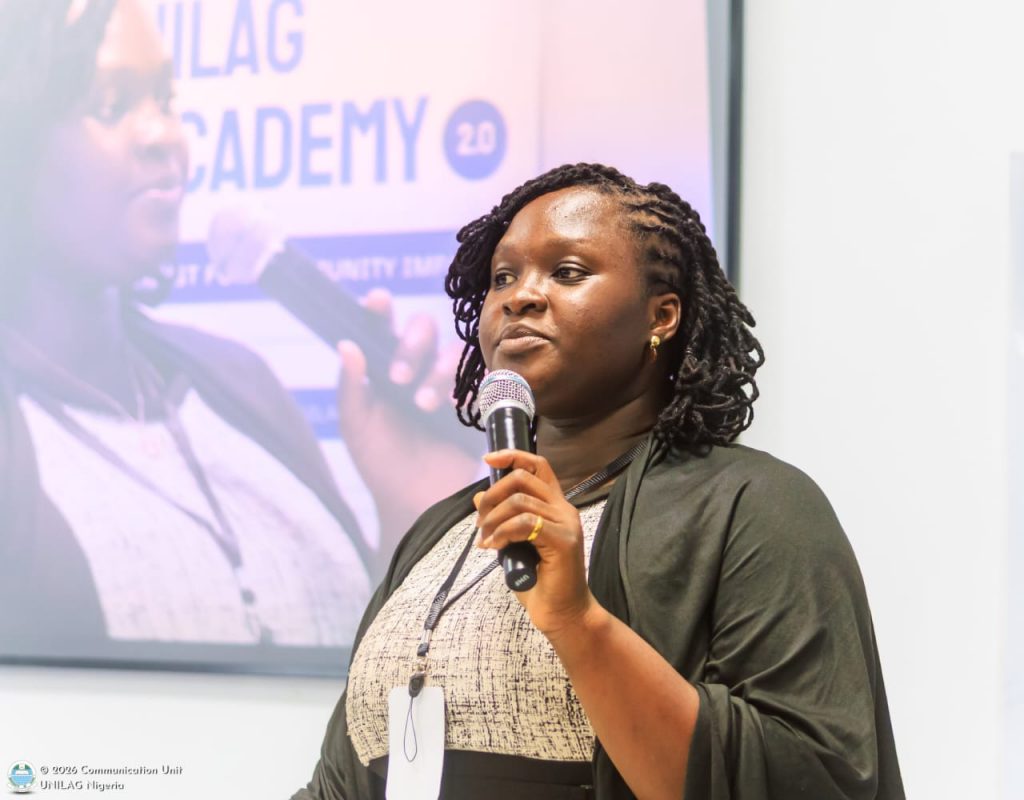
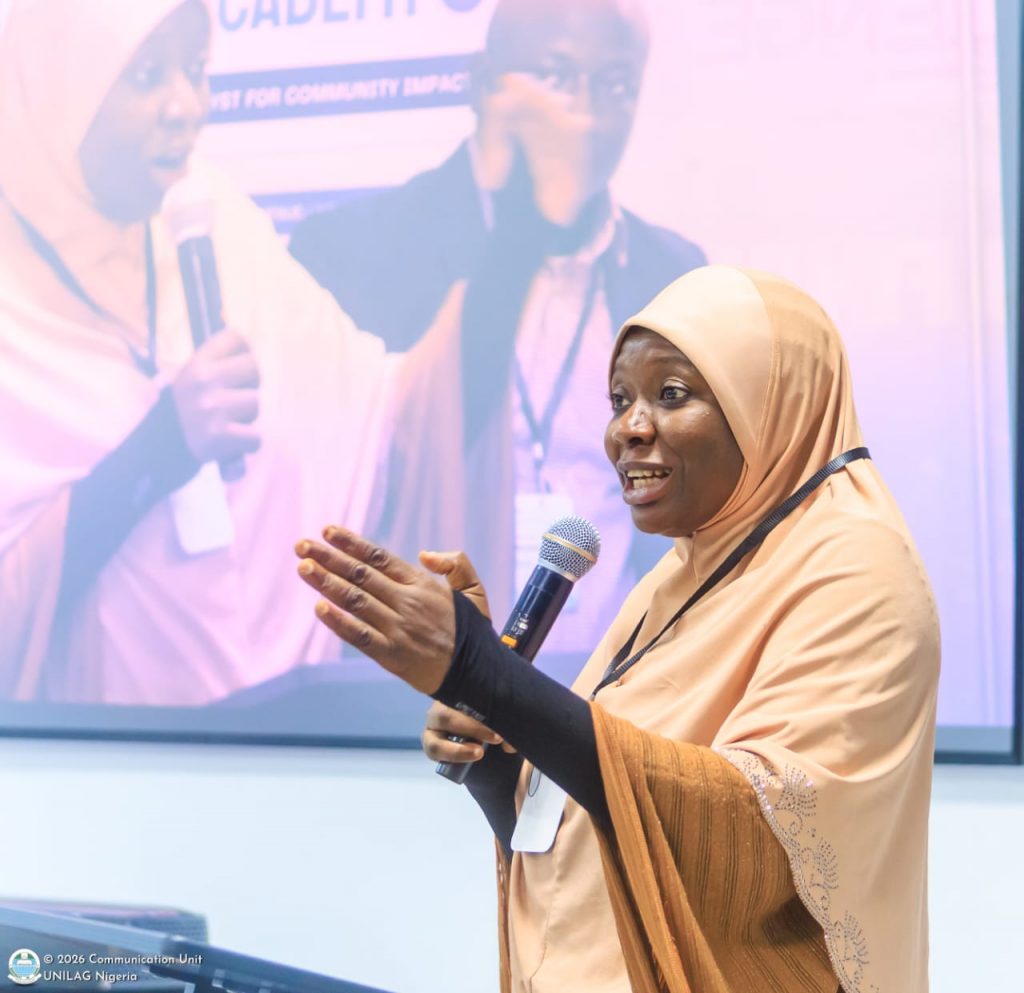
Building on this, Dr. Anwar Mohammed engaged participants in a case-based ethics exercise examining issues of AI-assisted authorship, bias, transparency and accountability, while Dr. Yousra Chtiuki demonstrated how generative AI and digital tools can responsibly support every stage of the doctoral journey, from literature reviews to data analysis and research productivity.
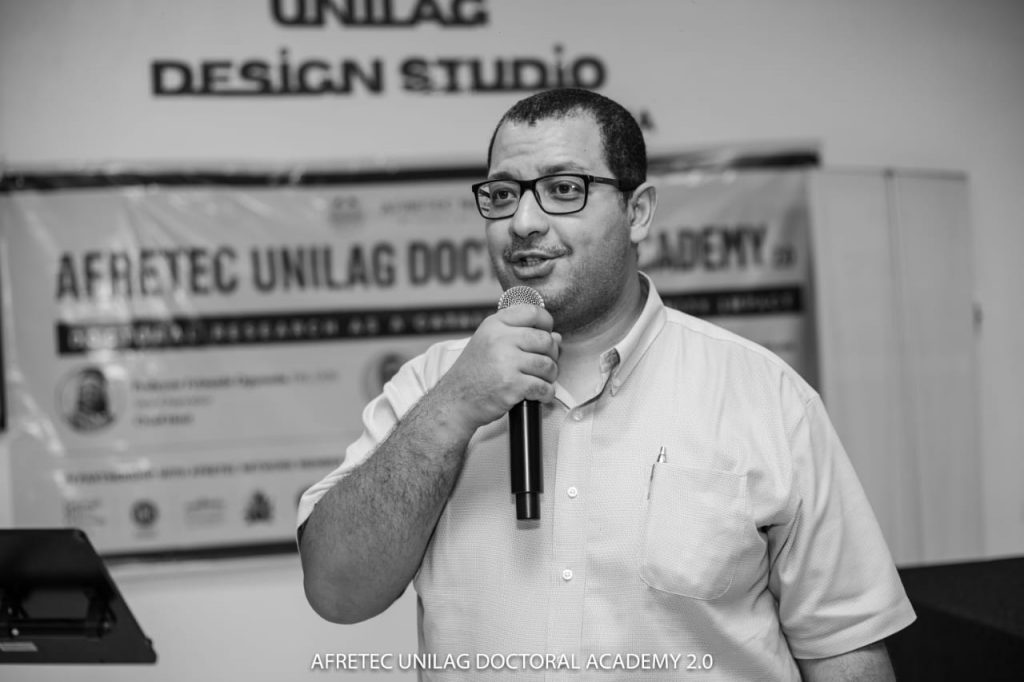
The day’s practical sessions also featured a multidisciplinary research pitch modelled after the globally recognised Three-Minute Thesis (3MT), encouraging participants to communicate complex research in clear, accessible language. Complementing this was a session by Professor Taibat Lawanson on research visibility and strategic networking, alongside a hands-on AI laboratory facilitated by Dr. Oladipupo Sennaike, where participants explored emerging digital tools for research workflows.
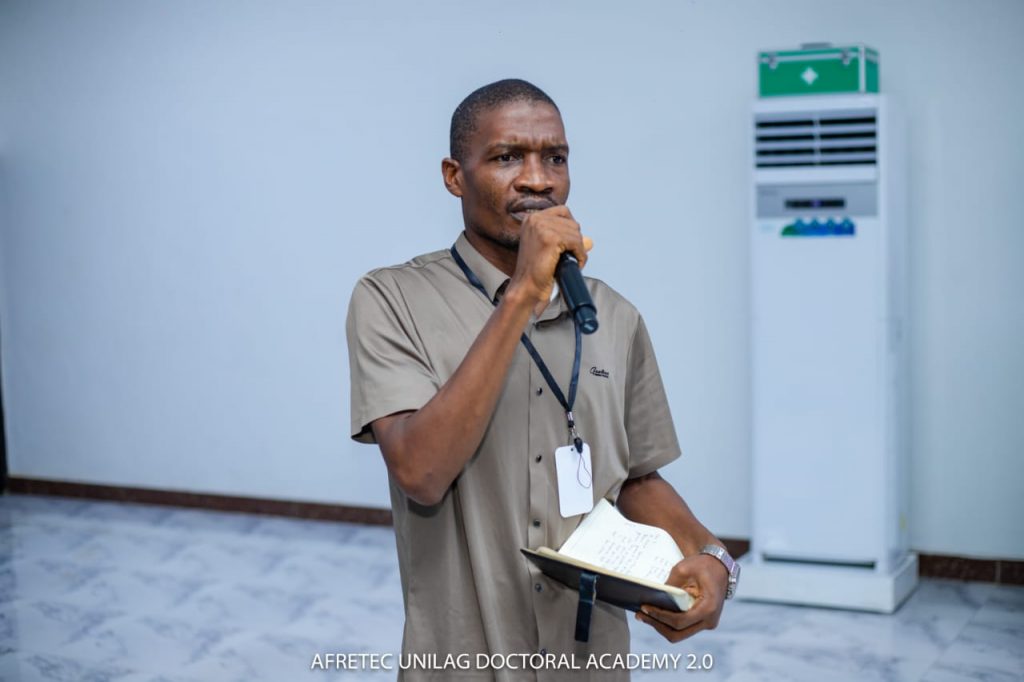
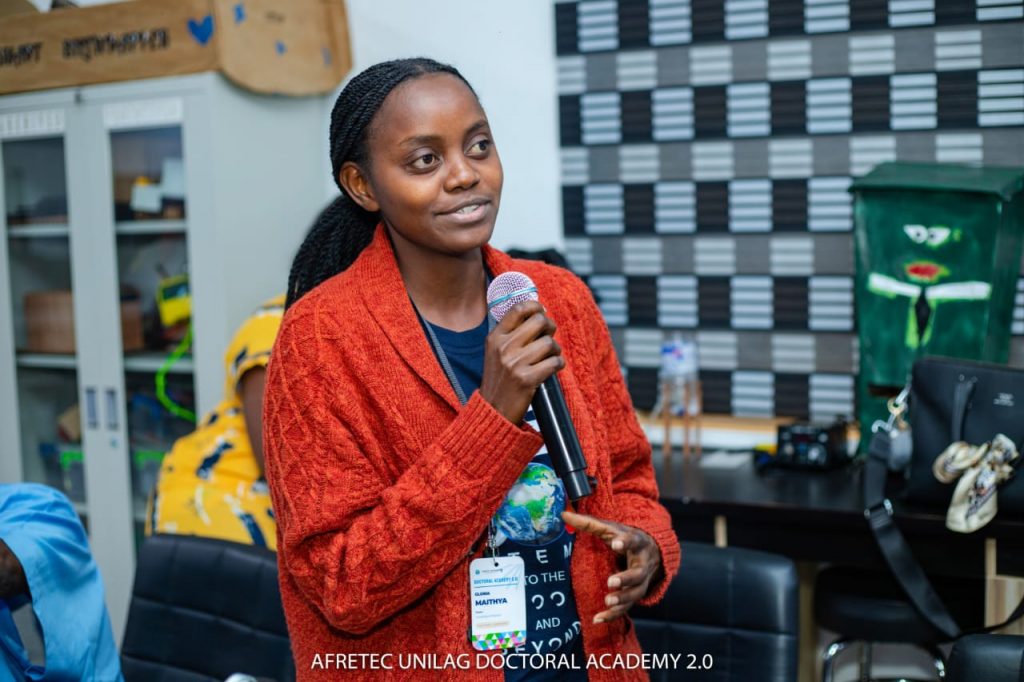
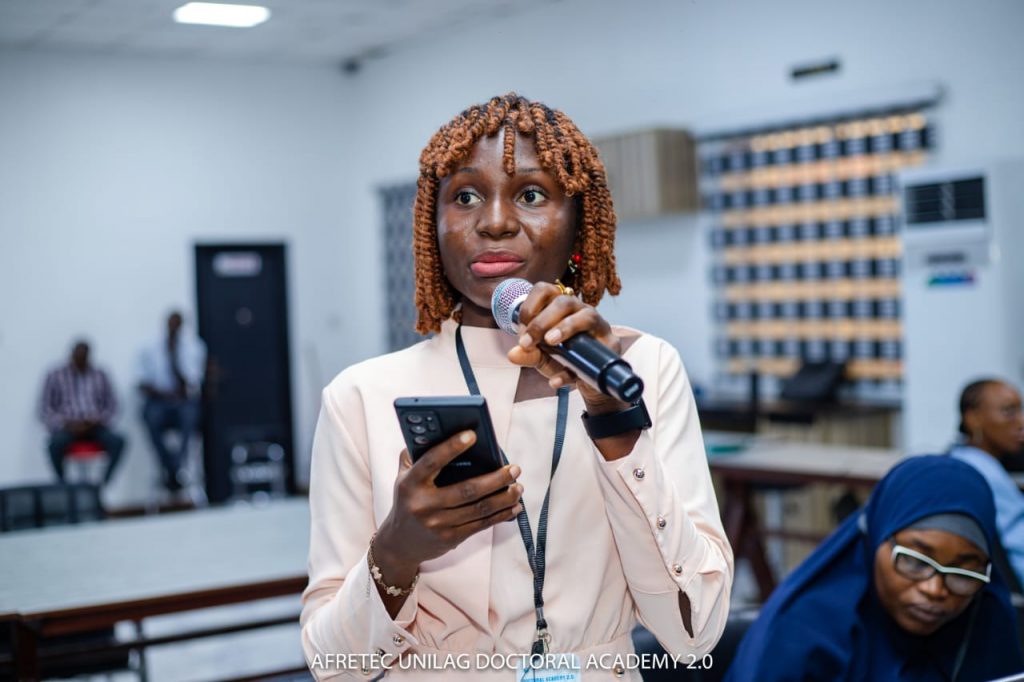

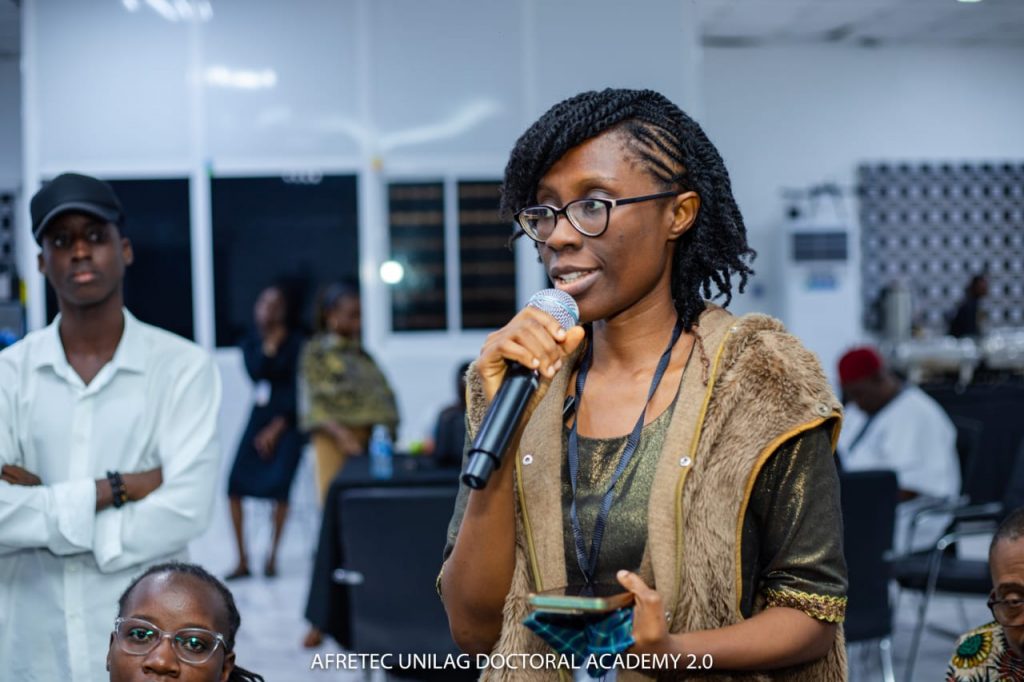
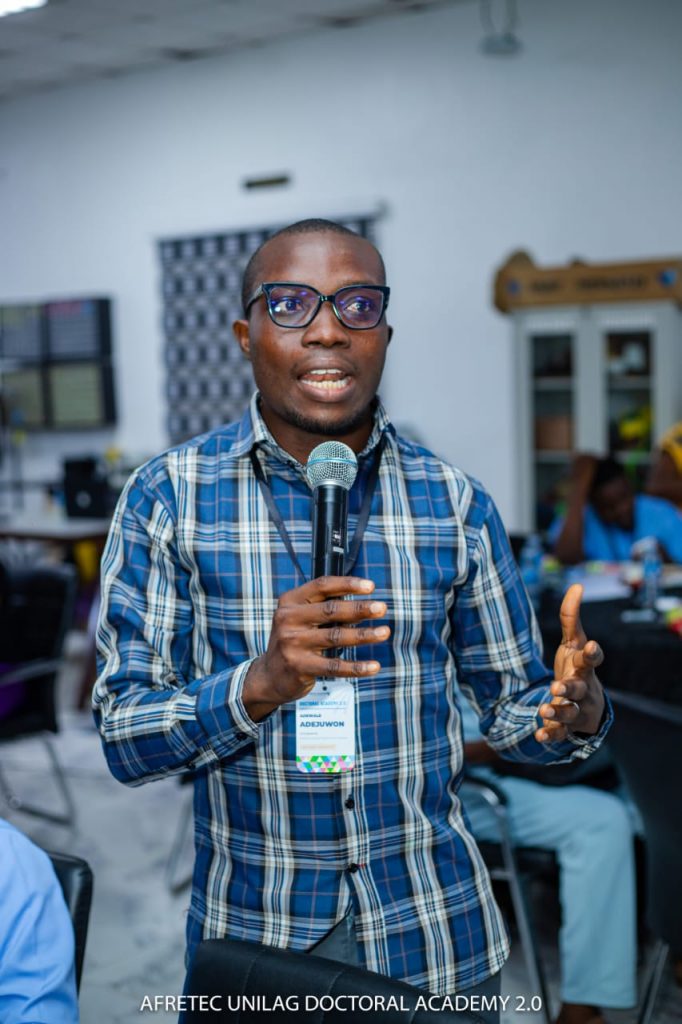
The Academy also featured a high-level panel, “Pathways Beyond the Ph.D.: Collaborative Research,” moderated by Mojeed Alabi and panellists such as the UNILAG Deputy Vice-Chancellor (Academics and Research), Professor Matthew Ilori, FAS, Mr. Wale Fatade and Dr. Nomit Balogun.
The discussion broadened participants’ perspectives on career opportunities beyond academia, while a fireside chat, “From Lab to Market,” by the Centre Leader of the African Centre of Excellence for Drug Research, Herbal Medicine Development and Regulatory Science (ACEDHARS), Professor Bola Ade-Ademilua, demonstrated how research can be translated into commercially viable innovations with tangible societal impact.
A Fitting Finale
The five-day Academy concluded with the induction of participants into the growing AFRETEC Doctoral Academy Alumni Network, where the Network Coordinator, Professor Adegboyega Ismail Ibraheem, urged the new cohort to champion ethical, solution-driven and community-centred research while sustaining the collaborations forged during the programme.
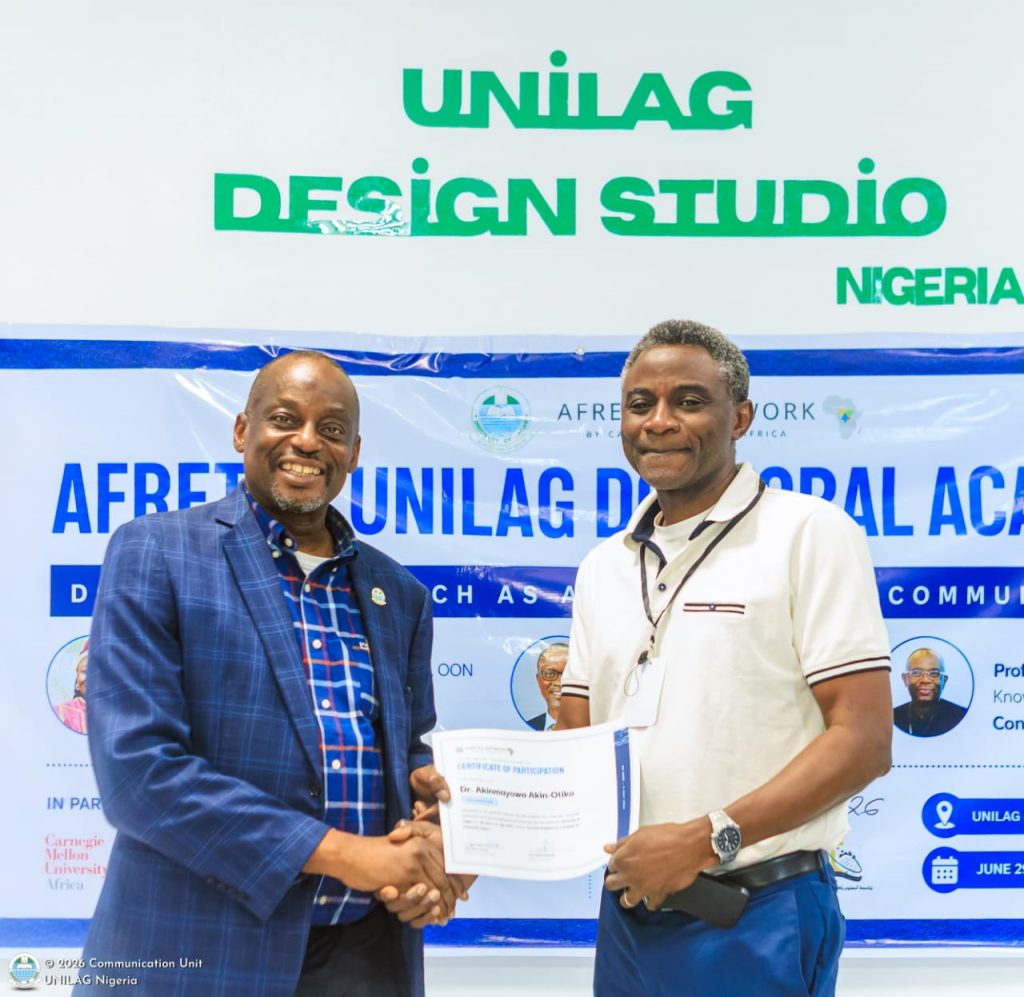
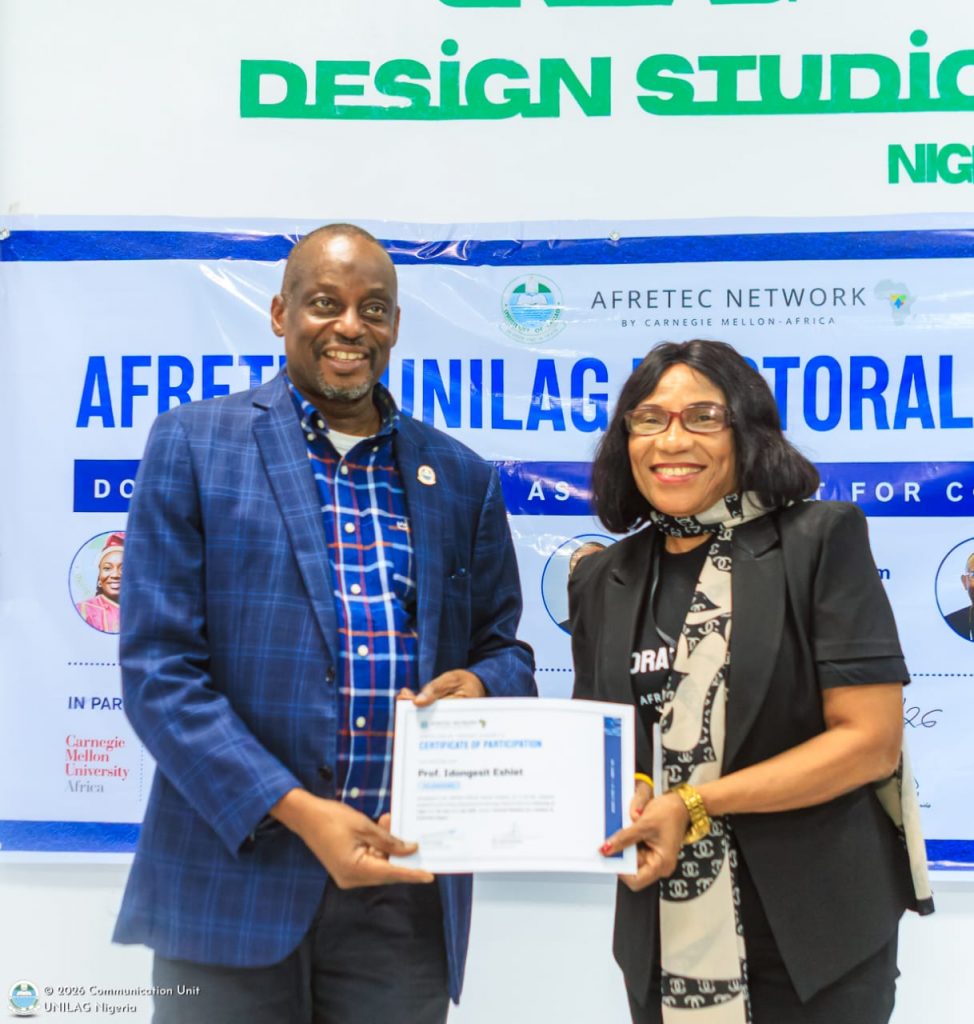
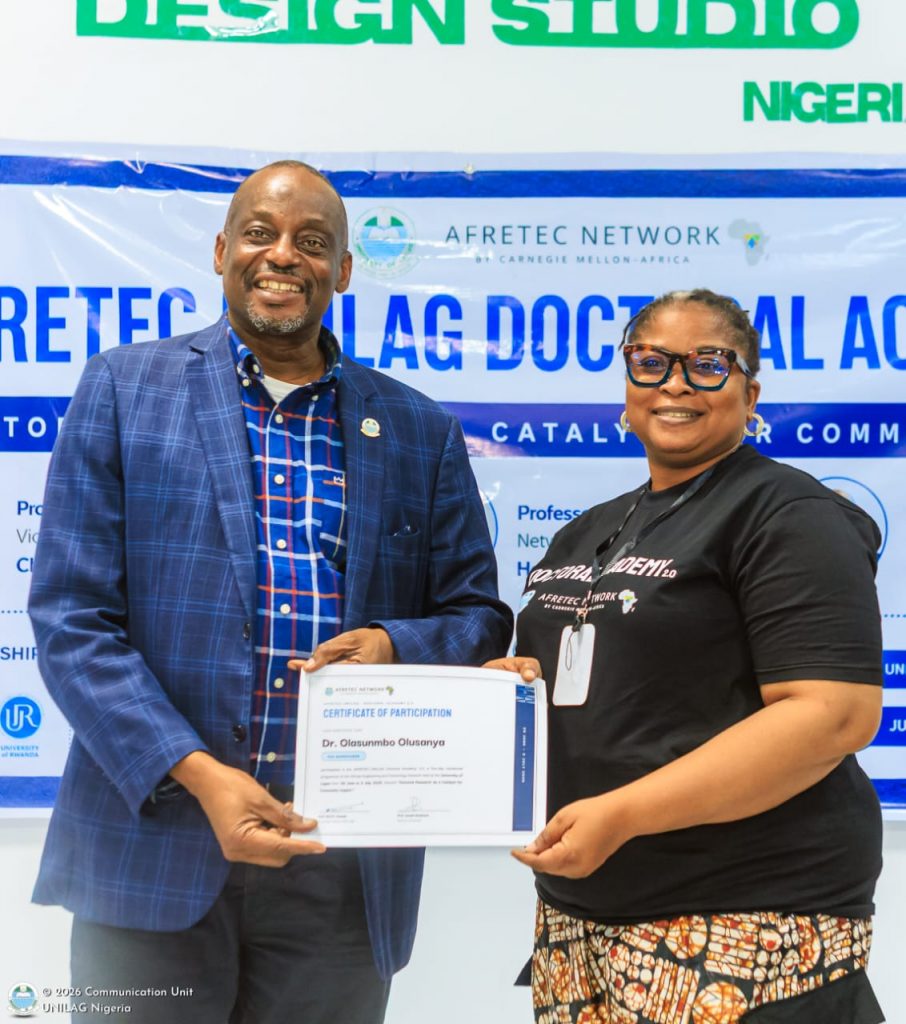
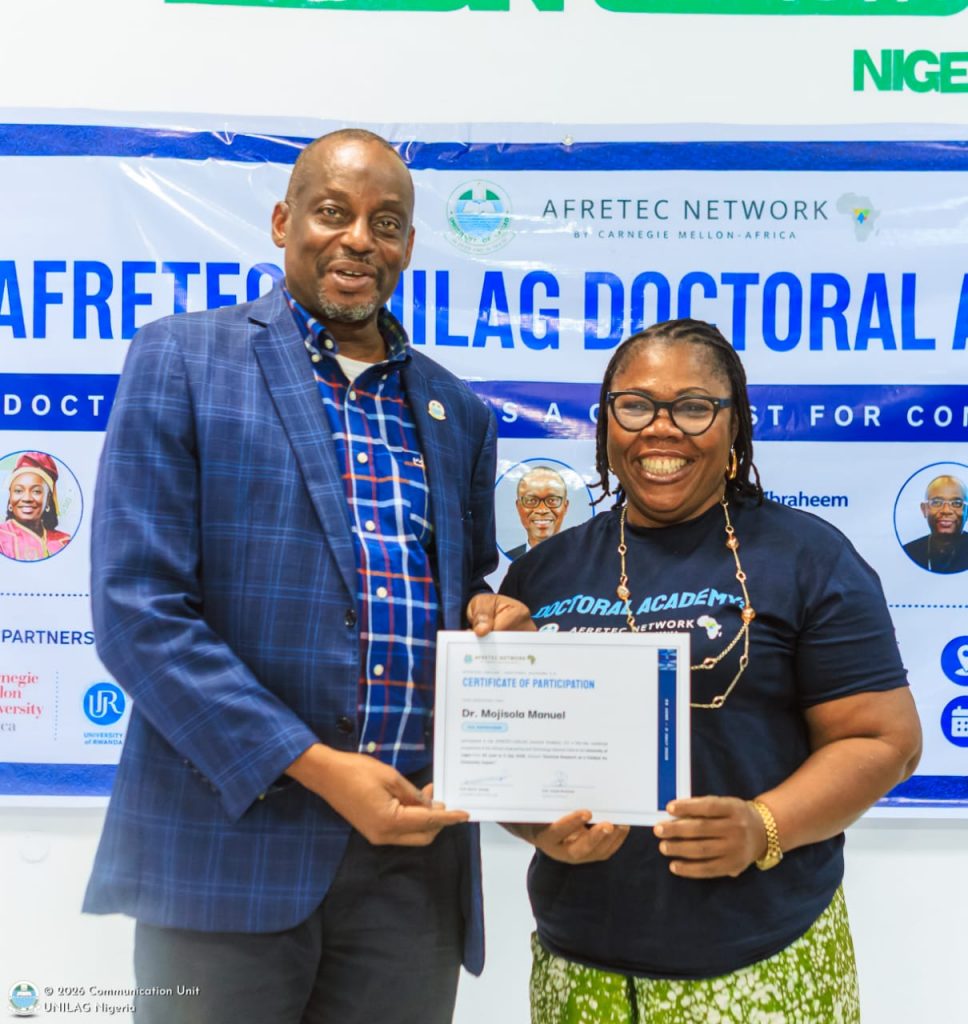
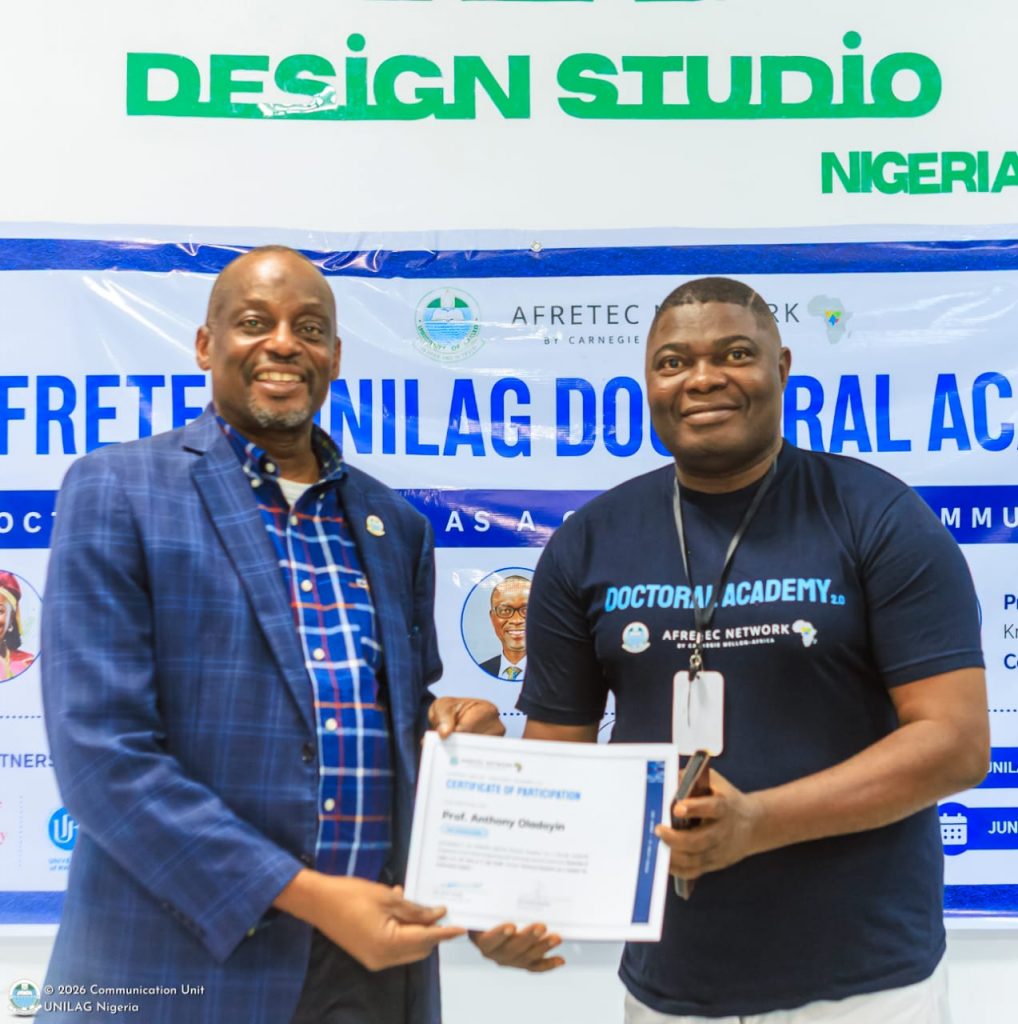
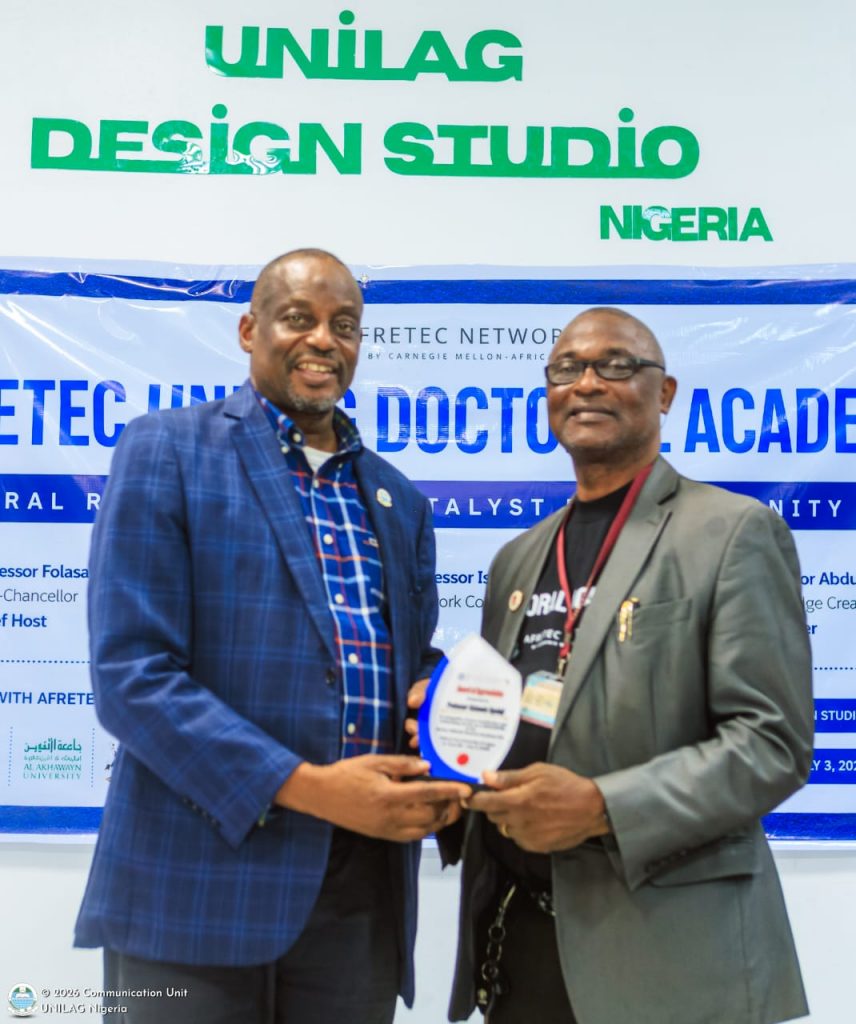
Representing the University Management, the Deputy Vice-Chancellor (Development Services), Professor Foluso Ebun Afolabi Lesi at the closing ceremonies, presented certificates to participants and supervisors, while recognising outstanding contributions throughout the Academy.
As the curtains fell on five days of rigorous learning and collaboration, it was evident that the Academy had accomplished far more than a successful training programme. It had nurtured a new generation of African scholars equipped not only to produce rigorous research, but to transform knowledge into innovation, influence policy and create lasting impact where it matters most in society.
Supported by the Mastercard Foundation through the African Engineering and Technology Network (AFRETEC), the Doctoral Academy continues to redefine doctoral education by nurturing scholars whose success will ultimately be measured not only by the quality of their research, but by the difference it makes across Africa.