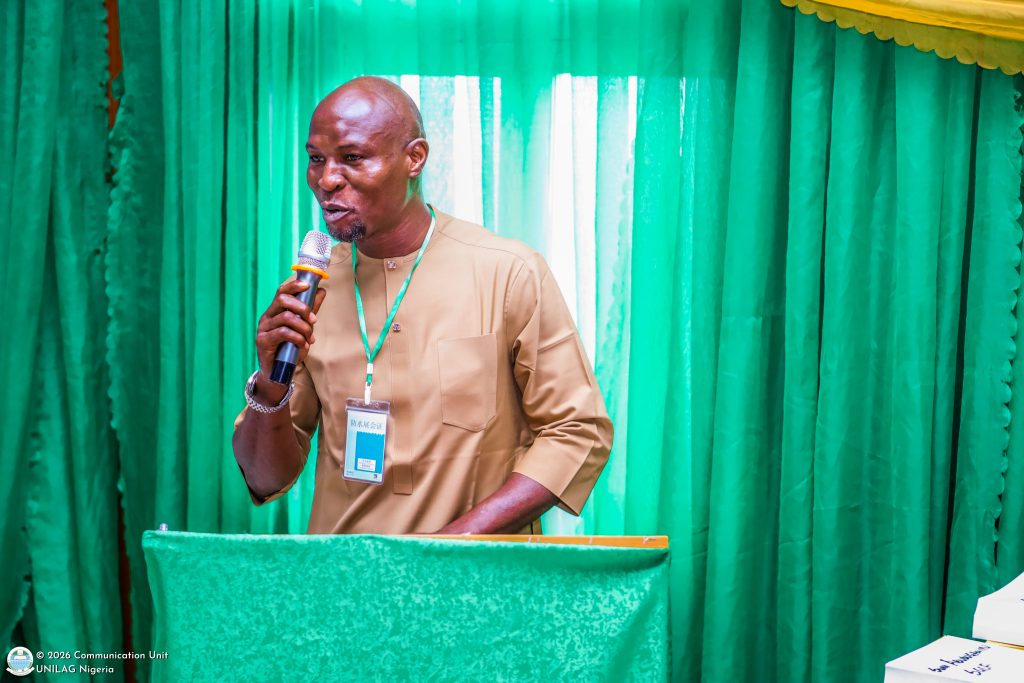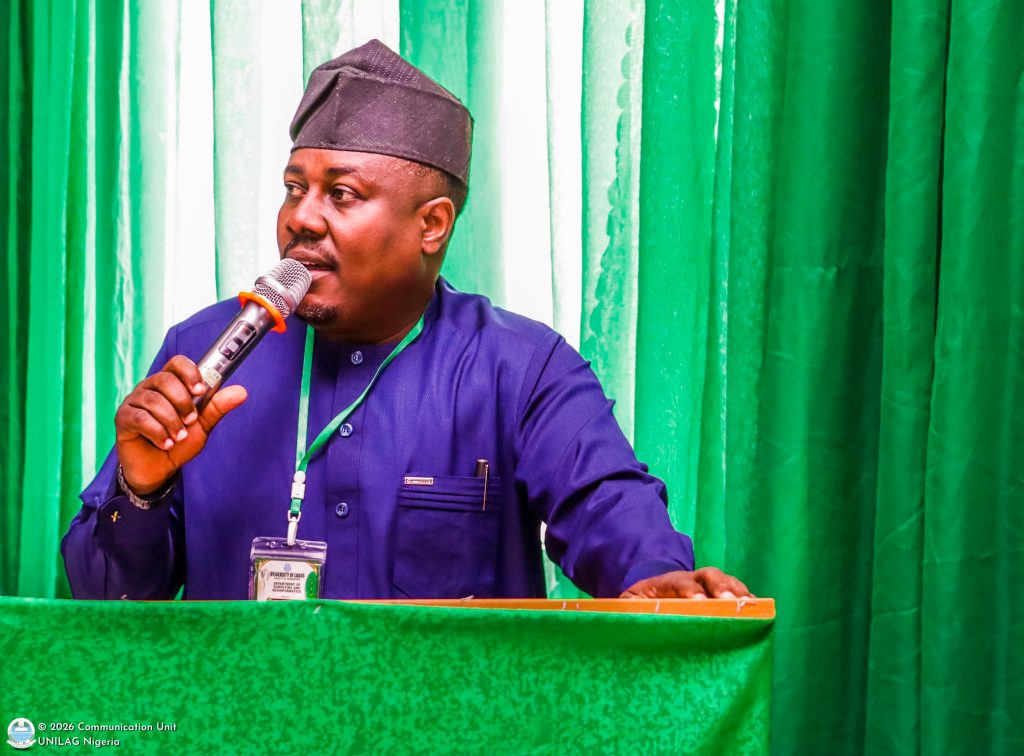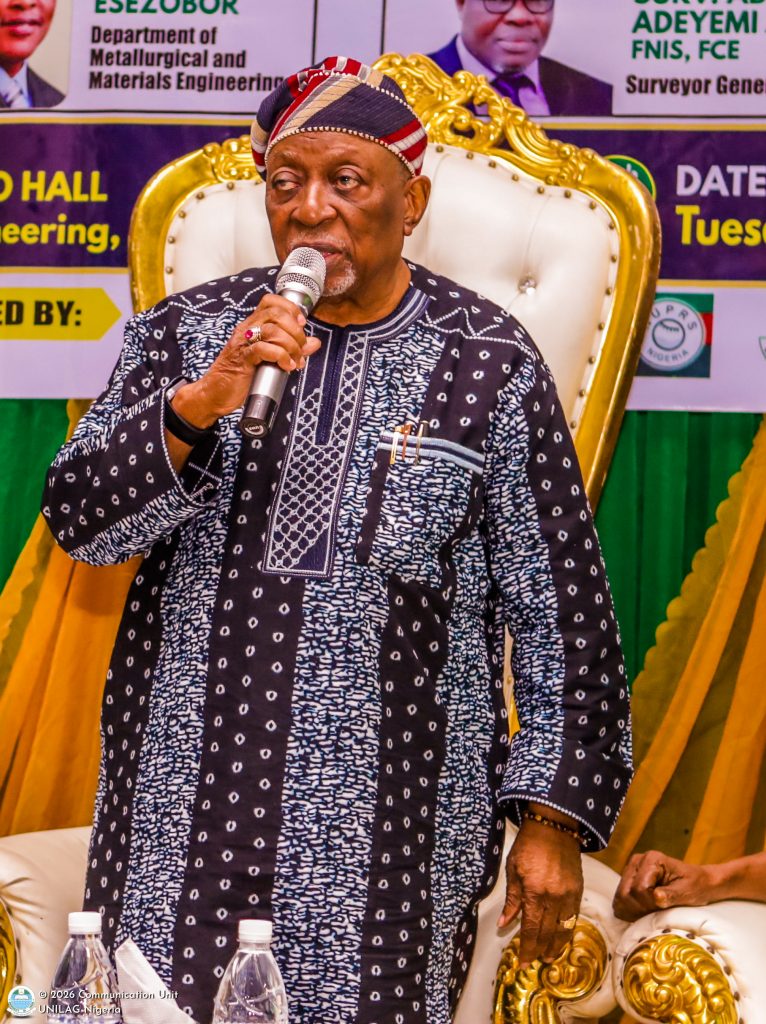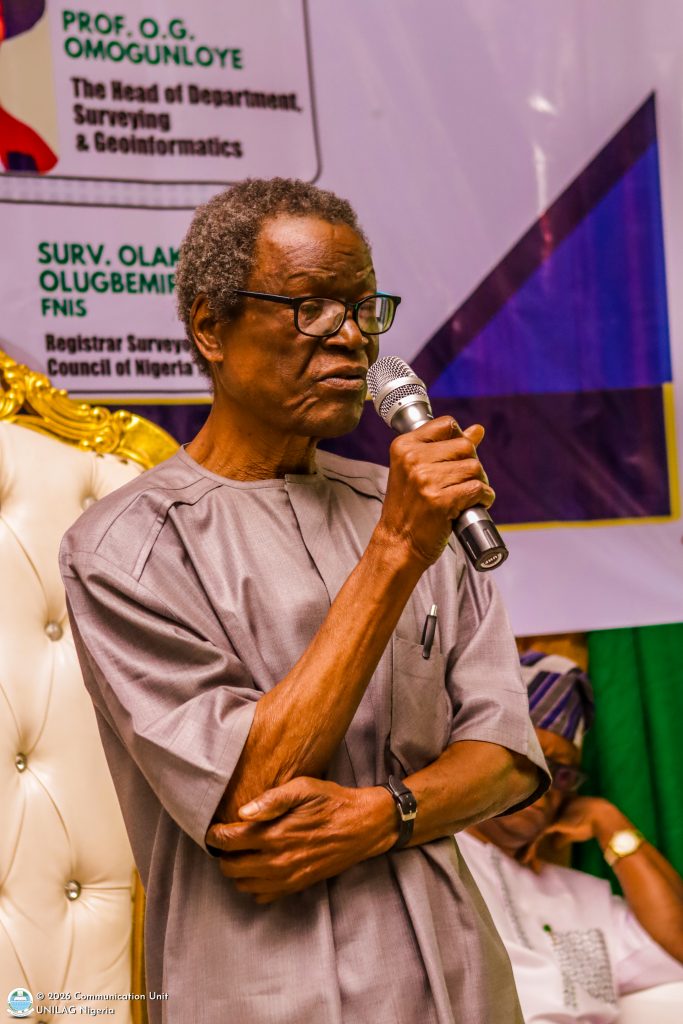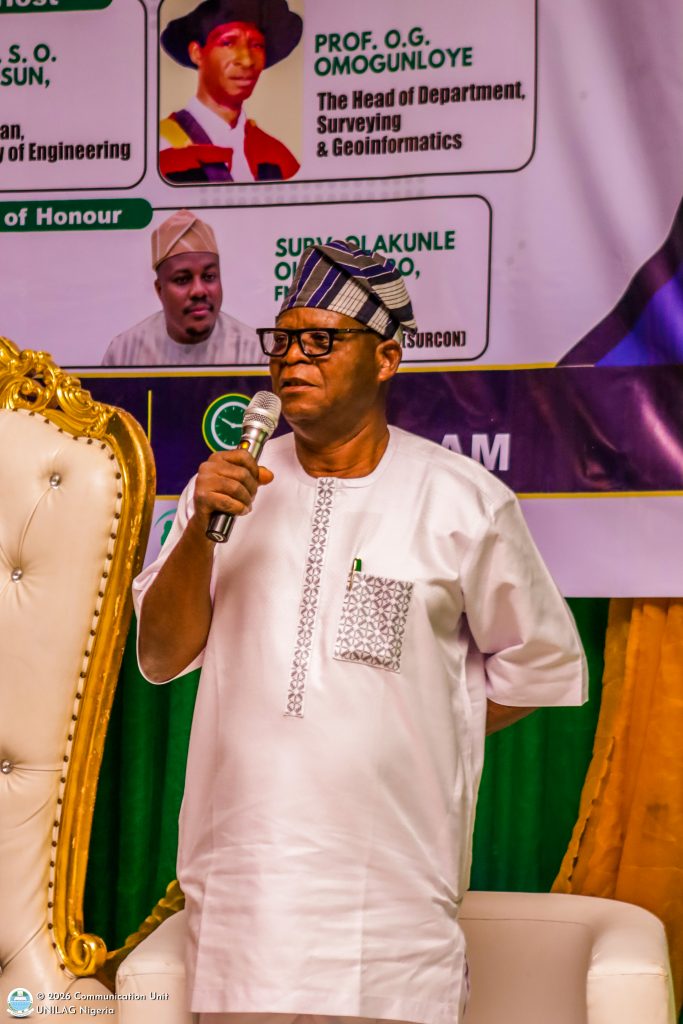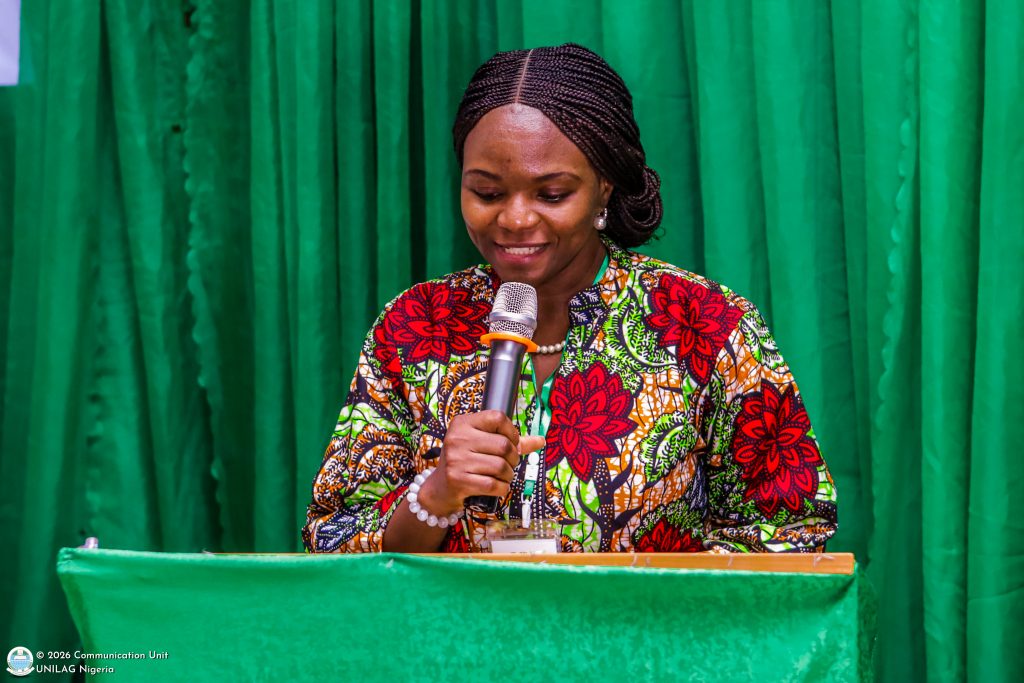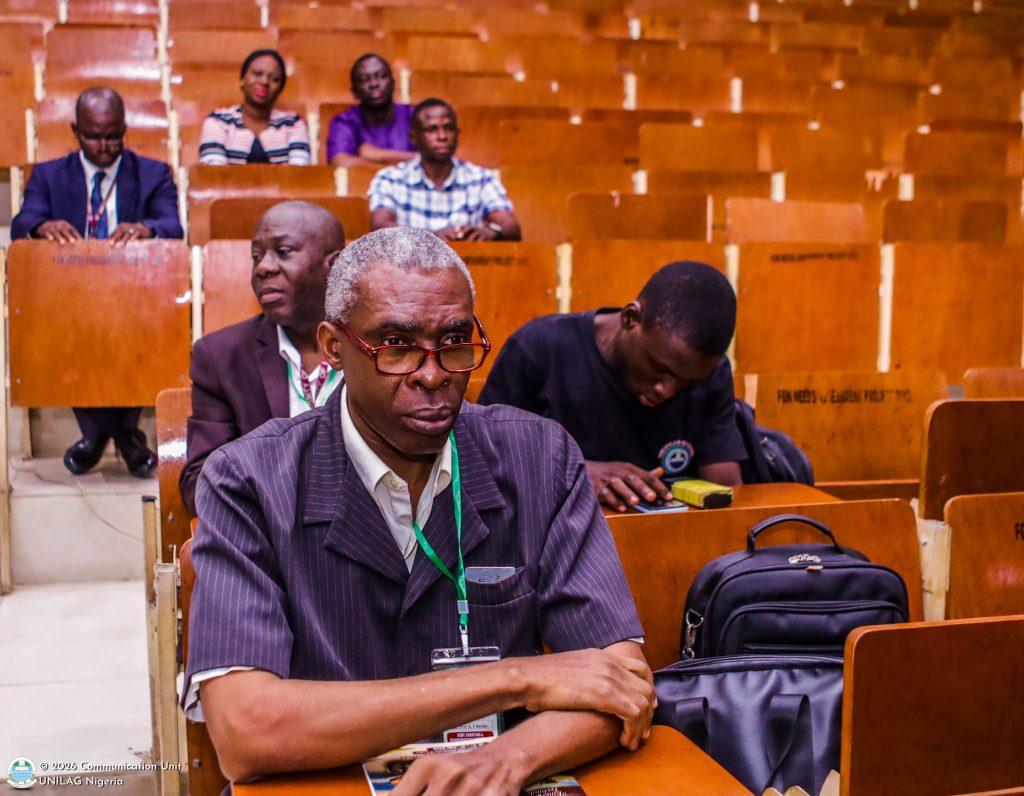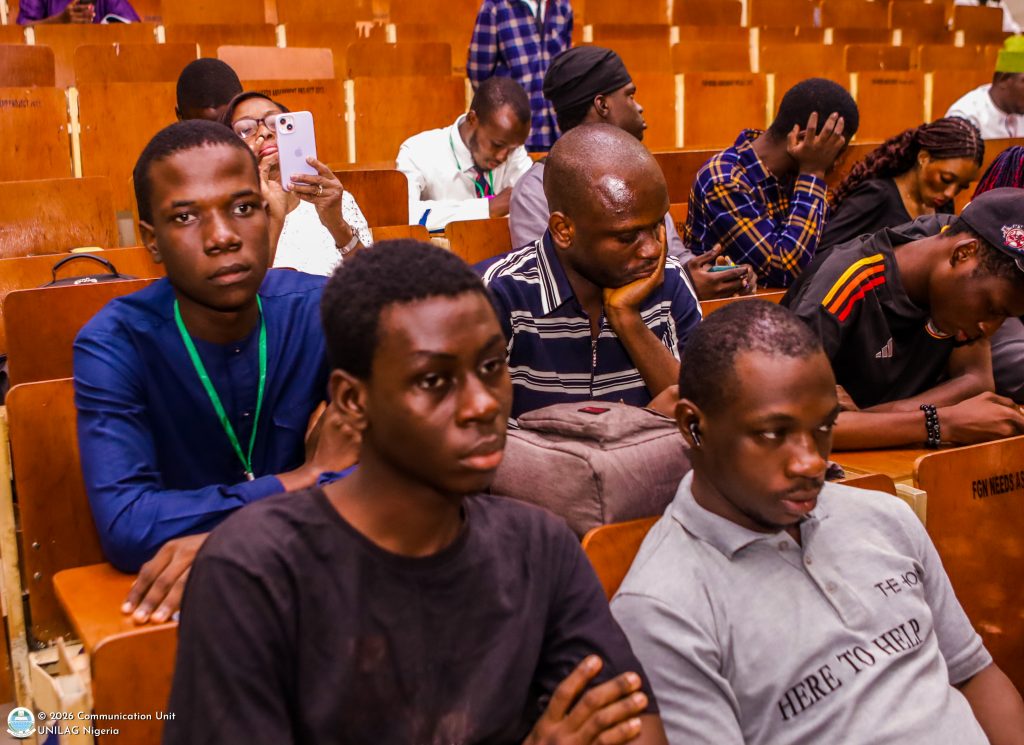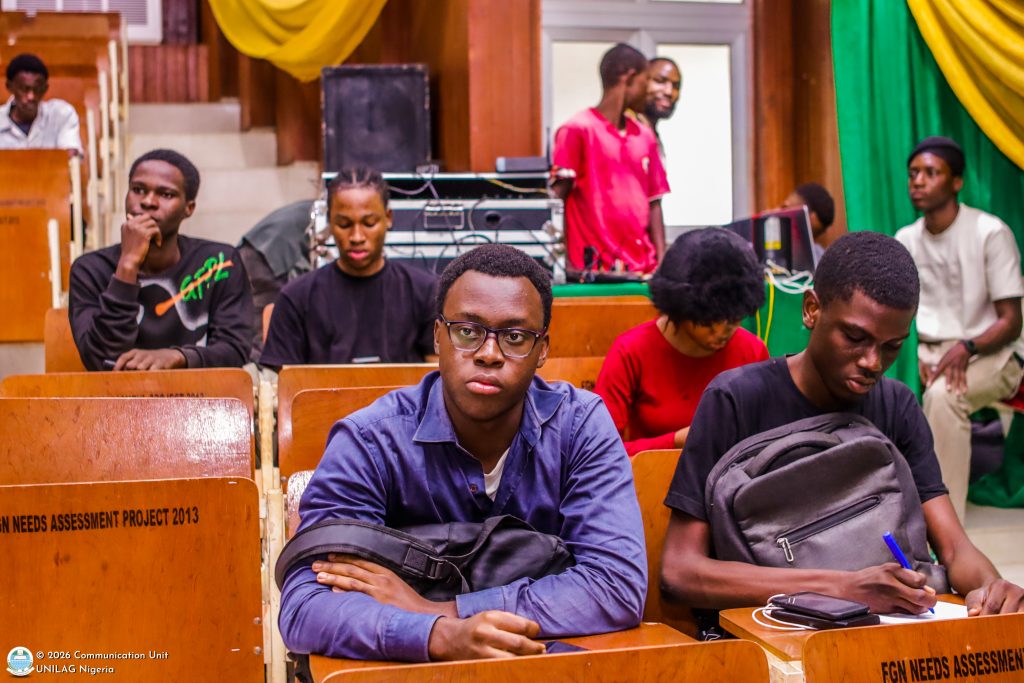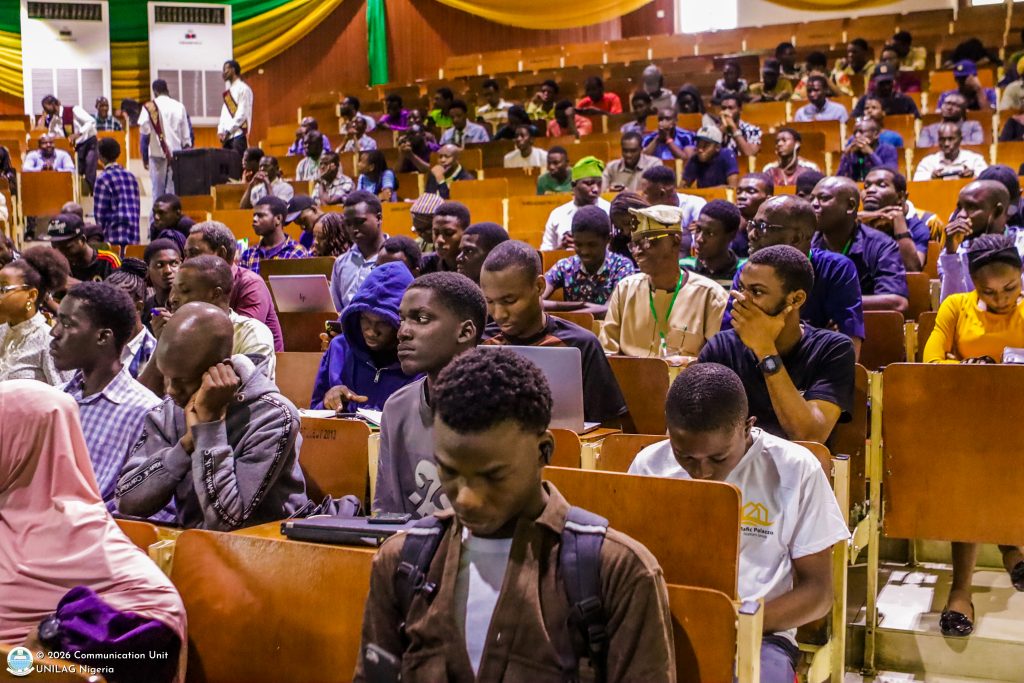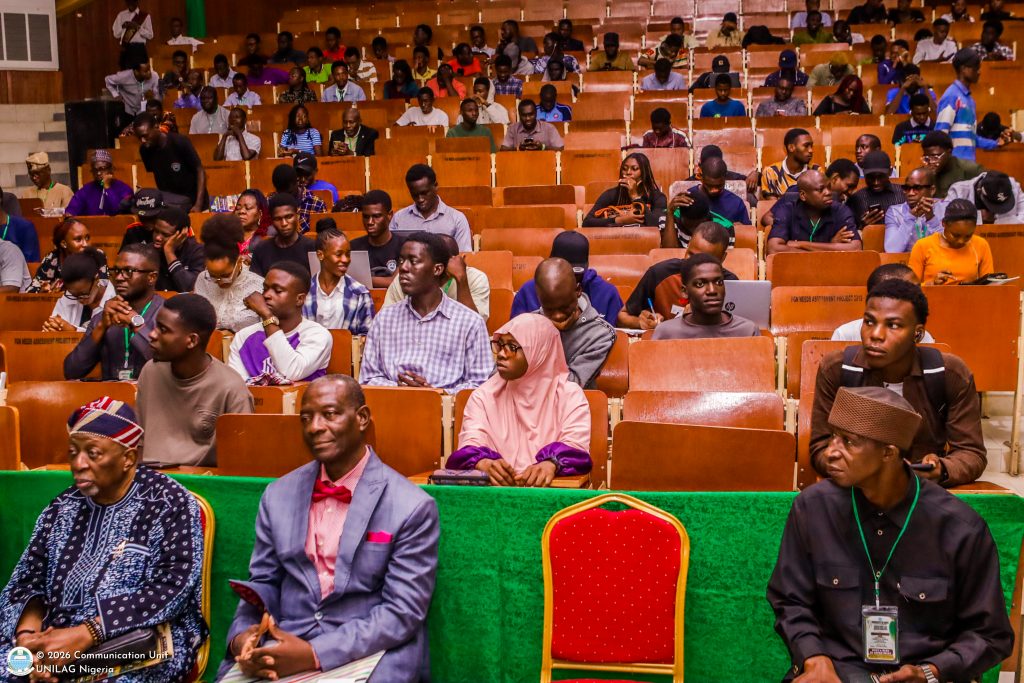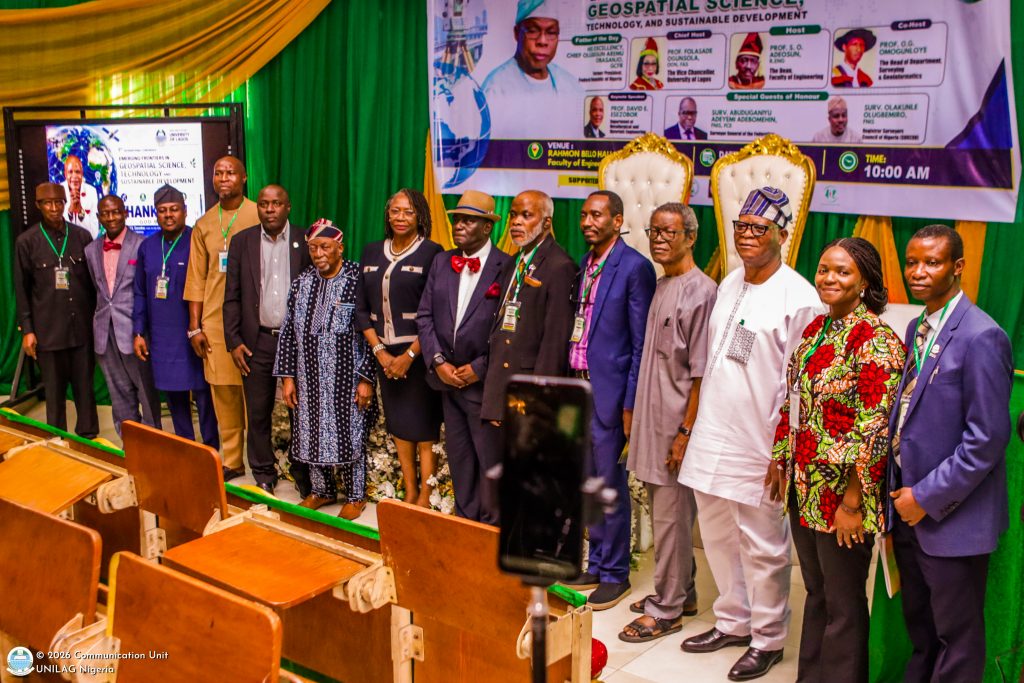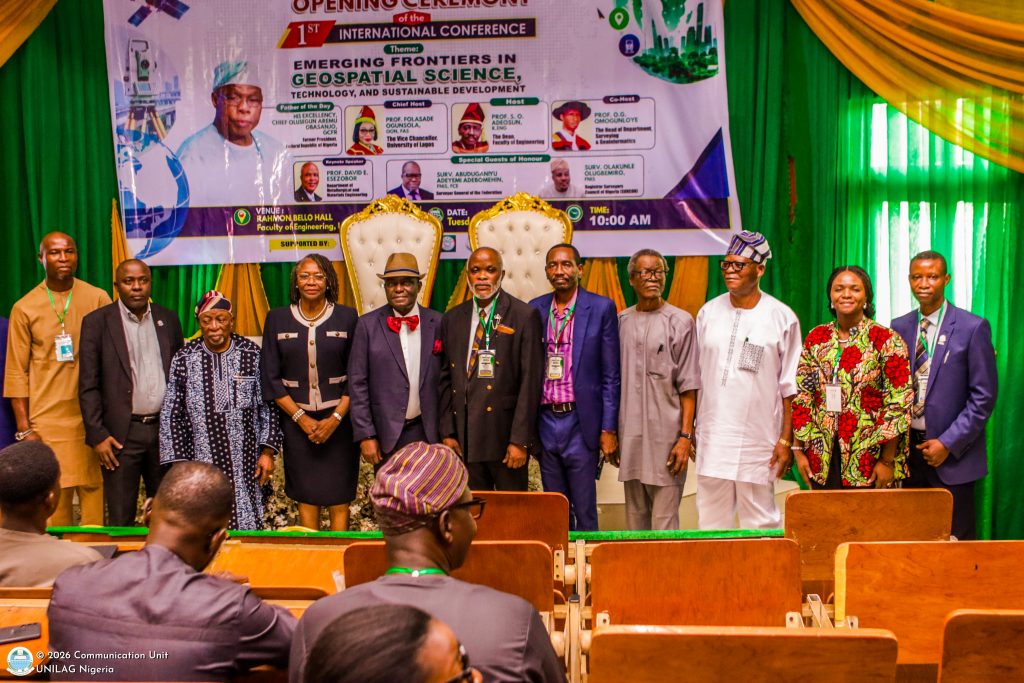
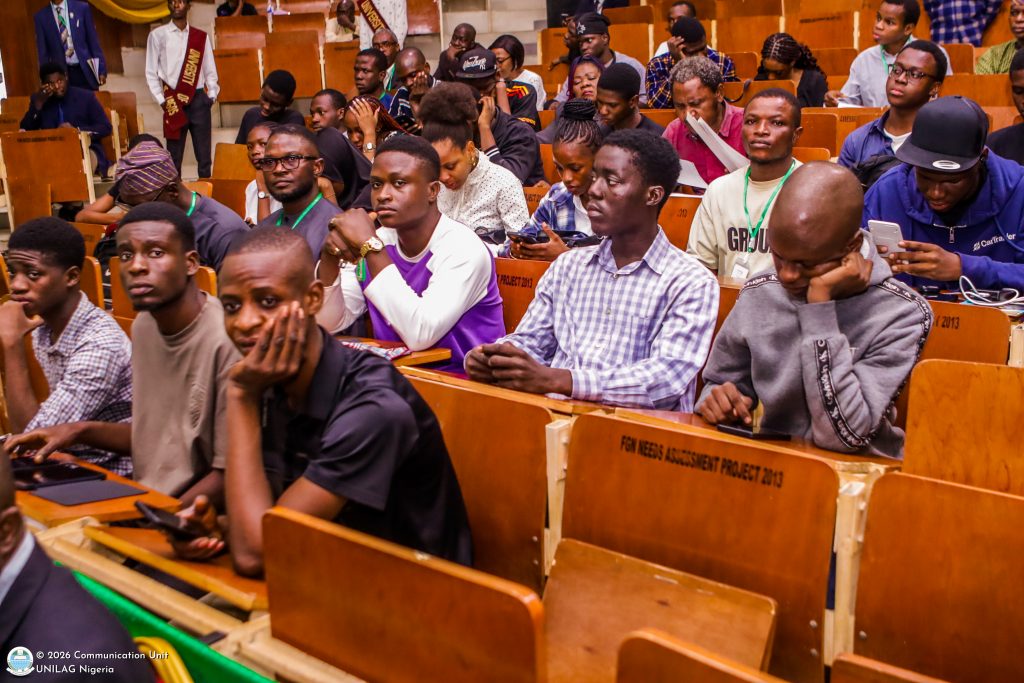
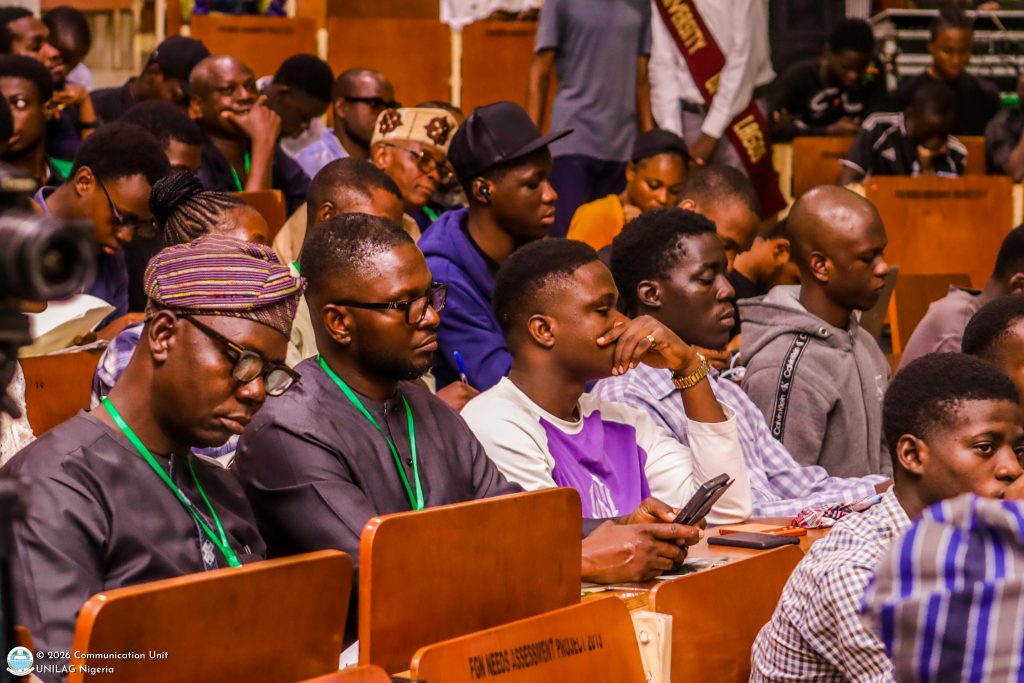
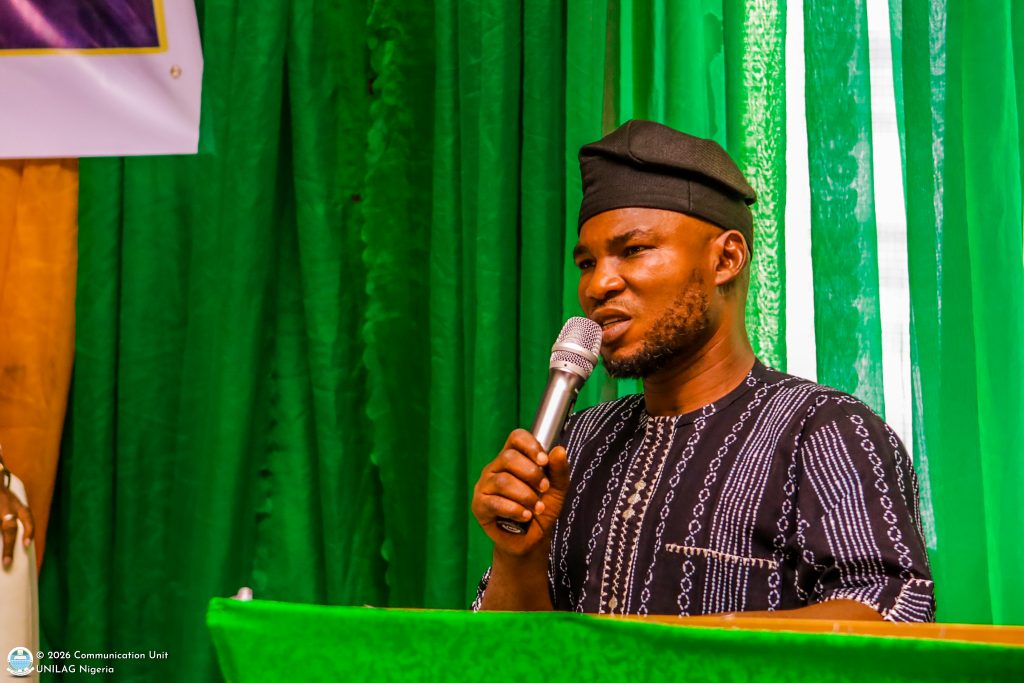
The University of Lagos (UNILAG) has underscored its growing leadership in research, innovation, and technological advancement with the commencement of the first (1st) International Conference on Geospatial Science and Geoinformatics, bringing together experts, academics, policymakers, and industry stakeholders to examine the role of geospatial technologies in driving sustainable development and effective mineral resource management.
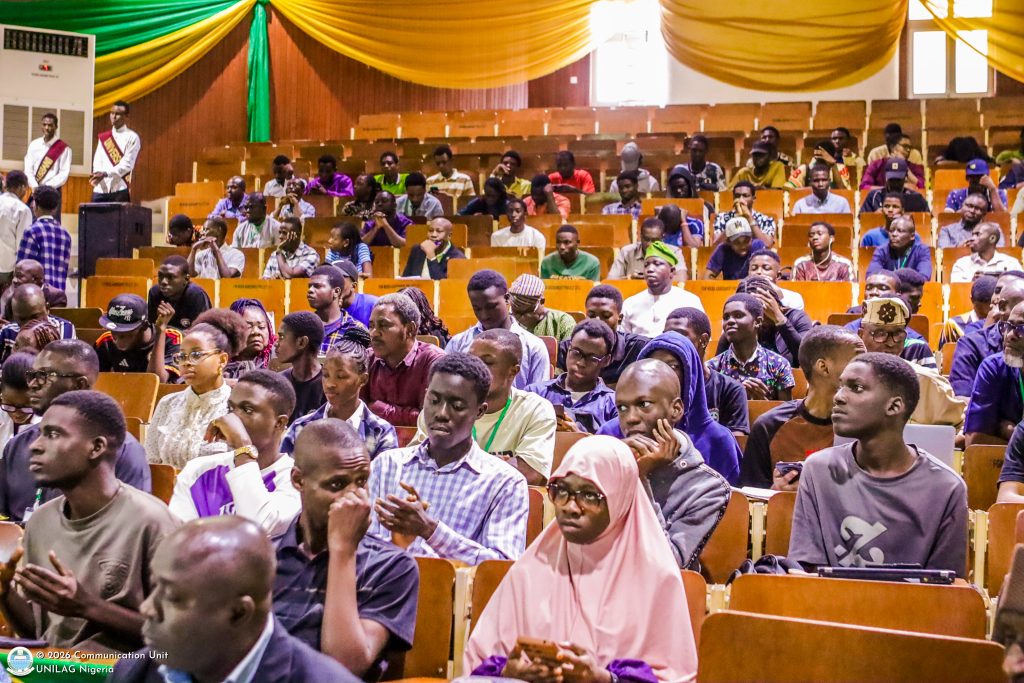
The three-day conference, which opened on Tuesday, July 7, 2026, at the Rahmon Bello Hall, Faculty of Engineering, UNILAG is themed “Emerging Frontiers in Geospatial Science, Technology, and Sustainable Development.”
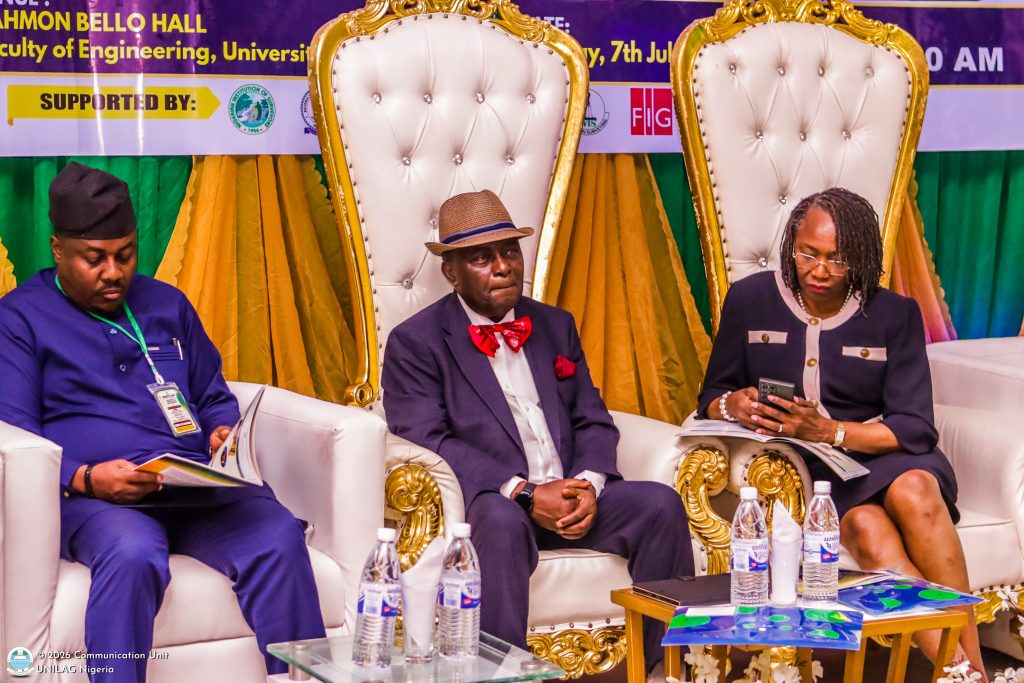
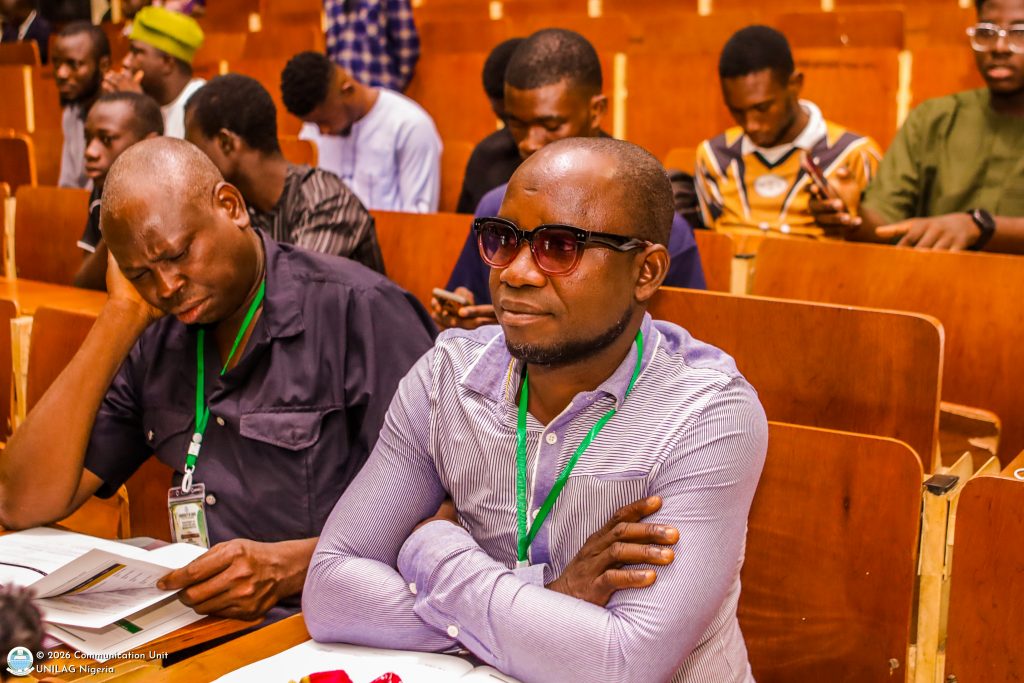
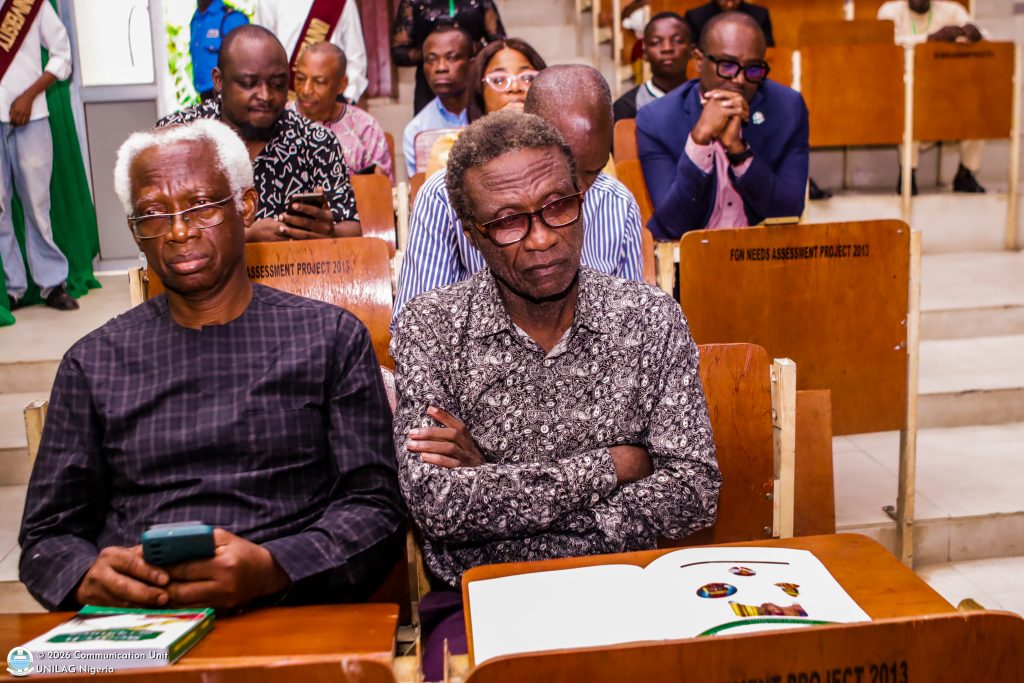
Declaring the conference open, the Vice Chancellor of the University of Lagos, Professor Folasade Tolulope Ogunsola, OON, FAS, underscored the strategic importance of geospatial science in driving Nigeria’s economic diversification by exploring and sustainably managing the country’s vast solid mineral resources.
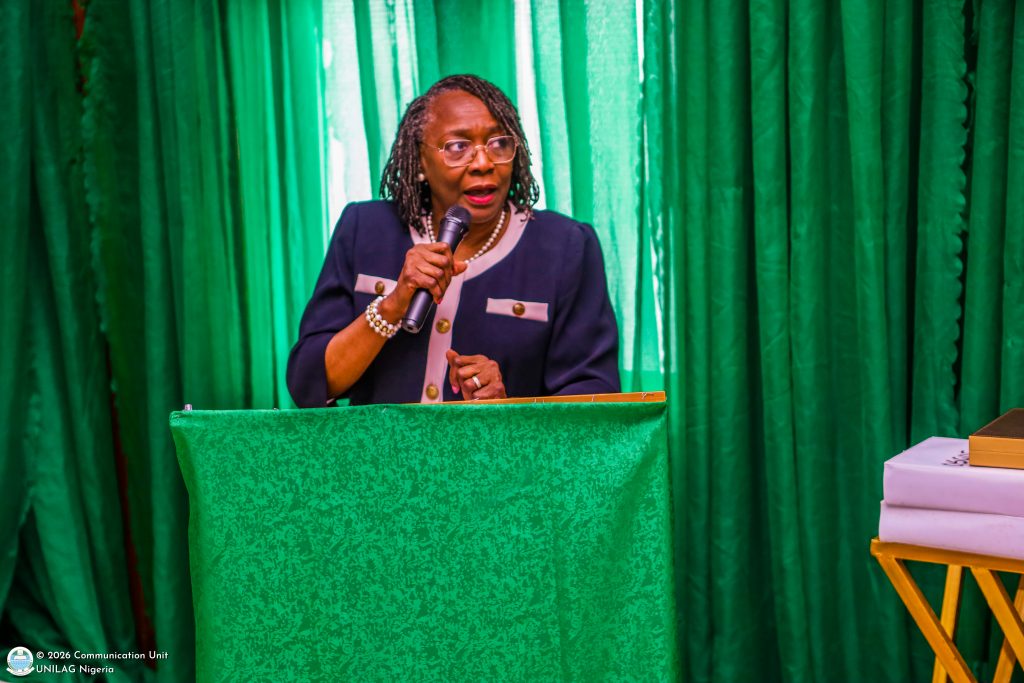
She observed that as Nigeria gradually shifts attention from its long-standing dependence on crude oil, geospatial science and geoinformatics have become indispensable in discovering, mapping, and managing the nation’s abundant mineral deposits and gemstones, which are critical to national development and evidence-based planning. According to her, these disciplines are increasingly central to Nigeria’s future as the country seeks to unlock the economic potential of its natural resources.
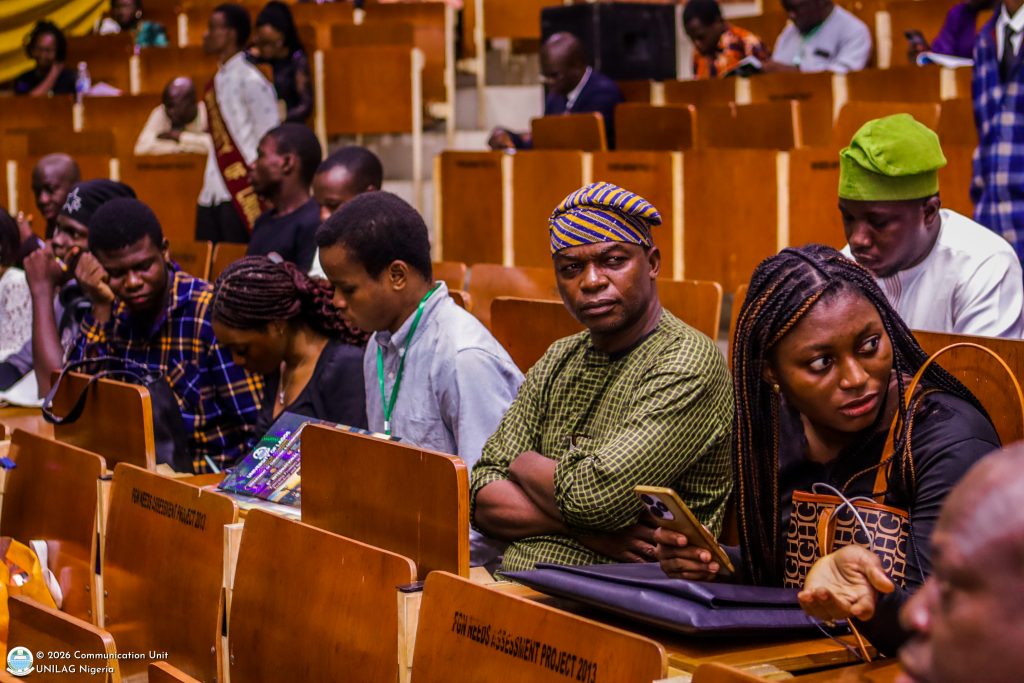
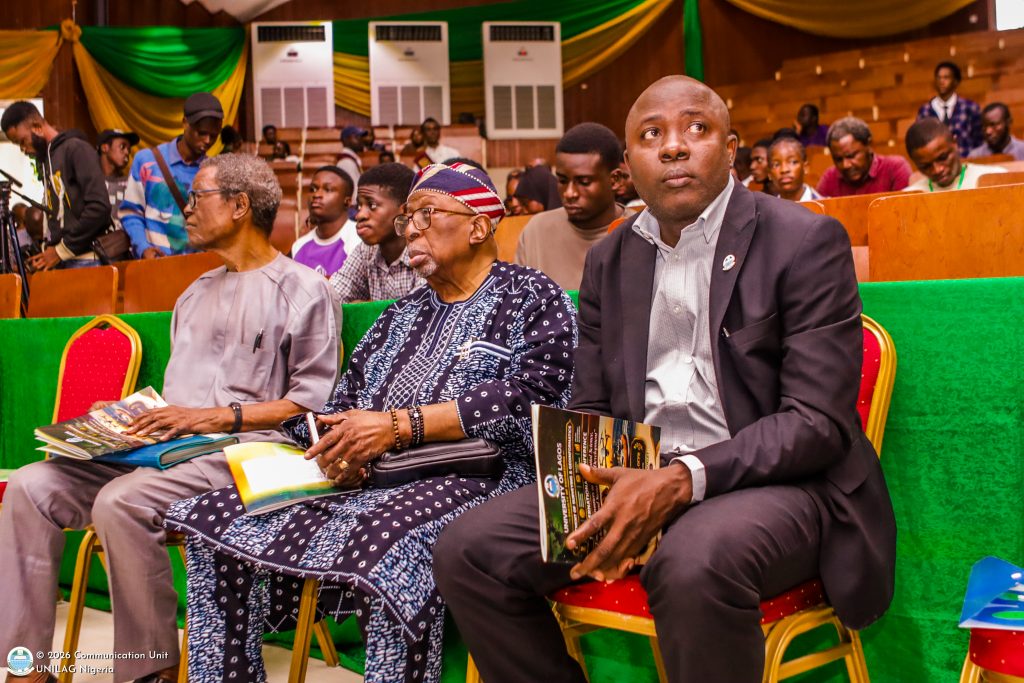
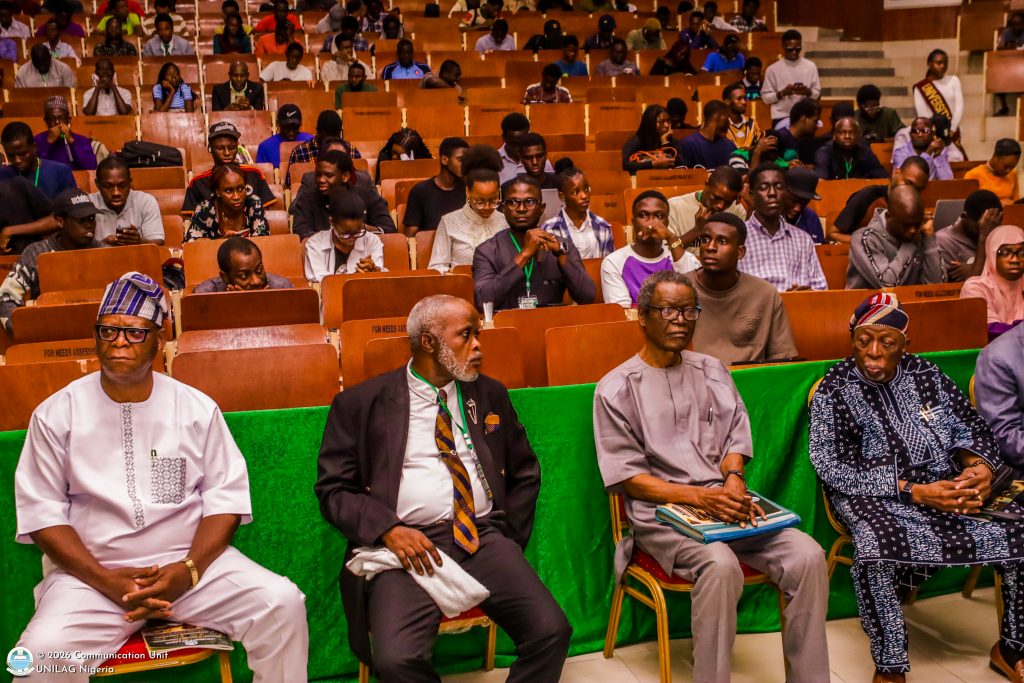
Professor Ogunsola further stressed that universities have a responsibility not only to generate knowledge but also to develop practical, research-driven solutions to national challenges, while producing the skilled manpower and innovations required to accelerate economic growth and sustainable development.
Delivering the keynote address titled “Emerging Frontiers in Geospatial Science, Technology, and Sustainable Development,” Professor of Metallurgical & Materials Engineering, Faculty of Engineering, UNILAG, Prof. David Esezobor emphasised that technology alone cannot guarantee sustainable development, stressing that lasting progress depends on the convergence of spatial intelligence, human expertise, and responsible governance.
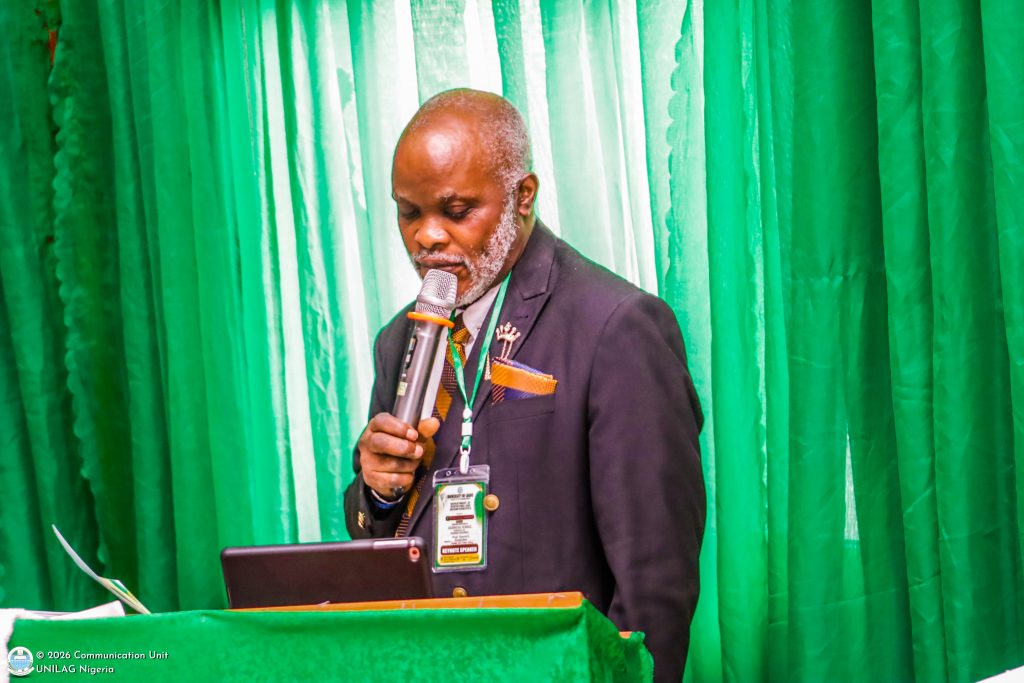
He identified major challenges confronting the geospatial sector, including inadequate data infrastructure, high technology costs, limited access to advanced digital tools, and weak institutional collaboration.
To address these challenges, Professor Esezobor proposed strategic investments in geospatial education, stronger partnerships among academia, government, and industry; improved institutional collaboration, wider adoption of open-data policies, and increased support for indigenous technological innovation.
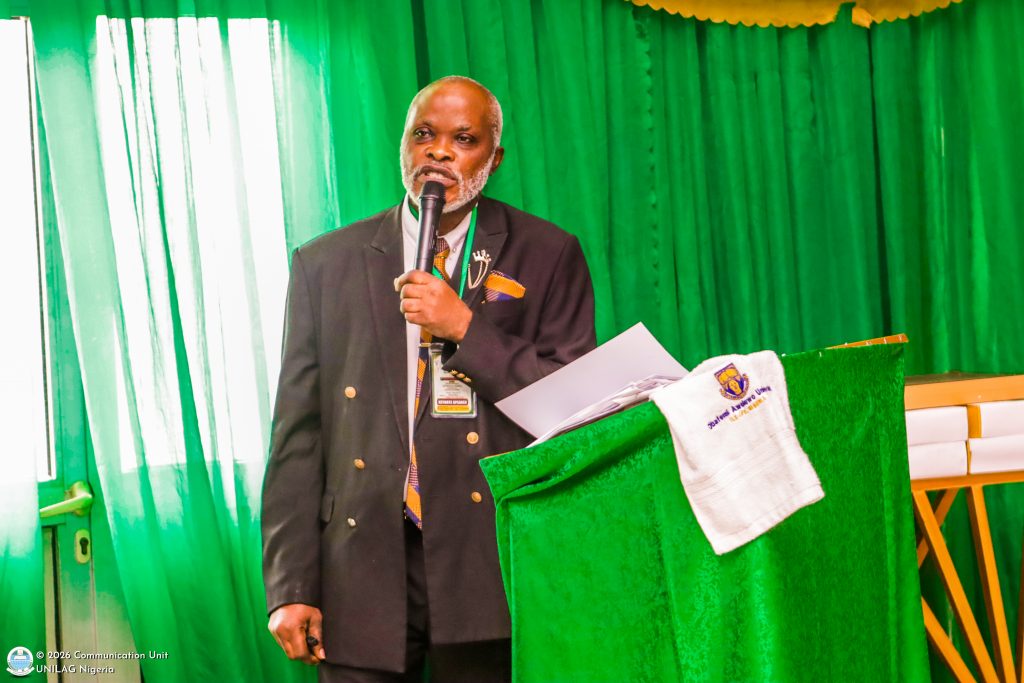
Explaining the evolving nature of the discipline, he noted that the future of geospatial science extends beyond data collection to generating actionable intelligence for decision-making.
“The goal of geospatial technology is not simply to produce more data but to enable better decisions and measurable impact,” he said, highlighting emerging technologies such as GeoAI, digital twins and advanced spatial analytics as essential tools for planning resilient cities, managing natural resources, monitoring environmental changes and improving national development outcomes.
The conference also featured a special address delivered by the former Executive Secretary of the National Universities Commission, Professor Peter Okebukola, OFR, who stood in for the Father of the Day, Chief Olusegun Obasanjo, GCFR, a former president of the Federal Republic of Nigeria.
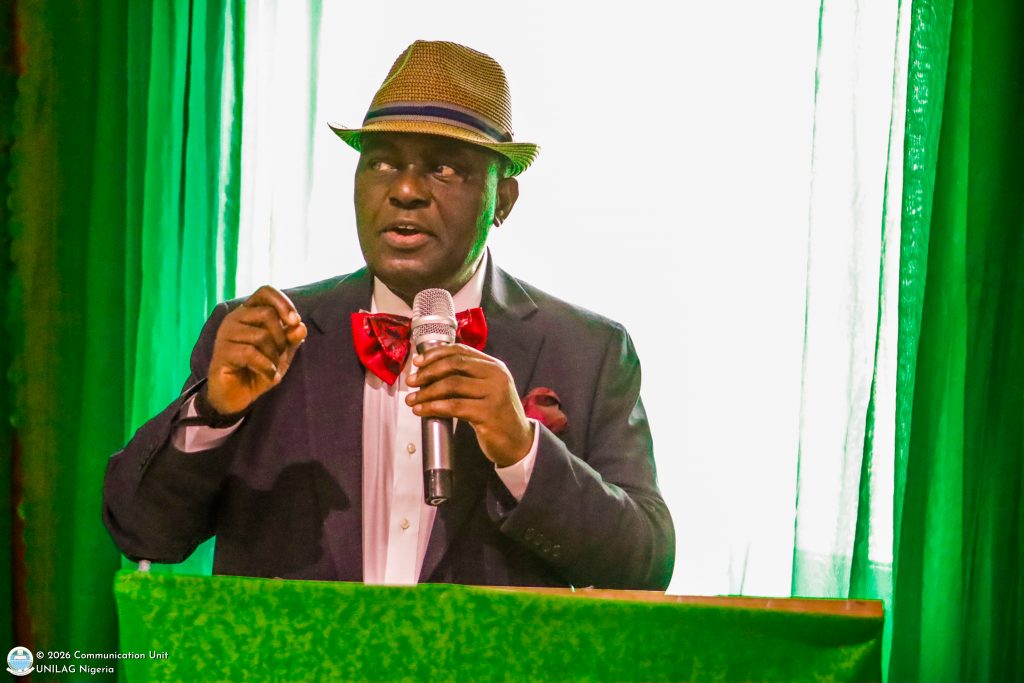
Reflecting on Nigeria’s deliberate investment in space science through the establishment of the National Space Research and Development Agency (NASRDA) and the launch of NigeriaSat-1 in 2003, the elder statesman described both initiatives as strategic national investments rather than symbolic achievements.
According to him, a country that is serious about sustainable development and national security must develop the capacity to harness modern geospatial technologies for monitoring its forests, coastlines, agricultural resources, urban expansion, and critical infrastructure.

Professor Okebukola also lauded the University of Lagos for its long-standing tradition of academic excellence, recalling that an international assessment conducted during his tenure as Executive Secretary of the National Universities Commission (NUC) ranked the institution among Nigeria’s foremost universities.
He commended the leadership of the University’s Vice Chancellor for sustaining the university’s upward trajectory and urged the institution to remain steadfast in its pursuit of excellence. According to him, while attaining excellence is a remarkable achievement, sustaining it requires even greater commitment, discipline, and continuous innovation.
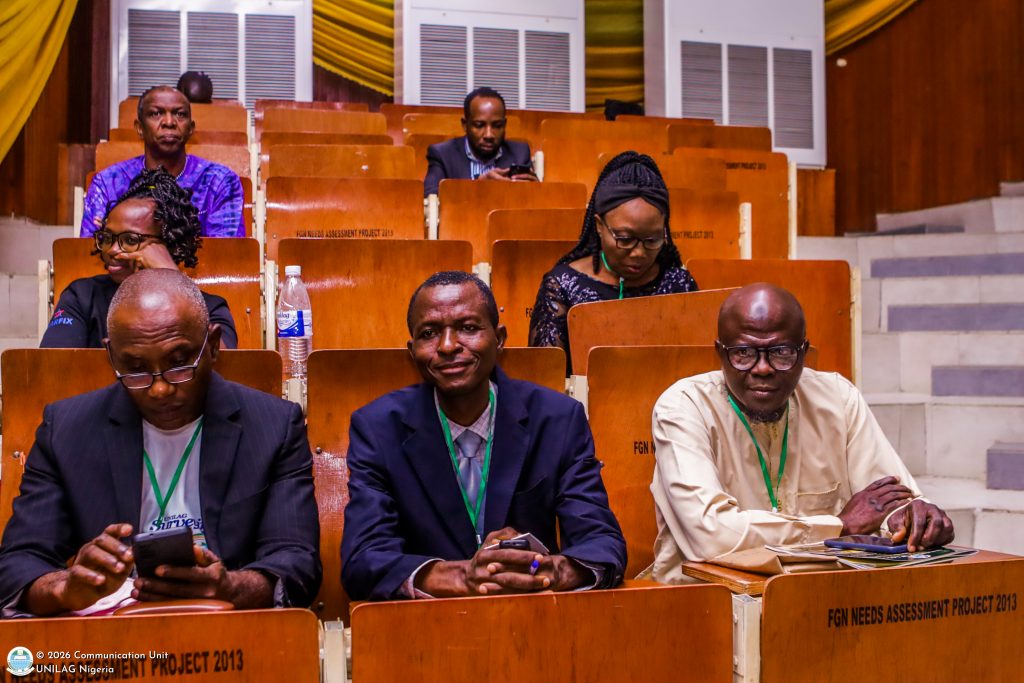
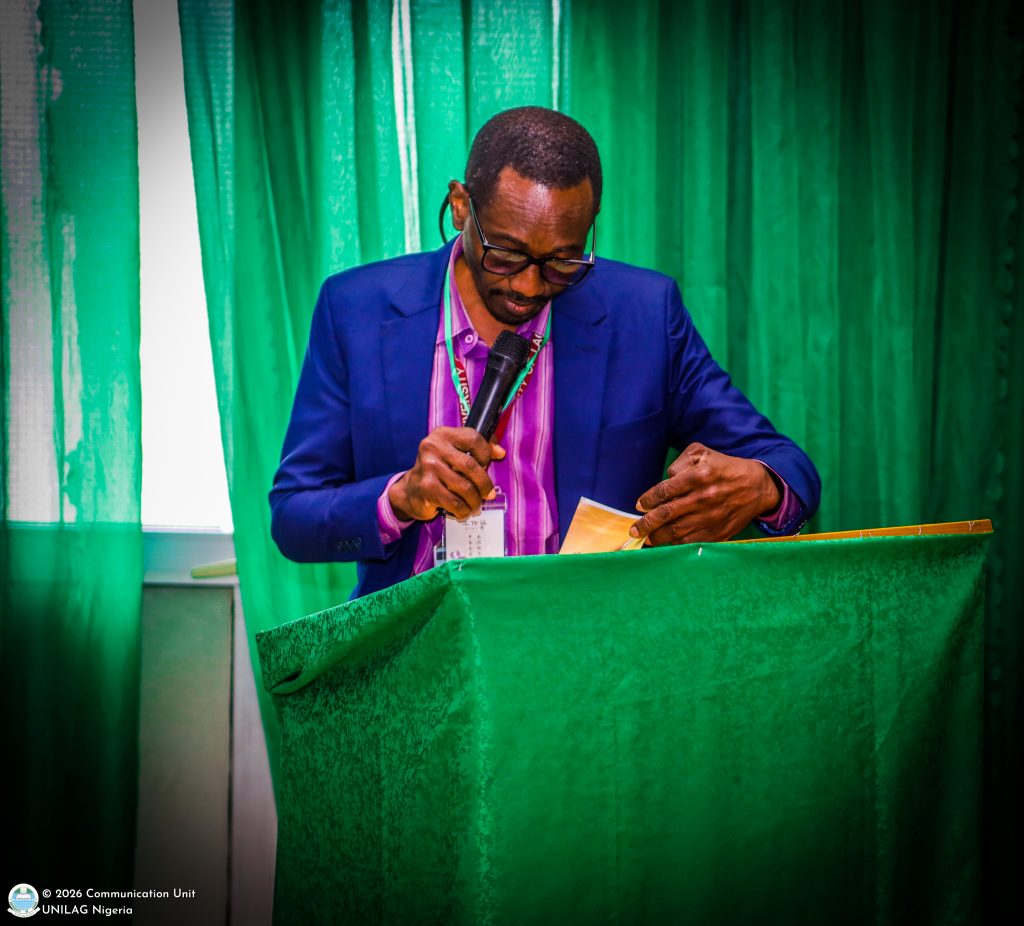
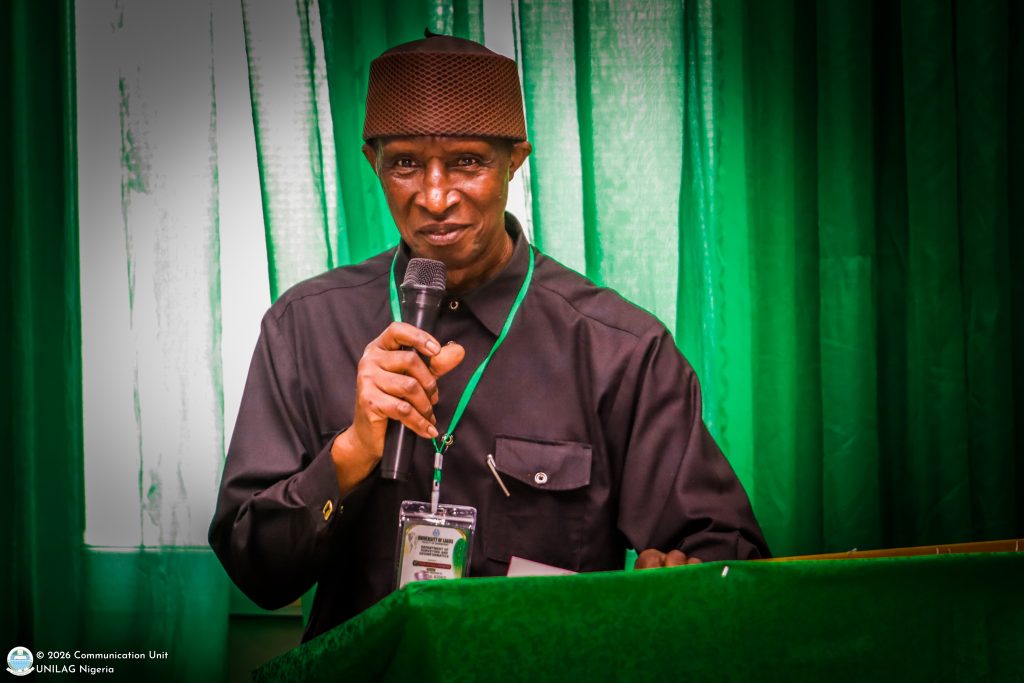
Earlier, while delivering their remarks, the Dean of the Faculty of Engineering, Professor Samson Oluropo Adeosun, and Head of the Department of Surveying and Geoinformatics Professor Olushola Omogunloye welcomed participants from within and outside Nigeria, describing the conference as a landmark platform for knowledge exchange, innovation, and collaboration in one of the world’s fastest-growing scientific disciplines. They expressed appreciation to partners, researchers, and stakeholders whose collective efforts made the maiden edition of the conference a reality.
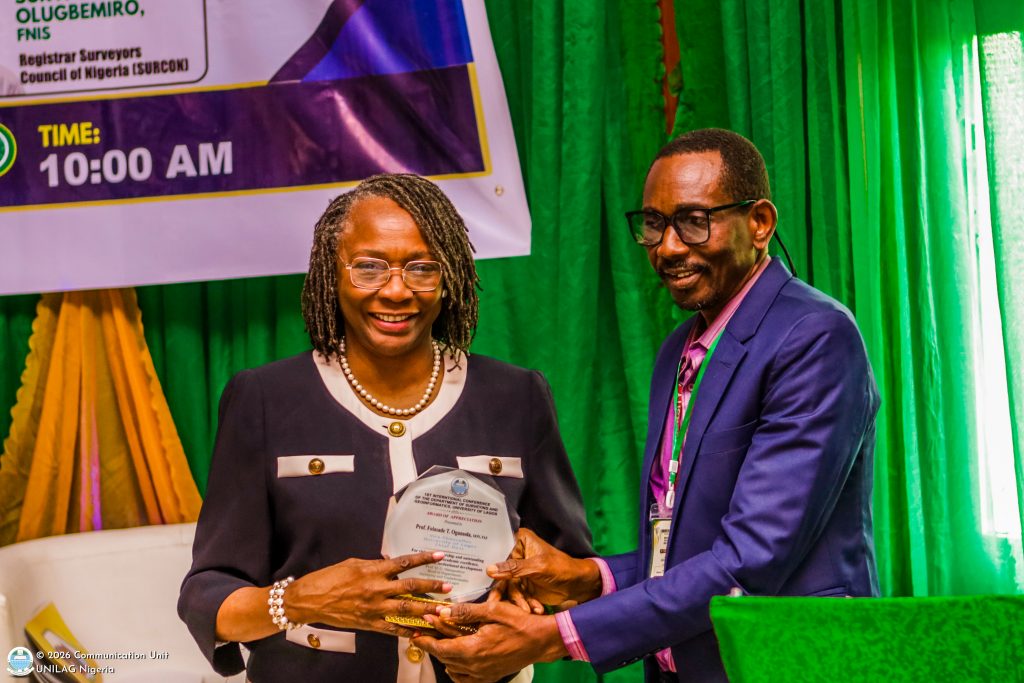
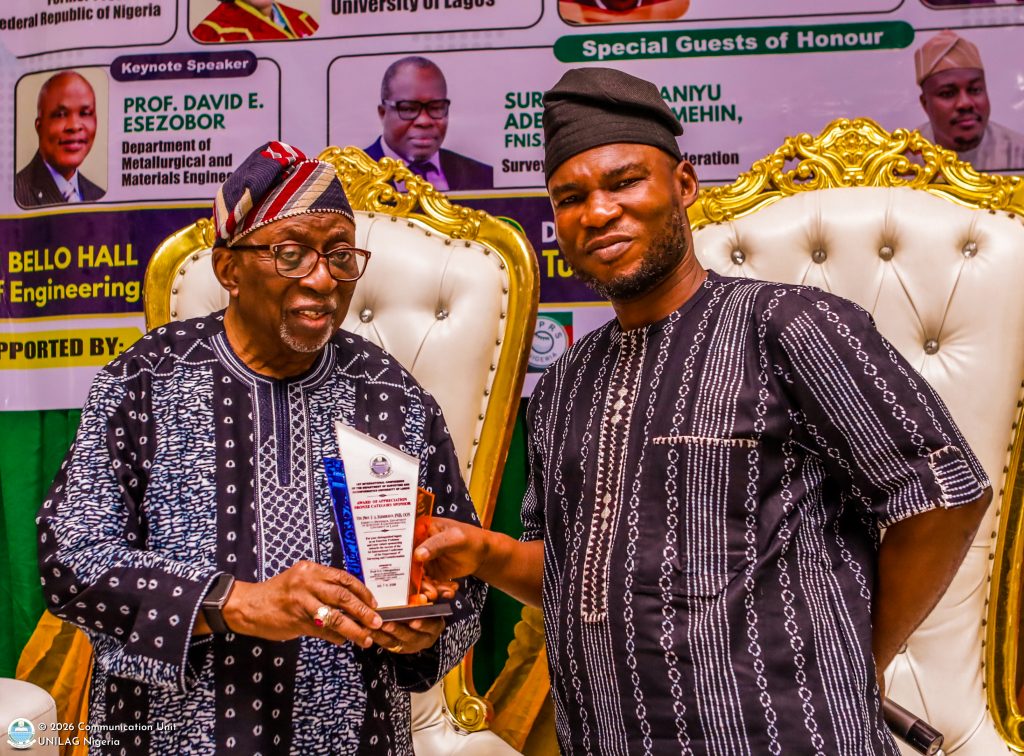
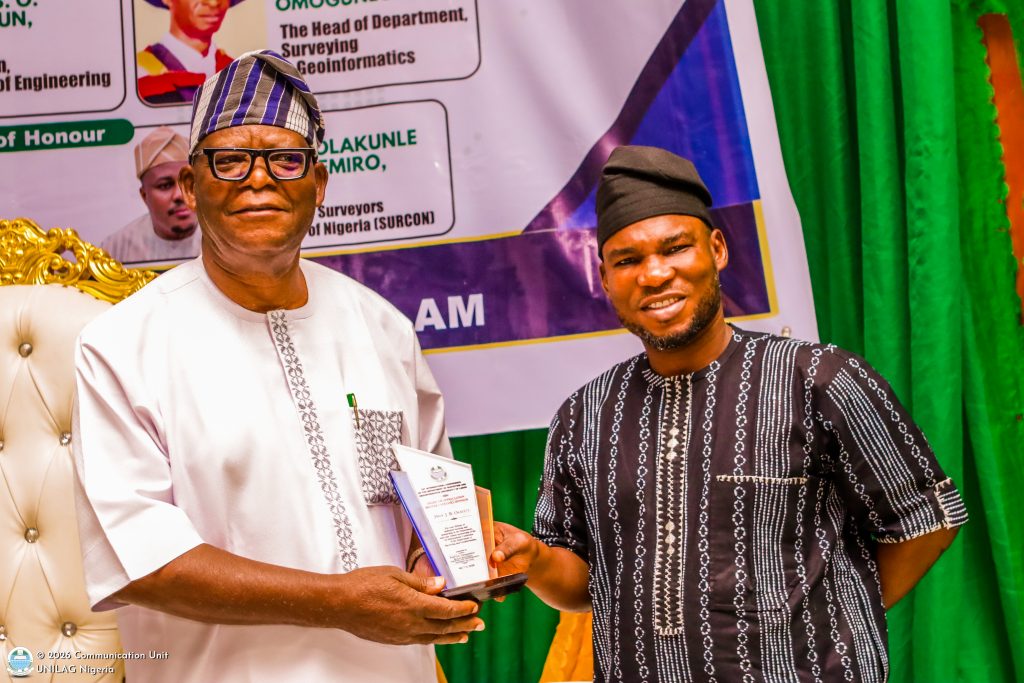
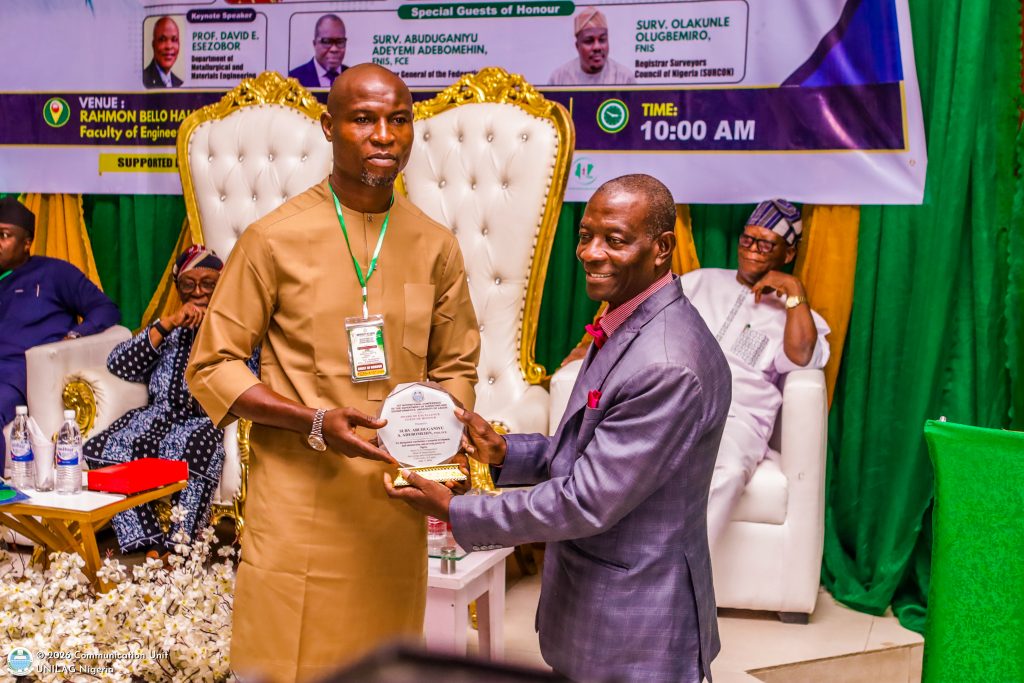
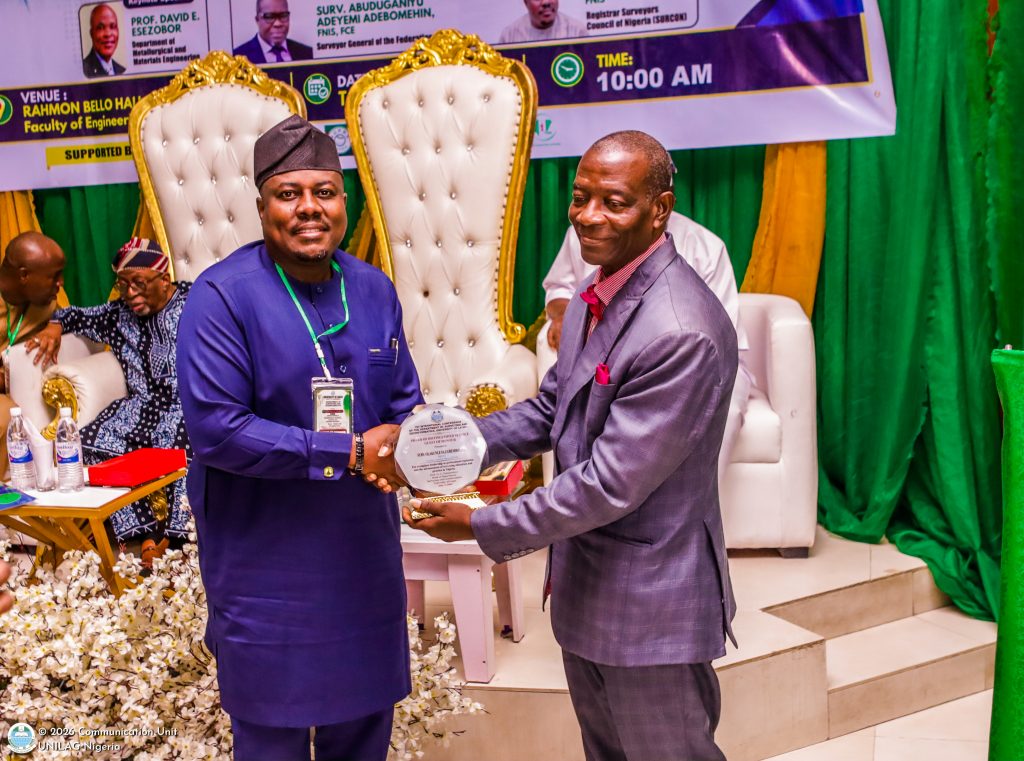
A major highlight of the opening ceremony was the presentation of special awards to the Vice-Chancellor, Professor Folasade Tolulope Ogunsola, OON, FAS; former President Chief Olusegun Obasanjo, GCFR; and Professor David Esezobor in recognition of their outstanding contributions to higher education, technological advancement, and national development.
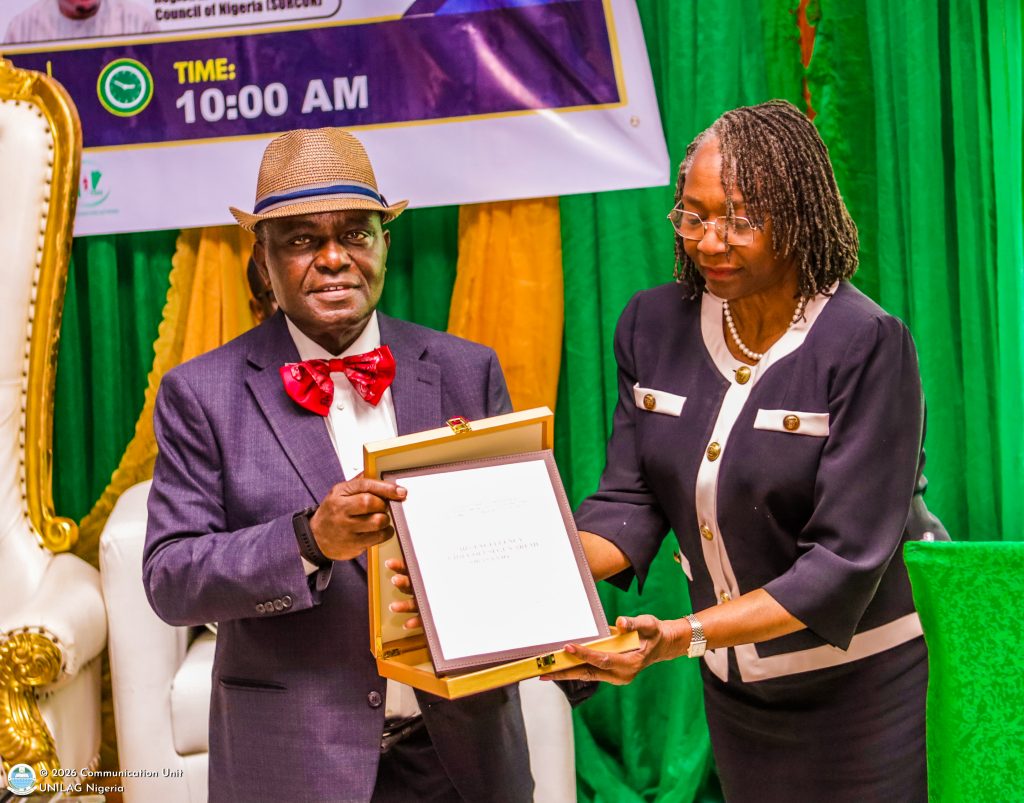
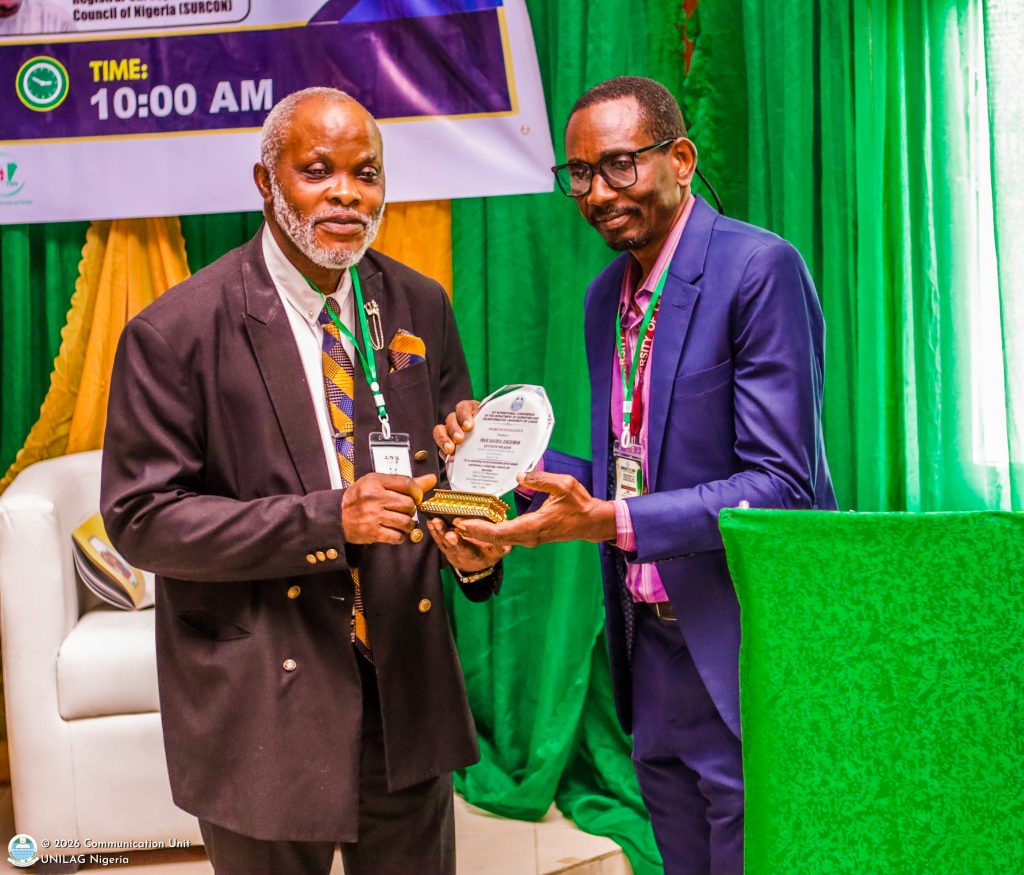
Other awardees on the day include a former Deputy Vice-Chancellor of UNILAG, Emeritus Professor Francis Fajemirokun; former Head of Department of Surveying and Geoinformatics, Professor C.U Ezeigbo; Professor James Olaleye, amongst others.
Following the opening ceremony, participants will engage in technical sessions, paper presentations, and industry interactions over the next two days. The conference, which will end on Thursday, July 9, 2026, is expected to strengthen collaboration among academia, government, and industry while highlighting the growing role of geospatial science in mineral exploration, environmental management, urban planning, disaster risk reduction, agriculture, and sustainable development.
Report: Lynda Onah
Photographs: Michael Joshua