History is often described as the study of the past. Yet, the questions historians ask, the evidence they examine and the perspectives they adopt continue to shape how societies understand the present and prepare for the future. For Professor Olufunke Asake Adeboye, history is at its most insightful when it crosses familiar boundaries, revealing unexpected connections between people, ideas and institutions.
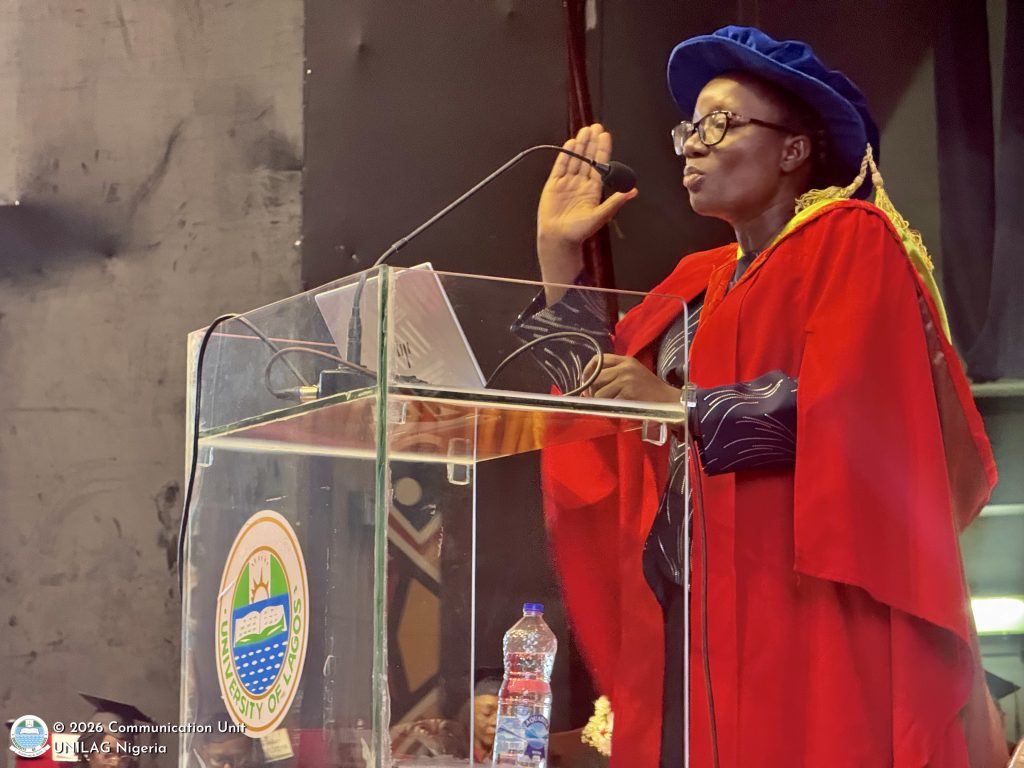
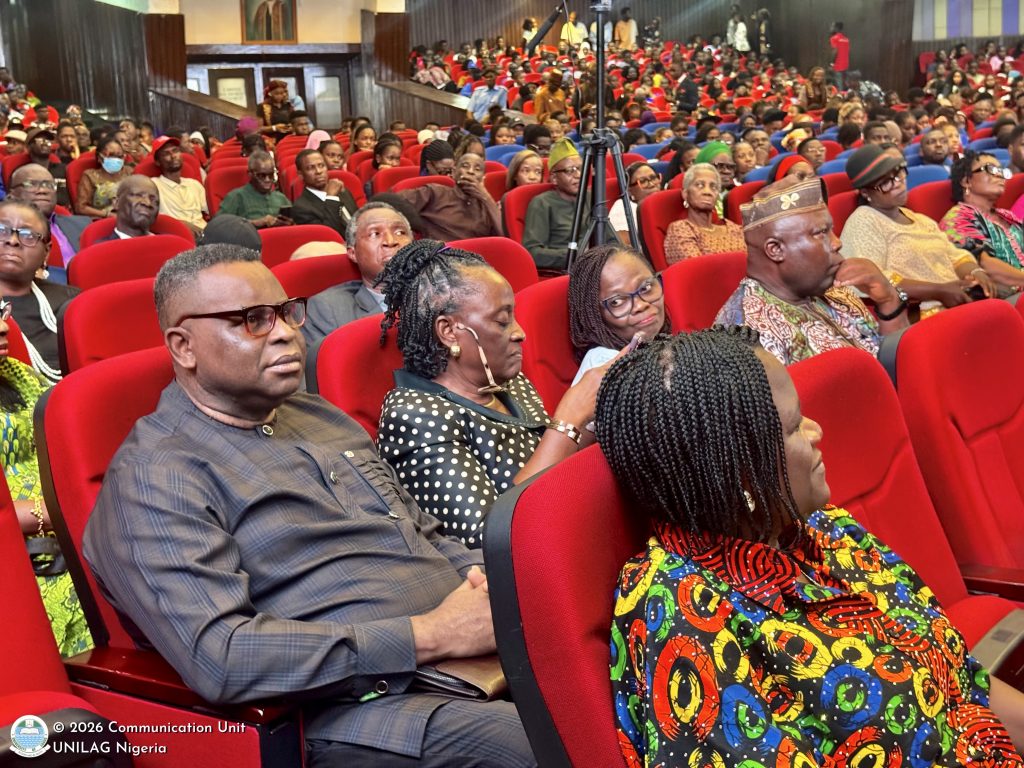
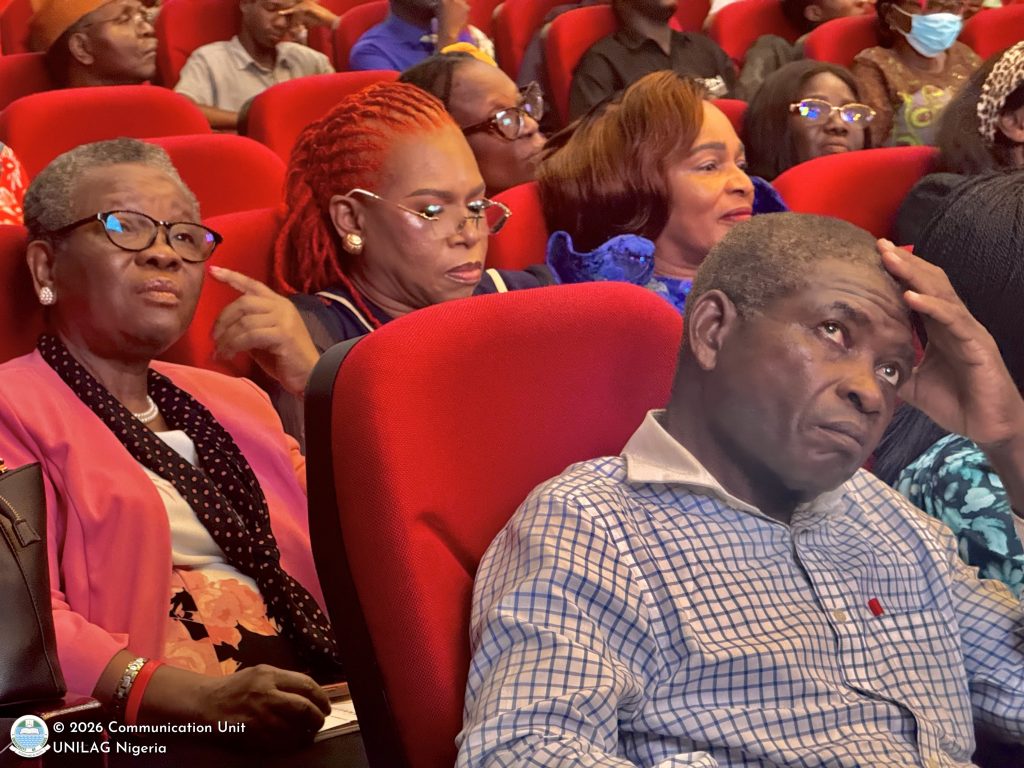
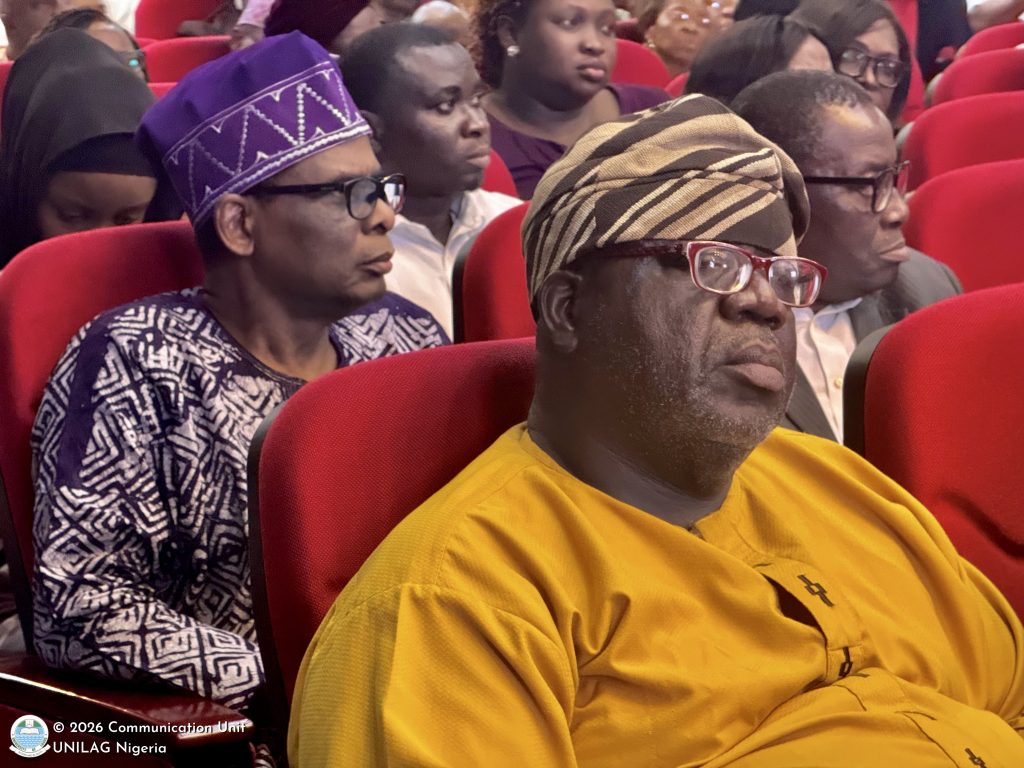
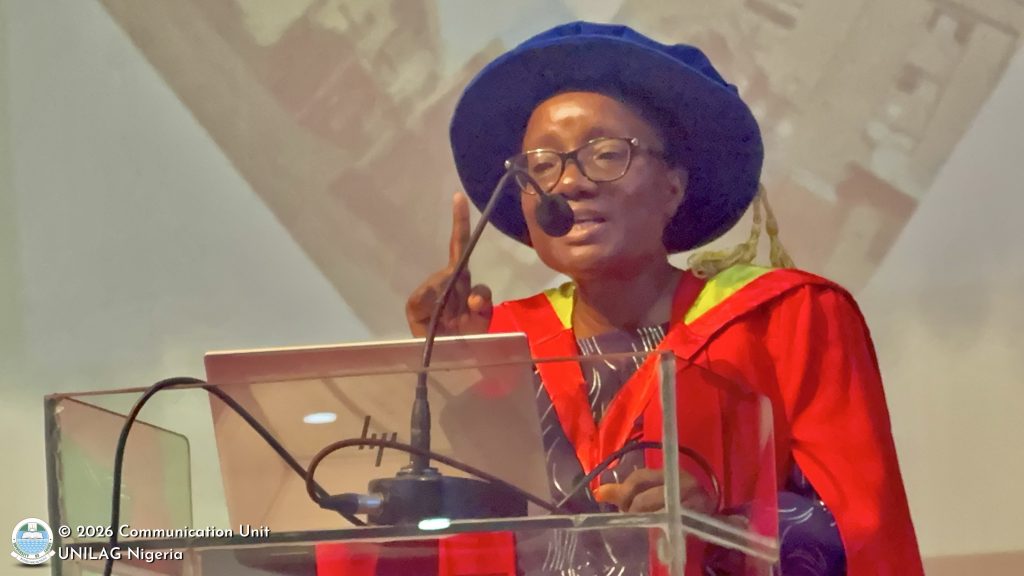
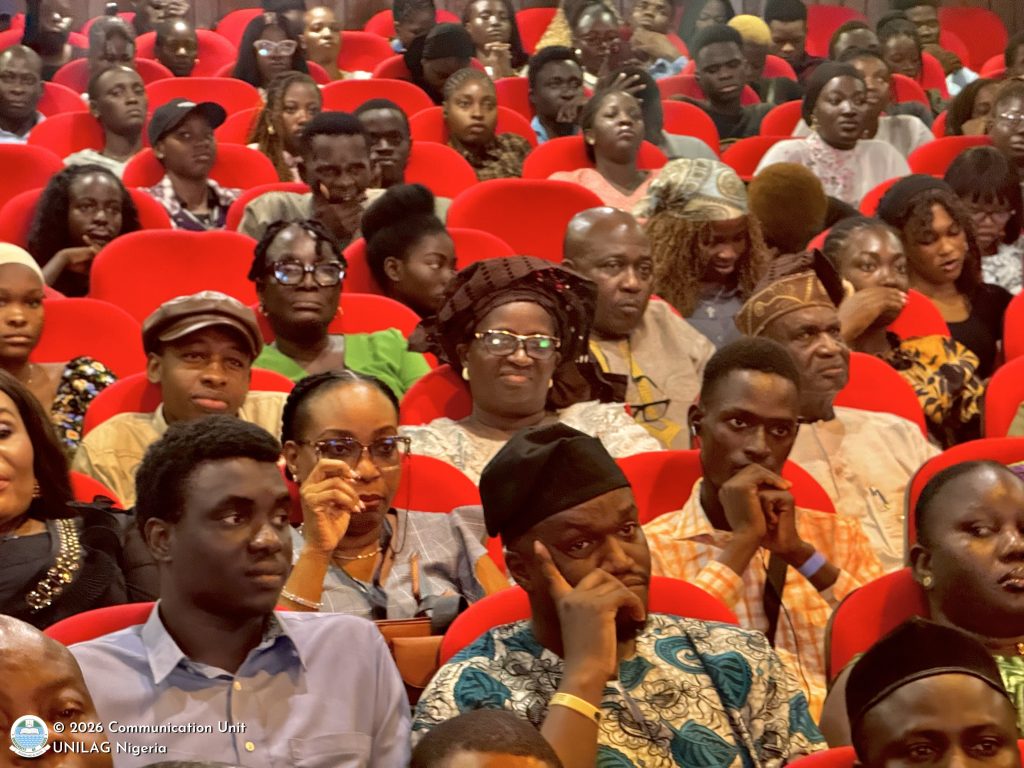
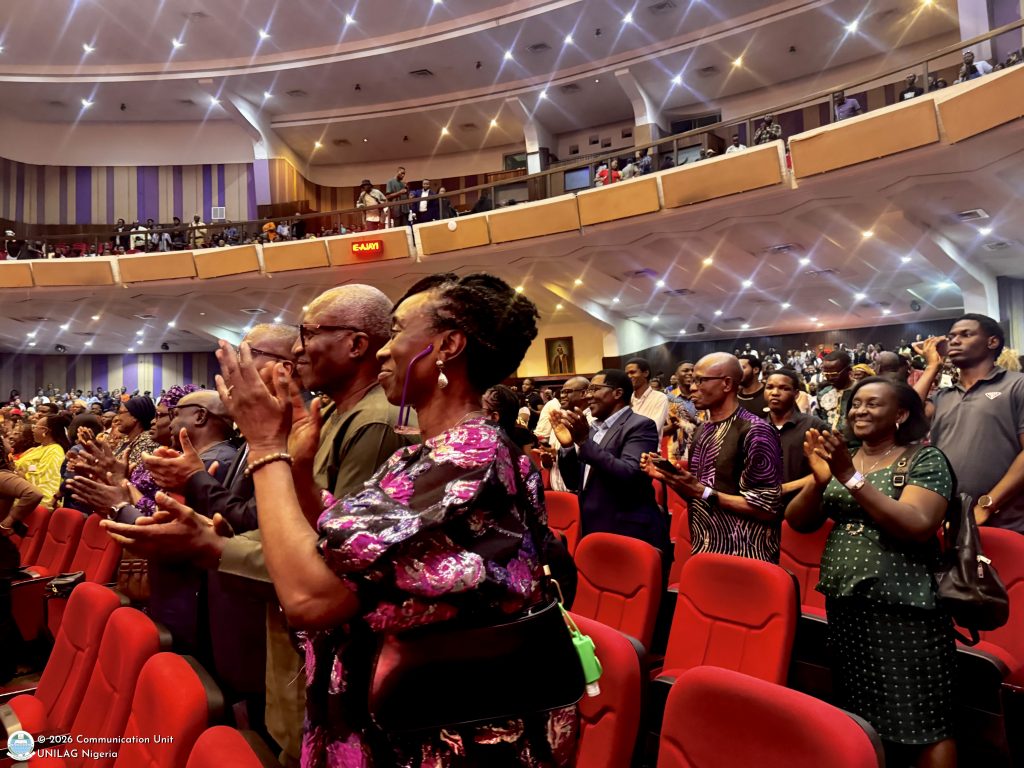
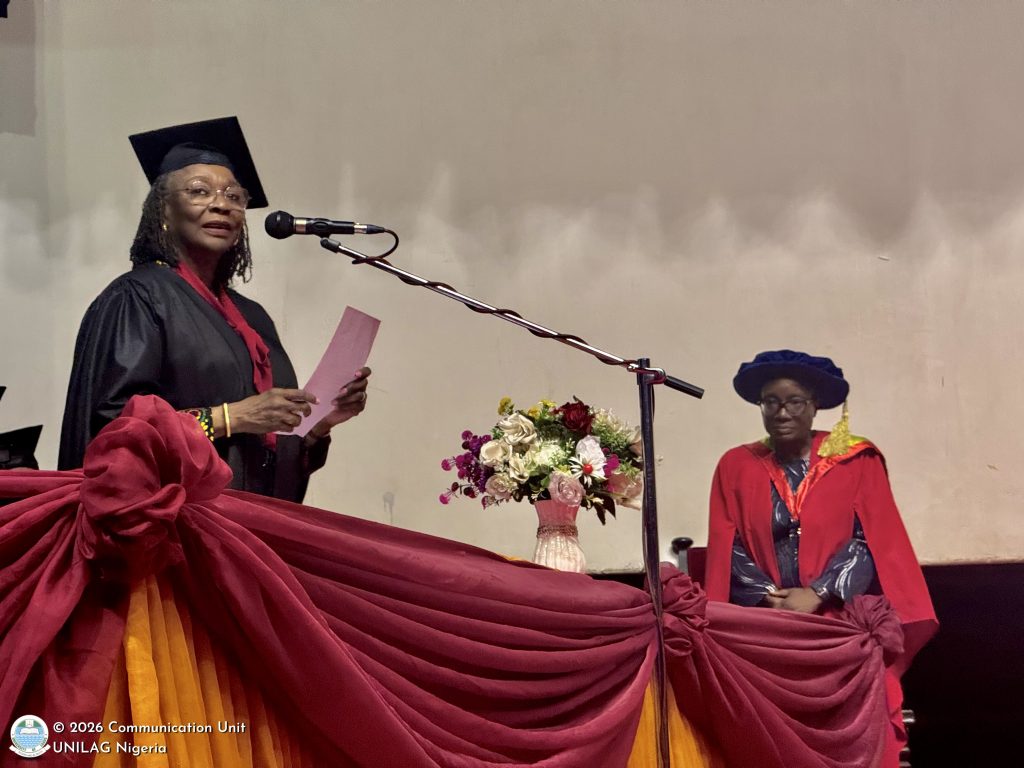
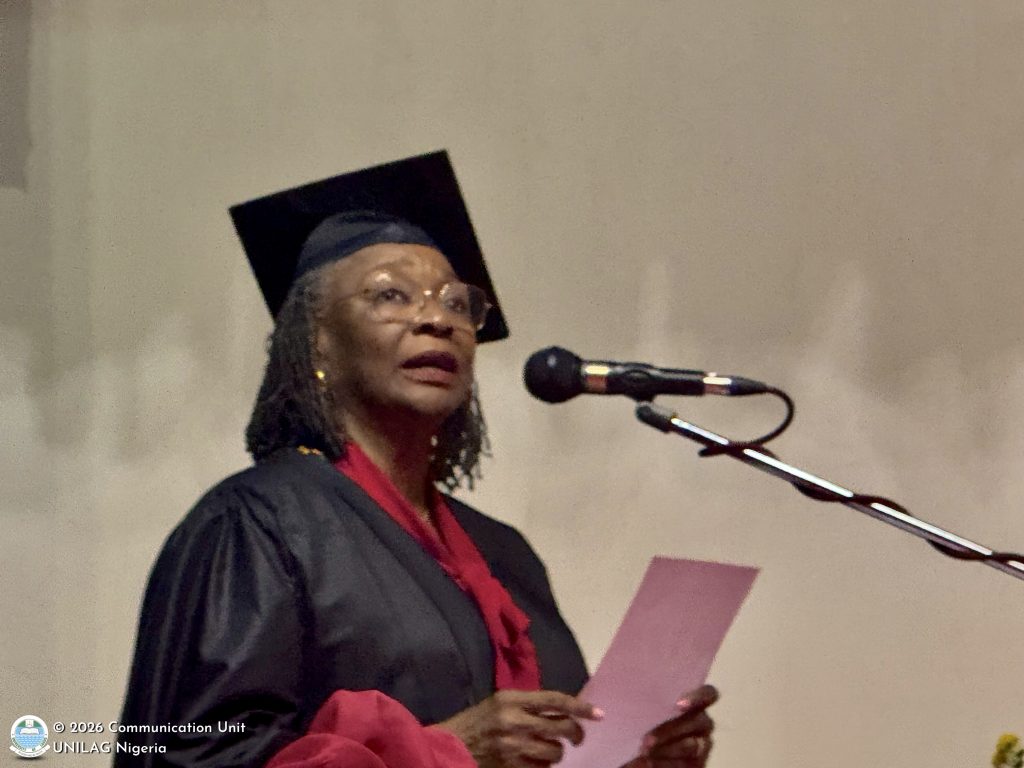
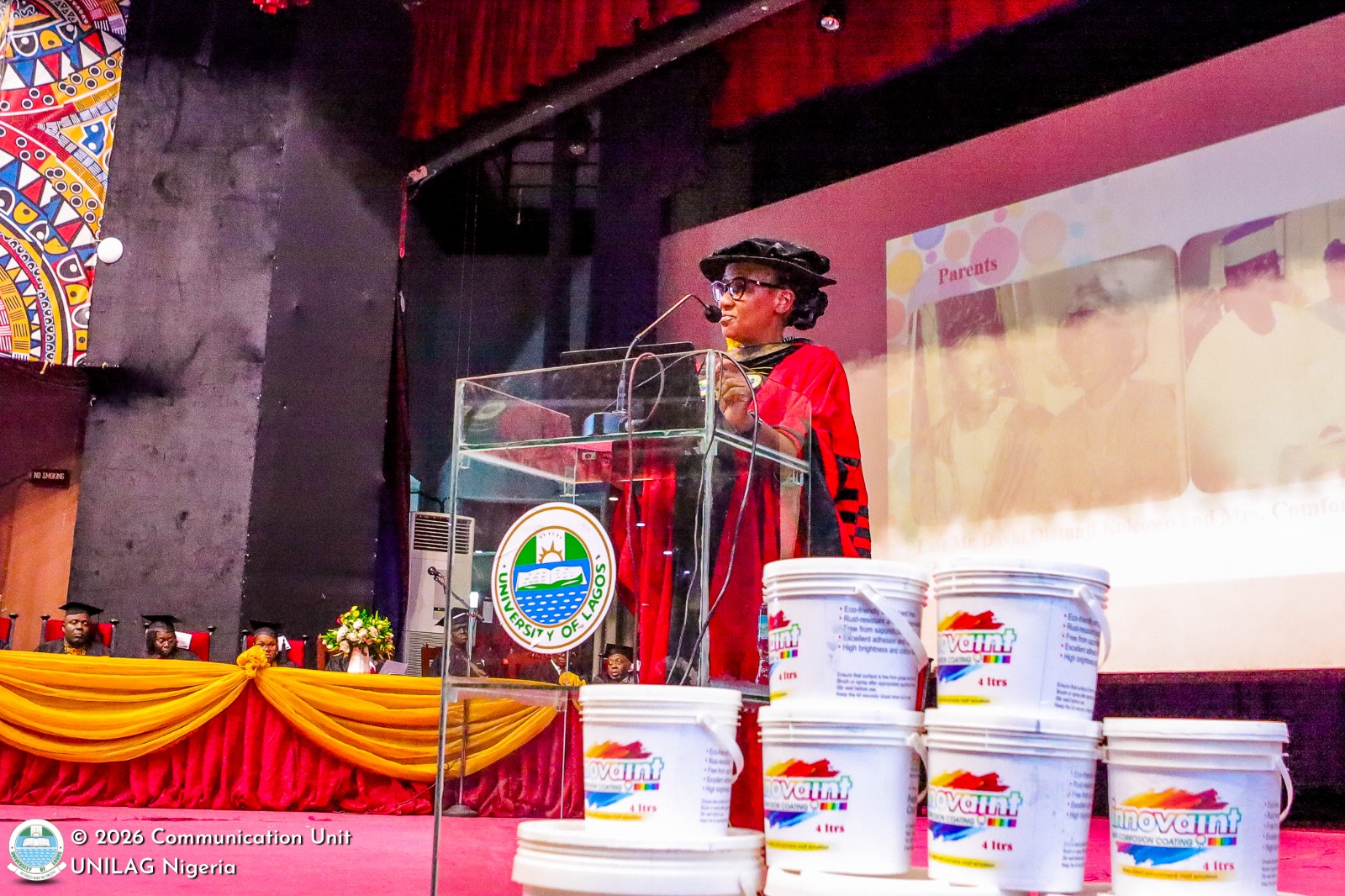
This perspective formed the foundation of the Four Hundred and Sixty Fourth (464th) Inaugural Lecture of the University of Lagos, delivered by Professor Olufunke Adeboye, Professor of Social History in the Department of History and Strategic Studies, Faculty of Arts. Titled Secular and Sacred Paradigms, the lecture reflected on decades of scholarly inquiry, tracing how her research has evolved across what she describes as the secular and the sacred epistemic spaces, while demonstrating the value of the “in-between” historiographical space that connects them.
Clarifying the scope of her lecture, Professor Adeboye explained that her use of the terms “secular” and “sacred” was not an examination of secularism or theories of religious decline. Rather, they represented the broad intellectual landscapes within which her research has been situated. Beginning with studies of political and commercial elites and later expanding into the historical practice of religion and its societal influence, her scholarship has consistently explored the ways these seemingly distinct domains intersect through shared historical experiences.
At the heart of the lecture was a call to broaden the understanding of social history. While acknowledging the importance of “history from below,” Professor Adeboye argued that the social lives, relationships and personal struggles of elites also deserve careful historical attention. According to her, understanding society requires examining not only those who experience history but also those whose decisions, responsibilities and actions influence its course.
Citing the misrepresentation of the history of Efunsetan Aniwura as one of the of influences the lives of elites have on present day individuals, she not only examined the predicament faced by members of her family but also highlighted how the misrepresentation has till date warped the views of people on female leaders.
Building on this argument, she introduced the concept of personal social responsibility, drawing from Yoruba historical experience to show that individual responsibility to society long predates contemporary ideas of corporate social responsibility. She suggested that this enduring tradition remains relevant for promoting social balance and responsible leadership.
For this she cited practical examples of monarchs who committed suicide to uphold the honour of crown and their households.
Subsequently, Professor Adeboye also reflected on her contributions to African historiography, advocating the use of indigenous concepts in interpreting African historical realities. Rather than relying exclusively on external theoretical frameworks, she demonstrated how African societies possess conceptual traditions capable of explaining their own historical experiences, whether in understanding political authority, social status or cultural practices.
The lecture further examined the relationship between religion and development, particularly within African Pentecostalism. Through her historical research, Professor Adeboye showed that the growing engagement of Pentecostal churches with education, healthcare, economic empowerment and other developmental concerns emerged largely in response to local socio-political and economic realities rather than as a simple extension of Western Pentecostal traditions.
Her work also explored how Nigerian Pentecostal movements transformed public spaces into centres of worship, highlighting the historical significance of this adaptation and its influence beyond historical scholarship. She noted that this research not only received international recognition but also attracted collaborations with scholars in architecture and environmental studies, illustrating how historical research can generate conversations across disciplines.
Another significant contribution highlighted during the lecture was the innovative use of private diaries as historical sources. Beyond documenting events, Professor Adeboye demonstrated that such personal writings reveal how individuals understood themselves, negotiated identity and constructed their place within society. This approach broadens the possibilities of historical research while creating meaningful intersections with disciplines such as psychology and neuroscience.
Throughout the lecture, Professor Adeboye returned to what she described as the historiographical “in-between” space, an intellectual bridge where methods, perspectives and analytical frameworks converge. It is within this space, she argued, that historians are able to connect secular and sacred realities, integrate diverse approaches and produce knowledge that speaks meaningfully to contemporary society.
The lecture concluded by reflecting on the continuing relevance of historical scholarship. By uncovering the historical roots of present-day political practices, social conventions and cultural assumptions, Professor Adeboye demonstrated that history is not confined to explaining the past. It remains an essential tool for understanding the forces that continue to shape societies and for providing informed pathways for the future.
About Professor Olufunke Asake Adeboye
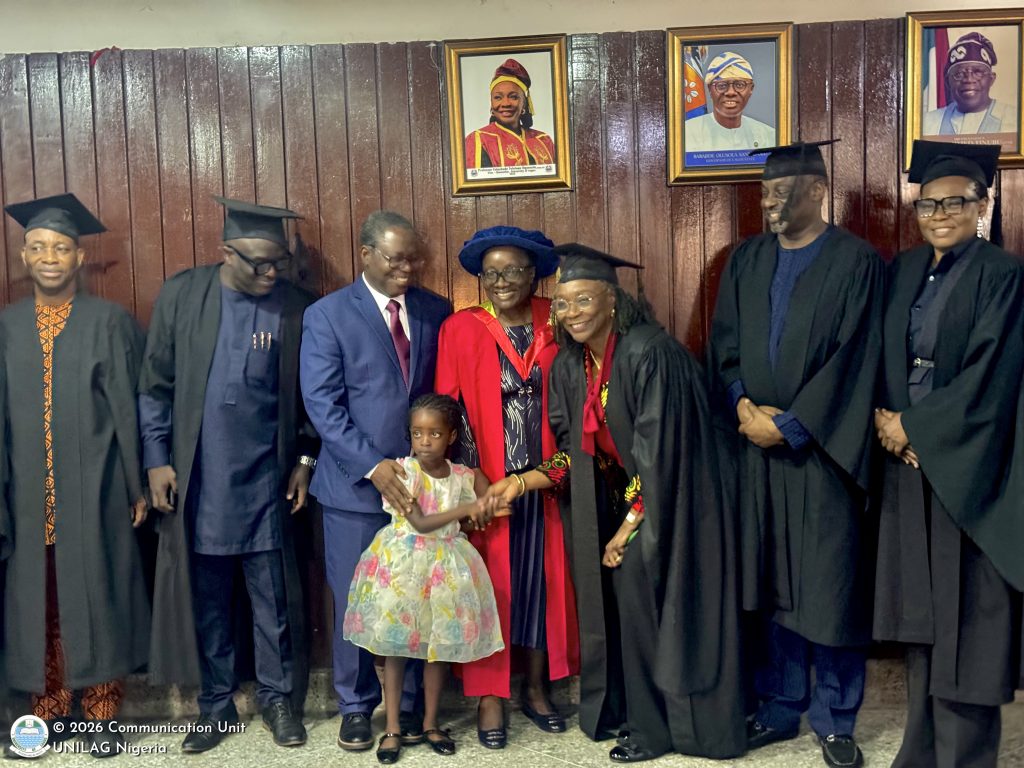
Professor Olufunke Asake Adeboye is Professor of Social History in the Department of History and Strategic Studies, Faculty of Arts, University of Lagos. She joined the University in 1999 and was promoted to the rank of Professor in 2011, becoming the first female Professor of History at UNILAG. She later became the first female Head of the Department of History and Strategic Studies and subsequently the first female Dean of the Faculty of Arts, serving two consecutive terms.
A distinguished historian with more than thirty-five years of teaching and research experience, Professor Adeboye’s work spans African historiography, Nigerian history, gender studies, nineteenth and twentieth-century Yoruba society and Pentecostalism in West Africa. She has held visiting fellowships at leading universities in the United Kingdom, Canada, the United States and France, and has delivered keynote lectures at major international scholarly gatherings across the world.
Her scholarship has earned several prestigious honours, including the University of Lagos Best Researcher’s Award (Humanities), the Gerti Hesseling Prize of the Africa-Europe Group for Interdisciplinary Studies (AEGIS), and election as Fellow of the Nigerian Academy of Letters. She currently serves as Vice President of the International Commission for the History and Theory of Historiography, following her historic emergence as its first female African member.
Professor Adeboye is happily married to Pastor Adepitan Adeboye, and they are blessed with children and grandchildren.
Author: Nike Ogunshakin
Photographer: Nike Ogunshakin and Joshua Michael