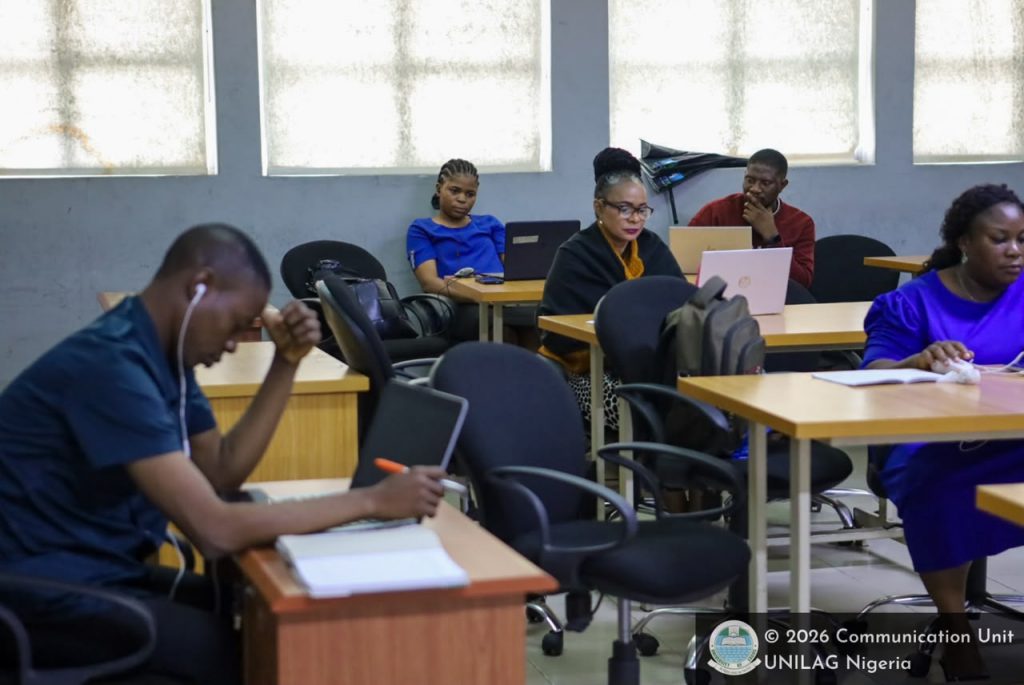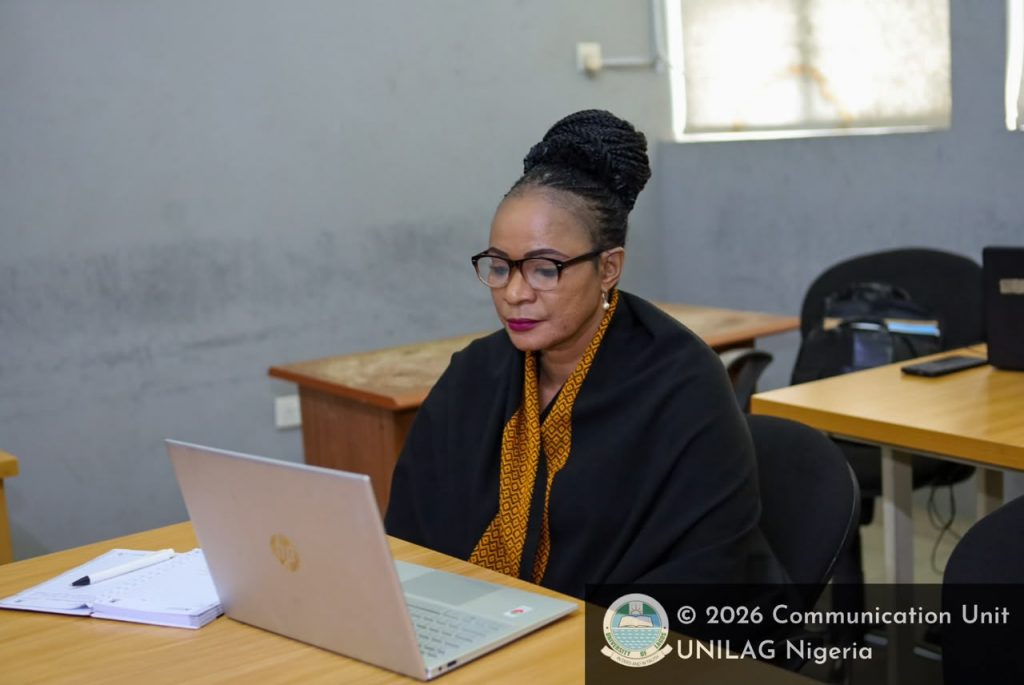
As scientists continue to unlock the secrets of the human genome in the quest to prevent, diagnose, and treat diseases, the University of Lagos (UNILAG) has inaugurated the 2026 Genomics Summer School.
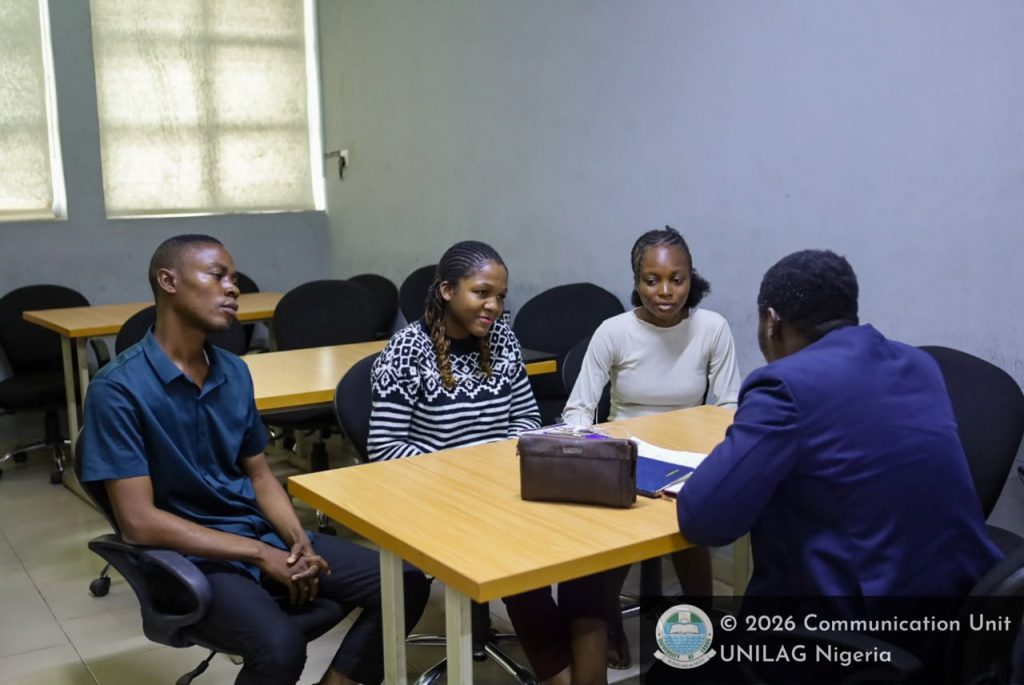
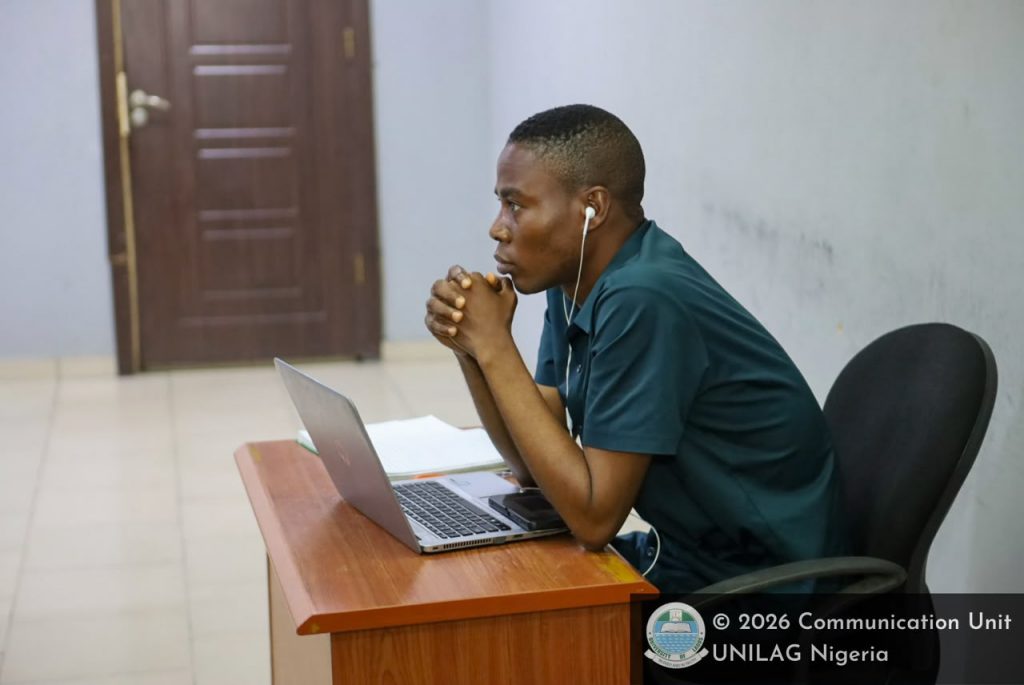
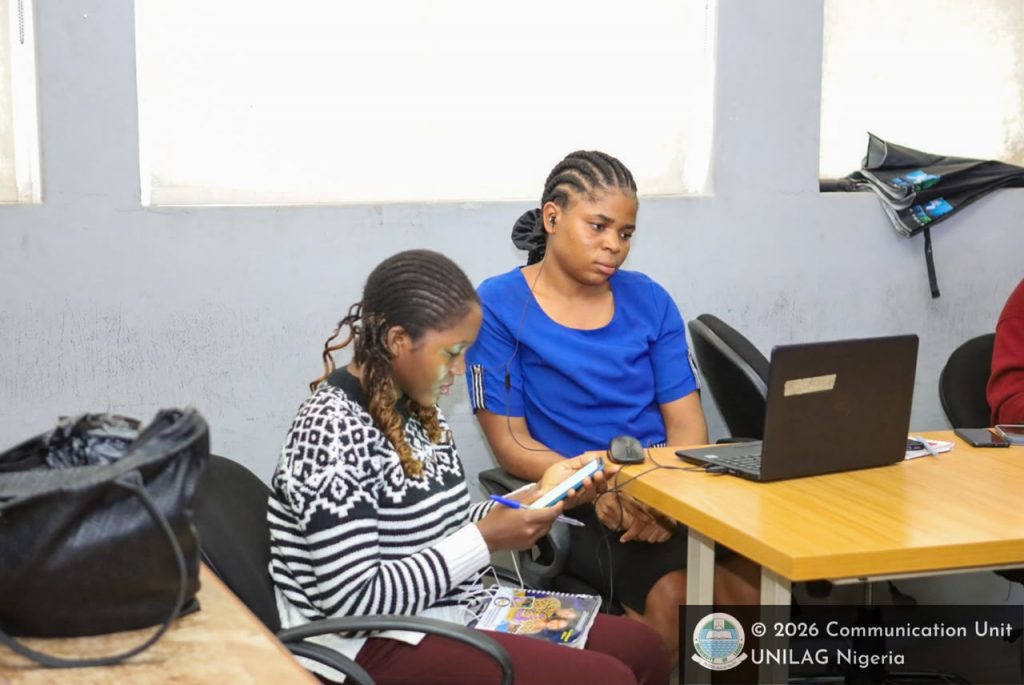
Hosted by the Centre for Genomics of Non-Communicable Diseases and Personalised Healthcare (CGNPH), the opening ceremony featured a keynote presentation and a plenary session. It was held via Zoom on Tuesday, July 14, 2026.
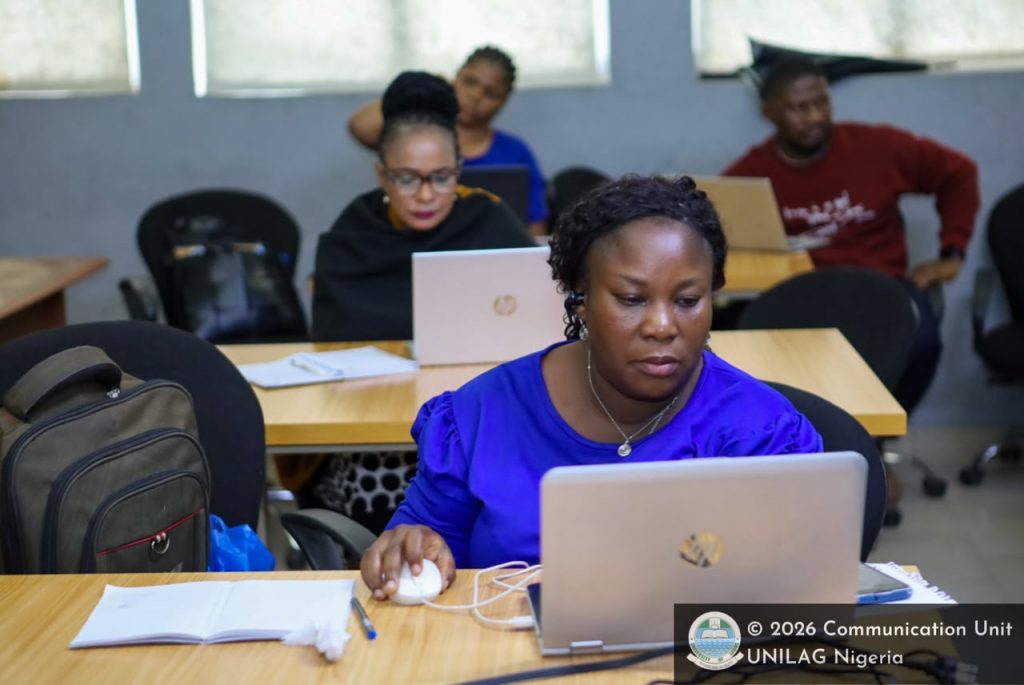
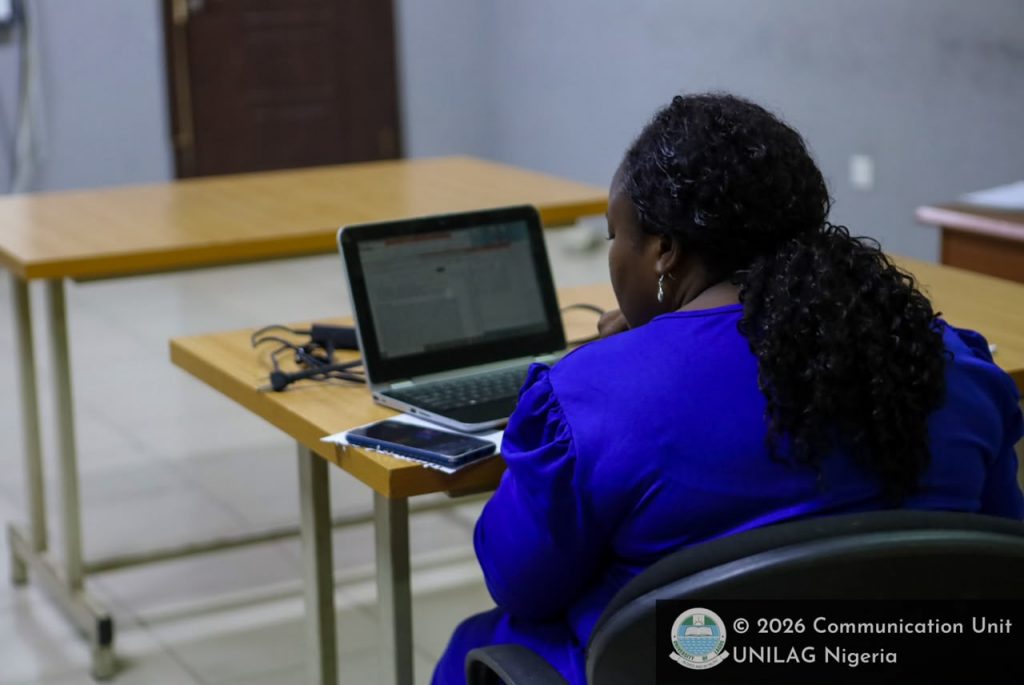

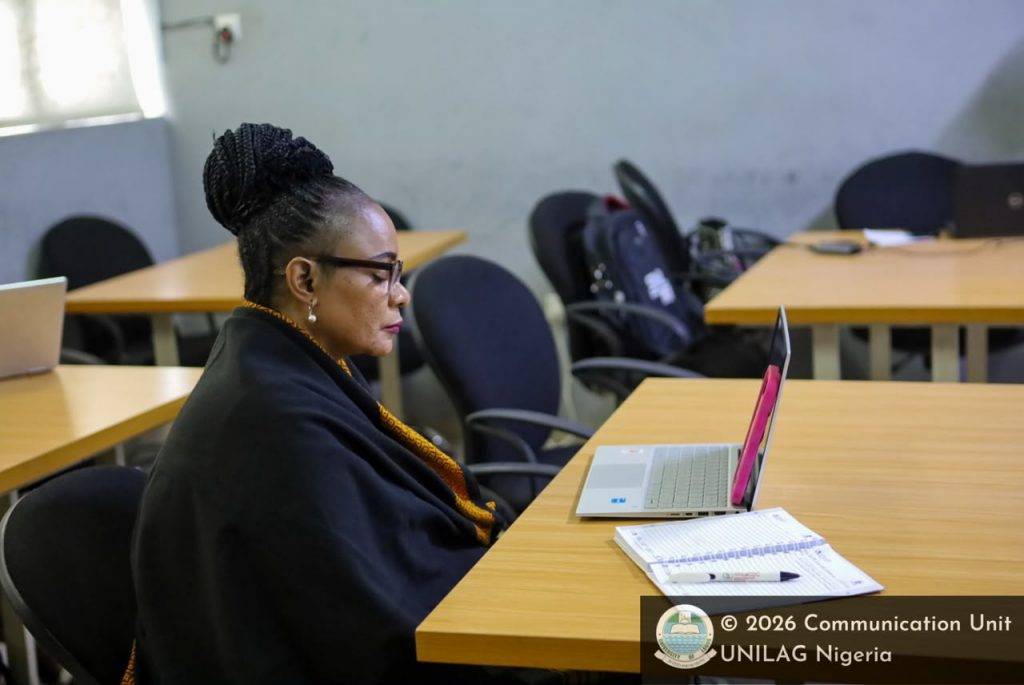
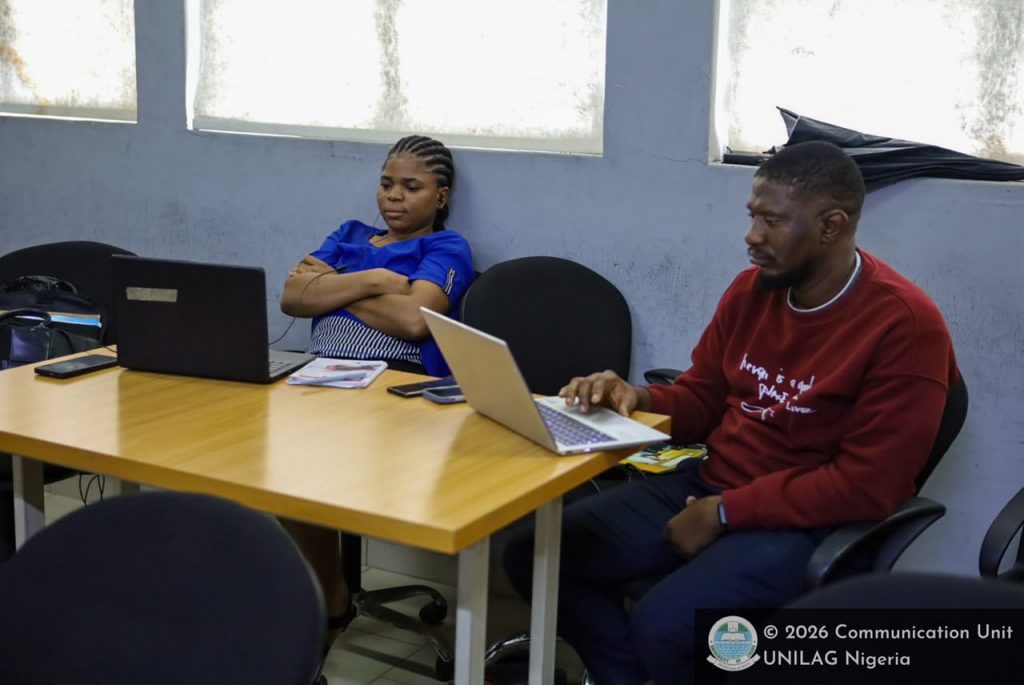
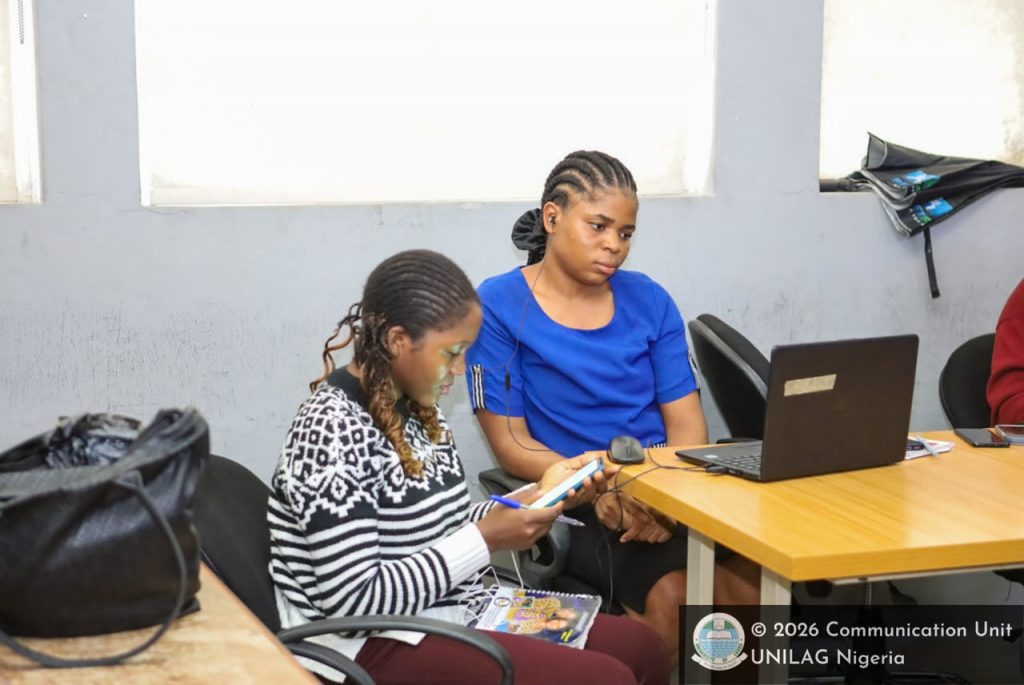
The virtual ceremony, broadcast from the D.K. Olukoya Central Research and Reference Laboratory, was moderated by Professor Adenike Samuel. Dignitaries present included former Deputy Vice-Chancellor (Academics and Research), UNILAG, Emeritus Professor Babajide Alo, alongside leading scientists, healthcare professionals, researchers, scholars, students, and stakeholders from within and outside Nigeria.
The event reflected the University’s commitment to advancing cutting-edge biomedical research, fostering international scientific collaboration, and equipping a new generation of researchers with the skills to tackle humanity’s most pressing health challenges.
University Leadership Reaffirms Commitment to Research and Innovation
Representing the Vice-Chancellor, Professor Folasade T. Ogunsola, OON, FAS, the Deputy Vice-Chancellor (Development Services), Professor Foluso Ebun Afolabi Lesi re-affirmed UNILAG’s commitment to research and innovation that addresses emerging healthcare challenges.
Similarly, the Deputy Vice-Chancellor (Academics and Research), Professor Matthew Olusoji Ilori, FAS, commended CGNPH for sustaining a globally relevant platform for genomic science and expressed confidence that the Summer School would strengthen the University’s reputation for scientific excellence.
Earlier, the Director of CGNPH, Professor Olufemi Akintoye described the Summer School as “an investment in the future of healthcare.” He noted that “the programme equips emerging researchers with contemporary genomic knowledge, practical skills, and collaborative networks to address complex health challenges”.
Genomics and the Future of Medicine
A central question that ran through the discussions during the virtual session was: How can a better understanding of the human genome help scientists detect diseases earlier, improve diagnosis, and develop treatments tailored to individual patients?
The consensus was clear: genomics is providing the answers. By studying an individual’s complete genetic makeup, researchers are gaining deeper insights into how diseases develop, why people respond differently to treatment, and how healthcare can become more precise and personalised.
Unlike traditional approaches that apply the same treatment to large groups, genomics is paving the way for precision medicine, where healthcare decisions are informed by an individual’s unique genetic makeup, environmental exposures, and lifestyle factors.
Visualizing the Genome at the Nanoscale
The keynote presentation on Visualizing the Genome at the Nanoscale, by Professor Pina Colarusso, Director of the Live Cell Imaging Resource Laboratory, Snyder Institute for Chronic Diseases, University of Calgary, Canada, introduced participants to biological structures at the nanoscale, a dimension measured in billionths of a metre. For perspective, thousands of nanometres can fit across the width of a single strand of human hair.
Professor Colarusso explained that advances in super-resolution microscopy now enable scientists to visualise DNA and cellular structures with unprecedented clarity. These tools help researchers understand how genes behave inside living cells and how subtle molecular changes can trigger disease.
“Decades ago, we relied on technologies that provided only limited snapshots of what occurs inside cells,” she said. “Today, we can watch biological processes unfold in real time, how genes switch on and off, how chromosomes are organised, and how disease-causing changes emerge long before symptoms appear.”
She noted that “by observing molecular events in such detail, scientists can identify disease markers earlier, improve diagnostic accuracy, and accelerate the development of targeted therapies”.
The convergence of genomics and advanced imaging, she added, is ushering in a new era of personalised medicine.
Toxicology and Cancer Prevention in the Genomics Era
Complementing the keynote, Professor John I. Anetor, Professor of Chemical Pathology, Nile University of Nigeria, and Co-Chair, Task Force on Environmental Impact of Laboratory Medicine, IFCC, Milan, delivered a plenary address on Toxicological Inquiry in the Genomics Era: Sharpening the Tools Against an Unyielding Adversary.
He examined the growing global burden of cancer and explained how environmental factors interact with genes to increase health risks. From industrial pollutants and heavy metals to occupational hazards, Professor Anetor noted that many environmental agents can damage DNA and disrupt cellular processes over time.
He warned that global cancer cases could double by 2050 without effective preventive measures, stressing the need for stronger environmental health policies, improved public awareness, and sustained research.
The professor also highlighted the role of micronutrients, particularly zinc, in supporting immune function and protecting against oxidative stress that damages DNA. He emphasised that genomics, toxicology, nutrition, and environmental science are now deeply interconnected in the fight against disease.
Participants Reflect on New Frontiers
Participants, including students in the Centre’s Master’s Degree programme in Genomics, described the experience as enlightening and transformative.
Miss Folake Fakola, a Biochemistry graduate of Olabisi Onabanjo University, Ago-Iwoye, noted the need for Africa to strengthen its contribution to global genomic research.
Her words: “One of the lessons I am taking away is the importance of conducting more genomic studies within African populations, as people in Nigeria are at higher risk for certain cancers than those in America.”
Miss Victoria Oluwaseyi Idowu, a Medical Laboratory Science graduate of the University of Lagos, highlighted insights on occupational exposure. She observed that while physical safety gear is often emphasised, less attention is given to invisible risks such as respirable crystalline silica in construction, which can increase the risk of chronic respiratory diseases and cancer.
Mr. Emmanuel Monday Ojo, a Biochemistry graduate of Ladoke Akintola University of Technology, Ogbomoso, said the keynote expanded his understanding of genome visualisation.
According to him, “Techniques like FISH remain valuable, but newer imaging approaches now allow scientists to visualise biological processes at resolutions that were previously impossible. This can ultimately improve disease diagnosis and personalised treatment,”
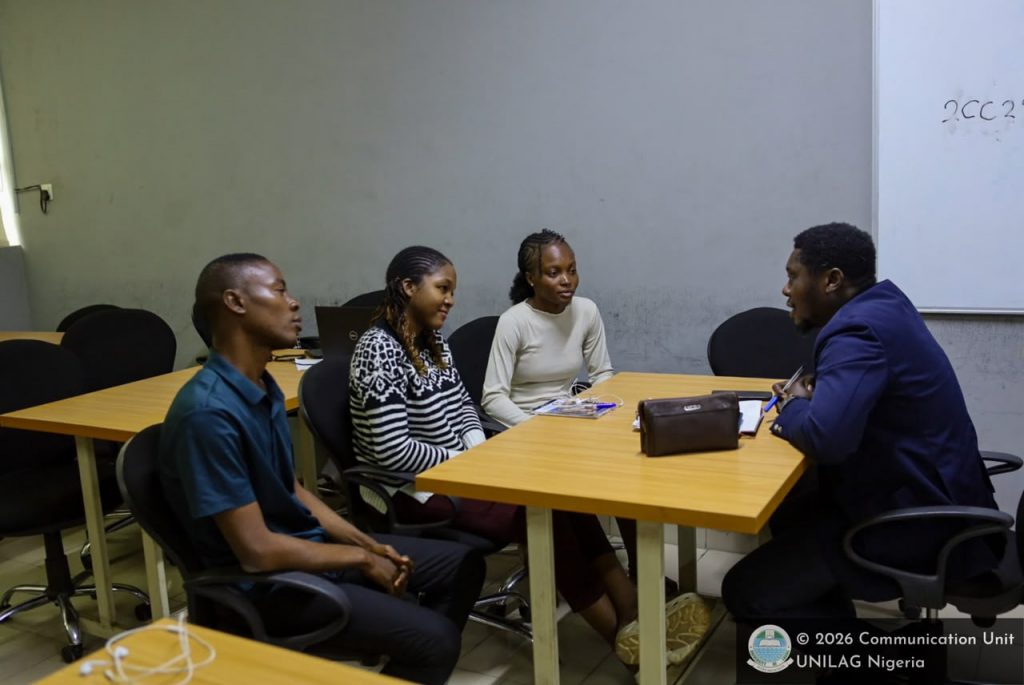



Genomics Summer School
The Genomics Summer School brings together experts and young researchers from across the globe to advance conversations on precision healthcare and cancer research.
Convened annually by the Centre for Genomics of Non-Communicable Diseases and Personalised Healthcare (CGNPH), UNILAG, the school provides a platform for intensive training and robust engagement between participants and facilitators on genomic science, a field that is transforming healthcare and redefining the future of medicine.
Thirty-seven (37) participants from different countries have been selected for the physical phase of the 2026 edition of the School, scheduled to commence on Monday, July 20, 2026.
During the intensive programme, participants will undertake hands-on laboratory training and engage with internationally renowned experts on emerging developments in genomics and personalised healthcare.
Report: Bayo Salau
Photographs: Michael Ike Ossai