The University of Lagos, Nigeria has a long memory. It is a memory built over decades by its scholars, students, administrators, and alumni; by the achievements that have made the institution proud, and by the difficult moments that have tested its resilience.
For Professor Abayomi Okanlawon, that memory deserves to be preserved. That conviction has produced Discovering the University of Lagos: One Day at a Time, a three-volume chronicle of the University’s journey from its establishment in 1962 through successive administrations, landmark events, crises, and personalities that have shaped its story.
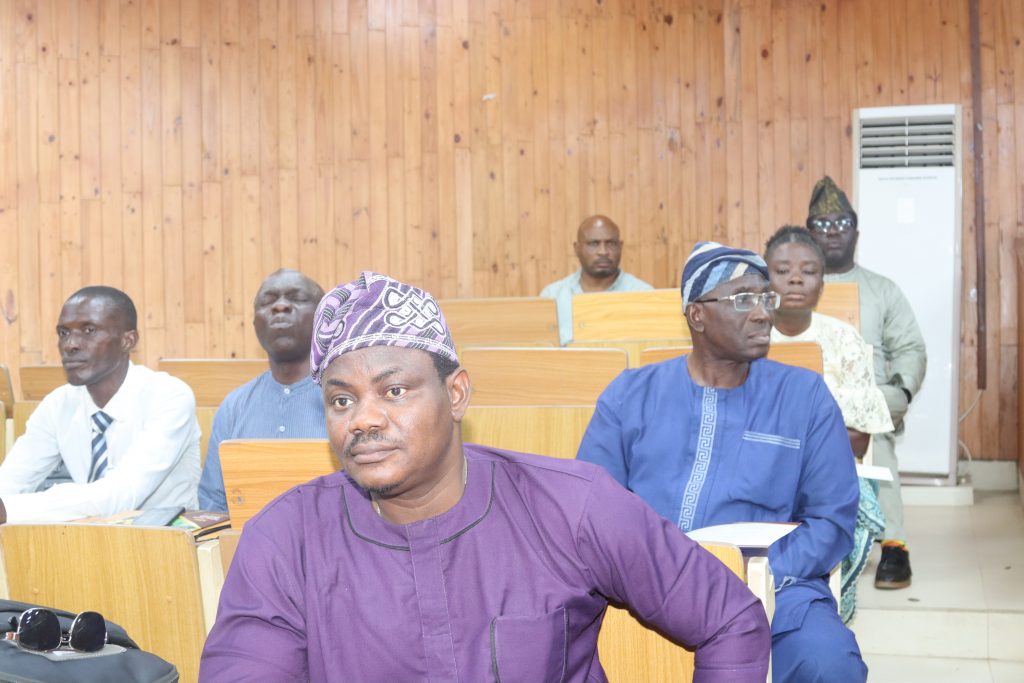
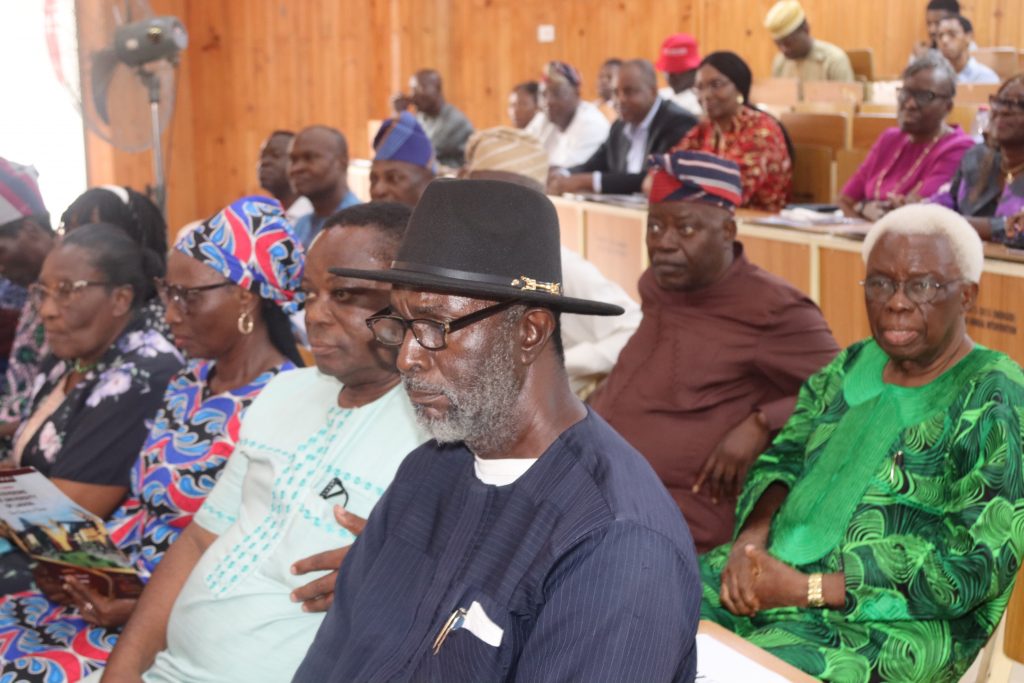
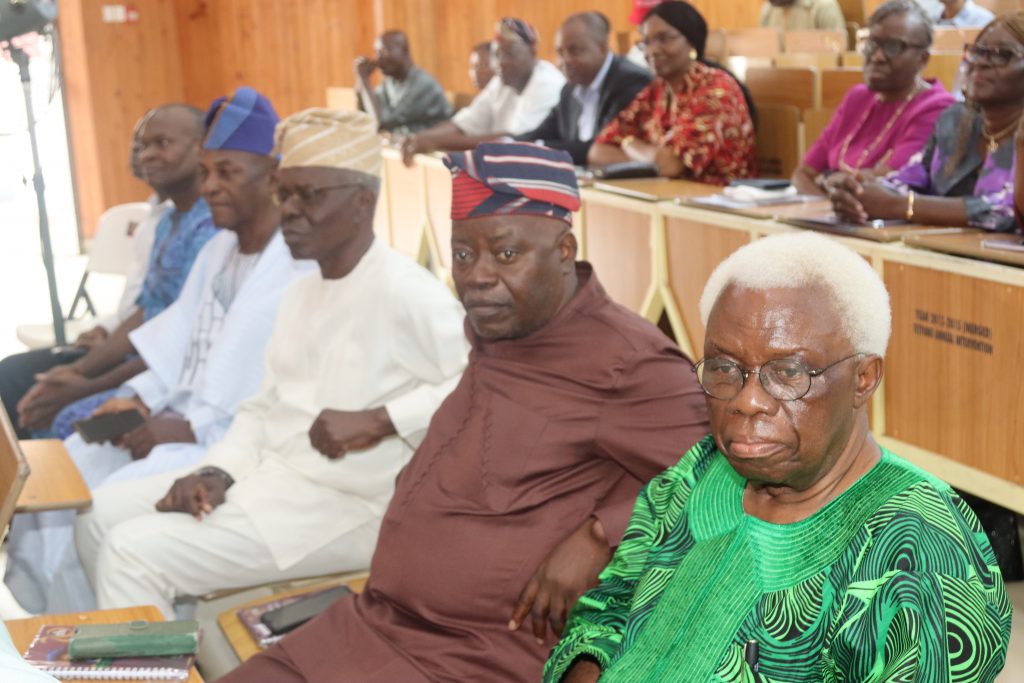
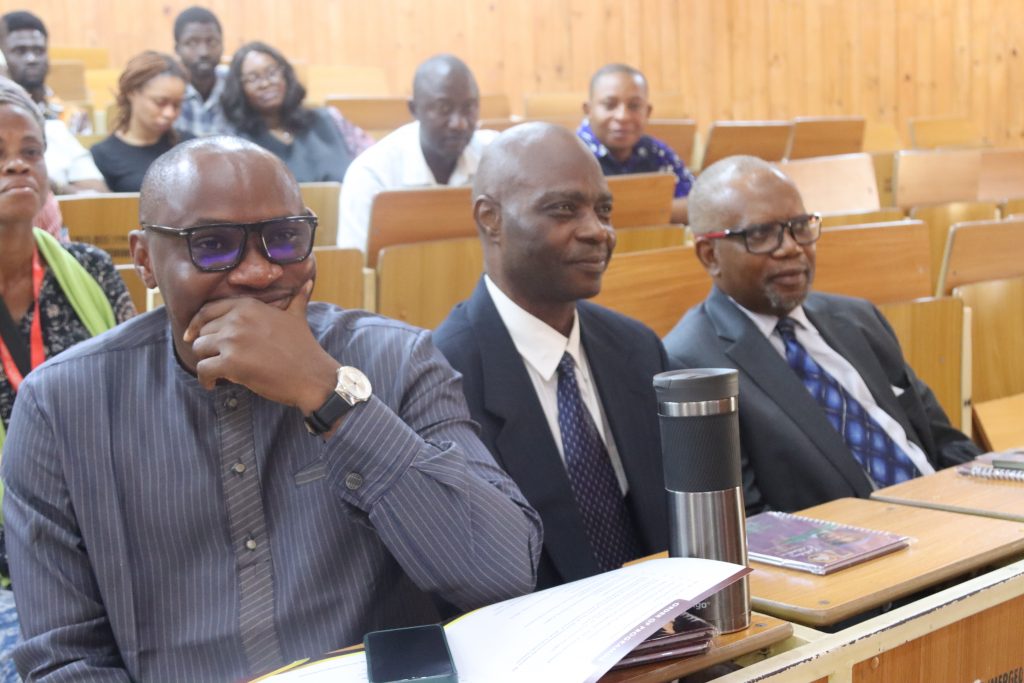
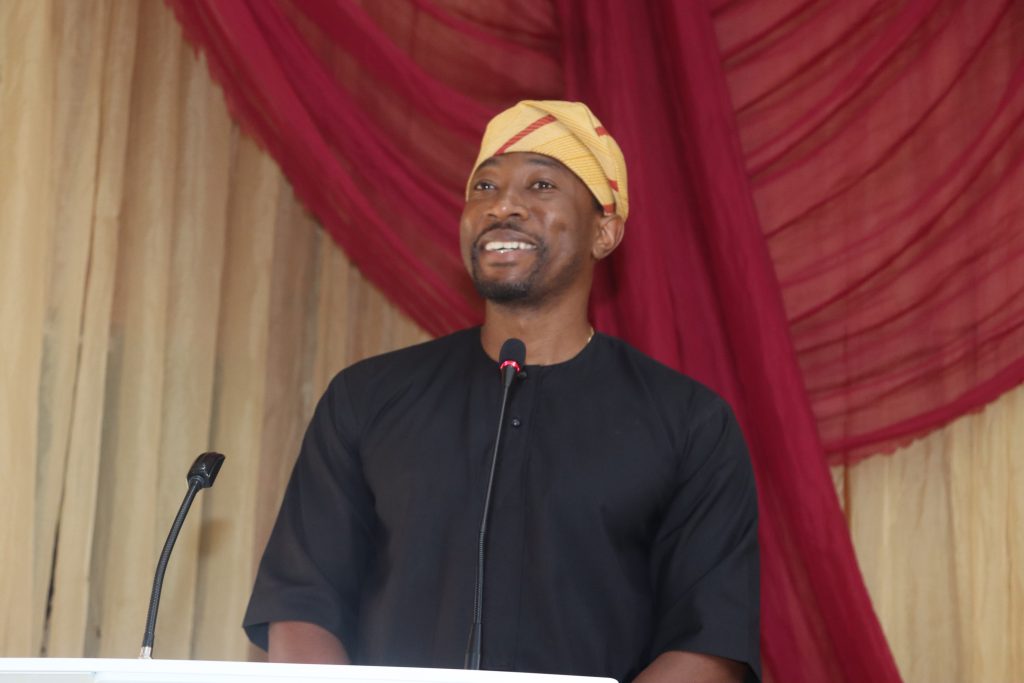
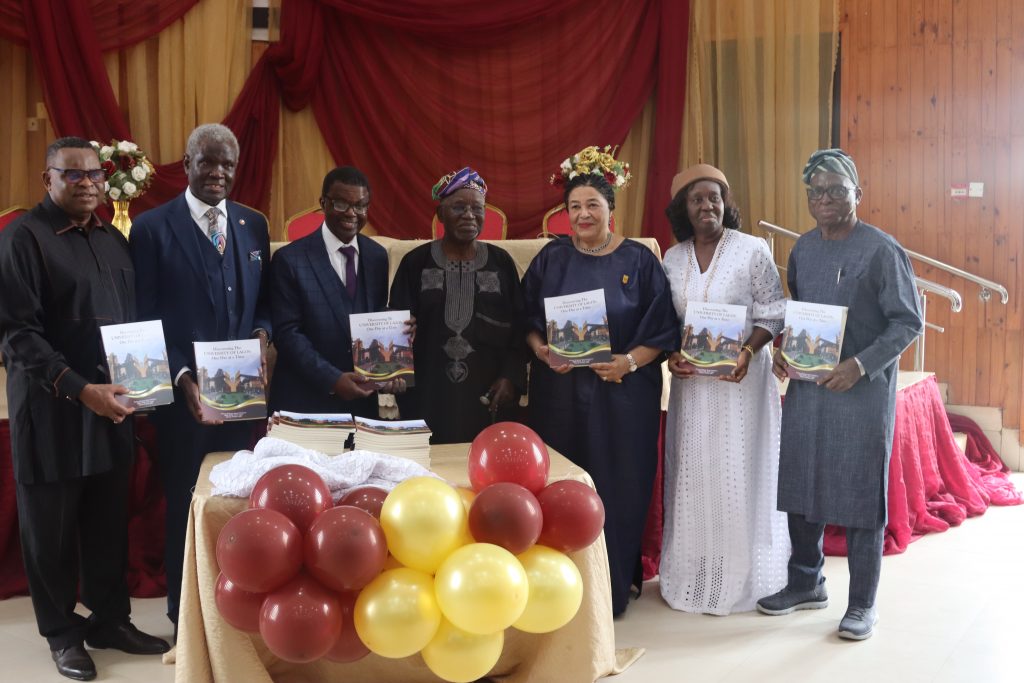
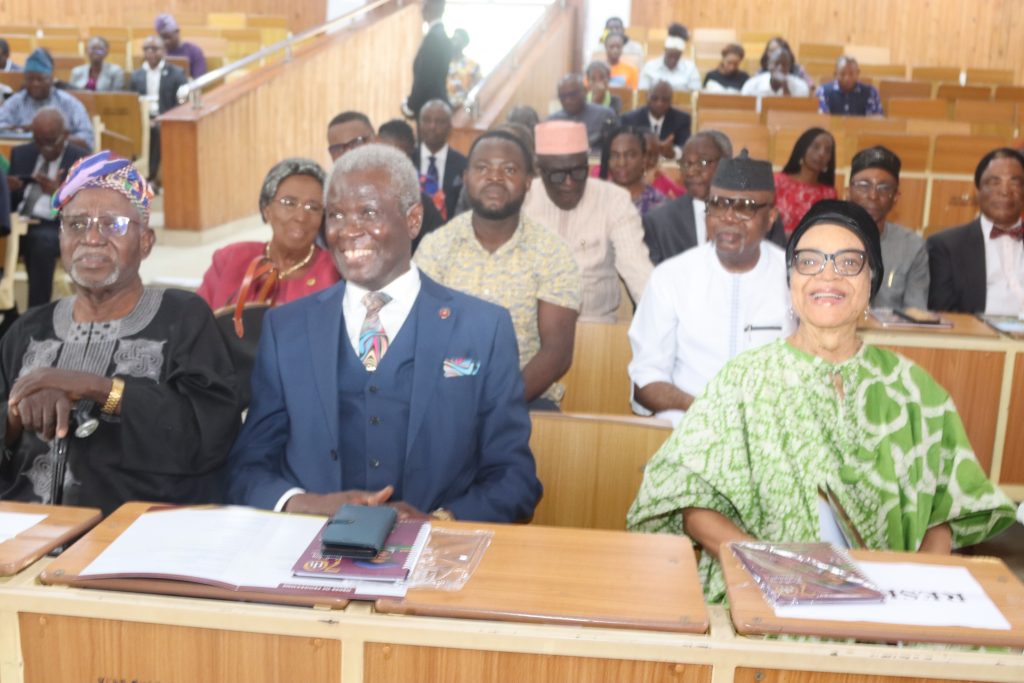
The three volumes were formally unveiled by Emeritus Professor Ayodele Francis Ogunye on Tuesday, September 1, 2026, at the Faculty of Social Sciences Hall, UNILAG.
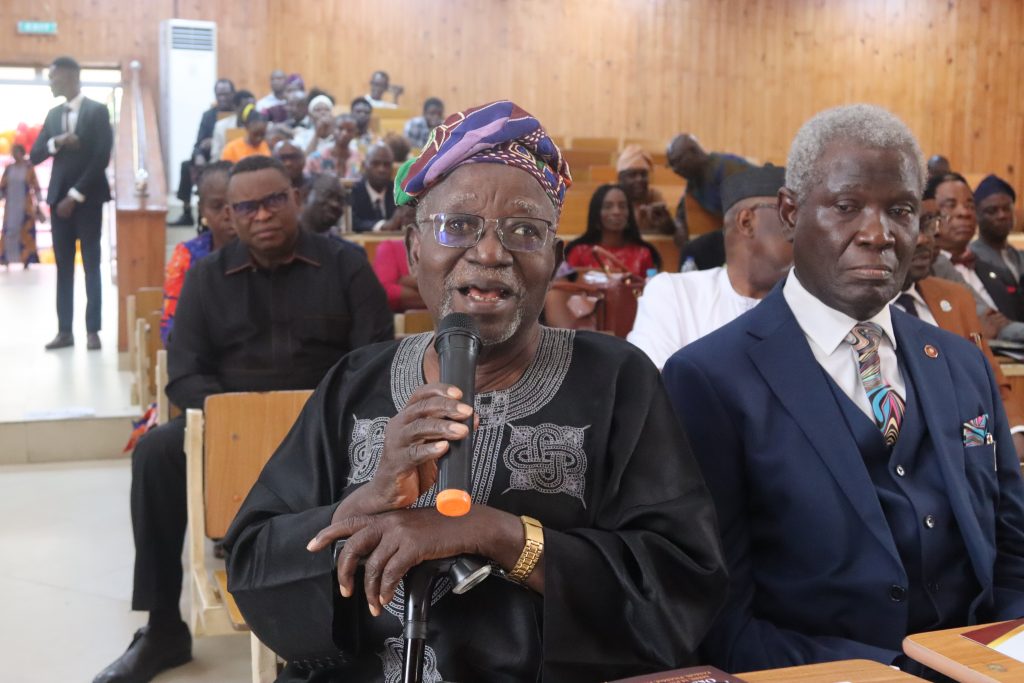
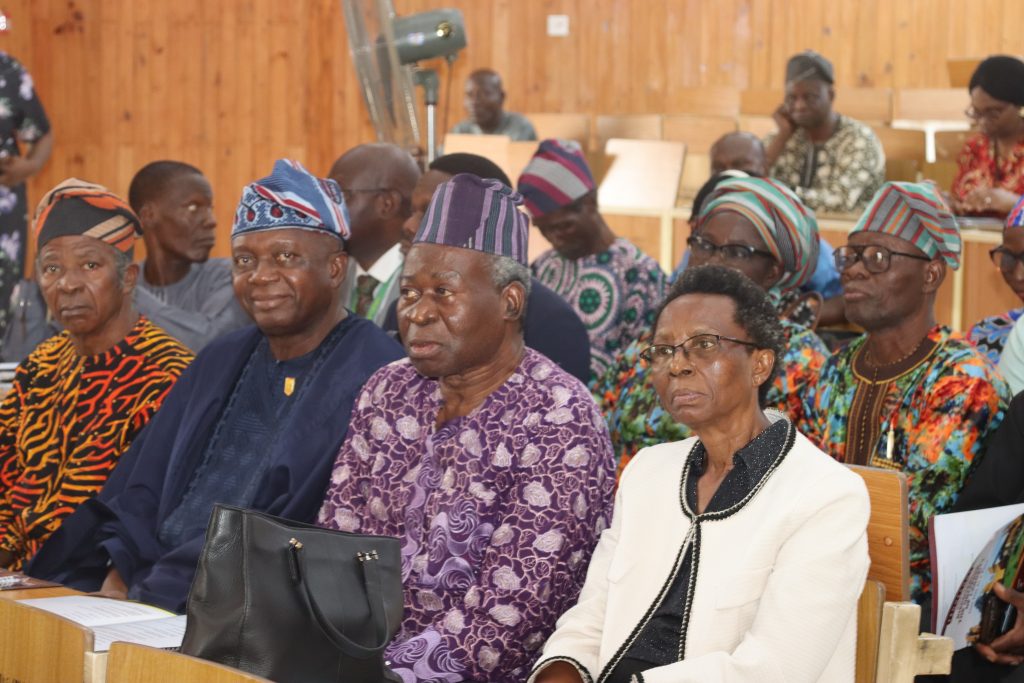
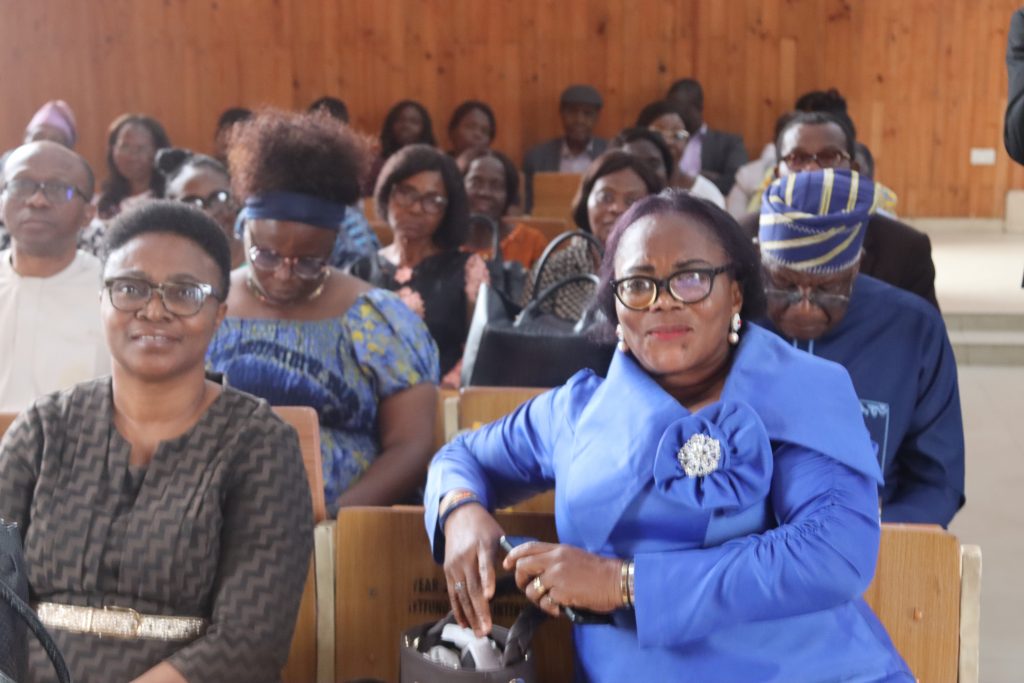
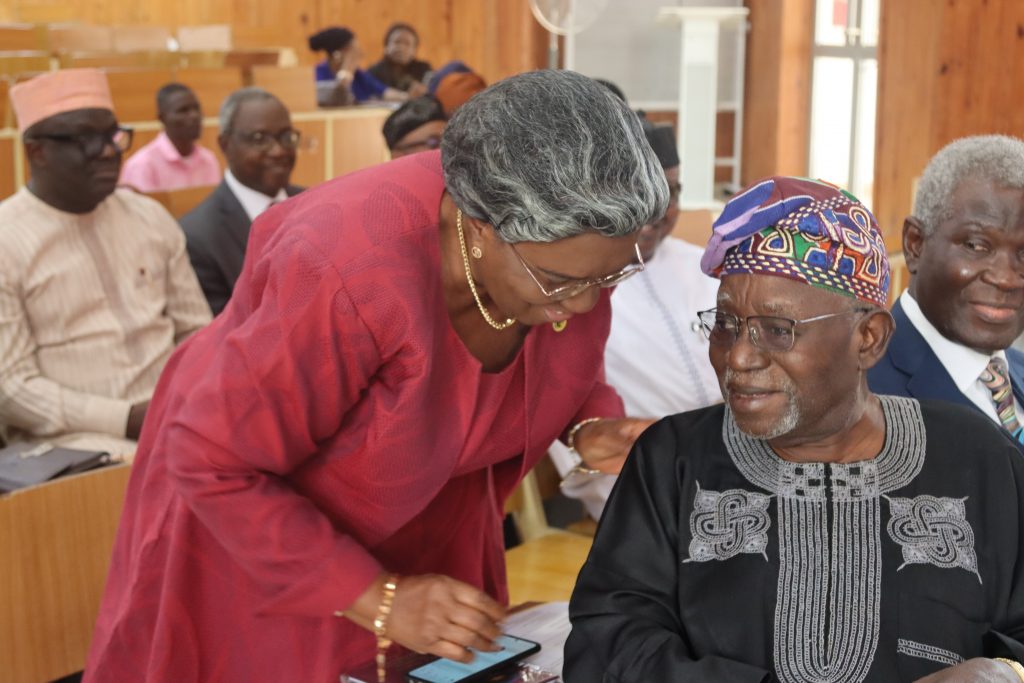
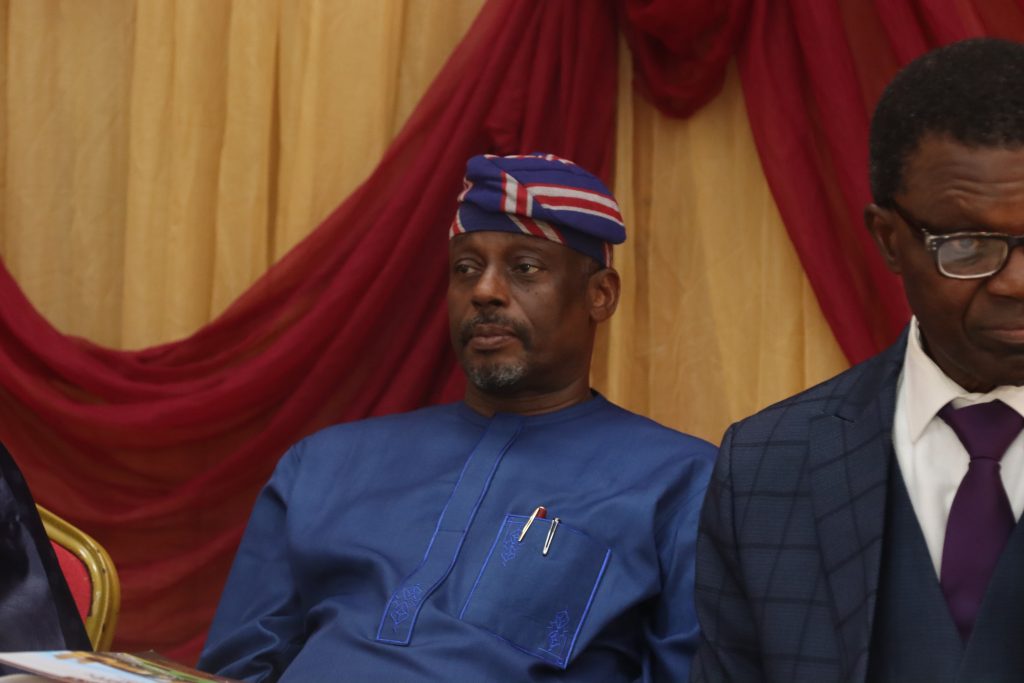
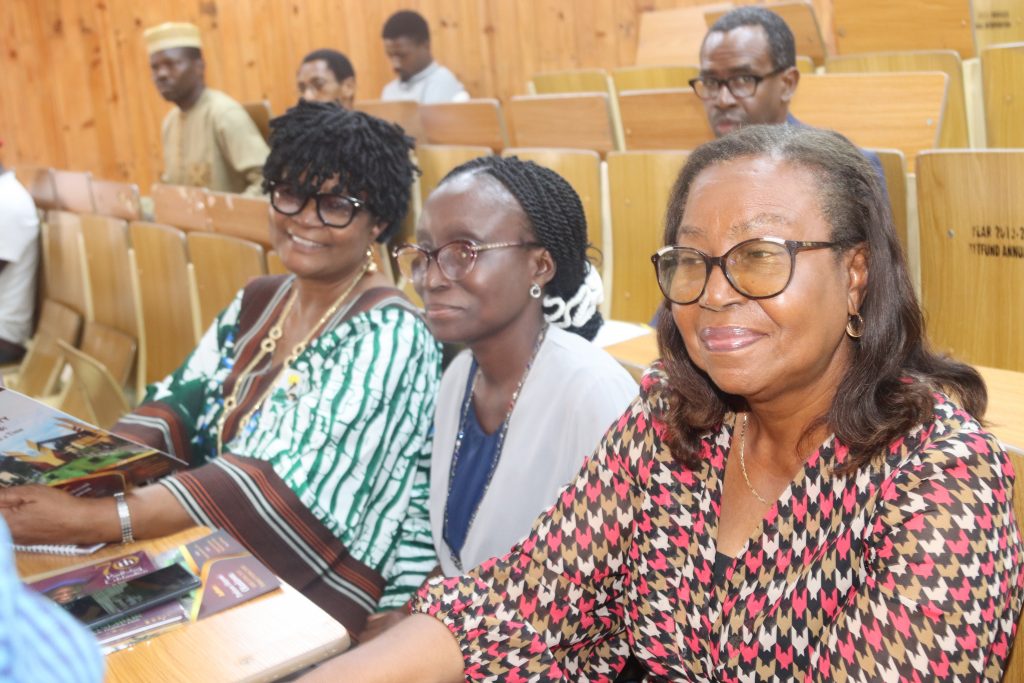
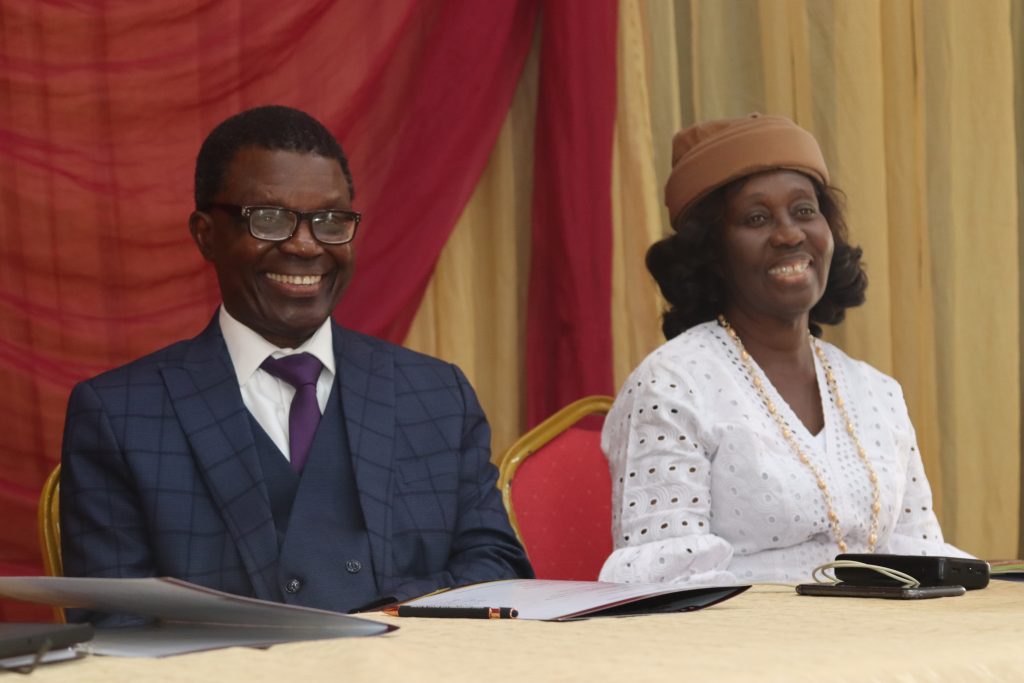
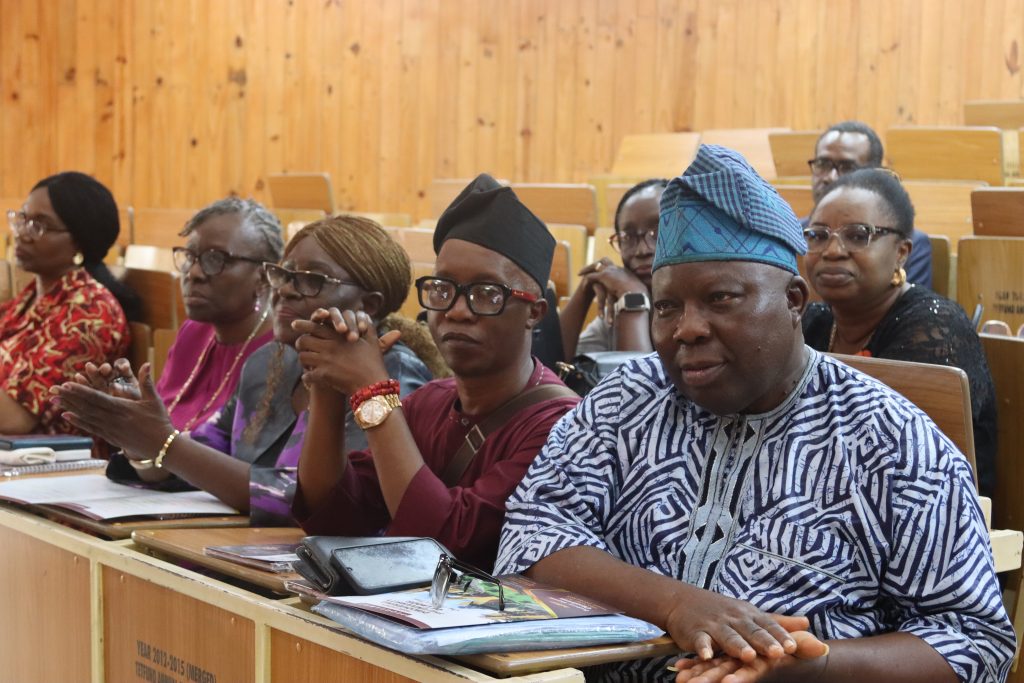
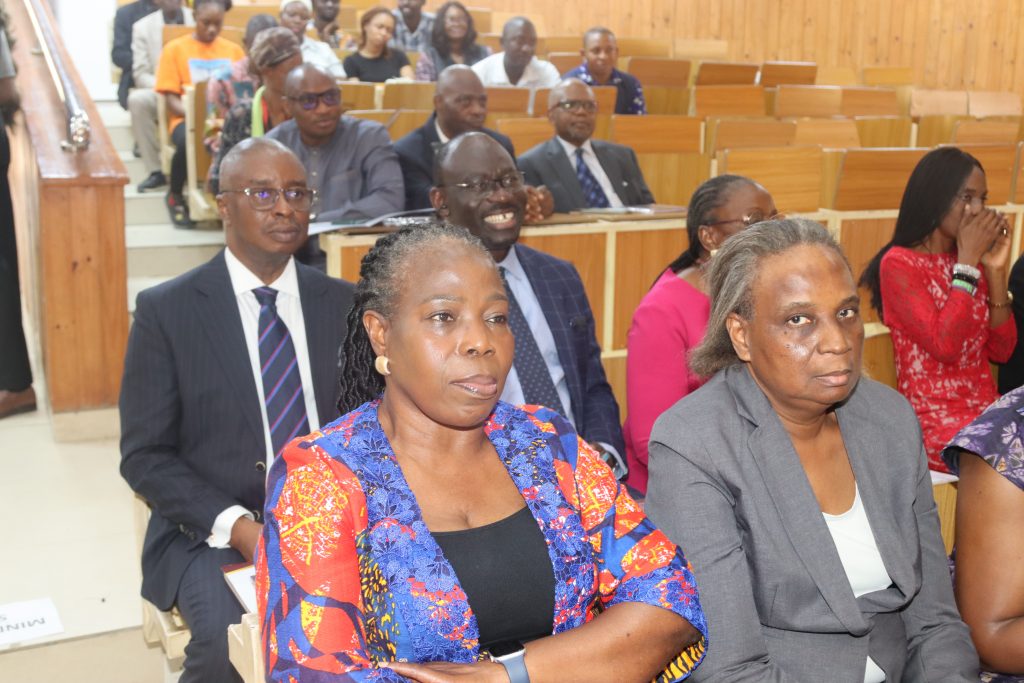
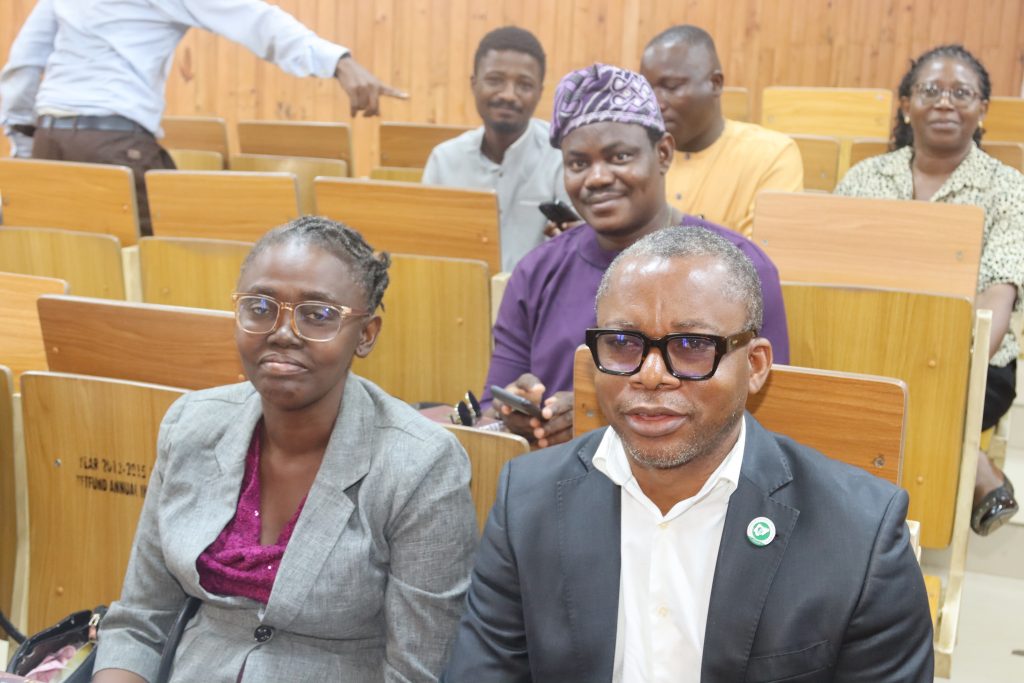
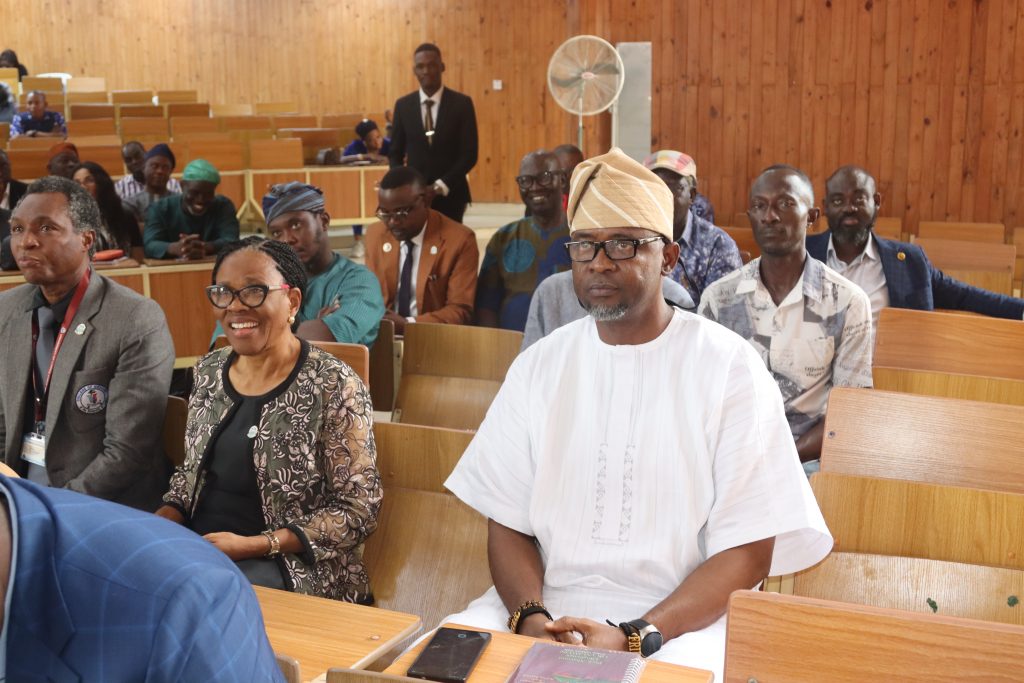
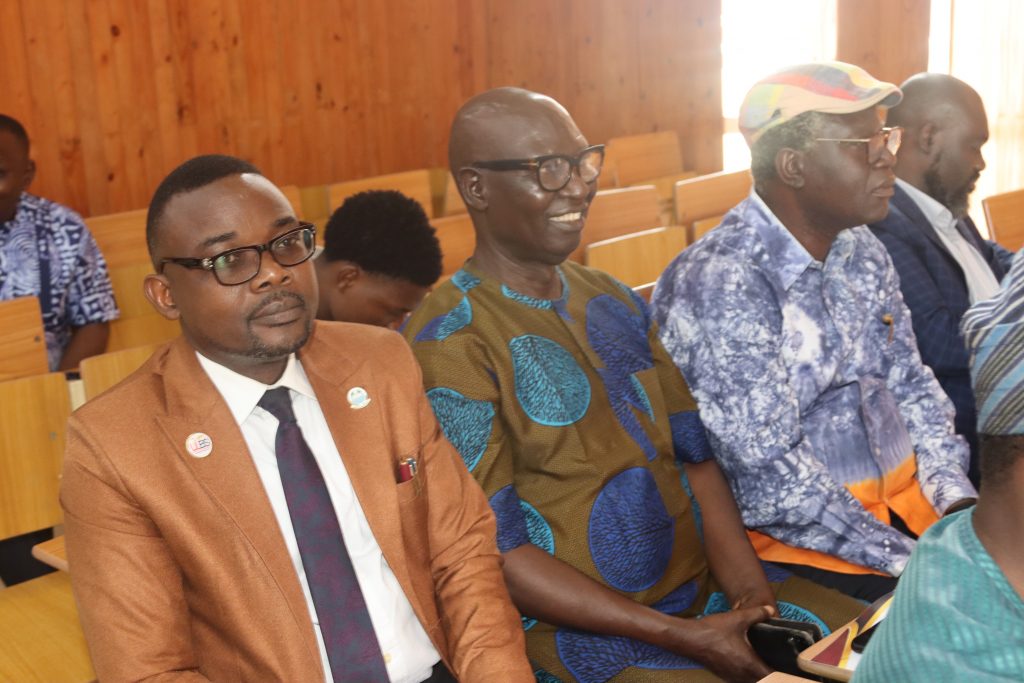
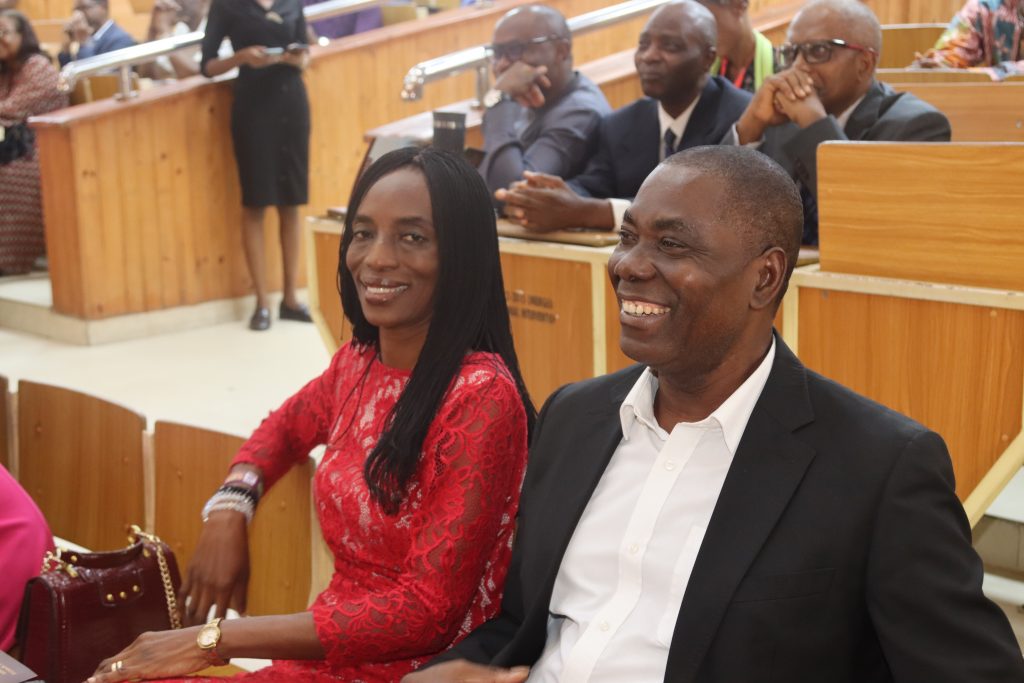
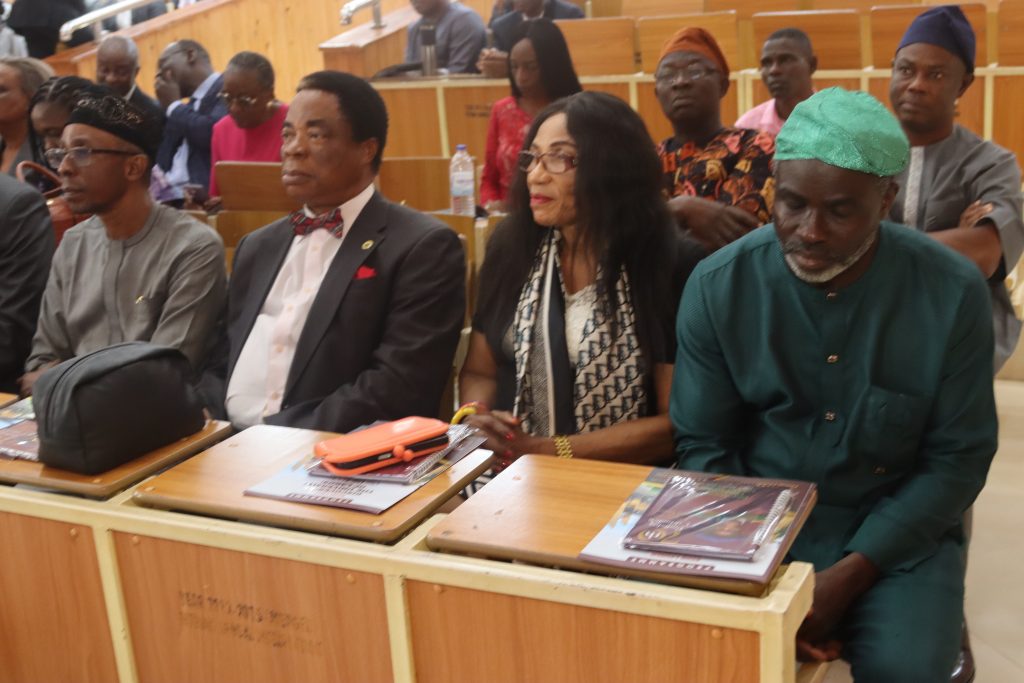
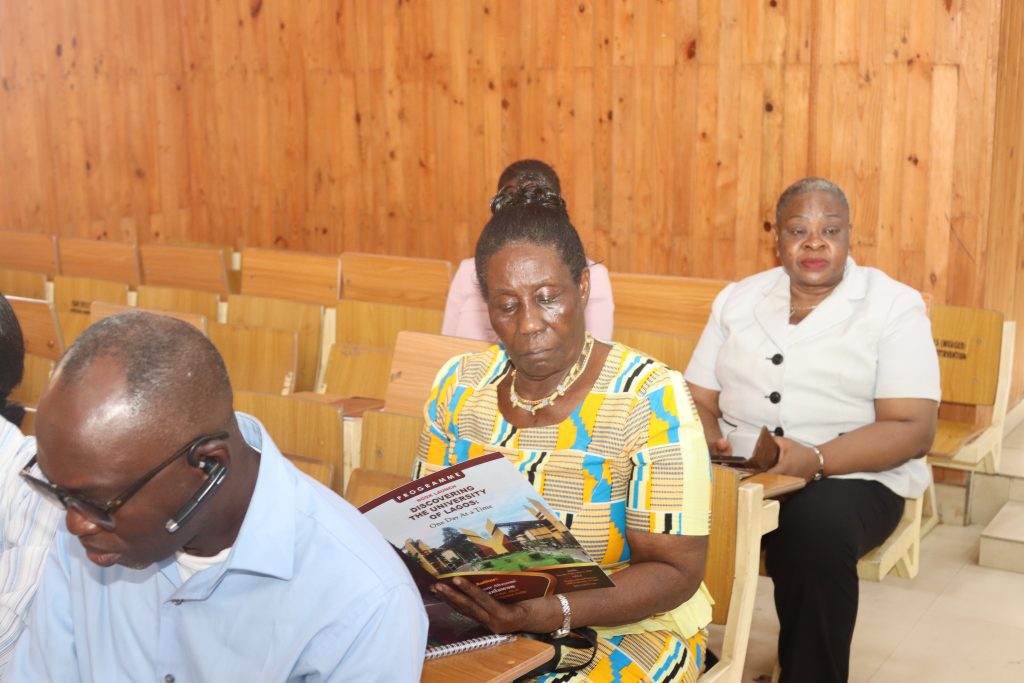
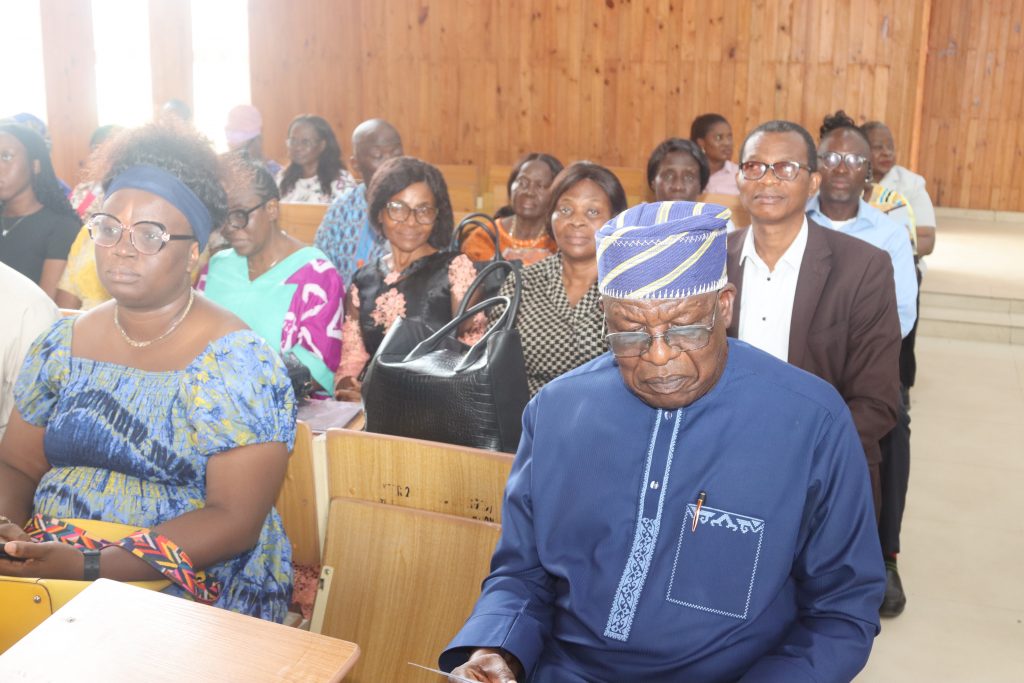
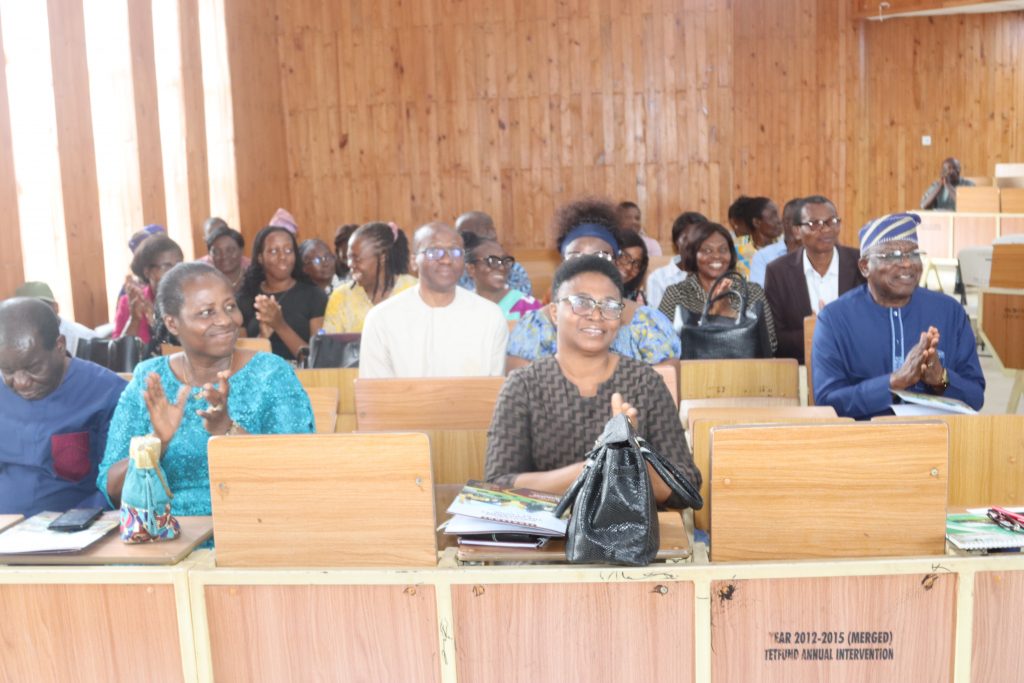
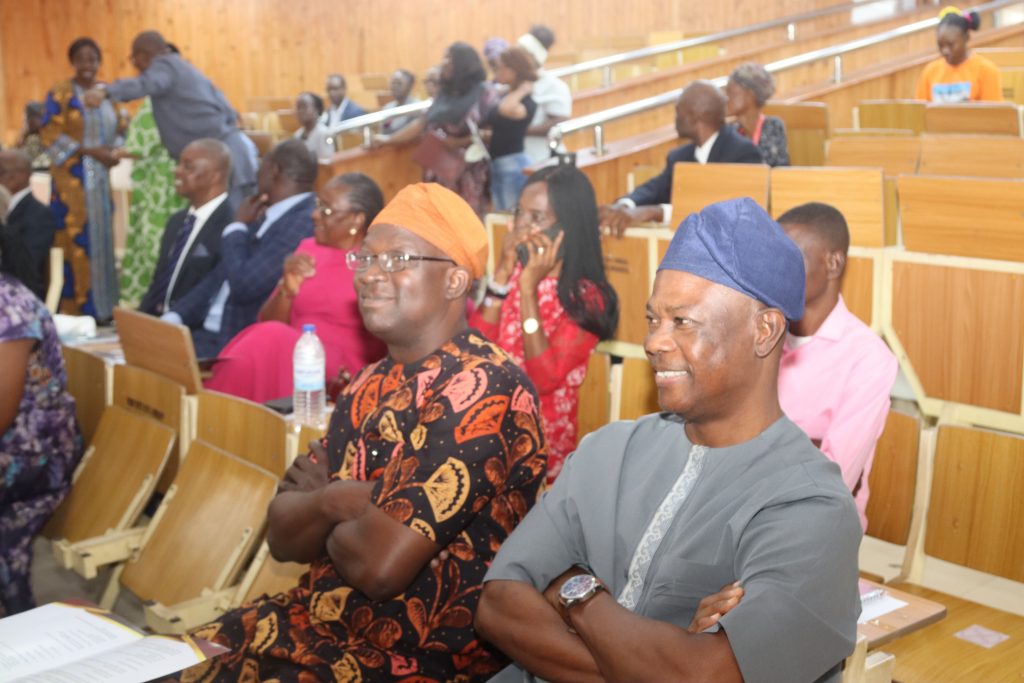
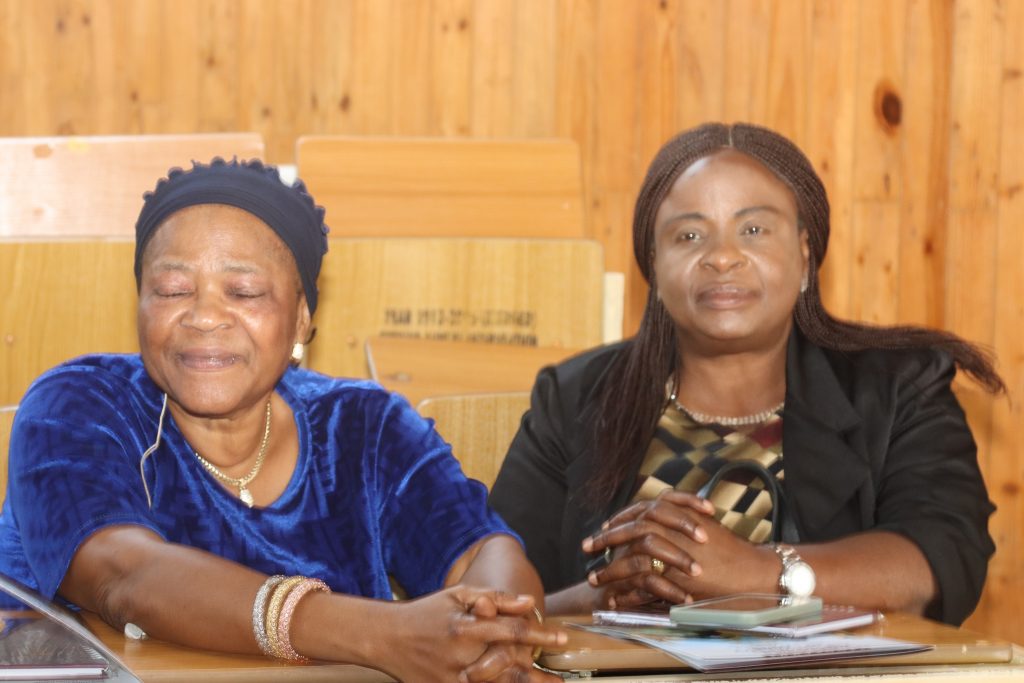
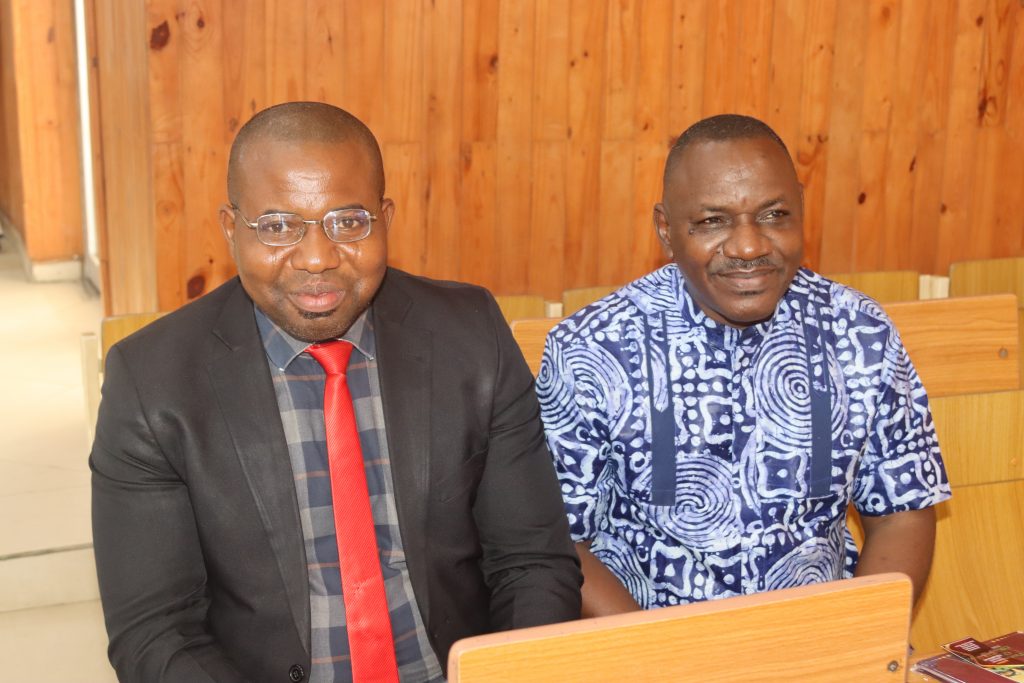
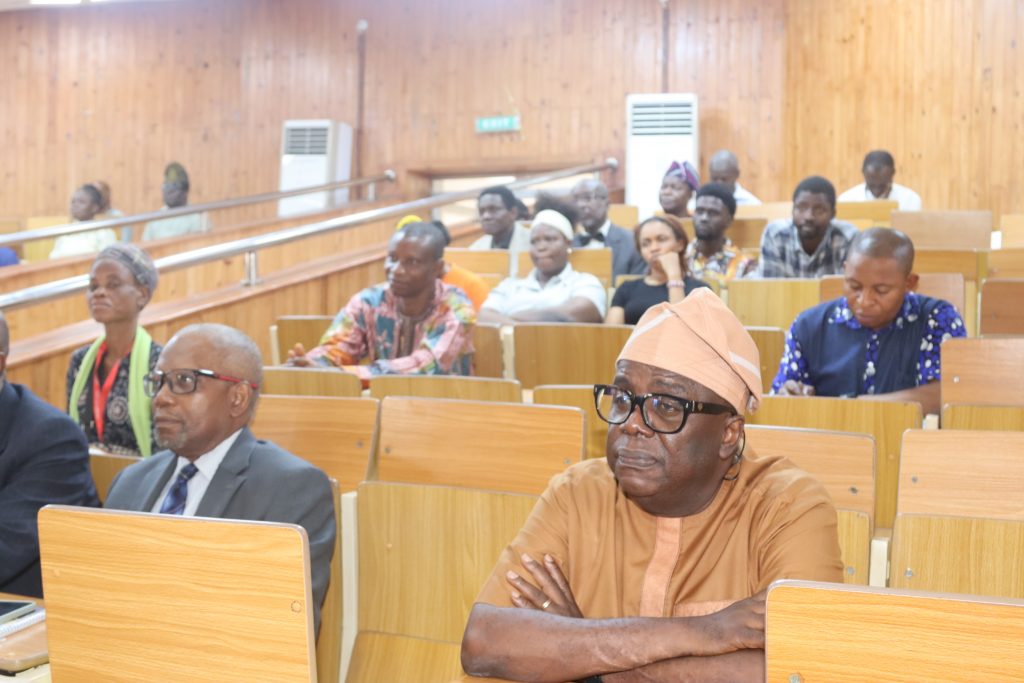
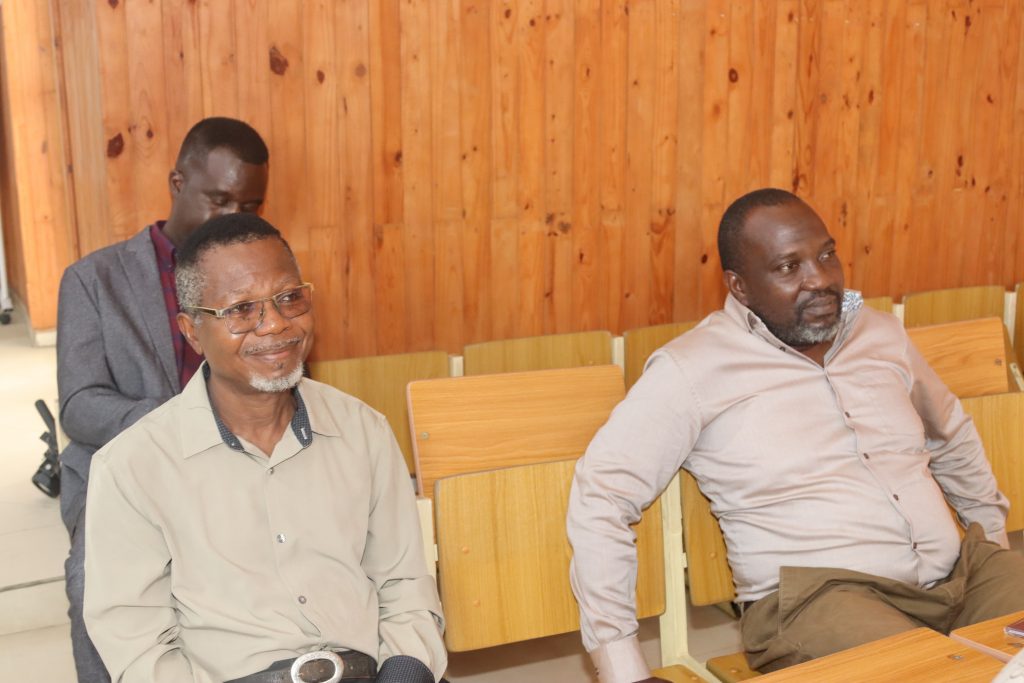
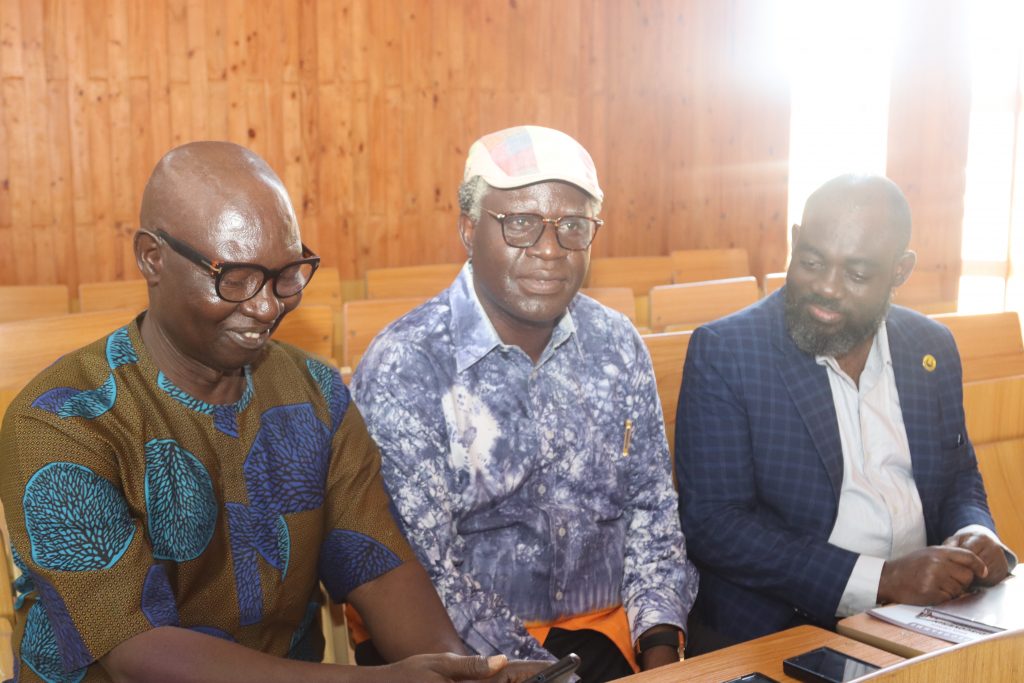
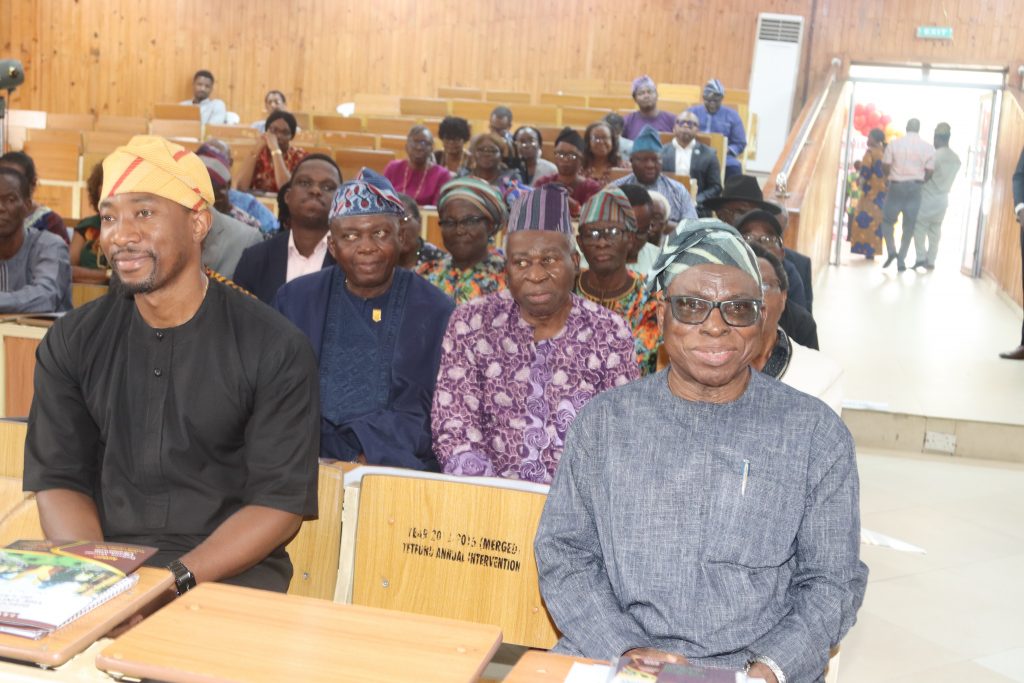
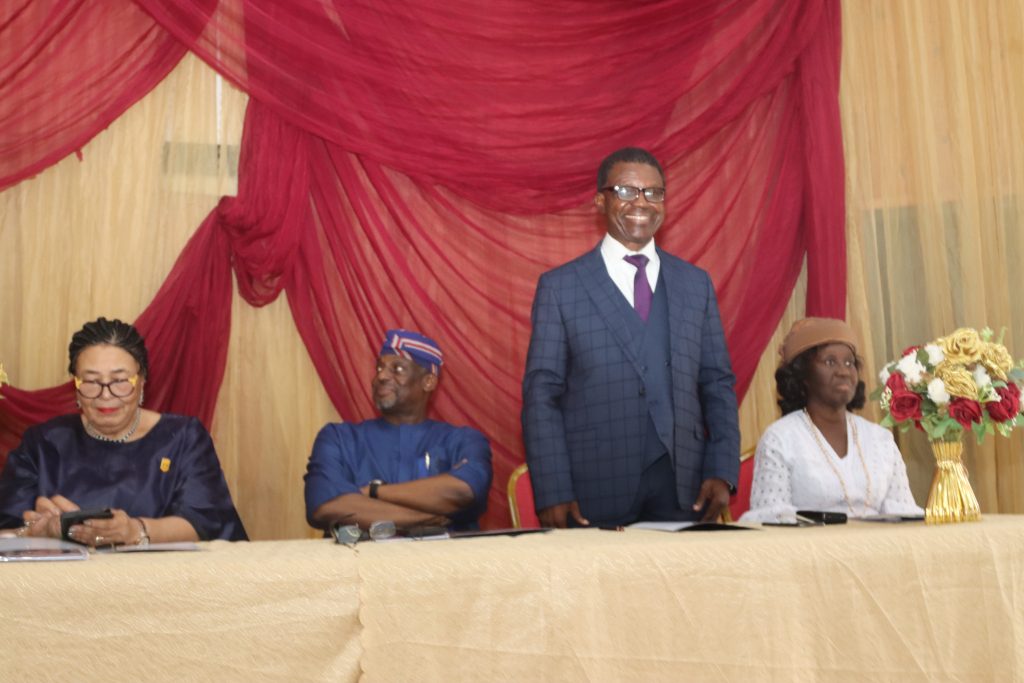
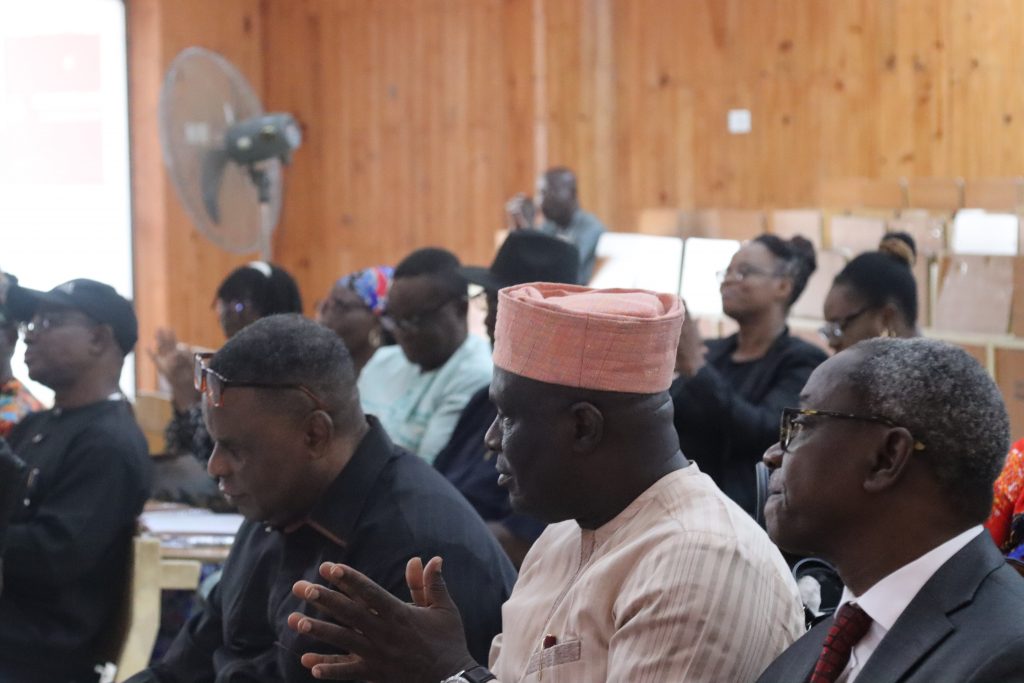
The gathering also served as a celebration of Professor Okanlawon’s years of service ahead of his retirement on Wednesday, September 16, 2026. It brought together serving and former University officials, academics, colleagues, friends, and associates who came not only to honour the author, but to celebrate a body of work devoted to preserving the memory of an institution they have helped to build.
BEYOND ANATOMY: A Passion For UNILAG’s Past
Representing the Vice-Chancellor, Professor Folasade Ogunsola, OON, FAS, the Deputy Vice-Chancellor (Development Services), Professor Foluso Ebun Afolabi Lesi, described the occasion as significant, particularly because Professor Okanlawon had extended his intellectual interests beyond his primary discipline of Anatomy.
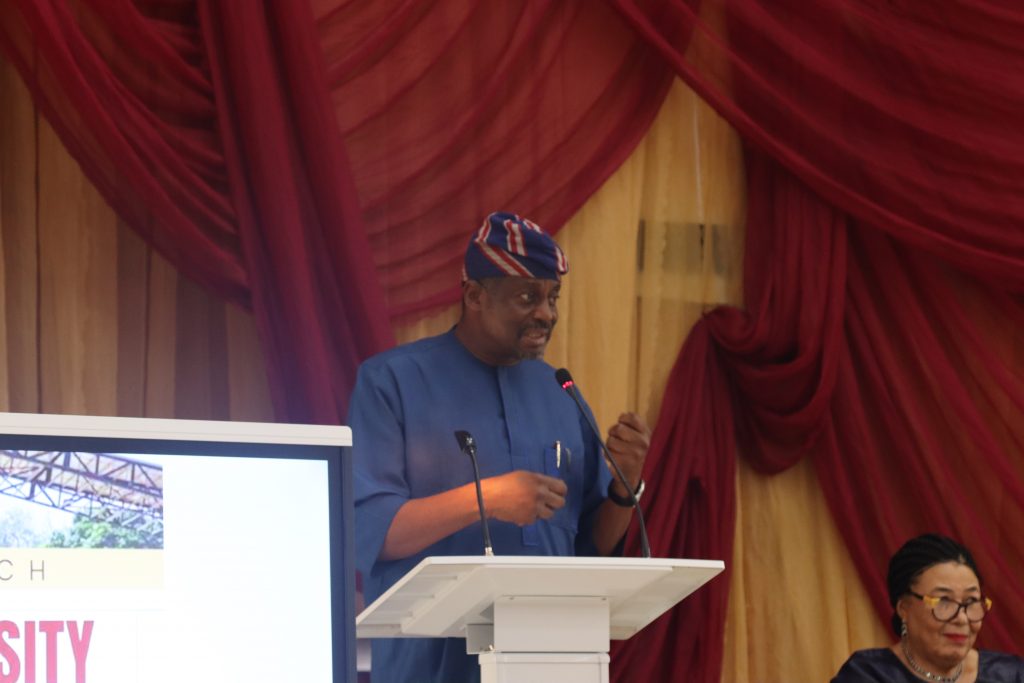
Professor Lesi recalled the historical notes regularly shared by Professor Okanlawon on the UNILAG News WhatsApp platform. What may have appeared at first as simple recollections, he noted, gradually became a valuable way of reconnecting members of the University community with the people, places, and events that had shaped the institution.
That same commitment to remembering and documenting UNILAG formed the basis of the first review of the three-volume work.
Who Gets to Tell History?
Reviewing Volume One, the Vice-Chancellor of Maranatha University and Professor of History, Professor R.T. Akinyele, raised a fundamental question: who gets to tell history? His answer was that history cannot be left only to those who studied it as a formal academic discipline.
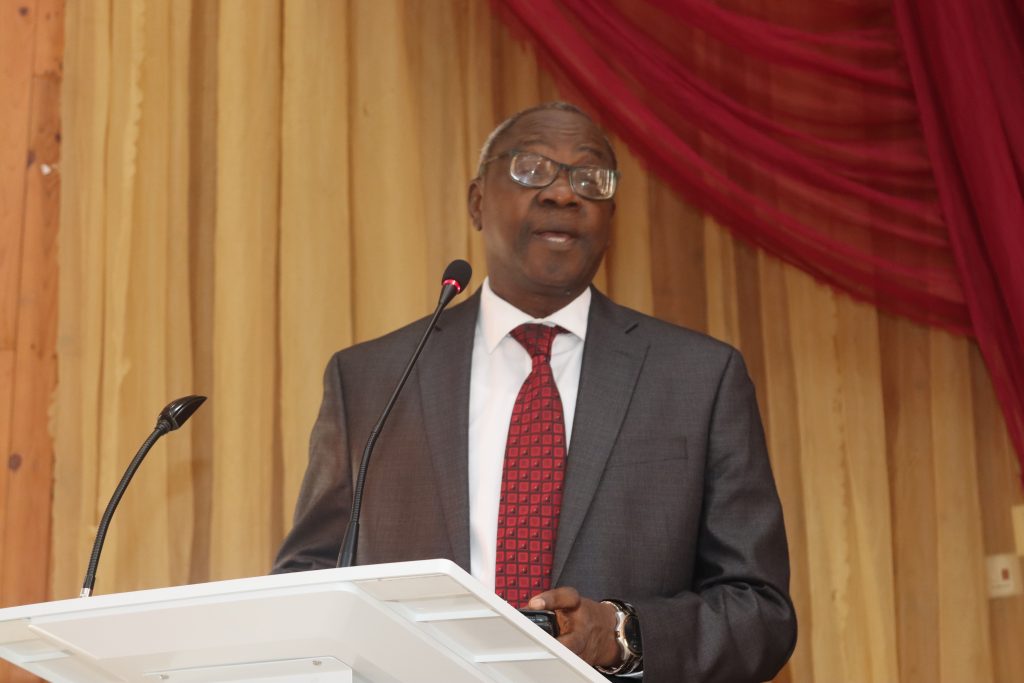
Professor Akinyele noted that although Professor Okanlawon is a Professor of Anatomy rather than a formally trained historian, his work belongs to a long tradition of individuals who have preserved the histories of their communities outside the conventional history classroom. He cited Jacob Egharevba, whose A Short History of Benin became an important record of Benin history; Reverend Samuel Johnson, author of The History of the Yorubas ; and Akiga Sai, whose recollections provided an early account of Tiv history.
He also pointed to the contributions of medical practitioners to historical documentation, including Professor Akin Adesola, former Vice-Chancellor of UNILAG; Professor Peter Nwangwu of the University of Nigeria, Nsukka who advocated the restoration of History to the secondary school curriculum; and Professor Ade Elebute, whose work documented the life of James Pinson Labulo Davies.
These examples, Professor Akinyele explained, demonstrate that the impulse to preserve history often comes from people whose primary professions lie outside the discipline. He however cautioned that documenting the past requires care. Without attention to historical method, he noted, the chronicler can fall into pitfalls such as hagiography, telescoping, and anachronism.
It was against this background that he described Professor Okanlawon’s contribution as that of a chronicler. Rather than presenting UNILAG’s history as one continuous narrative, Okanlawon brings the story together through dates, personalities, events, historical notes, documentary sources, and personal observations.
Volume One, covering 1962 to 2017 in 142 pages, traces the University’s origins and development, including the University of Lagos Act of 1967 and the evolution of the institution and its College of Medicine. Importantly, it does not shy away from difficult chapters.The volume records the crises of the 1960s, the 1968 Cafeteria strike, the “Ali Must Go” protests, the 1978 “Go-Riot” which claimed the life of Akintunde Ojo, the January 2005 student riot, and the February 2006 Idi-Araba quota crisis.
For Professor Akinyele, that willingness to document the uncomfortable parts of the University’s history is one reason institutional history matters. A university, he suggested, cannot understand itself by remembering only its successes. Its conflicts, mistakes, crises, and turning points are also part of its inheritance.
When Institutional Disgreements Became Public
Volume Two covers 2017 to 2022. It was reviewed by the immediate past Deputy Vice-Chancellor (Management Services) of UNILAG, Professor Lucian Obinna Chukwu.
The volume examines the relationship between the University Management and Governing Council during this period. The disagreements eventually moved beyond internal meetings, into the public space through newspaper publications and competing positions.
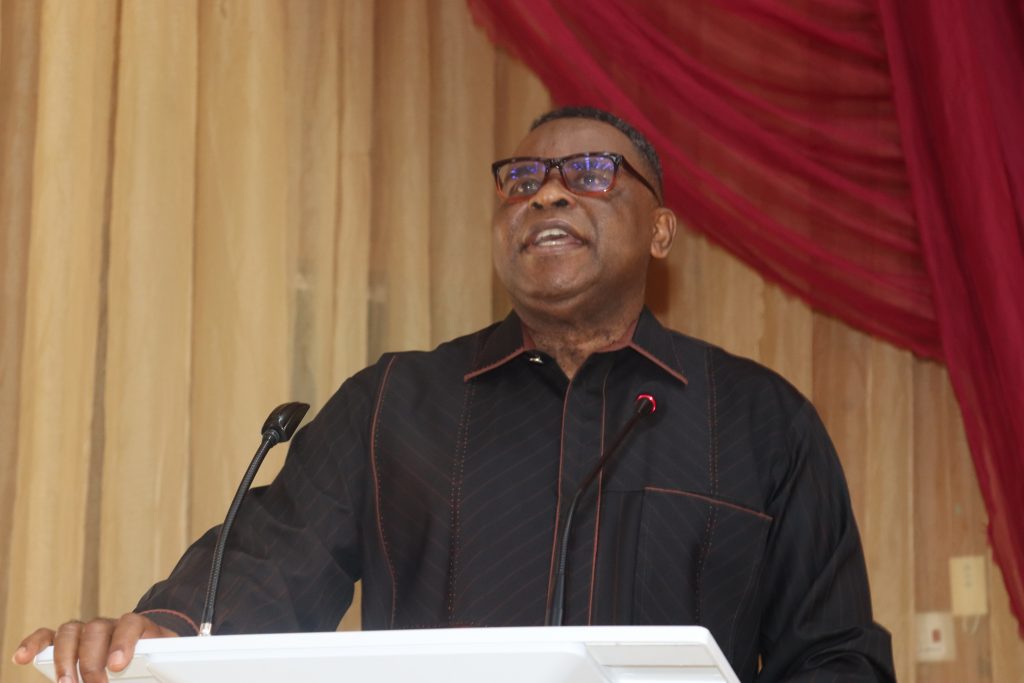
Professor Chukwu’s review did not dwell on who was right or wrong. Instead, he approached the period as an opportunity for institutional reflection. He singled out the events of 2020 for particular consideration, presenting them as a case study in university governance.
One issue highlighted was the position taken by Senate on the removal of Professor Oluwatoyin Ogundipe as Vice-Chancellor. Senate maintained that due process had not been followed. Its intervention, however, should not be reduced simply to an attempt to defend Management or oppose Council.
According to Professor Chukwu, the greater value of preserving such an episode lies in what the University can learn from it. With the fact established that Senate should not be seen as an appendage of Management or as an adversary to the Governing Council, he listed lessons emerging from the period:
- Respect for the rule of law
- Clear definition of institutional boundaries
- Earlier and more meaningful consultation
- Protection of the neutrality of institutional leadership
- Clear communication during periods of uncertainty
- Deliberate preservation of institutional memory
- Reconciliation after periods of disagreement
These, Professor Chukwu suggested, are principles capable of strengthening institutional governance and helping universities manage disagreements before they grow into crises.
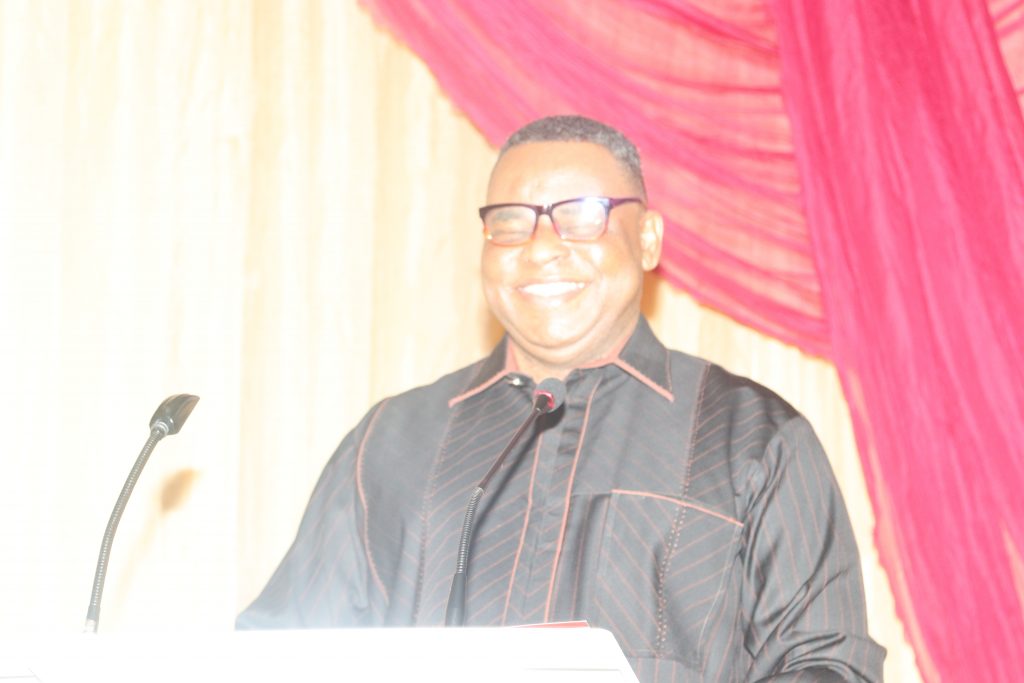
In that sense, Volume Two does more than tell the story of a difficult period. It preserves the circumstances, positions, and institutional context surrounding it, giving future generations an opportunity to study the episode with greater perspective.
Taking The Story Forward
Volume Three was reviewed by the University’s current Deputy Vice-Chancellor (Management Services), Professor Muyiwa Falaiye. It takes the chronicle further into the University’s contemporary experience.
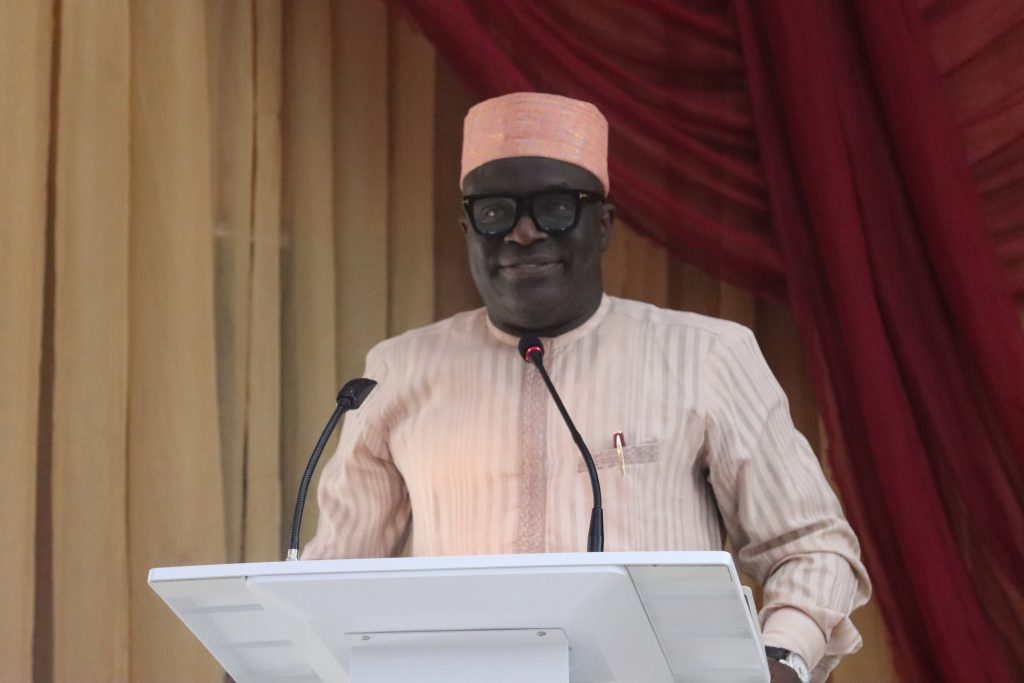
His review completes the three-volume journey and reinforces the importance of recording the experiences of successive administrations while they are still within living memory.
Taken together, the books offer more than a collection of dates. They tell the story of a University through the people who built it, the decisions that shaped it, the challenges it faced, the disagreements it survived, and the changes that followed.
The reviews were followed by tributes that brought a more personal dimension to the occasion.
Pastor Tunde Bakare of Citadel Global Community Church, Lagos, through the immediate past Director of the University of Lagos Business School, Professor Michael Adebamowo sent a goodwill message. Drawing from Isaiah 44:1–4, Professor Adebamowo offered prayers for Professor Okanlawon and celebrated the occasion as a fitting recognition of his years of service.
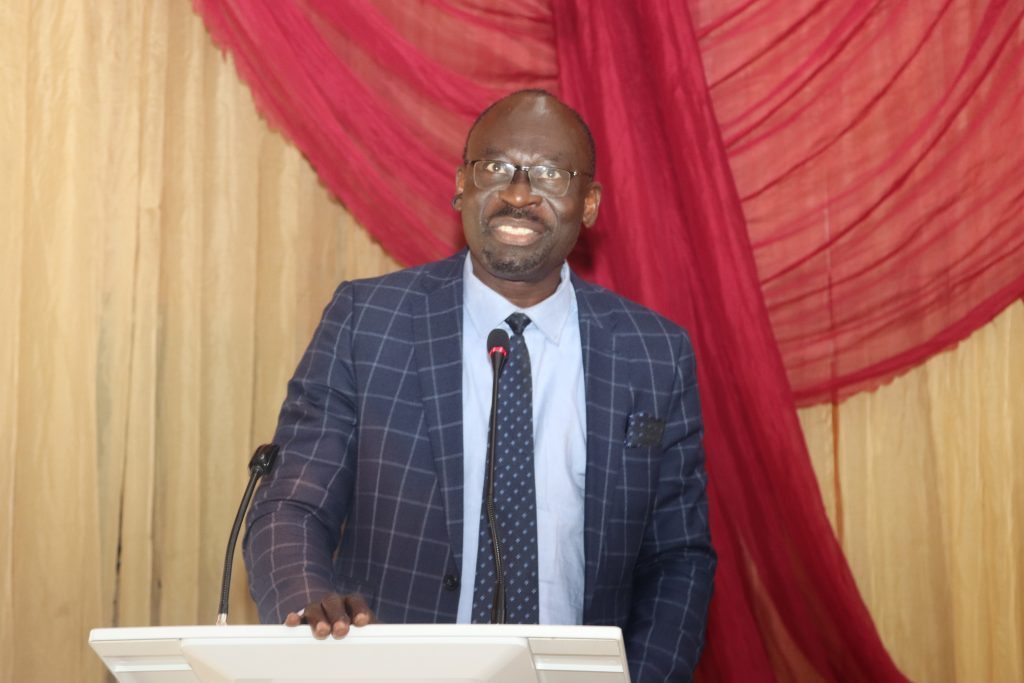
For Professor Oladapo Ashiru, the story was personal. A respected medical practitioner, columnist, and former teacher of Professor Okanlawon, Professor Ashiru recalled sharing stories of the early years of UNILAG with him as a student. Years later, those stories had found their way into a three-volume record.
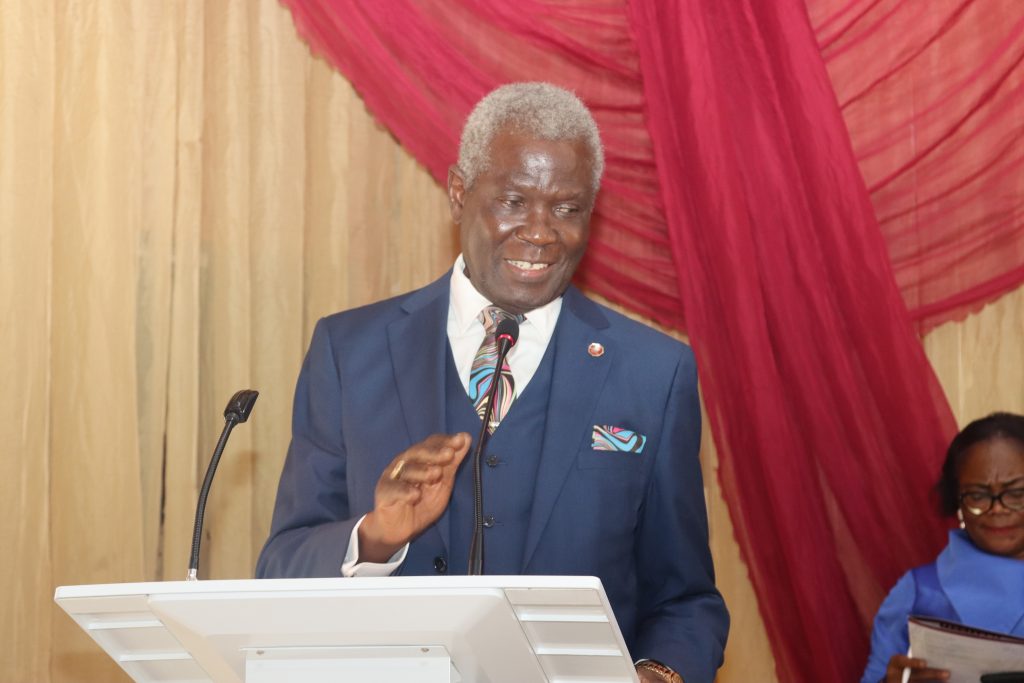
Another colleague, Professor Akin Osibogun, described Okanlawon as a friend and thoroughbred medical doctor, while paying tribute to his professional accomplishments.
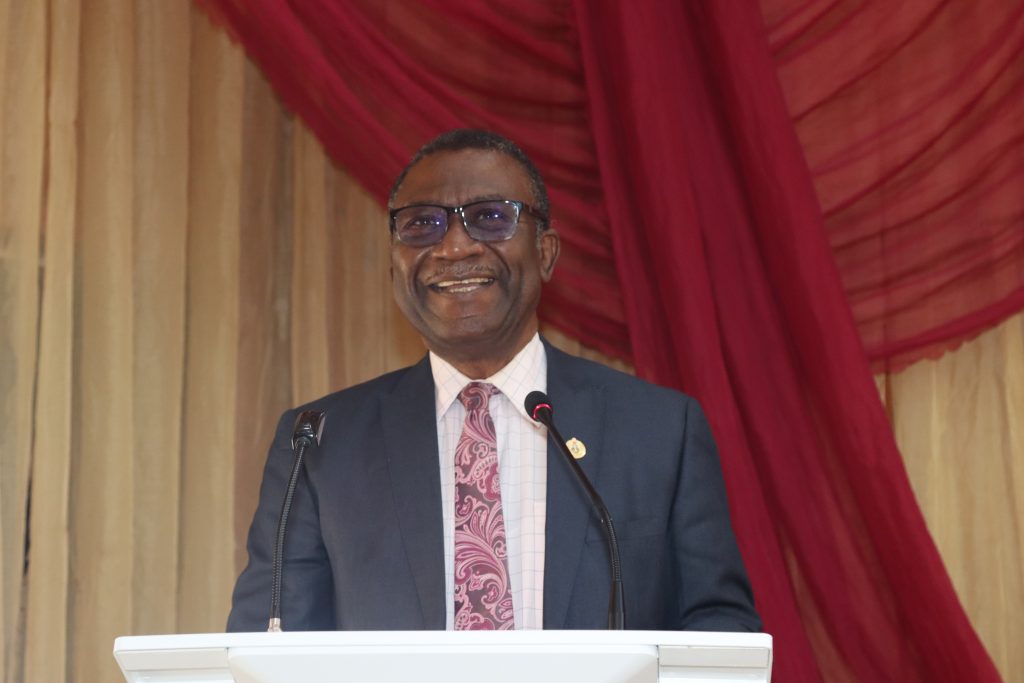
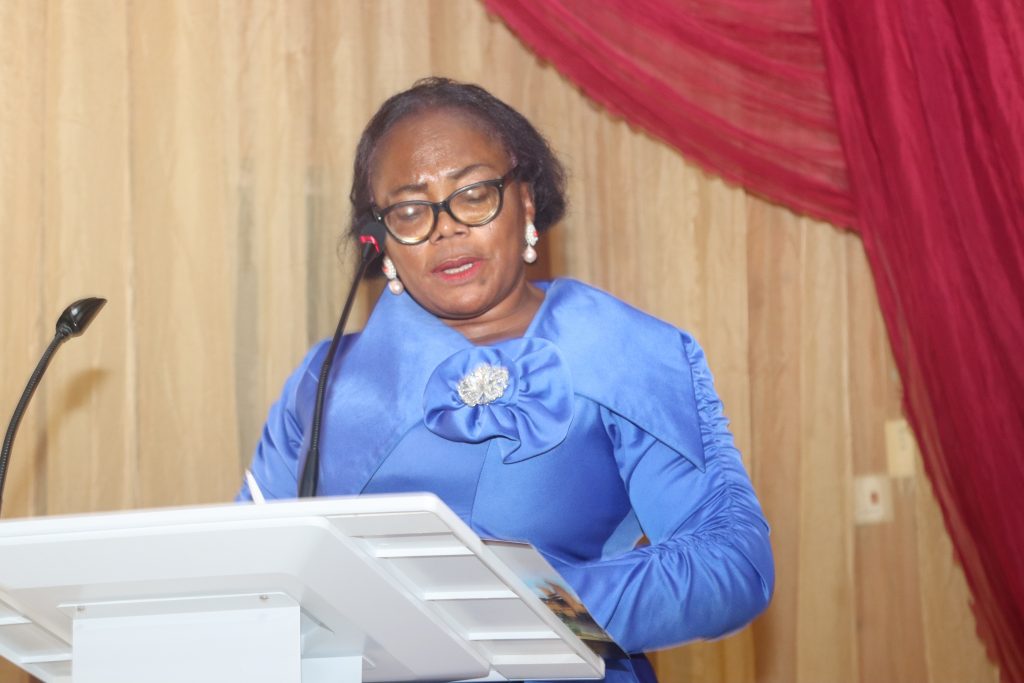
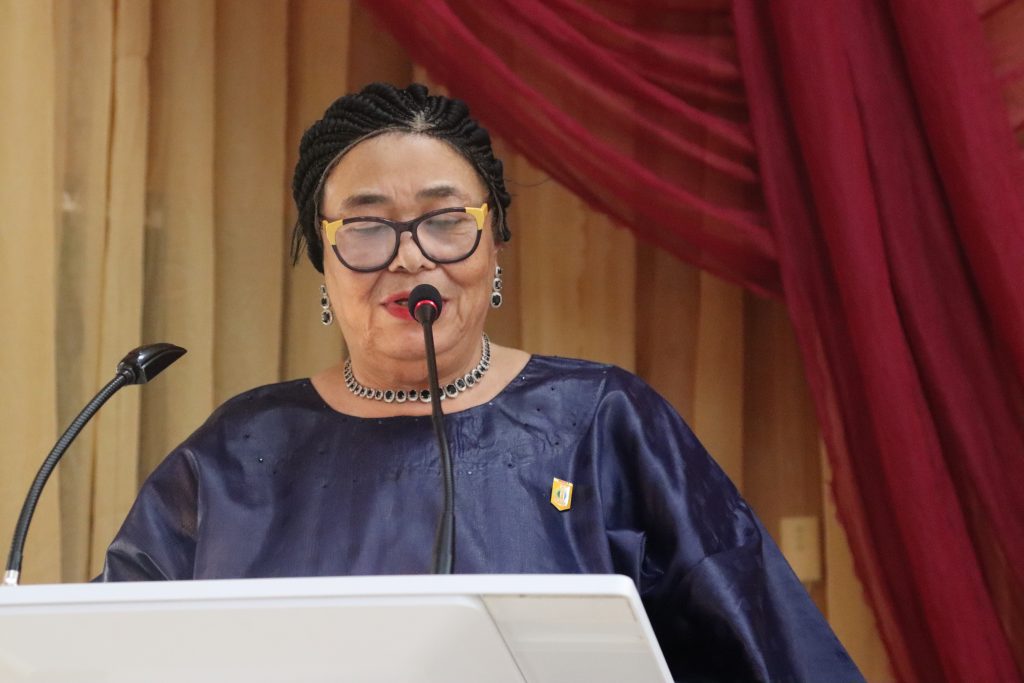
The Special Guest of Honour, Dr. Ajoritsedere Awosika, commended the honouree and reflected on the University’s ability to survive and rise above the challenges it has encountered. She urged the University community not merely to inherit what previous generations had built, but to improve upon it for those coming after.
A Legacy Beyond The Classroom
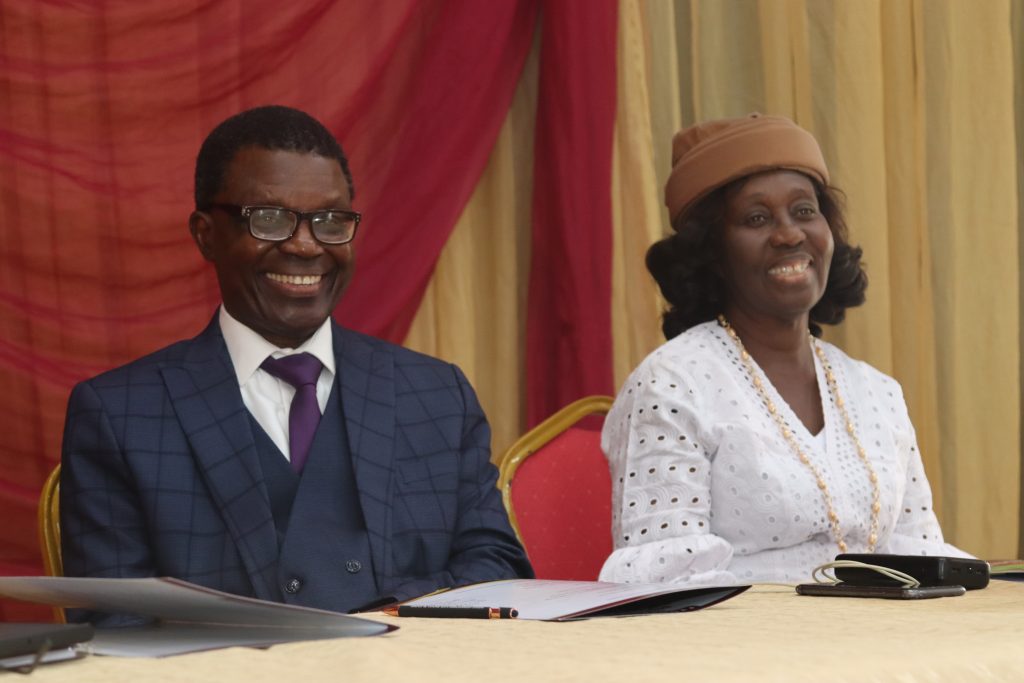
In his remarks, Professor Okanlawon expressed gratitude to University leadership, the reviewers, colleagues, friends, and all those who contributed to the publication and launch.
For Professor Okanlawon, the books represent a remarkable extension of a career spent primarily in Medicine and Anatomy.
For the University of Lagos, the value of the books goes beyond the discipline of their author. They preserve a record of an institution that began in 1962, grew through changing times, celebrated remarkable achievements, endured difficult moments, and continually reinvented itself.
As Professor Okanlawon prepares to retire from active service, he leaves behind more than memories. He leaves a written record of the University he served. And in documenting UNILAG, one day at a time, he has ensured that some of its stories will not be left to memory alone.
Report: Bayo Salau
Photographs: Samuel O. Dosunmu / Lawrence Opeyemi