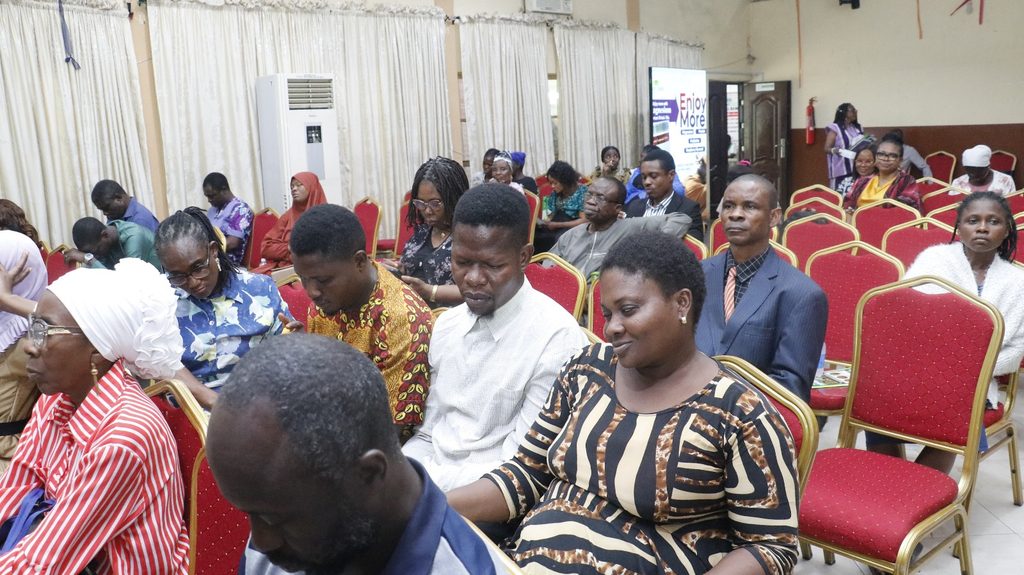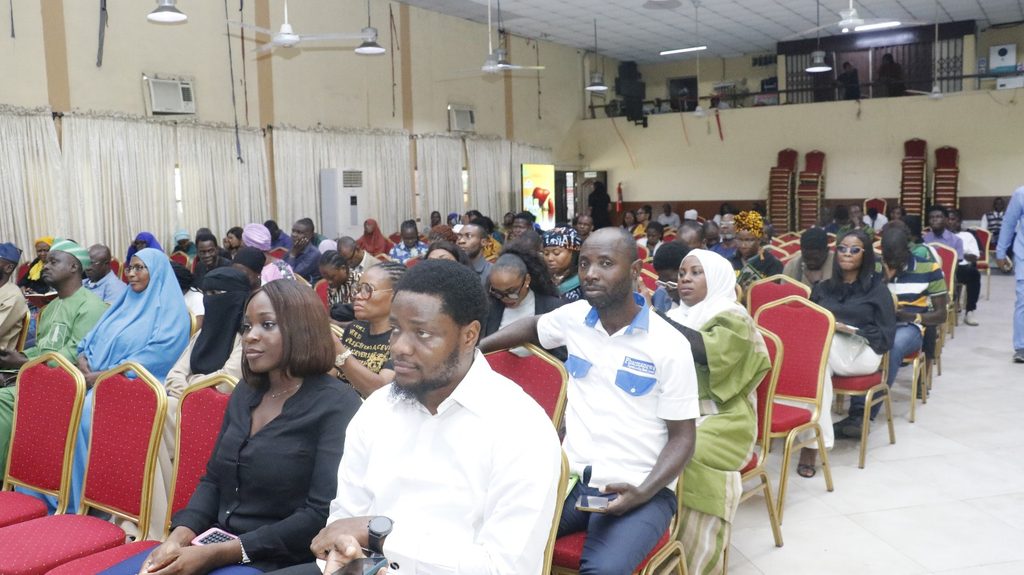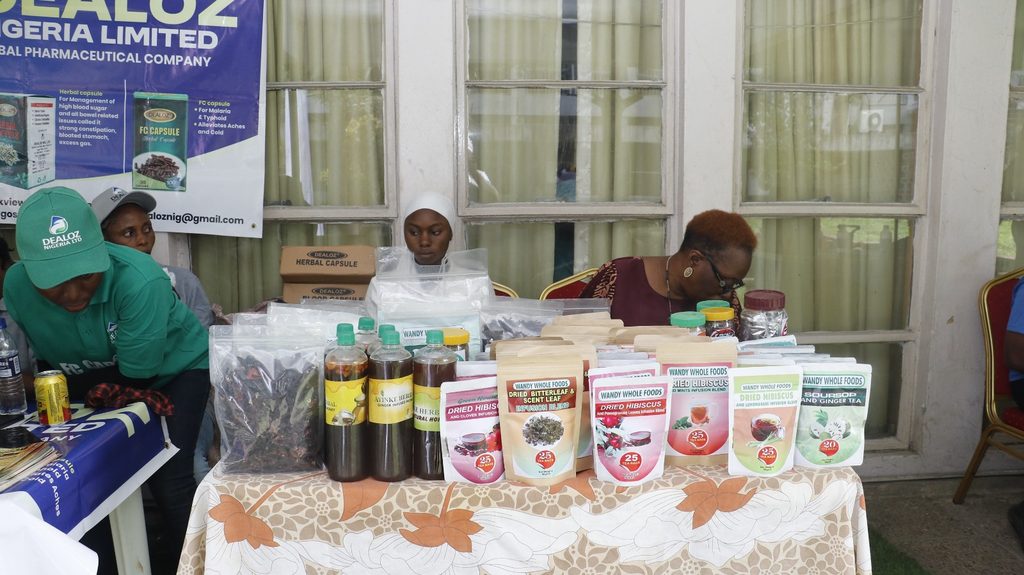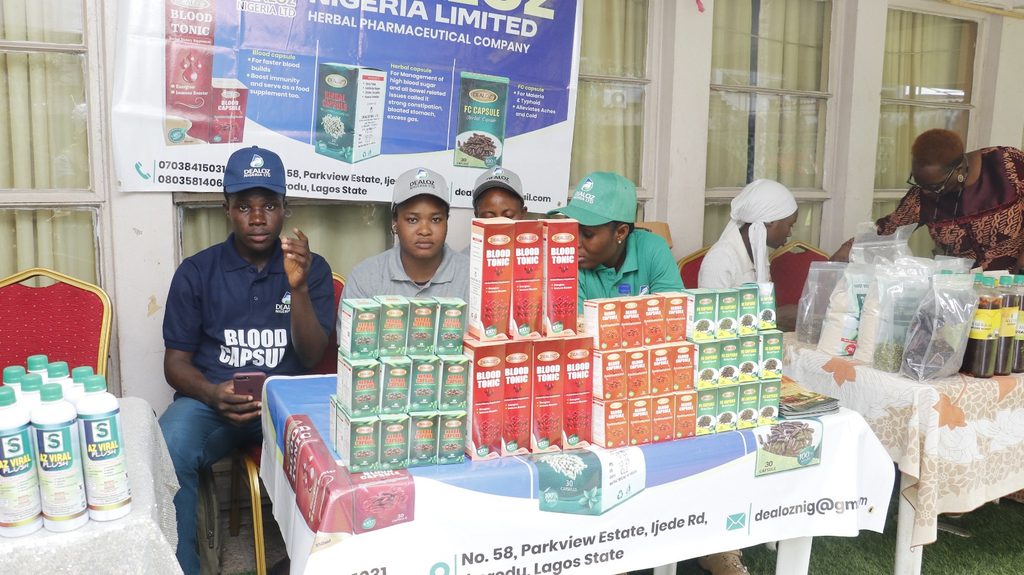
As the use of herbal medicines continues to play a significant role in healthcare across Africa, medical experts and researchers have warned that “natural” must not be mistaken for “safe”, calling for stronger scientific evidence, quality control and regulation of herbal products.
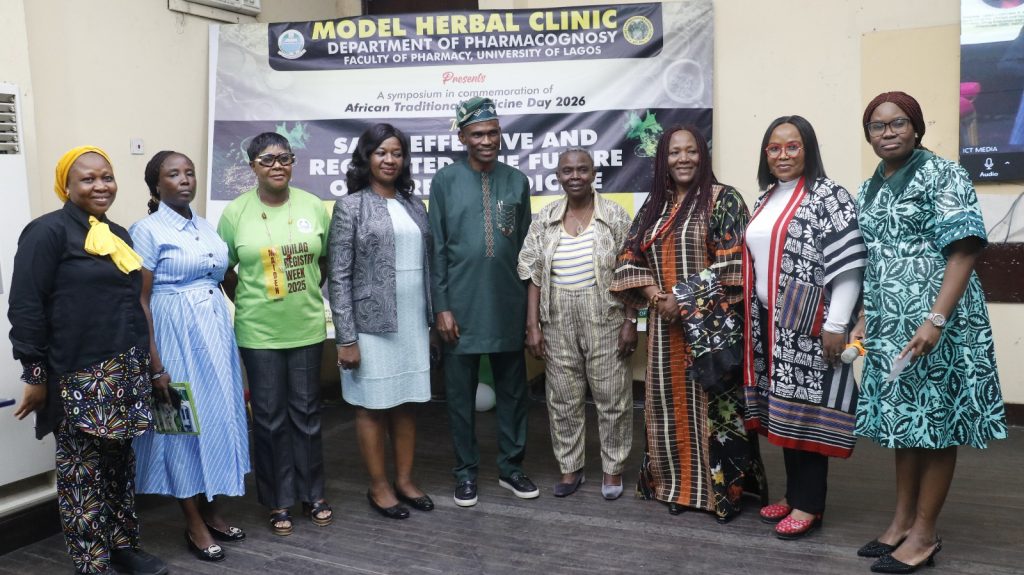
The warning formed part of the issues raised at African Traditional Medicine Day, organised by the Department of Pharmacognosy, Faculty of Pharmacy, University of Lagos (UNILAG), in collaboration with the Model Herbal Clinic. The event was held on Thursday, September 3, 2026, at the Old Great Hall, College of Medicine, (CMUL), Idi-Araba.
Moving from Traditional Knowledge to Scientific Evidence
In her welcome address, the Acting Head, Department of Pharmacognosy, Dr. Ifeoma Orabueze, said the theme of the event, “Safe, Effective and Regulated: The Future of Herbal Medicine,” was carefully chosen to reflect the key issues that must be addressed for African traditional medicine to gain wider acceptance and become meaningfully integrated into national healthcare systems.
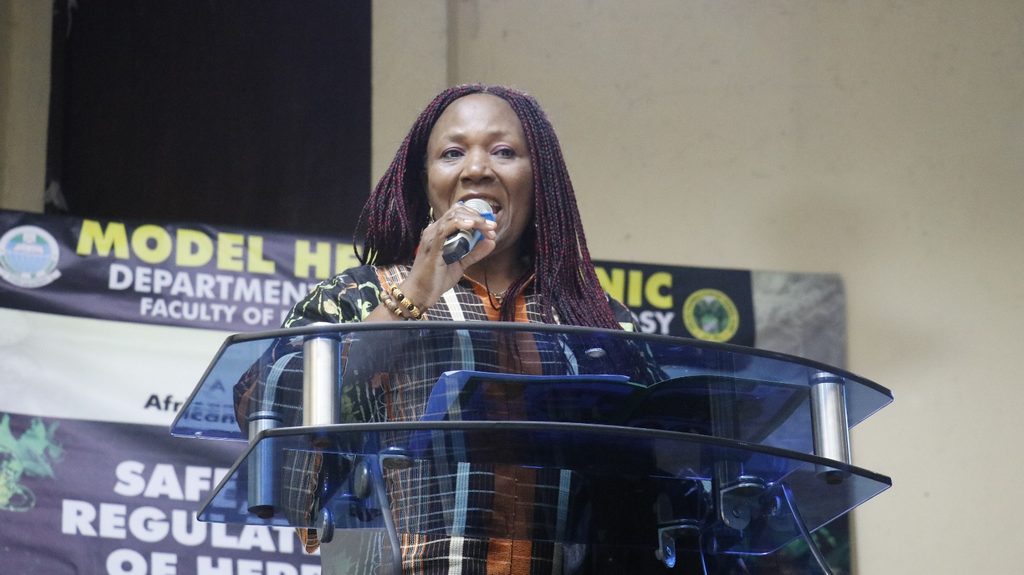
She identified scientific validation, safe use, regulation and sustainable development as essential pillars for the future of African Traditional Medicine.
Dr. Orabueze noted that the University’s Model Herbal Clinic, established in 2012, was created to provide healthcare services to the community while also serving as a platform for the practical application of knowledge in herbal medicine.
She added that the Department also runs Diploma and Advanced Diploma programmes in Herbal Medicine, contributing to the development of skilled personnel in the field. According to her, the annual commemoration of the African Traditional Medicine Day has evolved beyond a symbolic observance into an opportunity to highlight the contribution of traditional medicine to human well-being and the need to continuously improve its practice.
Dr. Orabueze reiterated the Department’s commitment to raising the standards of herbal medicine practice and promoting a culture that rejects substandard and unregulated production.
She identified proper documentation, product evaluation, manufacturing controls, laboratory controls, facility requirements and post-market surveillance as important components of effective regulation.
UNILAG’s Commitment to Safer Herbal Medicine
The Dean, Faculty of Pharmacy, Professor Sunday Adesegun, commended the Vice-Chancellor, Professor Folasade Ogunsola, OON, FAS, for her support for innovation and development across the Faculty.

Professor Adesegun said the progress recorded by the Department of Pharmacognosy and the Model Herbal Clinic reflected the importance of research and institutional support in translating knowledge about nature’s medicinal resources into practical healthcare solutions.
He also appreciated the collaborators, exhibitors, students, lecturers and other stakeholders whose contributions supported the success of the programme.
“Natural Does Not Always Mean Safe”
Delivering the guest lecture, Chief Dr. Mrs. Olagbende-Dada (Rtd.) examined the effectiveness, safety and future prospects of herbal medicine. She cautioned against the assumption that natural products are automatically safe, stressing that some medicinal plants contain naturally occurring toxic substances.
Chief Dr. Olagbende-Dada explained that herbal products could also become hazardous through contamination with heavy metals such as mercury, arsenic and lead, pesticides, microorganisms and aflatoxins arising from poor harvesting, processing or storage practices. She further warned that deliberate adulteration for economic gain remained another potential source of risk.
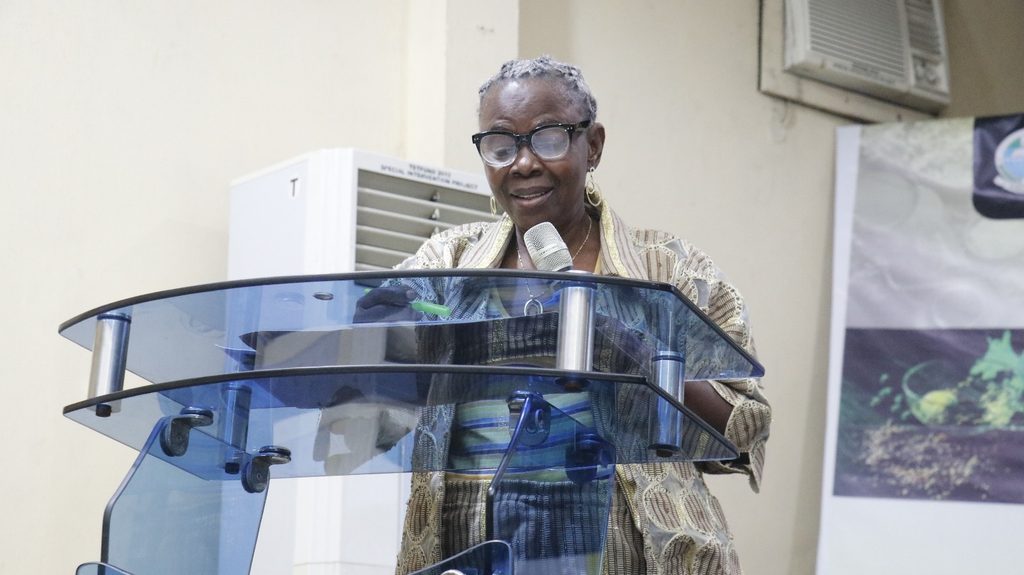
Chief Dr. Olagbende-Dada emphasised that standardisation must address both the efficacy and safety of herbal products. She added that pharmacovigilance, which is routinely applied to conventional medicines, should also be strengthened in herbal medicine.
She observed that the increasing movement towards evidence-based traditional medicine presents an opportunity for Africa to transition from herbal folklore to scientifically supported clinical data.
Chief Dr. Olagbende-Dada also called for stronger feedback mechanisms for products developed through the Model Herbal Clinic, suggesting that regular surveys of users could provide useful information on the effectiveness and safety of its products.
She stressed that the annual commemoration should continue to draw the attention of policymakers and the public to the value of Africa’s natural resources and the need for their responsible development, production, consumption and conservation.
NAFDAC: Regulation Is Essential
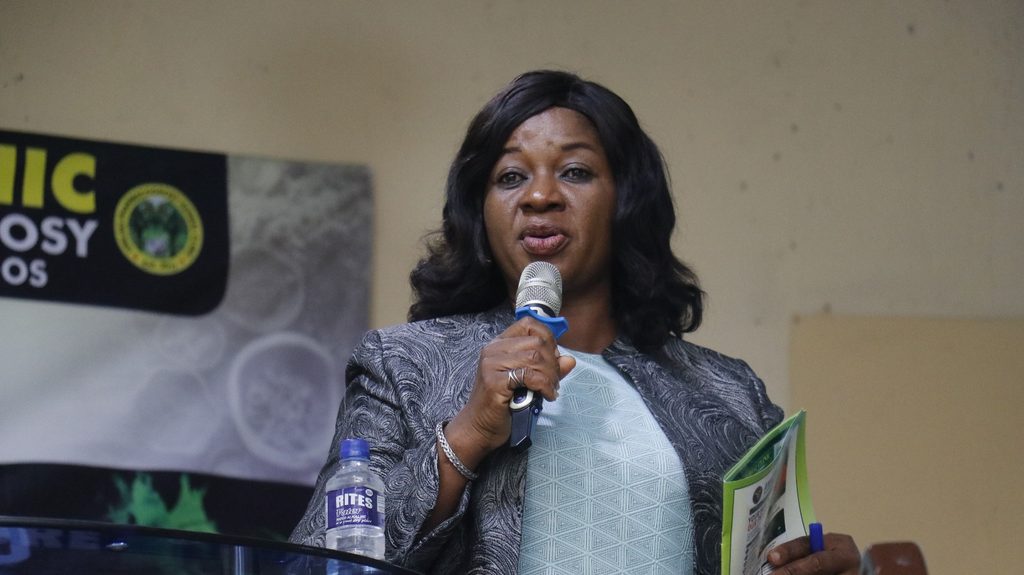
Speaking as a regulator, the Deputy Director (Drug Evaluation and Research) at the National Agency for Food and Drug Administration and Control (NAFDAC), Pharm. Mrs. Ijeoma Ezeka, underscored the importance of regulation in ensuring the safety, quality and effectiveness of herbal medicines.
She identified accessibility, affordability, perceived benefits and cultural acceptability as some of the reasons for the widespread use of herbal medicine.
However, Pharm. Ezeka stressed that “the fact that a product is natural does not exempt it from regulatory requirements”. According to her, regulation encompasses areas such as product registration, product listing, manufacturing controls and clinical trials, which are necessary to support scientific validation and protect consumers.

Pharm. Ezeka identified contamination, adulteration, misidentification, inconsistent composition and toxicity among the safety concerns that make effective regulation essential. She expressed concern about the production of some herbal medicines in environments where basic hygiene, traceability and manufacturing standards are inadequate.
She therefore called for improved production practices and greater compliance with regulatory requirements, noting that traditional knowledge has evolved significantly and should now be supported by standardised and hygienic production processes.
Pharm. Ezeka stressed that regulatory standards must not be compromised, as inadequate controls could expose consumers to avoidable health risks.
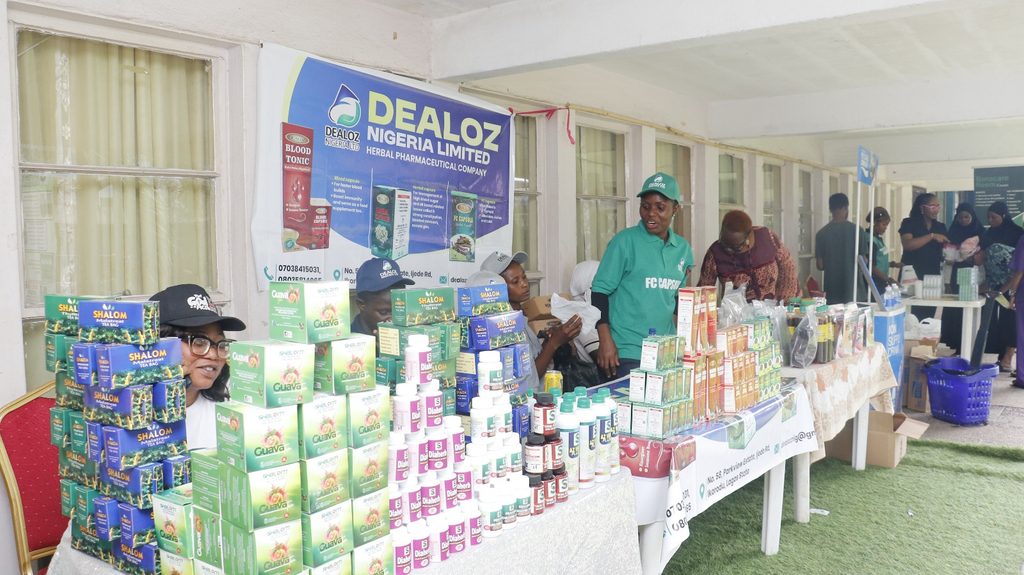
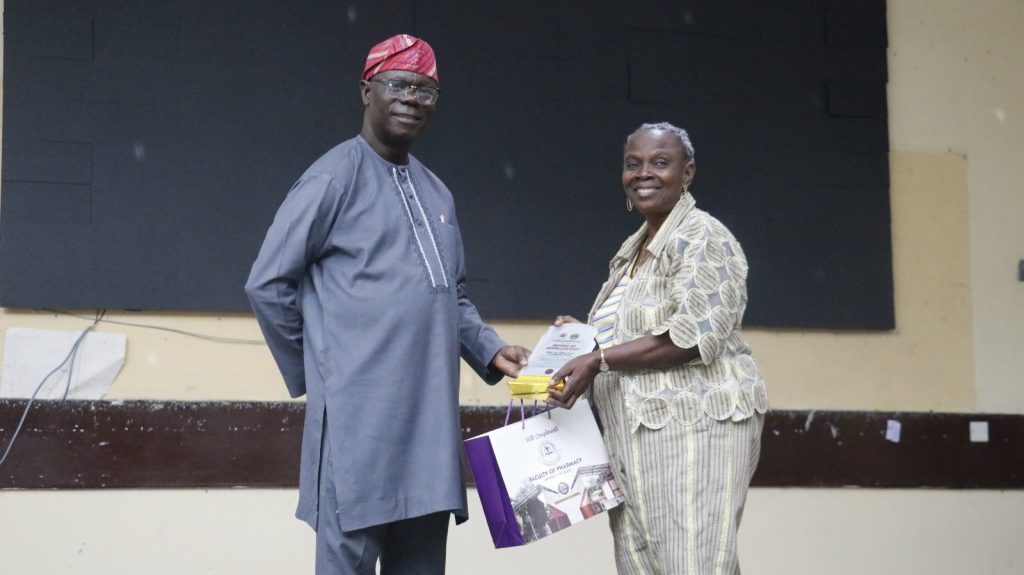
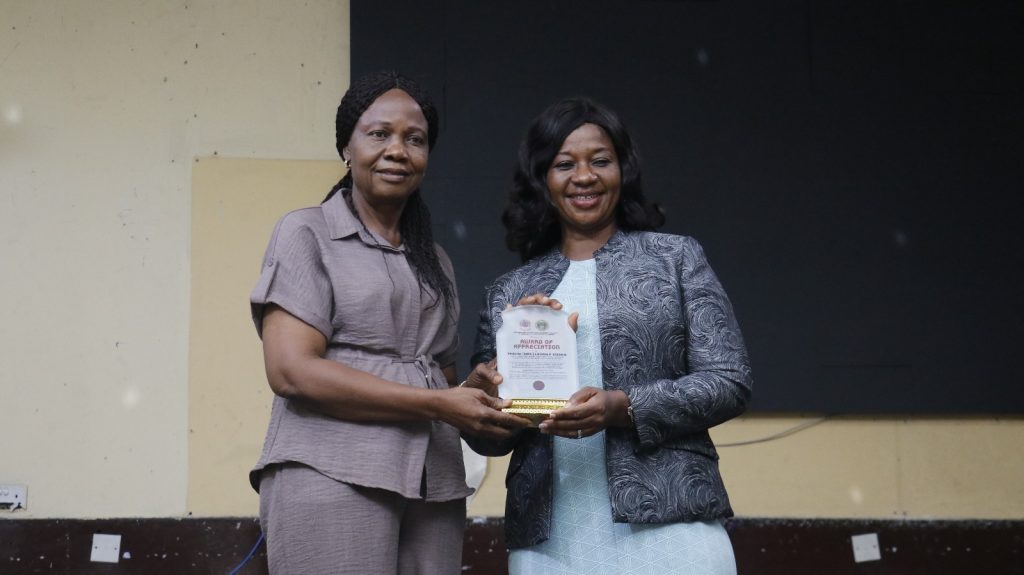
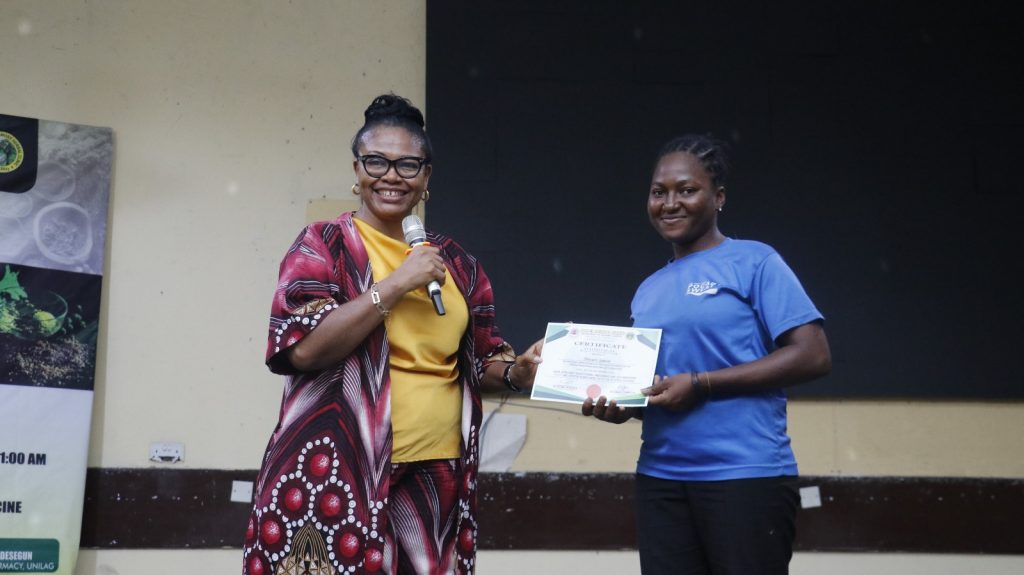
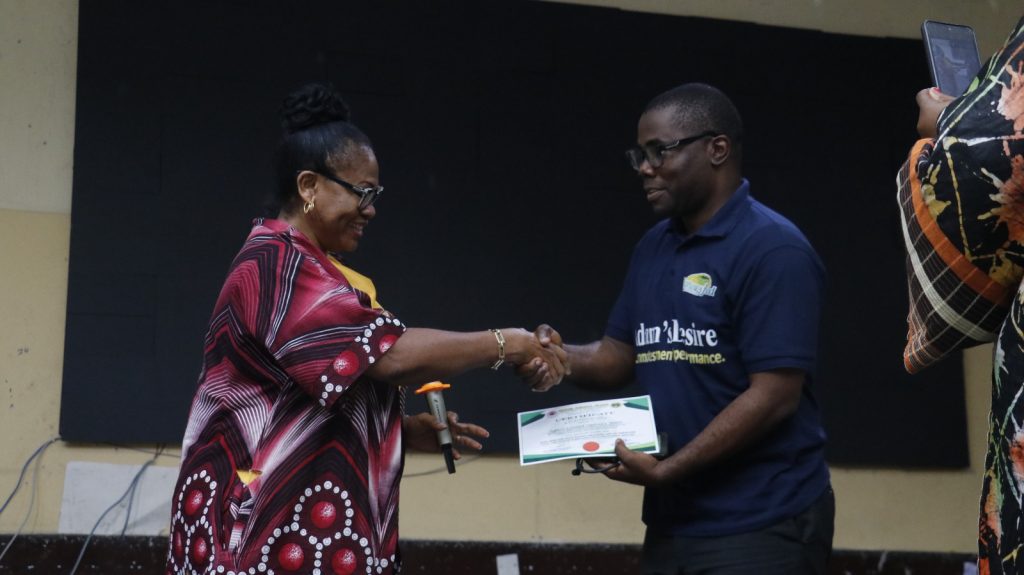
The event featured participation from representatives of May & Baker Nigeria Plc, Mojeaga Health and Osworth Pharmaceutical, among other stakeholders. It also featured the presentation of awards to deserving individuals.
Author: Afolabi Akinola
Photographer: Islamiat Akanni