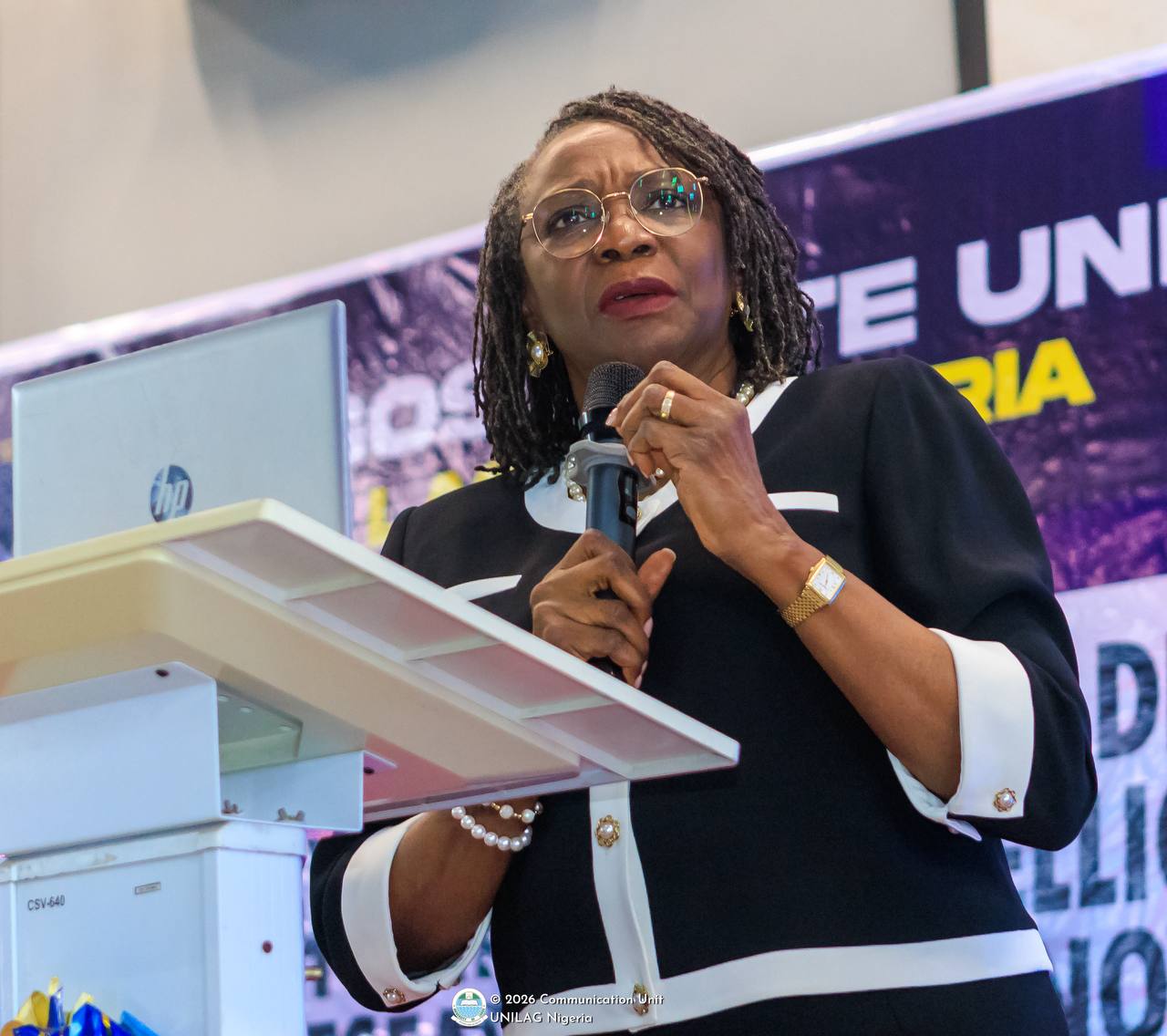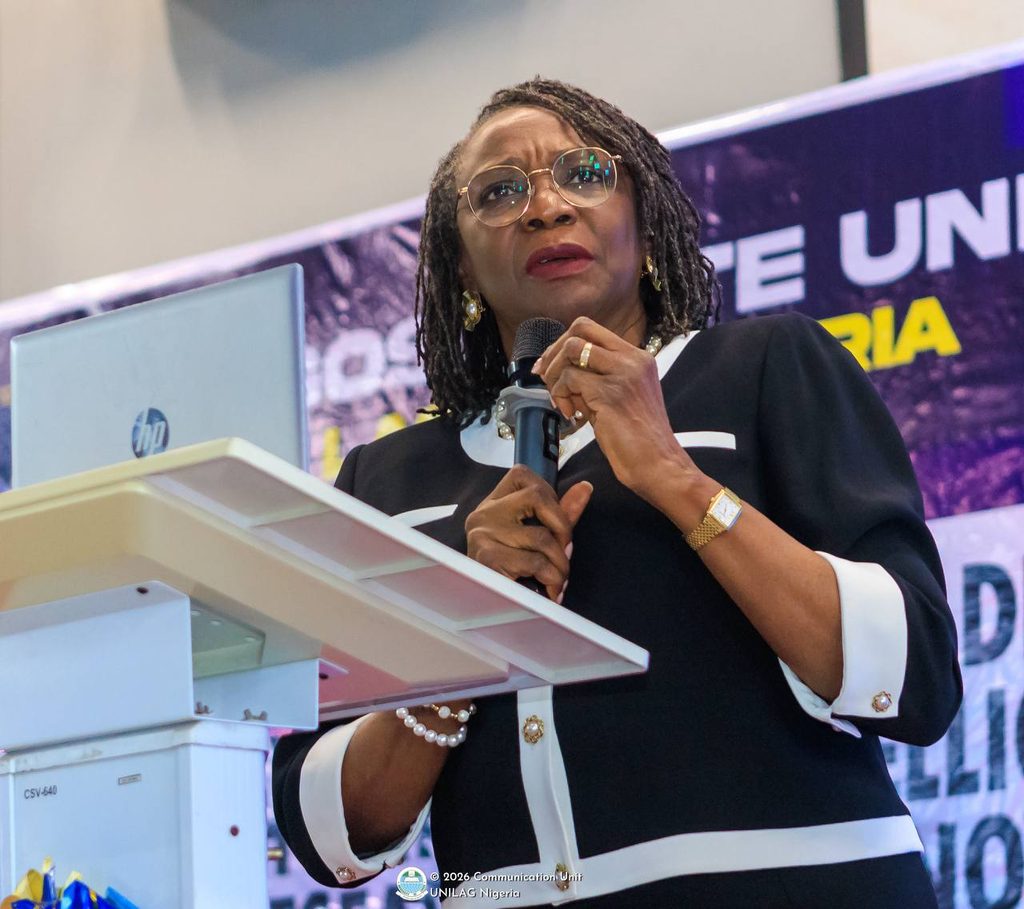
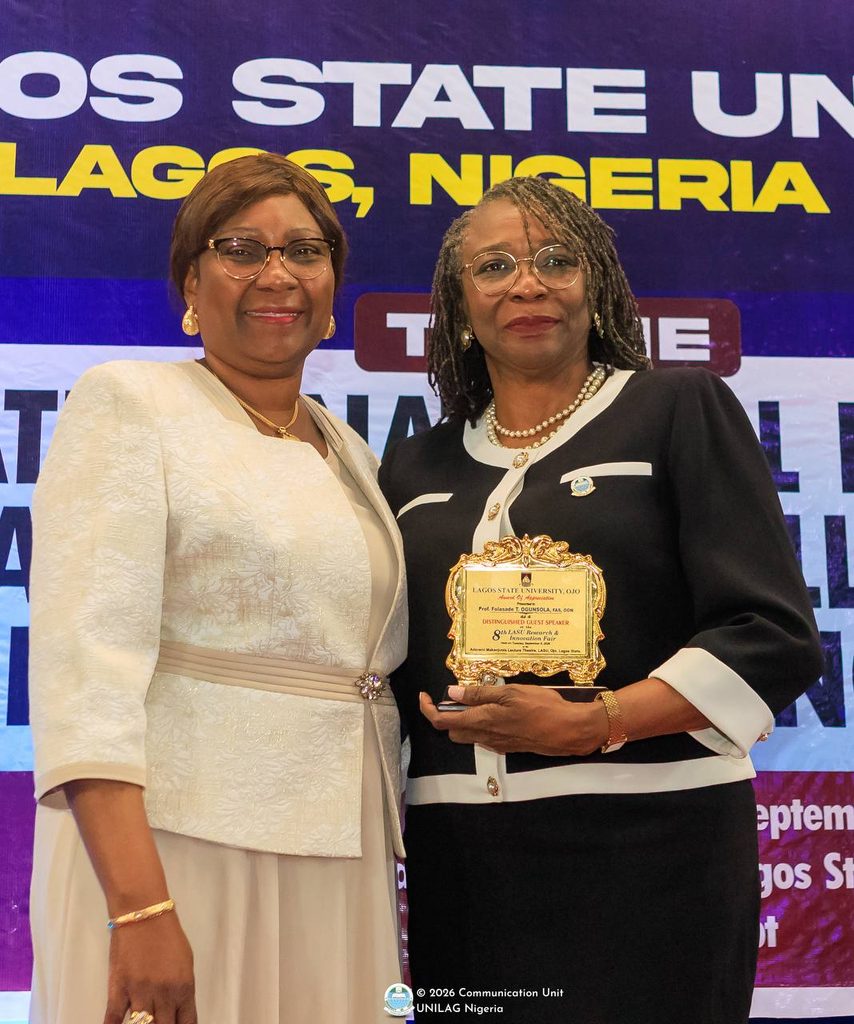
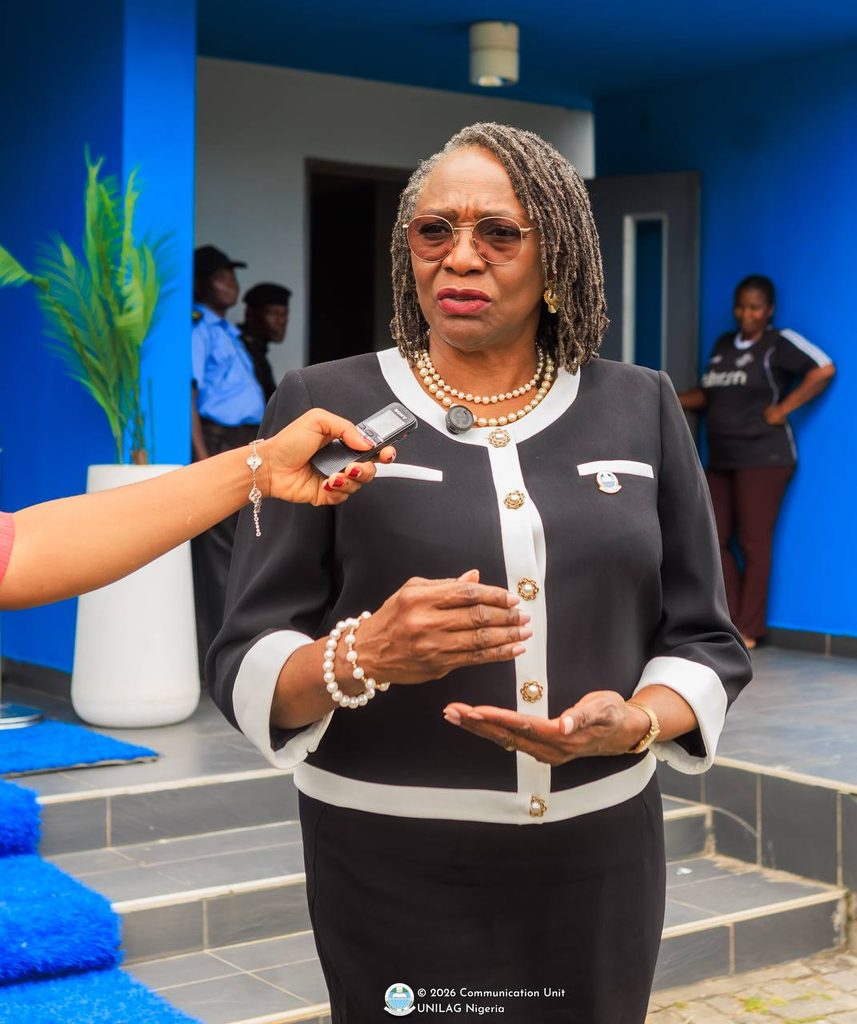
The Vice-Chancellor of the University of Lagos, Professor Folasade Ogunsola, OON, FAS, has charged universities to ensure that the growing use of Artificial Intelligence (AI) does not come at the expense of human thinking.
She also cautioned educators and students against over-reliance on assistive technology, stressing the need to preserve logical reasoning and critical judgment in its use.
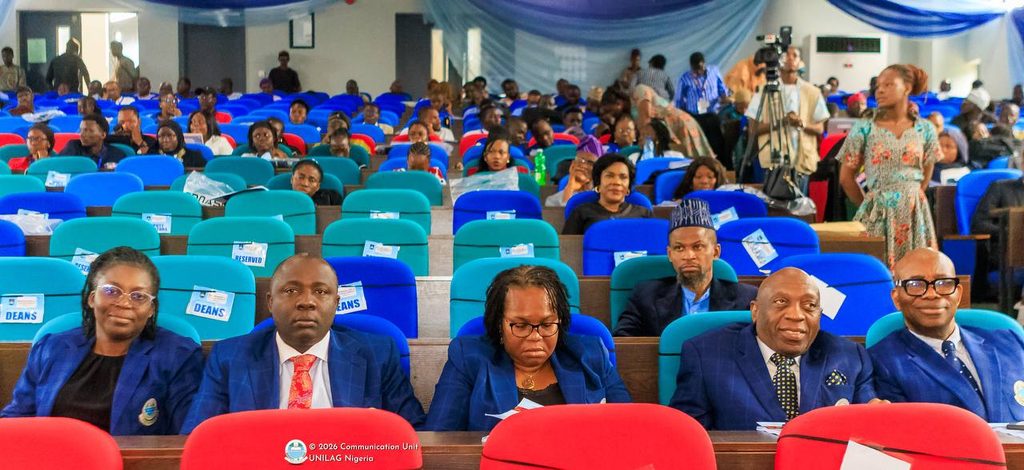
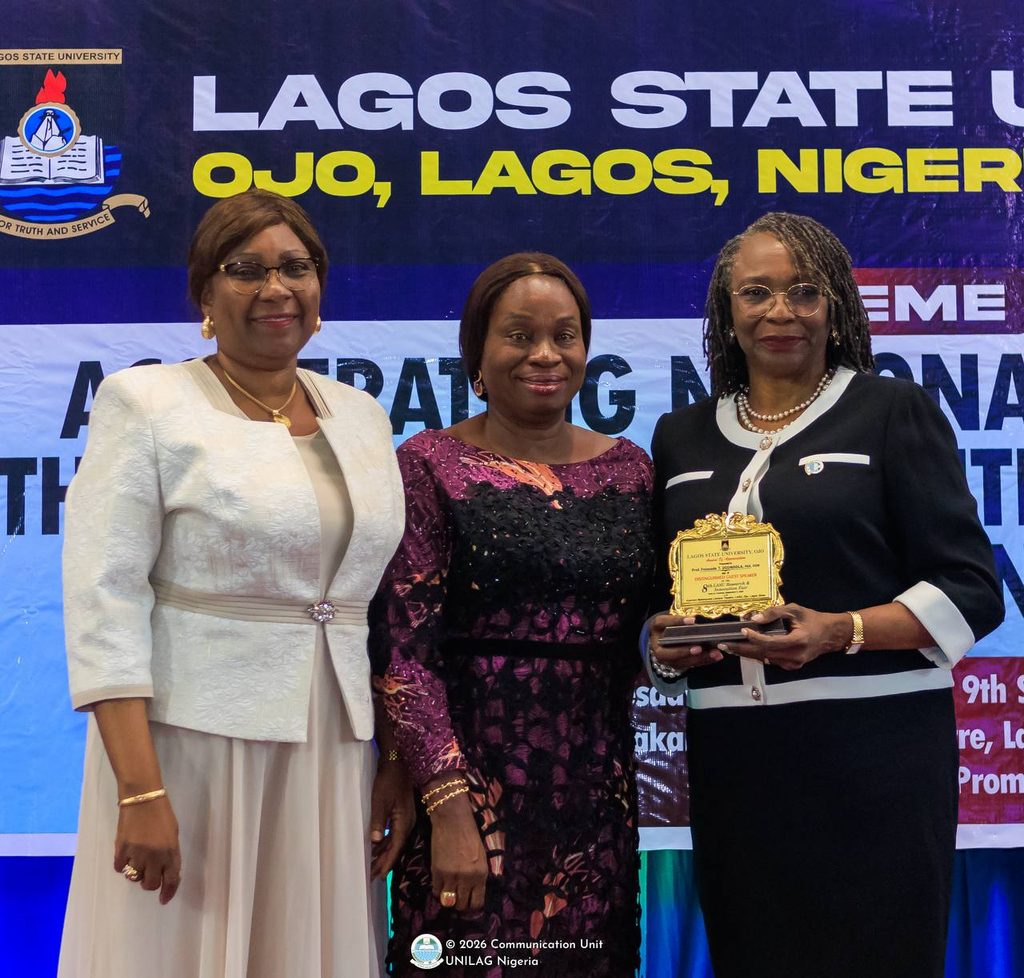
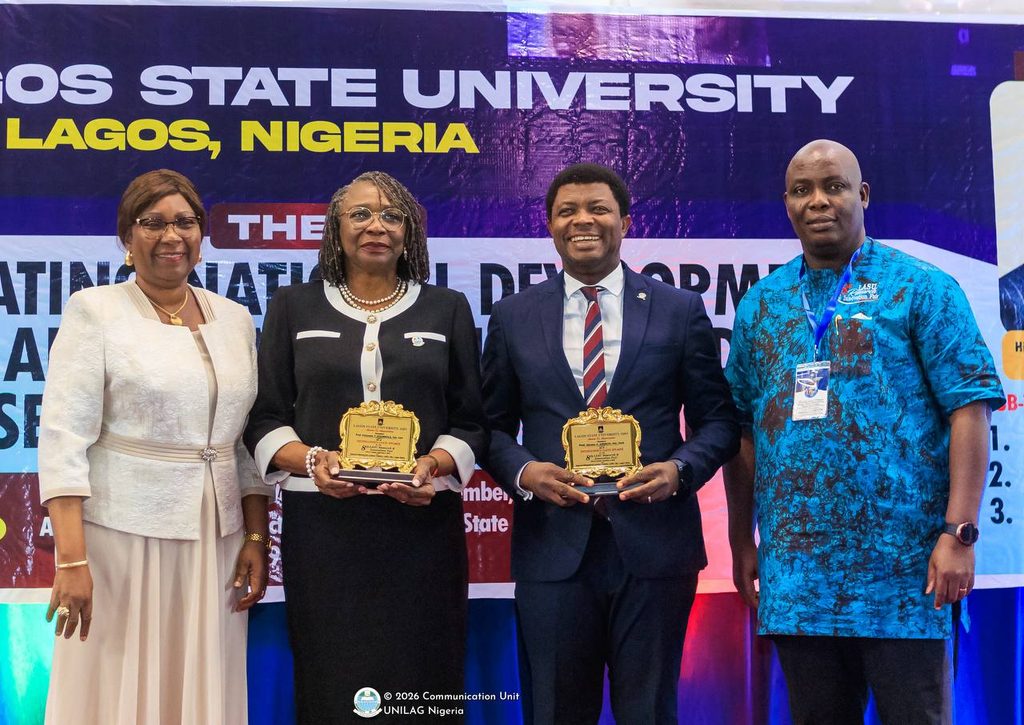
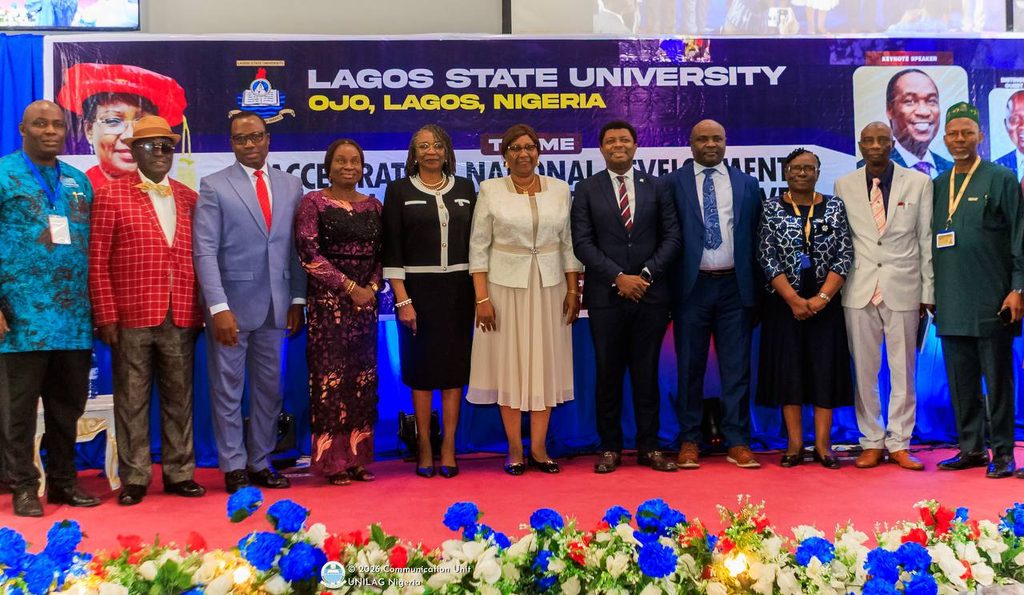
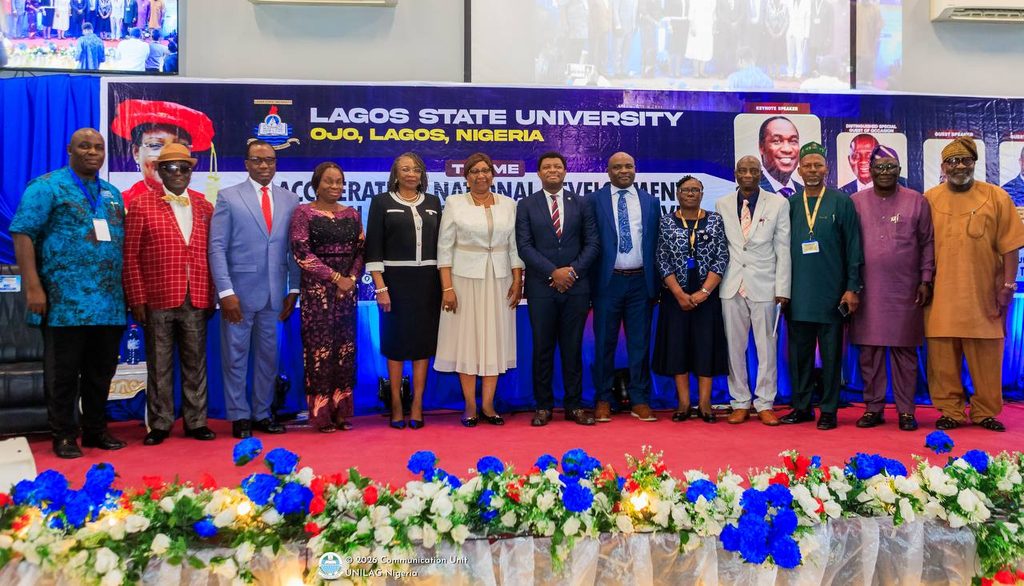
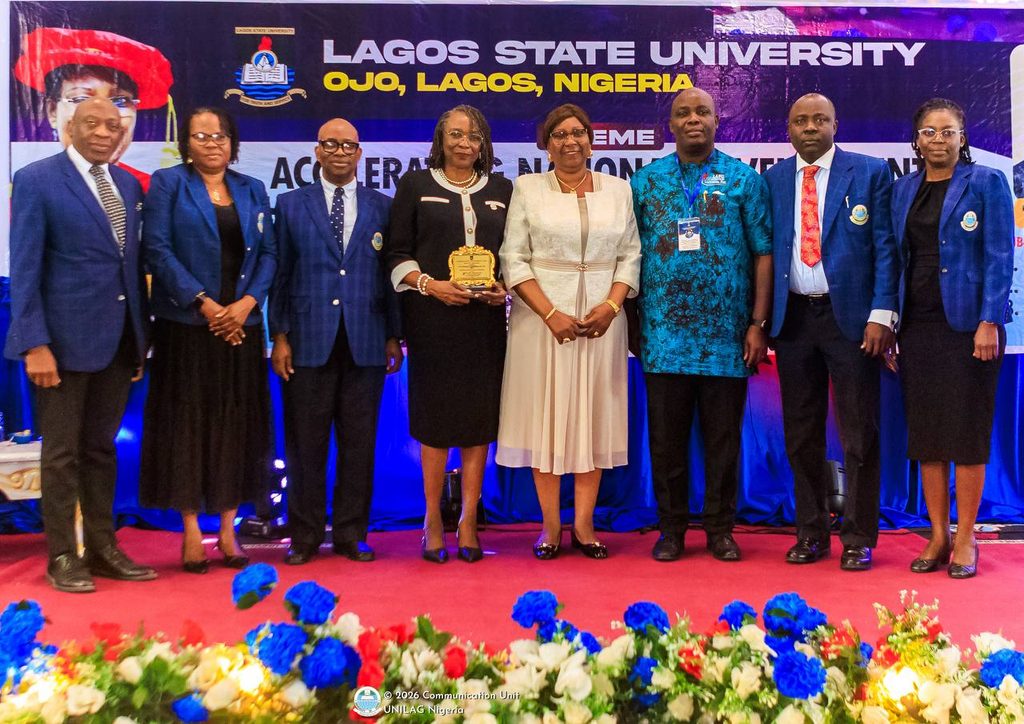
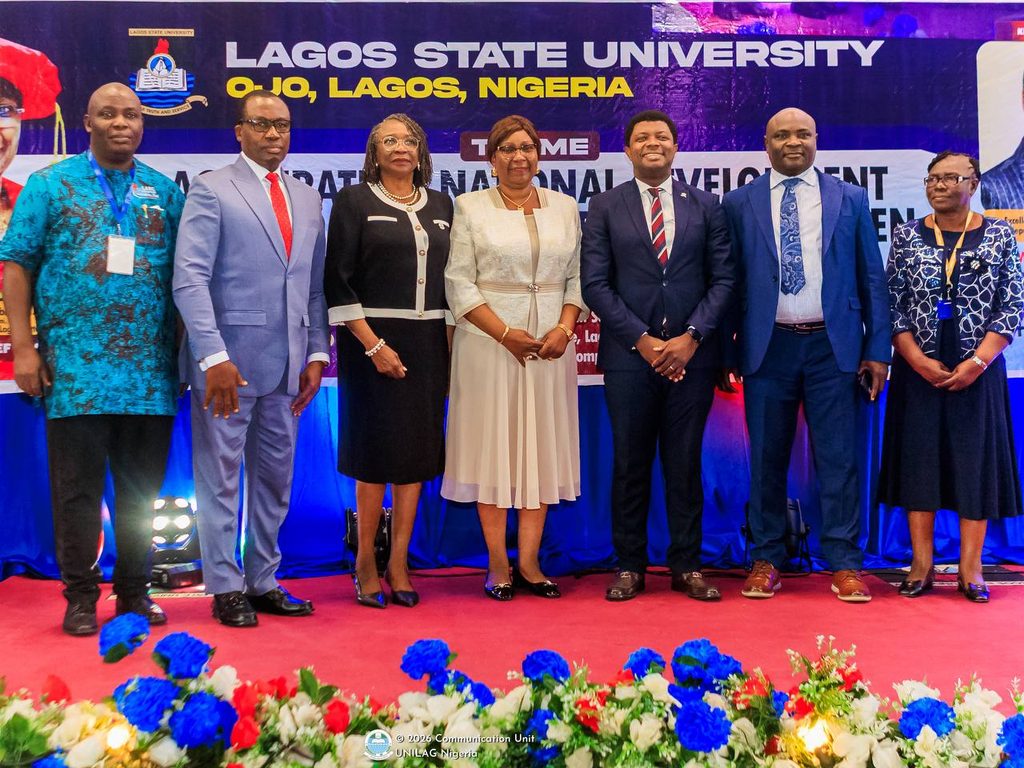
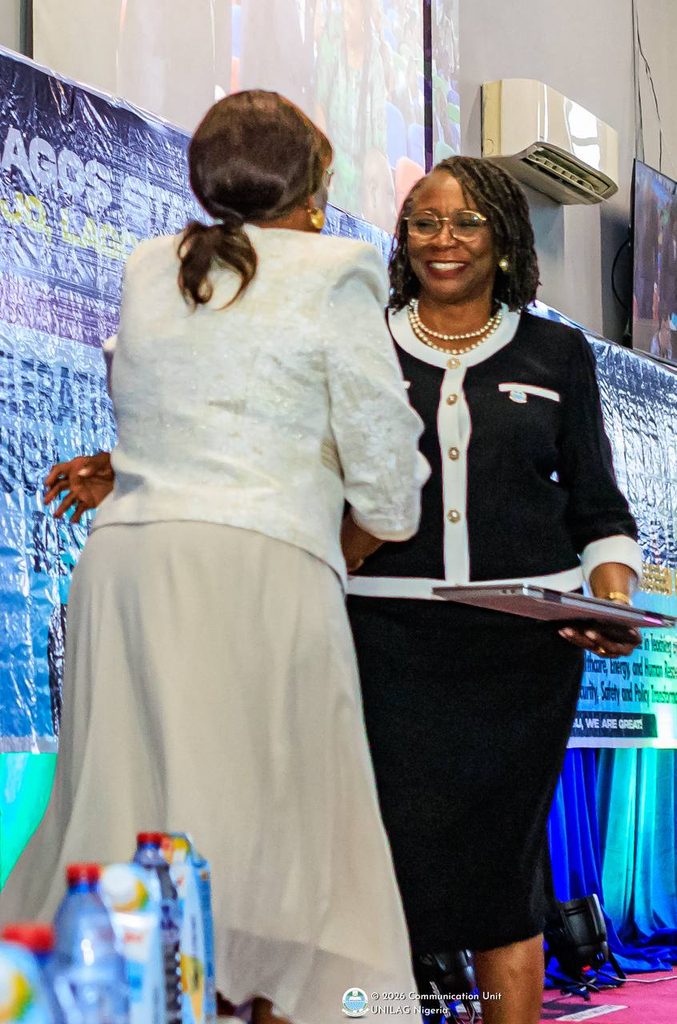
Professor Ogunsola made this known while delivering the Guest Lecture at the second plenary session of the 8th Research and Innovation Fair of Lagos State University (LASU), Ojo. Held on Tuesday, September 8, 2026, the Fair had the theme “Accelerating National Development through Artificial Intelligence-Driven Research and Innovation.”
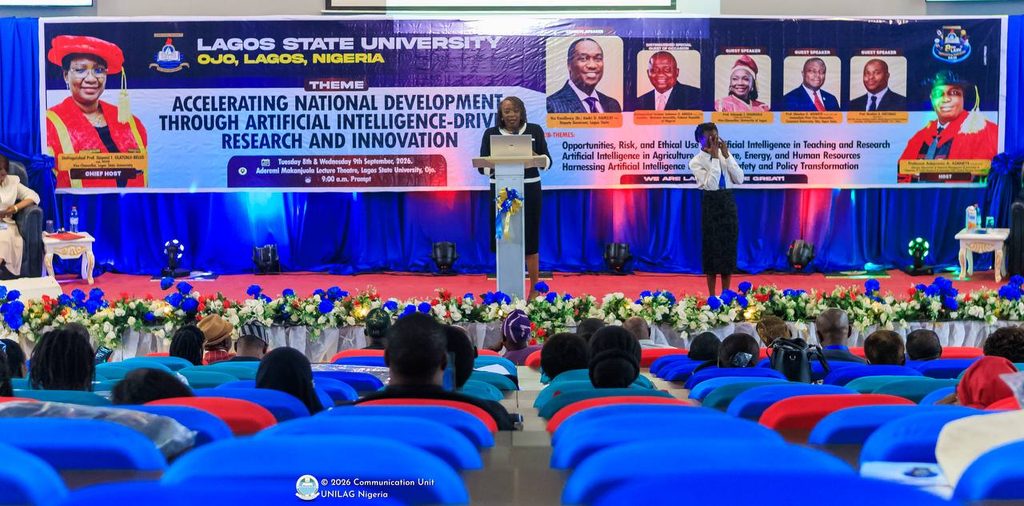
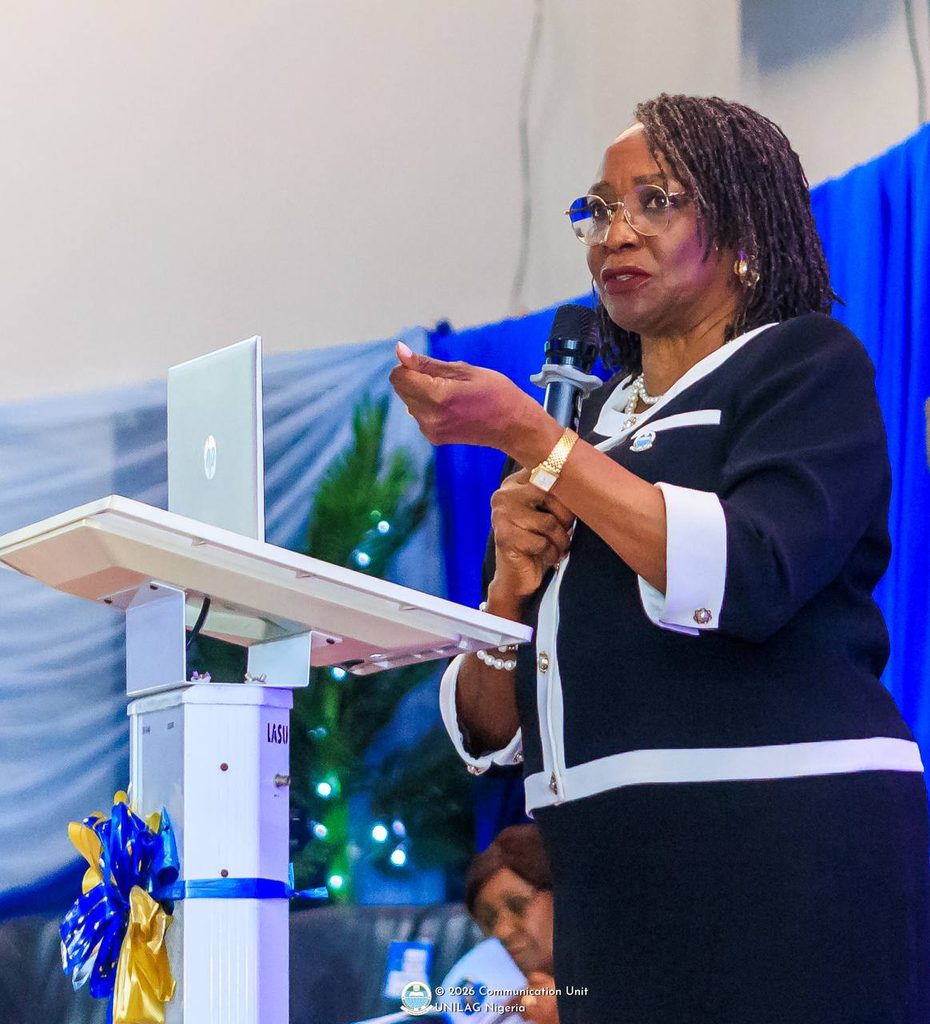
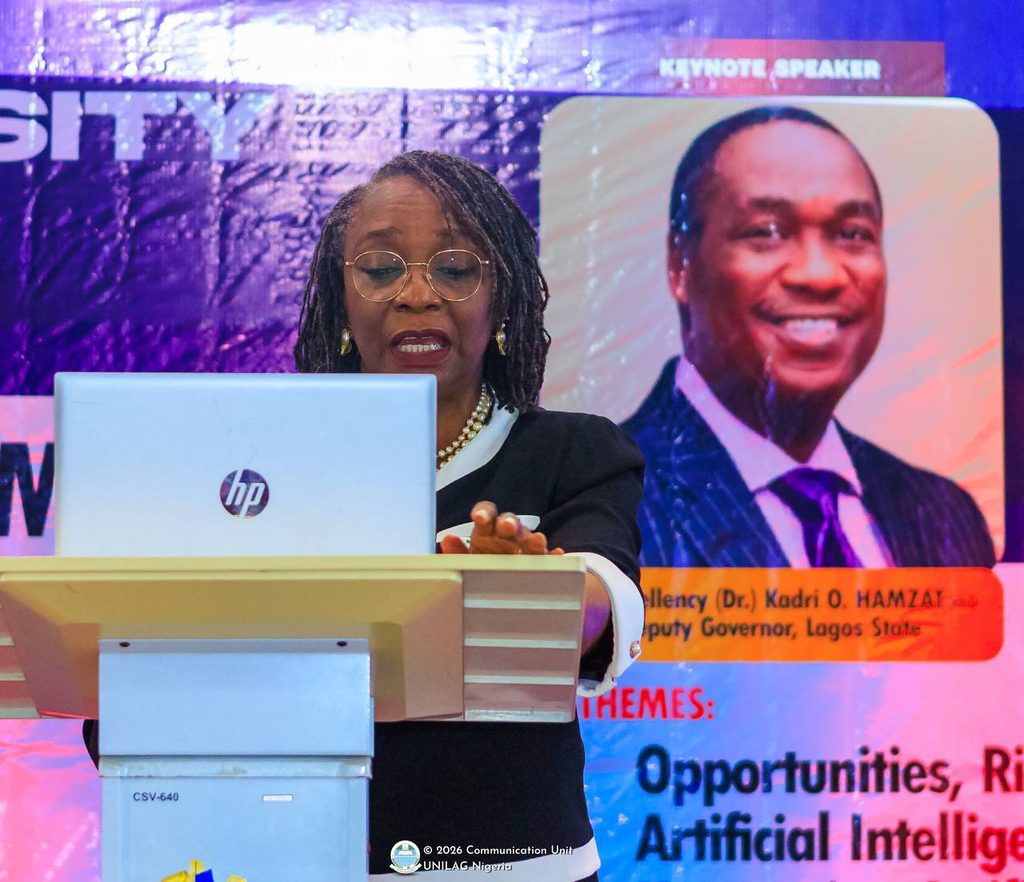
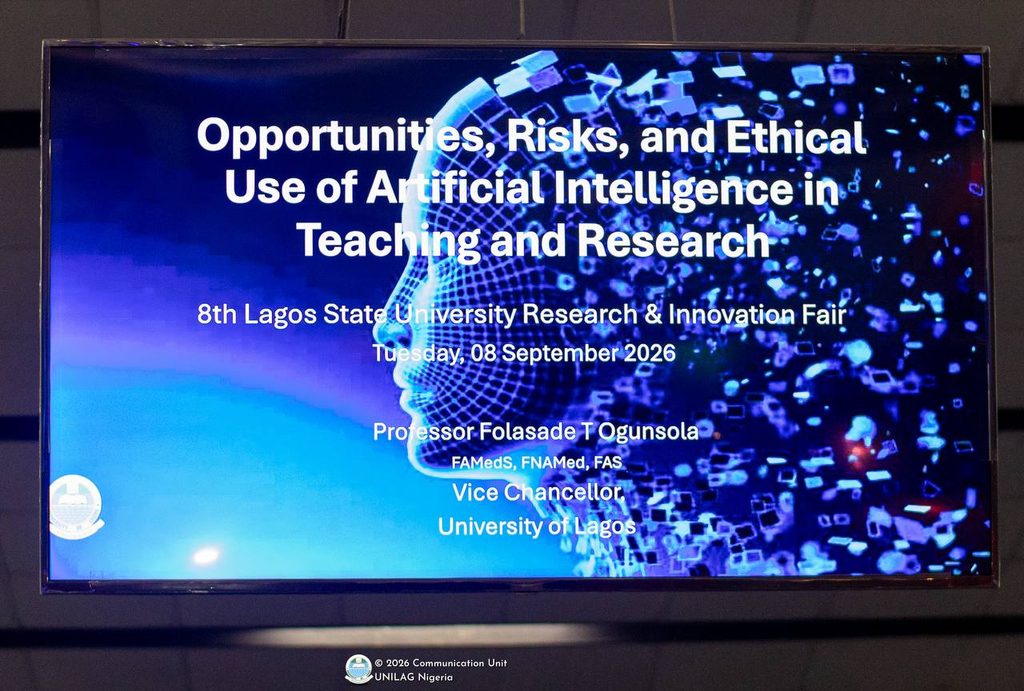
Speaking on the sub-theme, “Opportunities, Risks and Ethical Use of Artificial Intelligence in Teaching and Research,” Professor Ogunsola acknowledged the revolutionary power of AI in teaching and research. She noted that while it presents significant opportunities, it also comes with emerging ethical, educational, and societal risks.
According to her, AI has moved from the margins to the mainstream of education. The critical question, she said, is no longer whether the technology will become part of the educational system, but how educators and institutional leaders will shape its use.
To underscore AI’s potential to improve learning outcomes, Professor Ogunsola cited a World Bank-supported project involving 800 first-year senior secondary school students in Edo State. Under teacher supervision, students used Microsoft Copilot during structured after-school English classes.
She said the intervention reportedly produced learning gains equivalent to about two years of traditional instruction in six weeks, with female students who had lower baseline scores making the fastest progress.
The Professor of Clinical Microbiology also highlighted the growing adoption of AI in Nigeria, noting that 88 percent of Nigerians reportedly used AI chatbots in 2025, primarily to learn new or complex topics, assist with work, and for entertainment.
She identified personalized learning, instant feedback, AI-assisted grading, predictive analytics, curriculum development, and enhanced teacher capacity as key opportunities AI presents for education.
Citing a Harvard Business School accounting class as another example, Professor Ogunsola explained how AI can help learners deepen their understanding of concepts, generate and answer practice questions, summarize readings, and access support outside regular class hours. She added that such applications could enable lecturers to devote more time to higher-order learning, critical thinking, and judgment.
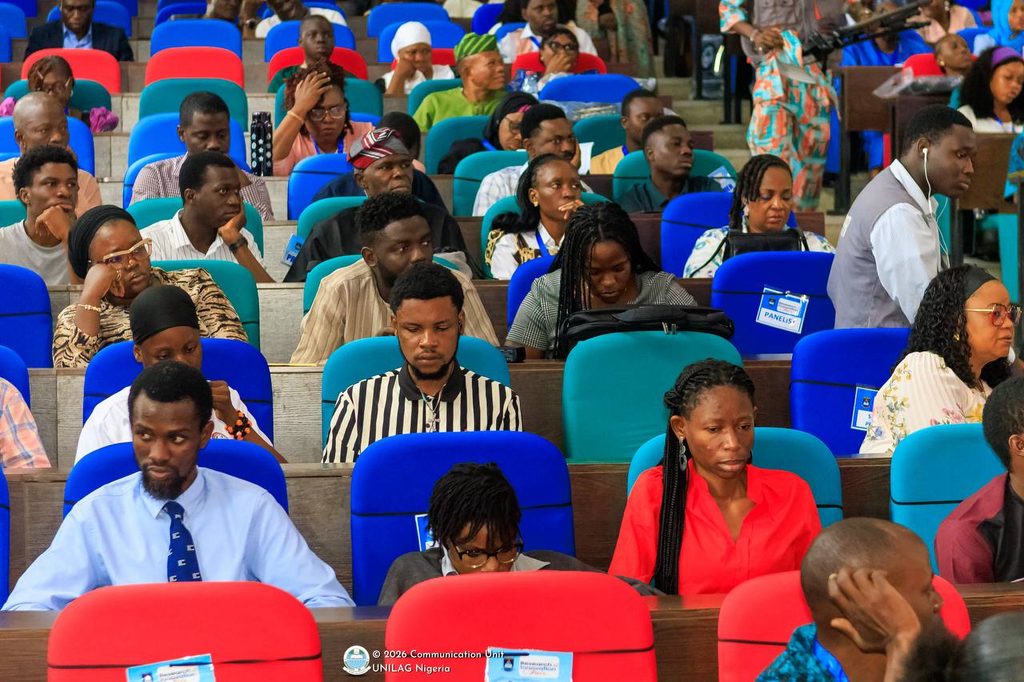
However, the UNILAG Vice-Chancellor warned that these benefits could be undermined by irresponsible or excessive use. She identified job displacement, bias, AI hallucinations, widening digital inequality, data protection and privacy concerns, threats to academic integrity, outdated assessment methods, and the erosion of students’ cognitive and analytical abilities as major risks.
She stressed that AI-generated responses can sound convincing while being inaccurate or fabricated, making critical evaluation and verification essential skills for both students and faculty.
Professor Ogunsola particularly cautioned against excessive dependence on AI, noting that students who routinely outsource thinking to technology may struggle when AI is unavailable. She also drew attention to equity concerns, observing that effective access depends on devices, reliable electricity, and internet connectivity.
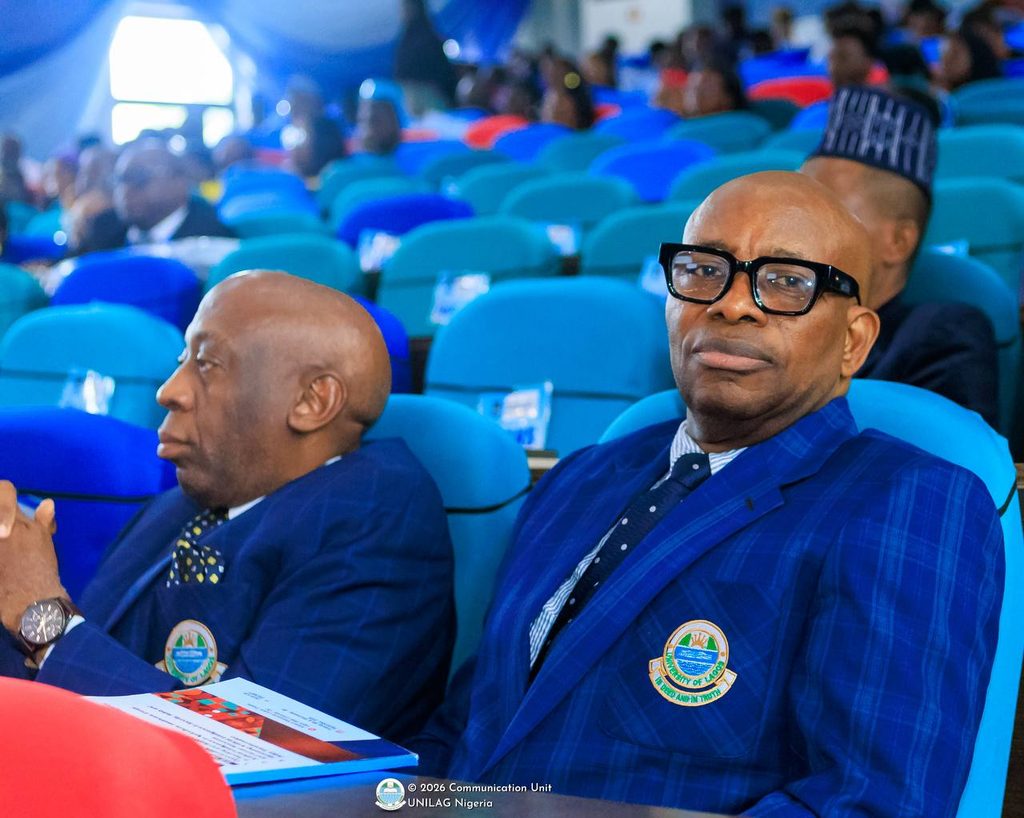
With Nigeria’s internet penetration at approximately 53 percent as of early 2026, she warned that poorly managed AI adoption could deepen existing inequalities by disproportionately benefiting students and institutions with better digital resources.
To ensure AI serves education without undermining its fundamental purpose, Professor Ogunsola called for clear institutional governance structures and policies. She advocated for:
- The establishment of AI and digital governance committees with relevant stakeholders
- Risk-based classification of AI applications
- Clear academic-integrity and disclosure rules
- Compliance with data-protection requirements
- Thorough vetting of third-party AI tools
- Bias and fairness reviews
- Transparency and avenues for appeal in AI-assisted decisions affecting students or staff
At the national level, she underscored the importance of Nigeria’s evolving AI governance framework and urged universities to actively engage with issues of privacy, accountability, fairness, and responsible innovation as they develop institutional AI policies.
In her words: “All of us must be very careful and ensure that we use AI as an assistant, not that we cede our brains to AI. We must also realise that, due to its powers, there is an ethics problem. Nigeria right now does not have ethical guidelines in place, but there are other laws that can be adopted to ensure we develop an AI policy that guarantees equity, transparency, and justice in the use of AI.”
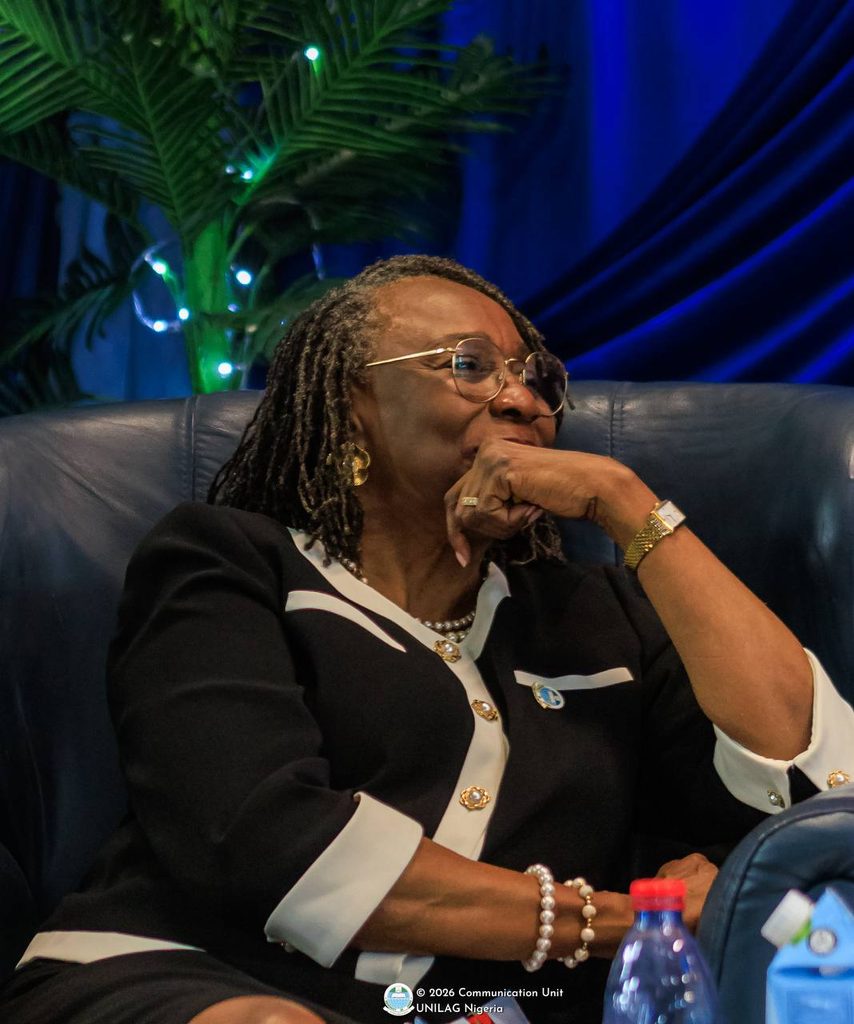
Earlier, the immediate past Vice-Chancellor of Covenant University, Professor Abiodun Humphrey Adebayo, delivered a presentation on “Artificial Intelligence in Agriculture, Healthcare, Energy and Human Resources.”
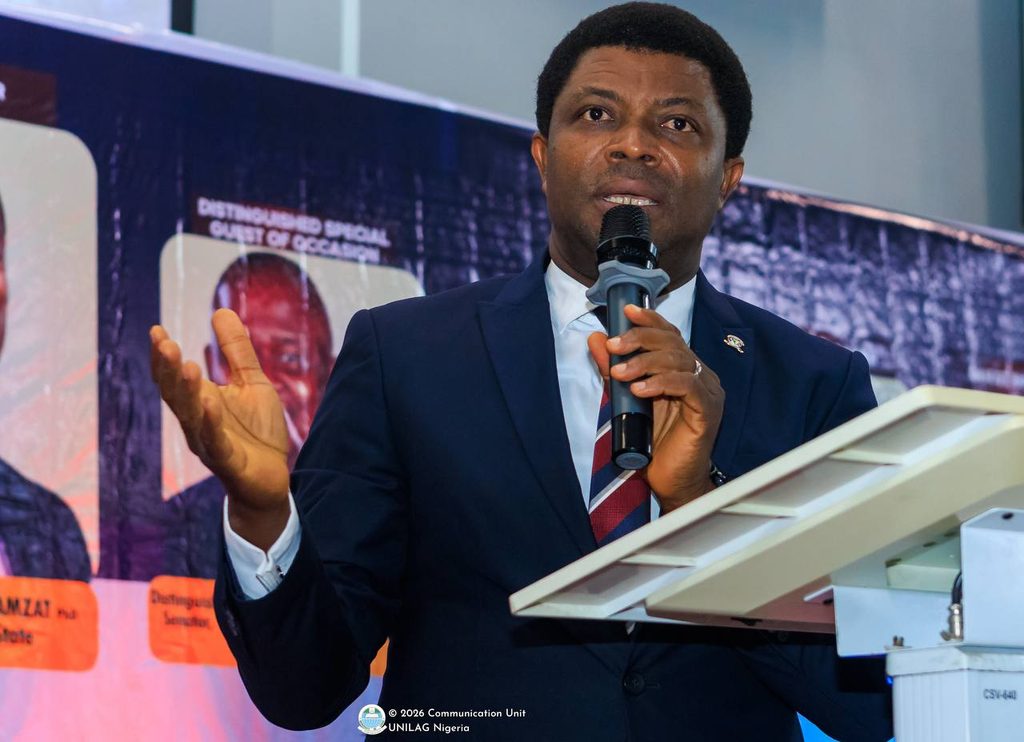
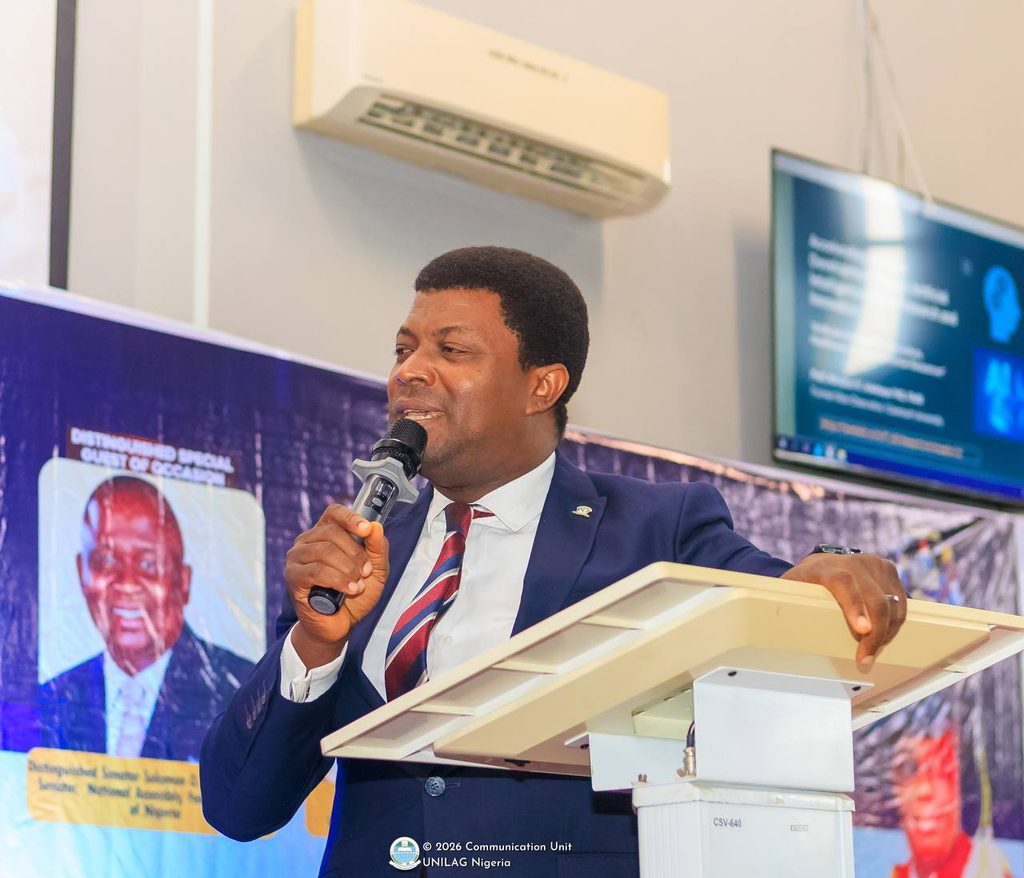
During the presentation, he emphasised the indispensability of human beings in the effective deployment and management of AI.
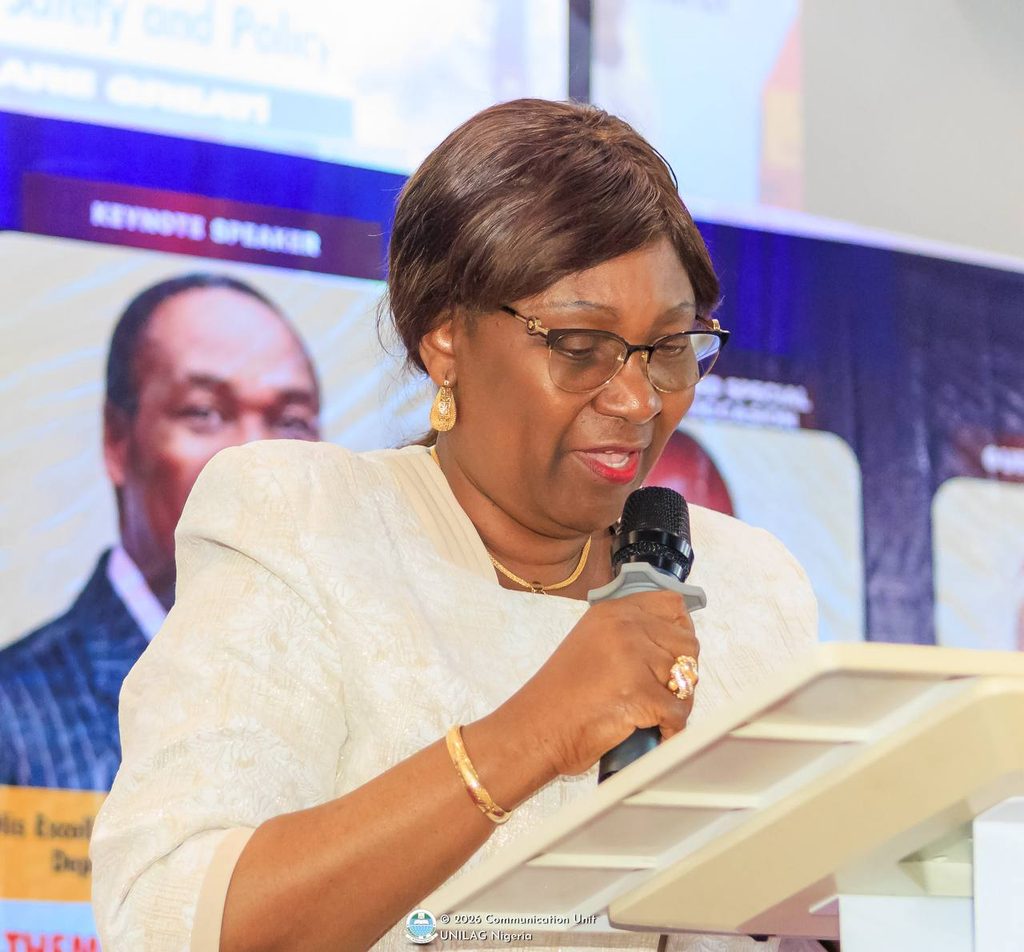
In her remarks, the Vice-Chancellor of Lagos State University, Distinguished Professor Ibiyemi Olatunji-Bello, said the 8th LASU Research and Innovation Fair was designed to provide a platform for conversations on the growing significance and indispensability of AI across virtually every sphere of human endeavour.
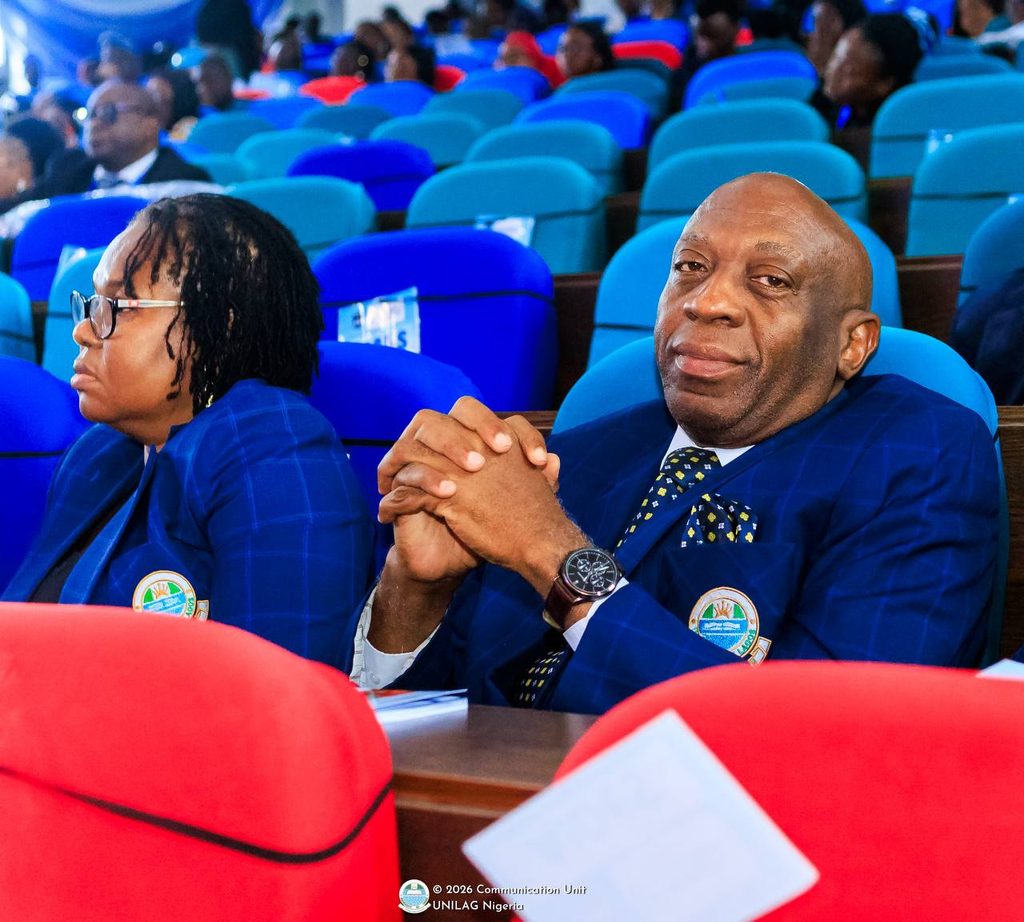
The event also featured goodwill messages from the Pro-Chancellor of LASU, Mr. Babatunde Ogala, represented by Mrs. Taiwo Atolagbe, as well as the former Executive Secretary of the National Universities Commission (NUC), Professor Peter Okebukola.
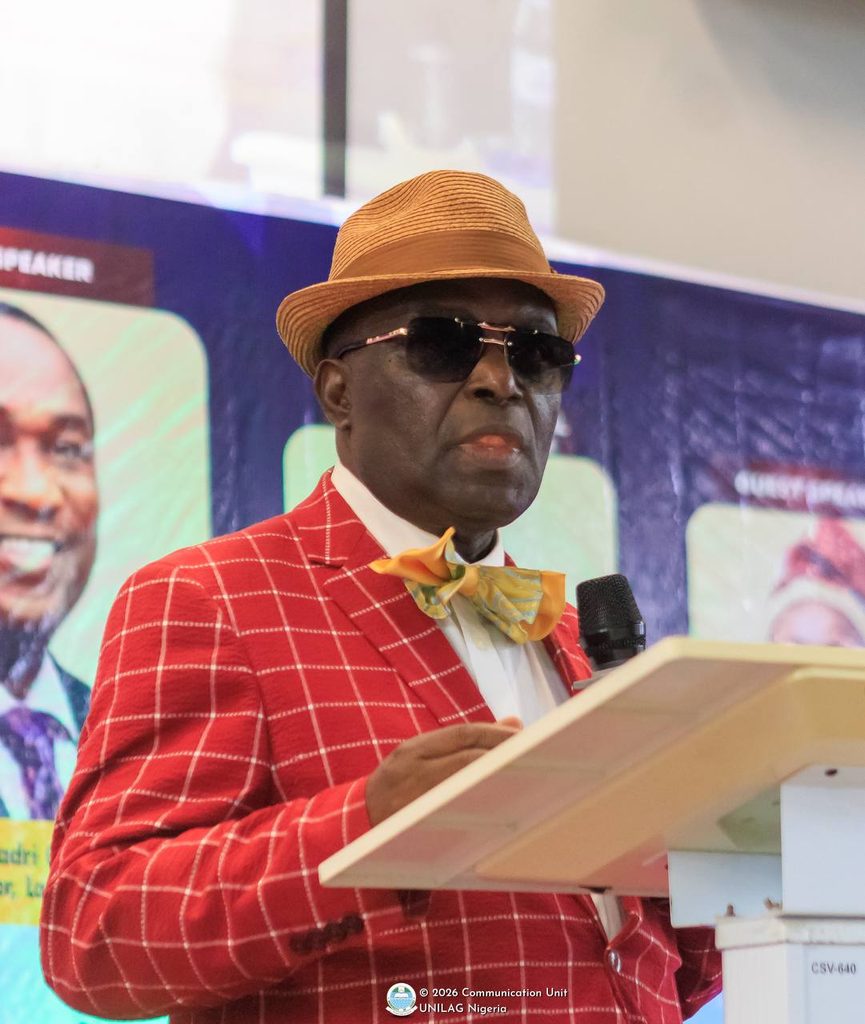
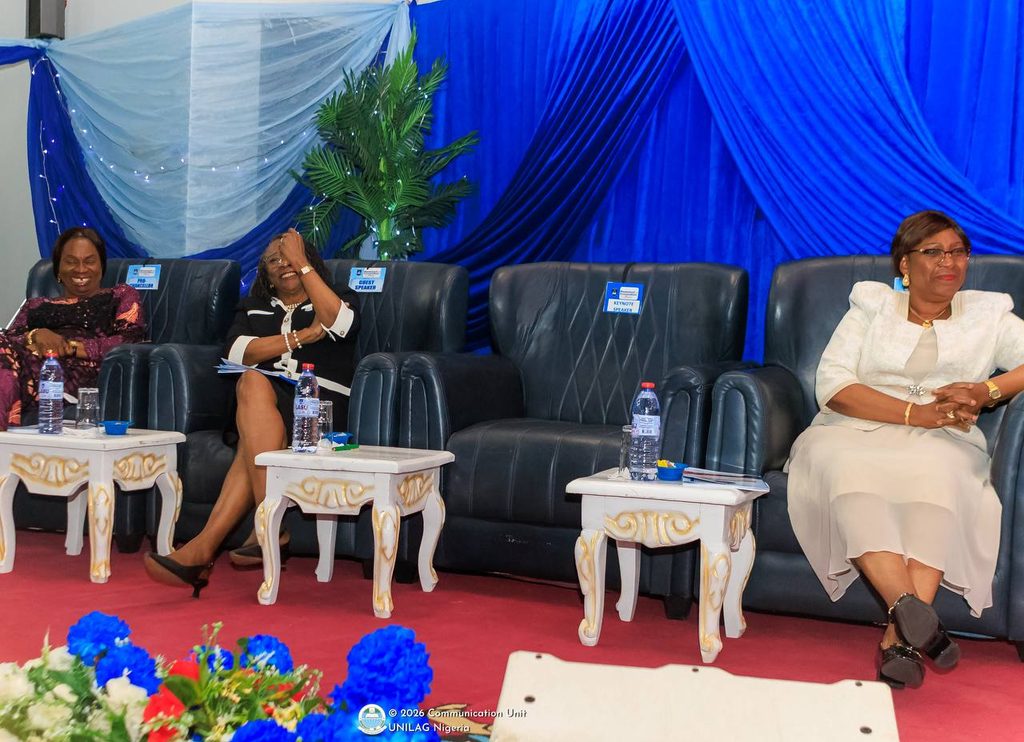
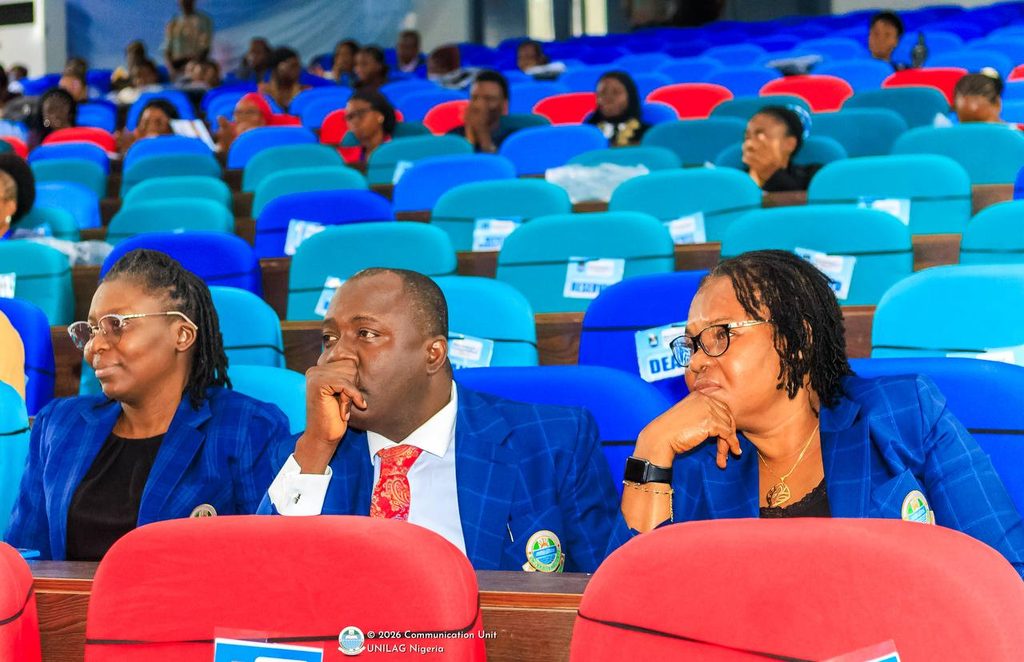
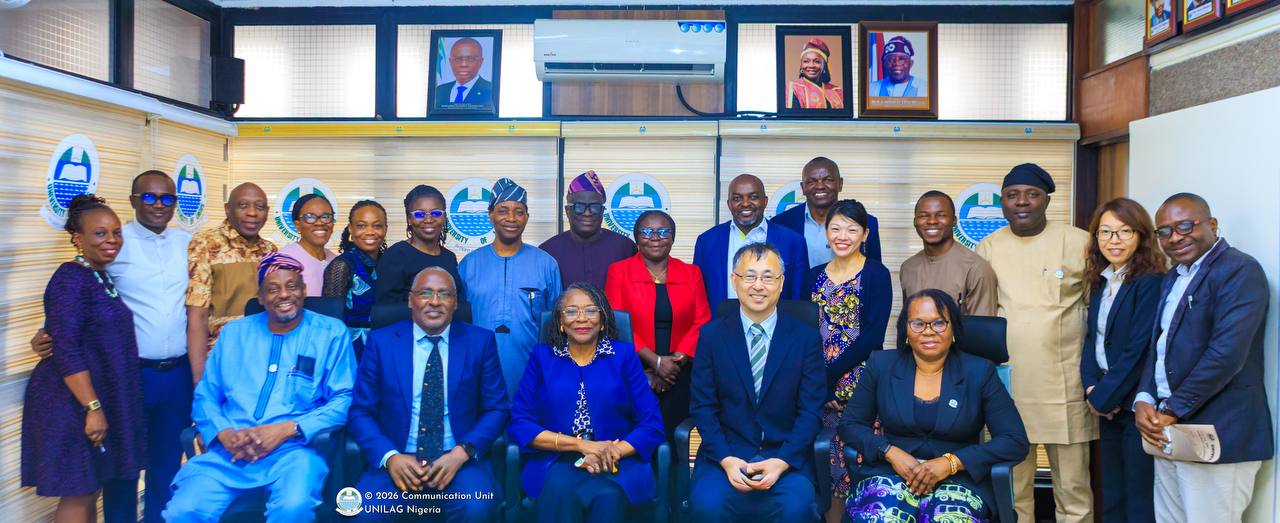
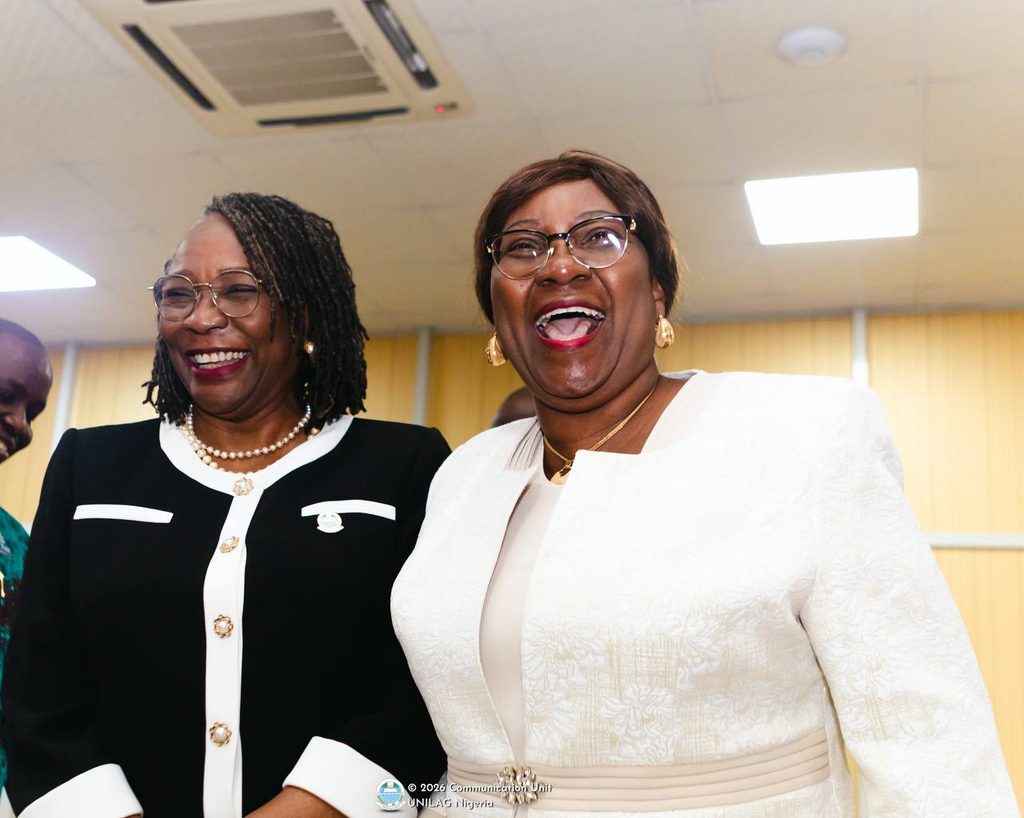
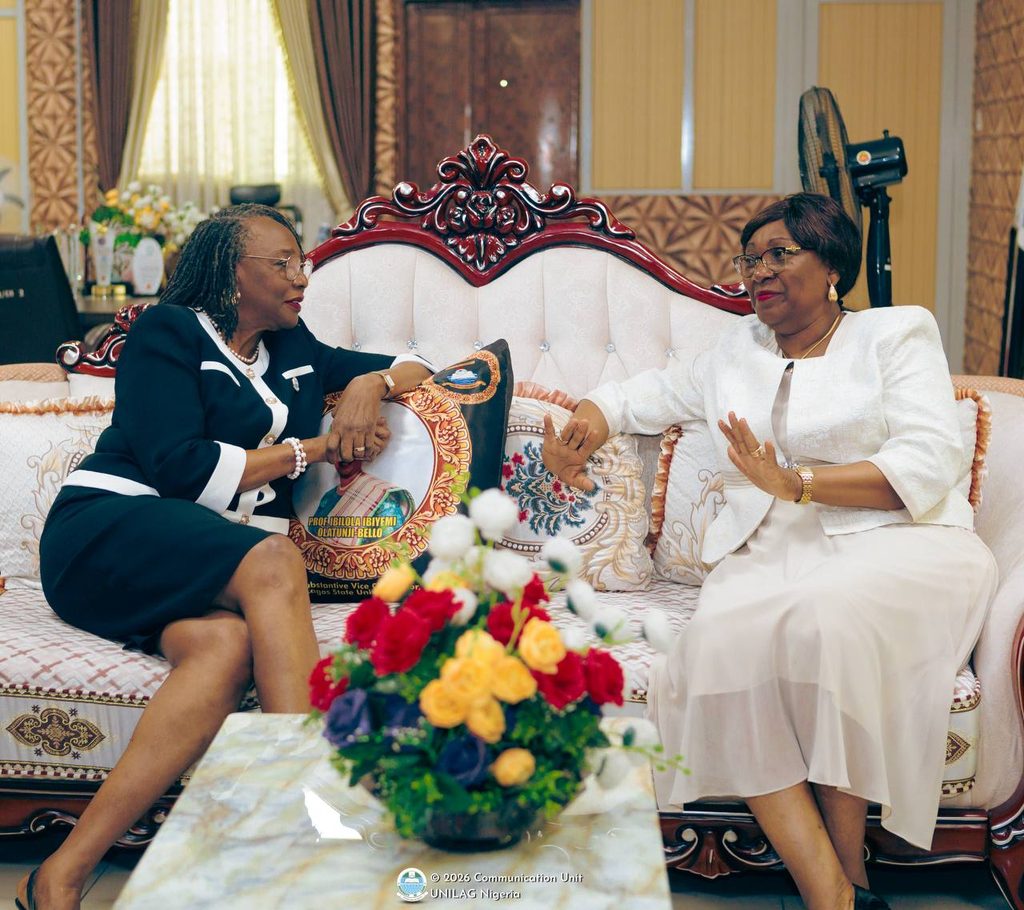
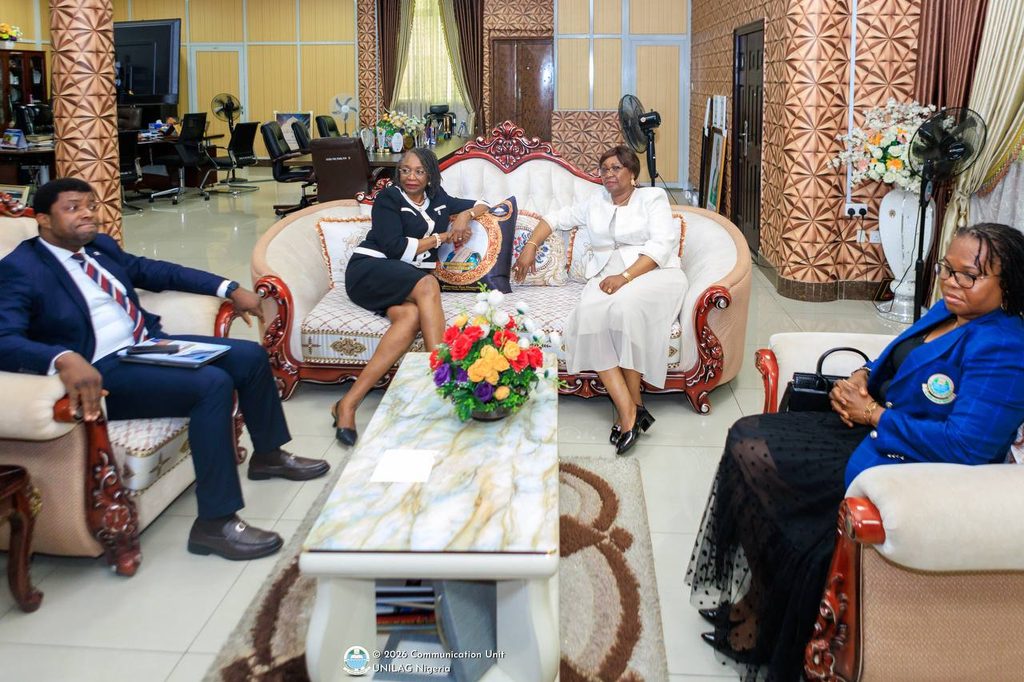
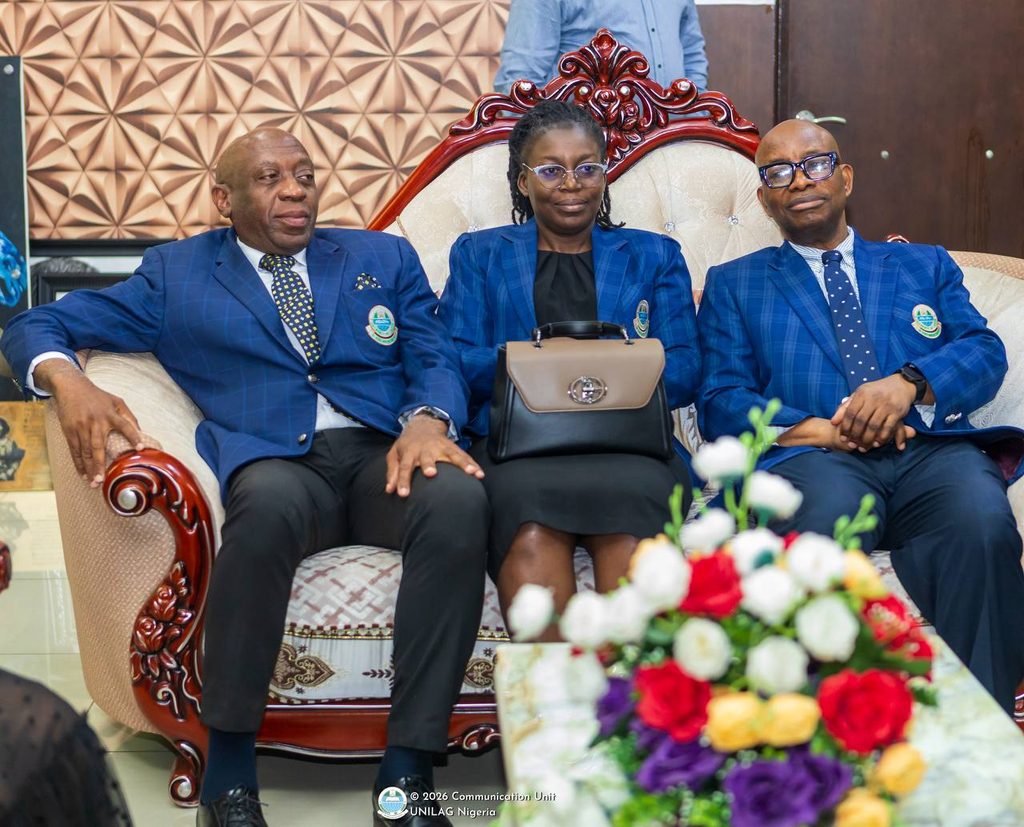
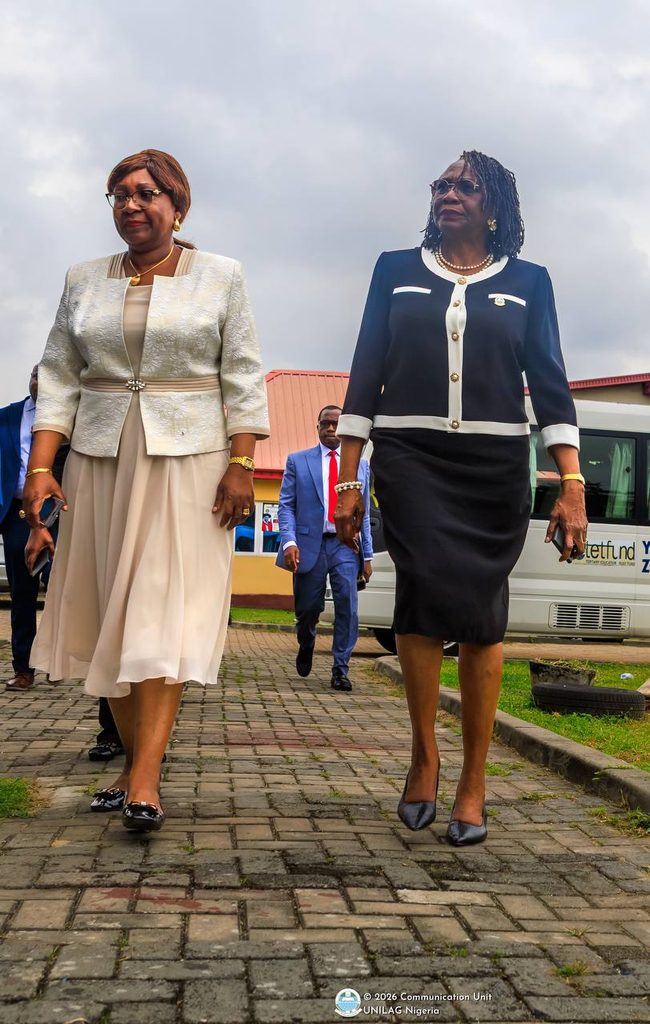
Professor Ogunsola and members of the UNILAG management team were earlier received at the Office of the Vice-Chancellor, Lagos State University.
Report: Gbenga Gbelee
Photograph: Ayo Oloyede