The University of Lagos (UNILAG) has intensified efforts to strengthen a culture of safety, dignity, and safeguarding across its campuses with a renewed focus on preventing and responding to Sexual and Gender-Based Violence (SGBV)
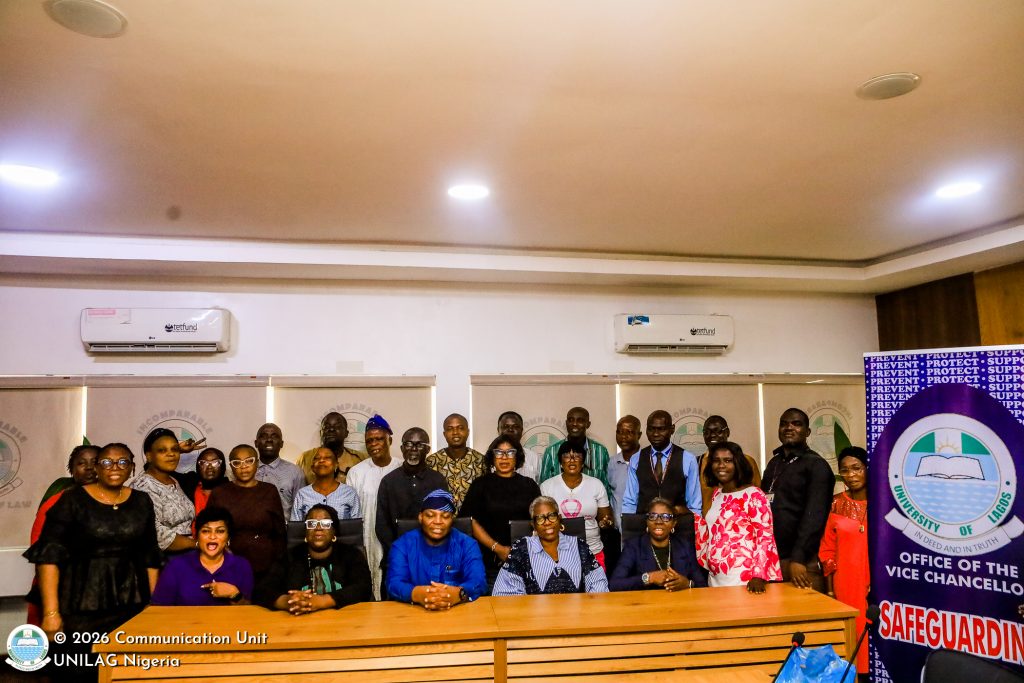
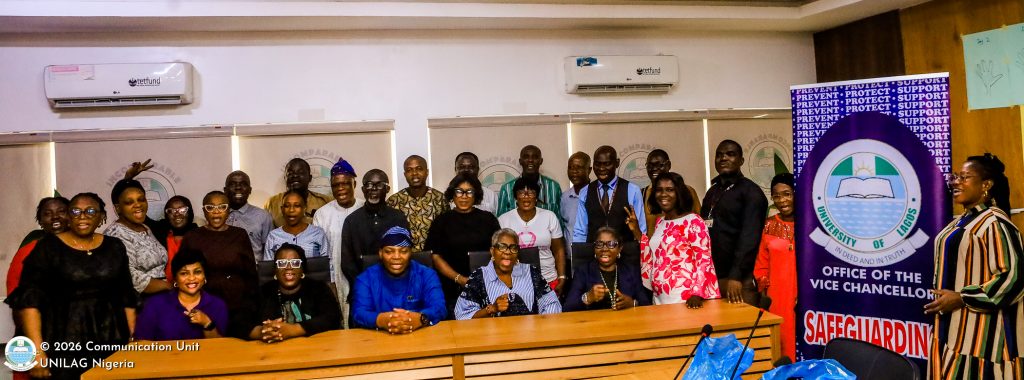
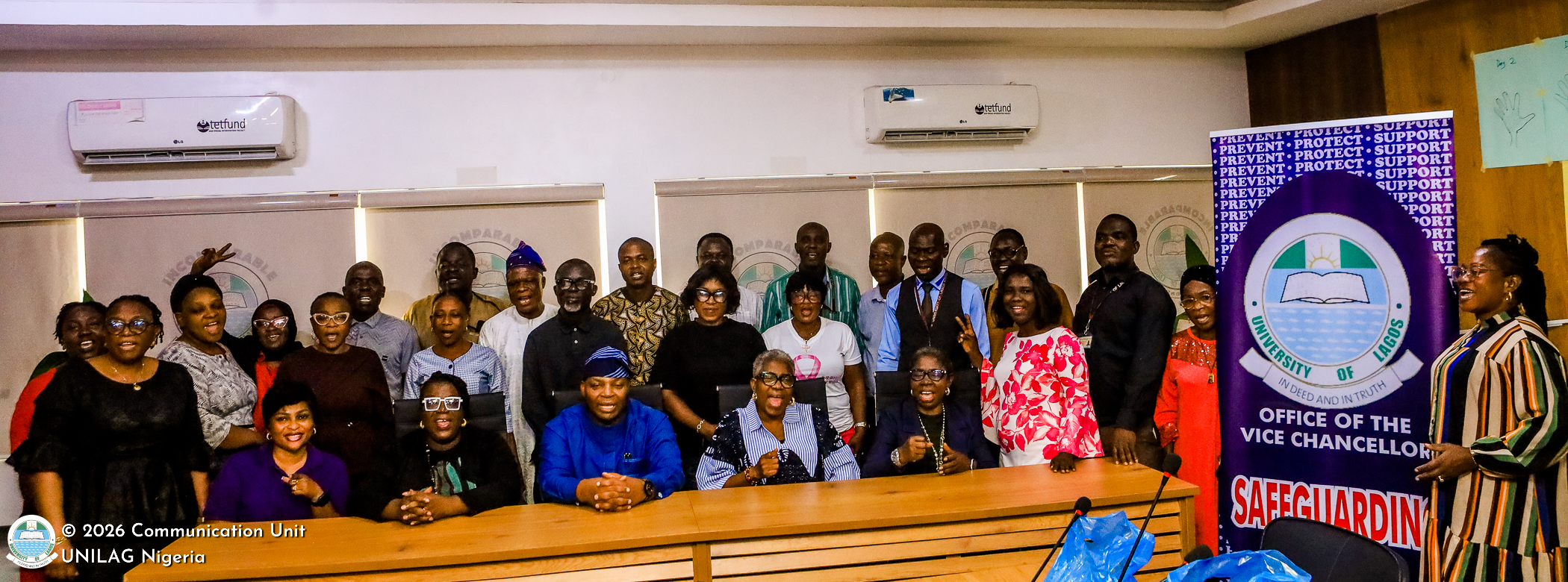
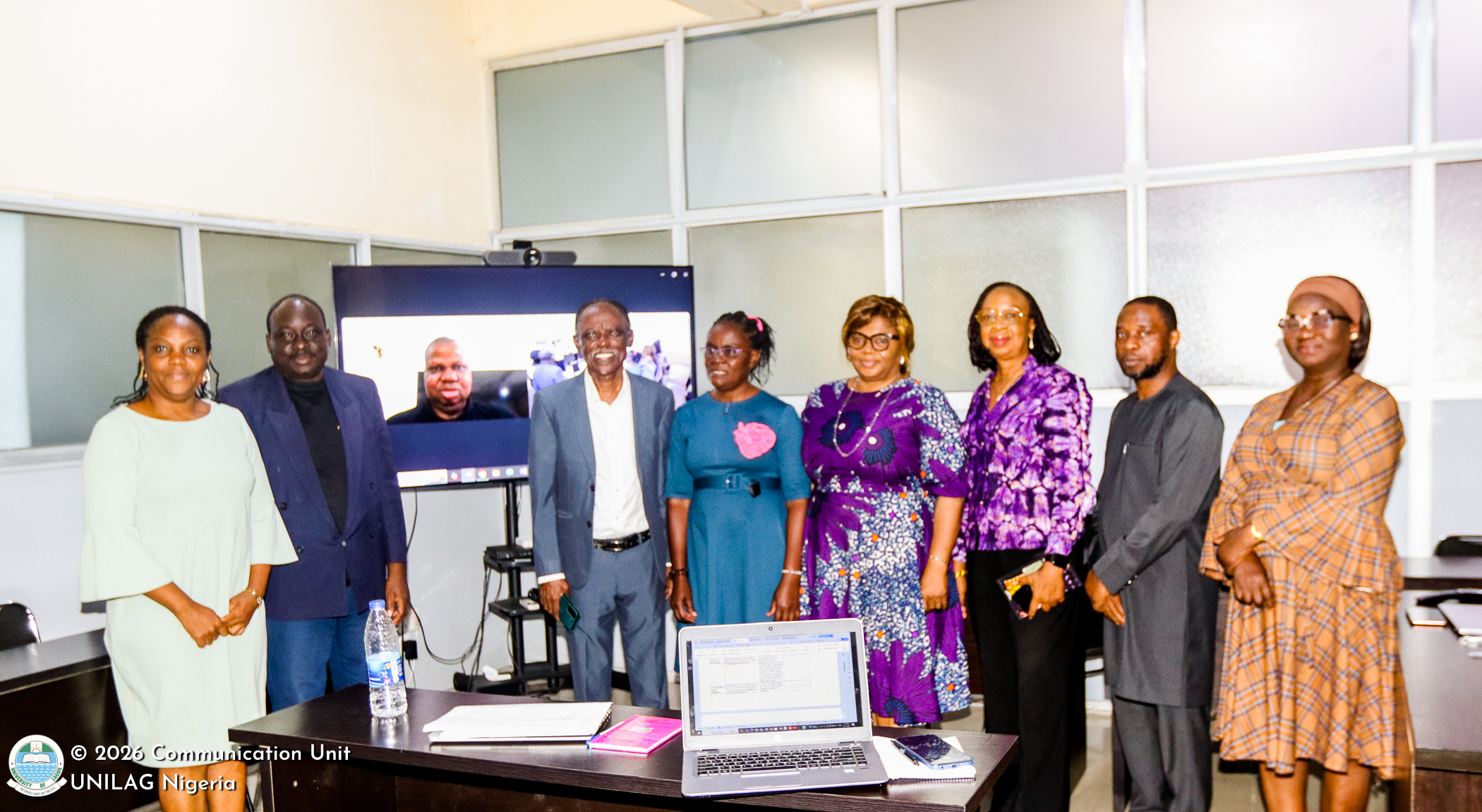
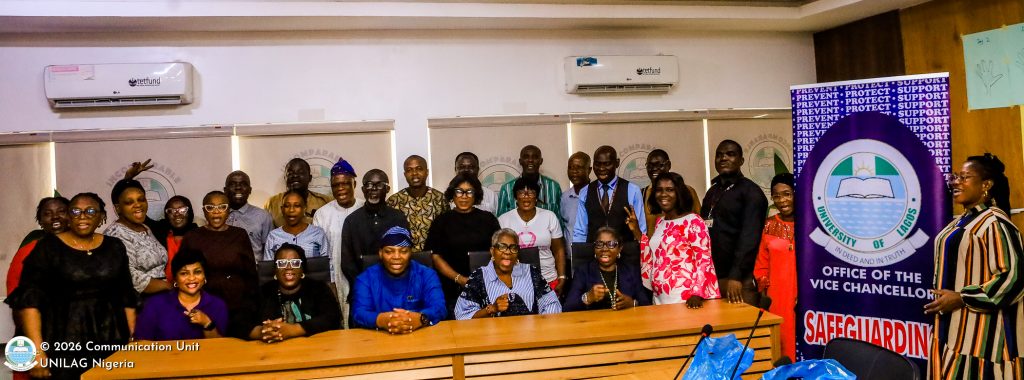
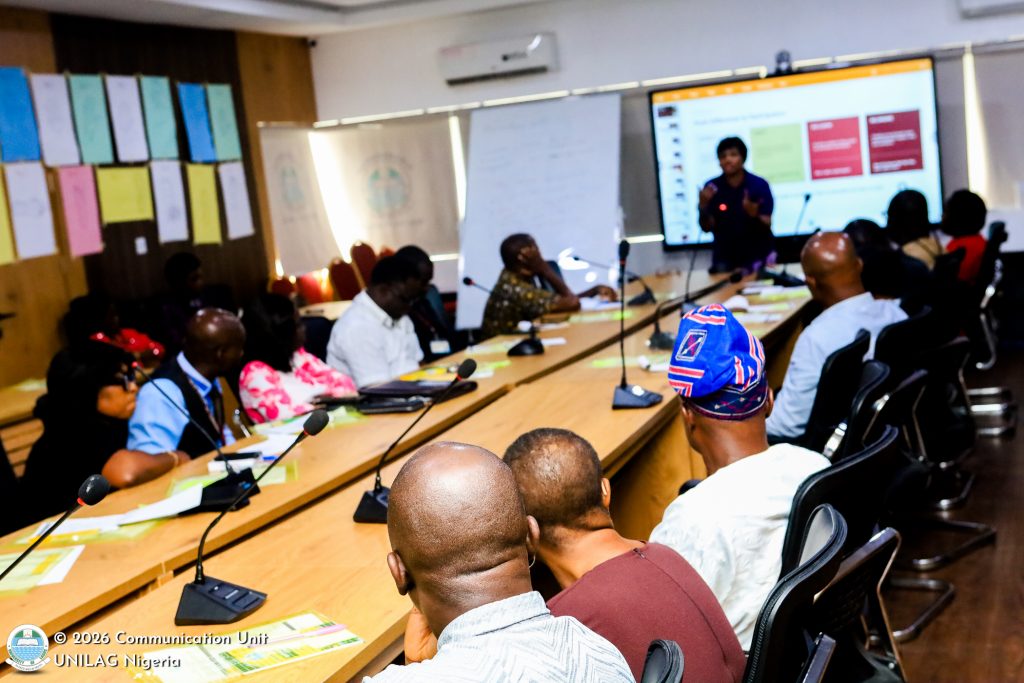
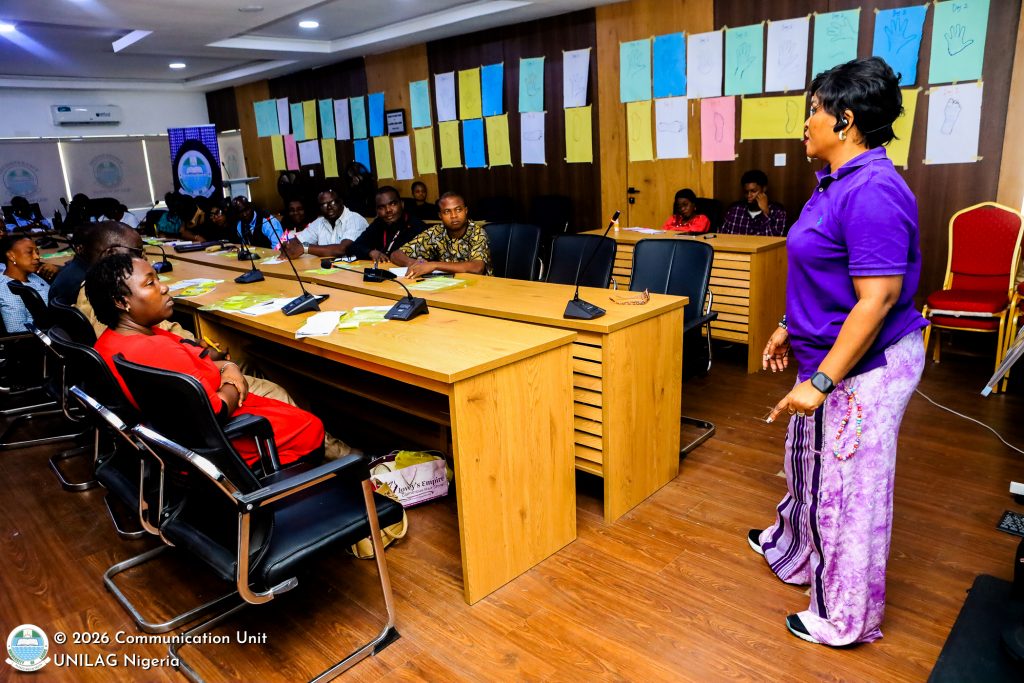
From Monday, September 21 to Thursday, September 24, 2026, the UNILAG Safeguarding Centre, in collaboration with the Office of the Dean of Student Affairs, organised a four-day capacity-building workshop for frontline staff at the Faculty of Law Boardroom.
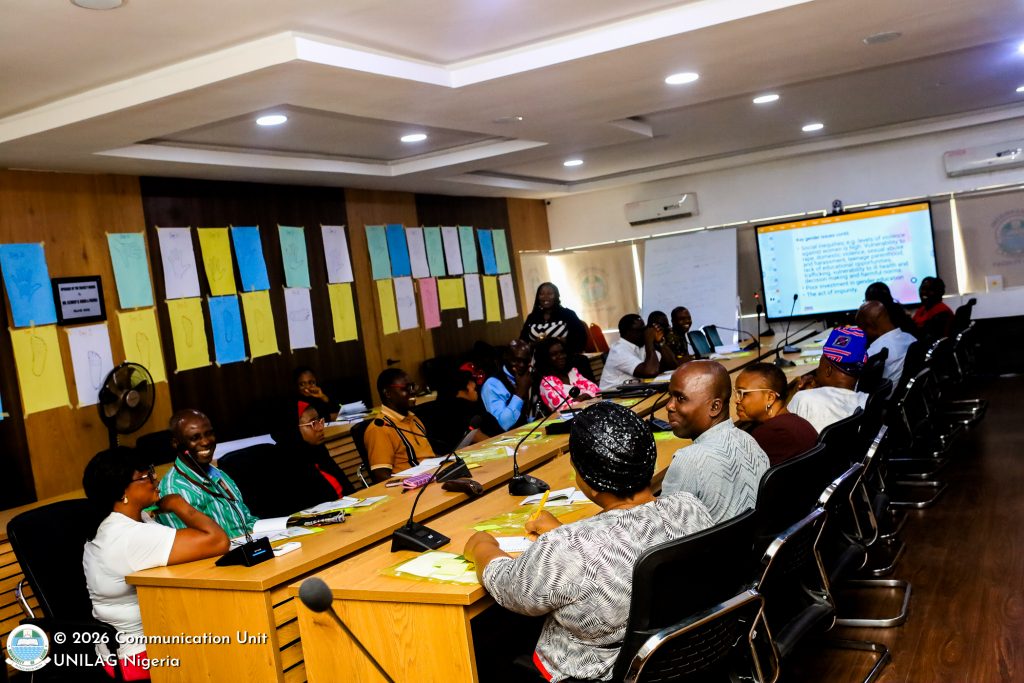
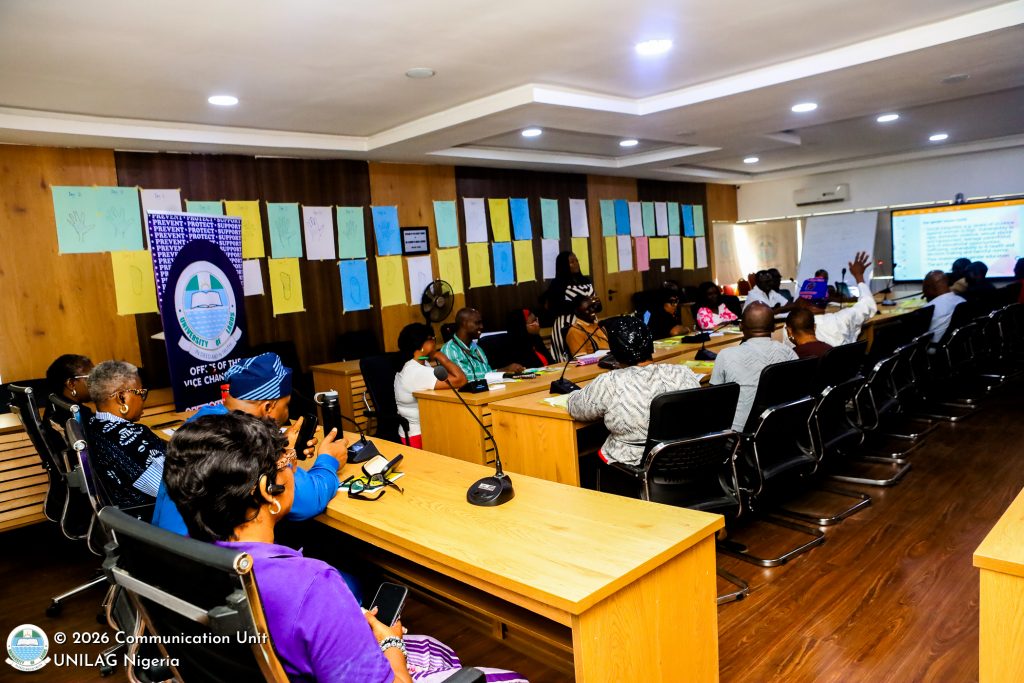
The training brought together hall administrators, counsellors, and student welfare officers to strengthen institutional responses to SGBV, sexual harassment, bullying, mental health crises, and other safeguarding concerns affecting members of the University community.
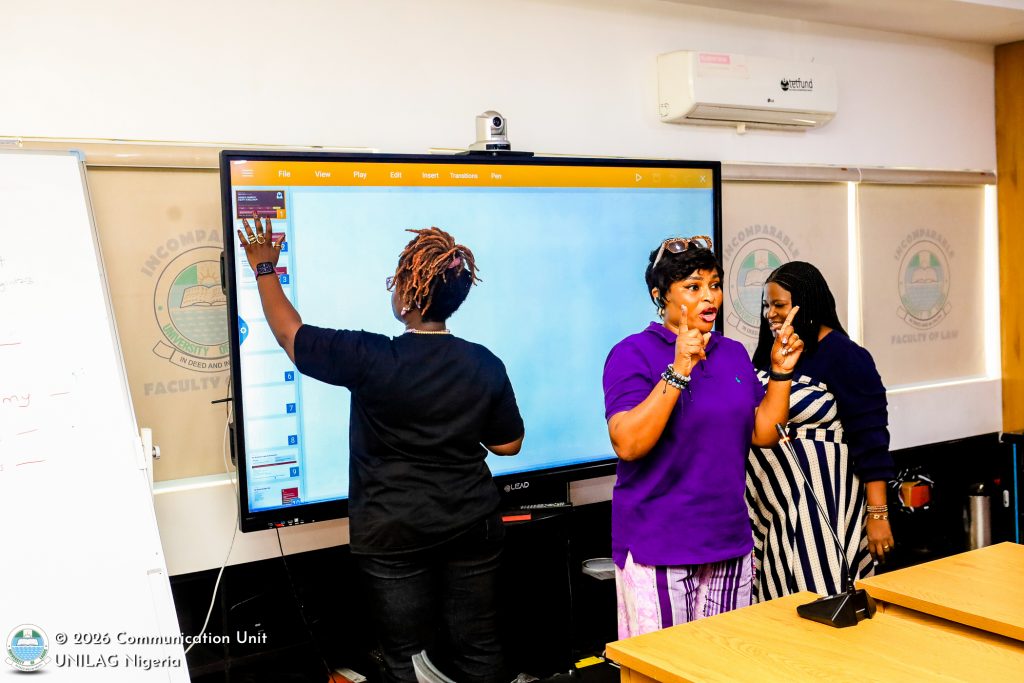
Driven by the Vice-Chancellor’s commitment to zero tolerance for abuse, the programme equipped frontline personnel with practical skills to prevent misconduct, protect vulnerable students, and provide survivor-centred support. Sessions combined institutional policy with interactive simulations, case studies, role-plays, demonstrations, as well as question-and-answer sessions focused on real operational challenges.
Strengthening Institutional Safeguarding
Setting the tone for the workshop, the Dean of Student Affairs, Professor Johnson Agunsoye, welcomed participants and reaffirmed the University’s commitment to proactive campus protection.

He emphasised that the safety and well-being of every student remain central to the institution’s mission, urging frontline officers to embrace their responsibilities as first responders with diligence, empathy, and accountability.
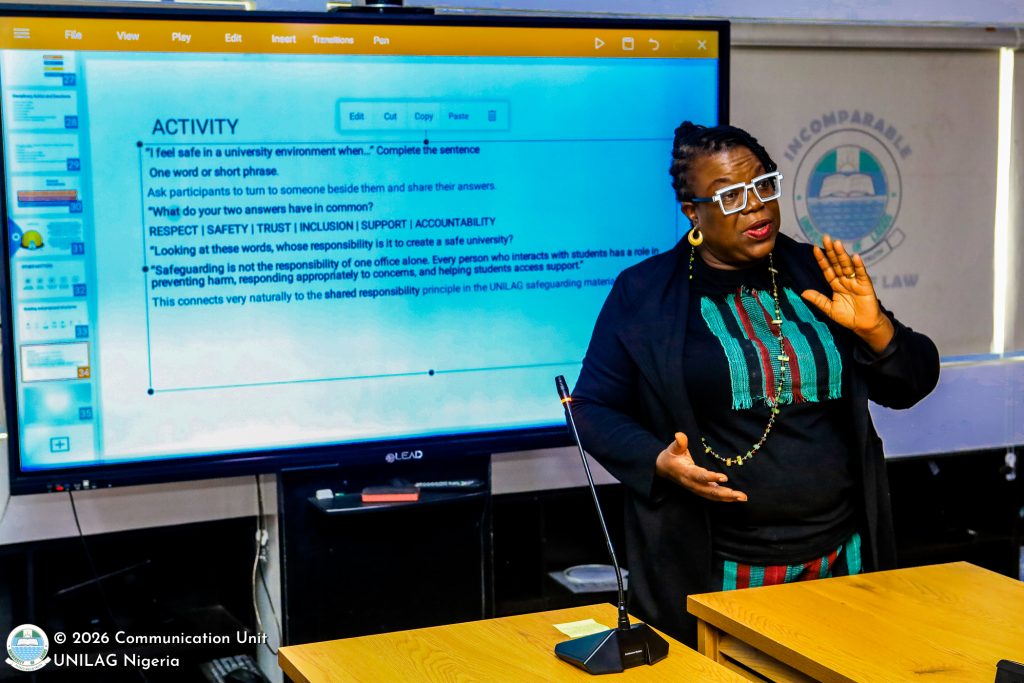
Delivering a presentation titled “The Imperative for an Effective Sexual Harassment and Safeguarding Policy in UNILAG,” Associate Professor Abiola Akiyode-Afolabi, Acting Director of the UNILAG Safeguarding Centre, outlined the University’s safeguarding framework and strategic pathways for effective implementation.
She explained that the framework is anchored on clear governance structures, accessible and confidential reporting channels, and fair and transparent investigation processes.
She noted that safeguarding involves identifying risks and developing practical measures to address them, including respecting personal spaces in hostels by providing prior notice before maintenance visits.
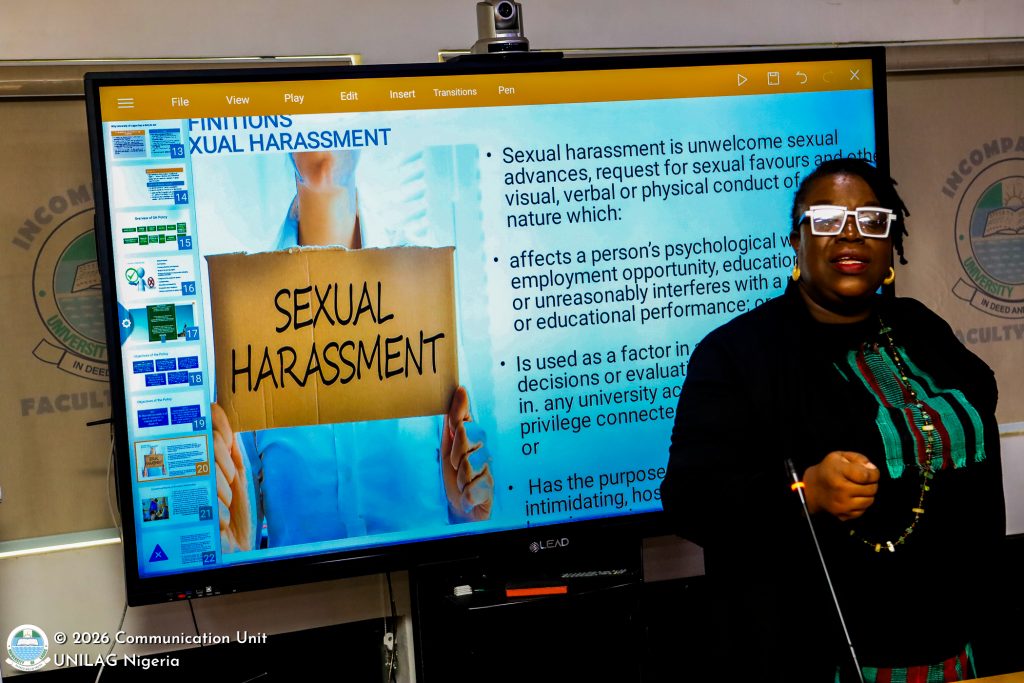
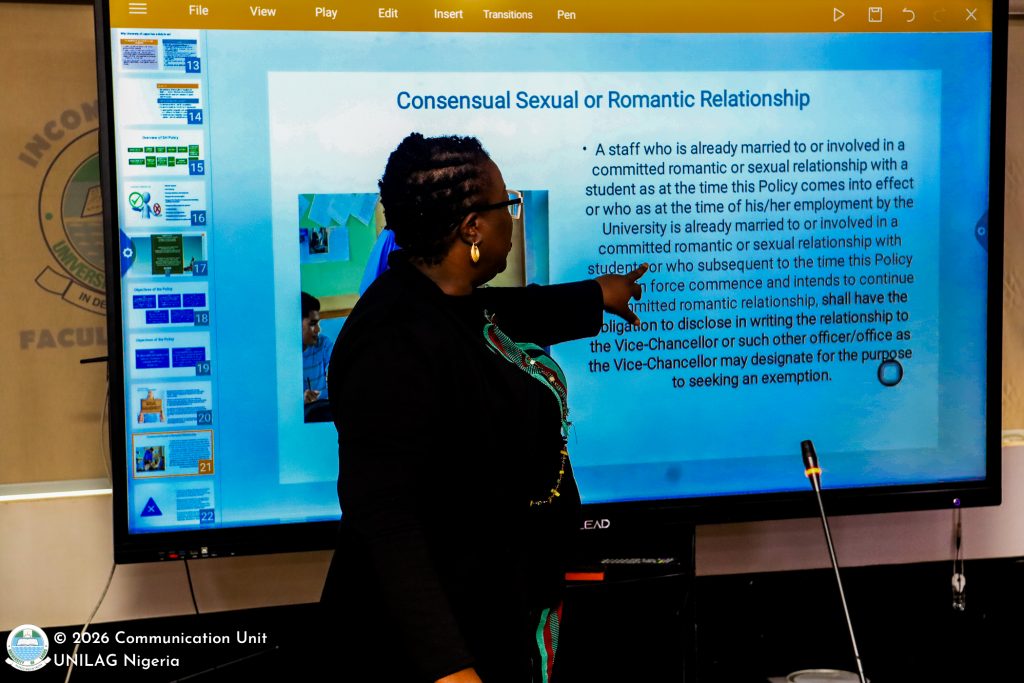
On responding to cases of rape, she stressed the importance of promptly alerting security personnel, protecting all parties from mob action, prioritising medical care, and preserving evidence. She also emphasised that consent is continuous and may be withdrawn at any time, while sexual harassment is determined by the unwelcome nature of the conduct from the recipient’s perspective.
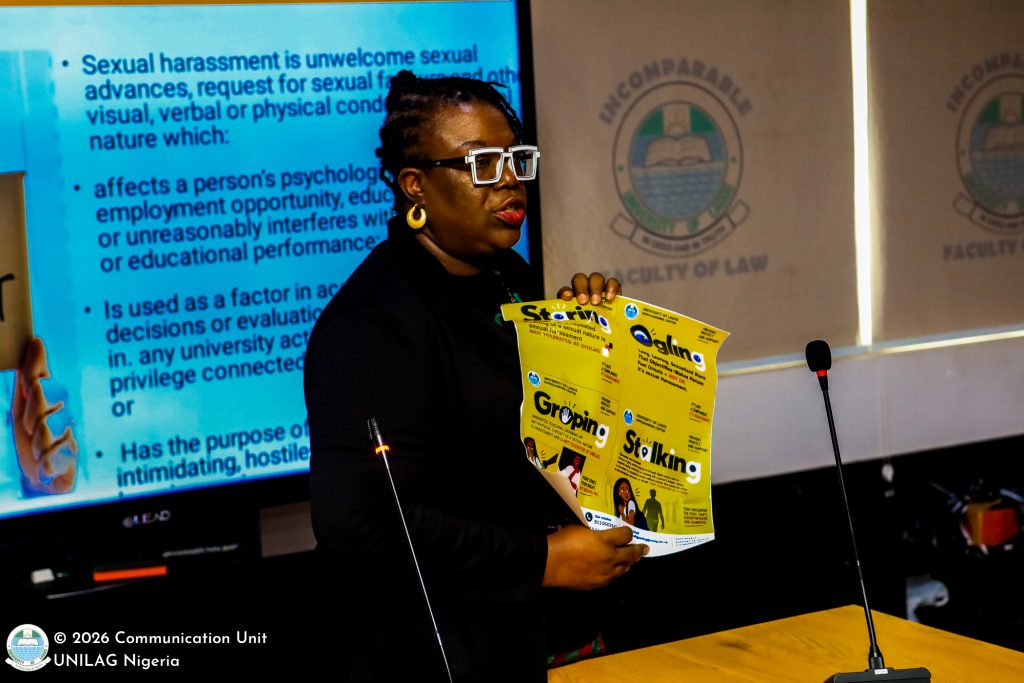
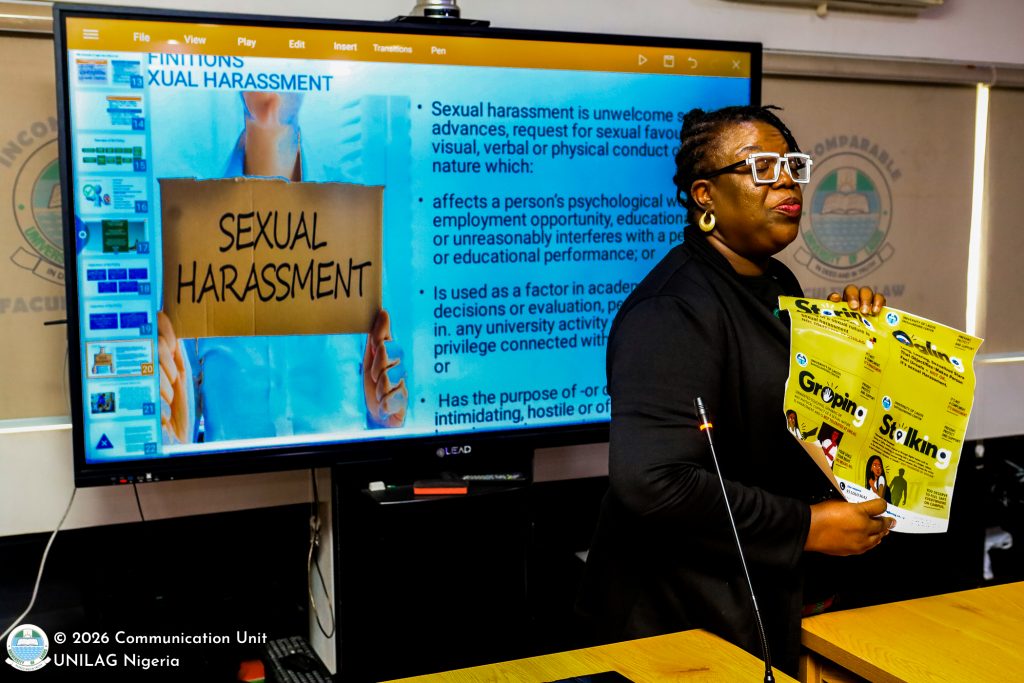
During the session, she presented the University’s newly unveiled visual campaign posters, which explicitly prohibit behaviours including staring, ogling, groping and stalking, reinforcing the University’s position that unwanted sexual advances have no place in any university space.


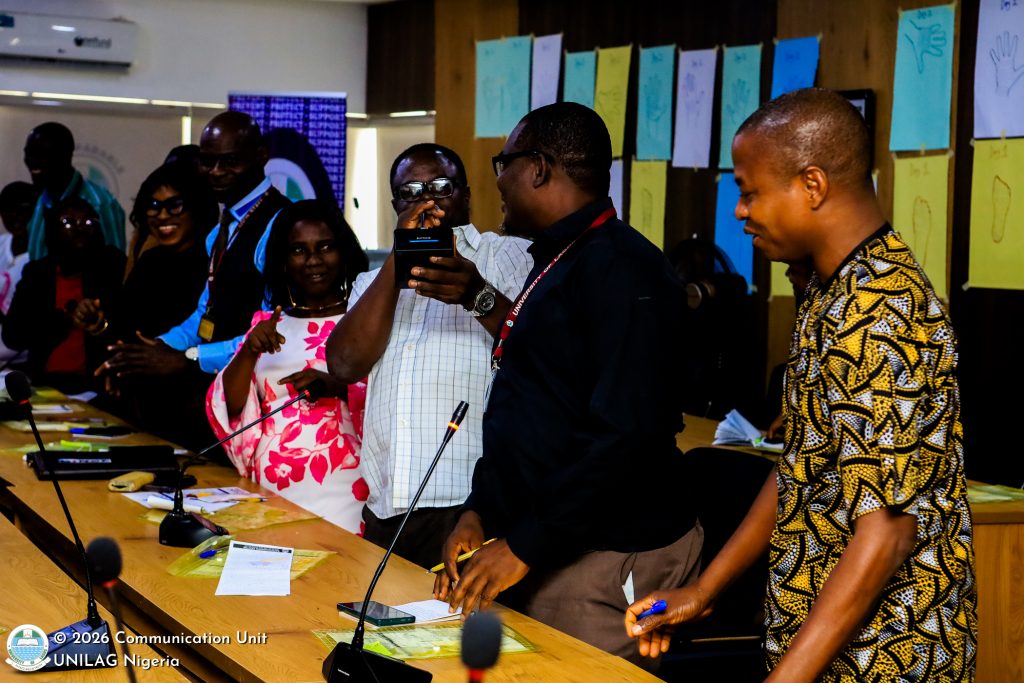
At the end of the sessions, participants raised questions about student facilities and emergency response. Professor Agunsoye addressed the concerns, outlining measures already taken, and areas requiring further attention.
These included audits of existing security cameras, formal requests for additional emergency vehicles, stricter protocols relating to bed sheets and regular fumigation, as well as collaboration with external partners to strengthen funding. Associate Professor Akiyode-Afolabi also provided clarification on matters relating specifically to safeguarding protocols.
Understanding Sexual and Gender-Based Violence
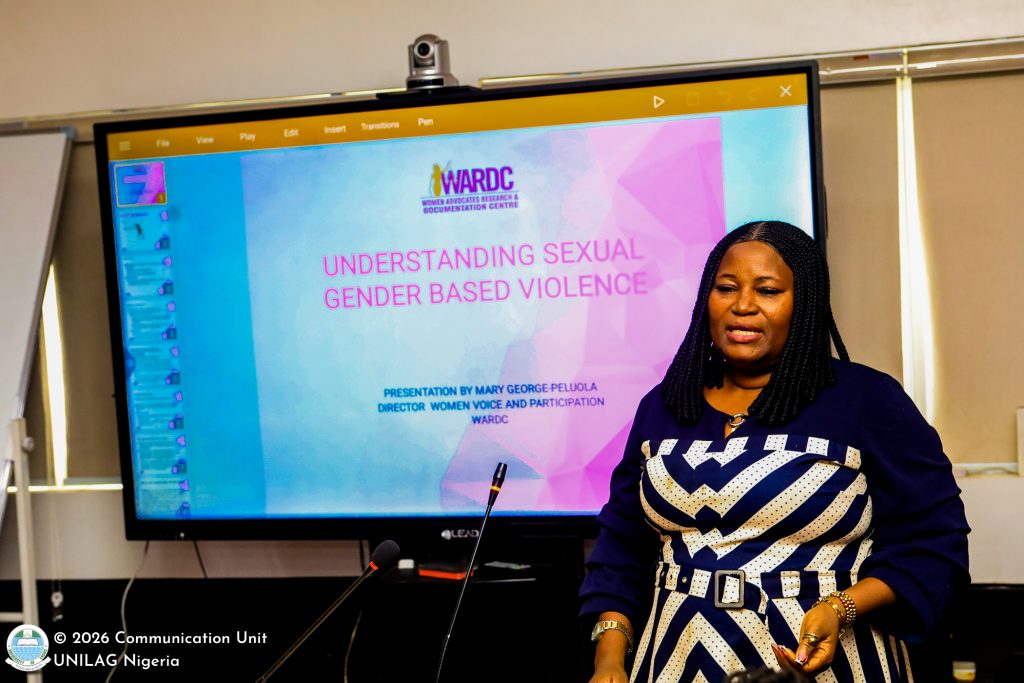

Director of Women’s Voice and Participation/Women Advocates Research and Documentation Centre (WARDC), Mrs Mary George-Peluola, led a session on “Understanding Sexual and Gender-Based Violence.”
Her interactive presentation encouraged critical thinking and active participation as she distinguished sex as a biological concept from gender as a set of socially constructed roles. Participants also engaged in exercises designed to identify statements that reflected biological differences or gender stereotypes.
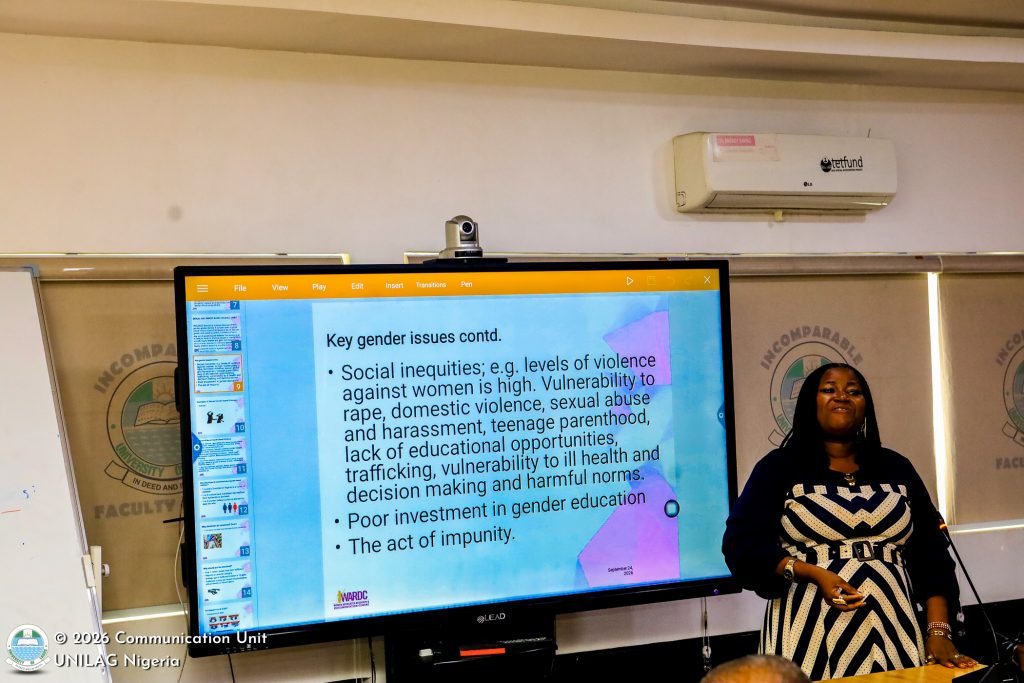
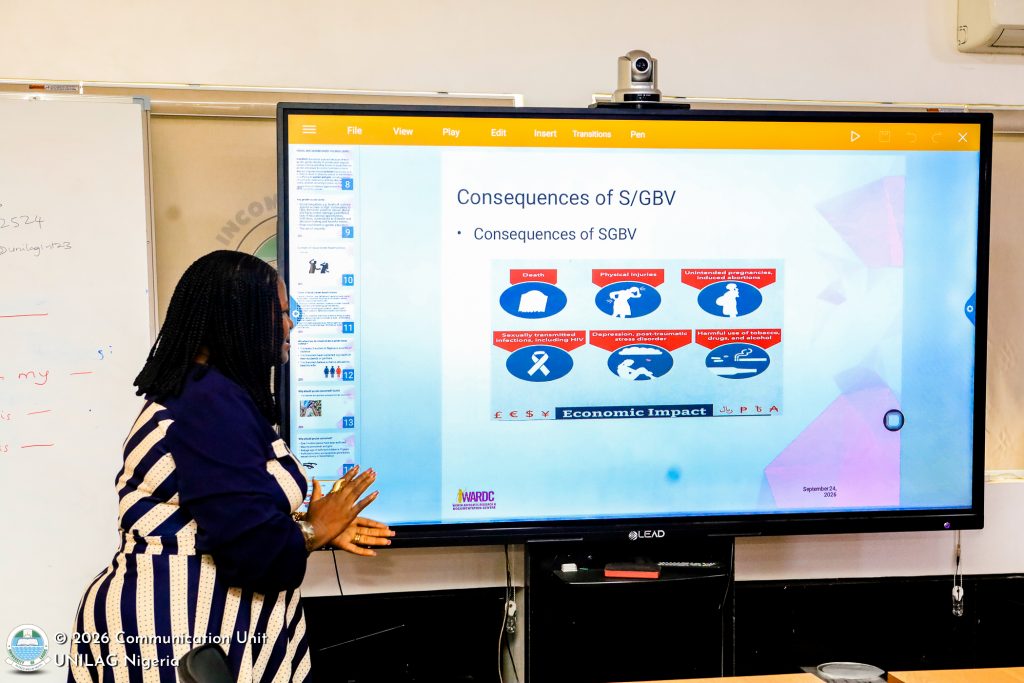
Drawing on national statistics, she highlighted the prevalence of violence against women in Nigeria and examined the broad spectrum of SGBV, including rape, assault, harassment, physical and emotional abuse, economic abuse and harmful traditional practices.
She stressed the importance of accountability and appropriate sanctions in addressing SGBV, noting that offences such as rape are crimes against both the individual and the state and should not be treated as private matters to be resolved through apologies or informal settlements.
Gender, Intersectionality and Inclusion
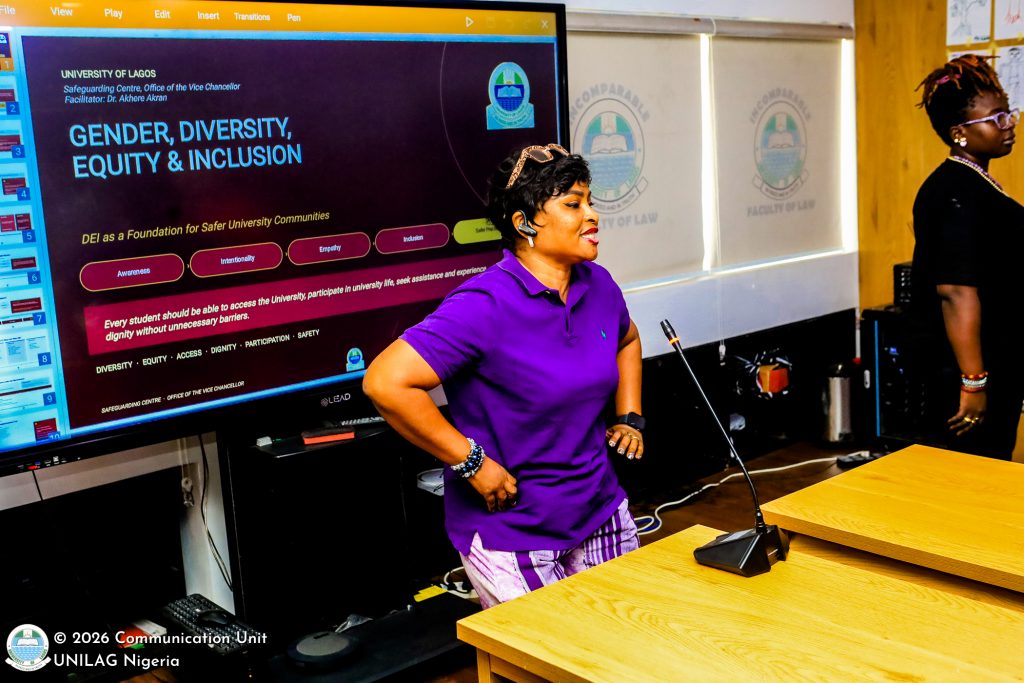
Building on the discussion, Dr Akhere Marian Akran examined “Gender, Intersectionality and Inclusion in the University.”
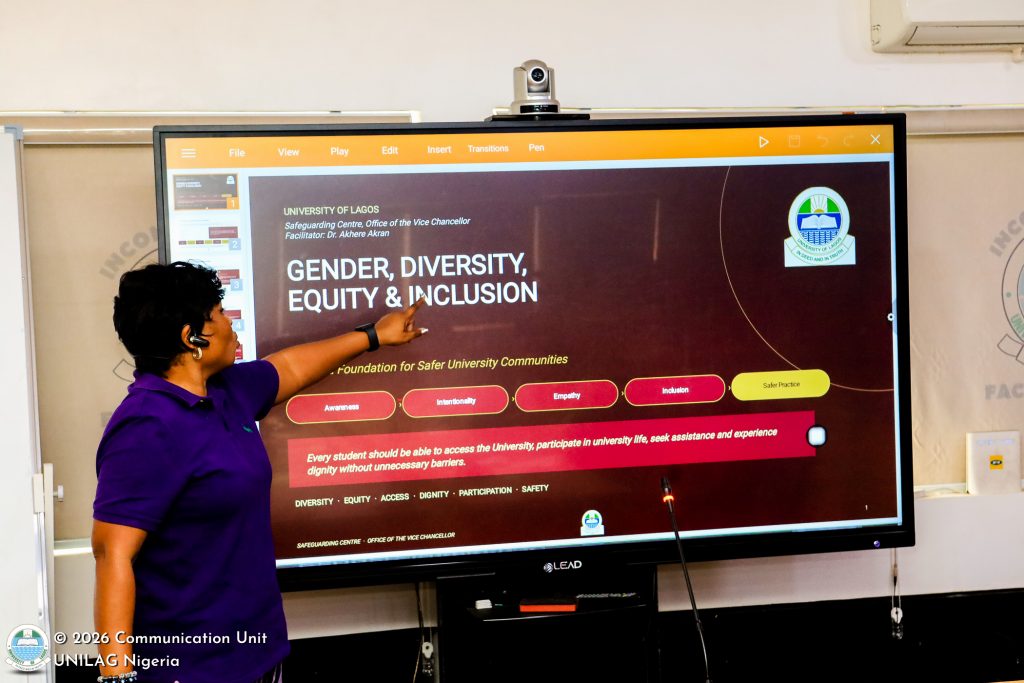
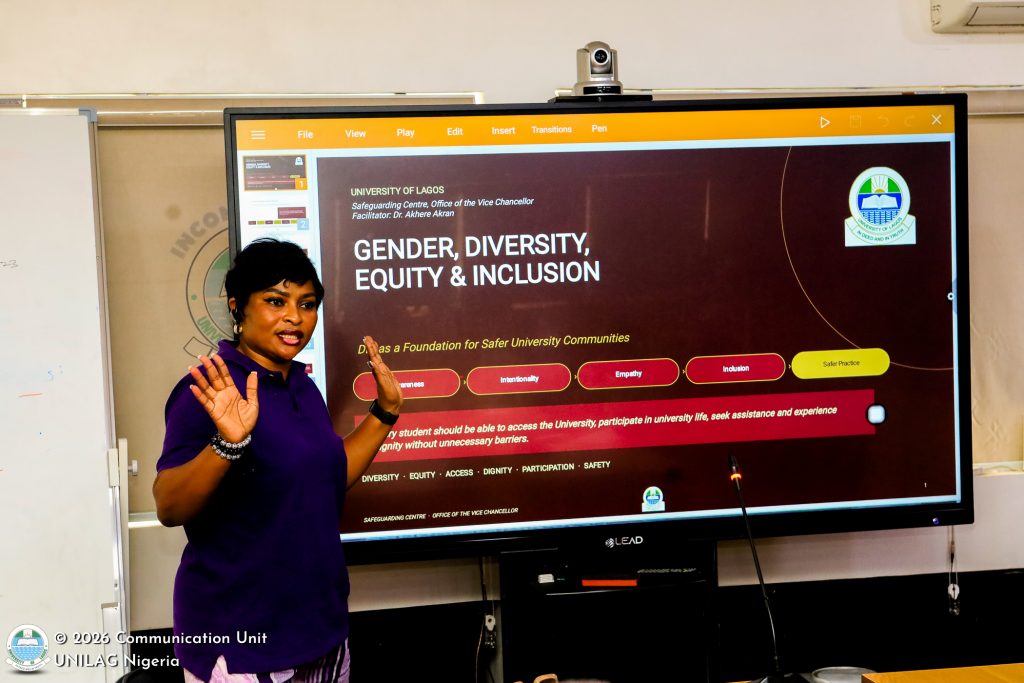
She reminded participants that differences relating to disability, background, religion, or personal expression do not diminish anyone’s humanity.
According to her, meaningful inclusion requires intentional practice rather than good intentions alone. Her words, “Diversity brings people into the room; inclusion makes it possible for them to participate once they are there.”

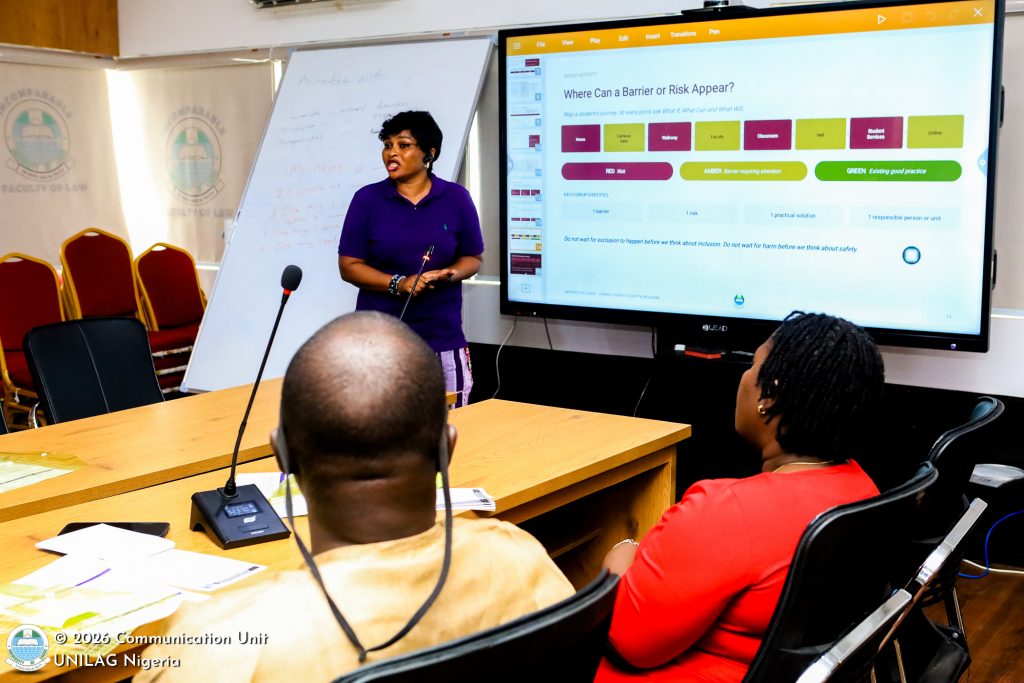
She encouraged staff to see the person before the difference, practise empathy by considering experiences from other perspectives, and avoid assumptions that could contribute to exclusion or mental distress.
Survivor- and Trauma-Informed Approaches
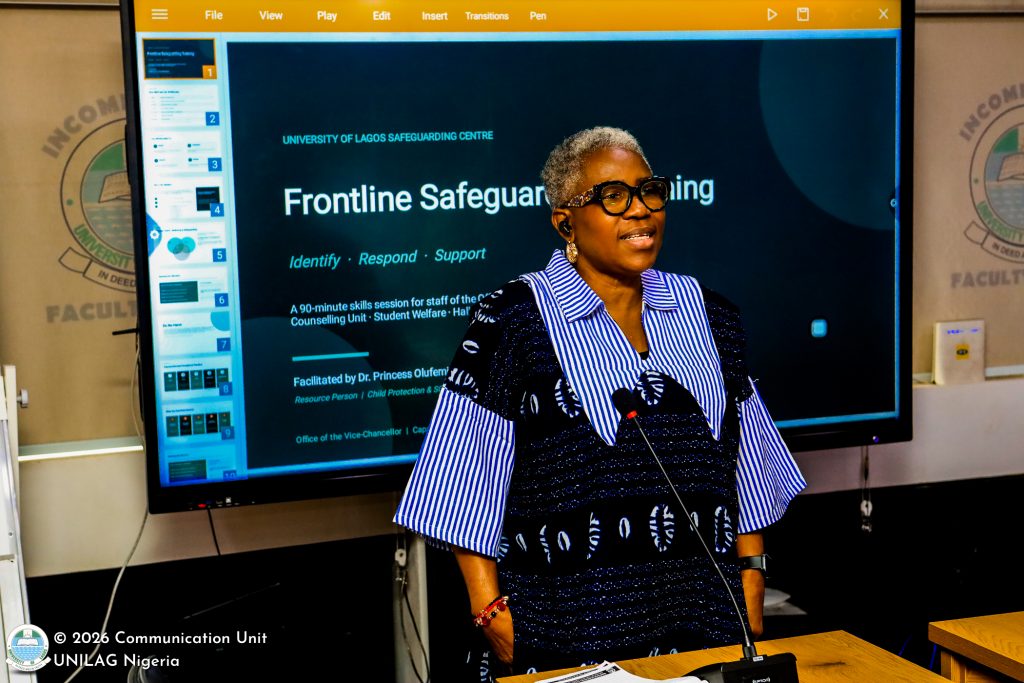
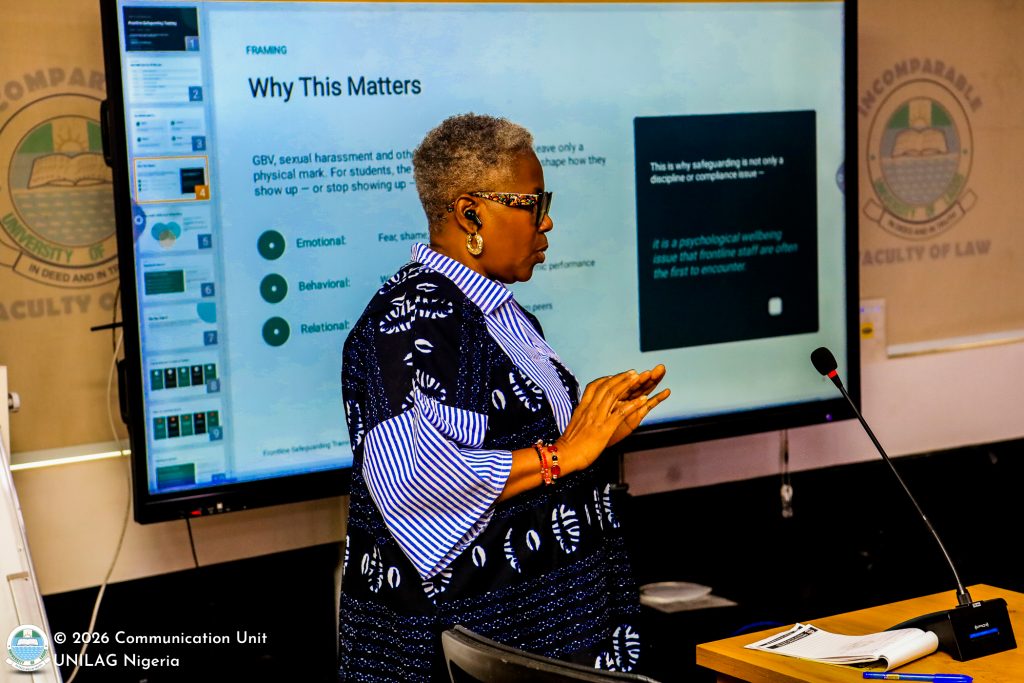
Addressing the human impact of violence, forensic psychologist and SGBV expert, Dr Princess Olufemi-Kayode provided specialised guidance on “Survivor and Trauma-Informed Approaches to Students and Staff.”
She explained that trauma responses vary considerably and that people may respond differently to similar experiences. She emphasised the importance of preserving survivors’ agency and cautioned first responders against taking control of the process.
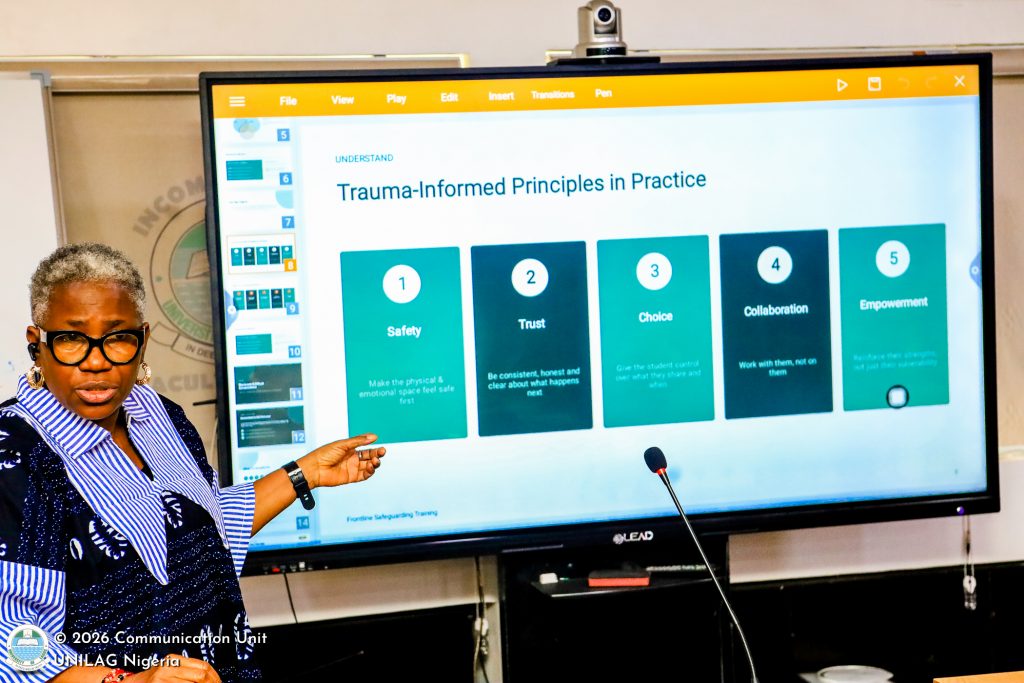
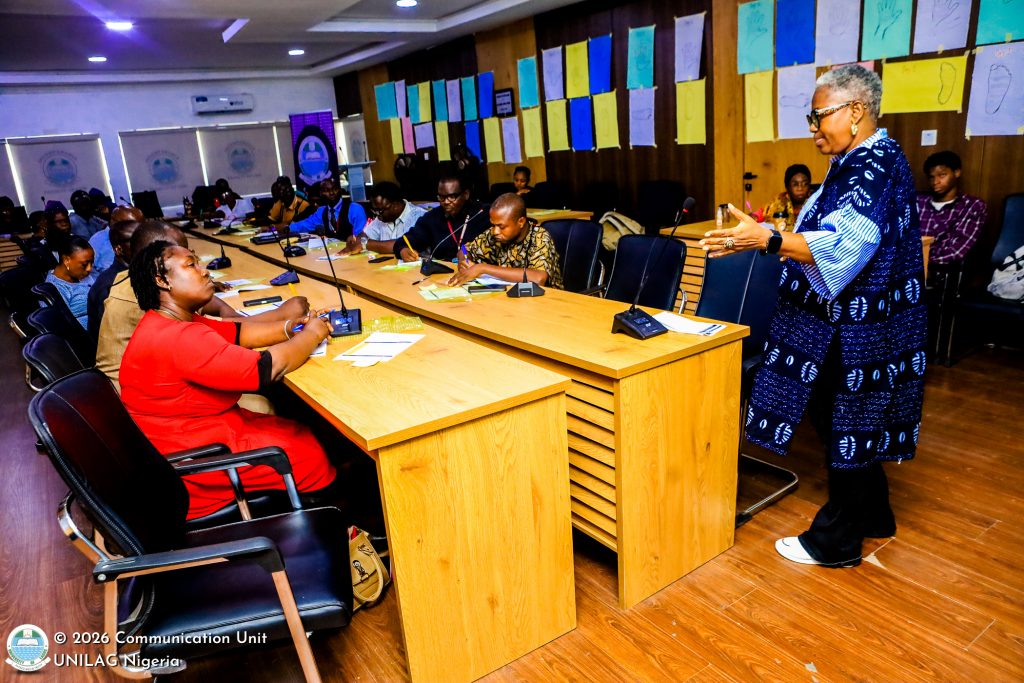
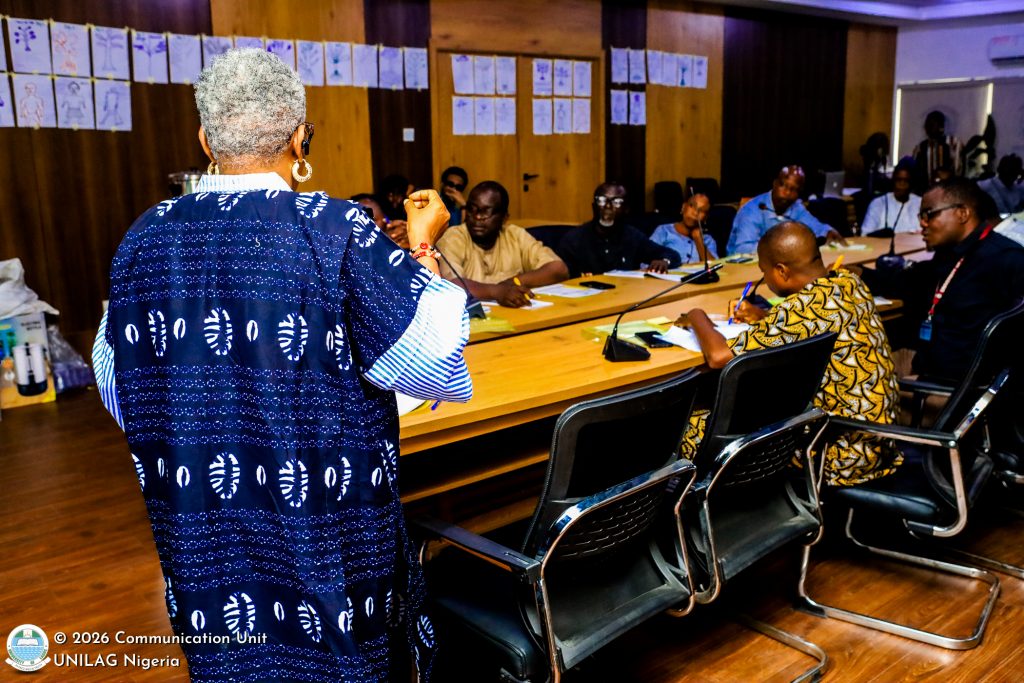
Drawing on the principles of Safety, Trust, Choice, Collaboration and Empowerment, she introduced the LIVES framework: Listen patiently, Inquire gently, Validate the experience, Enhance safety and Support.
She also explained that inconsistent recall may occur as a result of trauma and should not automatically be interpreted as fabrication. Survivors, she stressed, must never be blamed for their experiences.
Safeguarding, Institutional Integrity and Communication
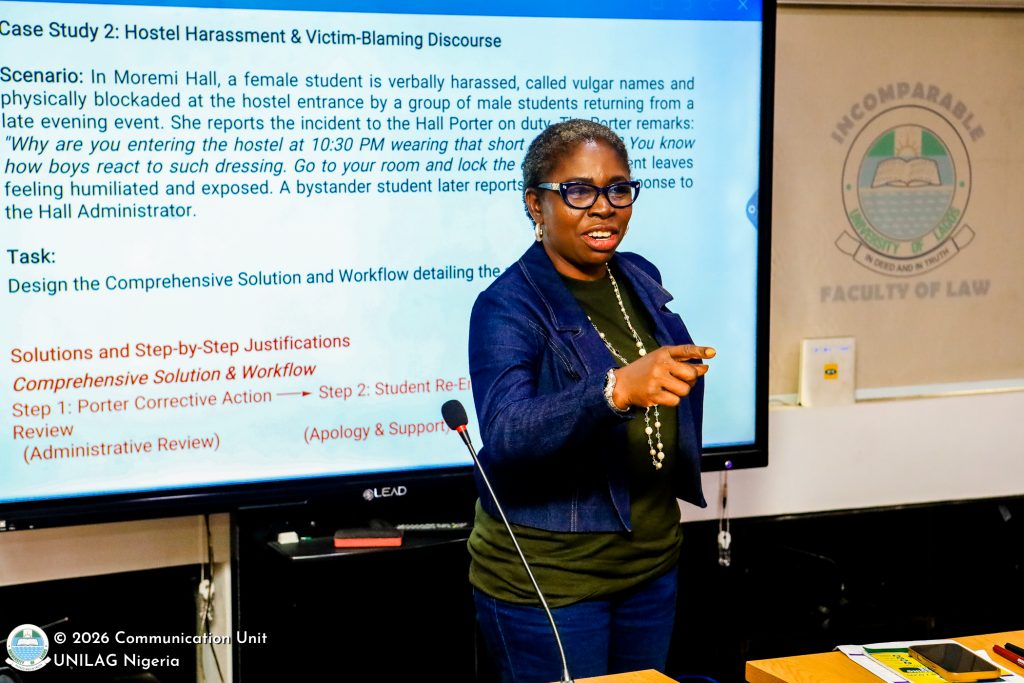
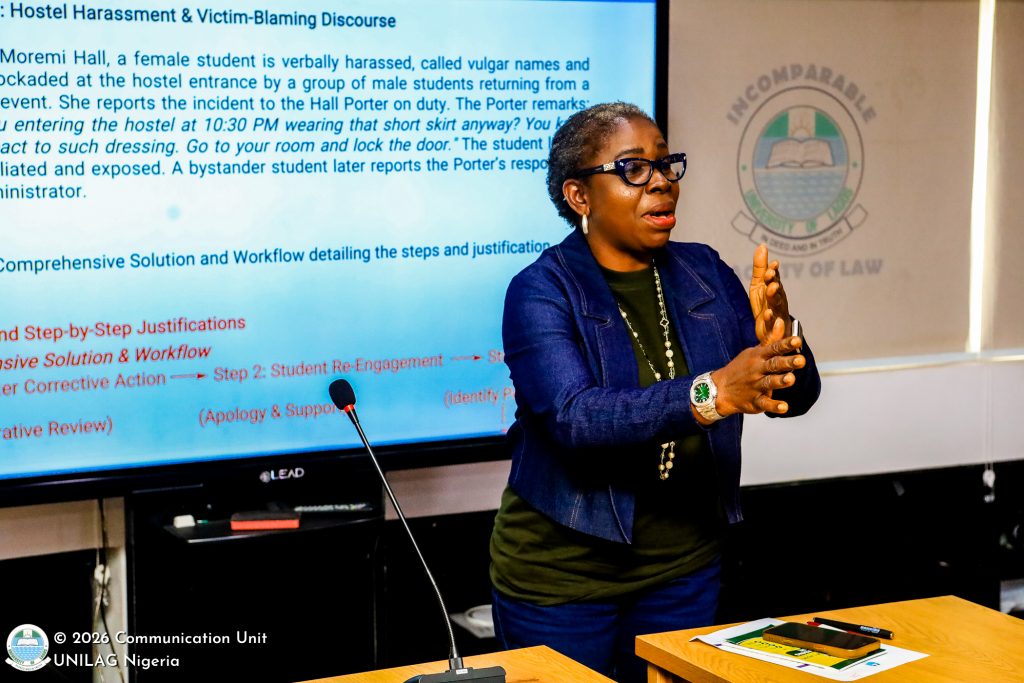
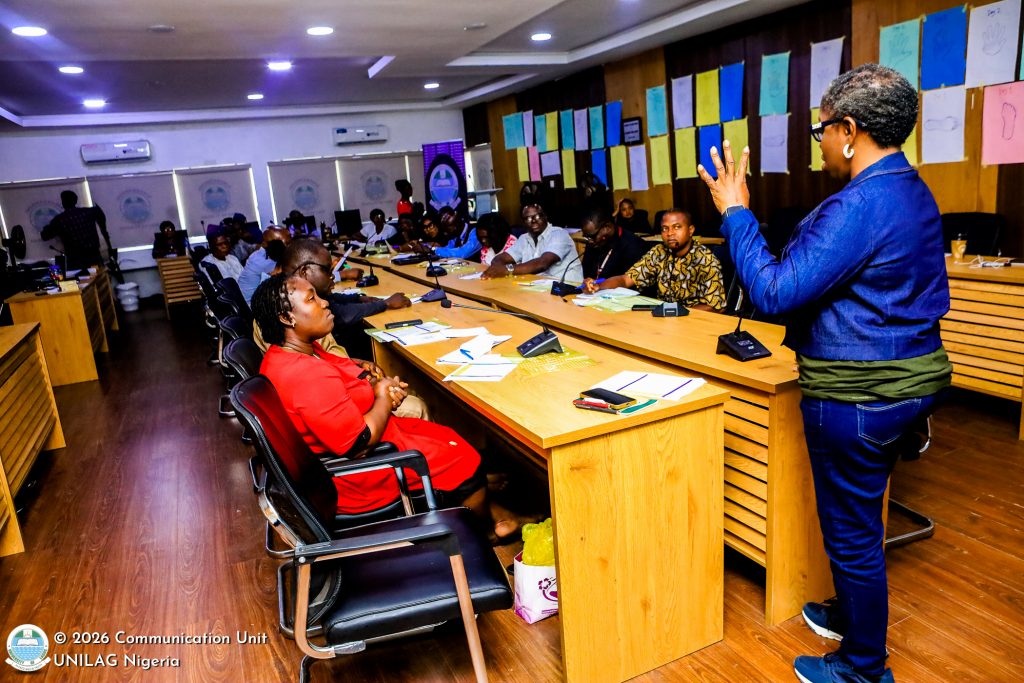
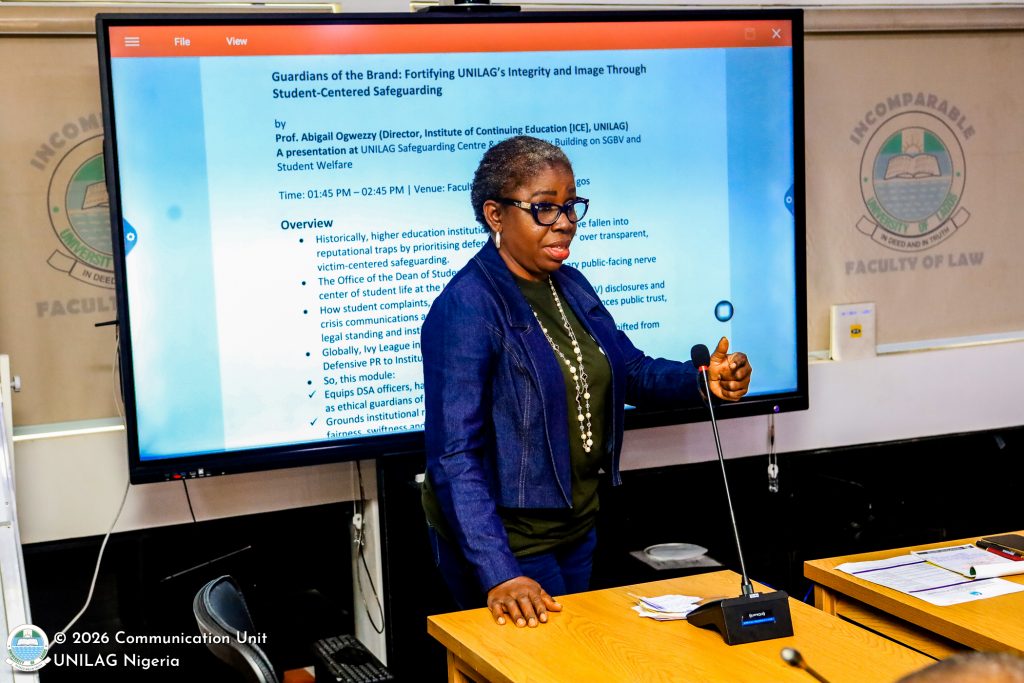
Linking safeguarding practice to institutional integrity and reputation, the Director of the Institute of Continuing Education (ICE), University of Lagos, Professor Abigail Ogwezzy, delivered a session titled “Guardians of the Brand: Fortifying UNILAG’s Integrity and Image through Student-Centred Safeguarding.”
She stressed that effective safeguarding is essential to the growth and credibility of a university and called for a shift from defensive public relations and concealment towards safeguarding leadership.
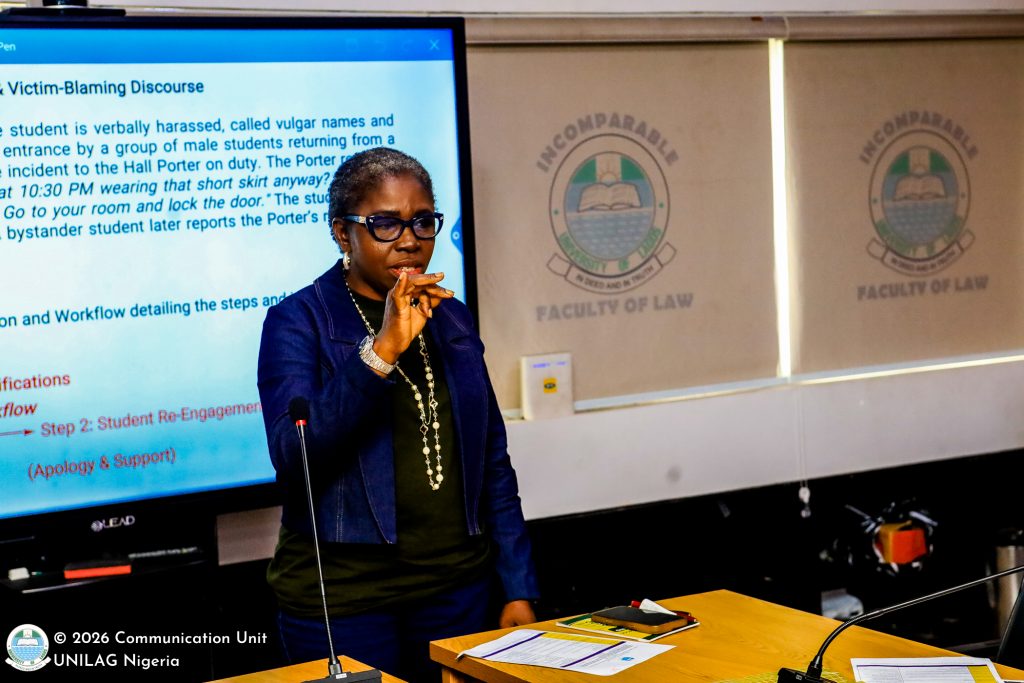
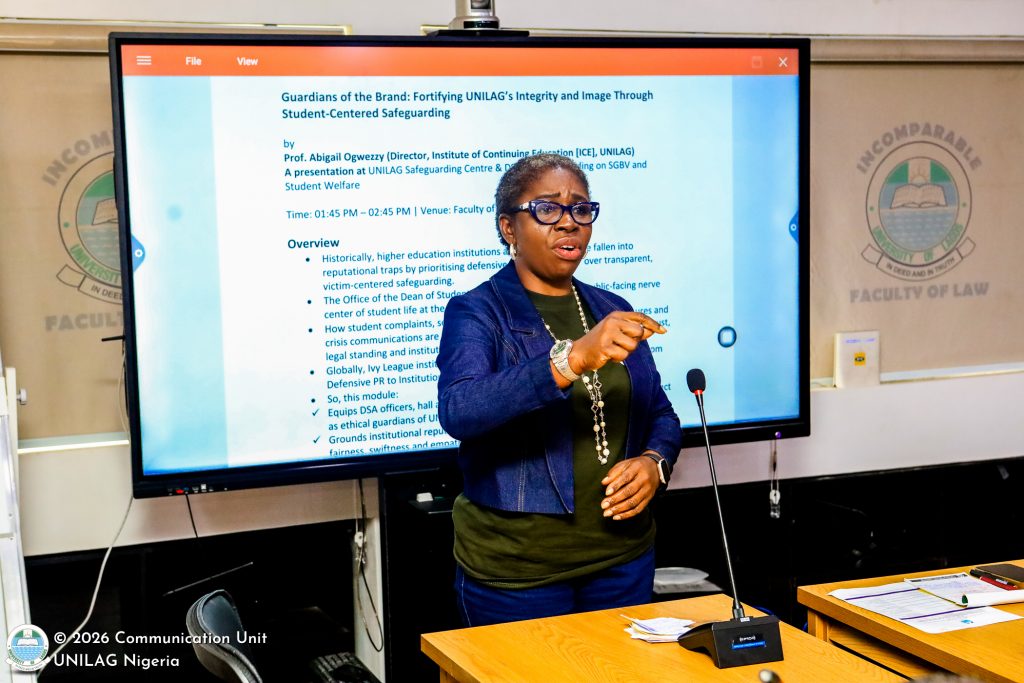
Professor Ogwezzy explained that the UNILAG approach should be anchored in swift, fair, and transparent action, with disclosure understood as an indication that students have confidence in the reporting system. Such an approach, she noted, combines survivor-centred care with accountability for perpetrators.
She also introduced the concept of safeguarding communication, explaining that strategic communication can protect institutional integrity while strengthening awareness, confidence in reporting mechanisms, and trust in institutional processes.
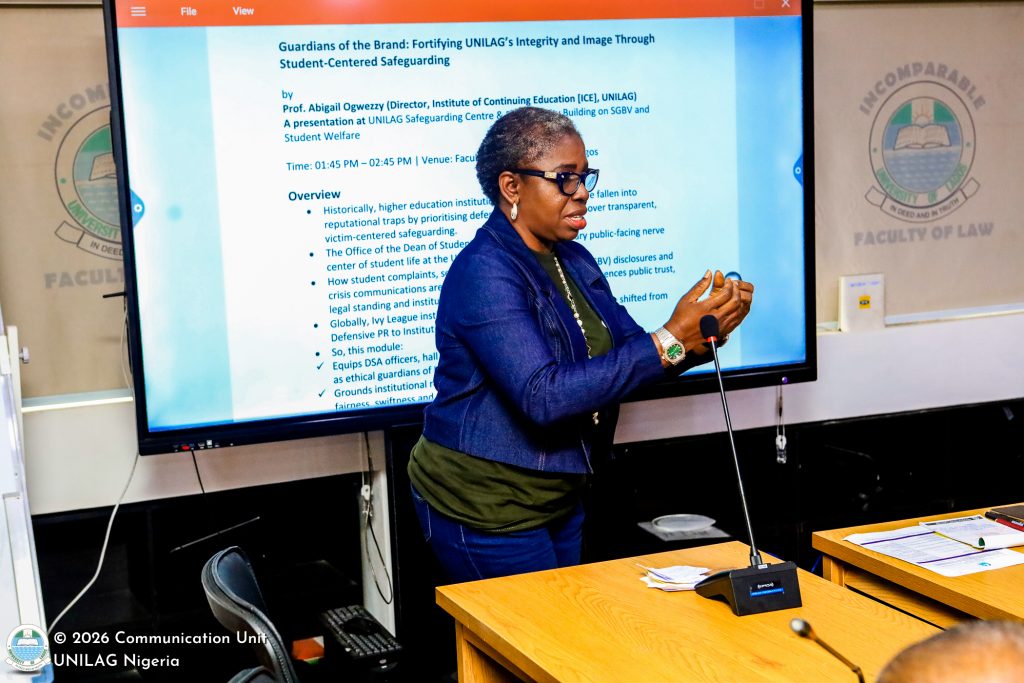

For Student Affairs personnel, she outlined a four-step communication protocol: Acknowledge and validate the concern; Protect confidentiality and privacy; Refer the matter through official channels; and Communicate the institution’s due process.
Framed around the three pillars of Prevent, Protect and Support, the session reinforced the principle that every university space should be safe and that a person’s attire or the time and place of an incident does not excuse harassment.
Interactive Engagement and Commitments



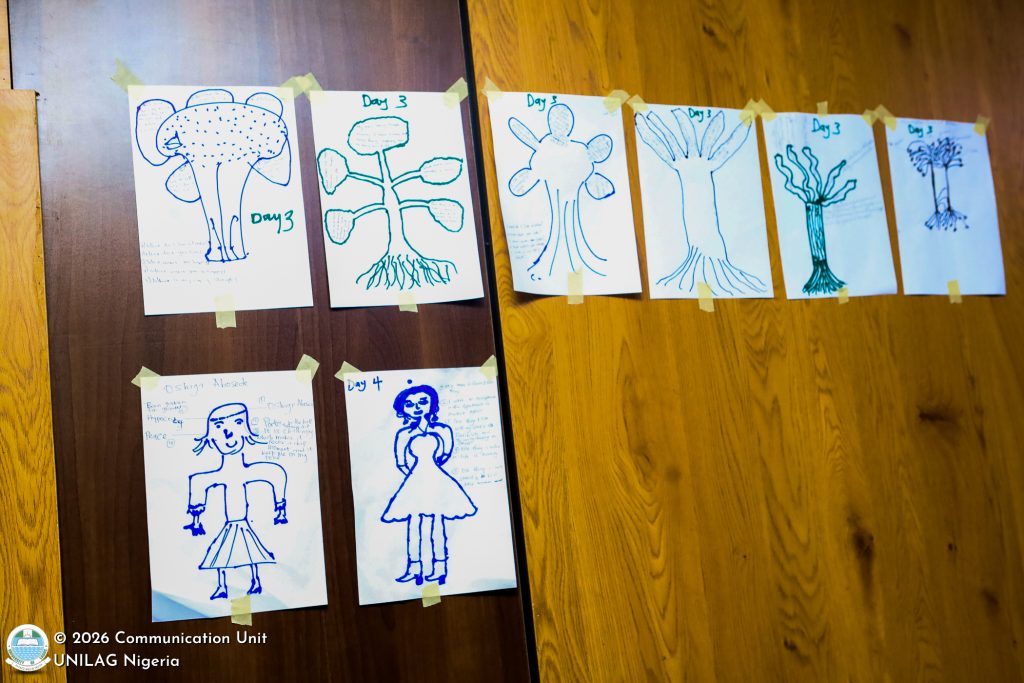
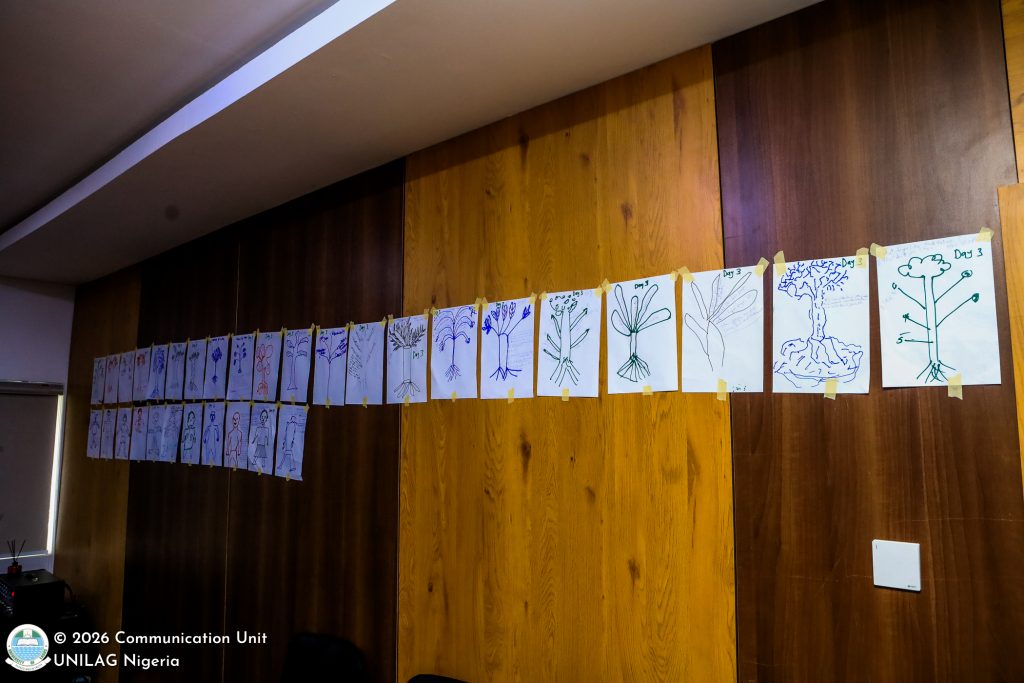
Throughout the four-day programme, participants engaged in group work, role-plays, demonstrations, and question-and-answer sessions designed to address practical safeguarding challenges.
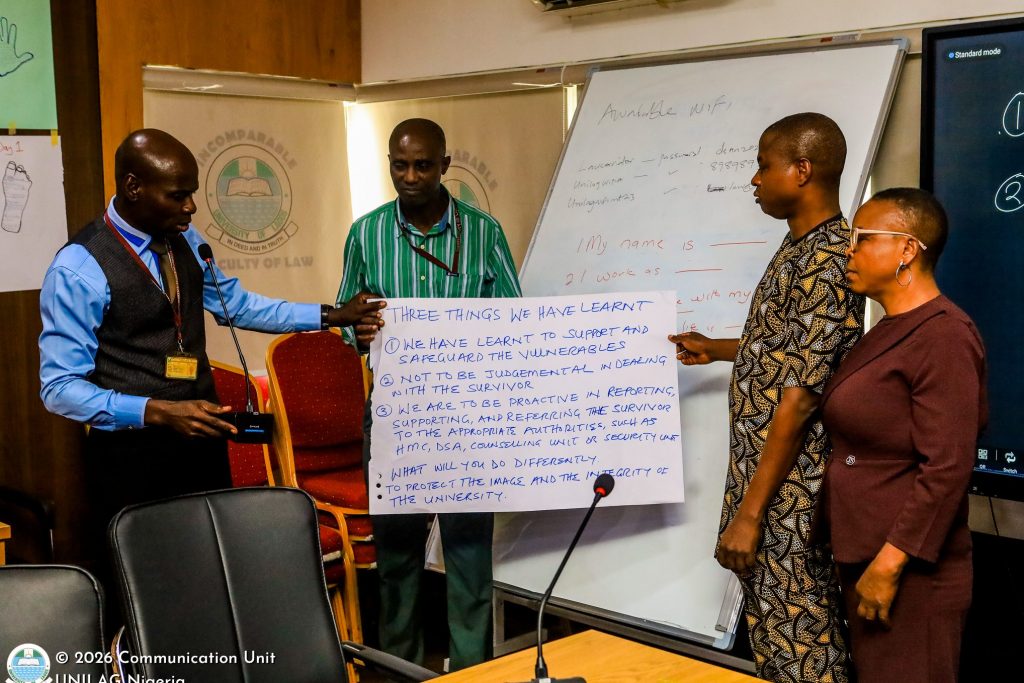
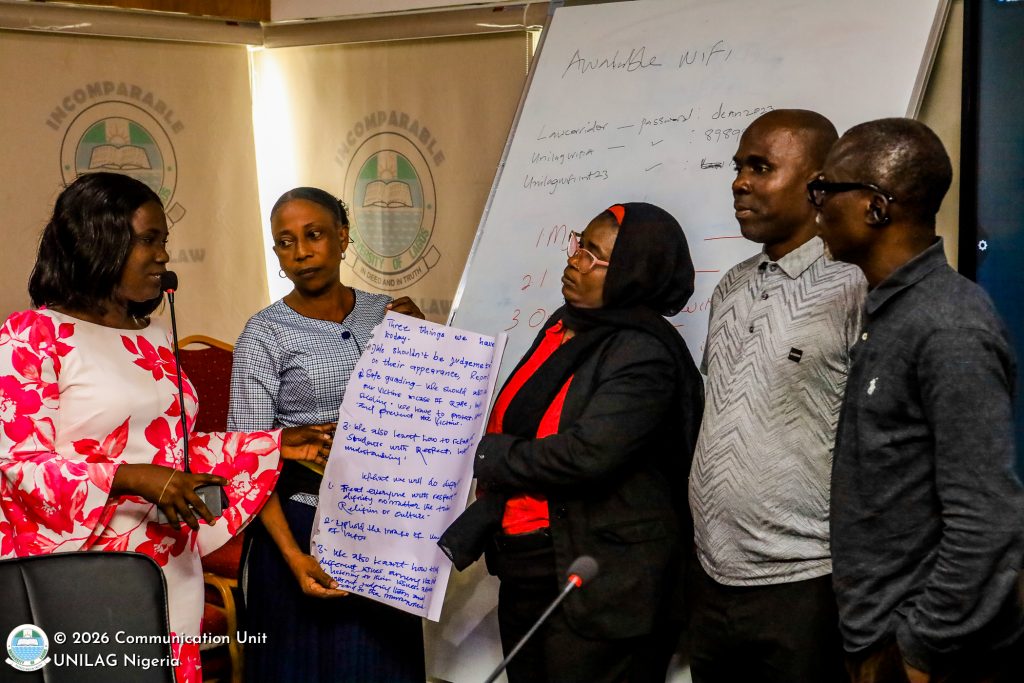
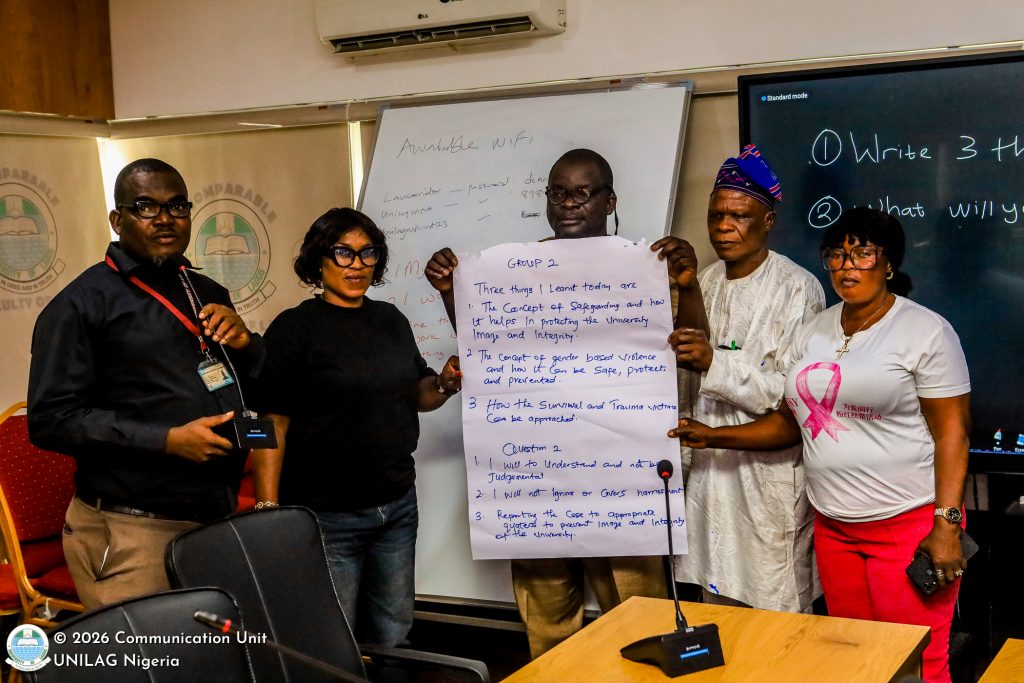
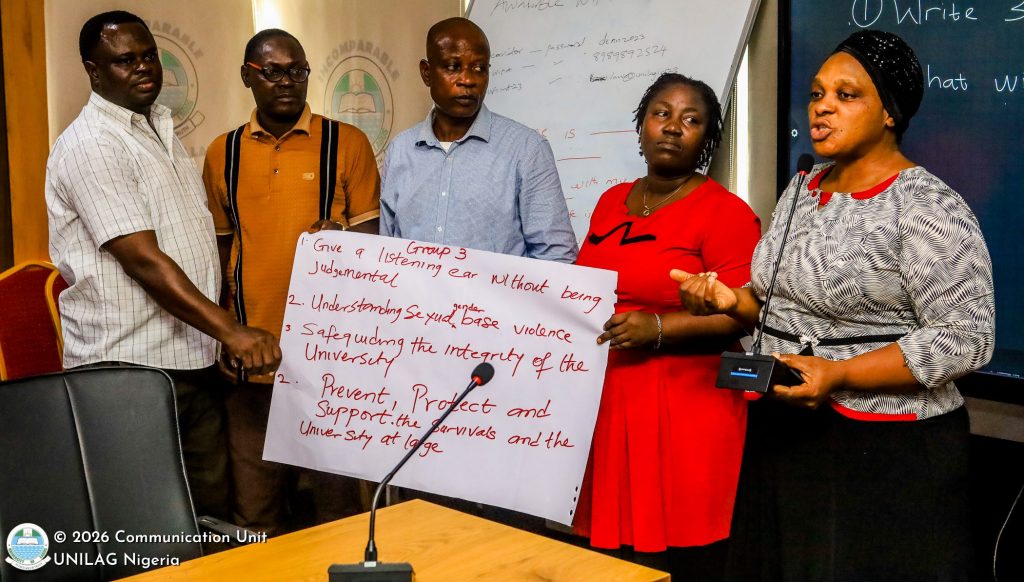
The workshop concluded with four group presentations, during which participants identified three key lessons from the sessions and outlined specific actions they intended to implement differently in their respective roles.
The commitments focused on zero suppression of complaints, non-judgmental care, seamless referrals within 24 hours, reputational leadership, and trauma-informed support.
With the formal conclusion of the training and the presentation of certificates, the University of Lagos reaffirmed its commitment to strengthening a secure, inclusive and supportive environment in which members of its community can learn and work free from fear, harassment and harm.
Report: Lynda Onah
Photograph: Joshua Micheal