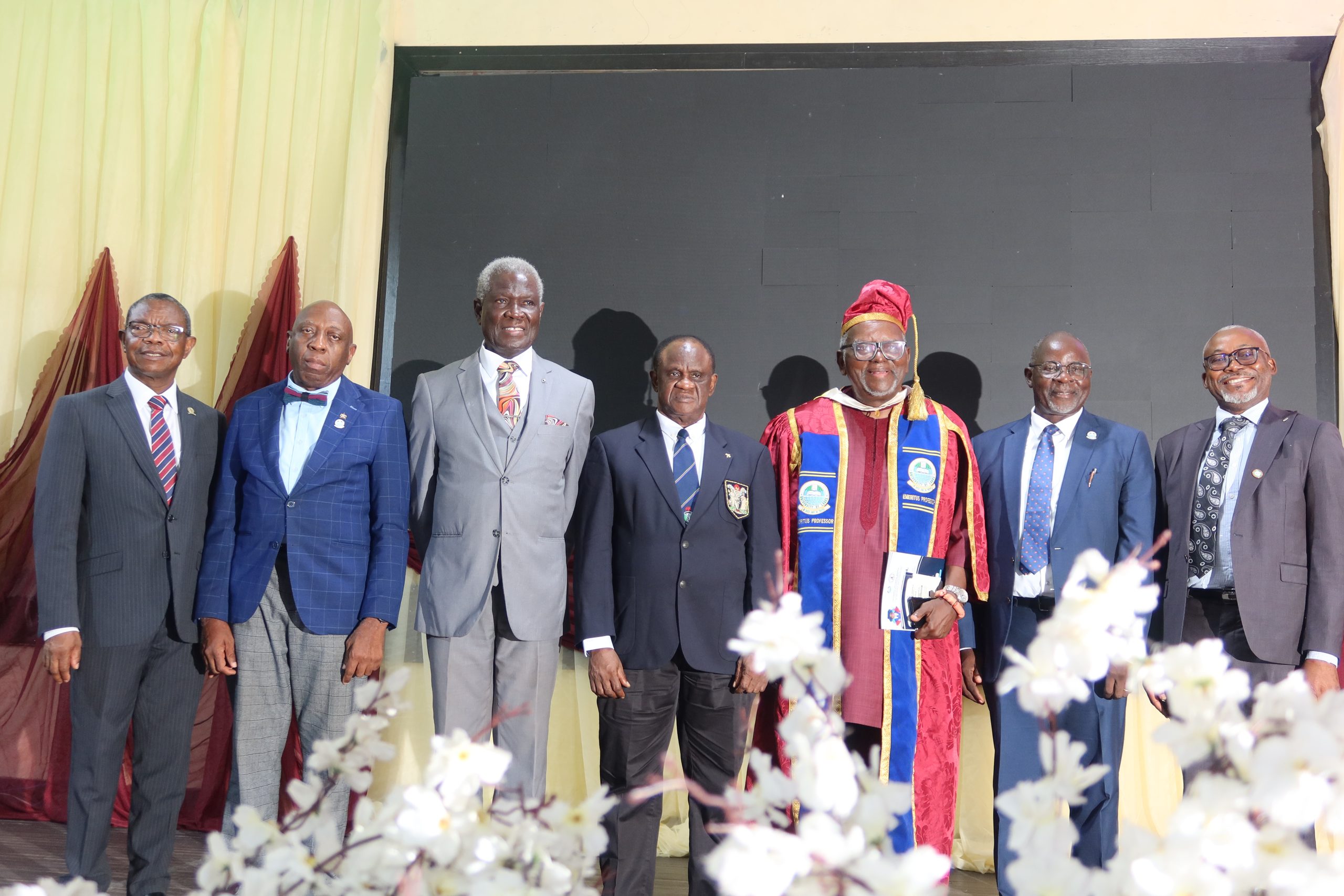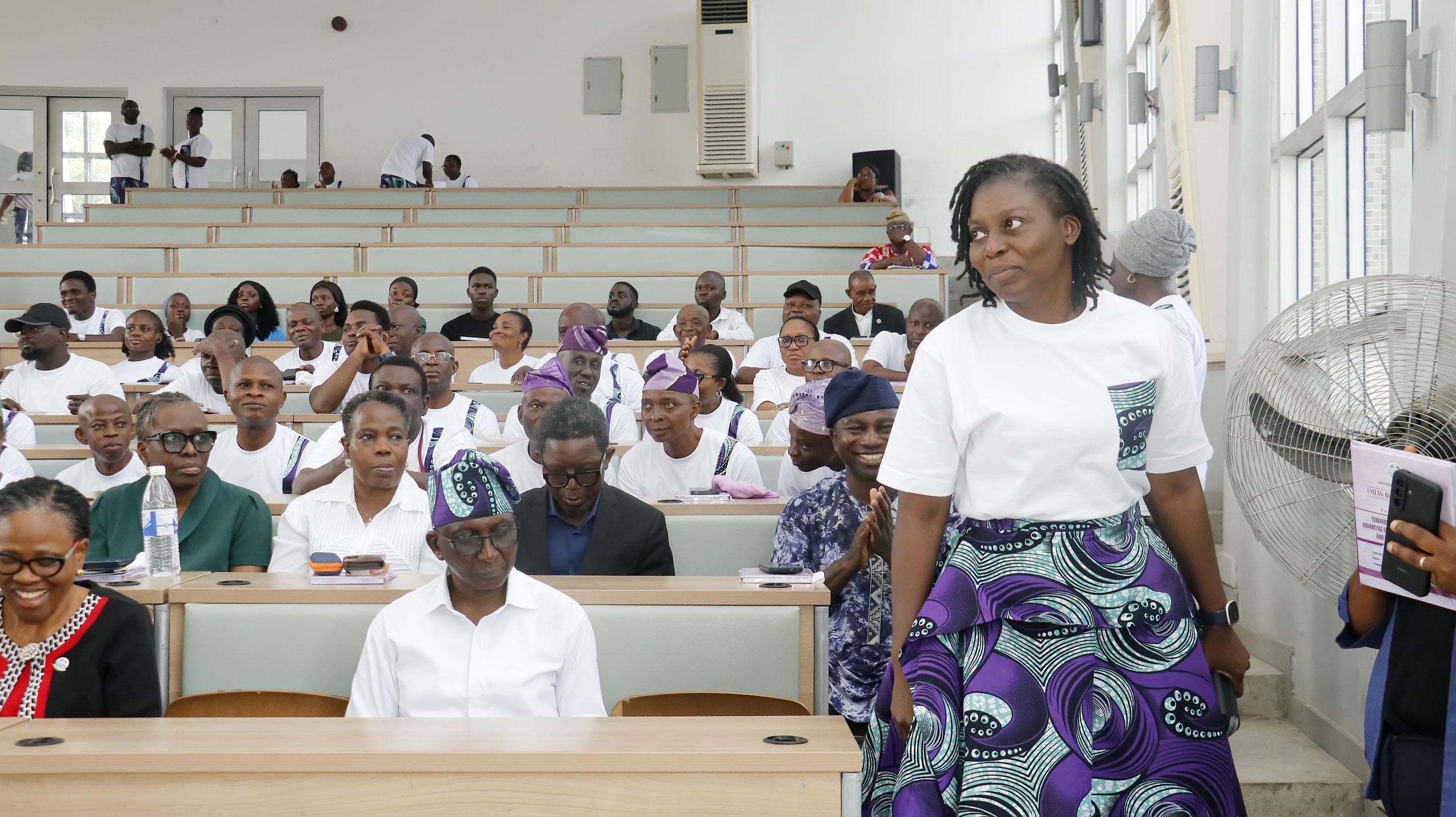
Human rights lawyer, Mr. Femi Falana, SAN, has called on Nigerians to extend their demand for accountability beyond the federal and state governments to local councils, urging citizens and journalists to scrutinise public spending and hold local government officials accountable for the use of public funds.
Mr. Falana made the call during a triple-feature event organised by DevReporting at the University of Lagos (UNILAG). The event which was held at the Faculty of Arts Theatre on Thursday, October 29, 2026, featured the screening of LG Billions in the Dark , a documentary on local government administration in Osun State; the unveiling of the Development Reporting Africa Foundation (DRAF) and a fundraising drive to strengthen DevReporting’s work in advancing genuine development journalism.



Speaking on the theme, “Accountability, Resources and Citizen Voices: Building Local Governments that Work for the People,” Mr. Falana urged Nigerians, particularly young people, to take greater interest in local governance by monitoring public expenditure, seeking access to government information and demanding explanations when allocations fail to produce visible results.
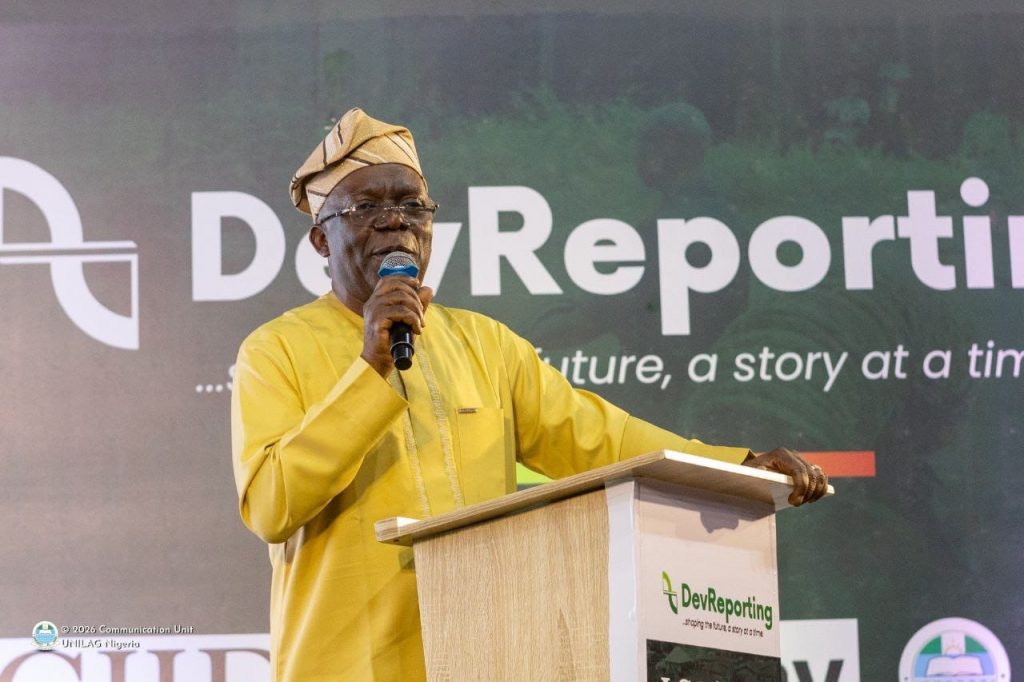
He stressed that financial autonomy must be matched by transparency and responsible management of public resources, noting that greater control over funds would mean little if local governments could not demonstrate tangible improvements in the lives of residents.
The human rights lawyer also encouraged citizens and journalists to make effective use of the Freedom of Information (FOI) Act to obtain information on government activities and scrutinise public expenditure. He maintained that public officials must be held to account for ensuring that budgetary allocations translate into completed projects and functional public services.
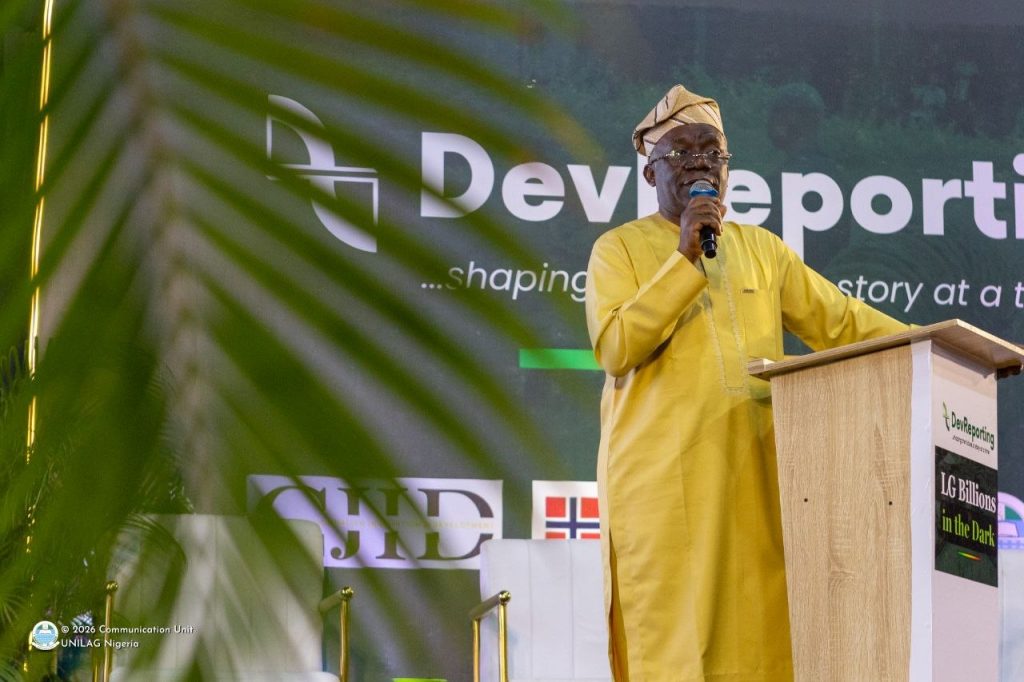
Mr. Falana commended UNILAG for providing a platform for meaningful conversations on governance and accountability, particularly acknowledging the Vice-Chancellor, Professor Folasade T. Ogunsola, OON, FAS, for her commitment to promoting positive change within the University.
Ogunsola Calls for Development-Focused Local Governments
In her address, Professor Ogunsola called for a shift in the approach to local government administration, stressing that councils must move beyond routine governance to become active drivers of economic growth and development at the grassroots.
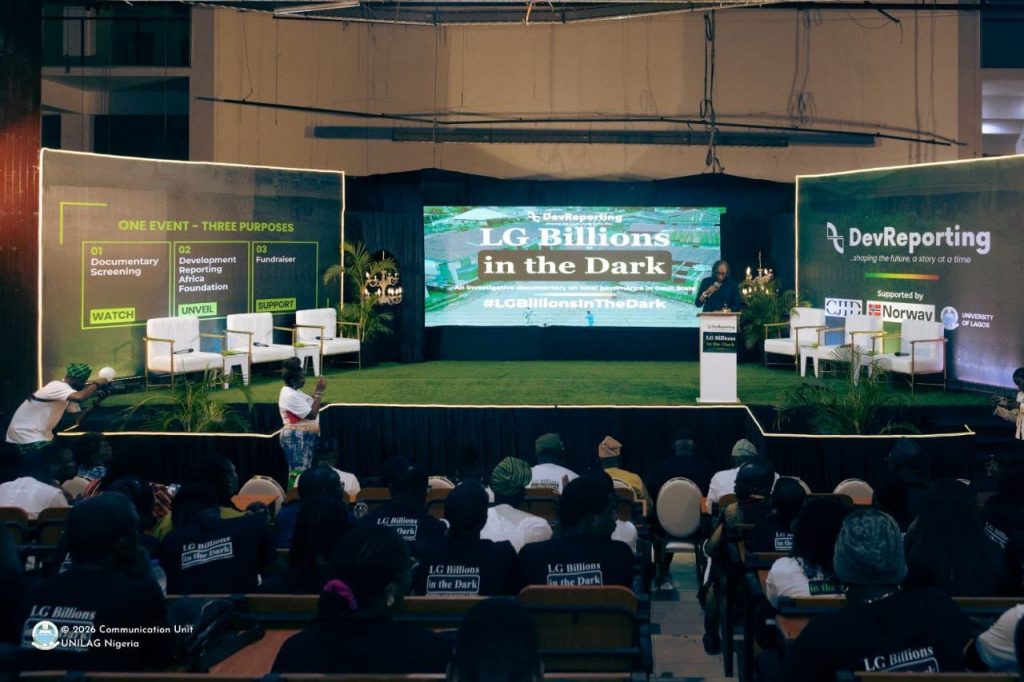
She noted that local governments occupy a strategic position in Nigeria’s governance structure because of their proximity to communities and their responsibility for services that directly affect residents, including primary healthcare, sanitation, local infrastructure and economic opportunities.
The Vice-Chancellor maintained that the success of local government autonomy should be measured not merely by the financial independence of councils but by the tangible improvements they deliver to the communities they serve.
Referring to the Supreme Court’s July 2024 judgment affirming financial autonomy for local governments, she said the ruling placed greater responsibility on councils to manage their resources effectively. She noted that achieving meaningful development would require proper planning, transparent financial management and accountability in the use of public funds.
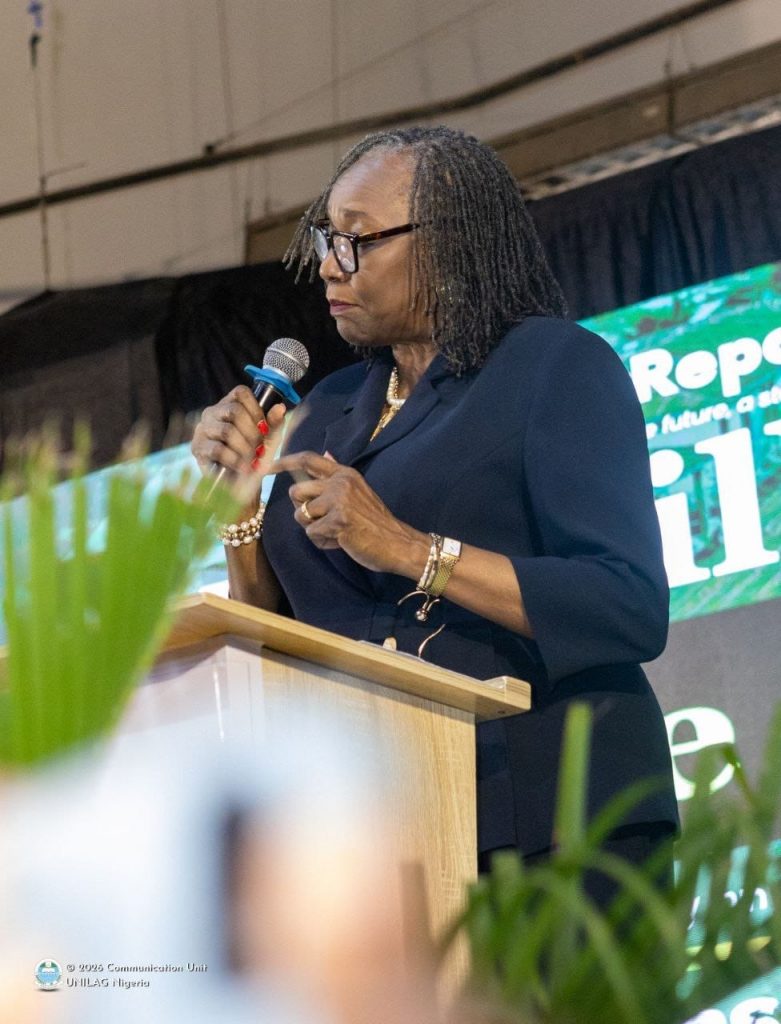
While acknowledging the challenges confronting local governments, she stressed the need to address them, noting that effective governance at the grassroots is essential to improving communities and securing a better future for the next generation.
Documentary Examines Osun’s Local Governance Challenges
The screening of LG Billions in the Dark brought governance concerns into focus, presenting findings on local government administration in Osun State amid a prolonged leadership crisis and questions surrounding public finance management.The documentary examined shortcomings in the provision of essential services, including healthcare, roads and other community infrastructure, raising questions about how public allocations are managed and whether government-funded projects deliver their intended benefits.

Drawing on data and project-monitoring work associated with BudgIT and its Tracka initiative, the production highlighted the disconnect between budgetary provisions and the realities experienced by residents.
Chairman of the occasion and Chief Executive Officer of the Centre for Journalism Innovation and Development (CJID), Mr. Dapo Olorunyomi, underscored the importance of sustained engagement on local governance.
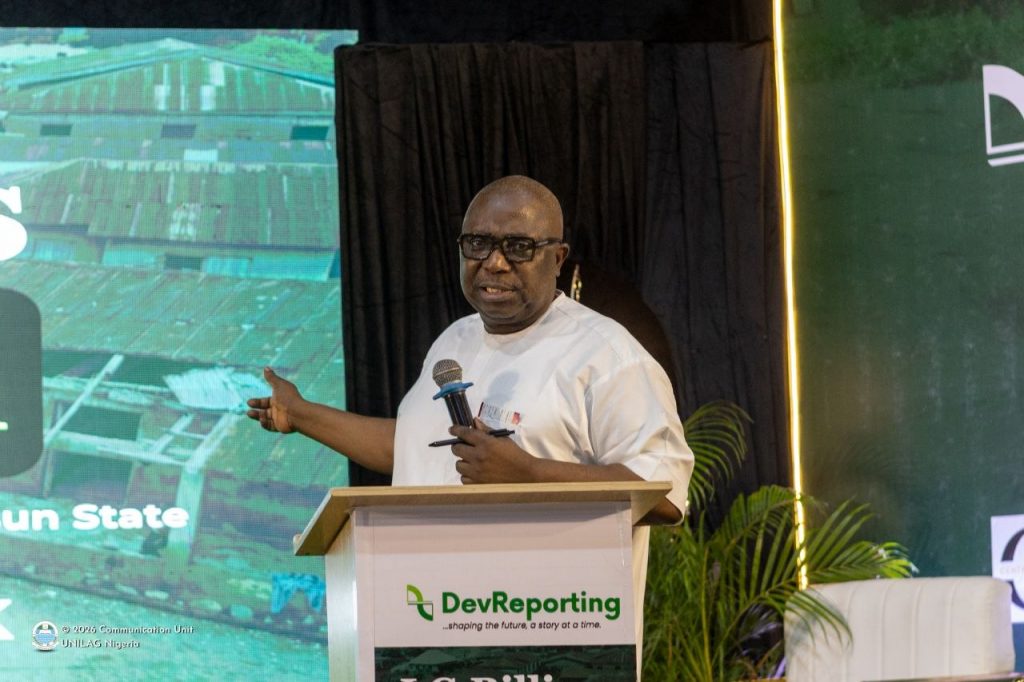
He highlighted the need for collaboration among journalists, researchers, civil society organisations and residents to improve access to information and strengthen accountability at the grassroots.
DevReporting Unveils DRAF
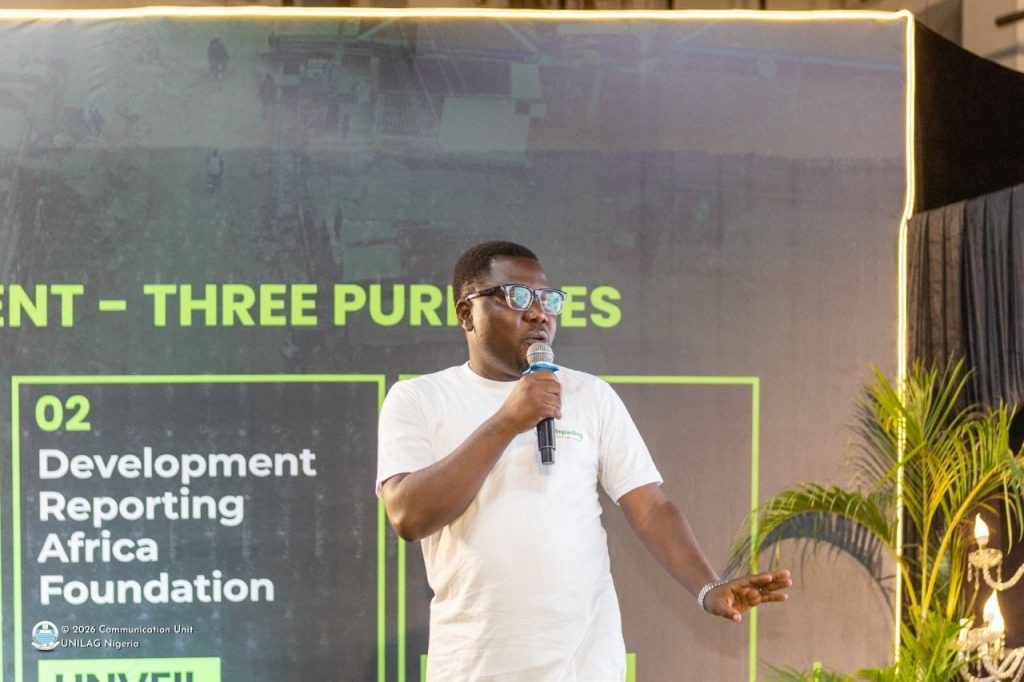
The event also featured the unveiling of the Development Reporting Africa Foundation (DRAF), the non-profit arm of DevReporting established to strengthen development journalism, promote evidence-based reporting and advance accountability on issues affecting African communities.
In his remarks, Team Lead, DevReporting, Mr. Mojeed Alabi, expressed gratitude to attendees and outlined the Foundation’s vision, while inviting individuals and organisations to support its activities.
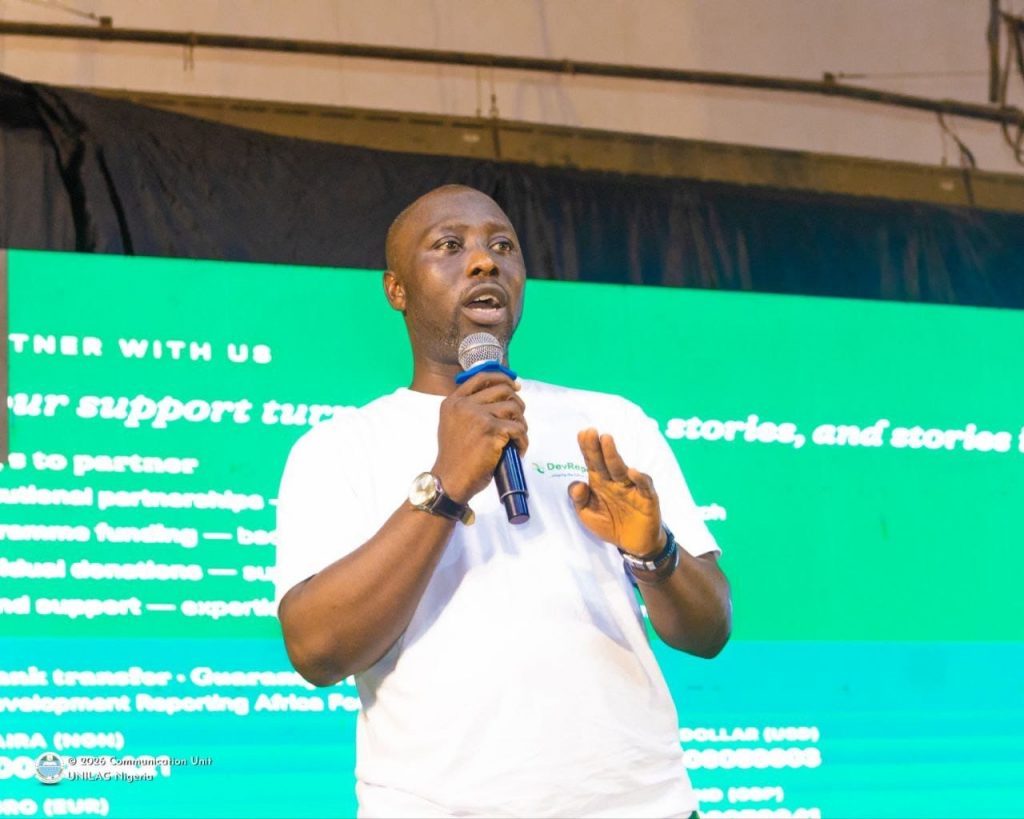
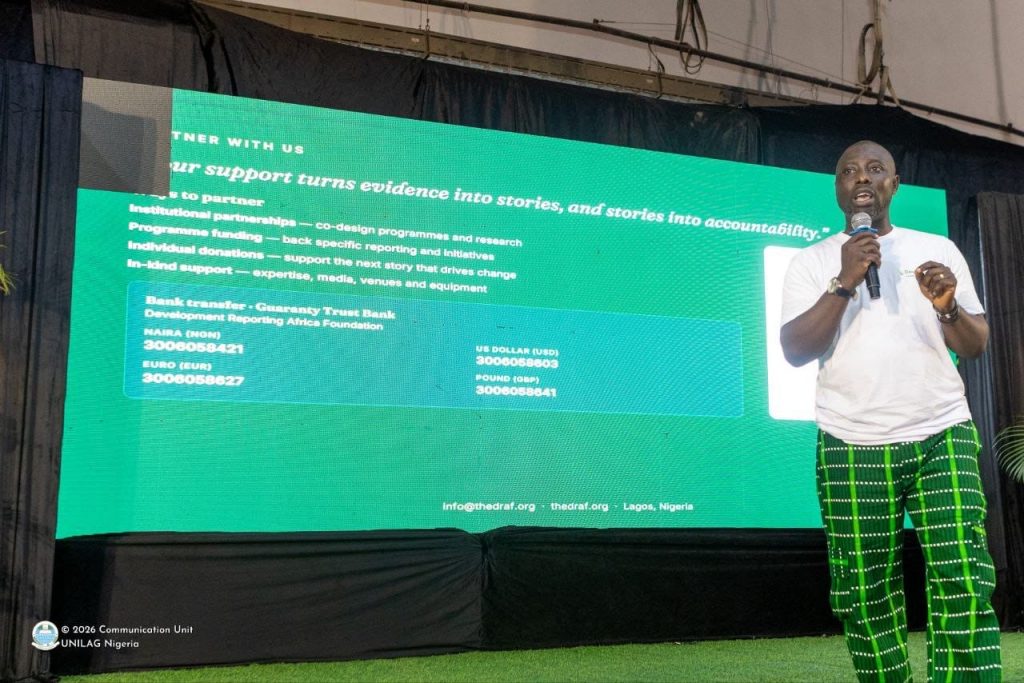
Programme Manager and Associate Editor, Mr. Samson Ademola, highlighted the Foundation’s proposed programmes and opportunities for participation.
He explained that the fundraising initiative would support its activities, including plans for youth engagement through campus screenings, training, mentorship and youth-led accountability projects across Nigeria’s six geopolitical zones.
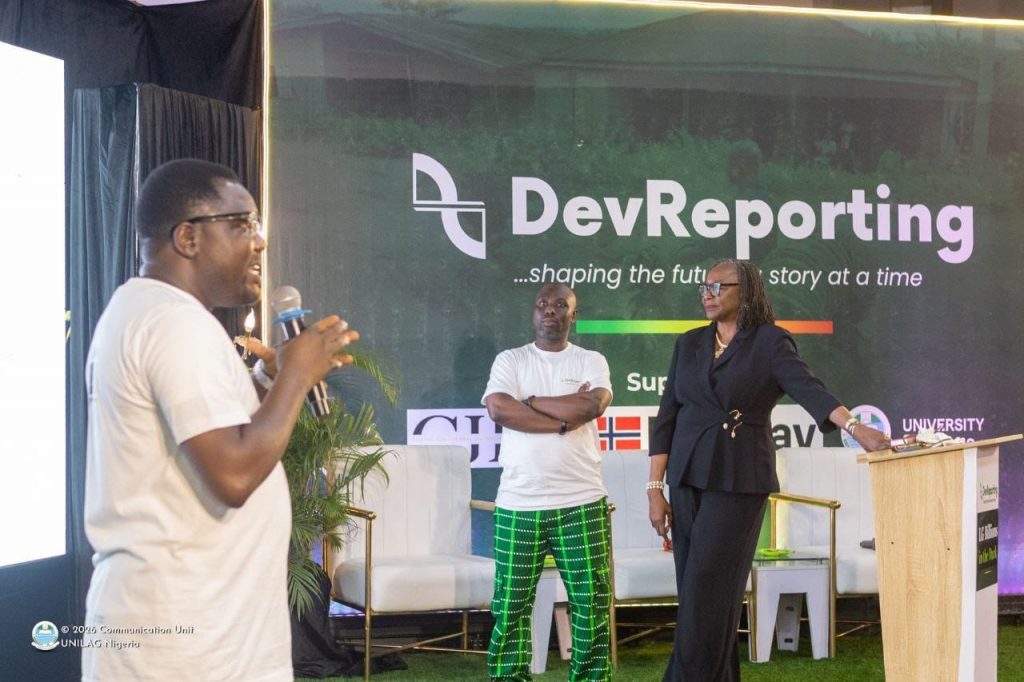
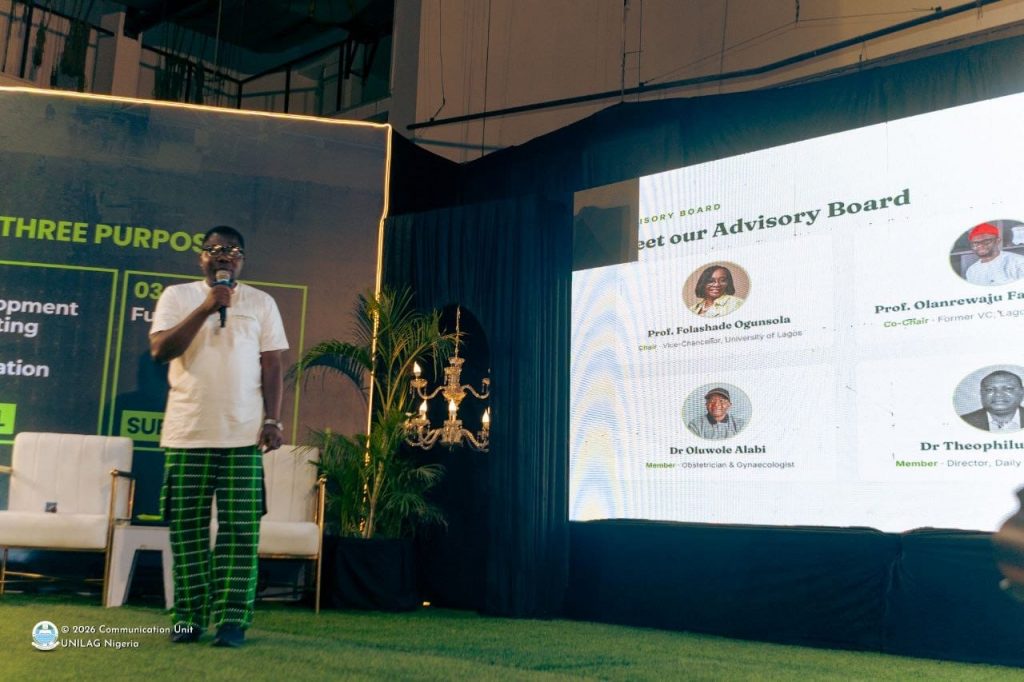
At the event, the Vice-Chancellor, University of Lagos, Professor Folasade T. Ogunsola, OON, FAS, was announced as Chair of DRAF’s Advisory Board, while a former Vice-Chancellor of Lagos State University, Professor Wale Fagbohun, SAN, was named Co-Chair. Other members of the Board are Managing Partner, Blue Diamond Law Firm, Mrs. Blessing Ahmed; Obstetrician and Gynaecologist at Ulster Hospital, Dr. Oluwole Alabi; Award-winning Investigative Journalist and Director, Daily Trust Foundation, Dr. Theophilus Abbah; and MD/CEO, Integrated Indigo Limited, Mr. Bolaji Abimbola.

Panel Examines Autonomy and Citizen Participation
A panel discussion followed, bringing together representatives from local government administration, academia, the legal profession and development journalism to examine the relationship between local government autonomy, public finance management and citizen participation.

The panellists were Legal Counsel, Mrs. Comfort Idika-Ogunye; Chairman, Onigbongbo Local Council Development Area, Hon. Moyosore Adebanjo; former Chairman, Ijebu East Local Government Area, Ogun State, Hon. Wale Adedayo; Mrs. Vera Amaechi of the Department of Political Science, UNILAG; and Head of Tracka at BudgIT, Mr. Joshua Osiyemi.

The session was moderated by Deutsche Welle (DW) West Africa Correspondent, Ms. Azeezat Olaoluwa.
Discussions centred on how local government financial autonomy could translate into improved public services, transparent expenditure and greater citizen participation in governance. The panellists also examined ways residents could become more involved in monitoring public projects, accessing government information and seeking redress when official commitments are not fulfilled.


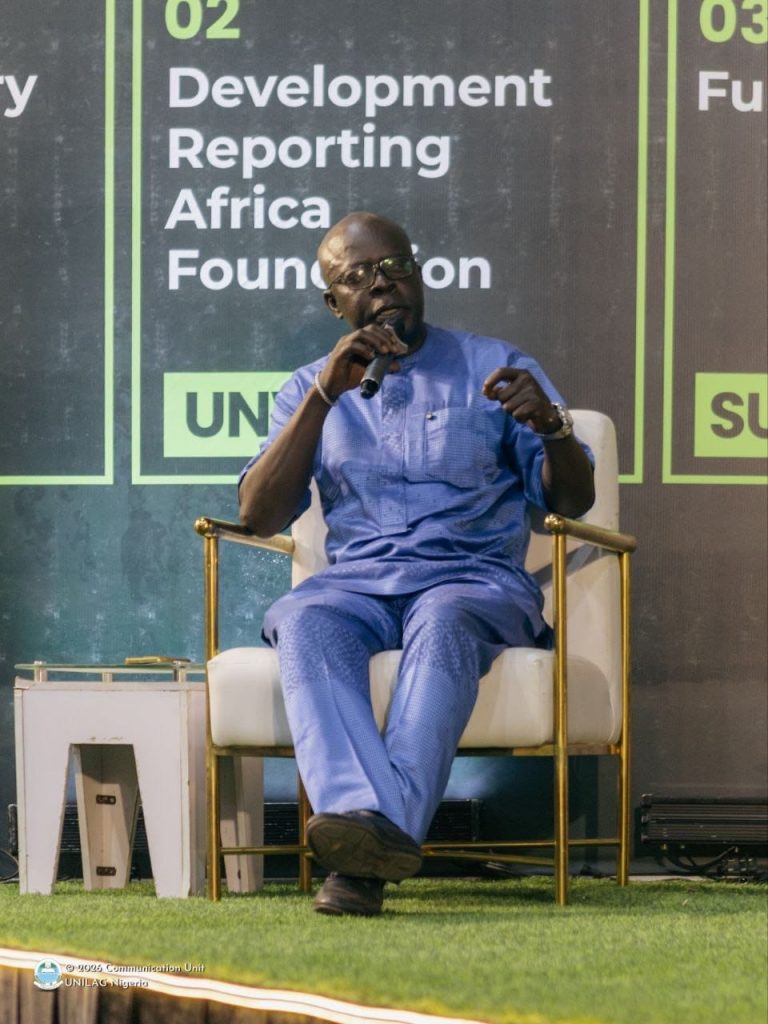
An interactive question-and-answer session provided participants with an opportunity to engage the panellists and seek further clarification on the issues raised.

Report: Bayo Salau
Photographs: Ayo Oloyede & Maleeq D. Quadri (Student Intern)
About DevReporting
DevReporting is an online newspaper focused on promoting informed discourse, balanced reporting, and driving comprehensive impact on development issues, especially as they relate to the 17 Sustainable Development Goals (SDGs). Its primary focus areas are: Agriculture, Health, Education & Research, Climate & Environment, Crisis & Migration, Children in Emergencies, Gender, and Economy.
Founded on the values of humanity, inclusivity, transparency and accountability, DevReporting aims to report and provide in-depth investigations, research, and analysis on issues affecting various people through local voices, balanced and objective reporting, data-driven storytelling, and stakeholders’ engagement via robust advocacy.