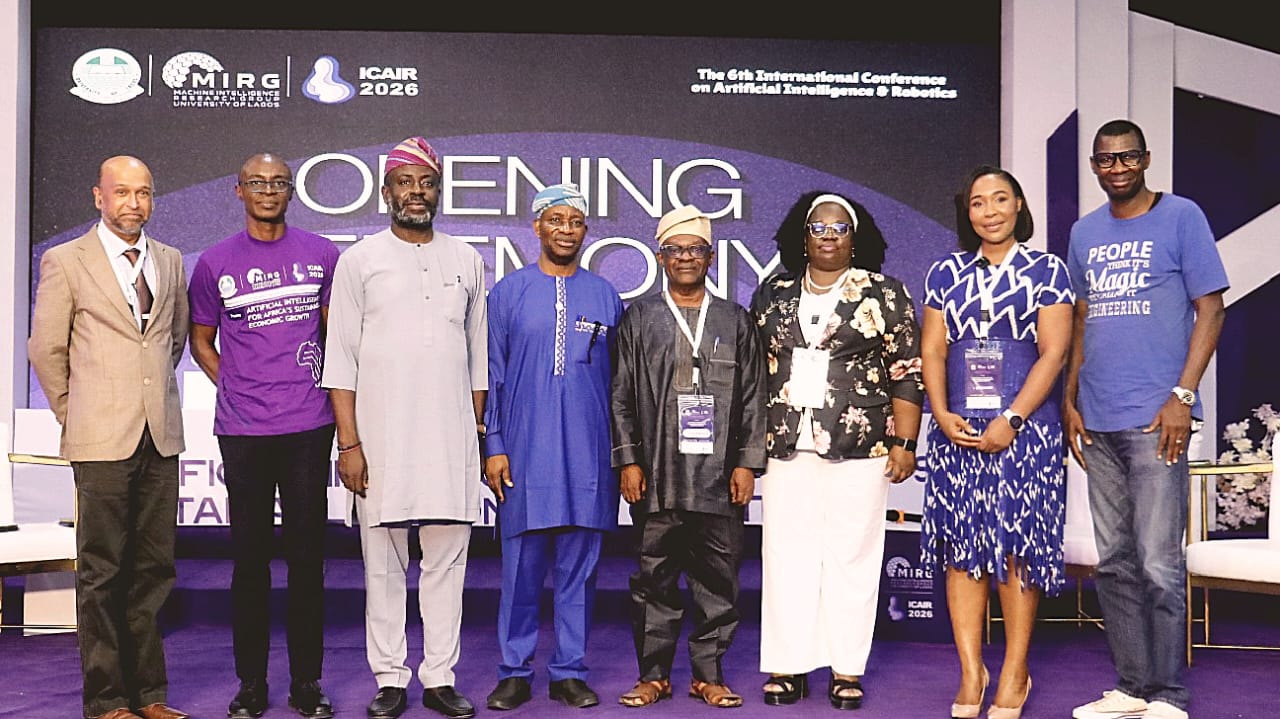
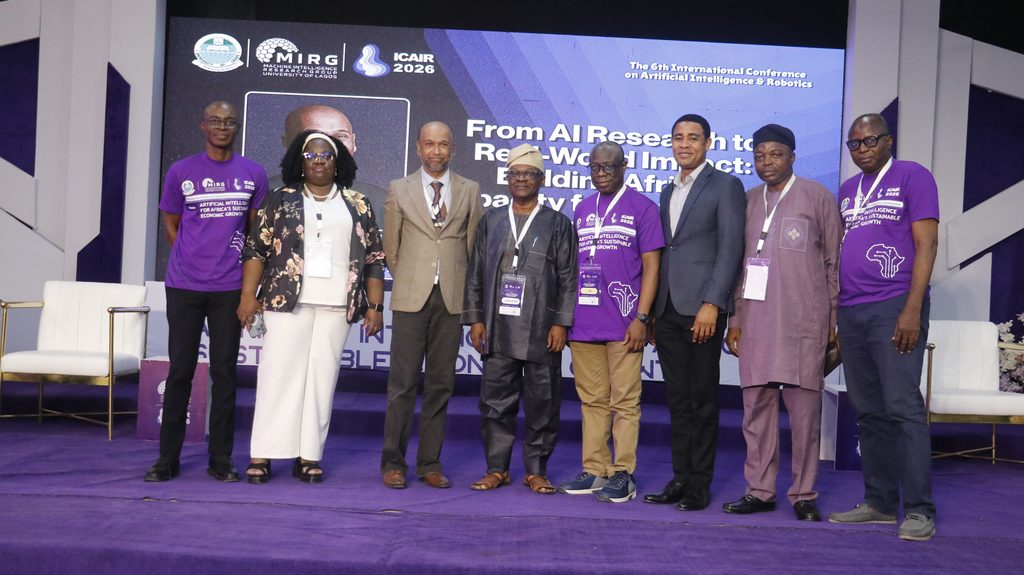
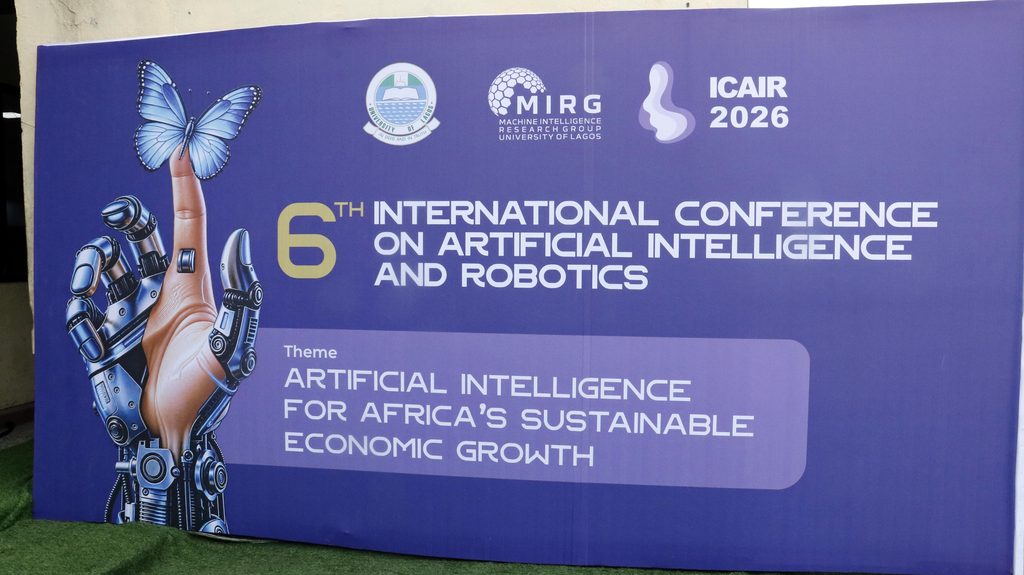
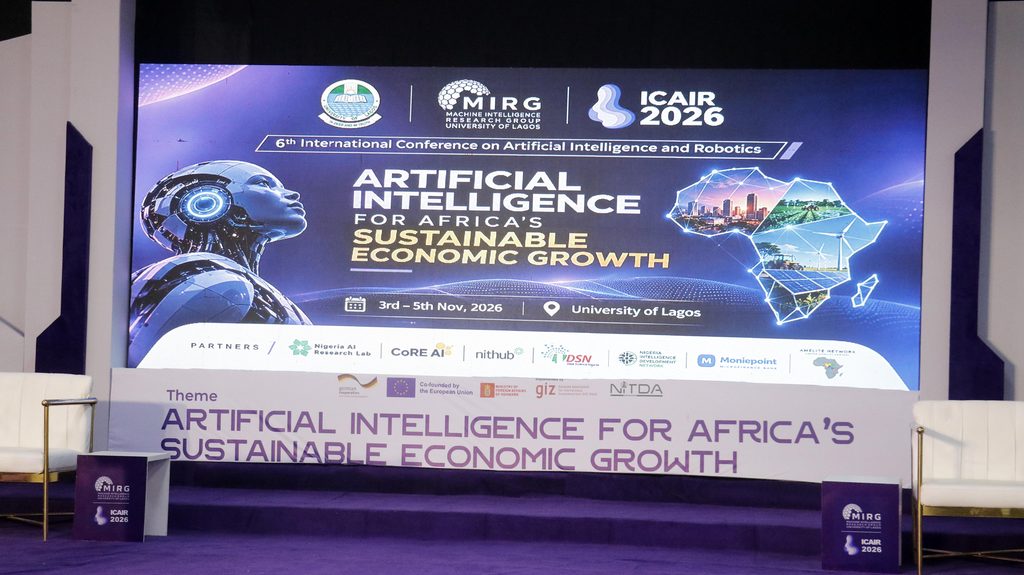
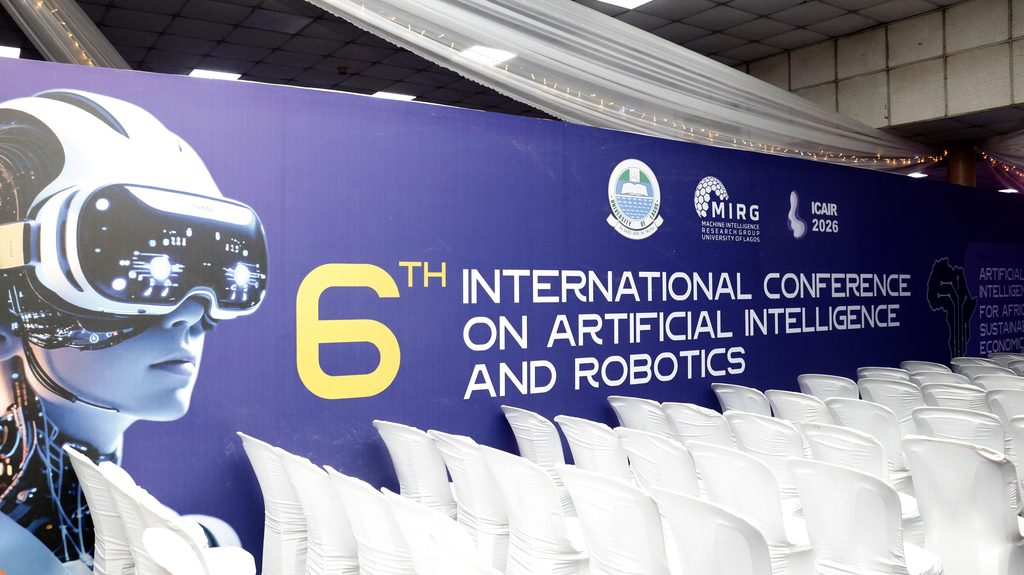
The need for African governments, universities and industries to strengthen collaboration and translate Artificial Intelligence (AI) research into practical solutions to the continent’s developmental challenges took centre stage as the 6th International Conference on Artificial Intelligence and Robotics (ICAIR 2026) commenced on Tuesday, November 3, 2026, at the University of Lagos (UNILAG).
Organized by the Machine Intelligence Research Group (MIRG), University of Lagos, the conference which commenced with a MasterClass and Opening Ceremony at the Jelili Omotola Multipurpose Hall has the theme: Artificial Intelligence for Africa’s Sustainable Economic Growth.

In his welcome remarks, the Chairman of the Local Organising Committee, Dr Oladipupo Sennaike, said the conference reflected growing global interest in AI and its potential to shape the future of humanity.
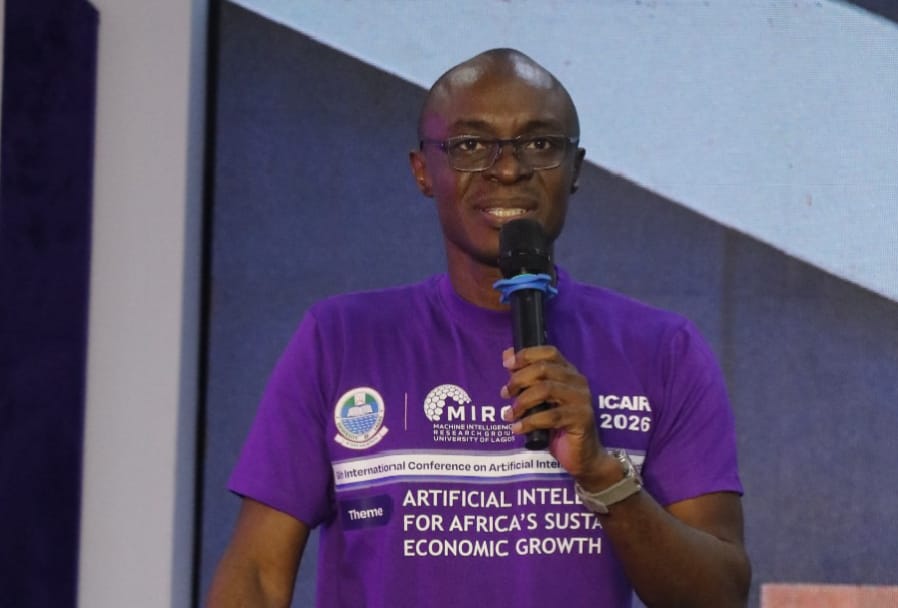
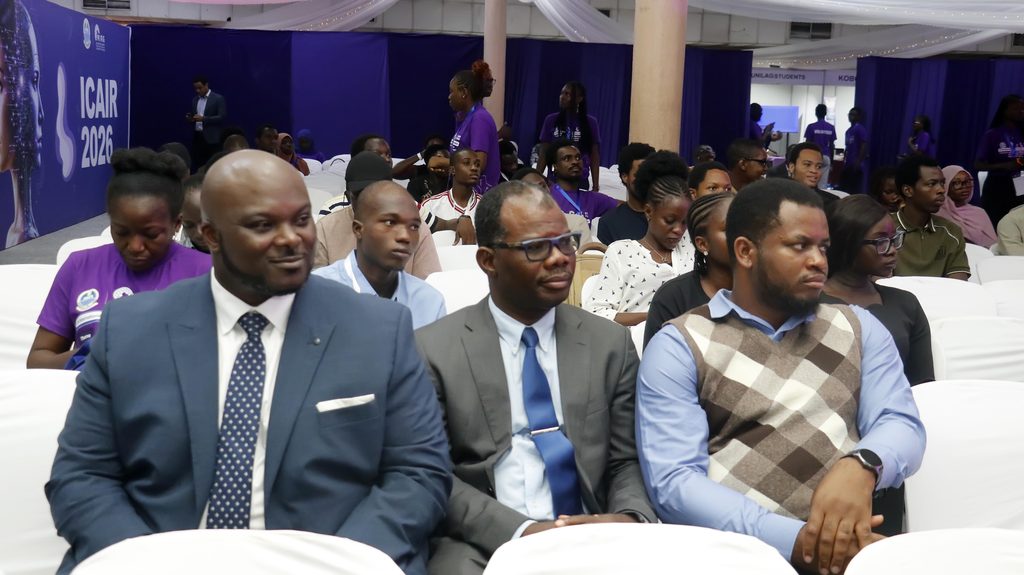
He noted that successive stages of human evolution had been significantly influenced by technological advancements, which have fundamentally transformed how people live, work and create wealth. He added that the rapid pace of technological disruption, particularly the emergence of AI, made it imperative for Africa to adapt and position itself to harness these innovations for national and continental development, as well as global relevance.
Dr Sennaike highlighted the transformative potential of AI in education, entrepreneurship, transportation, energy management and financial services. He urged participants to envision AI-powered educational systems capable of extending quality learning opportunities to children in underserved communities, as well as tools that would enable African entrepreneurs and small businesses to improve productivity, understand their markets and compete more effectively.
He stressed that these possibilities represented more than technological advancement, describing them as opportunities for meaningful economic and social transformation.
Goodwill messages were delivered by the Dean, Faculty of Computing and Informatics, Professor Adetunji Adewole, who was represented by Professor Florence Oladeji, and the Head of the Department of Artificial Intelligence and Robotics, Dr Ebun Fasina.
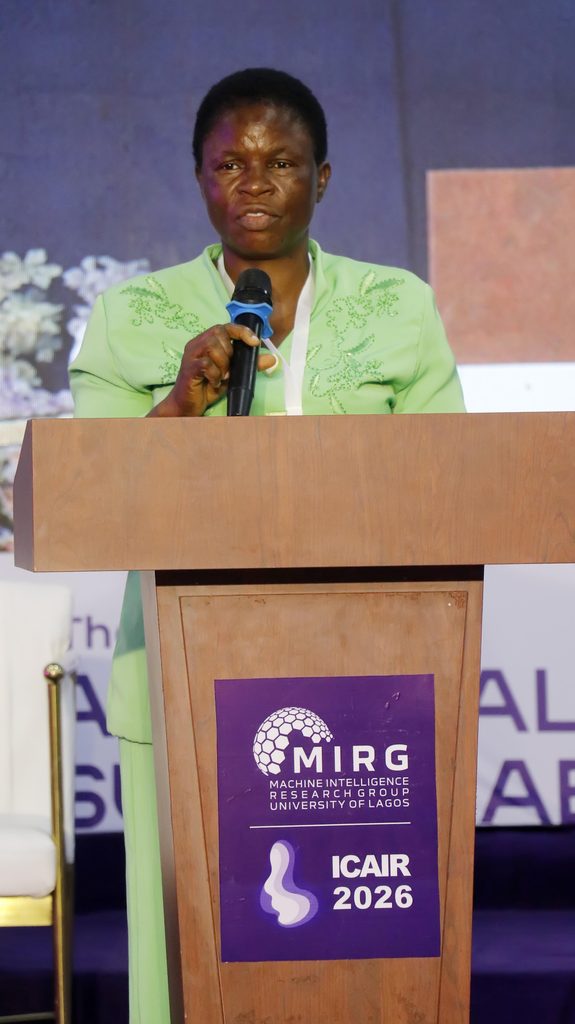
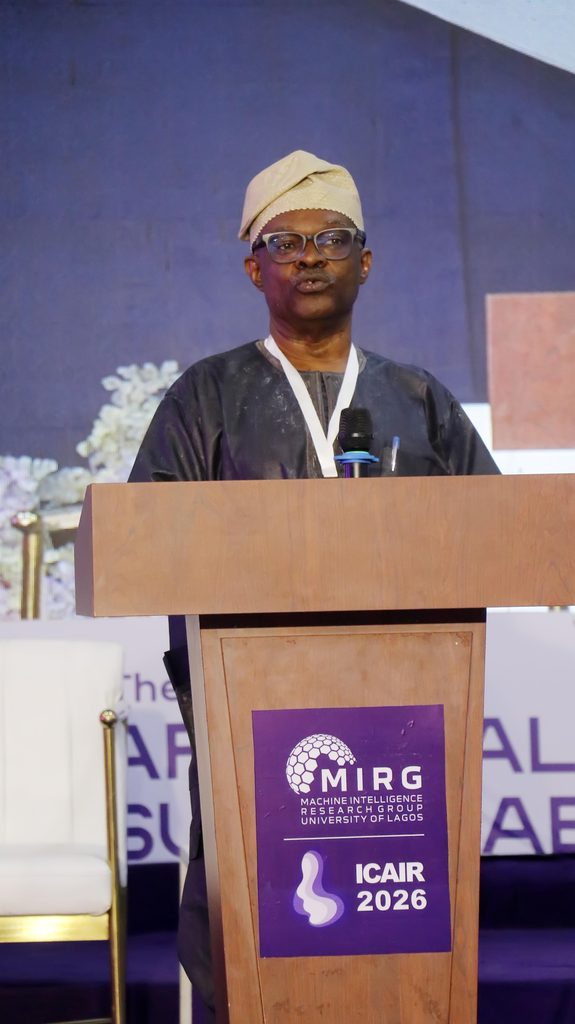
Both speakers highlighted UNILAG’s significant strides in AI research and adoption, while encouraging participants to contribute to the advancement of the field through research, innovation and collaboration.
Speaking on behalf of the University Management, the Deputy Vice-Chancellor, Academics and Research, Professor Matthew Ilori, described the conference as a call to harness the potential of AI in addressing contemporary challenges through collaborative research.
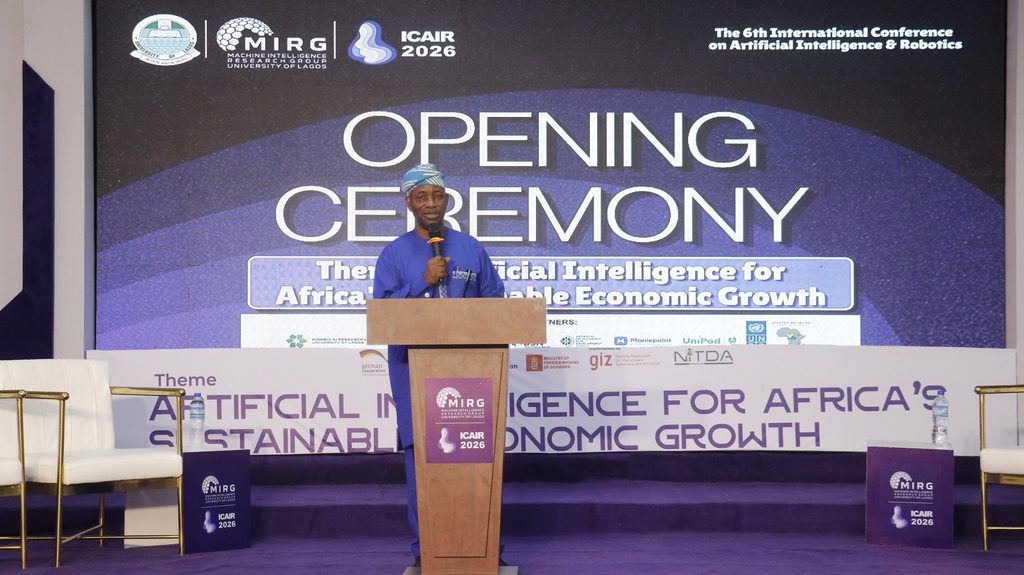

According to him, Africa’s abundant human and material resources present significant opportunities for the continent to contribute meaningfully to global technological advancement. He therefore urged African scholars to look inward, examine the continent’s peculiar challenges and develop AI-driven solutions capable of delivering impact both locally and globally.
Bridging the Gap Between AI Research and Real-World Solutions in Africa
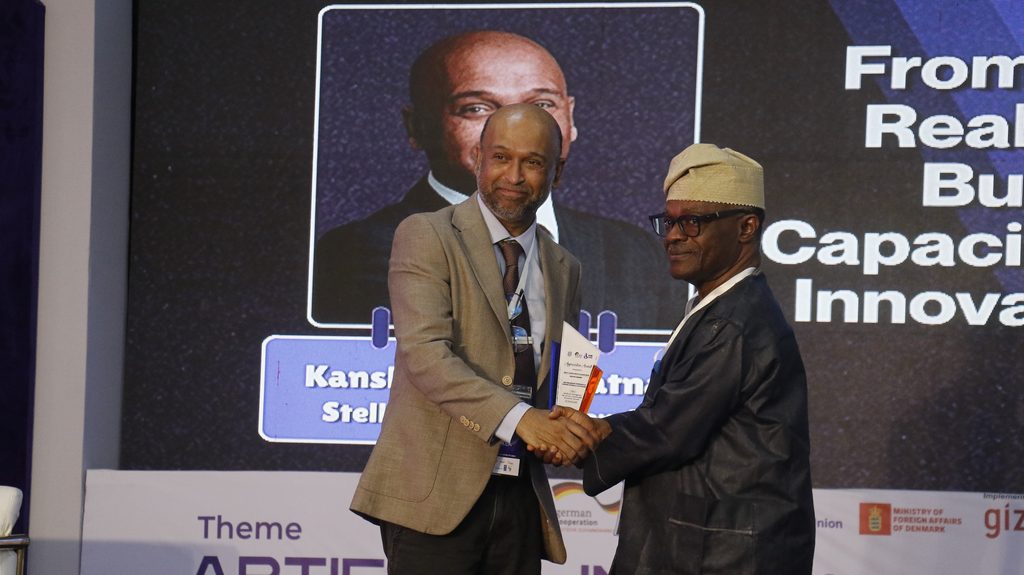
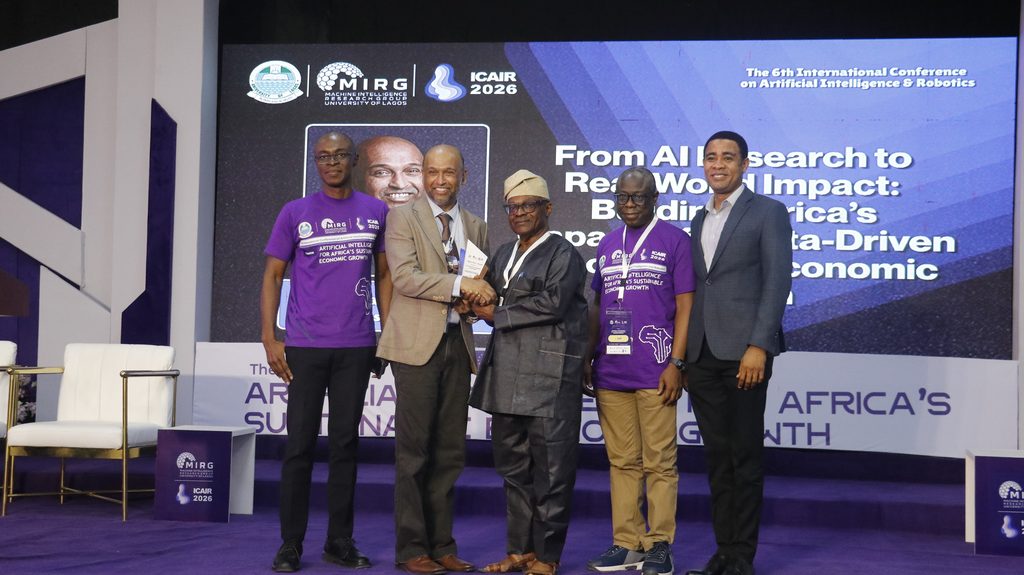
Delivering the keynote address, Professor Kanshukan Rajaratnam of Stellenbosch University, South Africa, emphasised the need for African universities, governments and industries to move beyond AI research and translate innovations into practical solutions that address the continent’s developmental challenges.
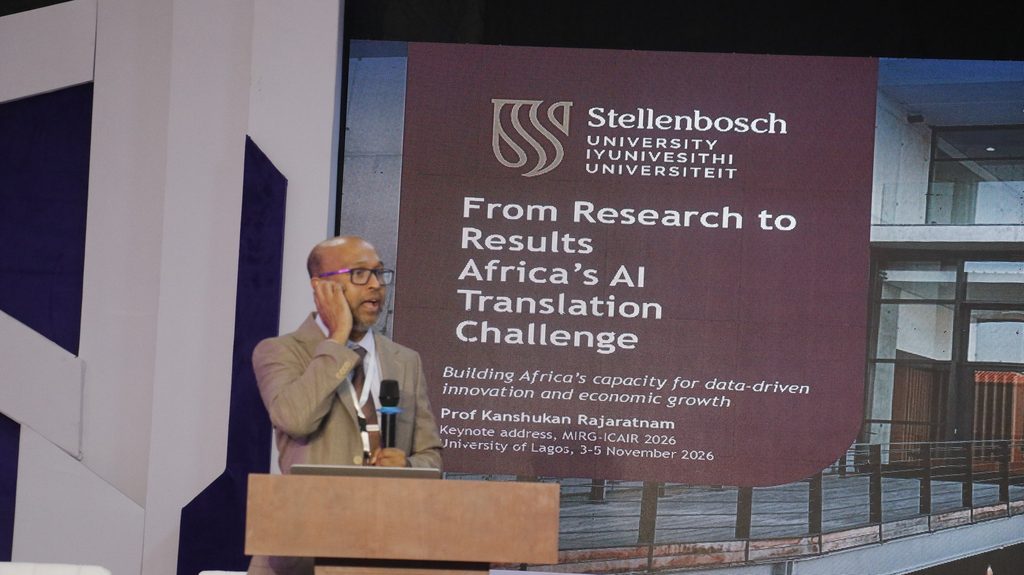
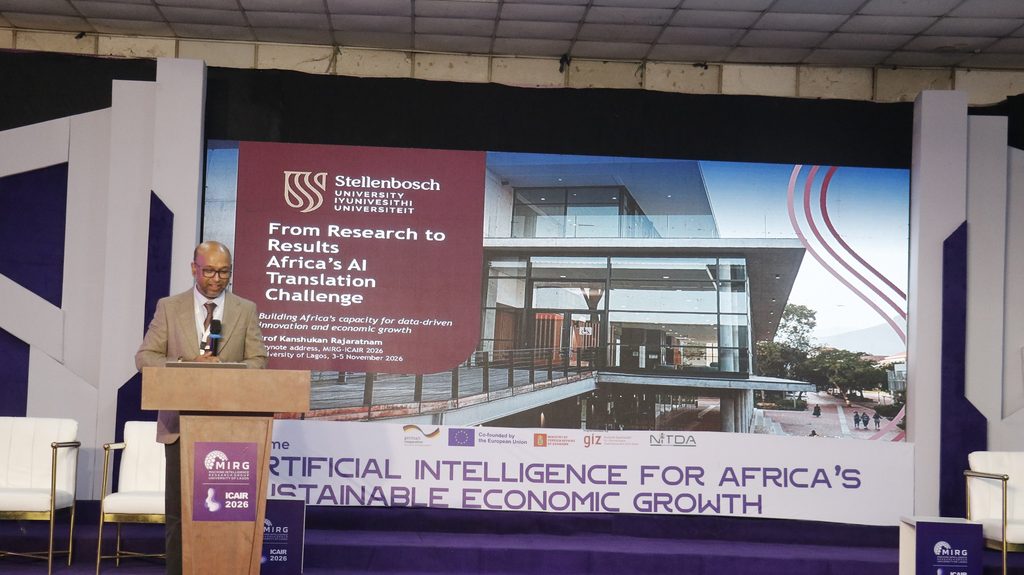
Titled From Research to Results: Africa’s AI Translation Challenge: Building Africa’s Capacity for Data-Driven Innovation and Economic Growth, the presentation examined the opportunities AI offers for Africa’s economic growth, alongside the structural and institutional challenges limiting its widespread adoption and practical application.
Professor Rajaratnam identified agriculture, healthcare, education, finance, public service delivery and African language technologies as critical areas where AI could make significant developmental contributions. He noted, however, that despite the continent’s growing pool of AI researchers, technology innovators and young talents, inadequate infrastructure, limited investment in research and development, insufficient locally generated data and the migration of skilled professionals continued to constrain progress.
He identified three interconnected challenges hindering the translation of AI research into real-world impact. These include the tendency for pilot projects to collapse when donor funding ends due to the absence of committed local adopters; the scarcity of locally relevant datasets, which limits the effectiveness and reliability of AI models in African contexts; and the migration of skilled professionals in search of better opportunities, resulting in a shortage of talent to drive local innovation and deployment.
To address these challenges, the Stellenbosch University scholar called for stronger collaboration among governments, industries and universities. He urged governments to invest in digital infrastructure, establish enabling policies and support local innovators through procurement; industries to share responsibly managed data, co-fund applied research and create opportunities for emerging talents; and universities to strengthen interdisciplinary research, establish applied innovation laboratories and place greater emphasis on the practical deployment of research outcomes.
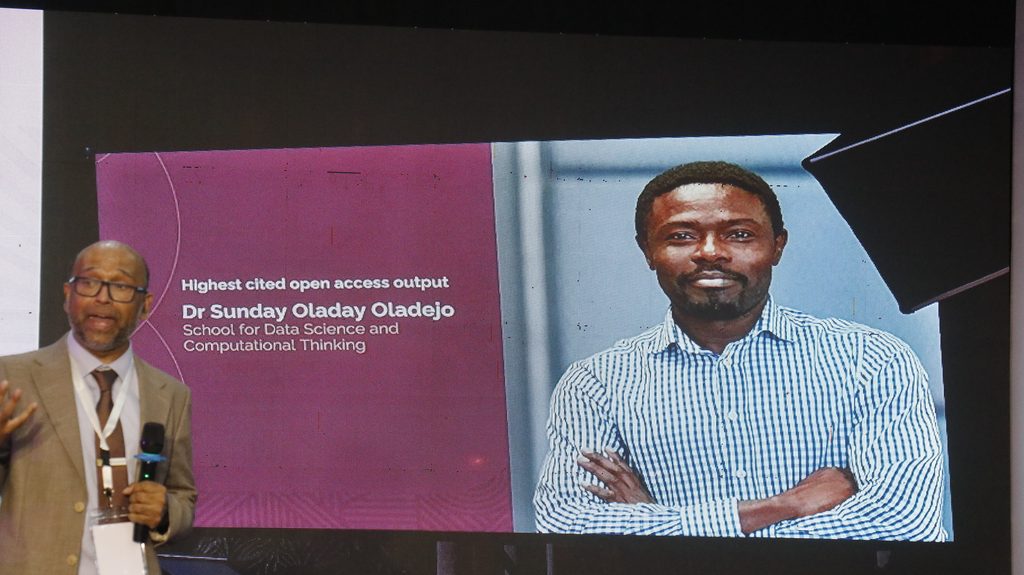
Drawing on Stellenbosch University’s experience in establishing its School for Data Science and Computational Thinking in 2019, he underscored the importance of interdisciplinary collaboration, industry partnerships and capacity development in building sustainable AI ecosystems.
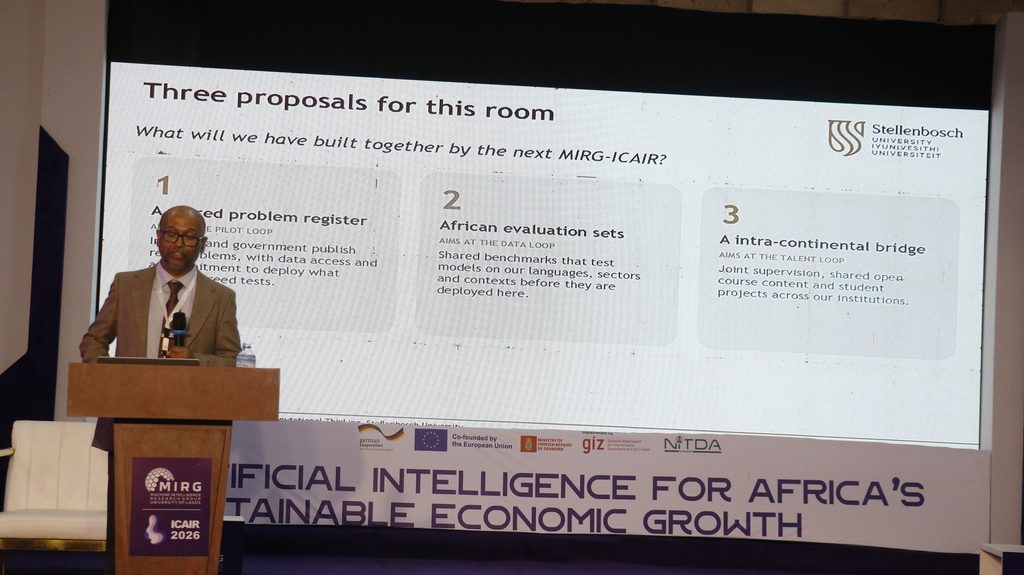
He also proposed three collaborative initiatives for African institutions:
- establishing a shared register of government and industry challenges requiring AI-driven solutions;
- developing African evaluation datasets and benchmarks to assess AI models against local languages and socio-economic realities; and
- strengthening intercontinental academic collaboration through joint research supervision, shared learning resources and student projects.
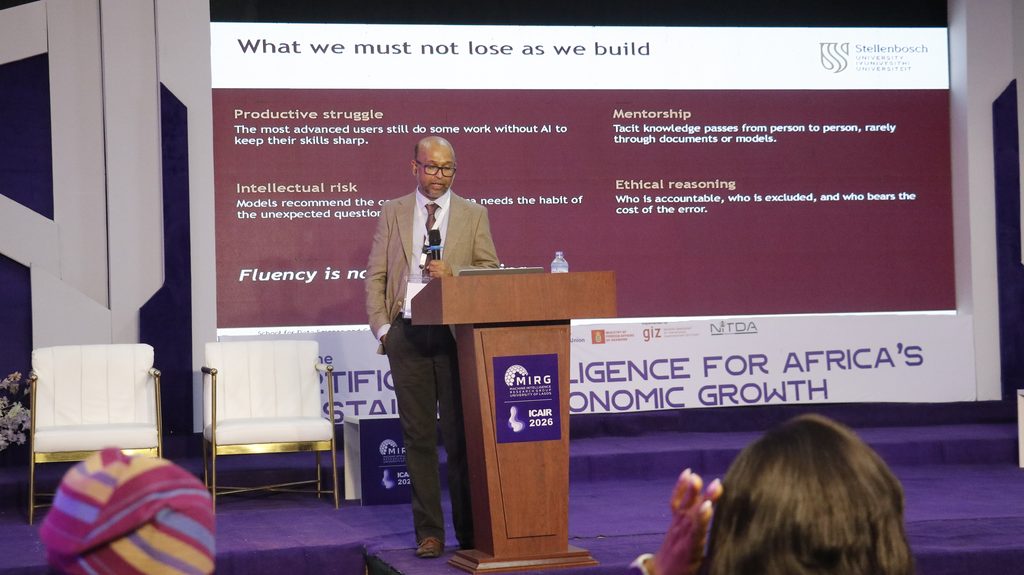
Professor Rajaratnam stressed the importance of preserving human judgement, mentorship, intellectual curiosity and ethical reasoning in the advancement of AI, cautioning that technological fluency should not be mistaken for genuine understanding.
Panel Session Examines Africa’s Data Sovereignty
Another highlight of the conference was a panel session on Data Sovereignty in Africa: Economic Value, Quality of Service and the Future of Research.
The session featured Dr Olusola Teniola of Strategic Business Initiative; Sam Immanuel, Chief Executive Officer, Semicolon Africa; Akanimoh Ojo, Managing Director, Source Microfinance Bank Limited; and Professor Chika Yinka-Badejo, Professor of Artificial Intelligence and Robotics and Pioneer Director, AI UNIPOD, UNILAG, who moderated the discussion.
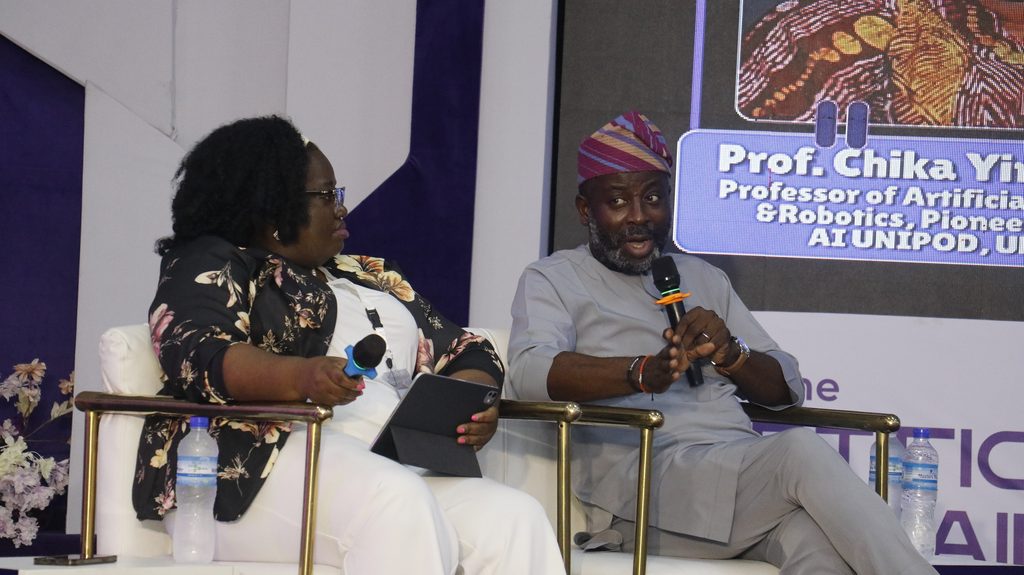
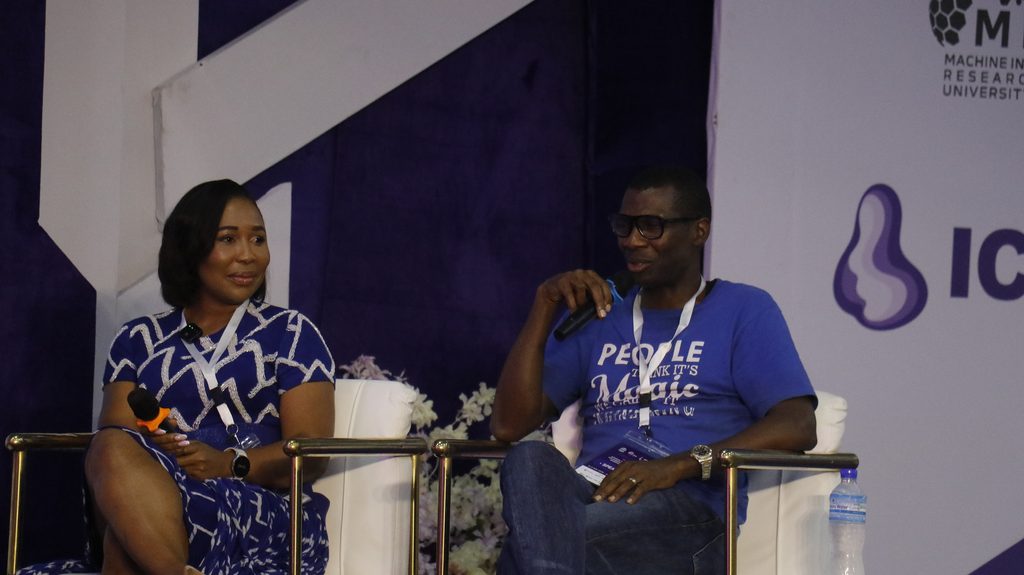
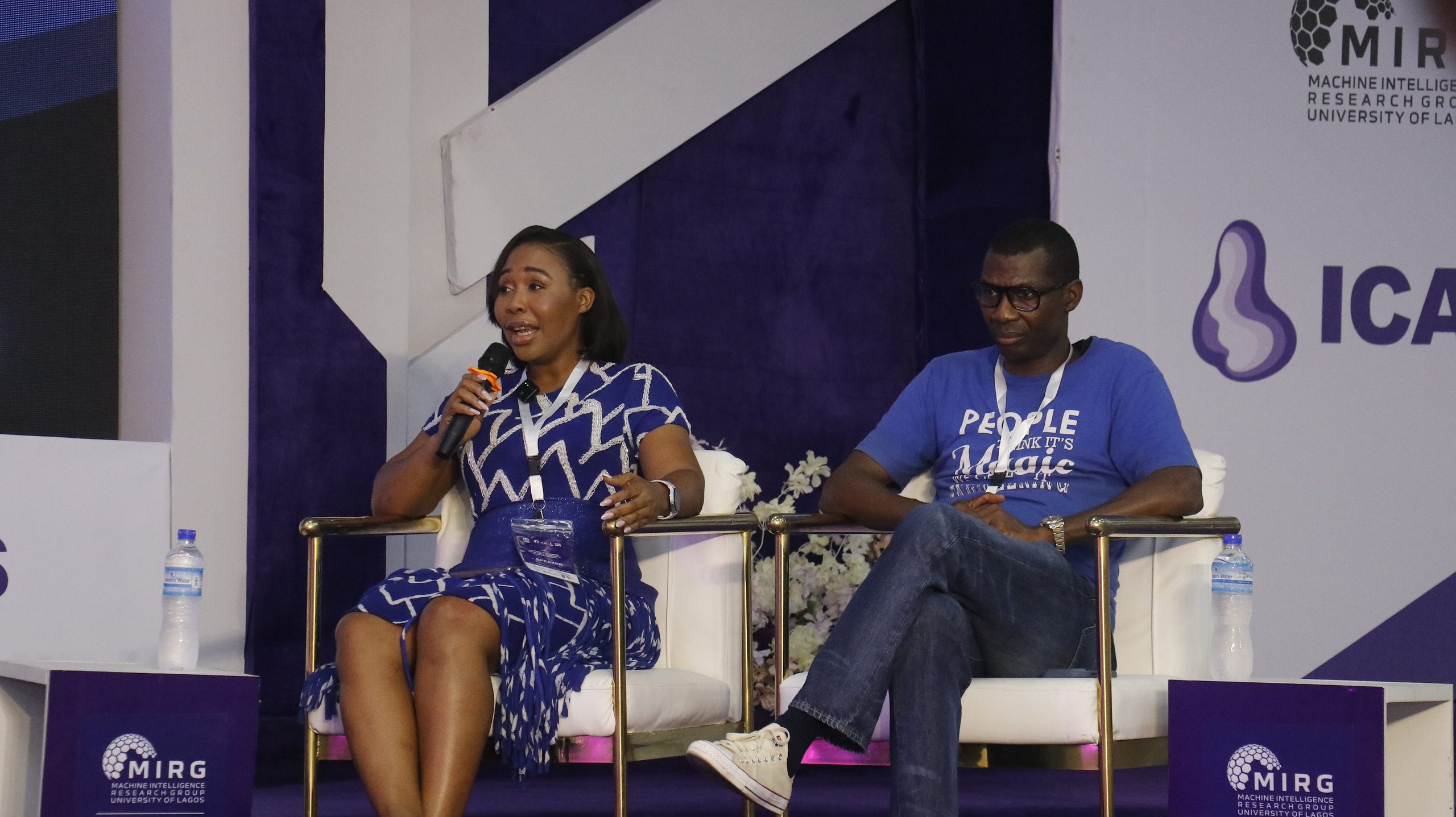
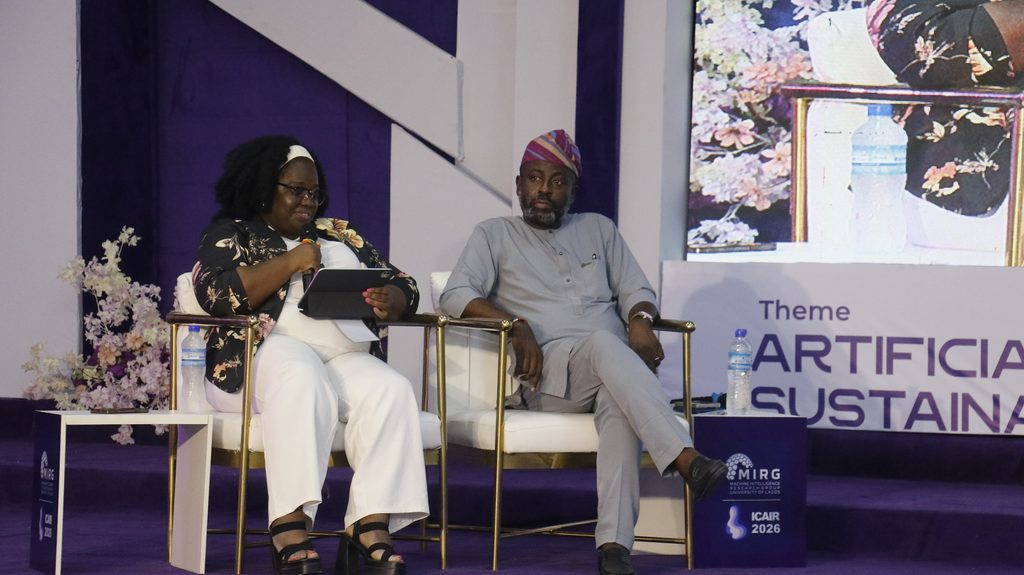
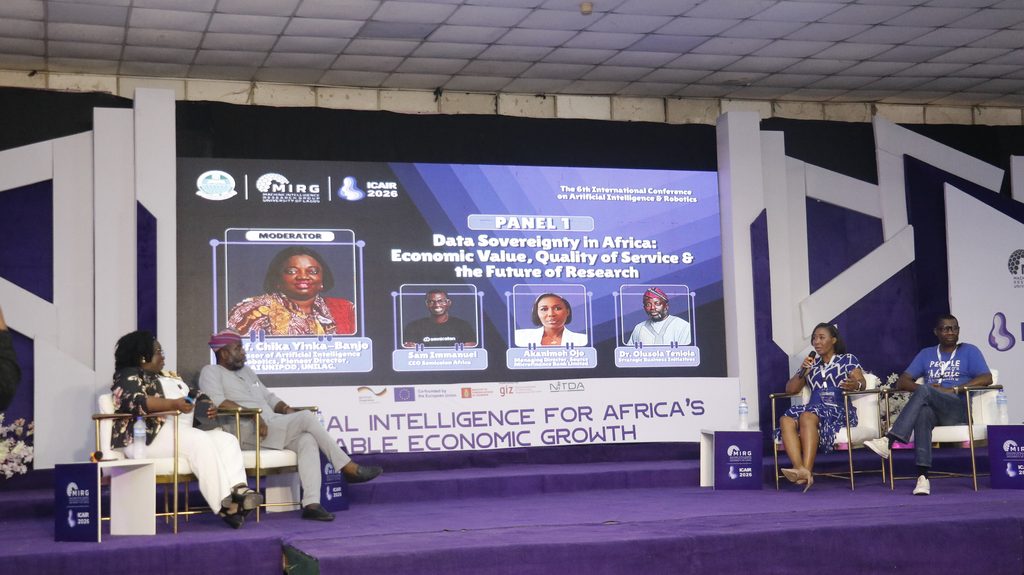
The panelists shared their perspectives on data ownership, local data infrastructure and Africa’s control of its digital resources, highlighting their implications for the continent’s economic development and research future.
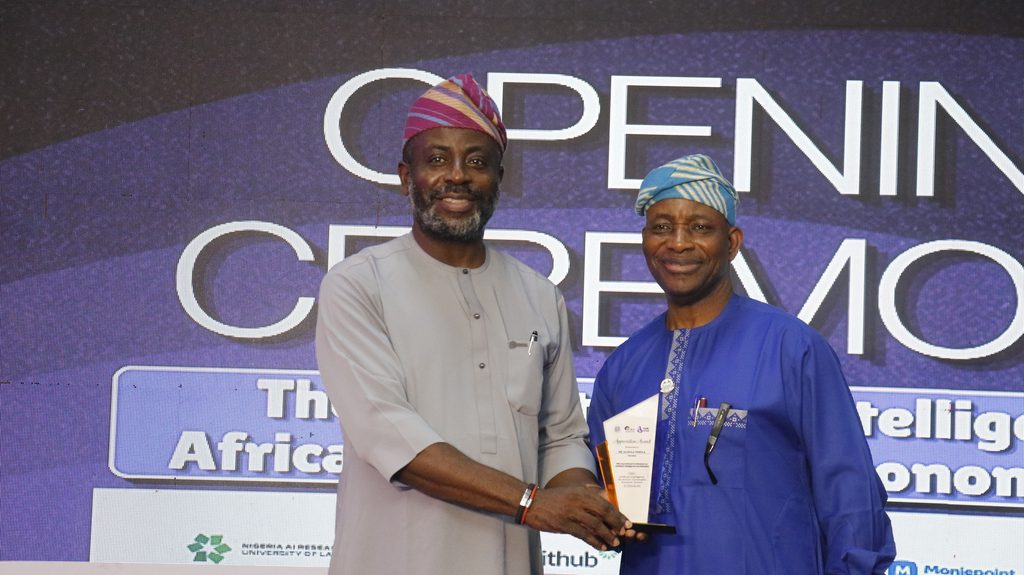
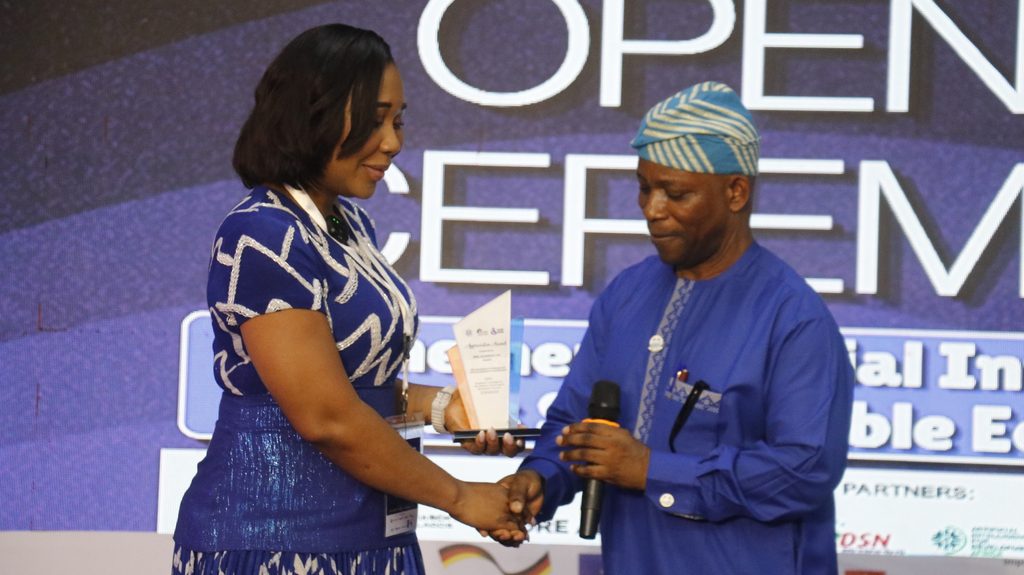
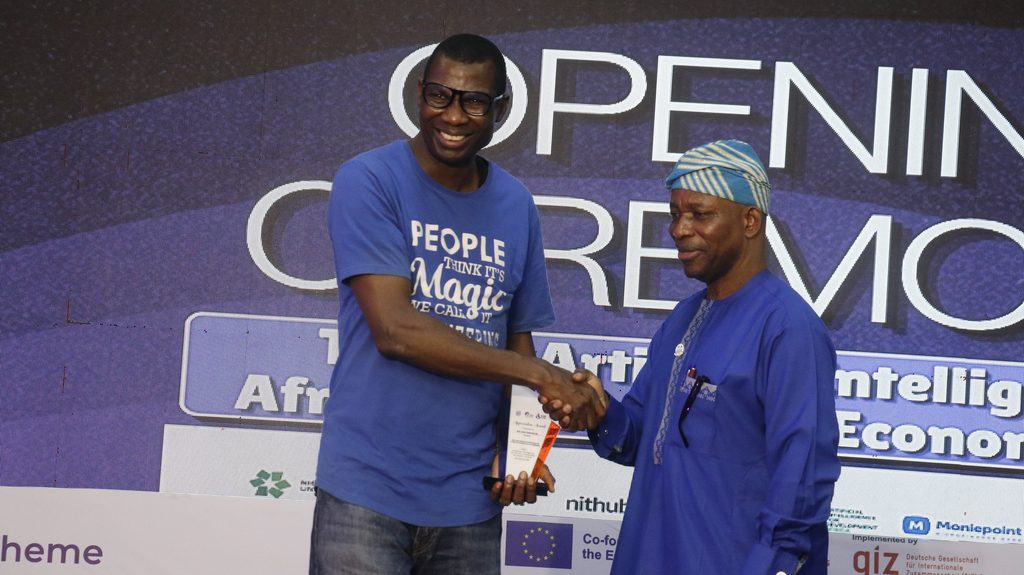
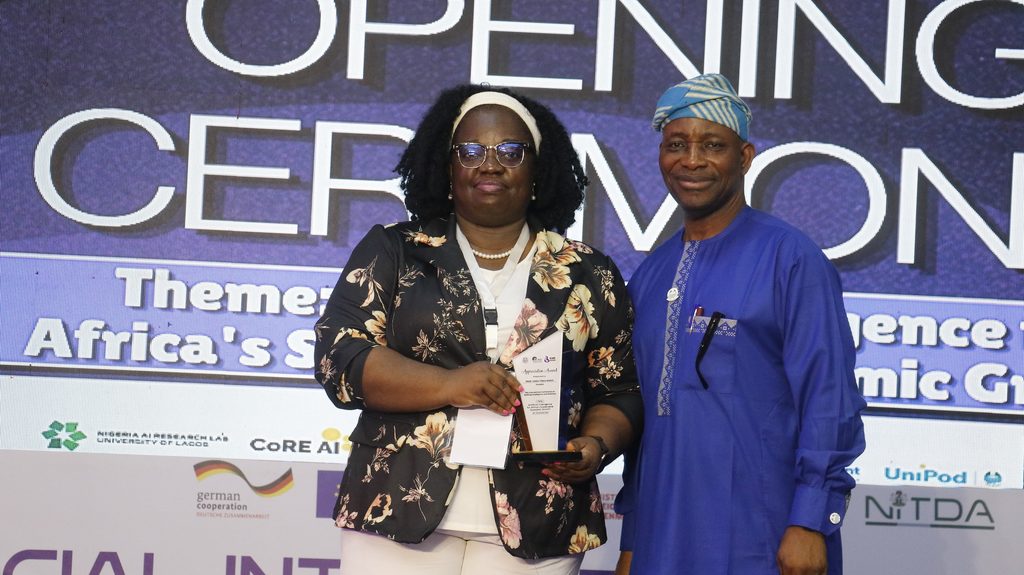
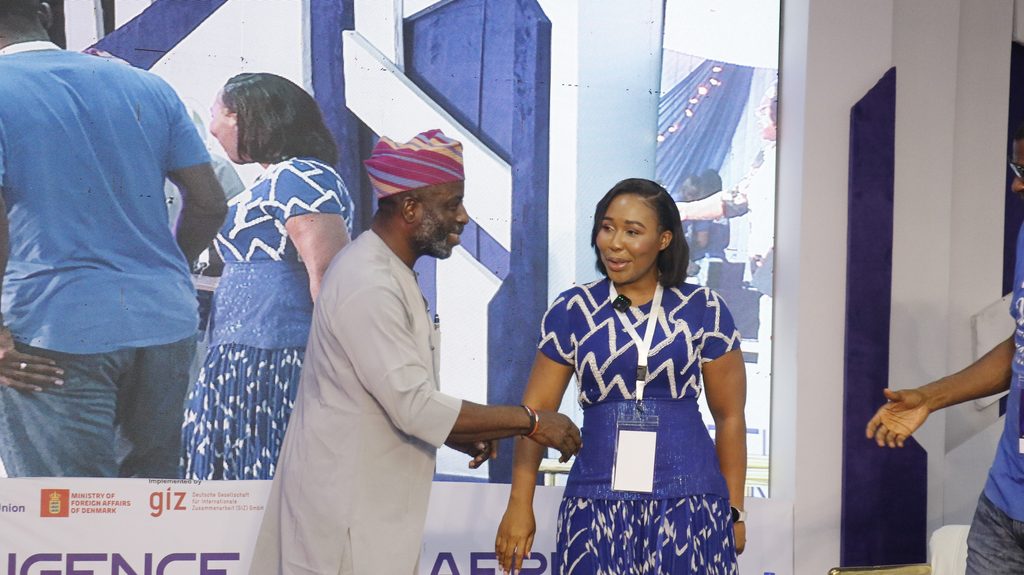

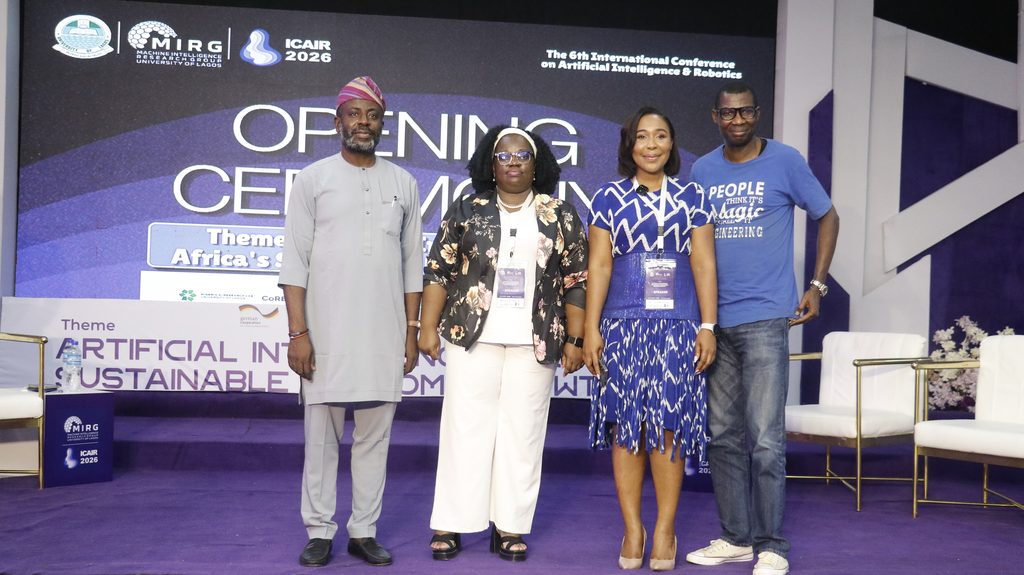
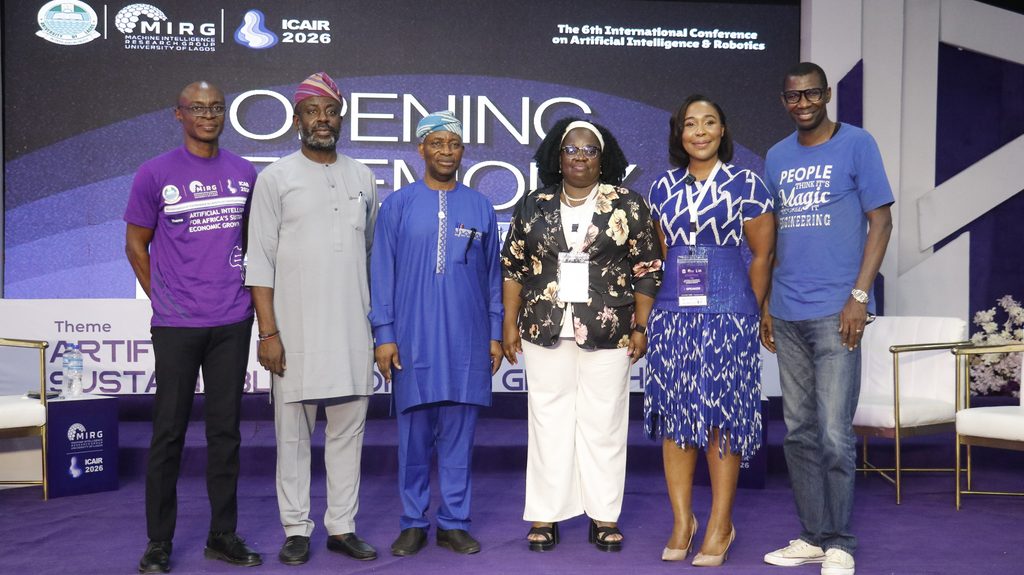
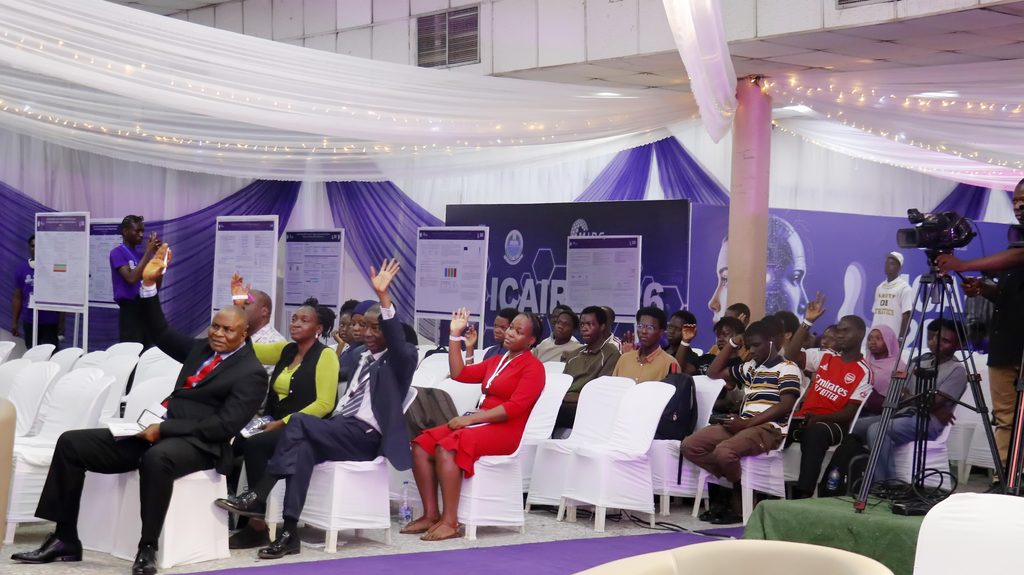
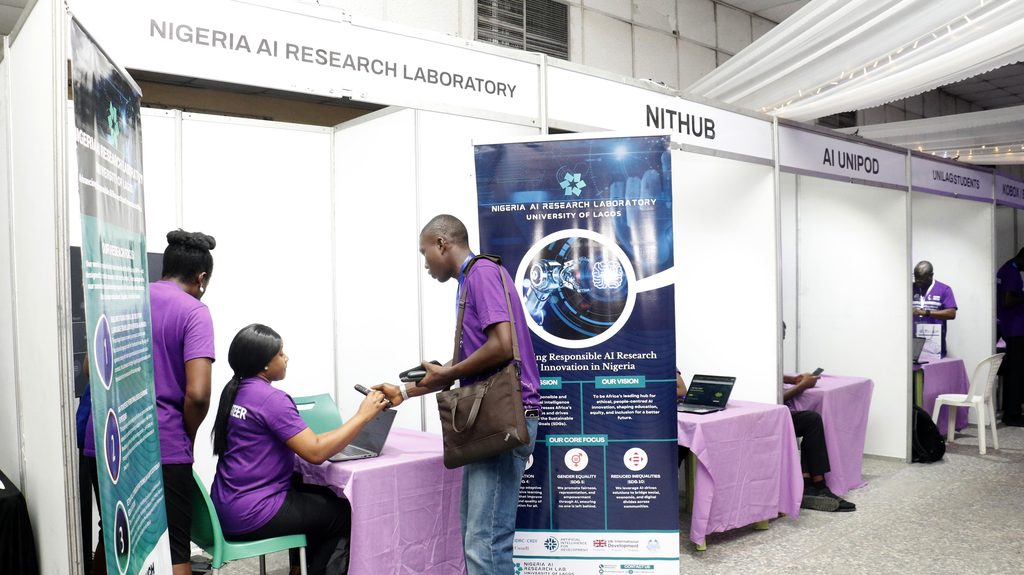
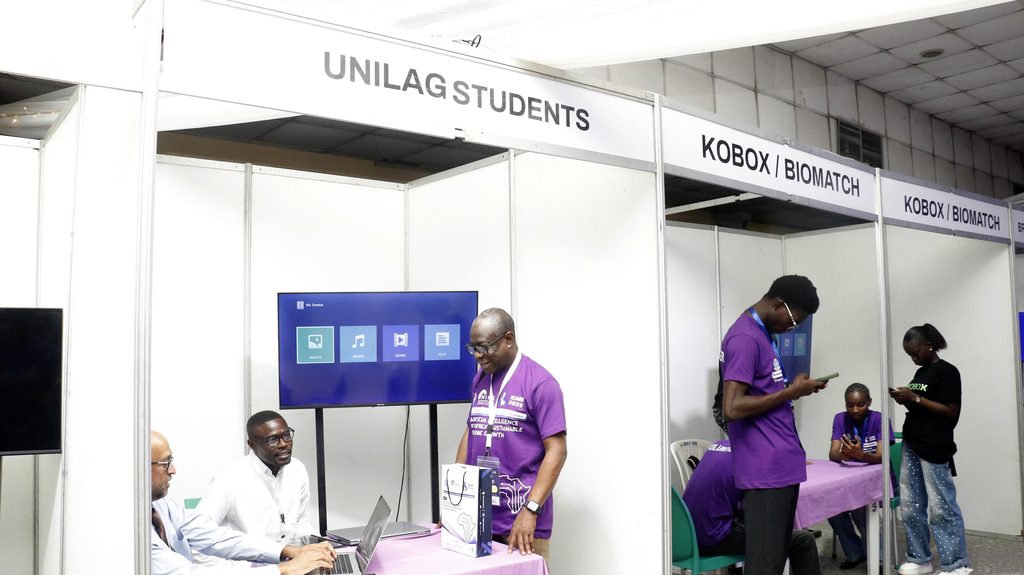
Activities on the first day of the conference also featured paper and poster presentations by researchers.
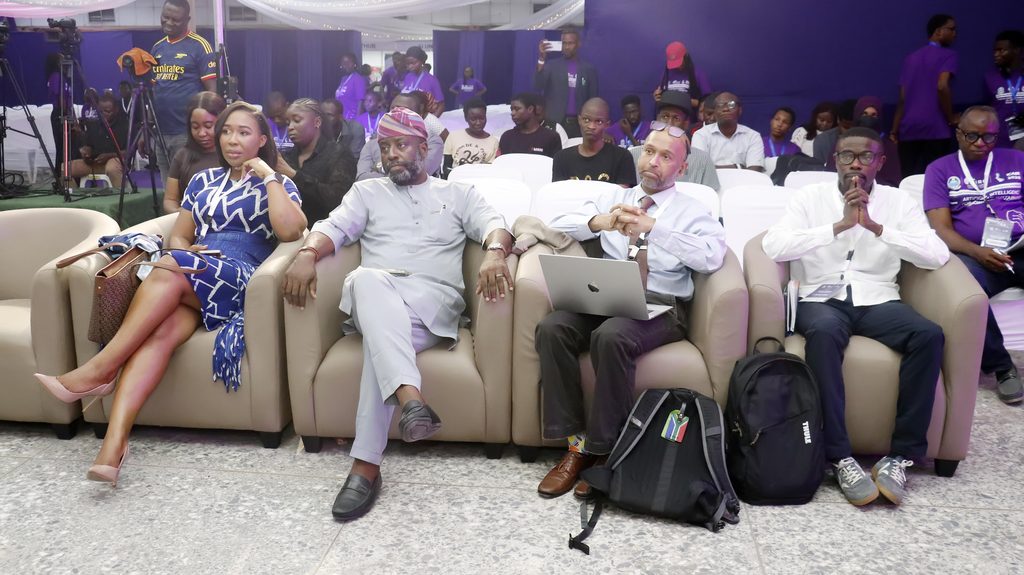

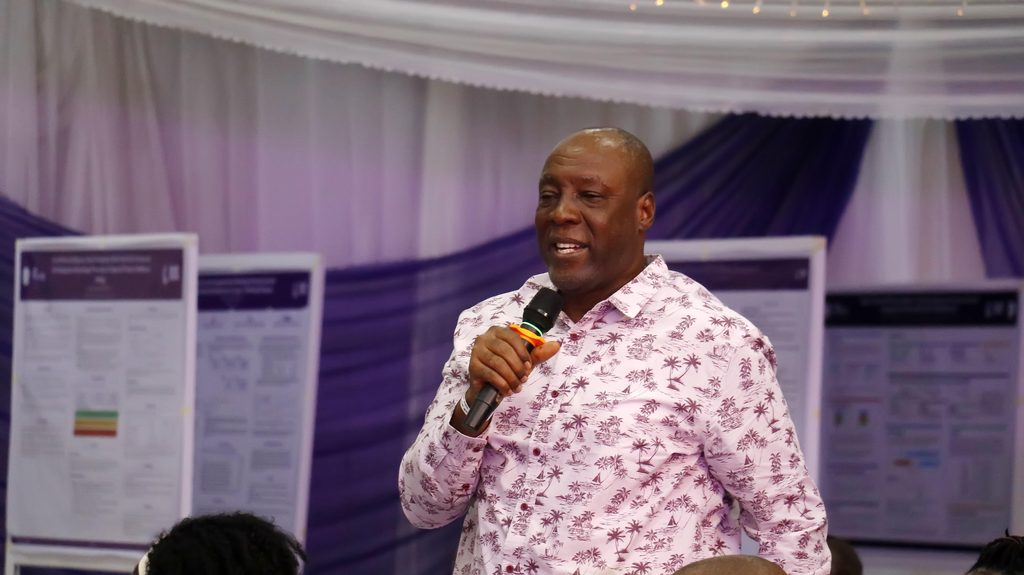
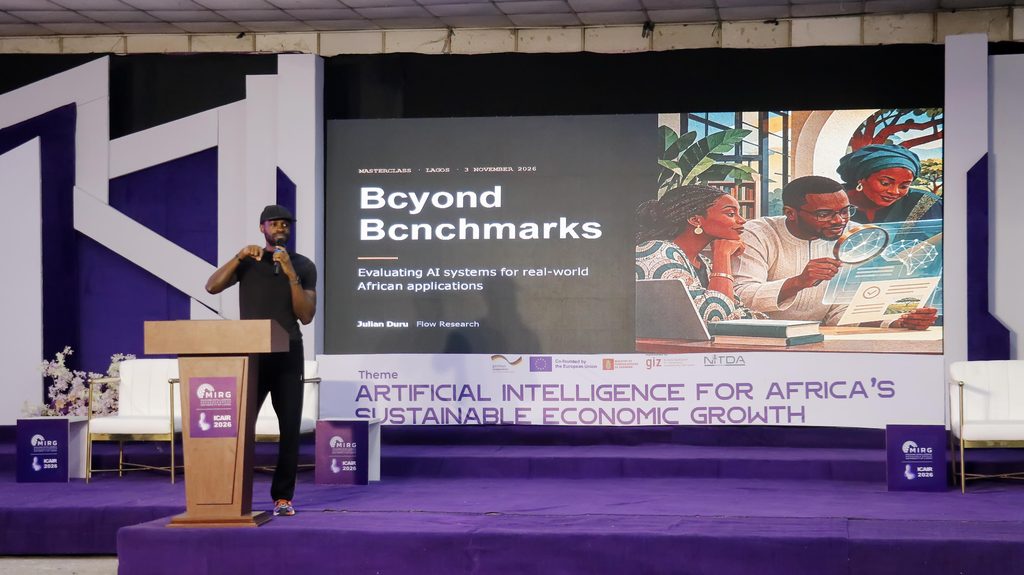
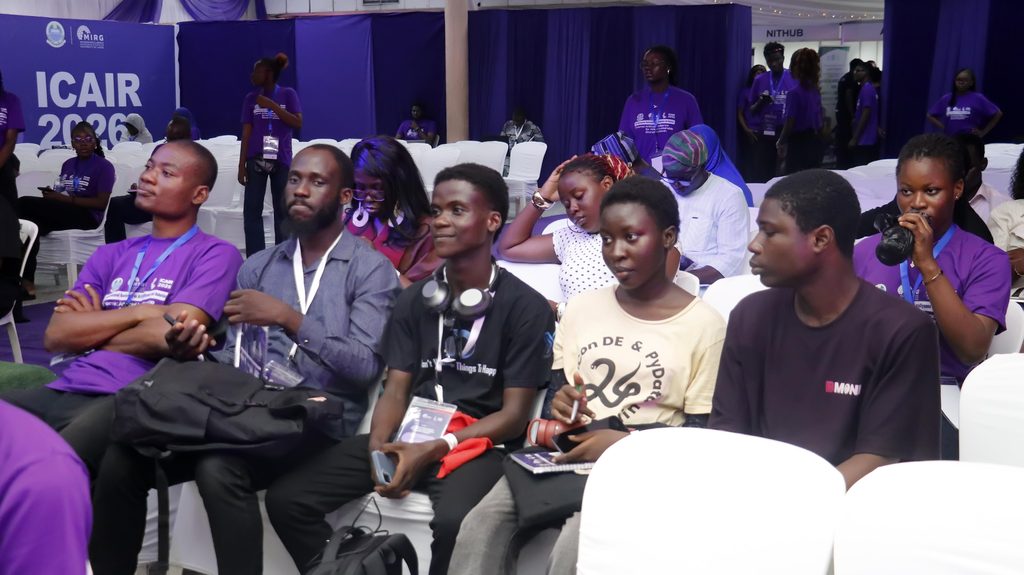
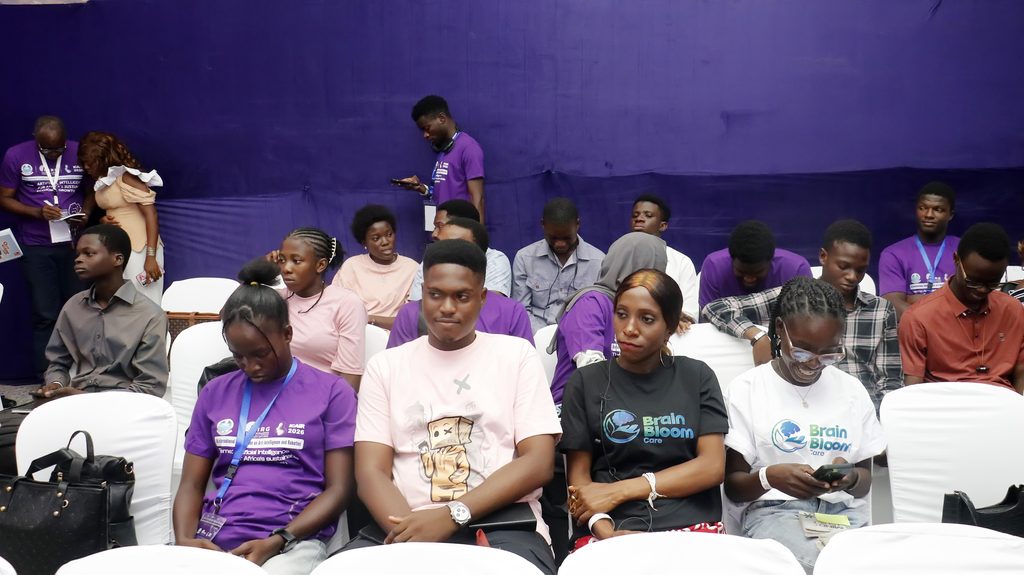
The conference continues until Thursday, November 5, 2026, with paper presentations, keynote addresses, panel discussions and exhibitions focusing on three major areas: AI Governance, Responsible Innovation and Economic Growth; Data, AI Models and Intelligent Applications; and AI Infrastructure, Deployment and Real-World Impact.
Report: Gbenga Gbelee
Photograph: Islamiat Akanni