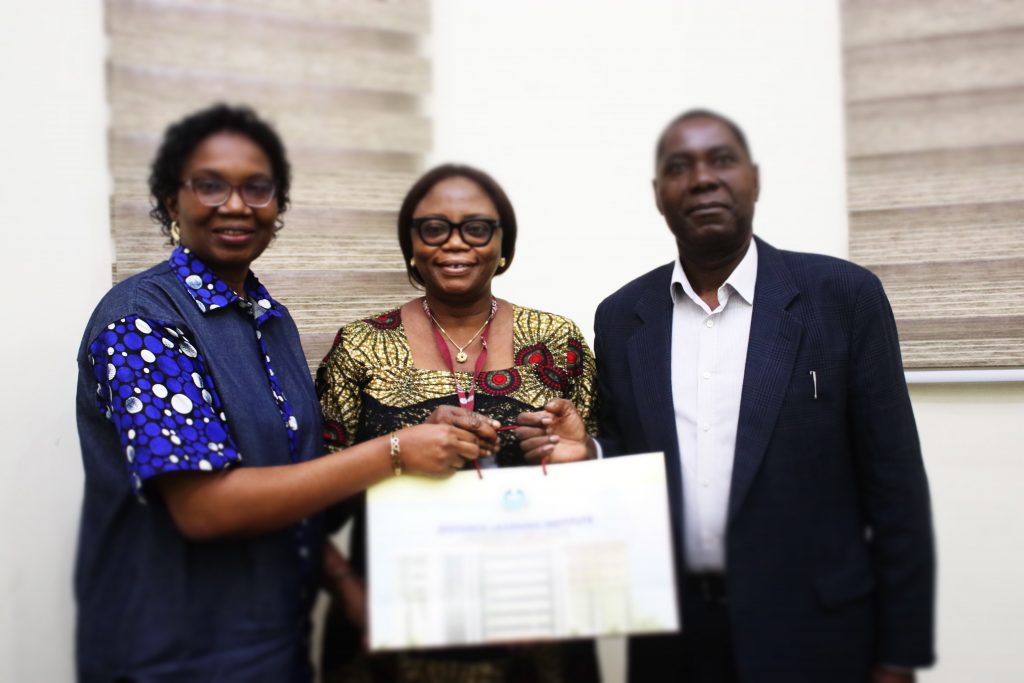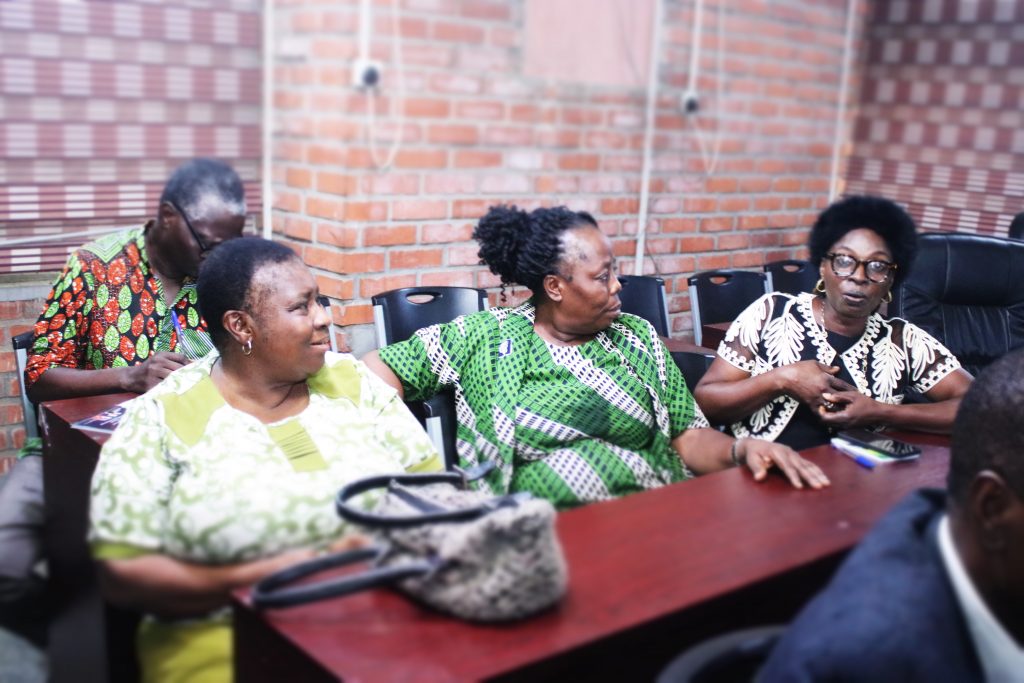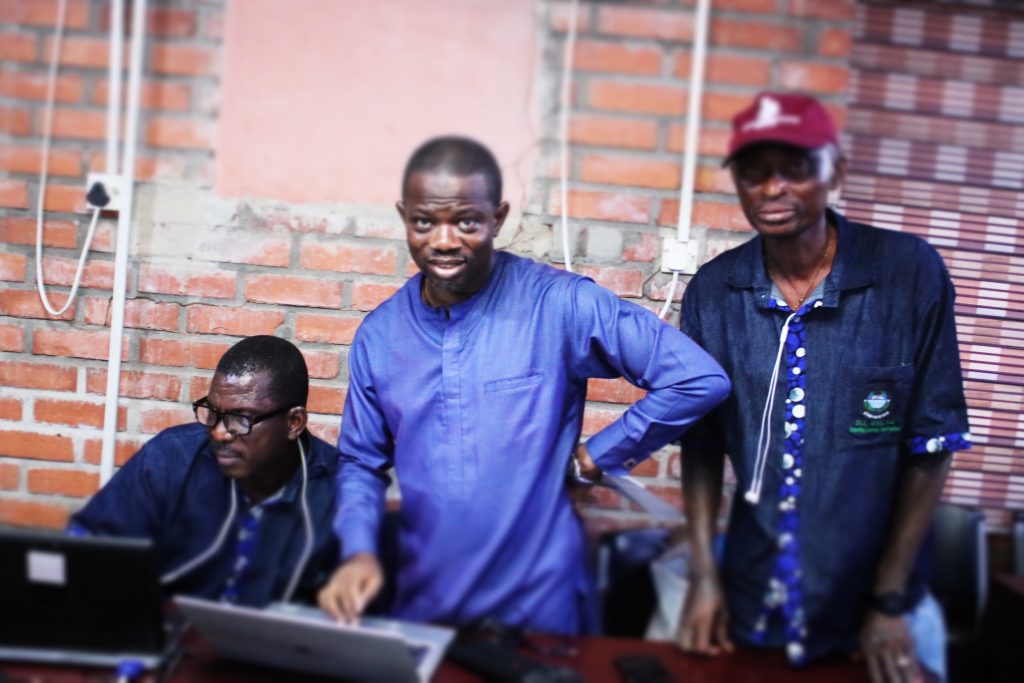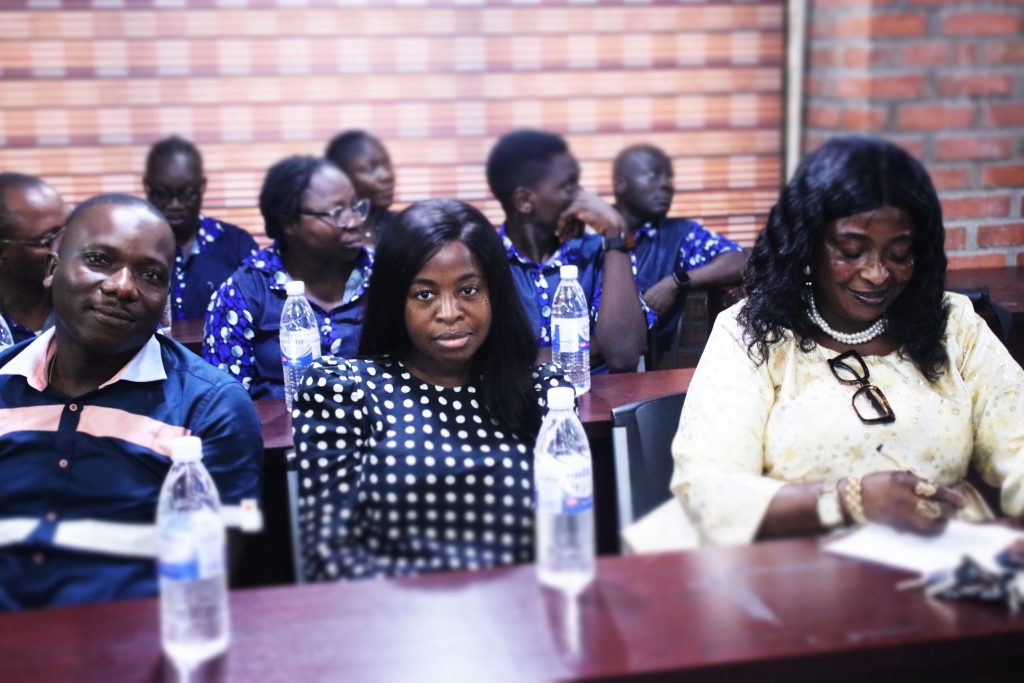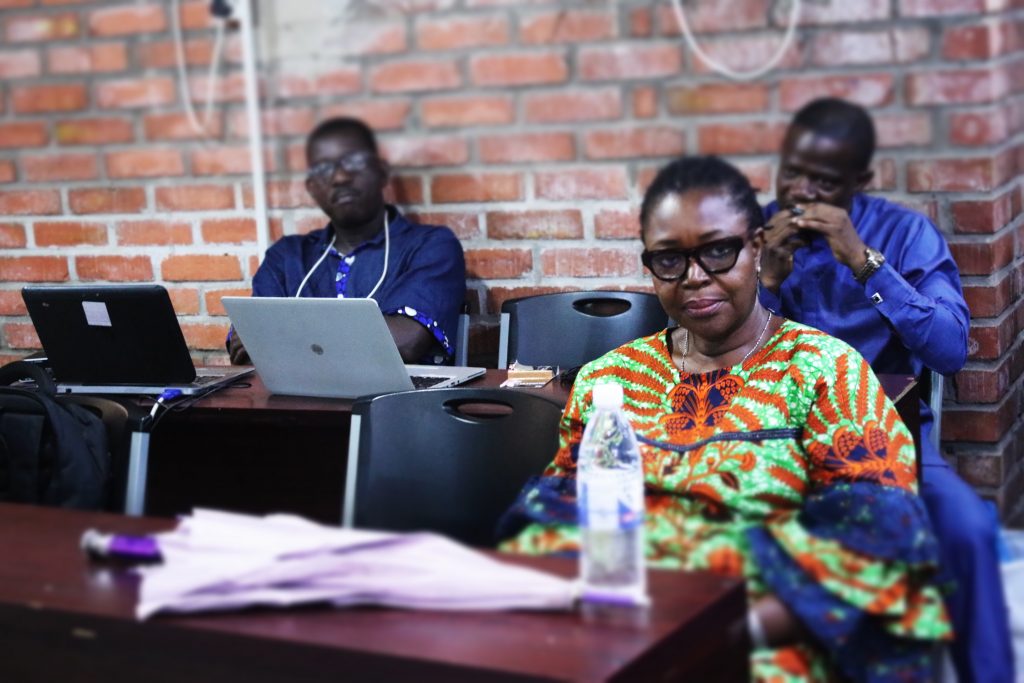
With Artificial Intelligence (AI) rapidly emerging as a defining force in the modern workplace, the Distance Learning Institute (DLI), University of Lagos, utilized its Monthly Seminar held on Tuesday, March 31, 2026, as a platform to examine its far-reaching impact on organisational culture.
Delivering a compelling presentation titled “Investigating the Impact of Artificial Intelligence on Organisational Culture”, and with the Chairman of the Distance Learning Institute Board, Professor Samuel Olobaniyi in attendance, Dr. Adetoun O. E. Adenuga positioned AI not merely as an operational tool, but as a transformative catalyst driving a paradigm shift in organisational behaviour, systems, and structure.



She observed that communication within organisations is being significantly enhanced through AI-enabled systems that promote precision, speed, and personalization. Drawing from her research at the Institute, she explained how AI is reshaping workplace dynamics, fostering a culture that is increasingly data-driven, adaptive, and interconnected.

On decision-making, Dr. Adenuga highlighted a clear transition from intuition-based and hierarchical models to evidence-based frameworks supported by data analytics and real-time intelligence. According to her, this shift not only improves organisational efficiency but also strengthens transparency, objectivity, and accountability in corporate processes.
Importantly, she emphasized that AI is not a replacement for human capital but an enabler—augmenting human capabilities by automating routine tasks and allowing employees to focus on innovation, critical thinking, and strategic responsibilities.
However, she cautioned that integrating AI into organisational systems comes with challenges. Resistance to change, digital skill gaps, and concerns about job displacement remain significant barriers. To address these issues, she advocated deliberate capacity building, strong leadership commitment, and the cultivation of organisational trust as critical success factors for sustainable AI adoption.
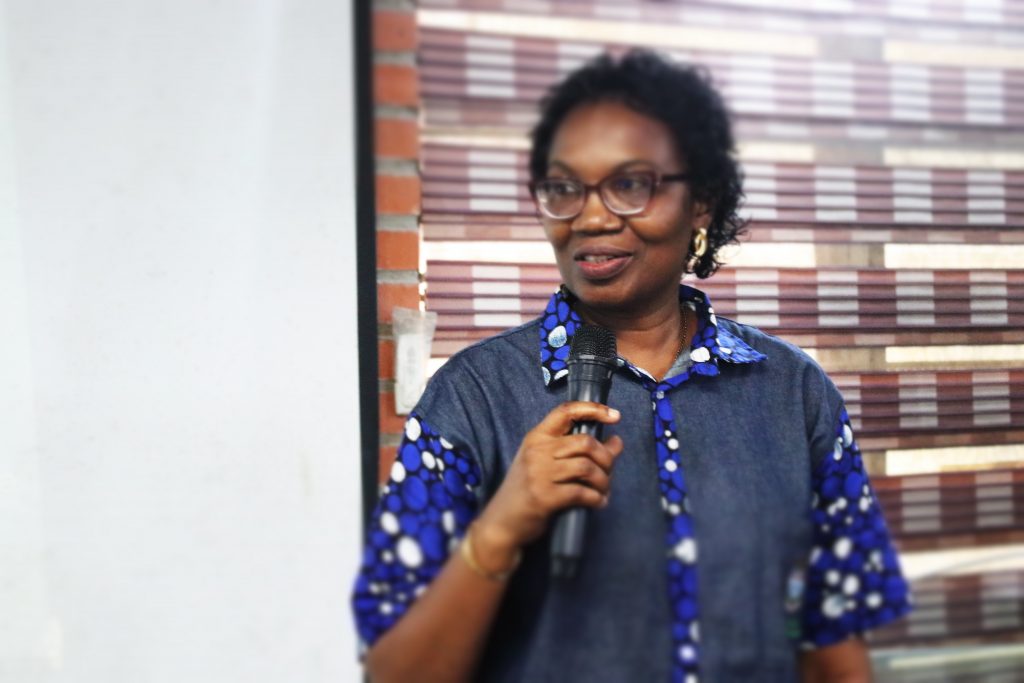
Earlier in the programme, the Director of the Institute, Professor Risikat Oladoyin Dauda, welcomed participants and stressed the importance of remaining informed and intellectually agile in an increasingly dynamic global landscape. This was after remarks by the Chairman of the Board, Prof. Samuel Olobaniyi, who reaffirmed the Institute’s commitment to promoting practical and impactful knowledge.

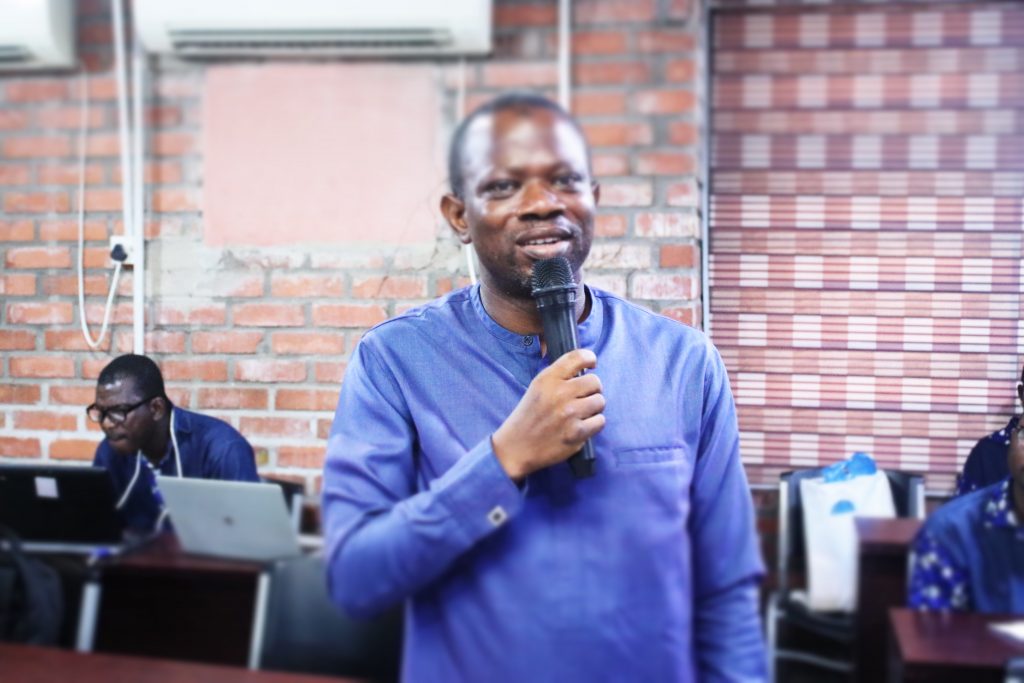
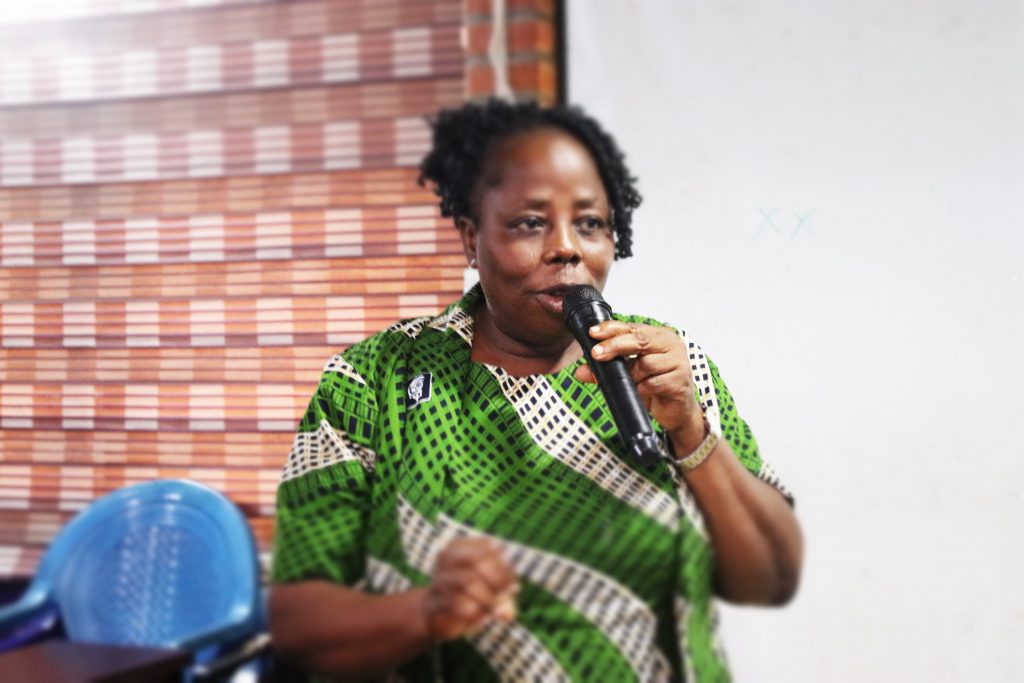
The seminar, conducted in a blended format, attracted active participation from both in-person and virtual attendees, reflecting the Institute’s inclusive approach to academic engagement. A stimulating question-and-answer session further enriched the discourse, offering participants the opportunity to interrogate key ideas and exchange perspectives.

As AI continues to permeate the modern workplace, conversations such as these remain essential—guiding organisations and individuals not only in adopting emerging technologies but also in understanding the cultural transformations they inevitably bring.
Report: Bayo Salau
Photographs: Samuel O. Dosunmu