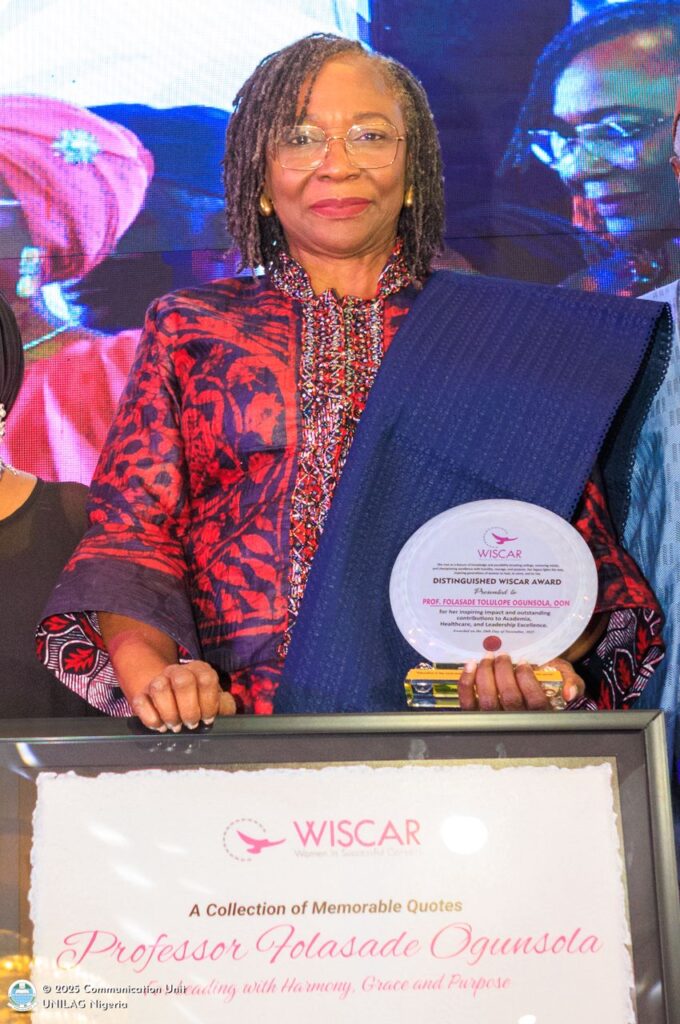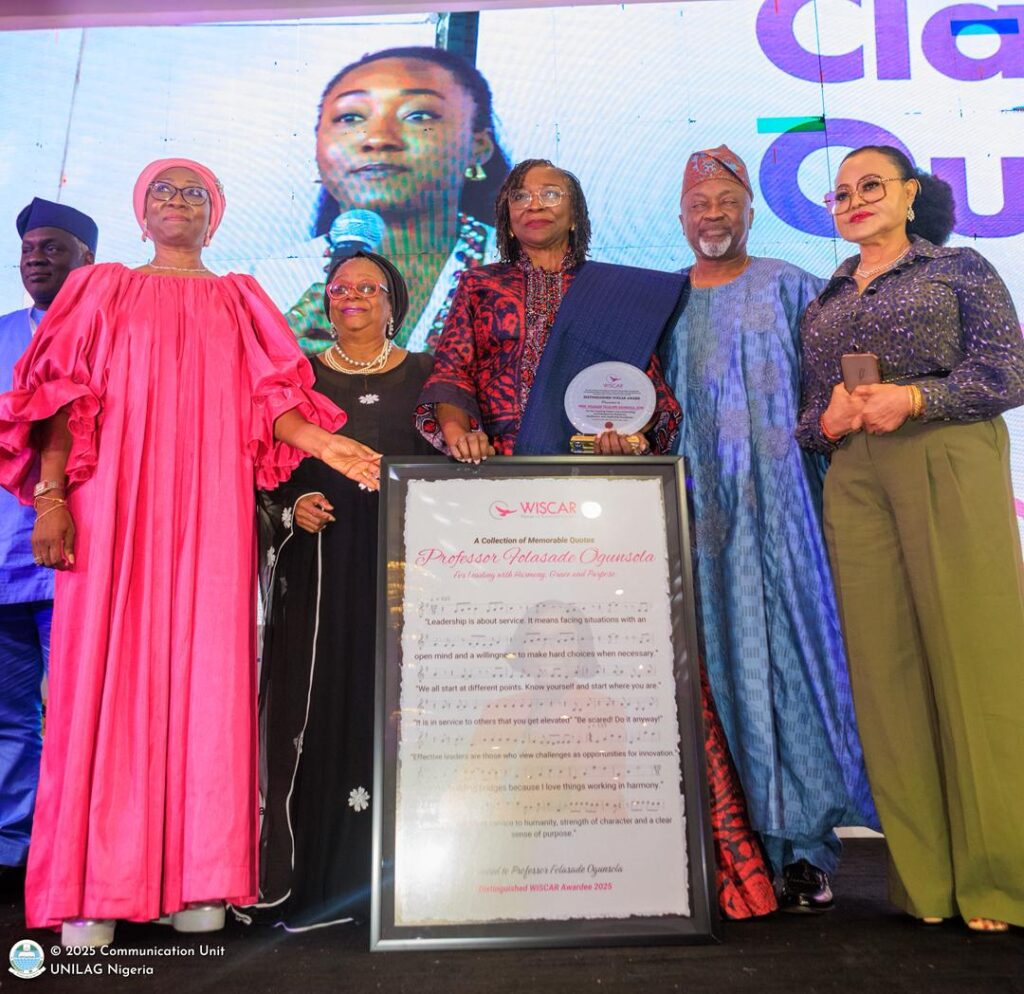
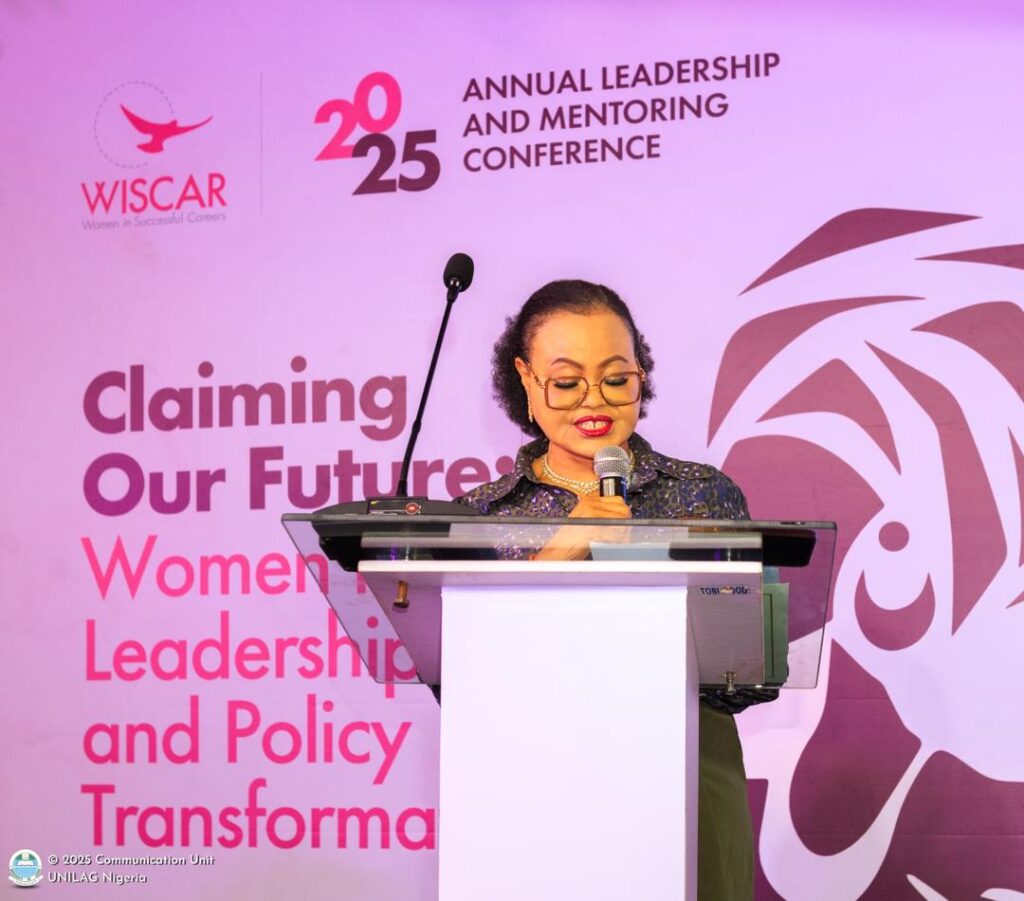
The Vice-Chancellor of the University of Lagos, Professor Folasade Tolulope Ogunsola, OON, FAS has been named the 2025 Women in Successful Careers (WISCAR) Distinguished Woman Awardee.
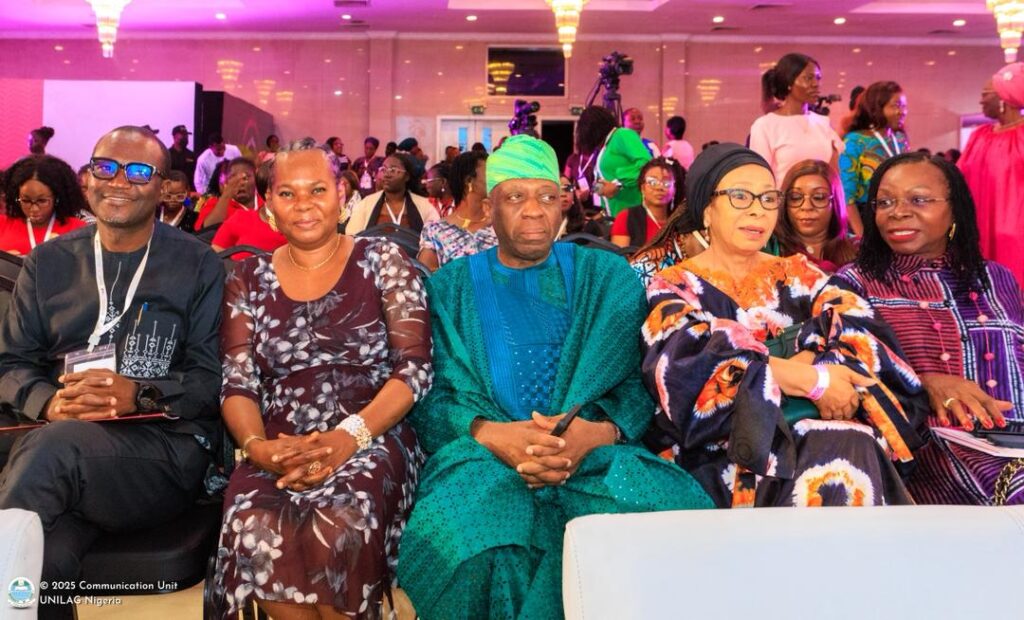
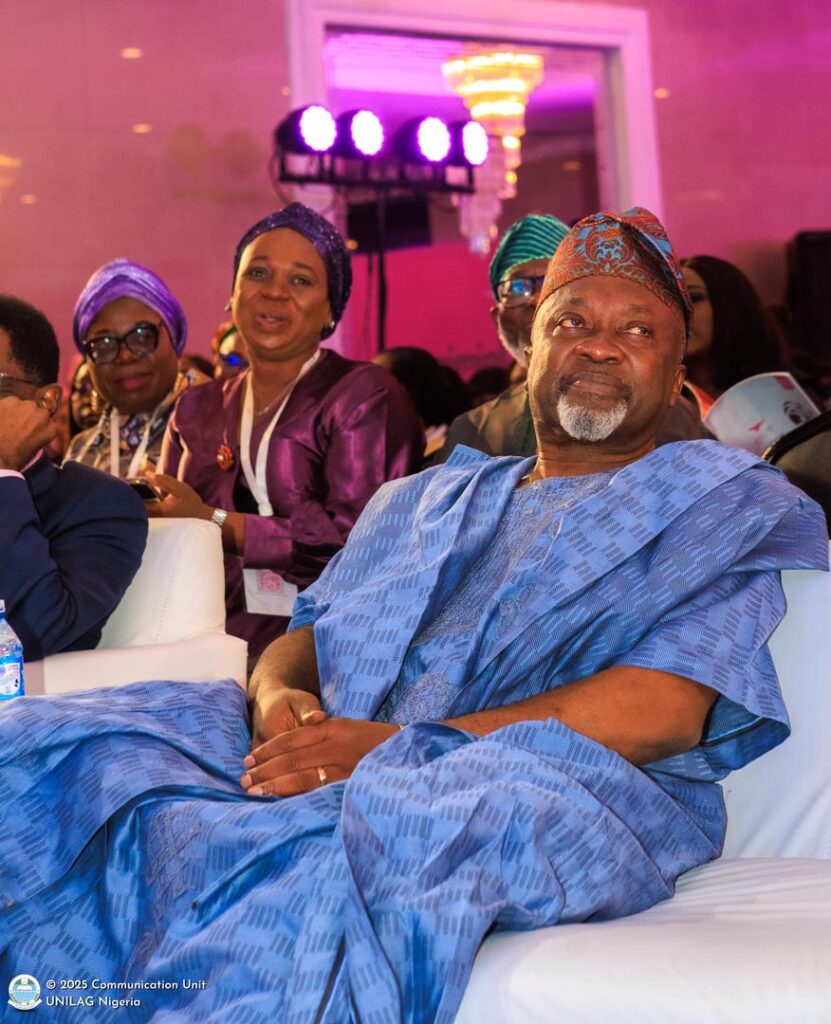
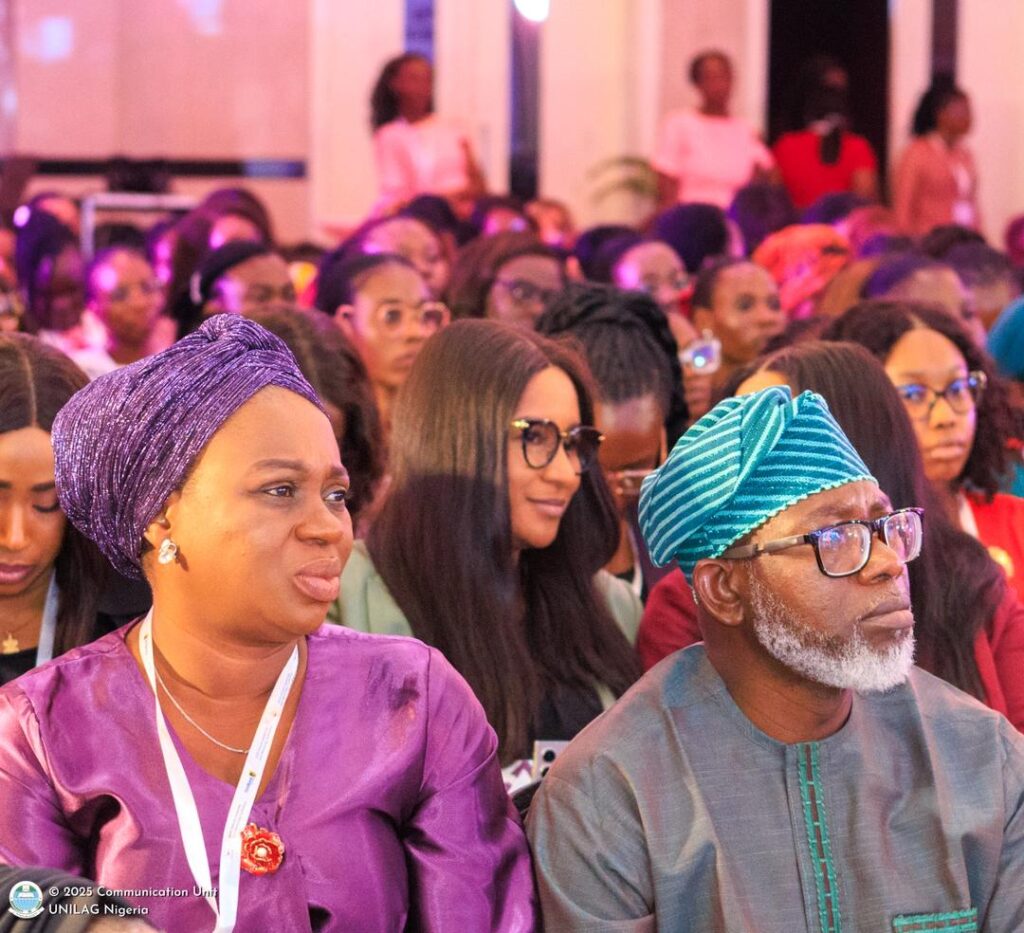
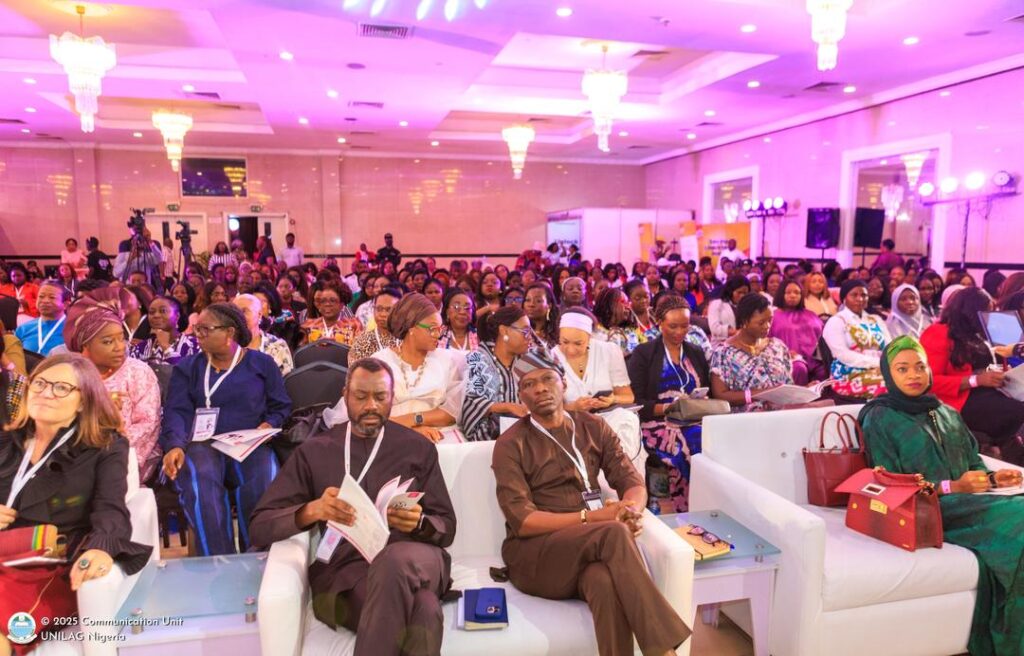
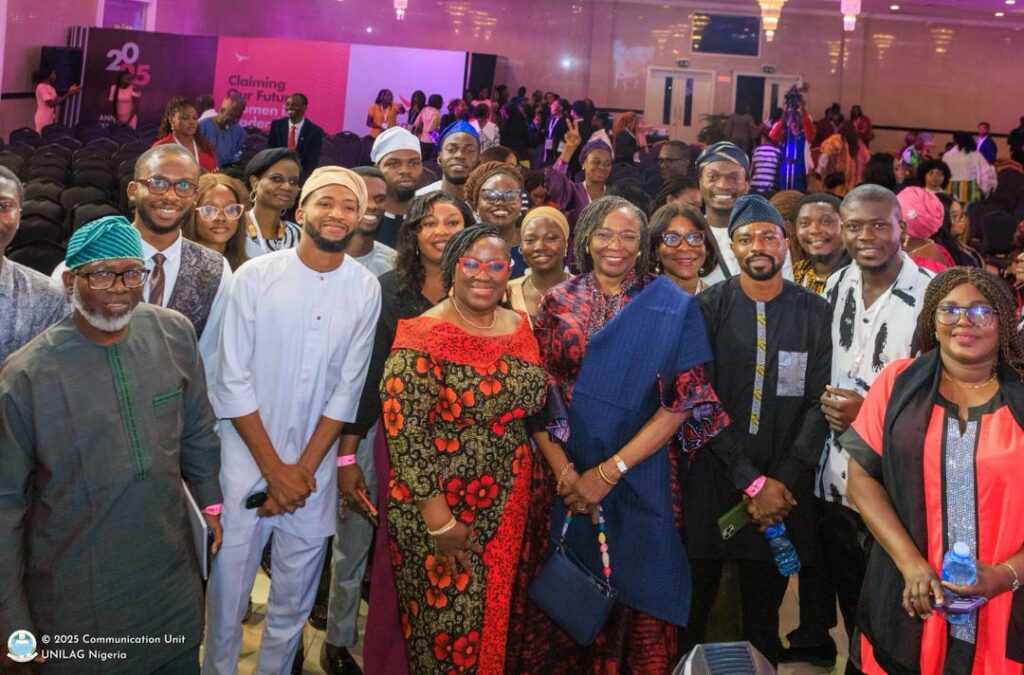
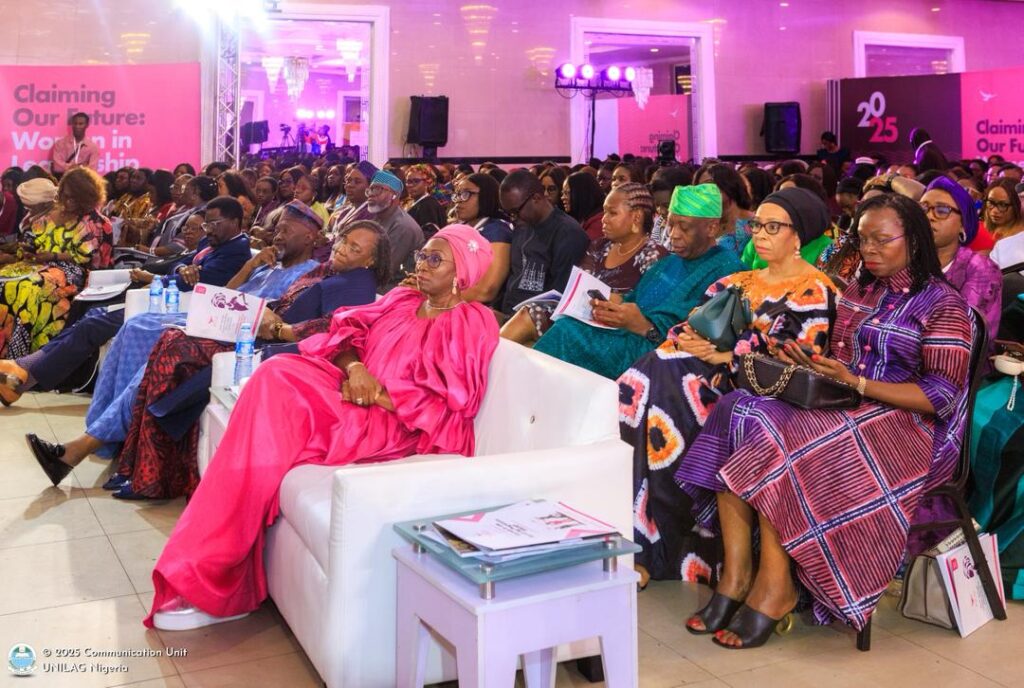
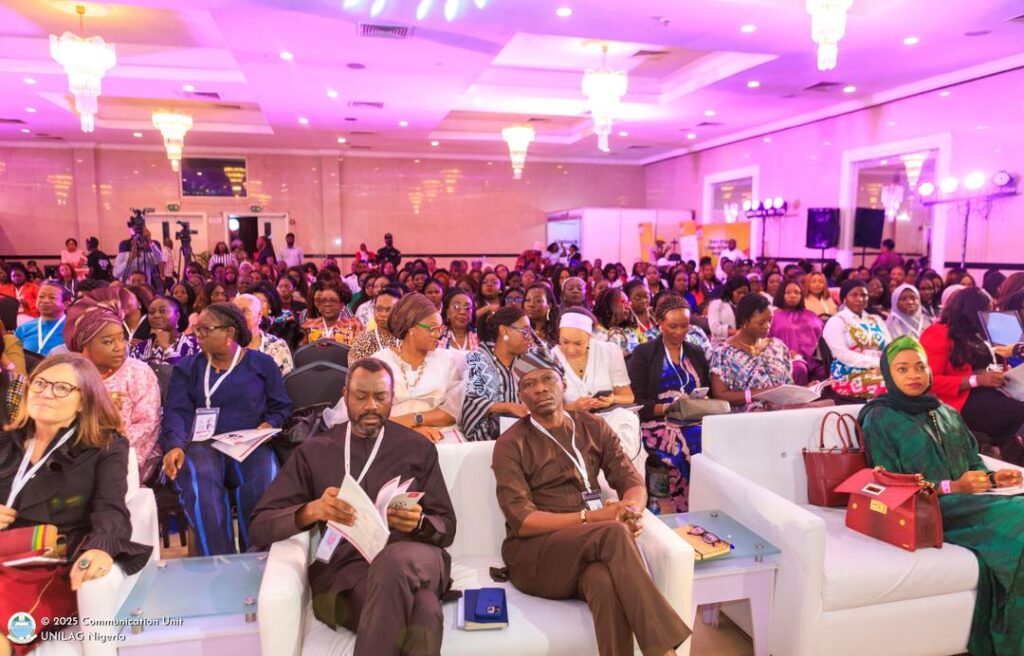
The announcement was made on Saturday, November 29, 2025, as over 500 women leaders, policymakers and emerging professionals convened at the Civic Centre, Victoria Island, for the 2025 WISCAR Annual Leadership and Mentoring Conference.
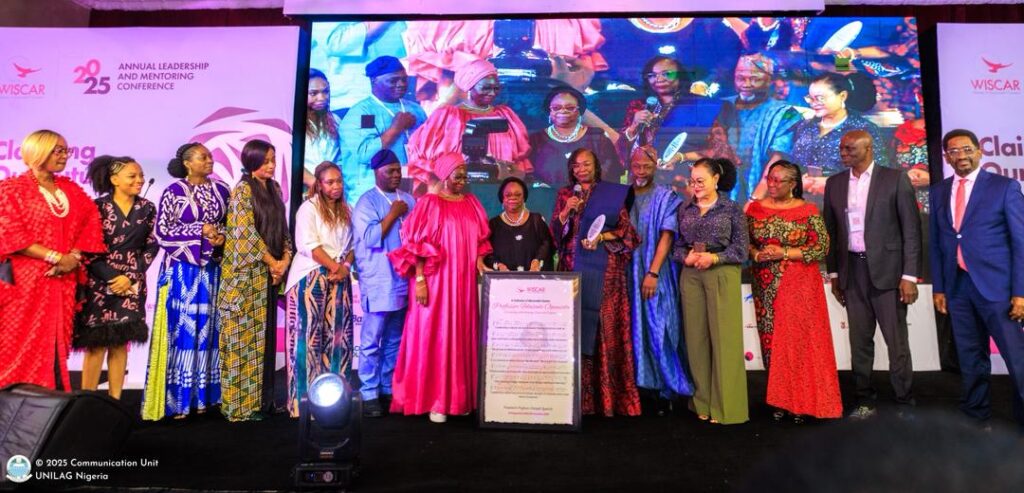
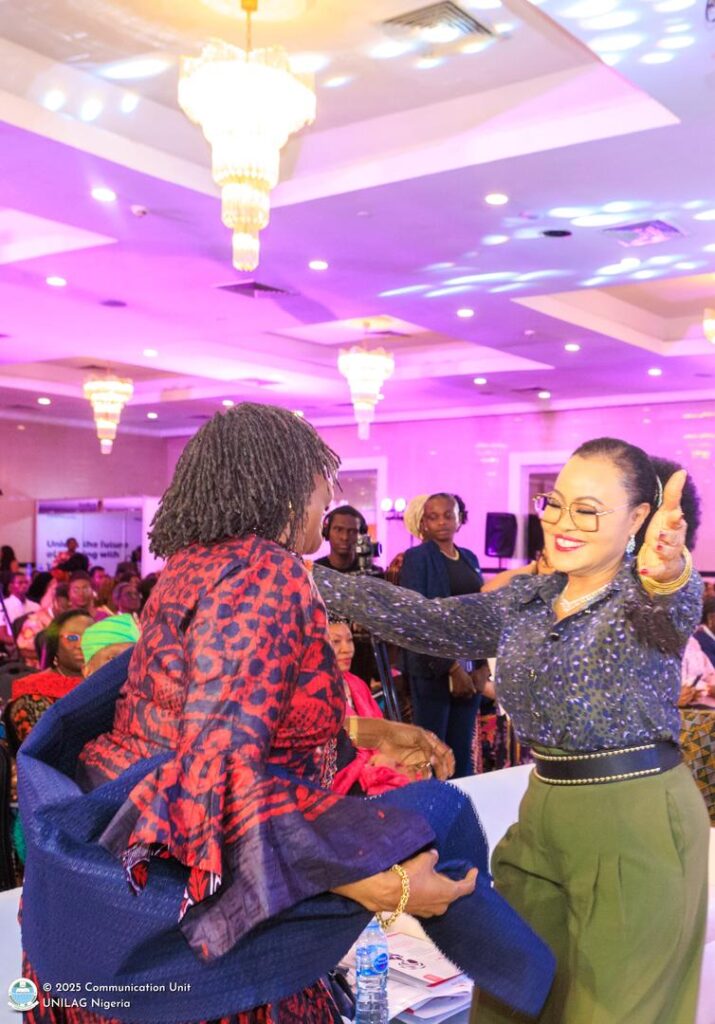
The hall erupted in applause as Professor Ogunsola; Nigeria’s first female professor of Medical Microbiology and the first woman to lead the University of Lagos since its establishment by an Act of Parliament in 1962, was honoured for her trailblazing contributions to academia, public health and gender equity. Her recognition as the 2025 WISCAR Distinguished Woman marked the defining moment of the conference, drawing a standing ovation from an audience deeply inspired by her leadership journey.
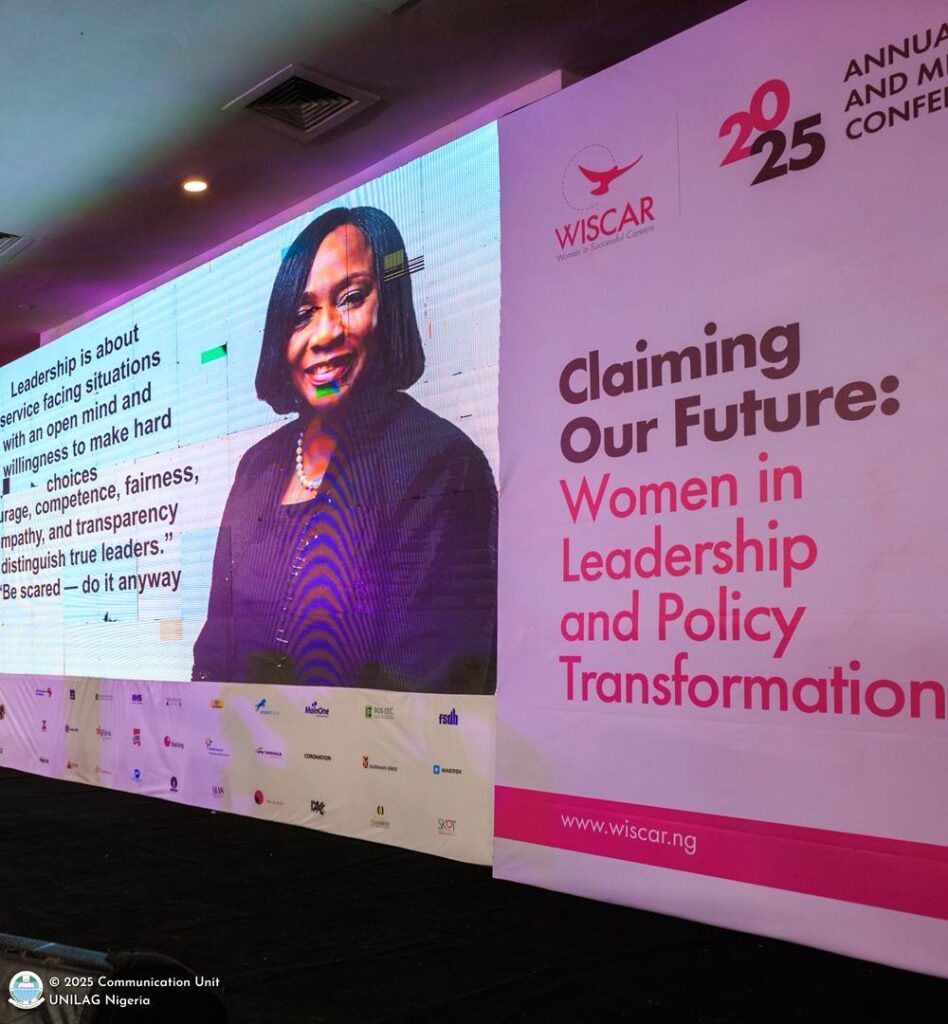
Professor Ogunsola’s latest honour places her among an illustrious lineage of WISCAR Distinguished Women who have excelled across diverse spheres of national and global influence. These include Liberia’s first female President, Mrs. Ellen Johnson Sirleaf; United Nations Deputy Secretary-General, Mrs. Amina J. Mohammed; media mogul and entrepreneur, Mrs. Mosunmola Abudu; globally acclaimed writer, Chimamanda Ngozi Adichie; and Africa’s first female Admiral, Rear Admiral Itunu Hotonu, among others; each epitomising excellence, resilience and transformative leadership.
The event also witnessed the graduation of the first cohort of the Women in Law and Mentoring Program (WILMP), a flagship initiative aimed at strengthening the pipeline of women leaders in law, policy and governance.
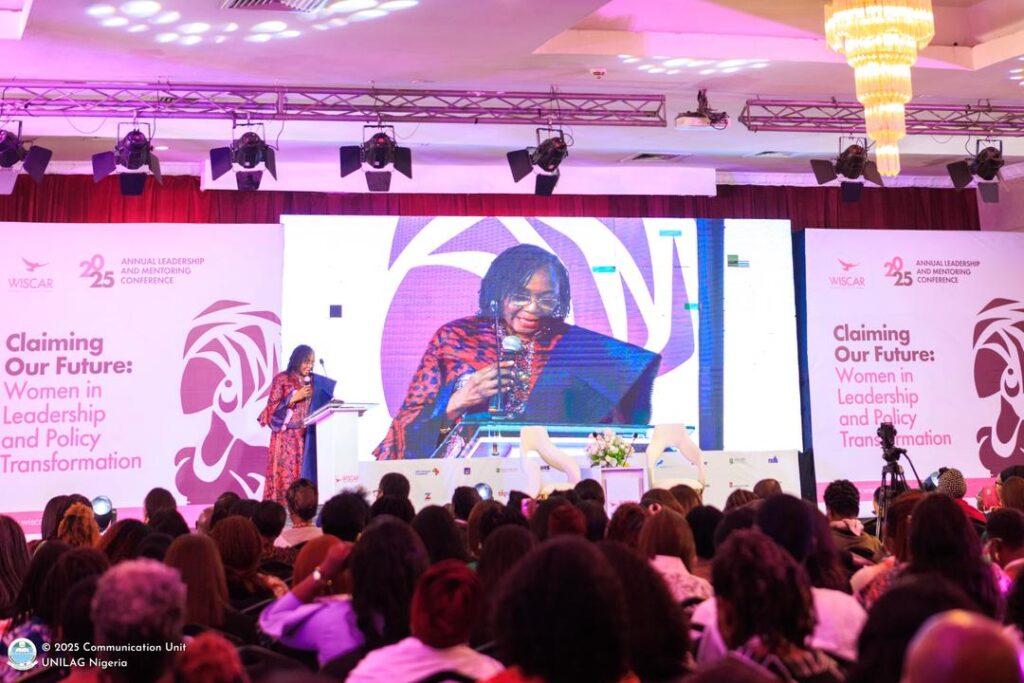
Delivering the keynote address at the Conference, Professor Ogunsola averred that “inclusive governance is no longer a moral plea but a national development imperative at a time when Nigeria stands at a fragile political and socio-economic crossroads.”
Citing prominent figures from history such as Madam Efunsetan Aniwura, Mrs. Margaret Ekpo and Chief (Mrs). Funmilayo Ransome-Kuti, Professor Ogunsola reminded the audience that women once occupied central leadership positions in Nigeria. She noted that colonial systems and entrenched patriarchal norms gradually erased the spaces where women once wielded power, influence and authority.
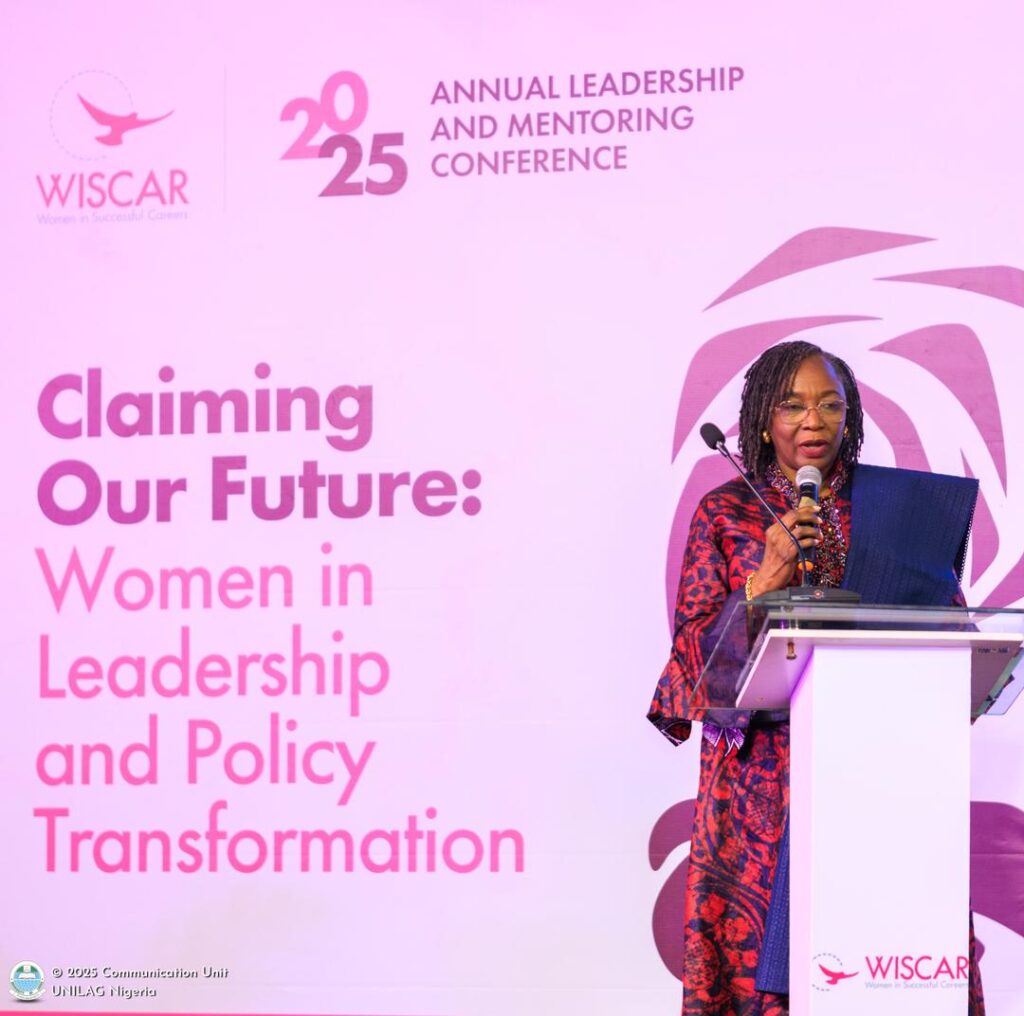
Her words, “In the pre-colonial era to the 20th century, women played a major role in social and economic activities. Women’s roles were not subordinate or complementary, as women were central to trade and many were independently wealthy. They also attained positions of influence in their communities and were deferred to for their wisdom”.
According to her, Nigeria continues to overlook one of its most powerful assets: women’s emotional intelligence – their instinctive capacity to lead with empathy, cultivate trust, strengthen institutions and create environments in which individuals and communities can truly thrive.
She outlined five strategic pathways to strengthen women’s leadership and accelerate gender-responsive governance across Africa:
- Mainstream gender in all policies.
- Enforce effective parity laws.
- Strengthen economic empowerment.
- Build education and mentorship pipelines.
- Protect women from harassment and violence
Professor Ogunsola concluded by emphasizing that securing Africa’s future demands leadership that is inclusive, equitable, and truly reflective of the continent’s diversity. She urged collective action to build systems in which women’s leadership is not a remarkable exception but an expected and integral norm.
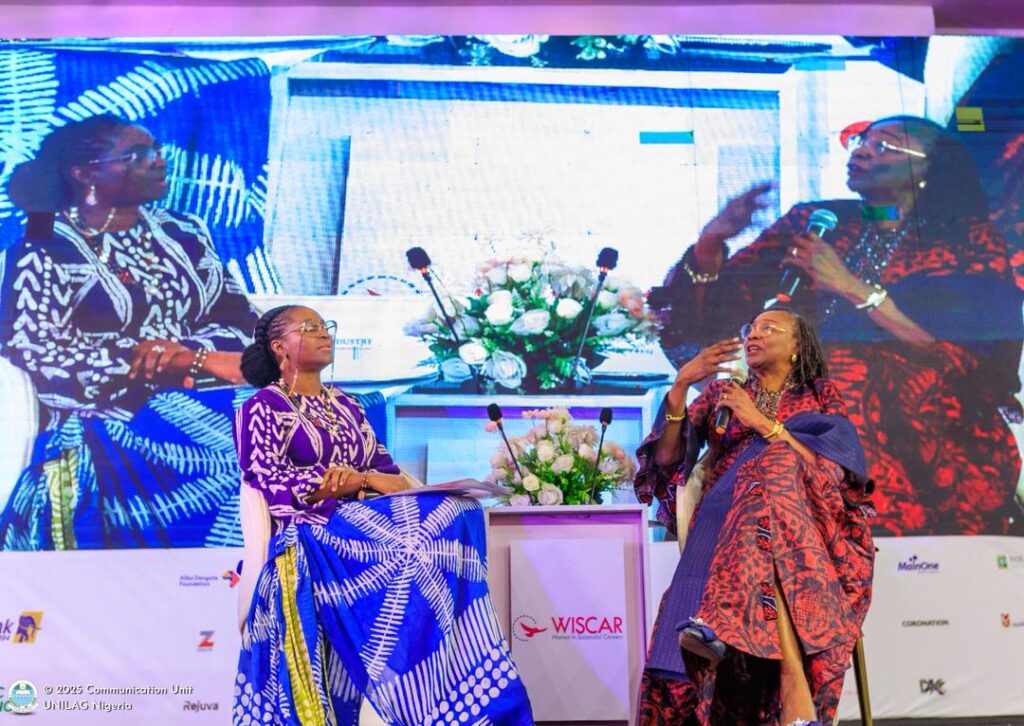
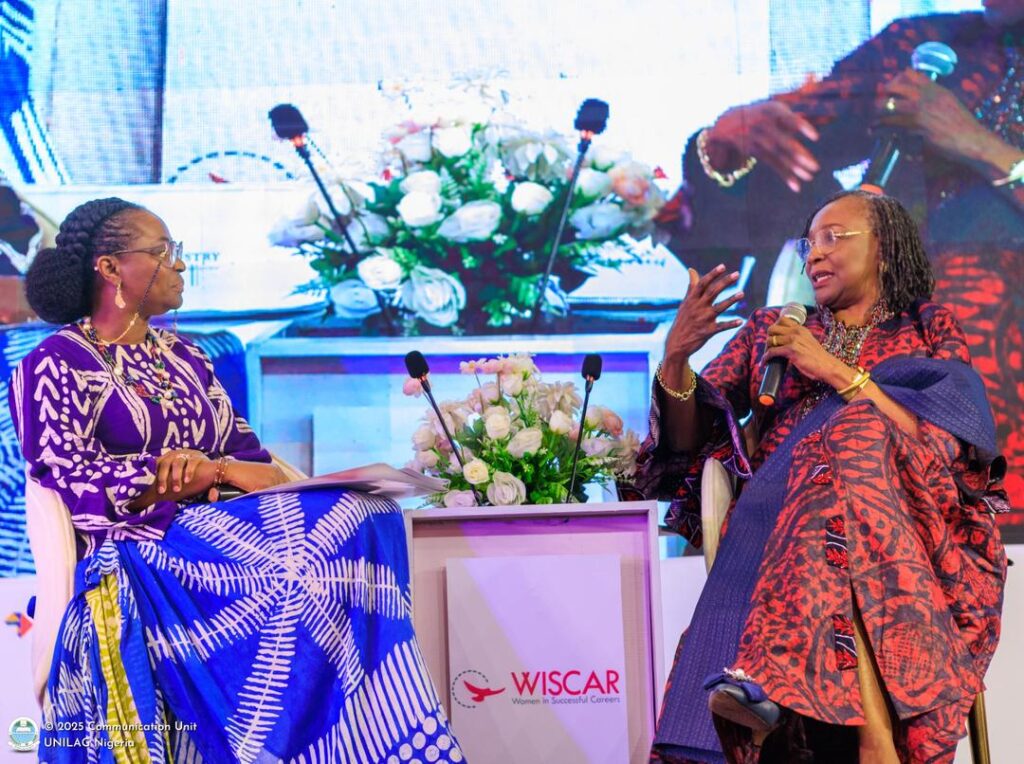
Then, in a fireside chat that felt more like a rallying call, she linked the moment to the 30th anniversary of the Beijing Declaration and Platform for Action. Using the interactive segment, she pressed for gender-equity frameworks that move beyond aspiration; frameworks that are measurable, enforceable, and supported by real consequences for non-compliance.
Founder Sounds Alarm on Declining Political Representation
Earlier in her remarks, WISCAR Founder and Chairperson, Mrs. Amina Oyagbola, drew attention to the worrying poor level ofwomen’s political representation. She noted that women currently hold under 17% of federal cabinet positions, while fewer than one in ten elected offices nationwide are occupied by women.
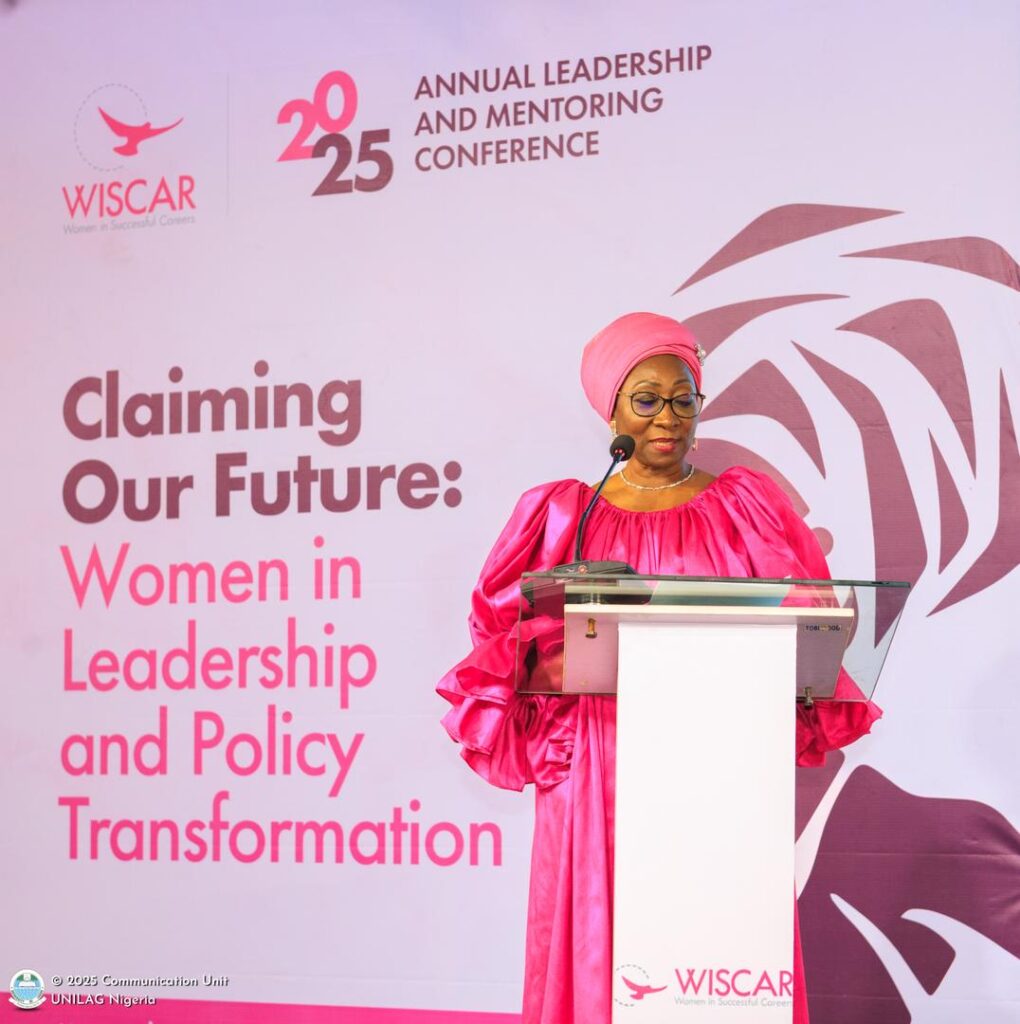
According to her, only two states Kwara and Kaduna have executive councils that reflect gender balance, and the proportion of female local government chairpersons has plunged dramatically from about 10% to below 4 %, following the recent autonomy reforms at the local government level.
Despite these gaps, she noted encouraging trends in the corporate world, where women now occupy more than 31% of board seats in companies listed in the NGX30 index. She further observed that for the first time in Nigeria’s history, five major companies in the index are led by female chief executives. These gains, she said, are promising but still insufficient without deliberate reforms, enforceable quotas and sustained accountability.
Interactive Panel Session
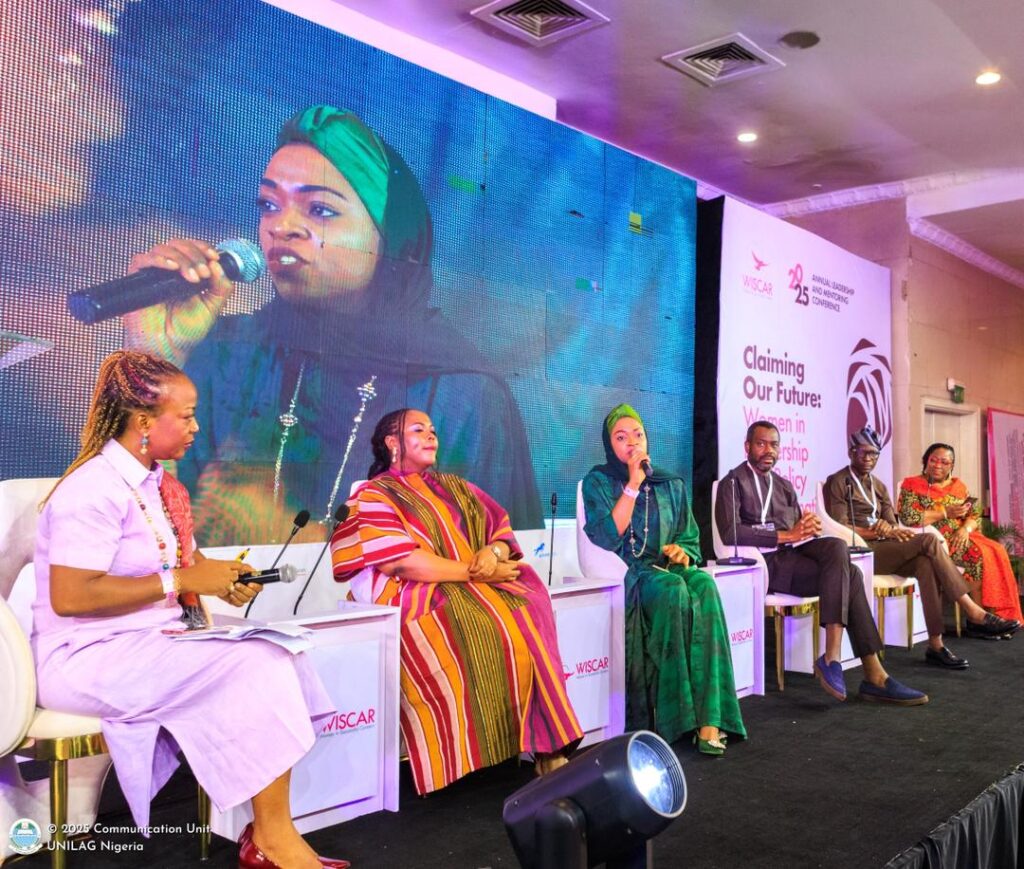
The conference’s momentum intensified during a high-level panel moderated by broadcaster, Mrs. Maupe Ogun-Yusuf. The panel featured the Founder and Executive Director, Women in Leadership Advancement Network (WILAN), Abosede George-Ogan; Managing Director/Chief Executive Officer of Sterling Bank, Abubakar Sulaiman; Mrs. Tolu Allison, who represented Chief Executive Officer of Nigeria Governors’ Spouses Forum (NGSF), Edward Fagbohun; Head of Programme Implementation (or Impact Reporting/ Sustainability), MTN Foundation and Deputy Head of Operations, STANBIC IBTC Bank, Mrs. Funke Amobi.
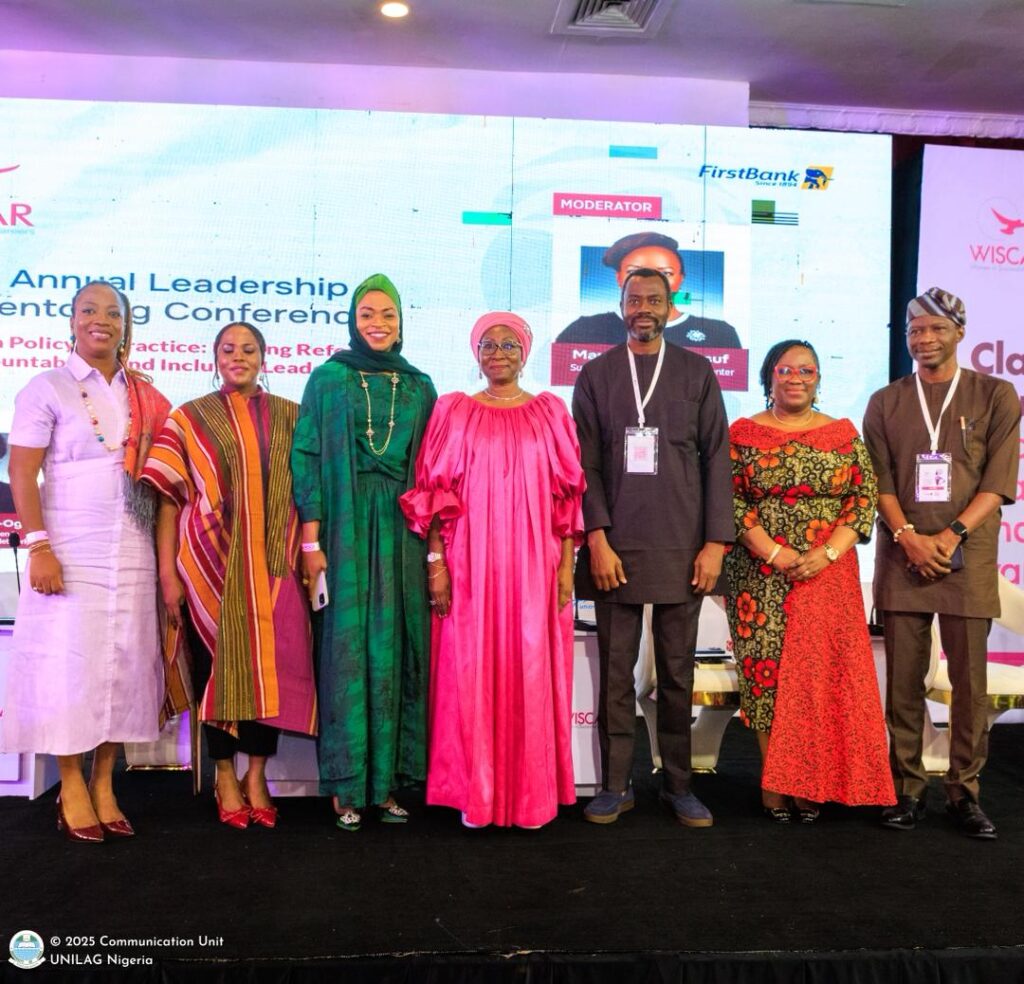
The discussants advocated for deep reforms including restructuring political party processes, gender-sensitive budgeting, establishing leadership development pipelines for women and instituting strict accountability mechanisms to enforce representation benchmarks.
There were also remarks by the Governor of Lagos State, Mr. Babajide Sanwoolu, represented by the Secretary to the State Government, Mrs. Bimbola Salu-Hundeyin; and the Honourable Minister of Trade and Investment, Dr. Jumoke Oduwole who was represented by the Executive Secretary, Lagos State Employment Trust Fund, Mrs. Teju Abisoye. They reaffirmed government’s readiness to translate its renewed commitment to gender inclusion into concrete programmes supporting women’s economic and political empowerment.
Additional goodwill messages from leaders such as the Founder of WARIF, Mrs. Kemi Da-Silva Ibru, further underscored the collective resolve to strengthen protections for women and ensure their inclusion across sectors.
WISCAR, founded in 2008, has over the years built a formidable network of women leaders, supporting them through structured mentoring programmes, leadership training, advocacy for gender equity, and opportunities for professional advancement.
Report: Bayo Salau
Photographs: Ayo Oloyede