Kidney disease often gives little warning. It can progress quietly, with few noticeable symptoms, until significant damage has occurred and treatment becomes more difficult, costly, and in some cases, life-threatening.
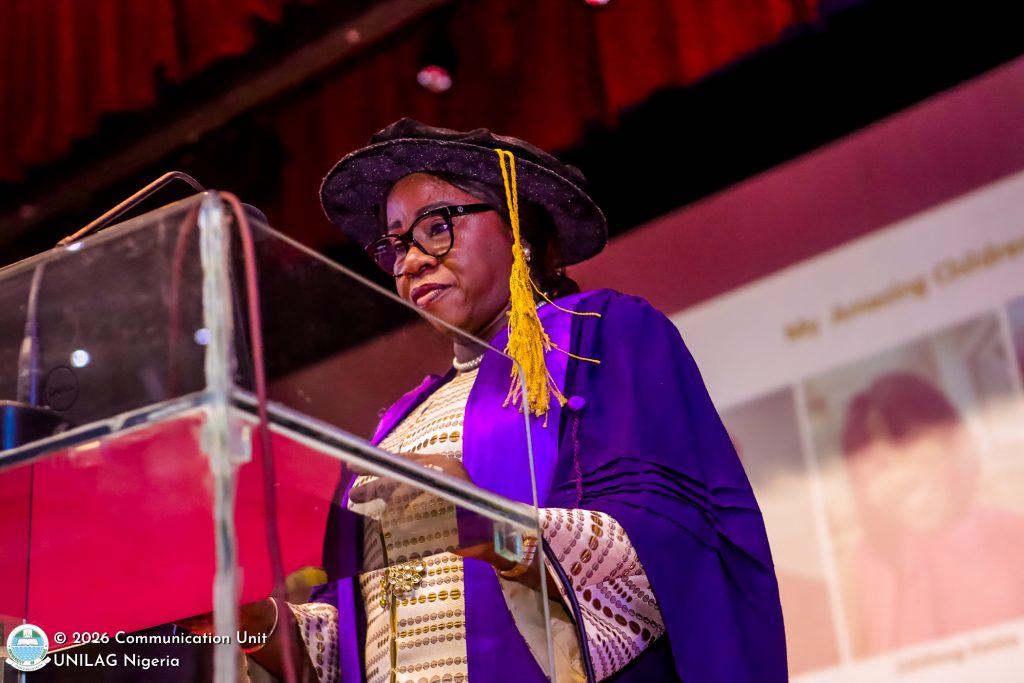
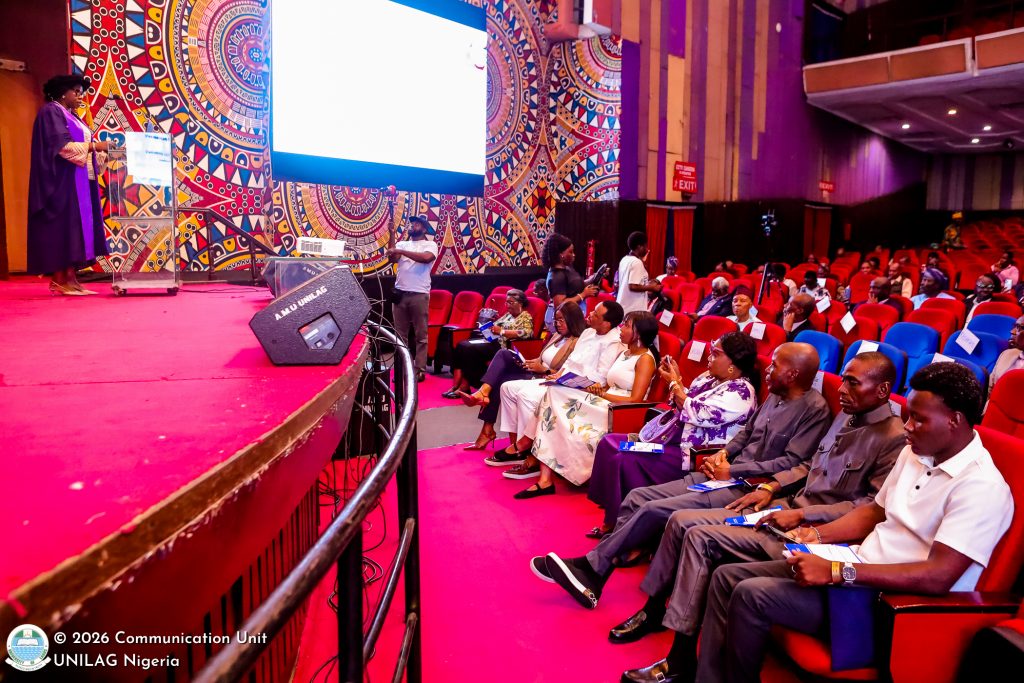
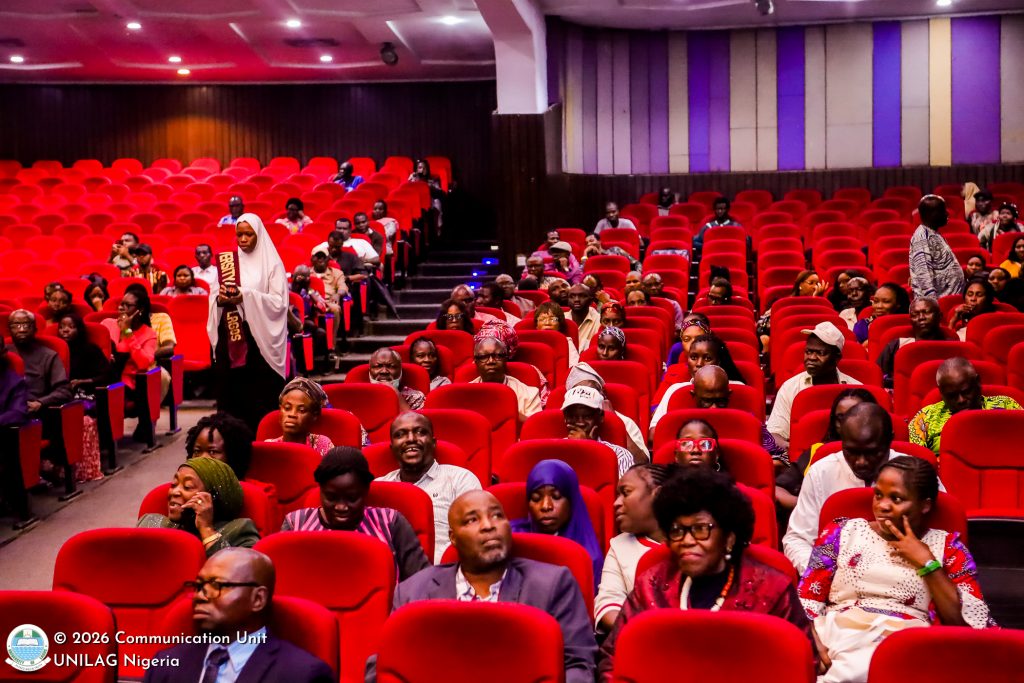
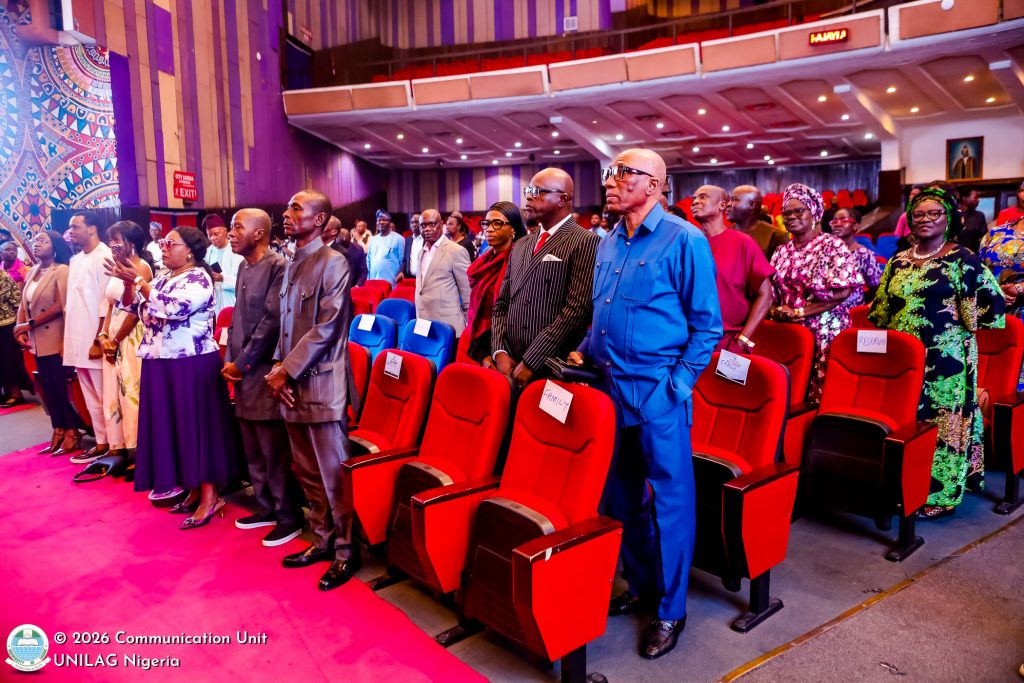
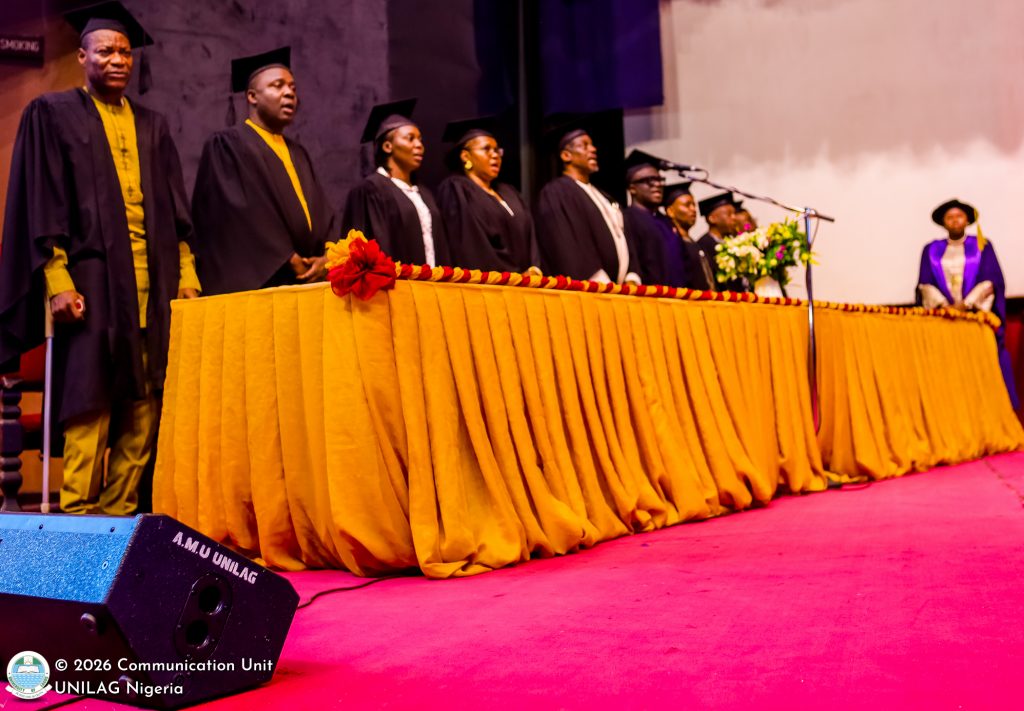
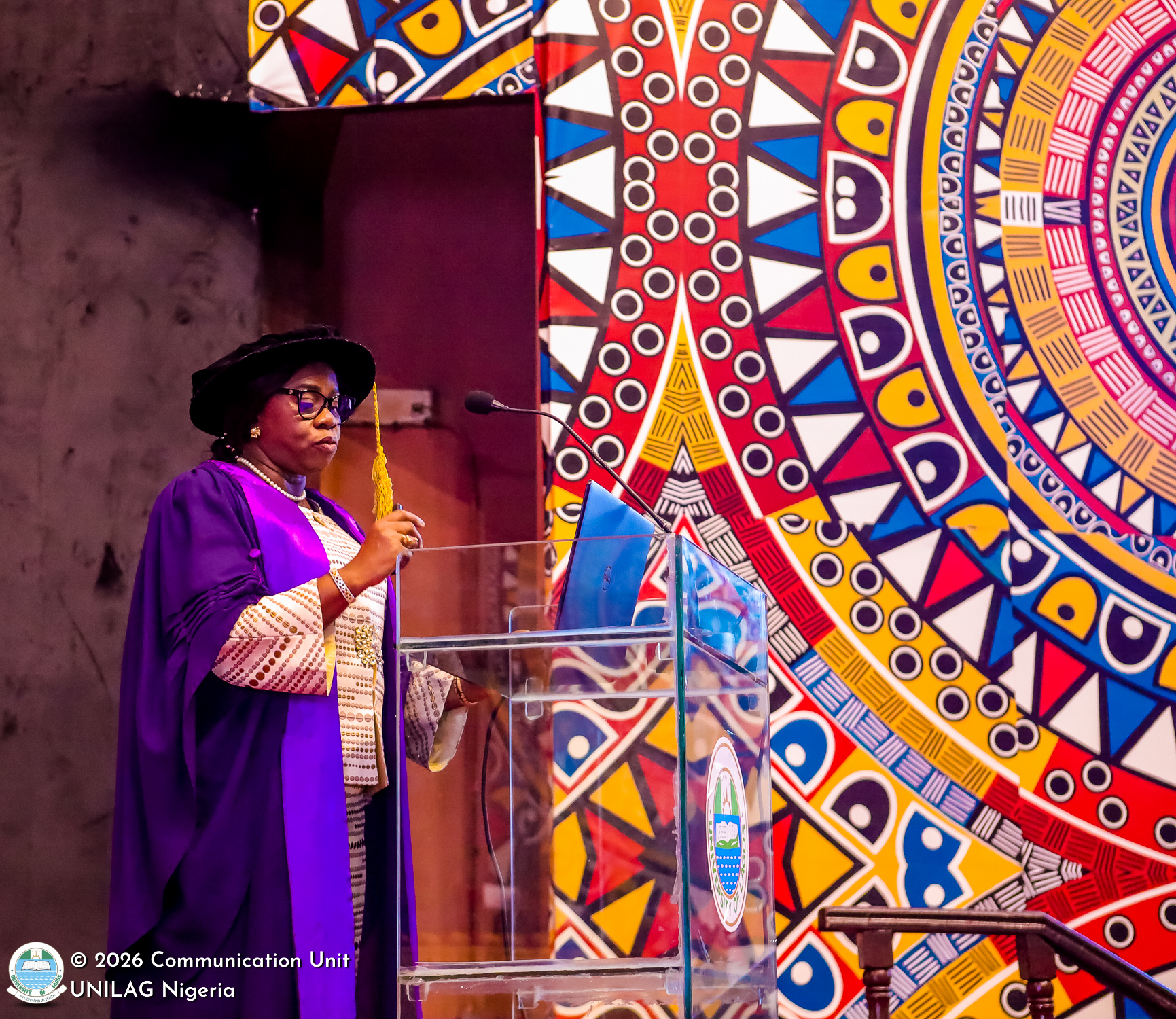
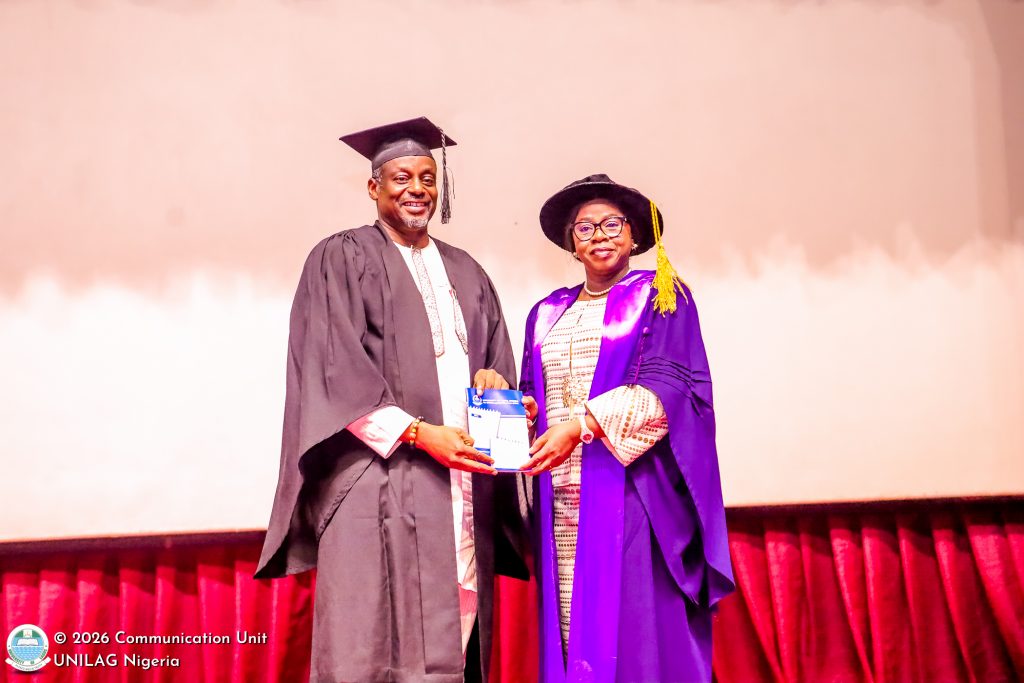
It was this often-unseen progression, and the urgent need to change how kidney disease is detected and managed, that Professor Christiana Oluwatoyin Amira placed at the centre of the 21st Inaugural Lecture of the 2025/2026 Academic Session, delivered on Wednesday, September 9, 2026.






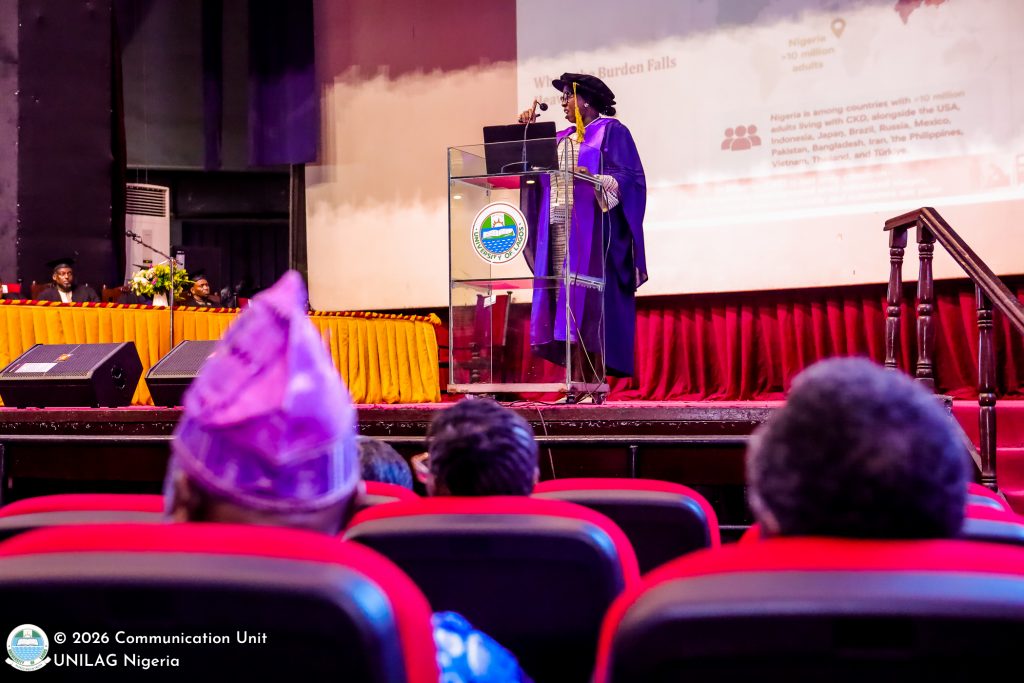
Titled “The Silent Storm: Transforming Kidney Care from Late Rescue to Early Prevention,” the lecture examined the growing burden of kidney disease and made a strong case for a fundamental shift, from waiting to rescue patients at an advanced stage, to identifying risks early, preventing progression, and intervening before a crisis develops.
A System-Wide Challenge
Professor Amira, Head of the Department of Medicine, Faculty of Clinical Sciences, College of Medicine, University of Lagos, noted that the challenge goes beyond the kidneys. It is about how individuals, healthcare systems, and society recognise and respond to disease. She highlighted the silent progression of chronic kidney disease and the heavy consequences of delayed diagnosis and late presentation for patients, families, and an already burdened healthcare system.
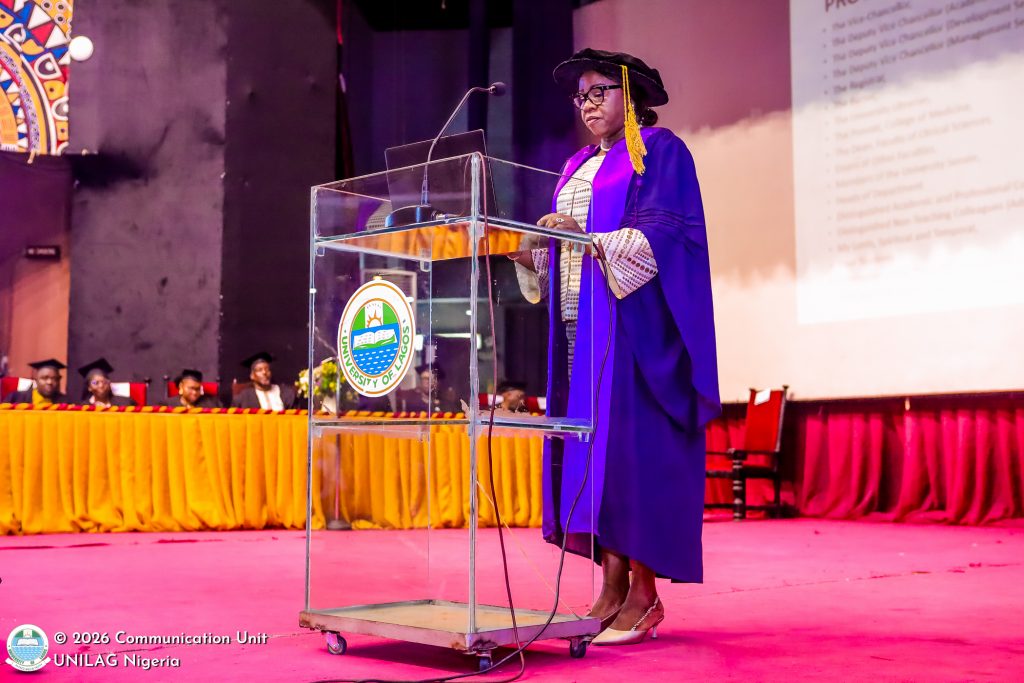
She identified hypertension, diabetes mellitus, cardiovascular disease, and genetic predisposition as major risk factors, stressing that kidney health should be viewed as an integral part of overall health — not as a concern that begins only when kidney failure occurs.
Prevention Over Procrastination
In the Nigerian context, Professor Amira noted that the high cost of care, late presentation, and limited access to appropriate screening and treatment continue to make kidney disease difficult to manage.
“The solution,” she argued, “cannot be centred solely on expanding facilities to treat patients when the disease is already advanced. The more urgent task is to prevent more people from reaching that stage. This requires a stronger primary healthcare system capable of detecting risks early.”




Professor Amira called for basic diagnostic equipment including sphygmomanometers, glucometers, and point-of-care testing devices, to be readily available at the primary healthcare level. Such access, she explained, would enable frontline health workers to identify people at risk and begin preventive interventions much earlier.
She also advocated task-shifting to extend basic screening and preventive services to underserved communities.
Beyond healthcare facilities, she called for stronger policy support. Professor Amira urged greater attention to chronic kidney disease within Nigeria’s National Non-Communicable Disease Strategy and advocated expanded National Health Insurance Authority (NHIA) coverage to improve access to essential screening, treatment, and long-term care.
She further stressed the importance of research and reliable health data, calling for greater investment in genomic research, biobanks, and national kidney disease registries.
According to her, stronger data systems are essential for understanding the true burden of kidney disease, tracking patient outcomes, and developing responsive policies.
She emphasised that “prevention does not rest with hospitals and government alone. Individuals must also take greater responsibility for their health through regular medical checks, healthier lifestyle choices, and adherence to prescribed medications”.
A Call to Collective Action
The message, therefore, was one of collective responsibility. Clinicians, researchers, policymakers, healthcare workers, and members of the public all have a role to play in building a system that prioritises prevention, expands access to affordable care, and protects patients from the devastating consequences of late intervention.
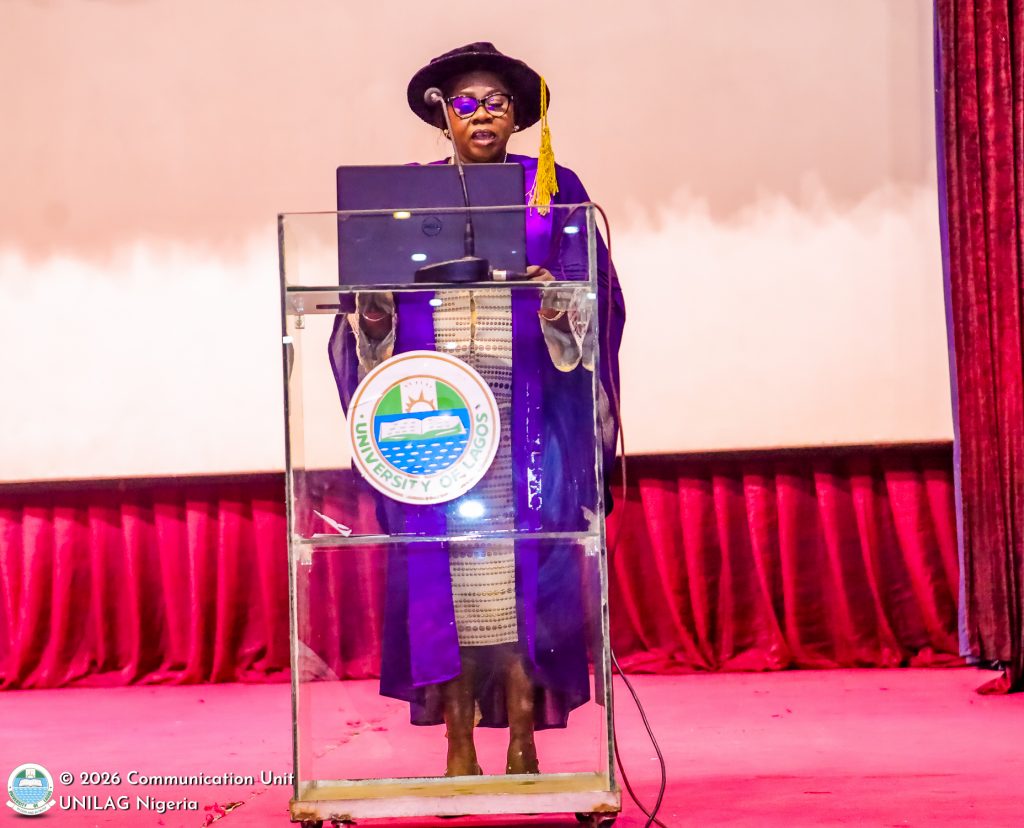
The lecture distilled this responsibility into a simple but powerful choice: “prevention over procrastination, screening over silence, and public health over public emergencies.”
Professor Amira’s Silent Storm was, therefore, more than a lecture on kidney disease. It was a call to rethink kidney care, to move from late rescue to early action, from silence to screening, and from responding to crises to preventing them.
About the Inaugural Lecturer
Born on March 25, 1963, in Arigidi-Akoko, Ondo State, Professor Christiana Oluwatoyin Amira began her early education at Our Lady of Apostles Primary School, Kaduna, before proceeding to Government Girls’ Secondary School, Kawo, Kaduna, in 1975. She distinguished herself academically, emerging as the best student in her graduating set and obtaining a Grade 1 Distinction in the West African School Certificate in 1980.
She proceeded to the University of Ibadan to study Medicine and graduated in 1986 with a Bachelor of Medicine and Bachelor of Surgery (MBBS) degree. In 1997, She earned the Fellowship of the West African College of Physicians.
In 2003, she received an International Society of Nephrology training grant which took her to Johannesburg General Hospital, South Africa, where she underwent advanced training in Nephrology and kidney transplantation under Professor Saraladevi Naicker.
She further strengthened her academic and professional training at the University of the Witwatersrand, South Africa, where she obtained an MSc in Medicine with distinction in 2005. In 2021, she earned the Doctor of Medicine degree from the National Postgraduate Medical College of Nigeria.
Professor Amira joined the services of the University of Lagos as a Lecturer I in the Department of Medicine, College of Medicine, in October 1999. She was promoted to Senior Lecturer in October 2008, Associate Professor in July 2015, and Professor of Medicine in January 2019.
Alongside her academic career, Professor Amira has served as an Honorary Consultant Physician at the Lagos University Teaching Hospital since January 2002. She has also contributed to the advancement of kidney transplantation in Nigeria, including specialised training in kidney transplantation at the Urology and Nephrology Centre. She is the head of the Nephrology Unit since 2021.
A major milestone in Professor Amira’s career was her leadership of the transplant team that performed the first successful kidney transplants at the Lagos University Teaching Hospital in 2011 and 2012. The landmark achievement represented a significant advancement in kidney transplantation and renal care at the University and in Nigeria.
As an academic and medical educator, Professor Amira has contributed significantly to the training and mentoring of generations of medical students, resident doctors and young researchers. For almost three decades, she has taught Internal Medicine and Nephrology, and has supervised the residency training of over 25 nephrology doctors, as well as more than 15 dissertations and theses at the Master’s and fellowship levels. Since 2013, she has served as an examiner for the West African College of Physicians and currently chairs the College’s Nephrology Subspecialty.
Professor Amira is a member of several professional bodies and learned societies in Nigeria, Africa and internationally. Her professional affiliations include the Nigerian Medical Association, Nigerian Association of Nephrology, Nigerian Hypertension Society, Medical and Dental Consultants Association of Nigeria, International Society of Nephrology, Transplant Association of Nigeria, African Association of Nephrology, and European Renal Association/European Dialysis and Transplant Association.
Her contribution to medical research is equally significant. Professor Amira has served as the UNILAG Clinical Site Principal Investigator for several major international research studies, including the NIH/NIDDK-funded H3Africa Kidney Disease Research Network Study; InSight Africa Study; Diet, CKD and APOL1 Study; and AMPLITUDE Study. She is also the UNILAG Programme Director for the Case Western-Nigeria mentored research training programme.
Her research interests focus on the genetics of chronic kidney disease, its risk factors, outcomes and prevention. Her work reflects a strong interest in understanding the factors that contribute to kidney disease and developing approaches that can improve early detection, prevention and patient outcomes.
Beyond the hospital and laboratory, Professor Amira has demonstrated a strong commitment to community healthcare. She founded Nigeria’s first community outreach programme dedicated to screening for chronic kidney disease risk factors and has led several outreach programmes since its inception. She also serves on the National Chronic Kidney Disease Guidelines Drafting Committee.
With over seventy (70) publications in peer-reviewed journals, Professor Amira has contributed substantially to the body of knowledge in Nephrology and kidney health. Her publications include works in internationally respected journals such as the New England Journal of Medicine, Kidney International and American Journal of Kidney Diseases.
Professor Christiana Oluwatoyin Amira is happily married and blessed with children and a granddaughter.
Report: Bayo Salau
Photographs: Micheal Joshua / Eniola Onabajo