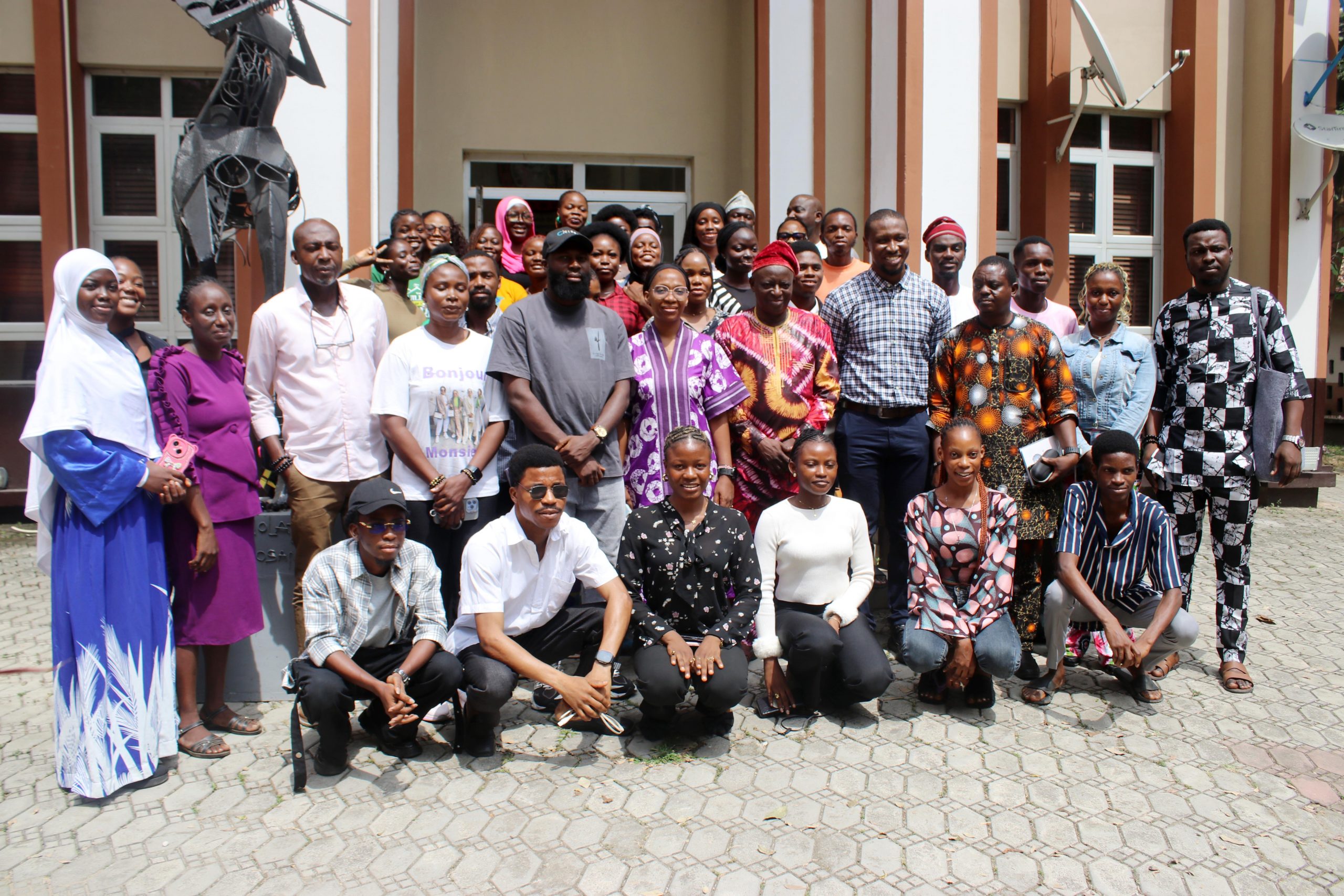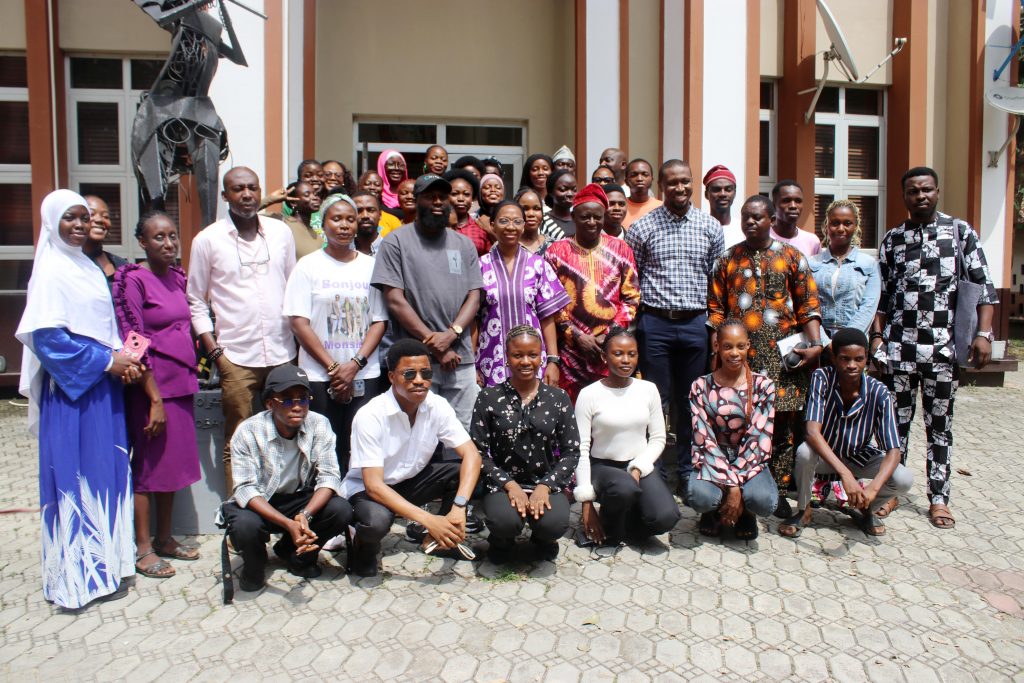
The University of Lagos has taken a bold step toward positioning indigenous languages at the forefront of technological advancement, as the Department of Linguistics, African and Asian Studies, Faculty of Arts, convened a two-day workshop advocating the integration of African languages with Artificial Intelligence (AI) systems.
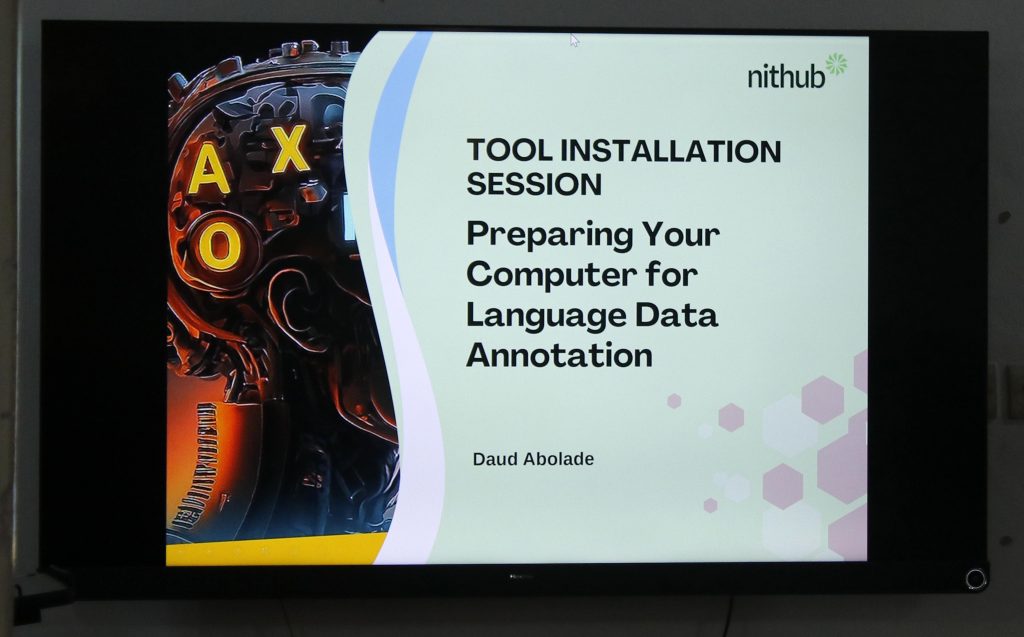
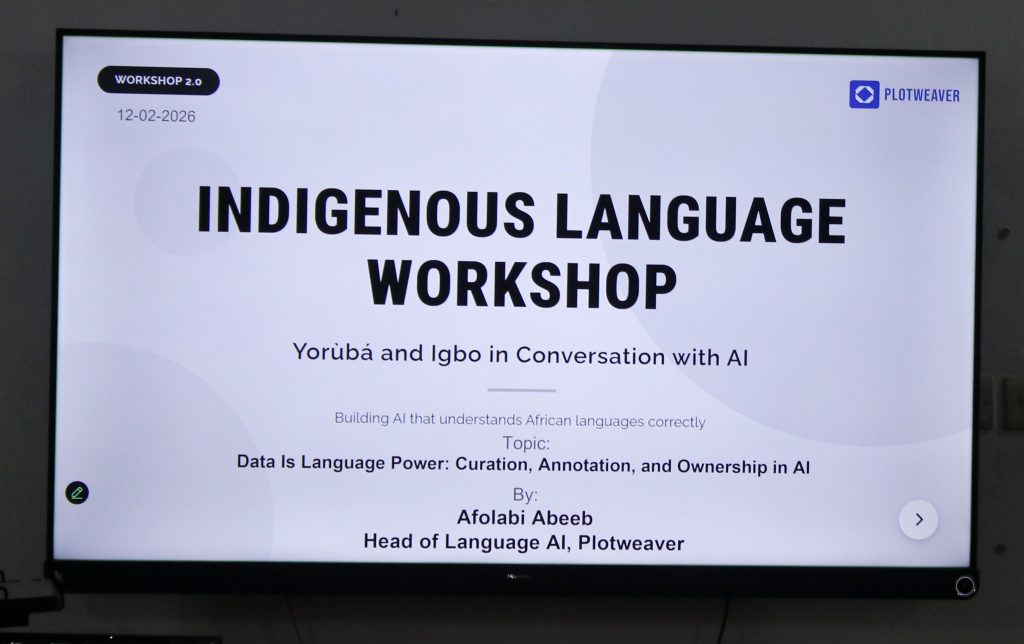
Held in partnership with the Institute of African and Diaspora Studies (IADS) and NITDA’s National Information Technology Hub (NITHUB), both at UNILAG, the workshop, titled: “Yoruba and Igbo in Conversation with Artificial Intelligence (Edition 2.0)”, brought scholars, technologists, and language advocates together on Thursday, February 12 and Friday, February 13, 2026 to explore how AI can make indigenous languages globally accessible, researchable, and technologically relevant.
An Urgent Need
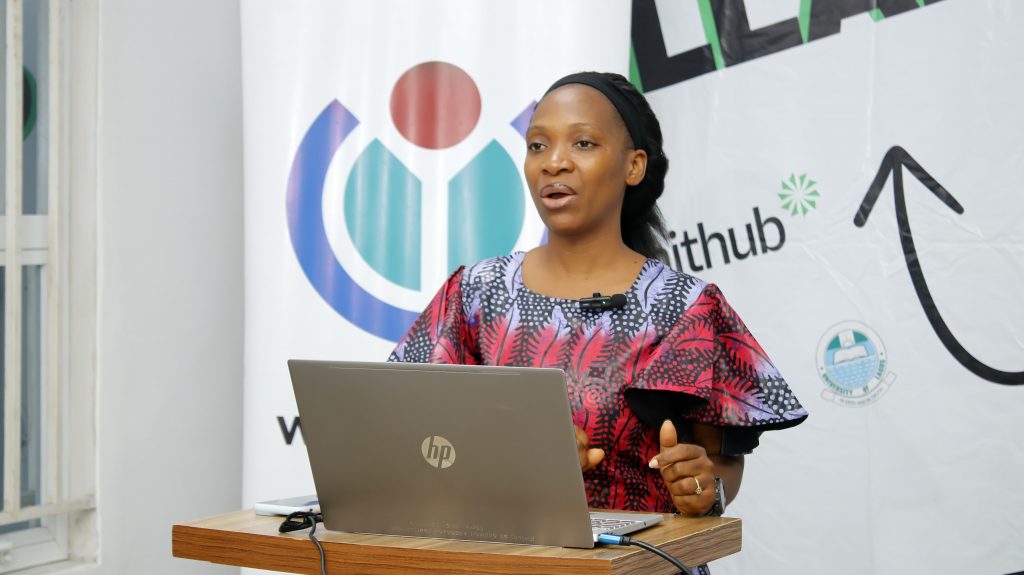
Convener of the workshop, Dr. Doyinsola Eleshin, emphasised the urgent need for experts who understand both language and technology.
According to her, “as tech companies build products for African markets and AI laboratories develop multilingual systems, there is growing demand for professionals who can code. The development also explains why certain Igbo expressions resist direct translation or why the cultural depth of a Yoruba proverb must be preserved within an algorithm.”
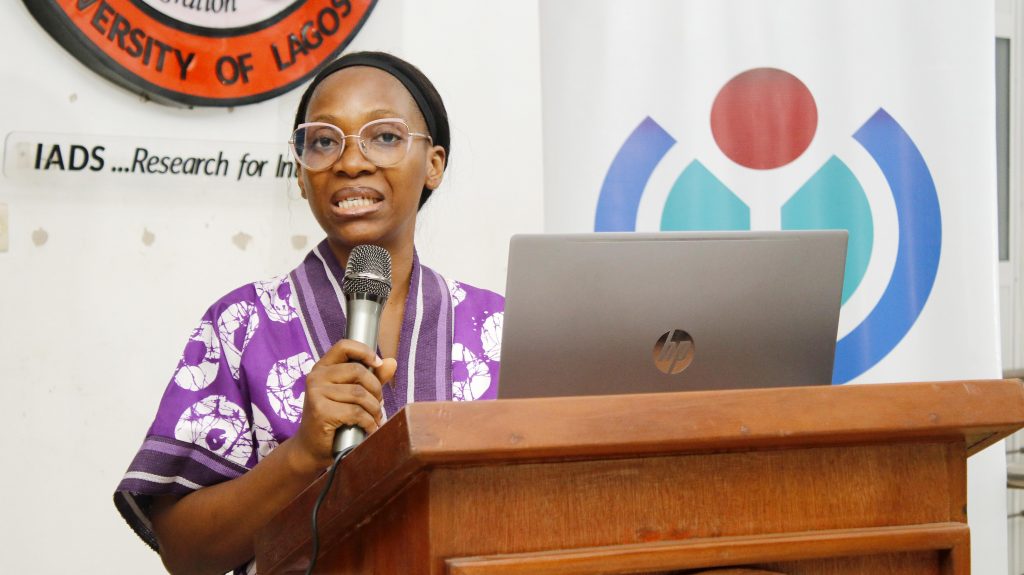
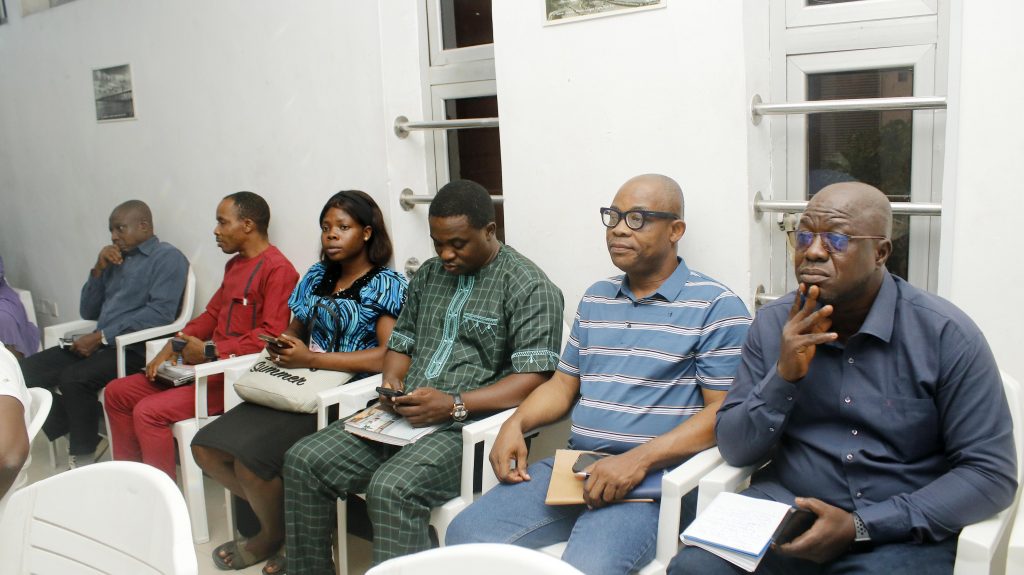
She described the workshop as exciting not only for the technical skills participants would gain, but also for the global career opportunities embedded in the field. Indigenous languages, she noted, must no longer be seen merely as objects of preservation, but as dynamic, evolving systems capable of shaping the technological future.
“The world is a marketplace of ideas,” she said, urging participants to leverage AI’s permanence and dynamism to create functional opportunities within the global knowledge economy.
Scholarship needs Structure
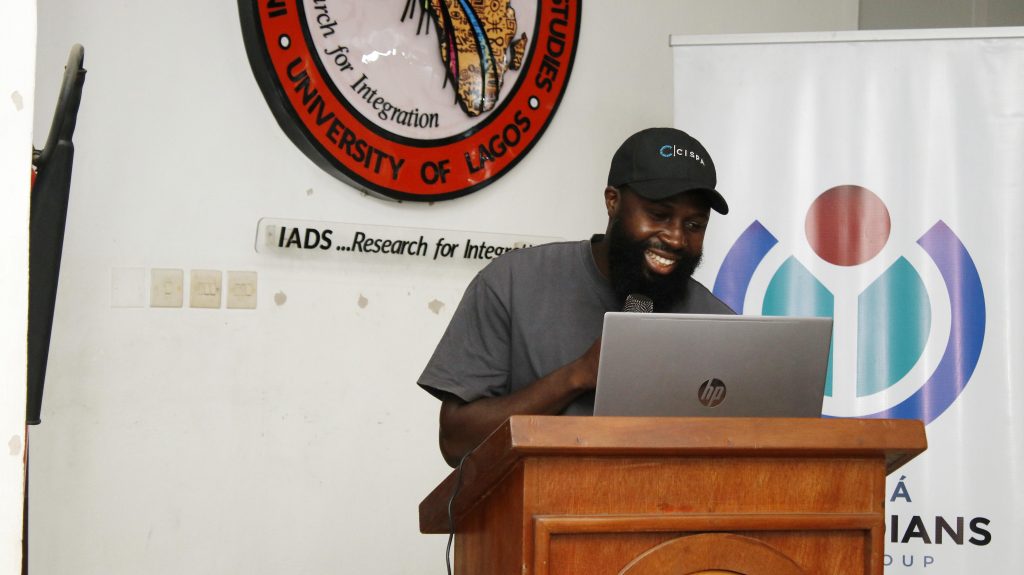
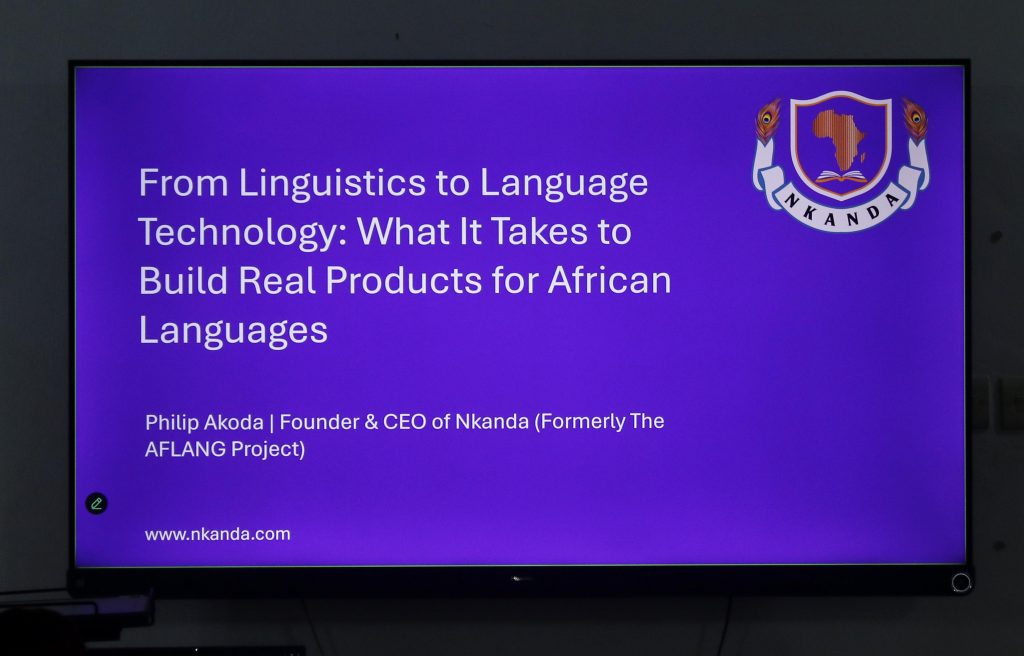
Philip Akoda, Founder and Chief Executive Officer of NKANDA (formerly The African Languages Project) an award-winning EdTech startup, delivered the Keynote Address. He spoke on transitioning “from linguistics to language technology” and what it takes to build viable products for African languages. He argued that while African languages do not lack scholarship, they often lack structured, market-ready digital ecosystems that make them AI-ready. He affirmed that building such ecosystems requires sustained research and adaptation to contemporary technological demands.
Other Insightful Takes
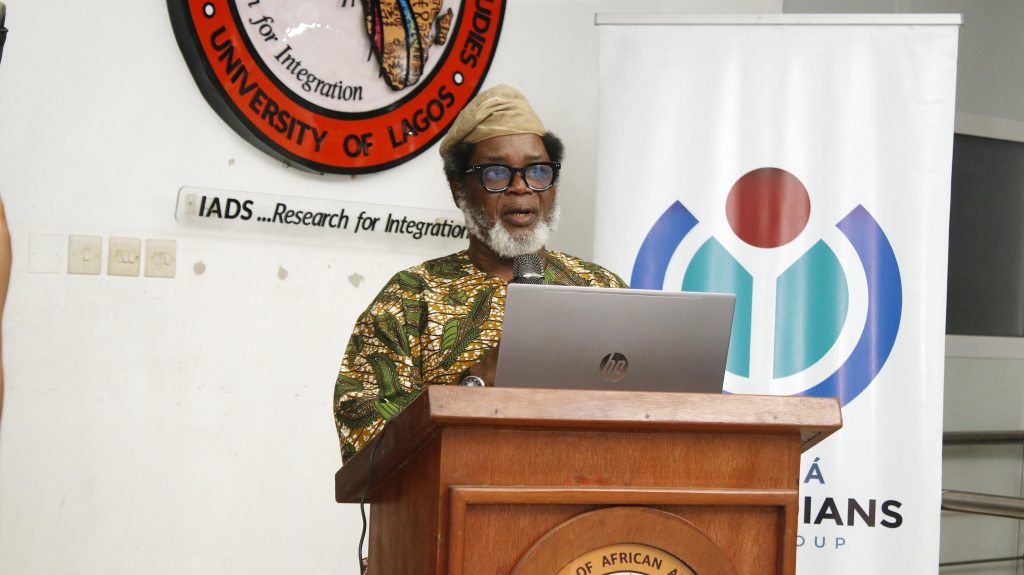
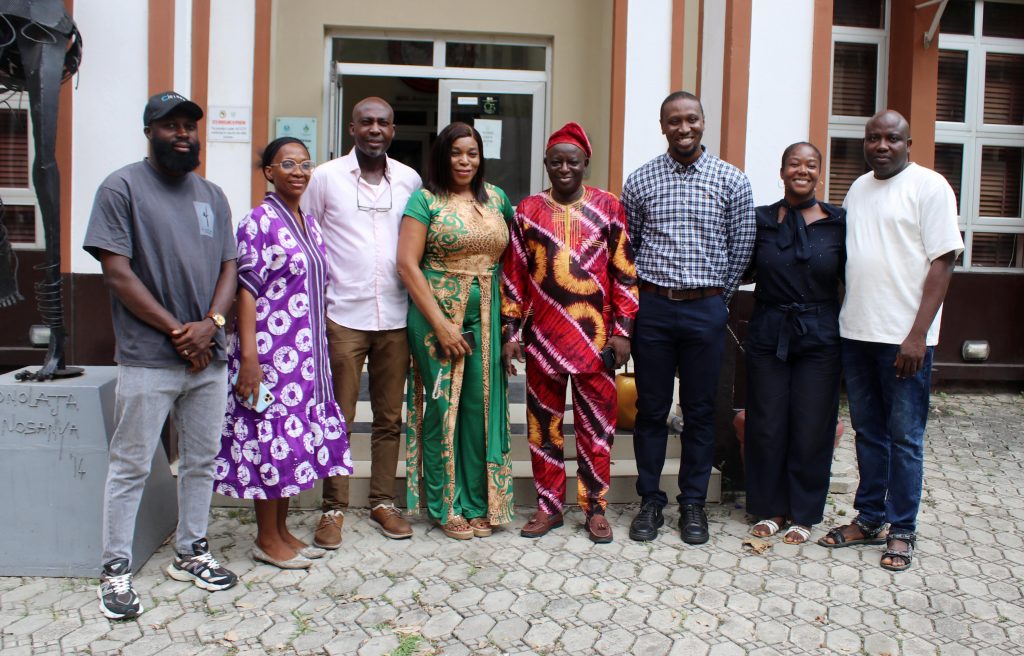
In his remarks, Director of the Institute of African and Diaspora Studies (IADS-UNILAG), Professor Luqman Ayodele Yusuff, underscored the workshop’s relevance to the Institute’s vision and mission. He observed that as the global knowledge ecosystem evolves, Artificial Intelligence (AI) has become instrumental in language preservation at a time when many indigenous languages face extinction.
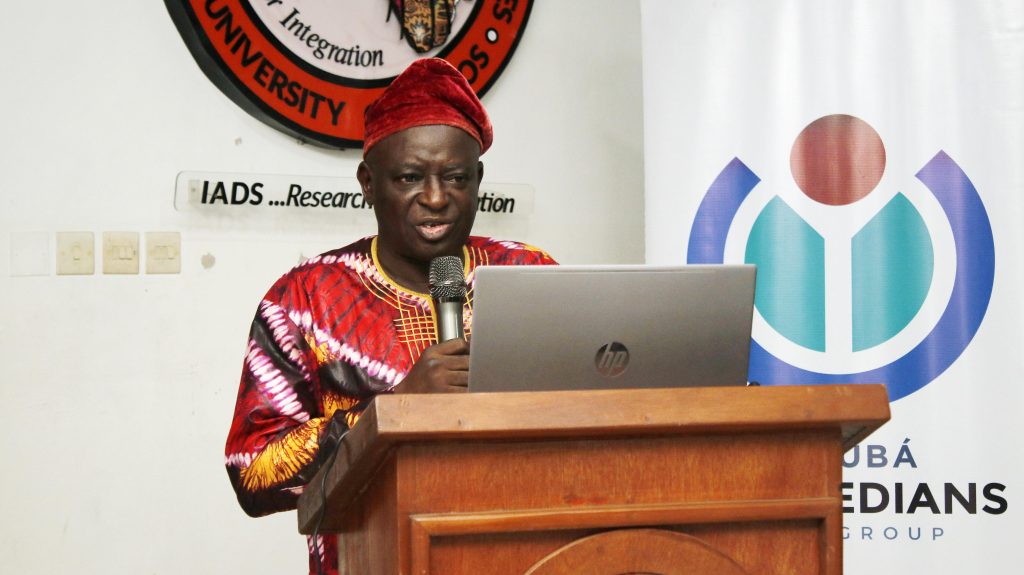
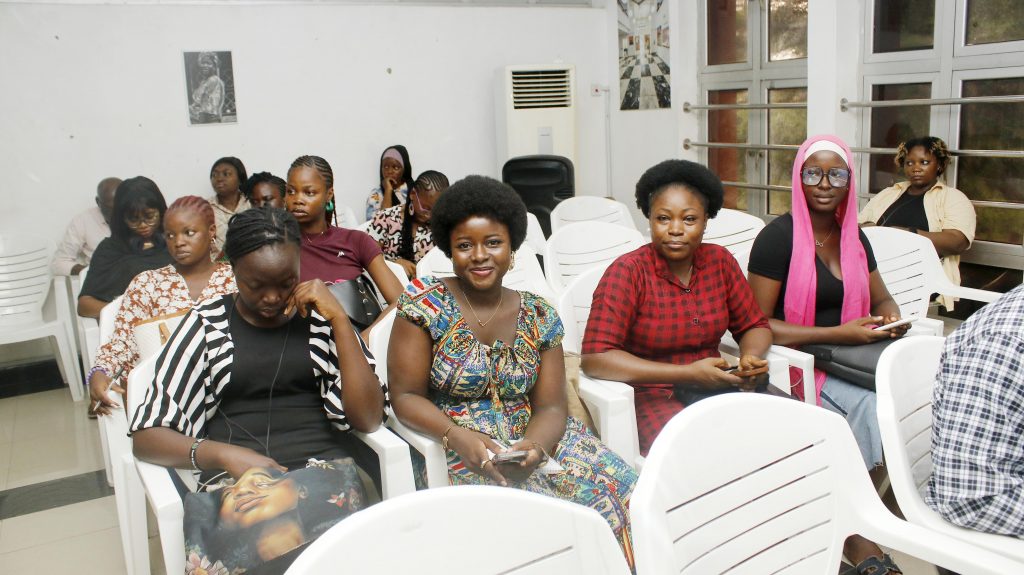
Professor Yusuff identified societal attitudes, particularly among the elite, as a major challenge to the survival of indigenous languages, noting that indifference and unconscious neglect have contributed to their decline. He further lamented the prevalent low reading culture but expressed optimism that AI-driven tools could help reshape narratives and improve accessibility. Artificial Intelligence, he added, has demystified complex linguistic processes, enabling global engagement and cross-cultural understanding. He urged participants to approach the emerging AI landscape with seriousness and intentionality in to that ensure indigenous languages reach global audiences.
Dr. Victor Odumuyiwa, Director of NITBHub-UNILAG, reinforced the importance of foundational readiness, noting that Artificial Intelligence thrives on data. He emphasised the need to equip students of indigenous languages with the digital and technical skills required to make AI accessible in local contexts. Maximising global AI trends, he said, will ensure African languages are not only preserved but transformed into globally consumable, data-driven products.
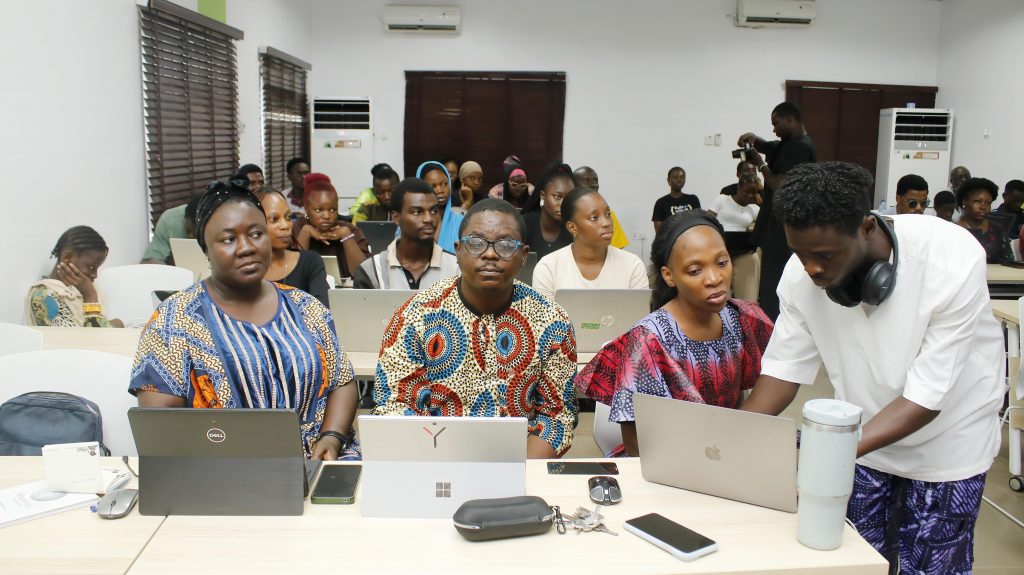
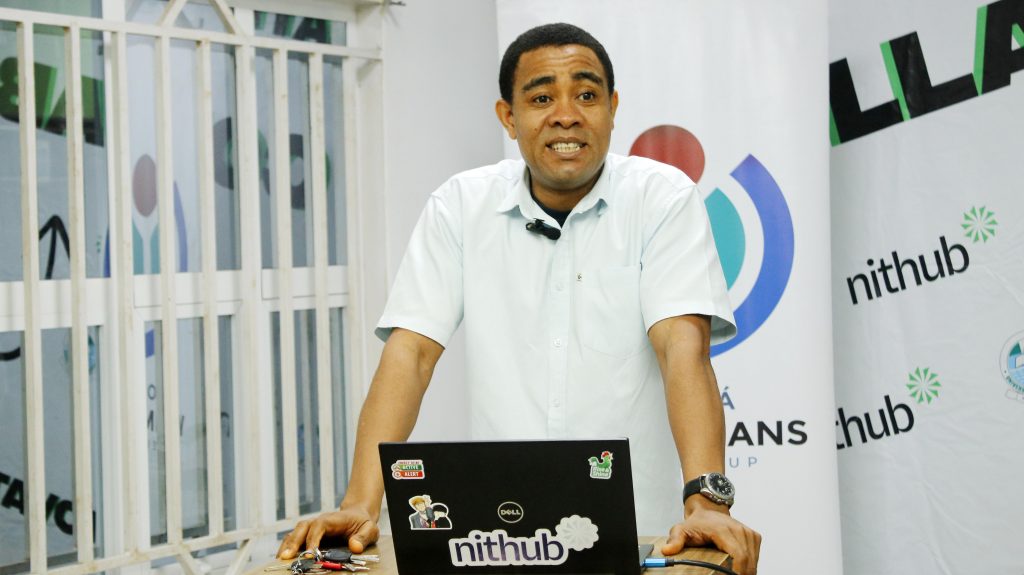
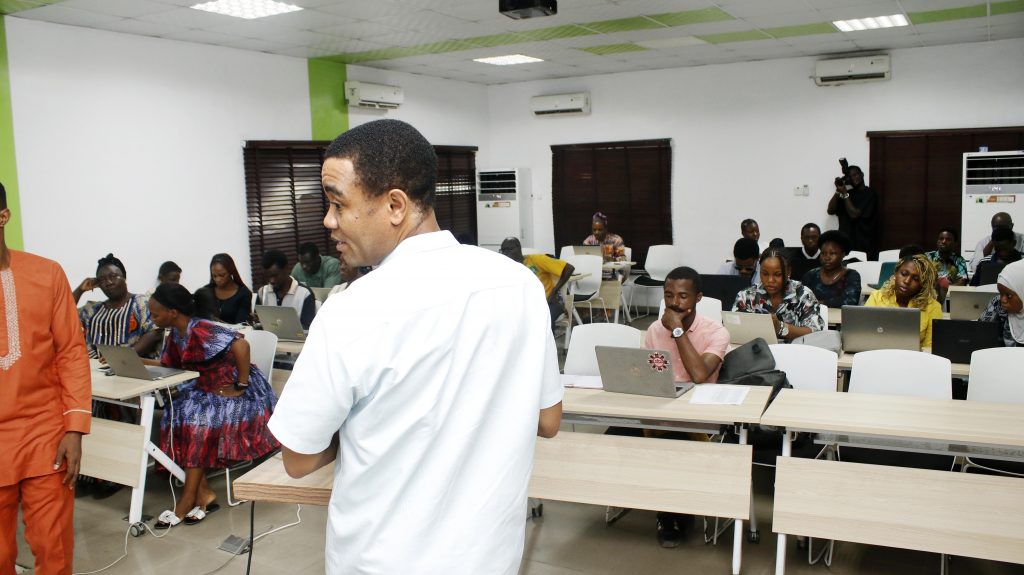
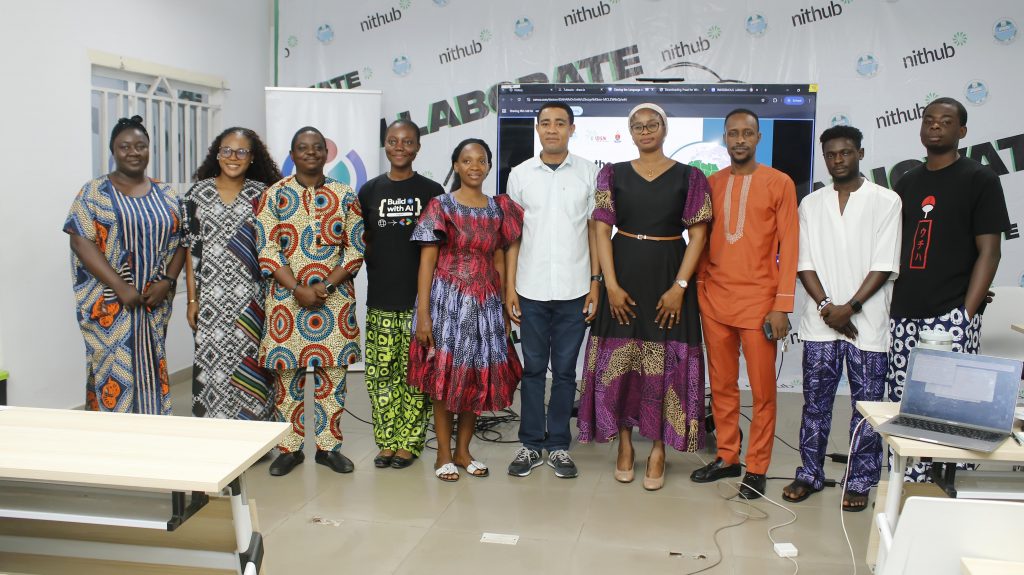
Other participants included Professor Ajiboye; Dorcas James of the Yoruba Wikimedians User Group; Afolabi Habeeb, Head of Language Artificial Intelligence, who spoke on building AI systems that accurately understand African languages; and Dr. Feyi Ademola-Adeoye, among other scholars and stakeholders committed to advancing indigenous language innovation.
The workshop reaffirmed the University of Lagos’ commitment to bridging linguistic scholarship and emerging technologies, thus ensuring that African languages are not left behind in the rapidly expanding digital future.
Report: Akinola Afolabi
Photography: Islamiat Akanni