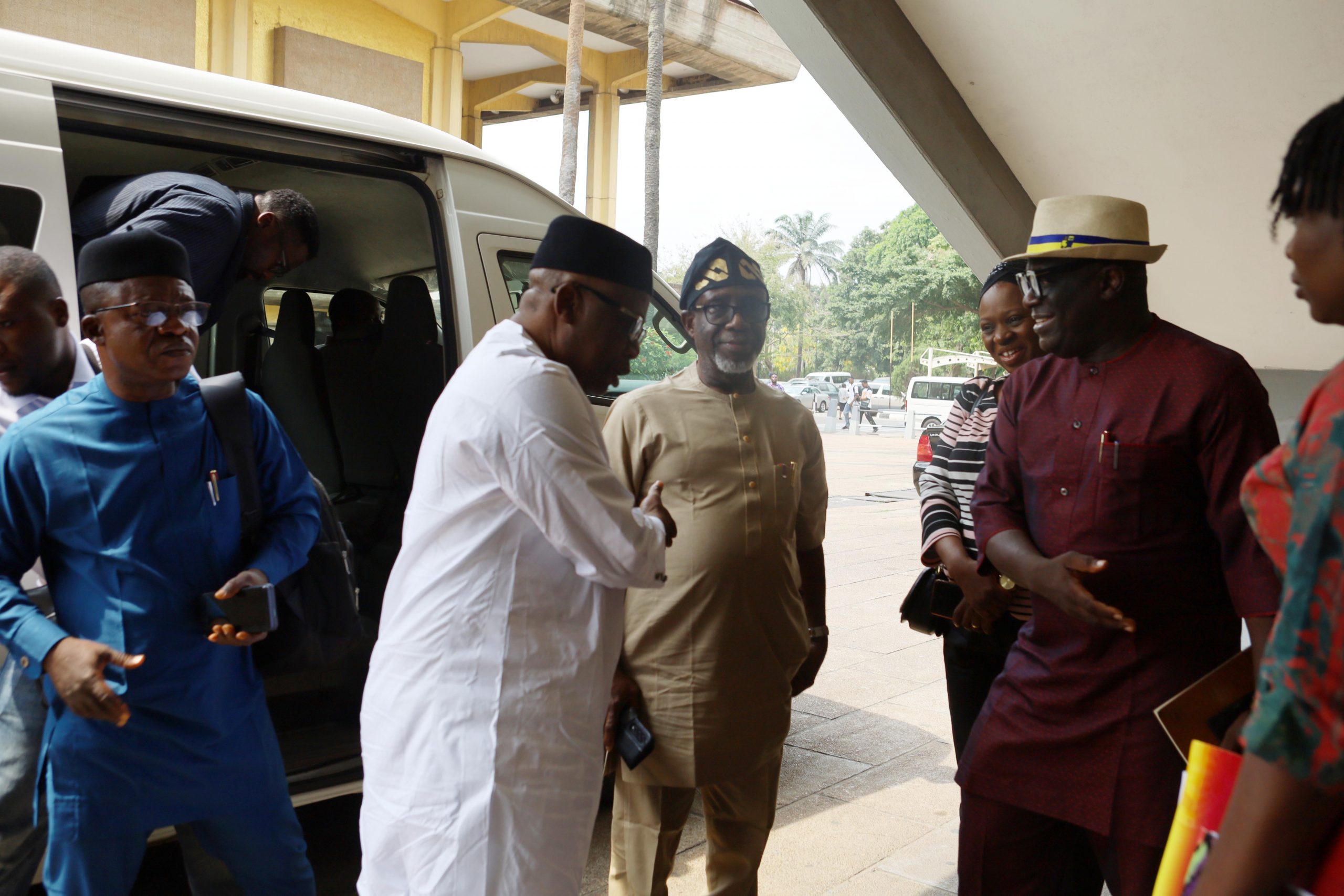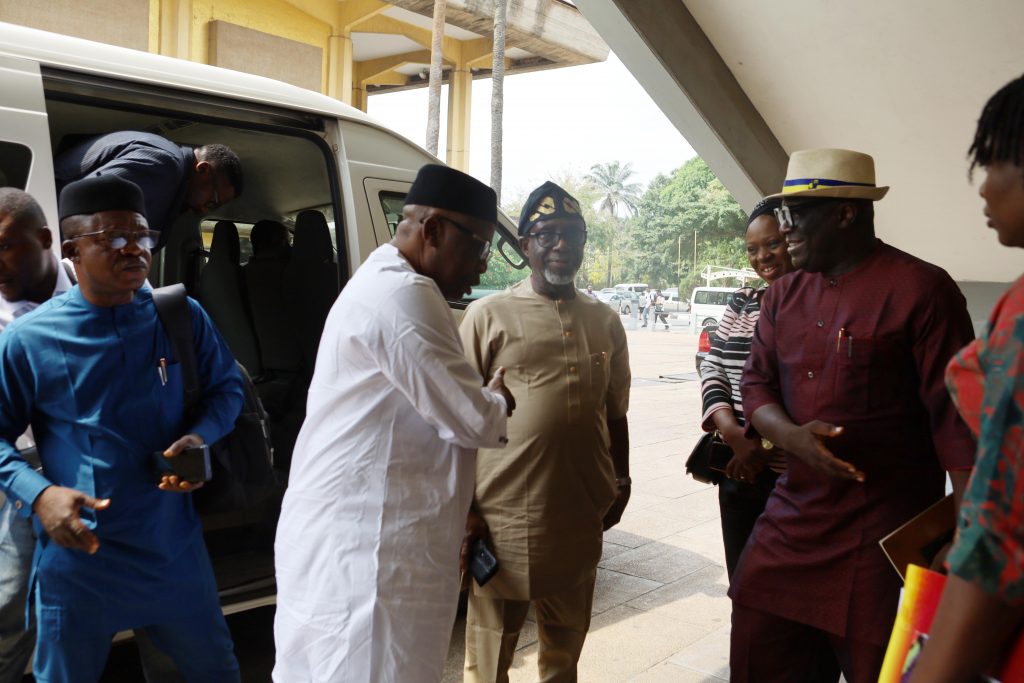
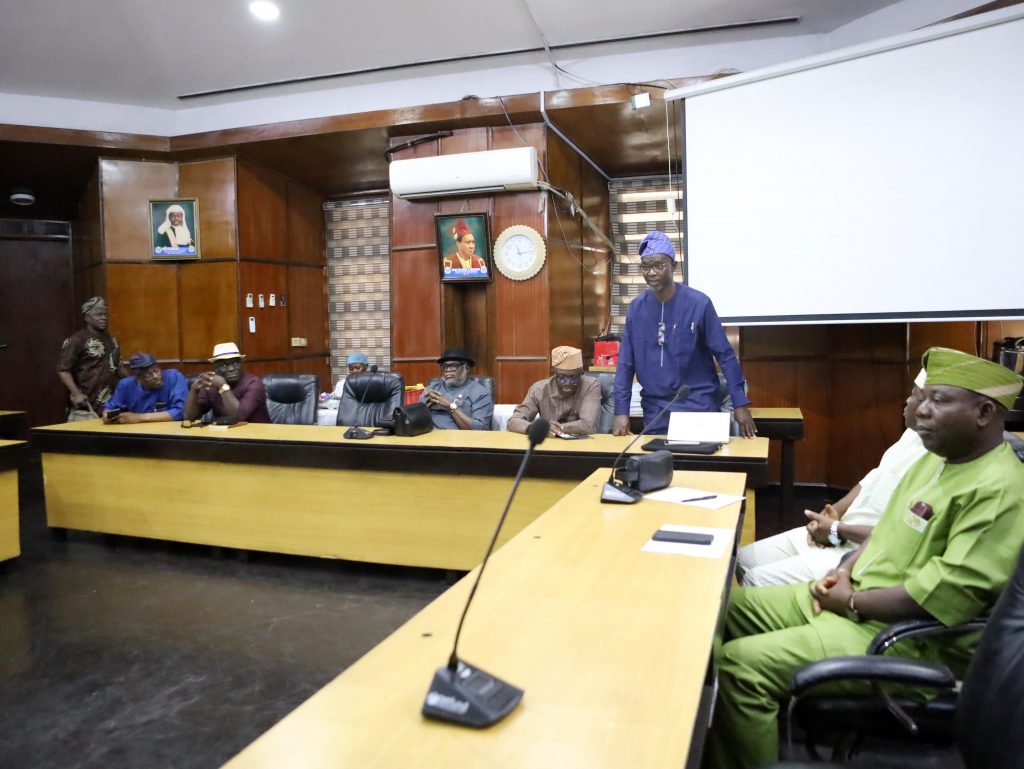
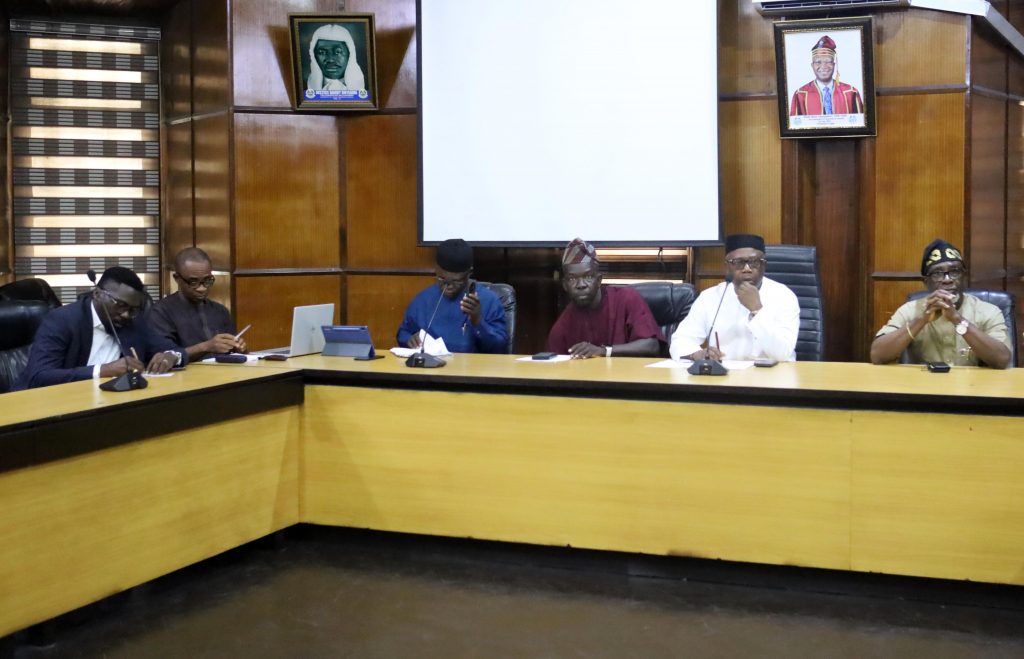
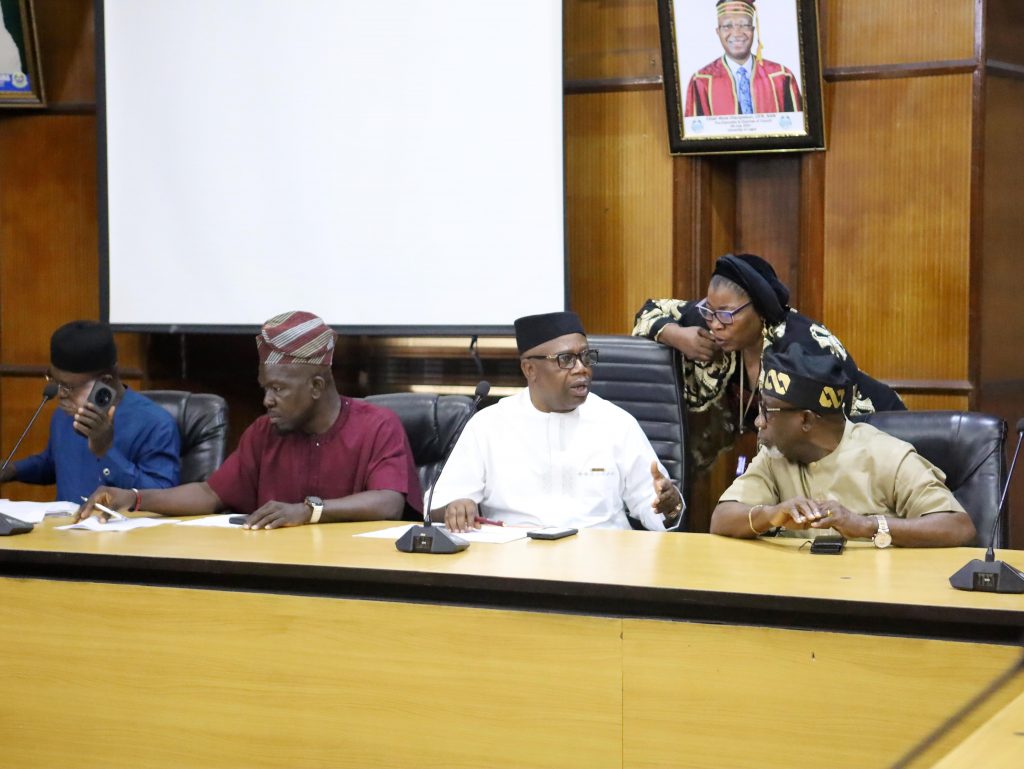
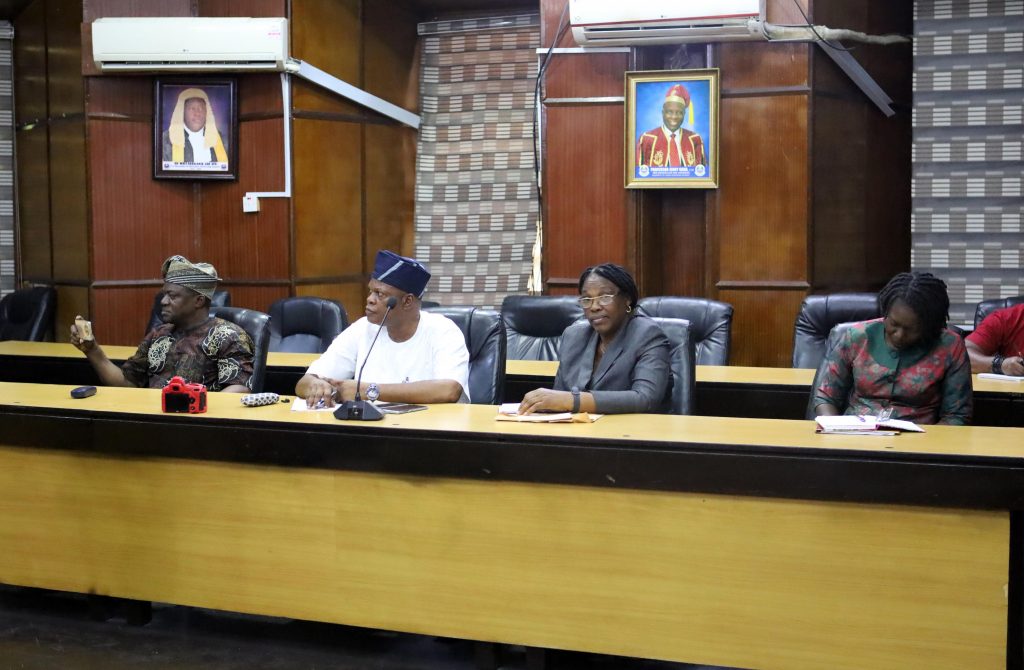
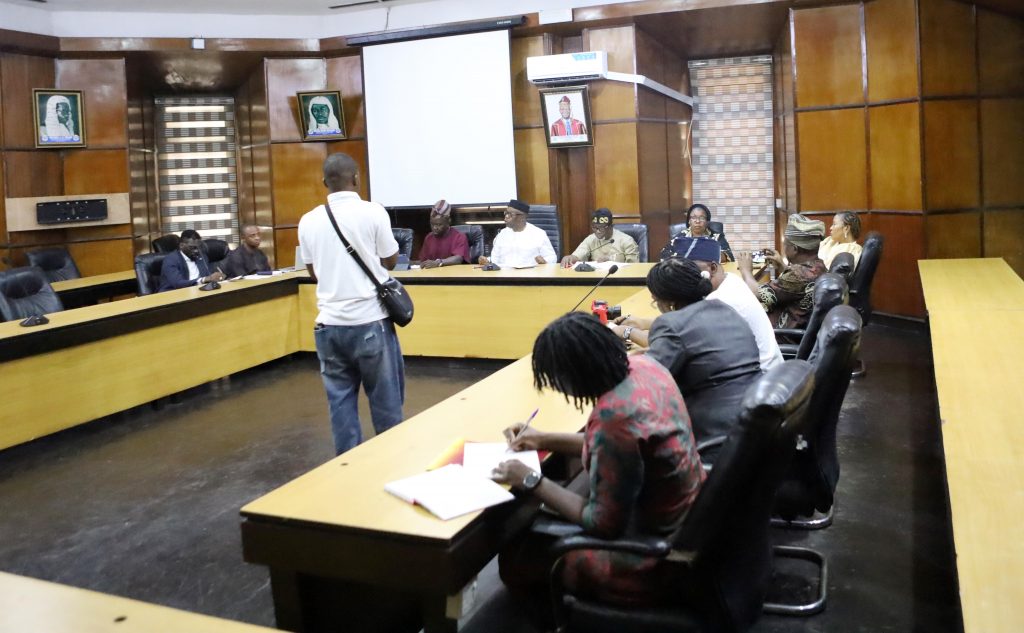
Authorities of the University of Lagos (UNILAG) on Monday, March 9, 2026, received members of the Senate Committee on Public Procurement for an oversight exercise scheduled to run until Wednesday, March 11, 2026.
The exercise, a procurement audit of the utilisation of all TETFund intervention lines, will focus on physical infrastructure under the Special High Impact Projects, Special Intervention Projects, Zonal Intervention, and Annual Intervention programmes. It will also review Academic Staff Training and Development as well as Research Grants disbursed to tertiary institutions between 2022 and 2024 in the South-West geopolitical zone.
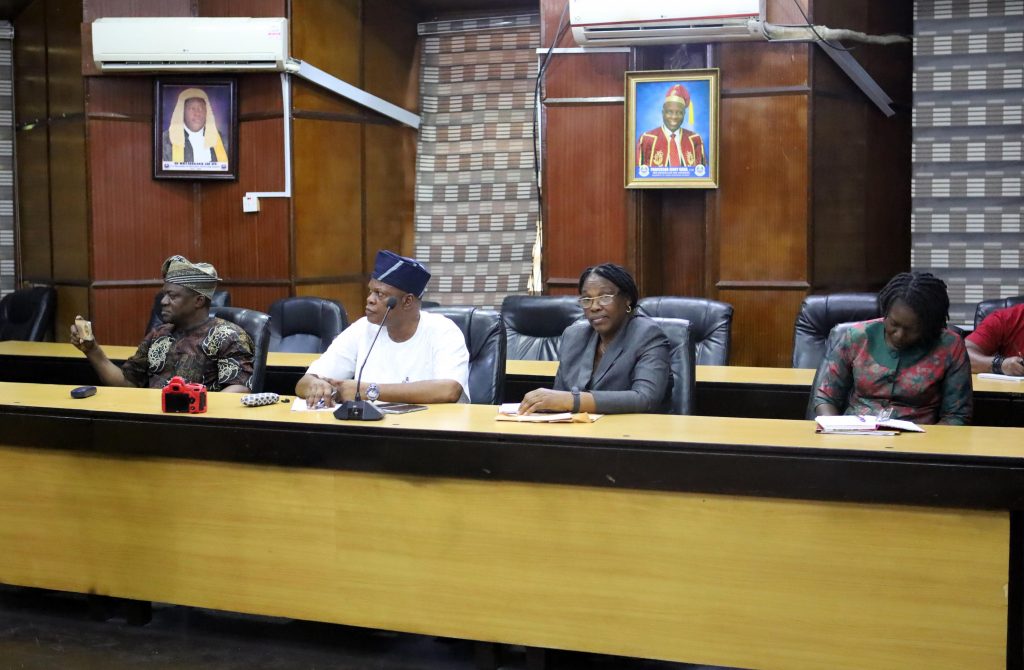
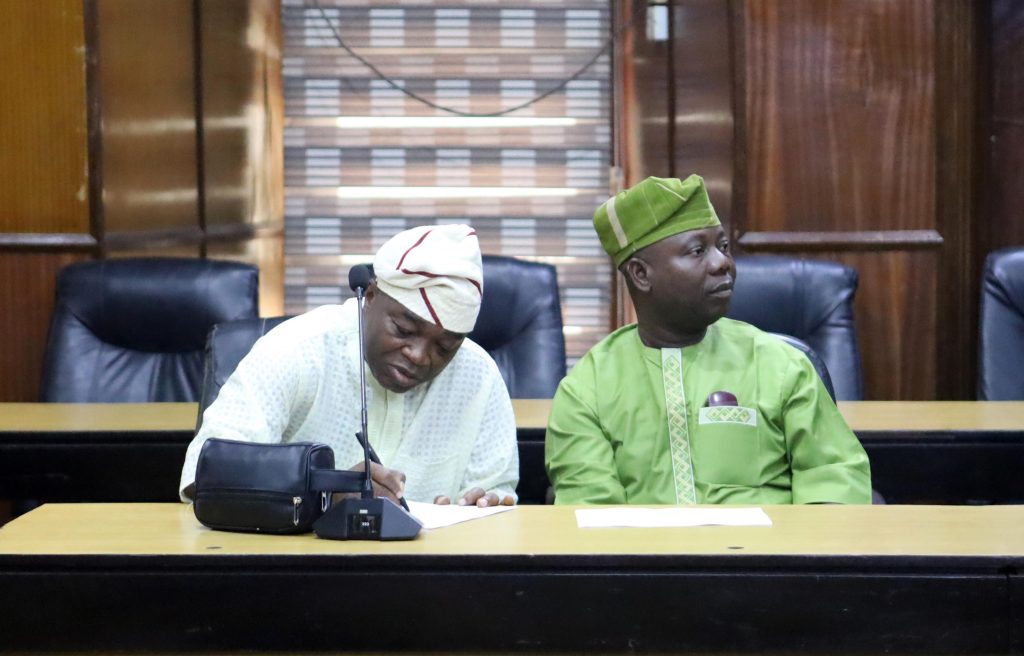
During the three-day exercise, management teams of government-owned tertiary institutions in Ekiti, Lagos, Ogun, Ondo and Oyo States are expected to interface with the Senate Committee.
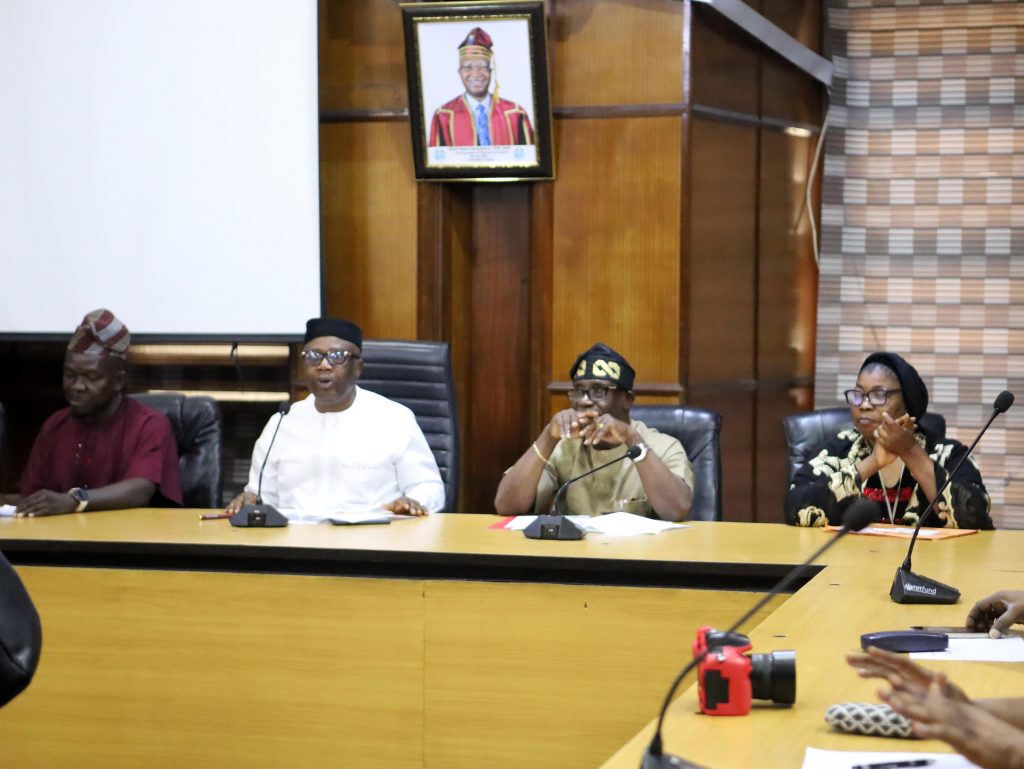
The committee, led by its Chairman, Senator Olajide Ipinsagba, PhD, was received and ushered to the UNILAG Council Chamber by members of the University Management team, including the Deputy Vice-Chancellor (Development Services), Professor Foluso Lesi-Afolabi; Deputy Vice-Chancellor (Management Services), Professor Muyiwa Falaiye; Registrar, Mrs Abosede Wickliffe; Bursar, Mrs Olufunmilola Adekunle; and the University Librarian, Professor Olaotokunbo Okiki.
In his opening address marking the formal commencement of the oversight exercise, Senator Ipinsagba described the exercise as a fulfilment of the National Assembly’s constitutional mandate to ensure transparency, accountability, value for money, and strict compliance with established procurement laws and procedures across Ministries, Departments and Agencies (MDAs) benefiting from government funds.
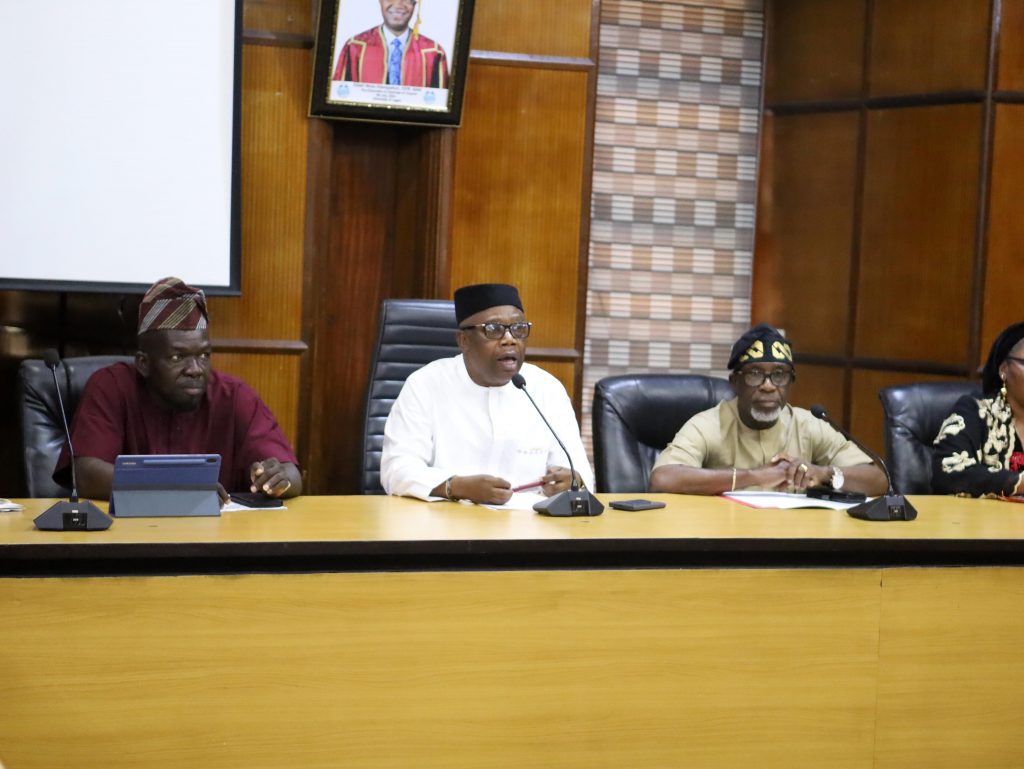
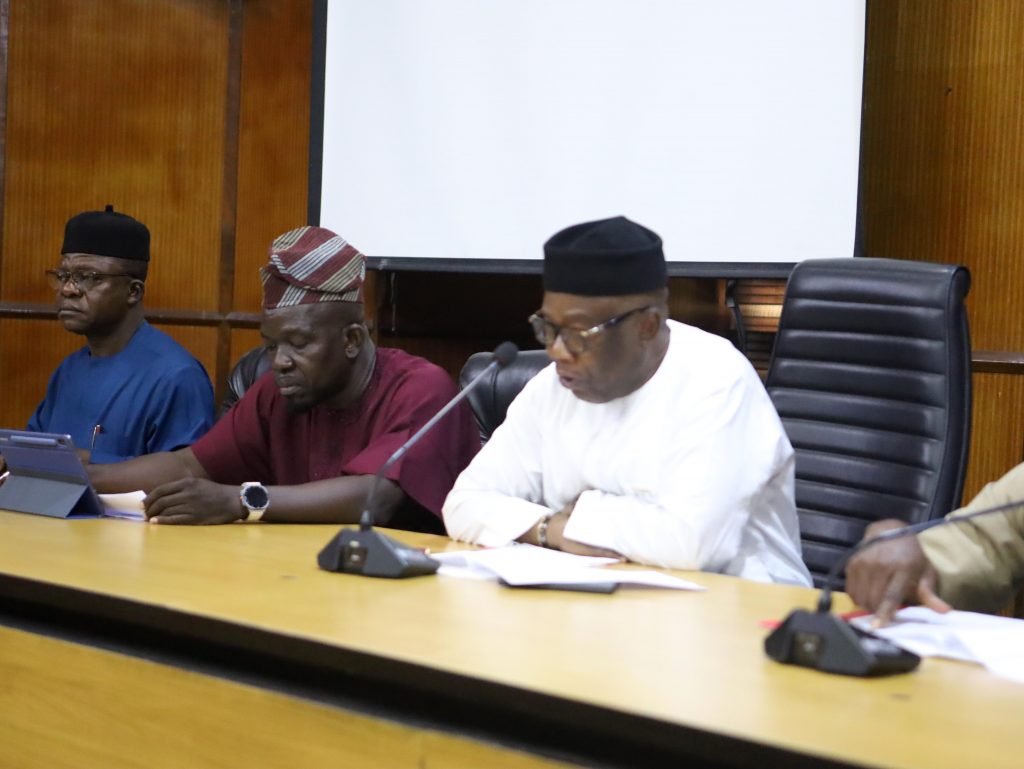
He commended UNILAG Management for providing a conducive environment for the smooth take-off of the exercise and noted that the Committee’s work is collaborative, aimed at strengthening systems, identifying challenges, and promoting best practices in public procurement administration.
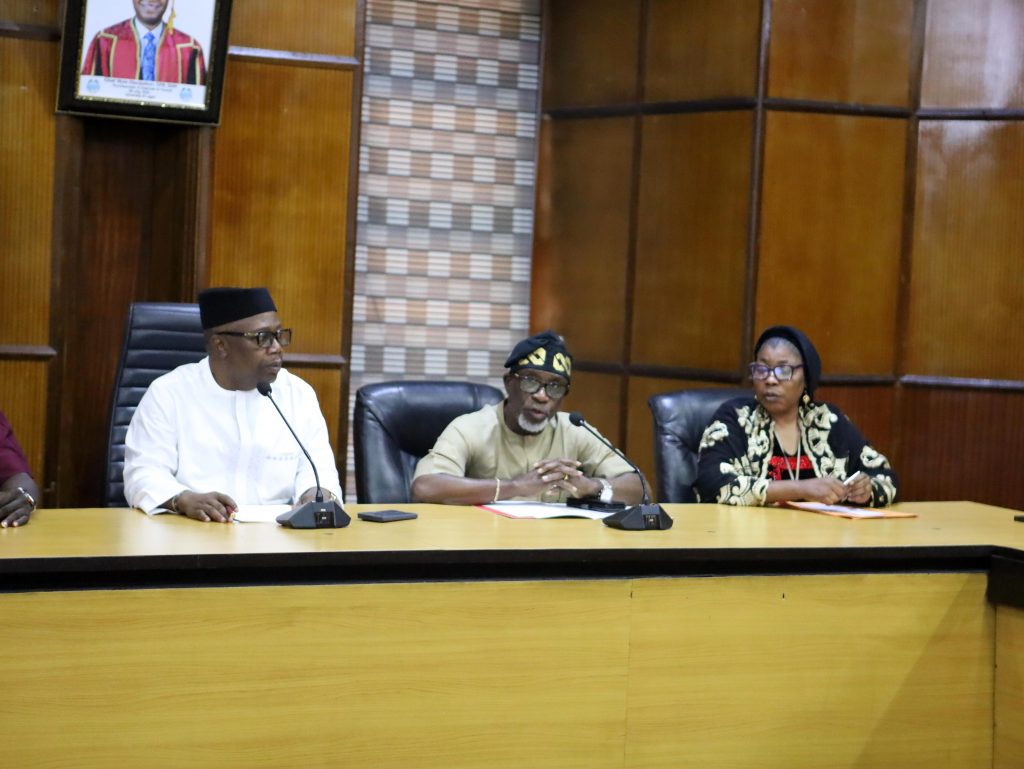
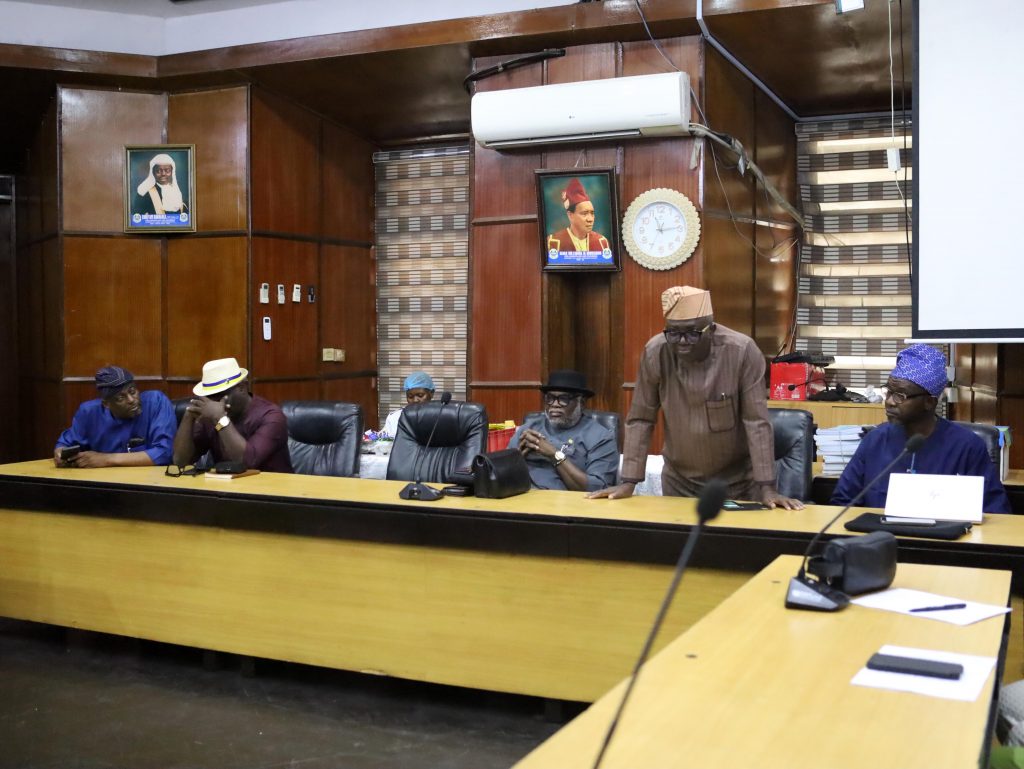
According to him, “Our visit is also an opportunity to better understand field realities, engage with stakeholders, and ensure that procurement frameworks are responsive to local challenges while remaining compliant with national standards and global best practices.”
The Chairman further assured that the oversight exercise is not intended for fault-finding but rather serves as a platform for constructive engagement with the management of tertiary institutions. He noted that the goal is to improve procurement outcomes while fostering intergovernmental cooperation for sustainable development and efficient service delivery.
Report: Gbenga Gbelee
Photograph: Islamiat Akanni