Nigeria’s growing demand for higher education, coupled with the limited capacity of conventional university infrastructure, has made Open and Distance Learning (ODL) an increasingly important pathway for expanding access, developing skills and preparing learners for a contemporary labour market being transformed by artificial intelligence (AI) and digital technologies.
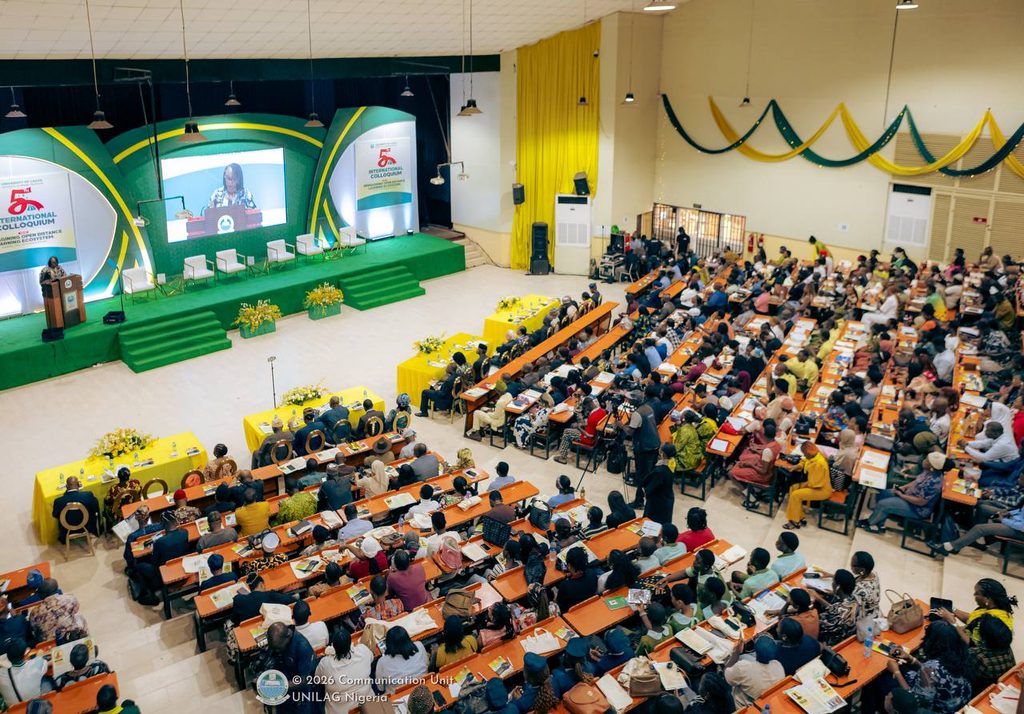
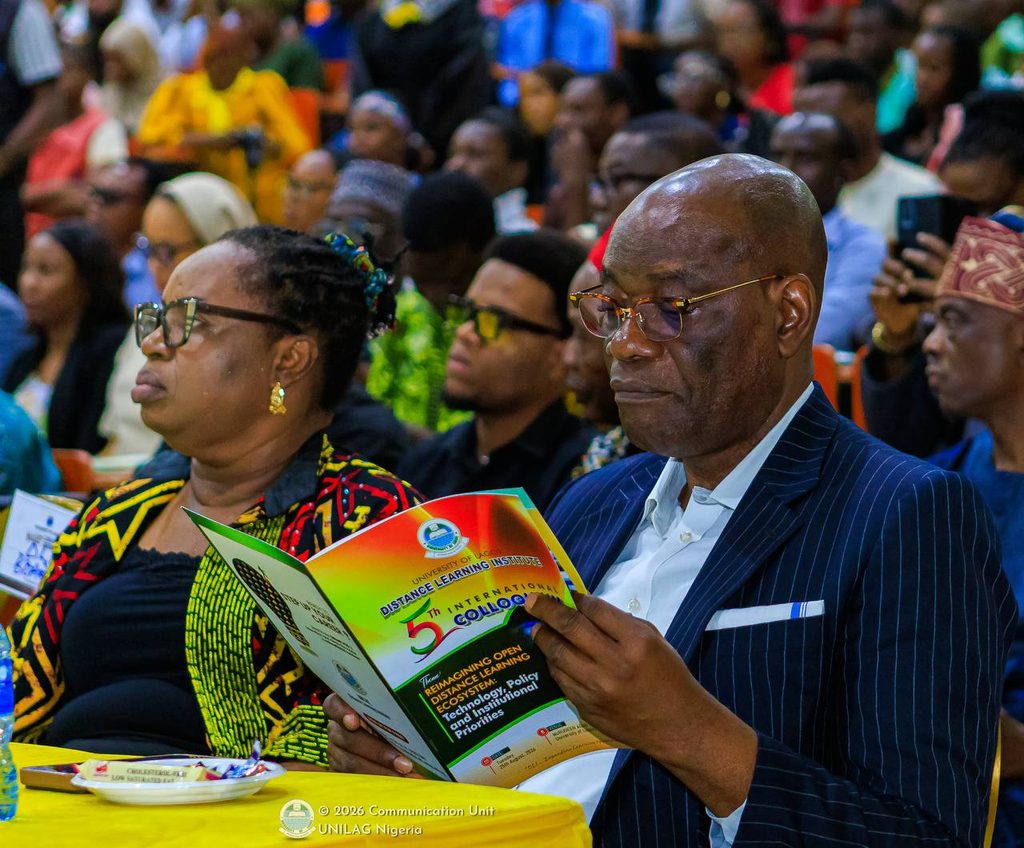
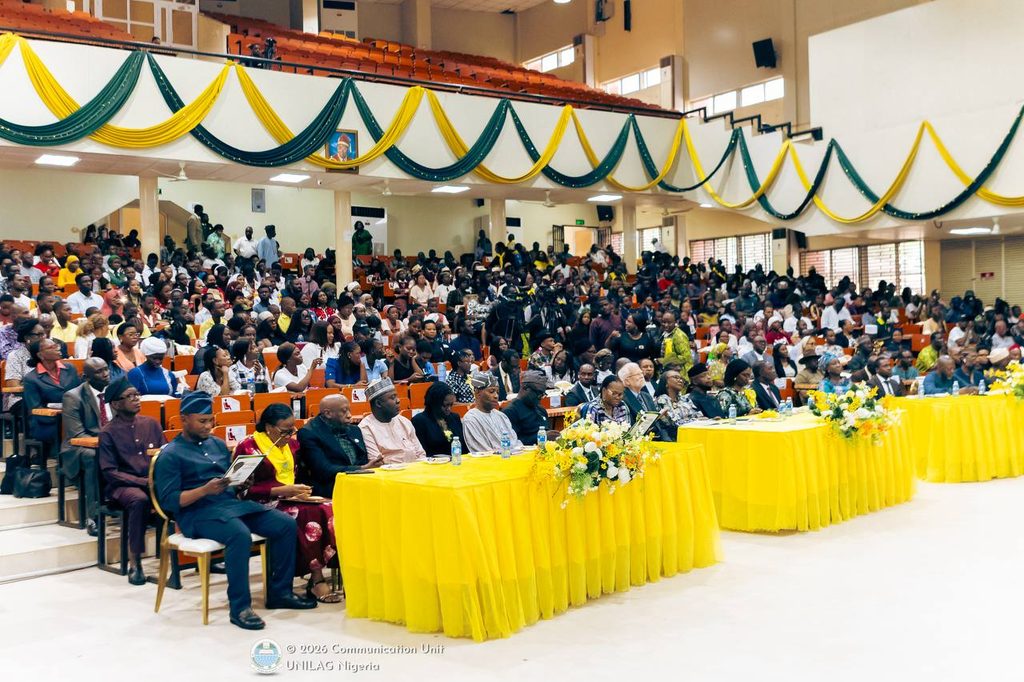
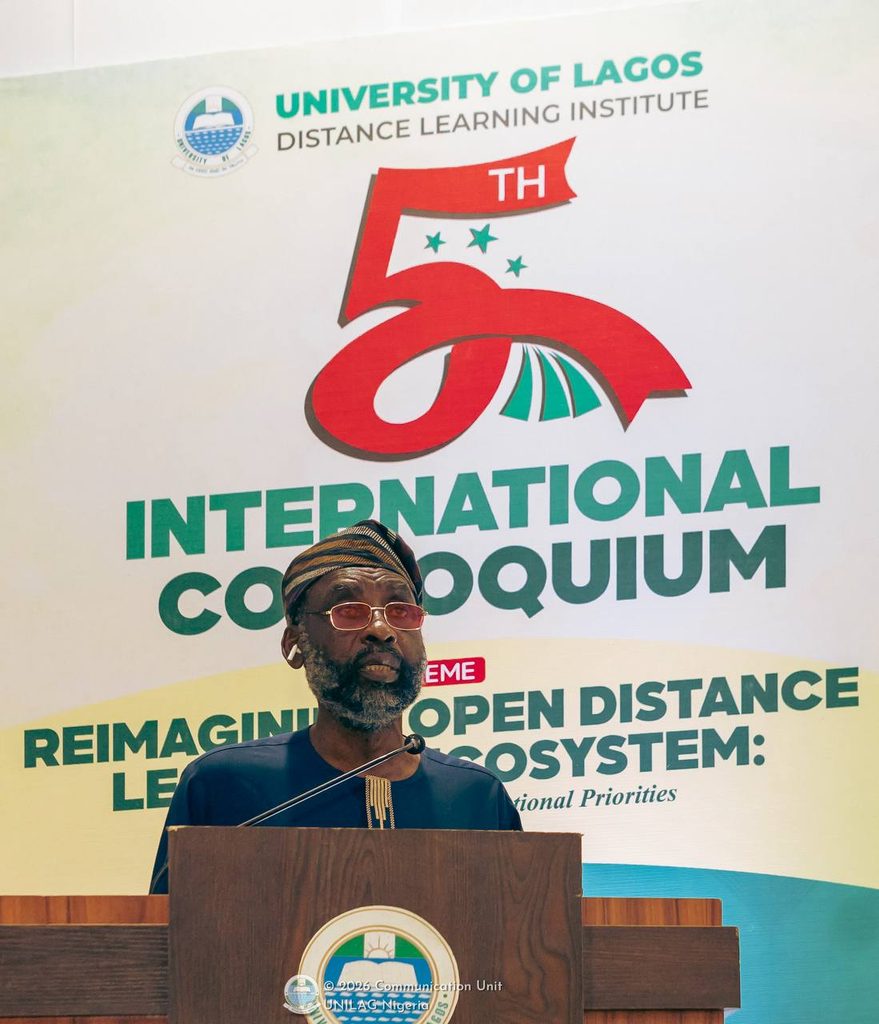
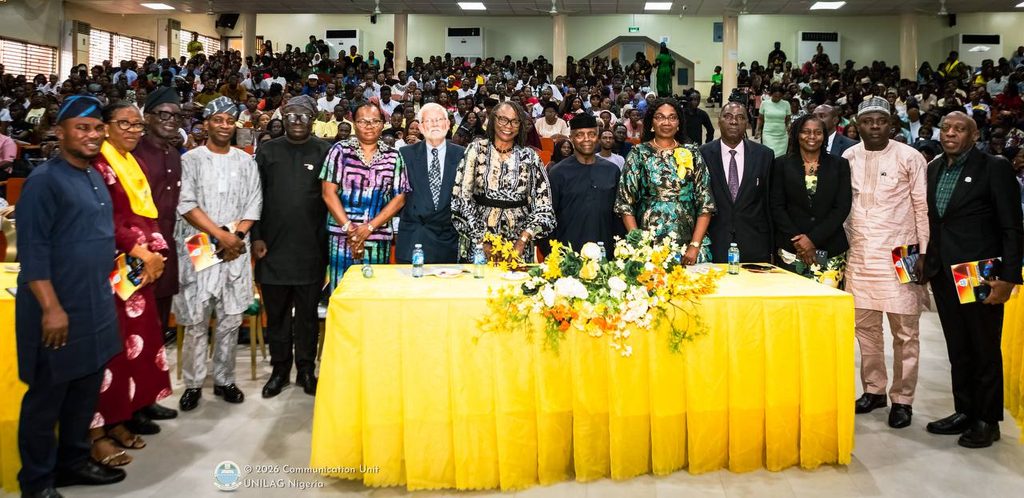
This was the thrust of discussions at the 5th Colloquium of the Distance Learning Institute, University of Lagos (DLI-UNILAG). Held on Tuesday, August 25, 2026, at the Institute’s Nurudeen Alao (DLI) Auditorium, the colloquium had the theme, “Re-imagining Open Distance Learning Ecosystem: Technology, Policy and Institutional Priorities.”
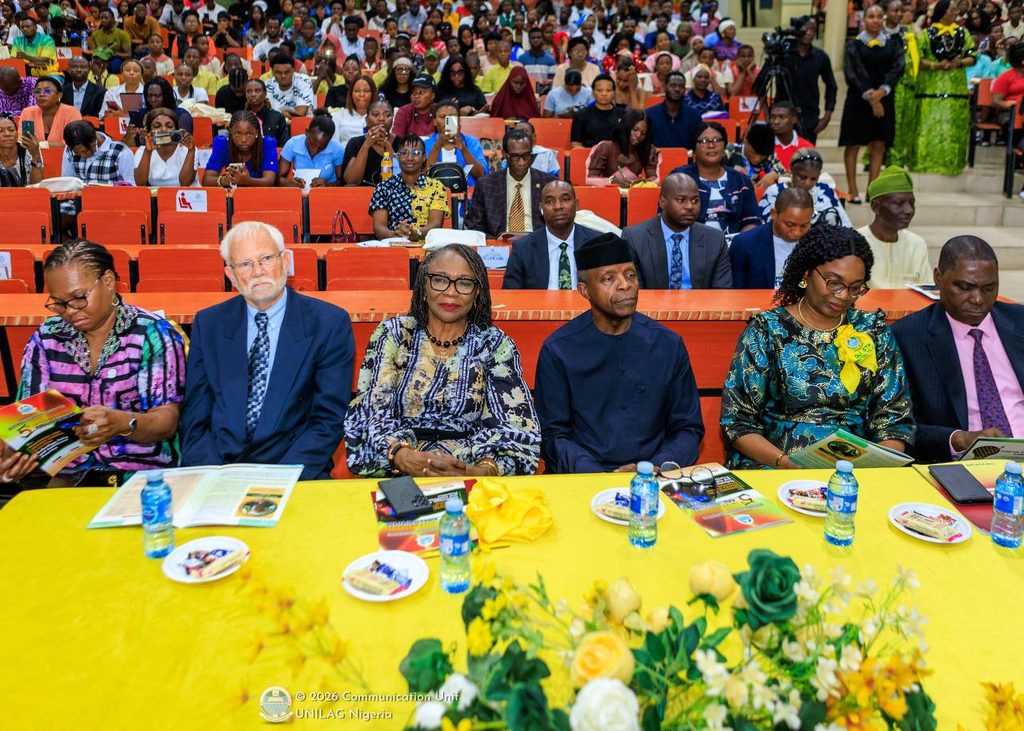
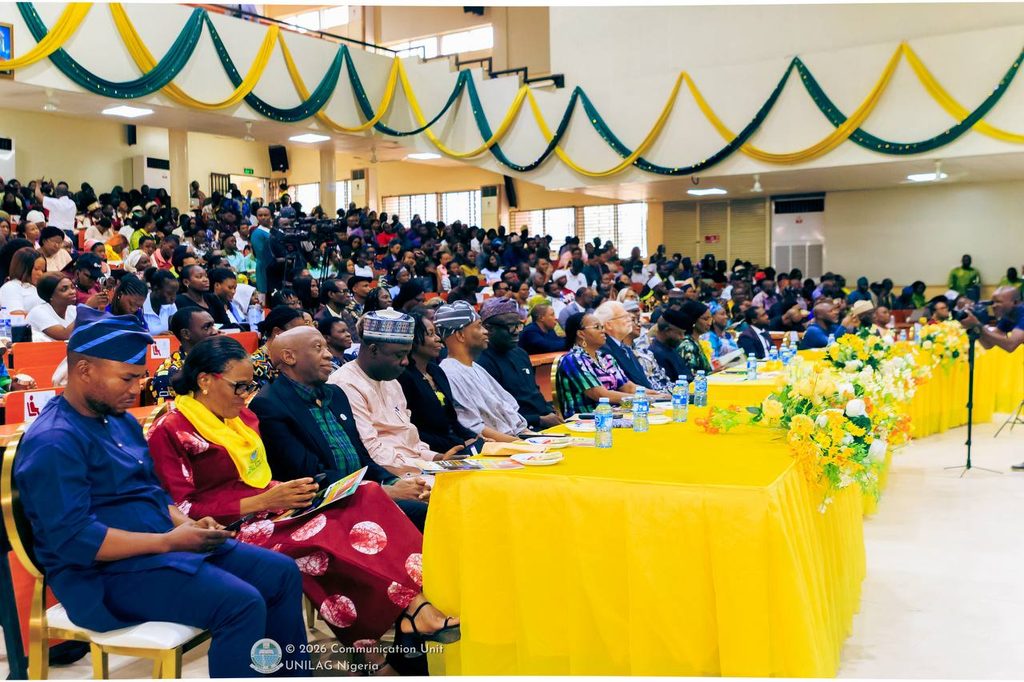
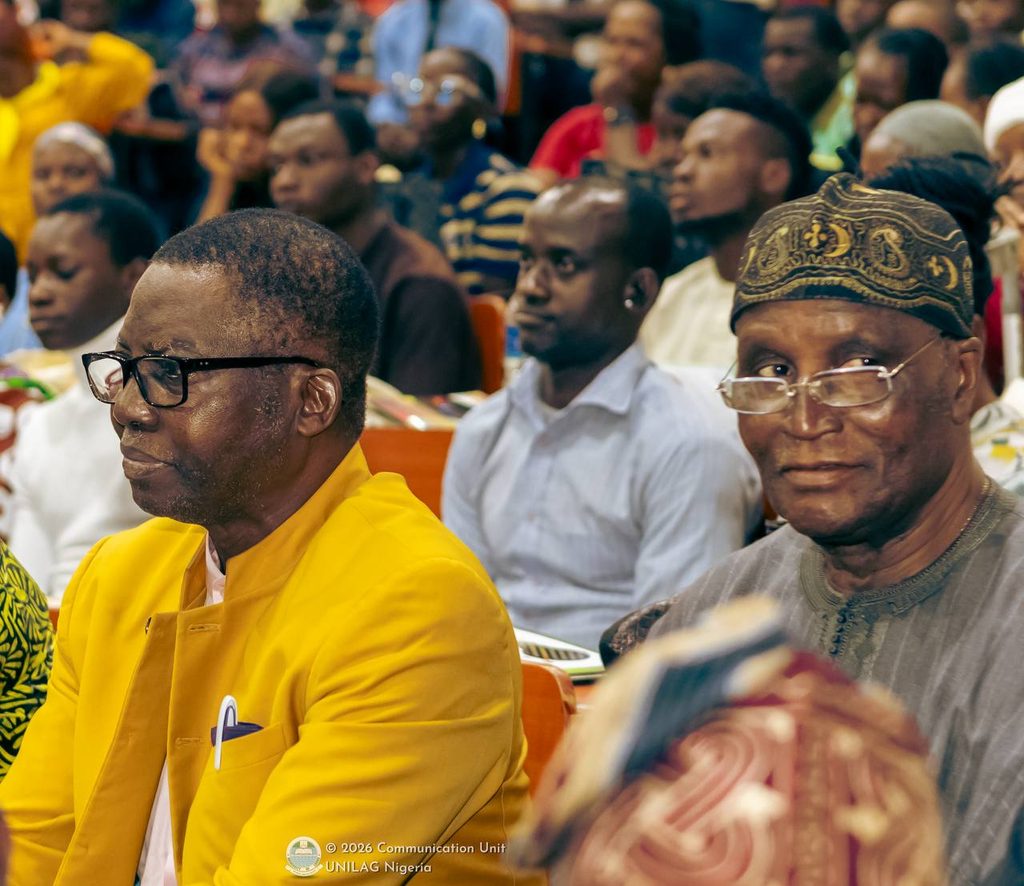
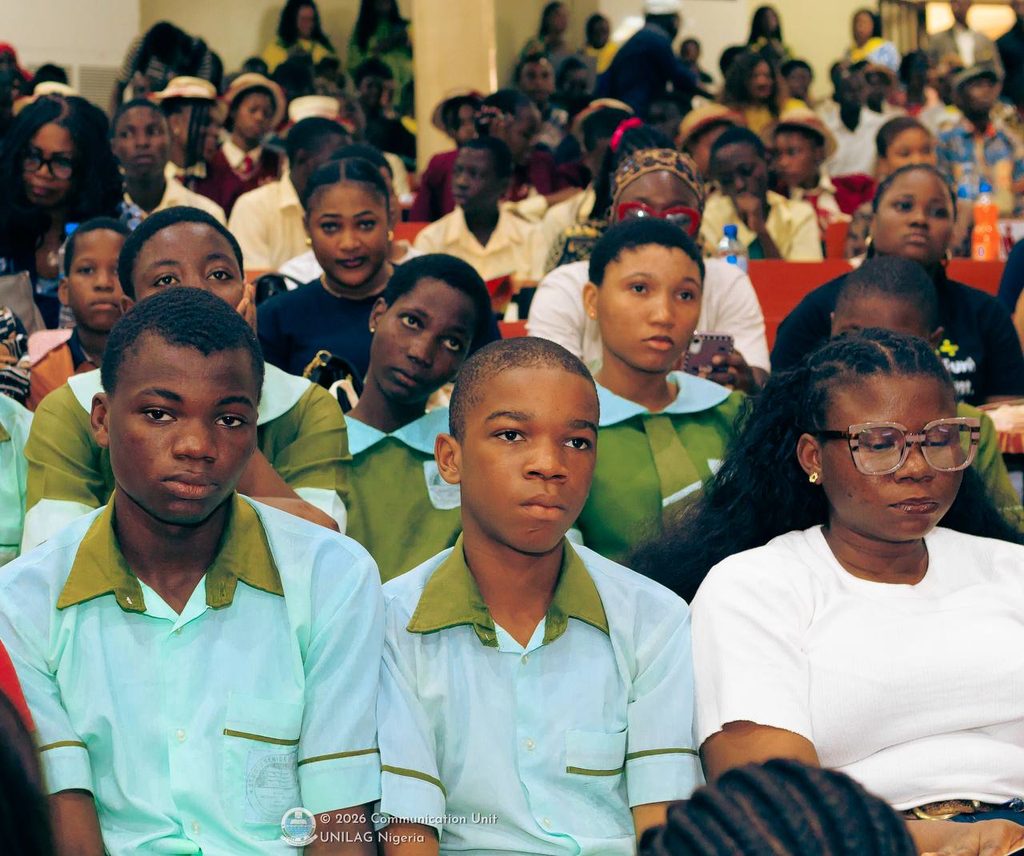
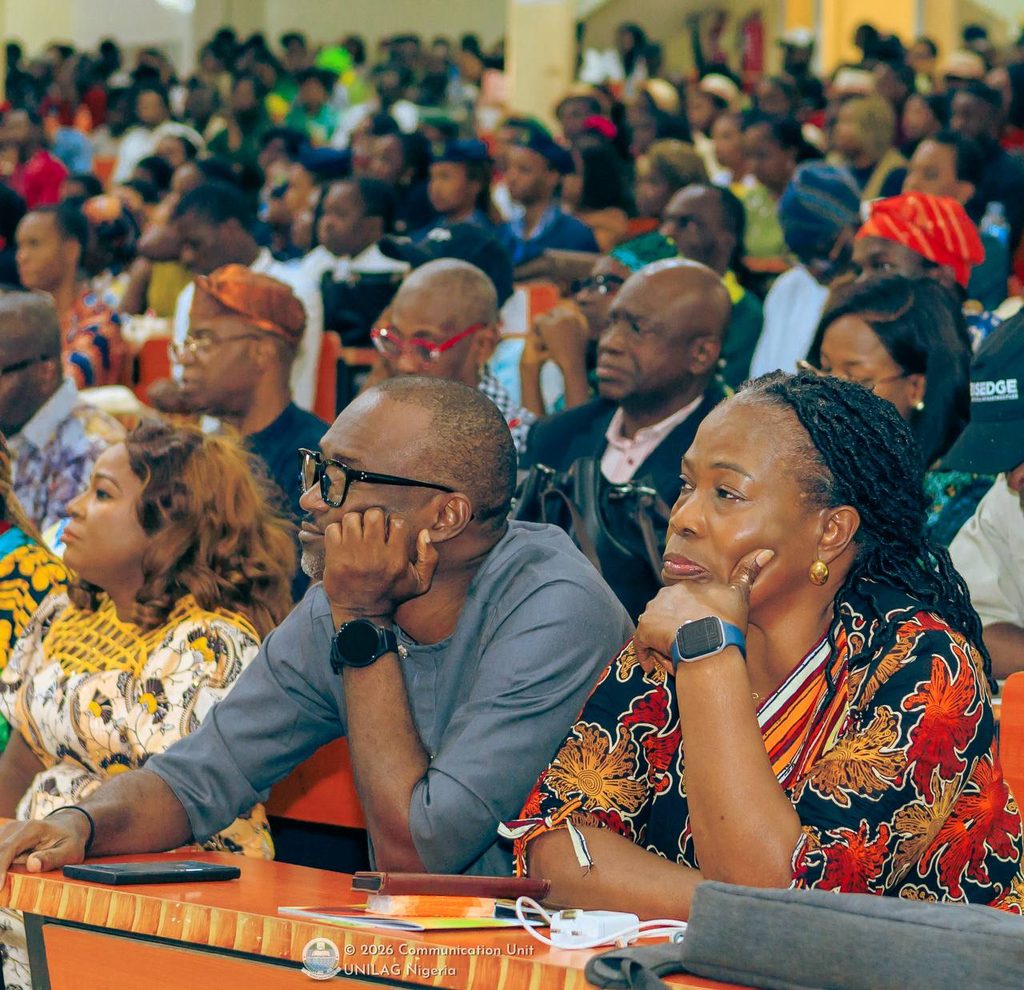

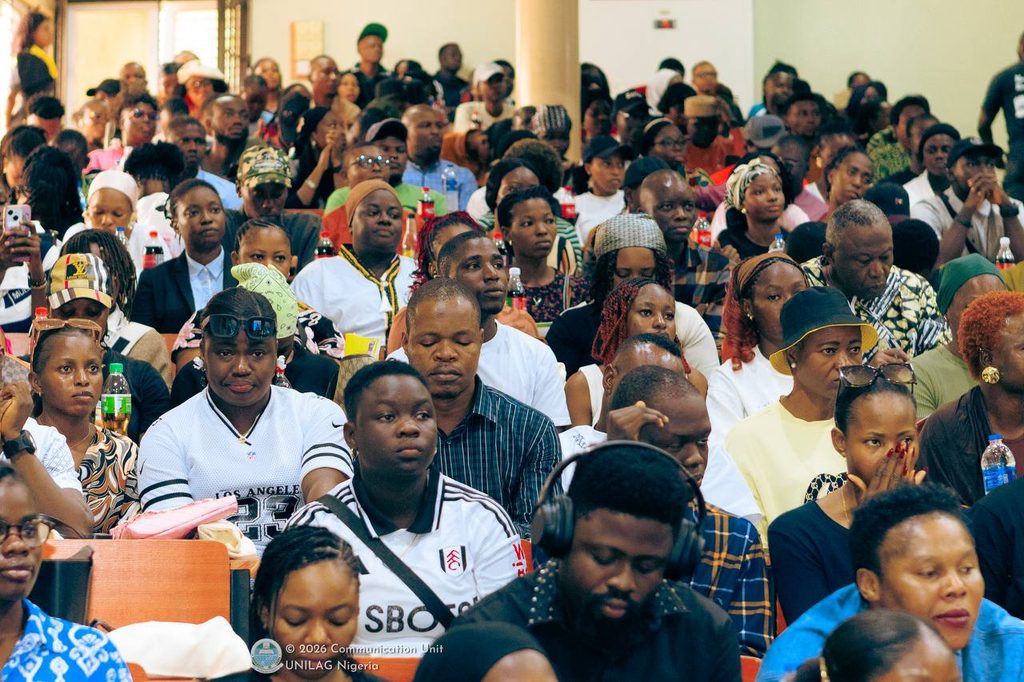
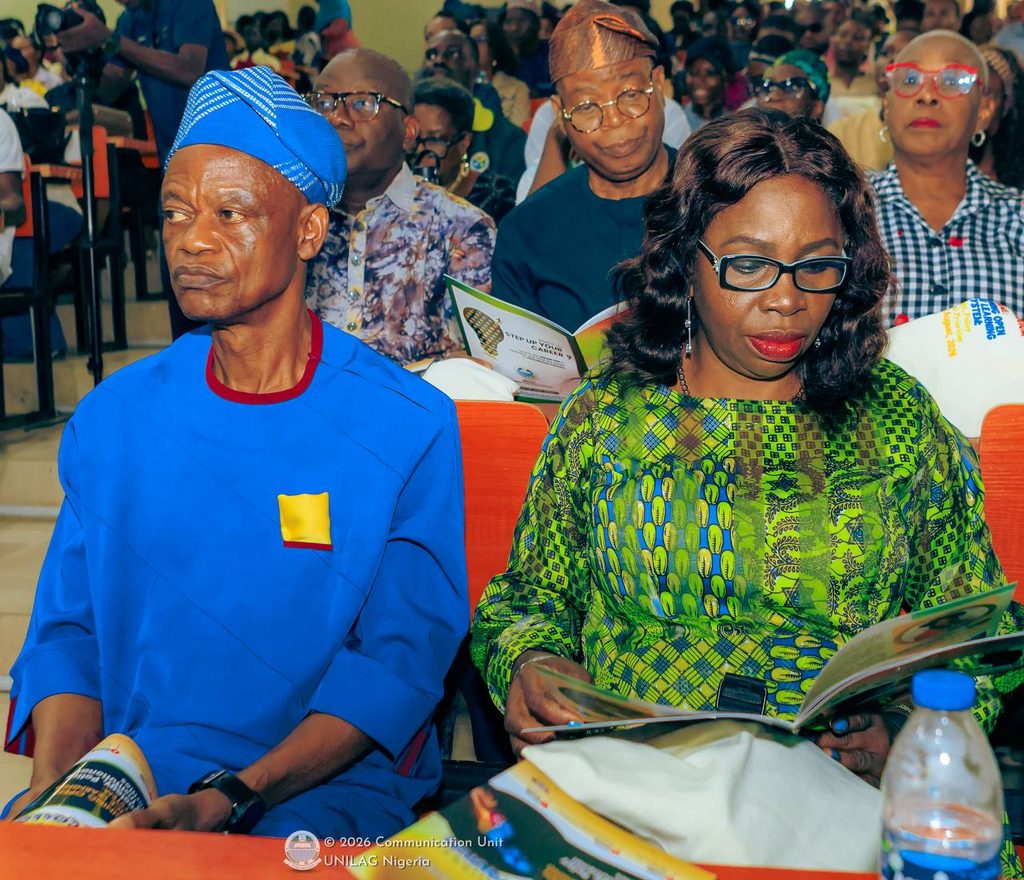
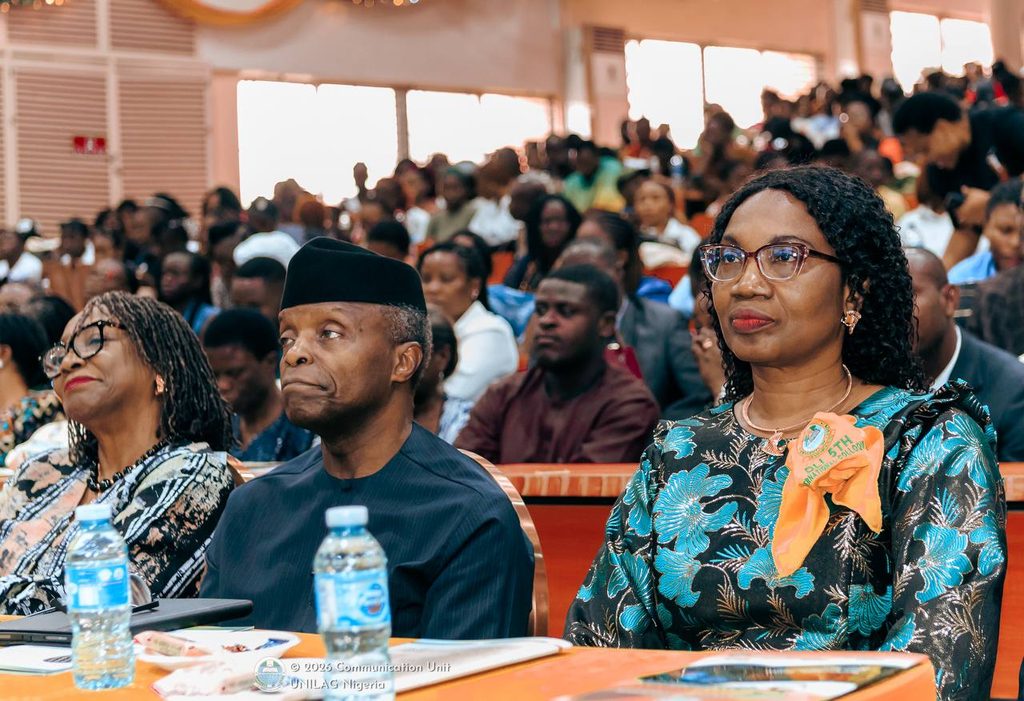
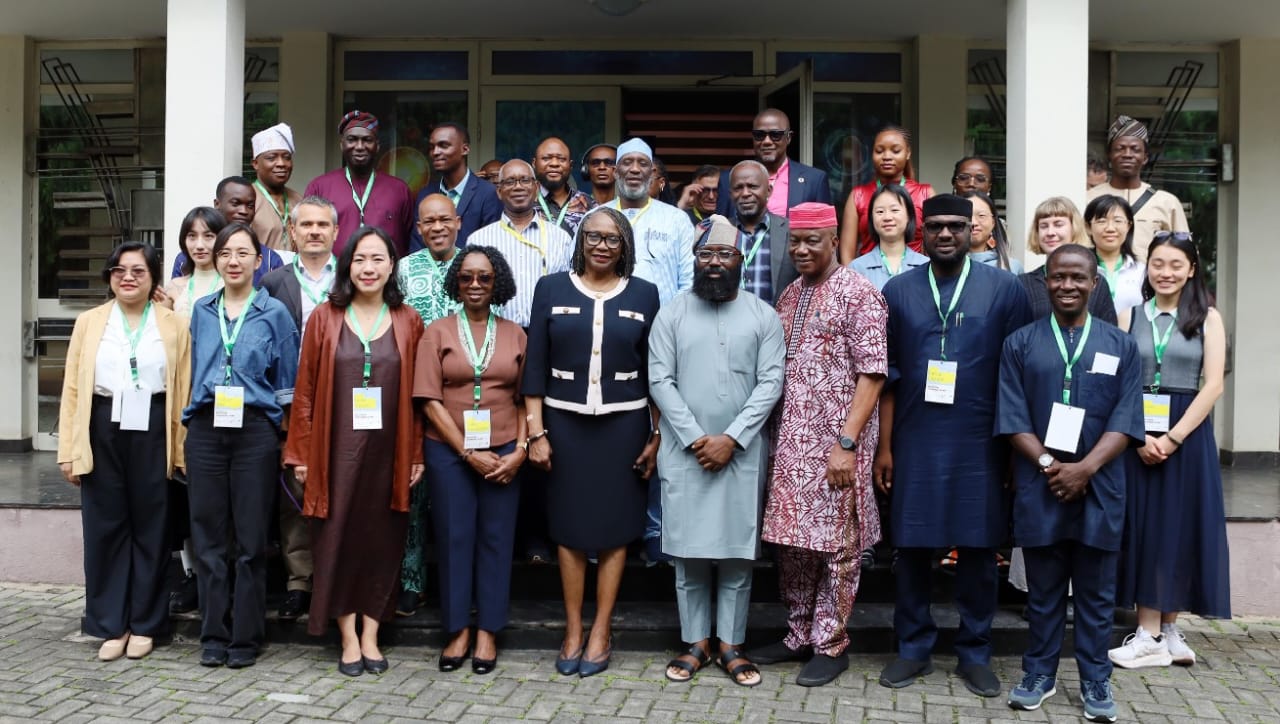
The event brought together education stakeholders from Nigeria, Ghana, the United Kingdom and beyond to examine how technology, policy and institutional strategies can be harnessed to strengthen ODL and make quality higher education more accessible and responsive to the needs of a changing society.
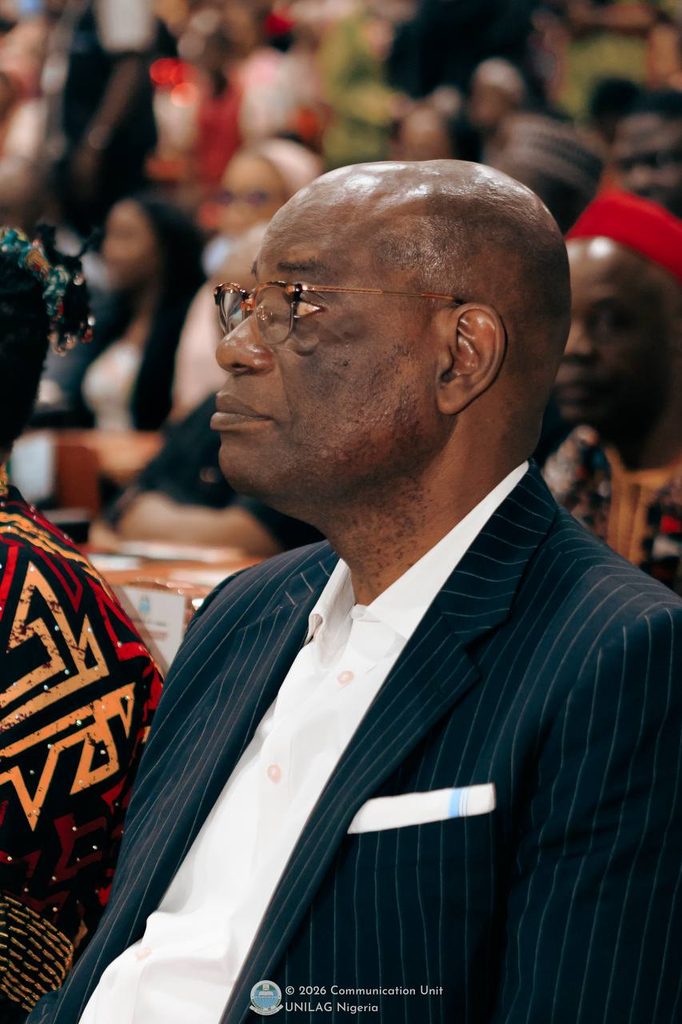
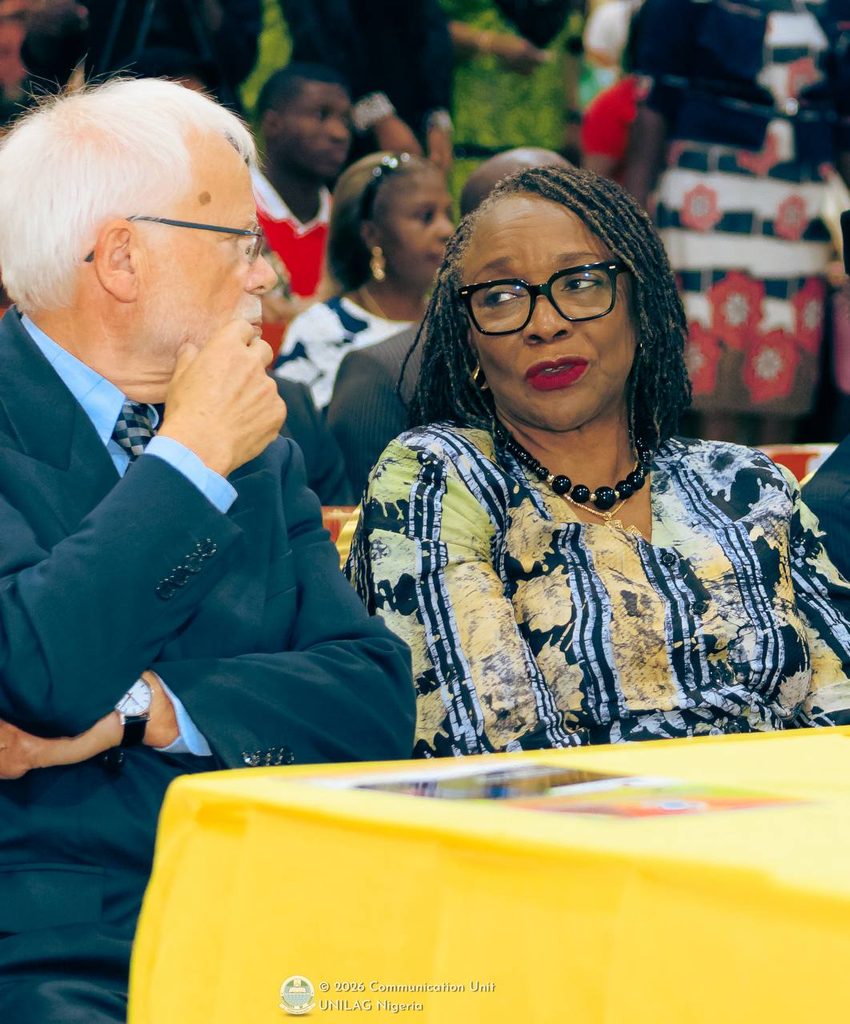
ODL: From Alternative to Necessity
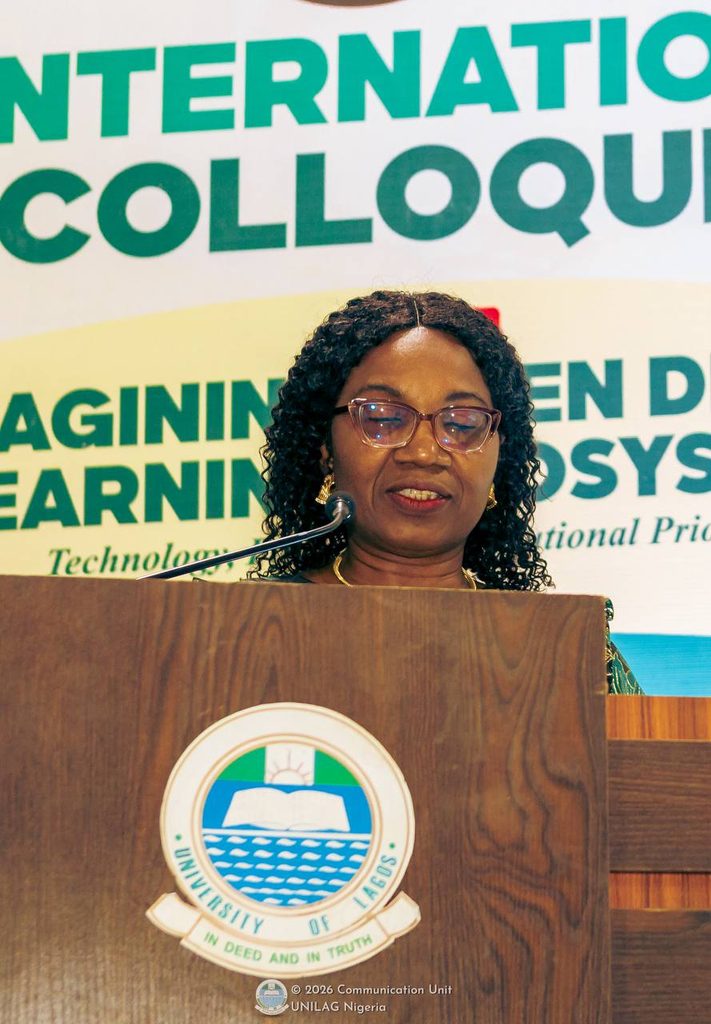
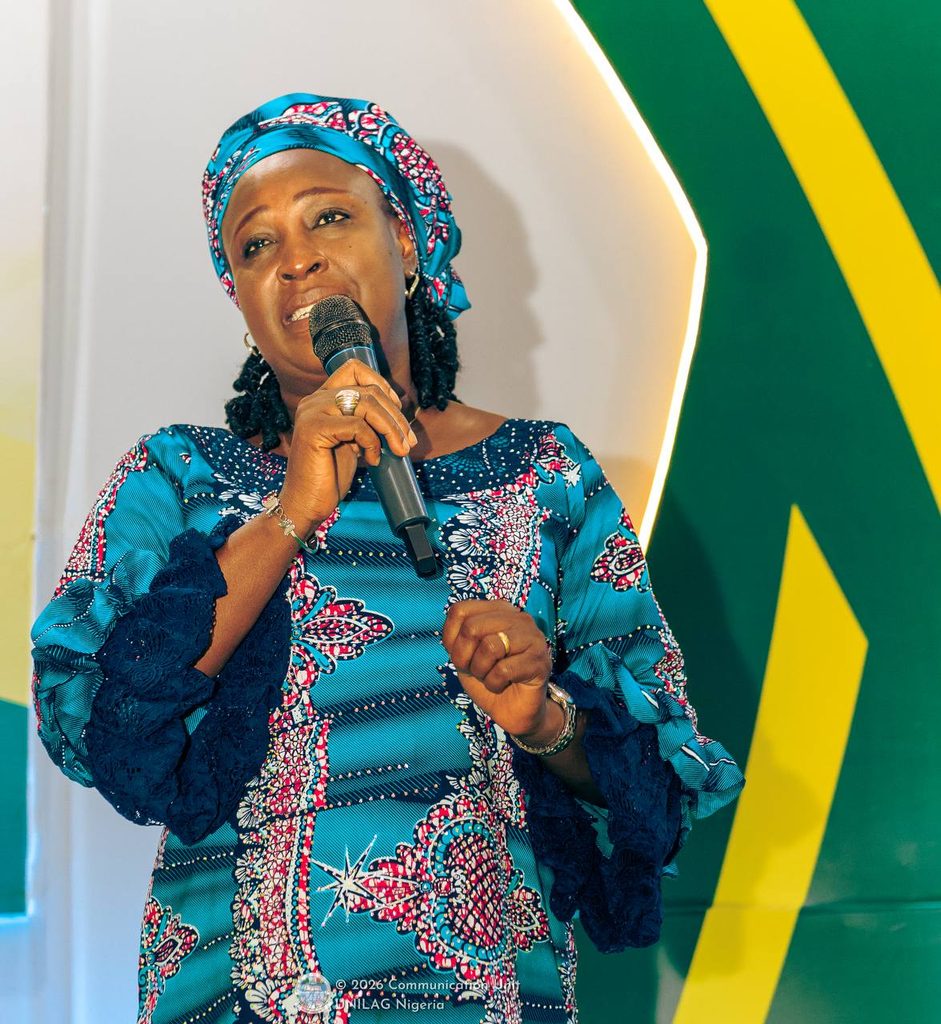
The Director, Distance Learning Institute, University of Lagos, Professor Risikat Dauda, set the tone for the colloquium in her opening address. She described open and distance learning as an important instrument for expanding access to higher education, closing skills gaps, and preparing Nigerians for a labour market being reshaped by artificial intelligence and digital technologies.
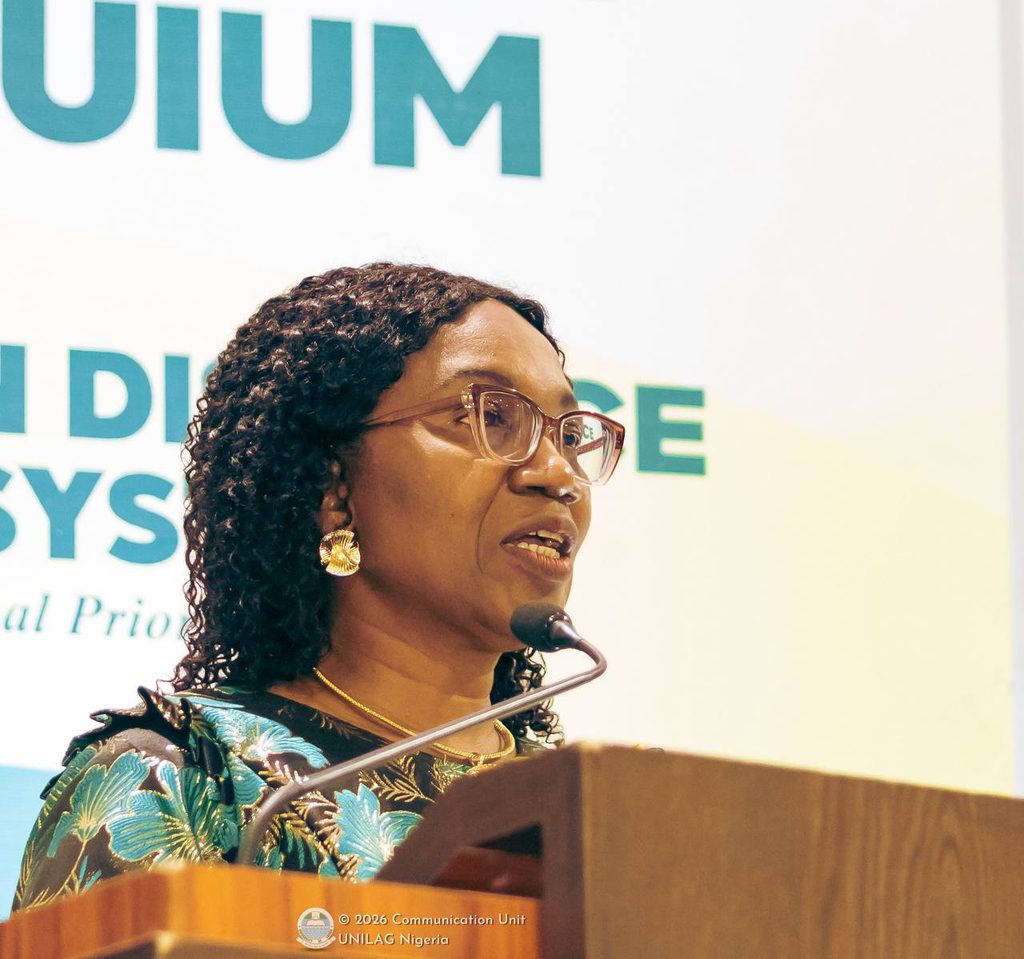
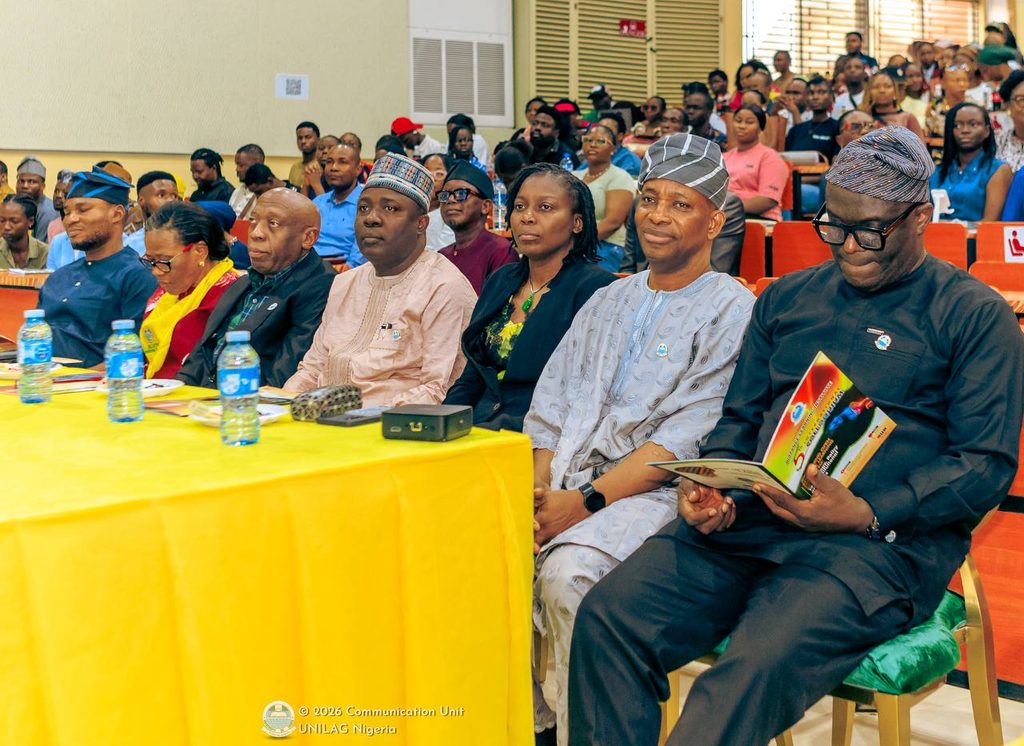
Speaking on the conference theme, Professor Dauda noted that Nigeria’s large youth population and the limited capacity of conventional universities made ODL a necessity rather than merely an alternative mode of learning.
She, however, identified inadequate broadband penetration, high data costs, limited digital literacy, unreliable electricity and concerns over the recognition of ODL qualifications as some of the challenges that must be addressed if the sector is to reach its full potential.
The Professor of Economics also challenged the persistent perception that ODL qualifications are inferior to conventional university degrees. She argued that where rigorous quality assurance, teaching, and assessment standards are applied, the mode of delivery should not determine the value of a qualification.
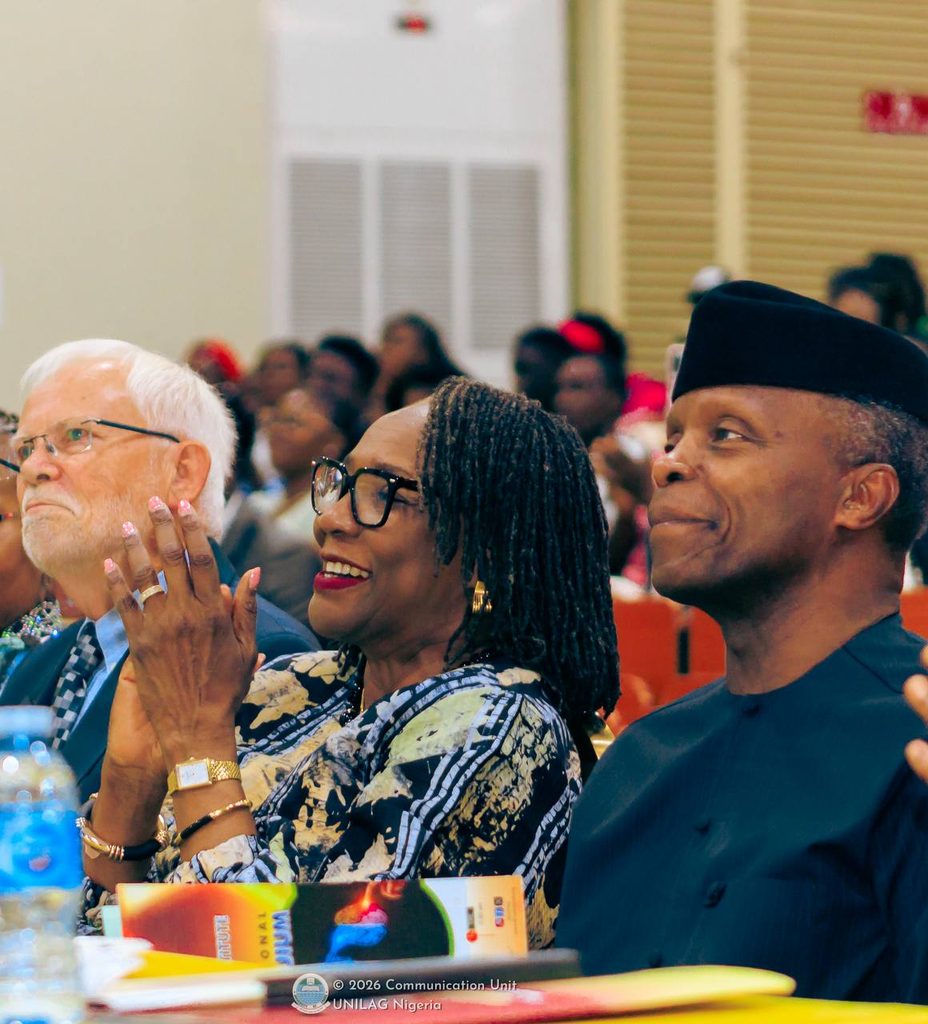
According to her, the focus should rather be on the quality of learning, assessment, and outcomes.
Professor Dauda further noted that Nigeria’s ODL development must respond to global trends, including the growth of Open Educational Resources, micro-credentials, lifelong learning, and artificial intelligence.
She called for sound policies and deliberate institutional strategies that would enable Nigeria to shape the future of ODL rather than merely respond to technological changes.
“We Stand by Our Credentials”
In her welcome address, the Vice-Chancellor, University of Lagos, Professor Folasade Ogunsola, OON, FAS, called for the strategic repositioning of ODL as a core component of efforts to expand access to quality higher education in Nigeria.
She noted that Nigeria’s growing youth population, geographical inequalities, and changing labour-market demands made it necessary to rethink the traditional university system.
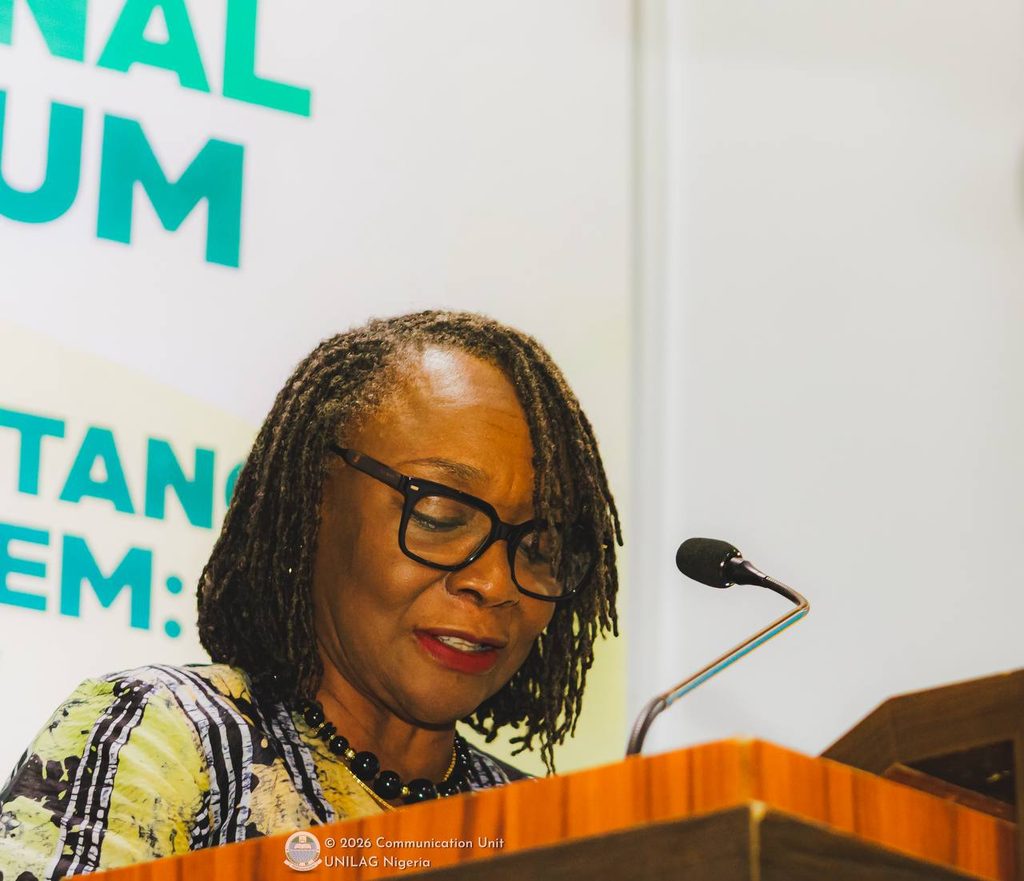
According to Professor Ogunsola, ODL provides an important pathway for workers, persons with disabilities and other learners who require flexible access to higher education.
She described ODL as an increasingly important component of the modern university and urged institutions to move beyond content delivery towards more engaging, personalised, and outcome-focused learning.
She said: “Here in UNILAG, we no longer put distance learning on the certificate because we assure the same quality we demand from our full-time students, so we stand by our credentials.”
Professor Ogunsola also highlighted the transformative potential of emerging technologies, particularly artificial intelligence, in personalised learning, assessment, feedback, and student support.
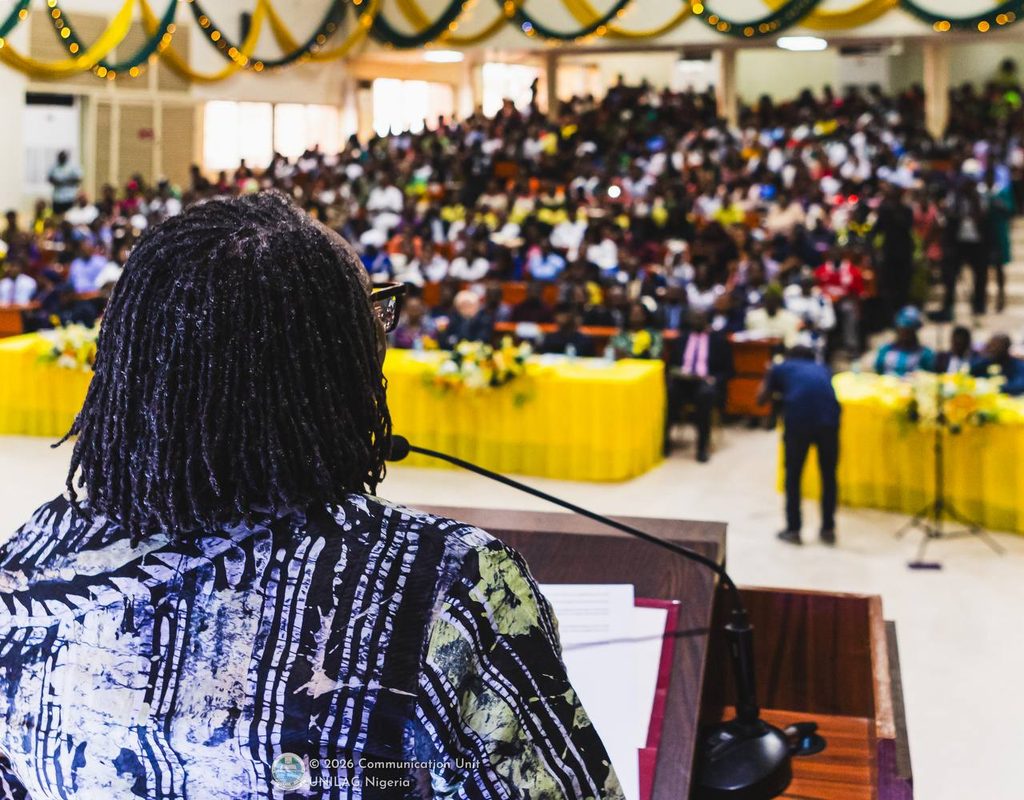
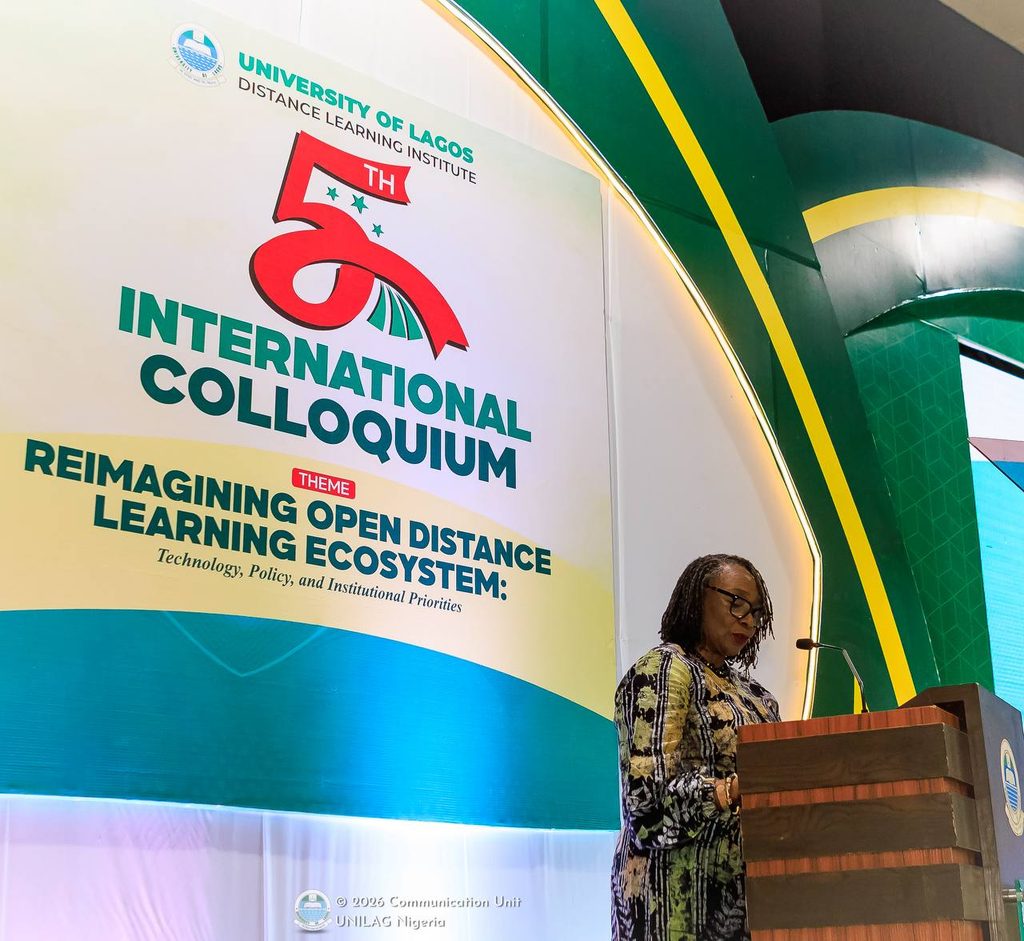
While calling for policies that would support innovation in micro/digital credentials, online assessment, Open Educational Resources and quality assurance, the Vice-Chancellor stressed the need to balance the opportunities presented by technology with careful attention to academic integrity, data privacy, digital inequality and intellectual property.
She also stressed the need for universities to integrate ODL into their core institutional strategies, ensuring that technology serves to expand access rather than deepen existing inequalities.
“The Purpose of Education Is Not Technology”
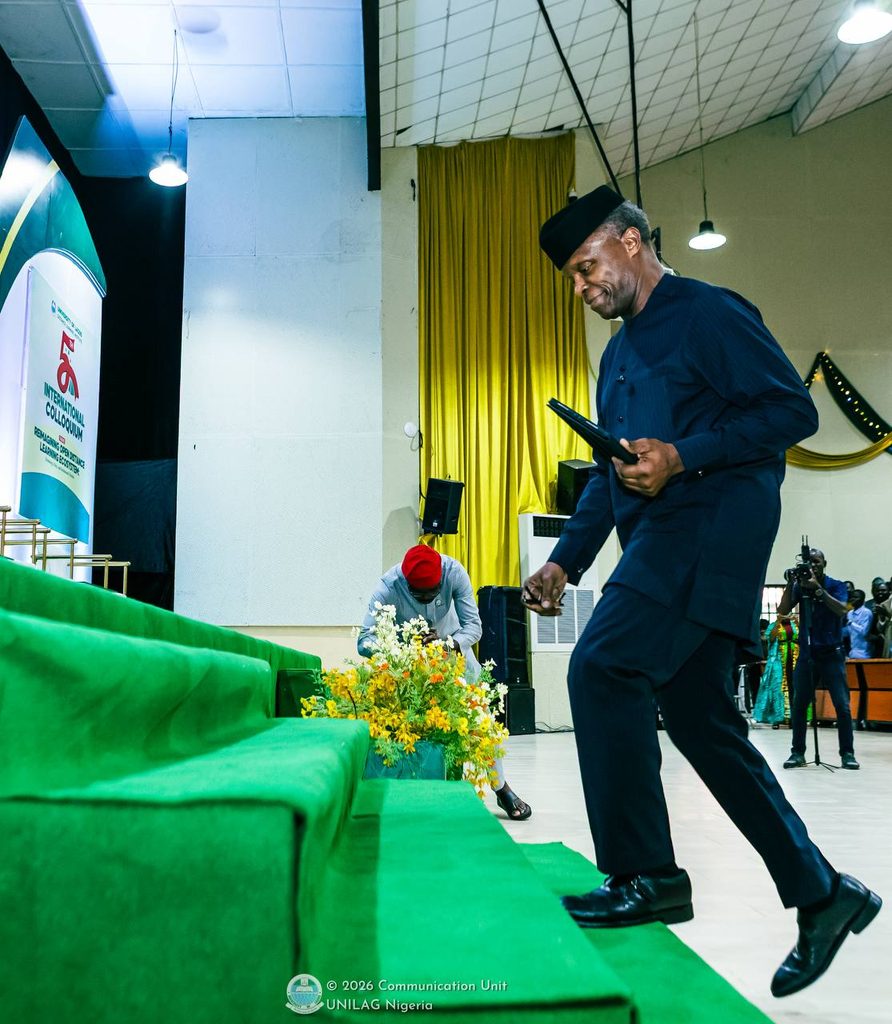
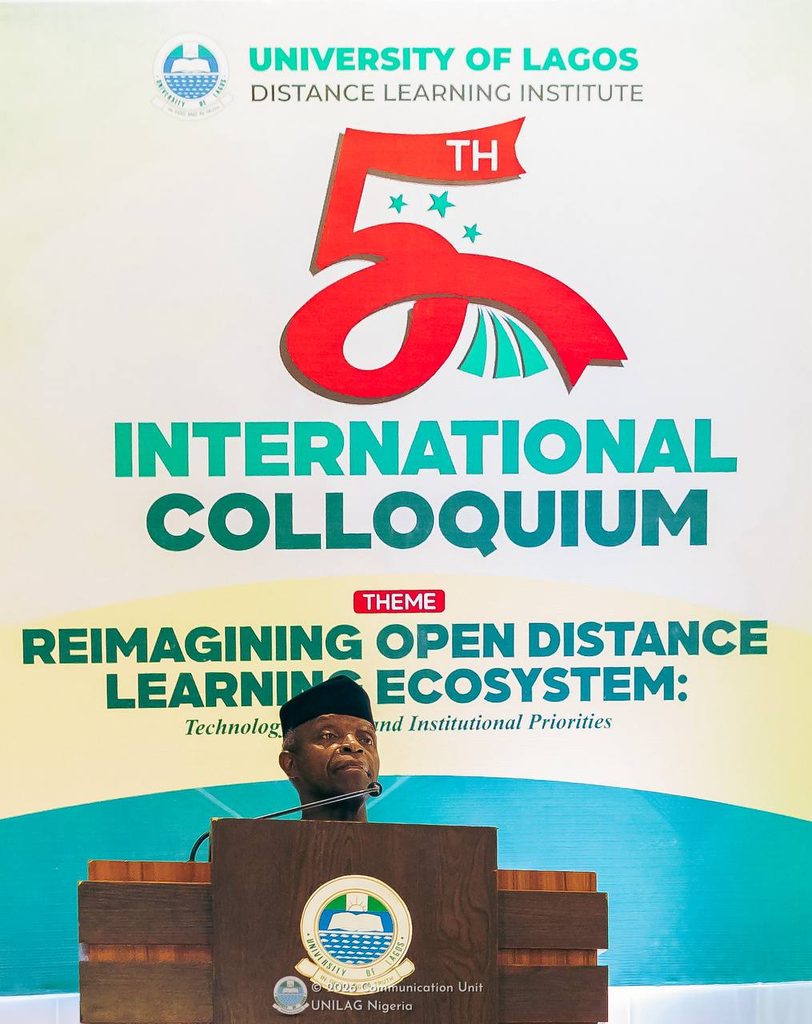
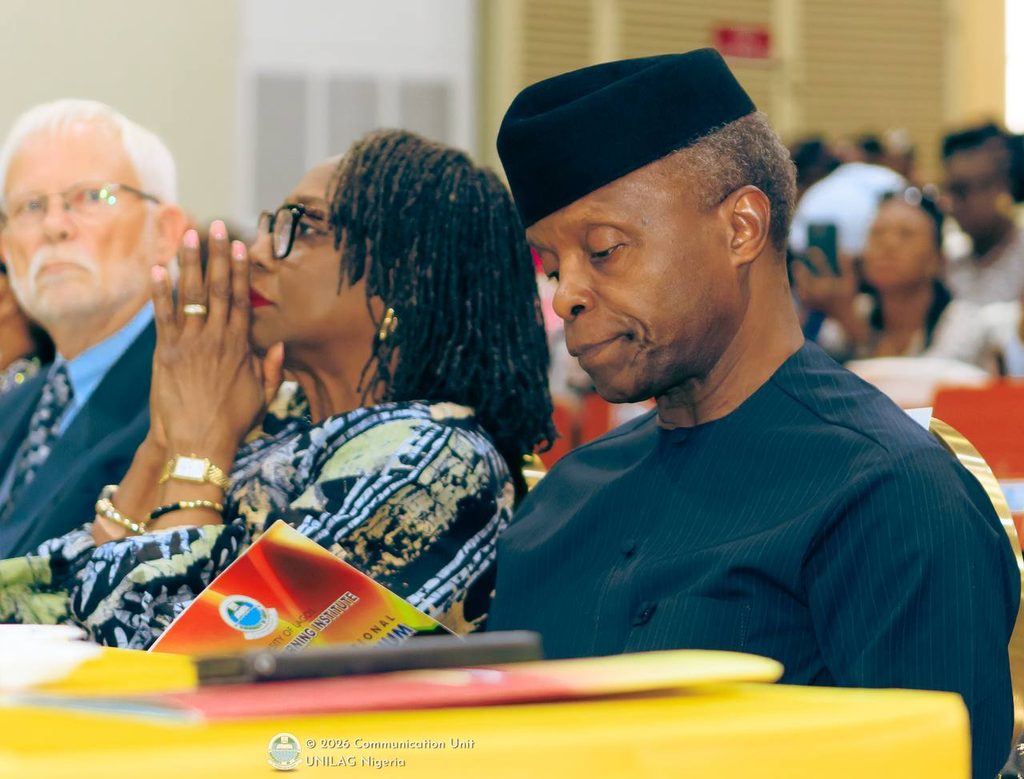
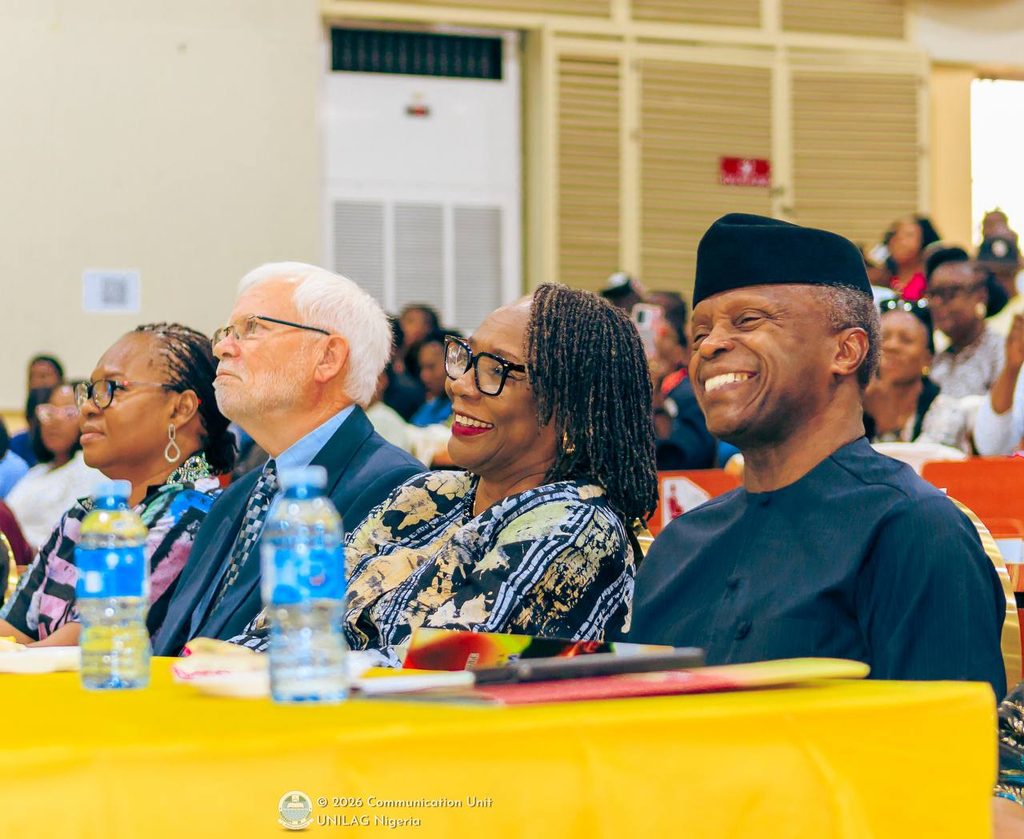
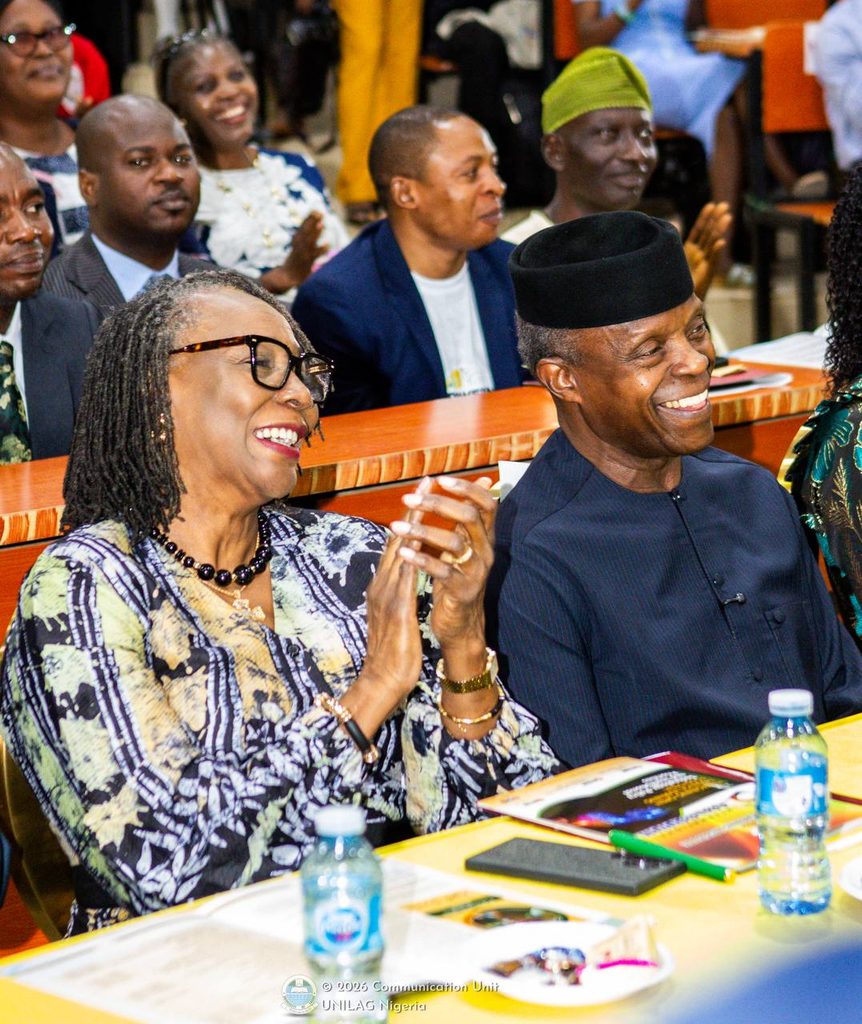
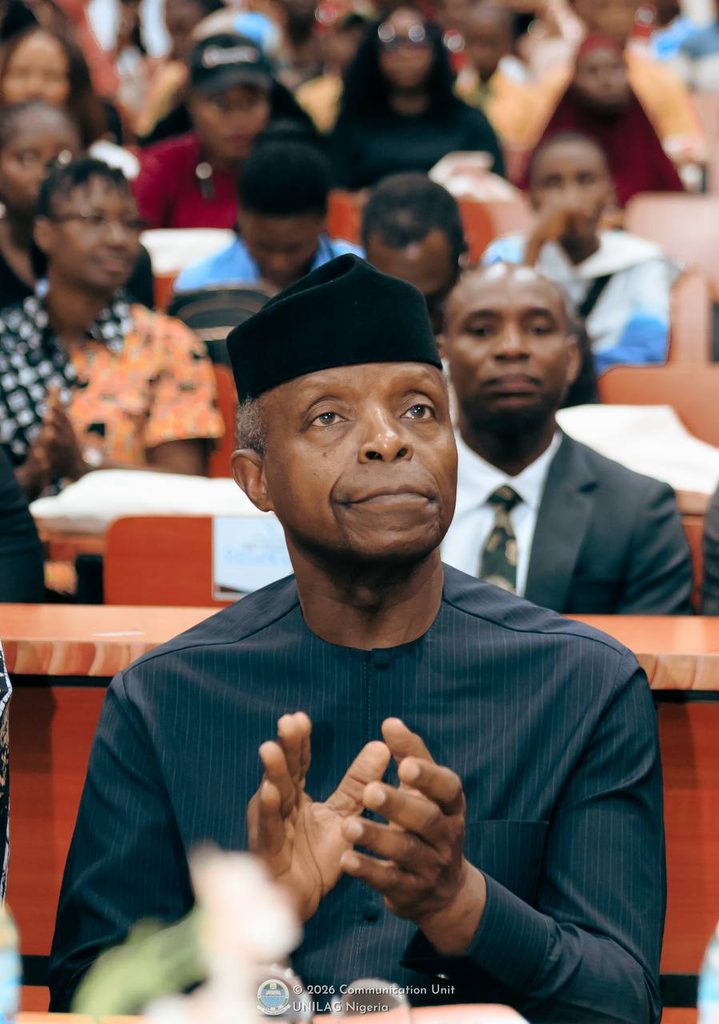
In his address, Chairman of the colloquium, Professor Yemi Osinbajo, GCON, former Vice President of Nigeria, described ODL as imperative to meeting the growing demand for tertiary education without relying solely on the construction of additional physical university infrastructure.
The Professor of Public Law and University of Lagos alumnus identified Artificial Intelligence as a major game changer in education, noting its potential to democratise learning, broaden access, and redefine capacity building and skills development across all sectors of the economy.
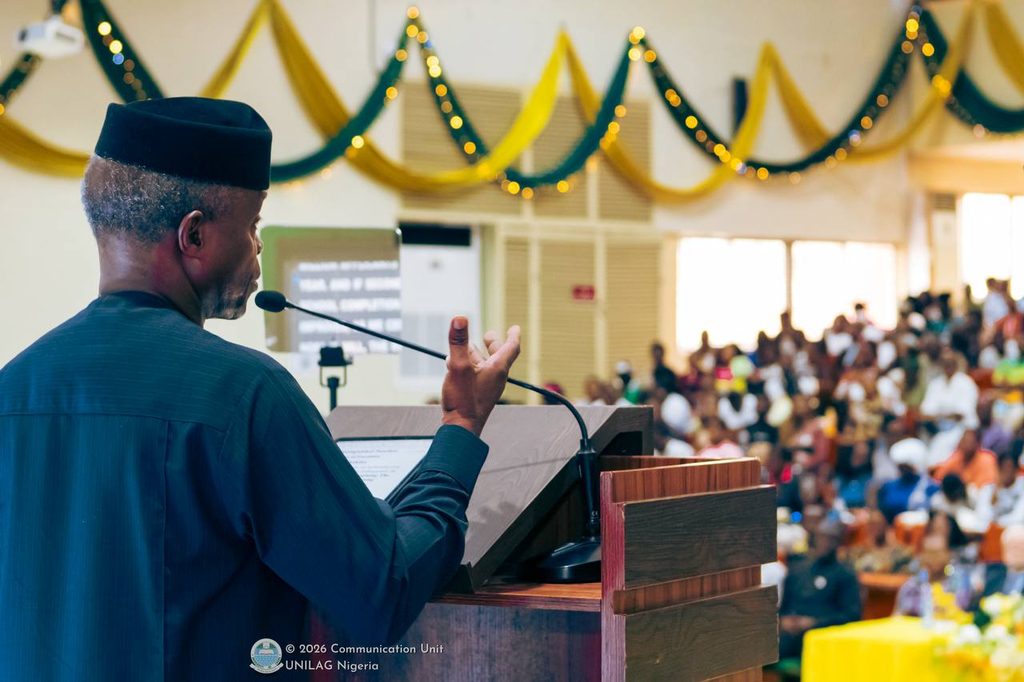
Professor Osinbajo, however, stressed that technology must remain a means to an educational end rather than an end in itself.
He said that “the purpose of education is not technology,” stressing that the future of ODL must remain centred on quality, credible assessment and recognition of ODL as equal in value to conventional university education, rather than as a lesser alternative.
The former Vice President also underscored the need to make technology more affordable and accessible if digital education is to deliver on its promise of widening participation.
“The Future of ODL Is Here”
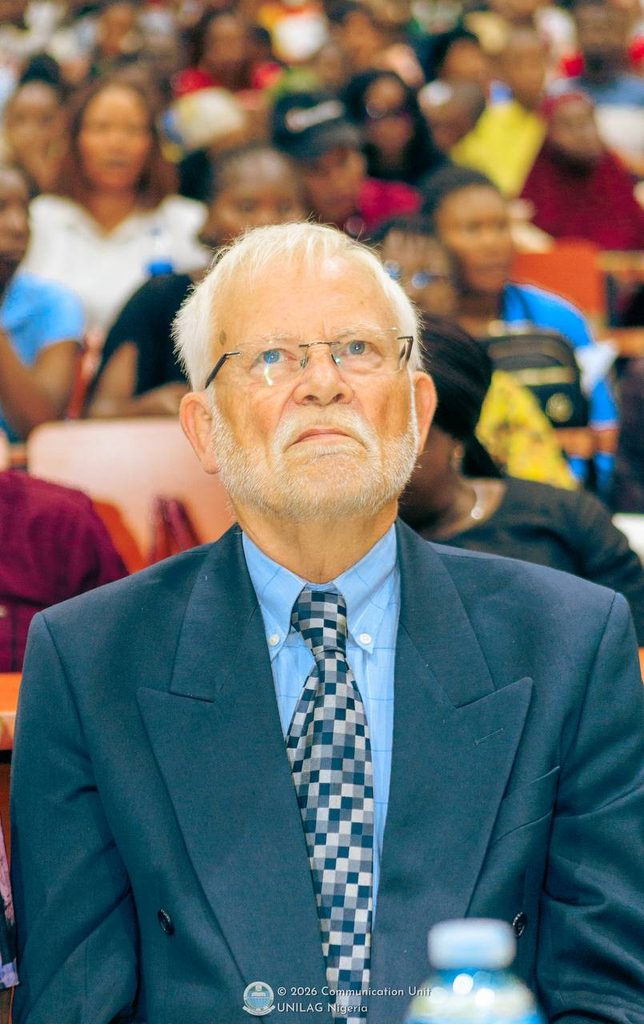
In his keynote presentation, Emeritus Professor Stephen Brown, Professor of Learning Technologies at De Montfort University, United Kingdom, examined pathways towards an ODL ecosystem capable of meeting the demands of the future.
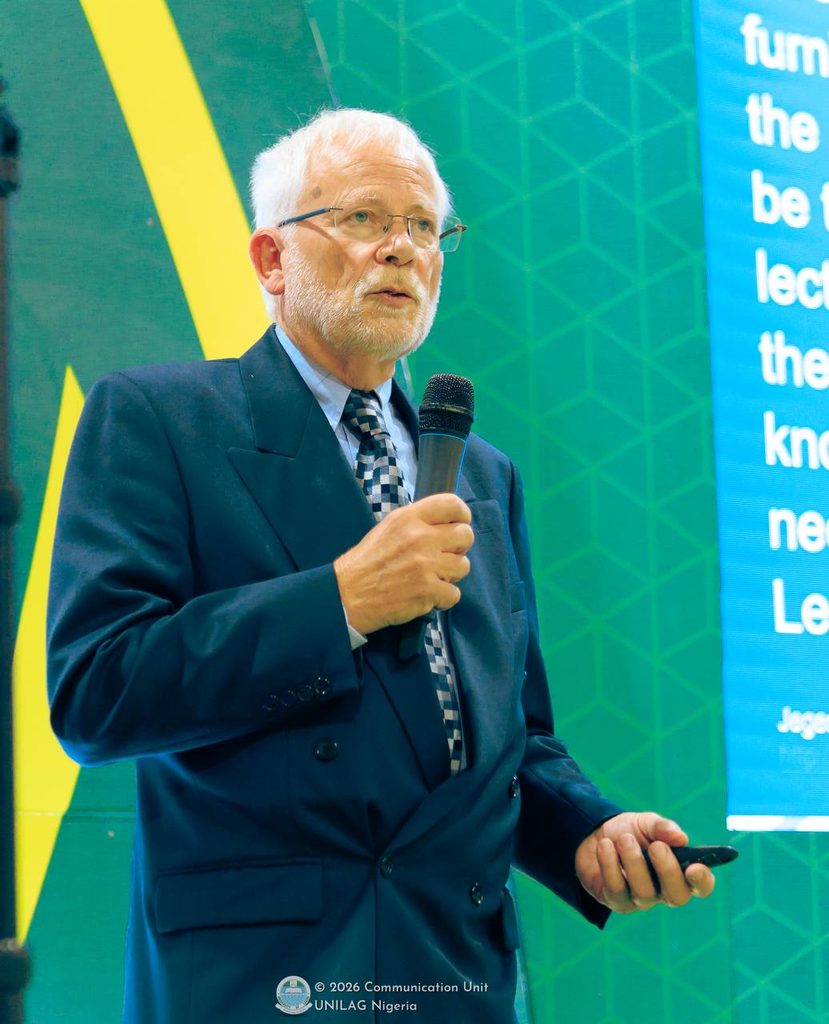
Professor Brown argued that the future of ODL is already here, making it imperative for institutions to rethink the systems, structures, and practices that support distributed learning.
Drawing lessons from institutions in advanced countries, he encouraged universities to evaluate their ODL potential across several dimensions, including strategy, culture, technology, people, and partnerships.
He also advocated structured participation through empowerment, collaboration, involvement, consultation, information sharing, and notification.
While commending Nigeria’s progress in developing ODL, Professor Brown challenged higher education leaders to consolidate these gains by strategically leveraging artificial intelligence.
He urged institutions to provide leadership, facilitate expert working groups, and identify barriers to effective ODL delivery, with a view to developing practical solutions.
“Experts Examine the Next Frontier of ODL“
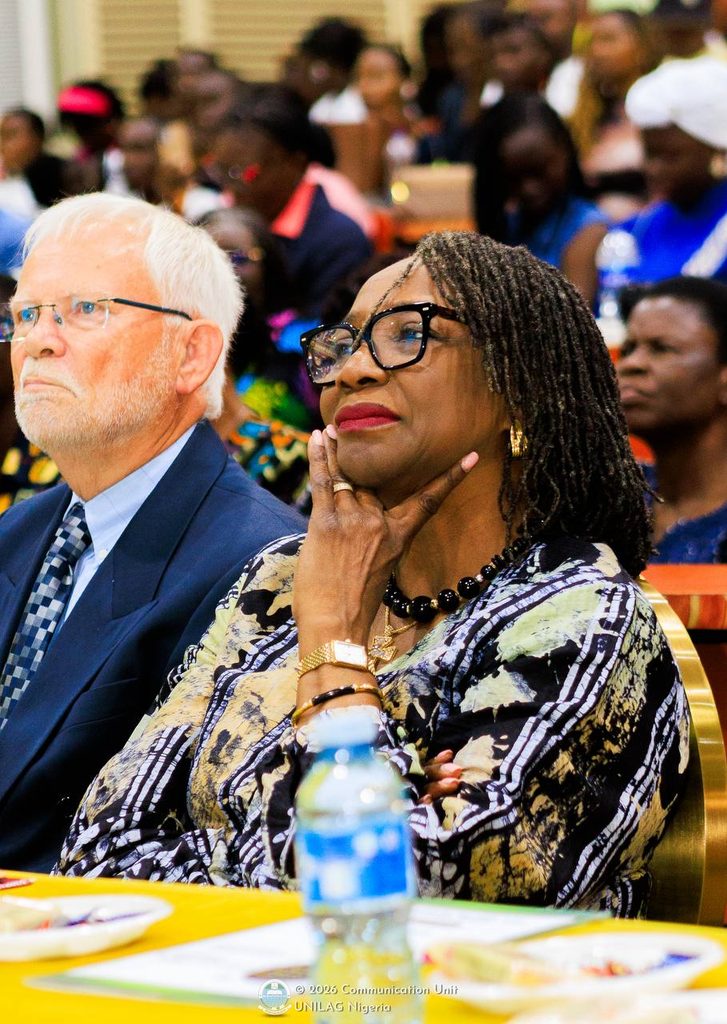
The colloquium featured a panel session with Professor Olufemi Ayinde Peters (former Vice-Chancellor, National Open University of Nigeria); Professor Simon-Peter Kafui Aheto, Esq., (Deputy Director, Programmes, Digital Youth Village Development, University of Ghana); Professor Muhammed Bashir Mu’azu (Director, Distance Learning Centre, Ahmadu Bello University, Zaria); and Dr Liz Marr (Fellow, Centre for Online and Distance Education, University of London), who participated virtually.
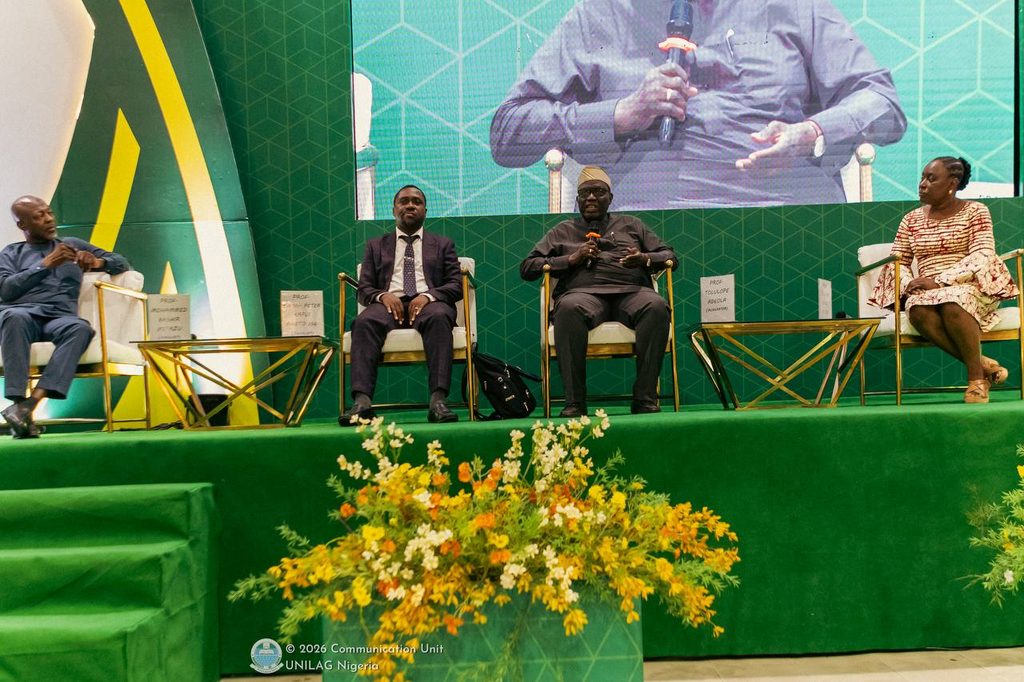
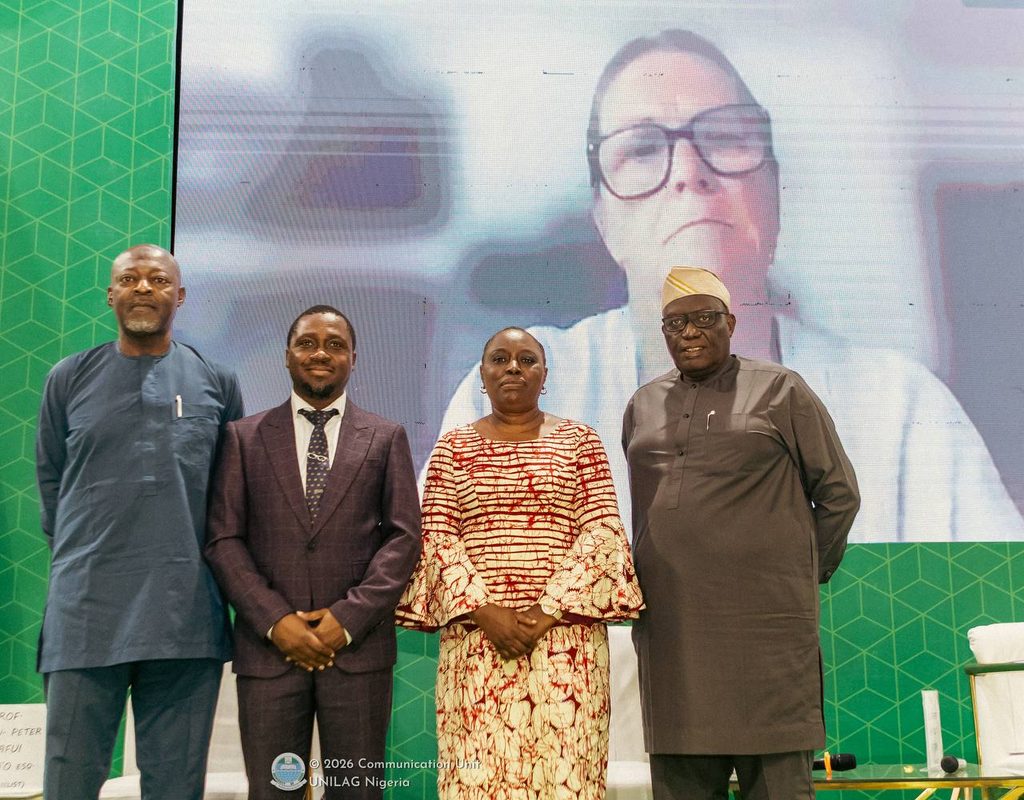
The session was moderated by Professor Tolulope Ogunnusi, Director, Open and Distance Learning Centre, Afe Babalola University, Ado-Ekiti.
The panellists examined key issues around driving ODL through technology, innovative assessment and credential integrity in distributed learning; learner life-cycle management and digital learner support systems; alternative certification and recognition frameworks for 21st-century competencies; and the implications of the emerging national framework for Nigerian universities.
Also contributing to the discussions, the Director of the Directorate of Open, Distance and e-Learning (DODeL), National Universities Commission (NUC), Dr (Mrs.) Funmilayo Morebise, highlighted the Commission’s efforts towards ensuring the recognition of micro-credentials across public universities in Nigeria.
The President, Open, Distance and e-Learning Association of Nigeria, Professor Francis Egbokhare, in a goodwill message on behalf of representatives of other institutions, commended the University of Lagos for its leadership in ODL and called for stronger collaboration among institutions to reposition the sector.
“Strengthening UNILAG’s ODL Frontiers“
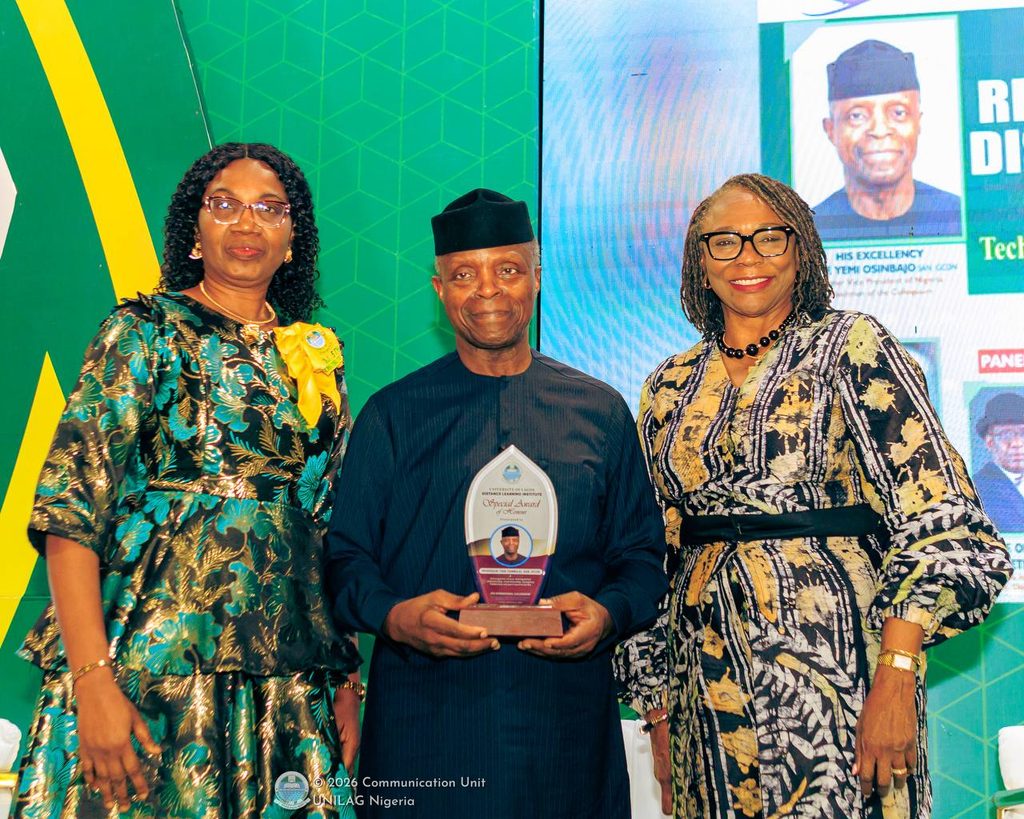
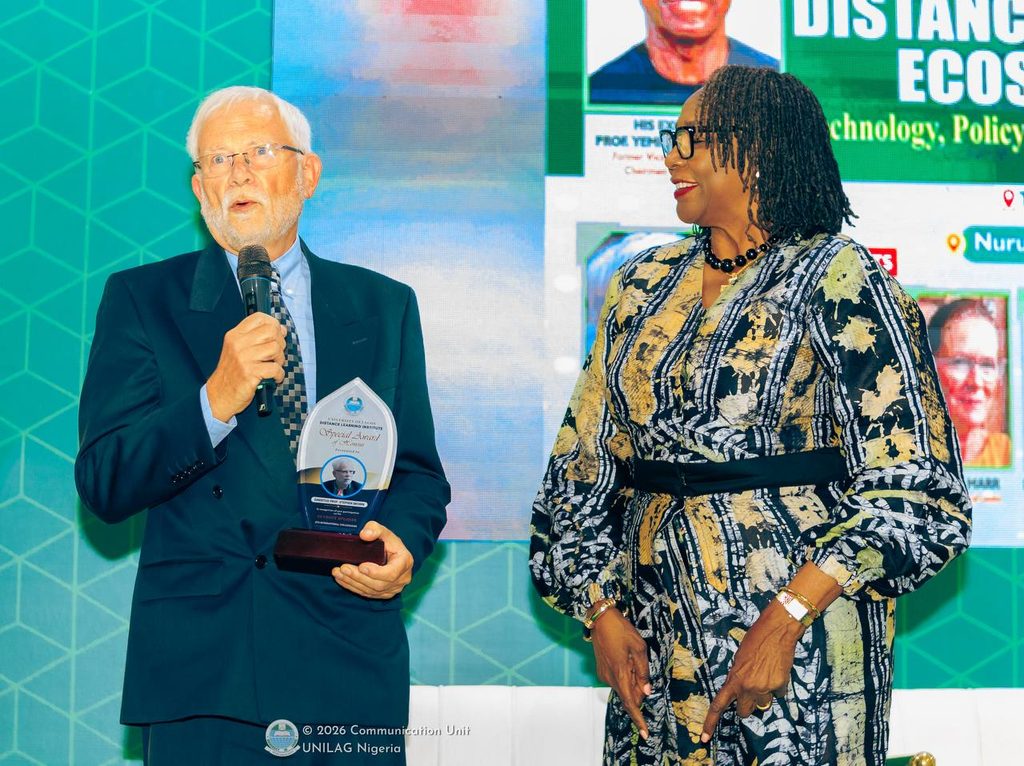
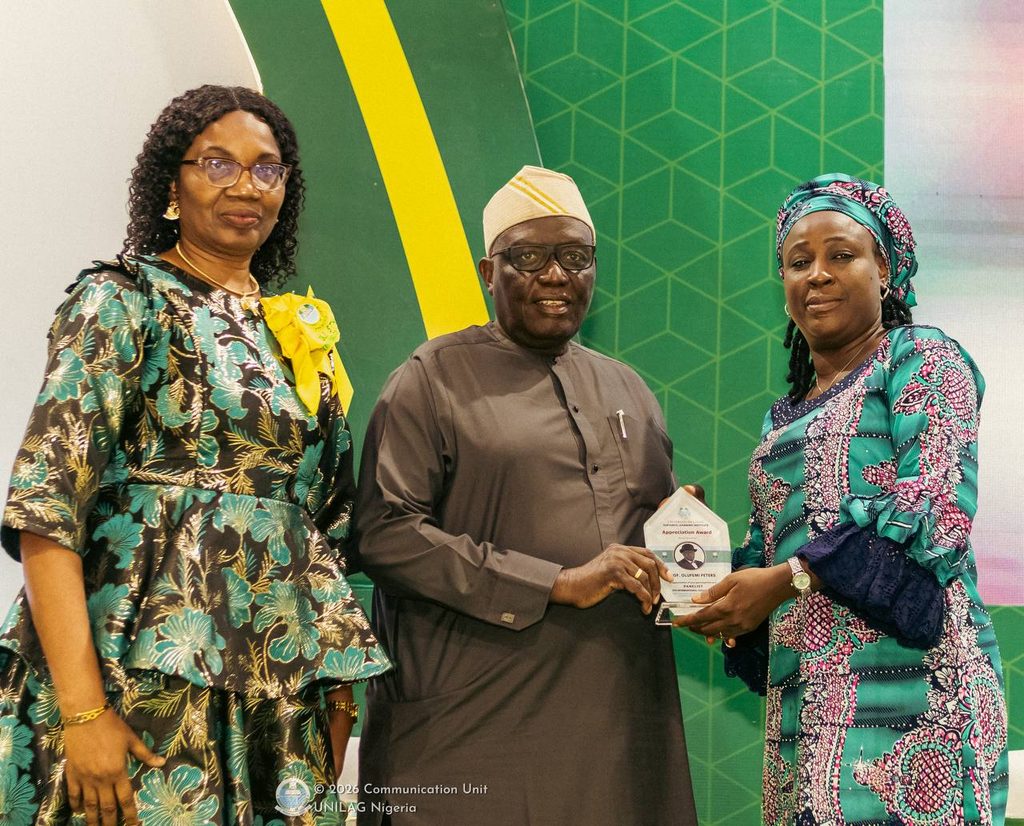
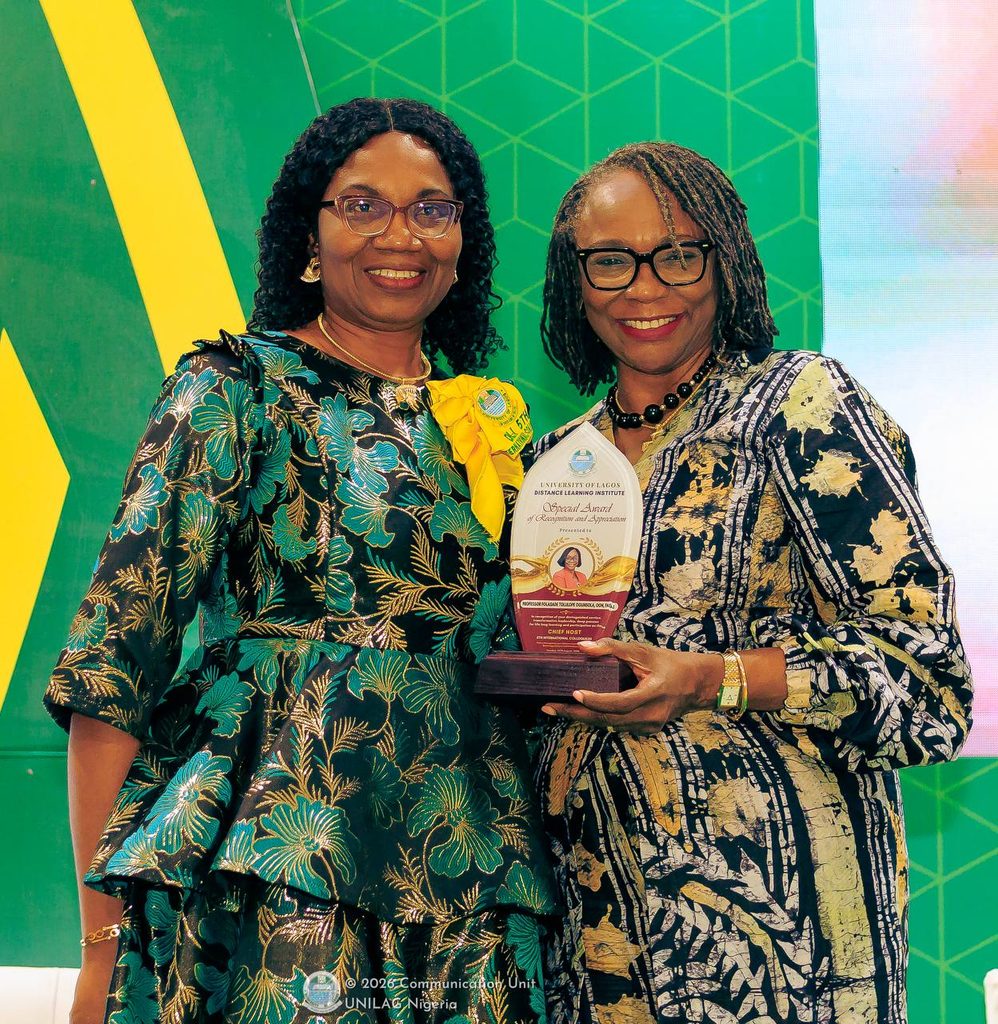
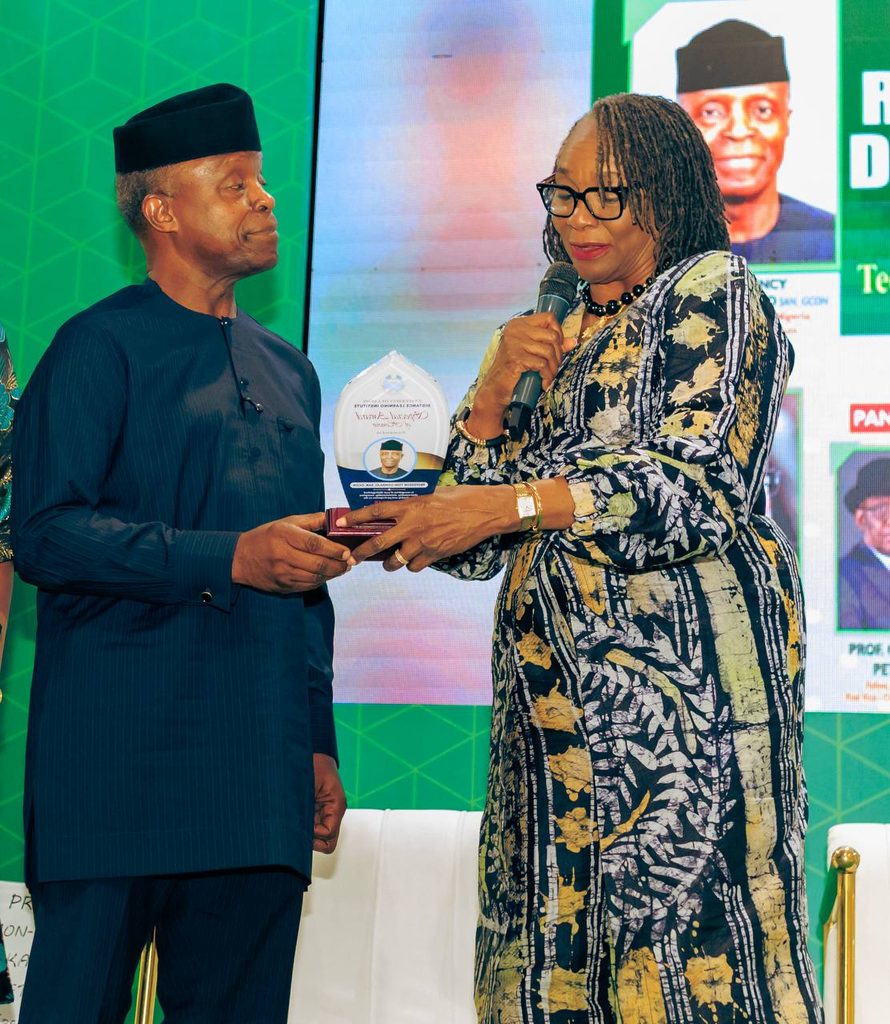
The colloquium also featured the presentation of plaques to key dignitaries, including the Chairman, Professor Yemi Osinbajo, GCON; Keynote Speaker, Emeritus Professor Stephen Brown; Vice-Chancellor, Professor Folasade Ogunsola, OON, FAS; and Director, DLI, Professor Risikat Dauda.
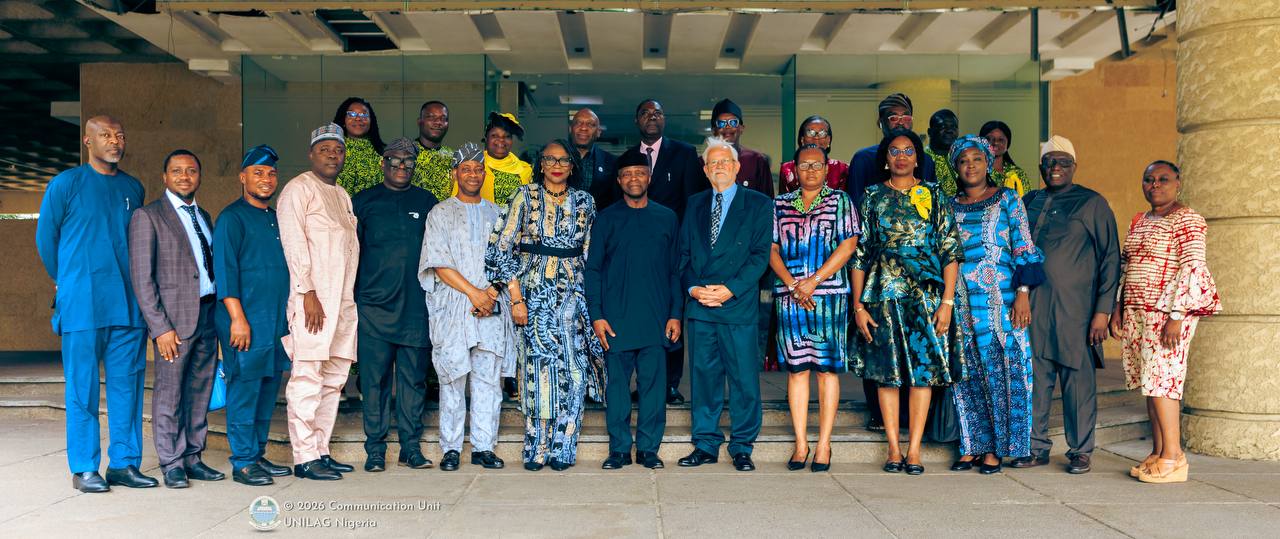
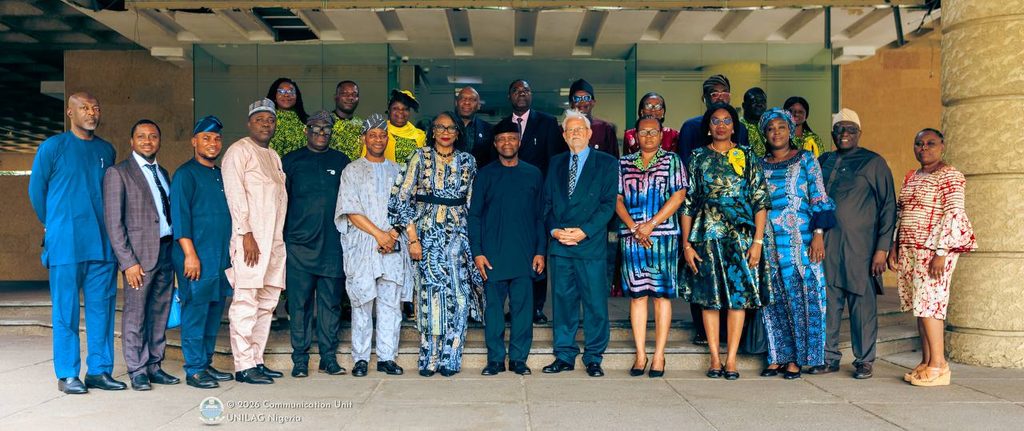
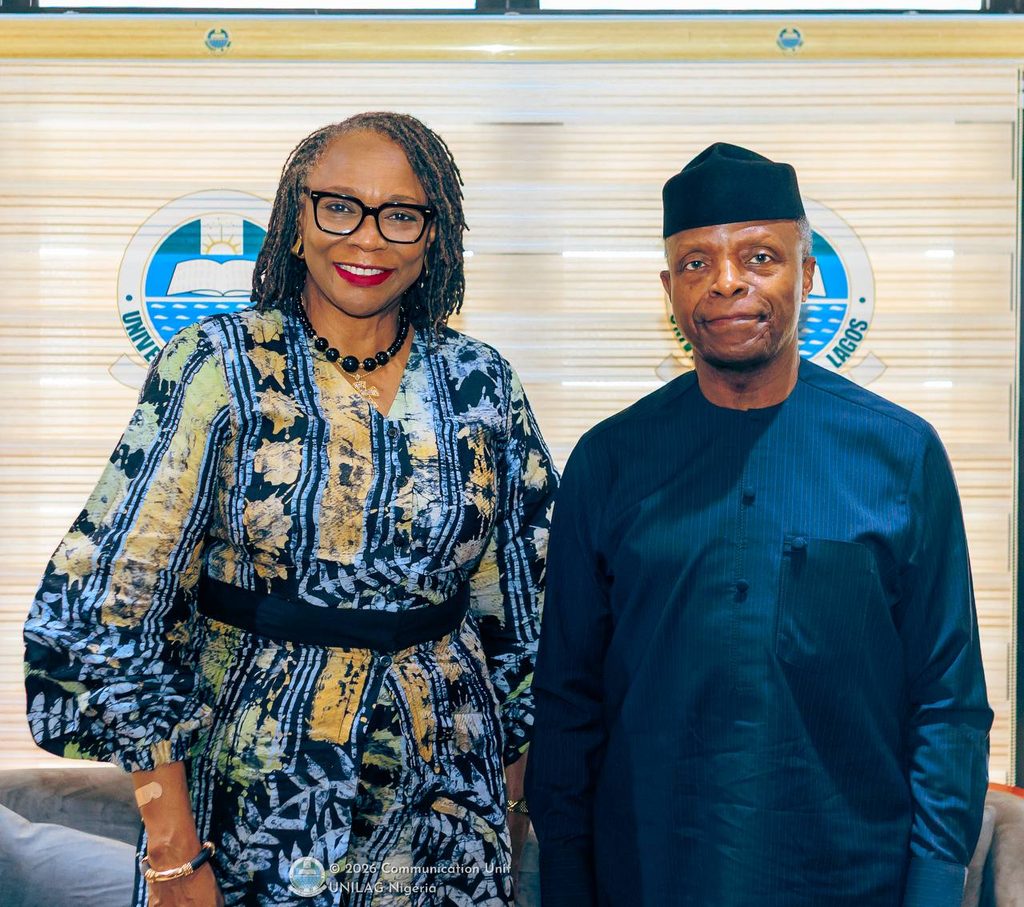
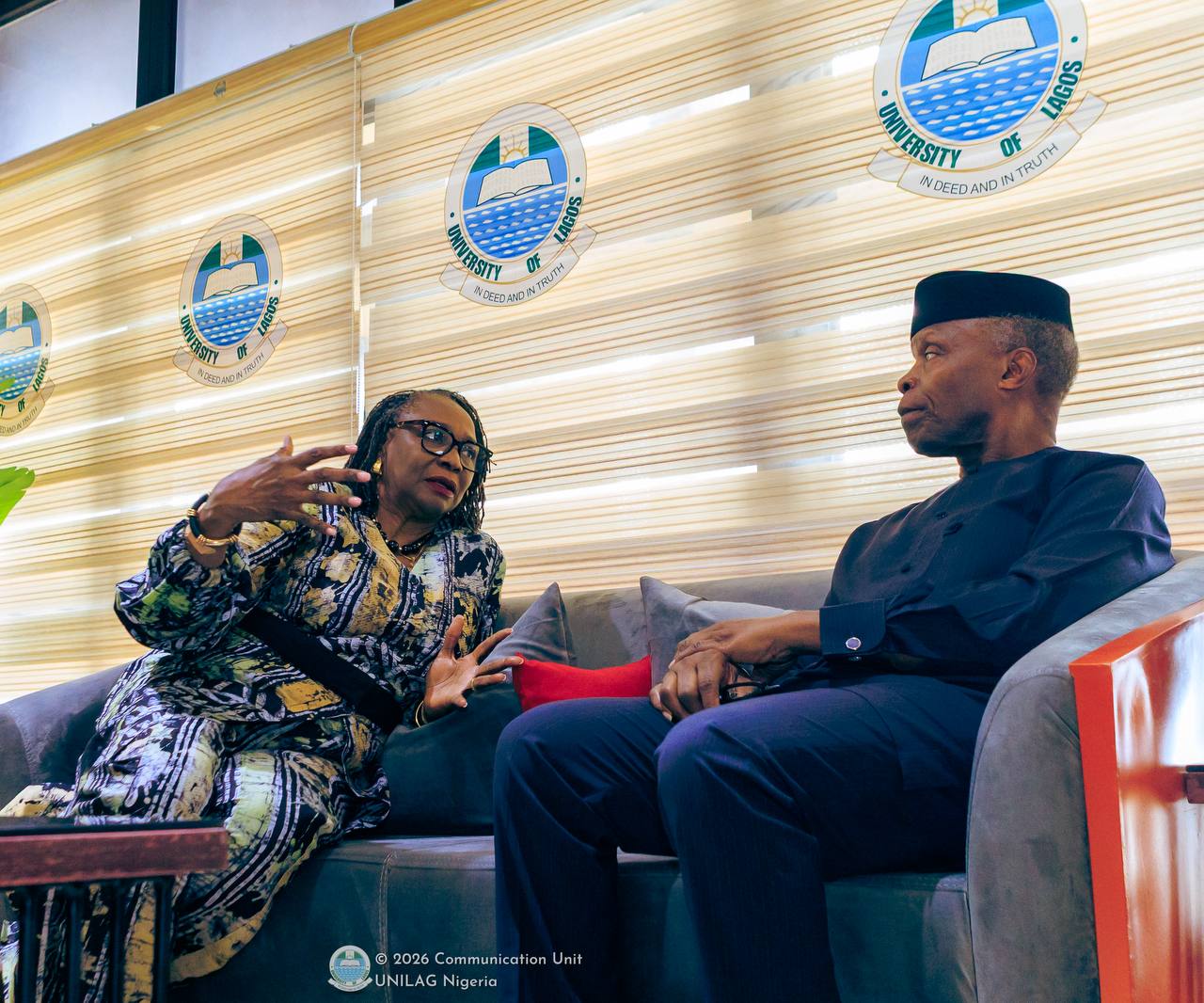
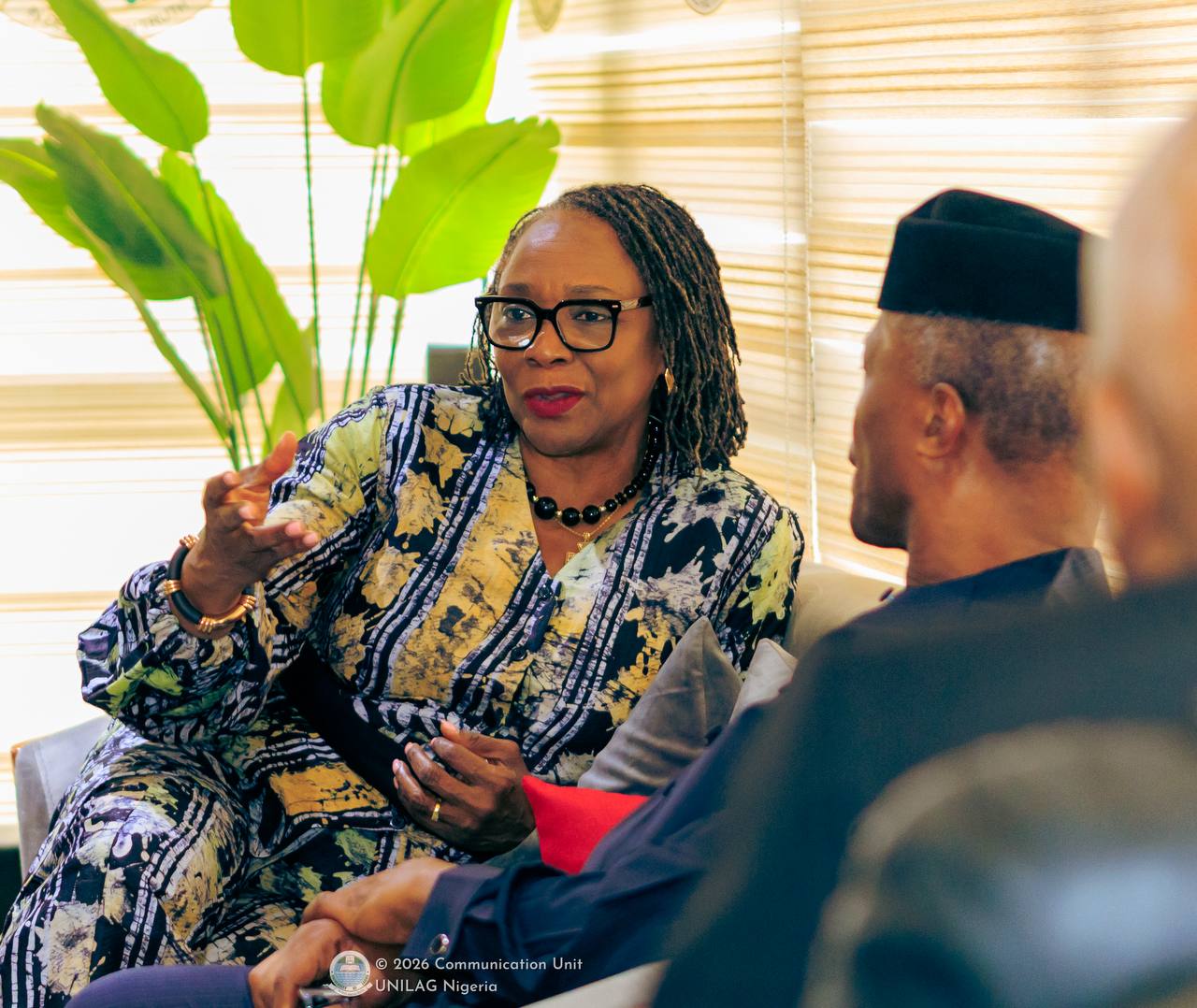
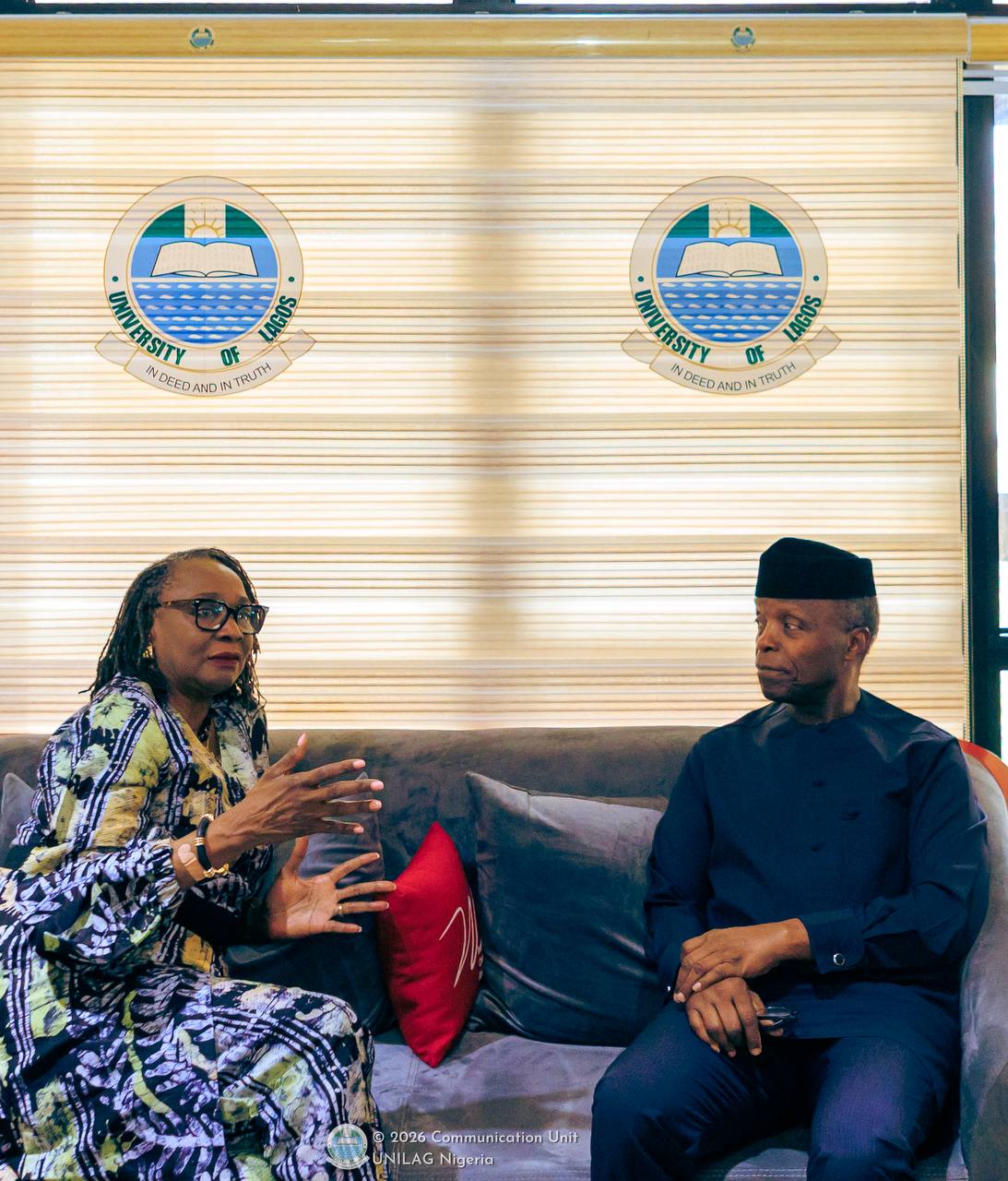
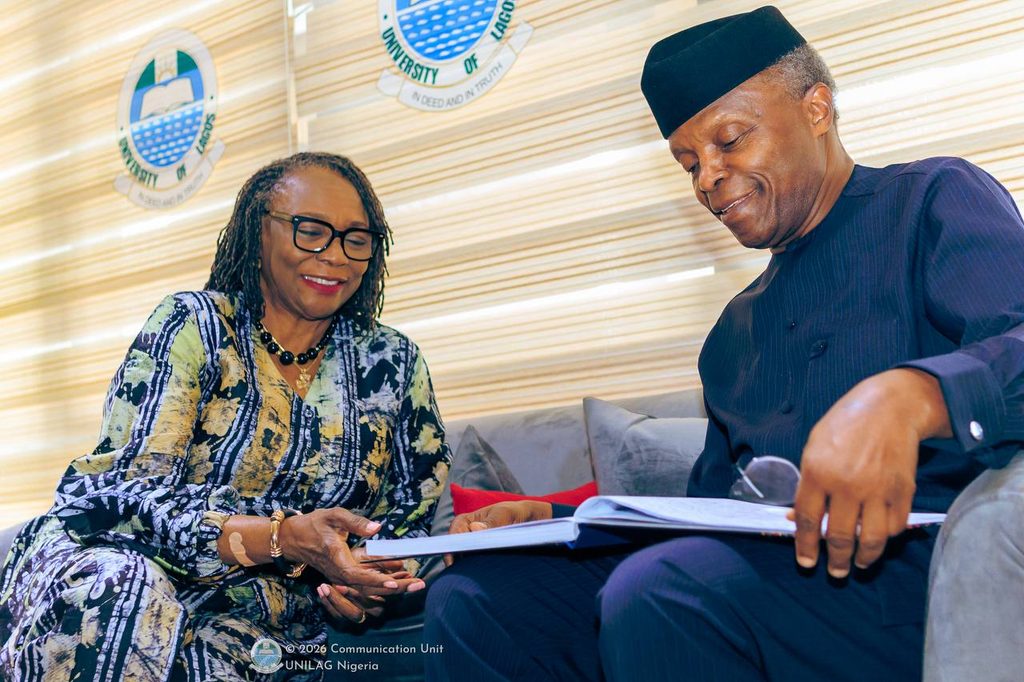
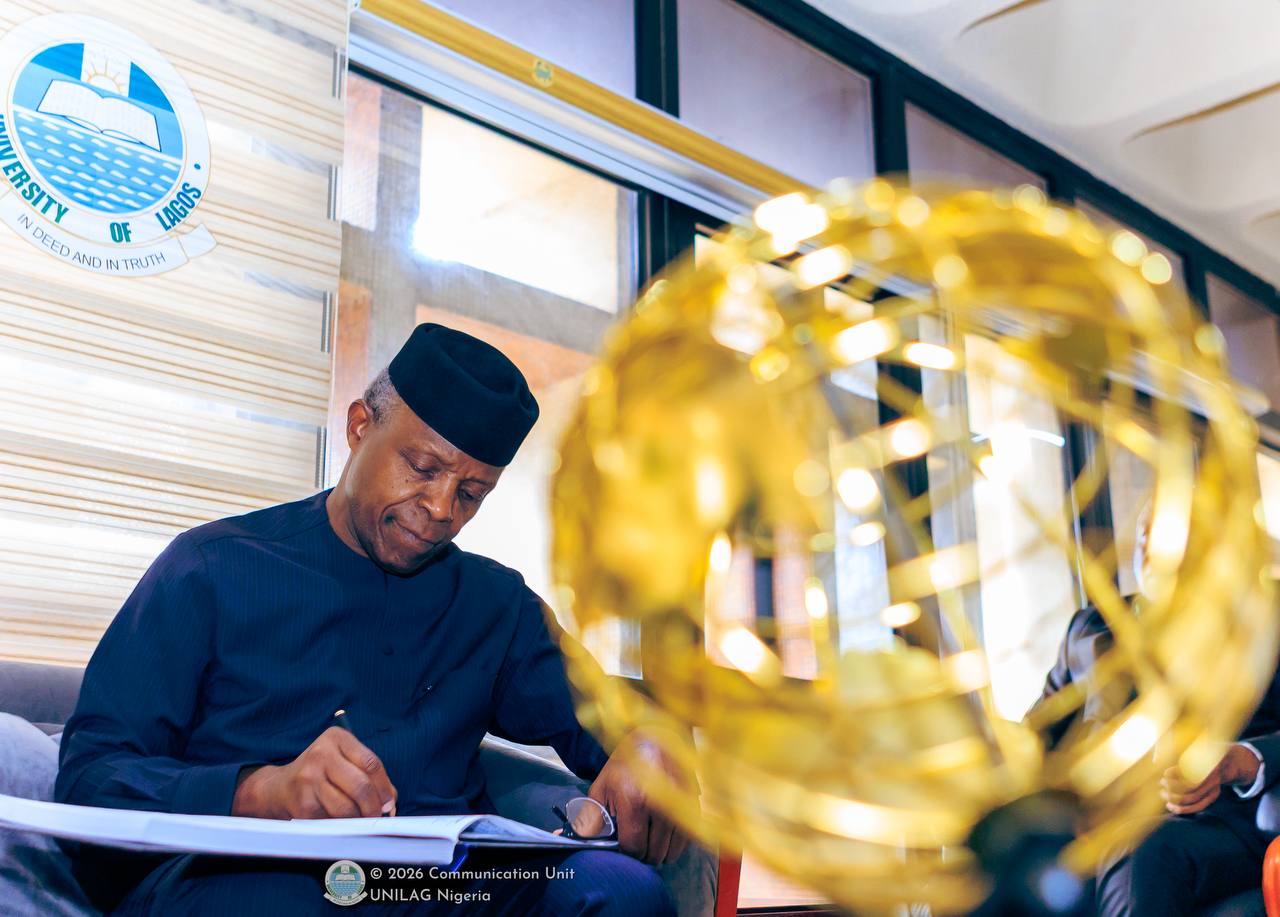
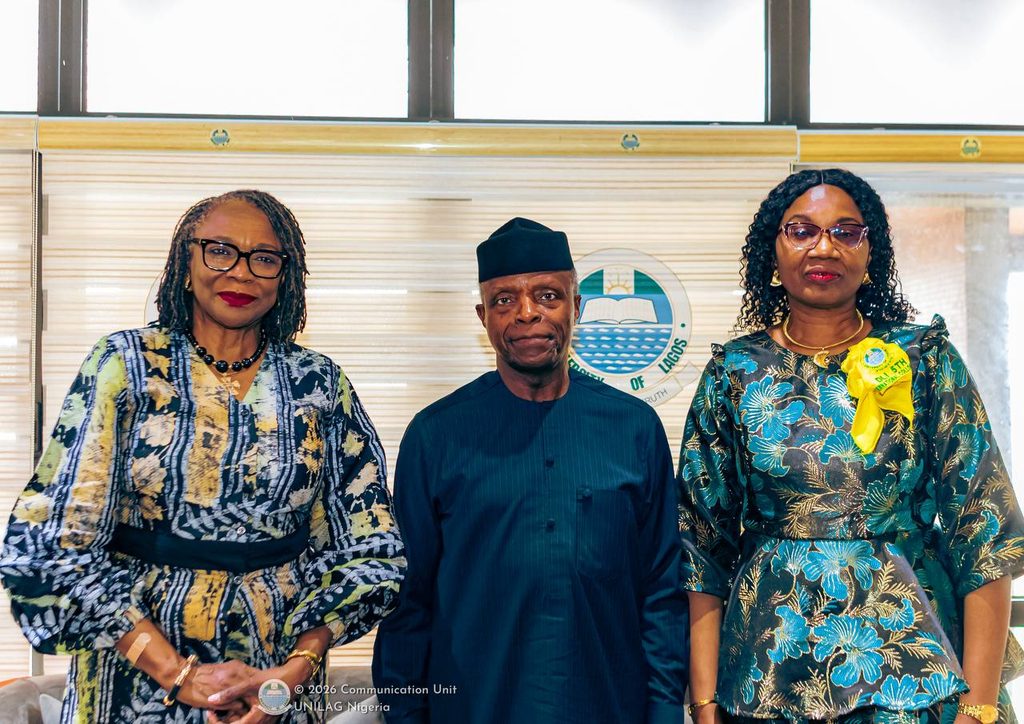
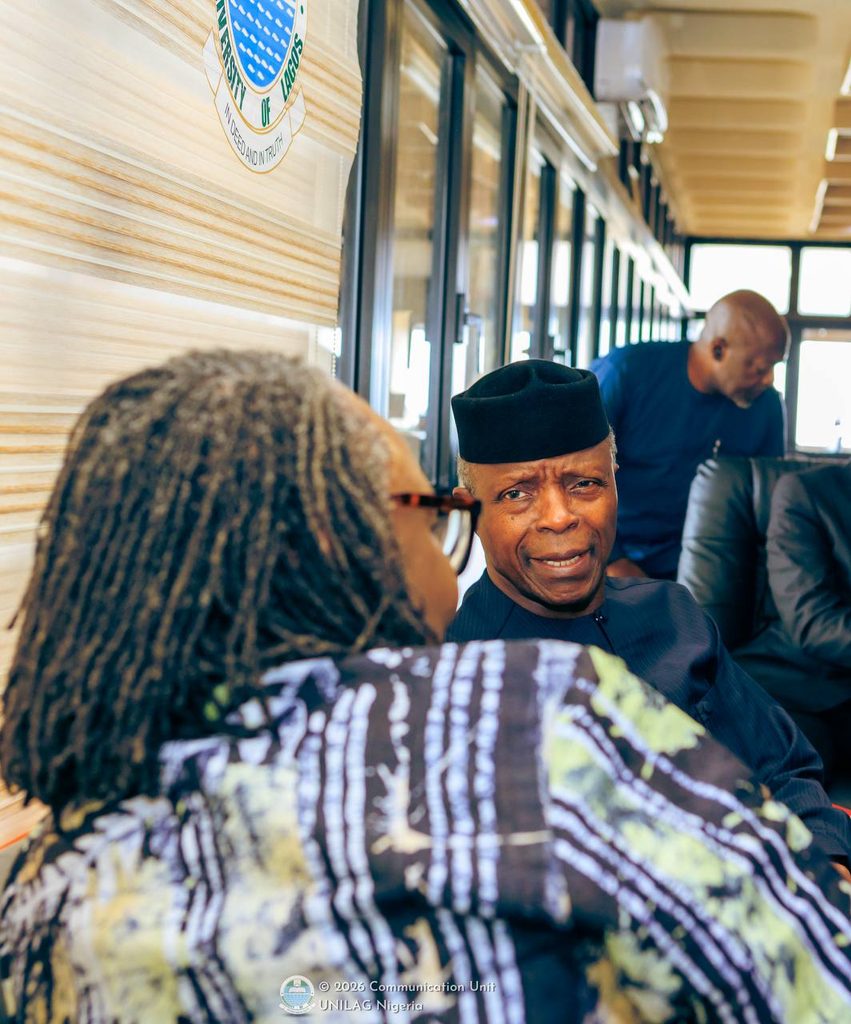
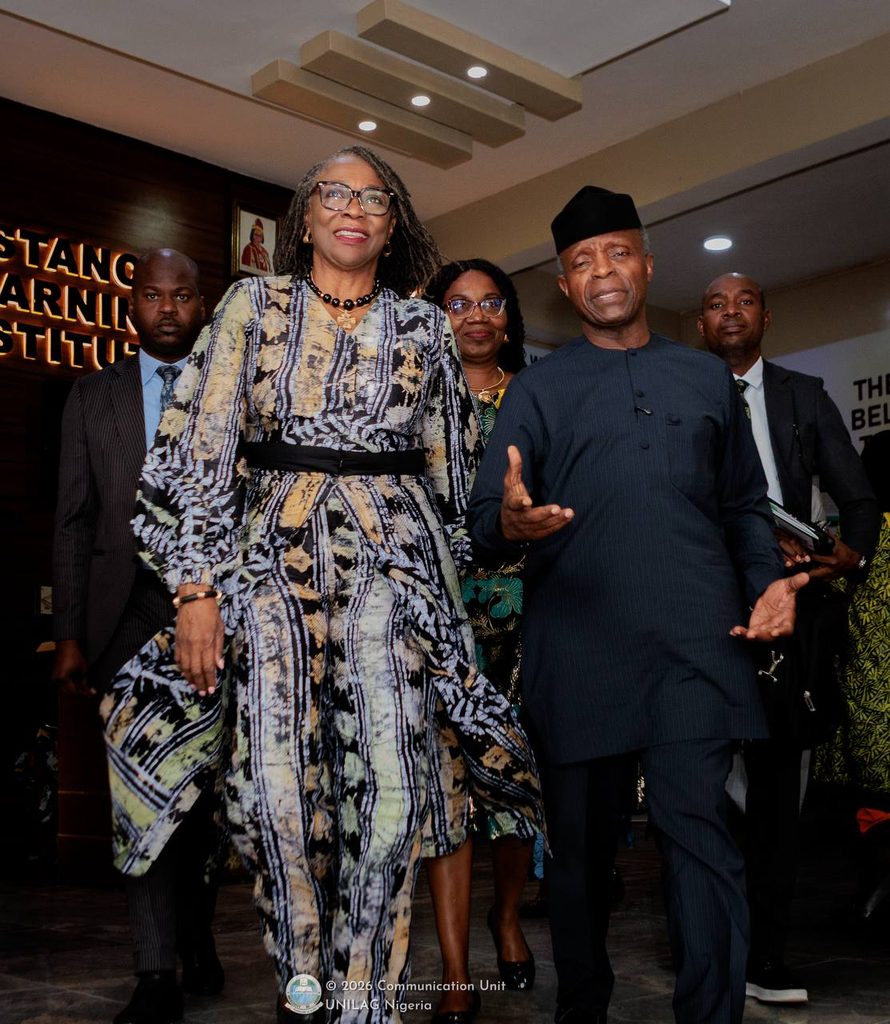
Earlier, Professor Osinbajo and other dignitaries paid a courtesy visit to the Office of the Vice-Chancellor, Senate House, UNILAG. During the visit, Professor Ogunsola reaffirmed UNILAG’s commitment to rethinking, deepening, and expanding open and distance learning while increasing access and student intake.
The 5th DLI Colloquium reinforced the need for a stronger ODL ecosystem in Nigeria, one anchored on sound policy, institutional commitment, quality assurance, accessible technology and responsible use of Artificial Intelligence. This is crucial to ensure that the expansion of higher education is matched by quality, credibility and relevance.
Report: Gbenga Gbelee
Photograph: Ayo Oloyede