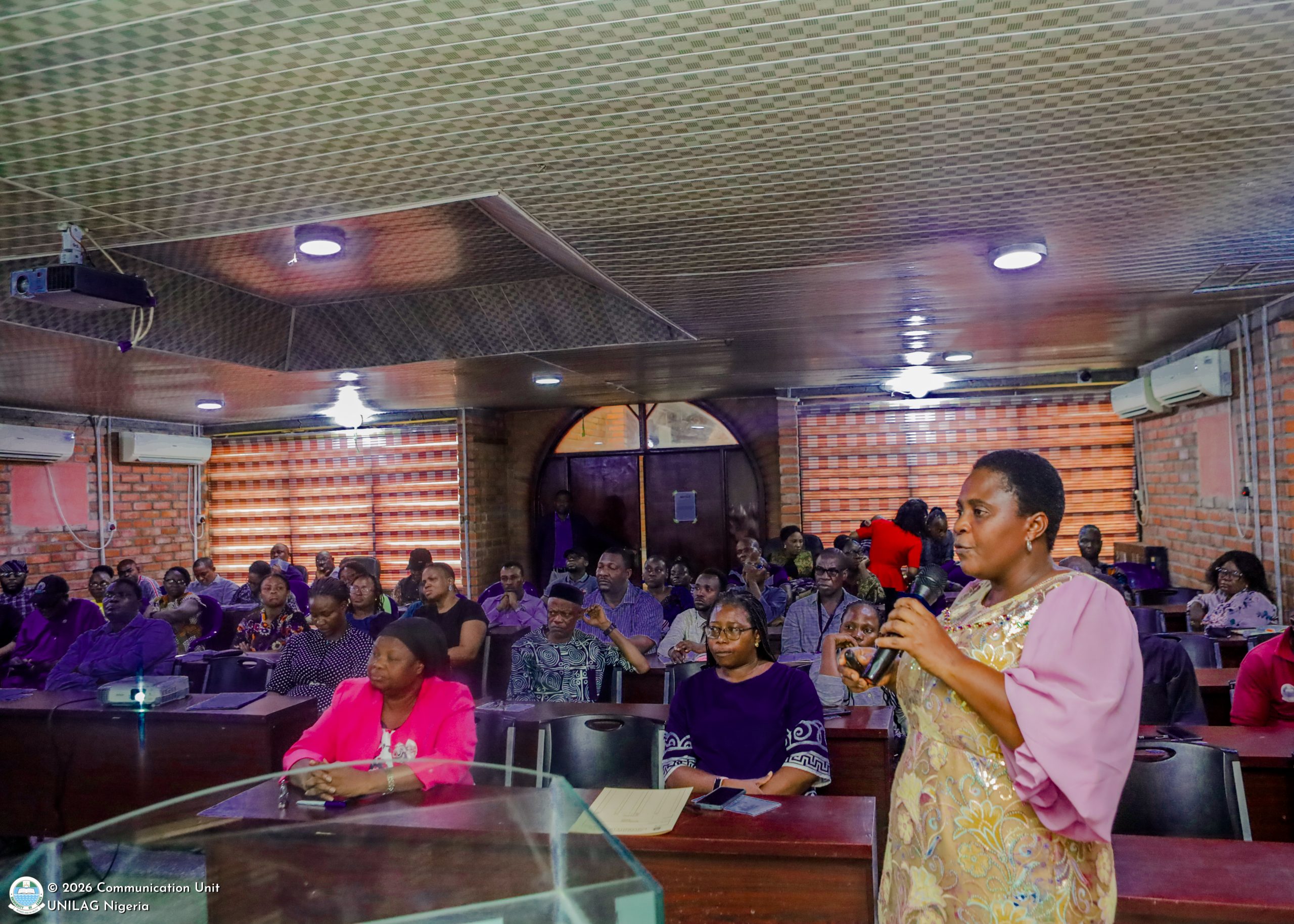
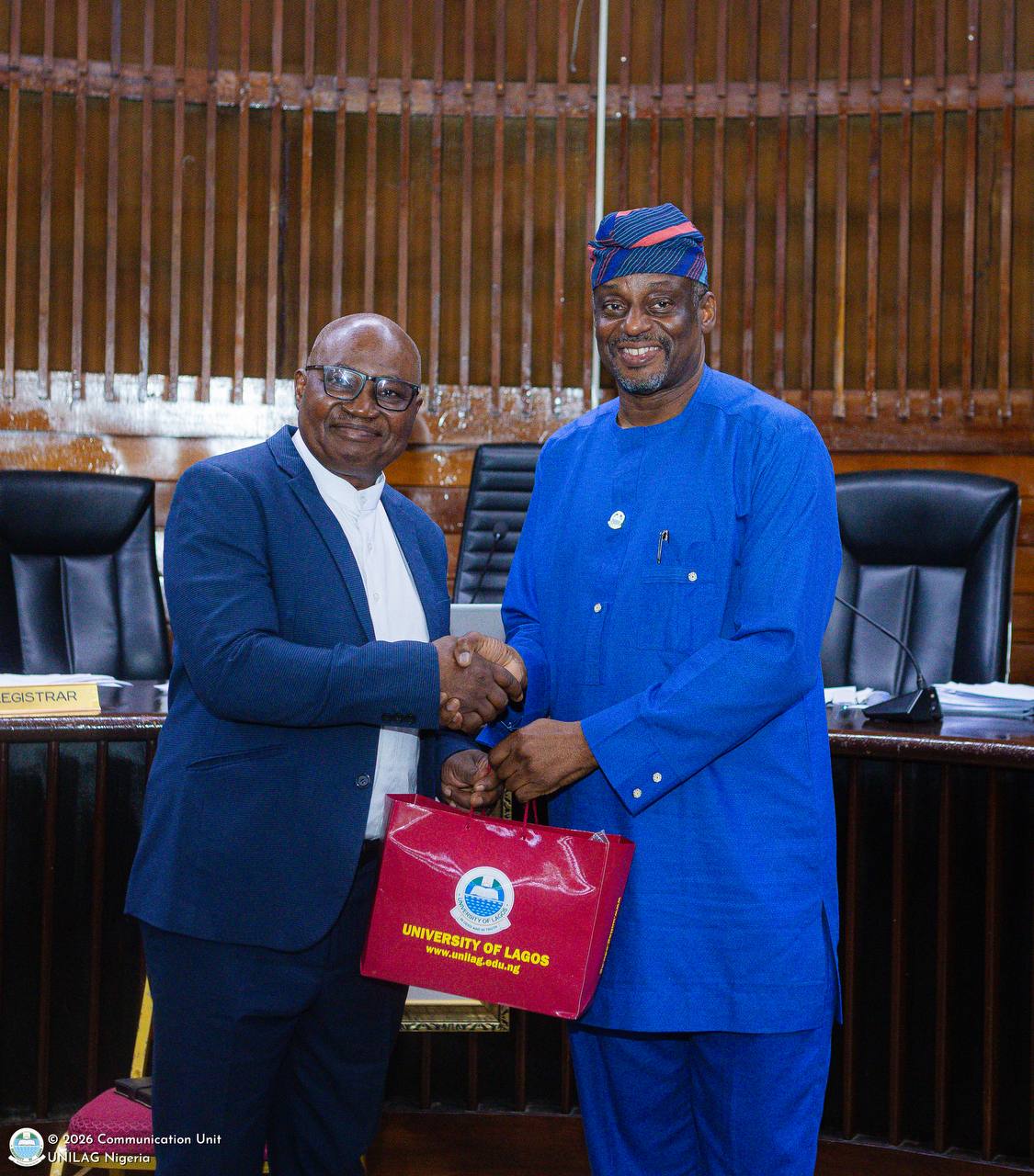
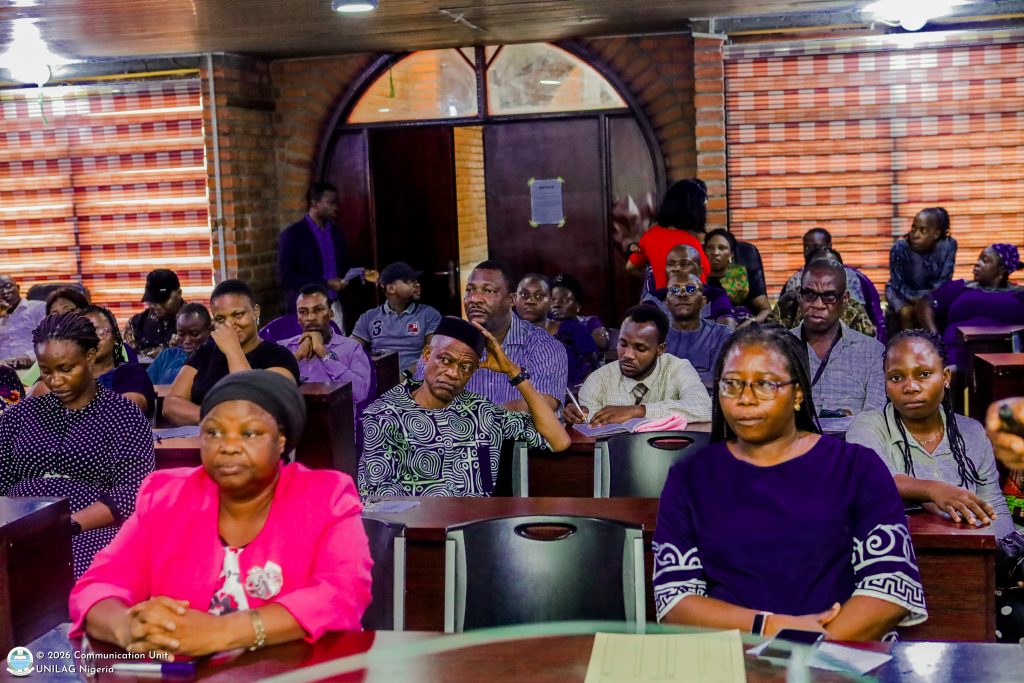
As digital learning continues to expand across Africa and beyond, ensuring that learning systems accommodate the needs of all learners, regardless of ability or circumstance, formed the focus of discussions at the June edition of the monthly seminar of the Distance Learning Institute, University of Lagos (DLI, UNILAG).
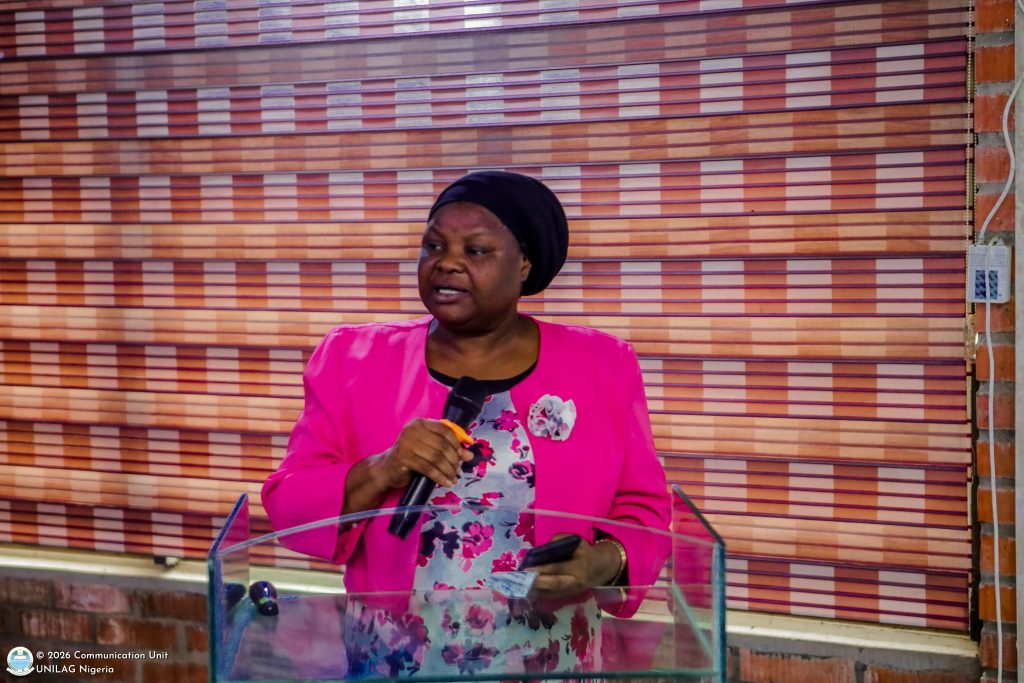
Held on Thursday, June 25, 2026, at the DLI Board Room, the seminar featured a presentation by Dr. Adeduni Adegun on the theme, “Inclusive Learner Support Processes in ODL”. The presentation explored strategies for strengthening inclusive learner support systems in Open and Distance Learning (ODL) and digital education.
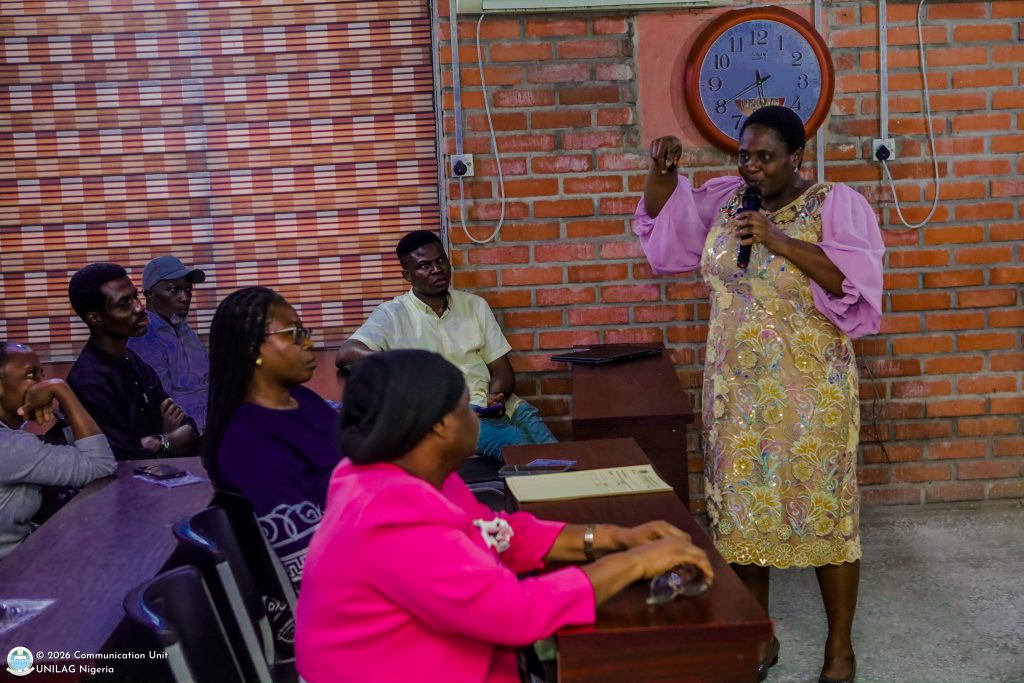
Dr. Adegun’s presentation examined the evolving landscape of learning design, particularly within the African context, highlighting the ongoing shift towards more inclusive and technology-driven educational models. She reviewed inclusive education policies across selected African countries, noting efforts to promote equitable access to education despite prevailing challenges.
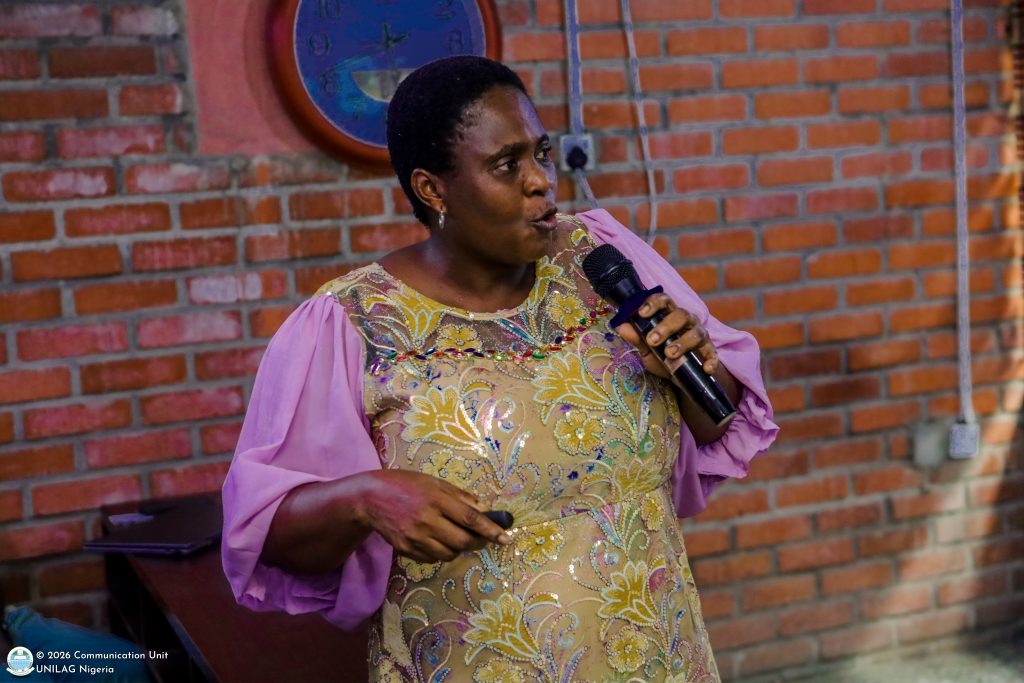
Dr. Adegun advocated the development of a robust digital support ecosystem capable of meeting the diverse needs of learners. According to her, such a system should guarantee technical support, financial and resource assistance, counselling and emotional support, as well as academic and pedagogical aid.
She further identified key policy readiness indicators that continue to place many African countries at a disadvantage, particularly in the areas of funding and infrastructure, teacher capacity development, and data availability for informed decision-making.
To address these gaps, Dr. Adegun recommended the active inclusion of Organizations of Persons with Disabilities (OPDs) in education sector reviews and policy formulation processes. She also called for the establishment of harmonized data collection systems with appropriate indicators, provision of assistive technologies and devices, subsidies for indigent families, inclusive financing mechanisms, and the deployment of technical expertise to strengthen crisis resilience and preparedness planning. Additionally, she stressed the need for strict enforcement of accessibility standards for all digital education platforms procured or developed.
Dr. Adegun who also serves as the coordinator of the Institute’s Counselling unit noted that the ultimate goal of these interventions is the creation of an inclusive assessment system which “eliminates technological barriers, accommodates diverse disabilities, and leverages digital tools to provide flexible, accessible, and bias-free approaches to evaluating students’ learning outcomes.”
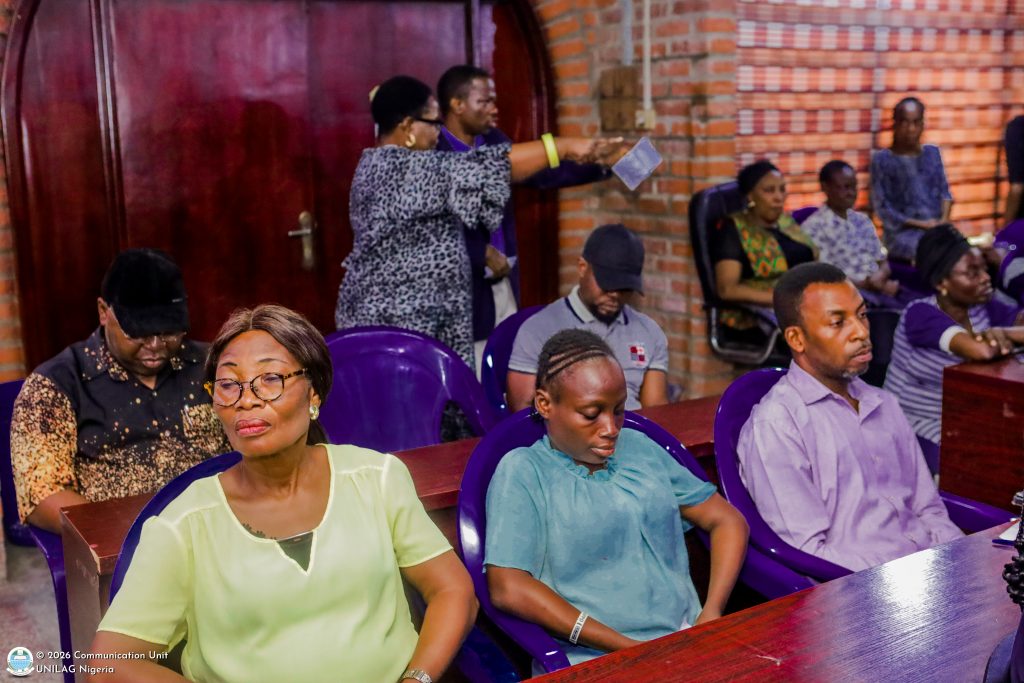
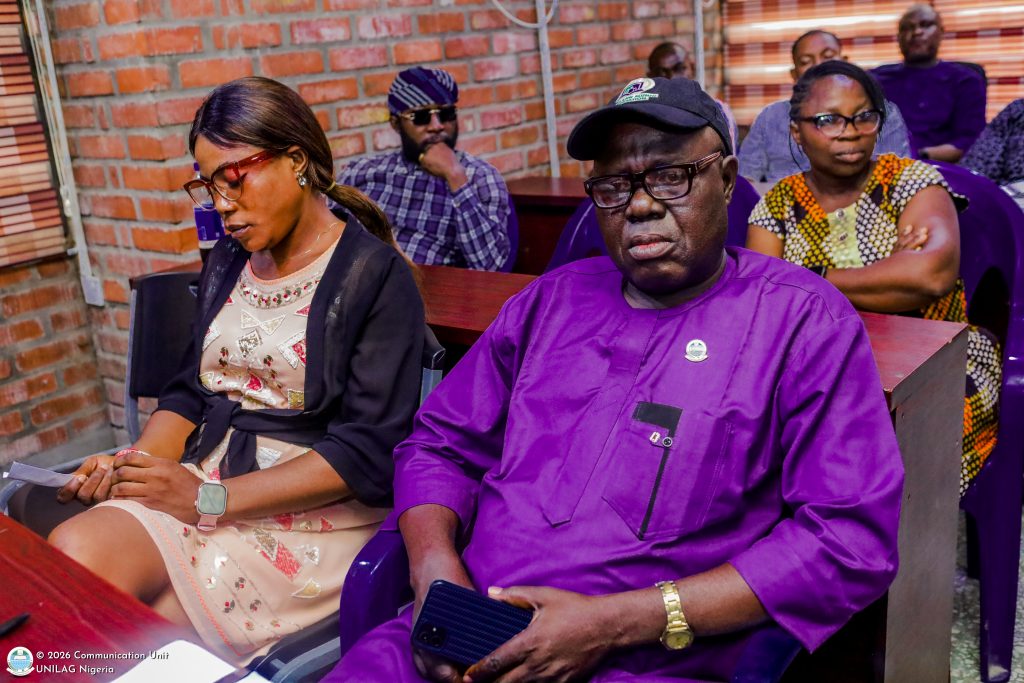
She argued that a truly inclusive digital learning environment must be designed to provide all learners with equal opportunities to demonstrate their knowledge and skills, rather than subjecting them to rigid, one-size-fits-all assessment models.
In her remarks, the Director of the Distance Learning Institute, Professor Risikat Dauda, represented by Dr. Abosede Ebhahi, described the Institute’s monthly seminar series as a valuable platform for intellectual engagement, knowledge sharing, and scholarly advancement.
She noted that the insights gained from the seminar would equip DLI tutors with deeper understanding and practical strategies for supporting every category of students irrespective of their peculiar needs, thereby improving their access to quality education and reinforcing the Institute’s commitment to inclusive and learner-centred education.
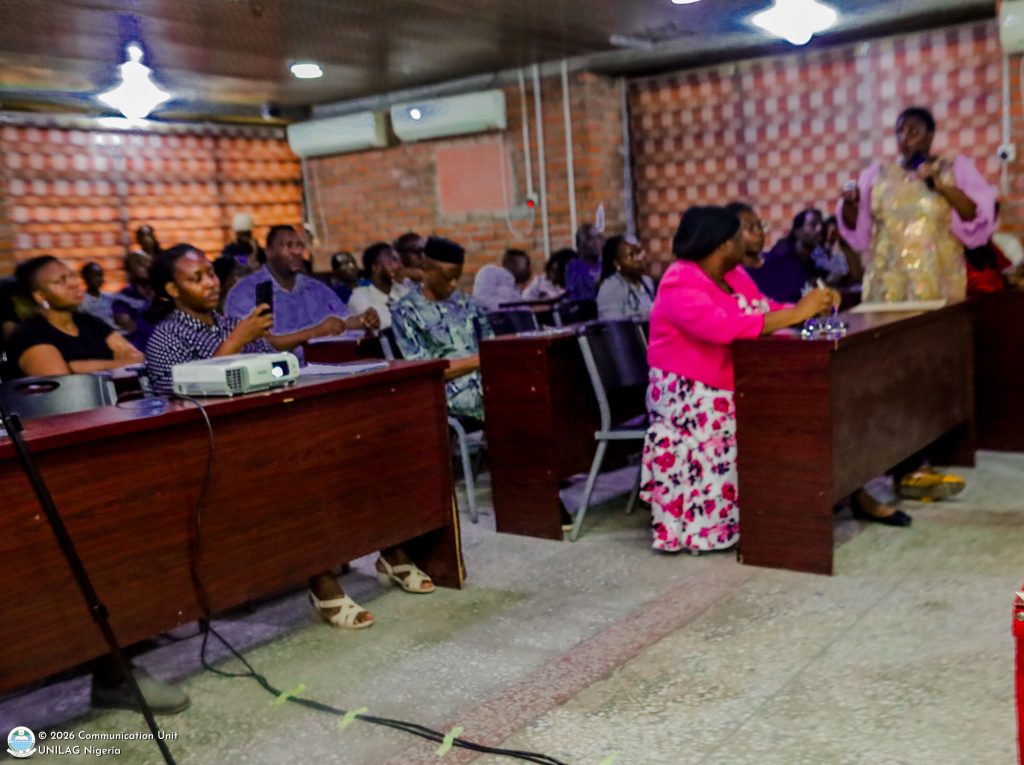
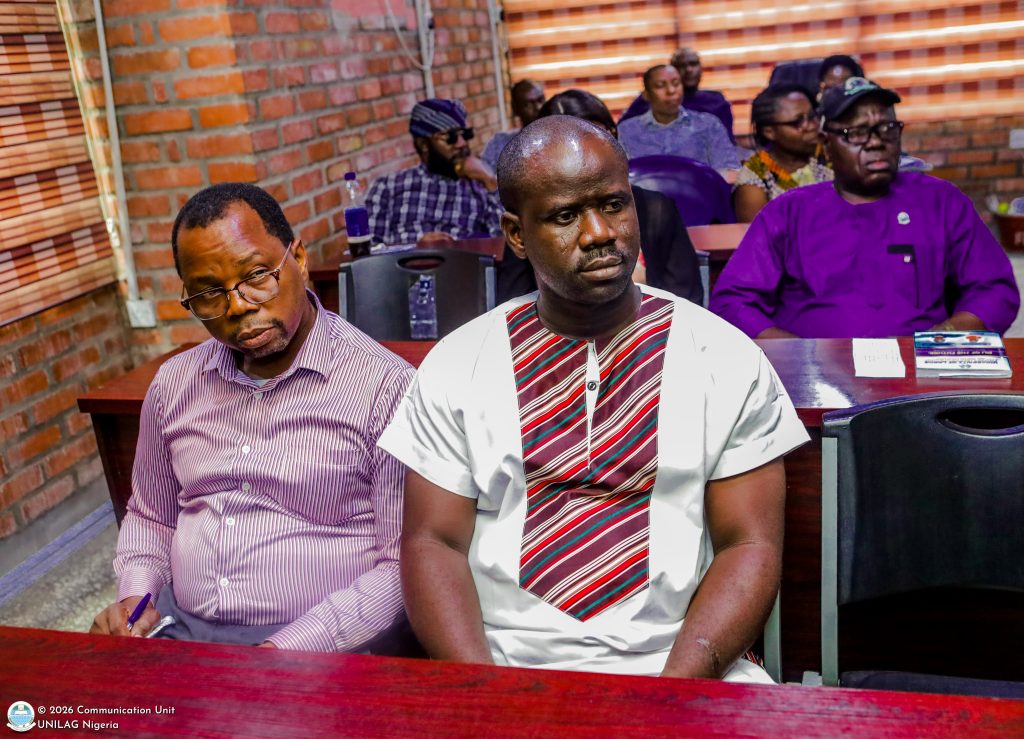
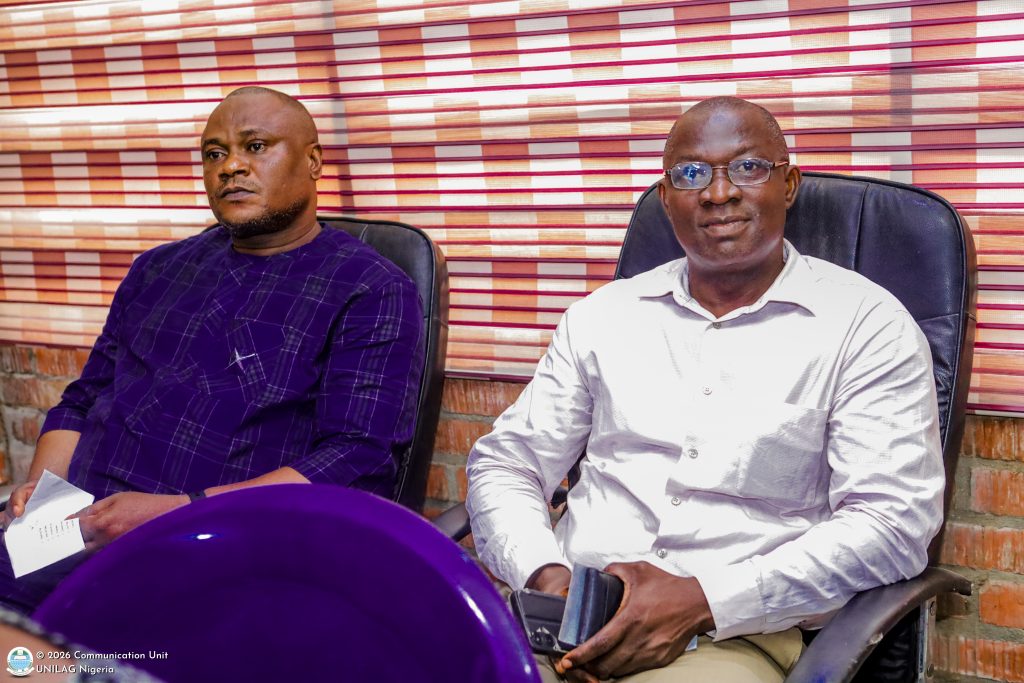
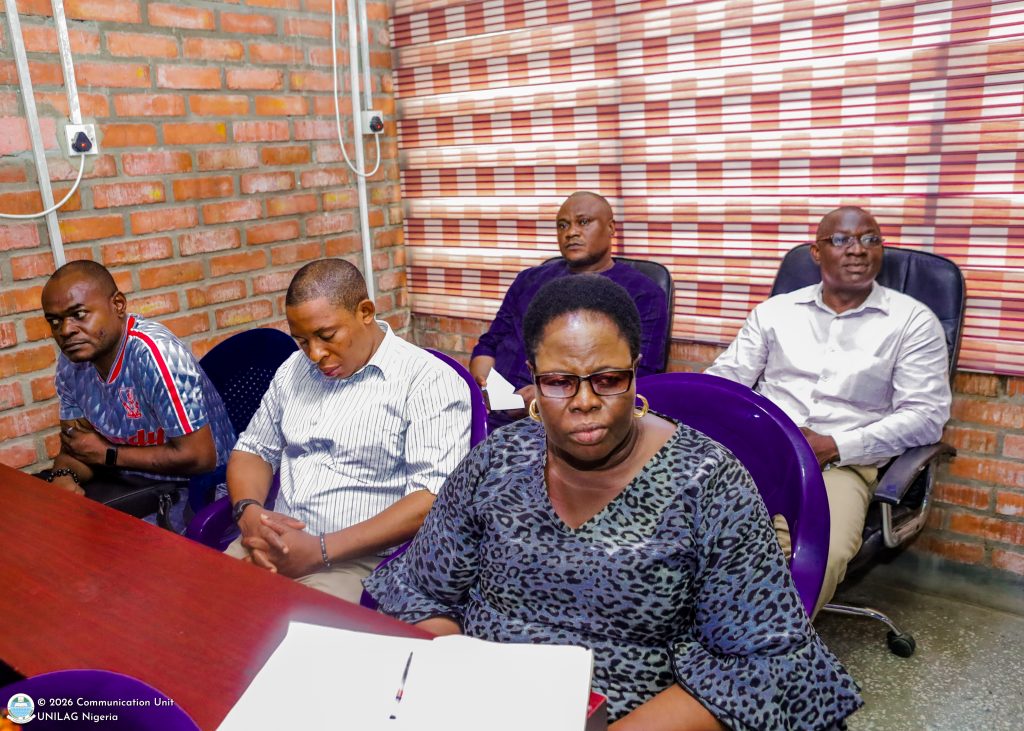
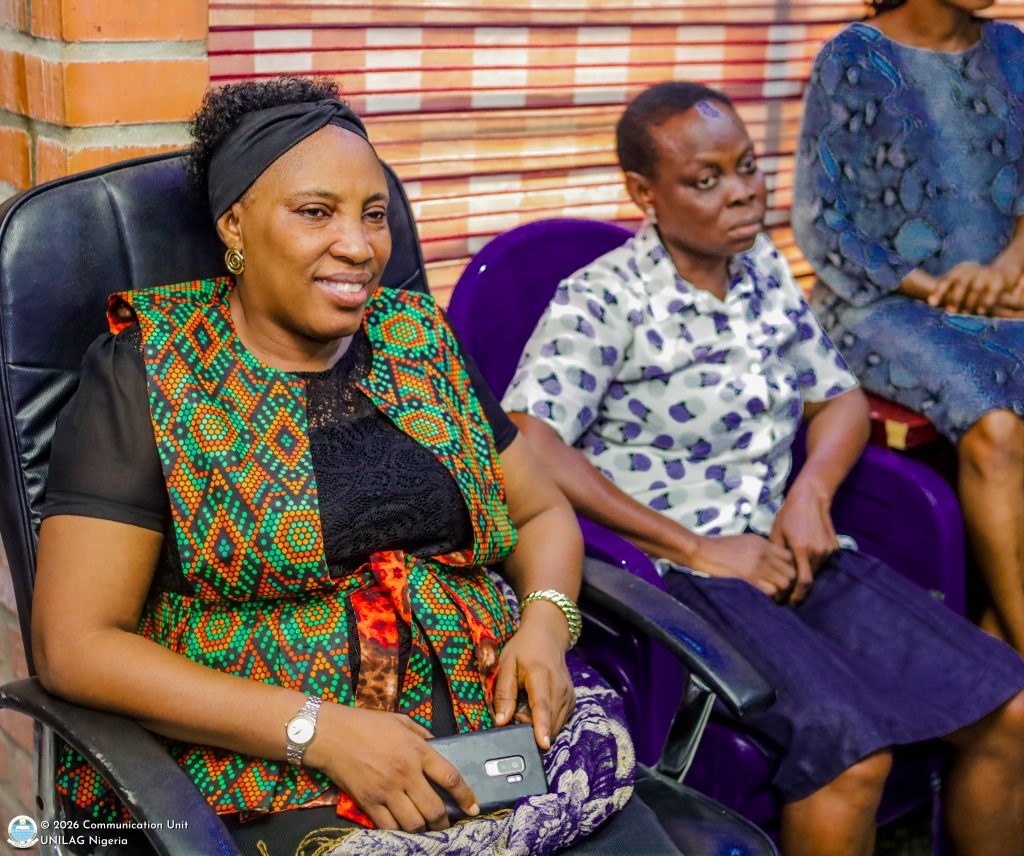
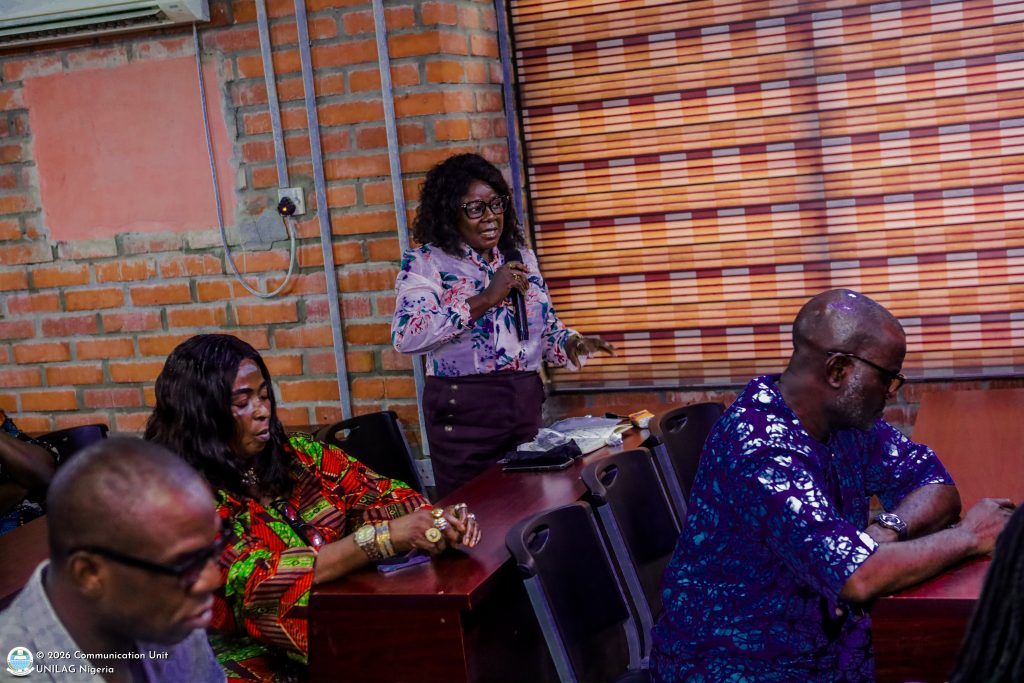
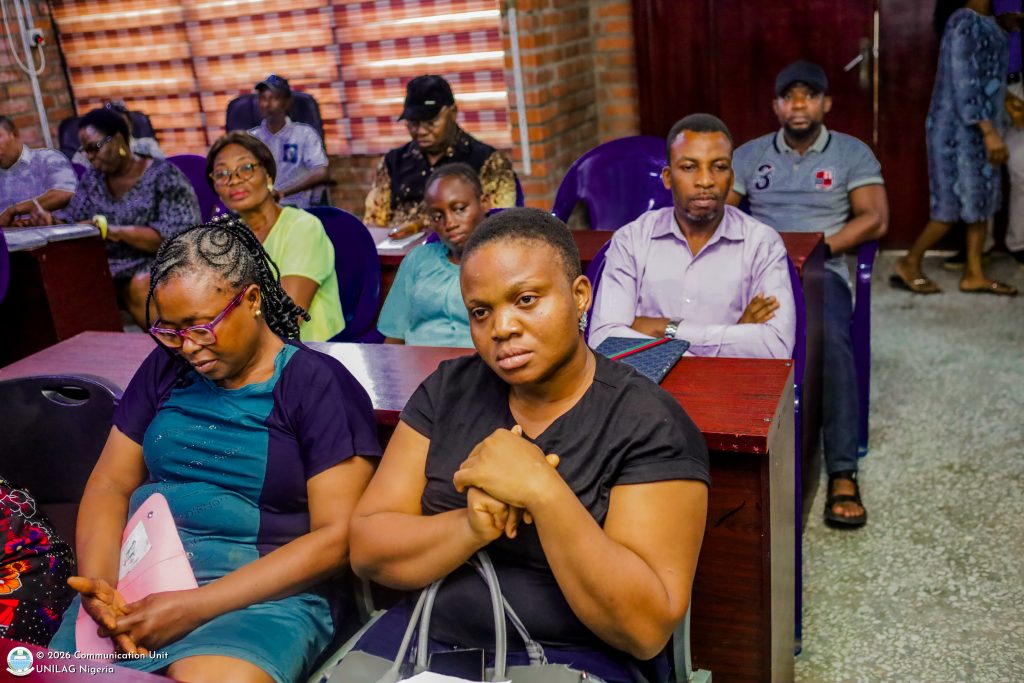
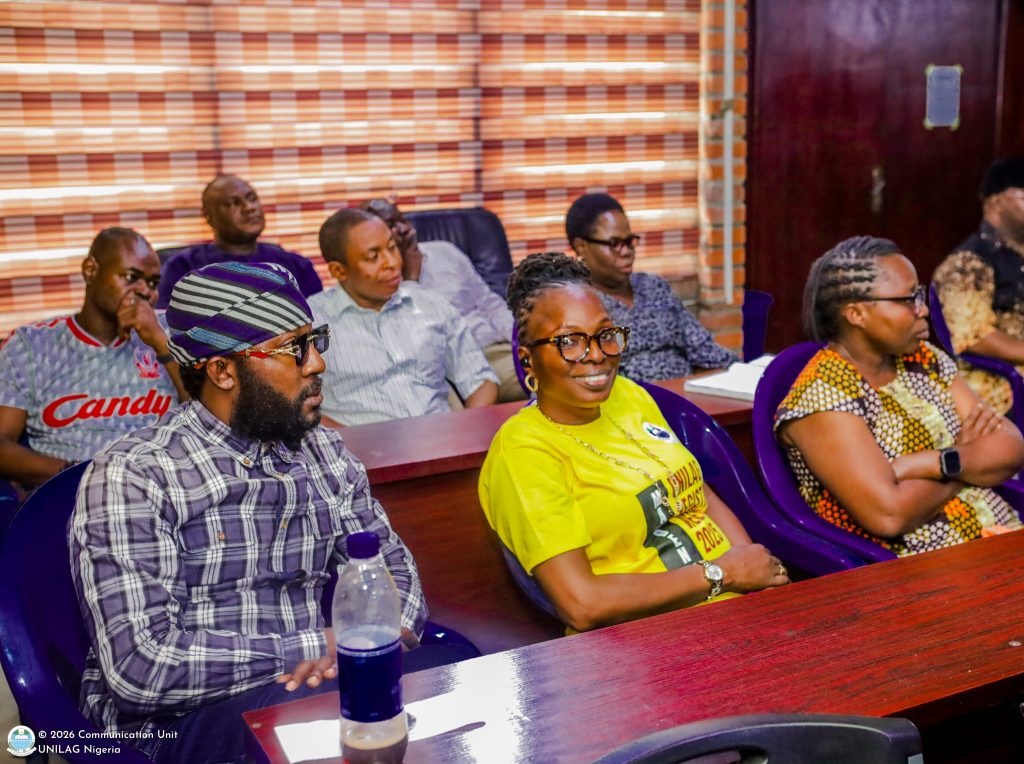
The seminar attracted academic staff, tutors, and other stakeholders who engaged in discussions on practical approaches to strengthening inclusivity and accessibility in digital learning environments.
Report: Gbenga Gbelee
Photograph: Michael Joshua