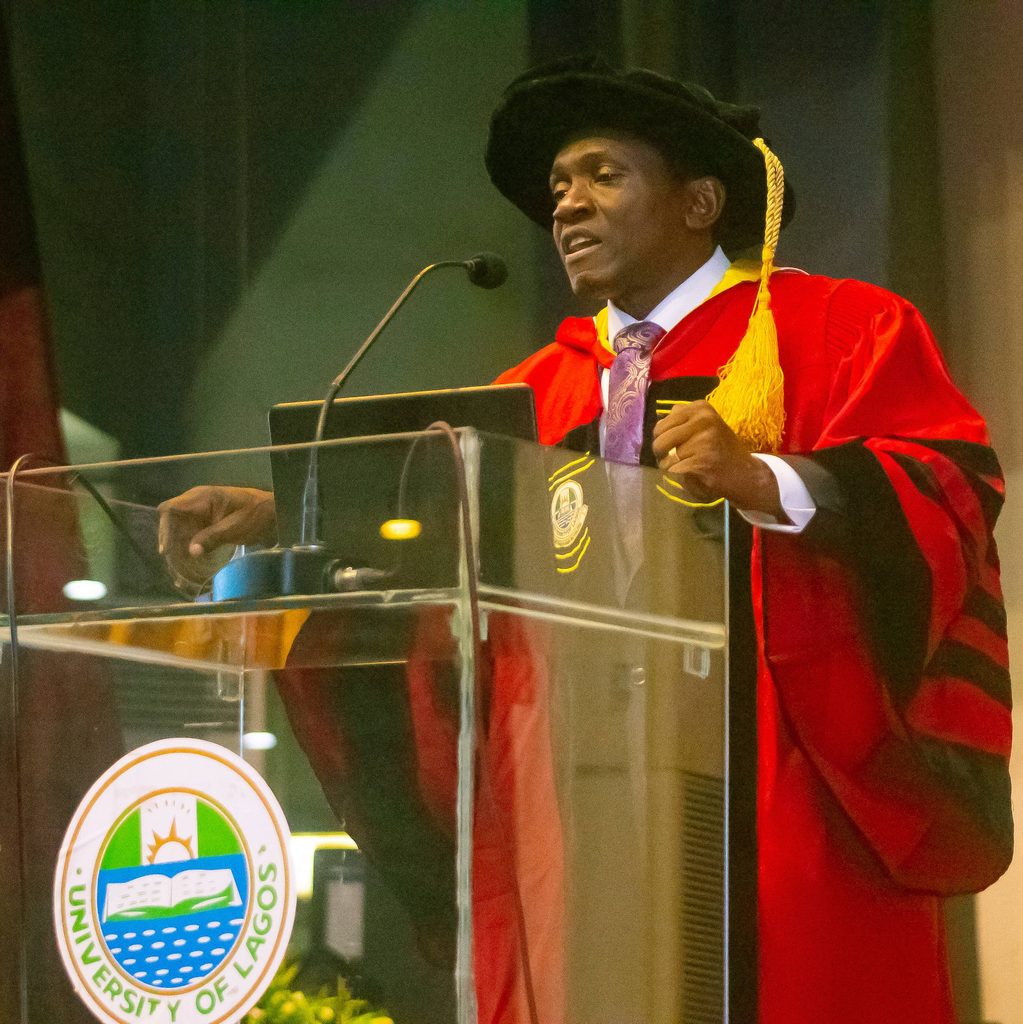
Nigeria and other African countries have been urged to strengthen their space science capabilities through increased investment in research, specialised education and real-time monitoring infrastructure to mitigate the adverse effects of solar activities and harness their benefits for national and continental development.
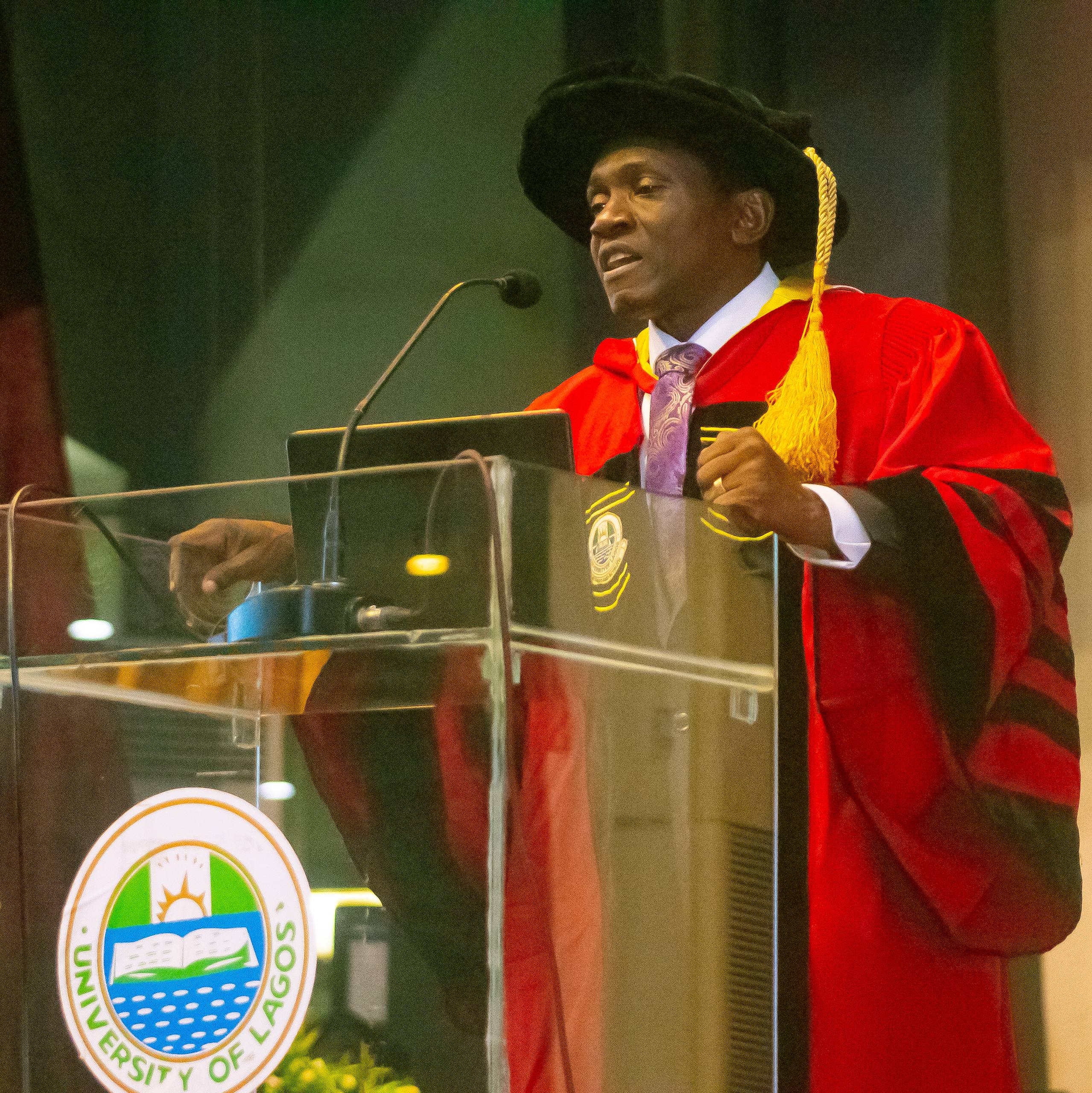
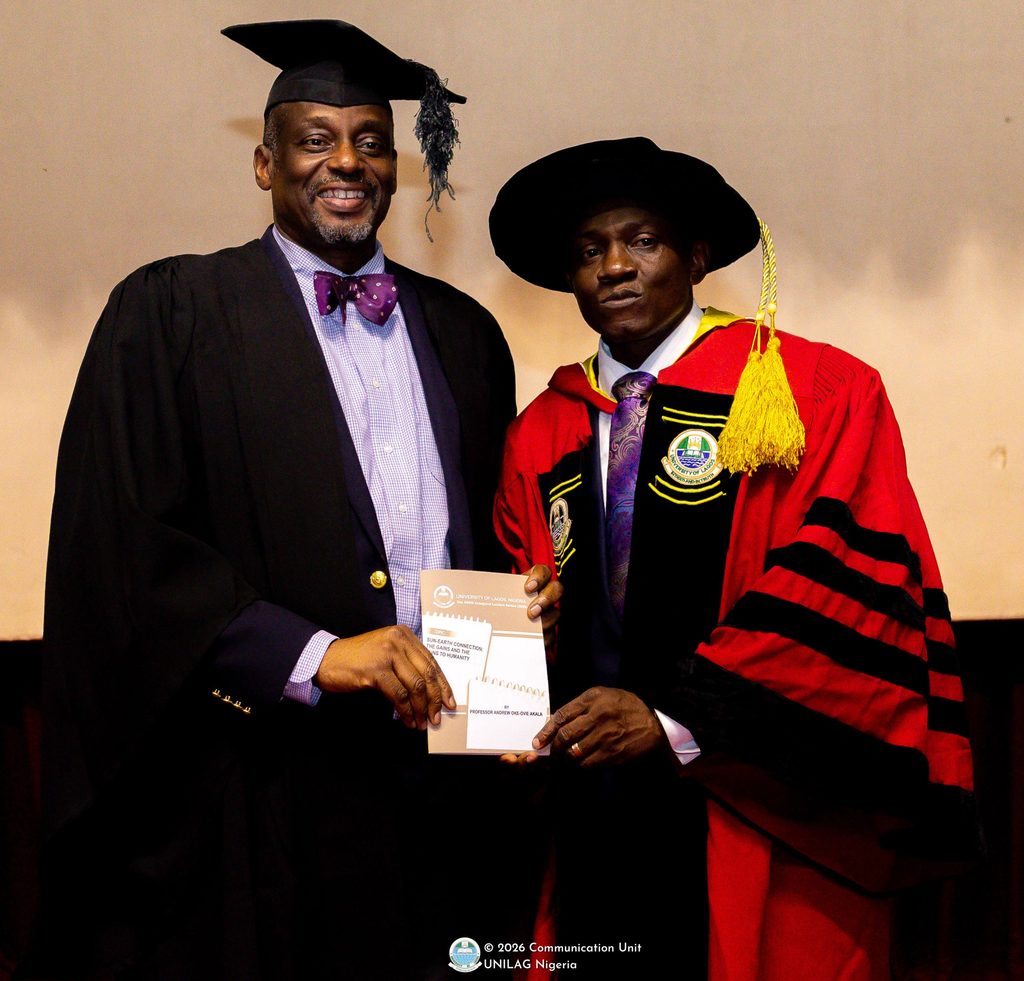
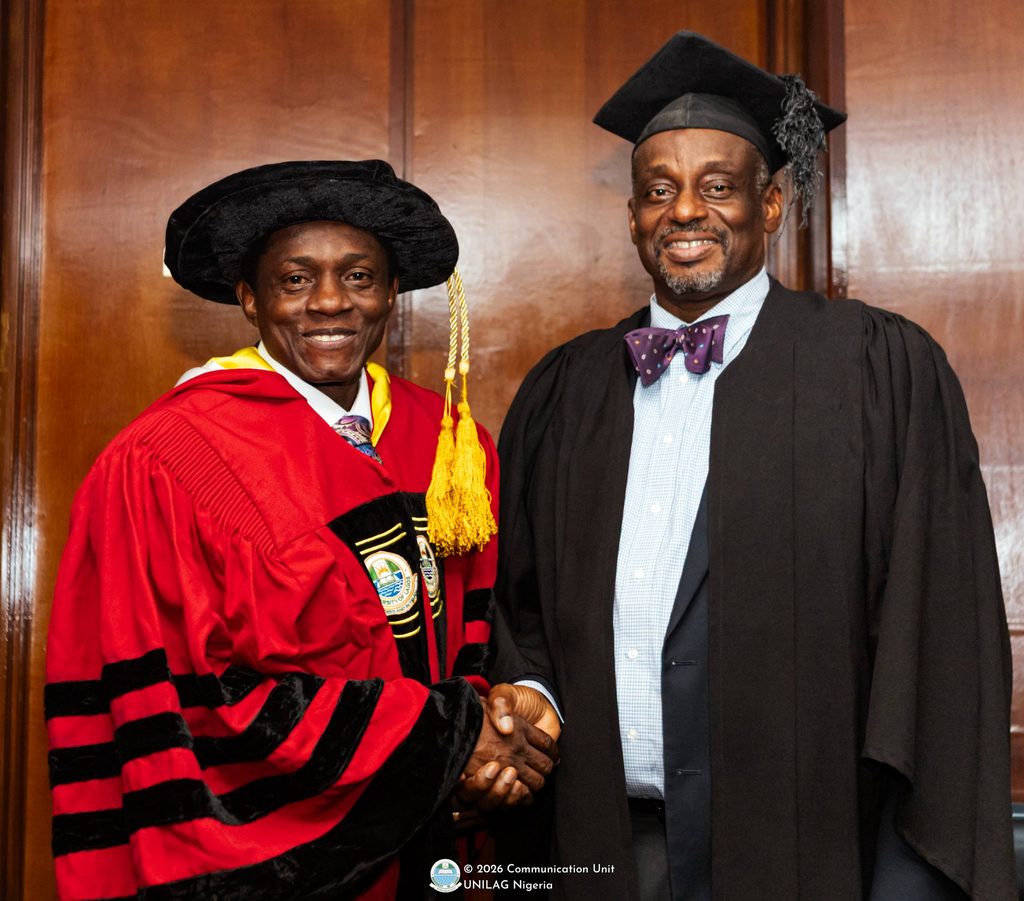
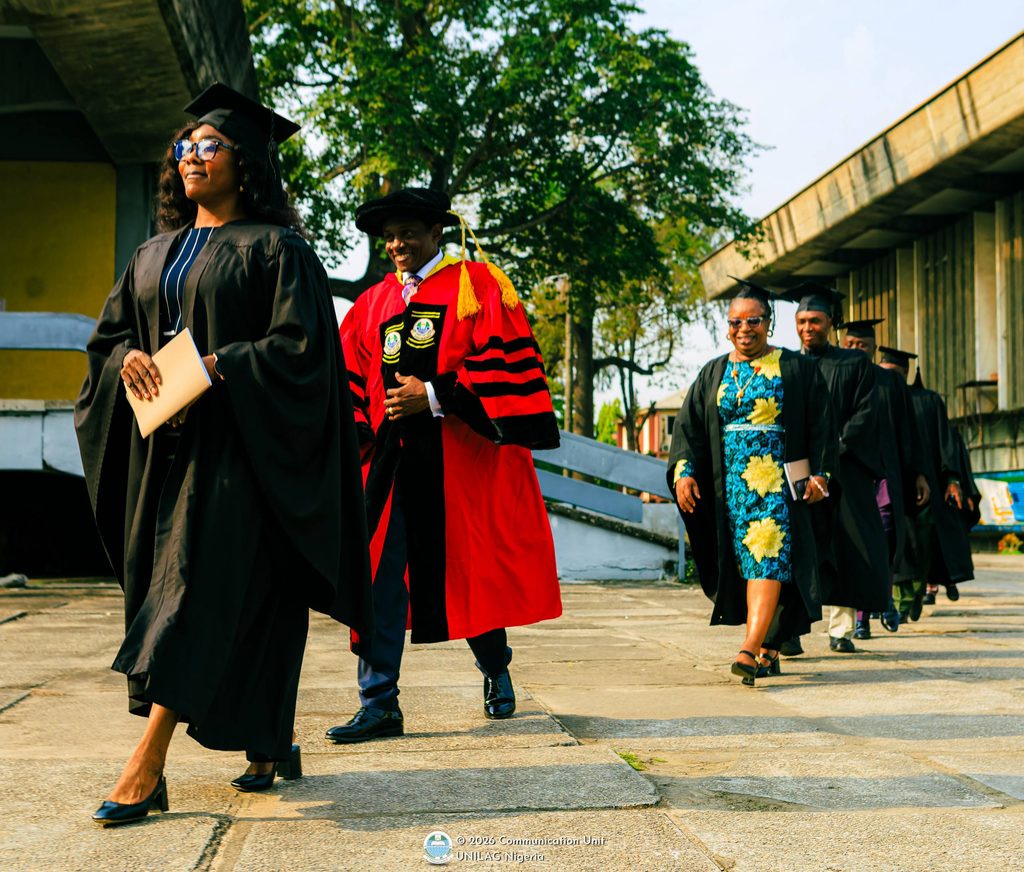
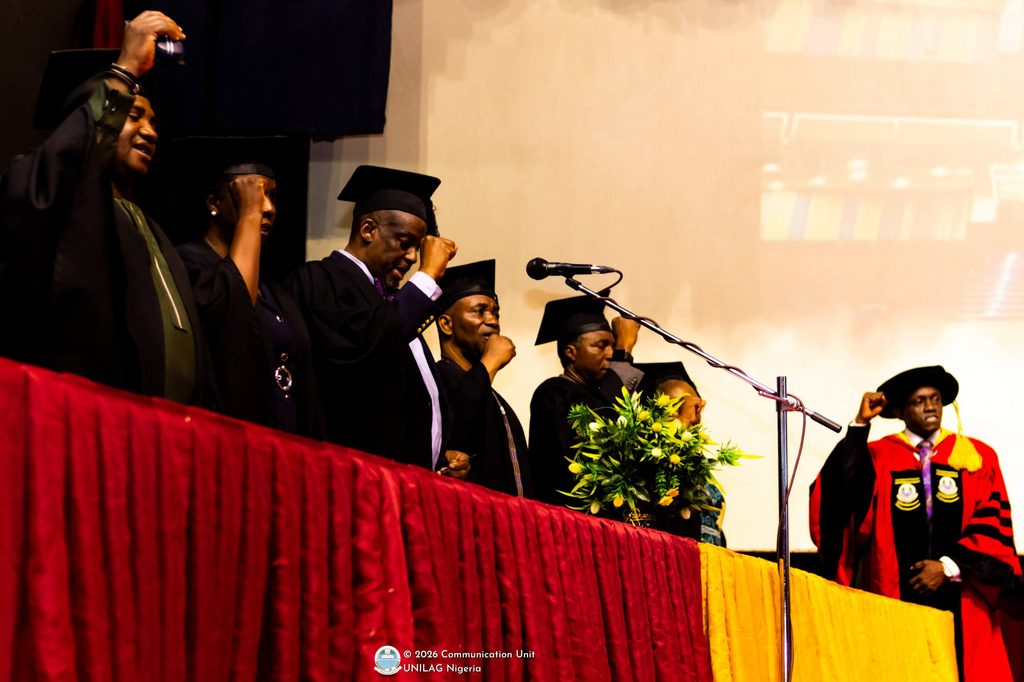
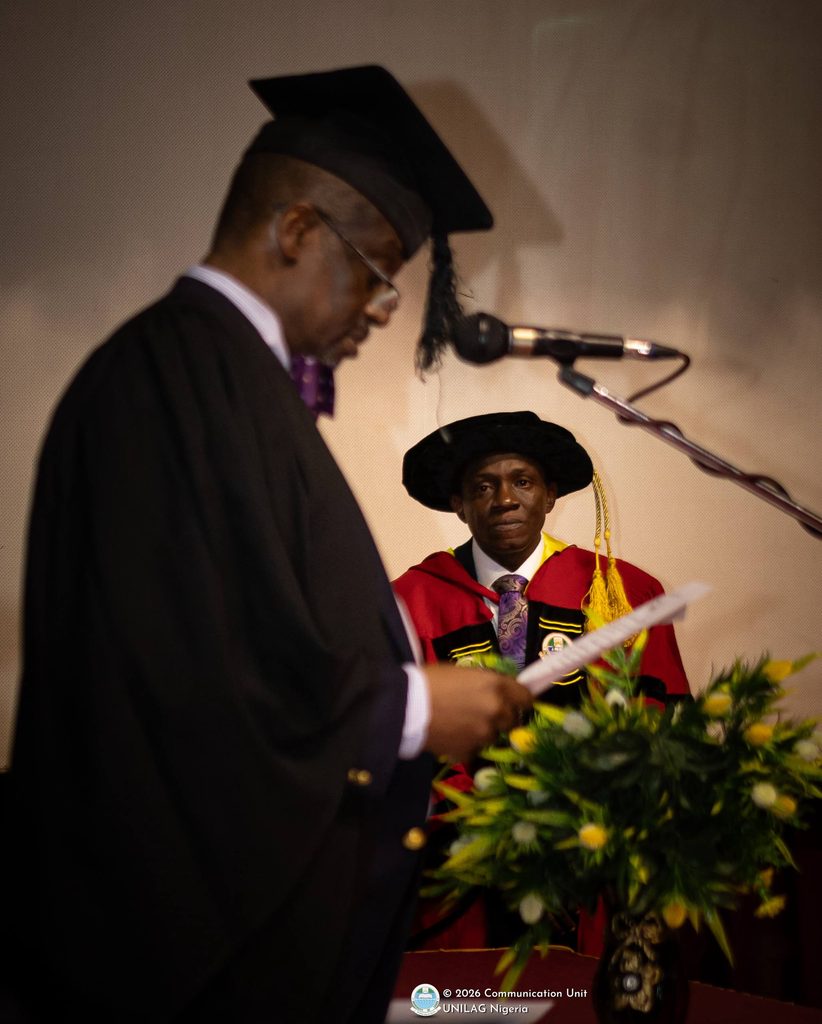
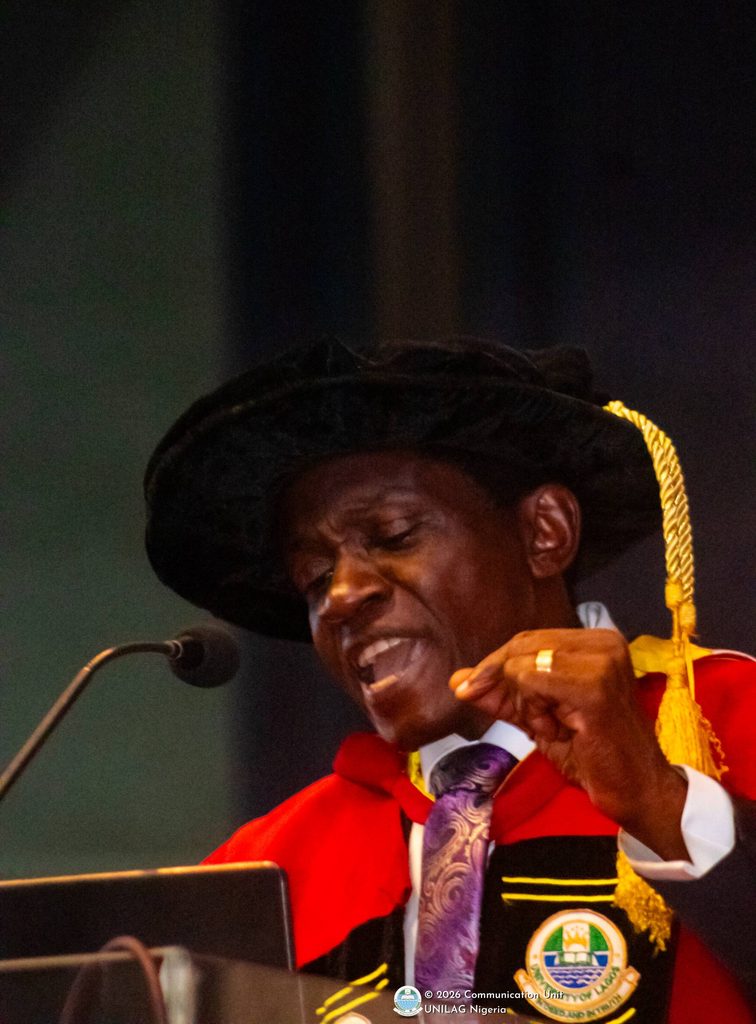
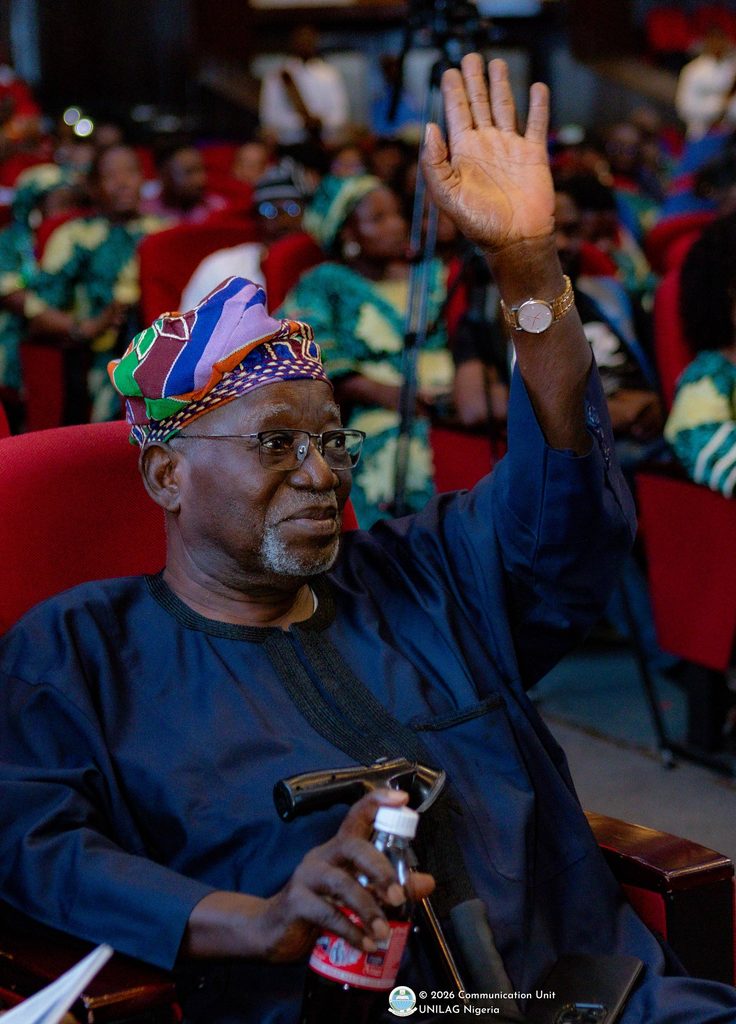
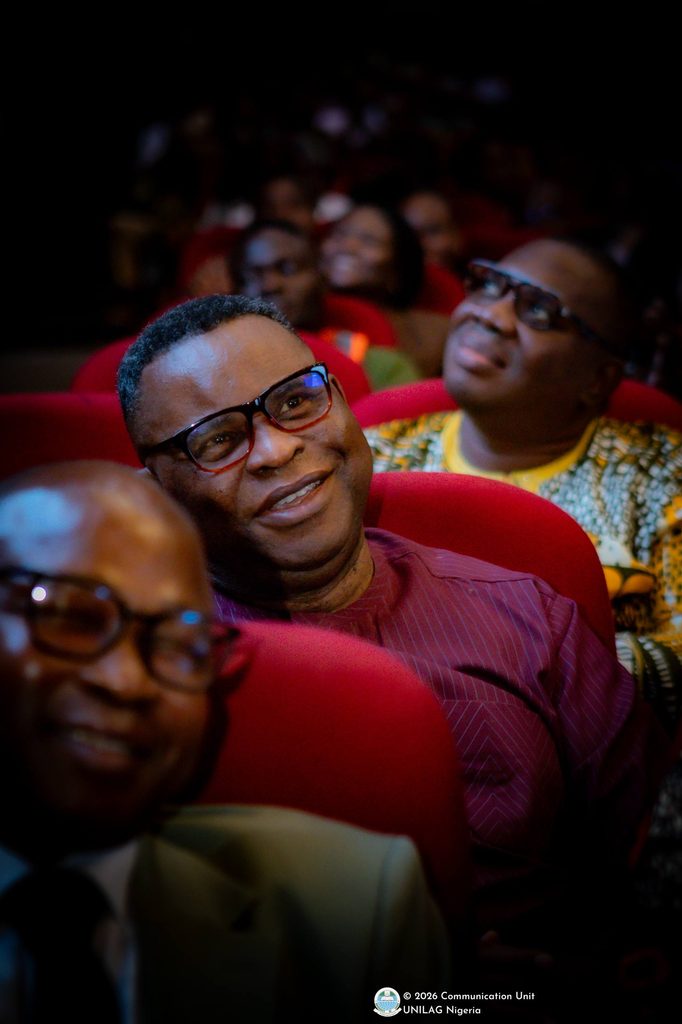
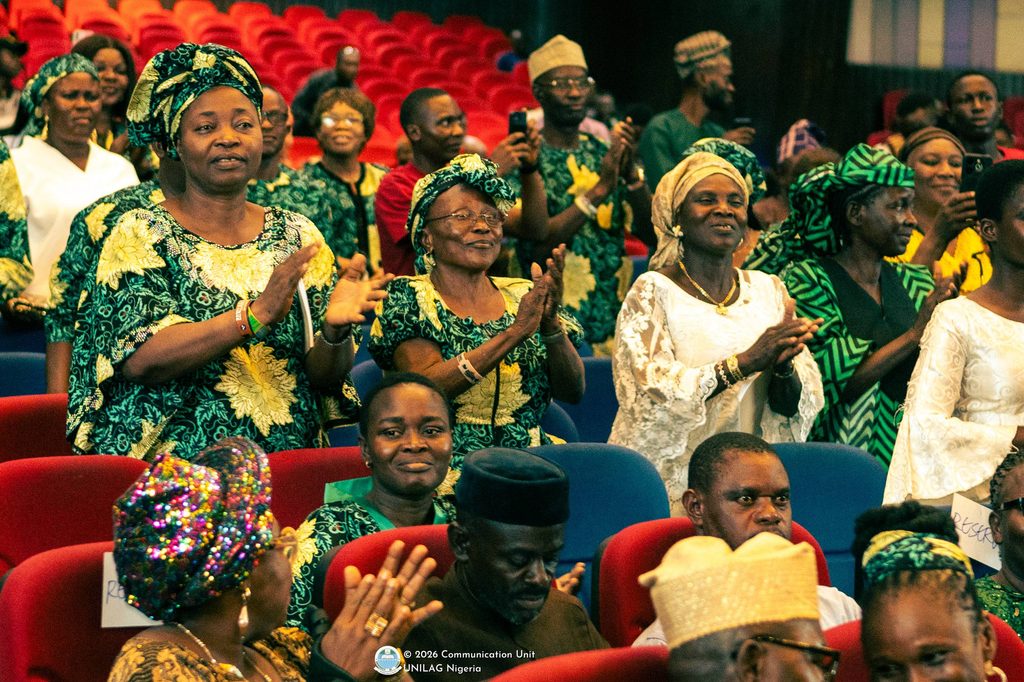
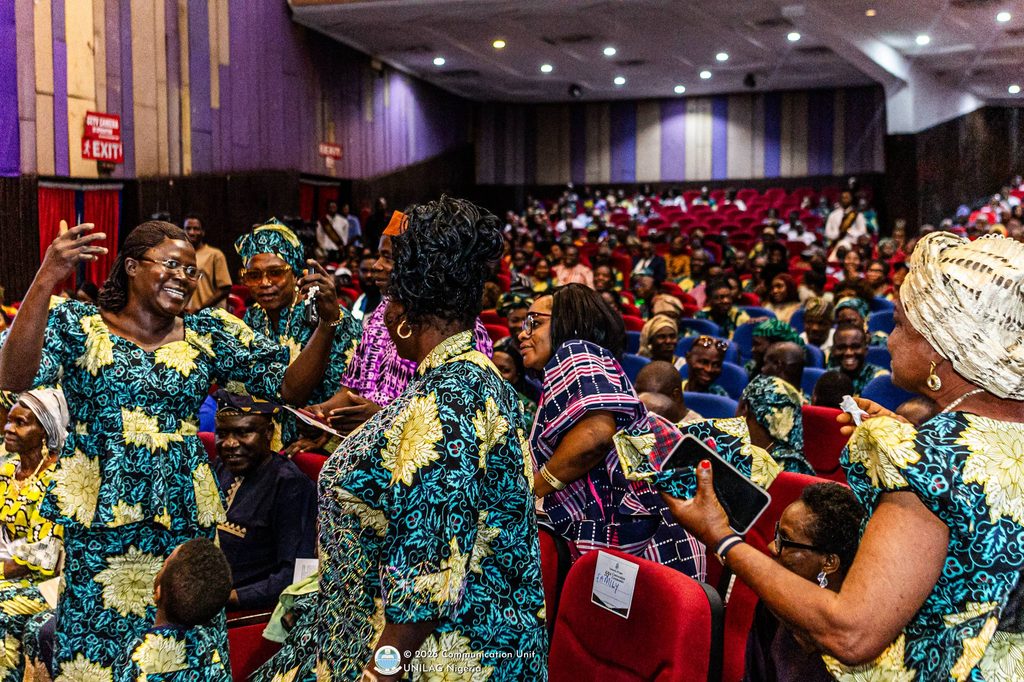
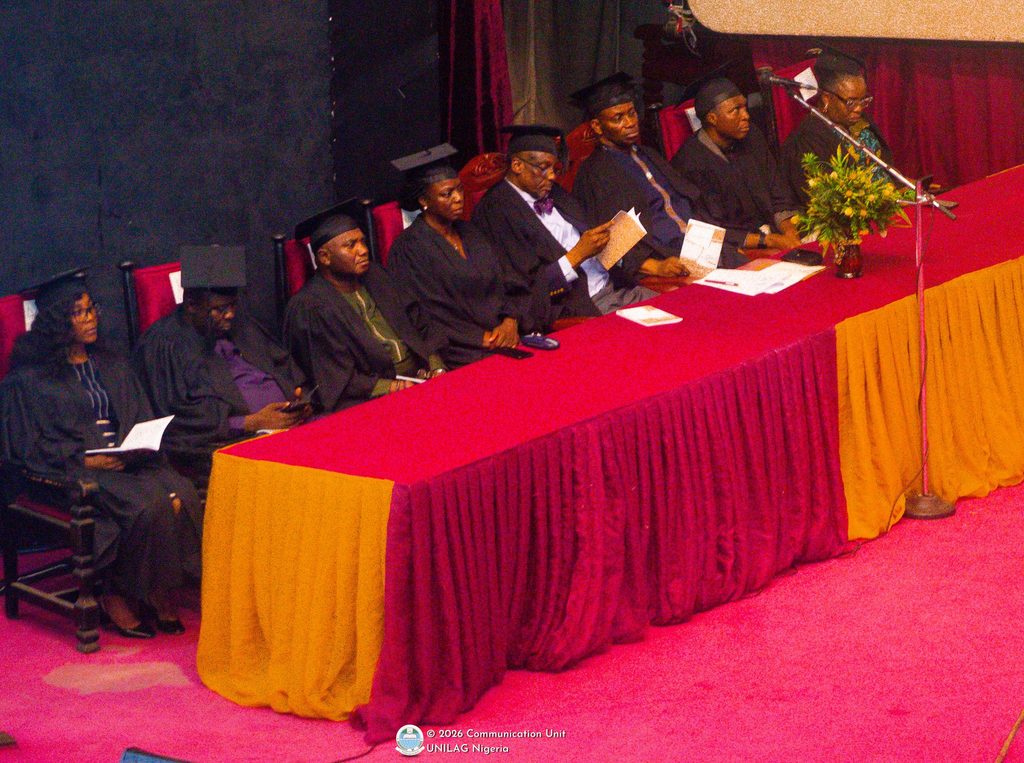
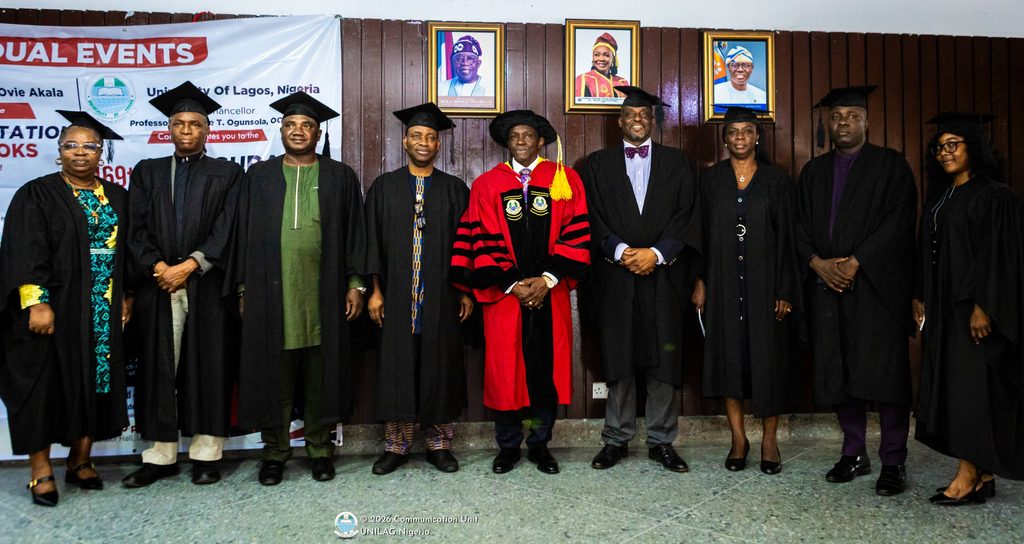
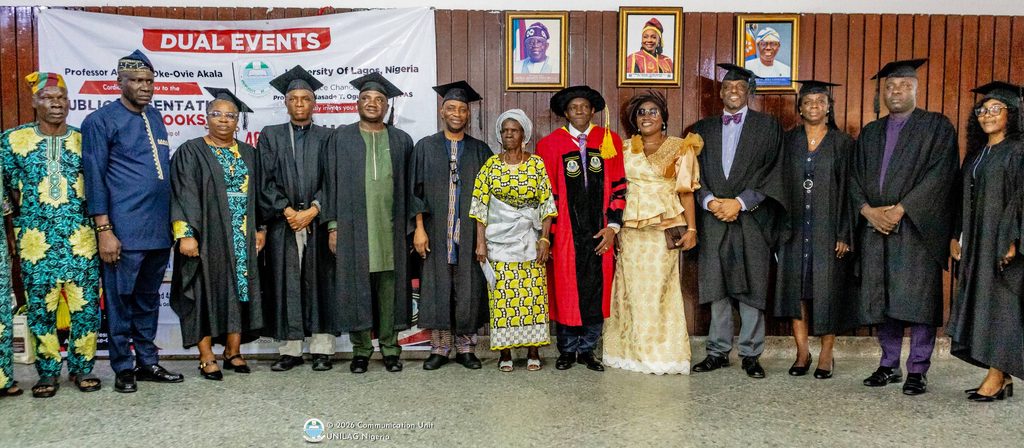
This was the central message of the 469th Inaugural Lecture of the University of Lagos (UNILAG), delivered by Professor Andrew Oke-Ovie Akala of the Department of Physics, Faculty of Physical and Earth Sciences, on Wednesday, November 4, 2026, at the J.F. Ade-Ajayi Main Auditorium.
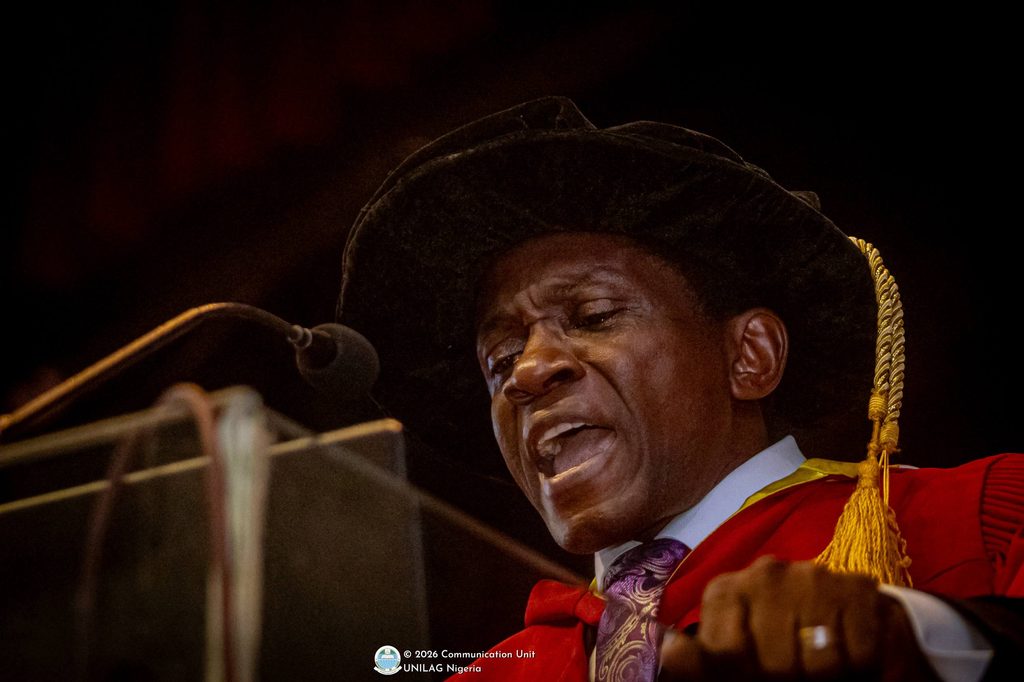
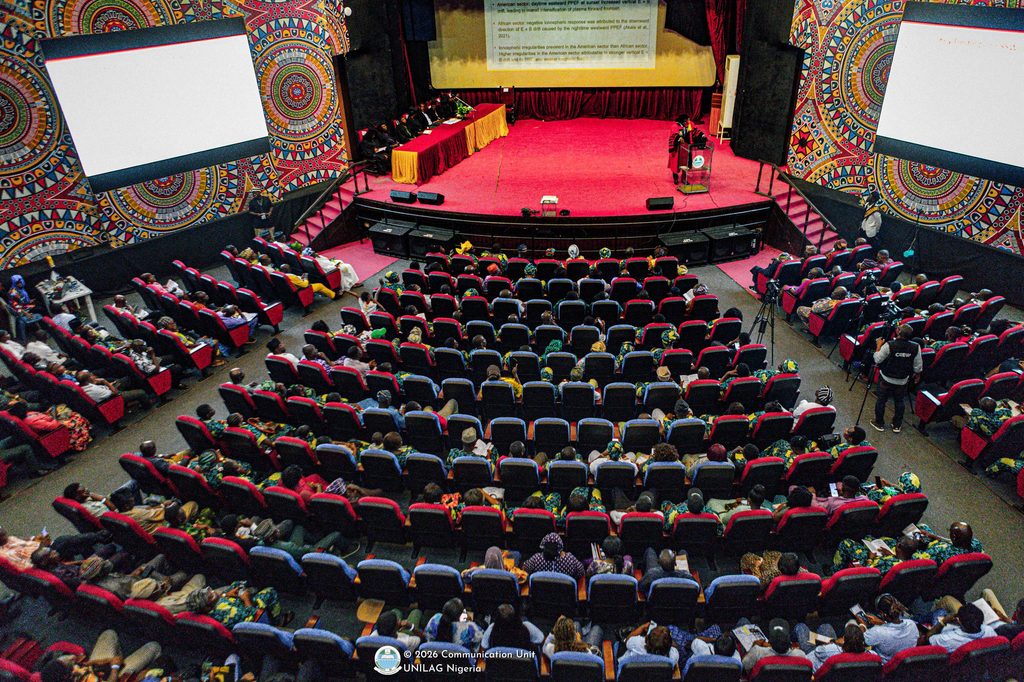
Titled “Sun-Earth Connection: The Gains and the Pains to Humanity,” the lecture, the first in the 2026/2027 Academic Session, examined the relationship between the Sun and the Earth, its implications for human existence, and the need to develop scientific capabilities to minimise associated risks while maximising its benefits.
In his presentation, Professor Akala described the Sun as the primary source of energy on Earth, providing the heat and light essential for life. He explained that although the Sun-Earth connection offers enormous benefits to humanity, it also presents environmental and technological challenges that require continuous scientific investigation and innovative solutions.
He identified ultraviolet radiation and the interaction of solar wind with the Earth’s magnetosphere as phenomena with significant implications for the Earth’s atmosphere and magnetic environment. He explained that the ozone layer plays a vital protective role by absorbing much of the Sun’s harmful ultraviolet radiation, while its depletion allows increased levels of such radiation to reach the Earth’s surface.
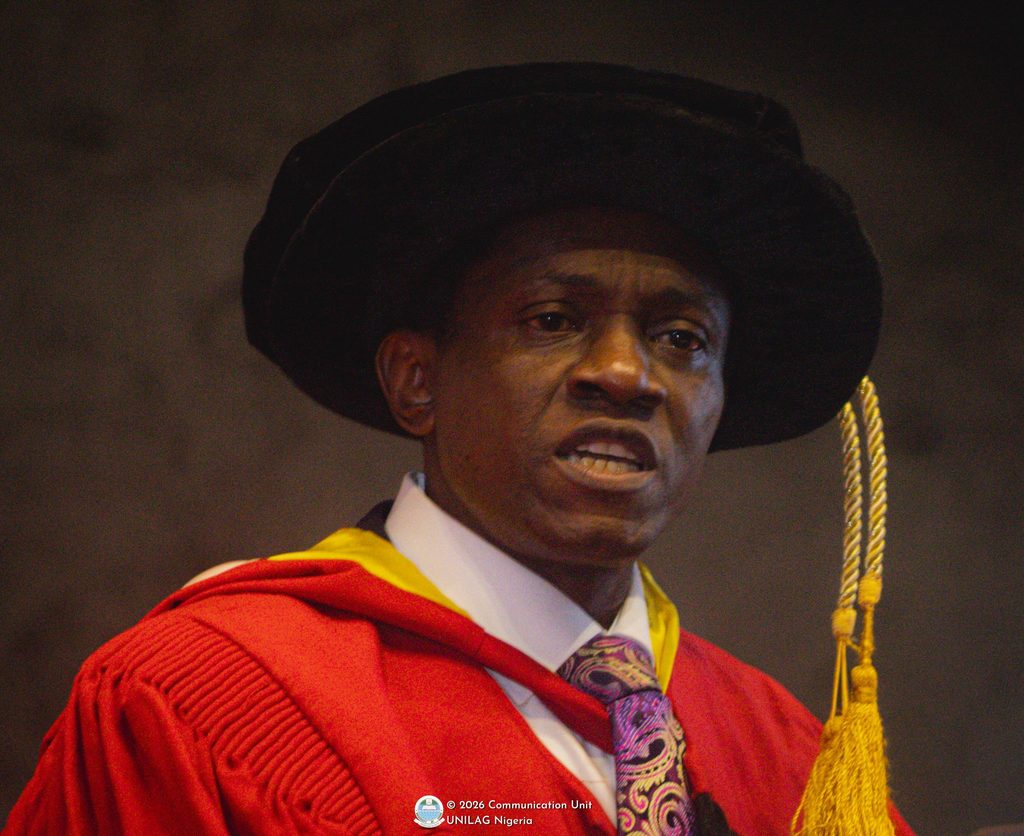
The inaugural lecturer also discussed how interactions between solar wind and the Earth’s magnetosphere trigger magnetic reconnection, releasing charged particles into the atmosphere and contributing to geomagnetic storms that affect the Earth’s magnetic field and atmospheric conditions.
He noted that his research over the years had focused on developing scientific capabilities to understand and mitigate the adverse effects of these phenomena, while exploring ways to harness their beneficial applications for the advancement of humanity.
Reflecting on his academic journey spanning more than two and a half decades, Professor Akala highlighted his research engagements and collaborations with leading international institutions and scientists in the field of space science.
He recounted his experience as a Fulbright Scholar at Boston College, where he worked closely with the United States Air Force at Hanscom Air Force Base, Massachusetts. He also shared his experiences as a visiting scholar at the Abdus Salam International Centre for Theoretical Physics (ICTP), Trieste, Italy, and Nagoya University, Japan.
These engagements, he noted, further strengthened his interest in investigating physical processes across the Sun, magnetosphere, ionosphere, atmosphere and the Earth’s surface within the broad field of heliophysics.
He also highlighted his collaborations with the Committee on Space Research (COSPAR), as well as scientists and researchers affiliated with the National Aeronautics and Space Administration (NASA), the European Space Agency (ESA), the National Space Research and Development Agency (NASRDA) and ICTP.
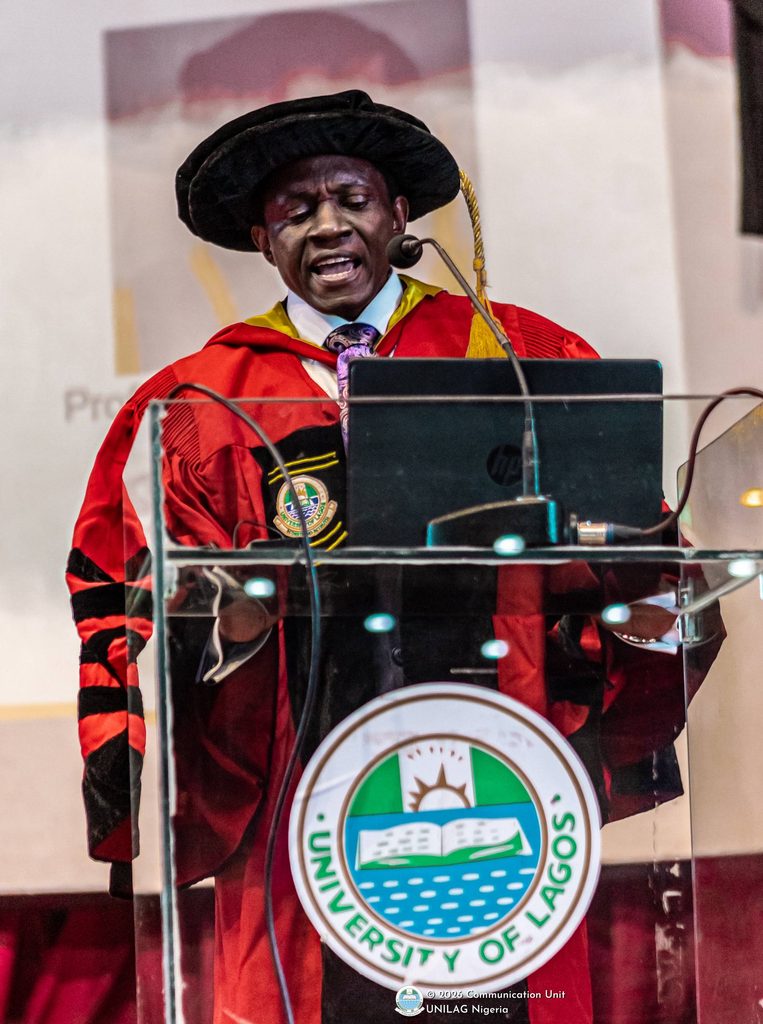
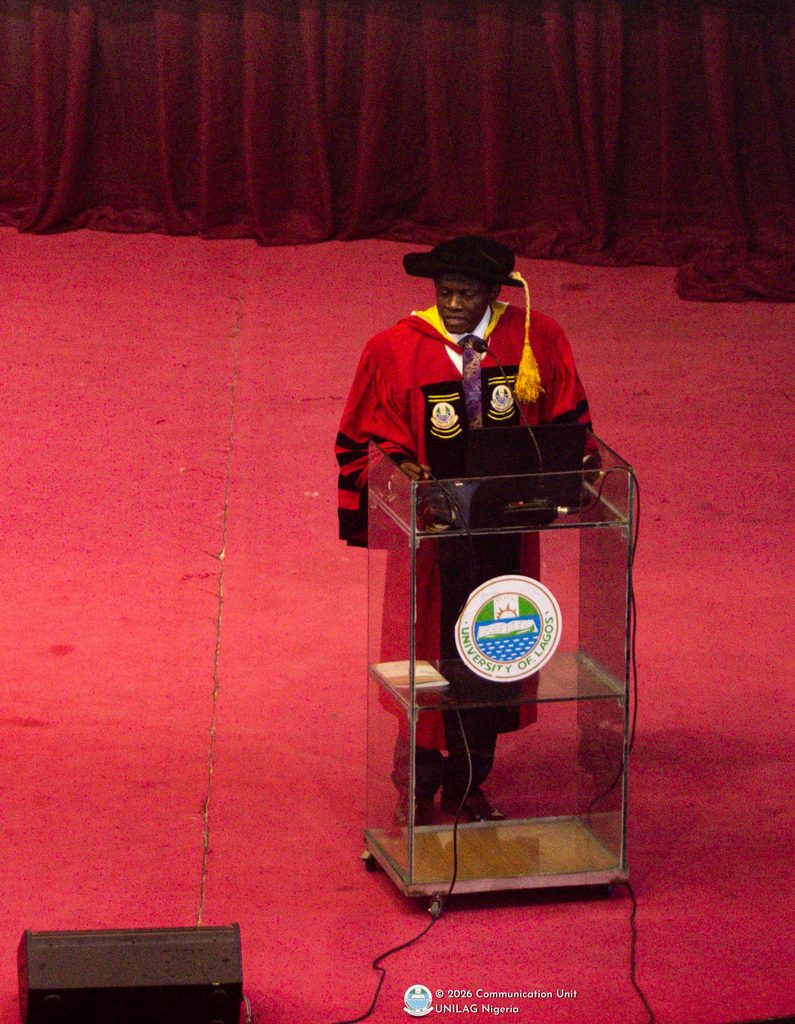
To strengthen Africa’s capacity to understand and respond to space-weather events, Professor Akala called on the National Universities Commission (NUC) to introduce space science education into Nigerian universities. This, he said, would promote awareness and develop the skilled manpower required by the country’s space industry.
He also advocated stronger collaboration between universities and NASRDA in developing practical-oriented space science curricula, alongside increased funding for the agency.
Furthermore, he urged the Federal Government to empower NASRDA to establish and operate space-weather monitoring centres capable of providing real-time information to support aviation and other industrial and technical operations.
At the continental level, he proposed that the African Union or Nigeria establish a dedicated military space force to monitor and protect space assets. He also advocated the establishment of monitoring stations across Africa to track real-time variations in the Equatorial Ionisation Anomaly (EIA) within the continent’s equatorial crest region.
He further recommended that the African Union’s Space Centre expand its mandate to coordinate space activities across the various domains of heliophysics, with responsibilities distributed regionally to enhance effectiveness.
Additionally, he called for the establishment of monitoring programmes to assess the effects of the Atlantic and Indian Oceans on climate change and resilience in Africa.
The lecture underscored the importance of strengthening space science research, education and institutional capacity as essential tools for understanding the Sun-Earth relationship, protecting critical infrastructure and advancing sustainable development in Nigeria and across Africa.
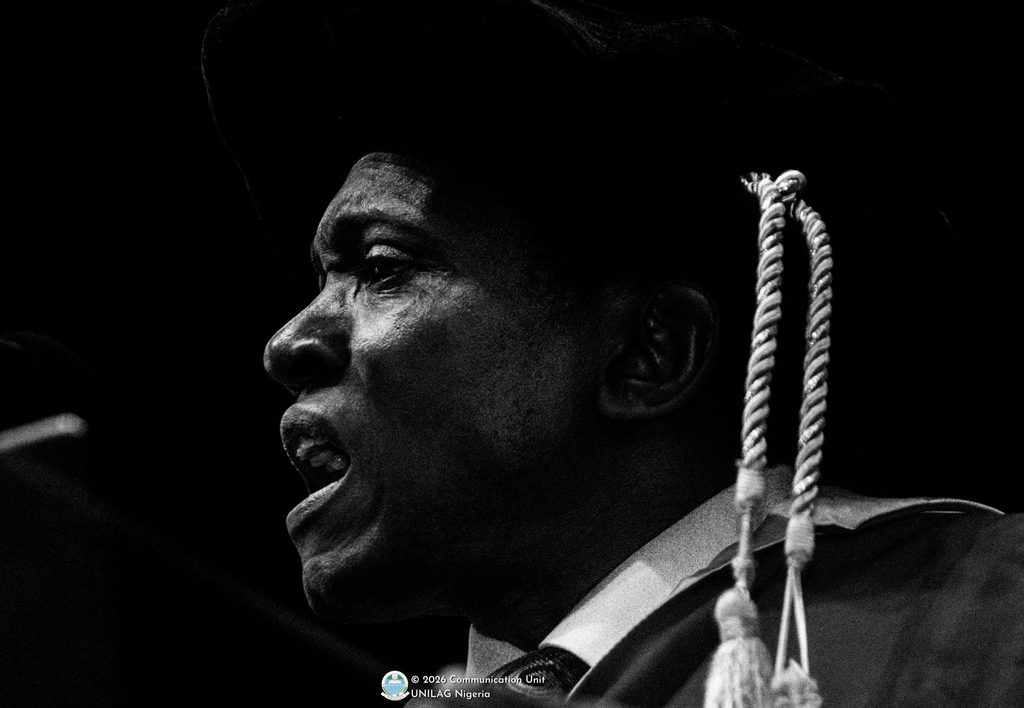
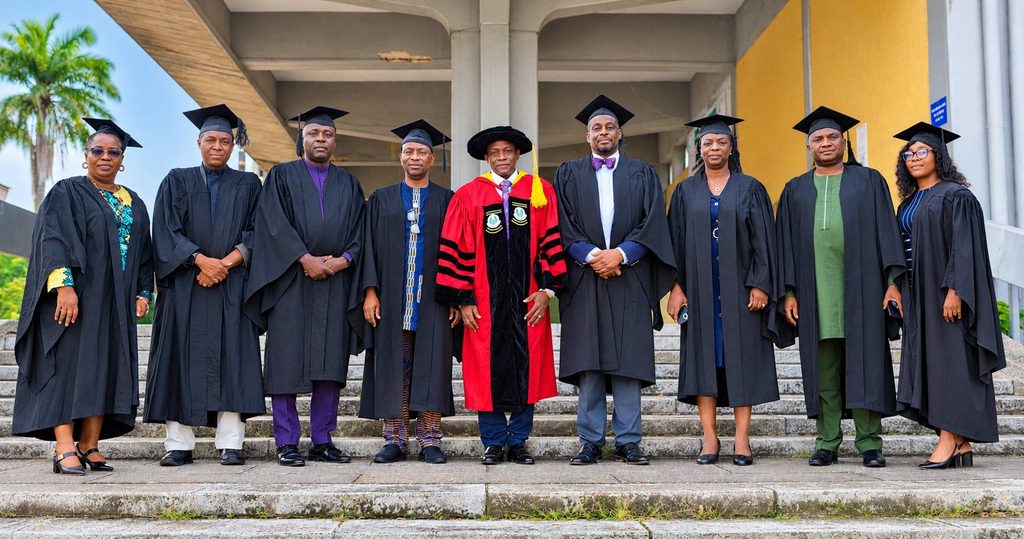
About Professor Andrew Oke-Ovie Akala
Born on January 28, 1974, Professor Andrew Oke-Ovie Akala obtained his Master’s and Ph.D. degrees in Ionospheric and Radio-wave Propagation Physics from the University of Lagos in 2004 and 2009, respectively.
He joined the services of the University of Lagos in October 2008 as an Assistant Lecturer in the Department of Physics and rose through the ranks to become a Professor in 2022.
Professor Akala has authored more than 100 published articles. He has also successfully supervised seven Ph.D. students, over 30 M.Sc. dissertations and more than 100 undergraduate projects, all in the Department of Physics, University of Lagos.
In 2025, he initiated the Global Research Network on Space Science and Climate Change (GRN-SSCC).
He is a member of several professional bodies and currently serves as the General Secretary of the African Geophysical Society (AGS).
Report: Gbenga Gbelee
Photograph: Ayo Oloyede