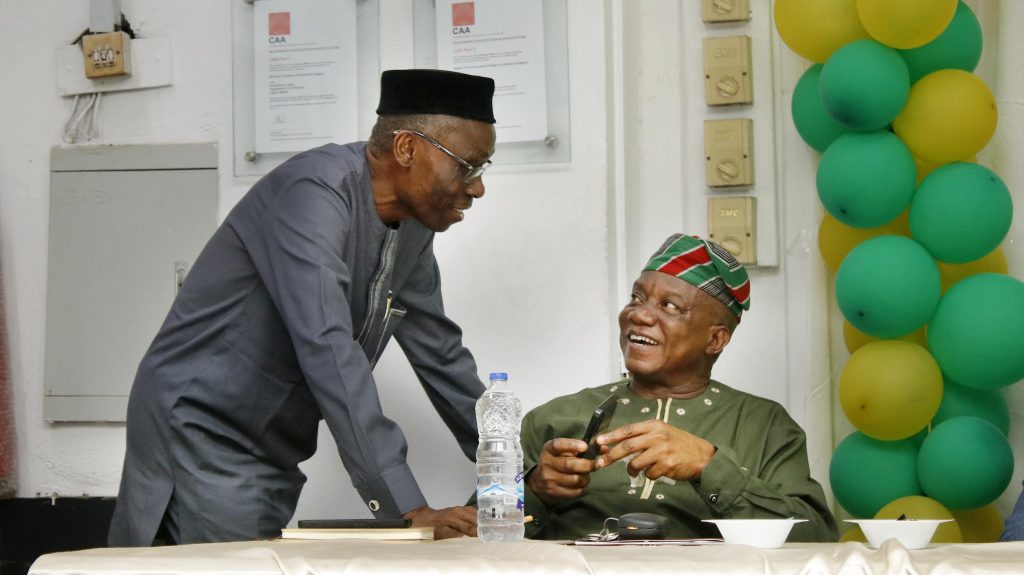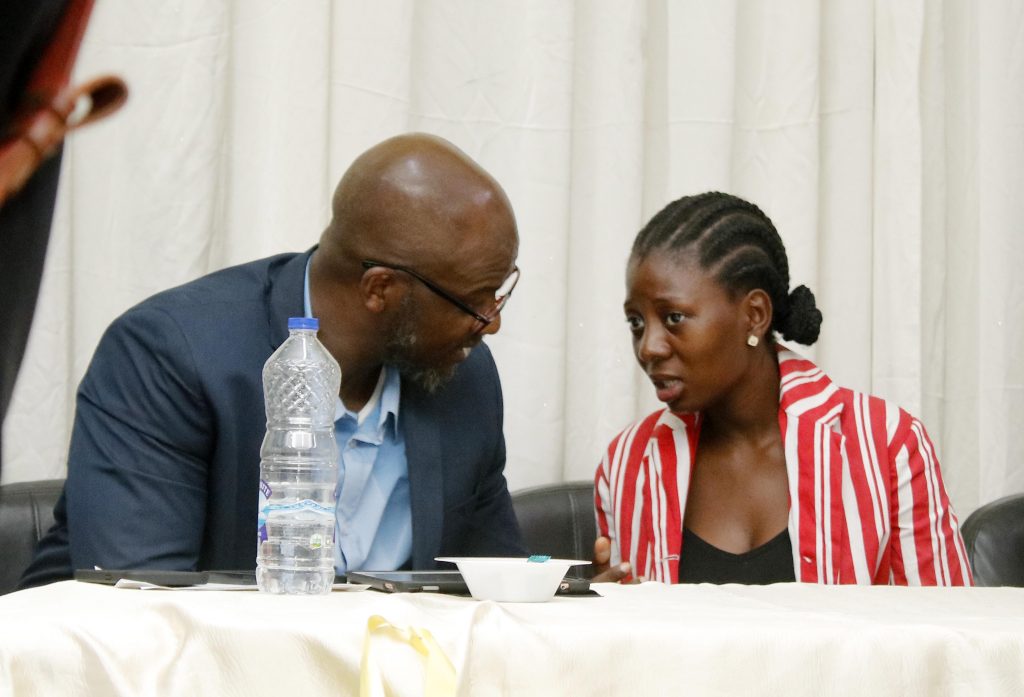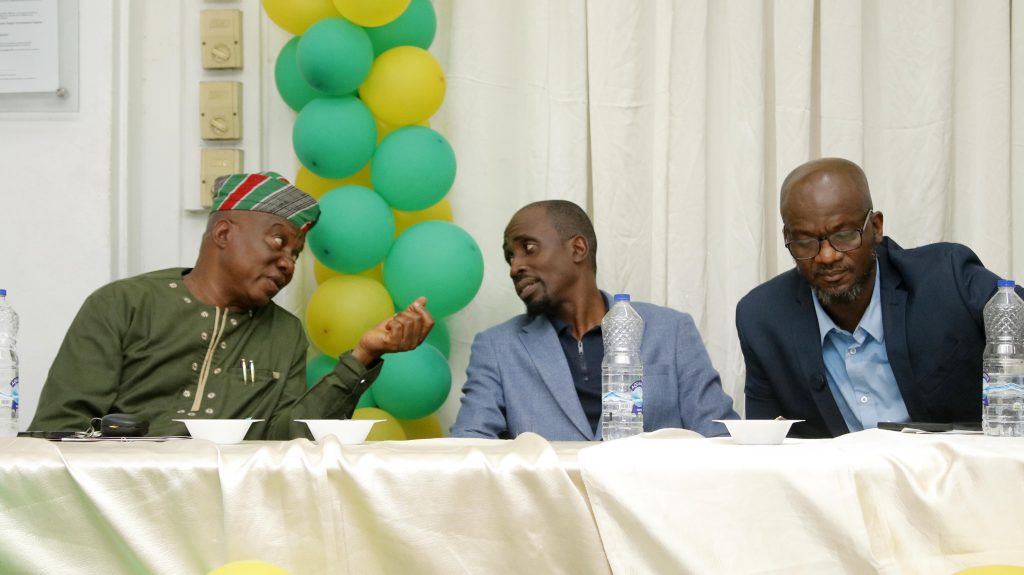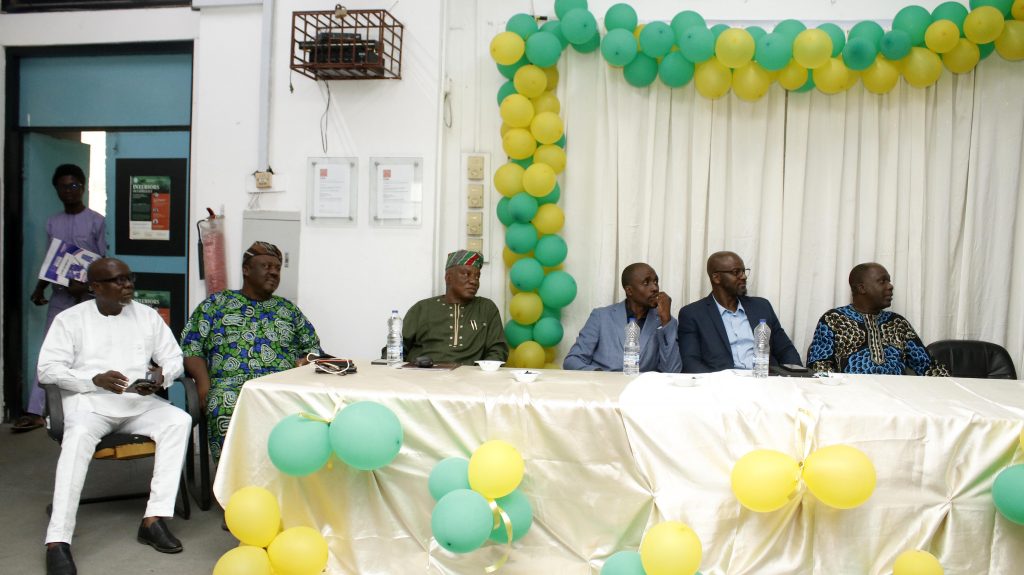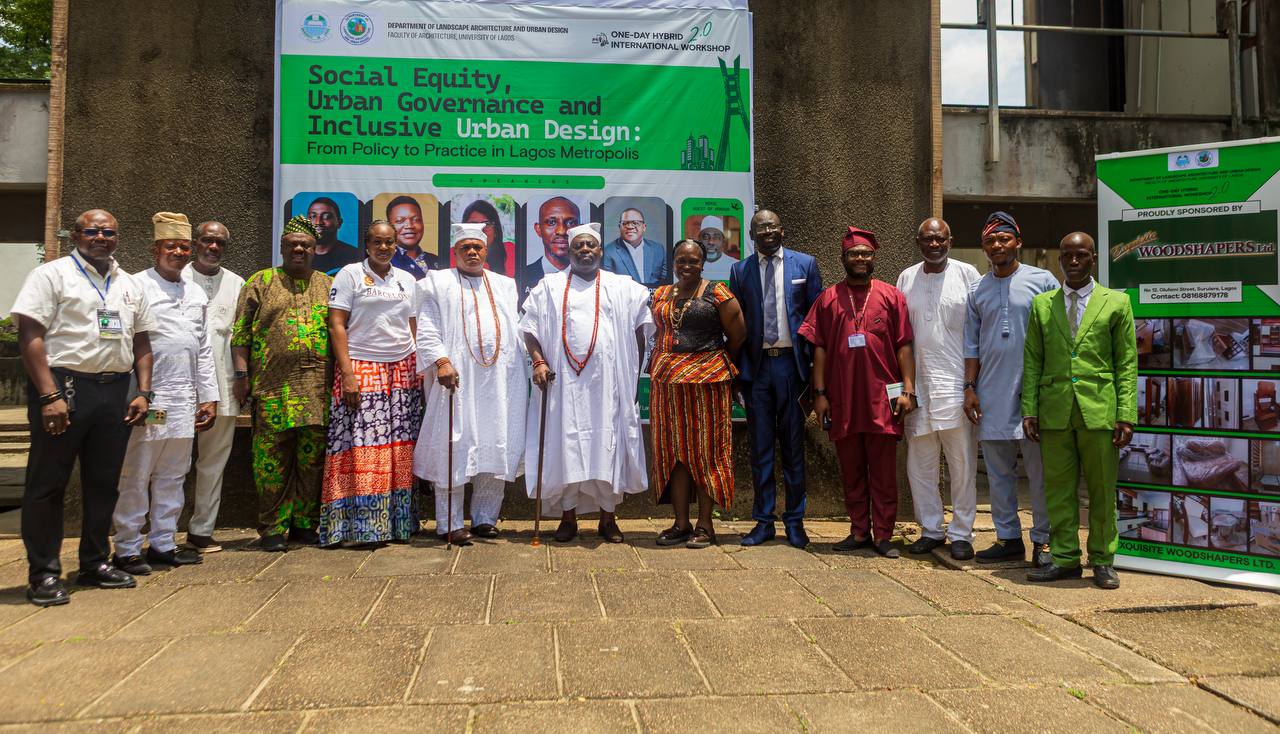
As African cities continue to expand at an unprecedented pace, the question of identity remains central to conversations around urban development. This formed the focus of a one-day workshop organised by the Department of Landscape Architecture and Urban Design, Faculty of Architecture, University of Lagos.
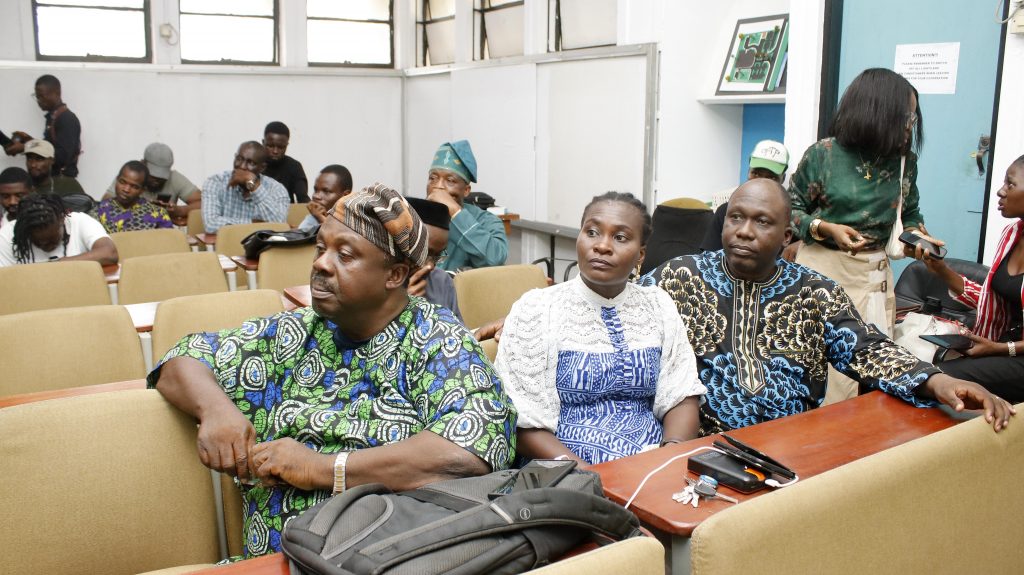
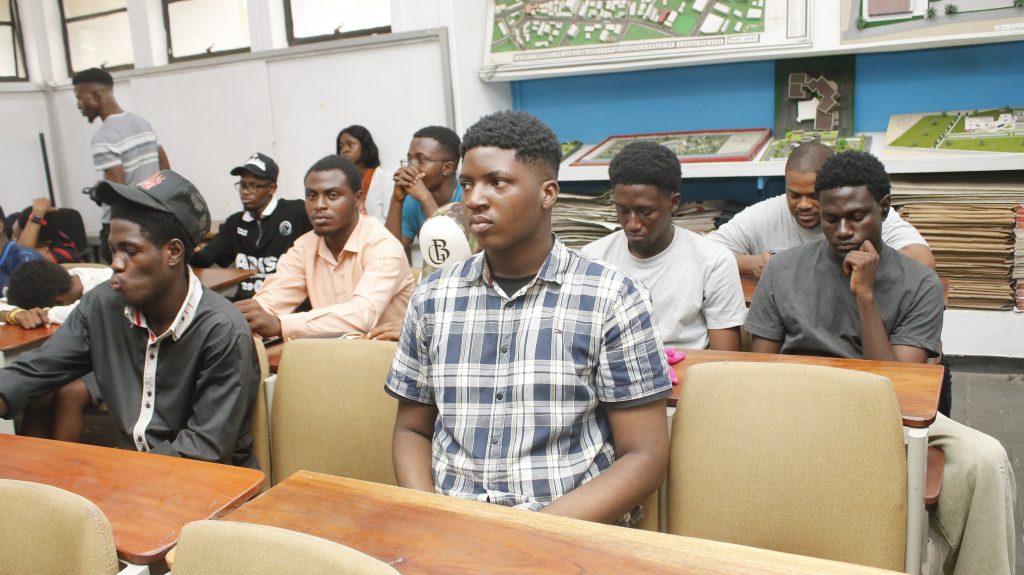
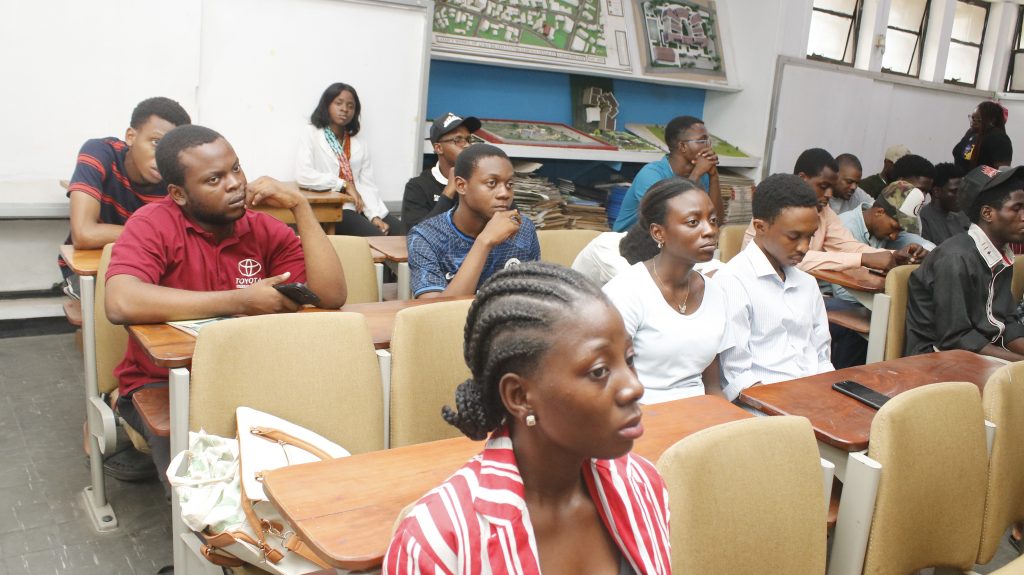
The workshop, themed “The New African City: Identity’s Tragedy and Task,” was held on Thursday, March 26, 2026, at the Faculty’s Seminar Room and was well attended by members of staff of the faculty. It brought together scholars and practitioners to reflect on why many African cities often feel like borrowed spaces, and how they can be reimagined to reflect their true identity.
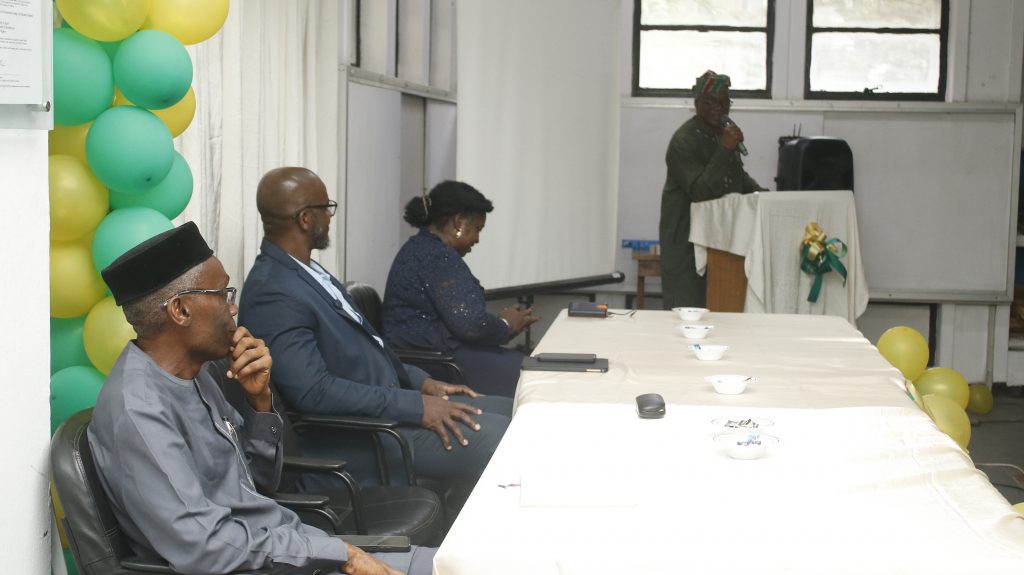
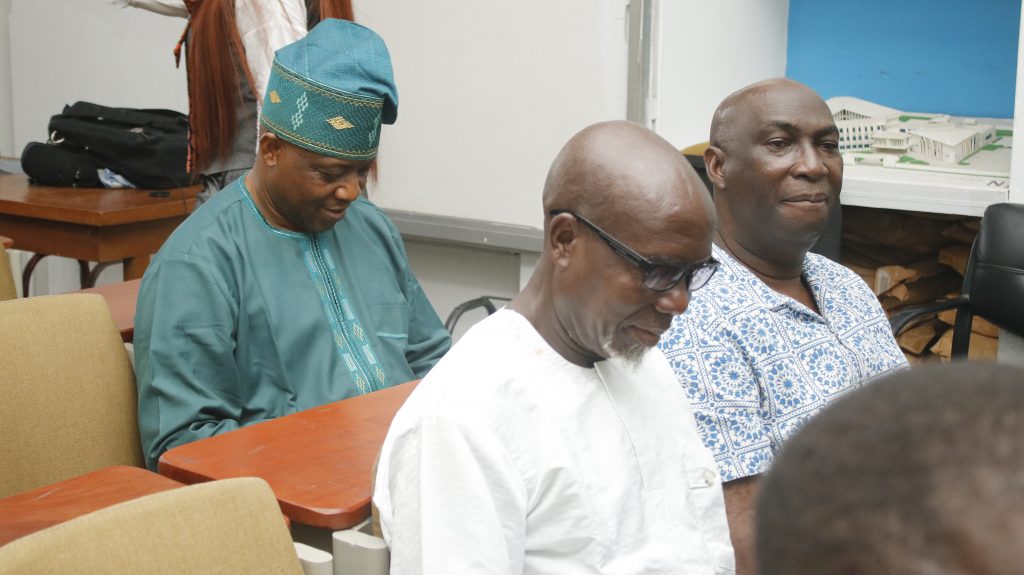
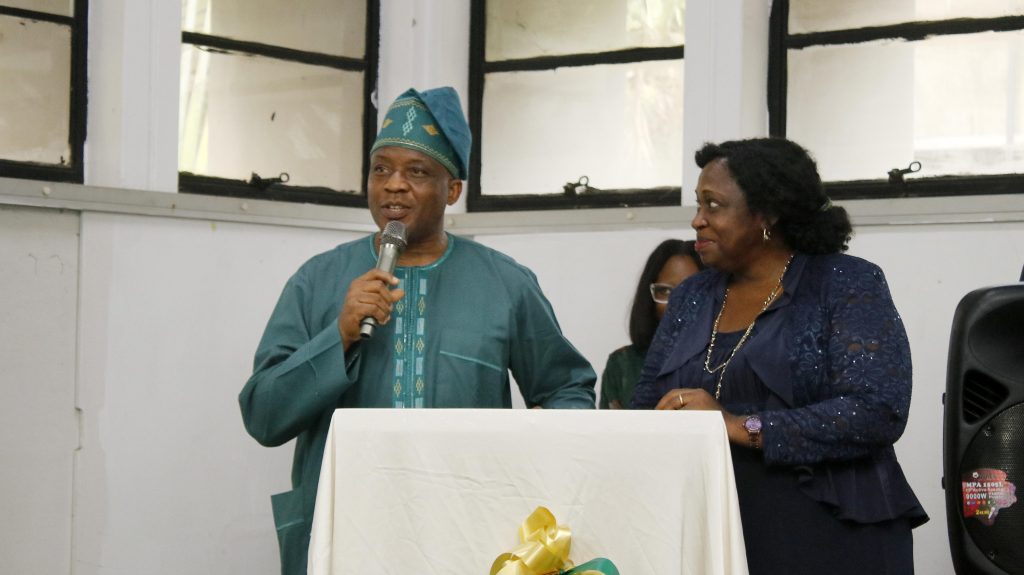
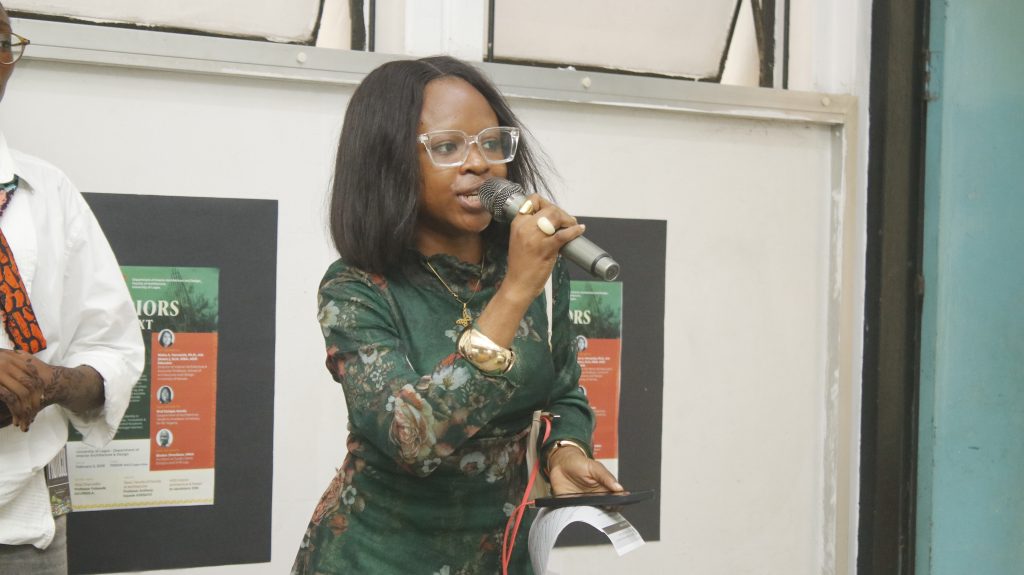
While welcoming participants, Head of Department, Dr. Ngozi Uduma-Olugu, underscored the importance of the engagement, noting that African cities are at a defining moment where the choices made today will shape their future character.
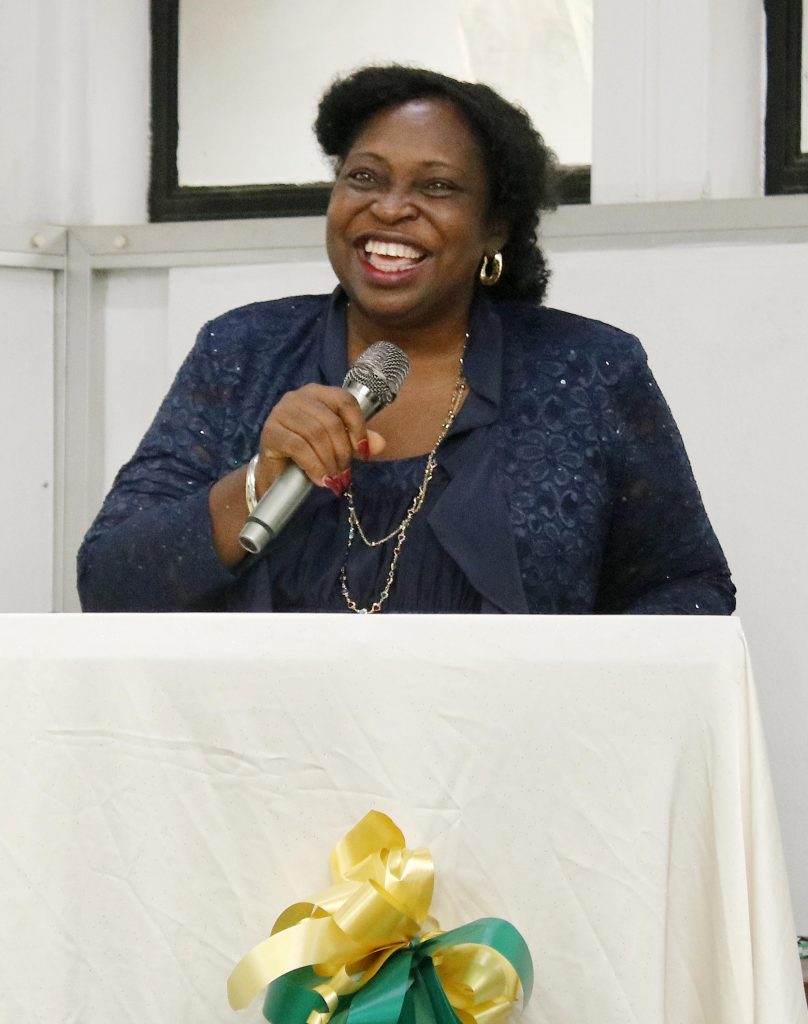
In her view, Africa’s fast-changing urban landscape has brought an increasing tension between imported architectural ideals and local cultural identity, which has now reached a critical stage. She stressed that this makes it even more important to be intentional through design, research, and collaboration, in creating cities that are both functional and true to their roots.
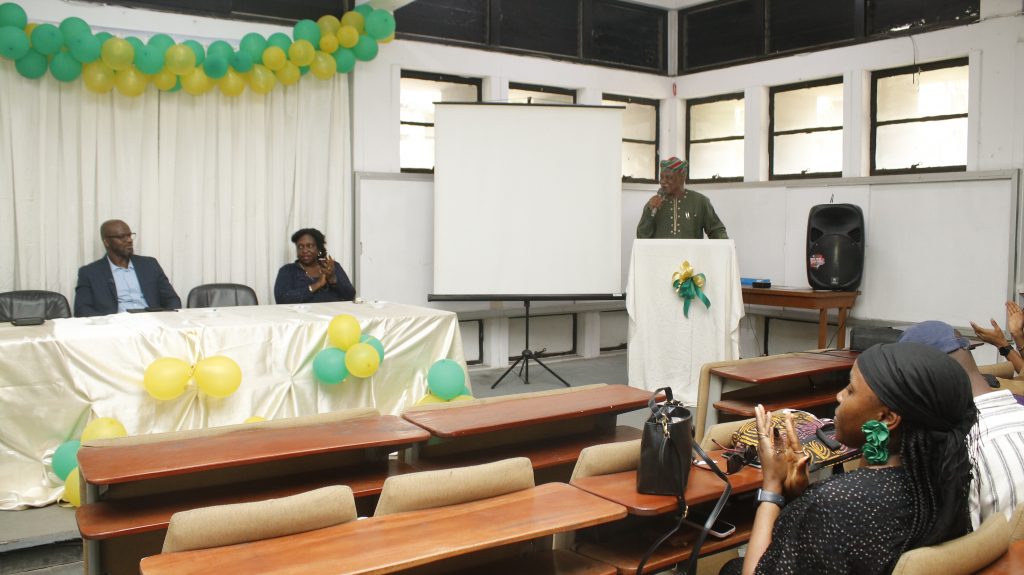
Also speaking, the Dean of the Faculty of Architecture, Professor Kayode Adebayo, who represented the Vice-Chancellor, Professor Folasade T. Ogunsola, OON, FAS, described the theme as both timely and necessary.
He observed that while African cities are rapidly growing; often symbolised by rising skylines and expanding infrastructure, there is a growing concern that such development is not always aligned with the continent’s cultural and environmental context.
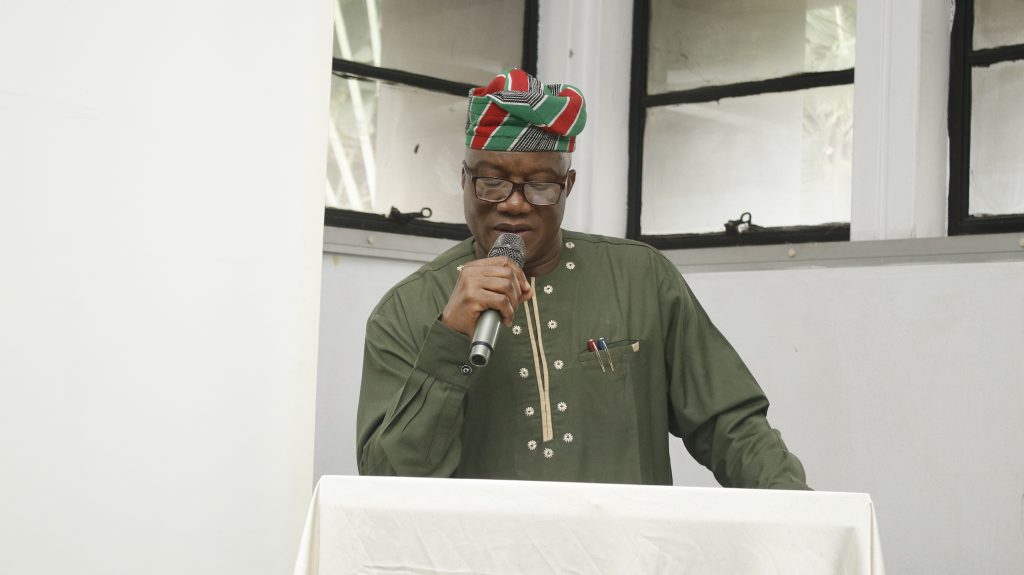
He noted that many cities are caught between inherited models and imported ideals, leading to spaces that function but do not truly reflect the people who inhabit them.
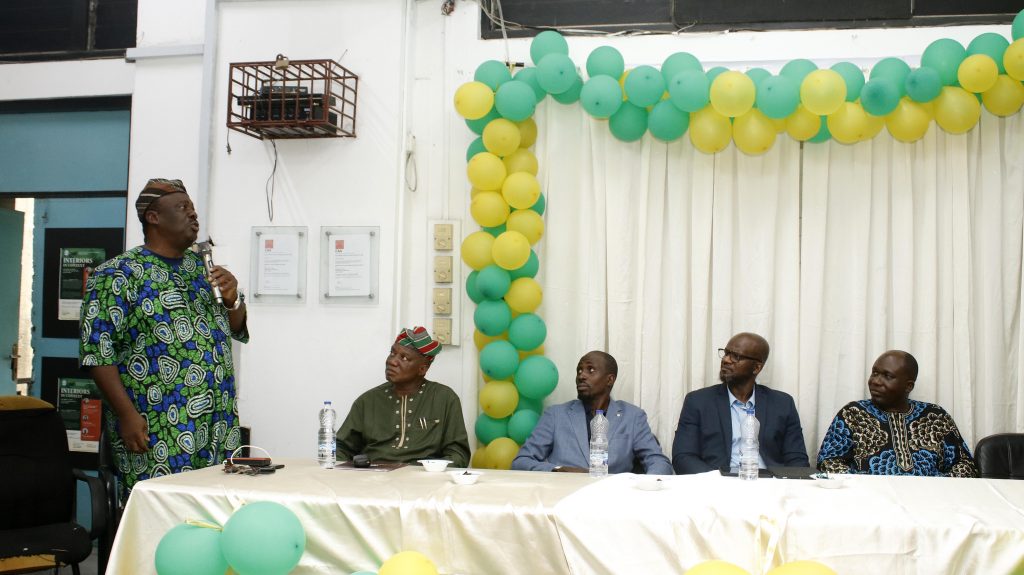
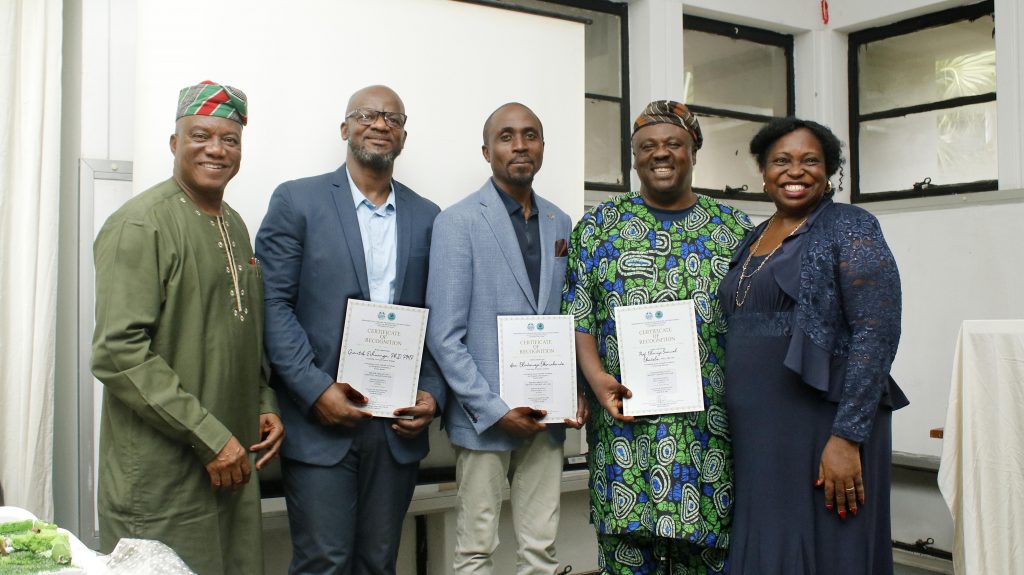
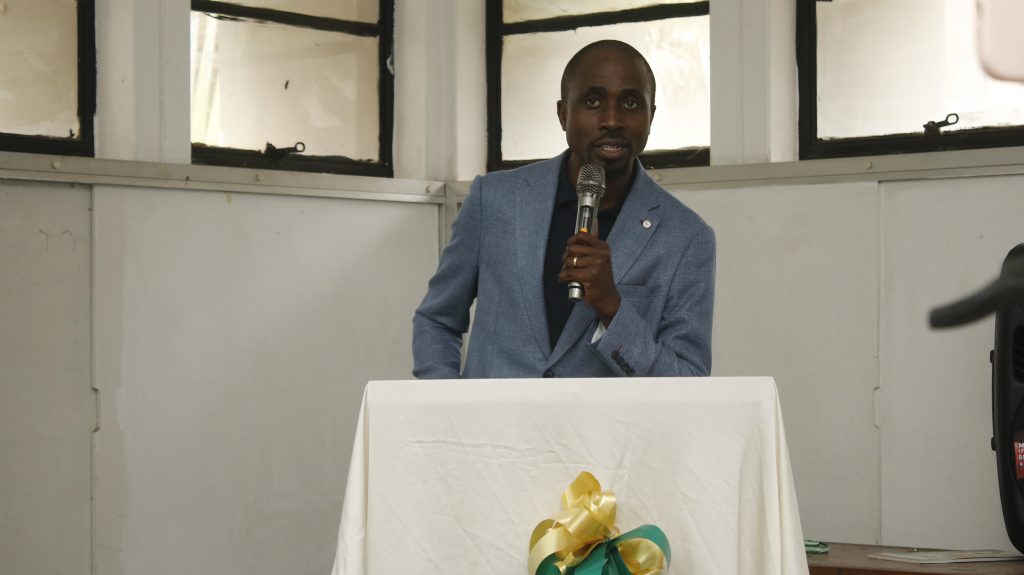
Delivering the keynote address, certified Project Management Professional, Dr. Grant Erhuanga provided deeper insight into what he described as the “tragedy” and the “task” of the New African City.
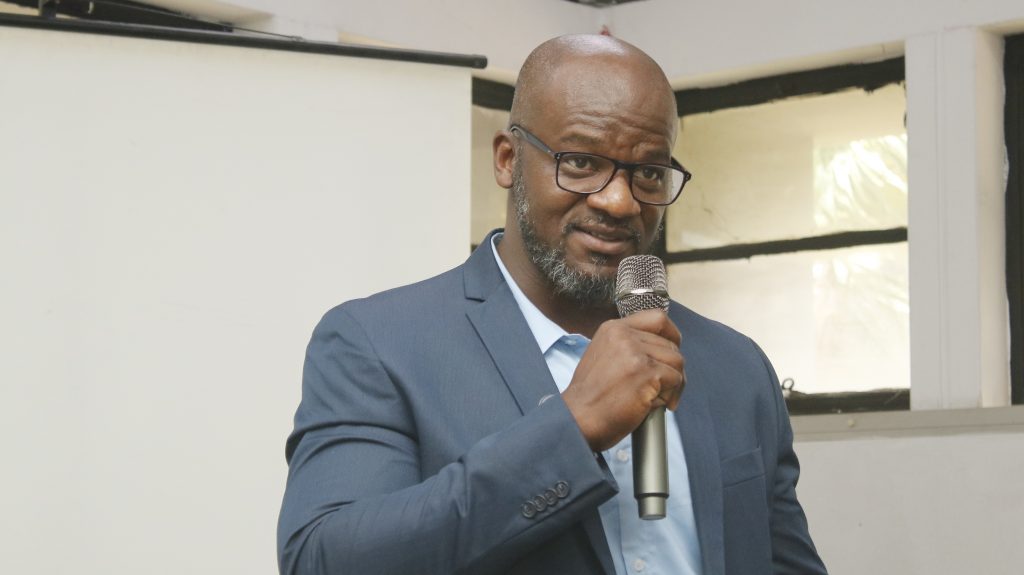
Drawing from developments in Nigeria, he explained that Lagos, despite being one of Africa’s most vibrant and cosmopolitan cities, reflects a noticeable disconnect between culture and infrastructure, people and places, as well as between imported urban models and local realities.
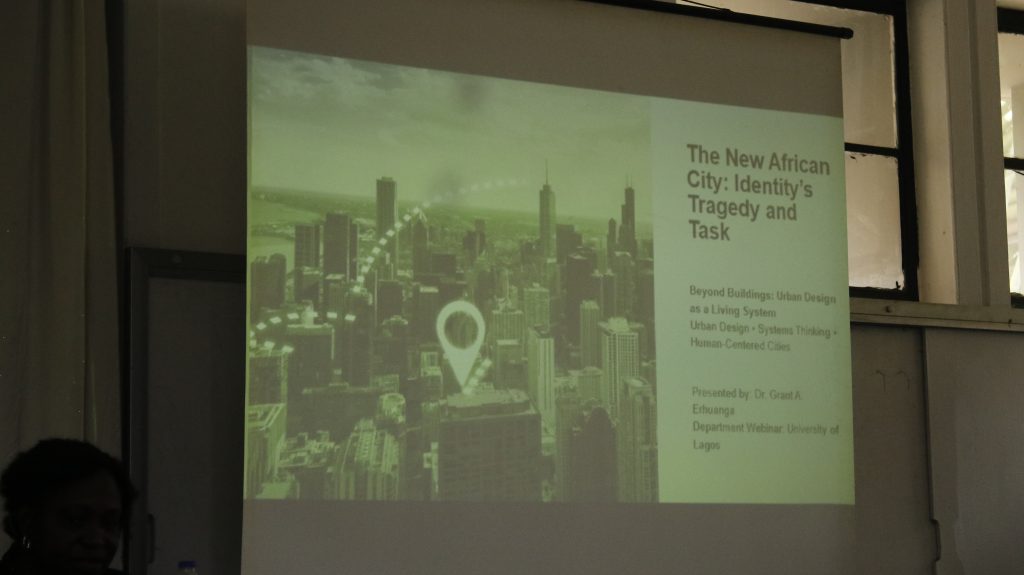
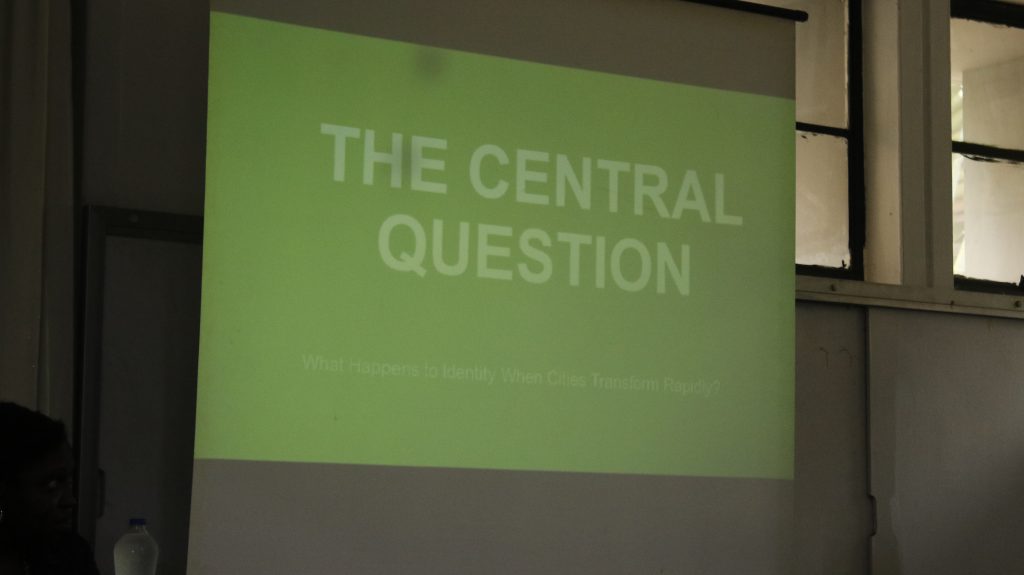
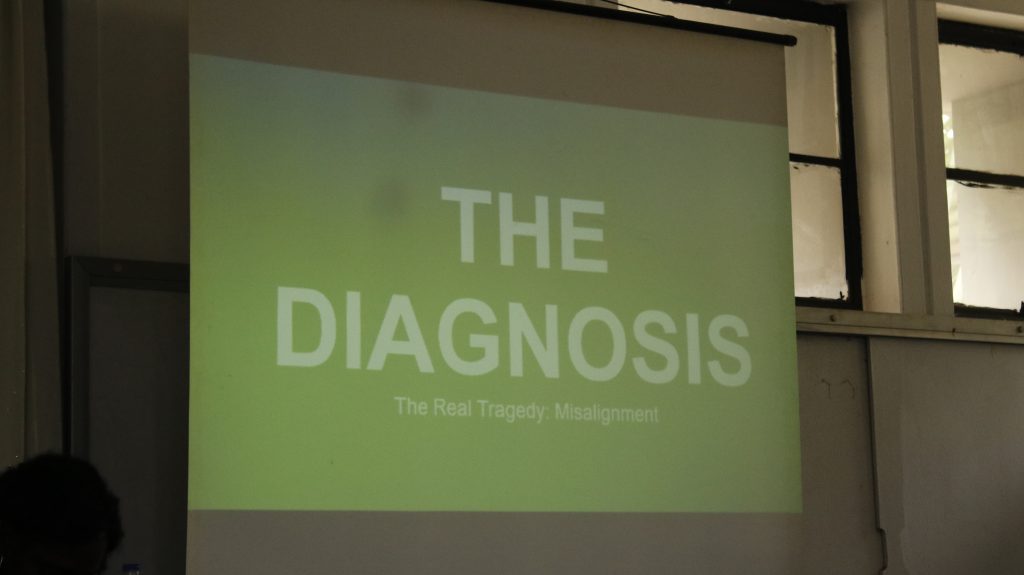
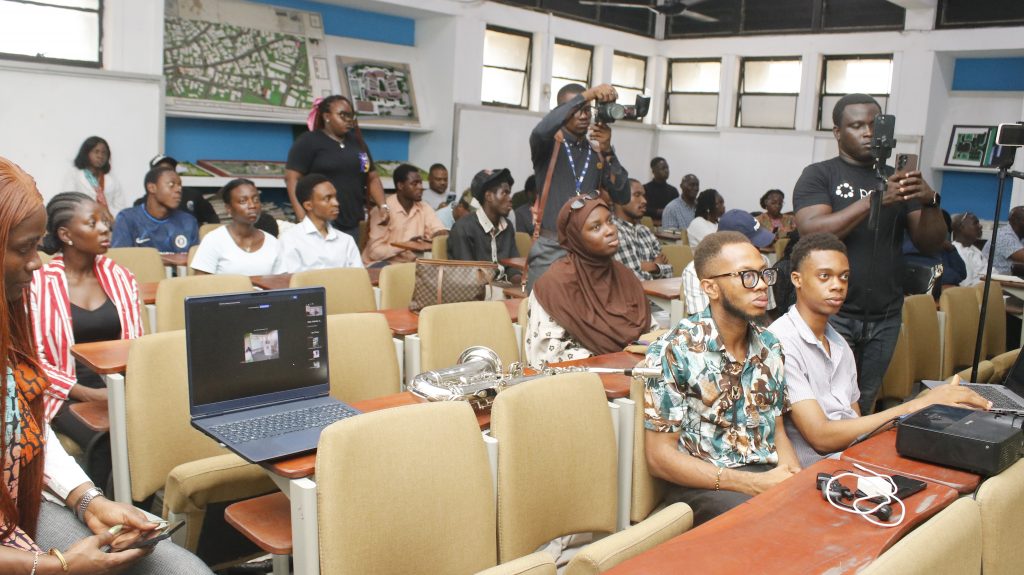
He argued that one of the core challenges lies in a “misalignment in diagnosis,” where urban problems are often addressed without fully understanding their roots. According to him, when development is driven primarily by aesthetics rather than by a systemic understanding of how cities function, the result is a loss of identity.
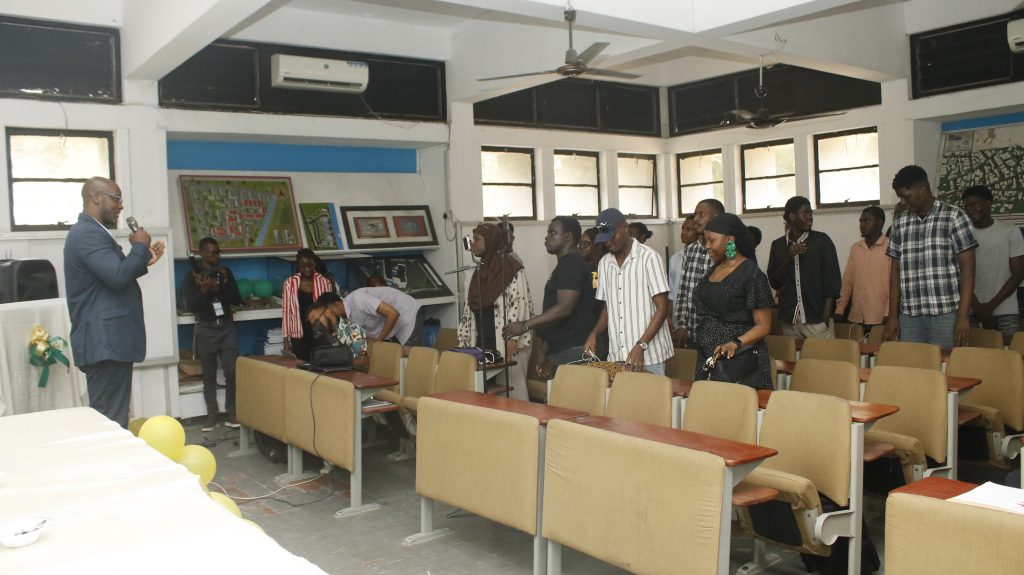
To bring it closer to home, he pointed out that while development is needed, it can quietly take away the identity of a place. In Lagos, something as simple as the yellow buses tells you immediately where you are. He compared this to Greece, where the blue and white colours, drawn from the national flag, are visible across the environment and help define its character.
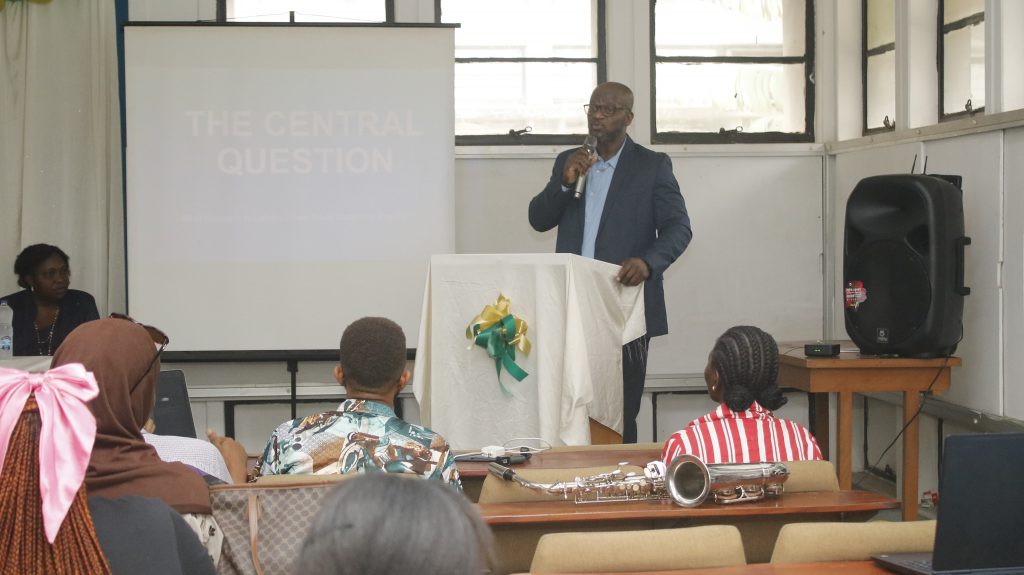
For him, these elements go beyond mere visuals; they are expressions of culture embedded in the urban environment. When such identity markers are overlooked or replaced in the name of modernisation, cities risk becoming generic spaces that could exist anywhere, yet belong nowhere.
Dr. Erhuanga, who is an Adjunct Professor of Health Informatics, School of Business at Bowie State University, further emphasised that cities should be understood as living systems interconnected, adaptive, and responsive to both human and environmental pressures. He stressed that urban design must move beyond physical structures to embrace cultural, social, and ecological dimensions, ensuring that development enhances rather than erases identity.
Also contributing to the discourse, Arc. Dimeji Obimakinde, a Scrum Master and Ideation Consultant, emphasized the importance of deliberate, context-sensitive approaches to urban development. He argued that breaking away from the prevailing patterns of misaligned planning demands intentional efforts that foreground sustainability, functionality, and the lived realities of local communities in every stage of the building process.
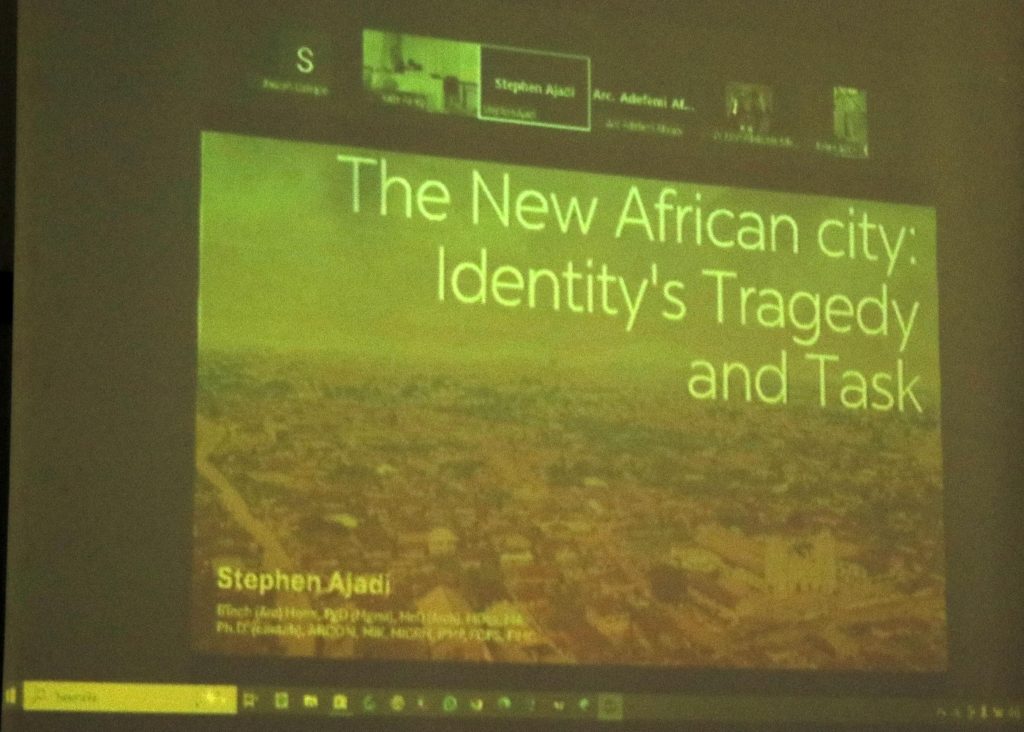
The workshop also featured hybrid presentations from Founder and President of RUBAN, Dr. (Arc.) Stephen Ajadi, and Dr. Yujie Ren, a landscape architect and professor based in Nanjing, China. Their contributions enriched the conversation by offering broader perspectives while reinforcing the importance of locally grounded solutions.
A recurring message throughout the session was clear: the future of African cities depends not on imitation, but on authenticity. Development must be rooted in identity, shaped by local context, and responsive to the lived experiences of the people.
Participants had the opportunity to engage the speakers in a question-and -answer session and left with a renewed understanding that building the African city of the future is not just about growth, but about meaning; which is creating spaces that reflect who the people are and where they come from.
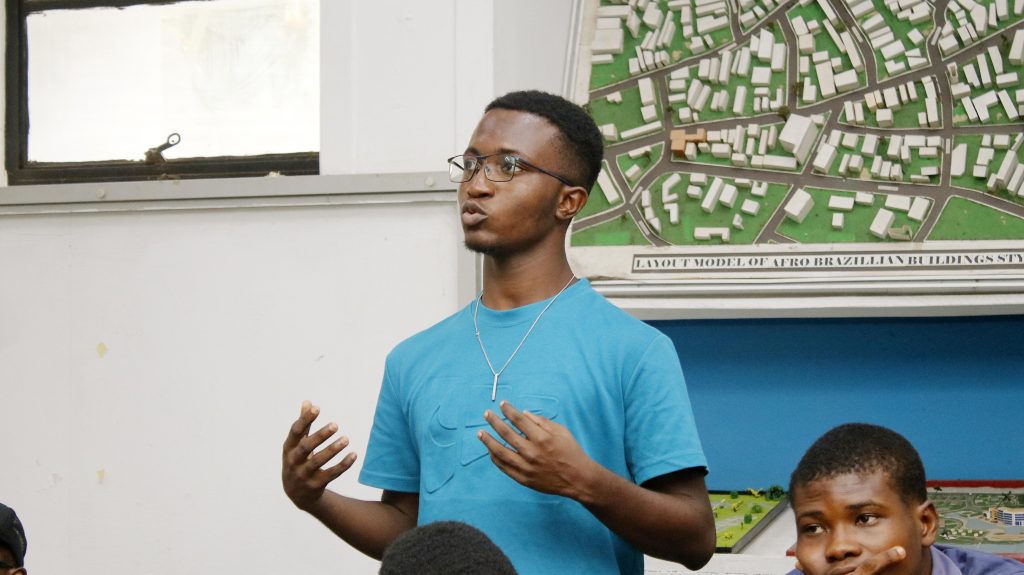
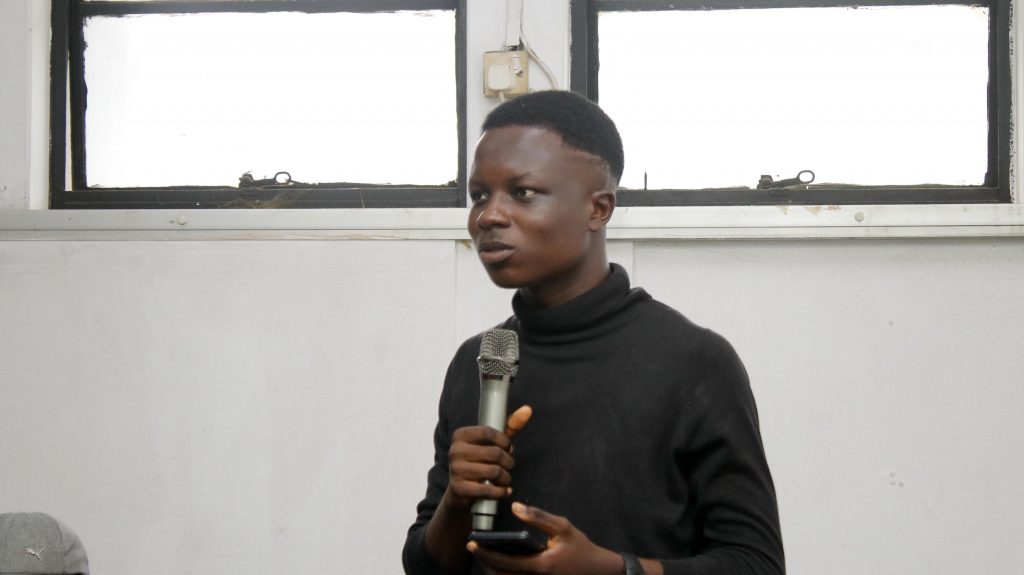

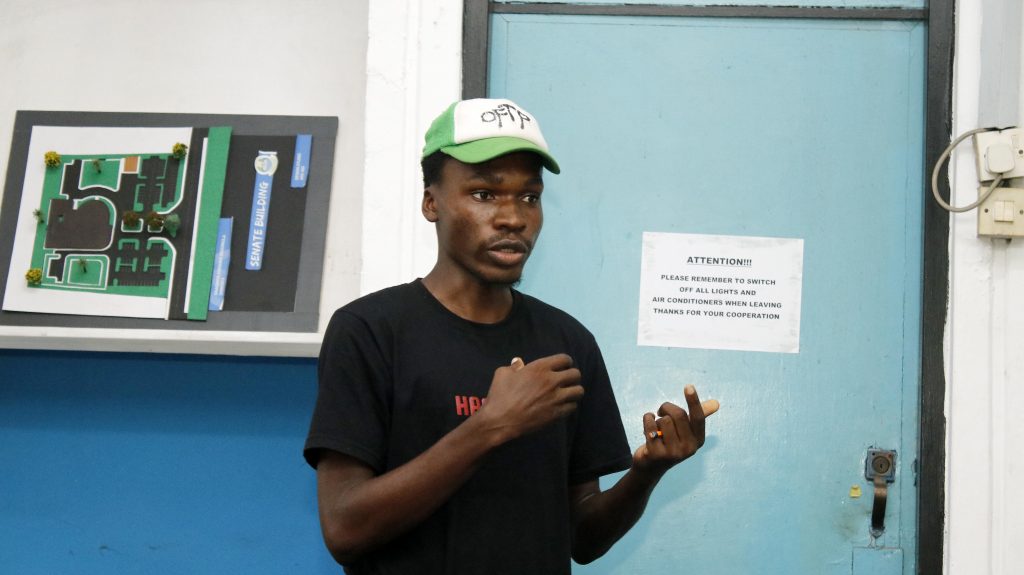
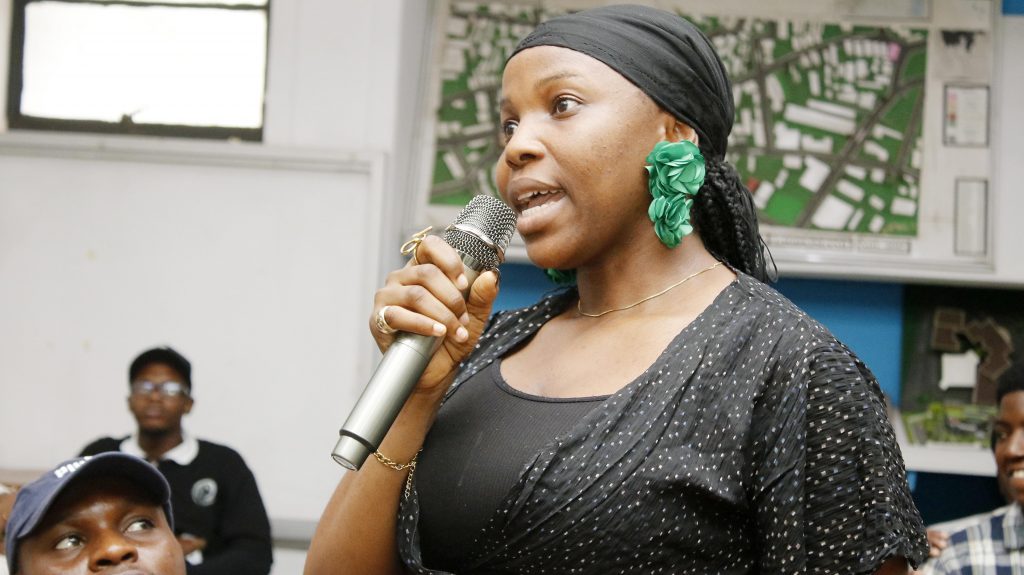
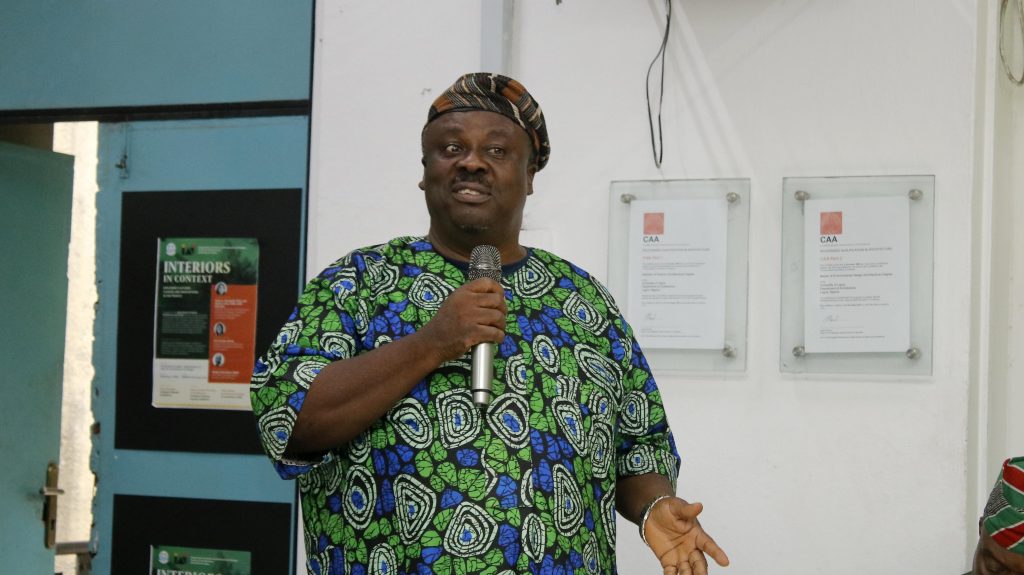
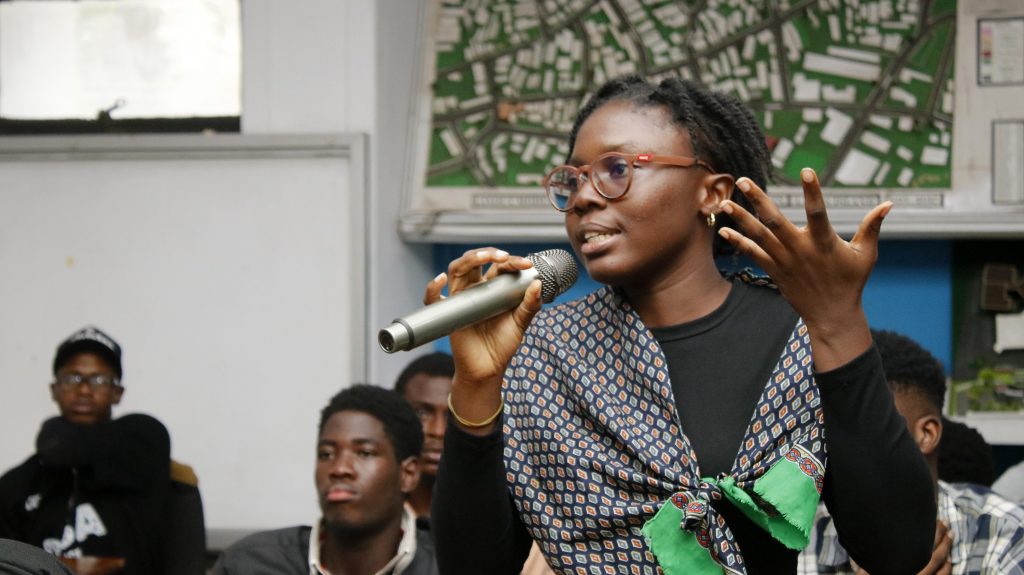
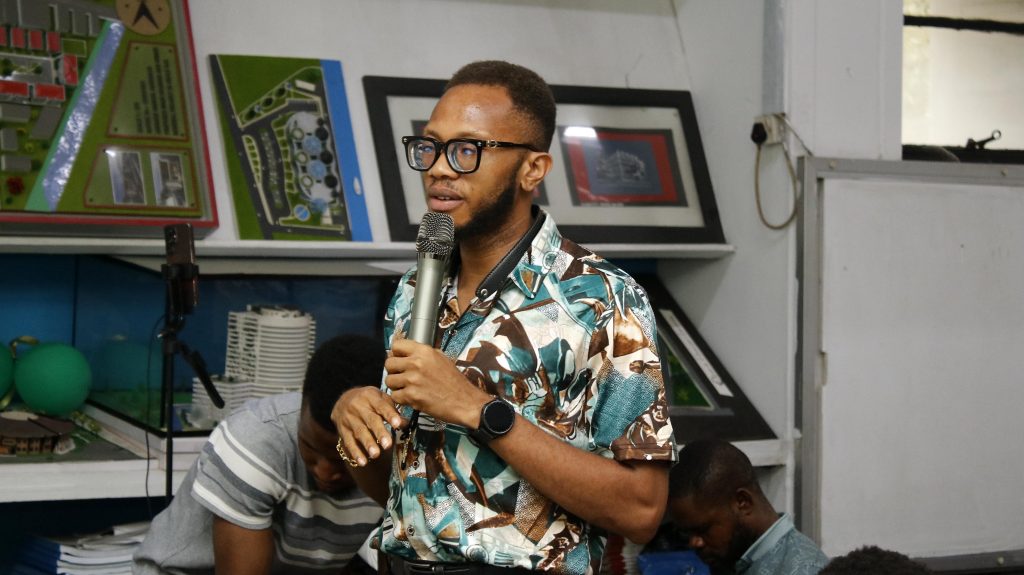
Participants left the workshop with a renewed understanding that African cities of the future are more than growth, they are spaces that reflect people’s identity, heritage, and experiences.
Report: Bayo Salau
Photographs: Islamiat Akanni