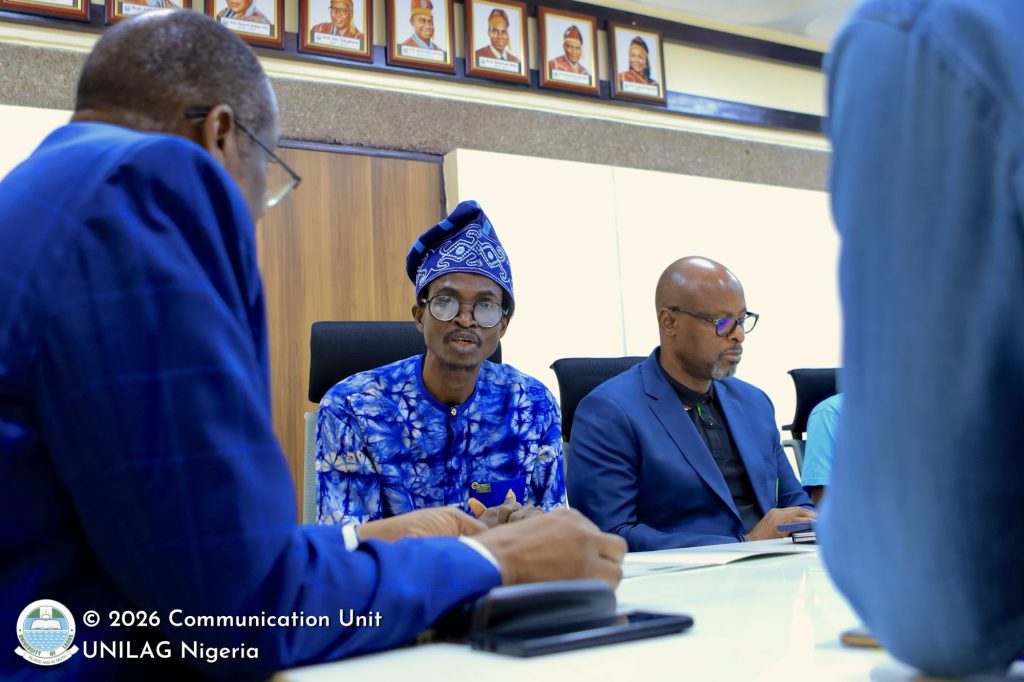
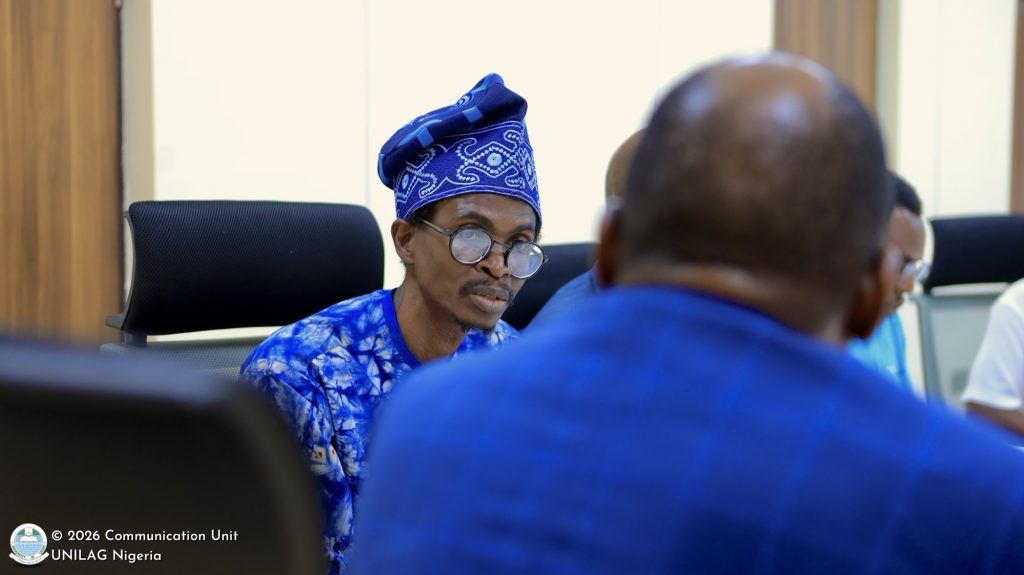
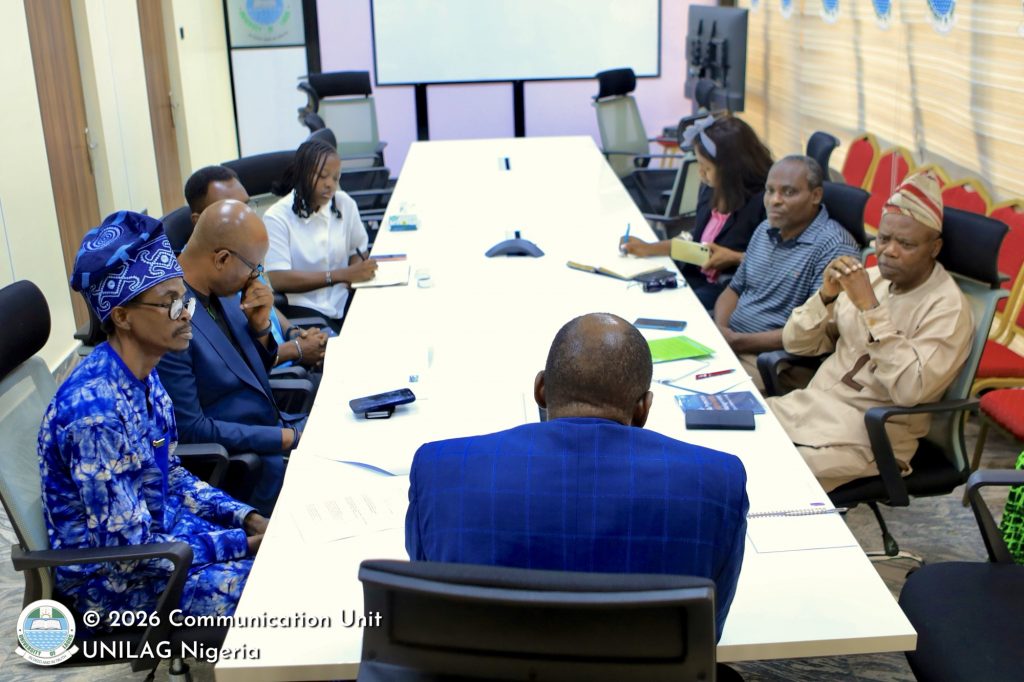
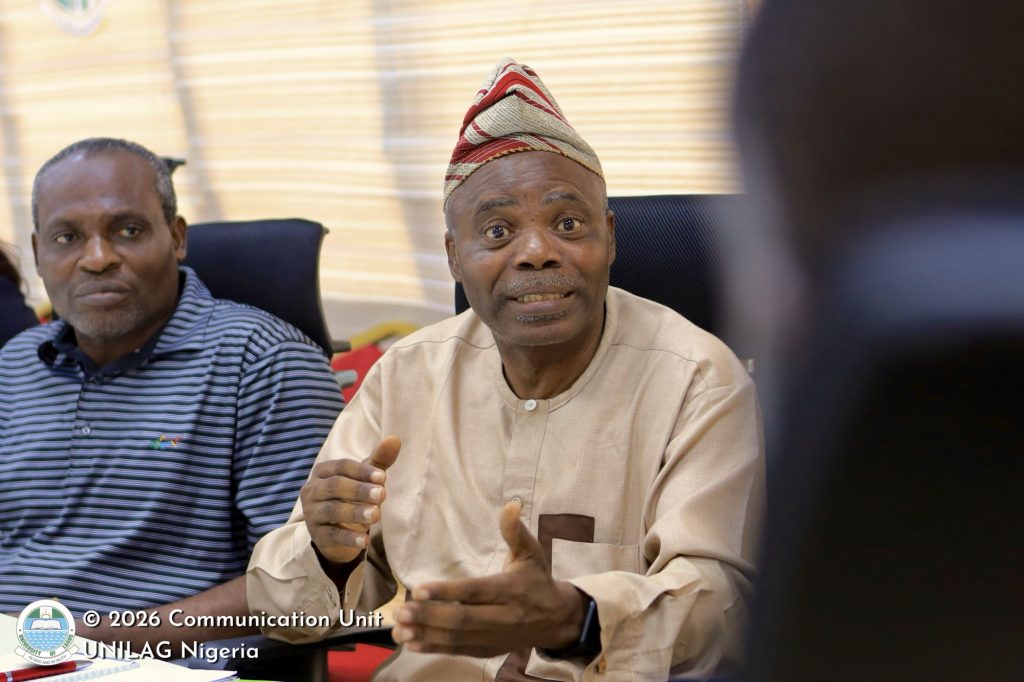
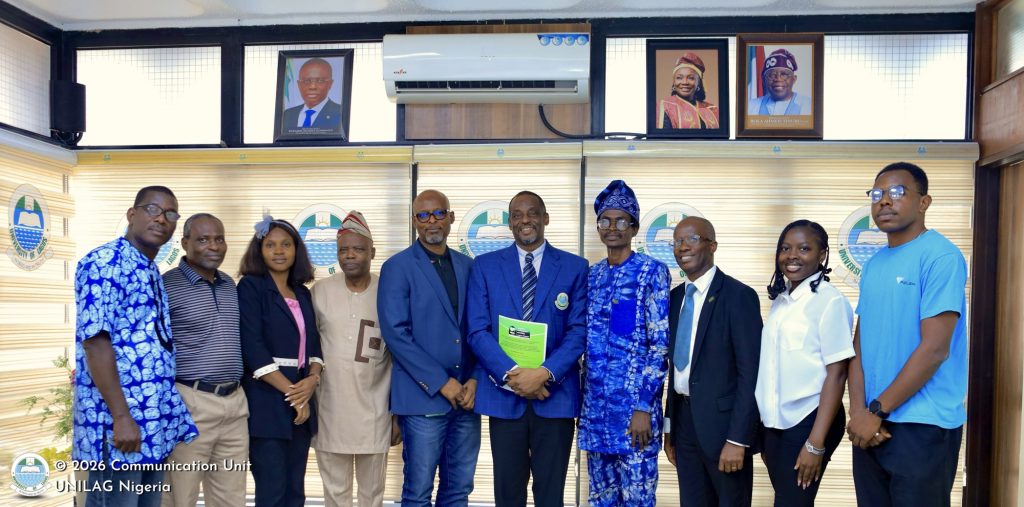
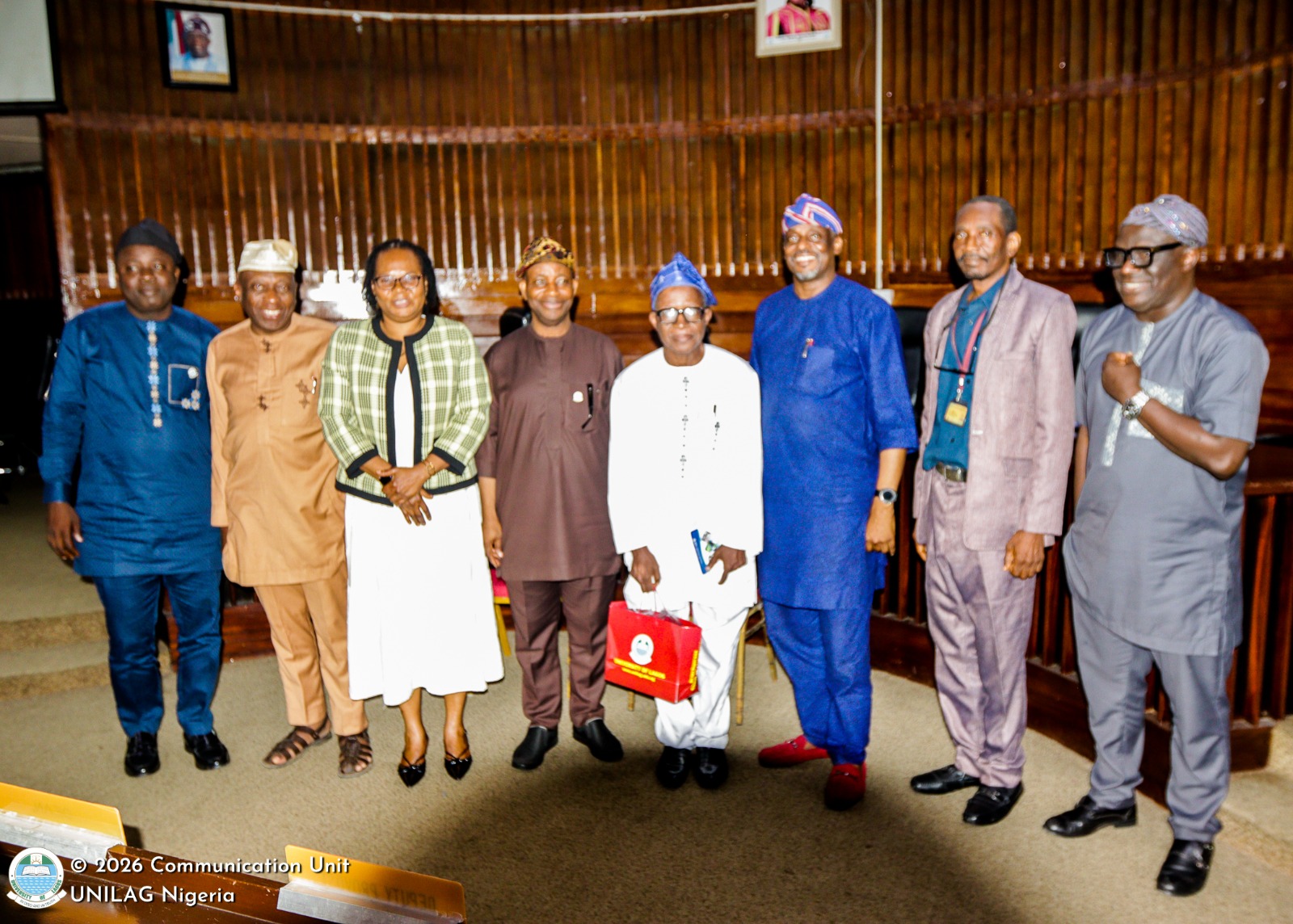
“The future belongs to those who prepare for it today.” Those words by civil rights leader Malcolm X found quiet expression at the University of Lagos (UNILAG) as the leadership of the Nigeria Computer Society (NCS), Lagos Chapter, paid a courtesy visit to the University on Thursday, April 30, 2026, to discuss collaborative pathways capable of shaping the next generation of technology professionals for a rapidly evolving digital world.
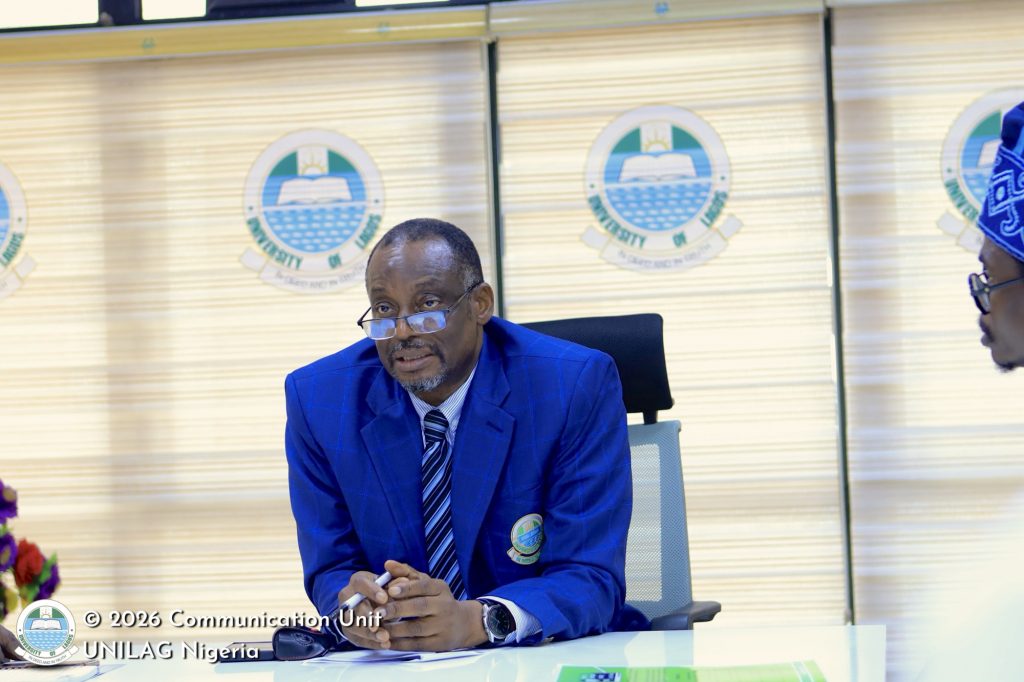
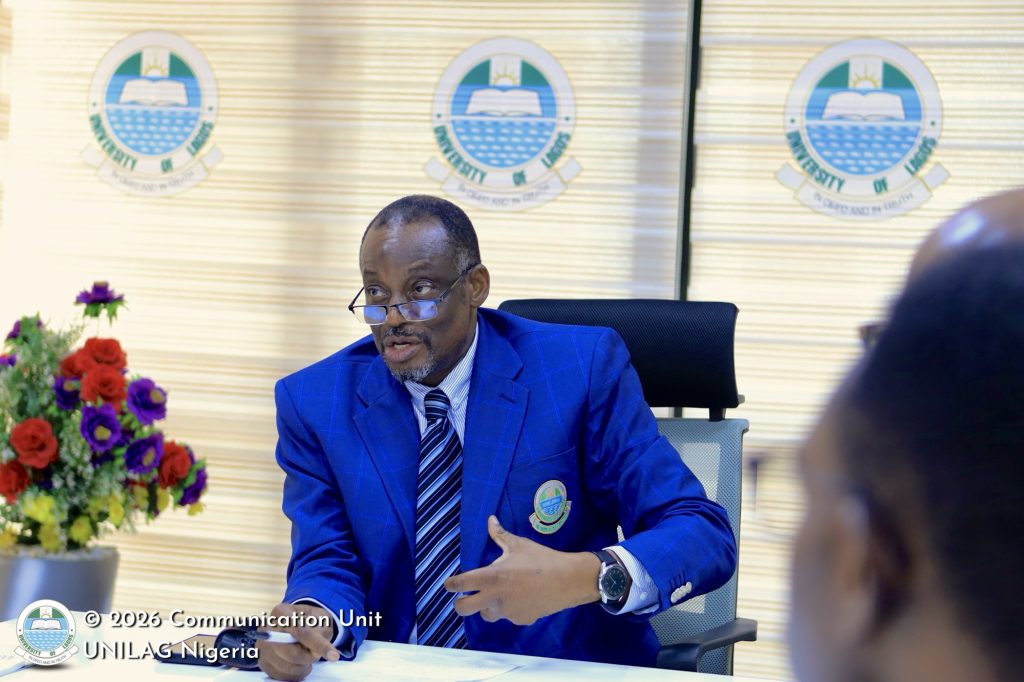
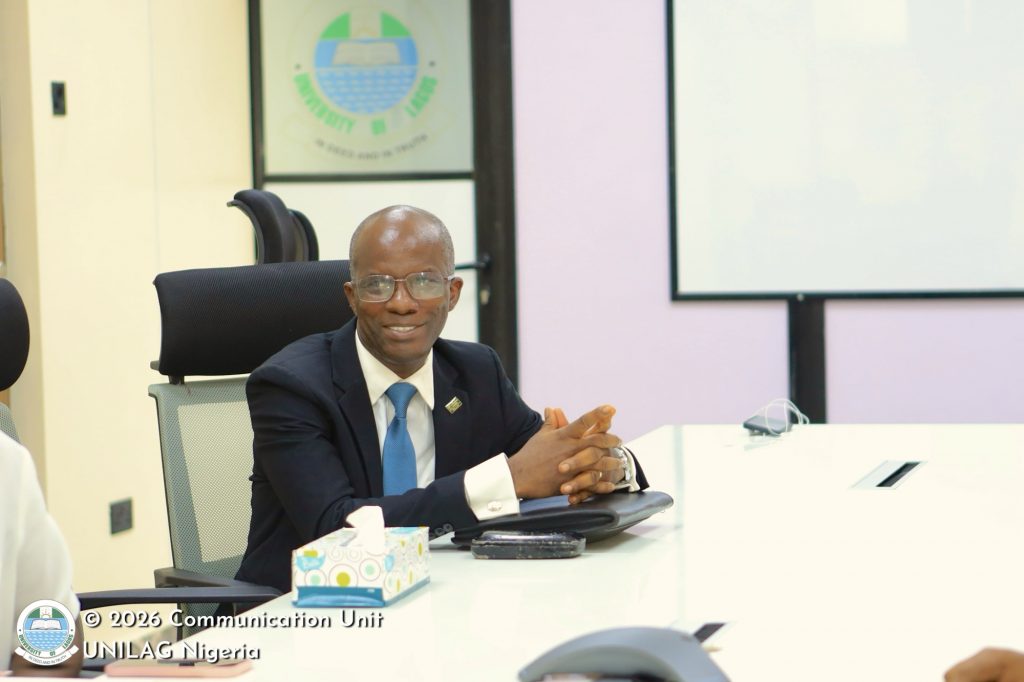
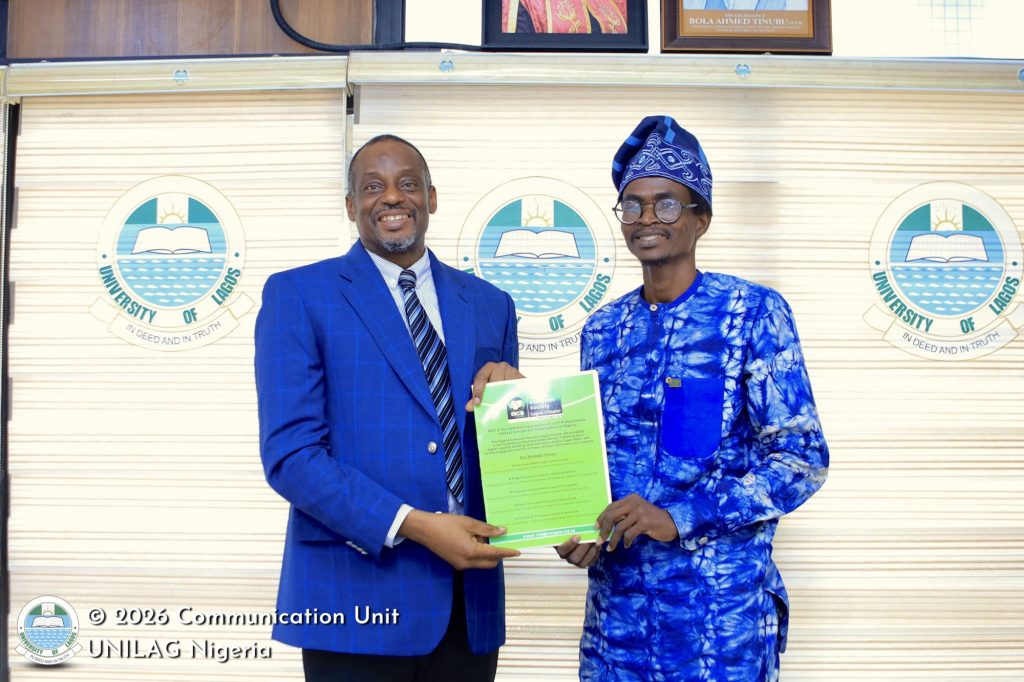
The delegation, led by Dr. Adewale Adesina, Chairman of the Lagos Chapter, was warmly received on behalf of the Vice-Chancellor, Professor Folasade T. Ogunsola, OON, FAS, by the Deputy Vice-Chancellor (Development Services), Professor Foluso E. A. Lesi. The engagement, which centred on strengthening ties between academia and industry, unfolded as a forward-looking conversation on innovation, employability, artificial intelligence, mentorship, and the future of computing education in Nigeria.
At the heart of the discussion was a shared recognition that the technology landscape is changing faster than traditional learning models can comfortably accommodate, making stronger collaboration between universities and professional bodies increasingly necessary.
Presenting the Society’s vision, the NCS Lagos Chapter highlighted its strategic focus on driving innovation, digital capacity building, and professional excellence across Lagos State, while serving as a bridge between government, academia, and industry. The delegation noted that following the launch of the Artificial Intelligence University Innovation Pod (AI UniPod) at UNILAG, the Society recognised a unique opportunity to deepen collaboration with the University in ways that connect education, innovation, and enterprise.
Among the proposed areas of collaboration were structured student engagement initiatives through the onboarding and professional induction of students into the Society from their first year of study, career mentorship opportunities, industry exposure, digital skills development, innovation and AI-focused research collaborations, as well as participation in conferences and programmes designed to help students bridge the gap between classroom learning and practical industry realities.
The Society also expressed interest in partnering with the University on innovation challenges, startup incubation pathways, certification opportunities, and broader digital capacity-building initiatives aligned with emerging technologies. Beyond the university environment, the proposed framework also seeks to strengthen the educational pipeline linking secondary schools, tertiary institutions, and the wider innovation ecosystem.
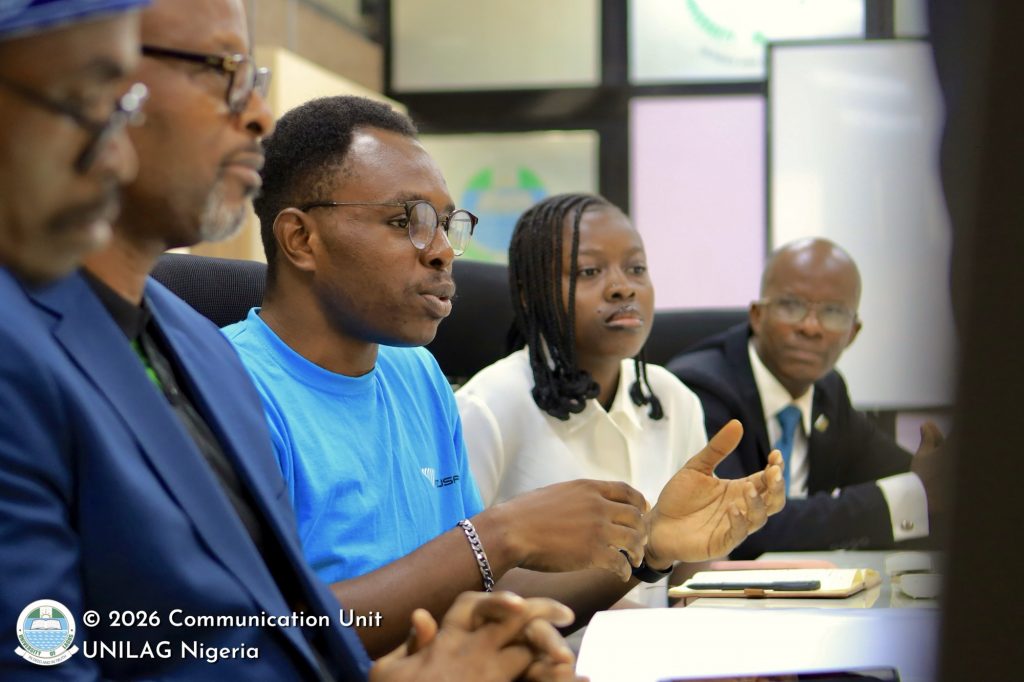
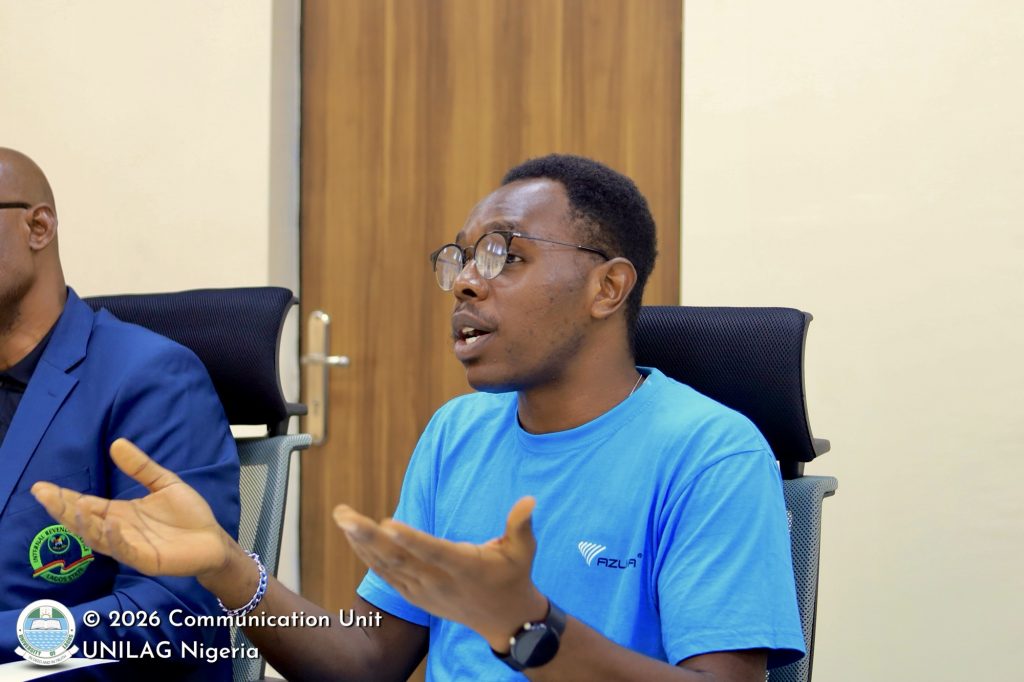
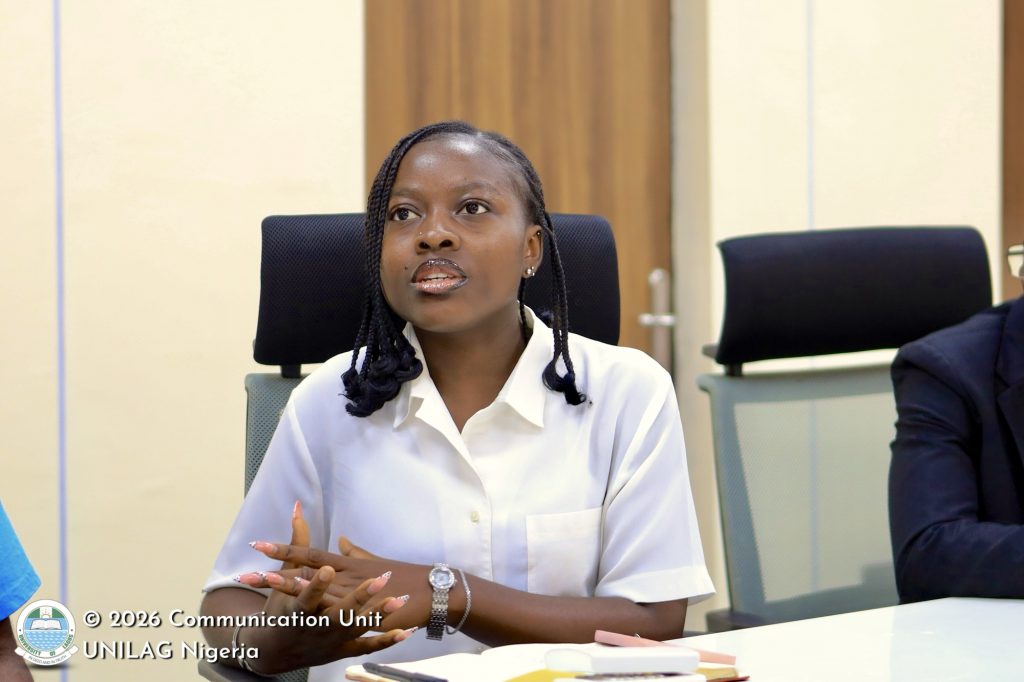
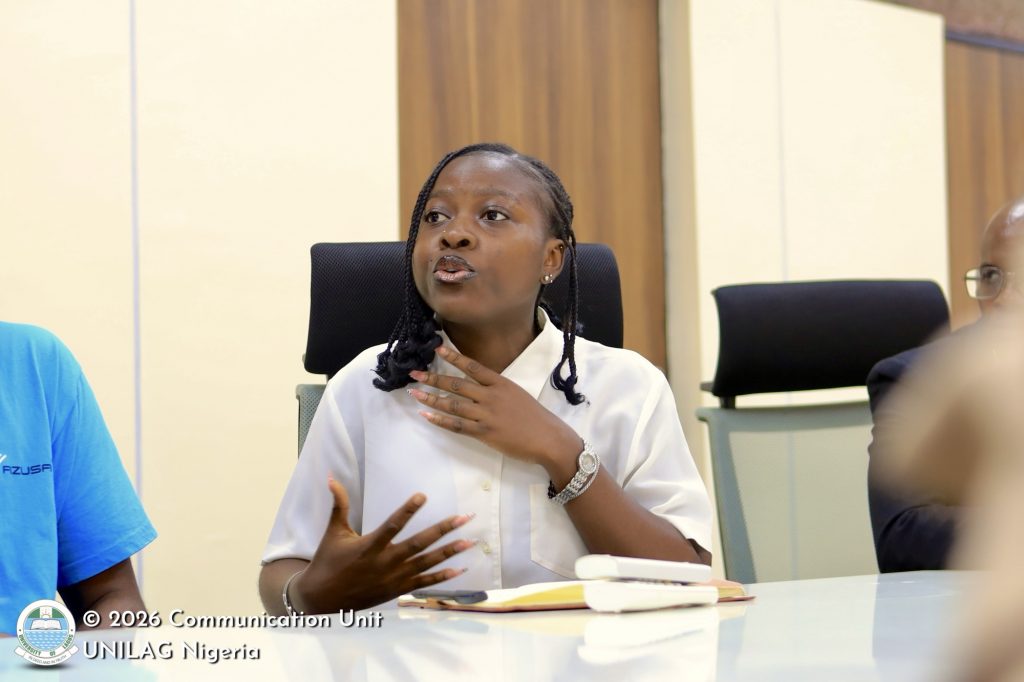
Accompanying the delegation were two students of the Faculty of Computing and Informatics, UNILAG, whose presence subtly reinforced the student-centred nature of the engagement. One of the students, Toluwani Ajibare, Deputy Coordinator of the National Association of Computing Students (NACOS), South-West Zone, alongside Jerry Chukwuma Aneke, Vice President of NACOS, UNILAG Chapter, expressed appreciation to the Society for the proposed collaborations. They emphasised the growing need for students to acquire practical skills and industry exposure capable of preparing them for relevance beyond the campus environment.
Responding, Professor Lesi noted that the University has remained deliberate and tenacious in ensuring that students have access to the best opportunities within the field of computing and technology. He observed that several of the collaborative areas proposed by the Society already align with ongoing efforts within the University, particularly within the Faculty of Computing and Informatics.
He, however, encouraged the Society to build stronger working relationships with the Faculty, especially within the opportunities presented by the new Core Curriculum and Minimum Academic Standards (CCMAS). According to him, the evolving curriculum framework creates room for industry practitioners to contribute meaningfully to the development of more practical and future-oriented programmes capable of producing graduates equipped for the changing world of work.
Professor Lesi stressed that because industry practitioners are often closest to real-world problems, they are well positioned to help identify urgent areas requiring academic research and innovation. He further noted that with industry now contributing significantly to curricular development under CCMAS, there is considerable opportunity for the Nigeria Computer Society to co-create with the University in designing learning experiences that better respond to societal and technological realities.
In another thoughtful recommendation, the Deputy Vice-Chancellor advised the Society to explore the possibility of inducting graduating students into the professional body during the University’s Hooding Ceremonies, traditionally held on the eve of Convocation Ceremonies. The suggestion reflected a broader desire to help students transition more seamlessly from academic training into professional communities and practice.
He also emphasised the need for continued deliberations that could eventually culminate in the signing of a Memorandum of Understanding (MoU), clearly defining expectations, responsibilities, and long-term collaborative goals.
Throughout the engagement, one idea remained consistent: the future of digital transformation cannot be built in silos.
For the University of Lagos and the Nigeria Computer Society, Lagos Chapter, the conversation represented more than a courtesy visit. It reflected a growing understanding that preparing students for the future requires a collective effort, one where academia, industry, innovation hubs, and professional bodies work not as distant entities, but as connected parts of the same ecosystem.
As the meeting drew to a close, what lingered was a sense of possibility, the kind that emerges when institutions begin to move beyond conversations about the future and start intentionally building it together.
Author: Nike Ogunshakin
Photographer: Ayo Oloyede
Article Editor: Adejoke Alaga-Ibraheem
Photo Editor: Nike Ogunshakin