The Director of the Centre for Work, Organisation and Technology (CWOT), University of East London, United Kingdom, Professor Toyin Adisa, has highlighted the growing implications of technology for work, workers and organisations in the emerging Fifth Industrial Revolution (Industry 5.0).
Professor Adisa made the submission virtually, while delivering the keynote address at the opening ceremony of the 2026 Annual International Research Conference organised by the Faculty of Management Sciences (FMS), University of Lagos (UNILAG).
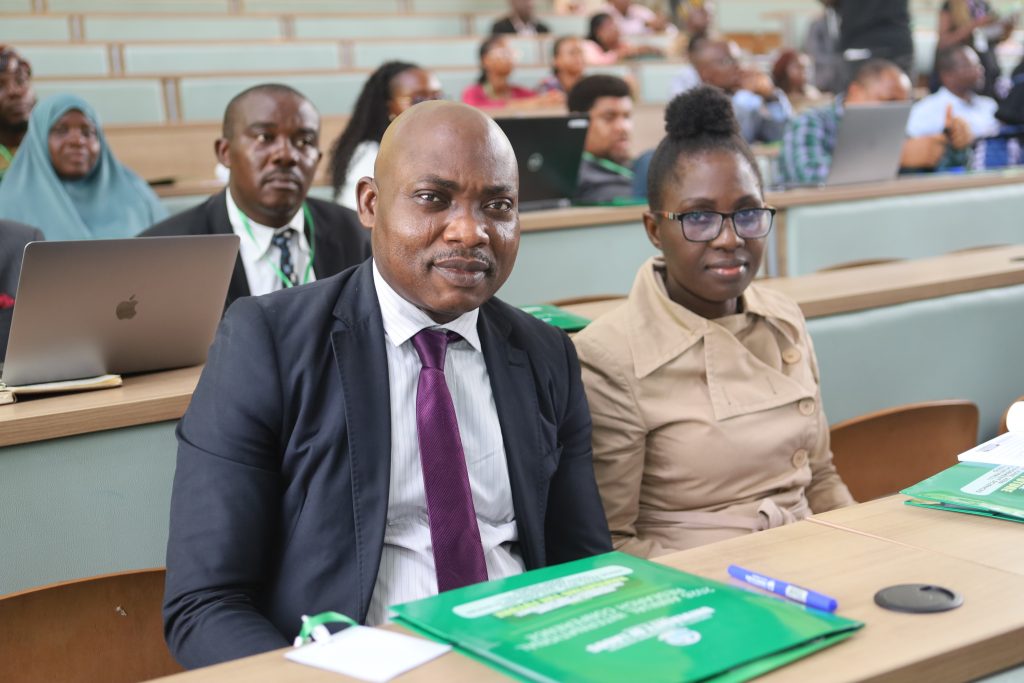
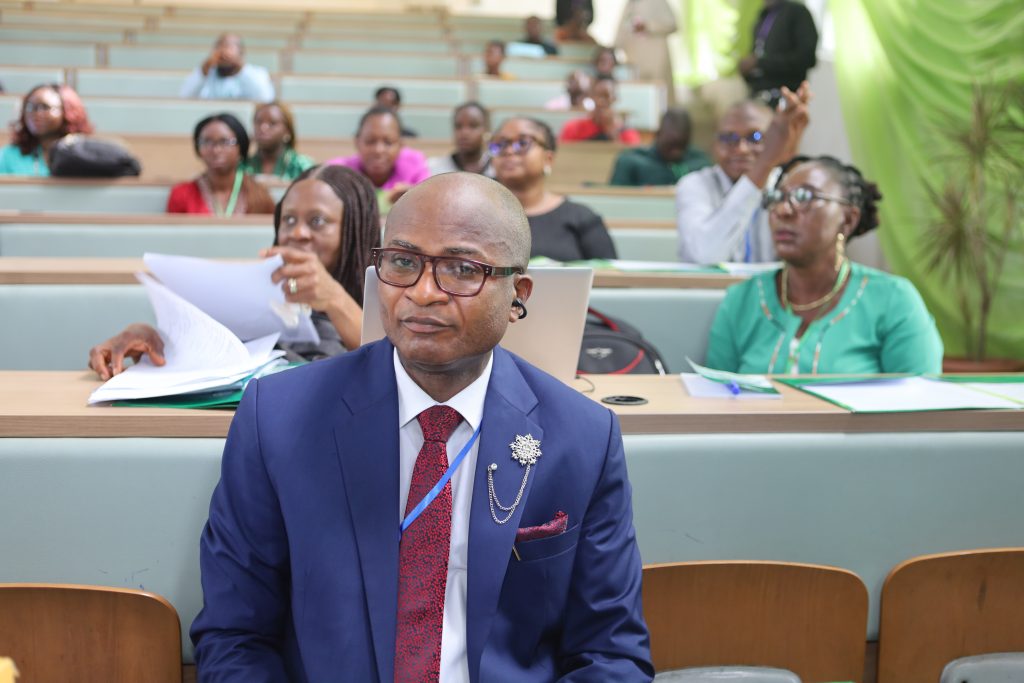
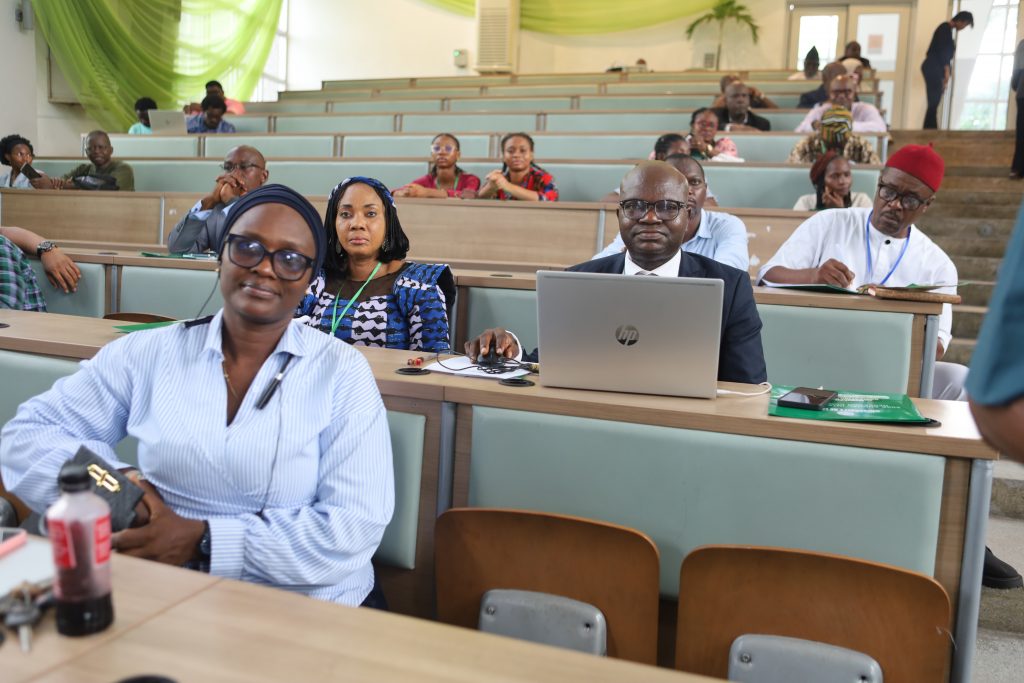
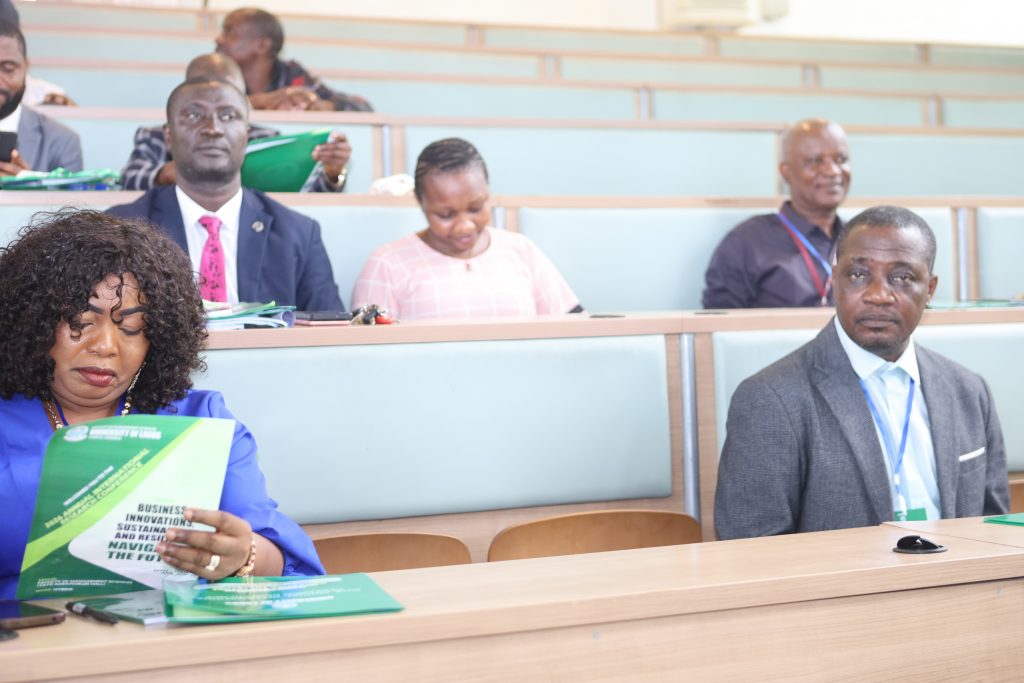
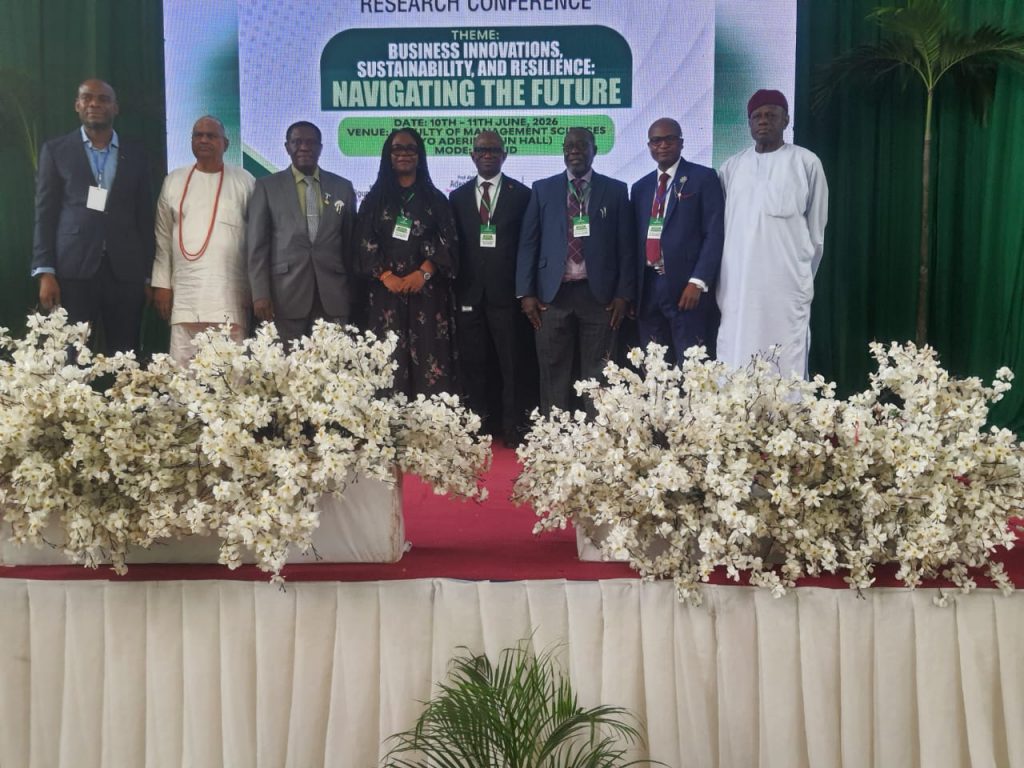
The two-day hybrid conference, themed “Business Innovations, Sustainability and Resilience: Navigating the Future,” commenced on Wednesday, June 10, 2026, and will conclude on Thursday, June 11, 2026.
In his keynote presentation, Professor Adisa traced the evolution of industrial revolutions from Industry 1.0 to Industry 5.0, explaining how the world has progressed from the era of steam and water-powered production in 1765 to today’s age of Artificial Intelligence (AI), robotics and human-technology collaboration.

According to him, Industry 5.0 complements Industry 4.0 by integrating human intelligence with advanced technologies to promote productivity, sustainability and human well-being.
He explained that the current industrial era is anchored on three key pillars: human centrality, resilience and sustainability; and stressed the need for organisations to align industrial performance with social and environmental values.
Professor Adisa further noted that the increasing integration of AI and robotics into workplaces has transformed traditional work structures by enabling remote work, virtual teams and the rapid expansion of the gig economy.
He added that technological advancement has redefined workforce requirements, making digital literacy, data analytics and the ability to work effectively alongside automated systems increasingly essential.
While acknowledging the benefits of improved operational efficiency, communication and global competitiveness, he also identified challenges arising from changing workforce expectations and technological disruptions.
The Vice-Chancellor of the University of Lagos, Professor Folasade T. Ogunsola, OON, FAS, represented by the Director of the Academic Planning Unit, Professor Olufunlayo Bammeke, formally declared the conference open.
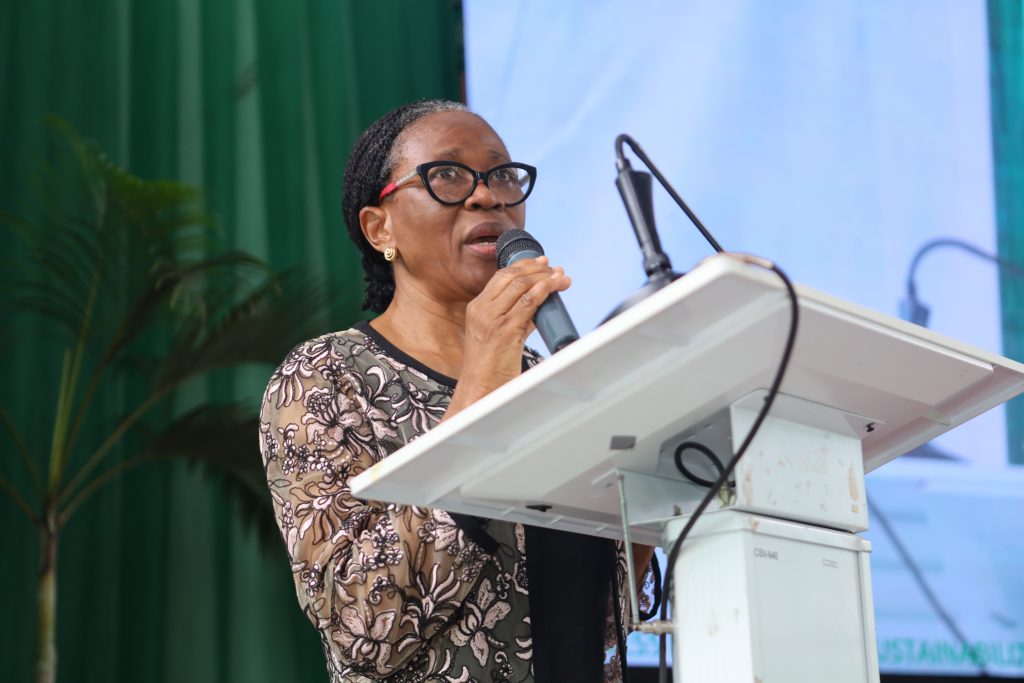
In her remarks, Professor Bammeke underscored the importance of the conference in advancing impactful research, innovation and collaboration among scholars, industry practitioners and policymakers.
She also commended the keynote speaker, organising committee, sponsors and other stakeholders for their contributions to the successful commencement of the conference.
Earlier, the Dean of the Faculty of Management Sciences, Professor Abdul-Hameed Adeola Sulaimon, represented by the Head of the Department of Employment Relations and Human Resource Management (ER&HRM), Professor Oluseyi Shadare, expressed delight at the impressive level of participation recorded from across the globe.
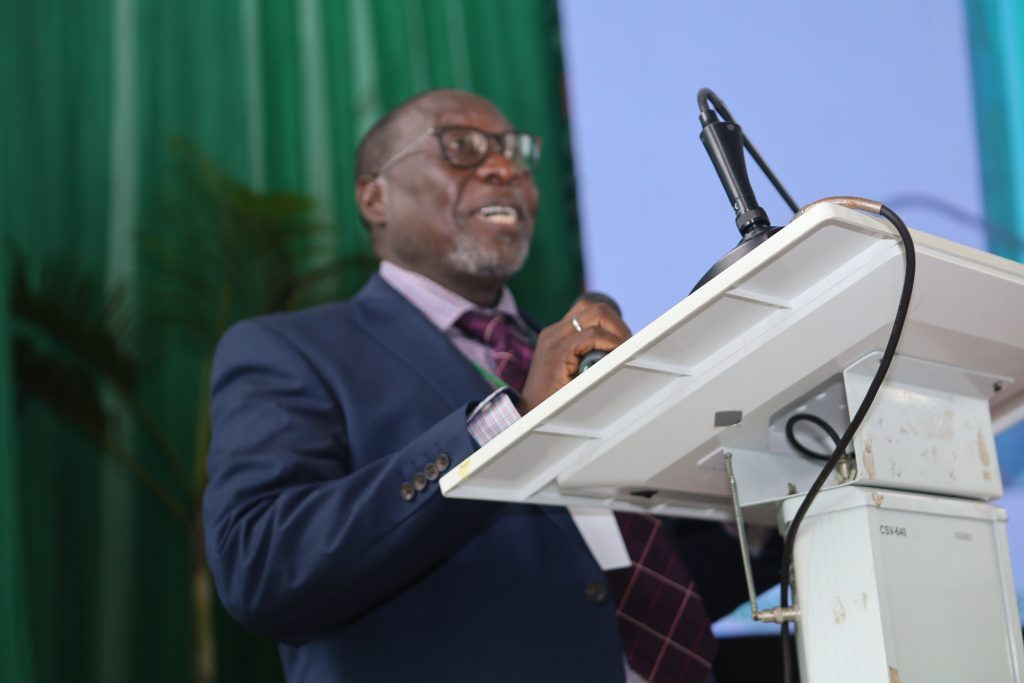
He described the conference as a reflection of the faculty’s commitment to advancing knowledge, fostering innovation and developing sustainable solutions to contemporary challenges.
Professor Shadare noted that the conference, now in its third edition, continues to bridge academic scholarship and industry practice. He added that the Faculty had invited distinguished industry expert, Mr. Sanni O. Ezekiel, Senior Vice President, Distribution Network Sales, Moniepoint Microfinance Bank, to provide practical industry perspectives on the conference theme.
Chairman of the Organising Committee, Dr. Abiodun Johnson Oladimeji, observed that the conference theme speaks directly to the realities of today’s rapidly evolving global landscape, marked by technological transformation, environmental challenges and economic uncertainty.
According to him, innovation, sustainability and resilience have become indispensable pillars for organisational survival and societal progress.
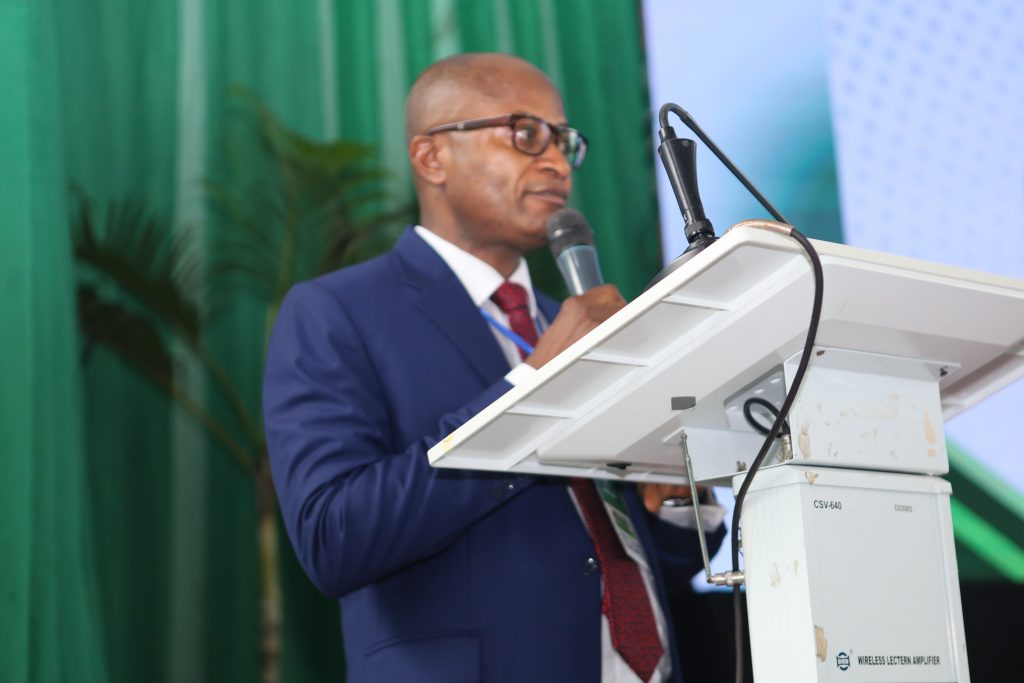
Dr. Oladimeji further disclosed that the conference received 153 abstracts authored by 217 contributors from universities and higher institutions across Nigeria, as well as submissions from South Africa and the United Kingdom, reflecting its growing international profile.
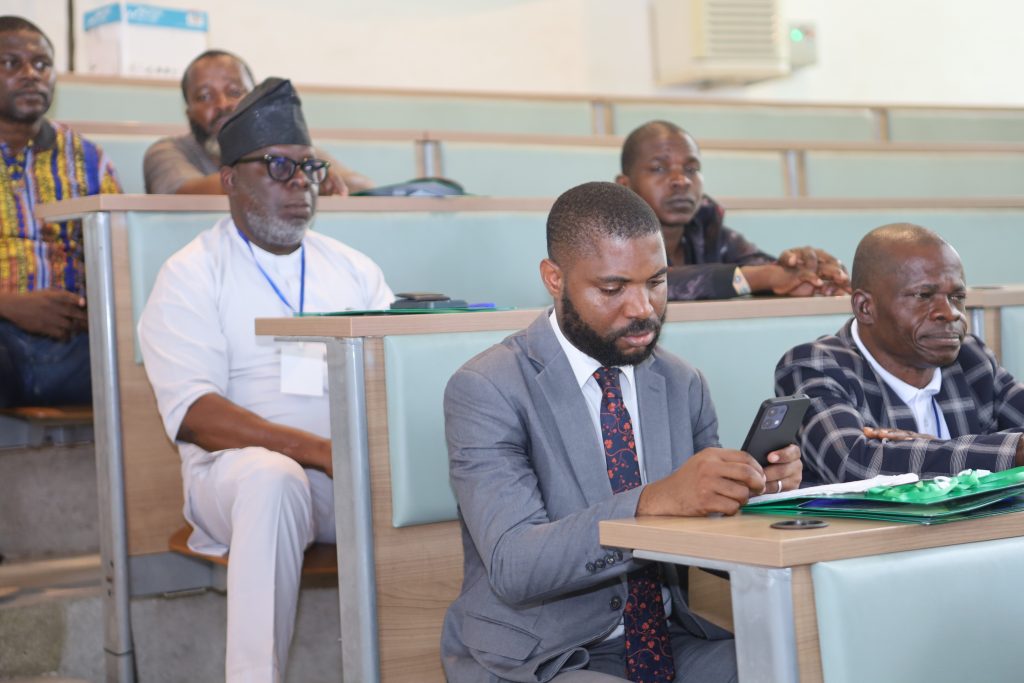


The conference attracted distinguished personalities from academia, industry and professional bodies, including the First Vice-President of the Institute of Chartered Accountants of Nigeria (ICAN), Chief Oye Akinsulire; Mr. Krishnamurthy Narayanswamy, Bobaselu of Odi-Olowo, Mushin; Dr. Victor Sodje; and Captain Kamarudeen Adenrele Olatunde (Rtd).
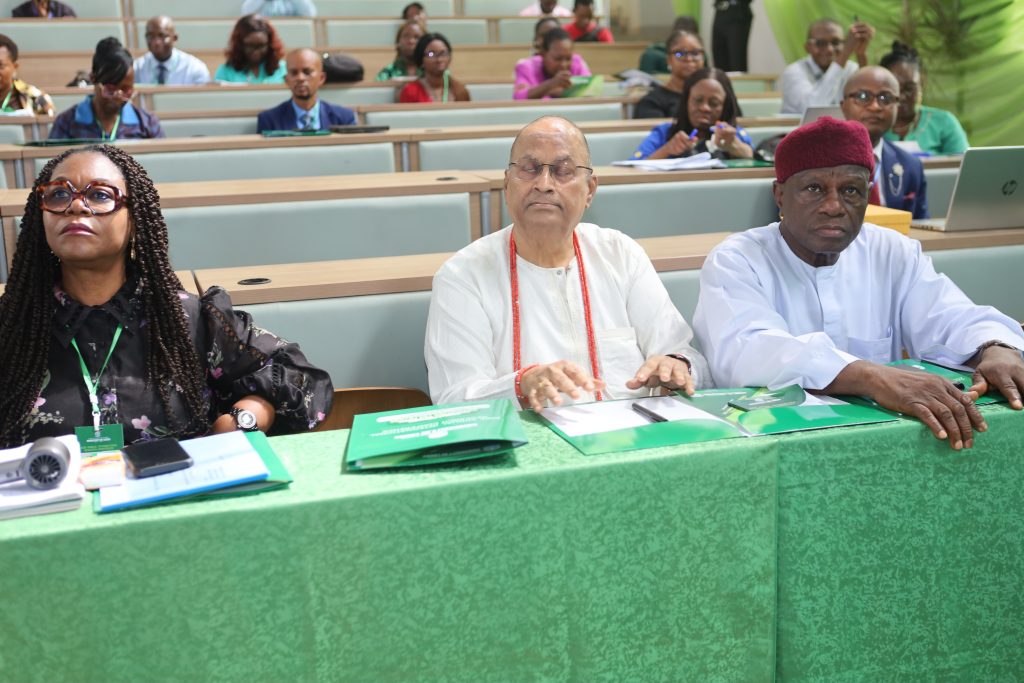
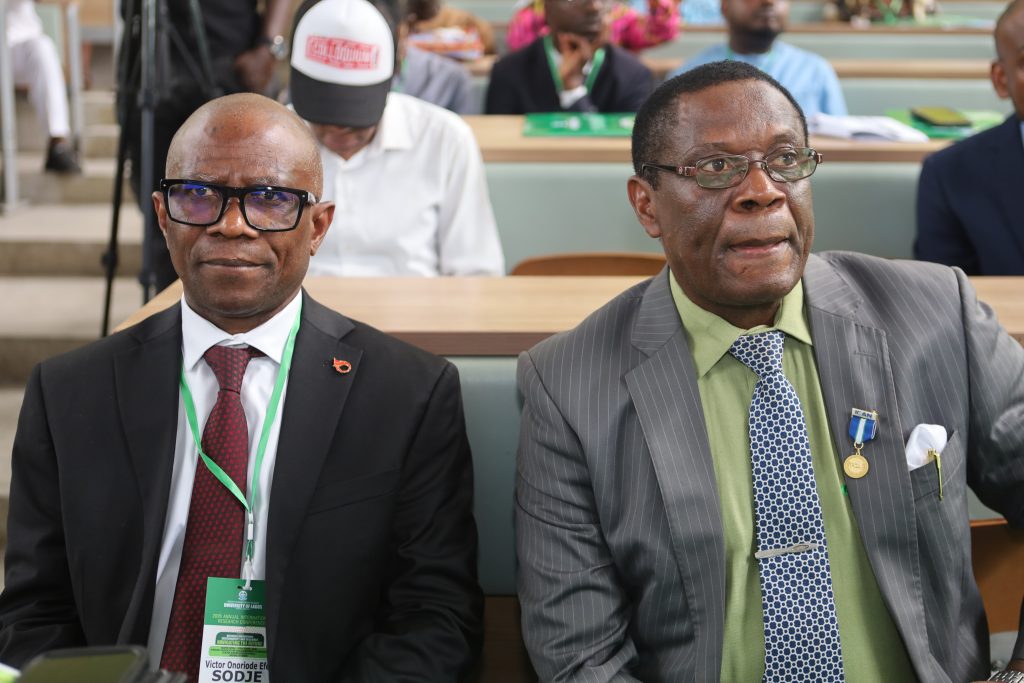
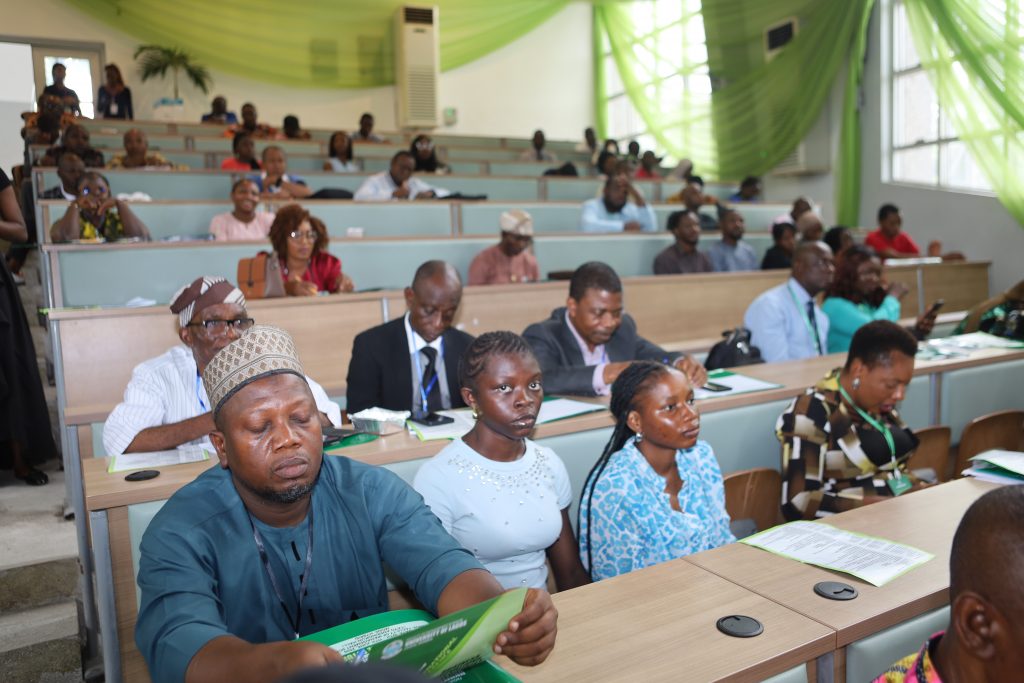
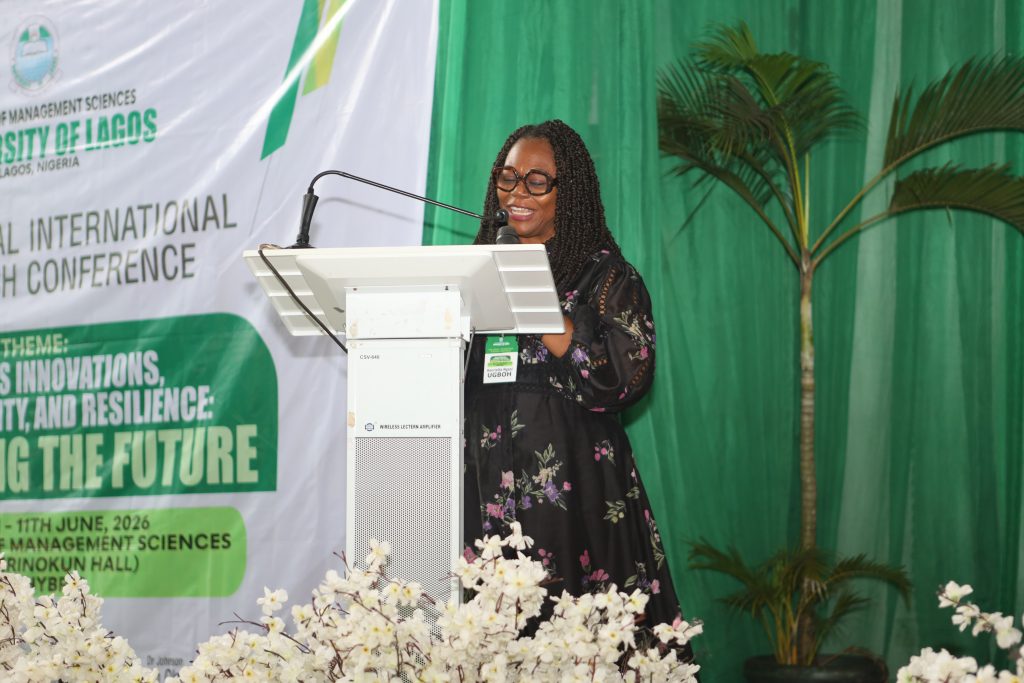
Goodwill messages were delivered by sponsors and special guests, including Mrs. H. N. Ugboh, a doctoral student of the University of Lagos Business School (ULBS).
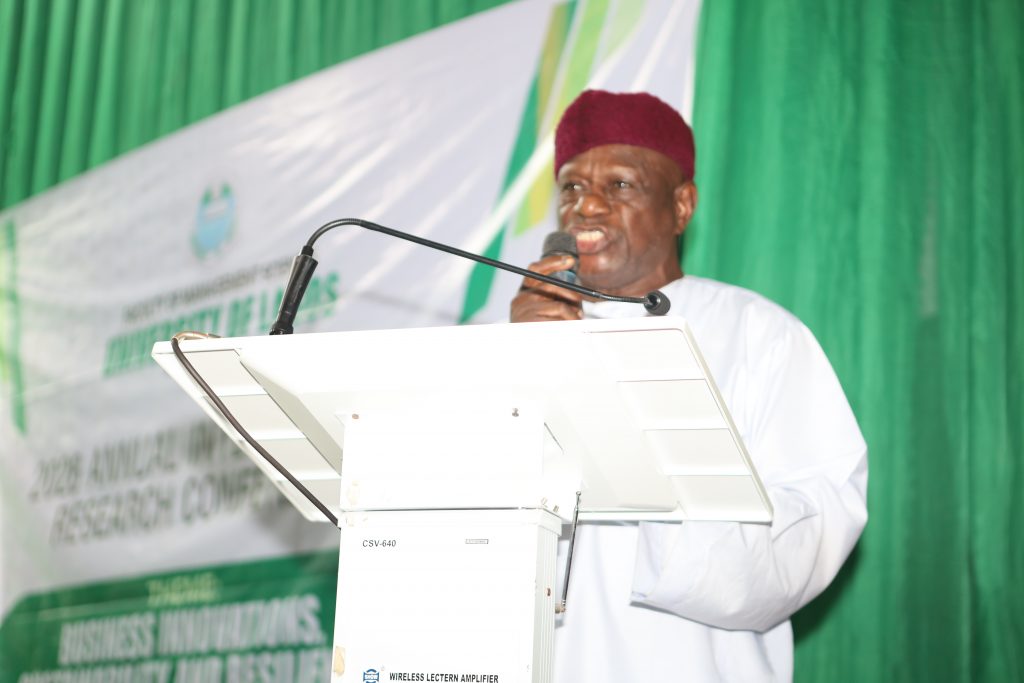
In his goodwill message, Chief Oye Akinsulire highlighted ICAN’s longstanding partnership with the University of Lagos and expressed the Institute’s readiness to sustain collaborative engagements with the Faculty of Management Sciences in future editions of the conference.
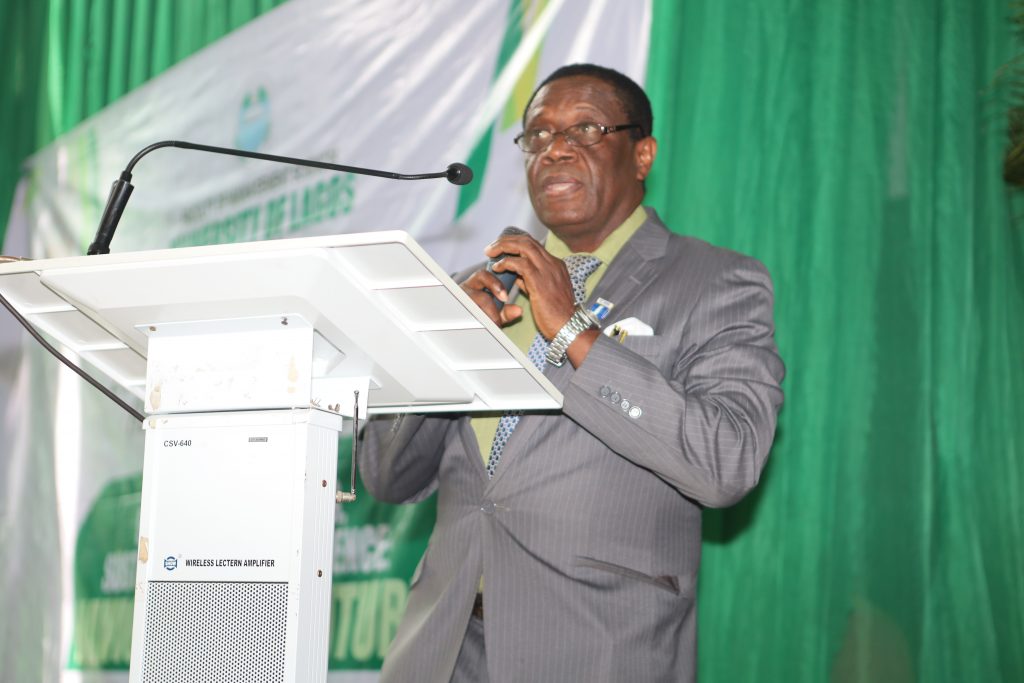
Following the opening ceremony, the conference proceeded with parallel paper presentation sessions at the New Faculty Building, where researchers and scholars examined diverse issues relating to business innovation, sustainability, resilience, management practices, technology and organisational development.
Report: Bayo Salau
Photographs: Samuel O. Dosunmu