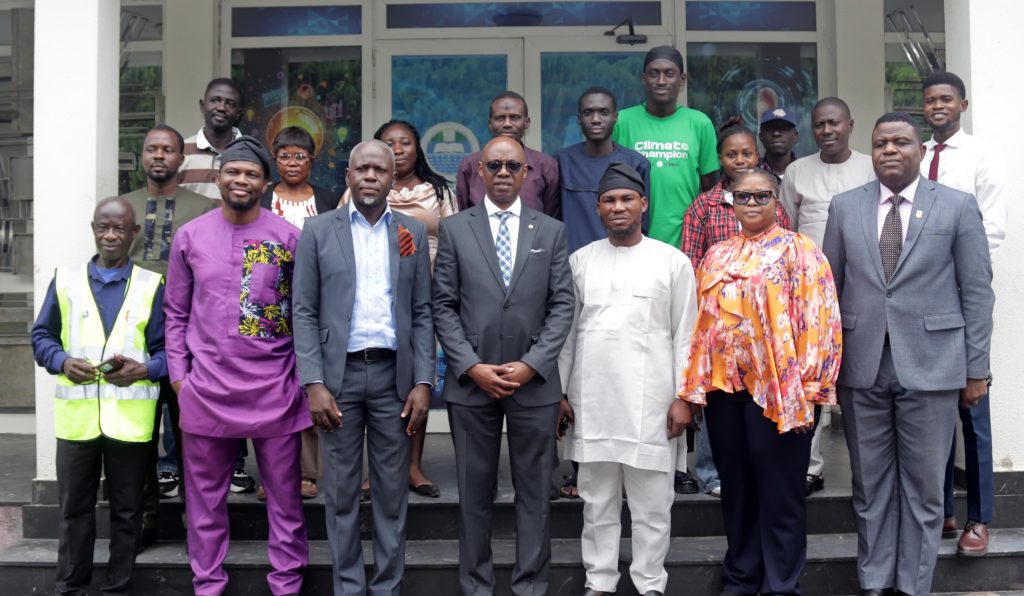
As Nigeria continues to grapple with the challenge of achieving sustainable and inclusive economic growth, stakeholders have underscored the need for public policies to be guided by credible data, rigorous research, and sustained collaboration among academia, industry, and government.
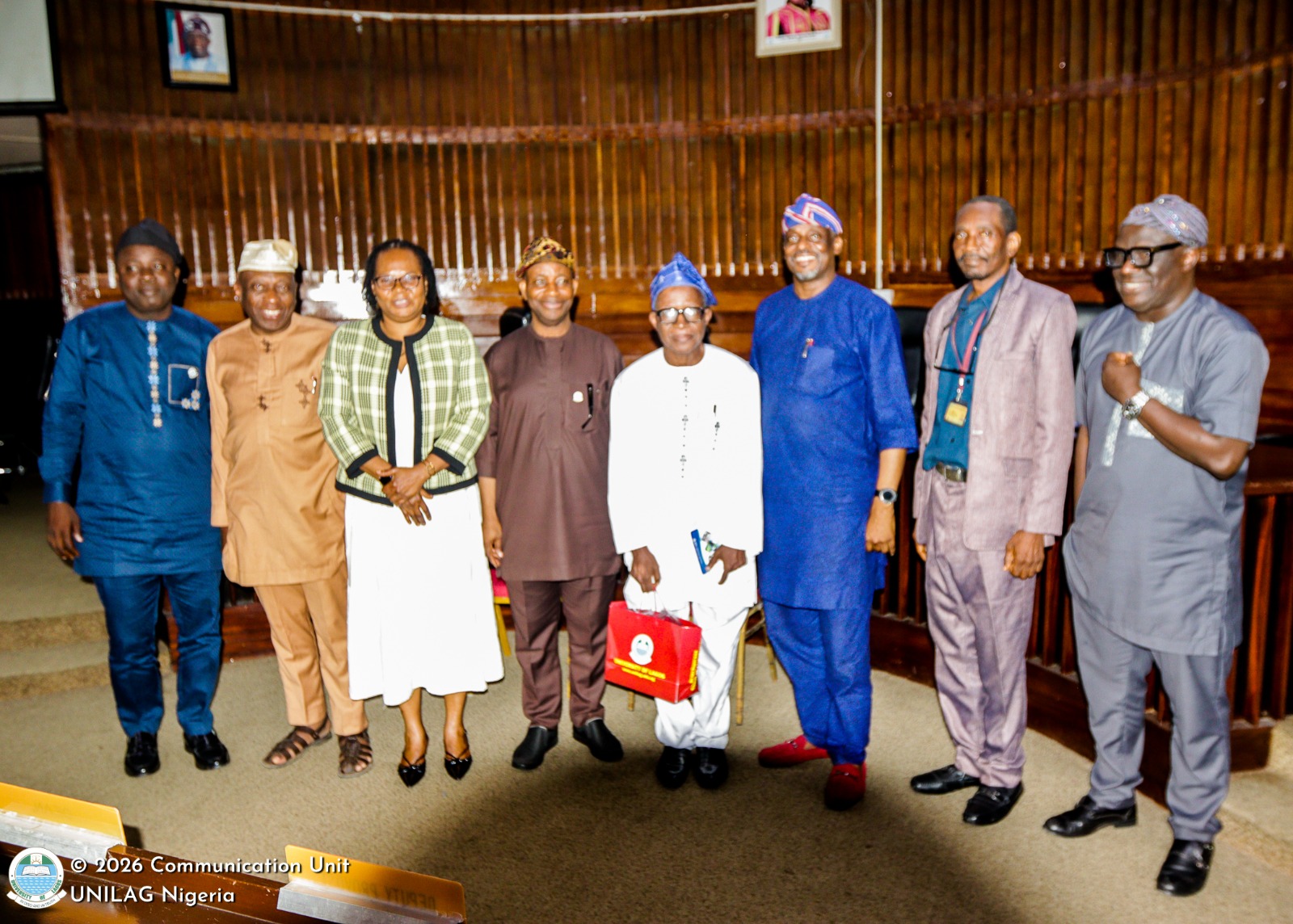
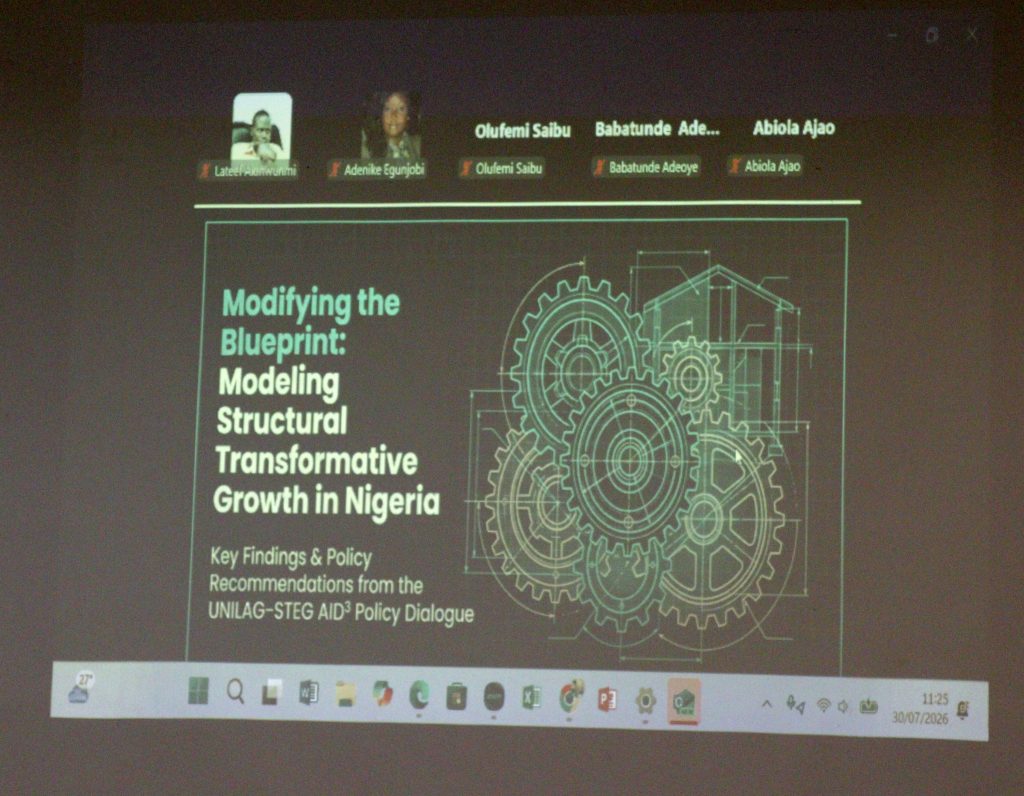
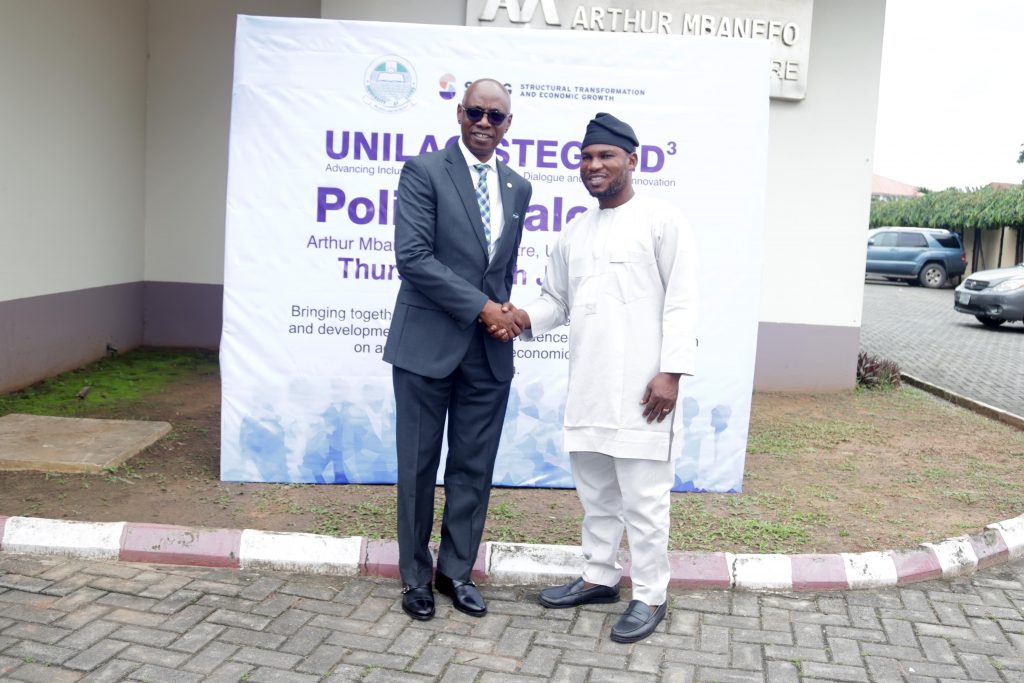
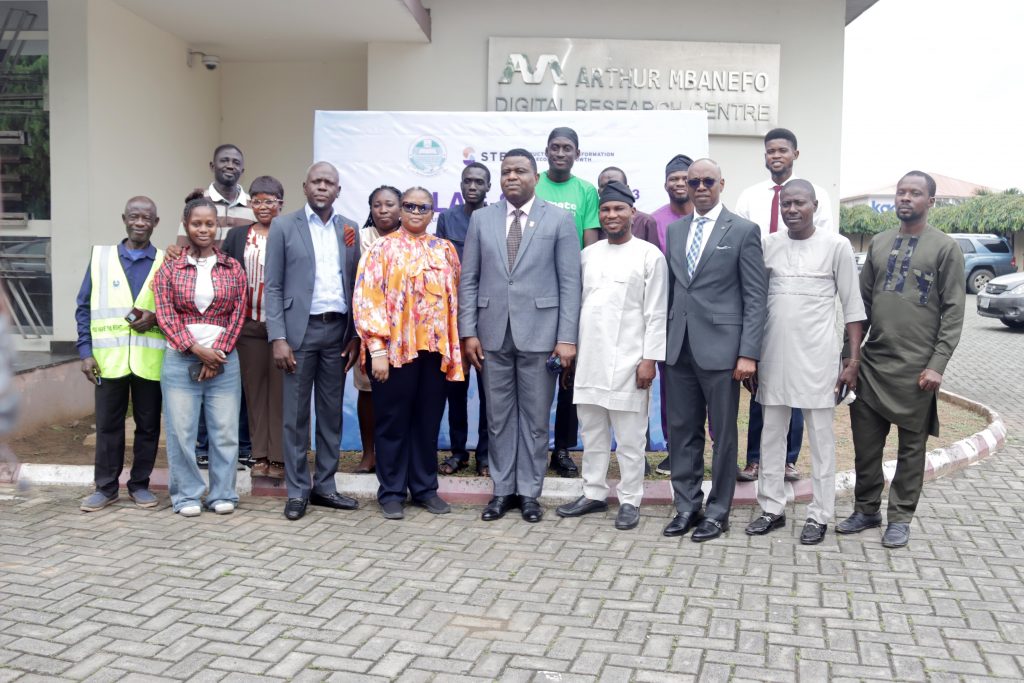
This formed the focus of the University of Lagos – Structural Transformation and Economic Growth (UNILAG-STEG) Policy Dialogue, held on Thursday, July 30, 2026, at the Arthur Mbanefo Digital Research Centre (AMDRC).
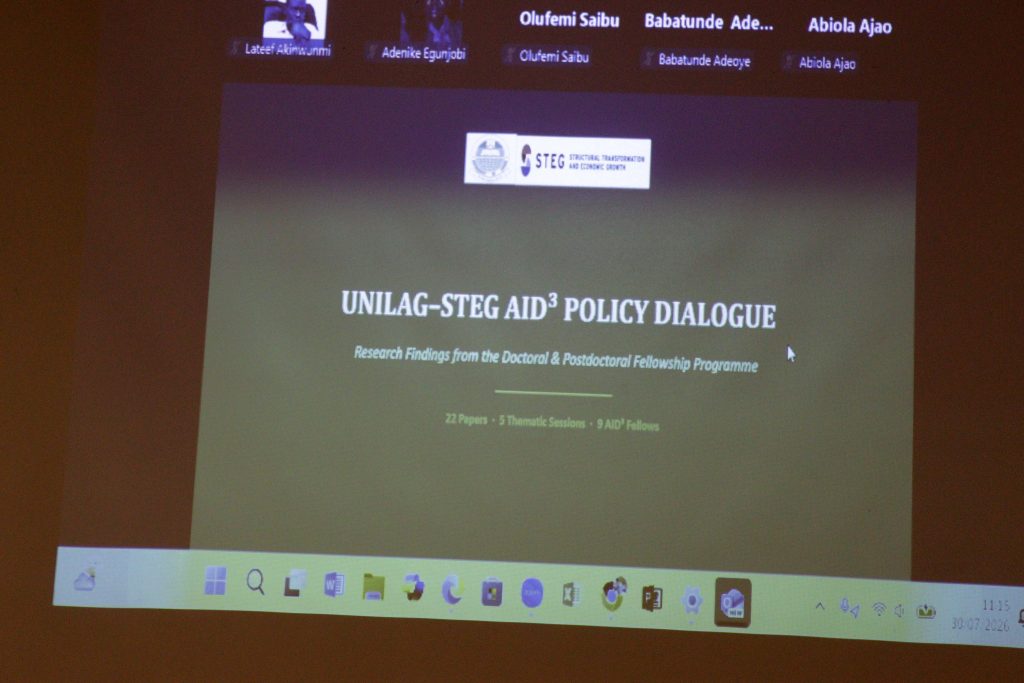
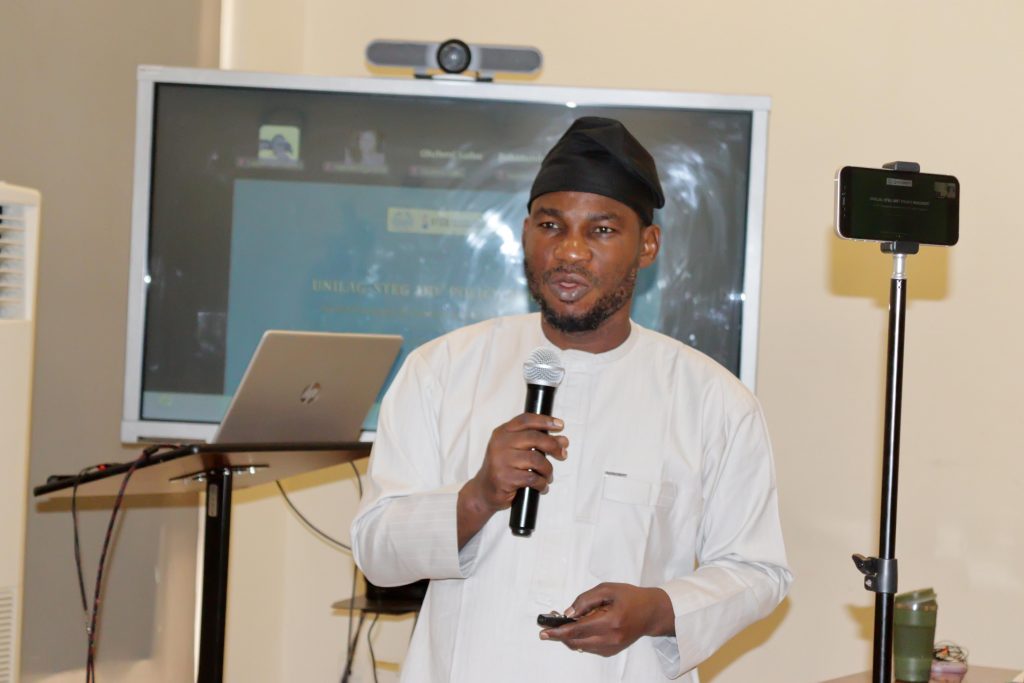
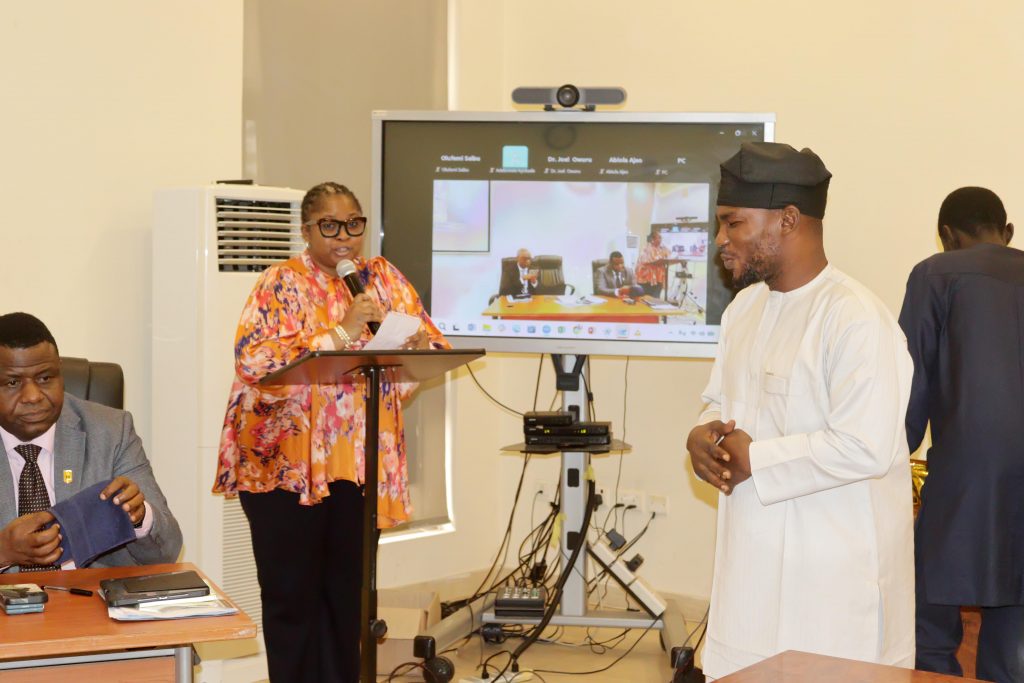
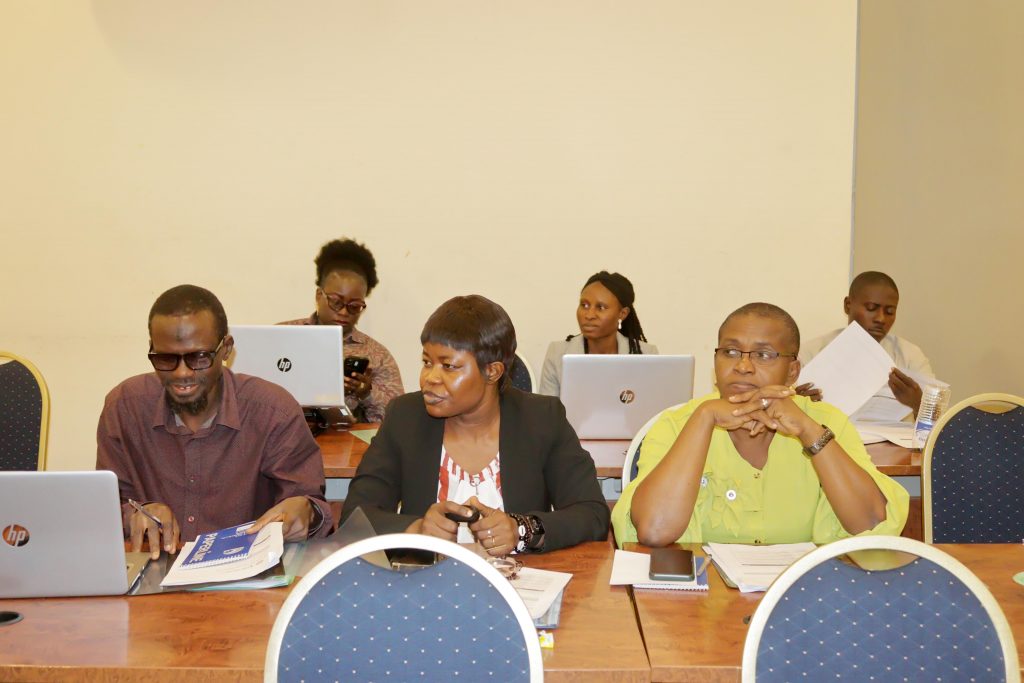
The dialogue, themed “Advancing Inclusive Growth through Data, Dialogue and Doctoral Innovation,” brought together policymakers, researchers, industry leaders, and development partners to deliberate on practical, evidence-based solutions to Nigeria’s economic challenges.
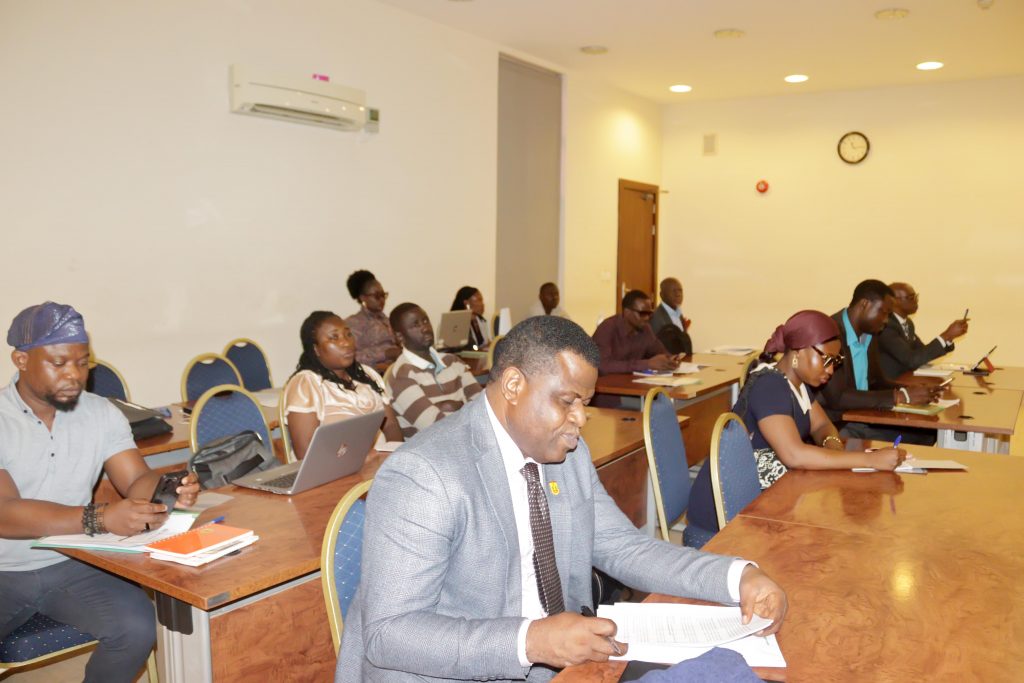
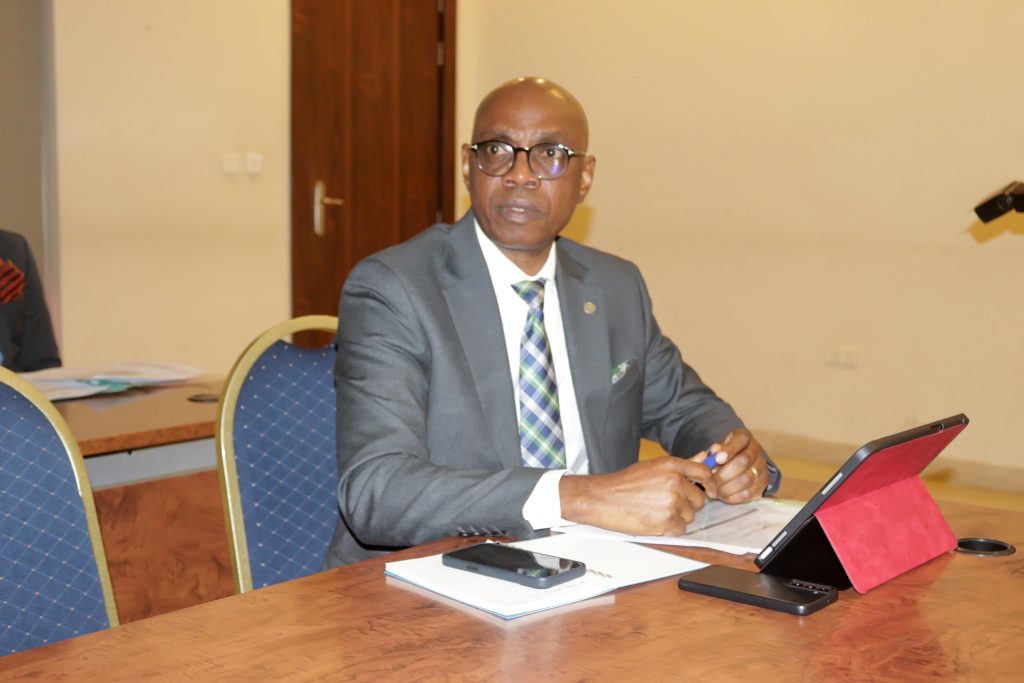
The policy dialogue is a follow-up to the UNILAG-STEG AID3 Mini Conference held in May 2026, where twenty two (22) research papers were presented across six thematic areas: Firms and Industrial Policy; Labour Markets and Households; Technological Change; State Capacity and Governance; Data and Measurement; and Climate, Energy and Sustainability.
Speaking at the event, the Principal Investigator of the UNILAG-STEG Project, Professor Olufemi Saibu, explained that the dialogue was designed to subject the project’s research findings and policy recommendations to critical review by policymakers and industry stakeholders, with a view to refining them for greater relevance and practical application.
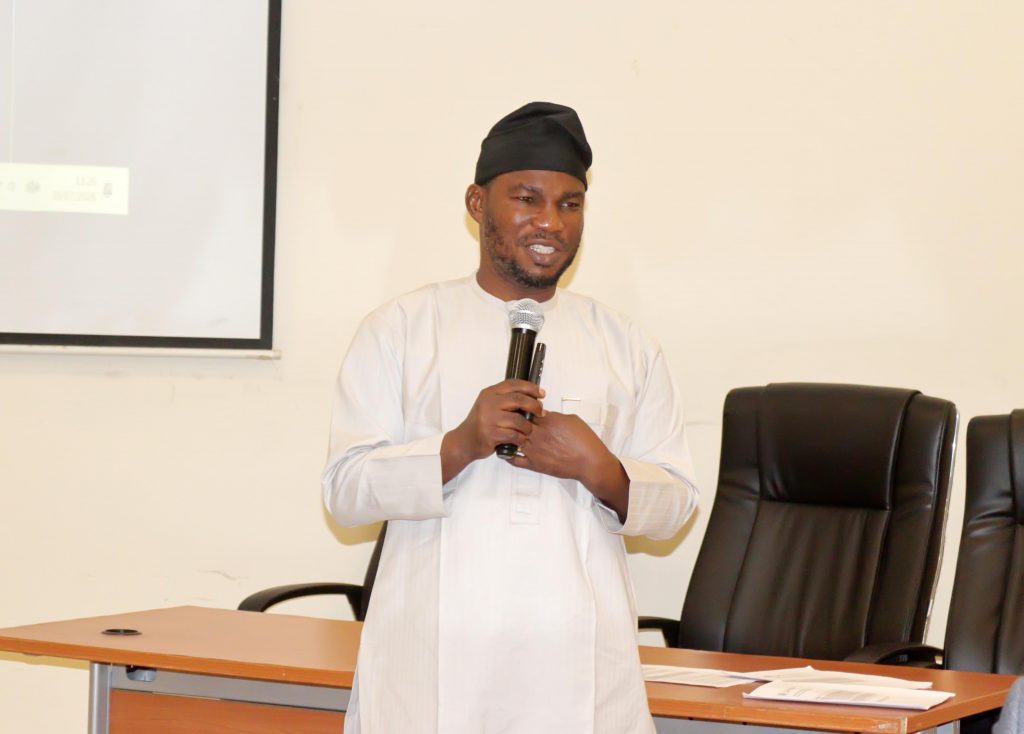
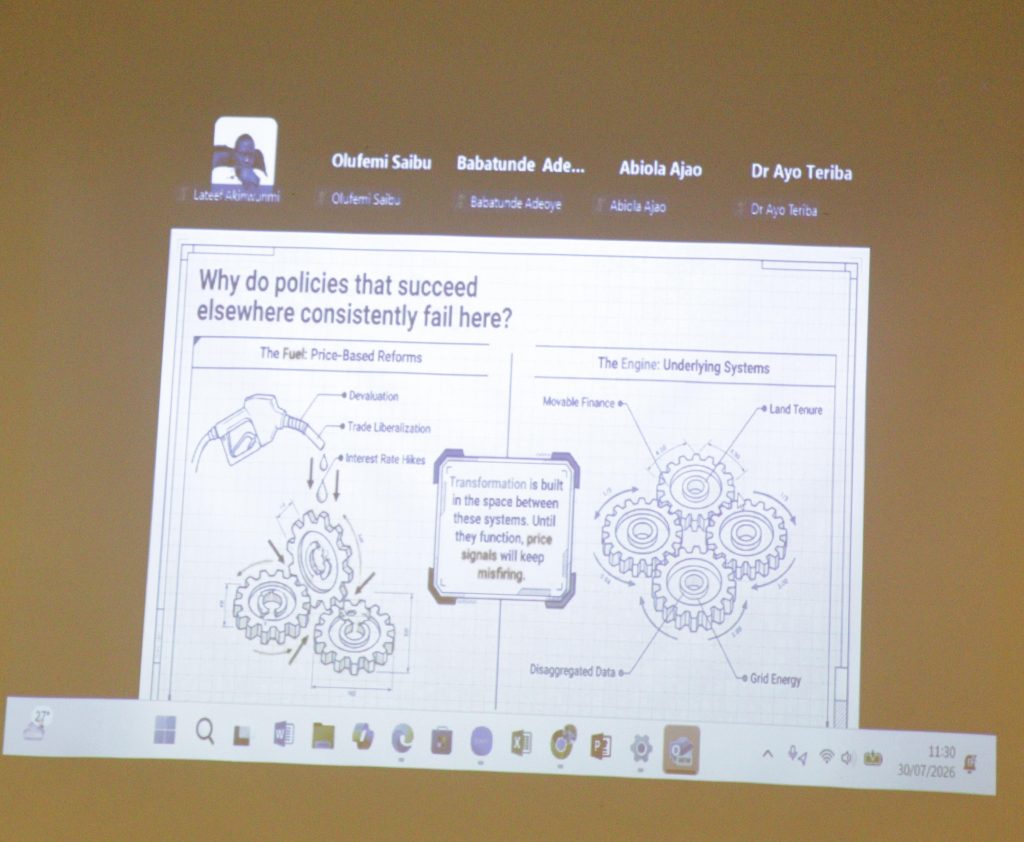
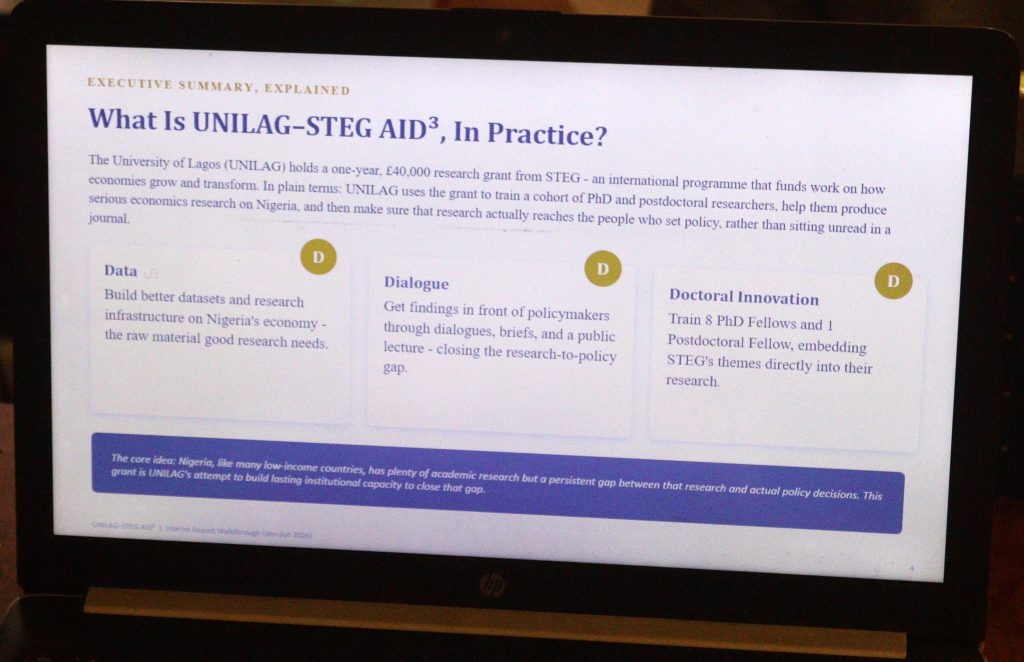
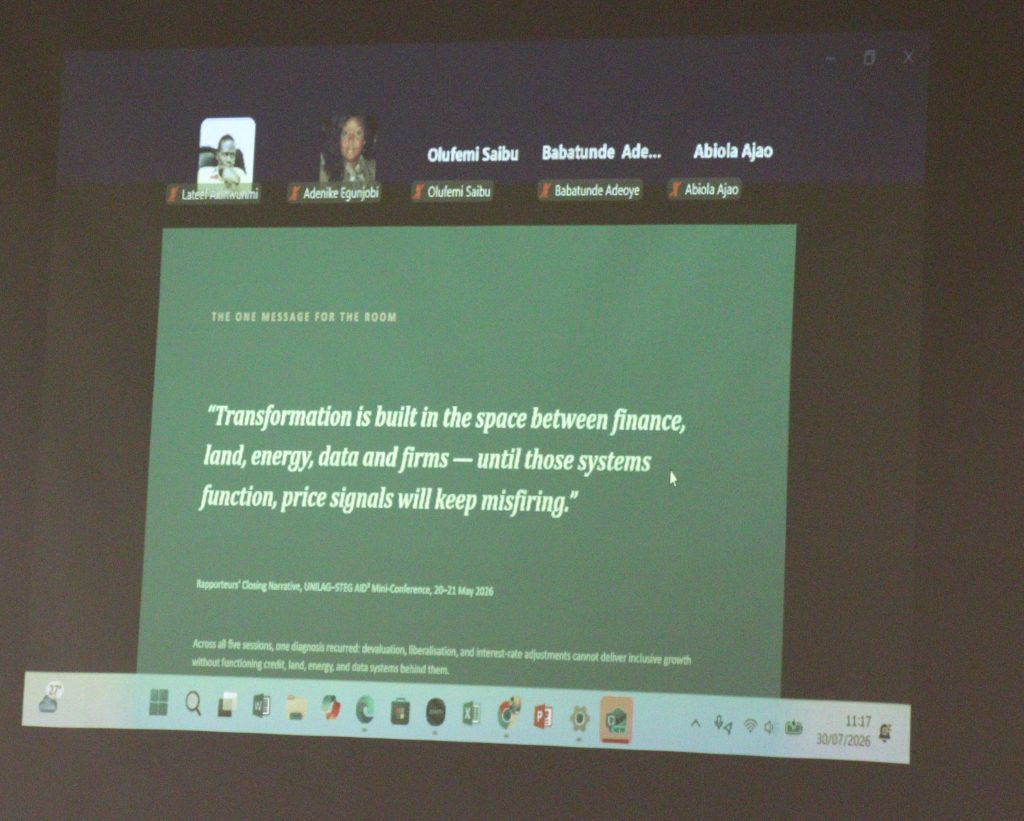
Professor Saibu, who also heads the Quality Assurance and SERVICOM Unit of UNILAG, expressed concern over the persistent gap between policy formulation and implementation in Nigeria. He noted that while governments often develop sound policies, weak implementation continues to undermine their intended developmental impact.
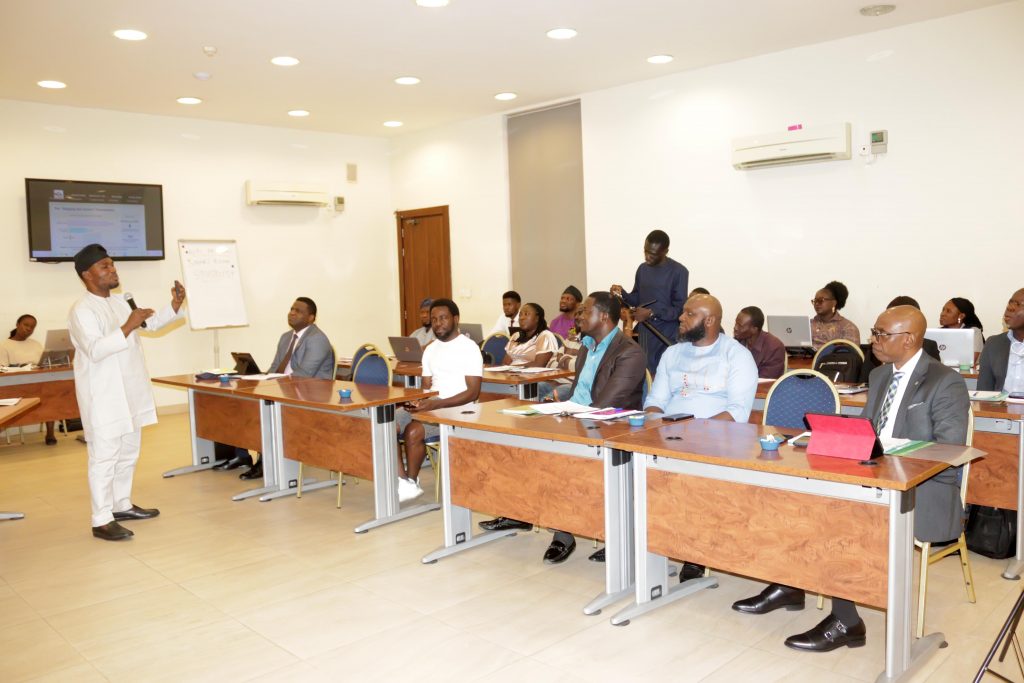
Drawing from the STEG research findings, the Professor of Development Economics highlighted four key structural challenges confronting the Nigerian economy:
- Economic growth that has failed to generate sufficient employment opportunities;
- Limited fiscal gains despite economic diversification efforts;
- Weak financial and credit systems for enterprise development; and
- The vulnerability of the domestic economy to external shocks.
Professor Saibu advocated stronger collaboration between academia and industry through the establishment of joint research clusters. He called on private sector organizations to provide greater support for developmental research, while urging researchers to produce more contemporary, solution-oriented studies capable of addressing Nigeria’s pressing socio-economic challenges.
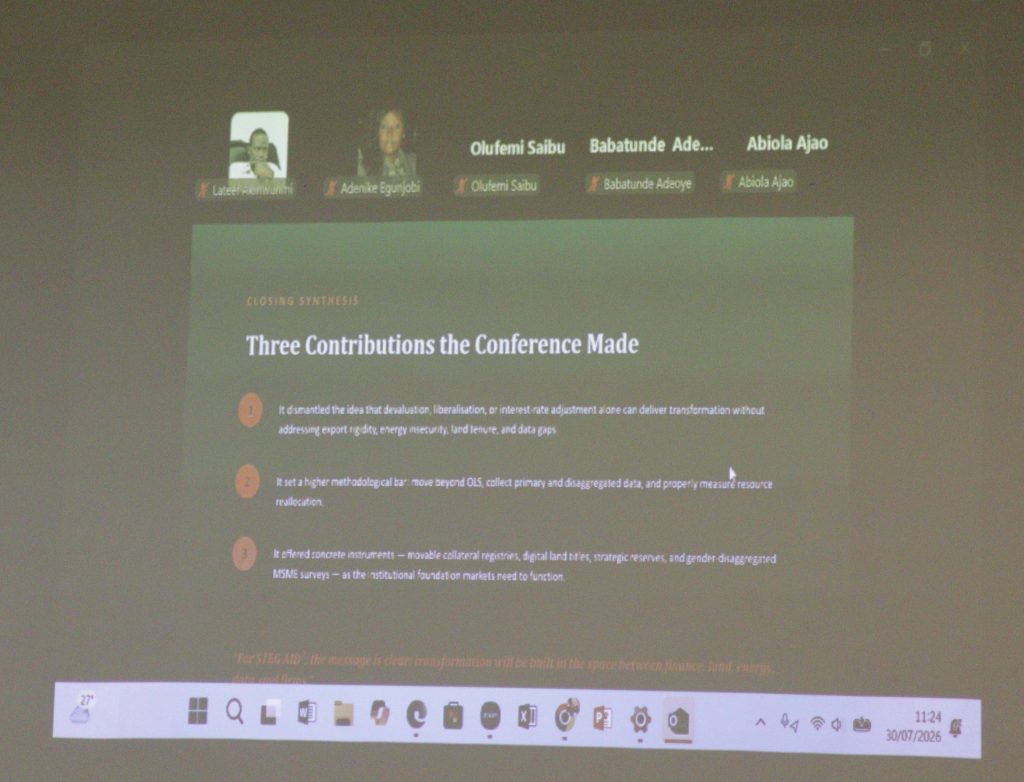
The dialogue also featured a panel discussion involving Mr. Henry Shofowora, Faculty Member and Representative of the Secretary-General, International Chamber of Commerce; Dr. Olusegun Osidipe, Director of Research and Economic Policy, Manufacturers Association of Nigeria; and Dr. Ayo Teriba, Vice Chairman, Ministerial Advisory Committee, Federal Ministry of Finance, who joined virtually.
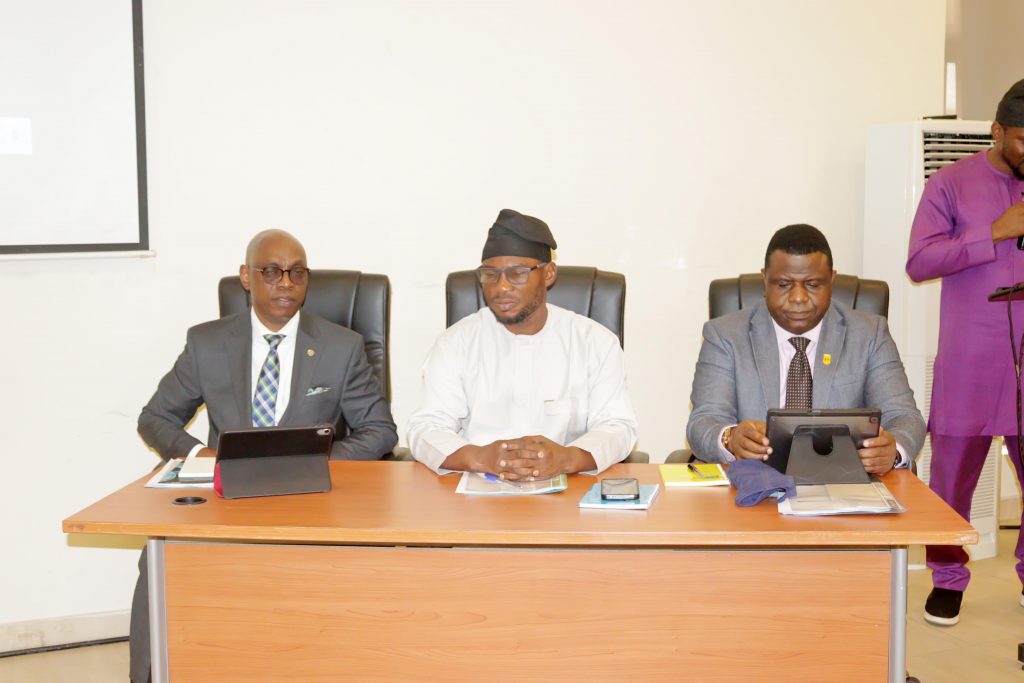
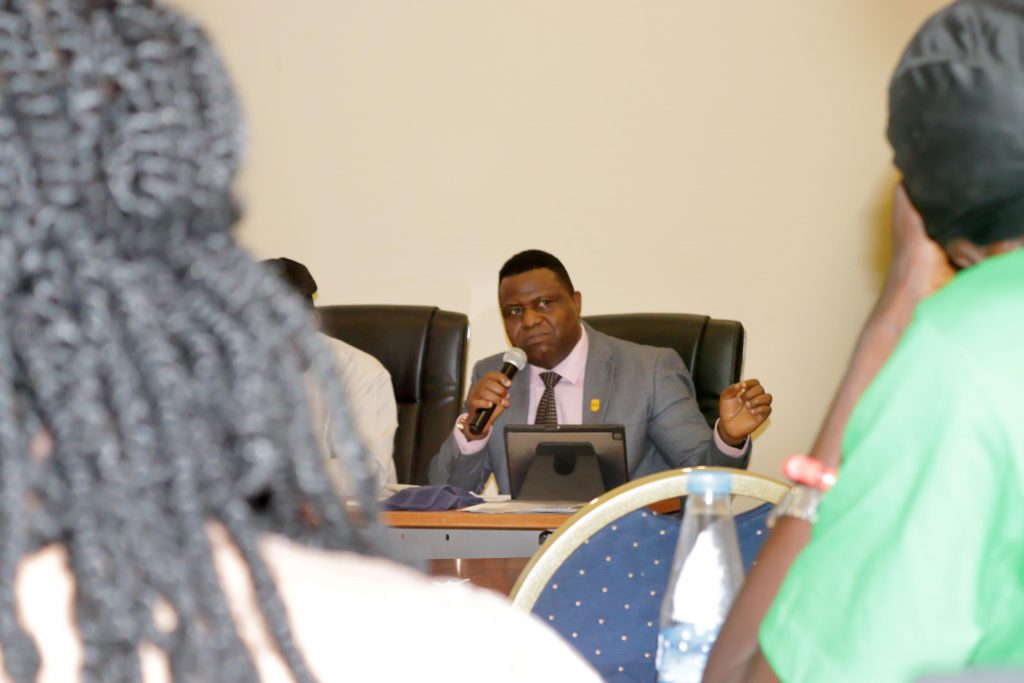
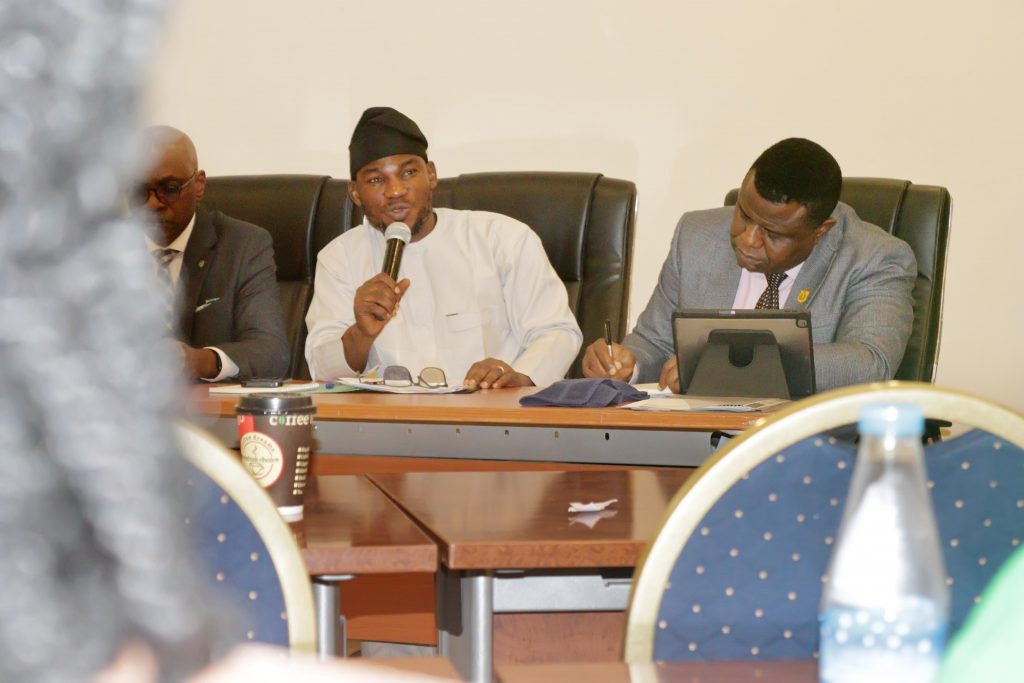
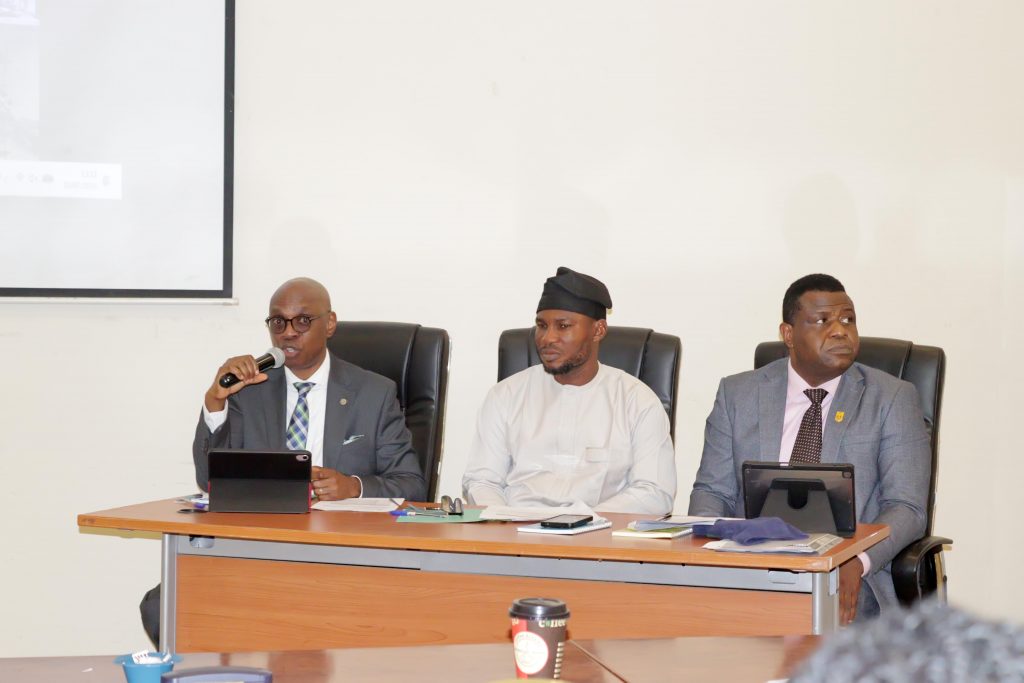
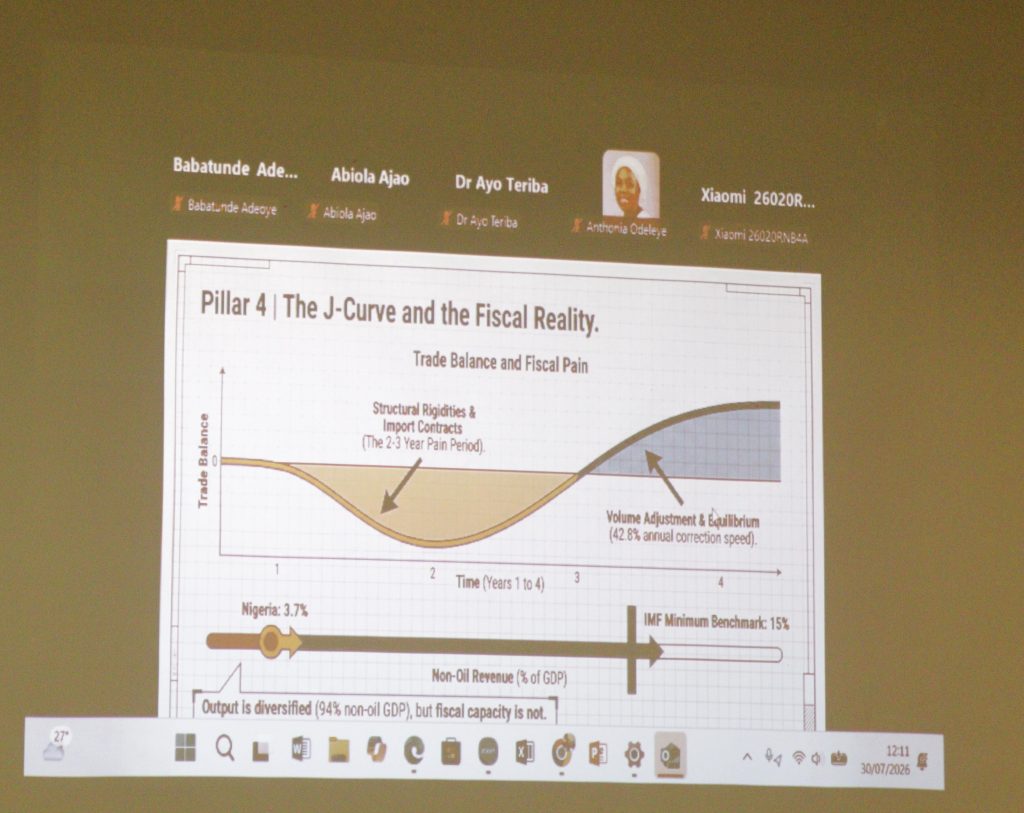
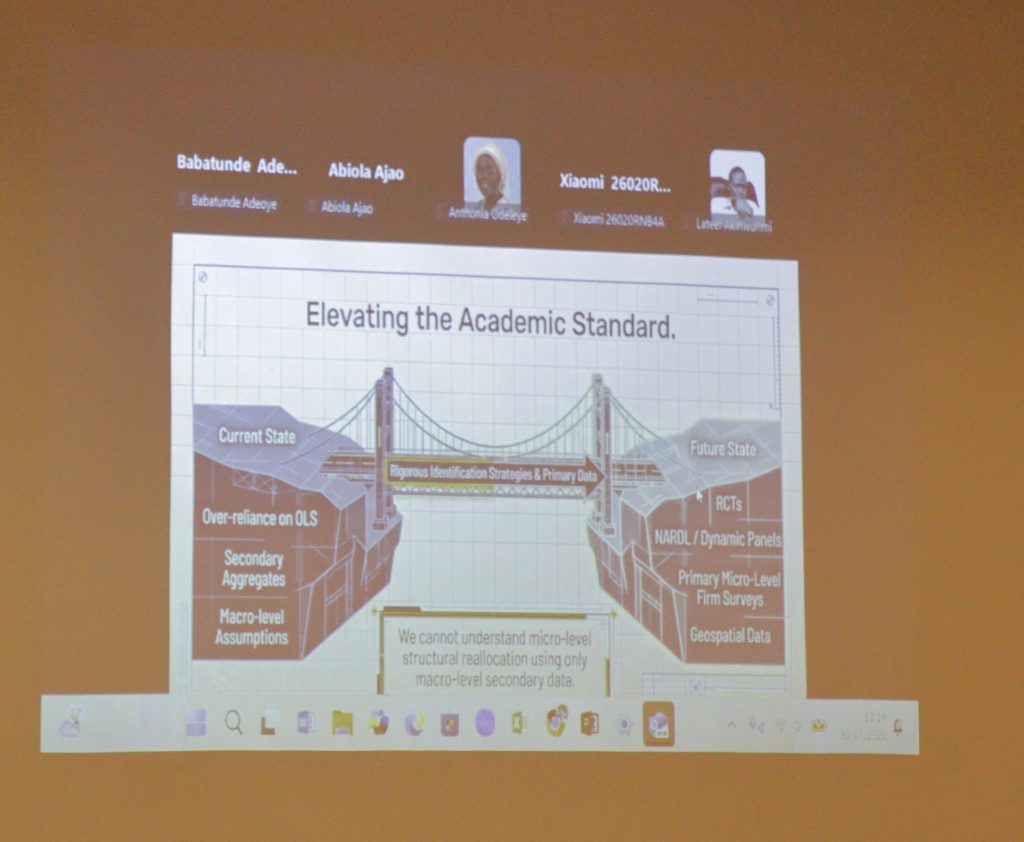
The panel critically examined six key policy recommendations emerging from the STEG research:
- Repositioning SMEs as instruments of industrial policy rather than welfare programmes;
- Aligning exchange-rate policies with industrial capacity;
- Reforming land tenure systems to support industrial development;
- Establishing robust digital transformation frameworks for financial services;
- Integrating energy resilience and infrastructure into national planning; and
- Strengthening the collection and use of urban and gender-disaggregated data for policy making.
Contributions from panel members highlighted the importance of policy consistency, diligent implementation, and sustained national commitment as essential ingredients for translating research evidence into measurable economic transformation.
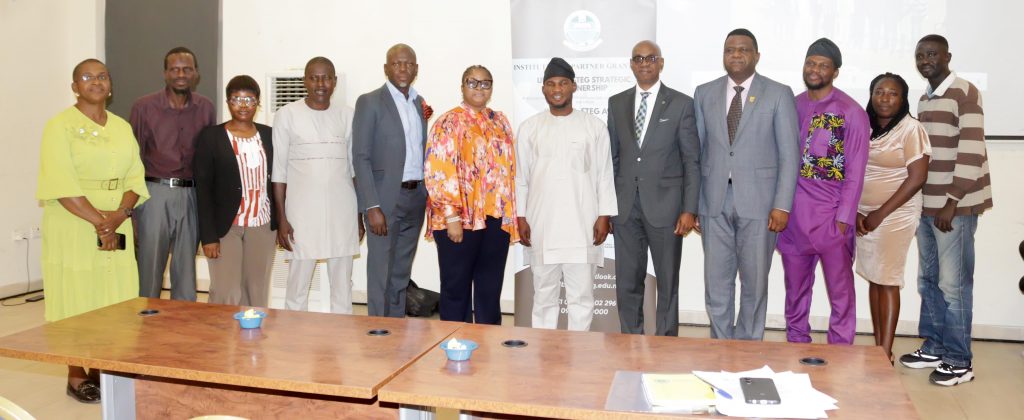
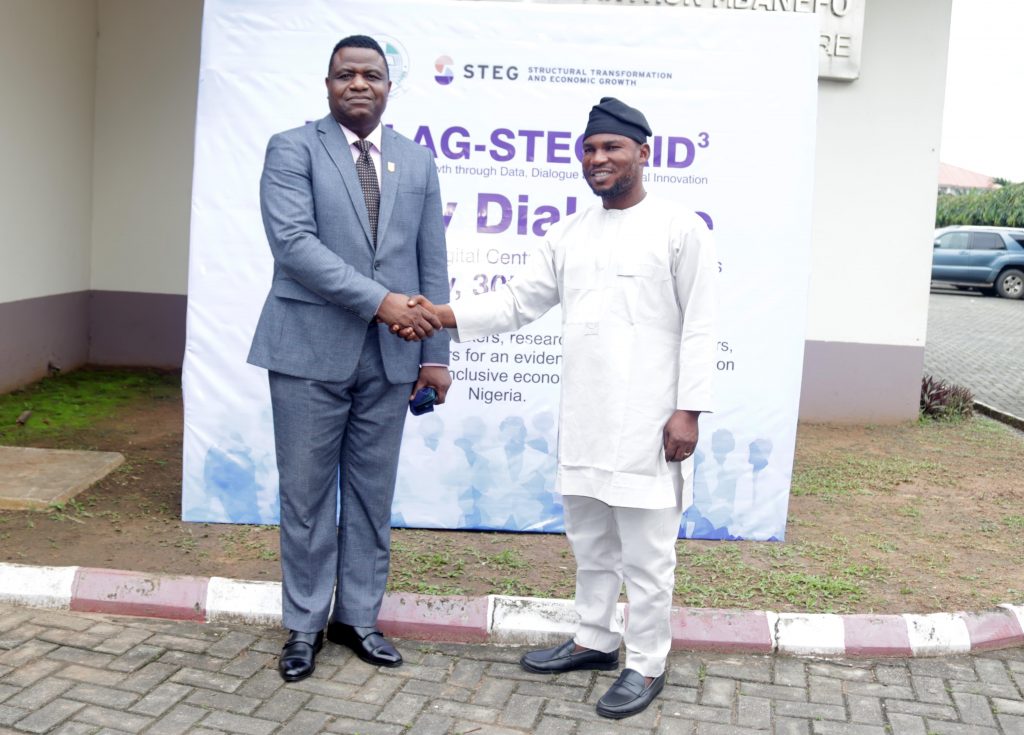
The UNILAG-STEG Policy Dialogue reaffirmed the University of Lagos’ commitment to producing policy-relevant research and fostering strategic partnerships that contribute to evidence-based decision-making, inclusive economic growth, and sustainable national development.
Report: Gbenga Gbelee
Photograph: Islamiat Akanni