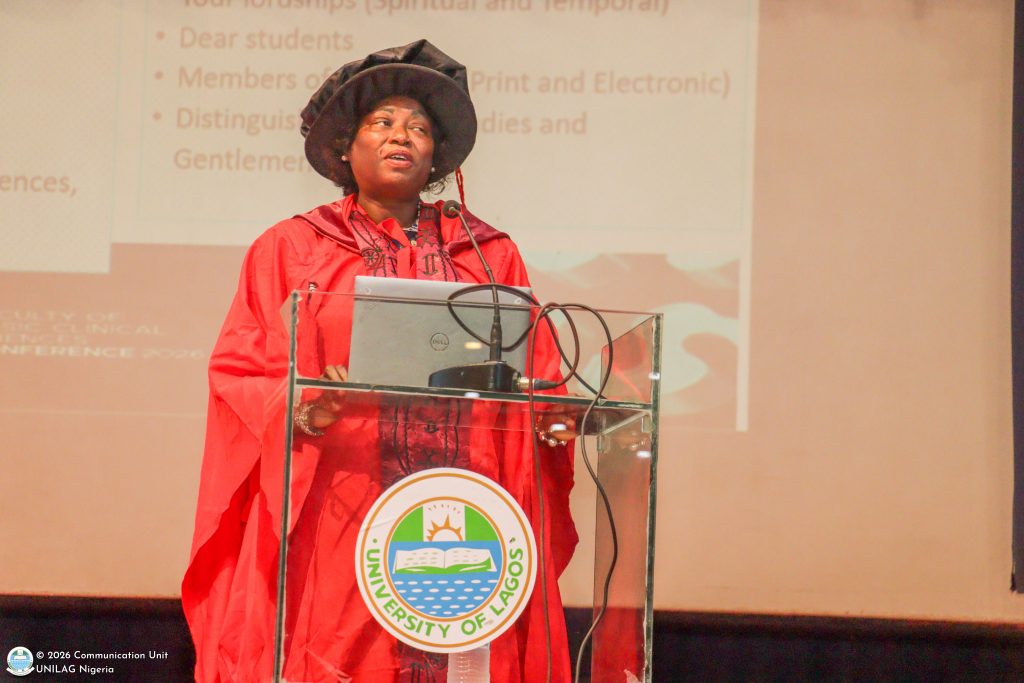
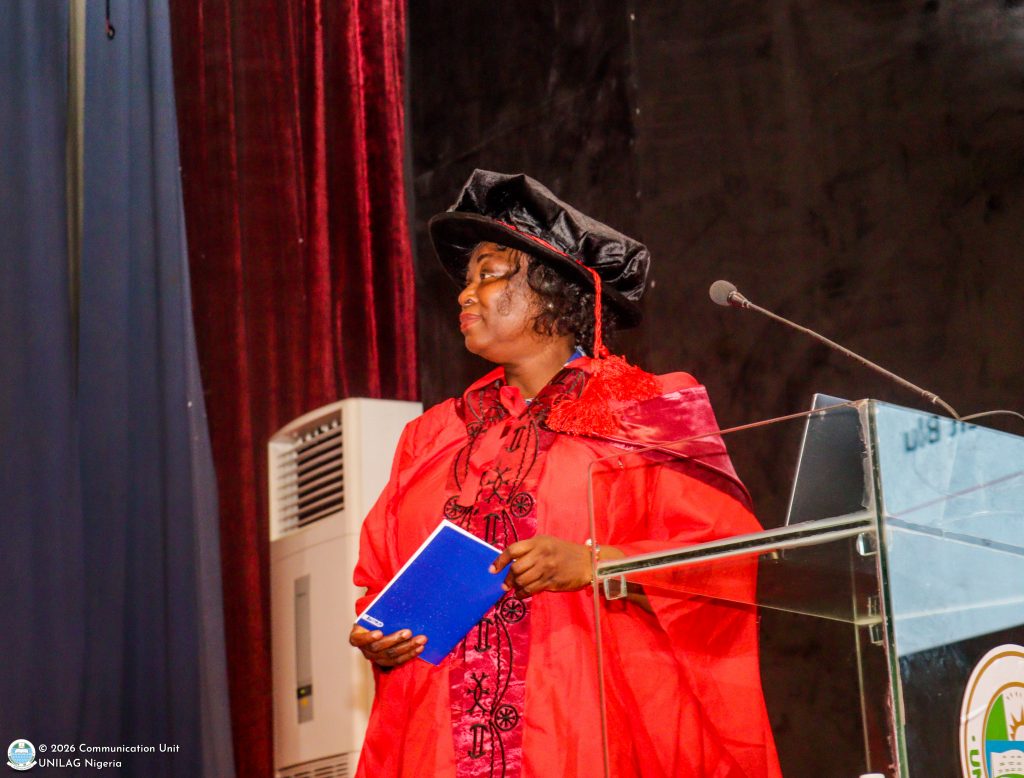
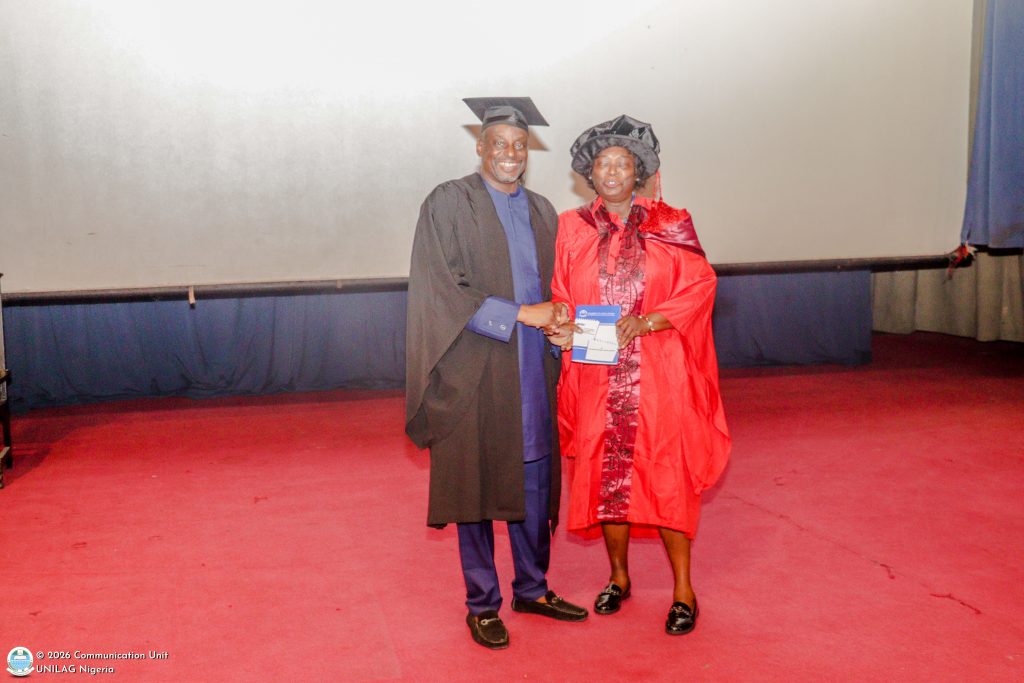
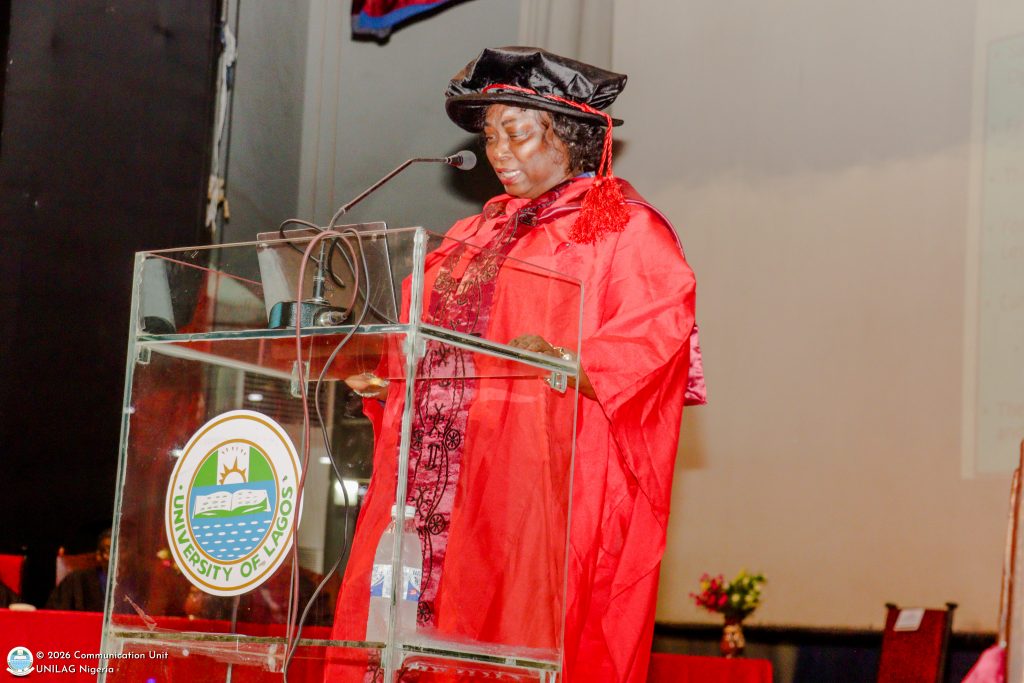
Professor Oyinlola Oduyebo’s contributions to the fight against Antimicrobial Resistance (AMR) took centre stage during her inaugural lecture titled, “Preserving and Safeguarding the Weapons of Our Warfare Against Unseen Enemies: Diary of an Antibiotic Guardian.”
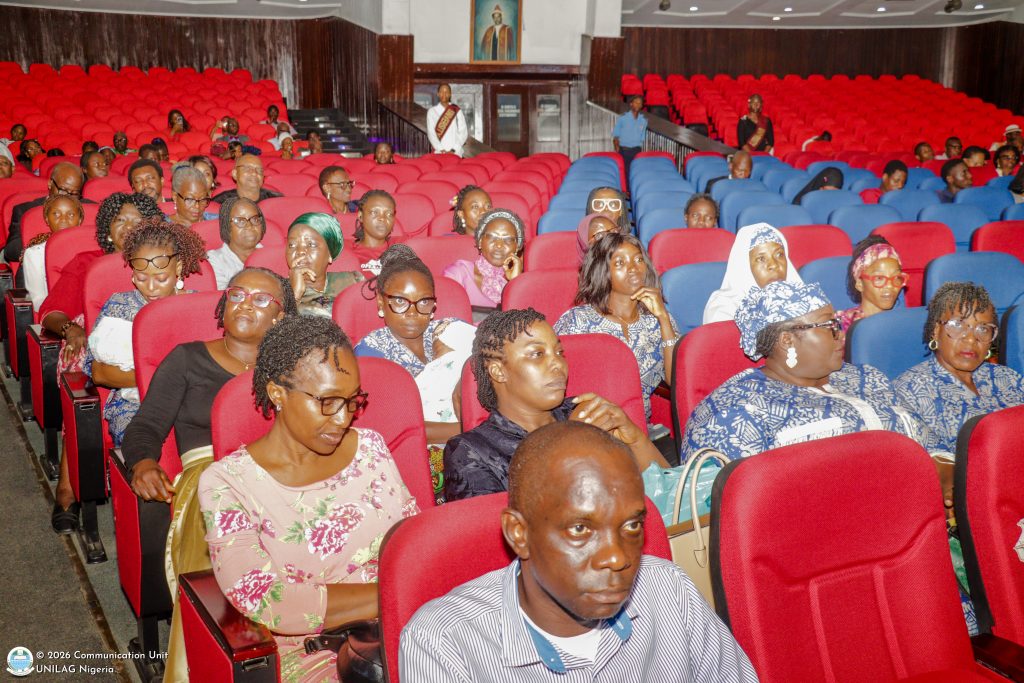
Delivered on Wednesday, June 17, 2026, at the J.F. Ade. Ajayi (Main) Auditorium of the University of Lagos (UNILAG), the lecture is the sixteenth (16th) in the University’s 2025/2026 Academic Session. The lecture showcased decades of research, advocacy, capacity building, and policy interventions that have strengthened antimicrobial stewardship in Nigeria and influenced global efforts to combat antibiotic resistance.
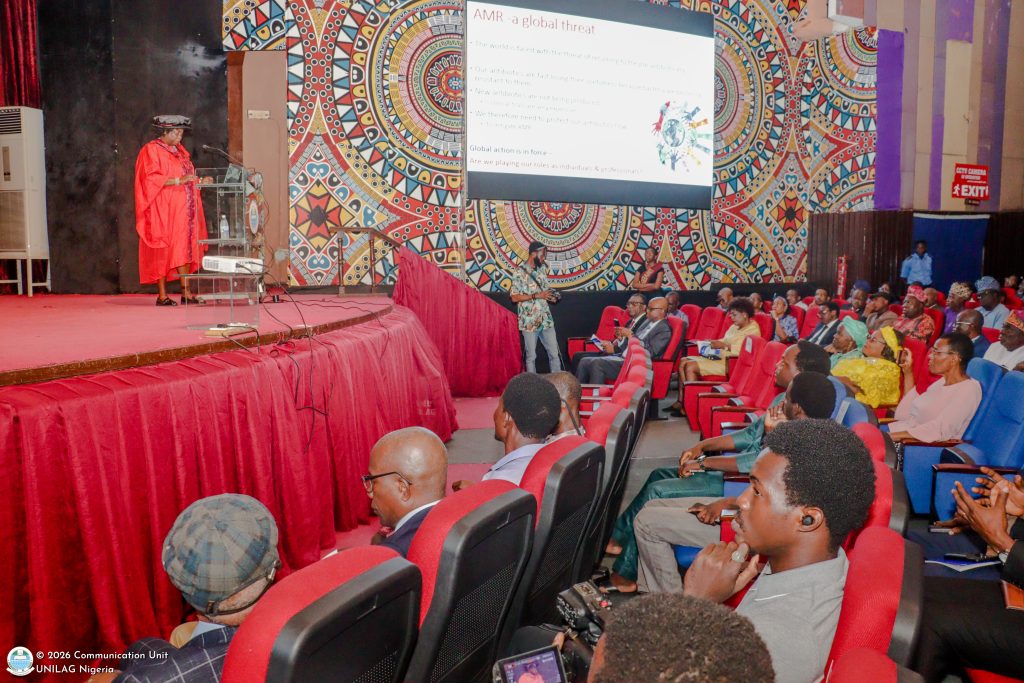

Professor Oduyebo highlighted findings from her research, which confirmed high rates of antibiotic resistance among common disease-causing organisms and underscored the growing threat posed by the misuse and overuse of antibiotics. According to her, the findings reinforce the need for stricter control of antibiotic use and improved prescribing practices.
Drawing on annual surveys conducted by the Antimicrobial Stewardship (AMS) Committee at the Lagos University Teaching Hospital (LUTH), established by her team in 2013, the inaugural lecturer identified widespread over-prescription of antibiotics, poor prescribing practices, under-utilisation of clinical microbiology laboratories, and the absence of treatment guidelines. She noted that these findings informed the development of an antibiotic policy statement for healthcare professionals in Nigeria.
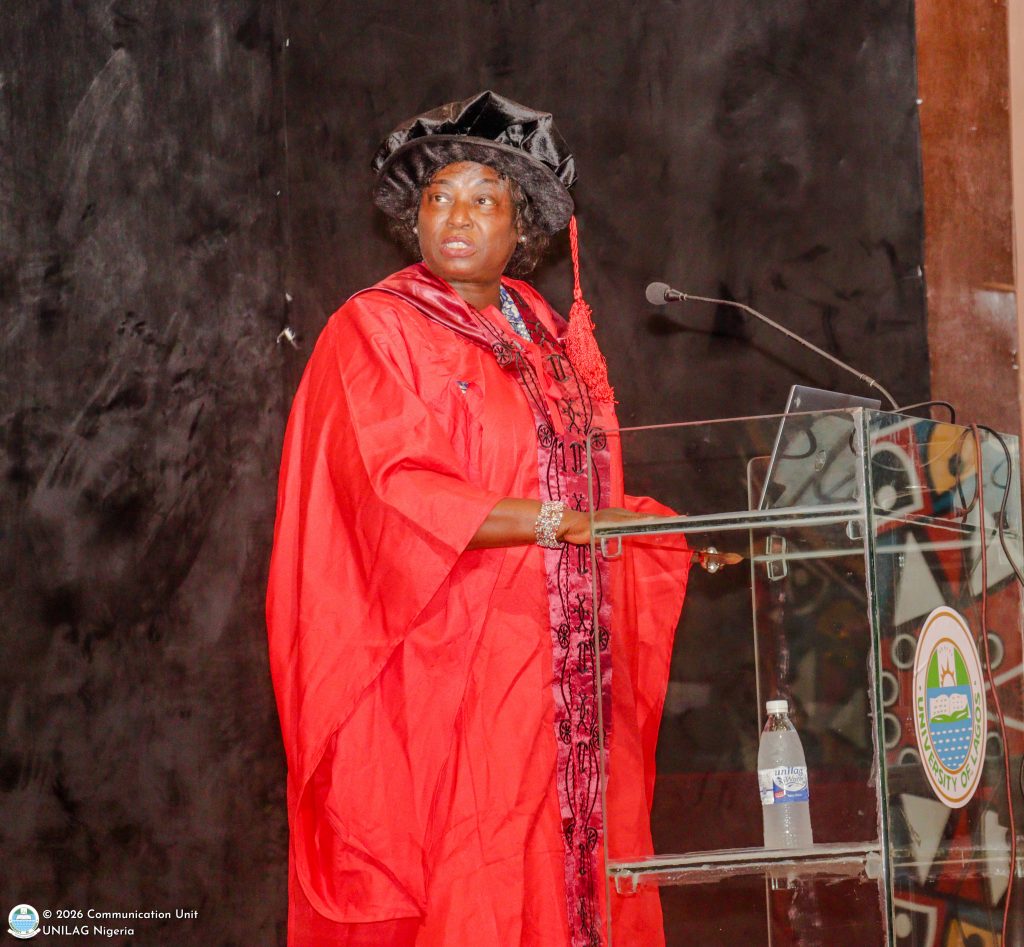
Highlighting the impact of antimicrobial stewardship programmes, Professor Oduyebo emphasised that their recommendations can be effectively implemented in low- and middle-income countries despite resource constraints.
She also referenced the Global Point Prevalence Survey (Global-PPS) framework, through which her team reduced antimicrobial prescribing rates at LUTH from 80 per cent in 2015 to less than 40 per cent in 2019.
The Professor of Clinical Microbiology further revealed that her team’s research across four Nigerian teaching hospitals found that only half of prescribed antibiotics were appropriate, underscoring the need for improved prescribing practices nationwide.
Professor Oduyebo also shared findings from a 2019 investigation into surgical antibiotic prophylaxis practices across 18 Nigerian hospitals. The study revealed the unavailability of cefazolin, the internationally recommended antibiotic for many surgical procedures. According to her, the findings prompted LUTH to begin importing the drug, resulting in improved antibiotic use for caesarean sections and other clean-contaminated surgeries.
The study further revealed excessive use of antibiotics classified under the World Health Organization’s Watch category, prompting calls for policy reforms and stakeholder action to encourage more responsible prescribing practices.
To extend antimicrobial stewardship beyond hospital settings, Professor Oduyebo and her collaborators developed the first freely accessible web-based Global-PPS tool for monitoring antimicrobial prescribing patterns in outpatient care. She explained that the platform enables standardised data collection, validation, and real-time reporting for healthcare institutions worldwide.

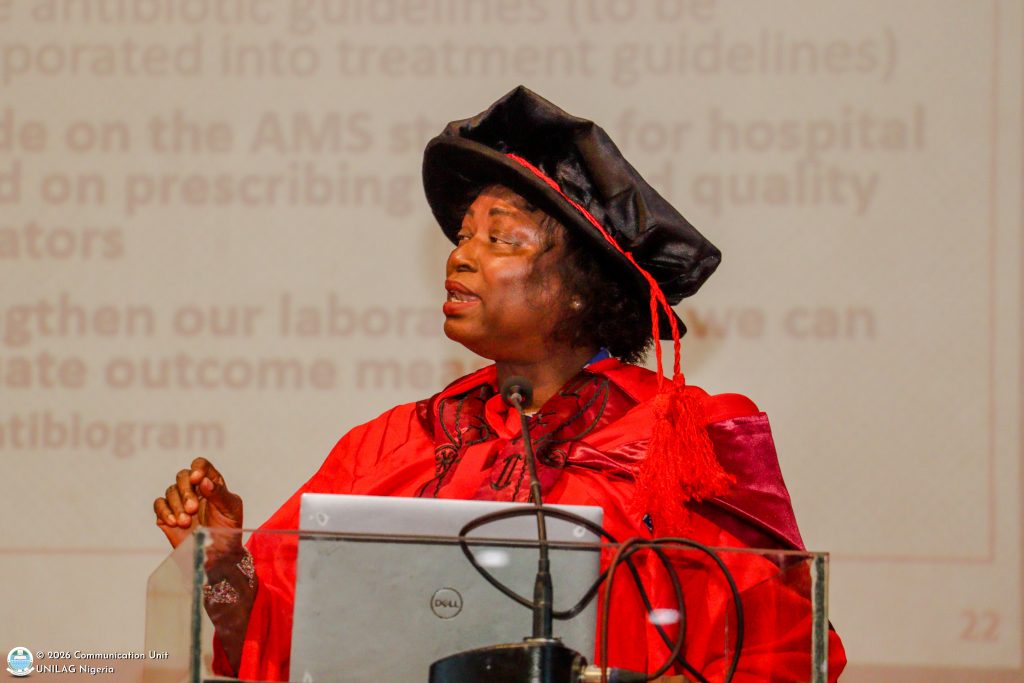
Beyond research, the lecture highlighted Professor Oduyebo’s contributions to strengthening the capacity of healthcare professionals and supporting the institutionalisation of antimicrobial stewardship programmes across healthcare facilities. At LUTH, she mentored five healthcare facilities in Lagos State and helped position the hospital as the first in Africa to attain accreditation under the Global Antimicrobial Stewardship Accreditation Scheme (GAMSAS) of the British Society for Antimicrobial Chemotherapy in 2023.
Professor Oduyebo also led the development of Africa’s first Antimicrobial Stewardship Massive Open Online Course (MOOC), a collaborative initiative involving LUTH; College of Medicine, University of Lagos; University of Dundee; British Society for Antimicrobial Chemotherapy and Infection Control Africa Network.
The UNILAG four hundred and sixty second Inaugural Lecturer made several recommendations to preserve and safeguard the weapons of warfare against unseen enemies. These include:
- the integration of Antimicrobial Resistance (AMR) and Antimicrobial Stewardship (AMS) into undergraduate curricula to equip future healthcare professionals with global best practices,
- high-level policy engagement to encourage greater utilisation of diagnostic laboratories,
- increased research into the health and economic impacts of AMR, and
- Improved access to essential antimicrobials in Nigeria.


About the Inaugural Lecturer
Professor Oyinlola Omoniyi Oduyebo was born on August 2, 1963, in Lagos, Nigeria. An indigene of Sagamu, Ogun State, she attended St. Jude’s Primary School, Ebute-Metta, Lagos; Remo Divisional High School, Sabo, Sagamu, where she obtained her O-Level Certificate; and Federal Government College, Odogbolu, for her A-Level Certificate.
She attended the University of Lagos (UNILAG), where she obtained her Bachelor of Medicine, Bachelor of Surgery (MBBS) degree and a Master’s degree in Medical Microbiology. She completed a five-year residency training programme at Lagos University Teaching Hospital (LUTH), which led to the award of the Fellowship of the West African College of Physicians (FWACP) in Laboratory Medicine in April 1998 and the Fellowship of the National Postgraduate Medical College of Nigeria (FMCPath) in October 1998.
In 2021, Professor Oduyebo was awarded the Doctor of Medicine (MD) degree by the National Postgraduate Medical College of Nigeria. She was subsequently admitted as a Fellow of the Royal College of Pathologists (FRCPath) in December 2022.
Professor Oduyebo joined the services of the University of Lagos as Lecturer I in November 1998. In December 2015, she attained the rank of Professor of Clinical Microbiology in the Department of Medical Microbiology and Parasitology, College of Medicine, UNILAG. Her research interests include Clinical Microbiology, Infection Prevention and Control, Antimicrobial Resistance, and Antimicrobial Stewardship.
With over twenty-seven years of experience teaching Medical Microbiology to medical students, nurses, and midwives, Professor Oduyebo has supervised the residency training of more than fifteen doctors, mentored numerous MSc students, graduated a PhD candidate, and currently supervises two PhD students.
Beyond the classroom, Professor Oduyebo conducted a systematic review on the effects of antibiotics on bacterial vaginosis, which attracted international attention. The findings were subsequently used for Continuing Medical Education (CME) on Medscape, a leading online medical education platform. Her research has also contributed significantly to educating healthcare professionals on rational antibiotic use and effective infection prevention and control practices. Notably, her expertise supported infection control efforts during the Ebola Virus Disease outbreak in Nigeria in 2014 and the COVID-19 pandemic in 2020–2021.
In addition to her academic and research activities, Professor Oduyebo serves as an Honorary Consultant at Lagos University Teaching Hospital (LUTH), where she chairs both the Antimicrobial Stewardship Programme and the Infection Control Programme. She also played a key role in establishing and supervising the laboratory for the Phase III clinical trial of Cellulose Sulphate, a microbicide, in Lagos.




Professor Oduyebo has served as an External Examiner to the University of Benin, University of Ibadan, Obafemi Awolowo University, and Babcock University. She is the Coordinator of the National Working Group on Antimicrobial Stewardship in Nigeria, Vice President of the Clinical Microbiology and Infectious Diseases Society of Nigeria, and Secretary of the Nigeria Society for Infection Control. In collaboration with the British Society for Antimicrobial Chemotherapy and the Infection Control Africa Network, she led the development of the three-week FutureLearn Massive Open Online Course (MOOC) titled “Antimicrobial Stewardship for Africa.”
Professor Oduyebo serves as a reviewer for several scholarly journals, including the Journal of the Nigerian Infection Control Association, Nigerian Journal of Health and Biomedical Sciences, Nigerian Journal of Hospital Practice, Nigerian Medical Practitioner, and Journal of Clinical Sciences.
She has authored and co-authored over one hundred and five (105) publications, primarily in the fields of Clinical Microbiology, Antimicrobial Resistance, and Antimicrobial Stewardship. Her work has been widely presented at national and international conferences, seminars, and workshops.
Professor Oyinlola Oduyebo is married and blessed with two children.



Report: Gbenga Gbelee
Photograph: Michael Joshua