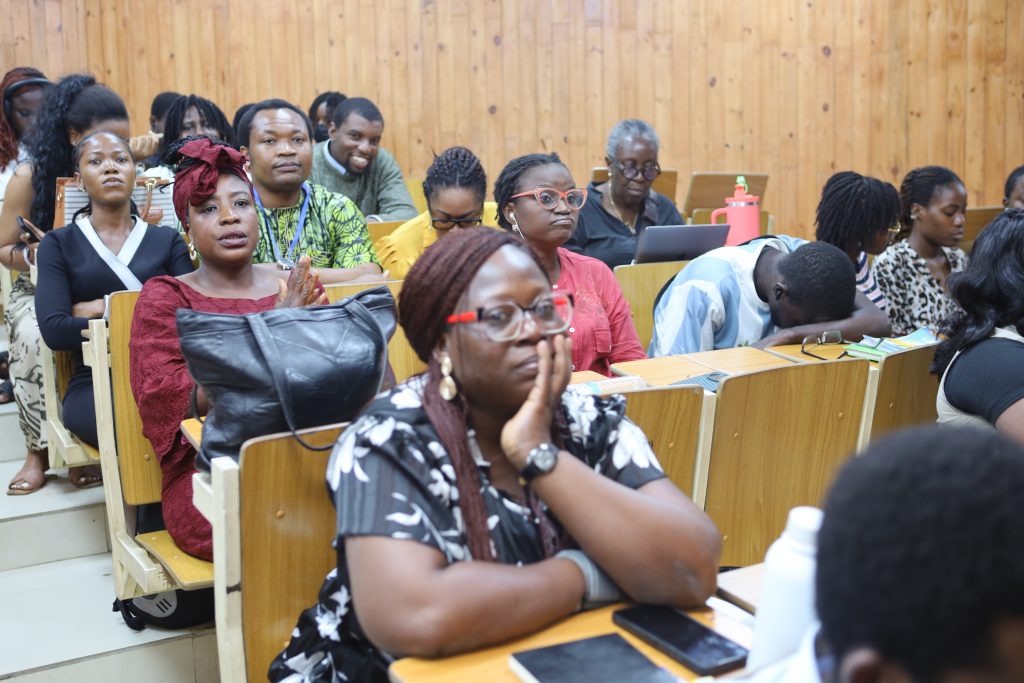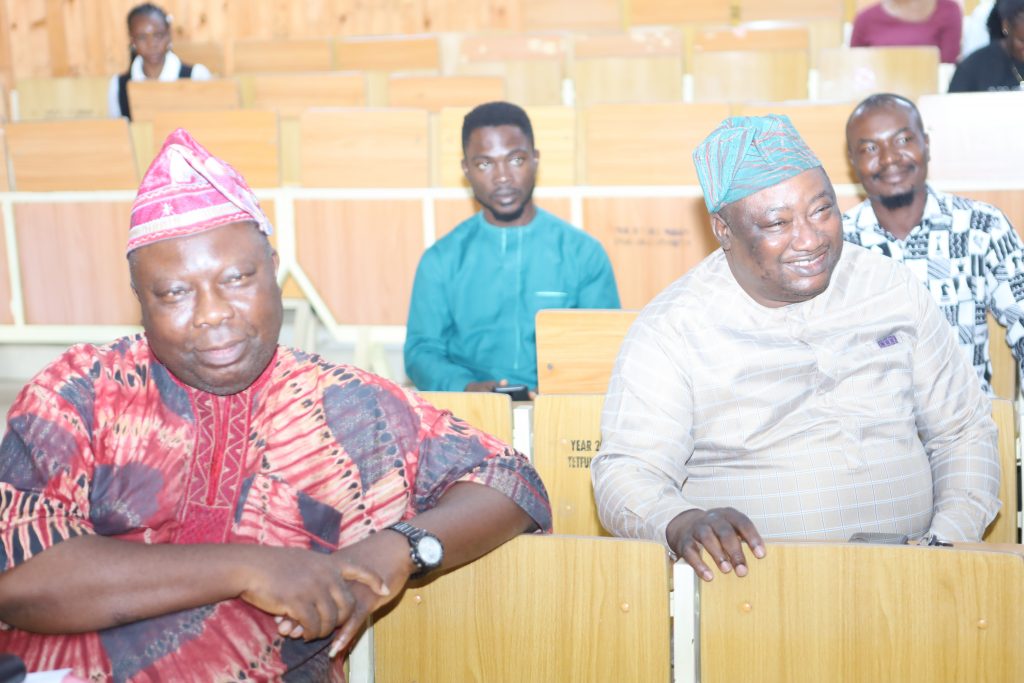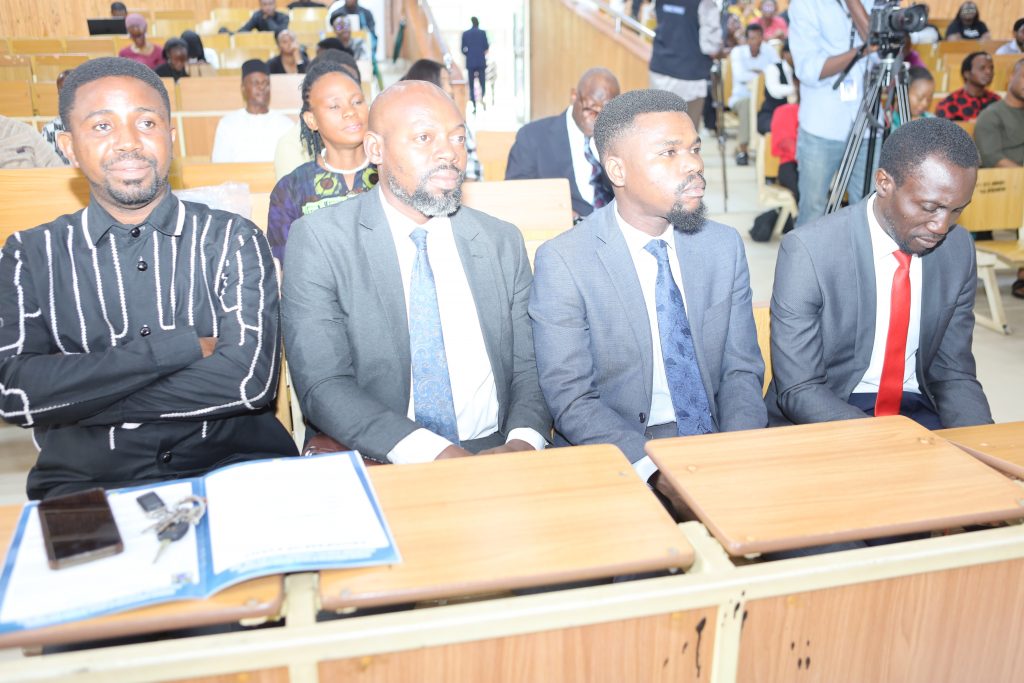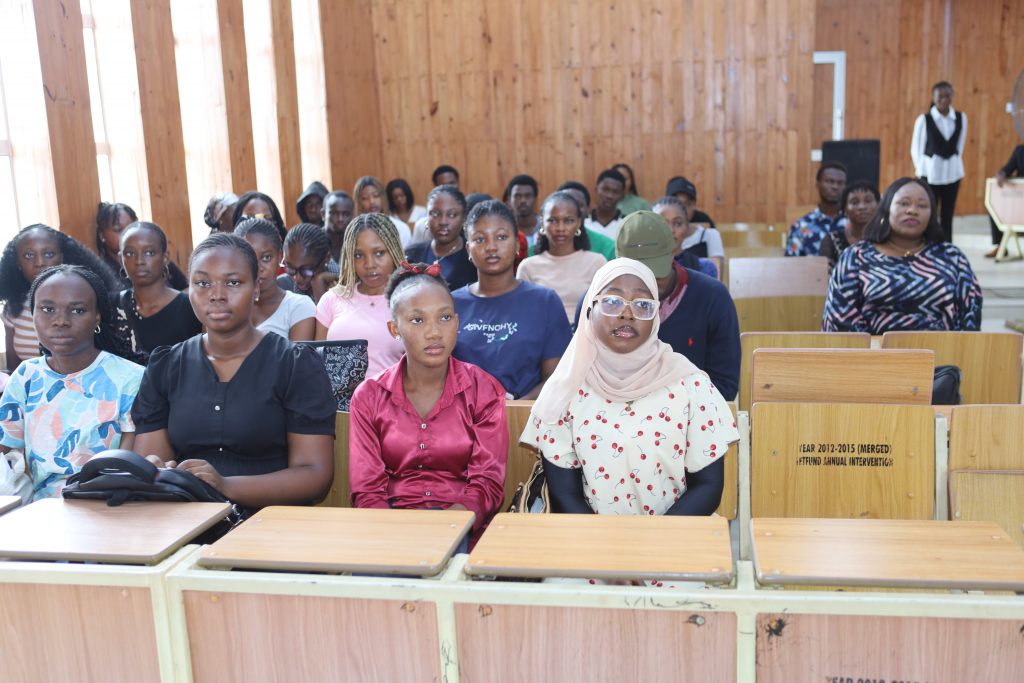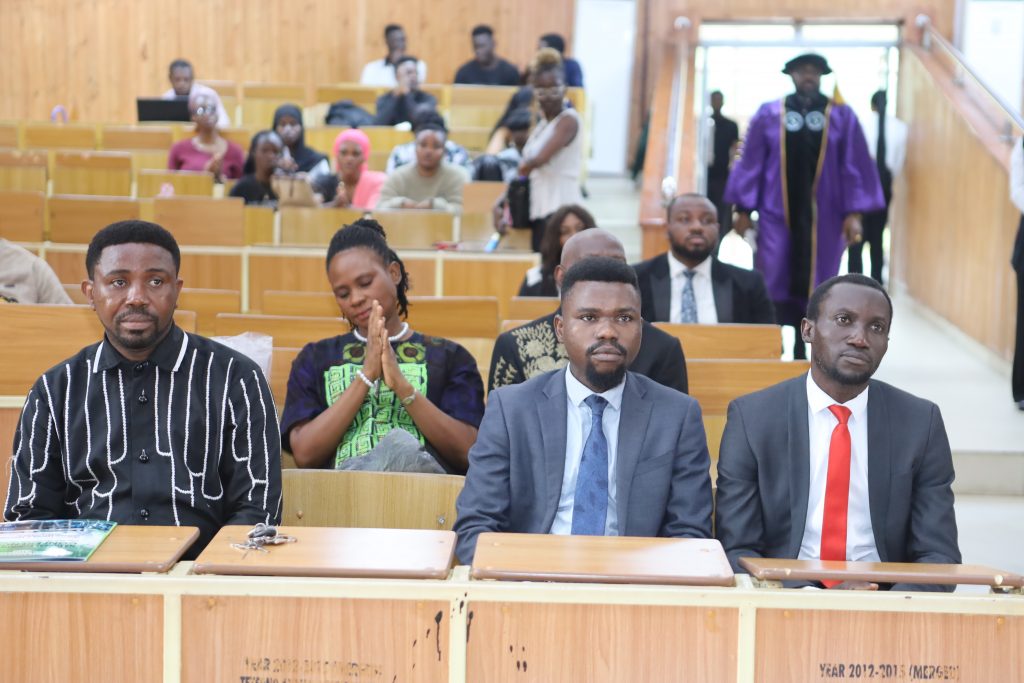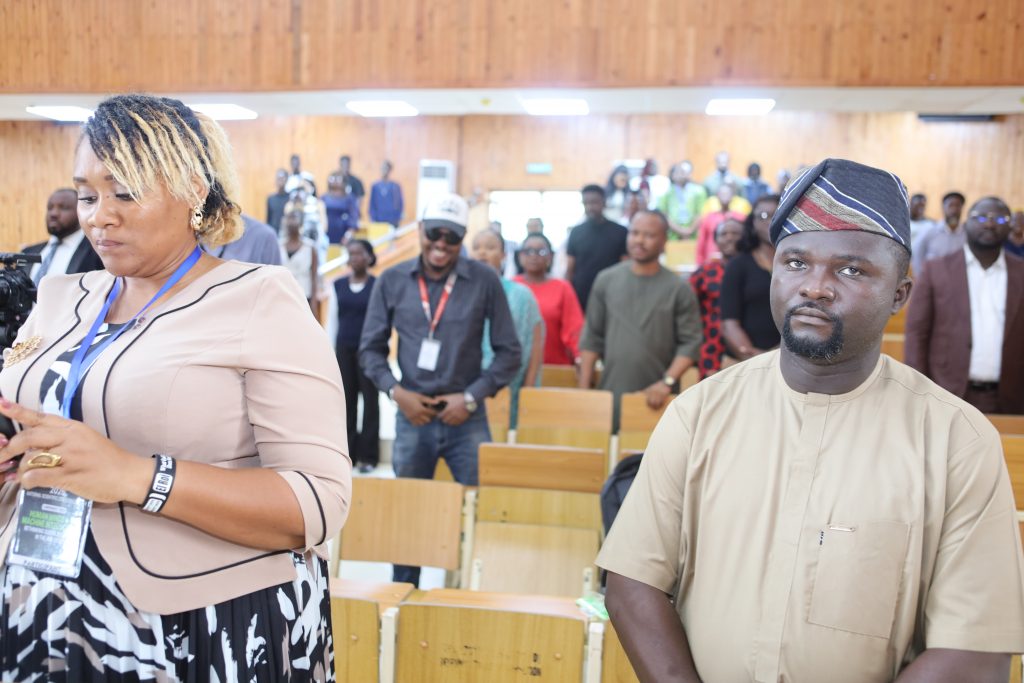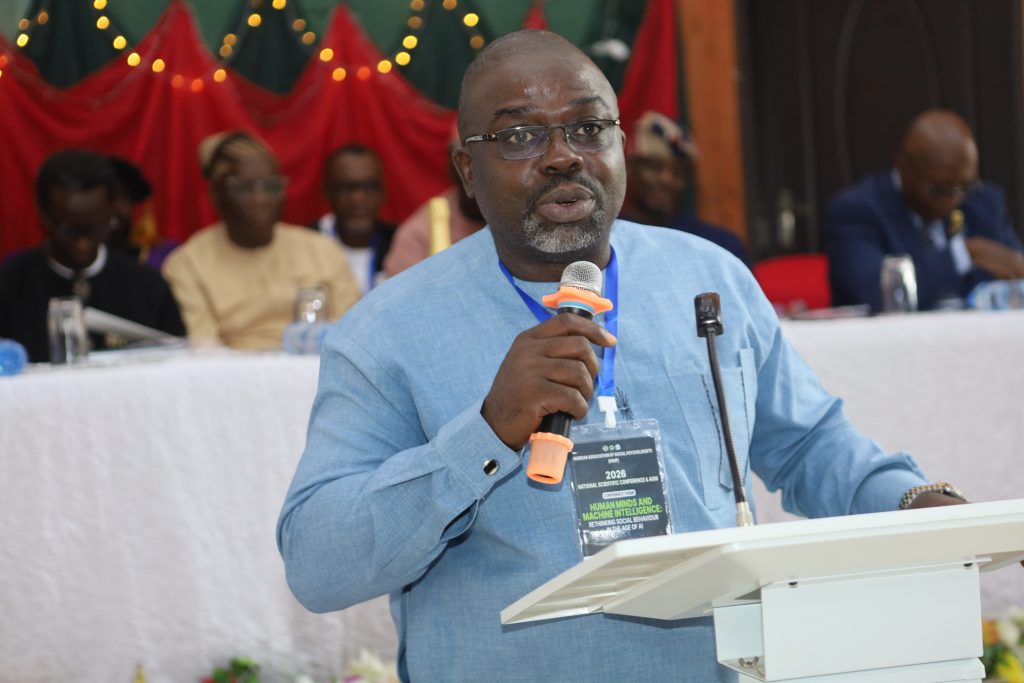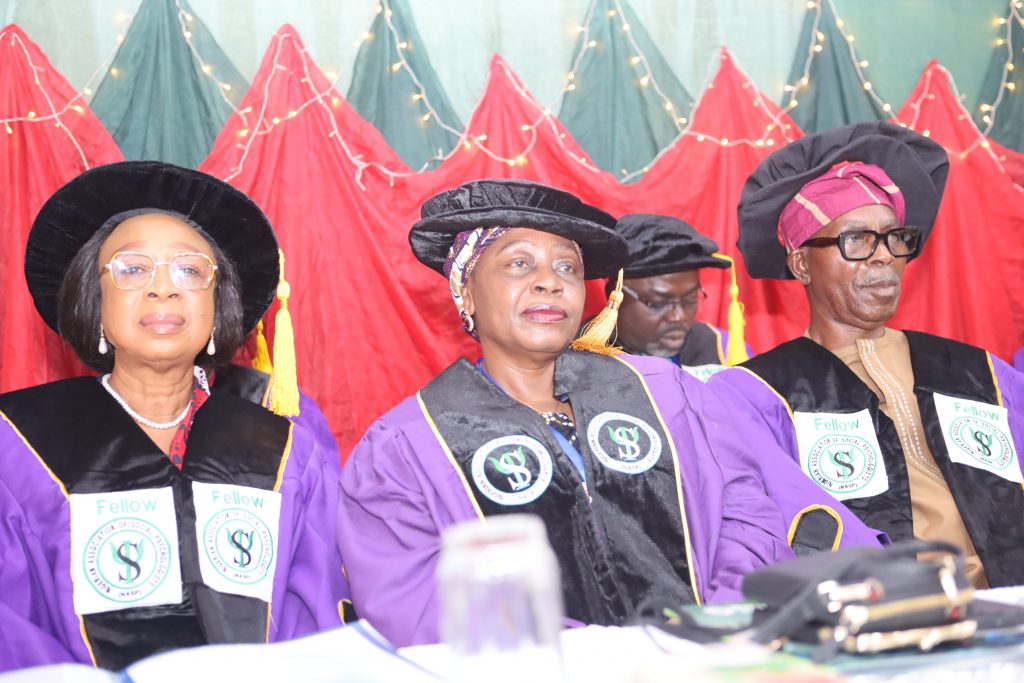
Stakeholders at the 2026 National Scientific Conference and Annual General Meeting of the Nigerian Association of Social Psychologists (NASP) have called for the responsible adoption of artificial intelligence (AI), emphasising the need for technological advancement to remain grounded in human values, ethical accountability, social inclusion and cultural realities.
The call featured prominently in discussions at the conference opening on Wednesday, June 17, 2026, as scholars, policymakers, researchers and technology experts examined the growing impact of artificial intelligence on social behaviour, governance, trust, identity formation and community life.
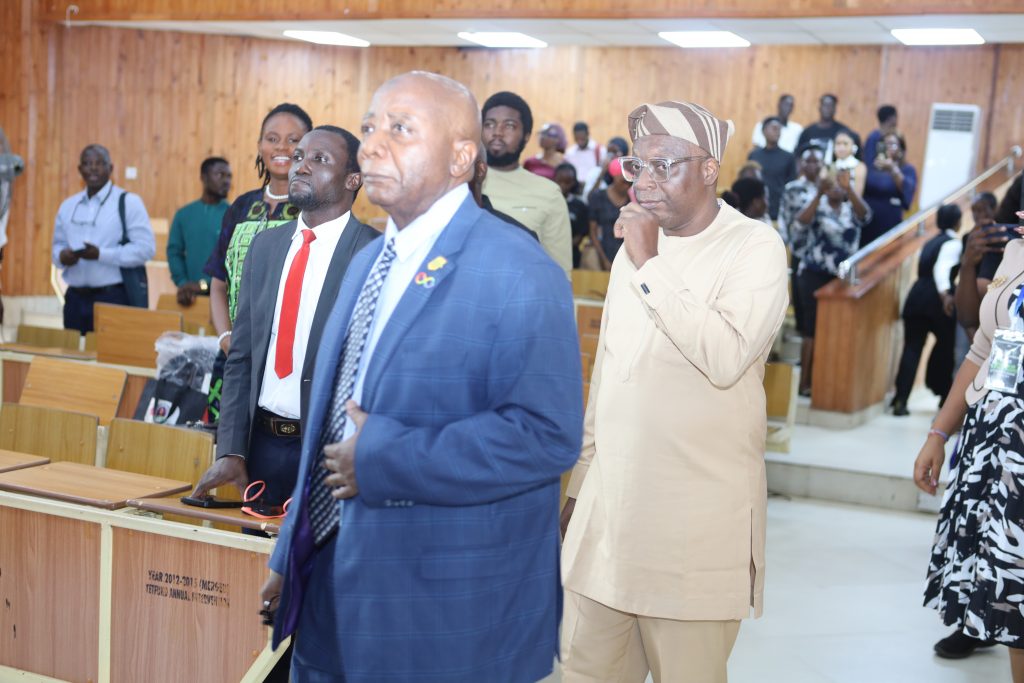
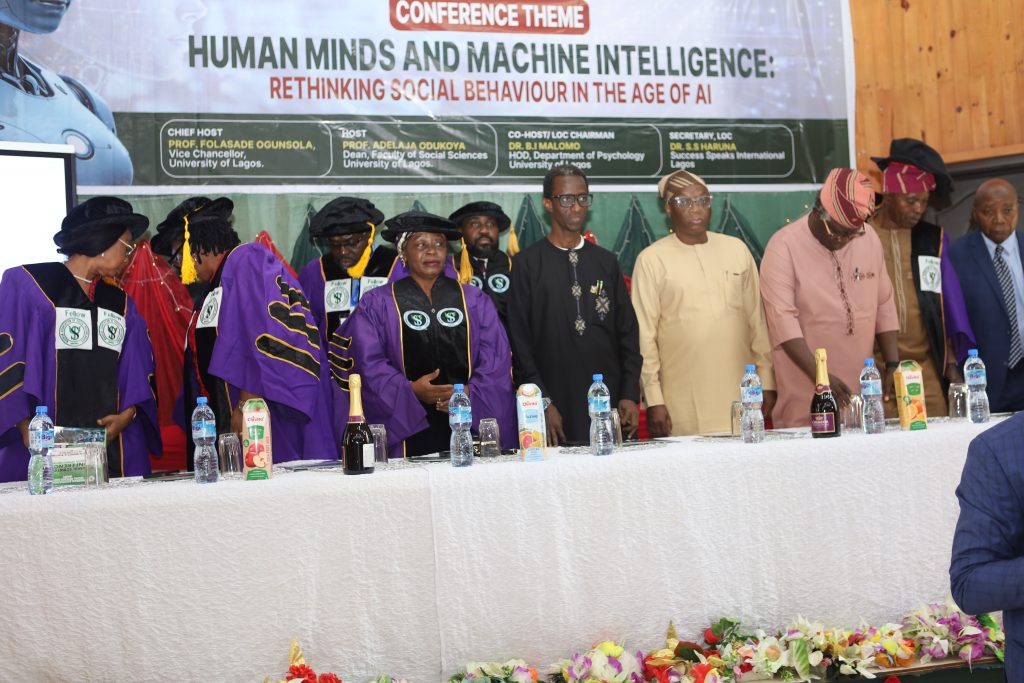

Hosted by the Department of Psychology, University of Lagos (UNILAG), the conference was held under the theme: “Human Minds and Machine Intelligence: Rethinking Social Behaviour in the Age of AI.”
Opening with Key Presentations
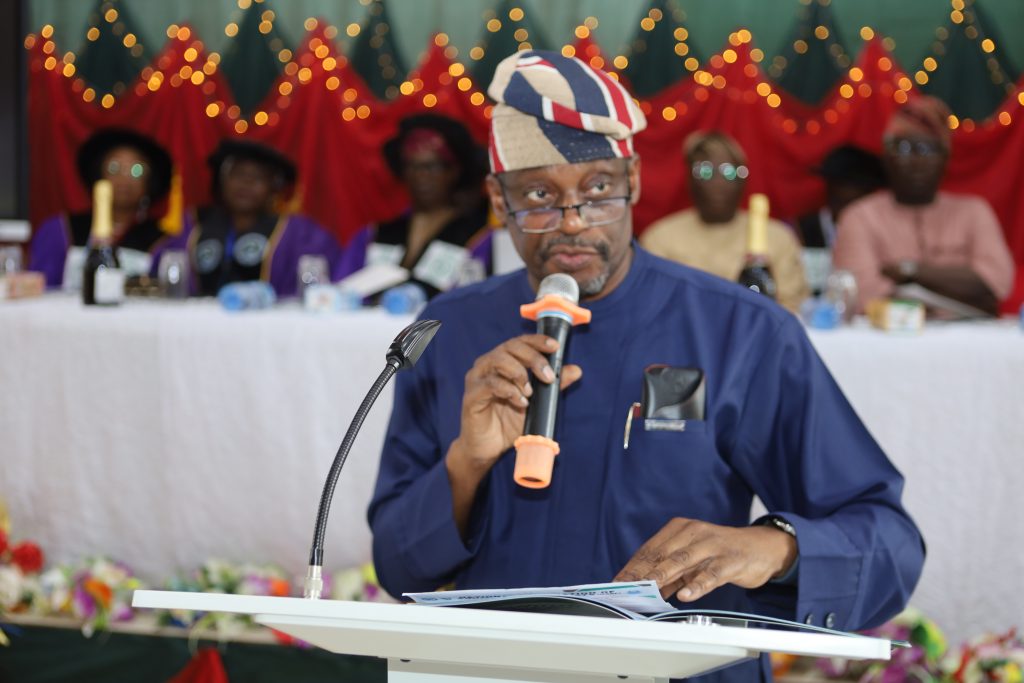
Leading the first lead paper presentation, former Commissioner for Innovation, Science and Technology, Lagos State, Dr. Hakeem Fahm, explored the topic, “From Distributed Systems to Distributed Minds: How AI and Networked Technologies Are Reshaping Social Behaviours, Trust and Collective Intelligence in Nigeria.
He highlighted how artificial intelligence and networked technologies are reshaping social behaviour, trust and collective intelligence in Nigeria.
Dr. Fahm noted that AI has moved beyond the realm of science fiction to become an integral part of everyday life. According to him, intelligent systems now influence how people communicate, access information, make decisions and engage with their communities.
Drawing parallels between distributed computing systems and human societies, he argued that technology is increasingly creating interconnected networks where people, algorithms and digital platforms collectively shape social realities.
While acknowledging the opportunities presented by AI in areas such as entrepreneurship, innovation, governance and public service delivery, he cautioned against excessive dependence on opaque algorithms that may weaken human agency, erode interpersonal trust and deepen existing social inequalities.
Dr. Fahm also called for the strengthening of ethical and regulatory frameworks. He emphasized the need for culturally responsive AI systems, alongside greater investment in digital literacy and inclusive innovation, to ensure that the benefits of emerging technologies are equitably accessible across all segments of society.
The second lead paper by Deputy Vice-Chancellor (Administration), University of Ibadan, Professor Peter Olapegba underscored the need for Africa to develop a distinctly human-centred approach to artificial intelligence, one that reflects the continent’s cultural values, social realities and developmental priorities.
The paper titled “Rethinking Social Behaviours in the Age of Artificial Intelligence: An African Perspective,” warned that the growing reliance on algorithm-driven systems could encourage passive acceptance of machine-generated outcomes, reduce opportunities for dialogue and participation, and ultimately weaken democratic engagement and social responsibility.
According to Professor Olapegba, AI is increasingly influencing education, employment, communication, security and social interactions, resulting in significant shifts in how people relate, make decisions and perceive authority.
The social psychologist expressed concern over what he described as “algorithmic exclusion”, noting that many AI systems are developed using datasets that inadequately represent African populations, languages and socio-economic realities.
According to him, African societies must deliberately shape the development and governance of AI to prevent technology from reinforcing existing inequalities. He stressed that innovation must remain guided by human dignity, fairness, inclusion and collective wellbeing, adding that African philosophies such as Ubuntu and Omoluabi offer valuable frameworks for ethical AI governance.
Goodwill Messages
The opening ceremony also featured remarks by the Permanent Secretary, Lagos State Ministry of Innovation, Science and Technology, Mr. Adeyinka Sorungbe, who represented His Excellency, Governor Babajide O. Sanwo-Olu of Lagos State.
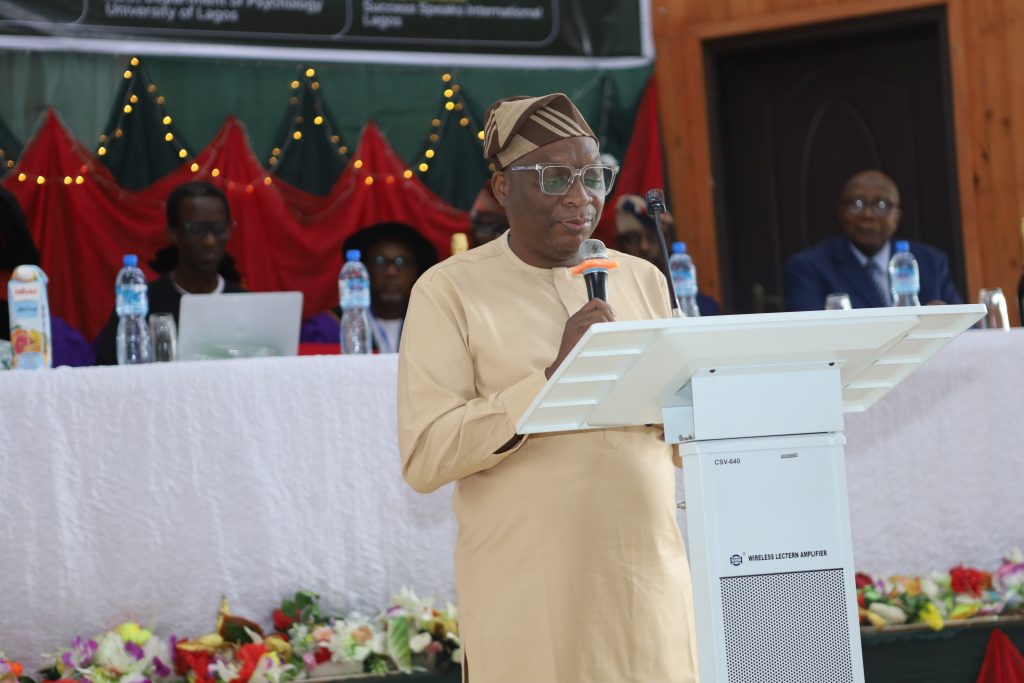
He described artificial intelligence as a powerful tool for innovation and economic growth but emphasised that technological progress must be accompanied by ethical safeguards and policies that protect human welfare and social cohesion.
Earlier, President of the Nigerian Association of Social Psychologists (NASP), Professor Sulaimon Adebayo, welcomed participants and described the conference theme as both timely and relevant.
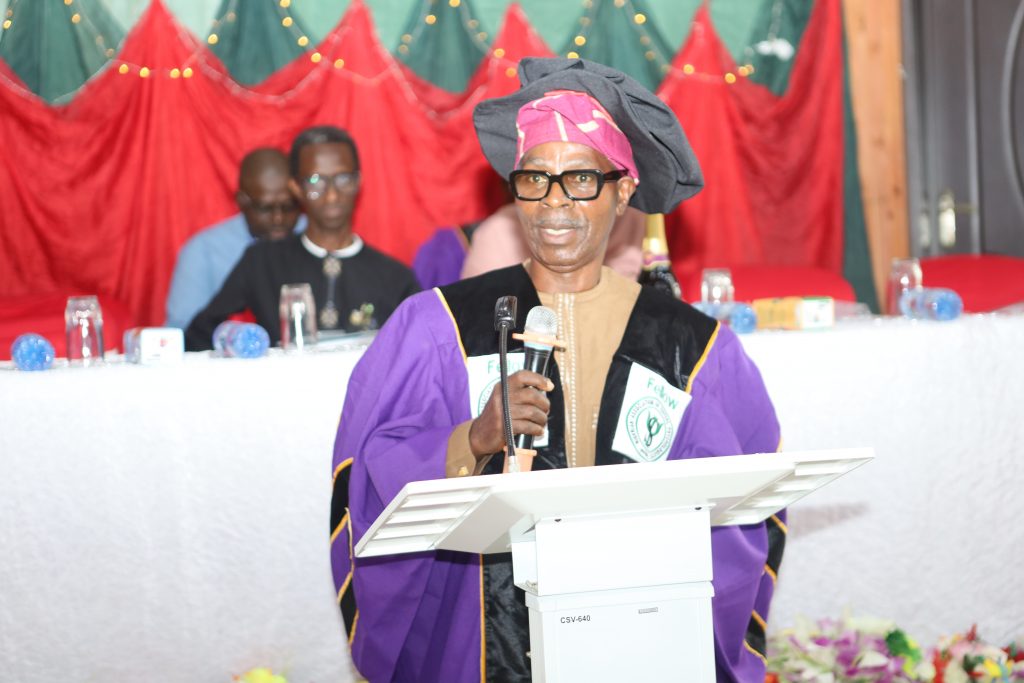
He urged social psychologists to remain at the forefront of generating evidence-based insights that can guide policymakers and technology developers towards creating AI systems that promote human welfare, social inclusion, and sustainable development.
In her welcome address, the Acting Head of the Department of Psychology, Dr. Bolajoko Malomo, expressed delight that the Department was hosting the 2026 NASP Scientific Conference and AGM. She noted that the conference theme speaks directly to some of the most pressing issues confronting contemporary societies.
Dr. Malomo observed that while artificial intelligence continues to transform learning, communication, governance, and social interaction, it also raises important questions about identity, empathy, cultural preservation, responsibility, and human agency.
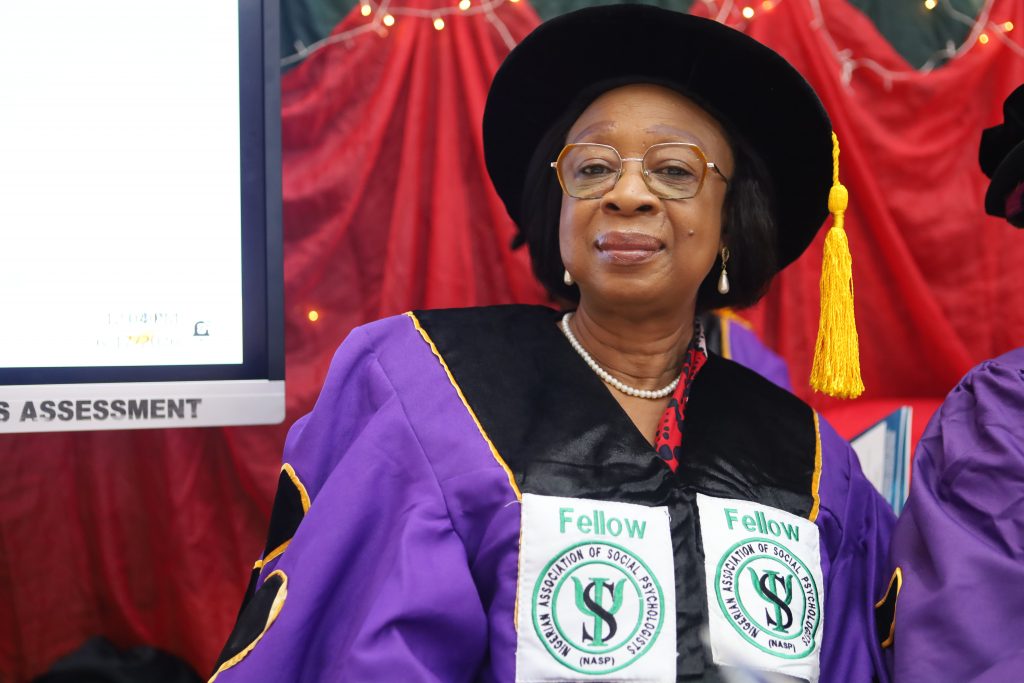
Drawing from social psychological perspectives, Dr. Malomo stressed the need to critically examine how AI systems shape attitudes, behaviours, and social norms. She encouraged participants to use the conference as an opportunity to generate practical solutions and policy recommendations that will ensure technological advancement contributes positively to human development and societal wellbeing.
For the Dean of the Faculty of Social Sciences, Professor Adelaja Odukoya,Odukoya, he underscored the significance of the conference theme, noting that it raises critical questions about how society should engage with the growing influence of artificial intelligence.
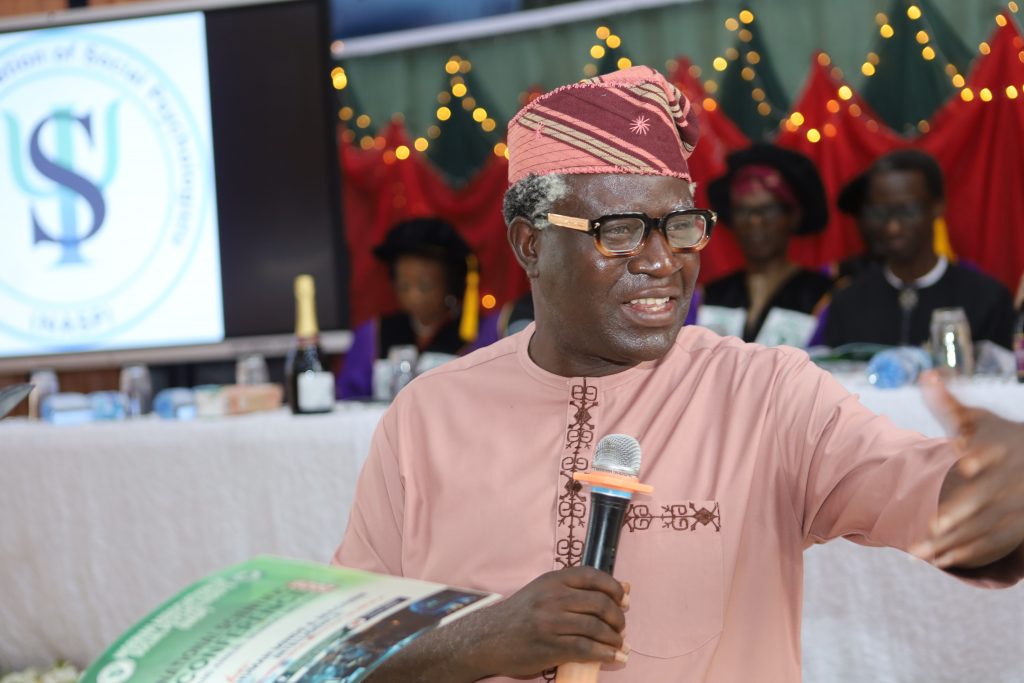
He emphasised that beyond its technological promise, AI must be approached with critical reflection on its ethical, cultural, political and social implications, especially in a rapidly changing world where human dignity, inclusion and accountability must remain central.
Representing the Vice-Chancellor of the University of Lagos, Professor Folasade T. Ogunsola, OON, FAS, the Deputy Vice-Chancellor (Development Services) Professor Foluso Afolabi Lesi, reaffirmed the University’s commitment to advancing research and knowledge that address emerging societal issues. He noted that conversations around AI must remain grounded in ethics, human values, and social development.
Opening with Culture and Interaction
The opening ceremony also featured a vibrant cultural troupe performance that highlighted Nigeria’s rich and diverse cultural heritage, adding colour and symbolism to the intellectual engagements of the day.
Participants subsequently took part in interactive sessions, where they exchanged perspectives on the social, ethical and policy dimensions of artificial intelligence, as well as its far-reaching implications for contemporary society and human interaction.
The second day of the conference continued on Thursday, June 18, 2026, featuring technical sessions where participants further deliberated on the submitted abstract papers, deepening discussions around the research presented.
Report: Bayo Salau
Photographs: Samuel Dosunmu