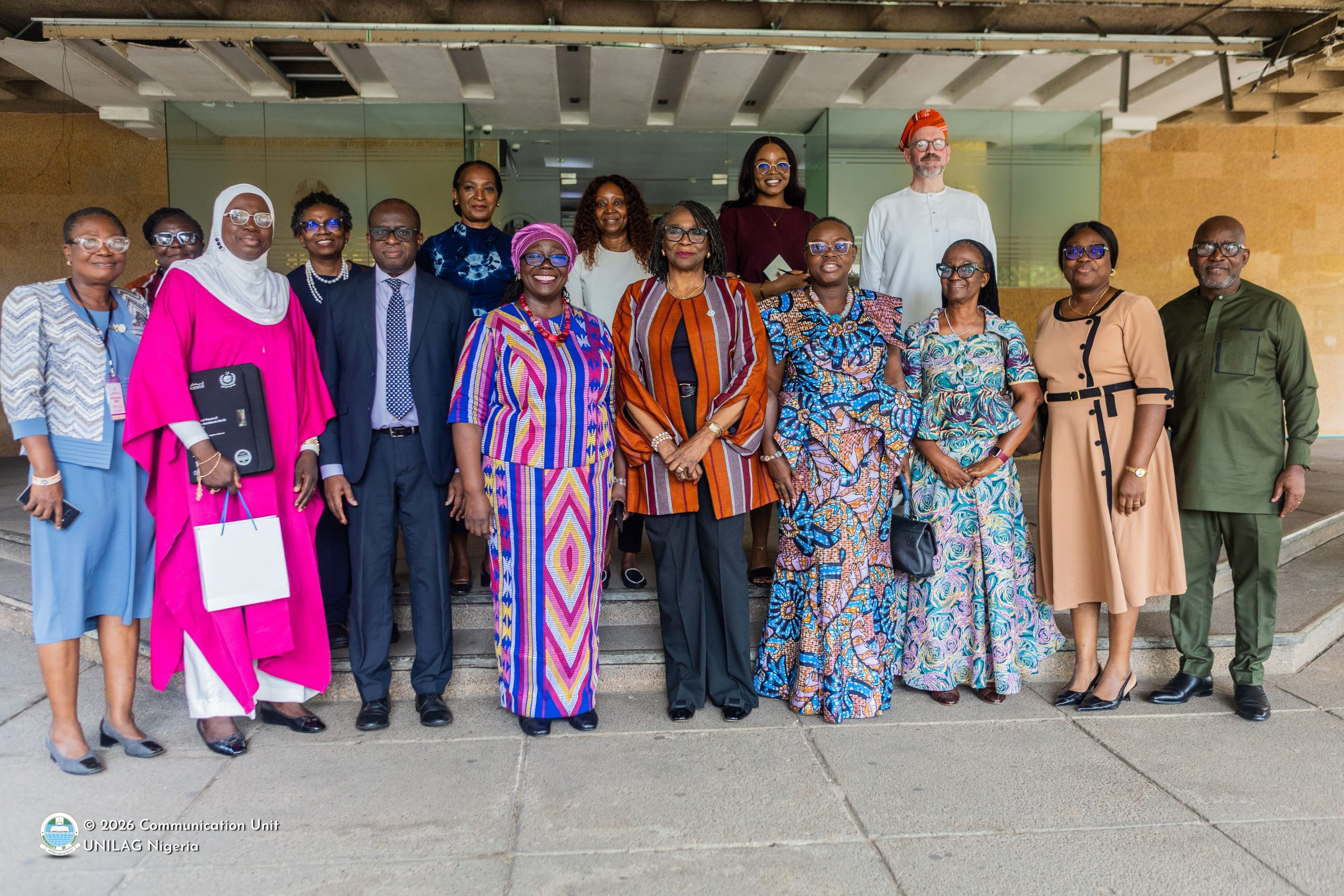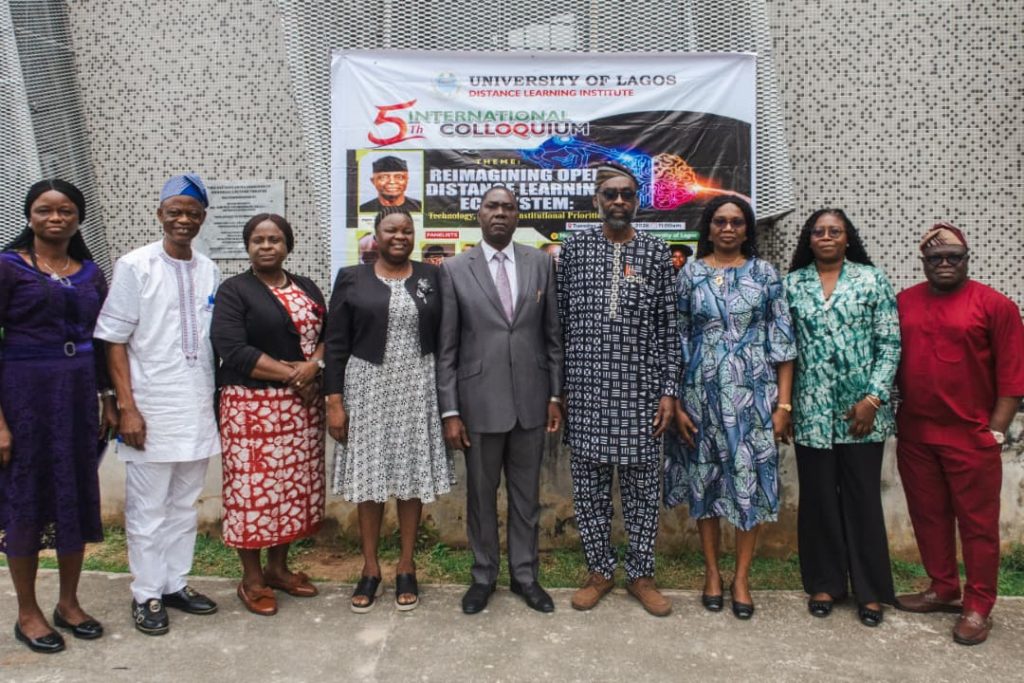
Three hundred and forty eight (348) days after the Distance Learning Institute, University of Lagos (DLI, UNILAG), began a conversation on making education more inclusive, the conversation has moved a step further to what learning itself could become in the age of Artificial Intelligence.
The setting was familiar, but the question had changed.
At the Tayo Aderinokun Hall, where former Vice-Chancellor of Obafemi Awolowo University (OAU), Professor Eyitope Ogunbodede, challenged stakeholders in September 2025 to build a more inclusive, equitable and sustainable future for Open and Distance Learning, Professor Francis Egbokhare, FNAL, returned the spotlight to a new frontier: Artificial Intelligence.
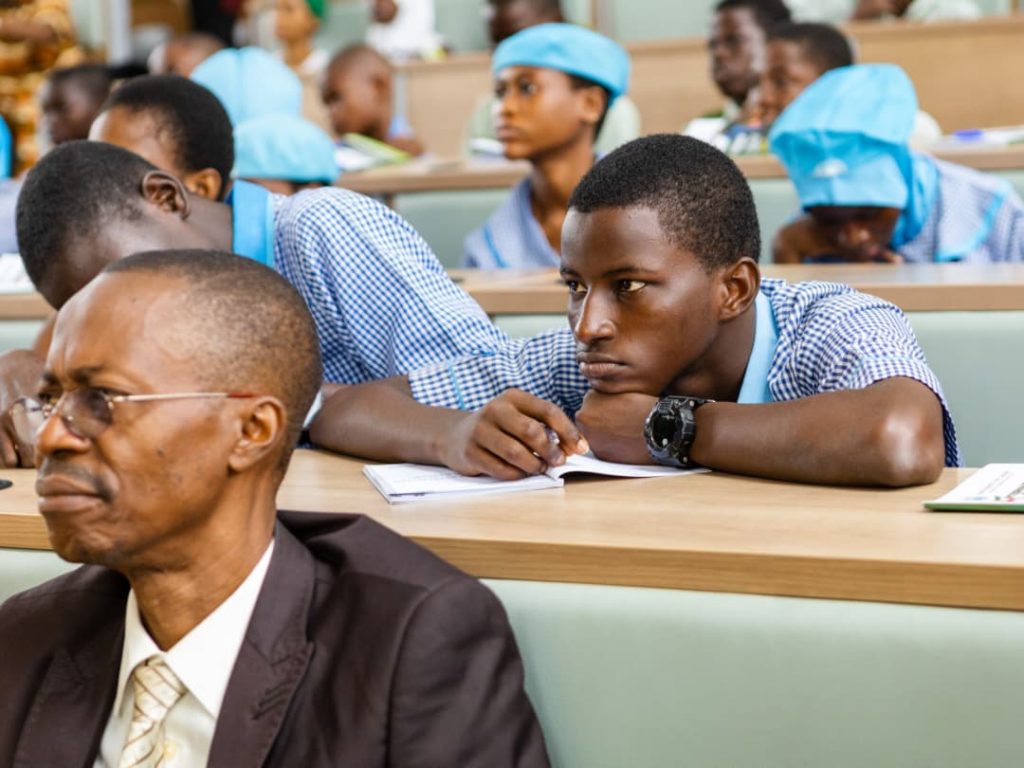

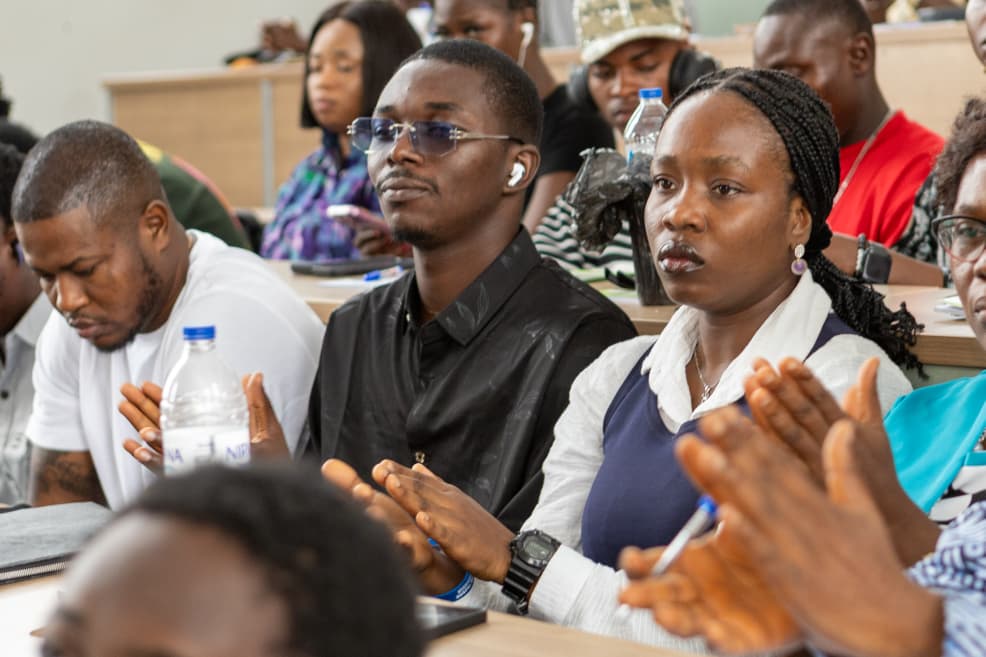
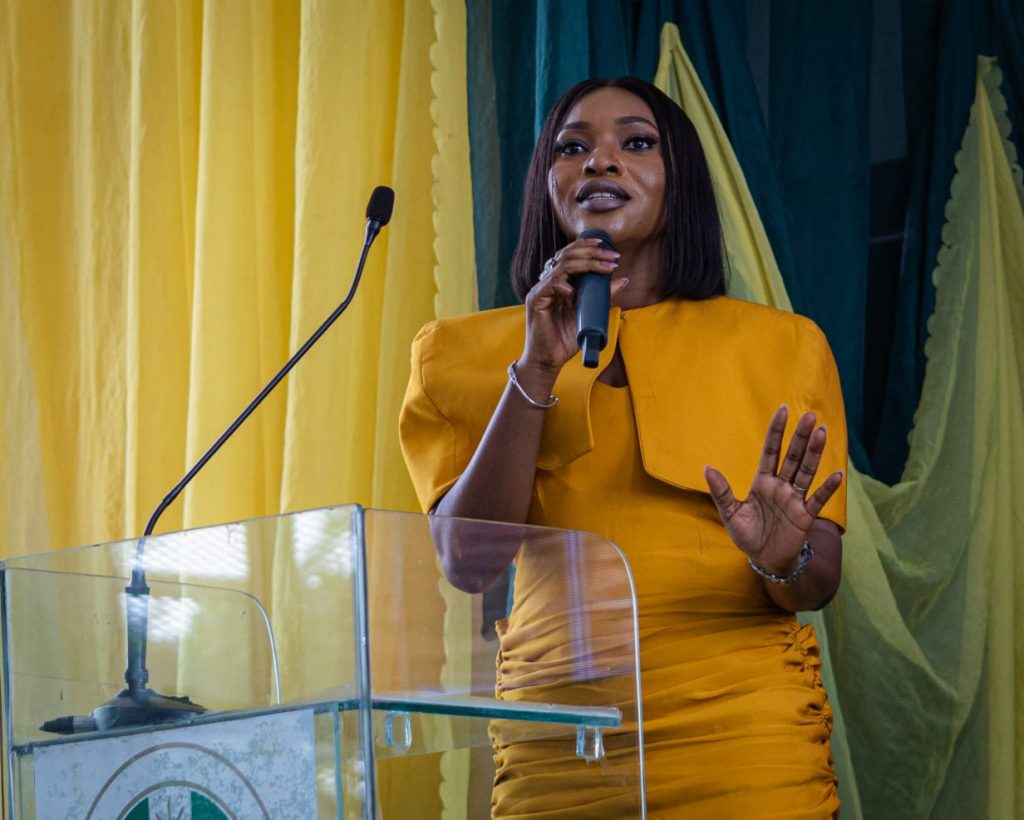
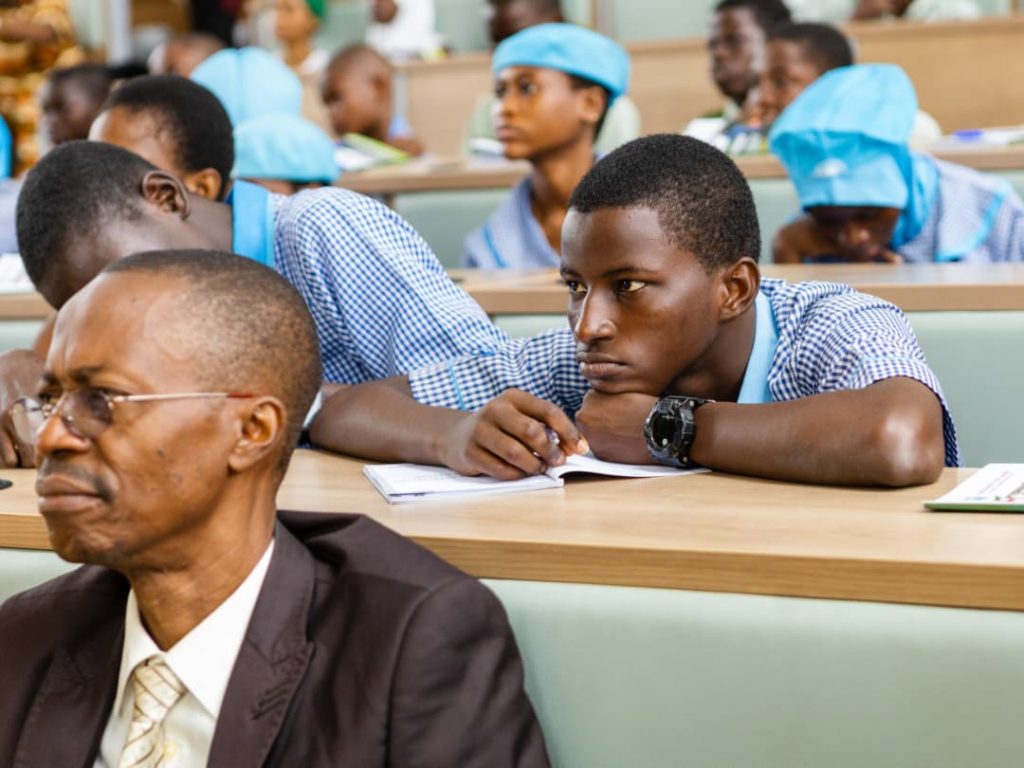
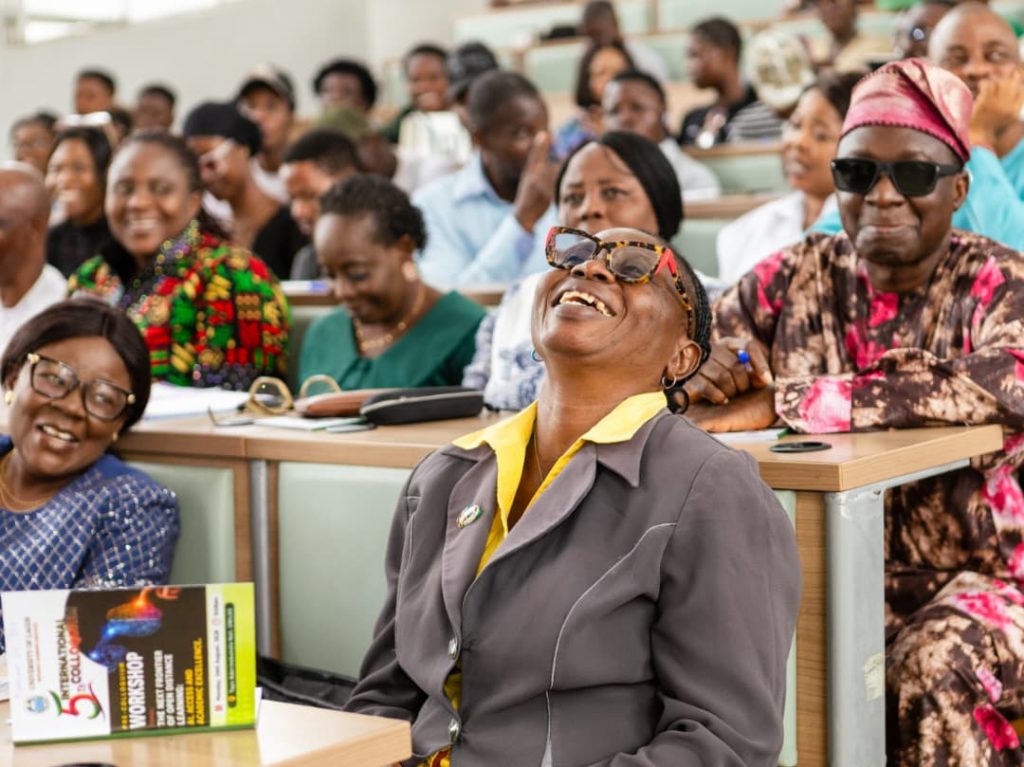
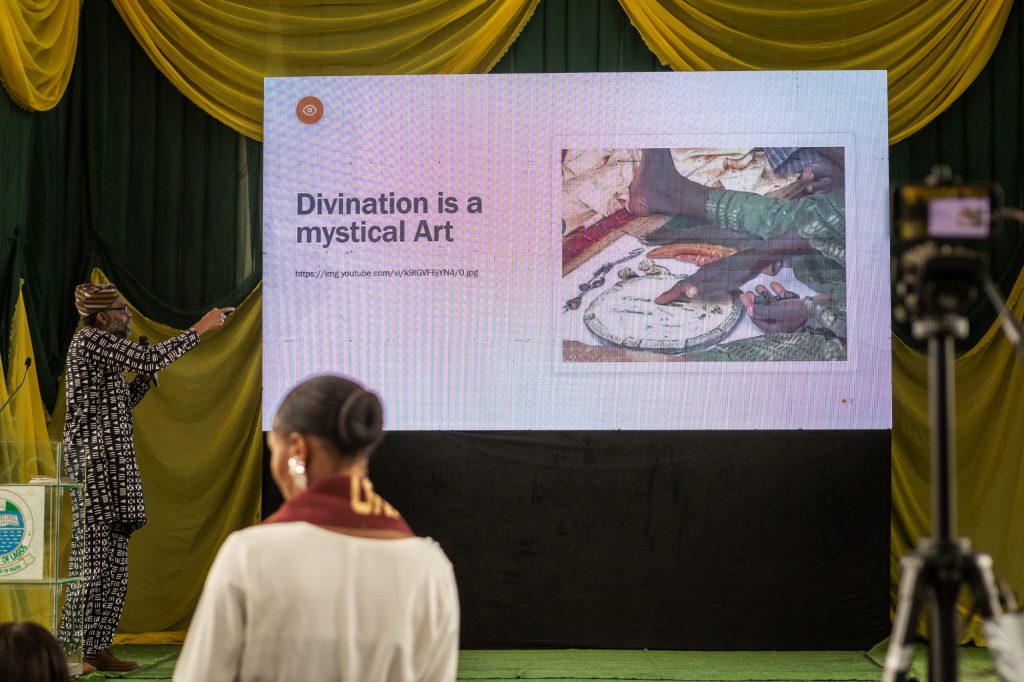
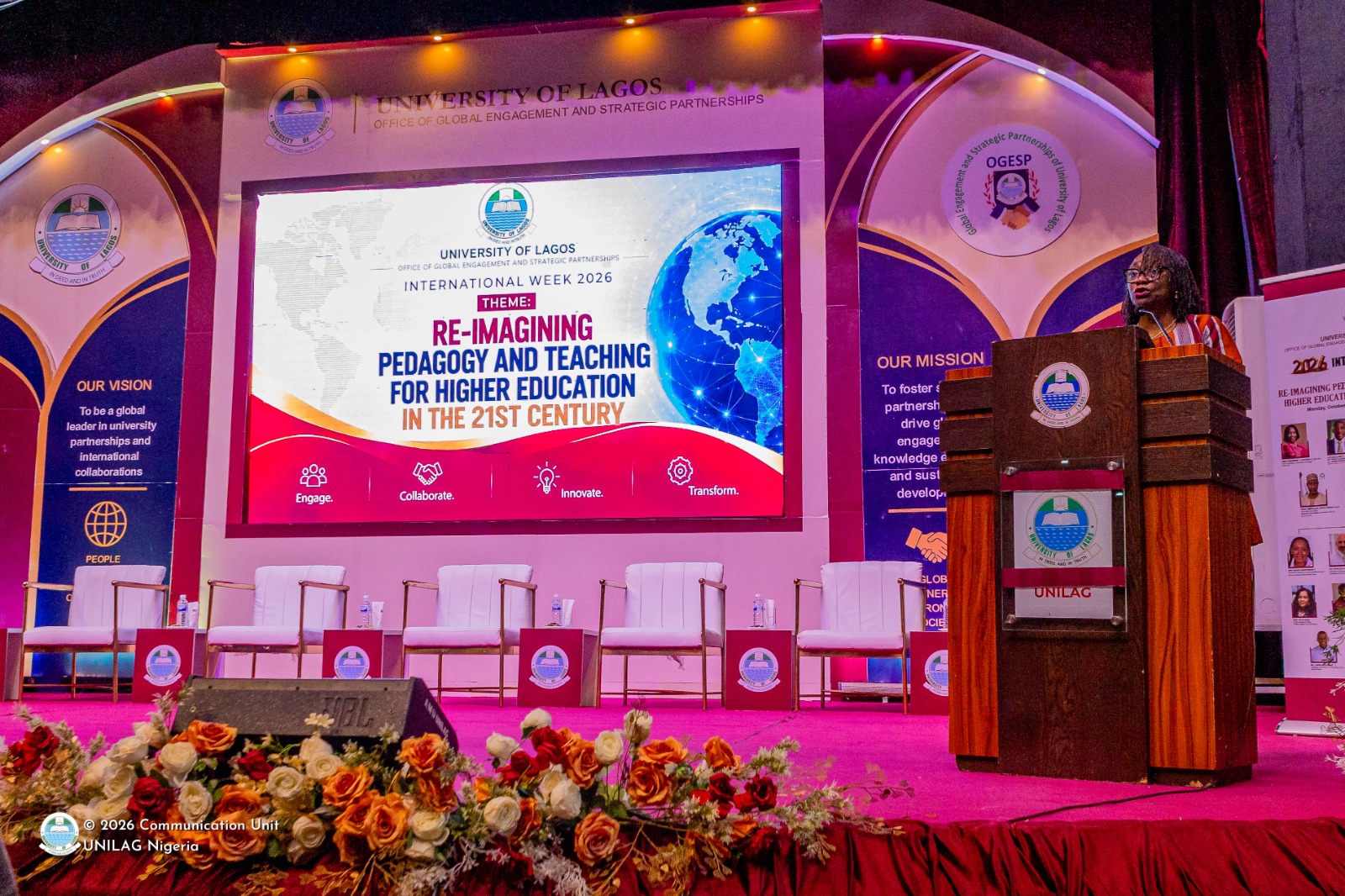
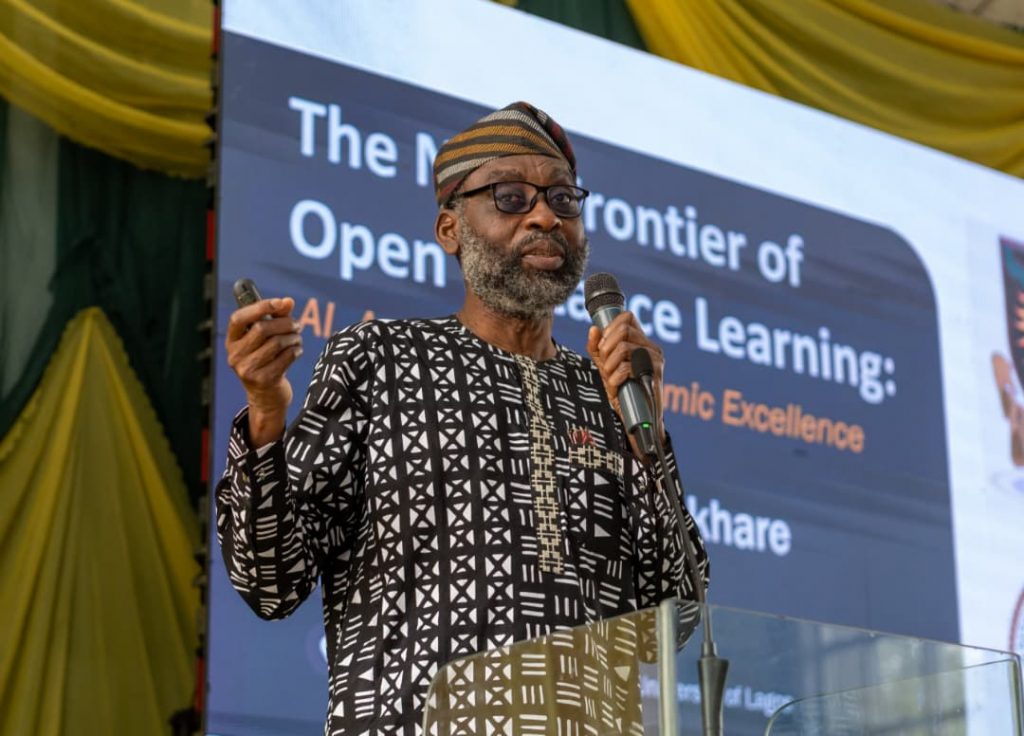
On Monday, August 24, 2026, the Professor of Linguistics at the University of Ibadan delivered the 2026 Pre-Colloquium Lecture of DLI, titled “The Next Frontier of Open Distance Learning: AI, Access, and Academic Excellence.”
If last year’s conversation was about opening the doors of education wider, this year’s was about what happens when technology begins to reshape what lies behind those doors.
From Access to Intelligence
Professor Egbokhare challenged universities to look beyond the excitement surrounding Artificial Intelligence (AI) and confront a more fundamental question: what kind of future do we want to create with it?
He traced the evolution of Open and Distance Learning from print, radio and television to digital platforms and virtual classrooms, noting that the sector is now entering another phase defined by AI tutors, adaptive learning, intelligent assessment and data-informed learner support.
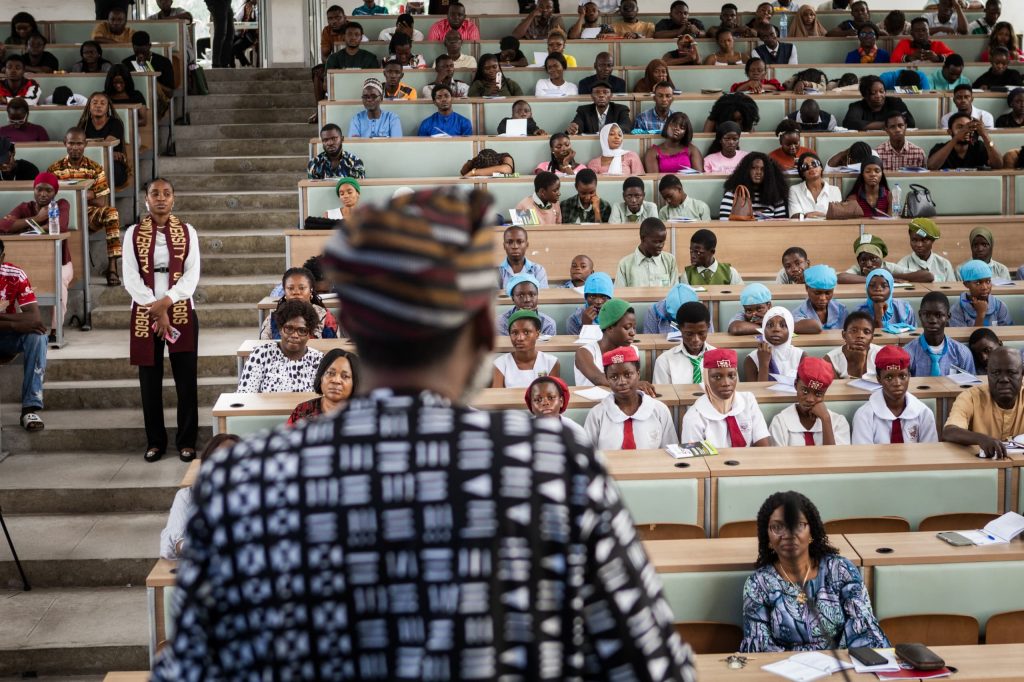
For Egbokhare, the future of ODL lies in bringing together AI, human expertise, inclusive access and quality assurance to create learning environments that are more personalised, flexible and responsive.
But he was clear that AI should not replace educators. Rather, it should enable them to do more such as supporting the development of learning materials, assessment, learner monitoring and routine academic processes, while leaving teaching, judgement, mentorship and critical thinking firmly within the human domain.
He also challenged the traditional understanding of access.
Access, he noted, cannot end with internet connectivity. Affordable devices, reliable electricity, flexible learning opportunities, disability support, language inclusion and access for learners in underserved communities must all be part of the equation.
And as AI becomes more deeply embedded in education, universities must also confront the risks: digital inequality, data privacy, cybersecurity, ethical use, algorithmic bias and inadequate digital literacy.
Rethinking Academic Excellence
One of the lecture’s most compelling questions was simple: if AI can provide answers, what should universities really be assessing?
Egbokhare advocated a shift towards more authentic forms of assessment, including project-based learning, oral examinations, reflective portfolios and tasks that test critical thinking rather than the ability to reproduce information.
He also called for clearer institutional policies on AI use and stronger AI literacy among both students and educators.
For him, the challenge is ultimately institutional. Universities must not simply transfer old inefficiencies into digital spaces. Instead, ODL systems should be redesigned around flexibility, learner autonomy, accessibility and operational efficiency.
The message was straightforward: the goal is not to use AI because it is available, but because it adds value.
Beyond the Technology
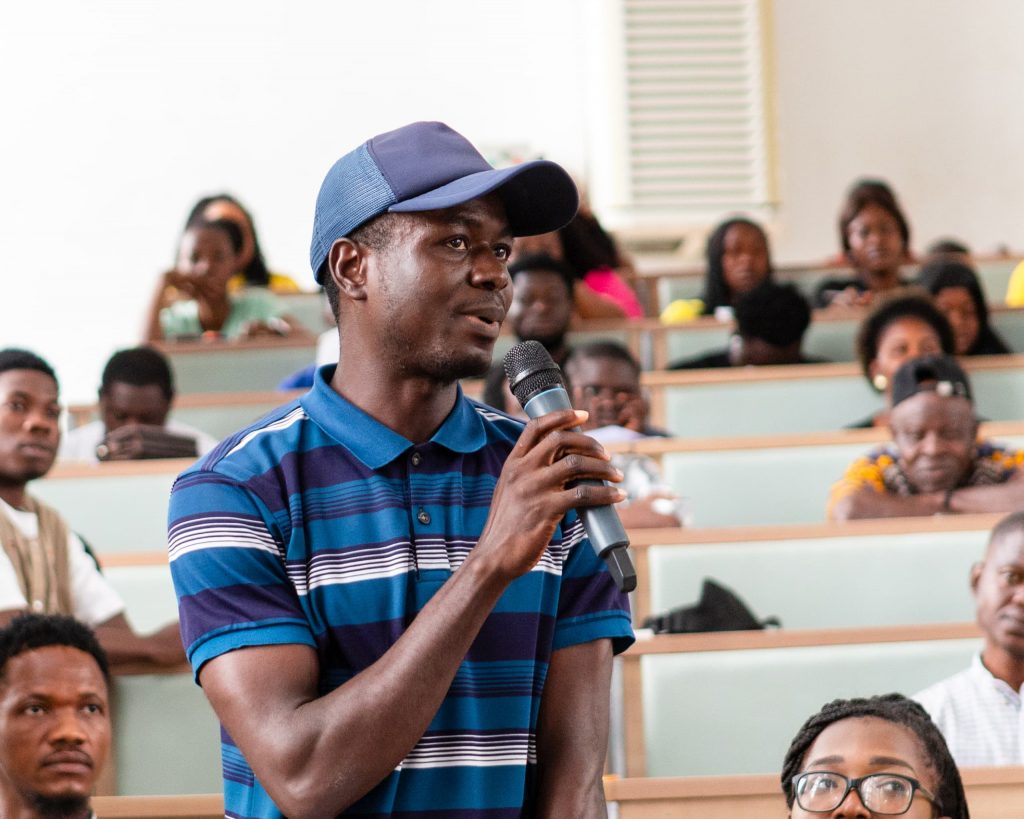
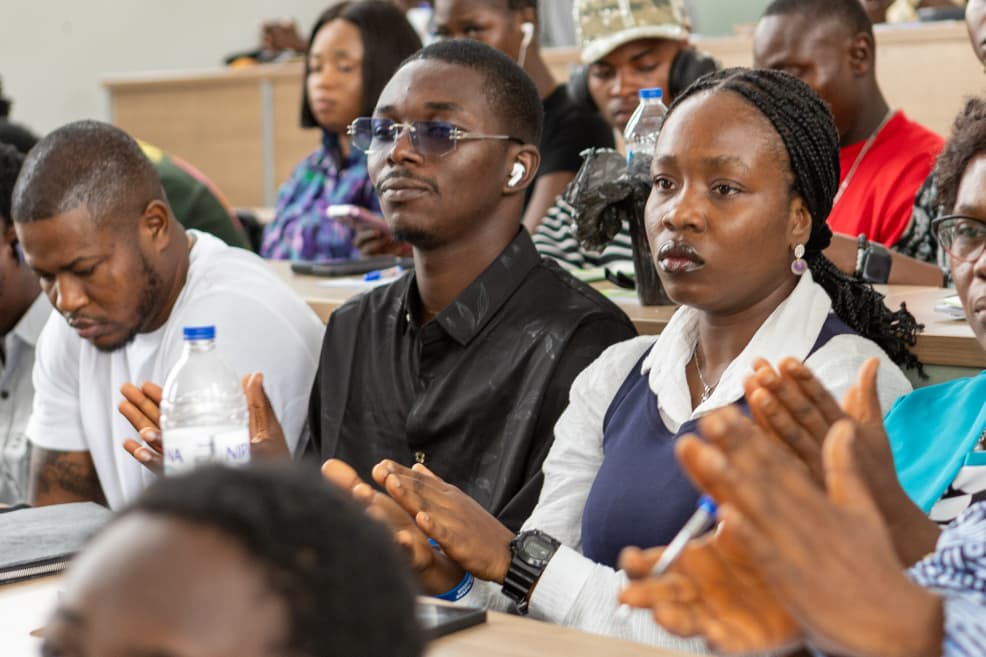
The lecture was followed by an engaging question-and-answer session moderated by Dr. Gloria Alaneme, giving participants the opportunity to interrogate the possibilities, limitations and implications of AI for ODL and academic practice.
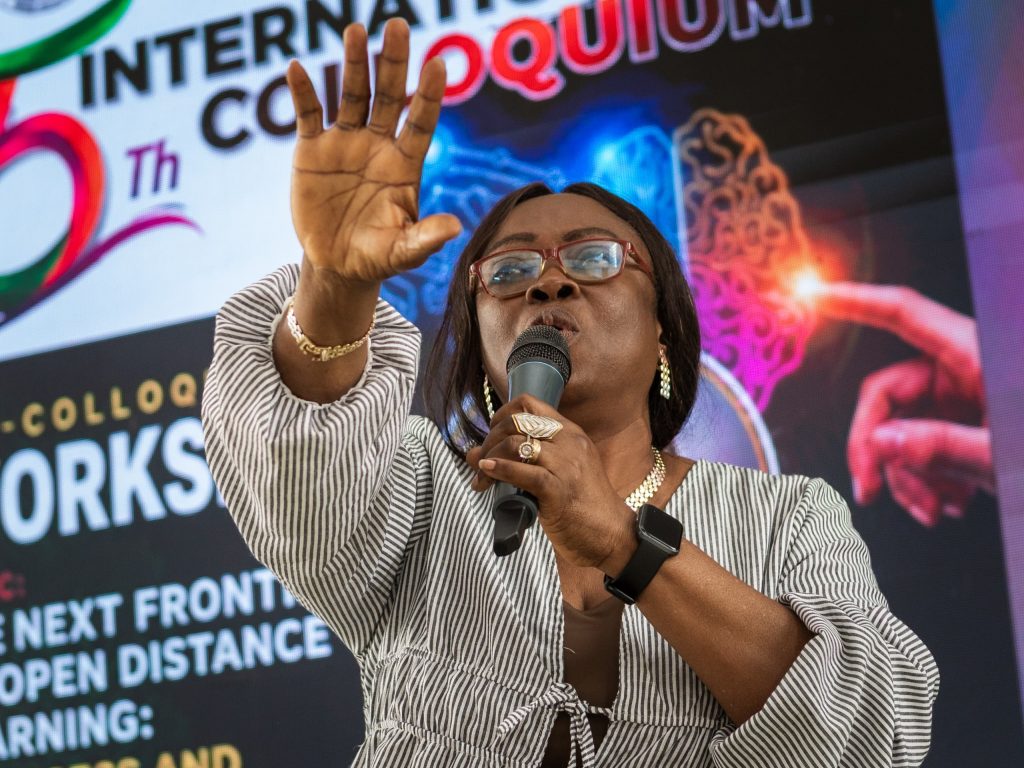
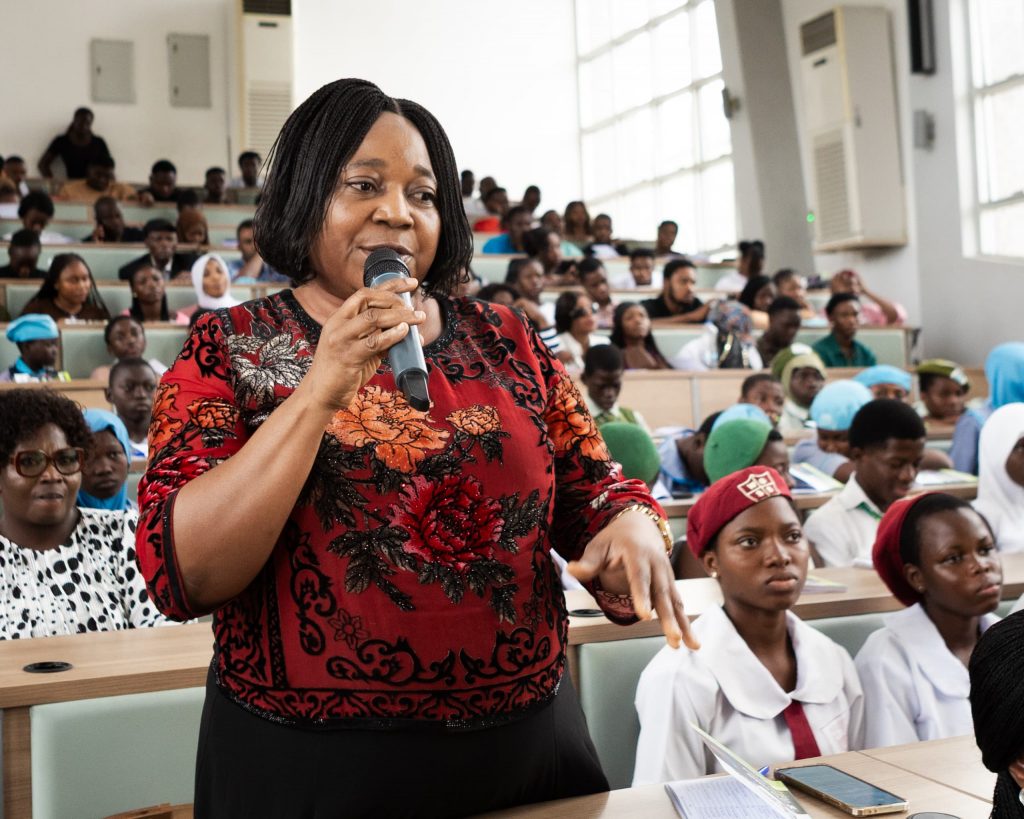
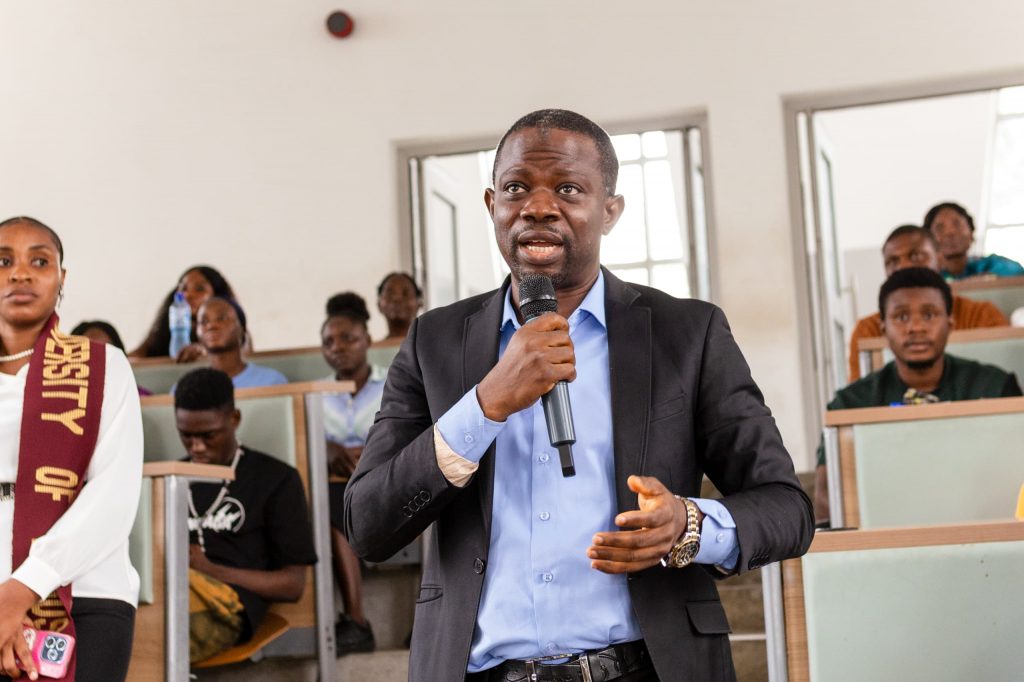
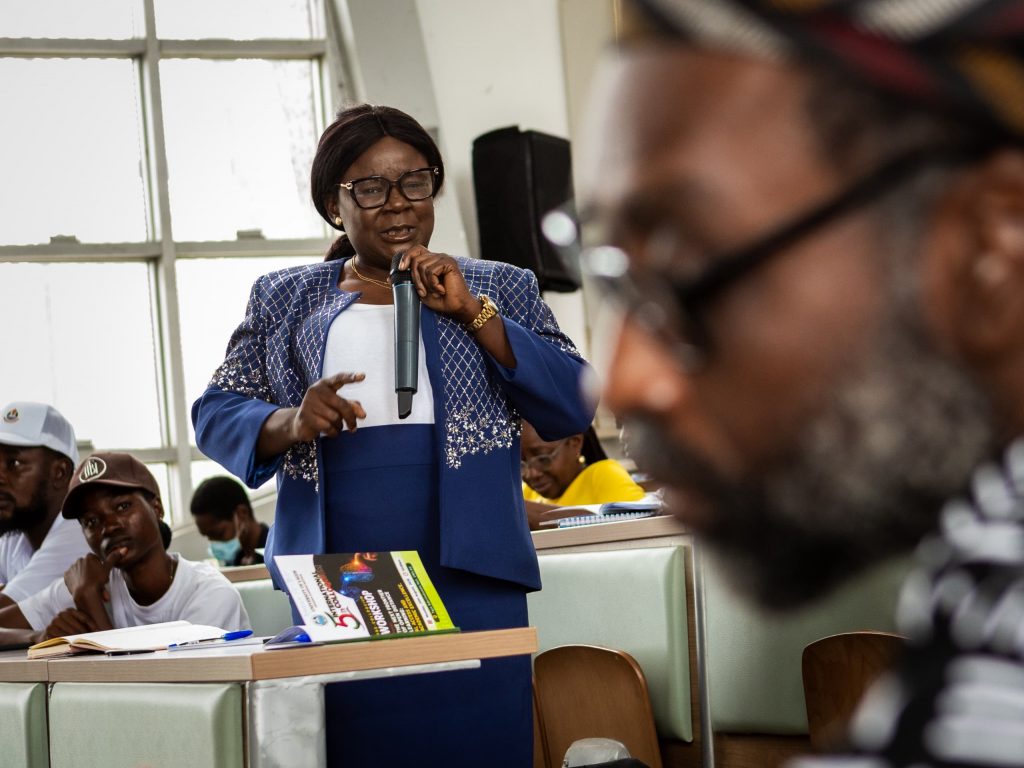
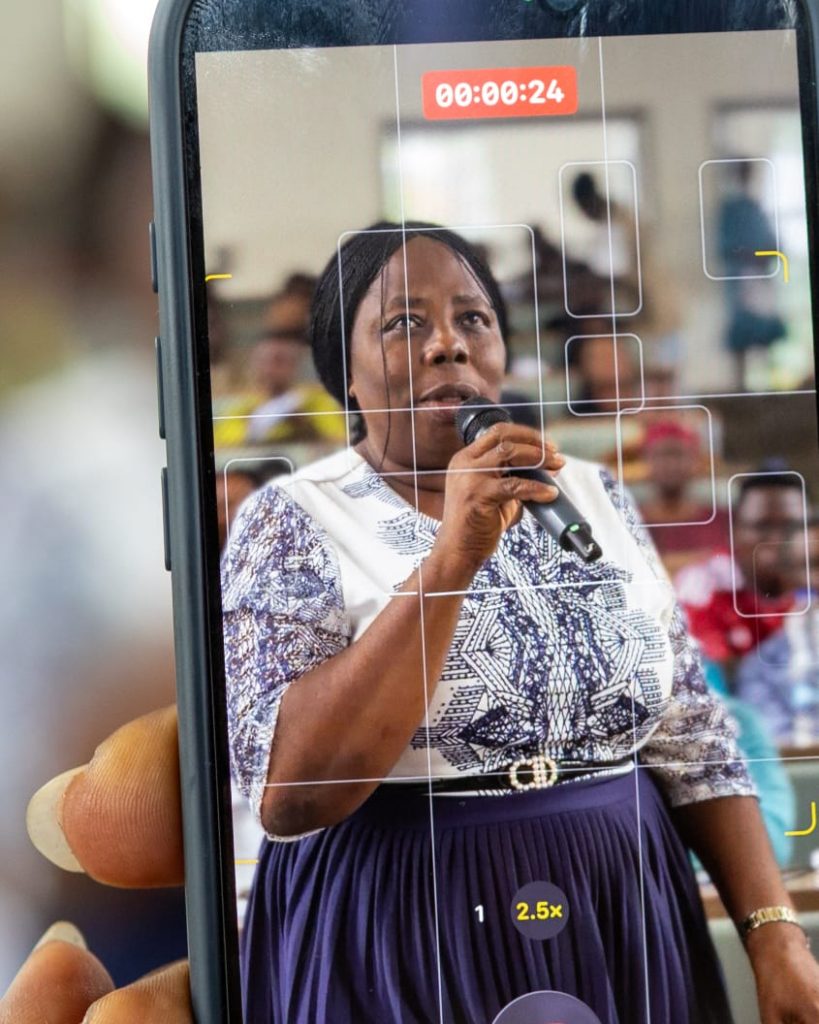
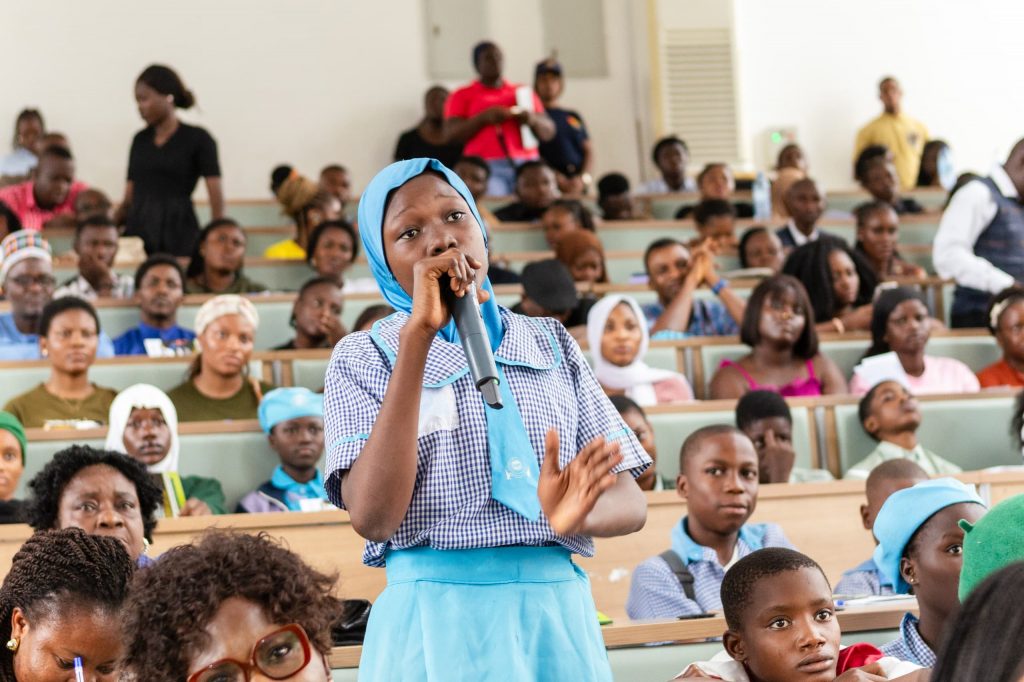
In response to questions raised by participants, Egbokhare called for stronger digital infrastructure and affordable internet access; greater institutional investment in AI capacity, digital learning and quality assurance; responsible AI integration by educators; and stronger critical thinking and AI literacy among students.
His advice was practical: start small, pilot what works, scale it, and keep humans in the loop.
At the heart of the lecture was one enduring principle: technology must serve education, not the other way around.
Keeping ODL Open to Everyone
Earlier, the Director of the Distance Learning Institute, Professor Risikat Dauda, framed the discussion within the broader evolution and purpose of Open and Distance Learning.
She noted that ODL has evolved significantly with changing technologies, but stressed that its central mission must remain constant: to make education accessible to people regardless of age, gender, social circumstance or other barriers that may limit access to conventional university education.
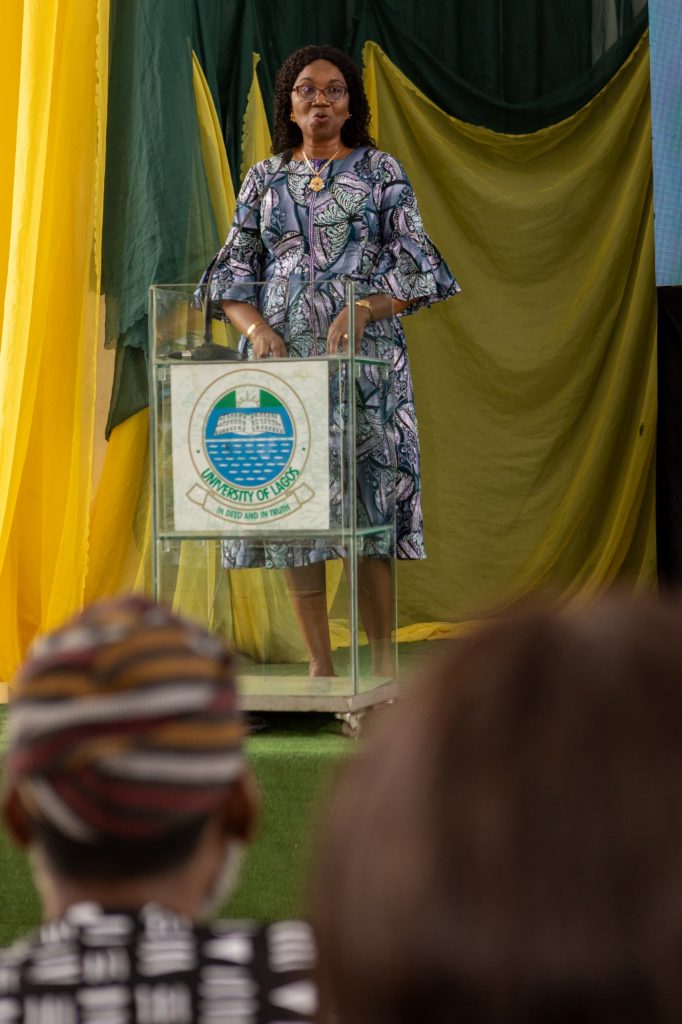
For Prof. Dauda, the real measure of progress in ODL is not simply how sophisticated the technology becomes, but how effectively it responds to the diverse realities of learners.
She therefore called for innovation that expands opportunity rather than creates new barriers, stressing the need for institutions to embrace emerging technologies while keeping inclusion, flexibility and academic quality at the
Her remarks provided a natural bridge to Egbokhare’s presentation, moving the conversation from how ODL has evolved as a vehicle for widening access to how AI could further transform that access and the learning experience itself.
Leadership and Recognition
The pre-colloquium lecture was attended by the Chairman of the DLI Board Professor Samuel Olobaniyi who also served as representative of the Vice-Chancellor, Professor Folasade Ogunsola, OON, FAS, at the event.
Following the lecture, Professor Olobaniyi presented an award to Professor Egbokhare in recognition of his contribution to the Institute’s pre-colloquium conversation.
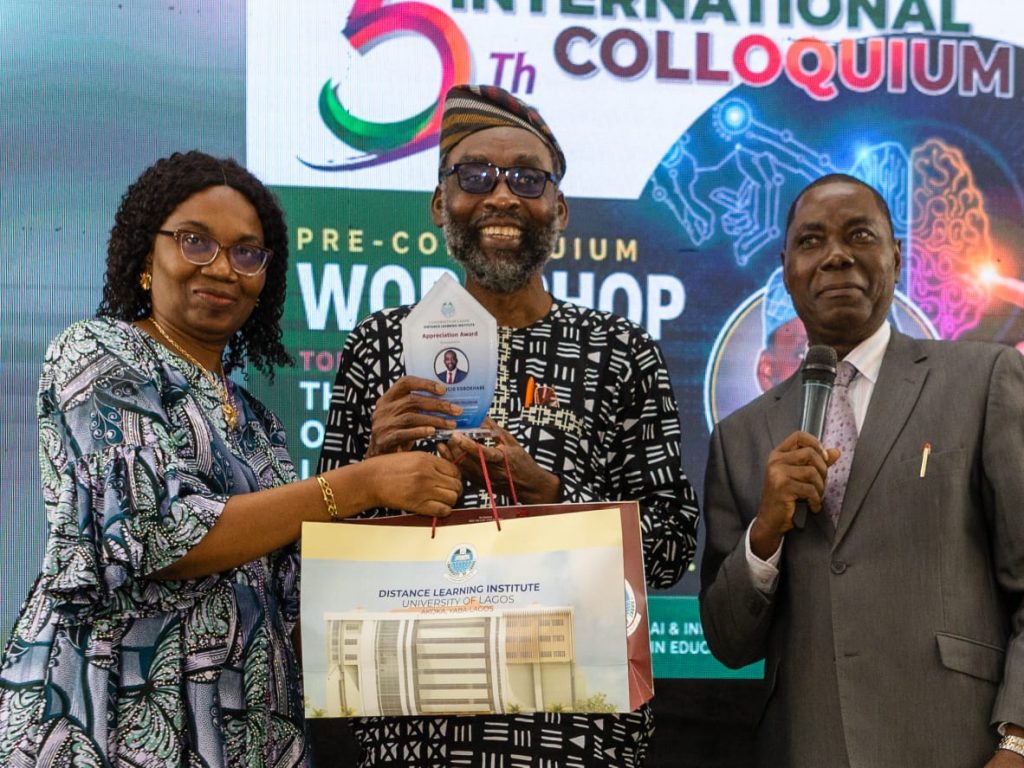
The event ended with a vote of thanks by the Deputy Director, Media & Course Materials Development, DLI, Dr. Margaret Abosede Ebabhi, who appreciated the resource person, University leadership, participants and others whose contributions made the lecture possible.
And so, 348 days after the conversation began, the DLI has moved from access to intelligence, from asking how more people can enter the learning space to asking how that space itself must evolve.
Professor Egbokhare’s challenge is now equally compelling: as technology changes the nature of learning, how do universities ensure that neither learners nor institutions are left behind?
For DLI, the frontier has moved. The question is no longer simply how far technology can take education, but how wisely universities will choose to take education with it.
The 5th Colloquium of DLI will hold on Tuesday, August 25, 2026 at the Institute’s Nurudeen Alao Auditorium, UNILAG.
With the theme: Reimagining the Open Distance Learning Ecosystem: Technology, Policy and Institutional Priorities, the Colloquium will be chaired by His Excellency, Prof. Yemi Osinbajo SAN, GCON (Former Vice President of Nigeria).
Report: Bayo Salau
Photographs: Maleeq Quadri