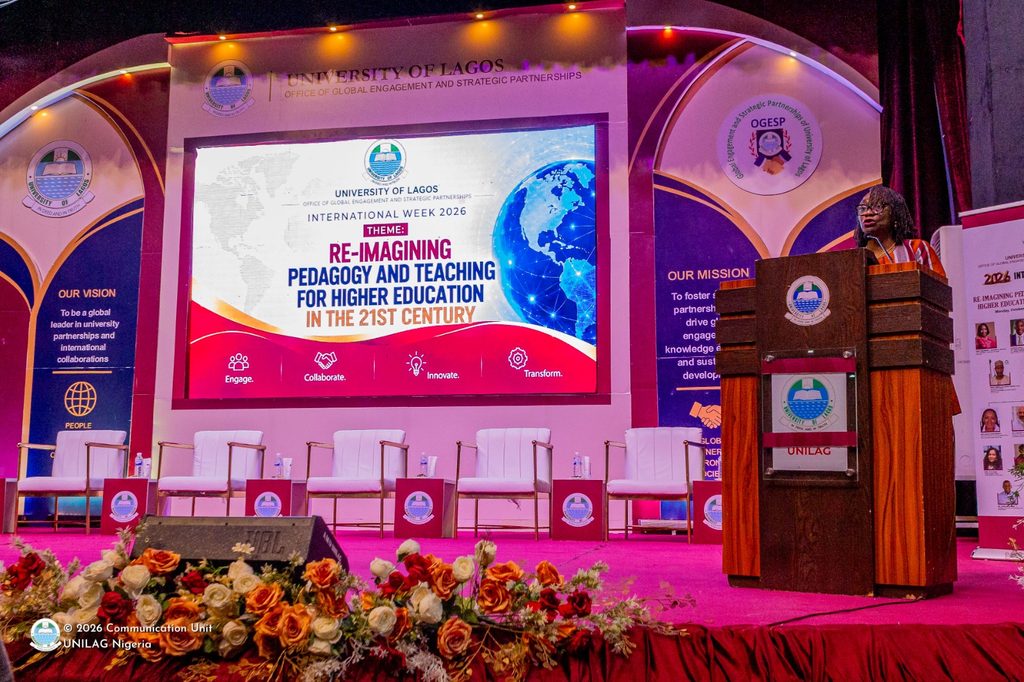
Experts in higher education have called on African universities to rethink teaching methods, reform curricula, strengthen university–industry partnerships and integrate emerging technologies responsibly to prepare graduates for a rapidly changing world of work.
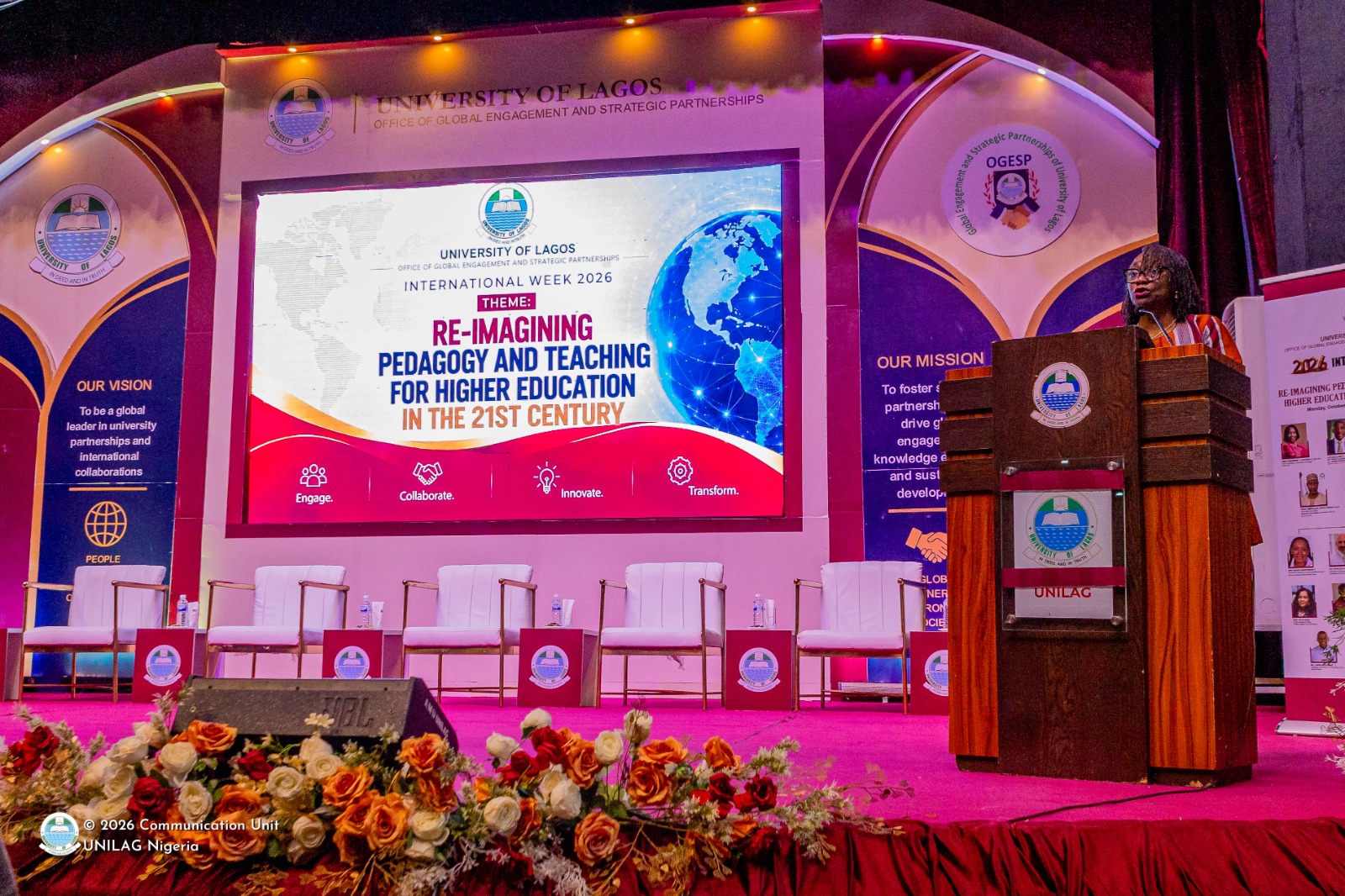
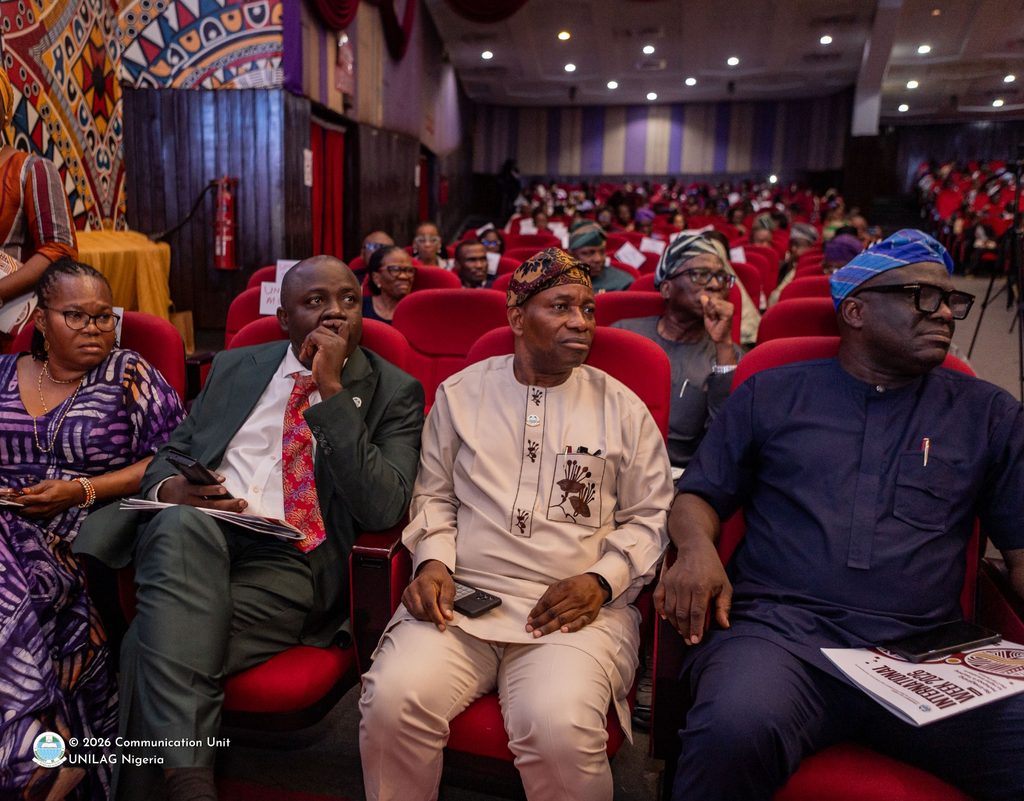
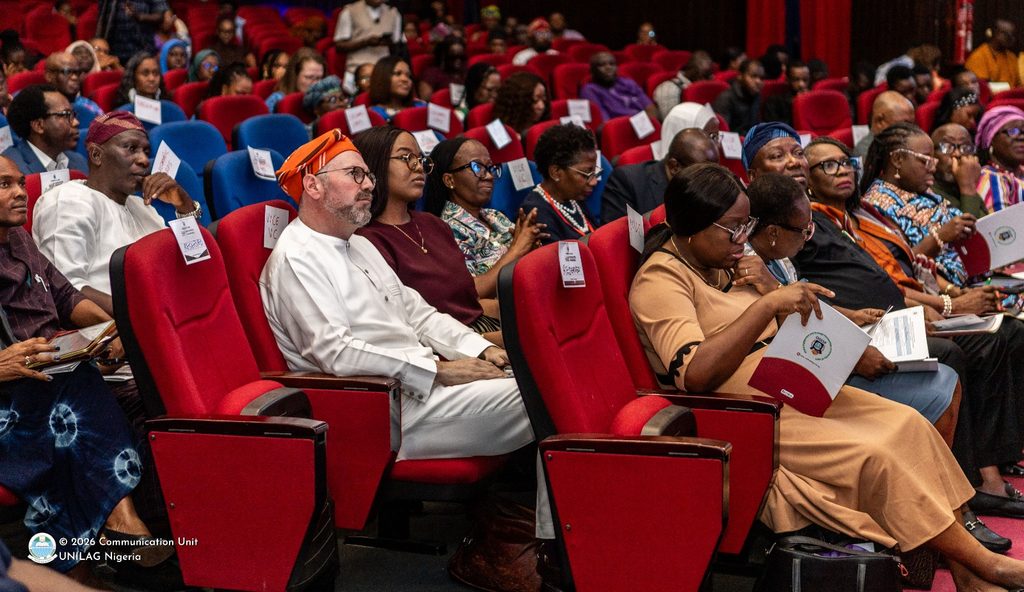
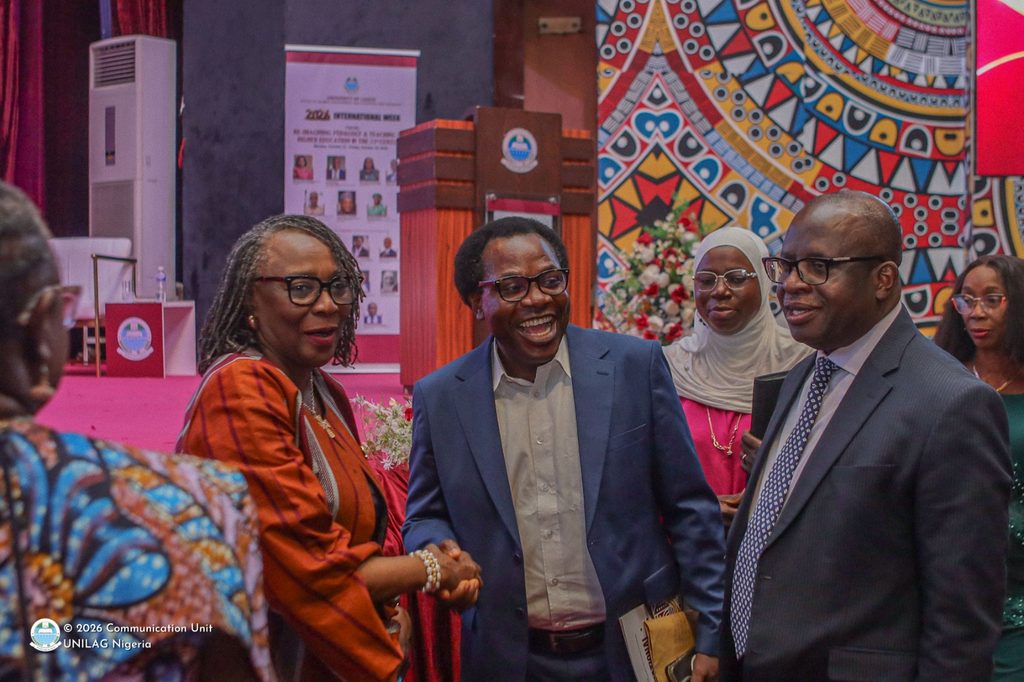
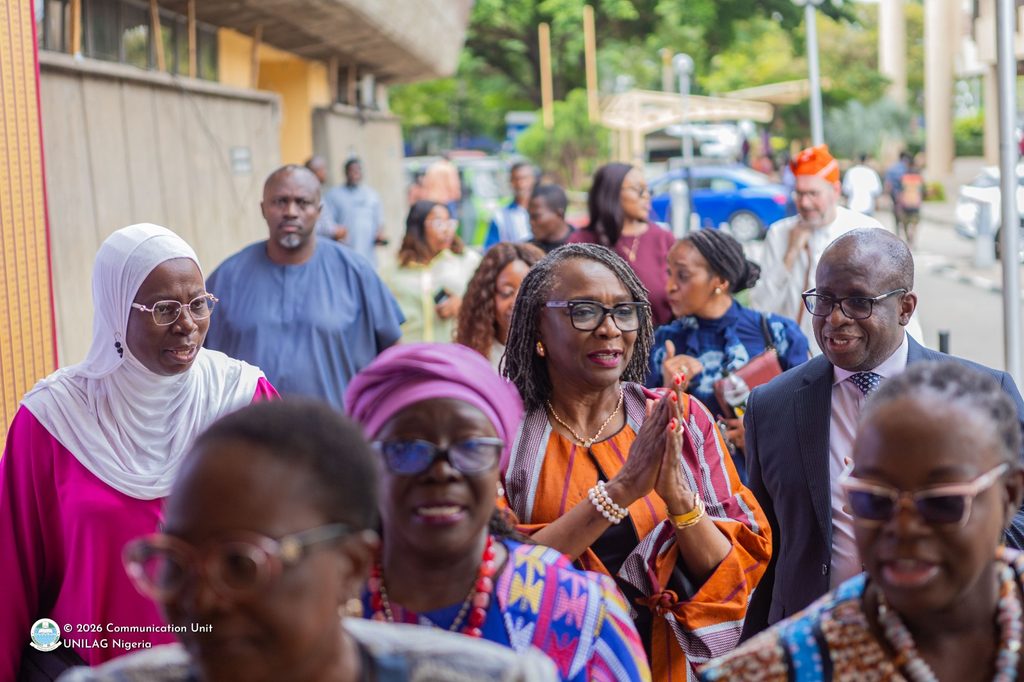
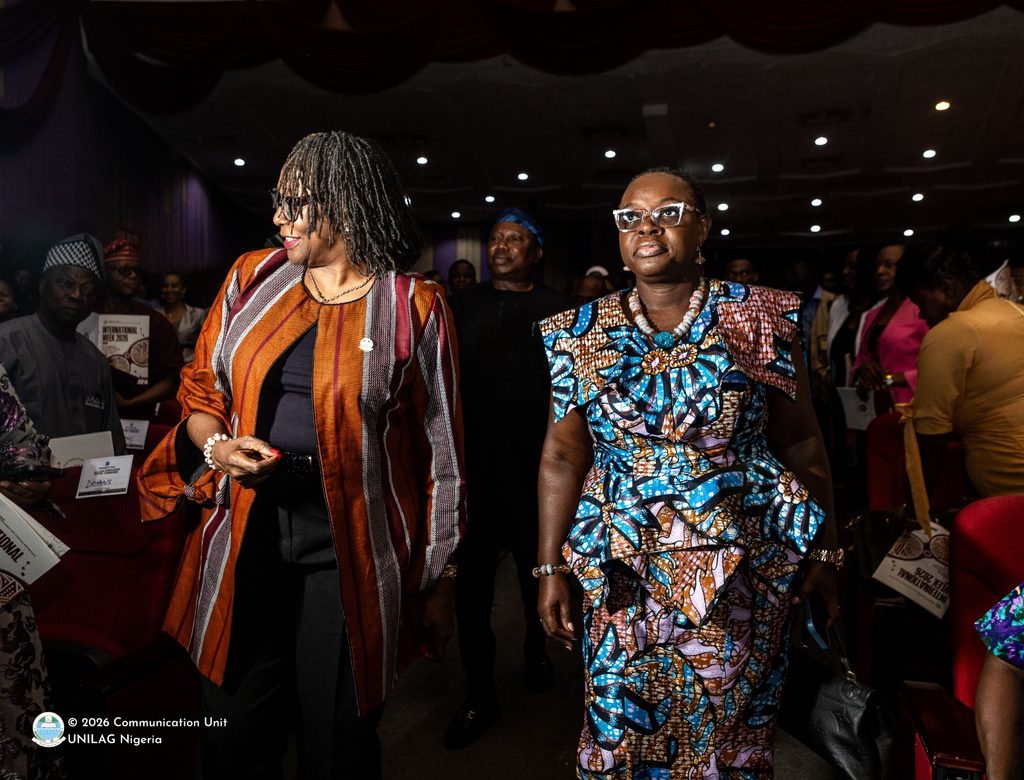
The call was made at the opening of the 2026 International Week of the University of Lagos (UNILAG), held on Tuesday, October 13, 2026, at the J.F. Ade. Ajayi (Main) Auditorium, UNILAG, Akoka.
The event, themed “Re-Imagining Pedagogy and Teaching for Higher Education in the 21st Century,” brought together policymakers, university leaders, academics and industry professionals to explore practical approaches to improving higher education in Africa.
Discussions centred on how universities can translate calls for educational reform into meaningful changes in classroom practice, curriculum design, assessment methods and industry engagement.
Setting the Tone for the Discourse
Declaring the International Week open, the Vice-Chancellor of UNILAG, Professor Folasade Ogunsola, OON, FAS, described the event as a platform for institutional reflection and strategic repositioning.
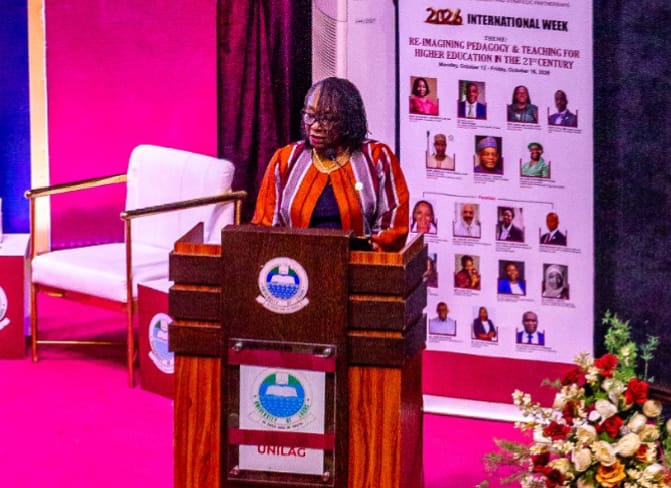
Reflecting on the evolution of UNILAG International Week from its inaugural edition in 2019 to the 2025 edition, which focused on equitable partnerships and artificial intelligence (AI) in Africa, Professor Ogunsola said the 2026 theme represented a necessary shift towards examining how universities teach and prepare students for the future.
She challenged universities to assess whether their teaching methods adequately prepare students for life beyond the classroom. She emphasised the need to move beyond conventional lecture-centred instruction towards active, practical and learner-centred approaches that foster innovation, independent thinking and problem-solving.
Rethinking Teaching and Learning in a Changing World
Delivering the keynote address, the Vice-Chancellor of the University of Ghana, Professor Nana Aba Appiah Amfo, cautioned that preparing students for narrowly defined jobs could leave them ill-equipped for a world increasingly shaped by technological disruption.
She argued that higher education must equip graduates not only with specialised knowledge but also with intellectual independence, ethical judgement, creativity, adaptability and a commitment to lifelong learning.
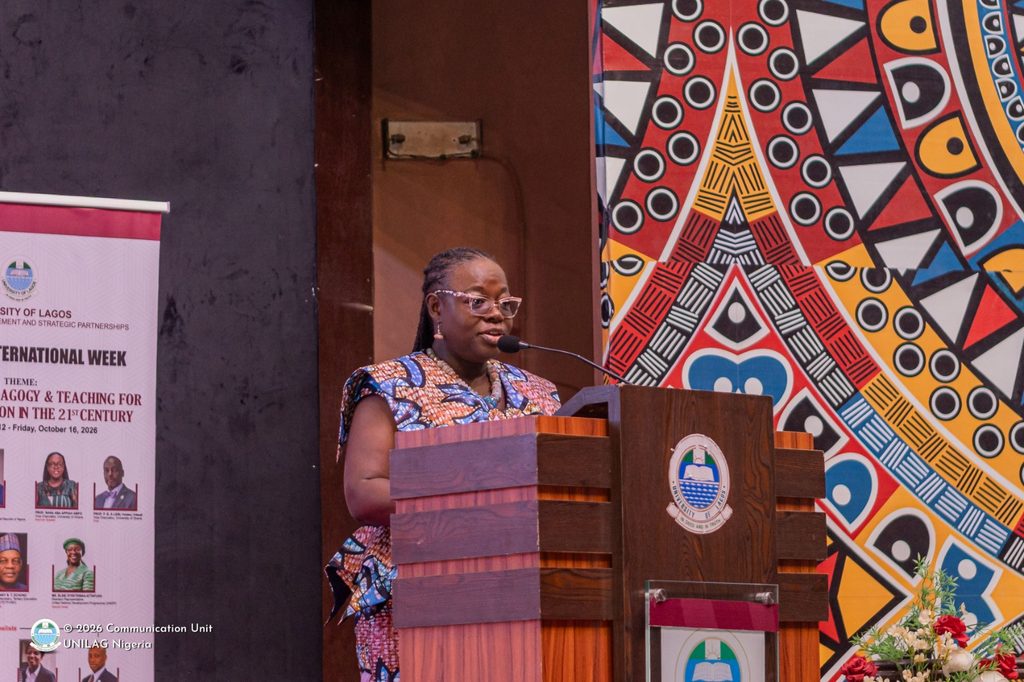
“Universities must take seriously the responsibility to equip students with knowledge and capabilities that will enable them to earn livelihoods, pursue fulfilling careers and contribute productively to their economies,” she said.
Professor Amfo stressed that students must learn to interrogate information rather than consume it uncritically, identify problems, investigate their underlying causes and develop solutions. She also underscored the importance of collaboration among people with diverse perspectives and experiences.
Addressing the growing influence of AI, she urged universities to consider how emerging technologies could enhance learning without undermining the intellectual capabilities that higher education is expected to develop.
She called for a reassessment of traditional assessment methods, advocating greater use of oral examinations, project-based assessments, in-person presentations, practical demonstrations and assignments requiring students to explain and defend their reasoning.
According to her, such approaches would help align assessment with learning outcomes while strengthening students’ analytical abilities and capacity for sustained intellectual engagement.
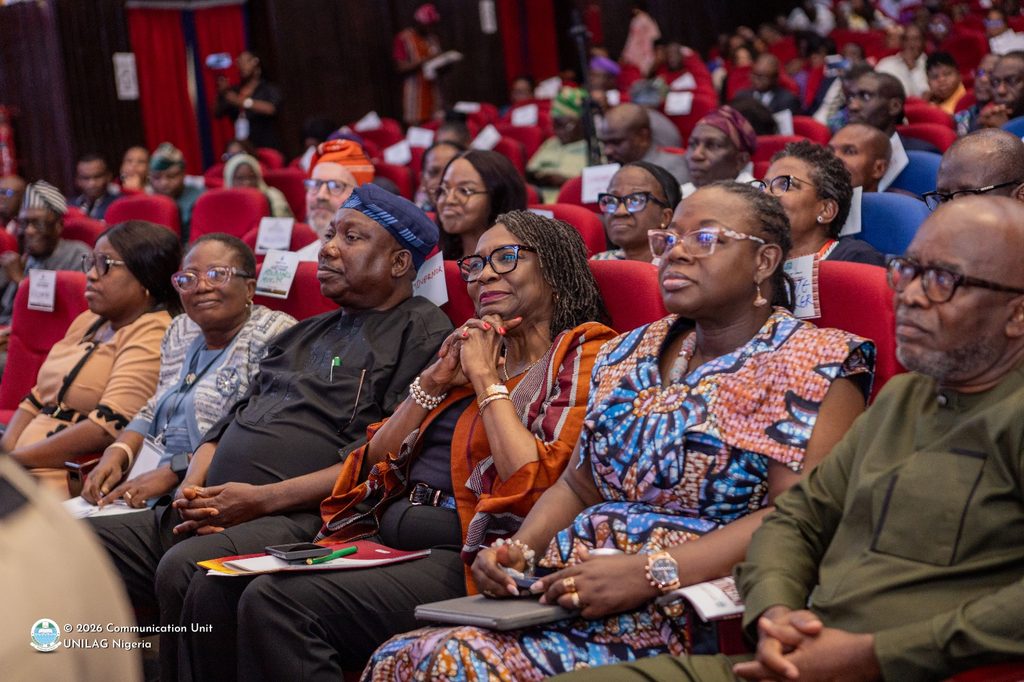
Professor Amfo further emphasised the need for African universities to develop the knowledge, leadership and skills required to address the continent’s challenges, including healthcare, food security, environmental sustainability, inequality, democratic governance and technological inclusion.
Goodwill Messages Highlight Collaboration and Innovation
In her remarks, the Minister of Education, Dr. Maruf Tunji Alausa, represented by Mrs. Elizabeth Ogundipe of the Federal Ministry of Education, congratulated UNILAG and University of Birmingham on their partnership agreement, scheduled for signing as part of the 2026 International Week celebrations.
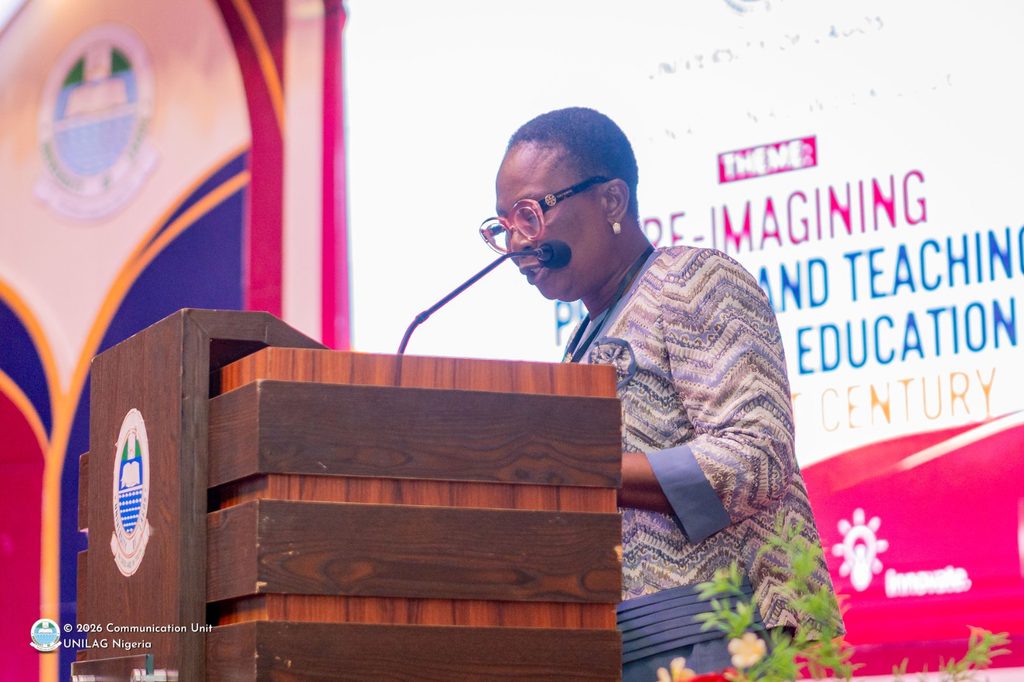
She described the partnership as an important step towards strengthening international academic cooperation, expanding access to quality higher education and enhancing Nigeria’s competitiveness in the global knowledge economy.
The Minister reaffirmed Federal Government’s commitment to partnerships that promote institutional development, innovation, quality teaching and research, while ensuring that graduates acquire the knowledge, skills and values needed to succeed.
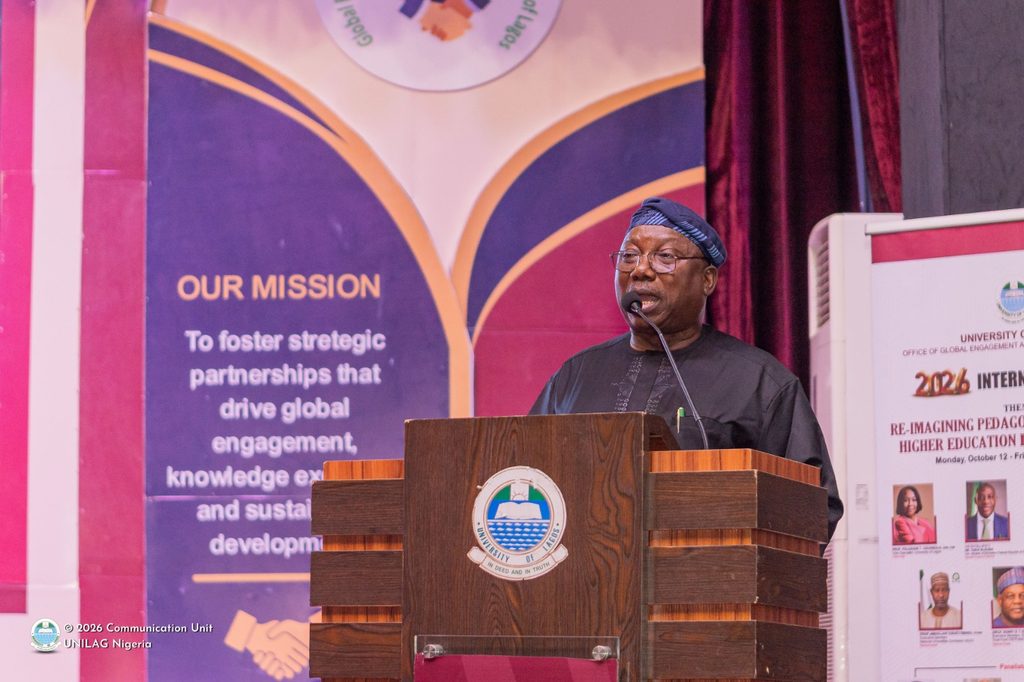
Representing the Governor of Lagos State, Mr. Babajide Sanwo-Olu, the Commissioner for Tertiary Education, Hon. Tolani Sule, commended UNILAG for providing a platform for constructive engagement on the role of tertiary education in national development.
The Commissioner advocated a more pragmatic approach to teaching, learning and research, alongside greater attention to access and inclusion. Students were also encouraged to remain curious, embrace lifelong learning and use technology responsibly.
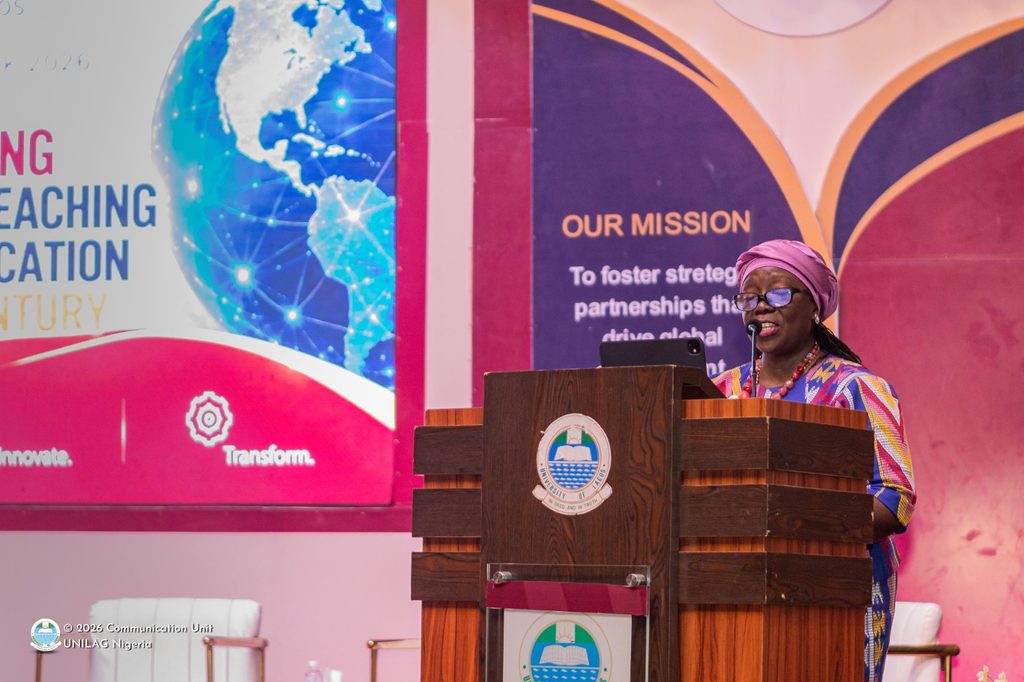
The Resident Representative of the United Nations Development Programme (UNDP) in Nigeria, Ms. Elsie Attafuah, congratulated UNILAG on the sixth edition of International Week and reaffirmed the organisation’s commitment to continued collaboration with the University on development initiatives.
Her presentation highlighted practical priorities for transforming higher education, including learner-centred teaching methods, responsible AI integration, stronger industry partnerships, expanded practical learning opportunities and more inclusive educational innovation.
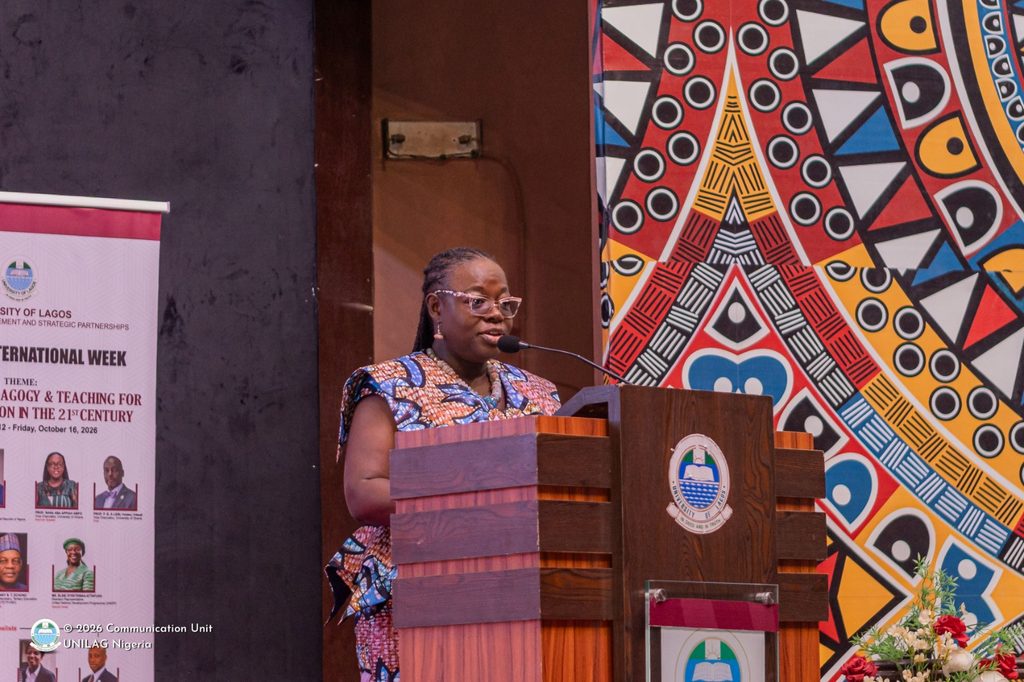
Similarly, the Executive Secretary of the National Universities Commission (NUC), Professor Abdullahi Yusuf Ribadu, represented by Dr. Ayo Teju Ogun, commended the University for promoting discussions on how knowledge is taught, acquired and applied in the 21st century.
He advocated a shift from information-centred instruction towards learning environments that encourage critical thinking, creativity, collaboration and practical problem-solving. He also identified digital literacy, entrepreneurship, ethical judgement and adaptability as essential attributes for graduates seeking to compete internationally while contributing to national development.
Strengthening University–Industry Partnerships
The need to bridge the gap between classroom learning and workplace expectations featured prominently in the first panel session, themed “Talents, Values and Impact: Reimagining the University–Industry Nexus to Drive Ethical, Skilled and Globally Competitive Graduates.”
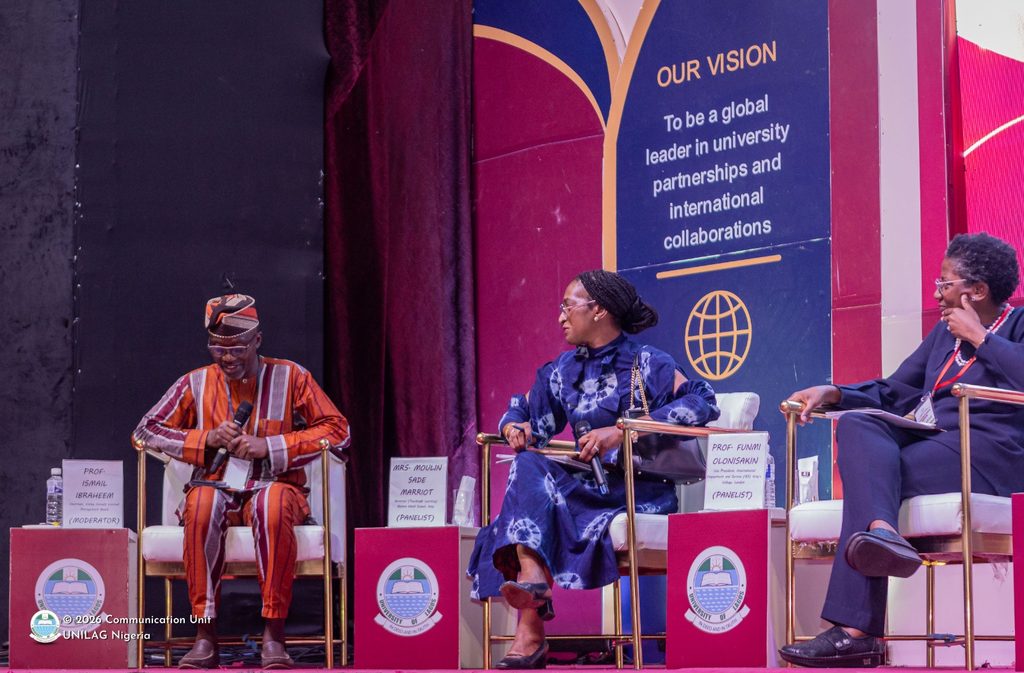
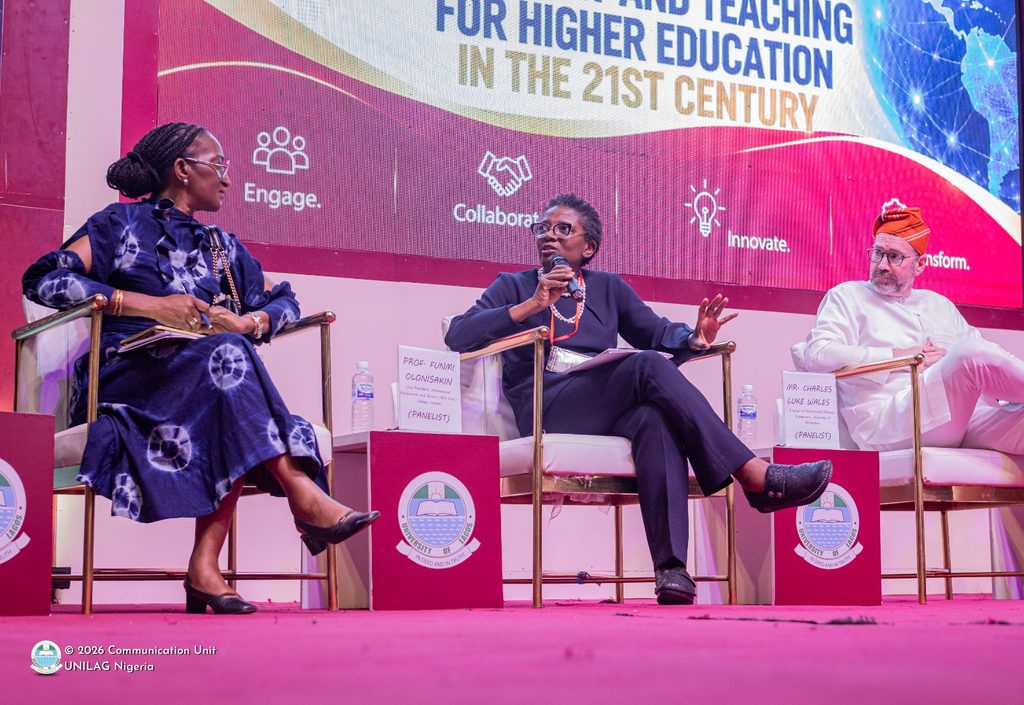
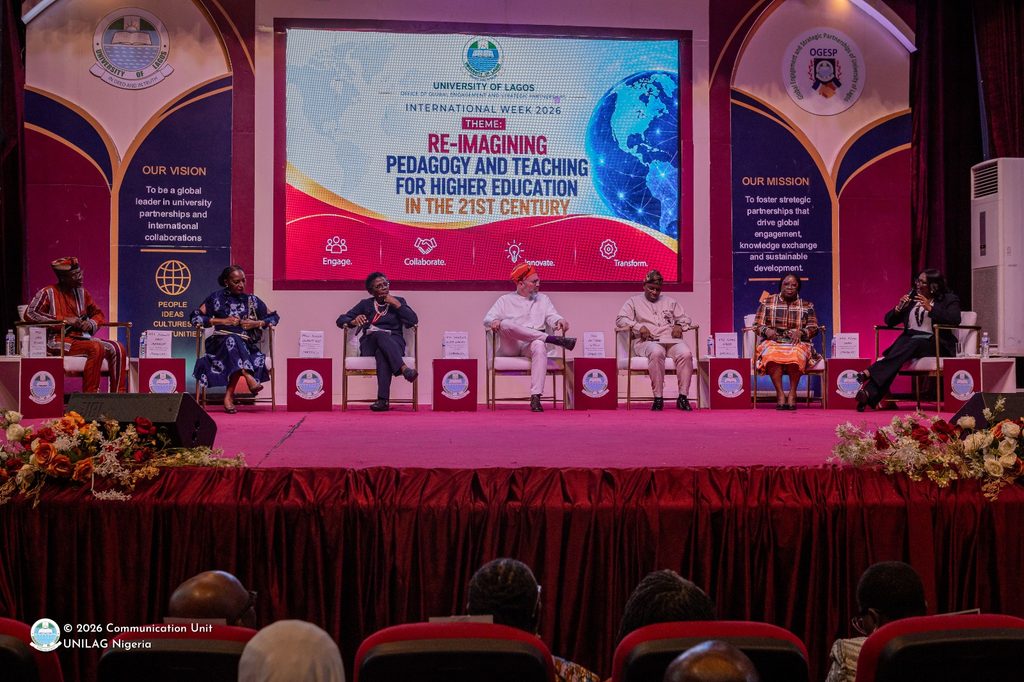
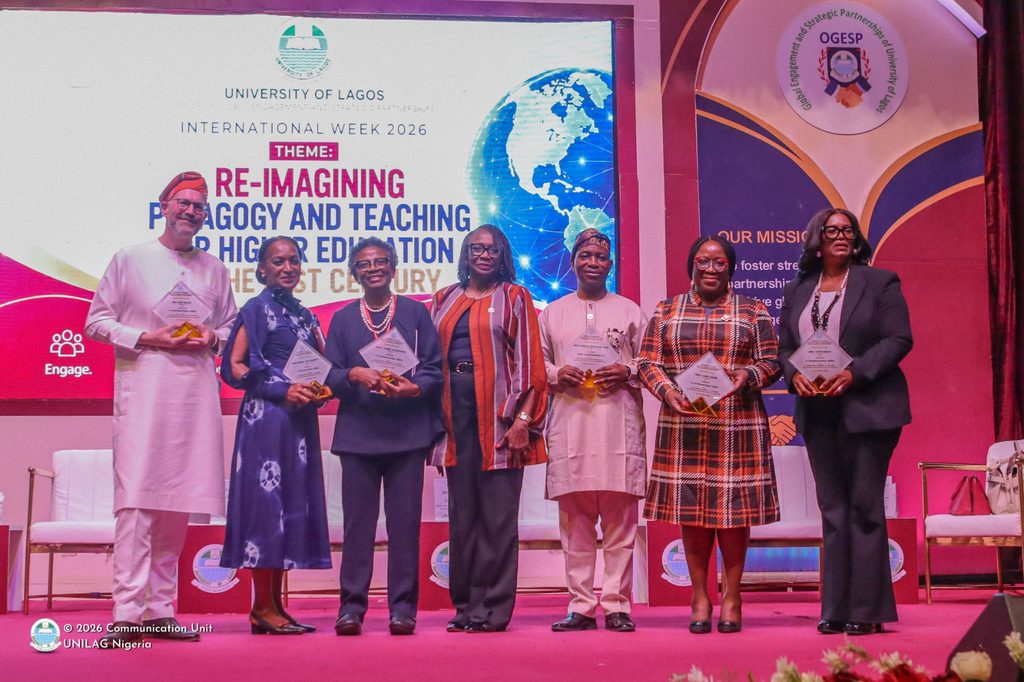
Moderated by Professor Ismail Ibraheem, Chairman of UNILAG Consult Ltd Management Board, the panel comprised:
- Mrs. Moulinsade Marriott, Governor, Teaching & Learning, Banana Island International School
- Mrs. Funke Amobi, Executive Director, Operations, Stanbic IBTC
- Professor Funmi Olonisakin, Vice President, International Engagement & Service, King’s College London
- Mrs. Toyin Gbagi, Chief Operating Officer, KPMG Nigeria & West Africa
- Mr. Charles Luke Wales, University of Birmingham, UK
- Professor Matthew Ilori, Deputy Vice-Chancellor, Academics & Research, UNILAG
Discussions explored the value of university education, entrepreneurship training, industry expectations, the role of AI in professional life and the internationalisation of higher education.
The panellists emphasised the importance of employability alongside the development of critical thinking, adaptability, resilience, flexibility and ethical values. They identified stronger collaboration between academia and industry as essential to keeping university curricula relevant to evolving workplace demands.
The second panel session moderated by Dr Olayinka Adewunmi (Ag. Director, Innovation and Technology Management Office, UNILAG) had the theme: “Engineering Education for a Rapidly Changing World: Bridging Theory, Practice and Industry in the 21st Century.”
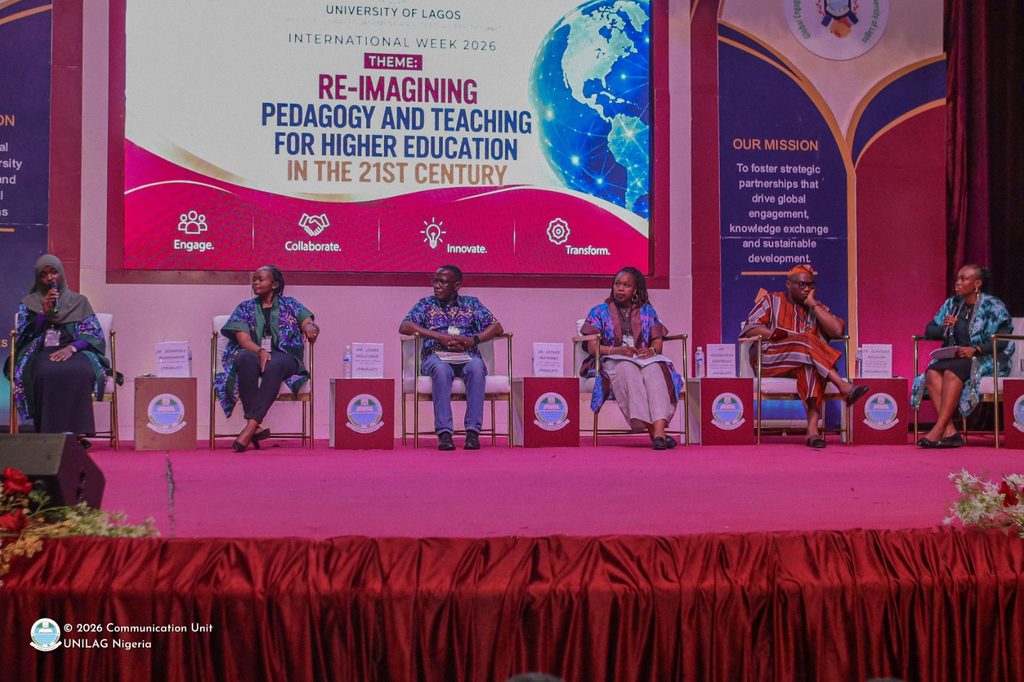
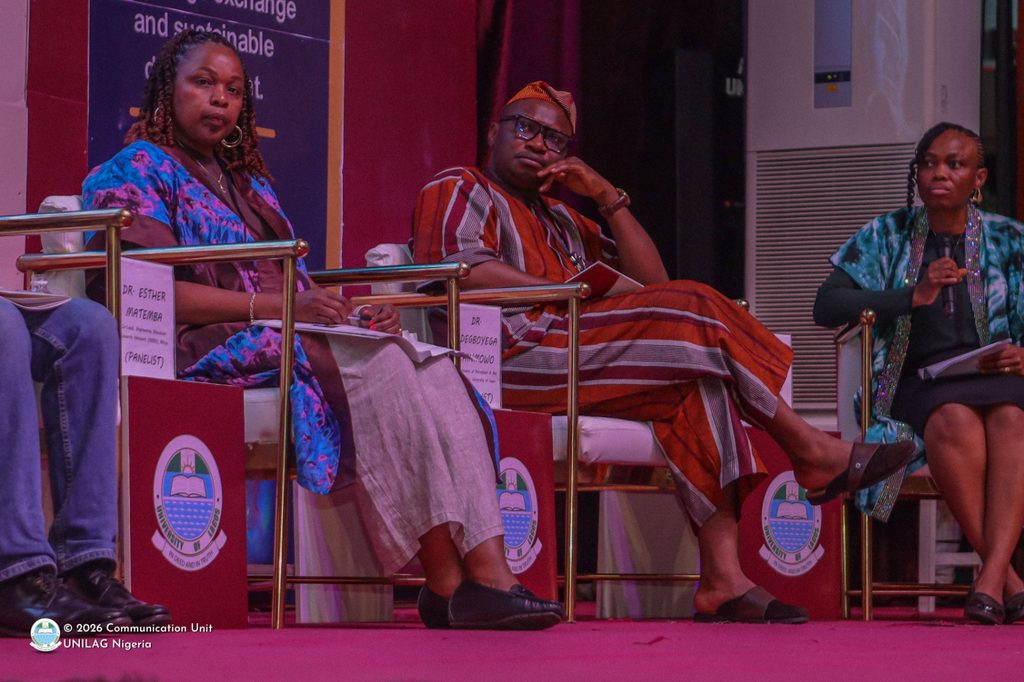
The session had the following panelists:
- Dr Shamim Nassar (Strathmore University, Kenya)
- Dr Disaapele Mogashana (University of Pretoria, South Africa)
- Mr Jones Moloisane (Tshwane University of Technology,Pretoria, South Africa)
- Dr Esther Matemba (Engineering Education Research Network-Africa)
- Dr Adegboyega Ehinmowo (University of Lagos)
Their discussions examined how engineering students could be better prepared to address contemporary technical and industrial challenges. The session reinforced the need to combine theoretical instruction with practical exposure, industry collaboration and opportunities for students to apply classroom knowledge to real-world problems.
Innovation Challenge Showcases Inclusive Learning Solutions
The opening ceremony also featured the official presentation of prizes to winners of the 2026 AFRETEC-UNILAG Inclusive Education Innovation Challenge (For more on the Challenge, please click: https://lagosedu.com/when-inclusion-became-innovation-team-omega-triumphs-at-afretec-unilag-challenge-3-0/):
- Team Omega of UNILAG won the grand prize of ₦2 million for OmniSight, a hands-free spatial navigation system incorporating tremor filtering.
- Team Echo Project of Michael Okpara University of Agriculture, Umudike, received the second prize of ₦1.5 million for an AI-powered offline learning platform designed for children with visual, hearing and speech impairments.
- Team Jade, also from UNILAG, secured third place and a prize of ₦1 million for its AI-powered content adaptation platform designed to support teachers.
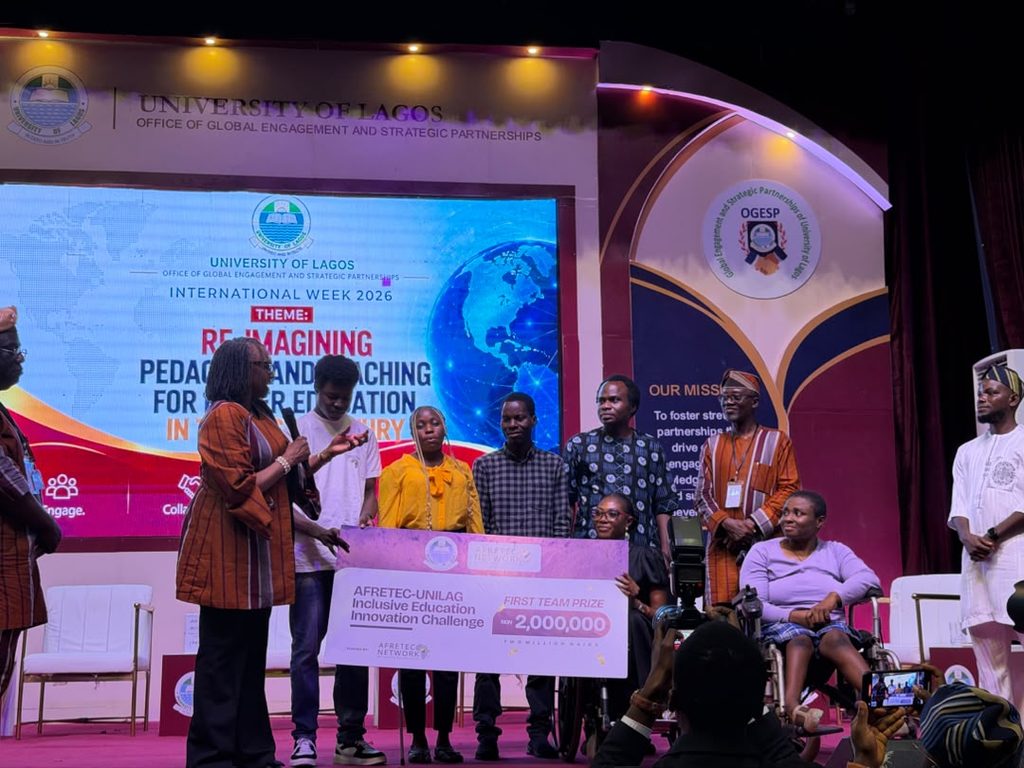
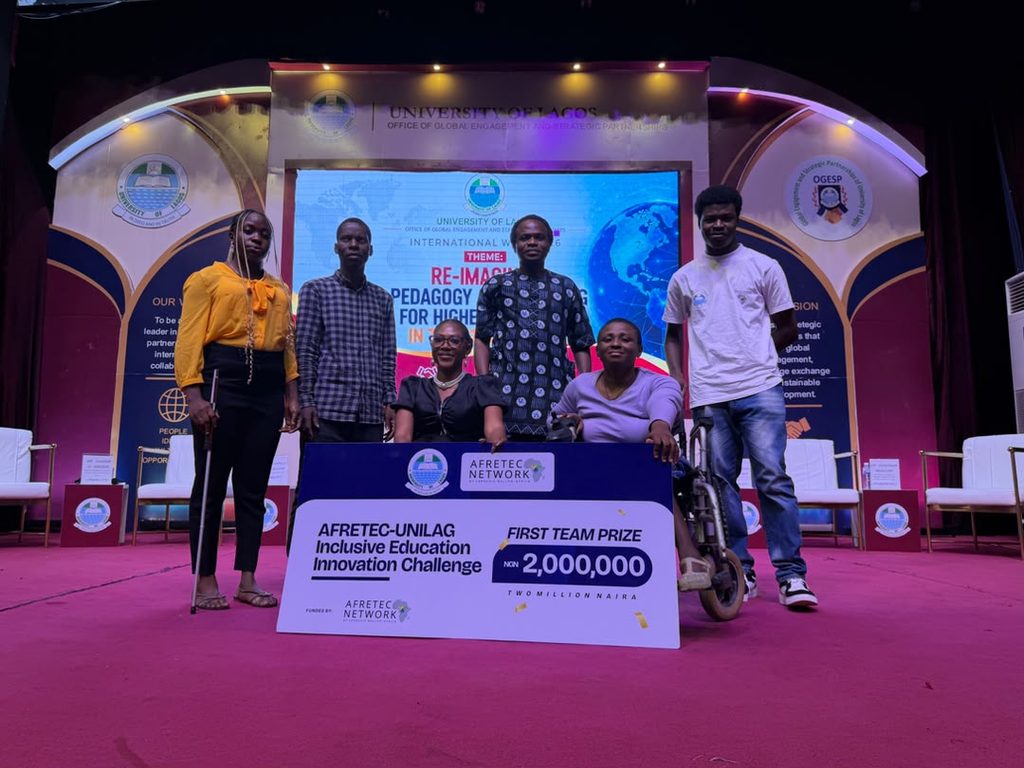
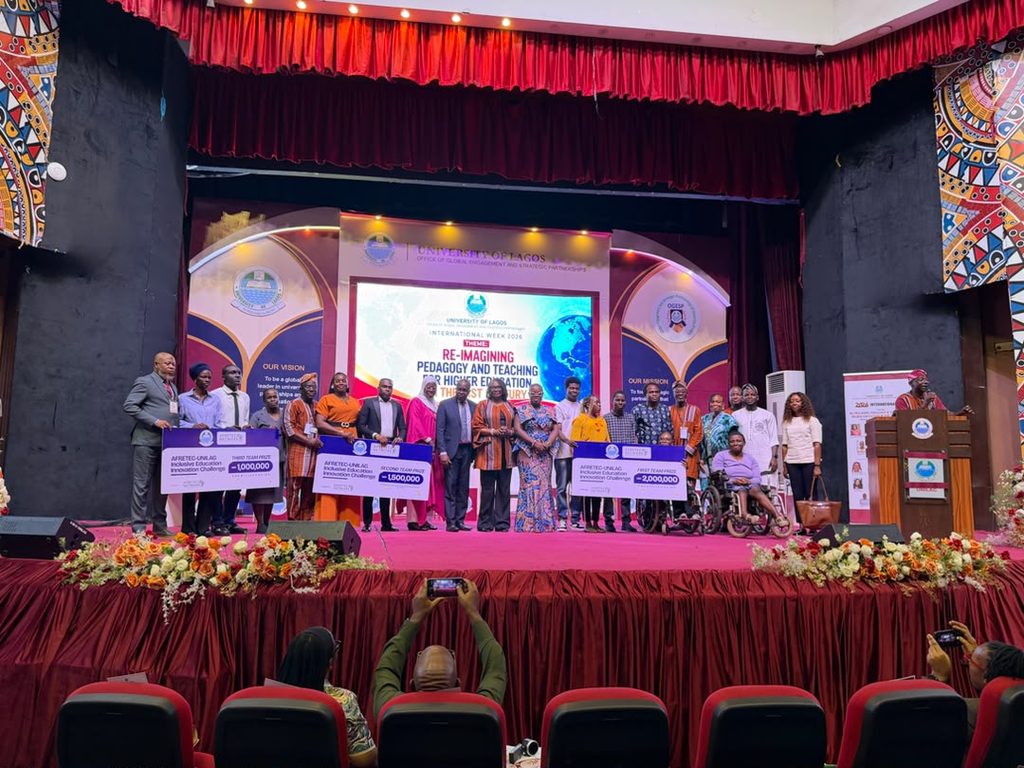
The challenge, which commenced in May 2026, attracted 94 entries from teams across Nigeria and Ghana, all responding to a fundamental question: how can innovation and technology be harnessed to make education more inclusive and accessible? Following a rigorous selection process and a finalists’ bootcamp, 15 teams from 13 universities earned their place at the Grand Finale, where they presented solutions addressing some of the barriers confronting learners.
But the story of the competition was not simply about who won. It was about what happened when young people were given the opportunity, resources, mentorship, and institutional support to transform ideas into solutions.The winning innovations demonstrated how technology could be harnessed to address barriers to learning and promote more inclusive educational experiences.

UNILAG Int’l Week 2026
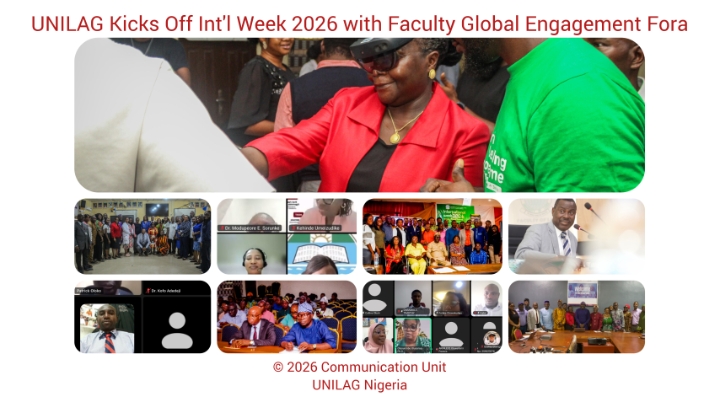
The 2026 International Week of the University of Lagos (UNILAG) commenced on Monday, October 12, 2026 with a series of Faculty Global Engagement Fora (https://lagosedu.com/unilag-kicks-off-intl-week-2026-with-faculty-global-engagement-fora/)
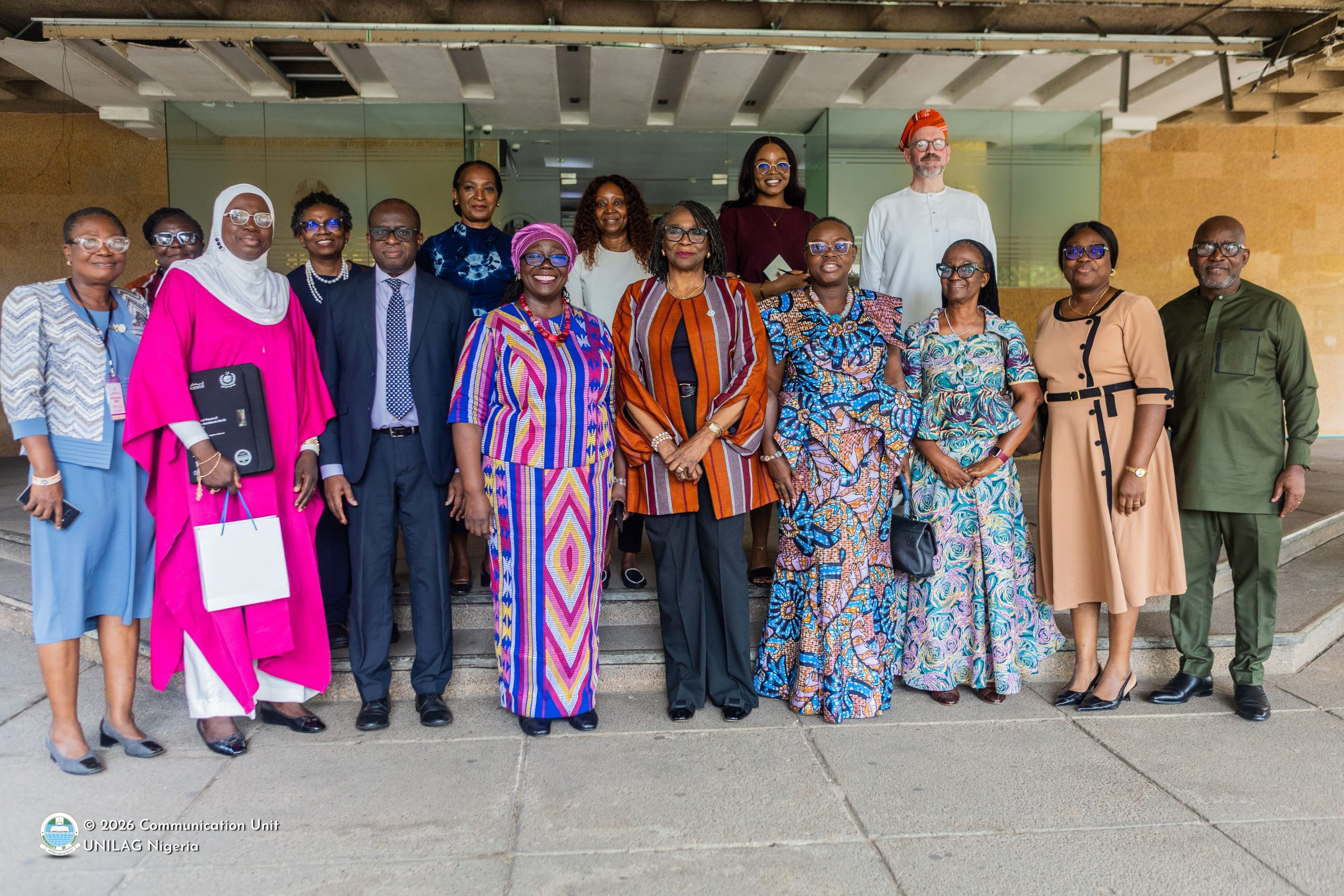
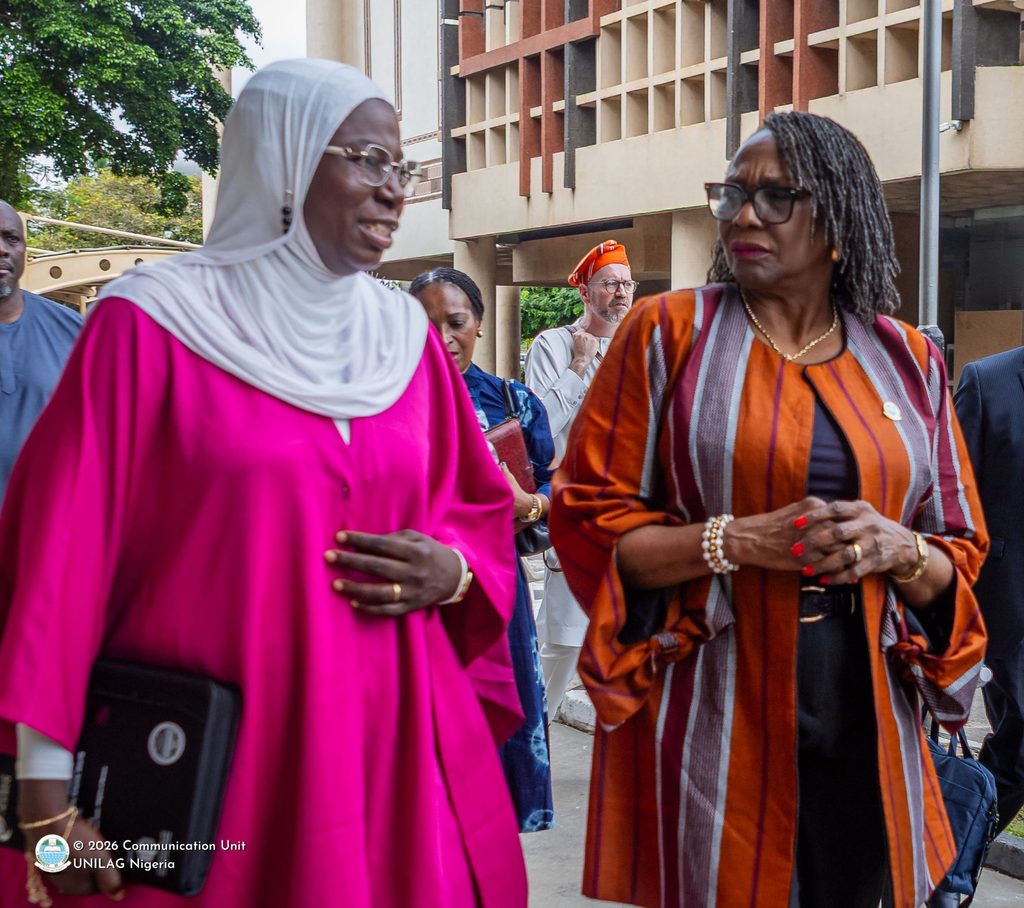
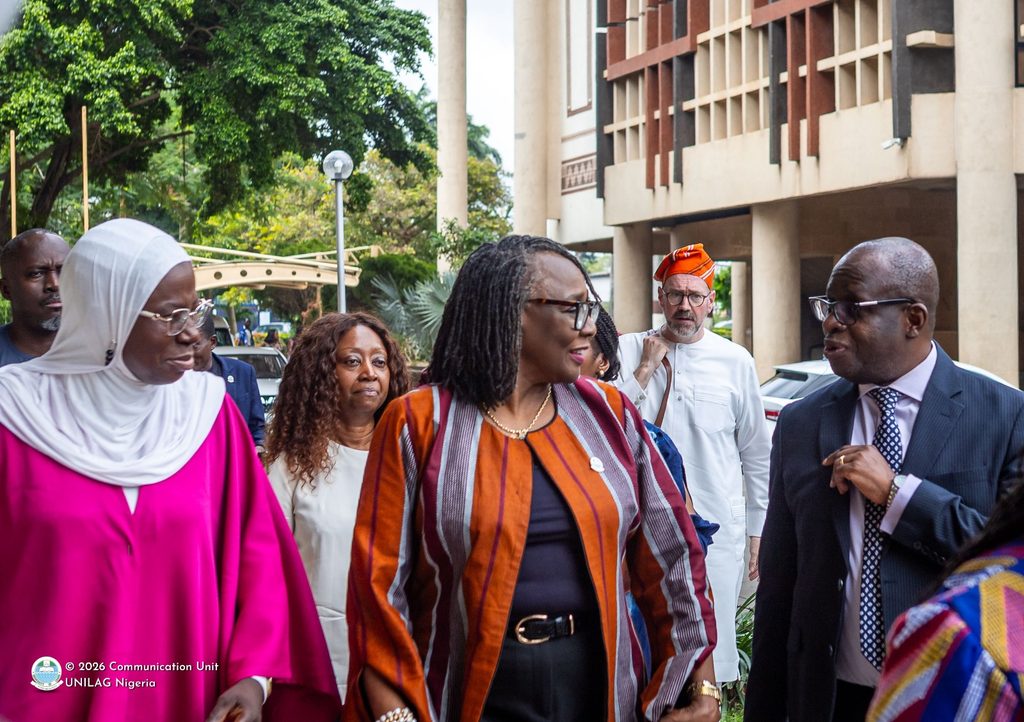
Day 2 of the Int’l Week, Tuesday, October 13, 2026 began with the University’s Vice-Chancellor, Professor Folasade Ogunsola, OON, FAS receiving a delegation of distinguished guests at her Senate House Office, ahead of the Formal Opening Ceremony of the Week ( https://lagosedu.com/unilag-international-week-2026-prof-ogunsola-hosts-african-university-leaders-global-partners/).
The International Week continues on Wednesday, October 14, 2026 with the UNILAG Annual Research Conference and Fair at the Jelili Omotola (Multipurpose) Hall, UNILAG.
Report: Gbenga Gbelee
Photograph: Ayo Oloyede