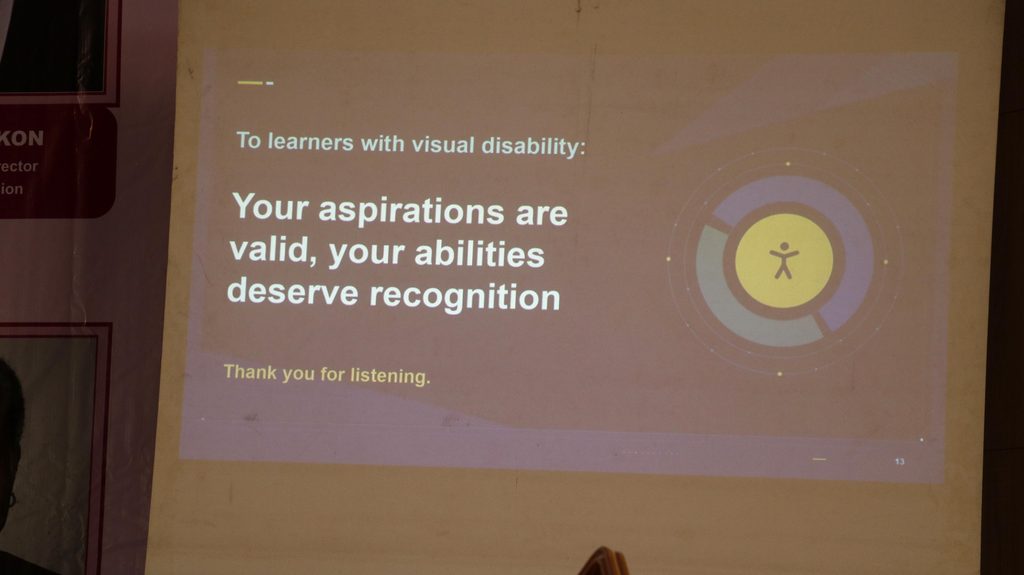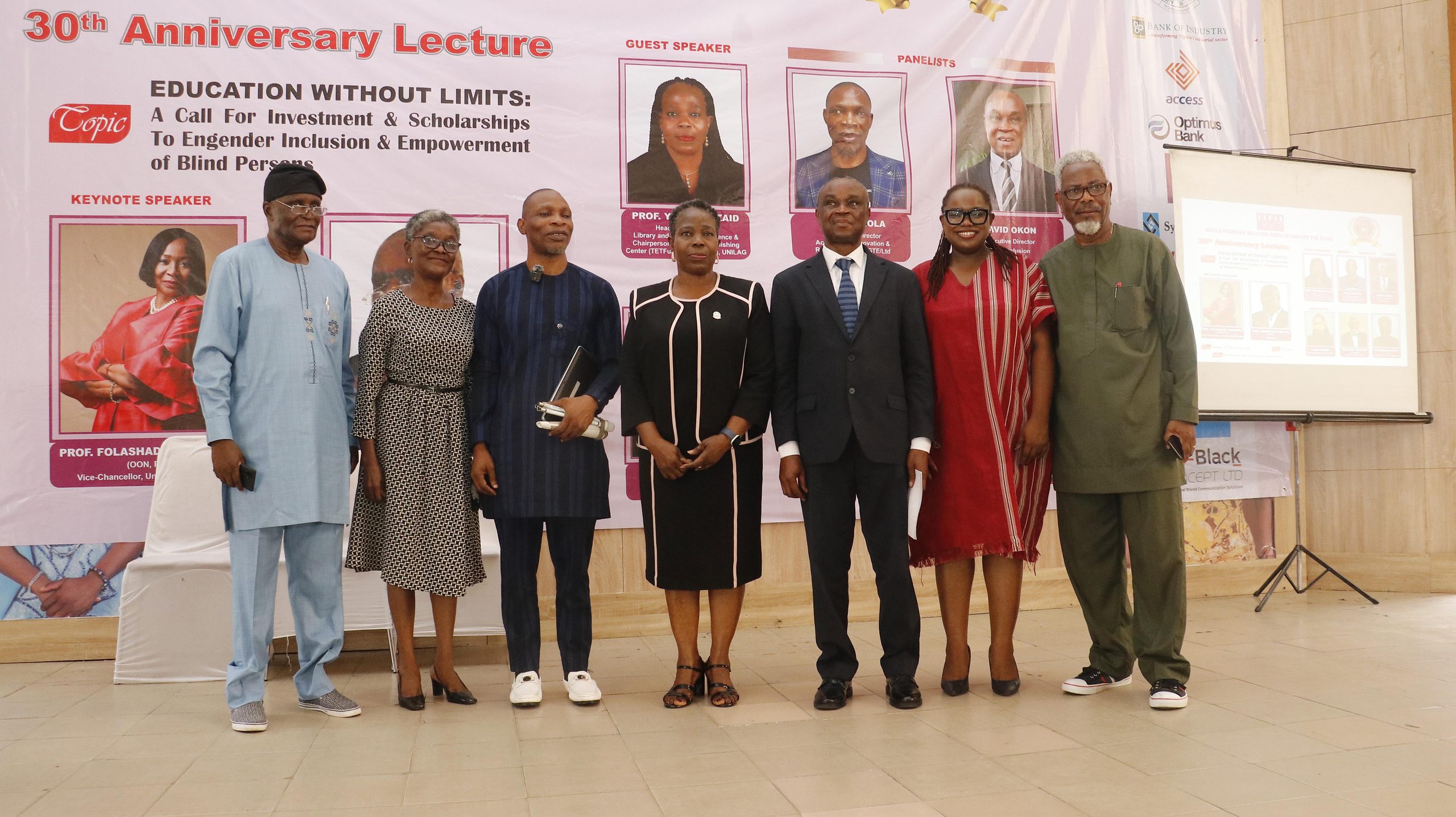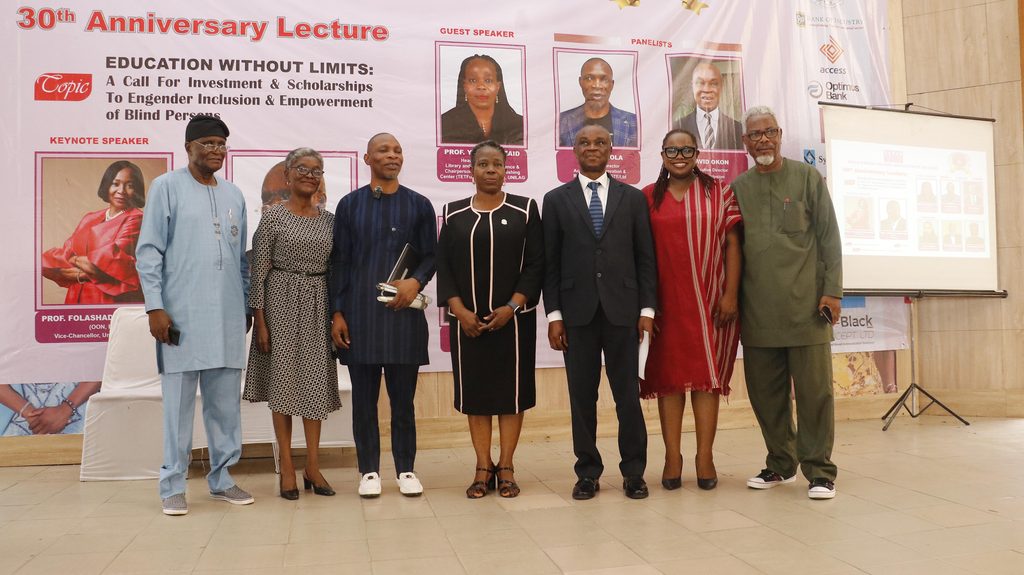
The University of Lagos (UNILAG) has joined other stakeholders in advocating increased investment in inclusive education, accessible learning resources and scholarship opportunities for persons with visual impairment.
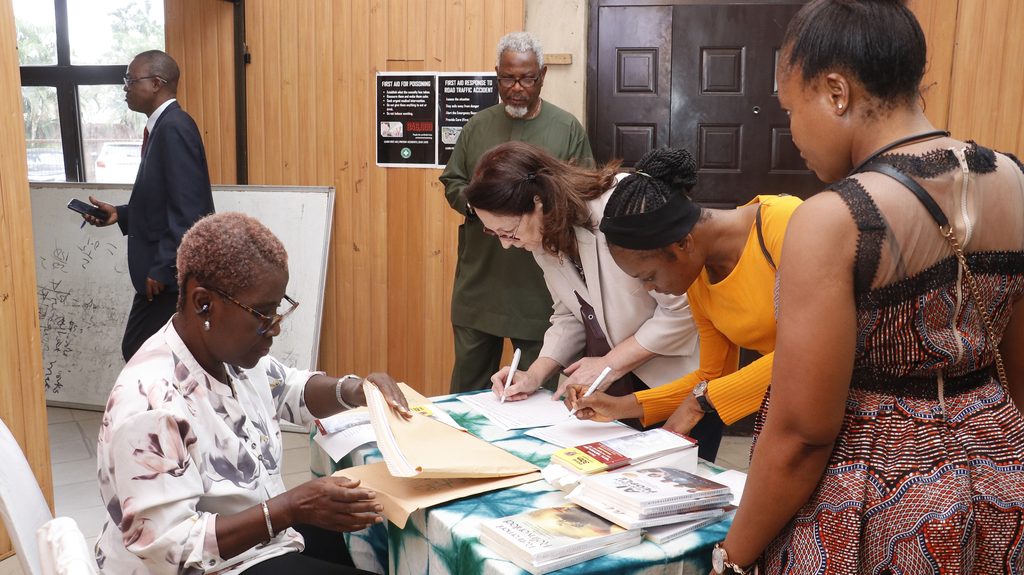
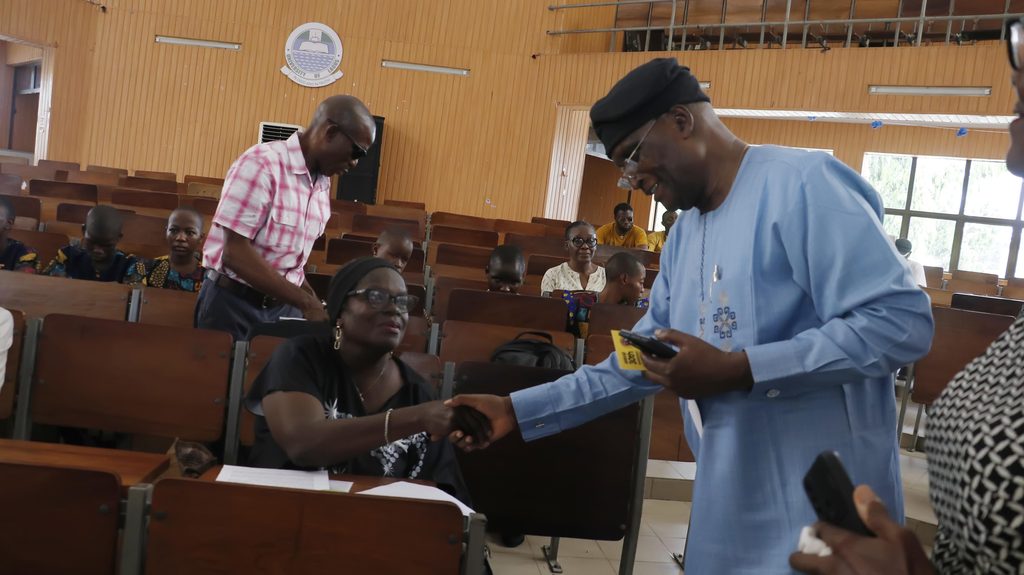
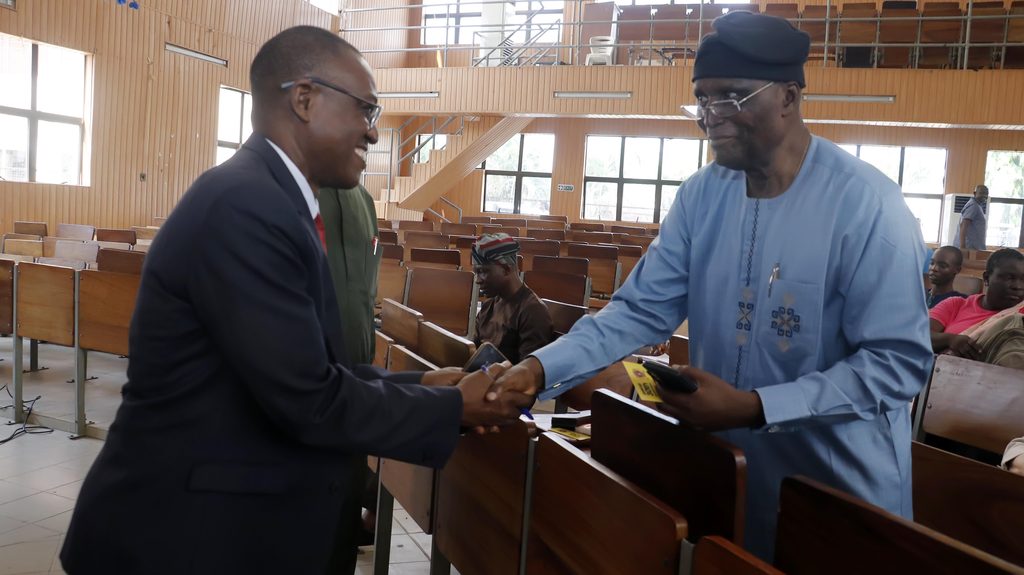
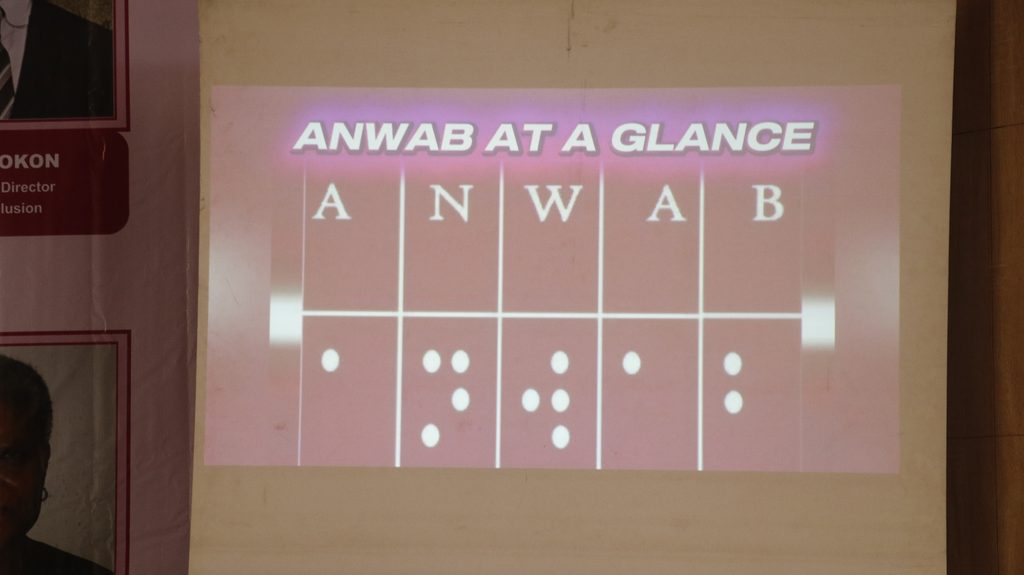
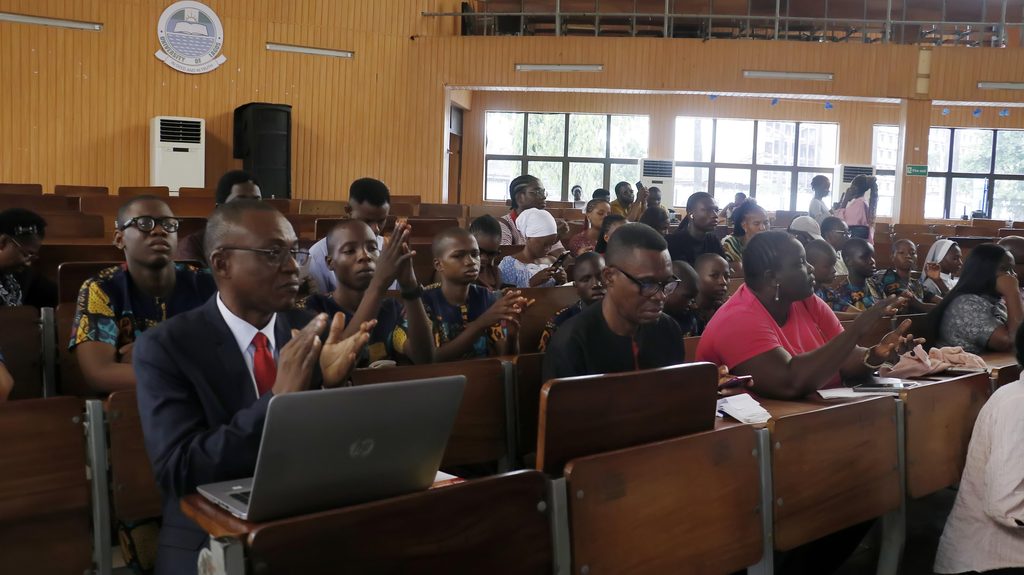
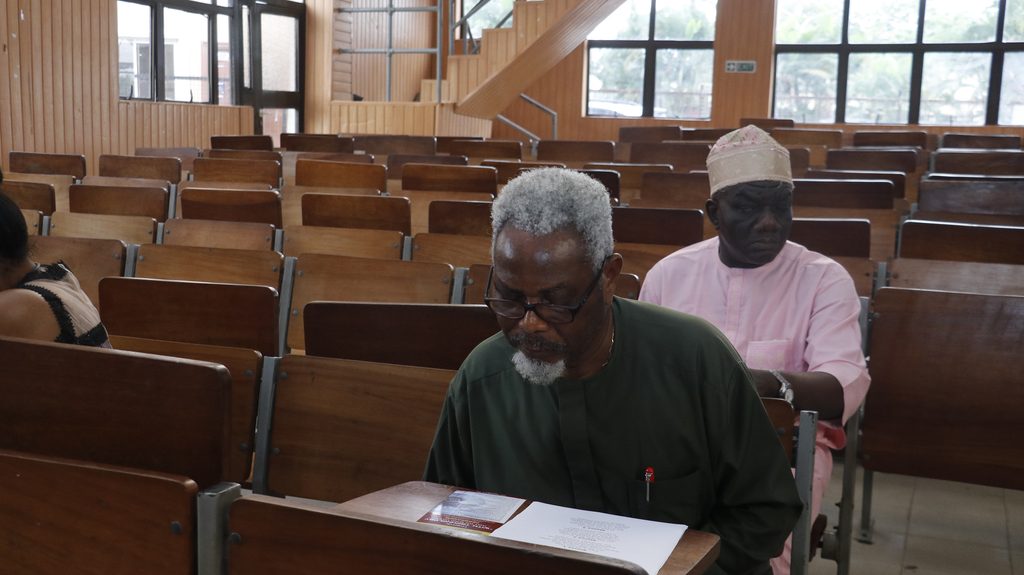
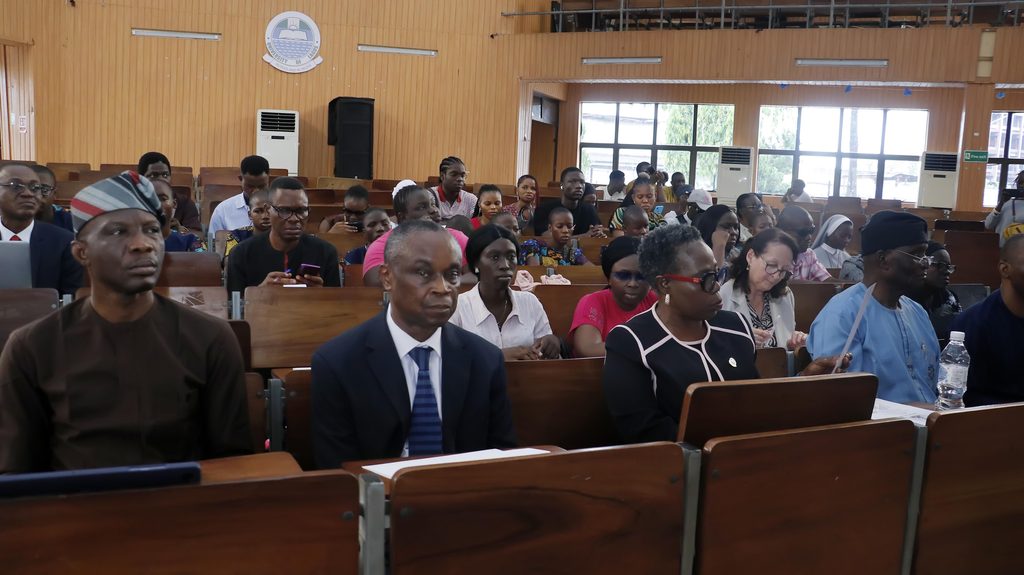
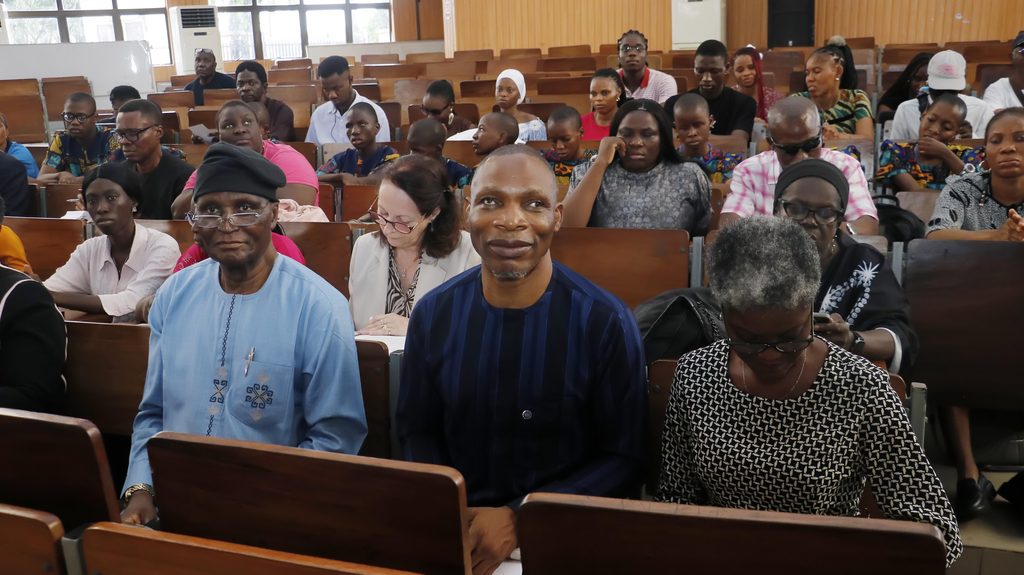
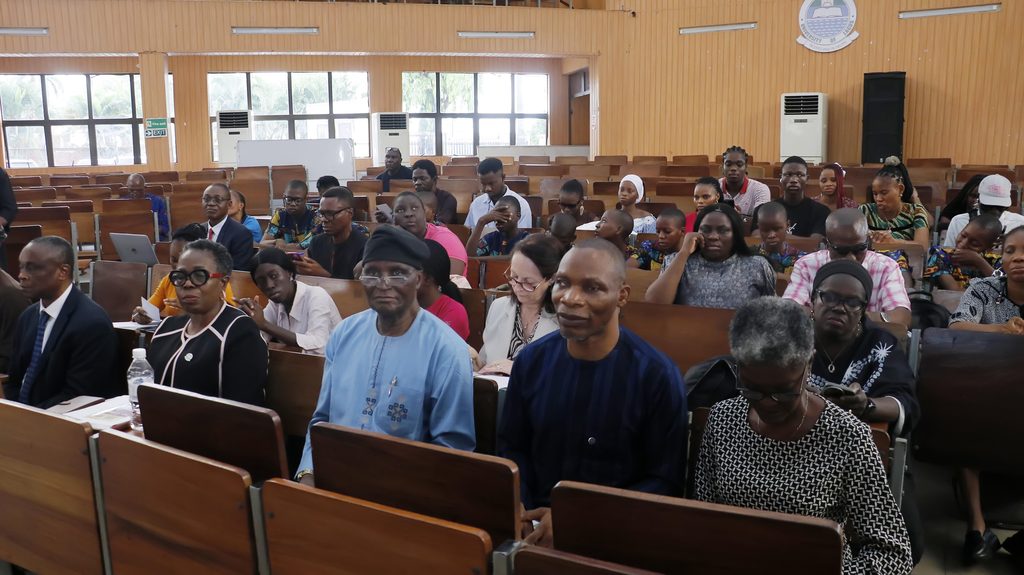
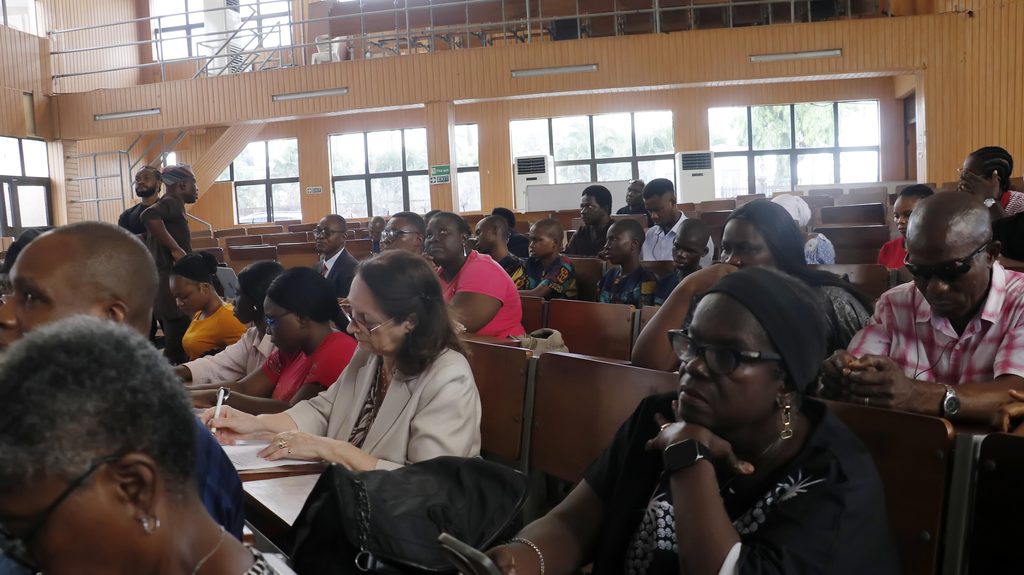
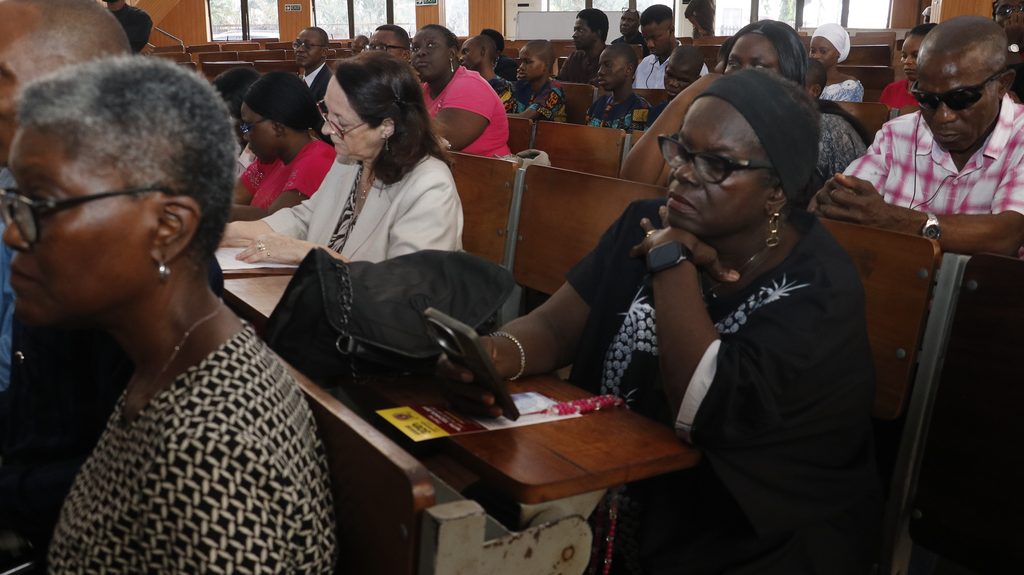
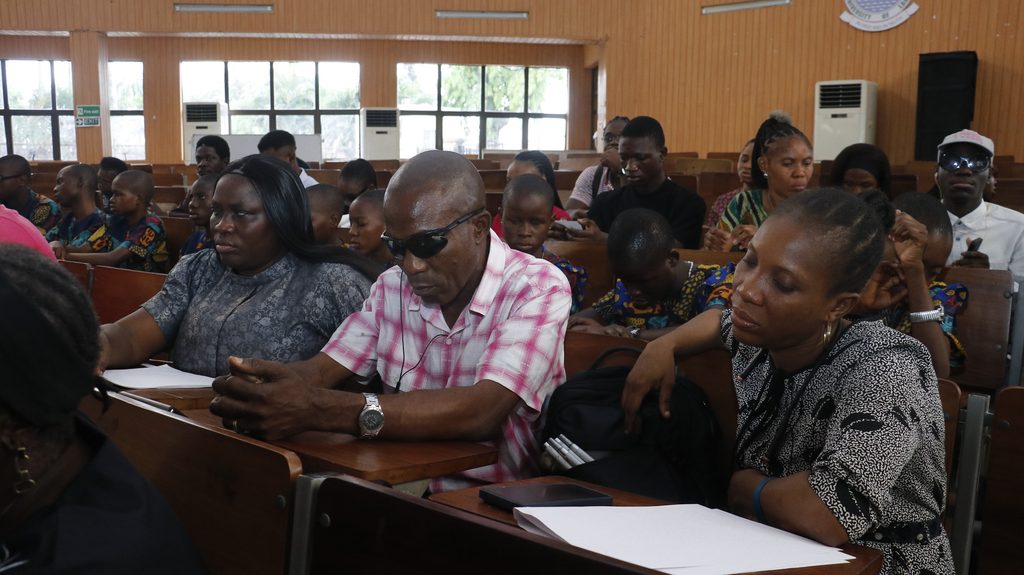
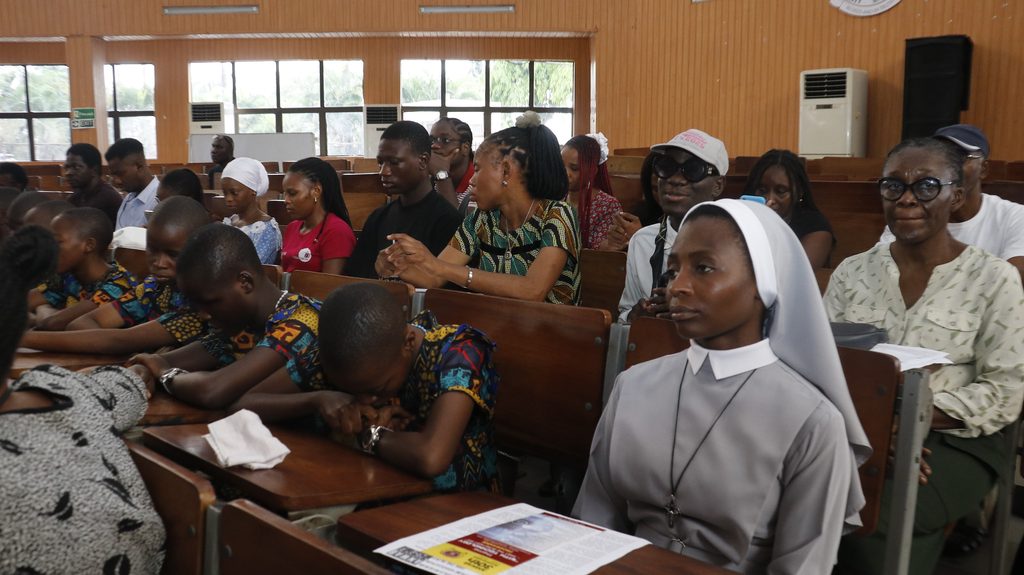
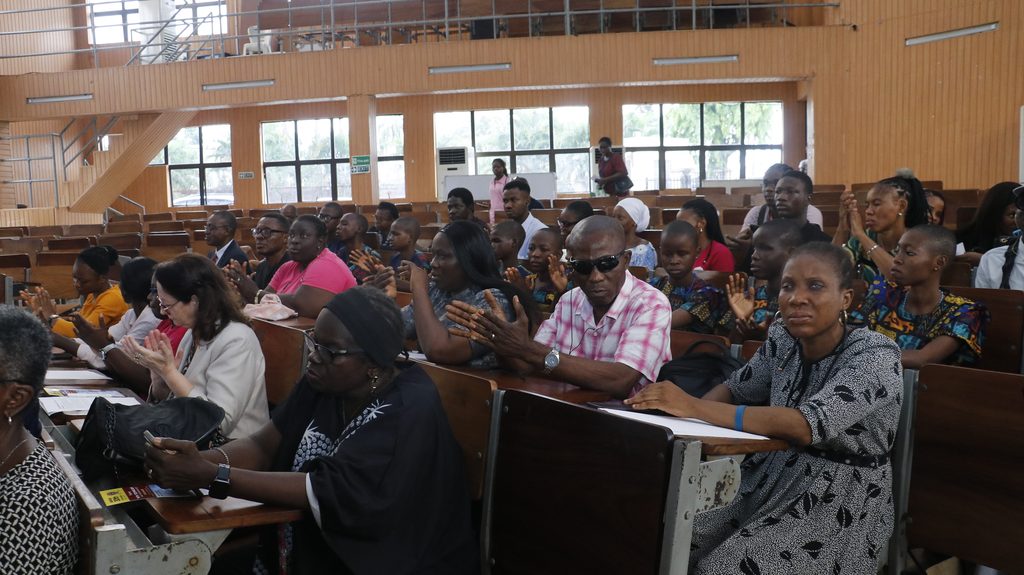
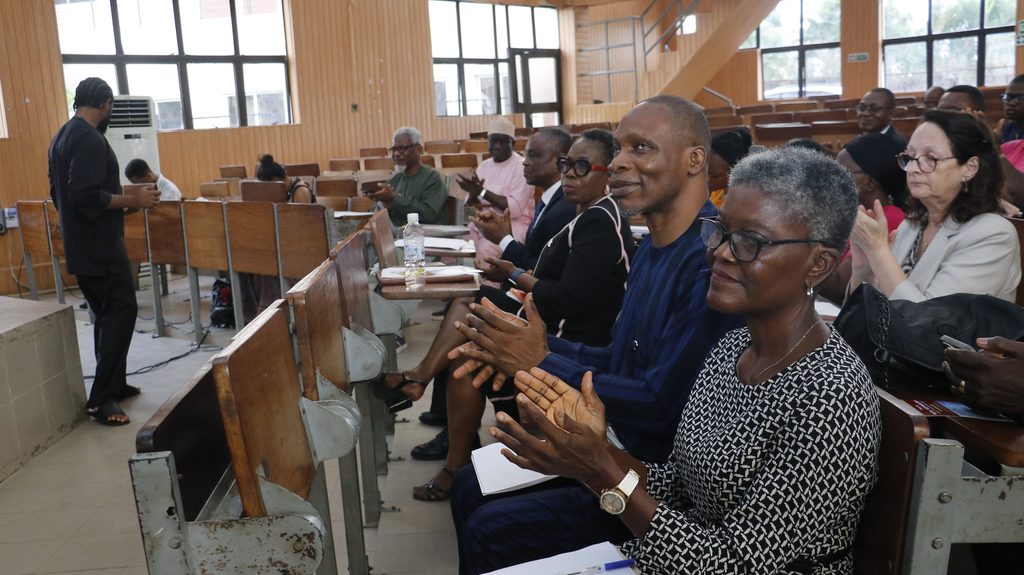
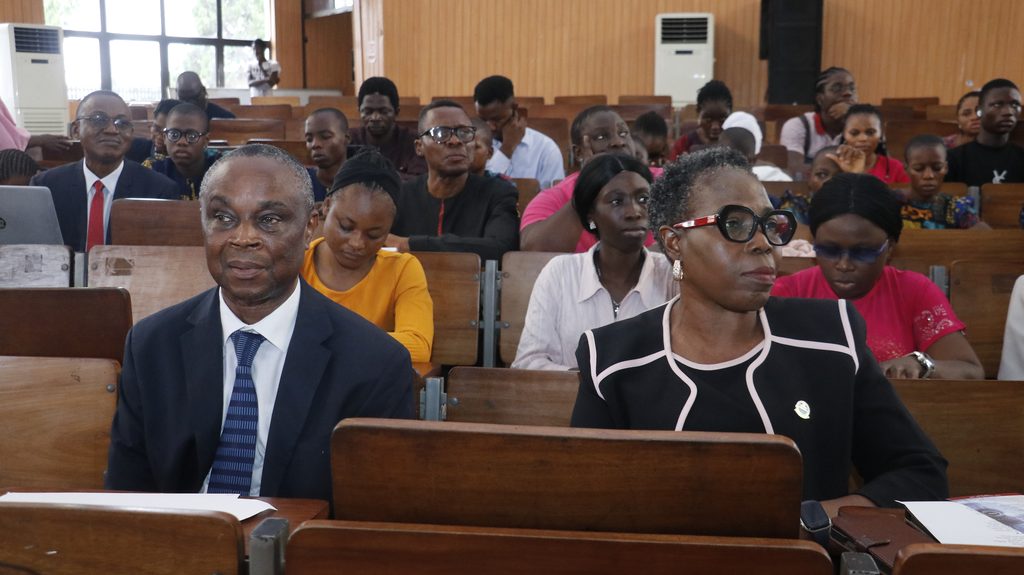
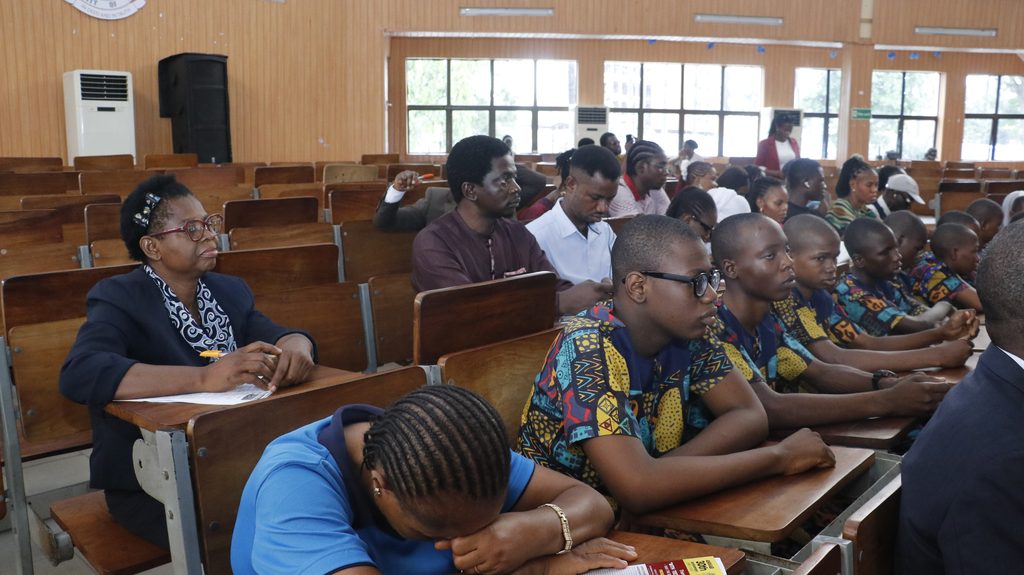
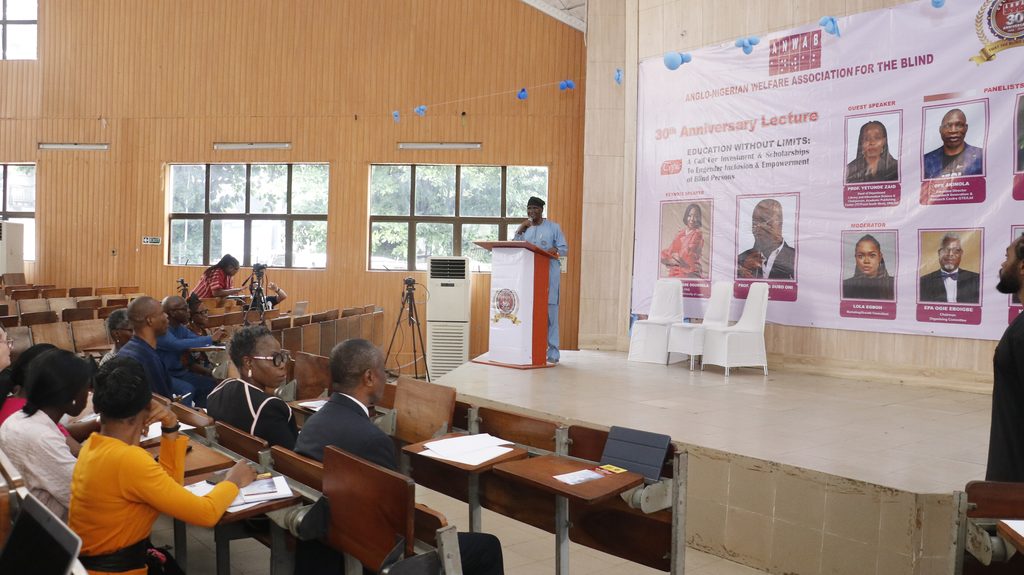
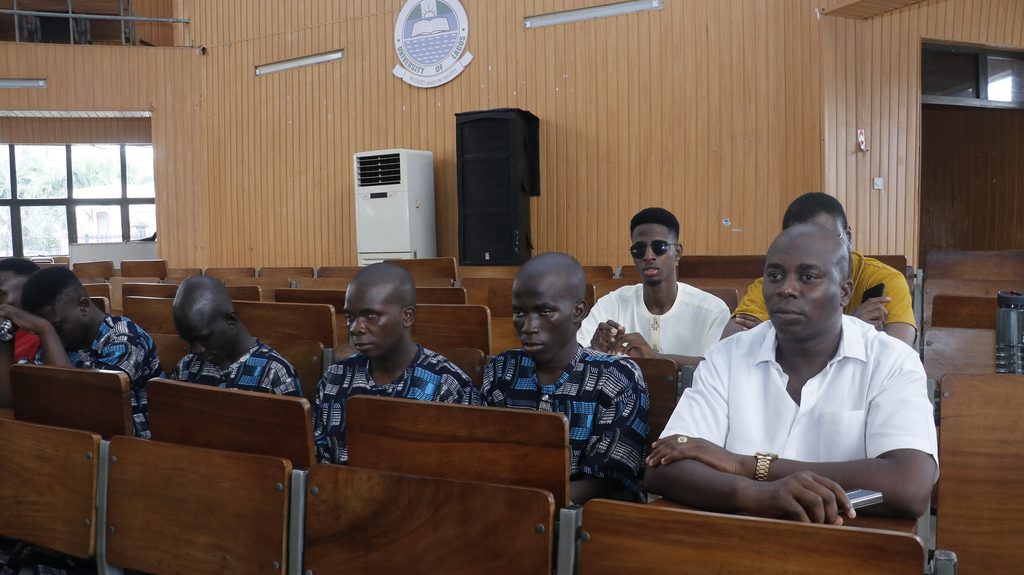
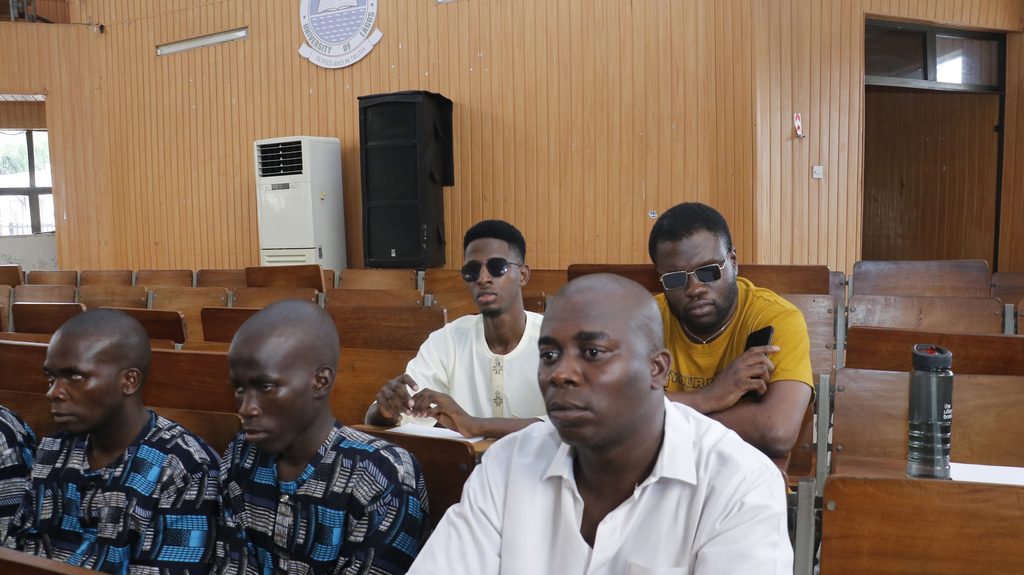
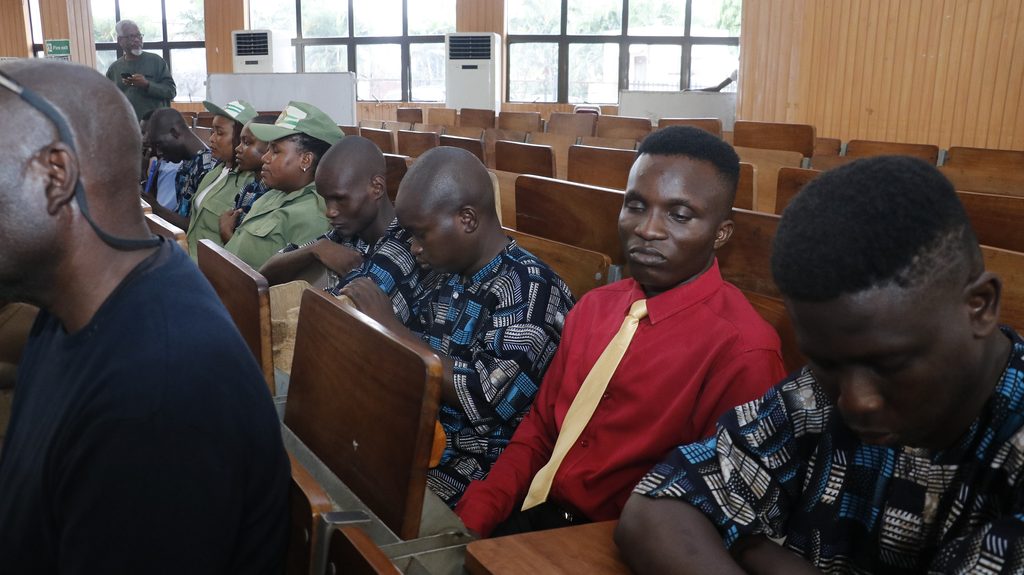
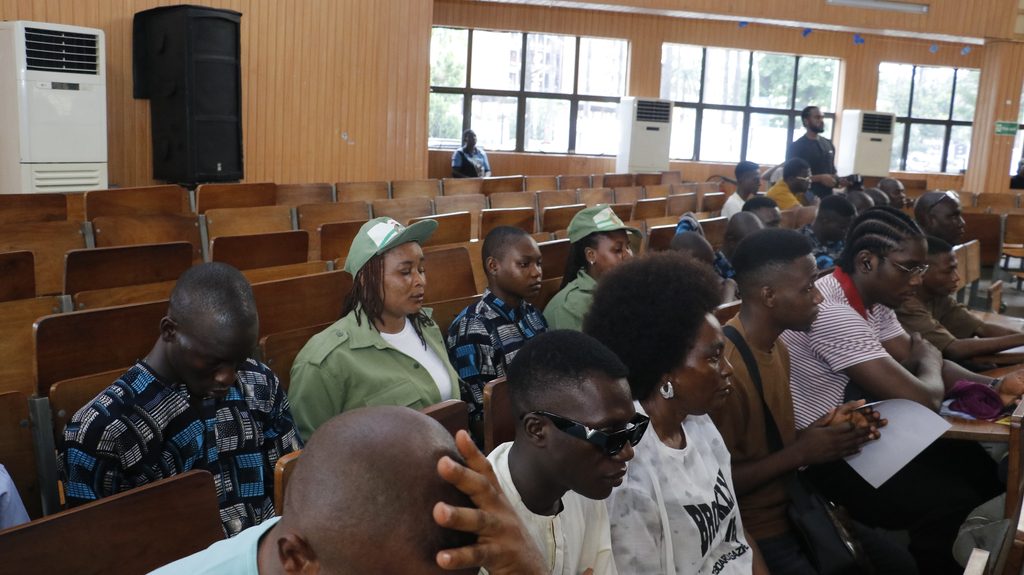
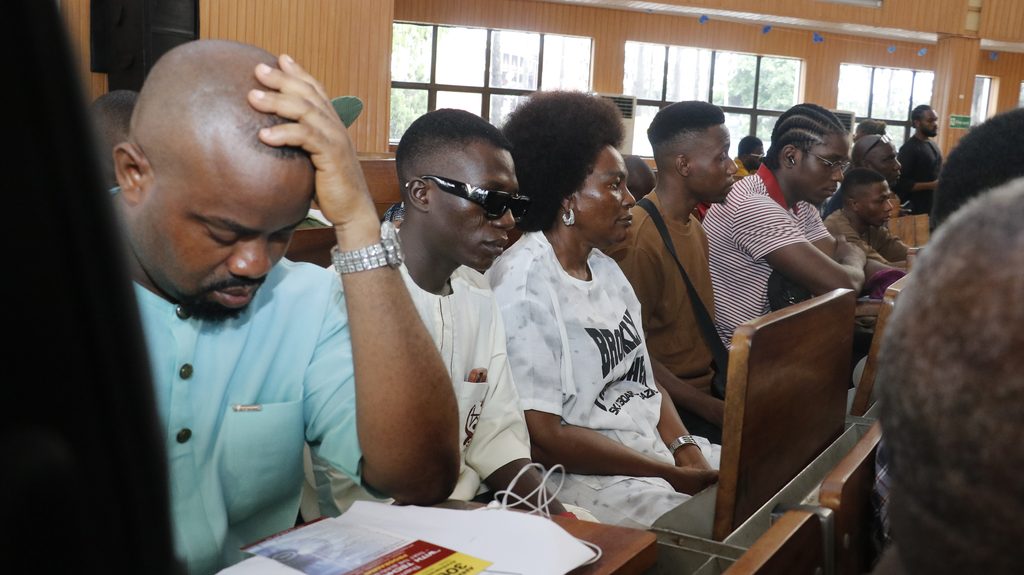
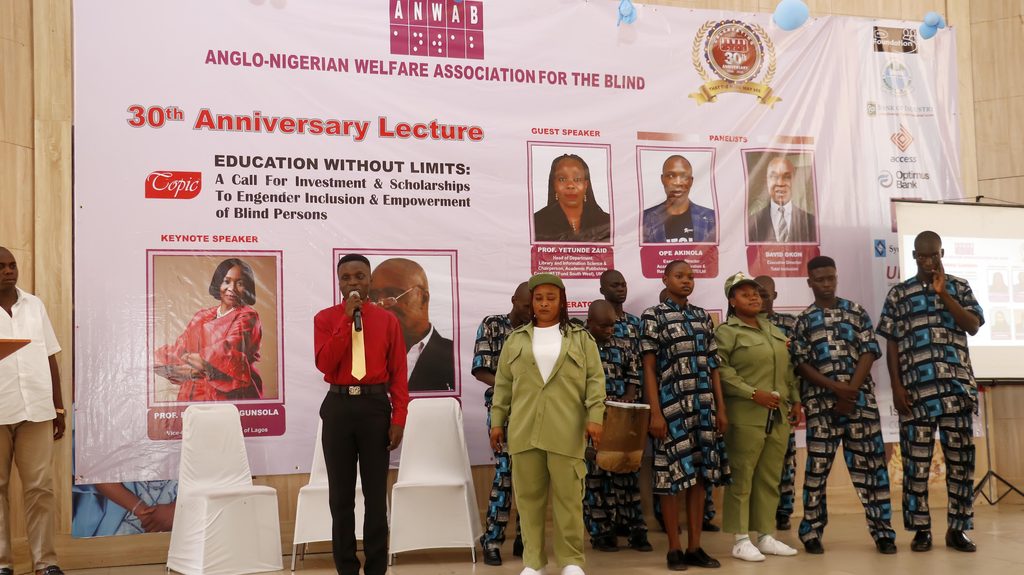
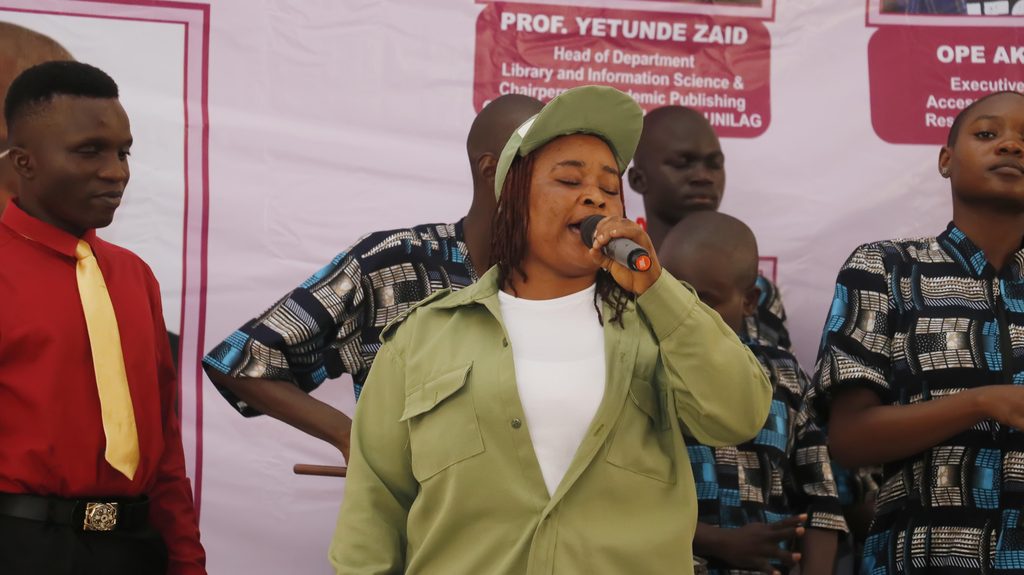
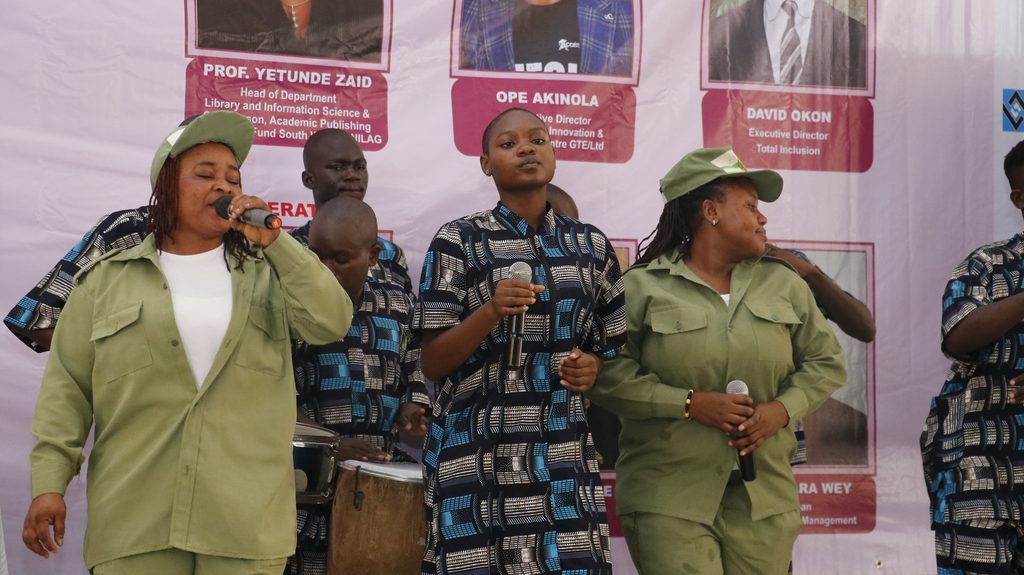
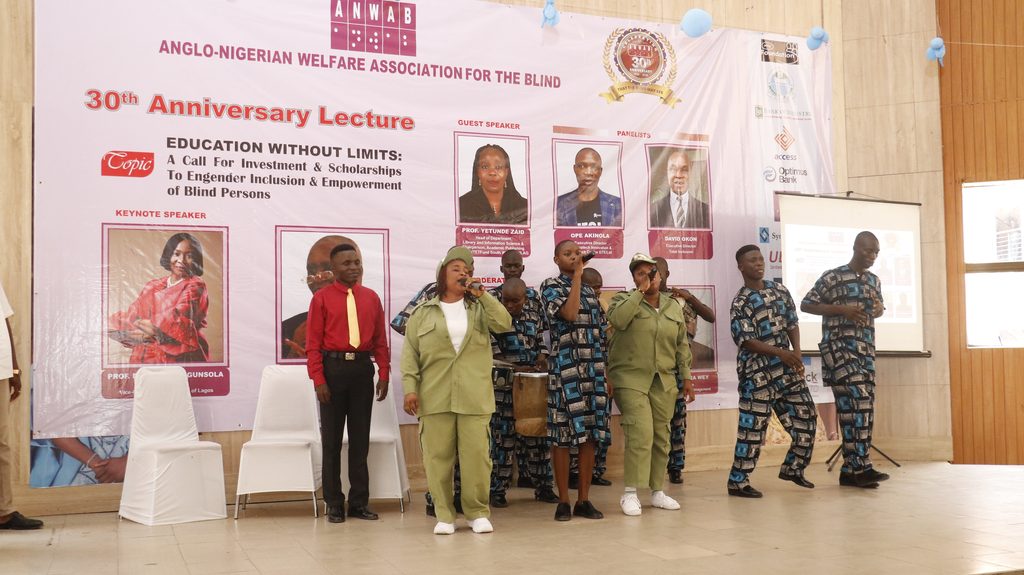
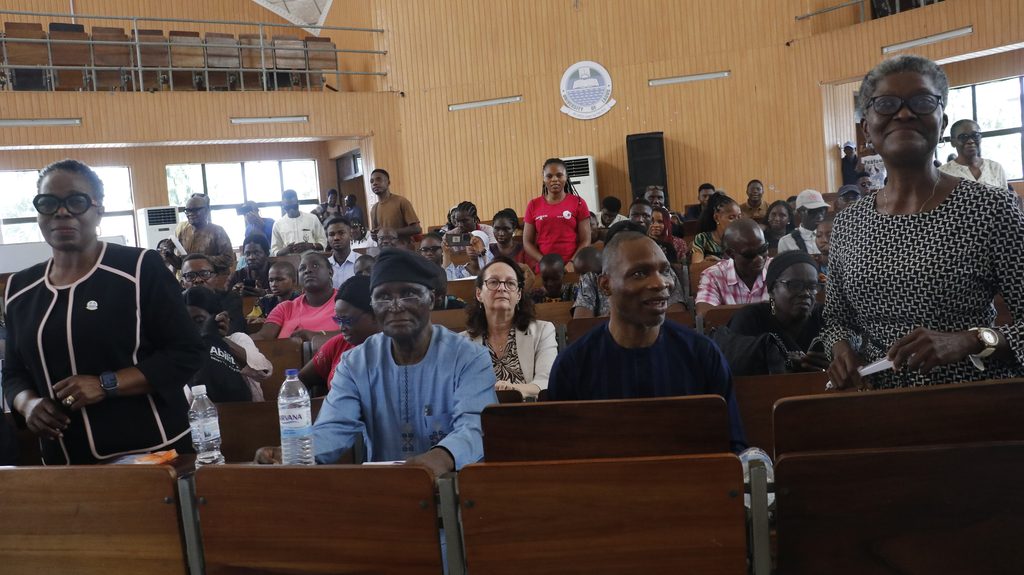
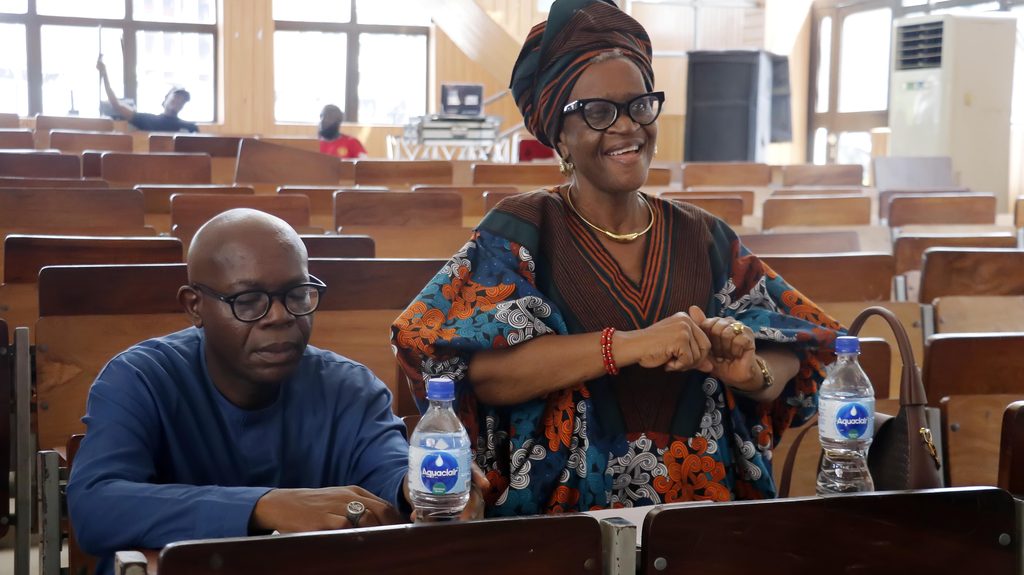
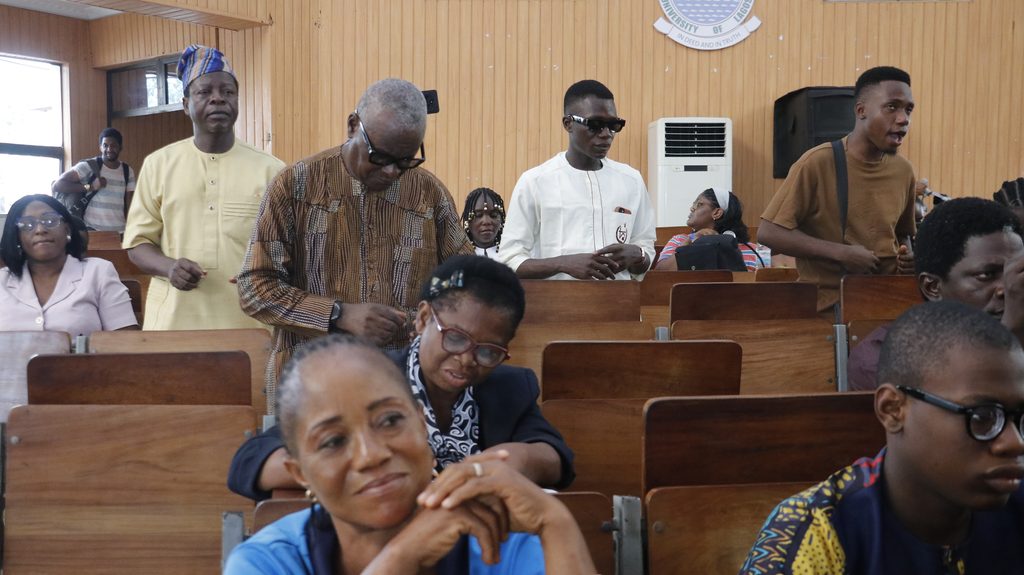
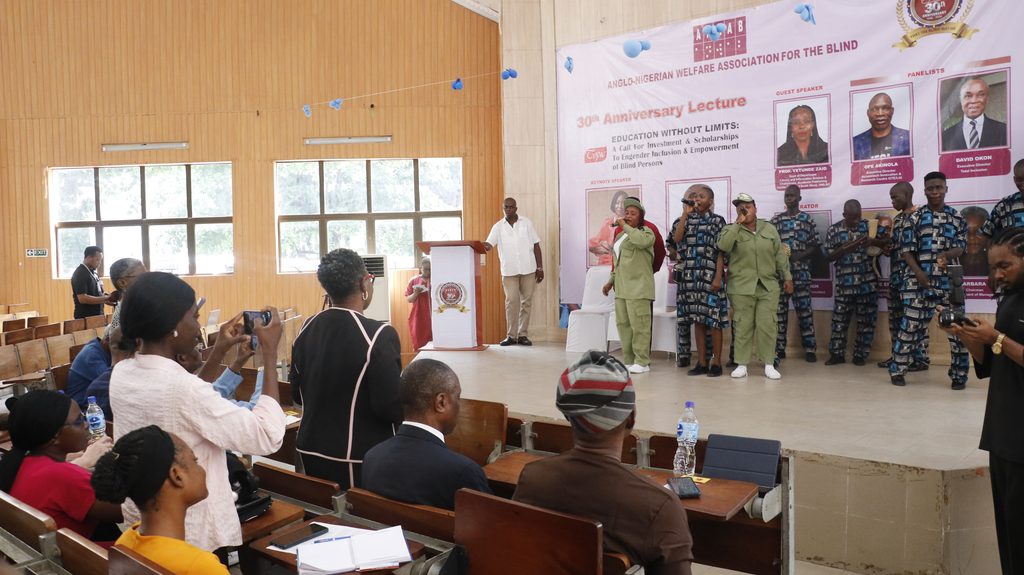
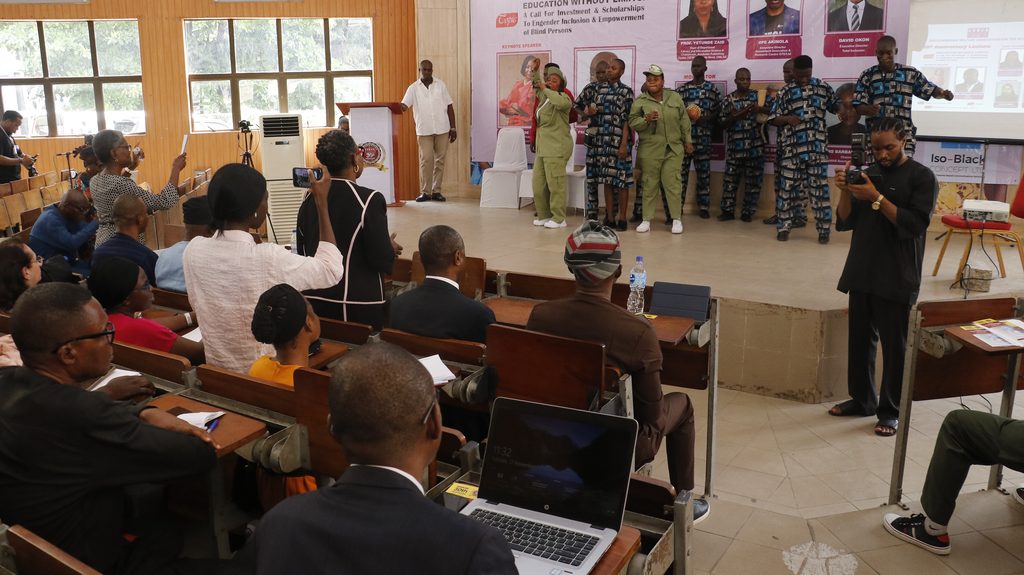
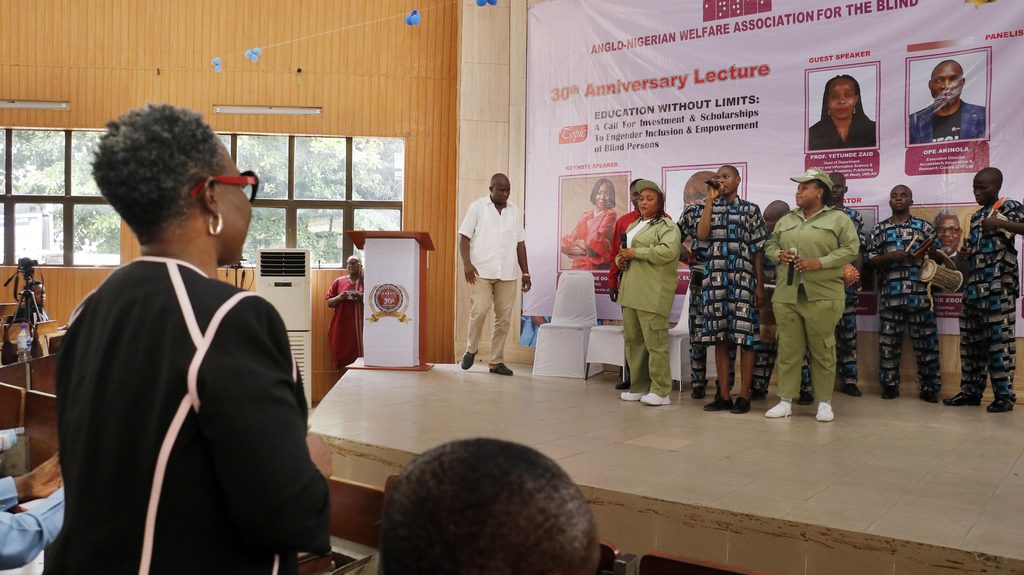
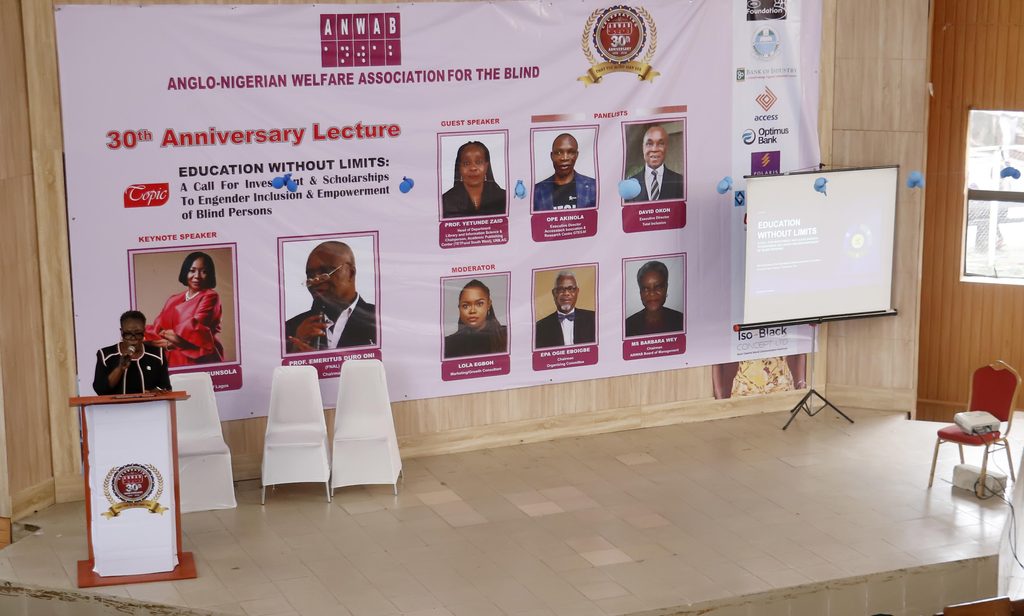
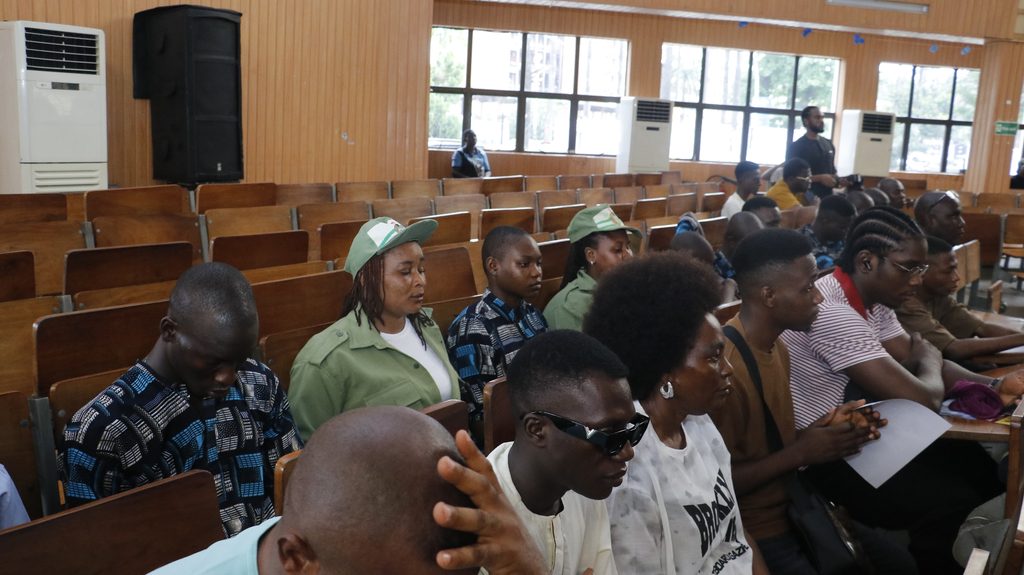
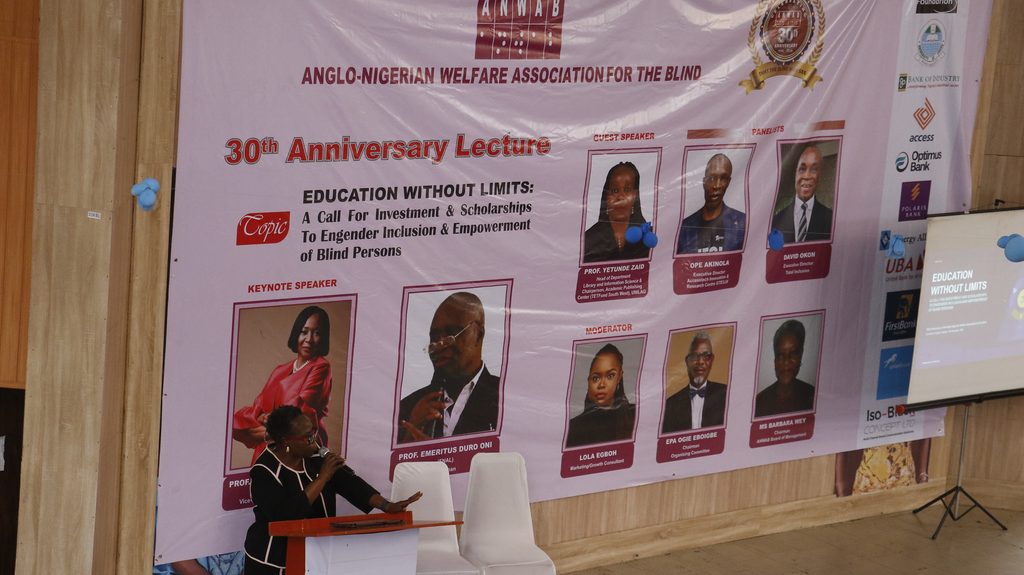
The call was made at the 30th Anniversary Public Lecture of the Anglo-Nigerian Welfare Association for the Blind (ANWAB), held on Tuesday, November 17, 2026, at Afe Babalola Hall, UNILAG, Akoka.
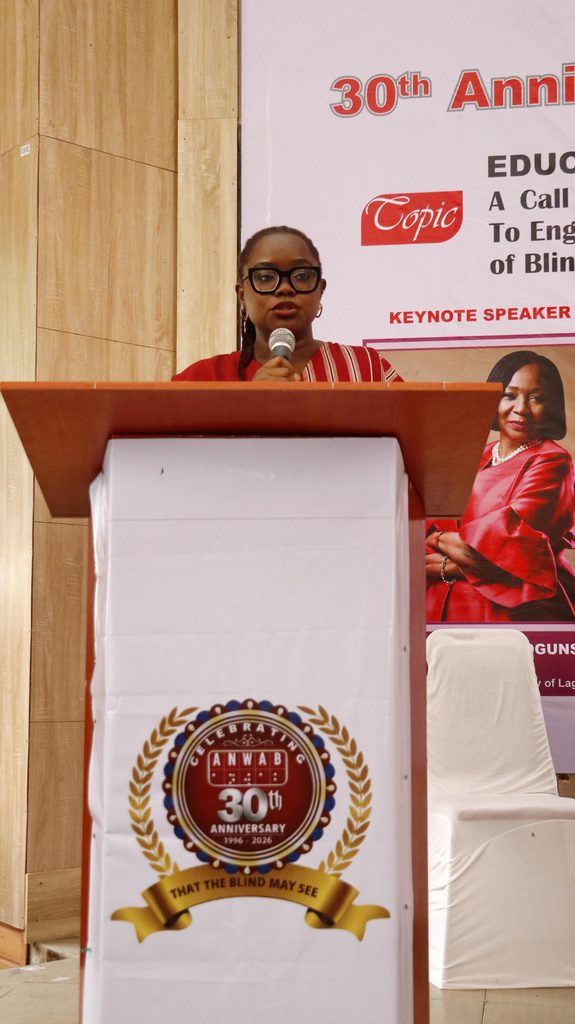
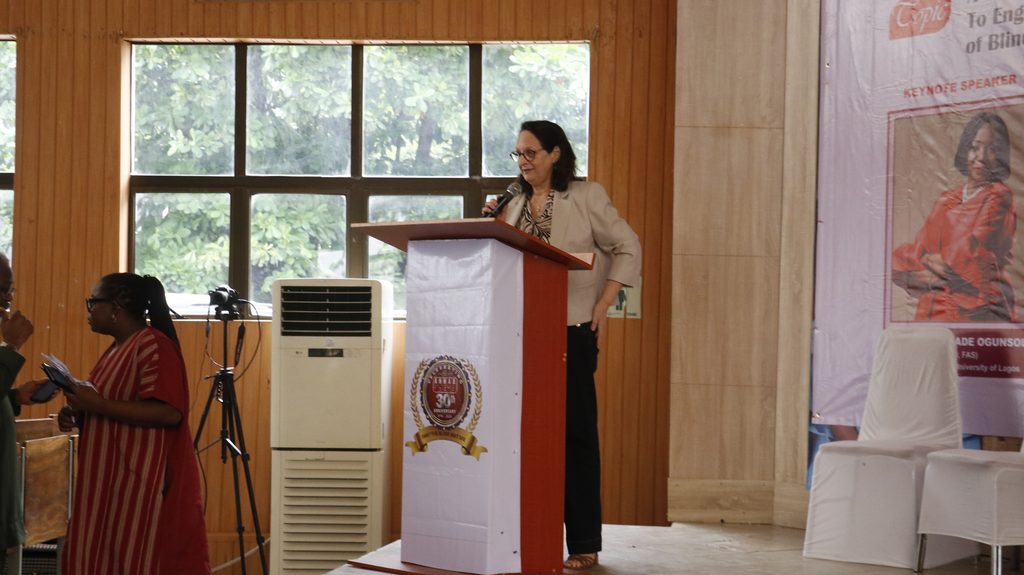
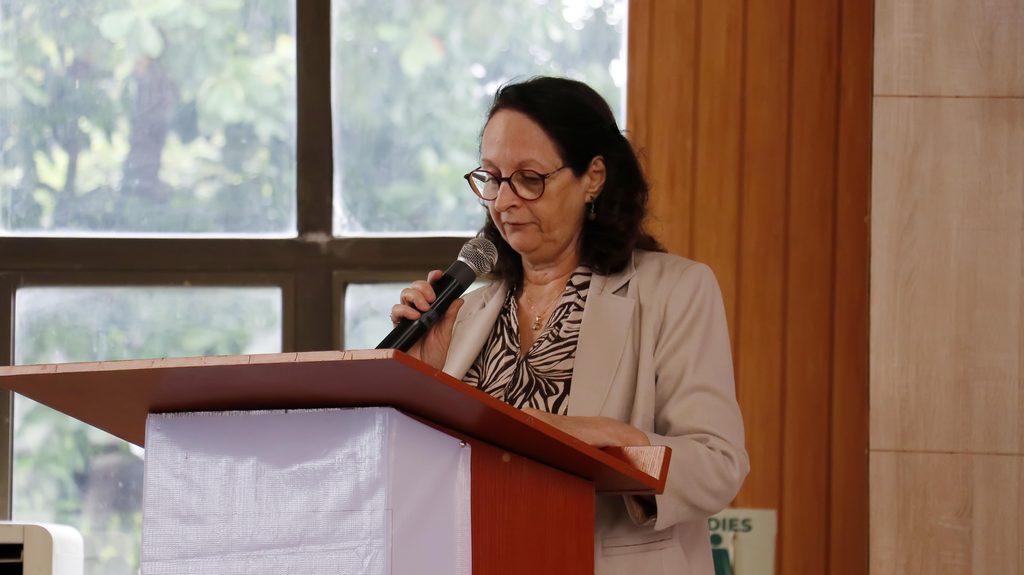
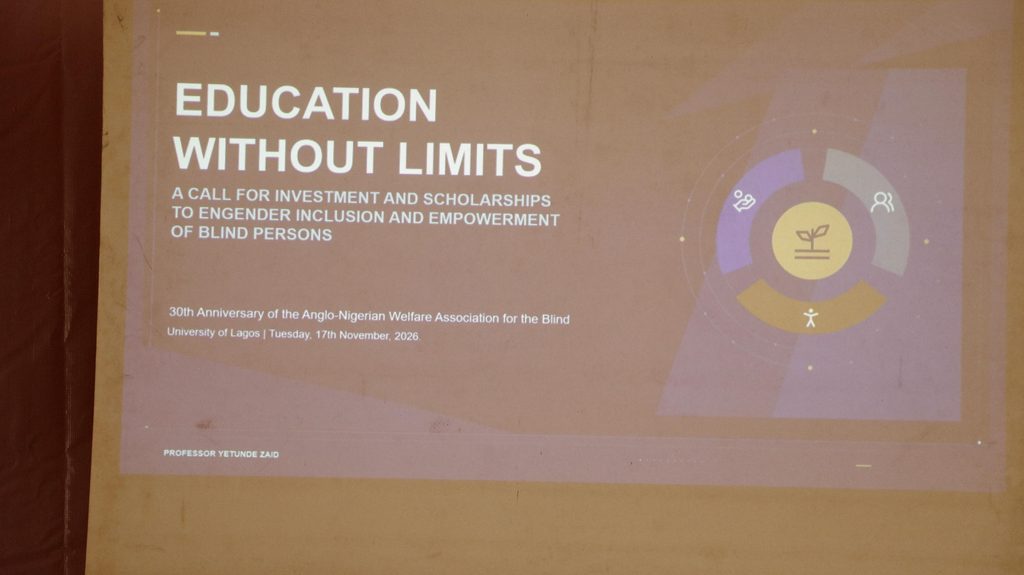
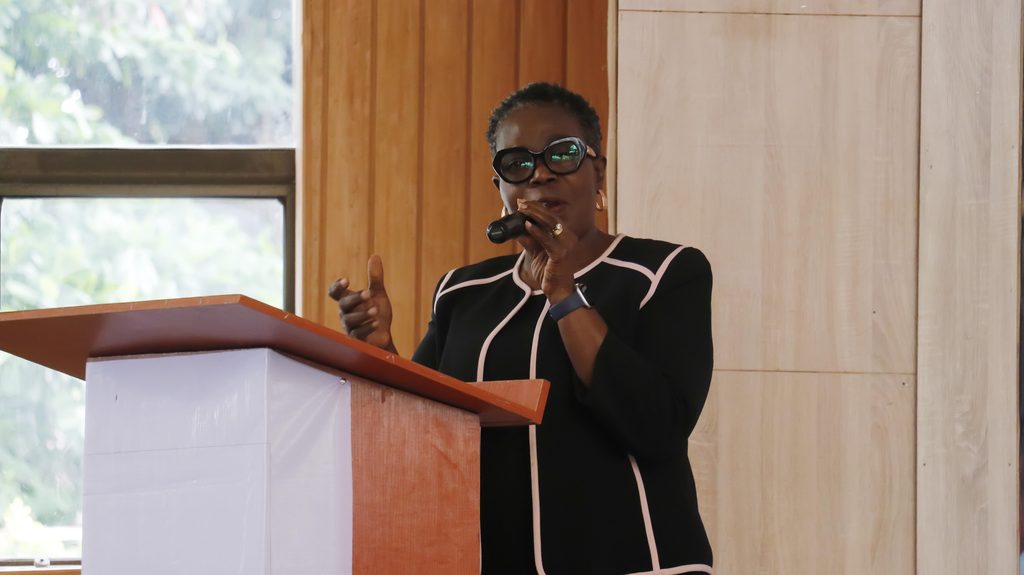
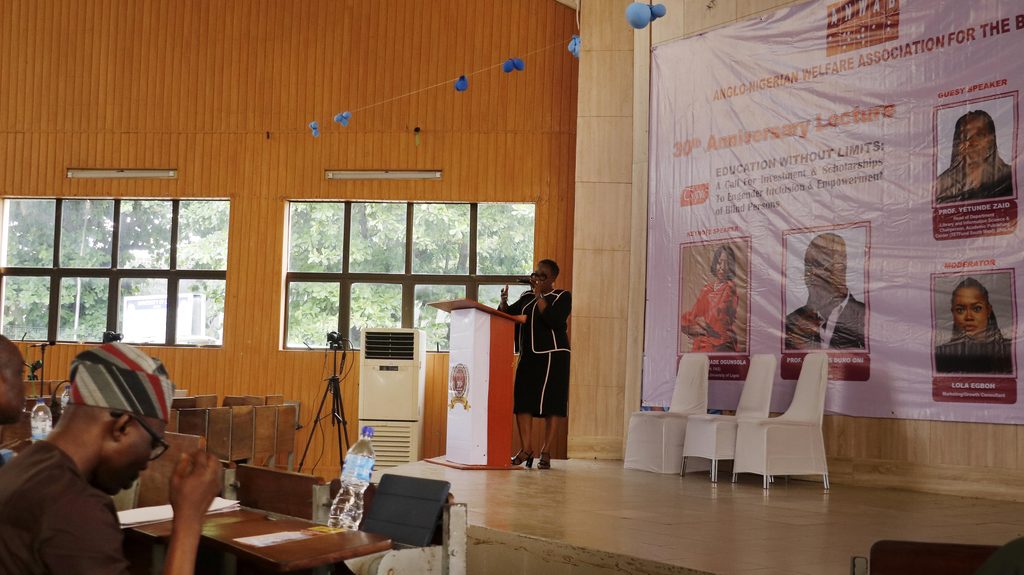
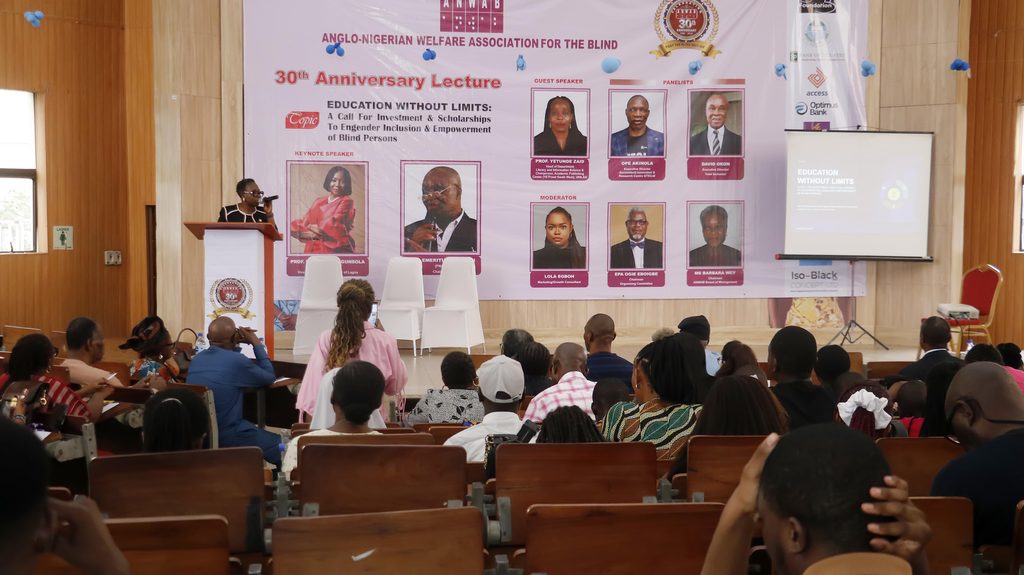
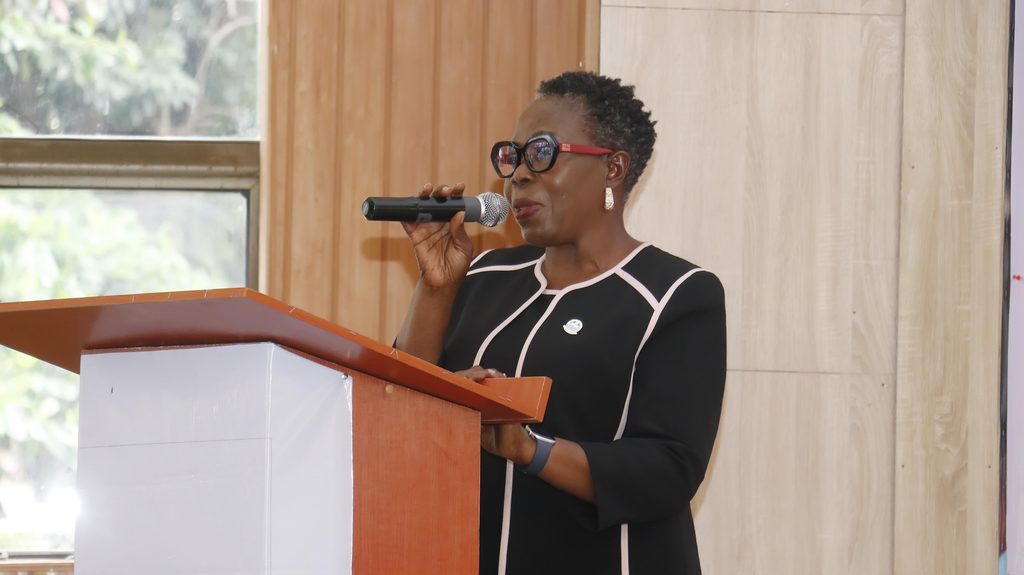
The anniversary celebration, themed “With Technology – That the Blind May See,” featured a keynote lecture by the Vice-Chancellor, UNILAG, Professor Folasade Ogunsola OON, FAS, titled “Education Without Limits: A Call for Investment and Scholarships to Engender Inclusion and Empowerment of Blind Persons.” The lecture was delivered by the Head of the Department of Library and Information Science and Chairperson, Academic Publishing Centre (TETFUND, South West), UNILAG, Professor Yetunde Zaid, who represented the Vice-Chancellor at the event.
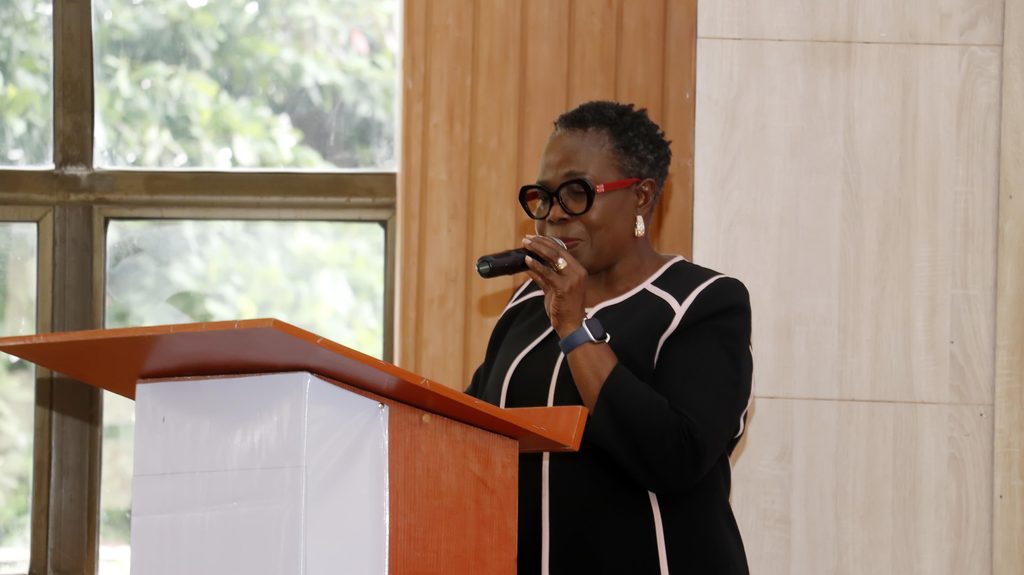
Professor Zaid noted at the beginning of the lecture that blindness should not determine an individual’s educational opportunities, and the real challenge lies in the barriers created by inaccessible learning environments, inadequate resources and limited institutional support.
Education Without Limits: Addressing Barriers to Inclusion
Illustrating the importance of institutional intervention, Professor Zaid recounted an experience in which visually impaired students approached her in search of a textbook required for an assignment. Although the book was available in the University Library, it was inaccessible to the students because it was not available in an alternative format. She subsequently scanned and converted the material into an accessible format, an experience she described as the beginning of her deeper engagement with the needs of visually impaired learners.
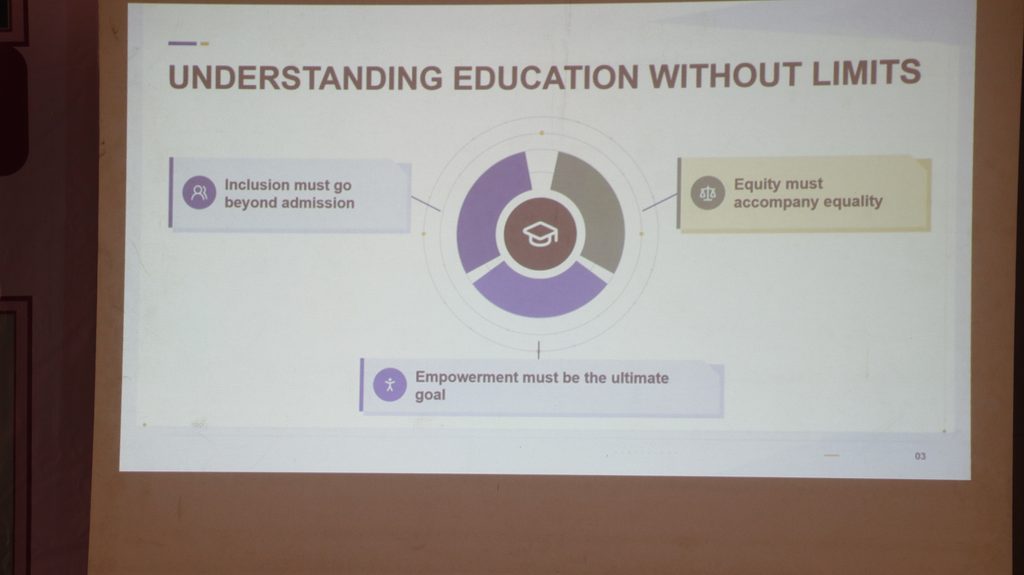
Professor Zaid made known that inclusive education must go beyond admitting students with visual impairment into educational institutions. It must also ensure that they can independently access learning materials, participate in academic activities, complete assessments fairly and enjoy equal opportunities for academic and professional development.
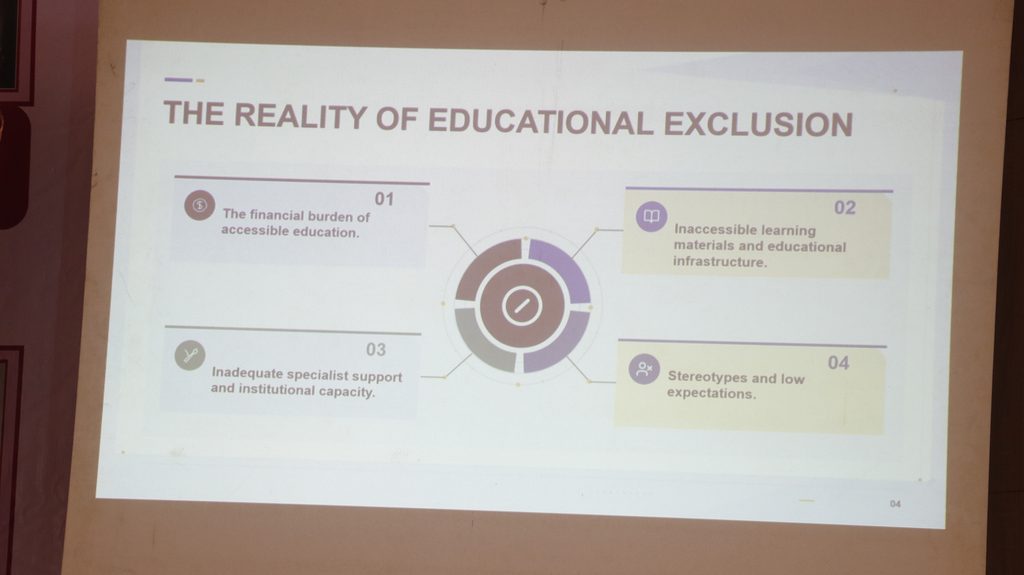
She identified four major barriers to educational inclusion: the financial burden of accessible education; inaccessible learning materials and infrastructure; inadequate specialist support and institutional capacity; and stereotypes that undermine the abilities of persons with visual impairment.
Challenging the misconception that blindness translates to limited intellectual ability, Professor Zaid noted that some of the brightest students she had taught were visually impaired. She warned that low expectations could negatively influence admission decisions, scholarship awards, career guidance and employment opportunities.
She outlined three fundamental principles of education without limits: inclusion beyond admission, equity in the provision of learning resources and empowerment through education.
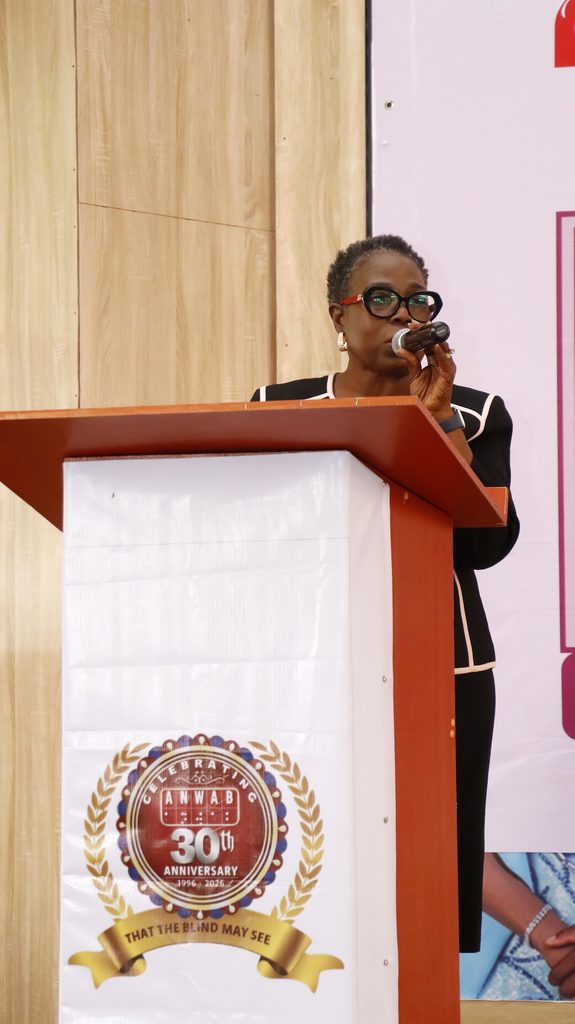
Explaining the distinction between equality and equity, she observed that providing every student with the same resource does not necessarily create equal opportunities. A printed textbook accessible to a sighted learner, for instance, may be unusable to a blind student.
She therefore advocated the provision of learning materials in Braille, accessible digital text and audio formats, according to individual needs and preferences.
Investment, Scholarships and Empowerment as Drivers of Inclusion
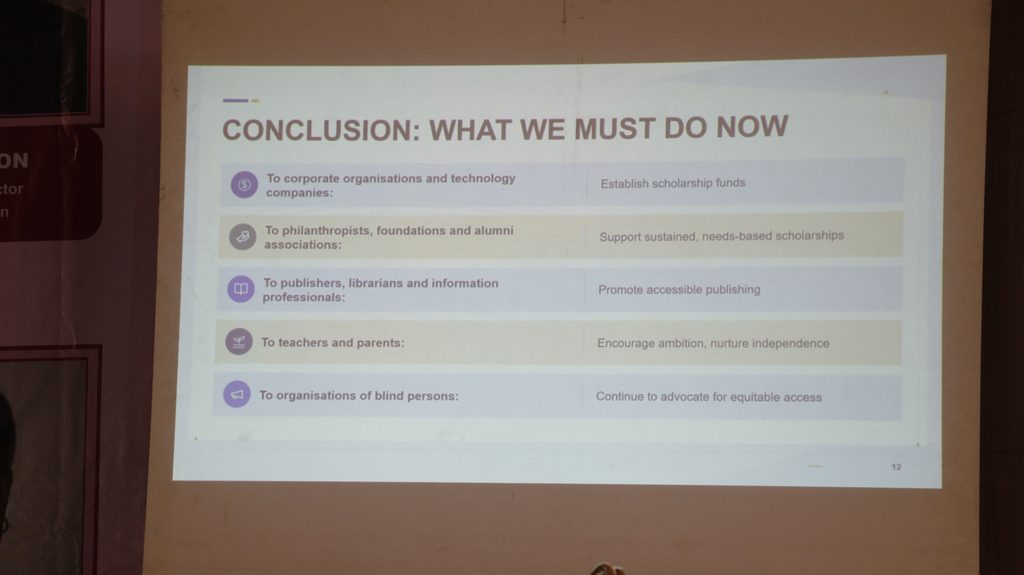
Professor Zaid identified investment, scholarships and empowerment as three essential pillars for removing educational barriers faced by persons with visual impairment. She called for collective commitment from government, corporate organisations, philanthropists and communities to provide accessible infrastructure, assistive technologies, specialised training and appropriate support services.
She urged governments to integrate disability inclusion into mainstream educational planning and budgeting rather than leave the responsibility solely to specialised institutions and charitable organisations. Technology and telecommunications companies were also encouraged to establish assistive technology centres, provide accessible devices and support digital literacy initiatives.
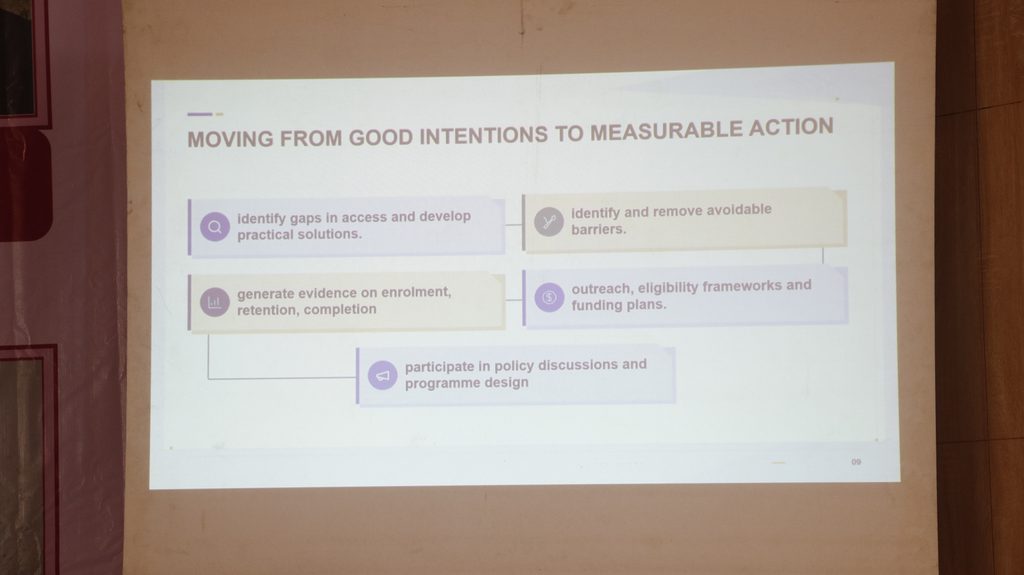
On scholarships and grants, she advocated comprehensive, needs-based funding that covers tuition, accommodation, transportation, accessible learning materials, assistive devices and internet access. She stressed that scholarship opportunities should extend across all levels of education, from primary and secondary schools to vocational training and postgraduate studies.
Addressing empowerment, the former University Librarian maintained that inclusive education should prepare persons with visual impairment to become independent learners, skilled professionals, innovators, entrepreneurs, researchers and leaders.
She further highlighted the growing relevance of artificial intelligence, encouraging visually impaired learners to develop digital competencies, including prompt engineering and the use of assistive AI tools, to strengthen their participation in education and the workplace.
The lecture also underscored the importance of implementing the Discrimination Against Persons with Disabilities (Prohibition) Act, 2018, and Nigeria’s obligations under the United Nations Convention on the Rights of Persons with Disabilities. She noted that the effectiveness of these legal frameworks depends on adequate funding, institutional commitment, public awareness and accountability.
UNILAG Reaffirms Commitment to Inclusive Education
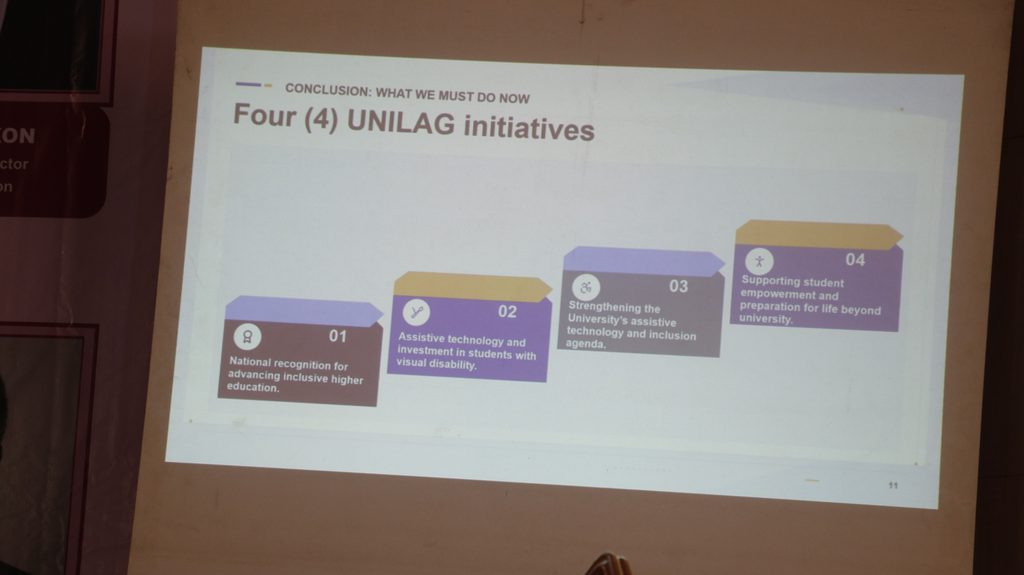
Highlighting the University of Lagos as an example of institutional commitment to inclusive education, Professor Zaid drew attention to initiatives under the current University administration aimed at improving access and participation for students with disabilities.
These commitments include the University’s recognition by the Joint Admissions and Matriculation Board (JAMB) in 2026 for its contribution to inclusive higher education; accessible library services that support independent learning and research; investment in assistive technology, including tablet donations to students with disabilities; and student-led advocacy and empowerment initiatives organised by the University’s chapter of the National Association of Nigerian Visually Impaired Students (NANVIS) in July 2025.
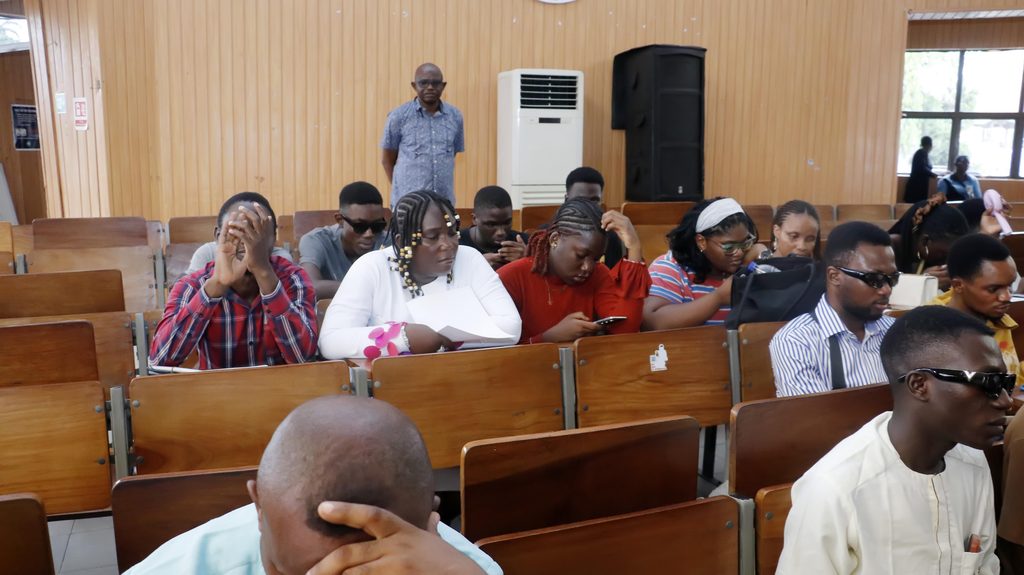
She also expressed satisfaction with the increasing presence of visually impaired students across different faculties, noting that their participation had expanded beyond the Faculties of Arts, Law and Education to include Management Sciences and other academic disciplines.
Professor Zaid emphasised that universities must treat inclusive education as a core institutional responsibility rather than an optional intervention. She called for strengthened disability support services, accessible teaching and examination materials, improved digital platforms and institutional policies that guarantee the full participation of students with visual impairment in academic life.
She maintained that the ultimate measure of inclusion is not simply the number of students with disabilities admitted into an institution, but the extent to which they can learn, participate, achieve academic success and transition into meaningful professional careers.
Welcome Address Highlights ANWAB’s Commitment to Inclusion
Earlier in her welcome address, the Chairman, ANWAB Board of Management, Ms. Barbara Wey, expressed appreciation to the partners, sponsors, organisations and individuals whose contributions have sustained the association’s vision and activities over the years.
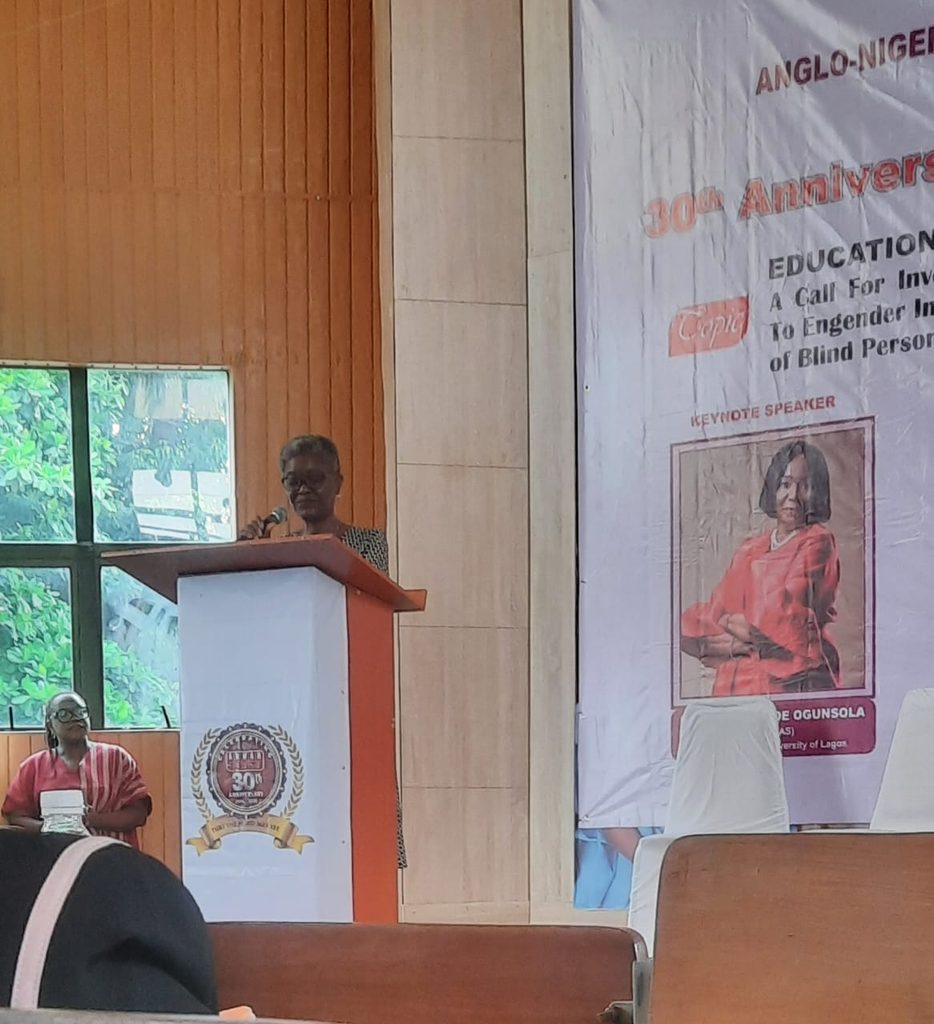
She reaffirmed ANWAB’s commitment to strengthening education, promoting partnerships, encouraging innovation and ensuring that its programmes continue to make meaningful contributions to the lives of persons with visual impairment.
She also acknowledged the courage, achievements and contributions of the association’s beneficiaries, describing them as central to its mission, while calling for sustained collective action towards building a more inclusive society.
Professor Emeritus Calls for Sustained Collaboration
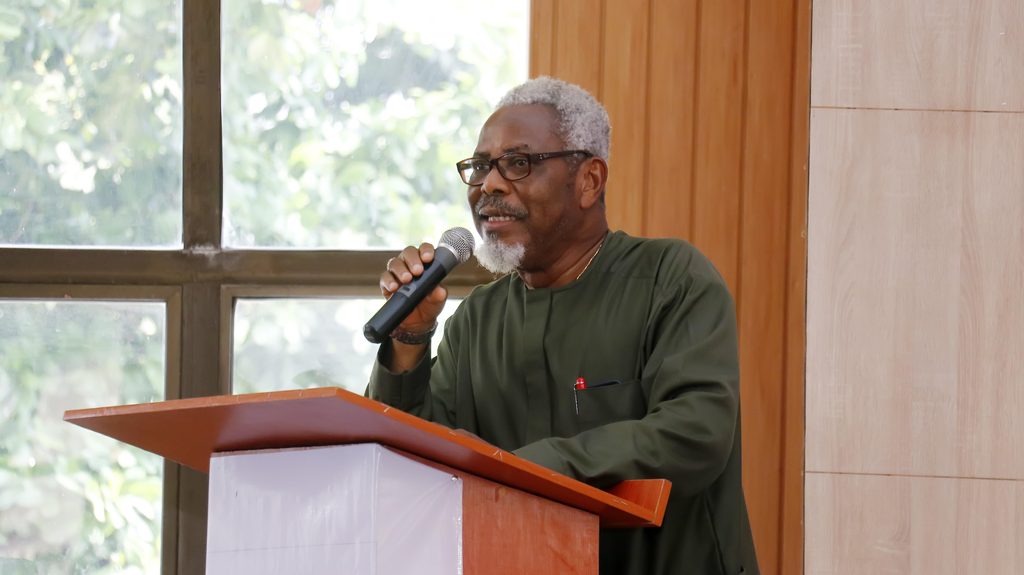
Delivering the formal opening remarks, Emeritus Professor Duro Oni, 30th Anniversary Lecture Chairman and former Deputy Vice-Chancellor (Management Services), University of Lagos, welcomed participants and reflected on his longstanding relationship with the institution, where he began his academic career on September 20, 1976.
Having served the University as Head of the Department of Creative Arts, Dean of the Faculty of Arts and Deputy Vice-Chancellor, Professor Oni reaffirmed his enduring connection with the institution.
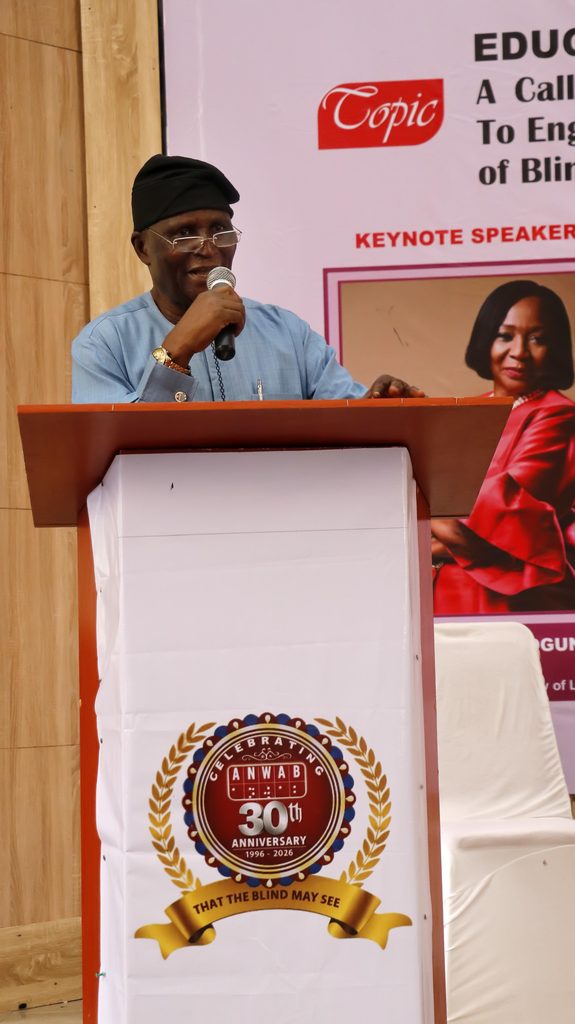
He also recalled his involvement in facilitating institutional support and partnerships for organisations working to advance the interests of persons with visual impairment, highlighting the importance of collaboration between individuals, organisations and the University in promoting inclusive initiatives.
He expressed delight at the University’s hosting of the anniversary celebration and wished ANWAB continued success in its advocacy and empowerment efforts.
Partners Celebrate ANWAB’s Legacy, Reaffirm Commitment to Inclusion
Partner organisations, including Nigerwives, the MTN Foundation and Synergy Alliance Inc., commended ANWAB for three decades of advocacy, educational support and commitment to improving the lives of blind and visually impaired persons.
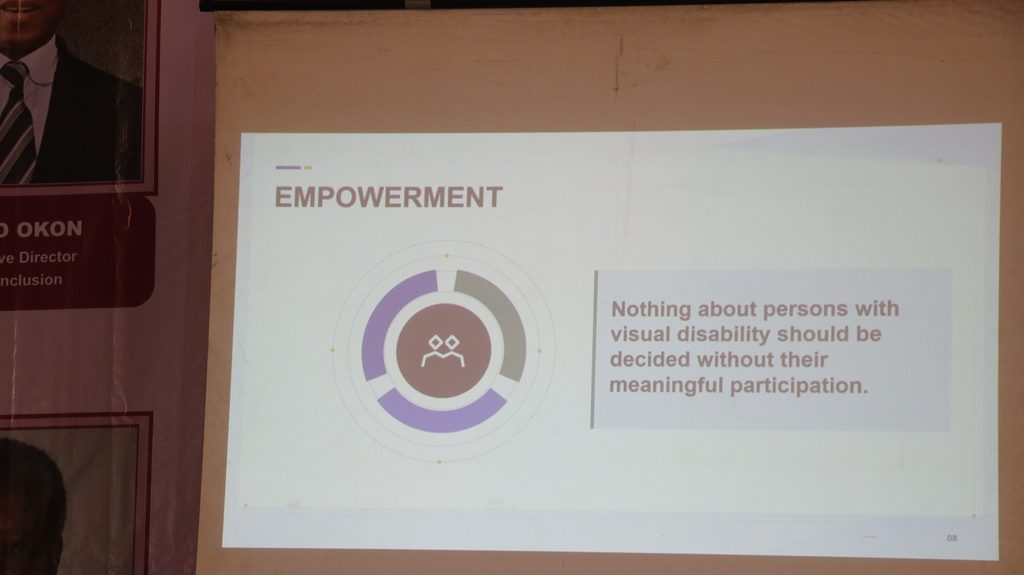
In a goodwill message, the Coordinator of Nigerwives Braille Book production Centre (NBBPC), Mrs Edwige Adeyemo congratulated ANWAB on its 30th anniversary and commended its longstanding partnership with the organisation. She called for sustained investment in affordable assistive technologies, digital accessibility and training, while emphasising the need to involve persons with visual impairment in decisions affecting them.
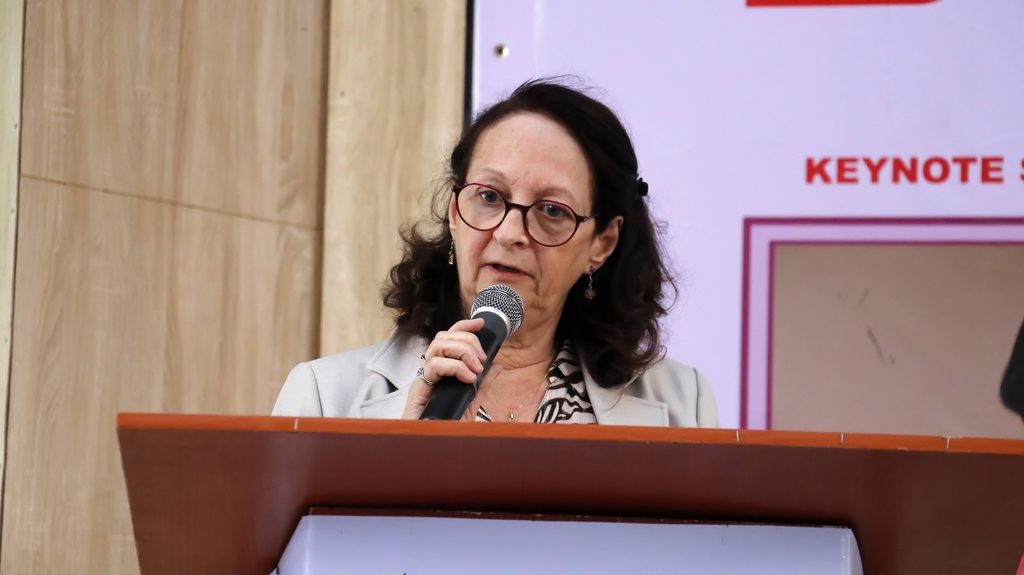
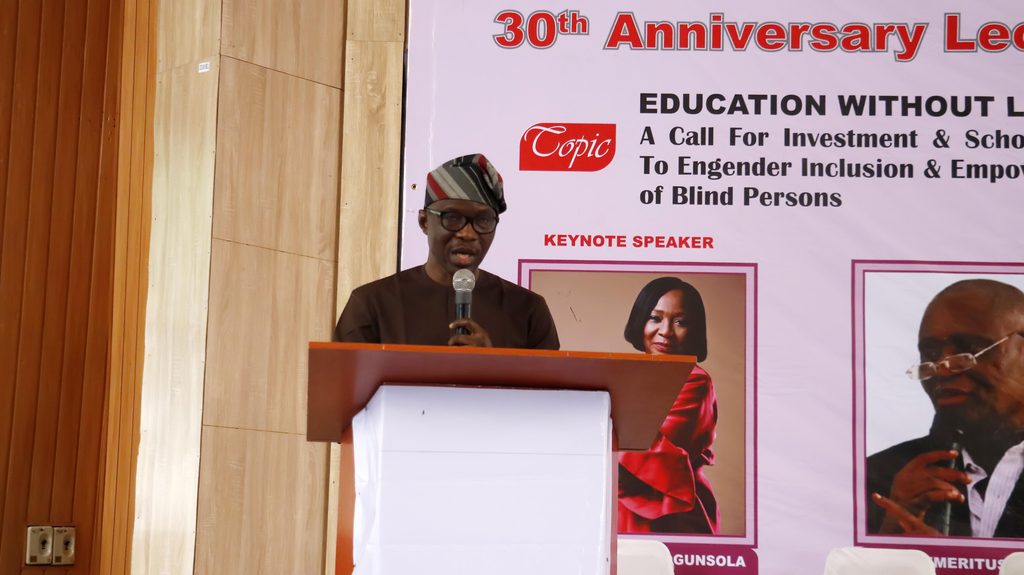
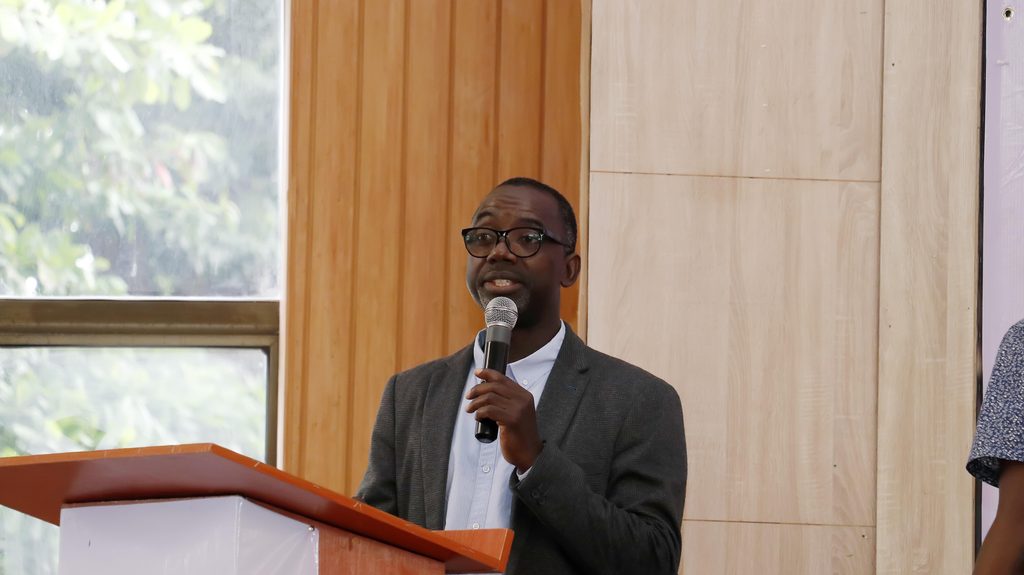
Speaking on behalf of the MTN Foundation, Edward Fagbohun highlighted its partnership with ANWAB since 2012 in providing scholarships to blind students across Nigeria. He noted that the Foundation’s support also covers assistive technologies, including Job Access With Speech (JAWS), as well as digital skills development and work-readiness programmes to promote educational access, independence and economic empowerment.
Similarly, a representative of Synergy Alliance Inc. congratulated ANWAB on the milestone, acknowledging its longstanding partnership and contributions to charitable programmes and community-based initiatives. The representative commended the organisation’s founders, leaders and supporters for sustaining its vision and advancing the welfare and inclusion of persons with visual impairment.
Panel Advocates Practical Solutions to Educational and Digital Exclusion
A panel discussion at the anniversary lecture examined practical approaches to strengthening educational and digital inclusion for persons with visual impairment. The panel featured Mr. David Okon, Executive Director, Total Inclusion, and Mr. Opeolu Akinola, Executive Director, Access Tech Innovation & Research Centre GTE Ltd.
Contributors emphasised the need to move beyond financial assistance to addressing institutional and systemic barriers that affect the educational experiences of blind students.
The discussion highlighted the importance of strengthening the implementation of disability policies, improving teacher training in inclusive education, making assistive technologies more affordable and ensuring that digital learning platforms and academic materials are accessible.
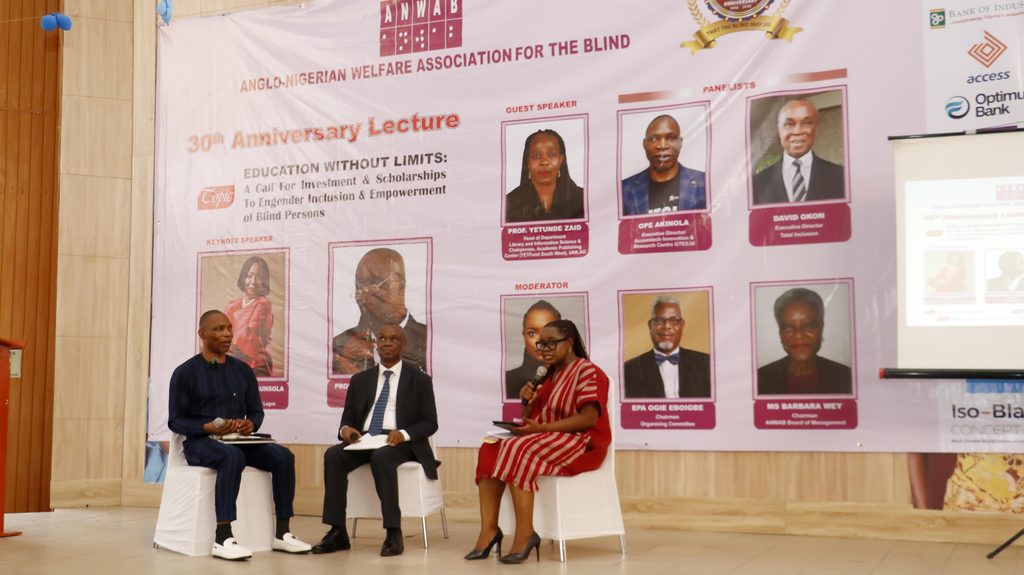
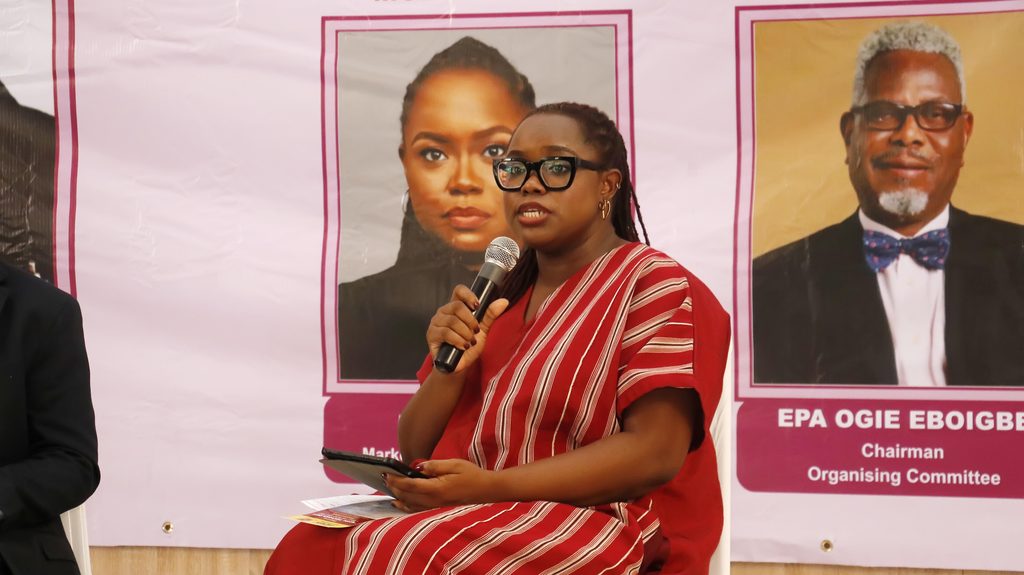
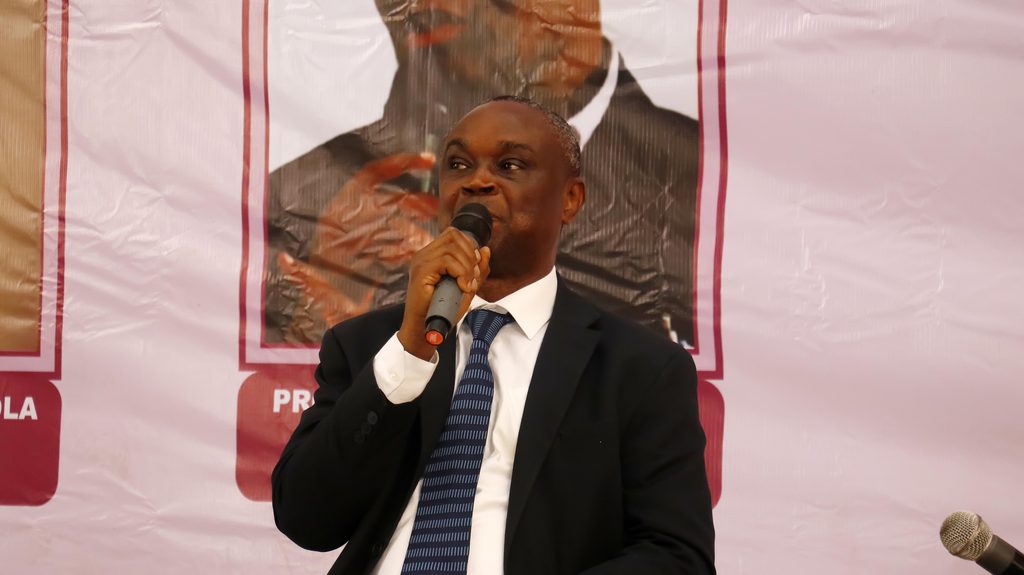
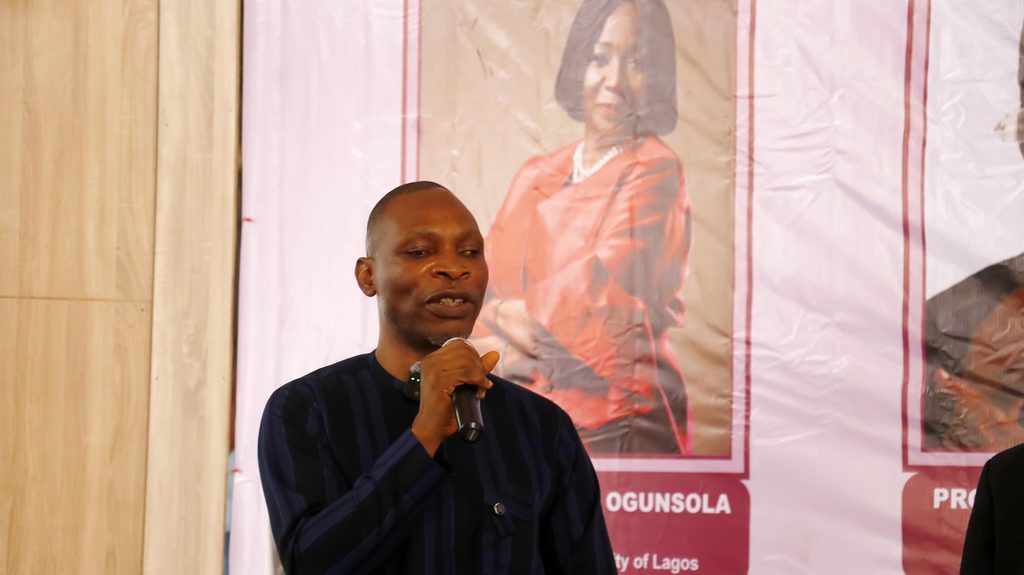

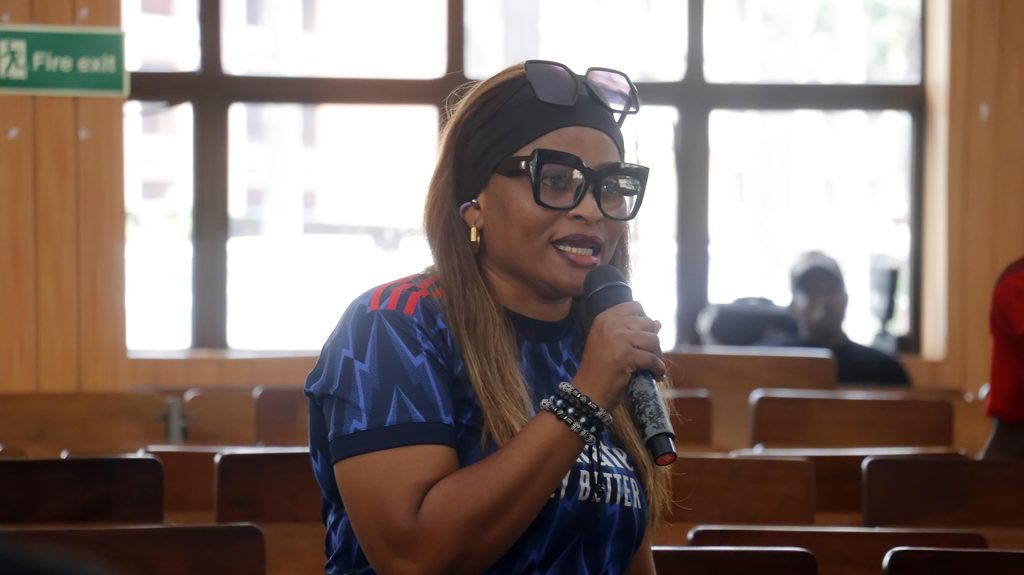
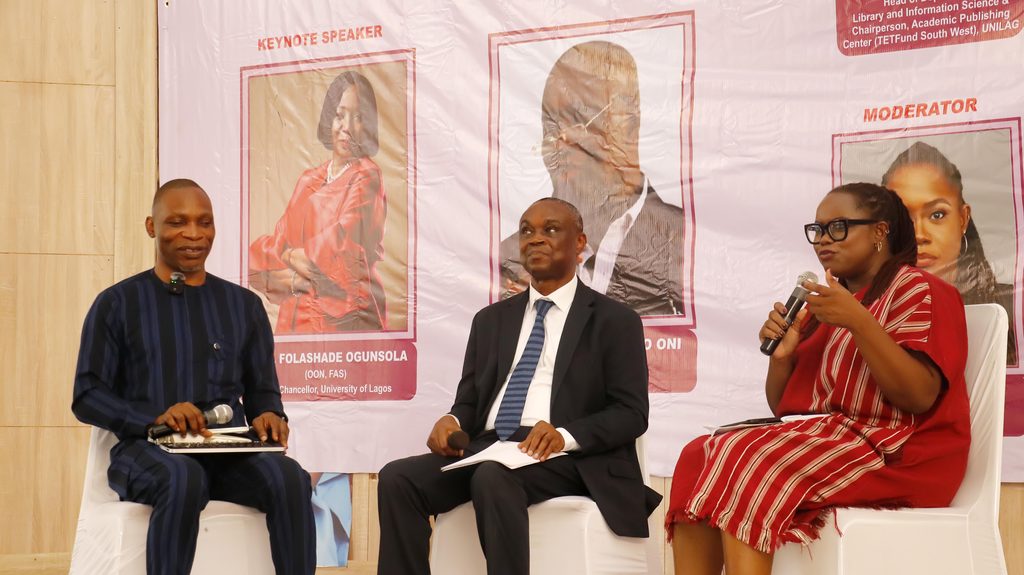
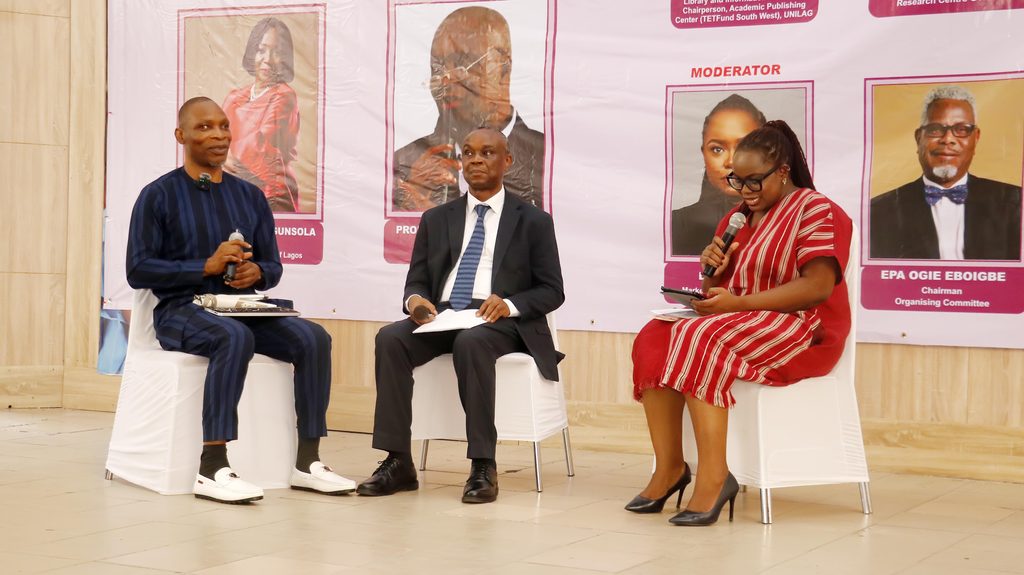
Panelists also stressed that providing assistive technology without adequate training and technical support could limit its effectiveness. They therefore called for stronger partnerships between universities, technology companies and disability-focused organisations to ensure that beneficiaries can use available resources independently and effectively.
The principle of “Nothing About Us Without Us” featured prominently, with emphasis on involving persons with disabilities in decisions concerning policies, programmes and technologies designed to improve their lives.
The discussion reinforced the position that inclusive education requires more than the provision of equipment or the formulation of policies. It demands practical implementation, continuous engagement with beneficiaries, institutional accountability and an environment in which persons with visual impairment can exercise their abilities without unnecessary restrictions.
ANWAB Honours Partners
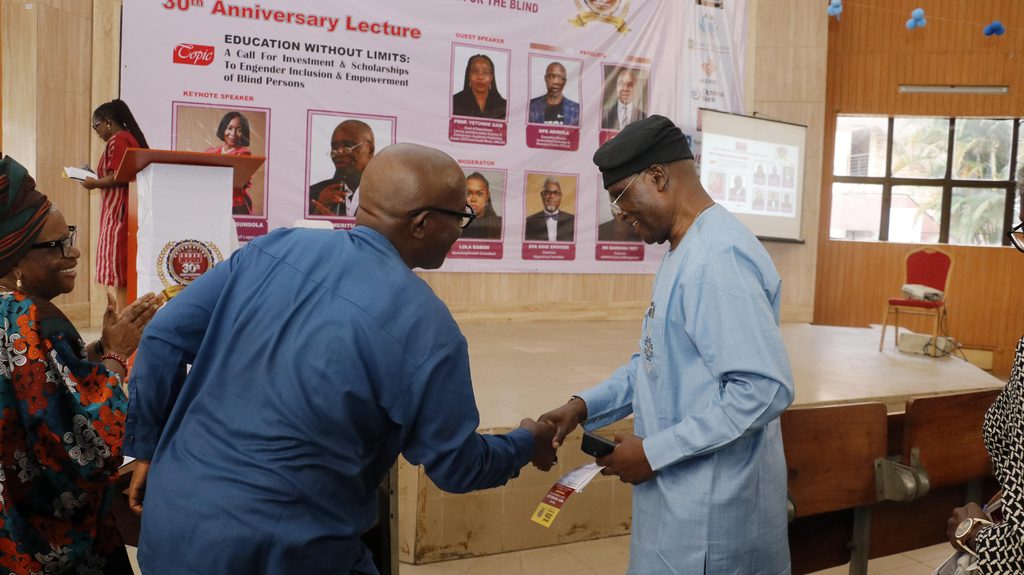
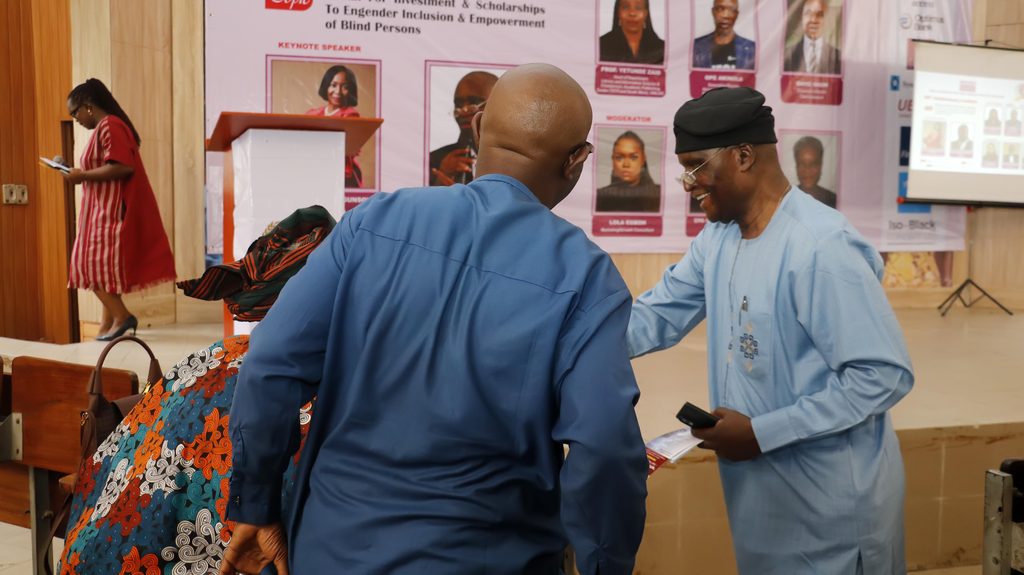
A major highlight of the anniversary celebration was the presentation of the Danlami Umaru Basharu Special Recognition Awards to individuals and organisations whose contributions have supported ANWAB’s vision and activities.
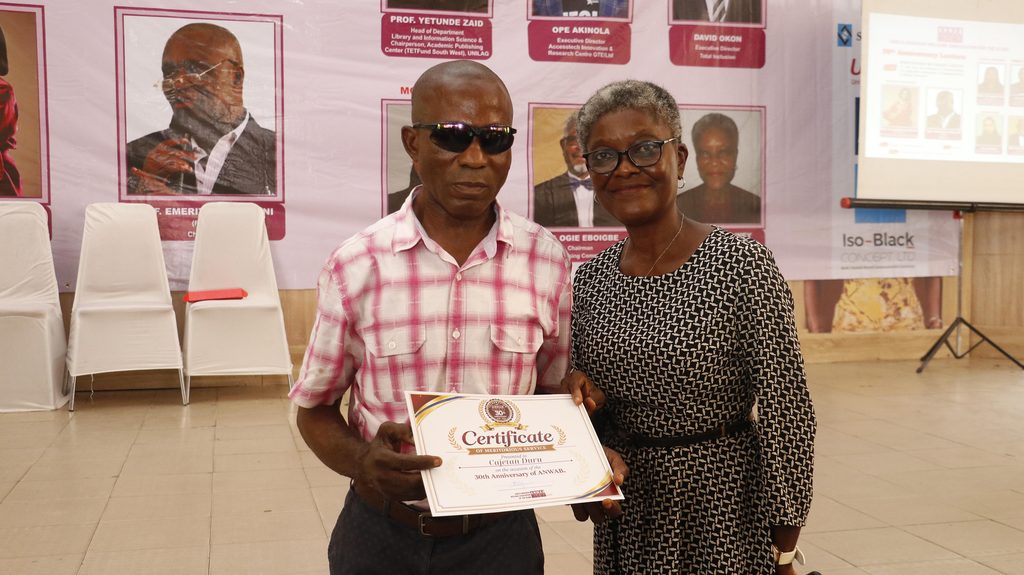
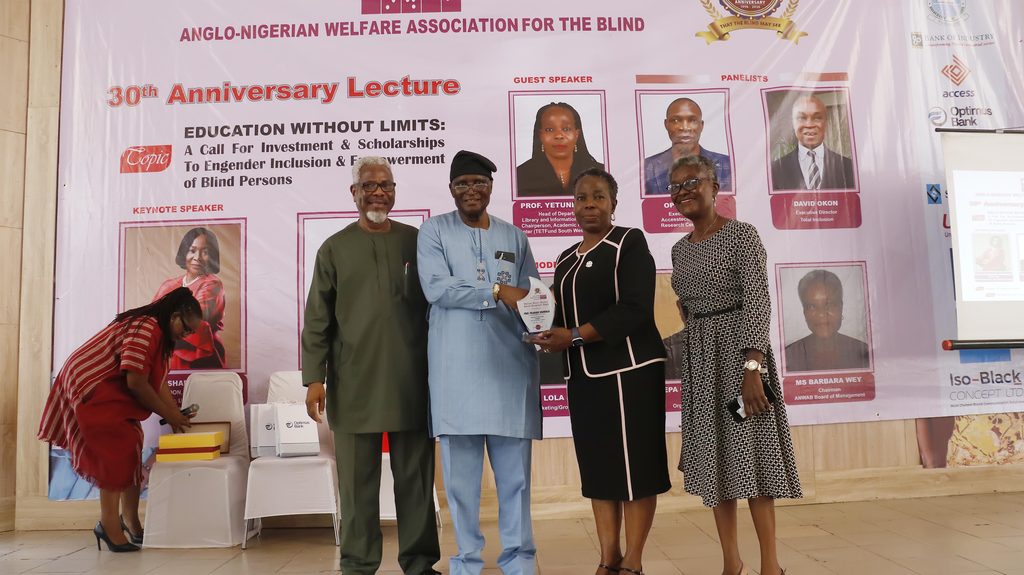
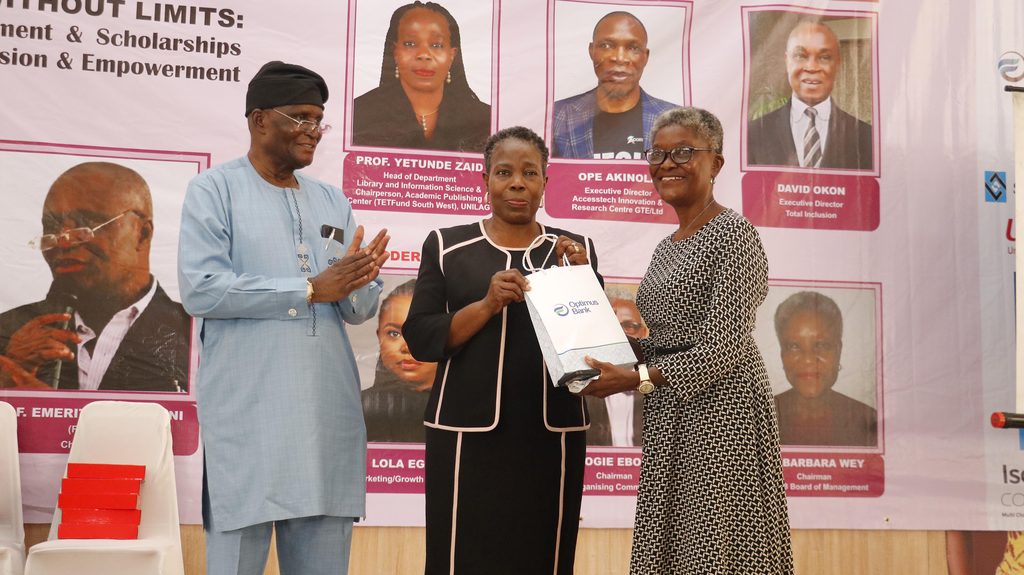
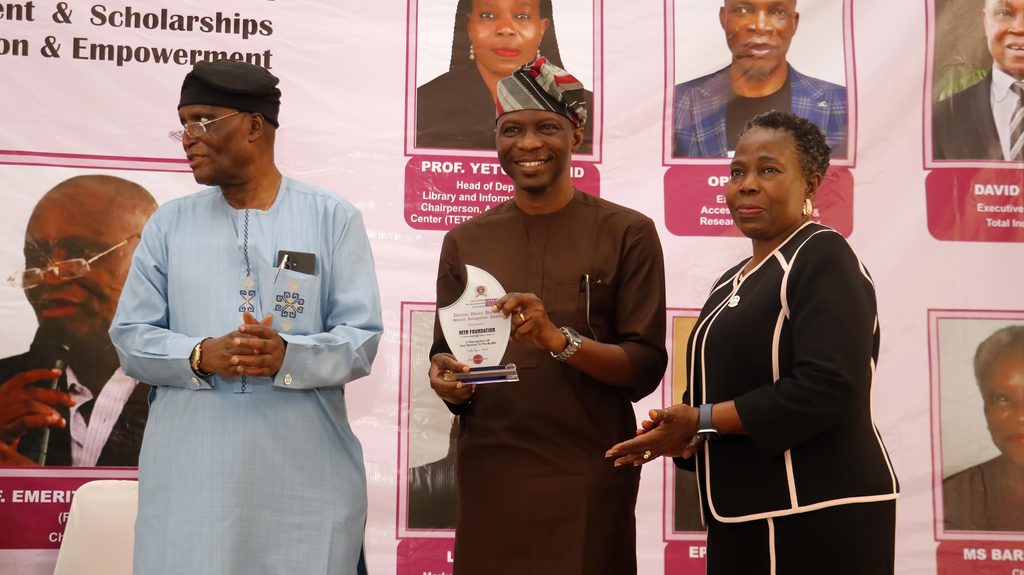
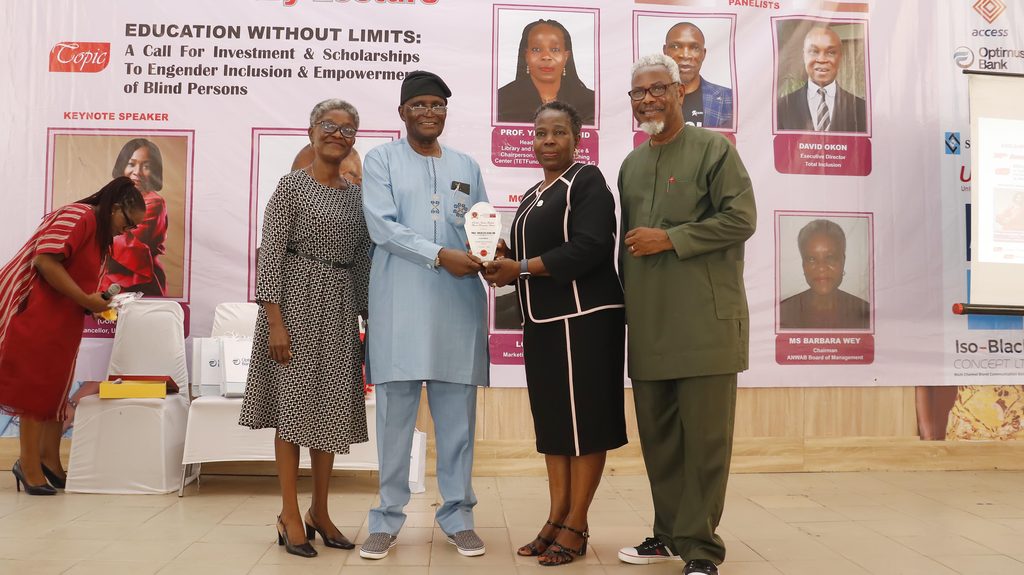
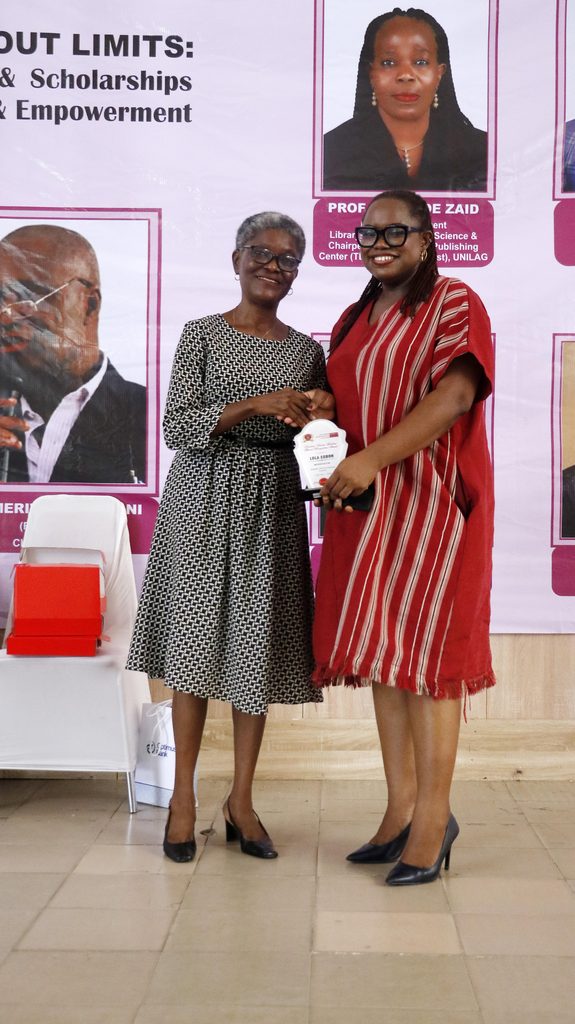
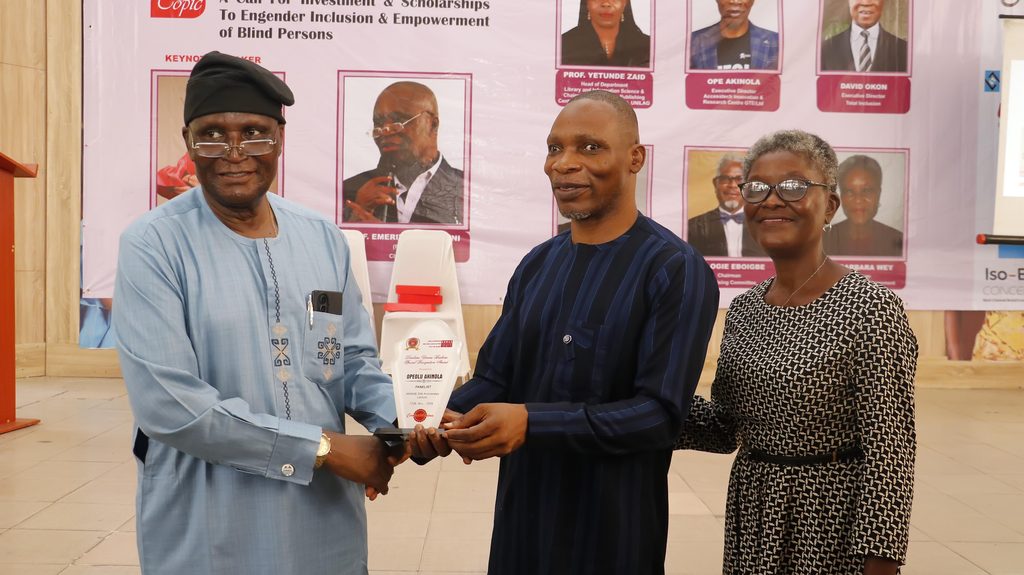
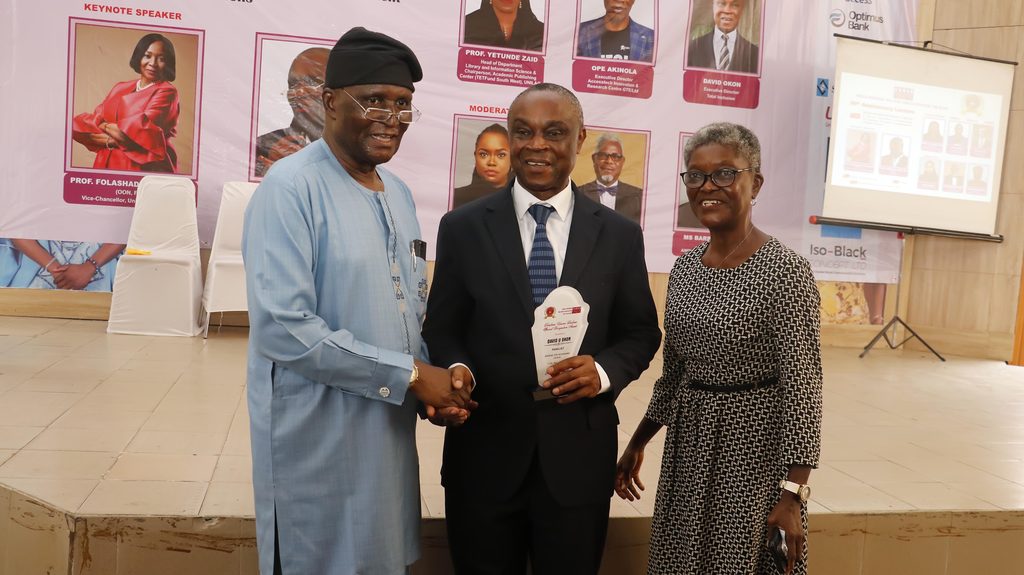
Through the awards and certificate presentations, the association celebrated the importance of collaboration, service and sustained commitment to the advancement of persons with visual impairment.
The recognition provided an opportunity to appreciate the collective efforts that sustained the anniversary programme and ANWAB’s broader advocacy objectives.
Three Decades of Advocacy: A Renewed Call for Inclusive Opportunities
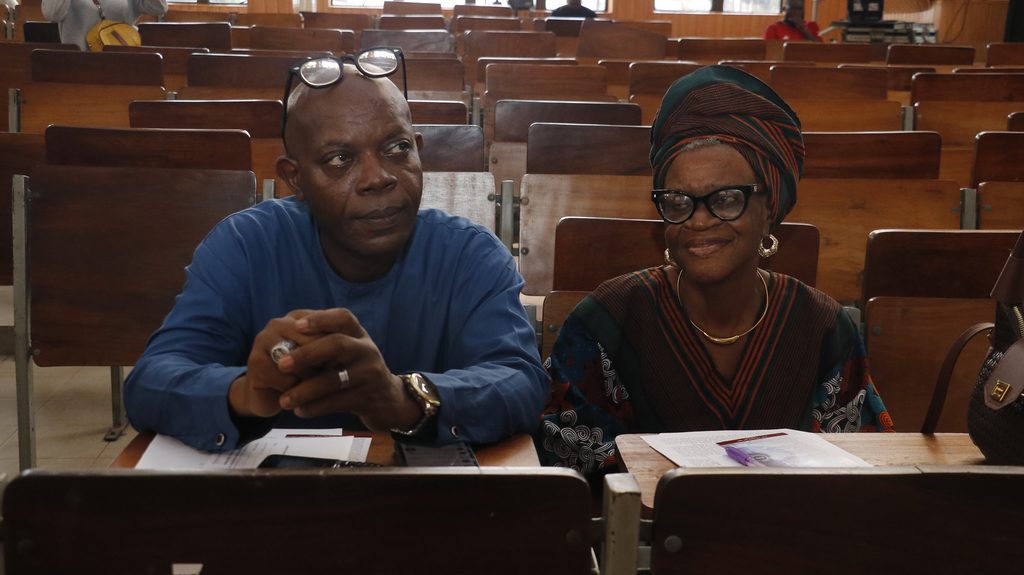
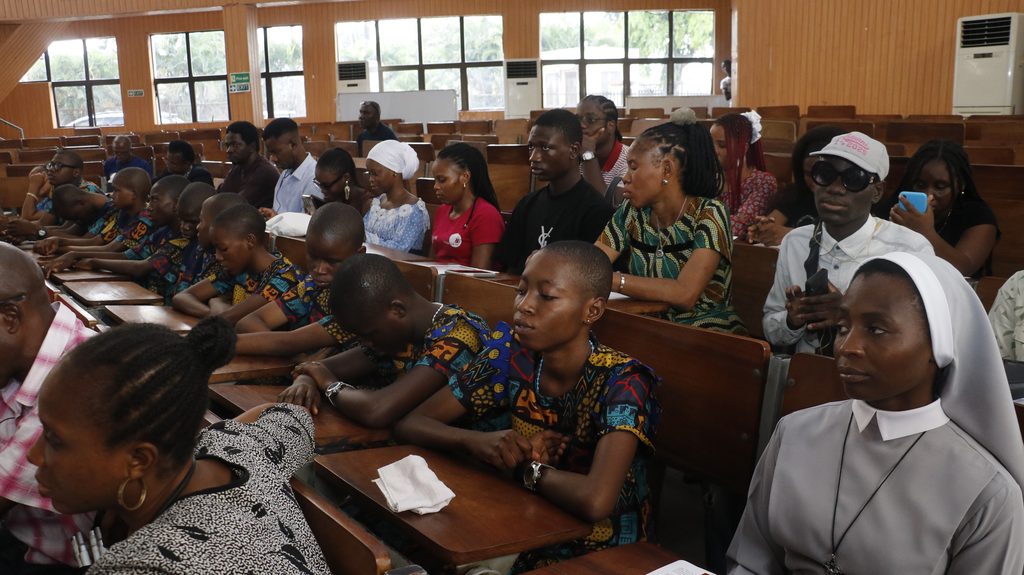
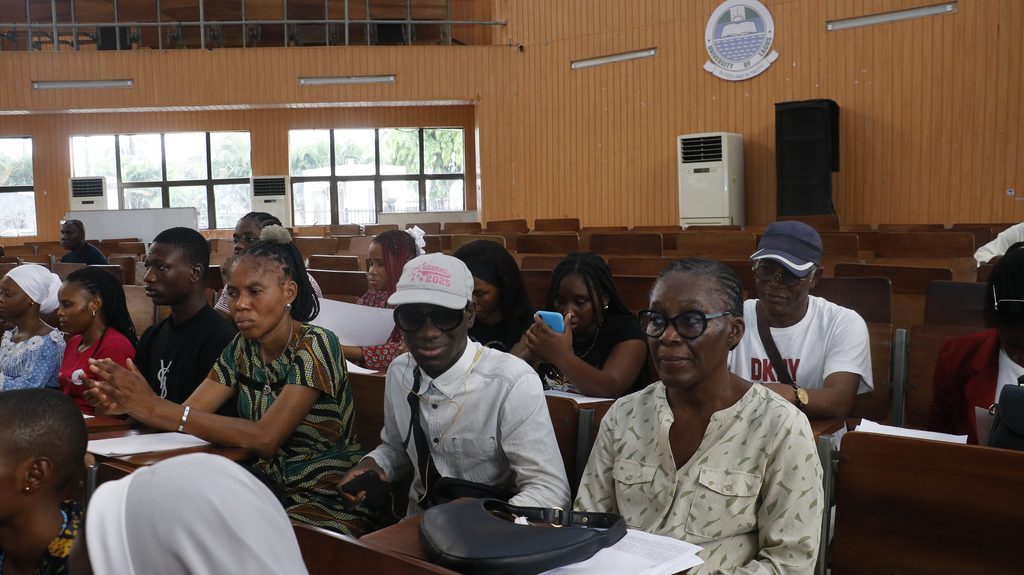
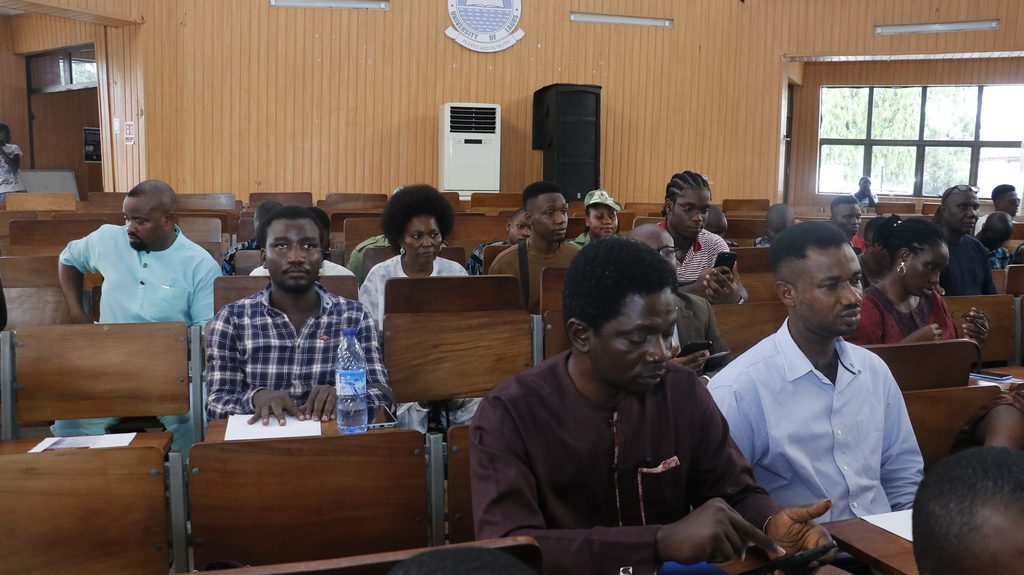
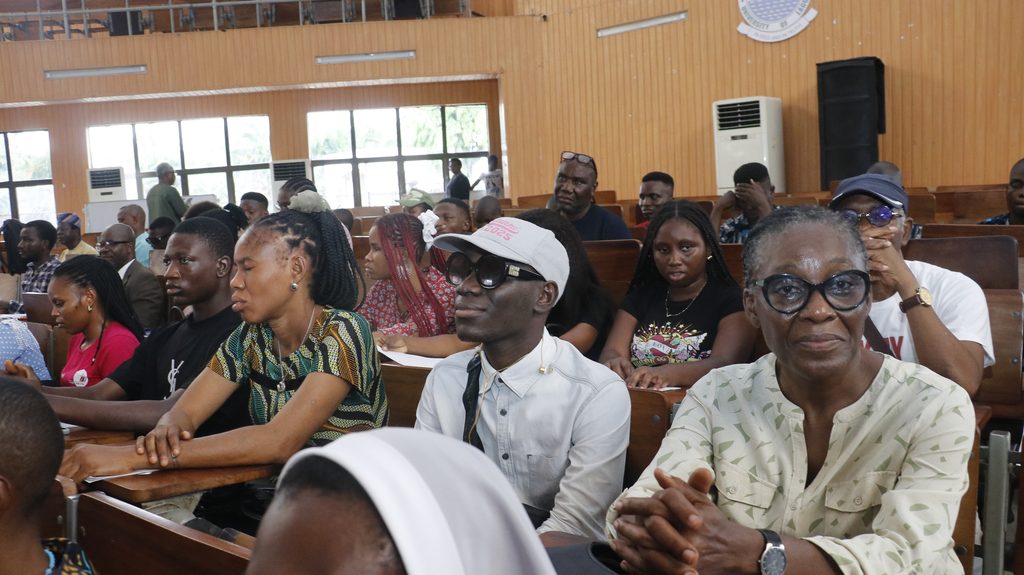
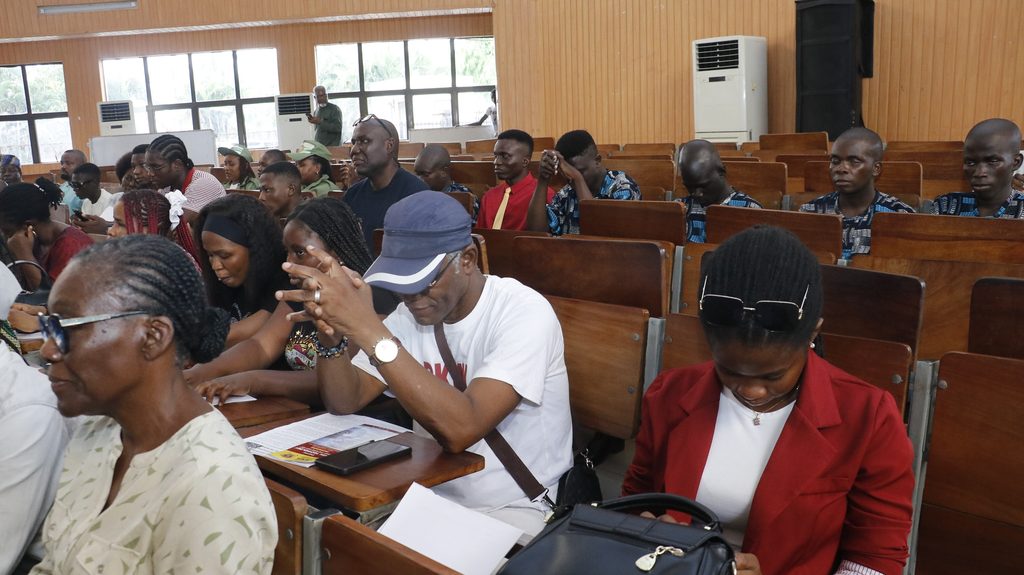
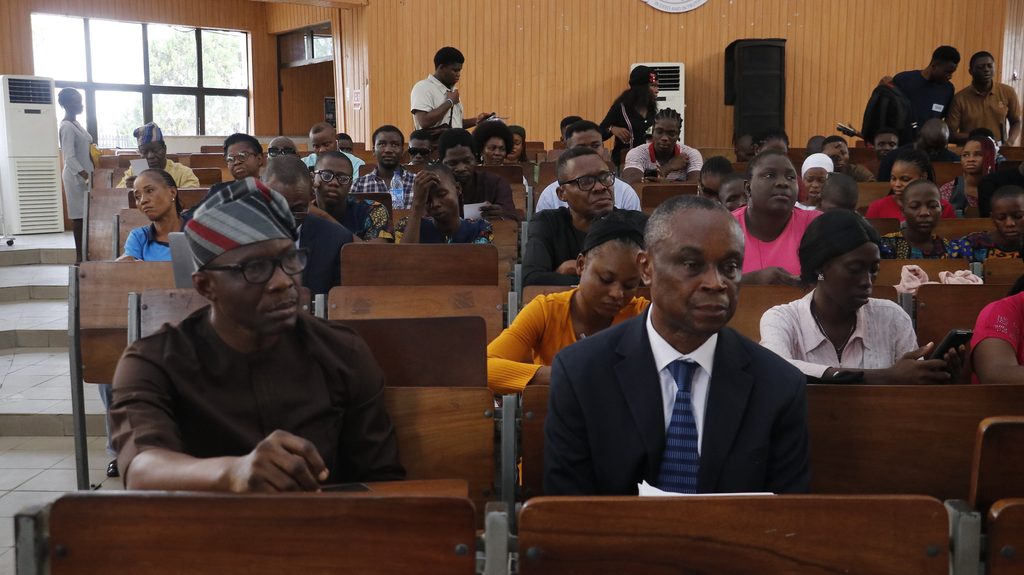
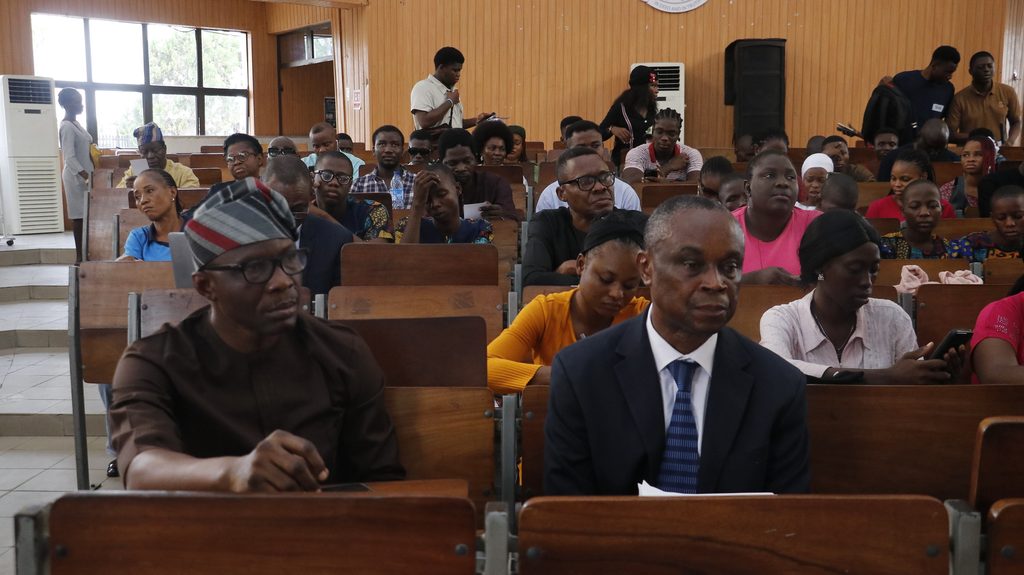
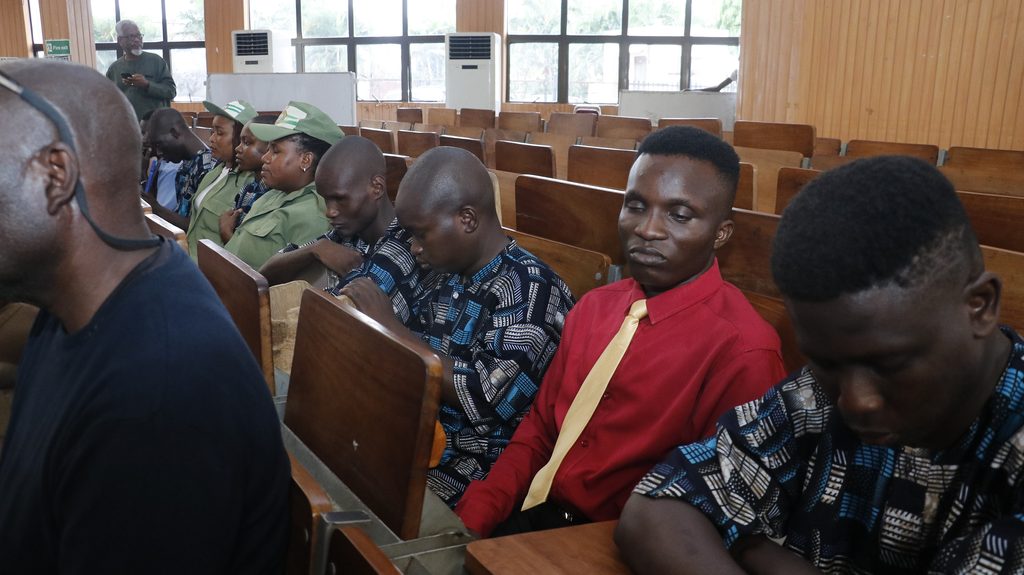
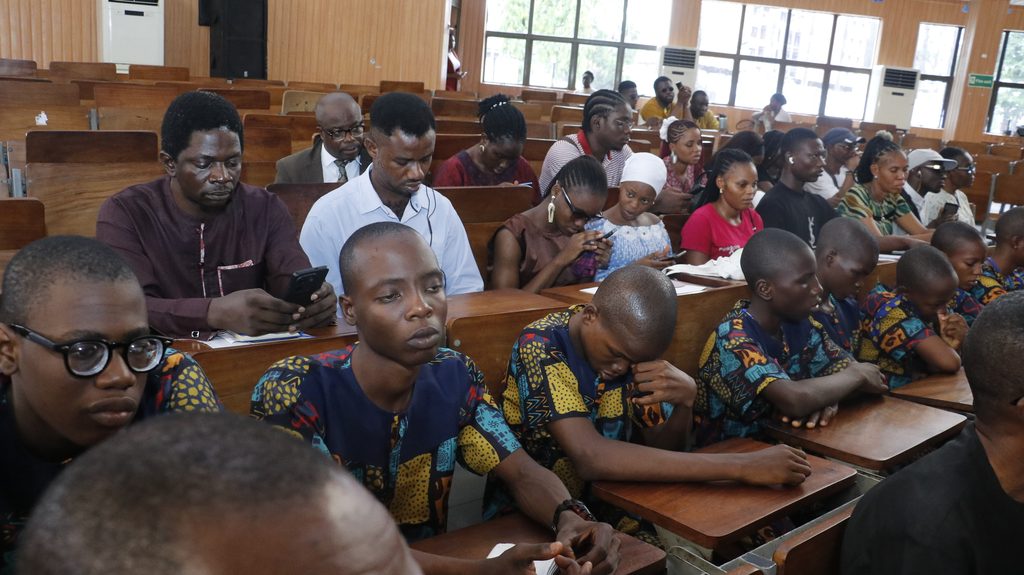
The anniversary brought together representatives of educational institutions, partner organisations, development agencies, disability advocacy groups and members of the University community to celebrate ANWAB’s contributions and renew commitments to inclusive education.
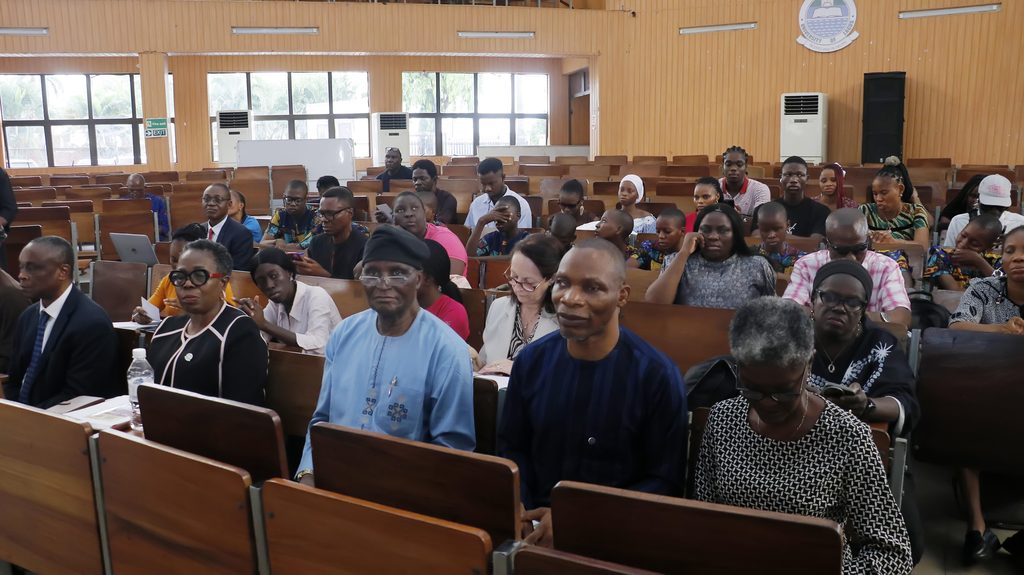
The celebration provided an opportunity to reflect on three decades of advocacy, welfare support and interventions aimed at improving educational access and the quality of life of blind and visually impaired persons.
It also reinforced the need for stronger partnerships among government, educational institutions, corporate organisations, development partners and individuals to translate commitments to inclusion into sustained investment and measurable action.
As ANWAB marks three decades of service, the central message remains that blindness should never be a barrier to education, independence or human achievement. With appropriate investment, accessible technology, inclusive policies and collective commitment, persons with visual impairment can access equal opportunities to learn, innovate, lead and contribute meaningfully to society.
Report: Lynda Onah
Photograph: Islamiat Akanni