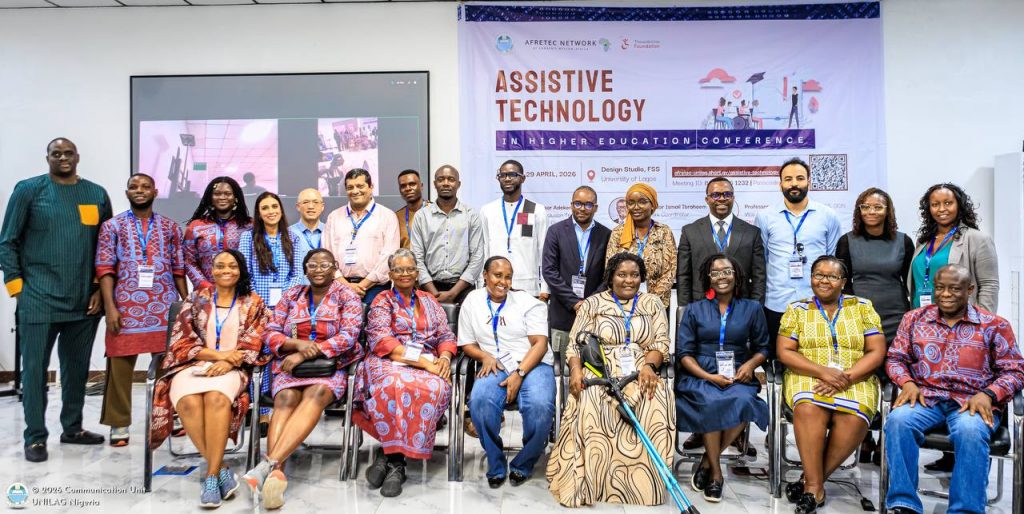
Stakeholders across higher education, technology innovation, and disability inclusion have identified assistive technology as a critical driver for building inclusive and equitable learning systems across Africa. They have also called for stronger institutional collaboration, increased research investment, and student-led innovation to bridge accessibility gaps and reduce inequalities within universities.
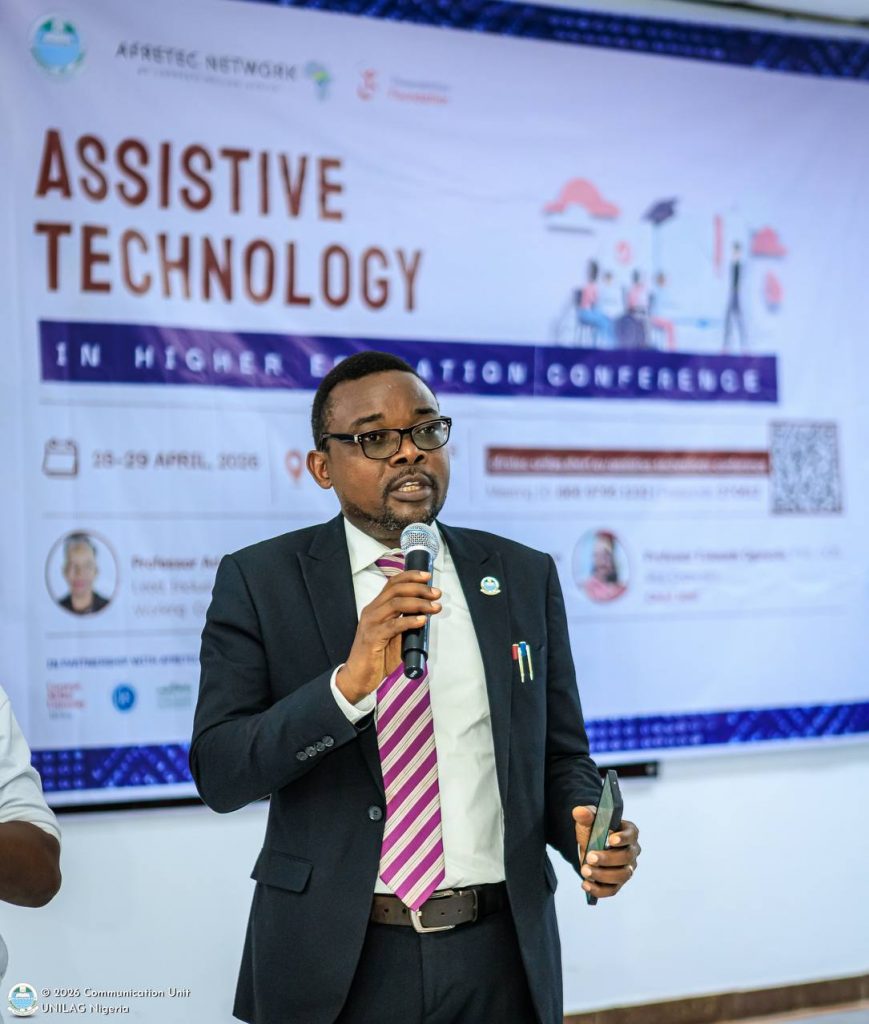
This position emerged at the two-day Pan-African workshop and international conference on Assistive Technology, hosted by the University of Lagos under the auspices of AFRETEC Network.
A Reflection of Strong Multi-stakeholder Partnerships
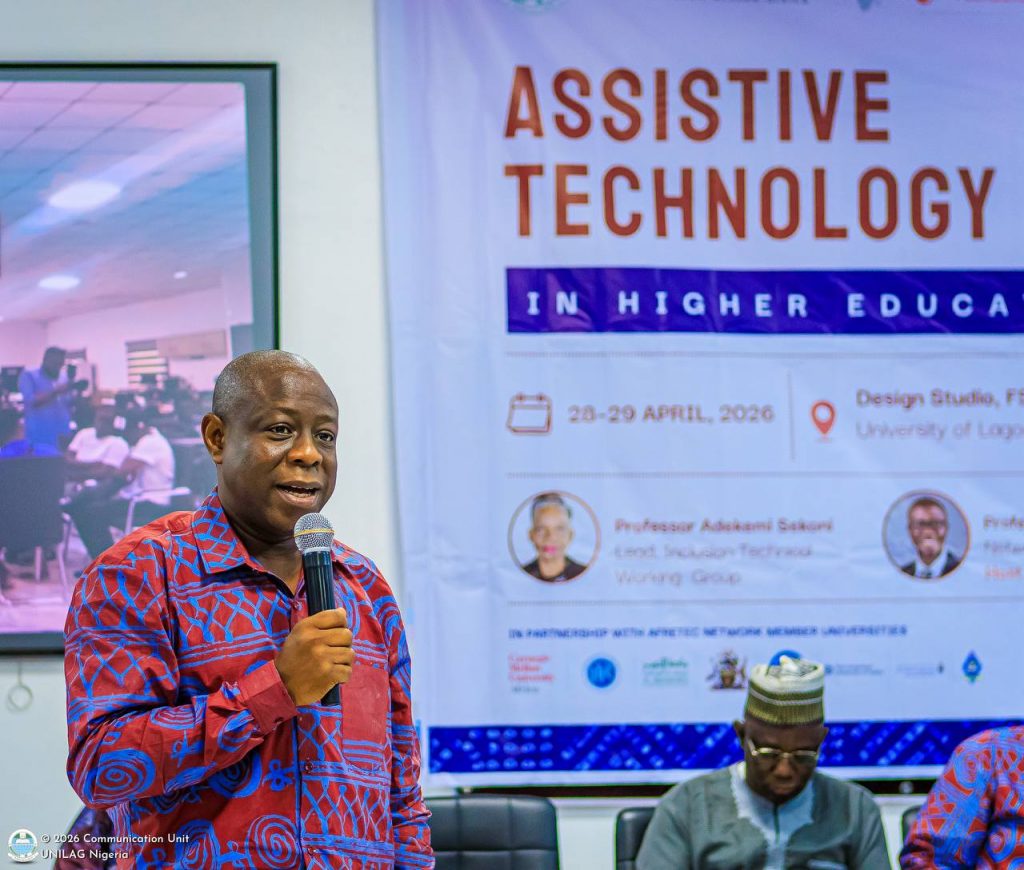
The workshop, themed: Advancing Inclusive Societies Through Digital Transformation and Assistive Technology Research and Innovation Within Higher Educational Institutions in Africa, was held on Tuesday, April 28 and Wednesday, April 29, 2026 at the Design Studio, Faculty of Social Sciences (FSS) Complex, UNILAG.
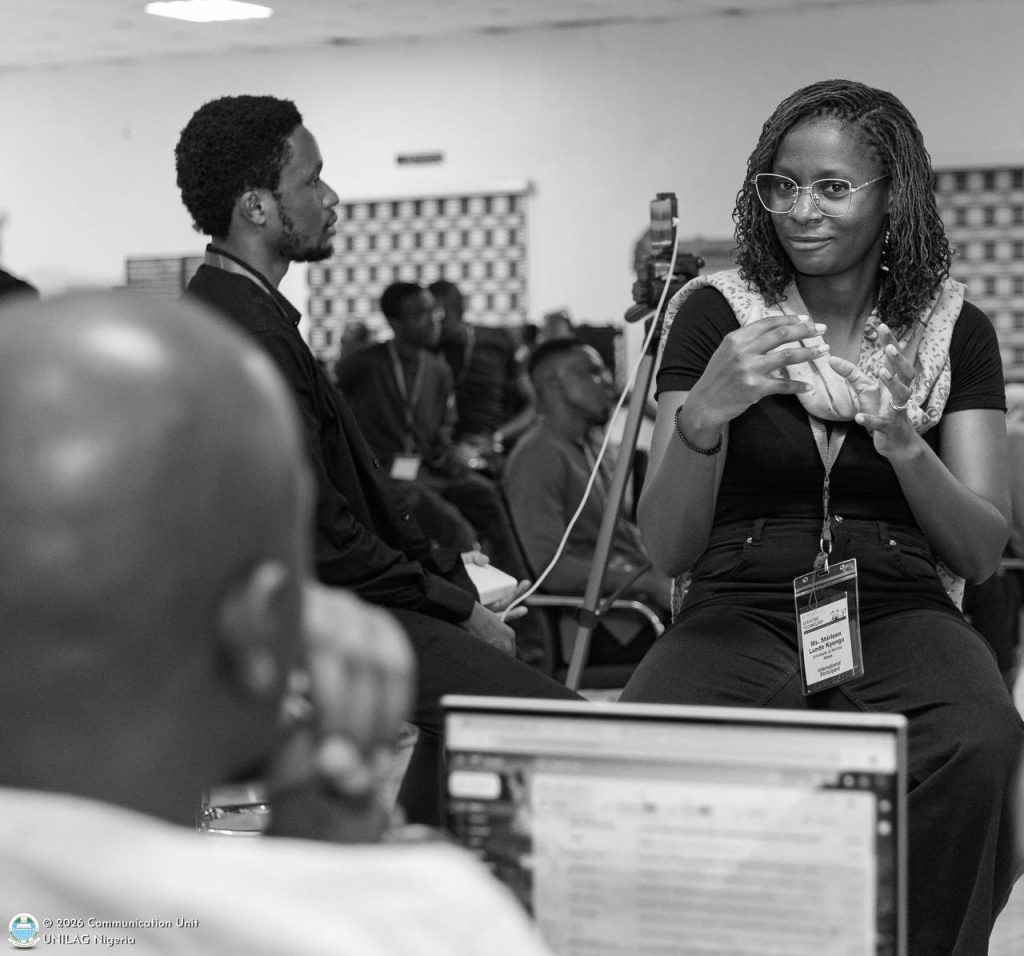
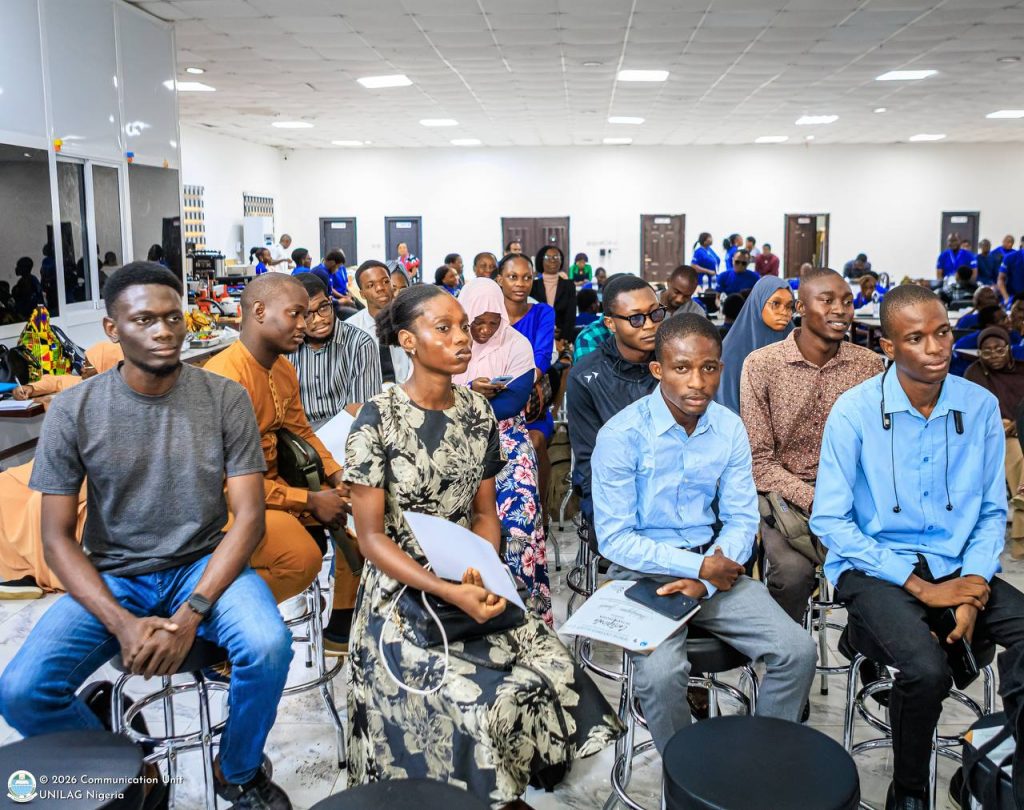
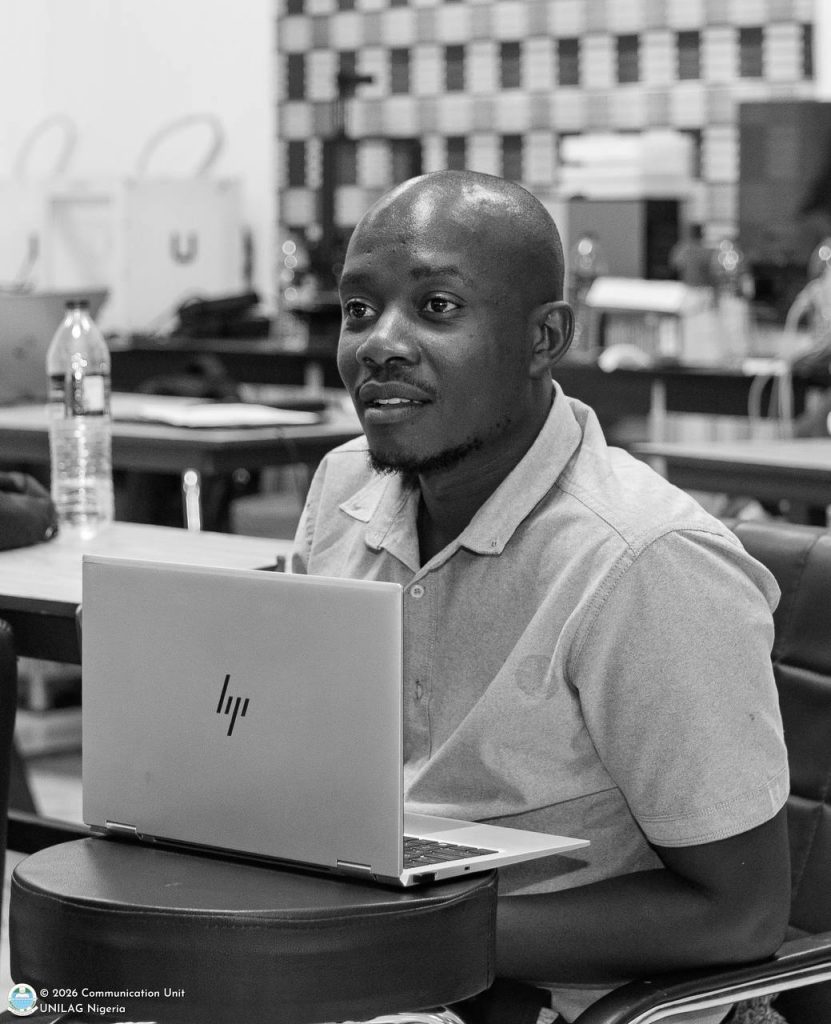
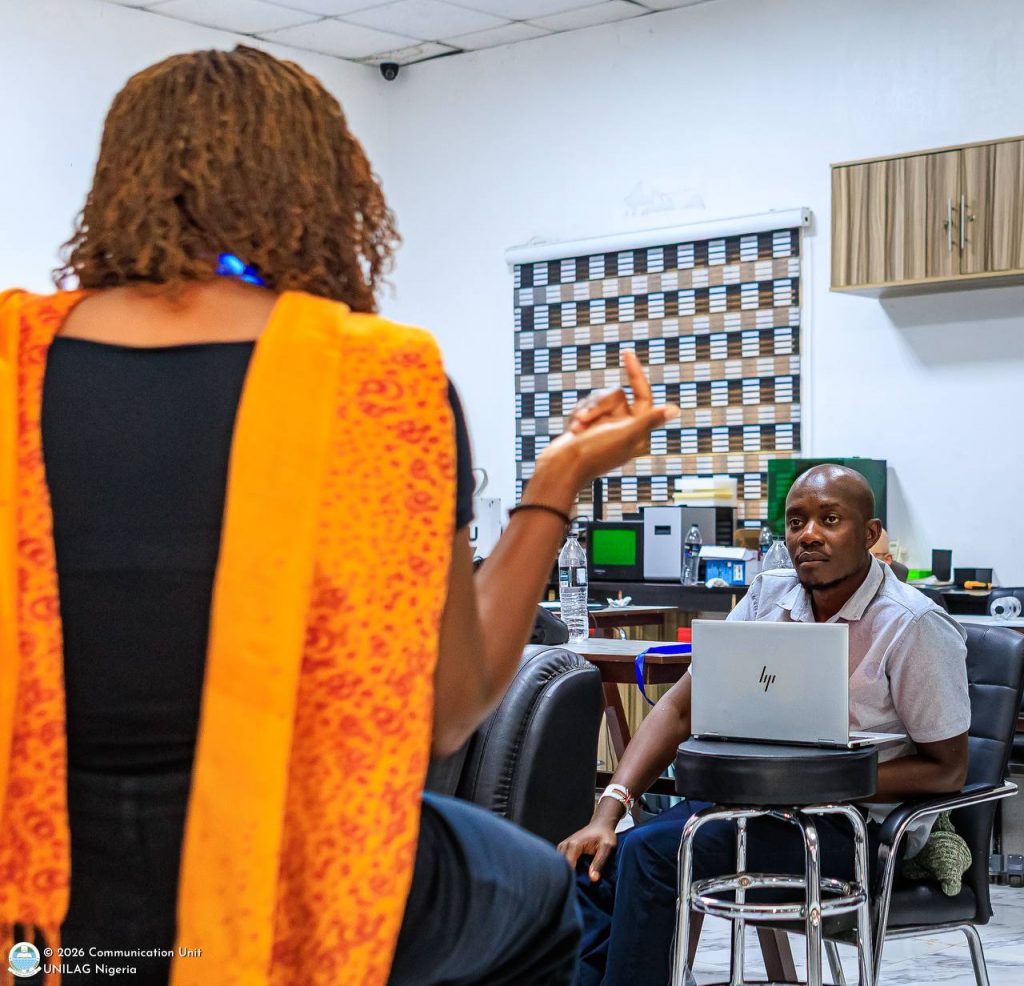
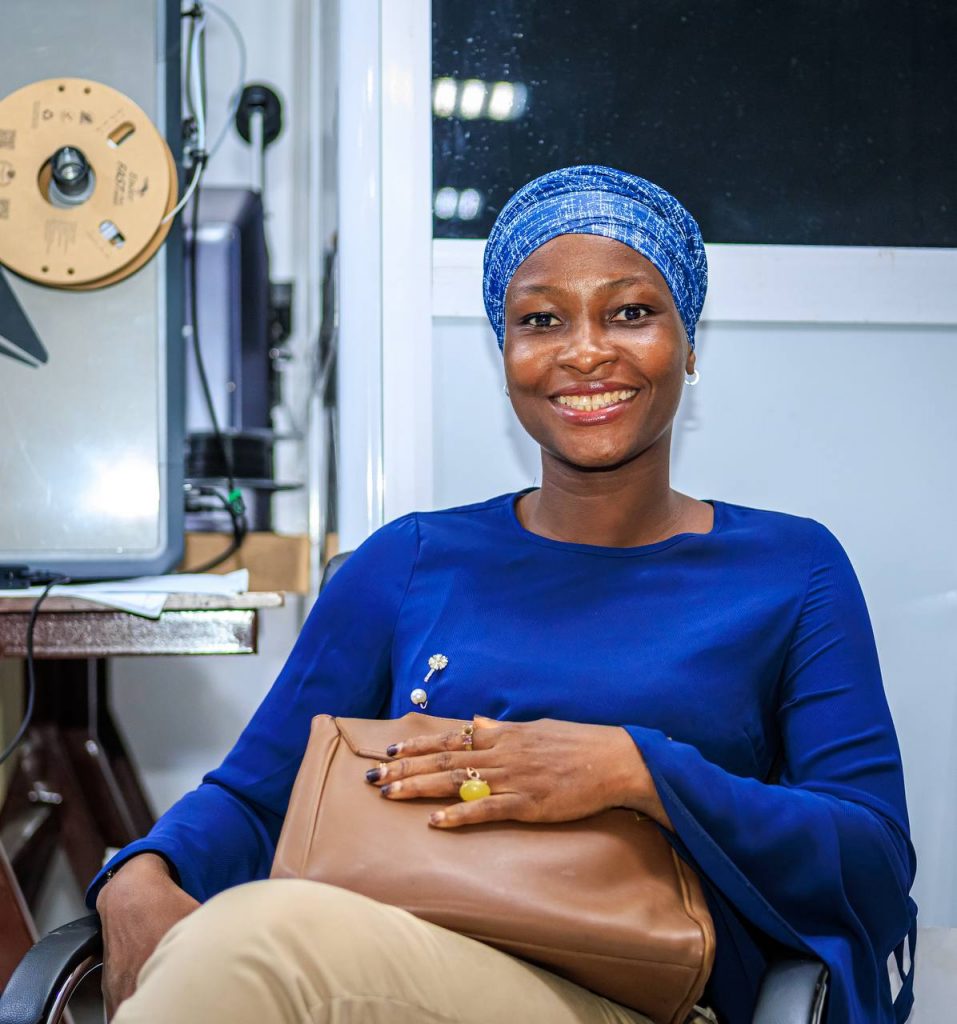
The event convened students, researchers, innovators, faculty members, and disability advocates from across the continent to advance dialogue and practical solutions for inclusive higher education and sustainable development.
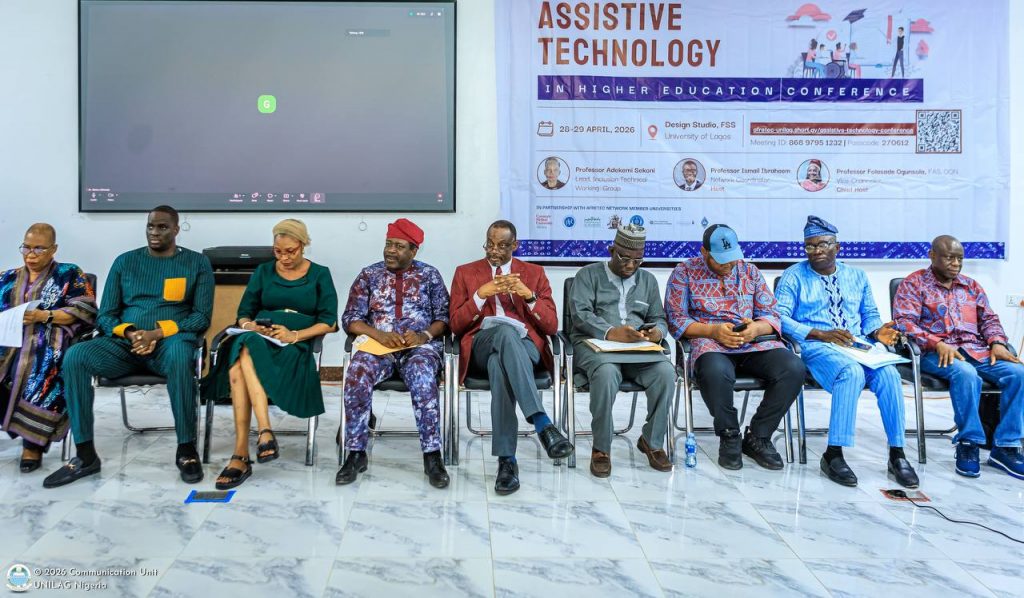
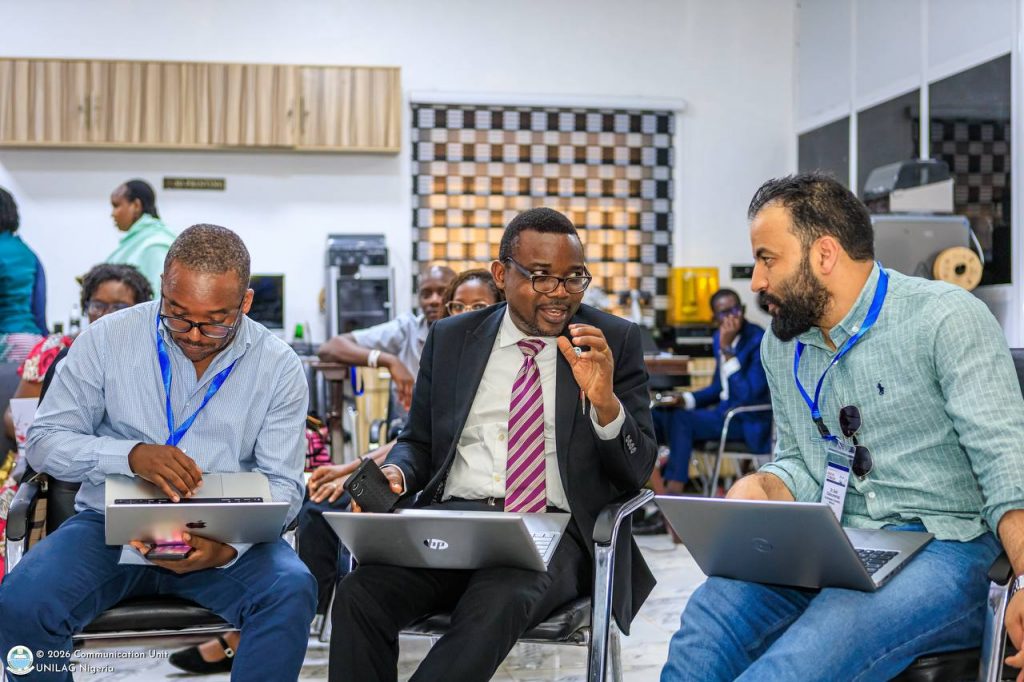
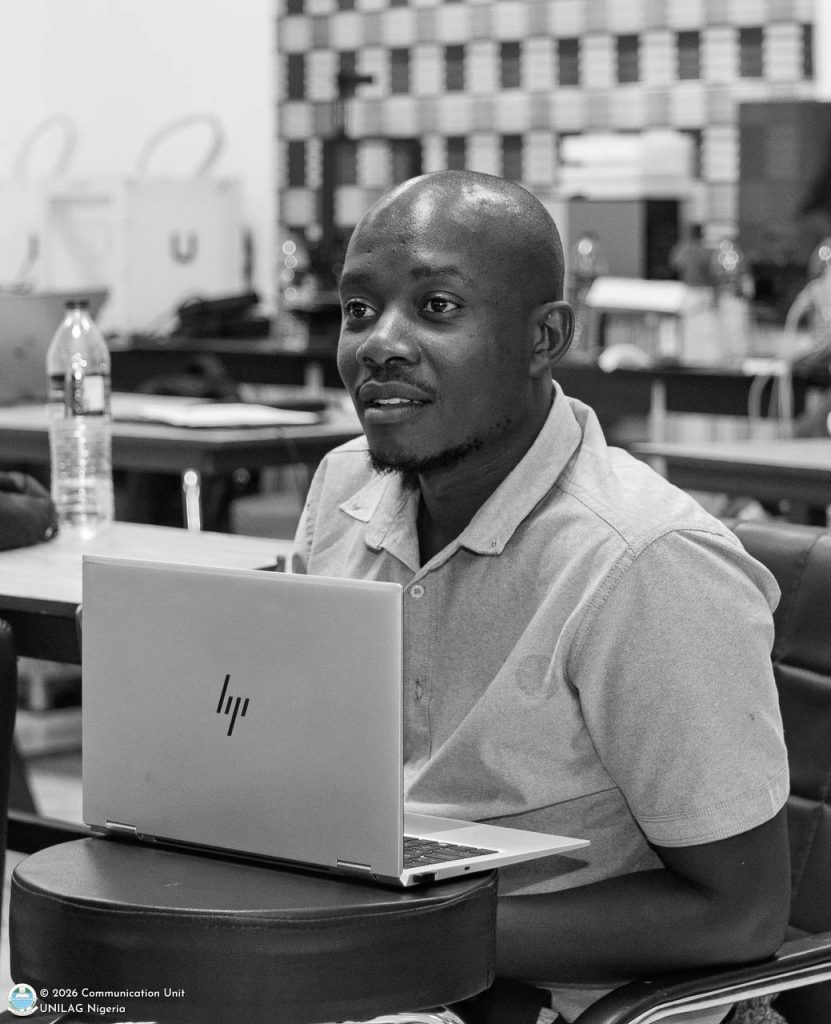
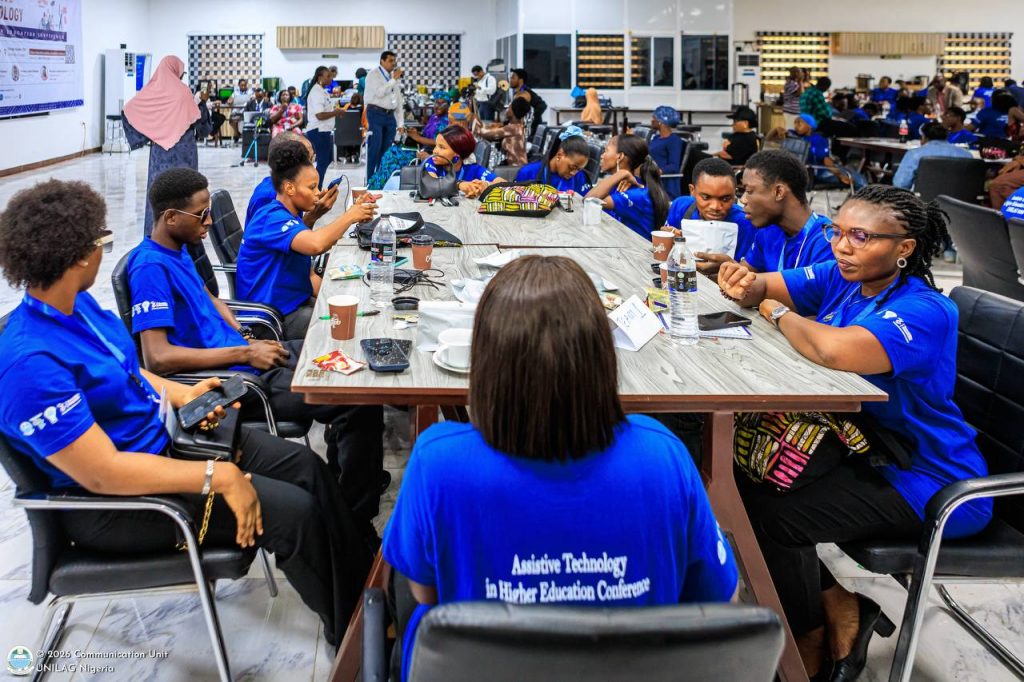
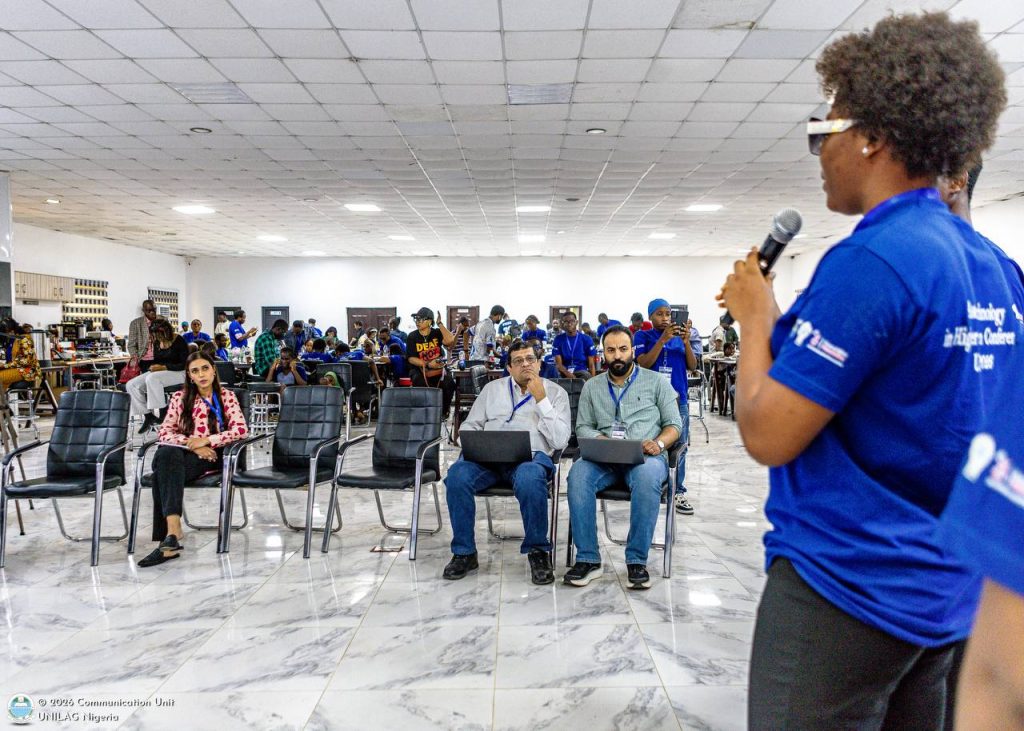
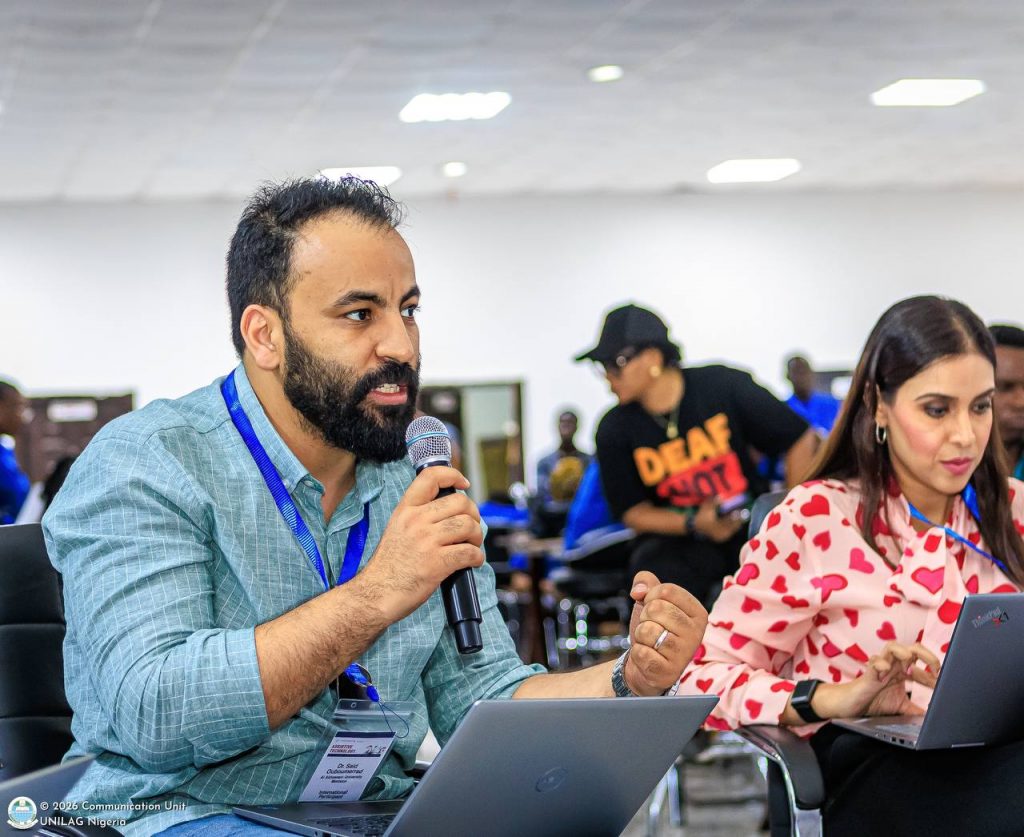
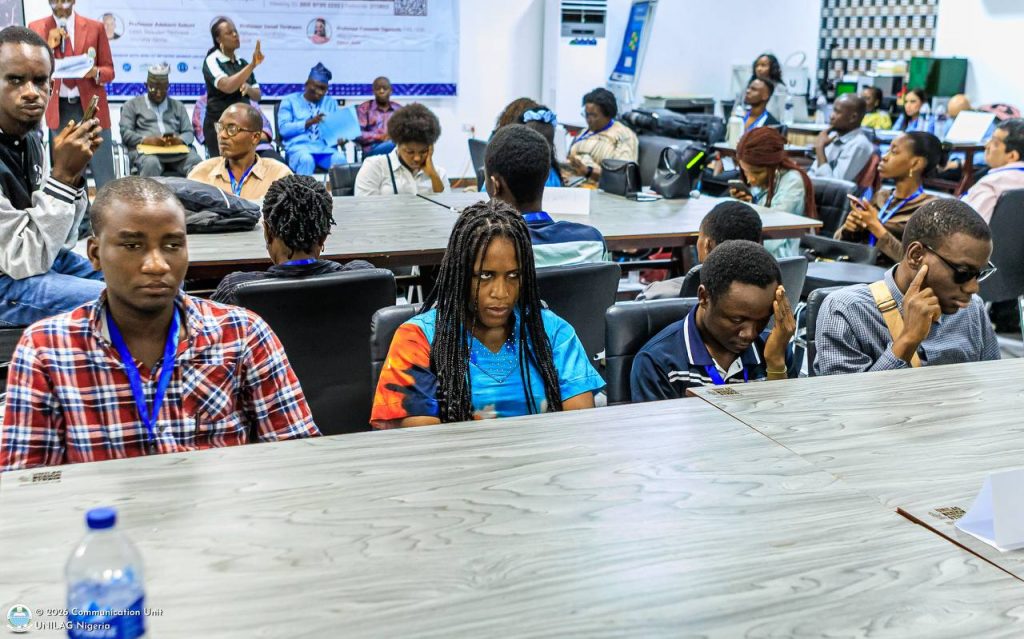
Participating institutions included the University of Rwanda, Carnegie Mellon University Africa, University of Nairobi, Al Akhawayn University, The American University in Cairo, Cheikh Anta Diop University (Senegal), and University of the Witwatersrand (South Africa). Also represented were Lagos-based institutions such as Lagos State University, Lagos State University of Science and Technology, and the Federal College of Education (Technical), Akoka.
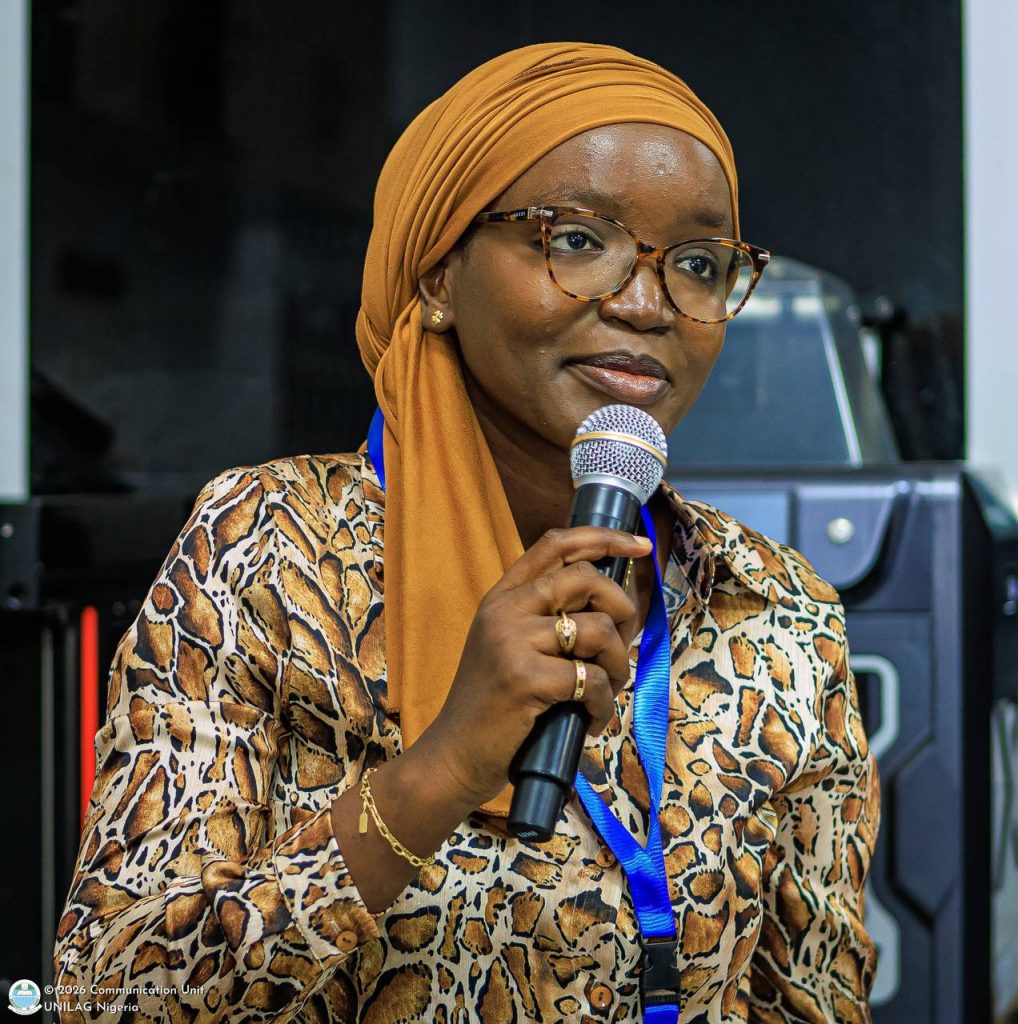
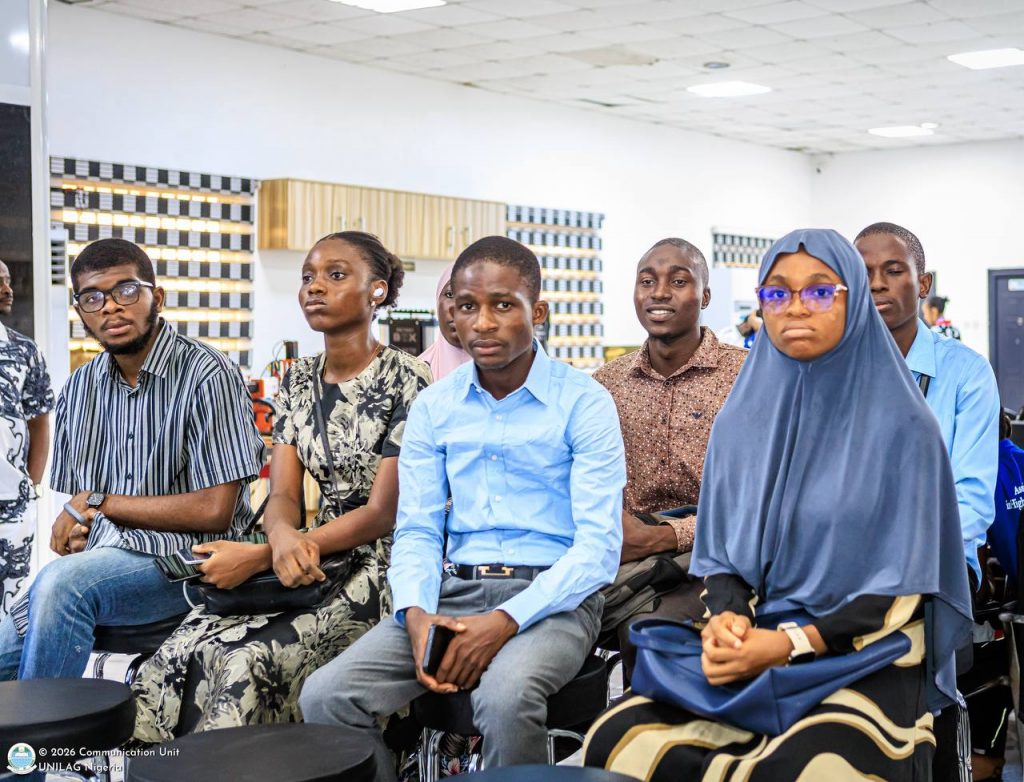
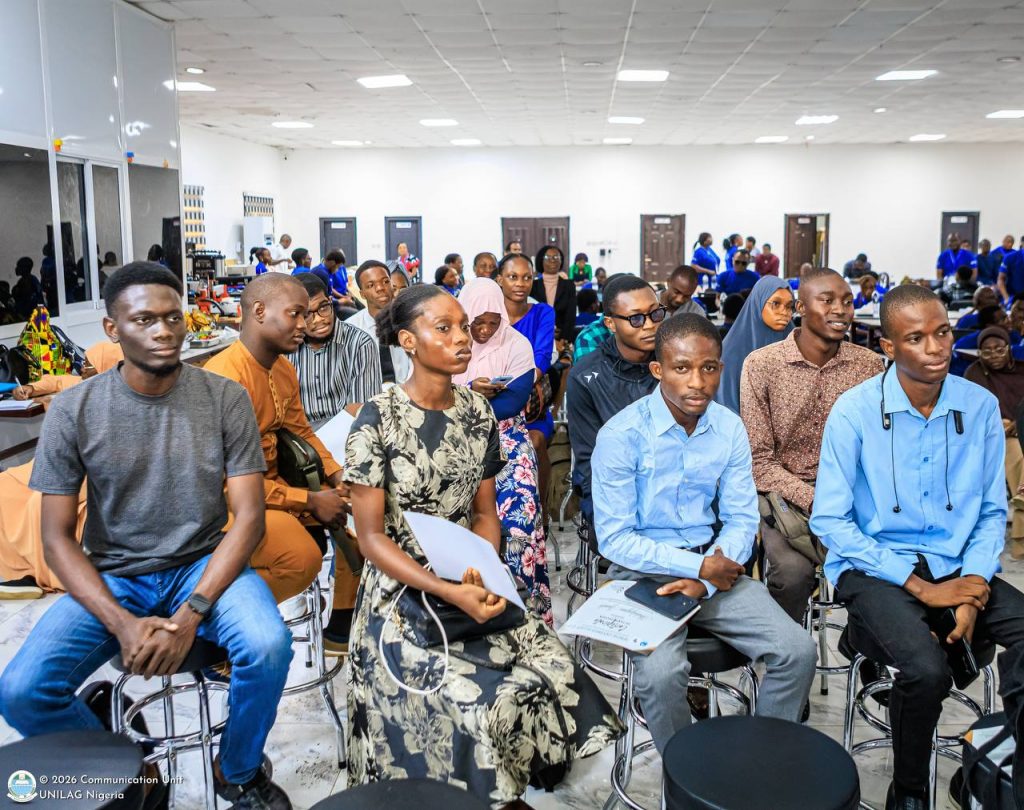
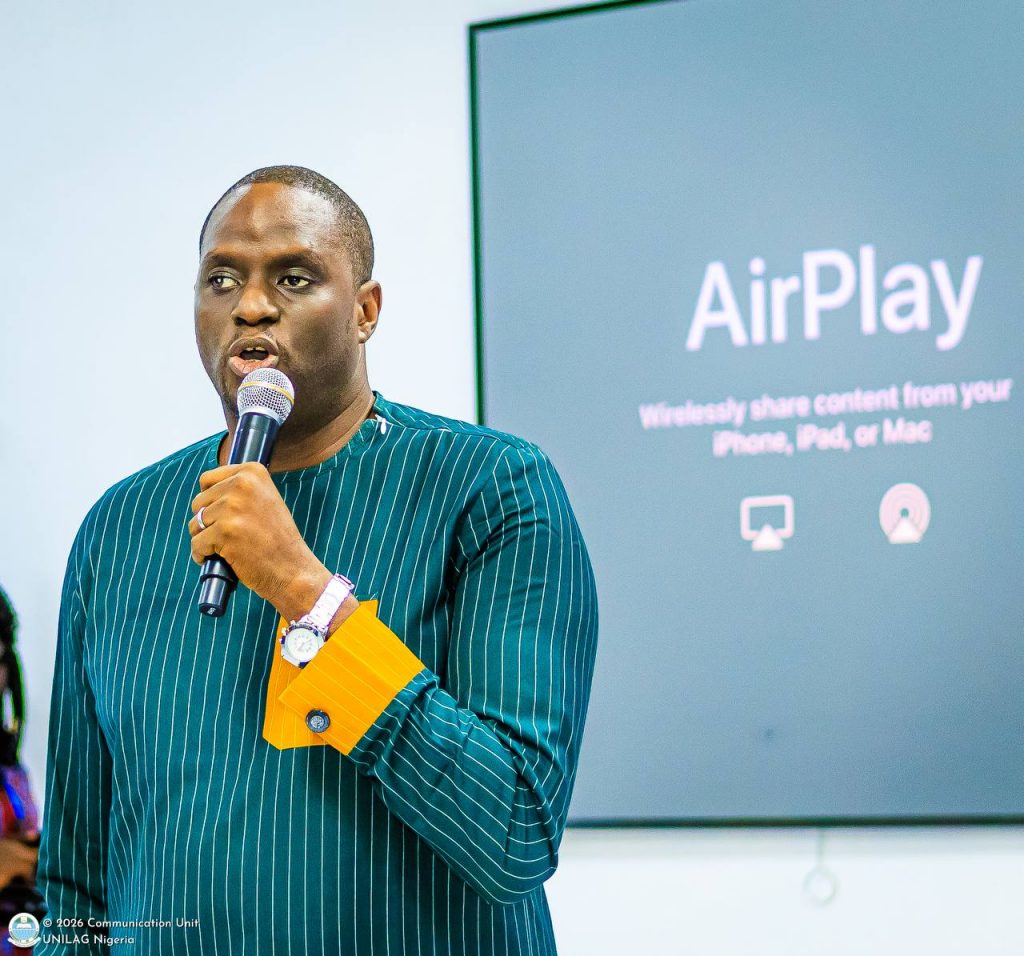
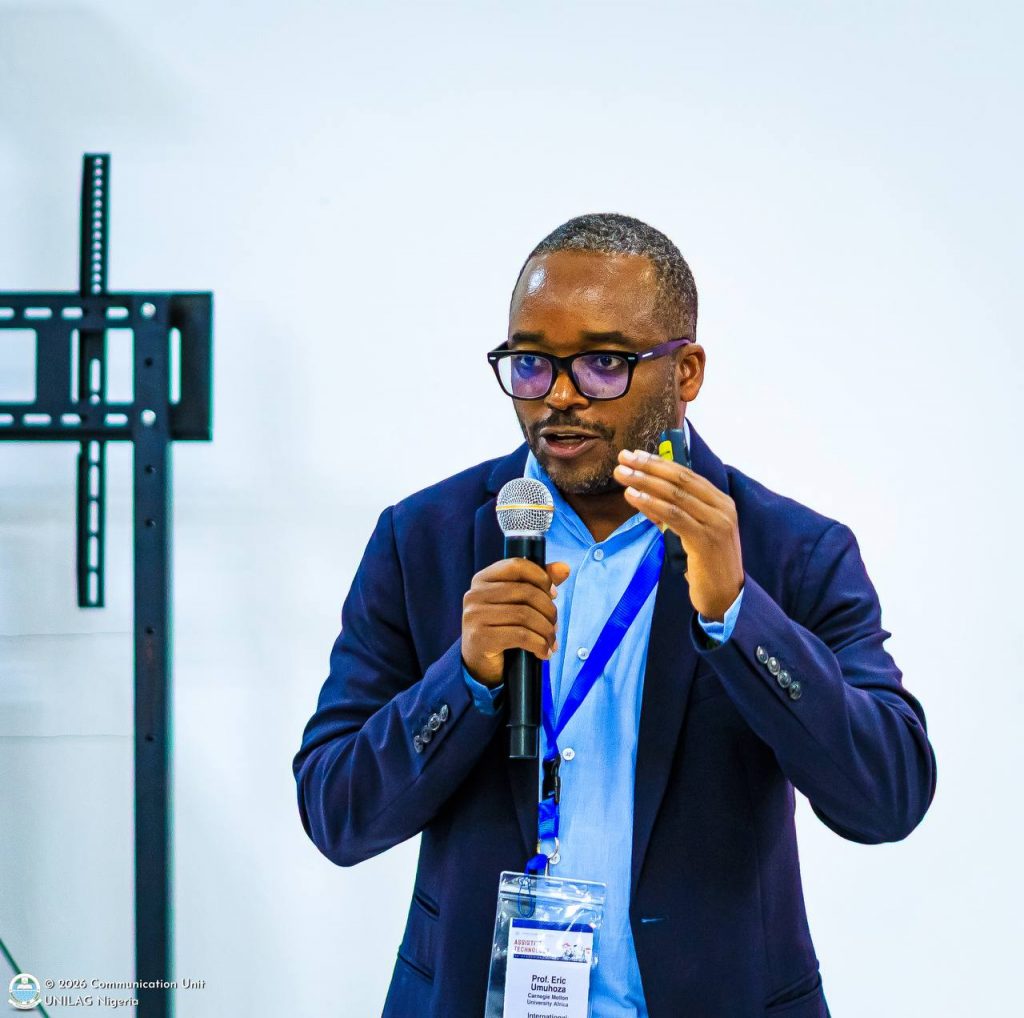
The line up of activities for the 2-day workshop included a keynote presentation on “Assistive Technology in African Higher Education: Gaps, Opportunities and Collaboration Pathways, by Professor Eric Umuhoza of Carnegie Mellon University Africa; engaging question-and-answer segment which gave participants the opportunity to further explore key issues surrounding assistive technology development, adoption, and collaboration within African higher education institutions; panel sessions on university assistive technology showcases; lived experiences of students and faculty with disabilities; assistive technology ecosystem mapping; and pitch preparation training for innovators.
Bold Statement of Institutional Purpose
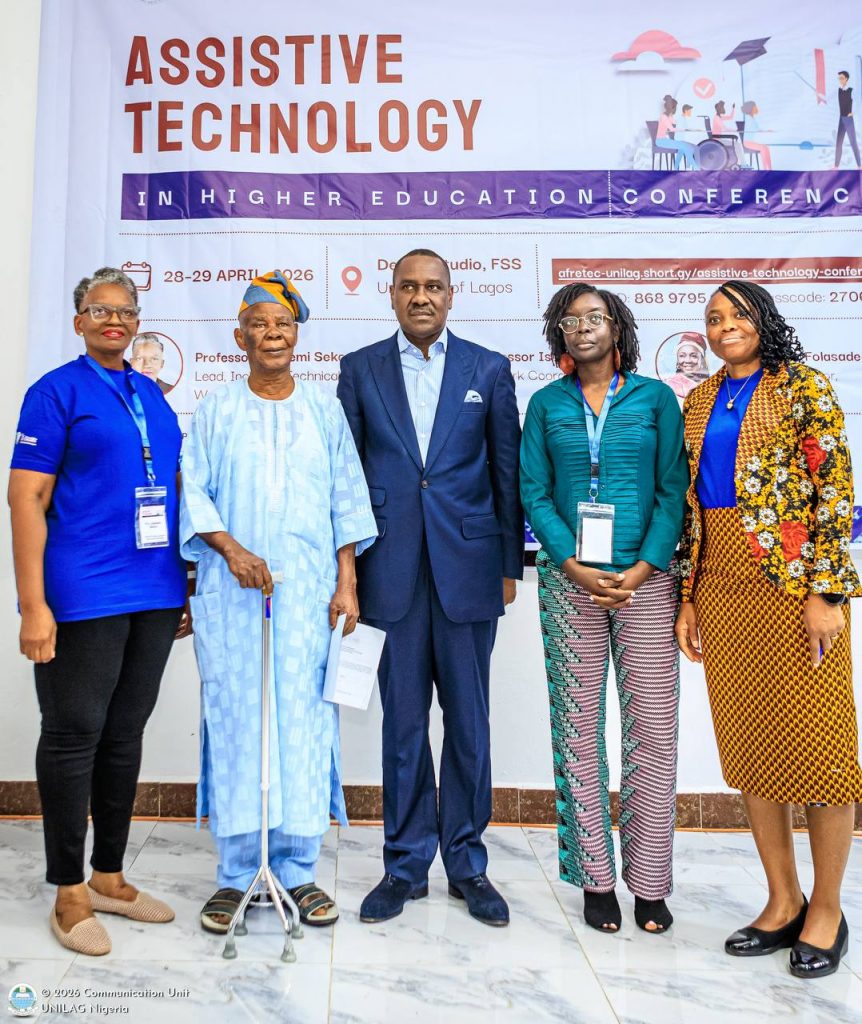
Declaring the workshop open on behalf of the Vice-Chancellor, Professor Folasade T. Ogunsola, OON, FAS , the Deputy Vice-Chancellor (Development Services), Professor Foluso Ebun Afolabi Lesi, described the conference as a bold statement of institutional purpose.
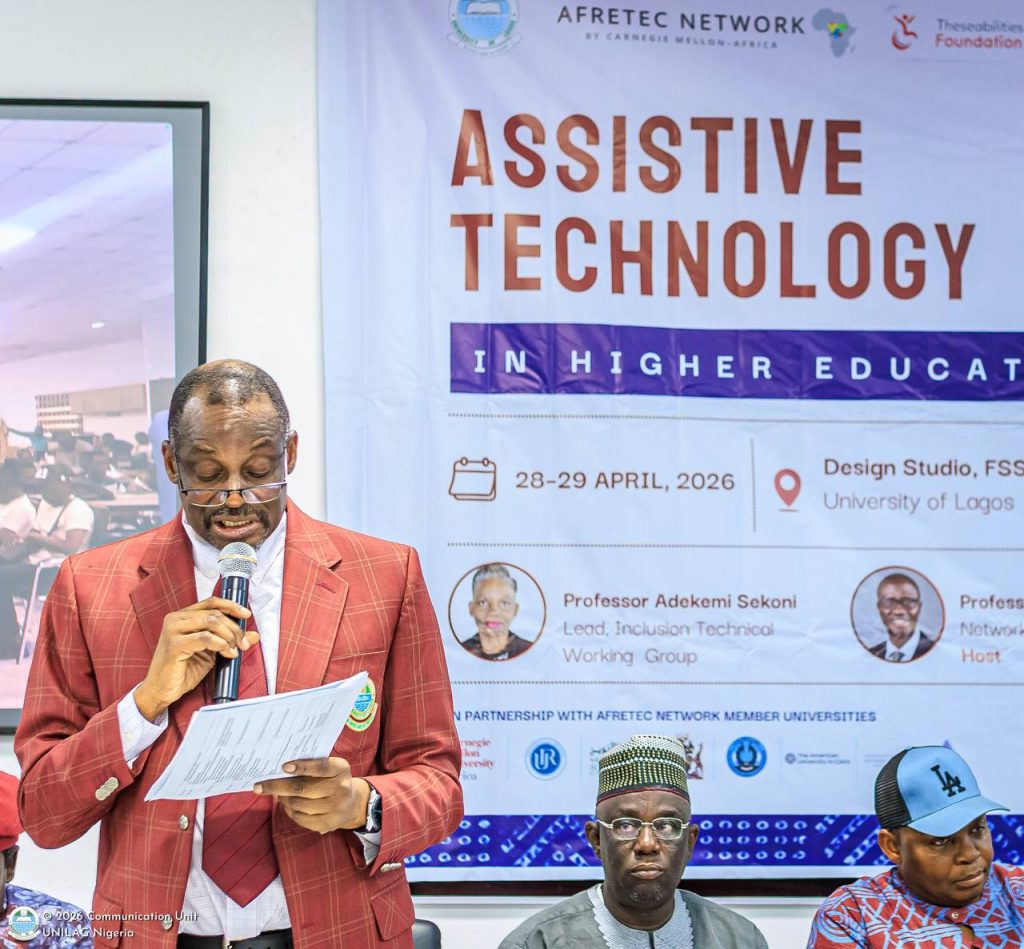
He noted that the gathering represents more than an academic exercise, but a call for African universities to embrace their role as engines of social inclusion and sustainable development.
“This is not merely an academic proposition; it is a call for researchers, innovators, policymakers, and communities to work in concert, and for academia to reposition persons with disabilities not as beneficiaries of goodwill, but as co-creators, innovators, and leaders of change,” he stated.
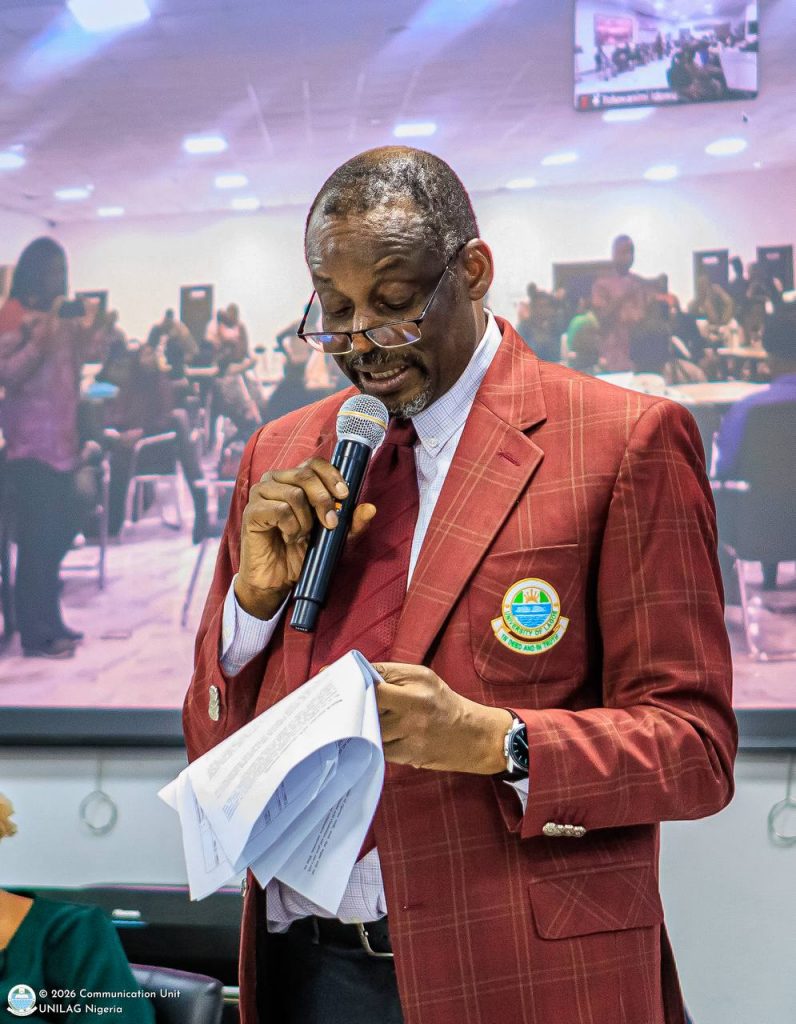
Professor Lesi further emphasised that the true measure of a university now extends beyond rankings and research prestige to include its commitment to equity, accessibility, and human dignity.
Goodwill Messages
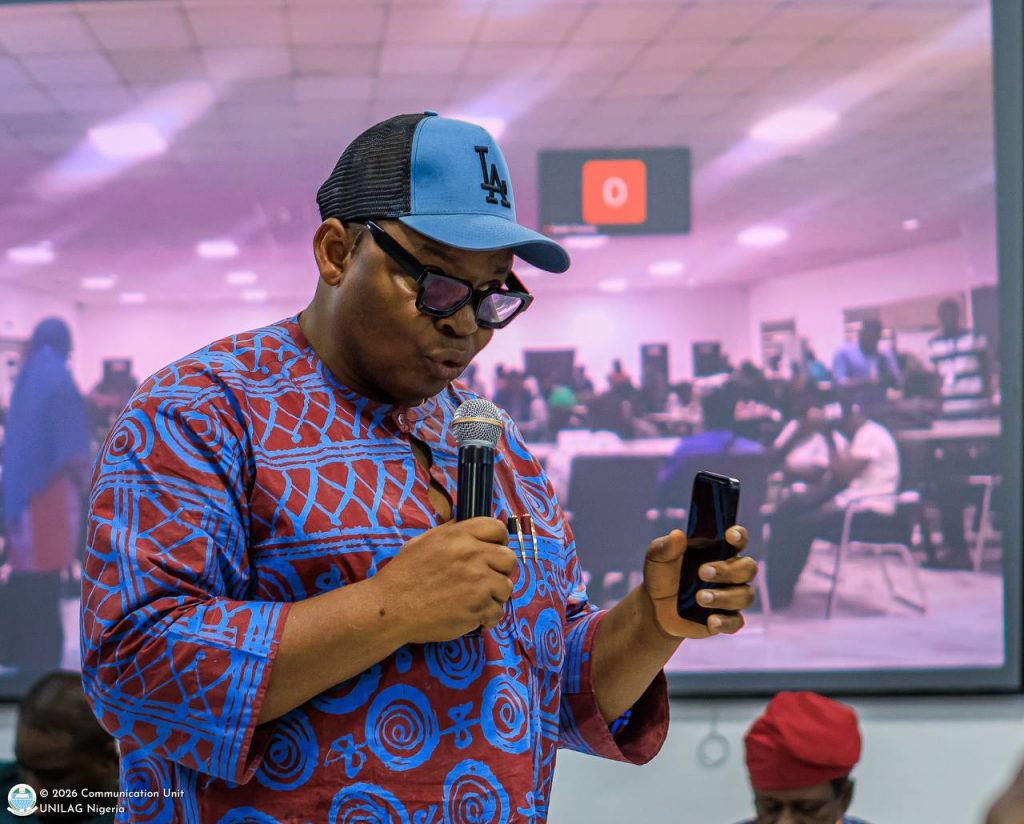
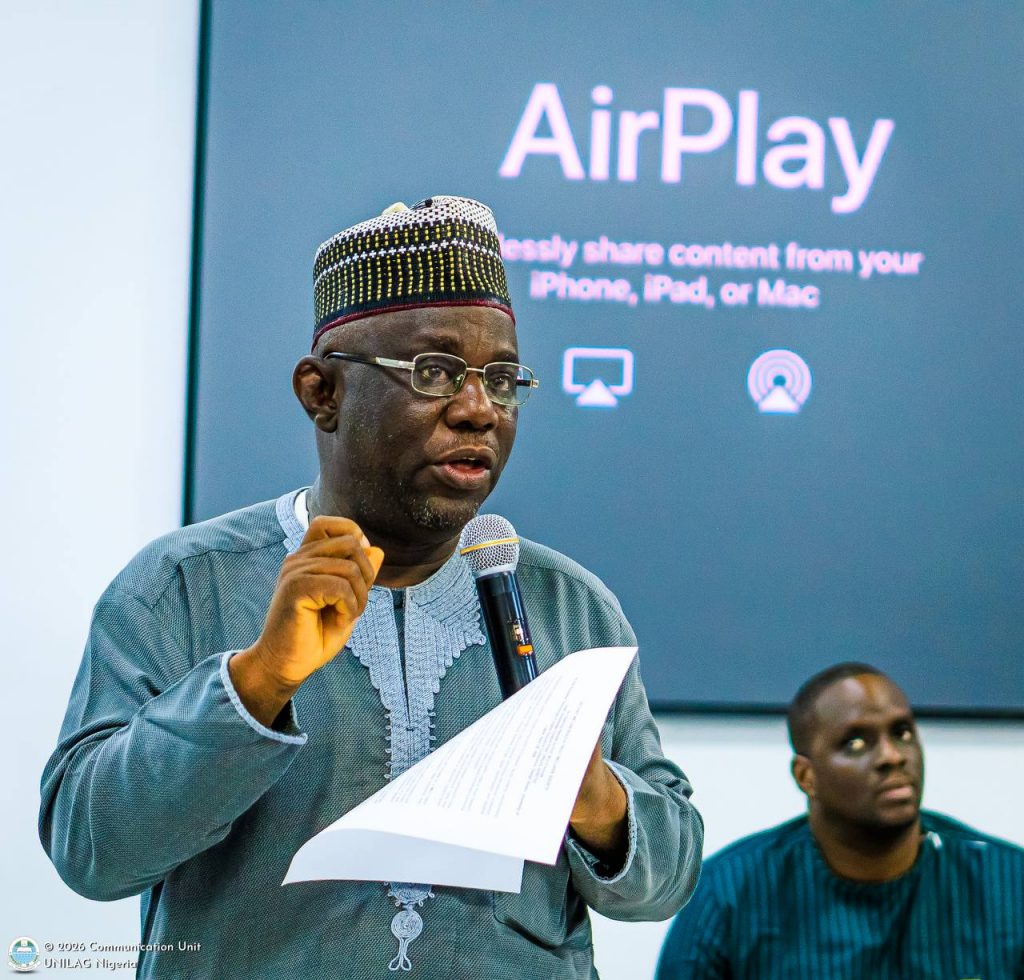
The Opening Ceremony provided an avenue for Goodwill Messages to be deliverd by major stakeholders and representatives of participating institutions.
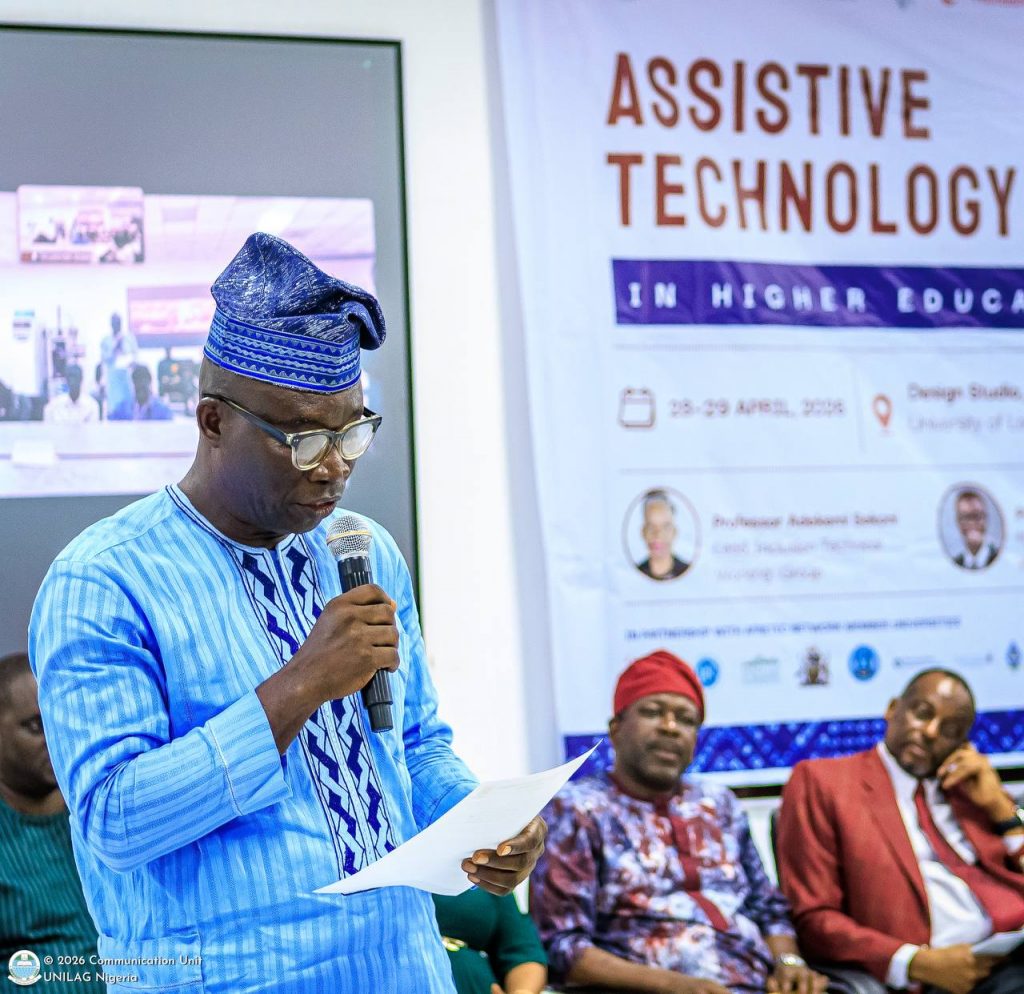
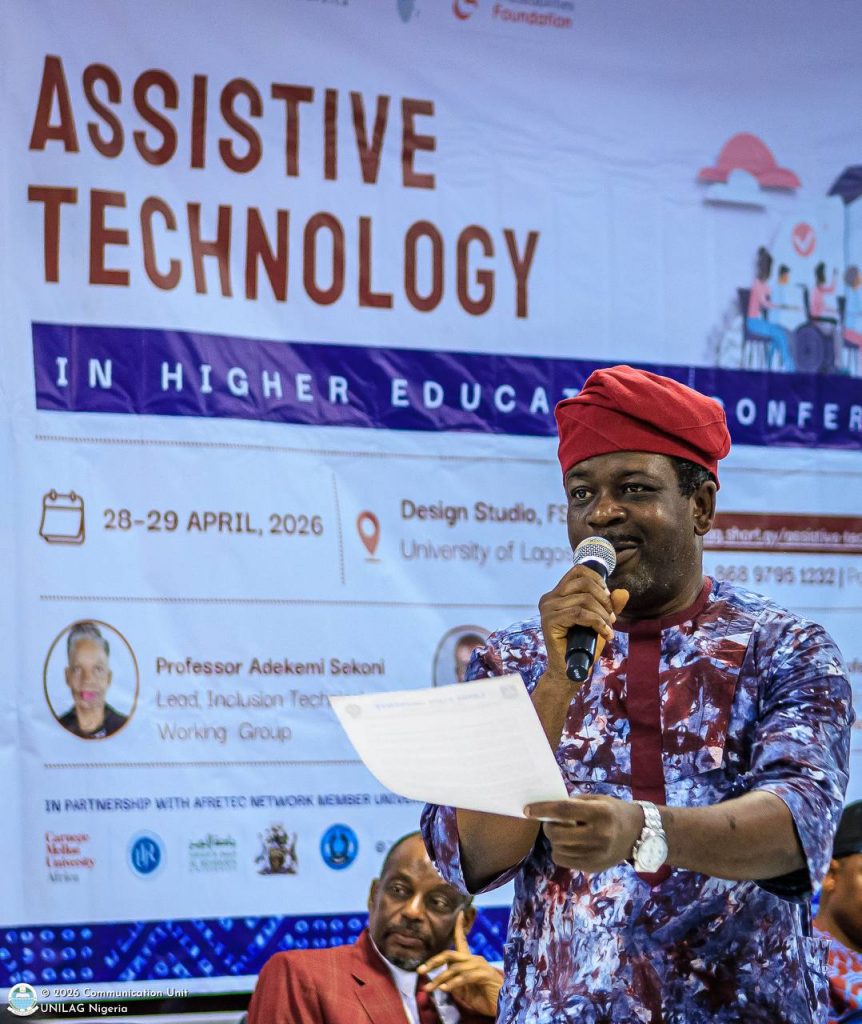
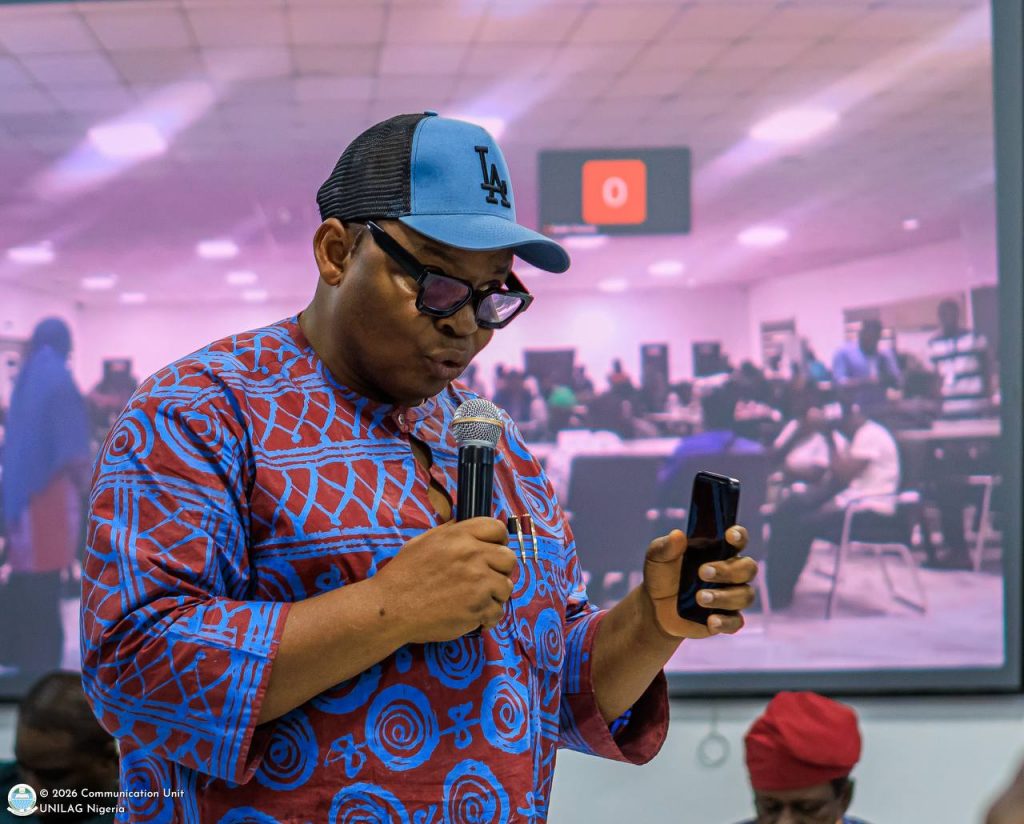
The Vice-Chancellor of Lagos State University, Professor Ibiyemi Olatunji-Bello, represented by the Dean of the Institution’s Faculty of Social Sciences, Professor Olufemi Lawal commended UNLAG for its leadership in addressing emerging educational challenges. He urged stakeholders to ensure that no student is excluded from the benefits of digital transformation and inclusive education.
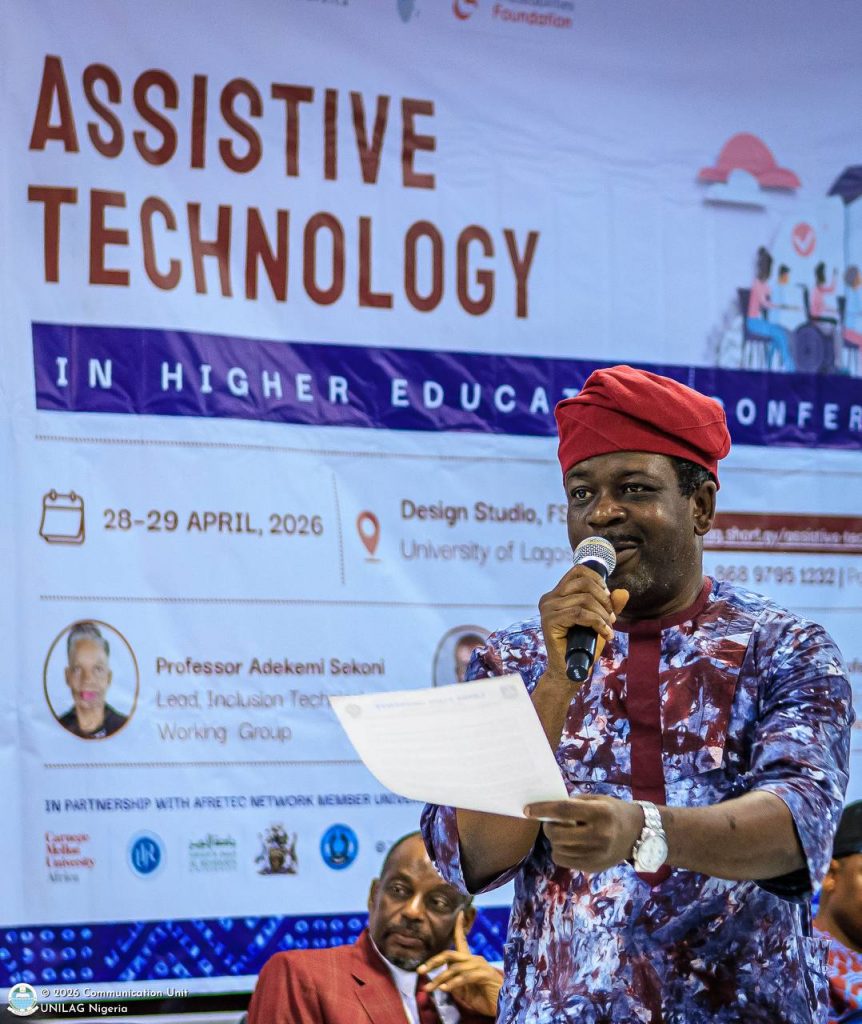
Similarly, the Provost of the Federal College of Education (Technical), Akoka, Professor I. O. Miller, represented by Dr. Aye Obesan Akinyemi of the Department of Educational Psychology, praised the organisers for championing a programme of continental relevance that promotes equitable access to learning opportunities.
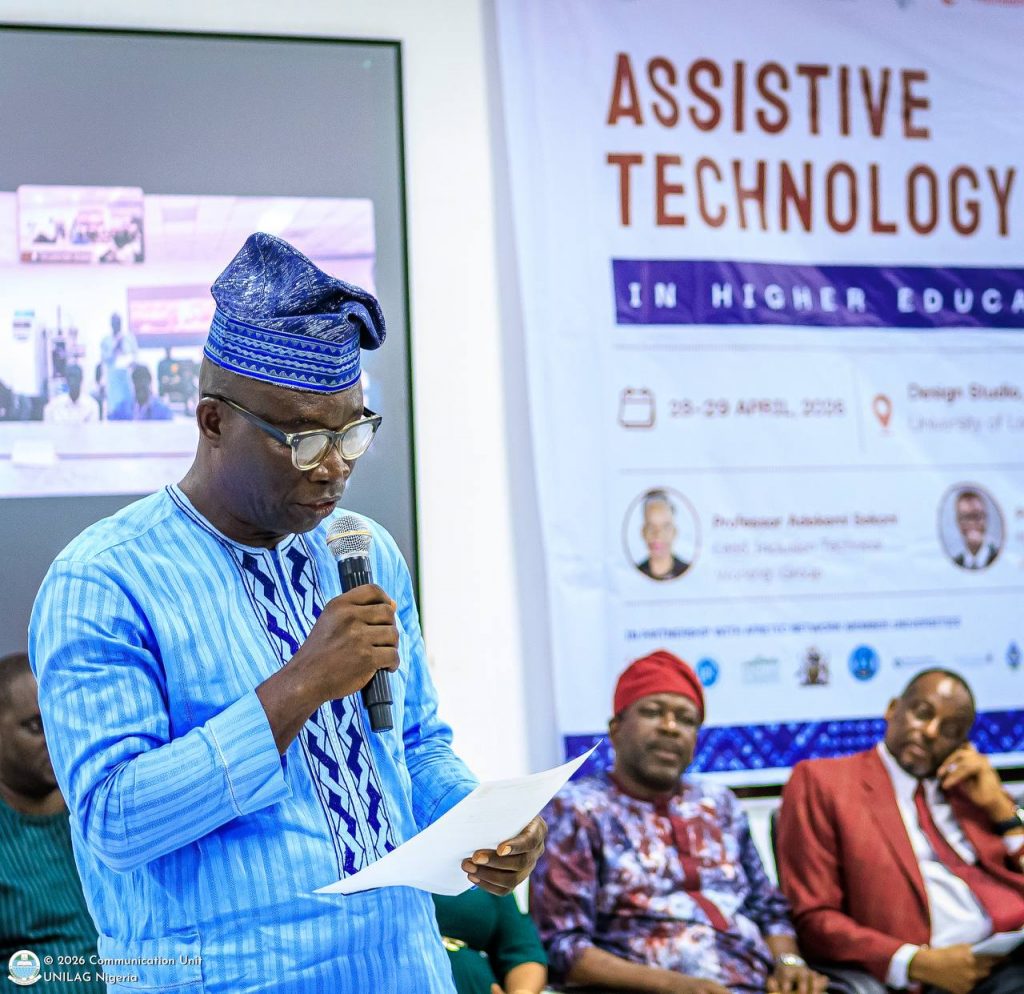
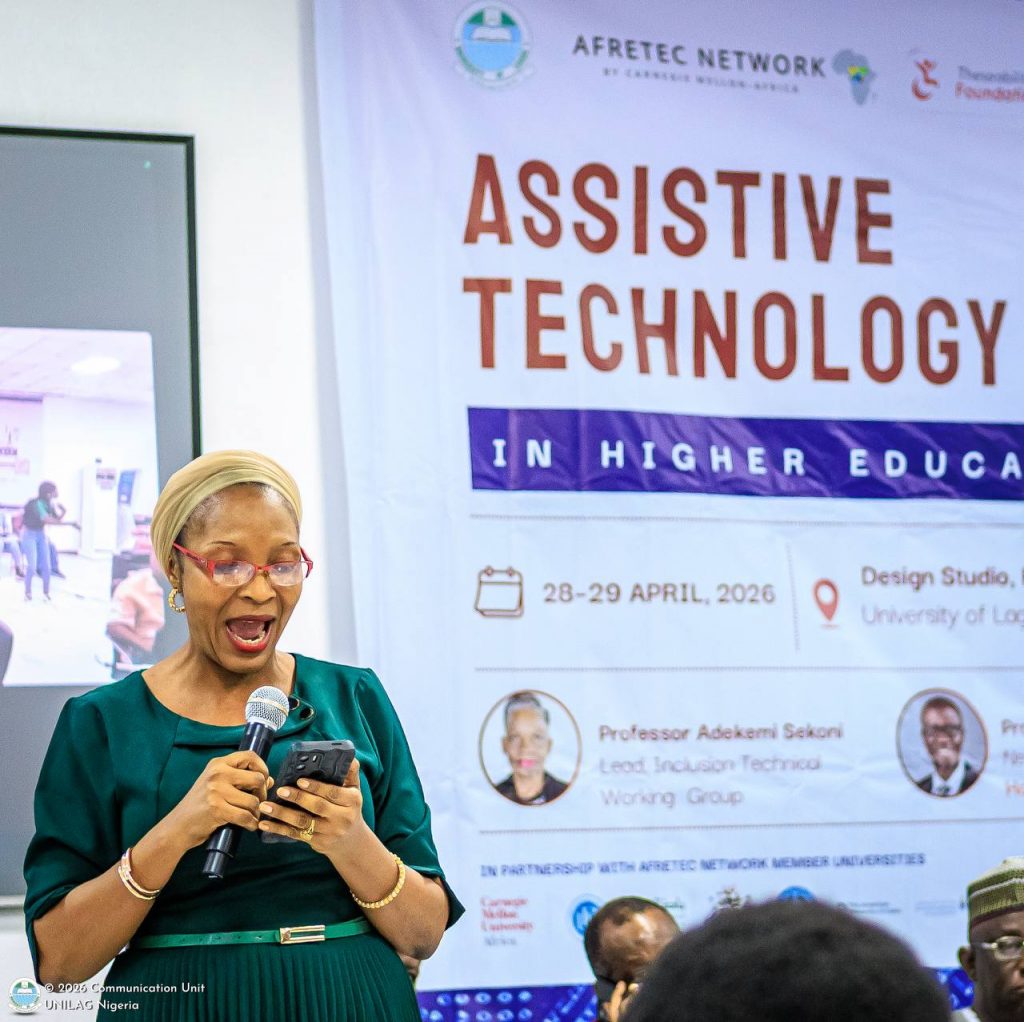
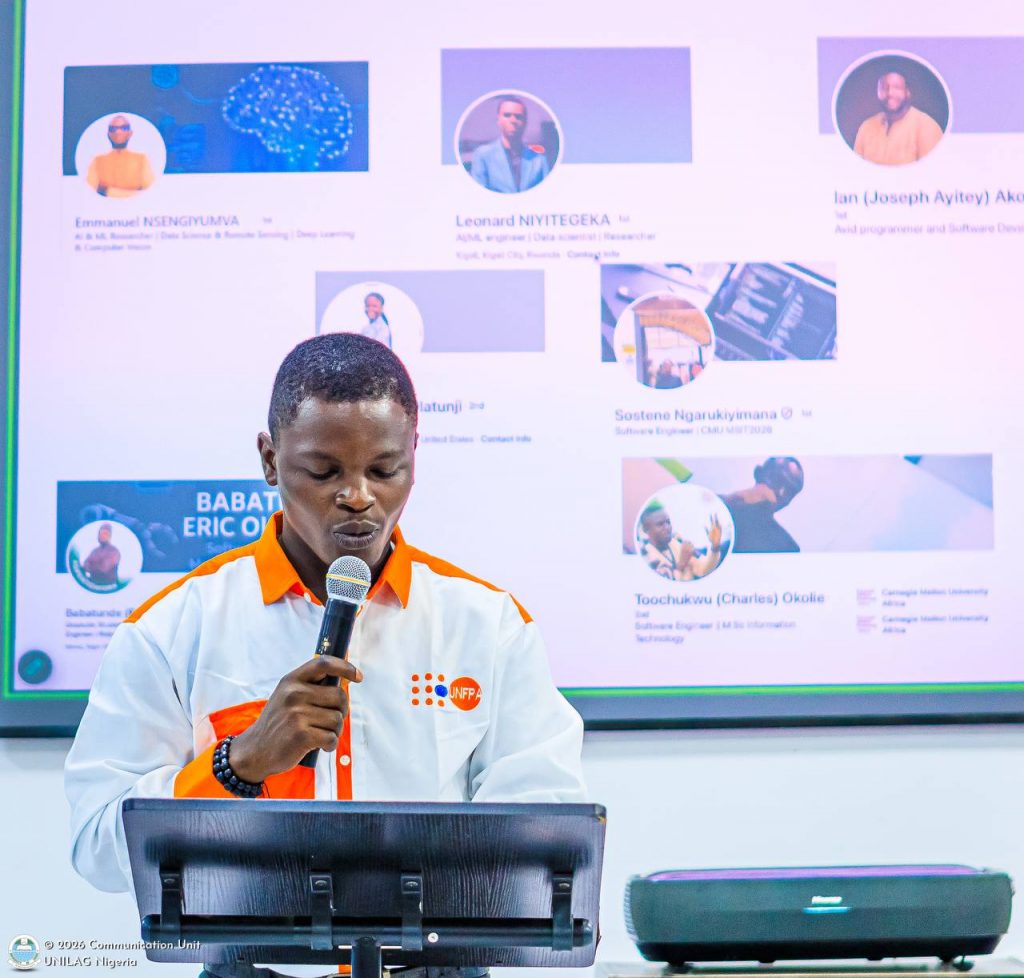
Other goodwill messages were delivered by the Director of the Lagos State Vocational Rehabilitation Centre for Persons with Disabilities, Mrs. Iyabo Oniru who represented the Permanent Secretary, Lagos State Ministry of Youth and Social Development, Pharm Tosin Oke-Osanyintolu; and the United Nations Population Fund (UNFPA), represented by Mr. George Adjete.
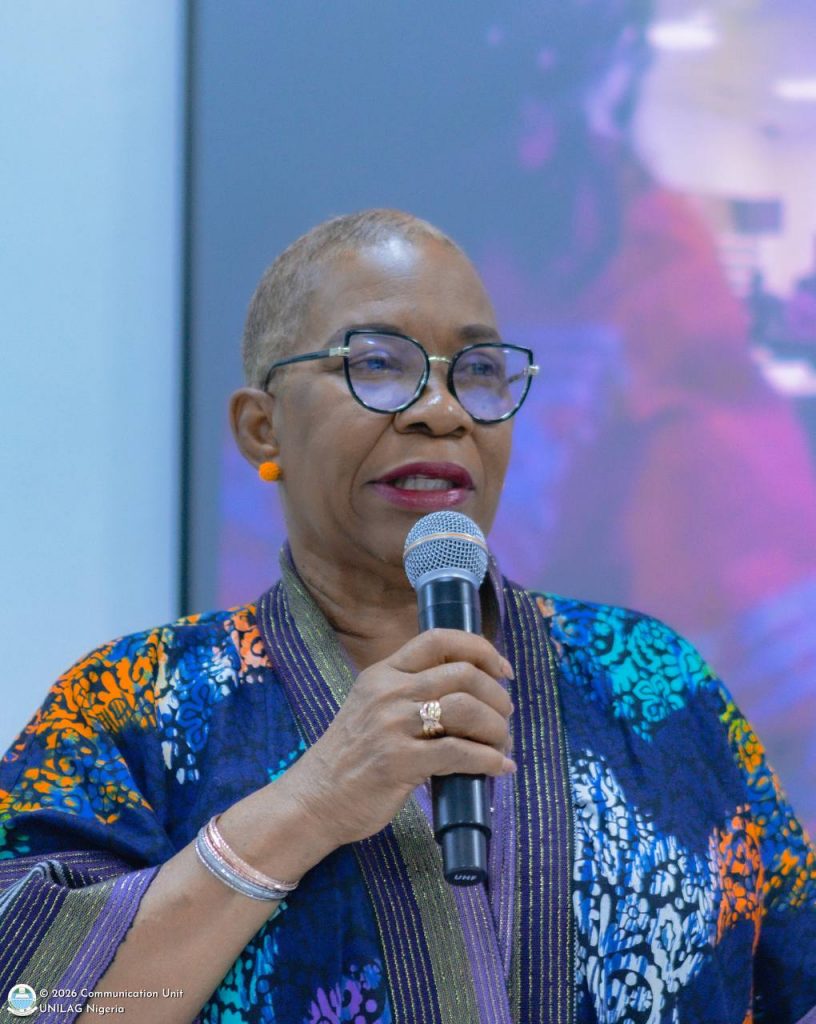
Student-innovators Pitch Assistive Technology Solutions for a chunk of Theseabilities Foundation’s ₦4.5m Prize Pool
A major highlight of the event was the innovation challenge which featured sixty six (66) student-innovators from four Lagos-based institutions, working with twenty six (26) mentors across nine teams to develop assistive technology solutions addressing real-life challenges faced by persons with disabilities.
Innovations span a wide range of solutions, from navigation applications for the visually impaired to peer-support platforms, as well as music and performance tools for hearing-impaired creators, demonstrating how innovation and inclusive design can unlock creativity and problem-solving.
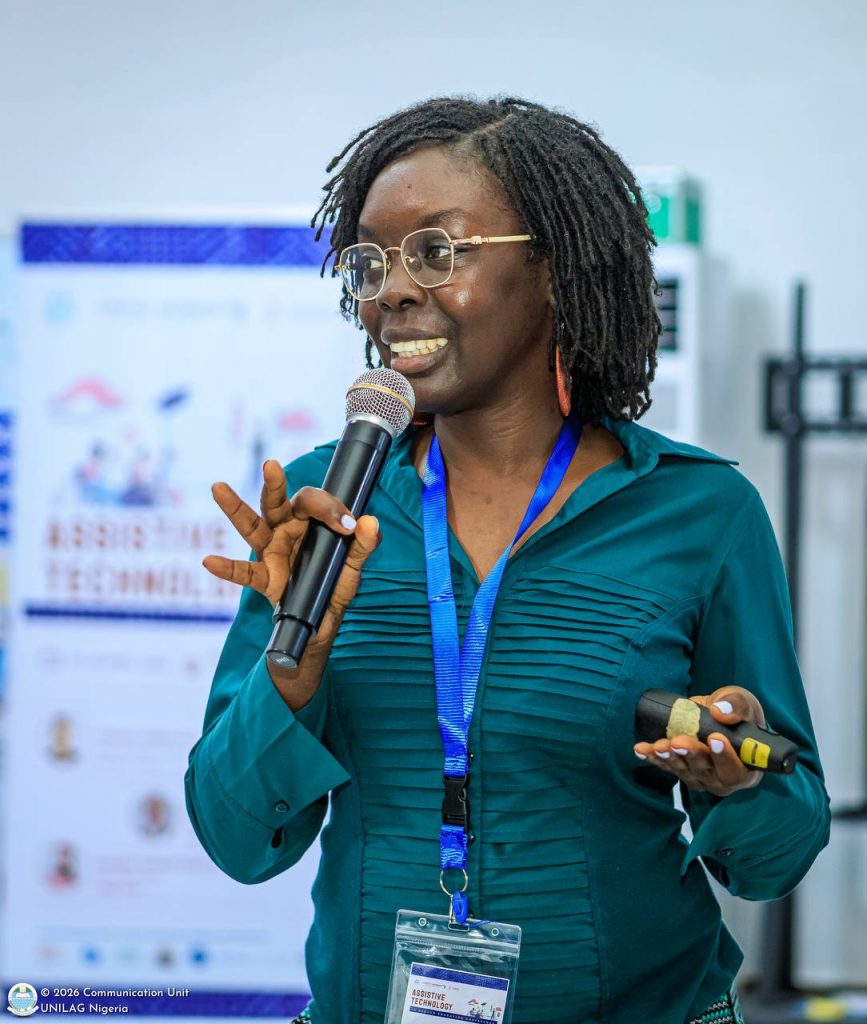
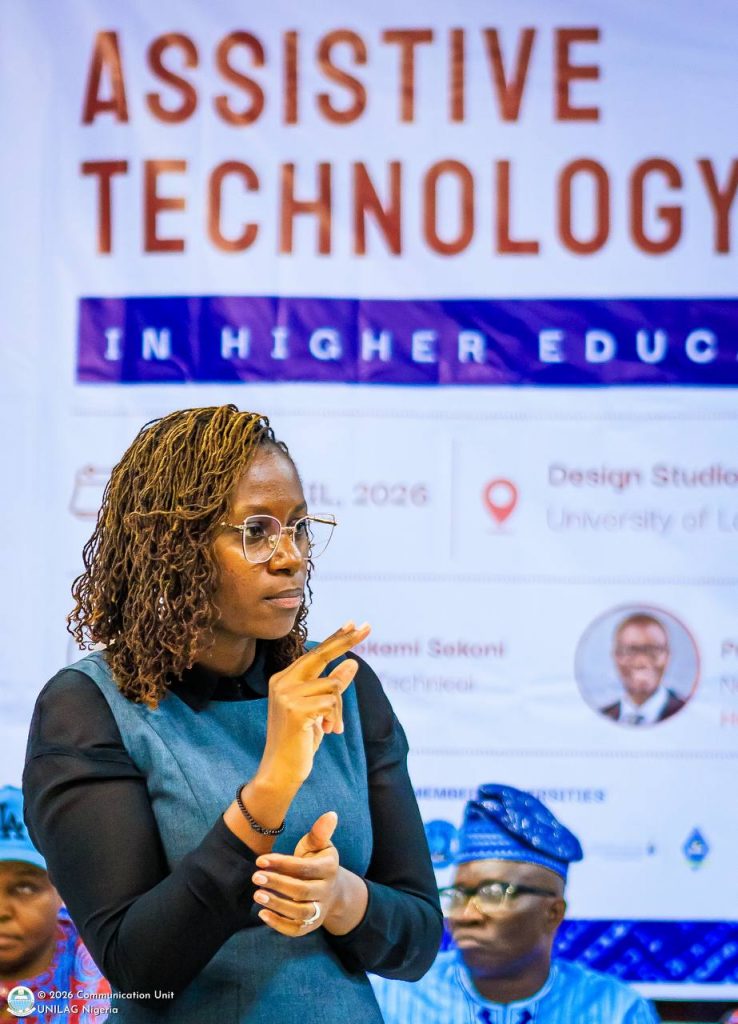
Speaking on the significance of the initiative, the Lead of AFRETEC UNILAG Inclusion Technical Working Group, Professor Adekemi Sekoni, noted that disability inclusion and digital access are shared continental challenges requiring collaborative responses.
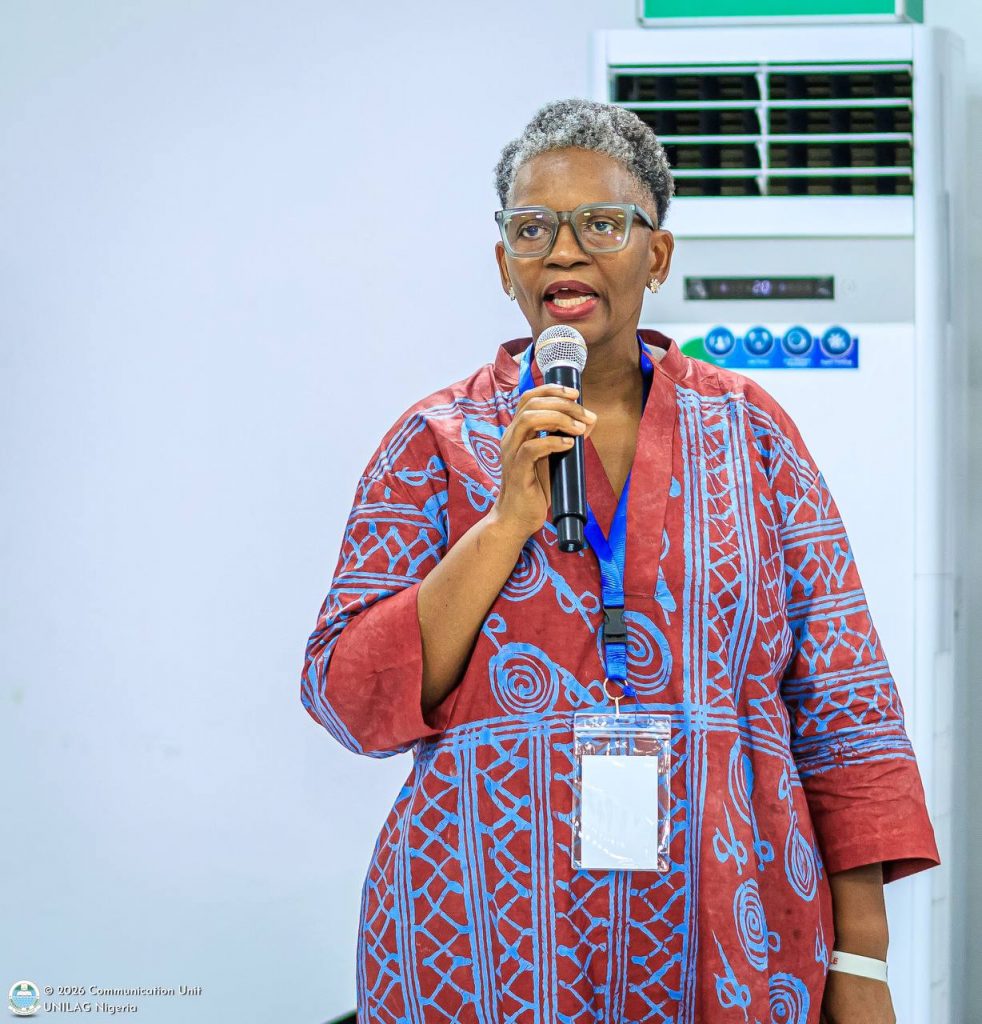
She revealed that nine research teams, selected from nineteen submissions, have spent the past four months developing practical assistive technology solutions. The teams also underwent intensive capacity-building through eleven specialised training modules covering innovation strategy, intellectual property, entrepreneurship, and product development.
According to her, “in partnership with Theseabilities Foundation a ₦4.5 million prize pool is available for winning teams to support prototype development”.
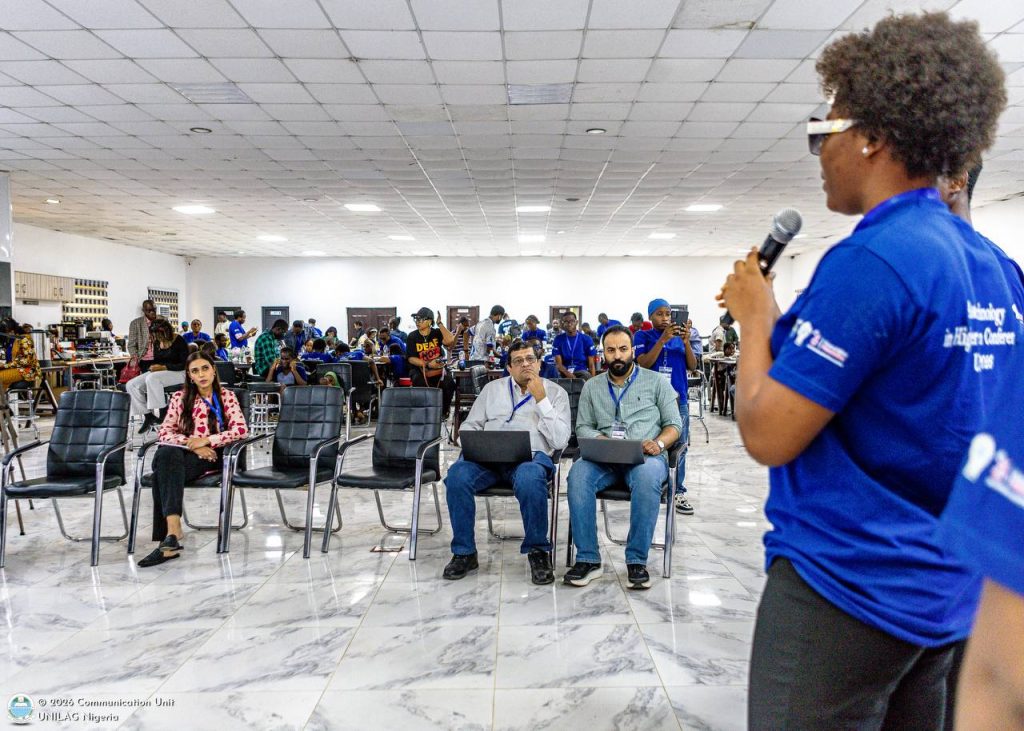
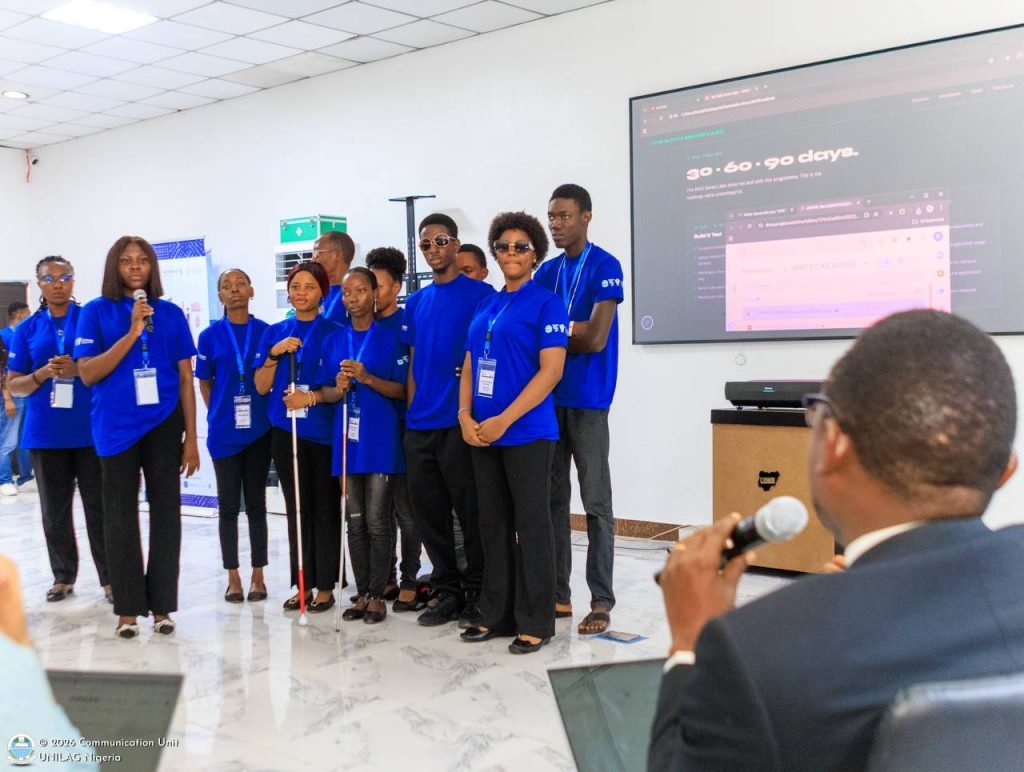
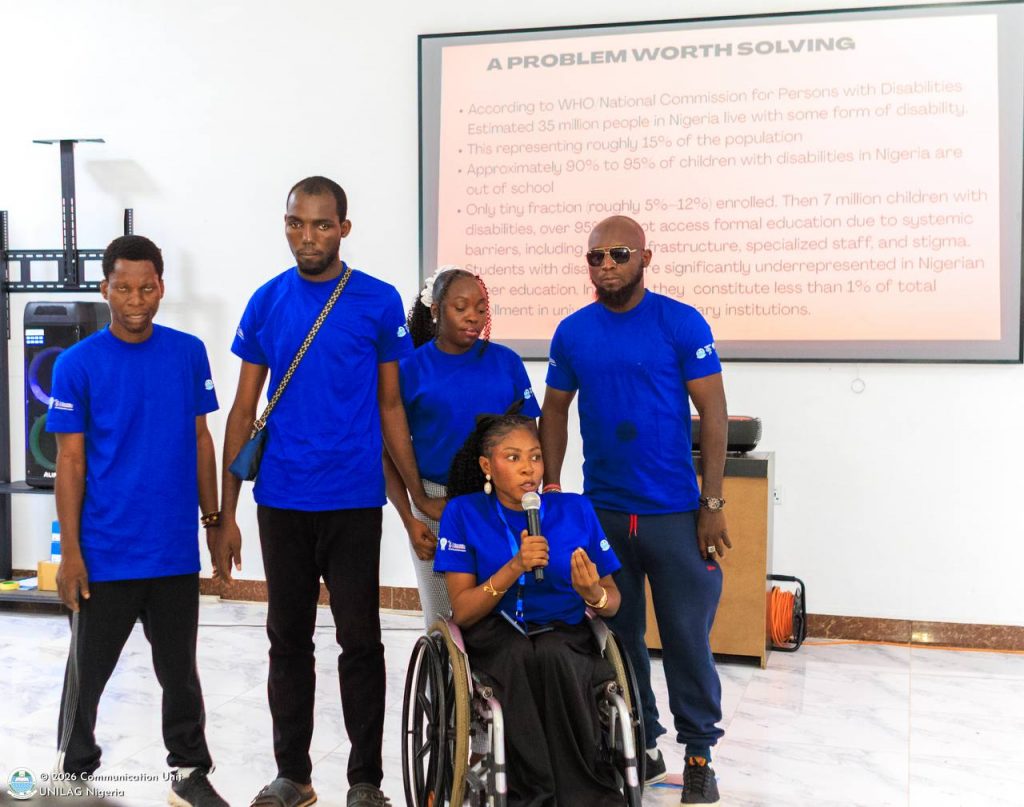
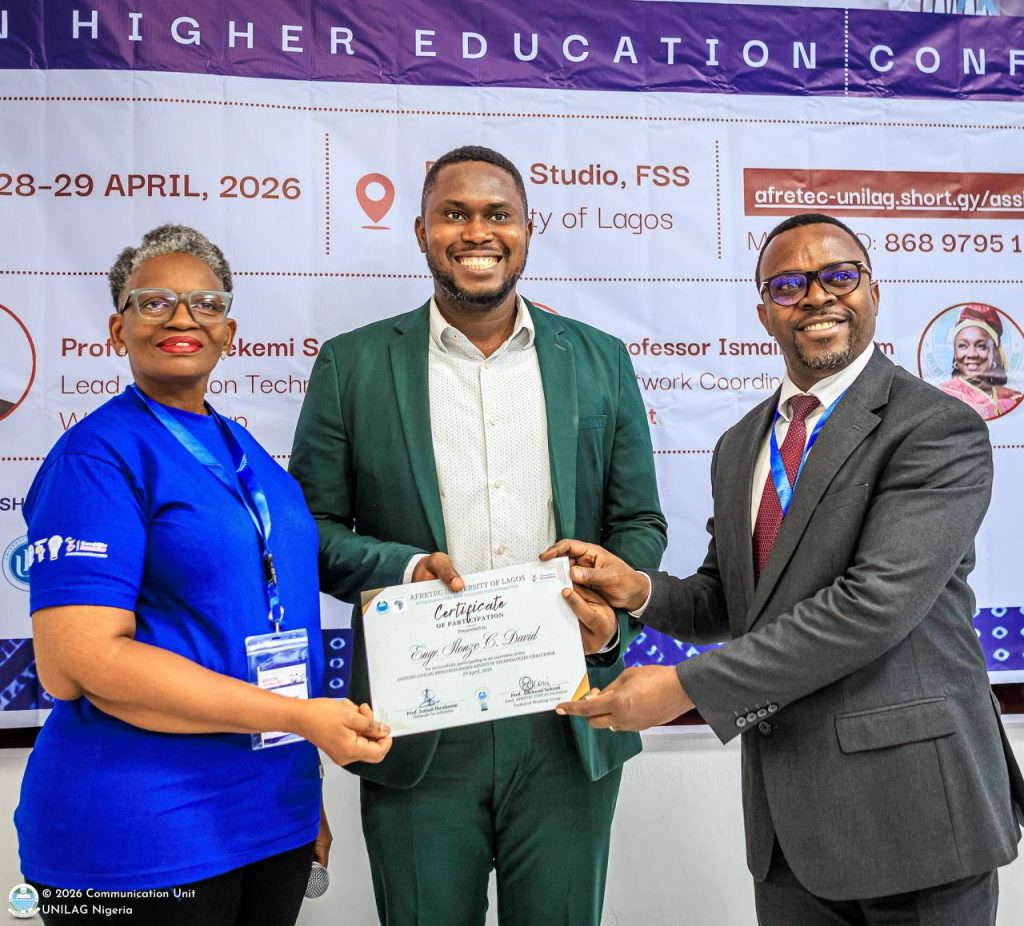
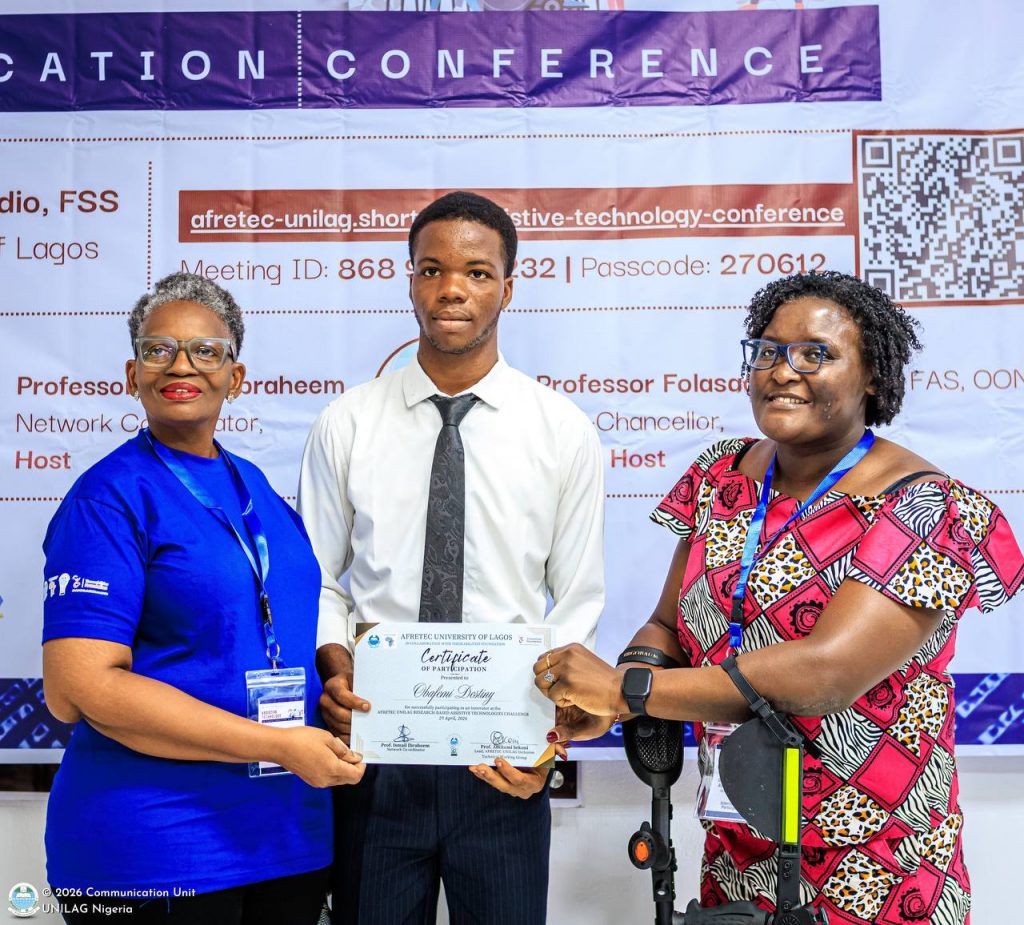
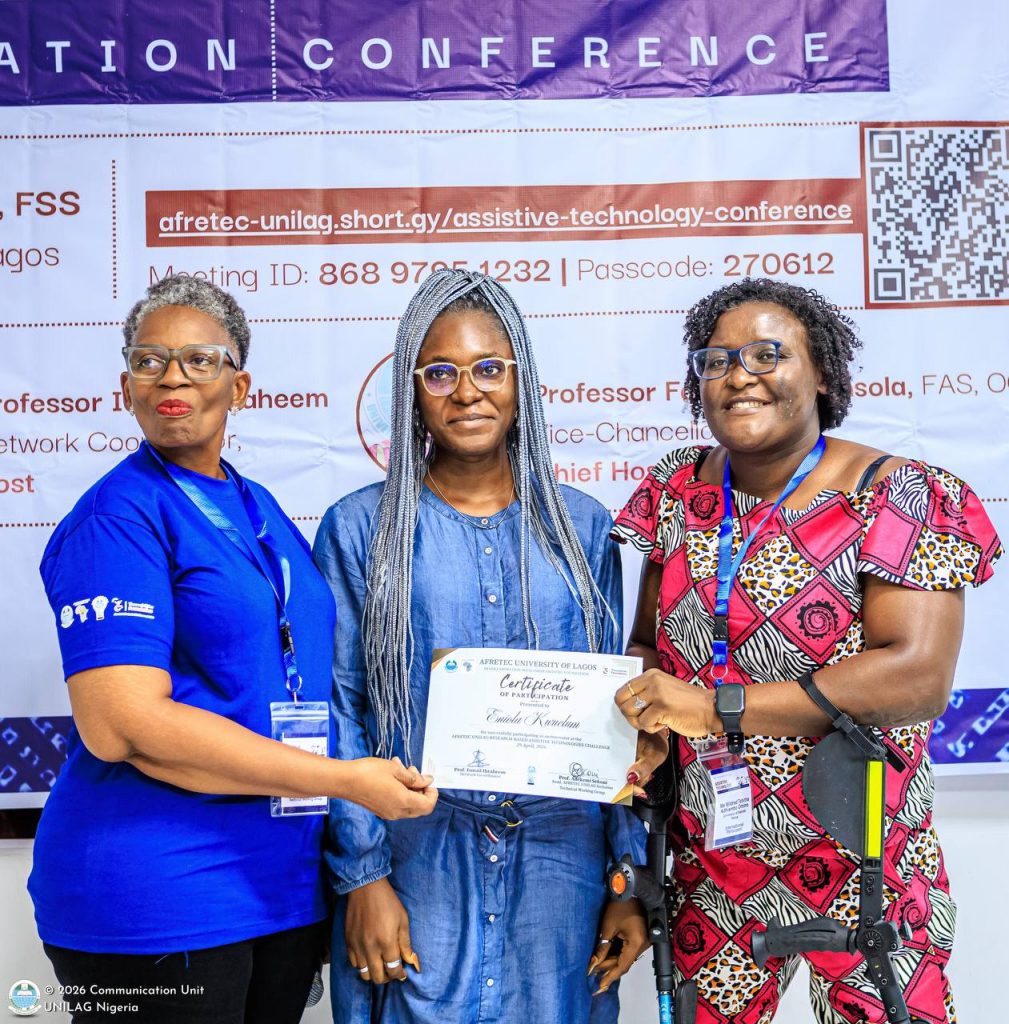
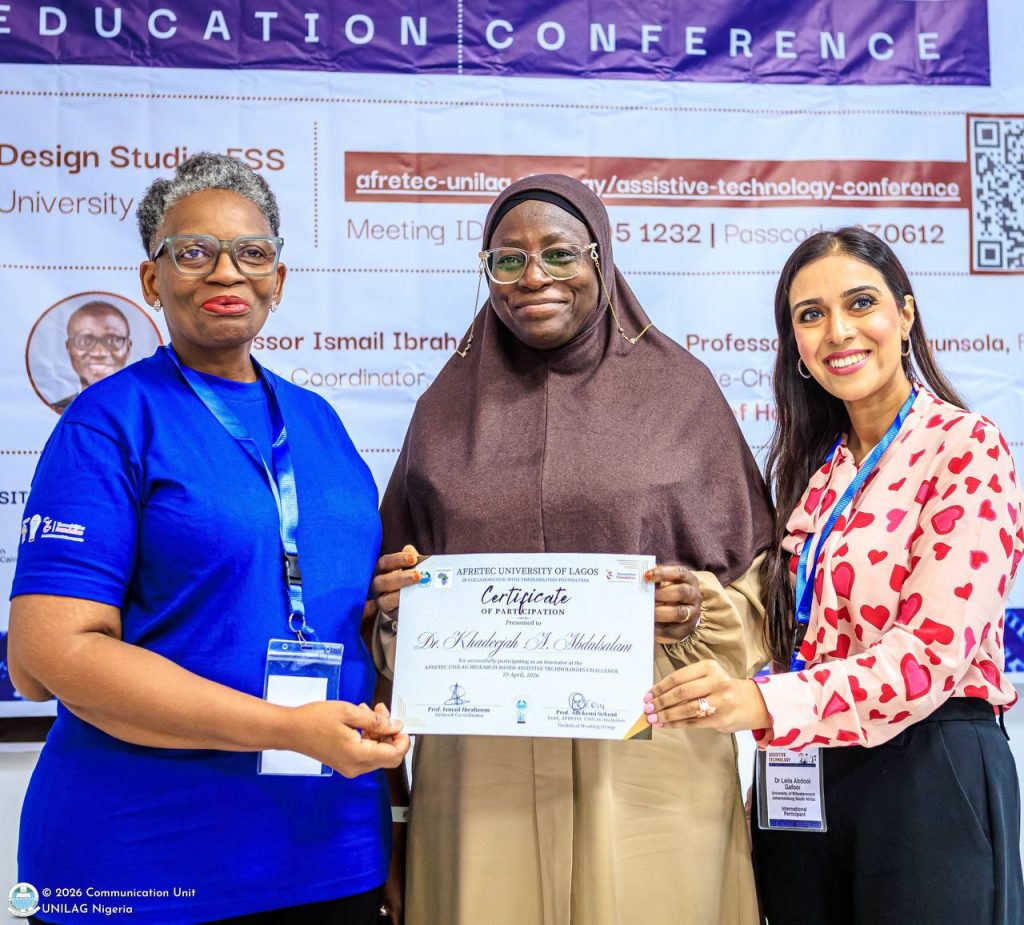
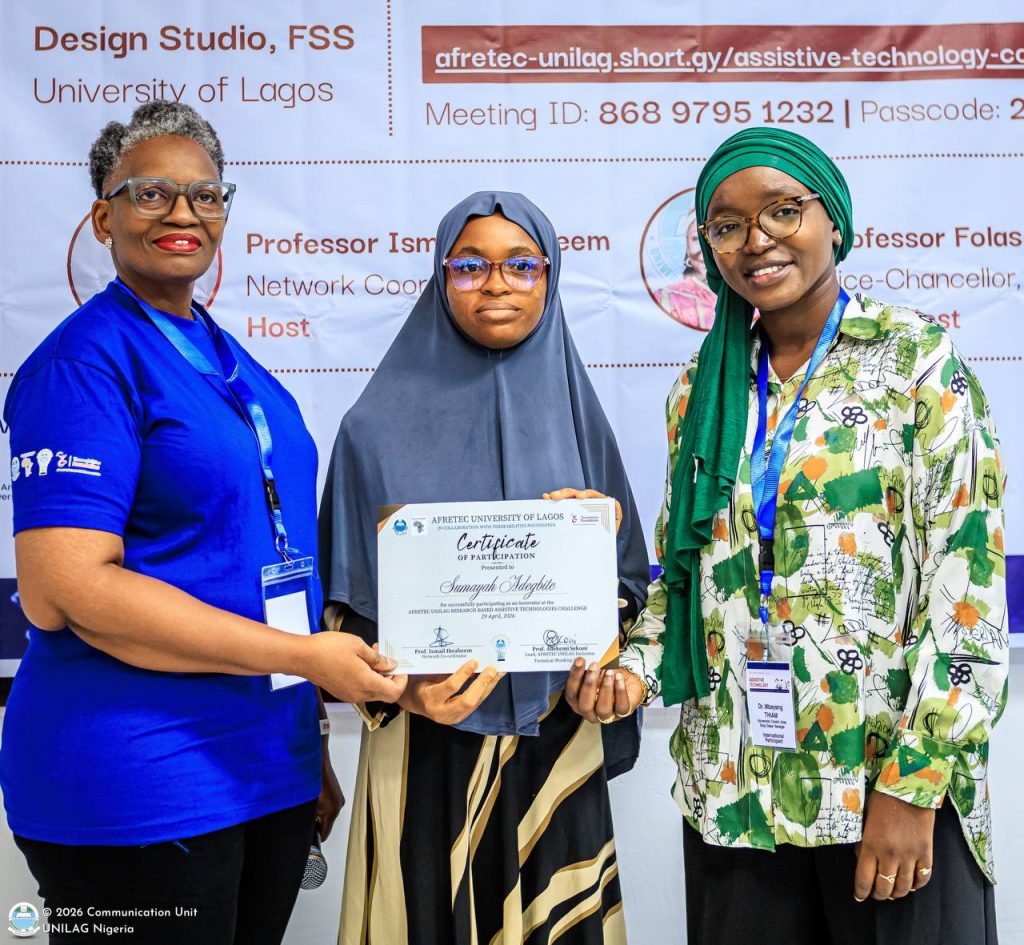
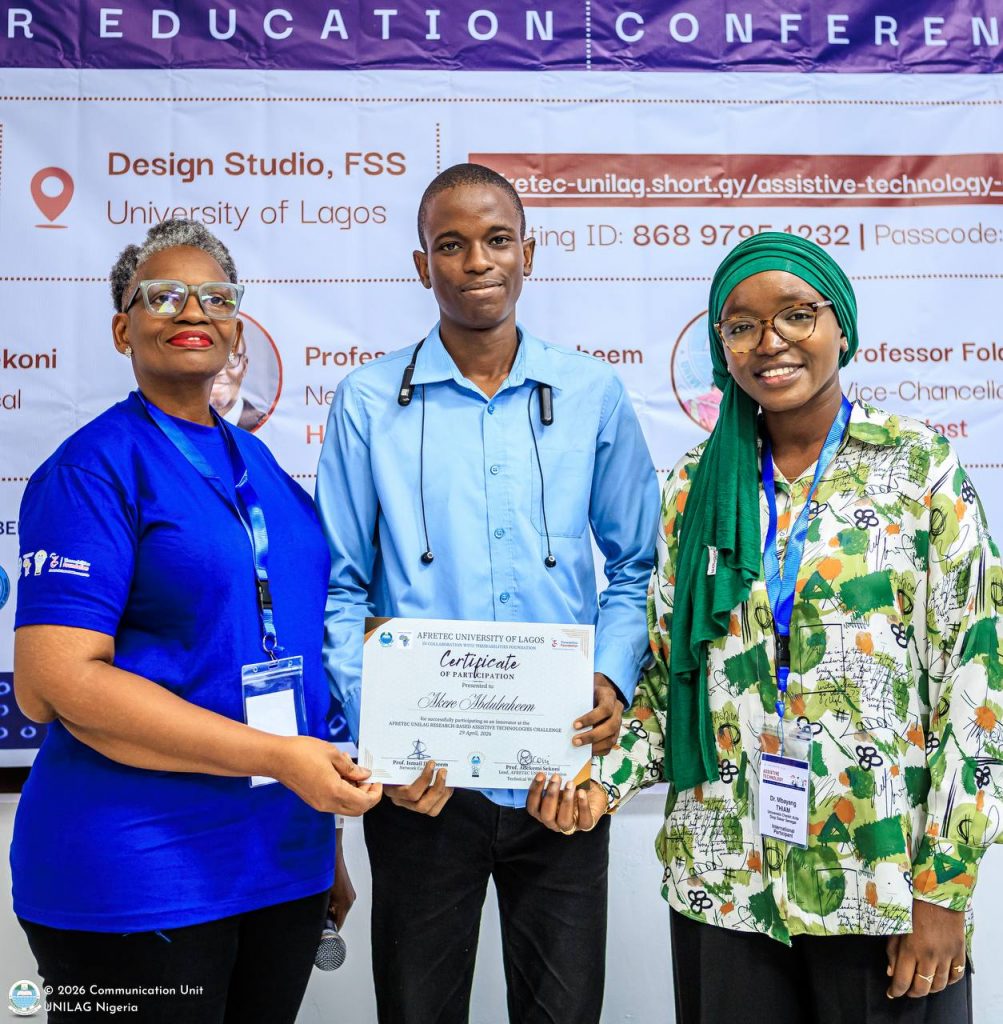
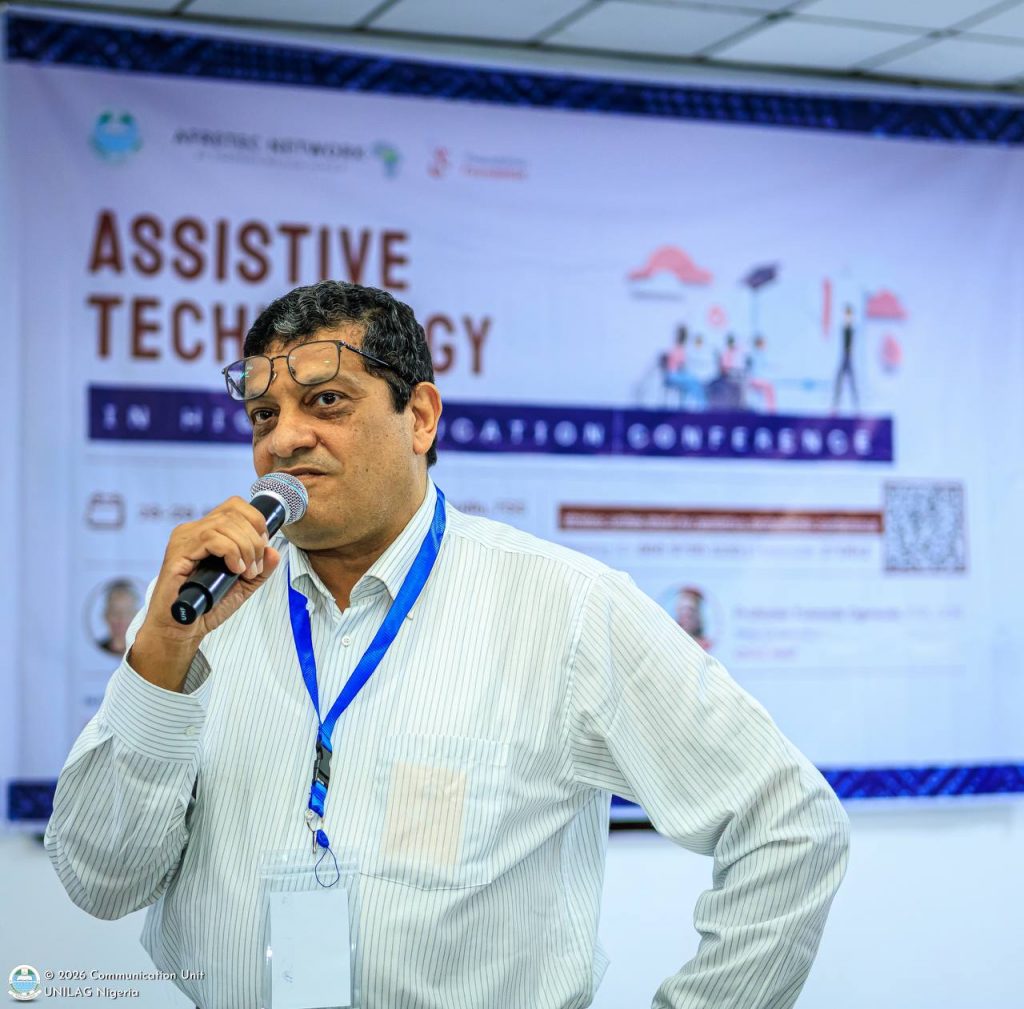
She emphasised that the initiative underscores the importance of shared learning, cross-border collaboration, and sustained partnerships in building inclusive, resilient, and sustainable institutions across Africa.
…And the Winners are:
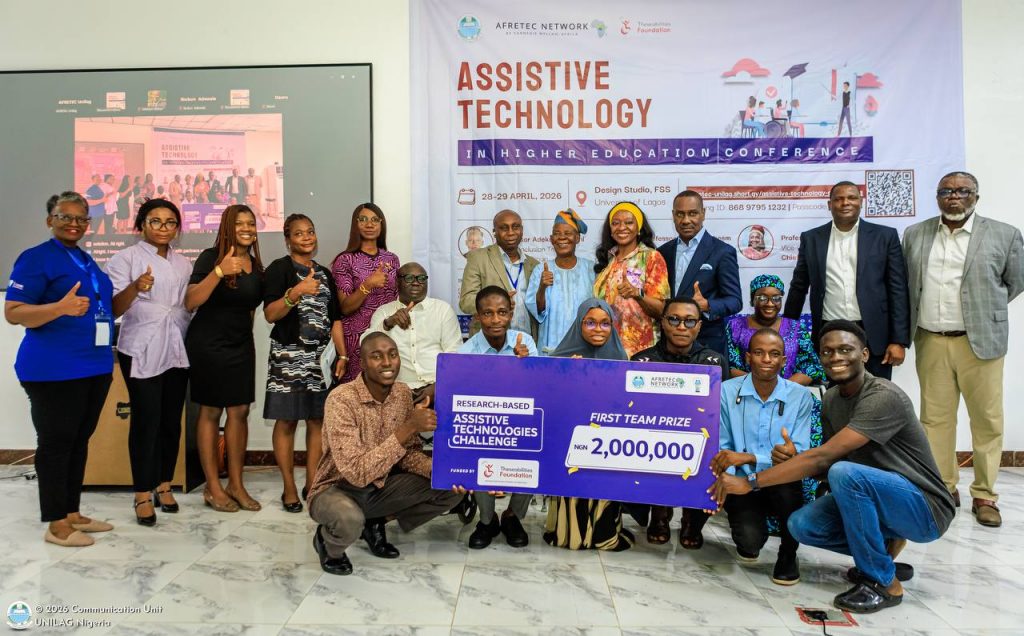
- Team Audio Reality clinched first place with a N2m prize;
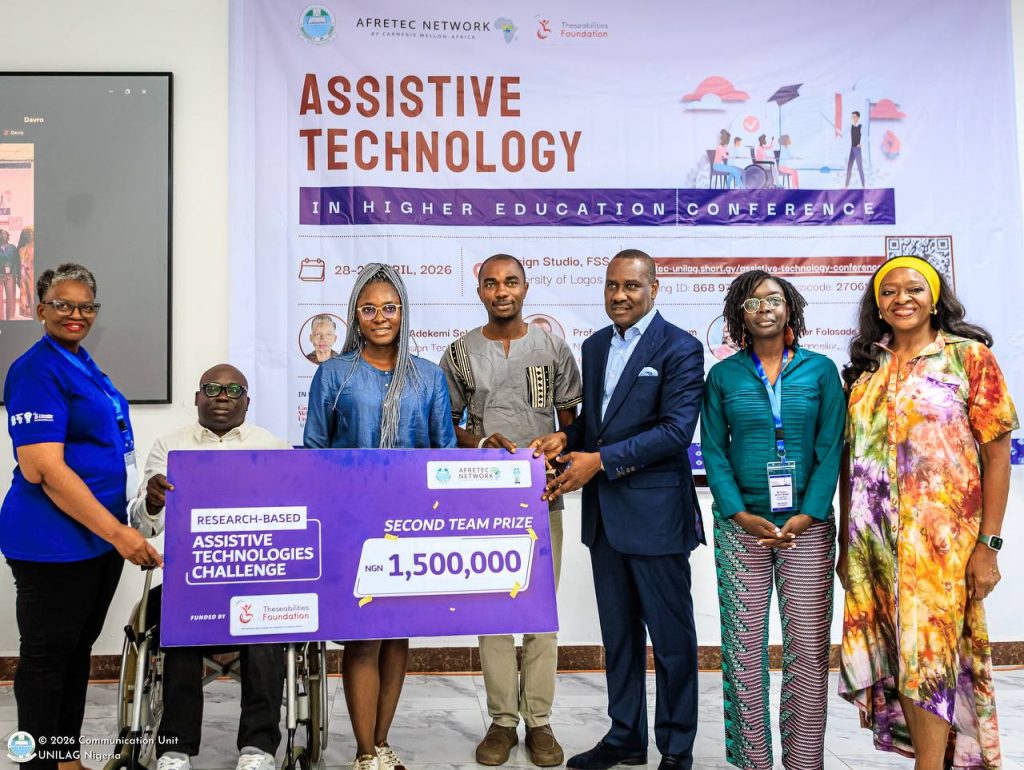
- Team S.I.G.I.L. placed second, receiving N1.5m; and
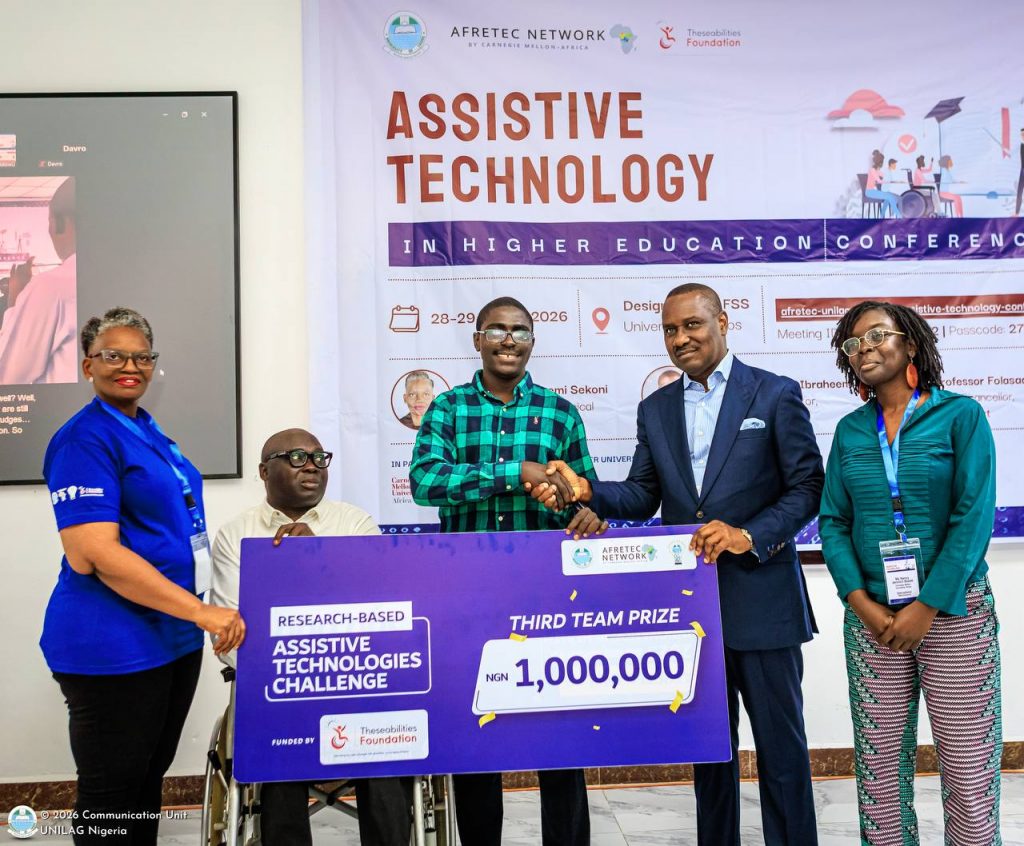
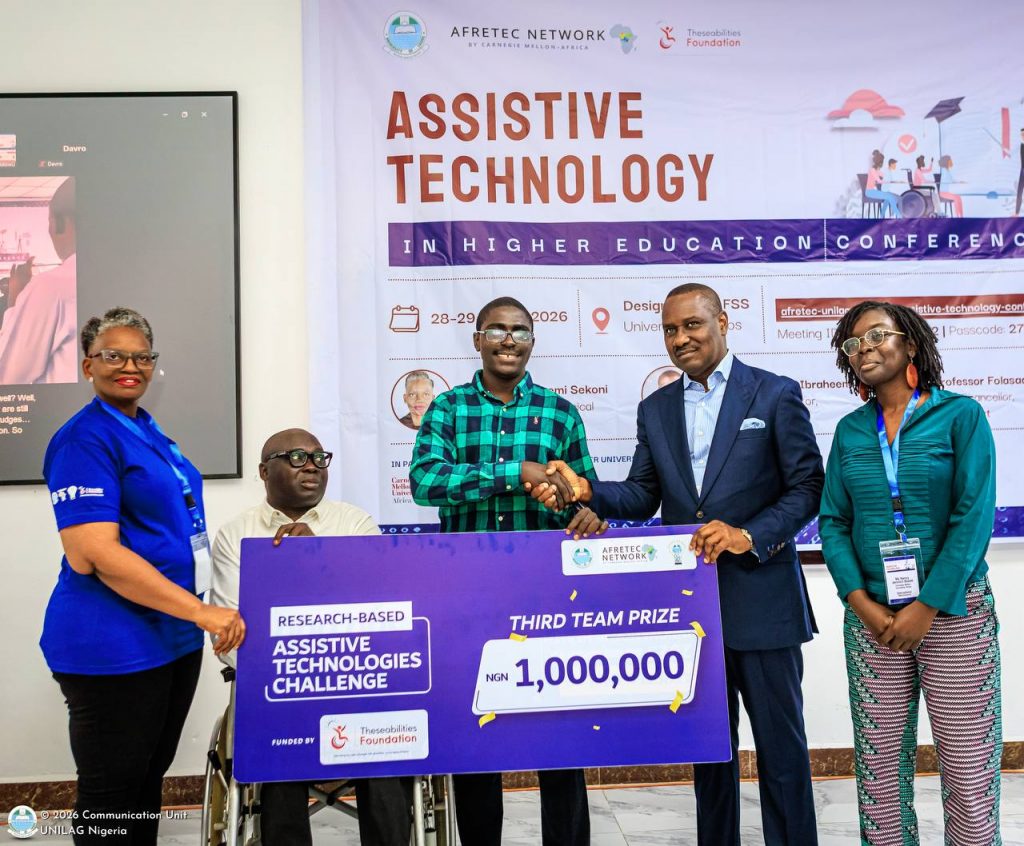
- Team Amebo secured third place with a N1m award.
Announcing the winning teams, the Acting Director of the Innovation and Technology Management Office, UNILAG, Dr Olayinka Adewunmi, explained that Theseabilities Foundation supported the selection of the top teams, after completing innovation training and beginning intellectual property processes.
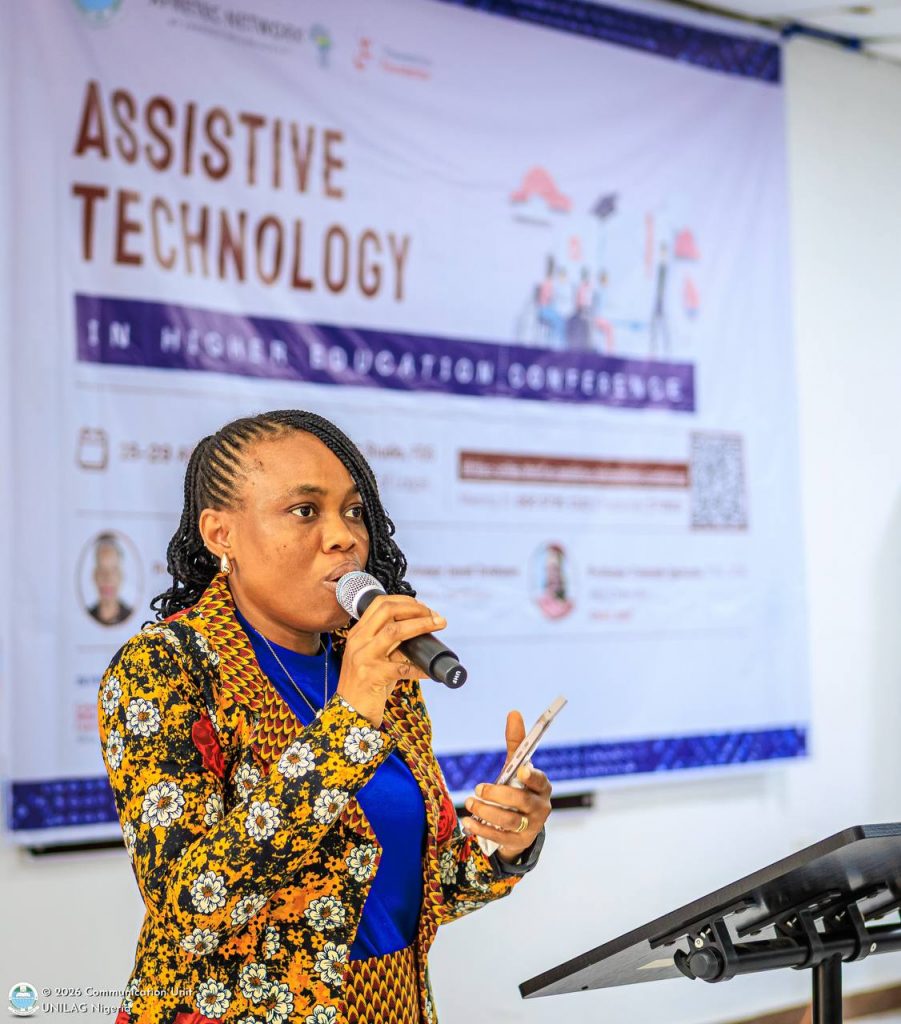
She described the initiative as a platform for visibility, commercialisation, and cross-sector collaboration; connecting researchers with investors and development partners, a key step towards scaling innovation. Her words, “We want to get them ready for the market because research must move beyond the lab to create real impact. You cannot develop solutions for communities in isolation. Partnerships are critical to scaling research and ensuring it makes a meaningful impact.”
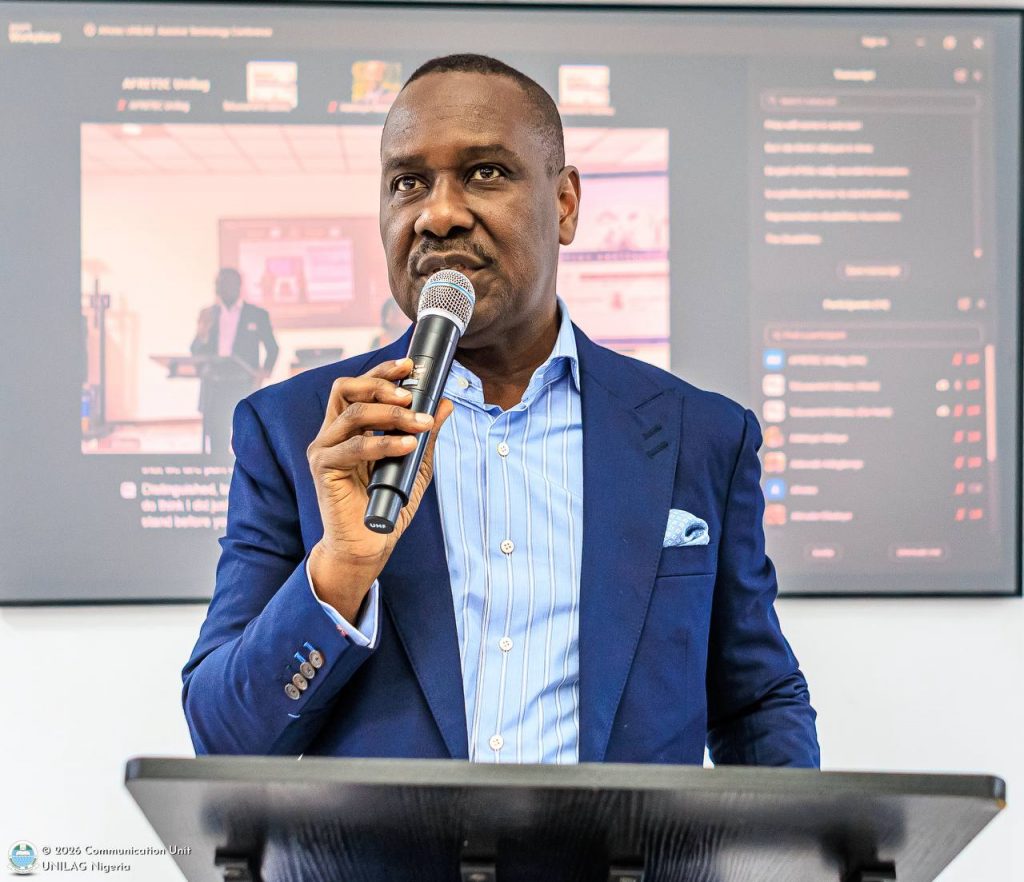
In his remarks, the Chairman of Theseabilities Foundation , Pastor Ituah Ighodalo, said the initiative was built on collaboration with UNILAG’s AFRETEC network. He noted that the foundation’s role goes beyond funding to advancing inclusion and improving outcomes for persons with disabilities.
According to him, “It wasn’t originally our idea. It was by the University of Lagos AFRETEC Network. They have a technology hub where they want to ensure that people can create innovative ideas that will help people with disabilities. We decided to collaborate with them by offering the sponsorship and funding that a lot of these inventors would need to develop their innovations further and, when ready, help them take them to market.”
Inclusive Education Remains Central to Equitable Future
The two-day conference on Assistive Technology in Higher Education hosted by University of Lagos AFRETEC Network re-affirms the growing recognition that inclusive education, powered by innovation, collaboration, and technology, is central to achieving a more equitable future for all.
Report: Bayo Salau
photographs: Ayo Oloyede