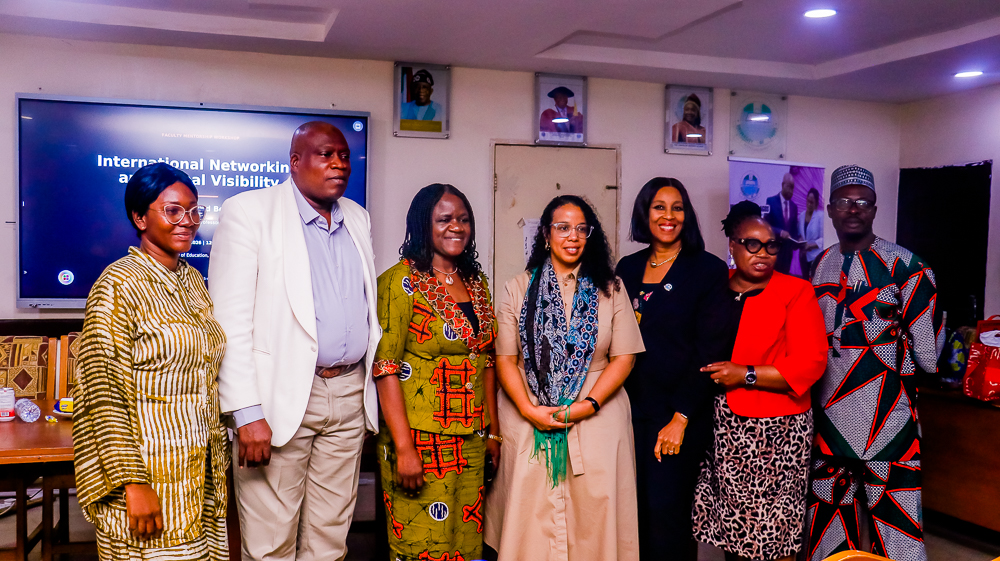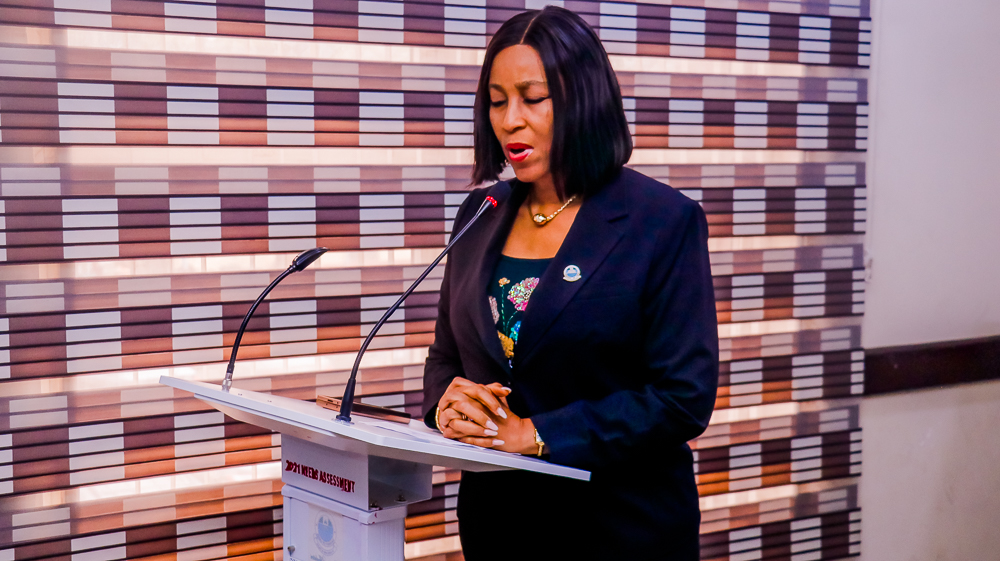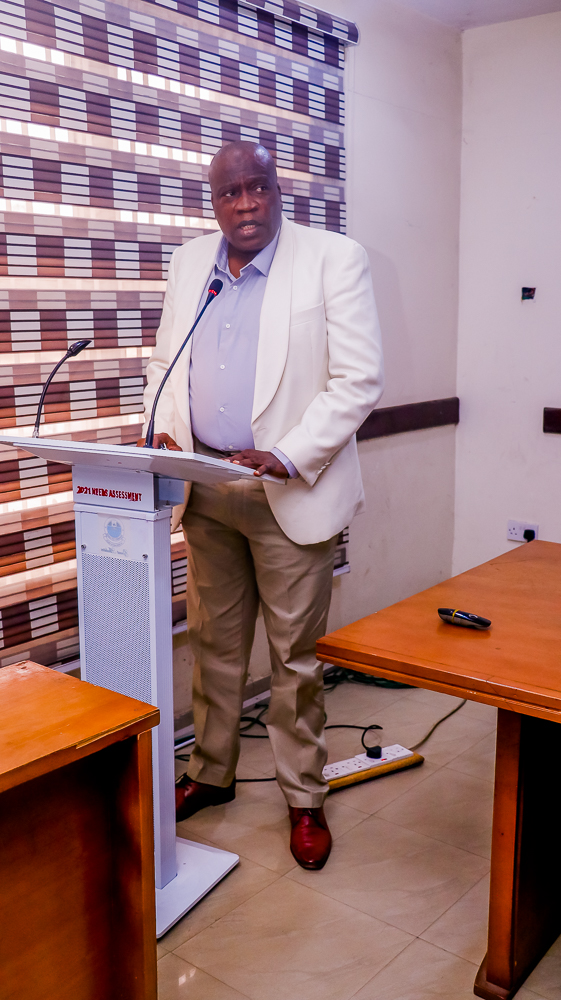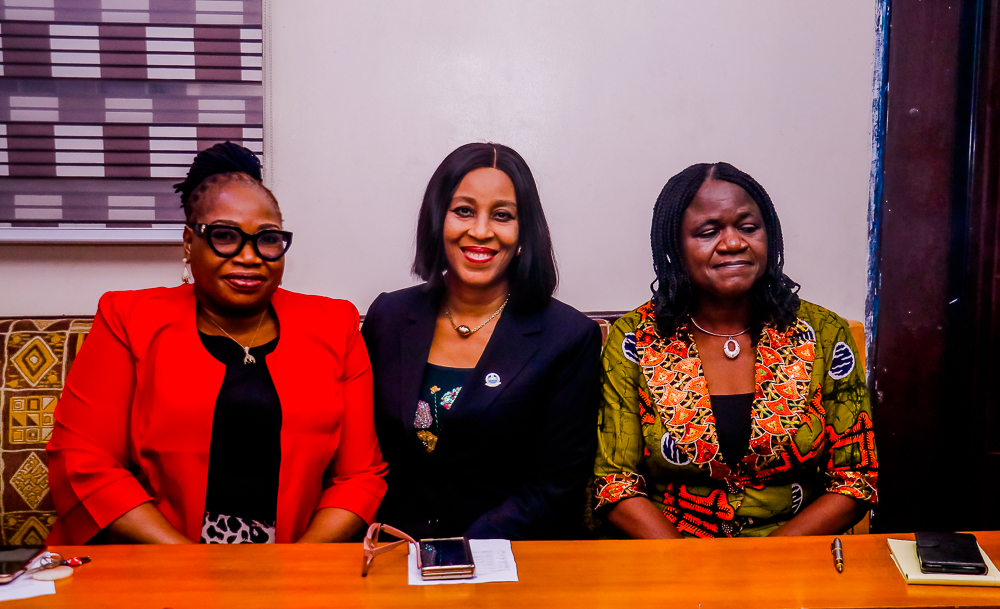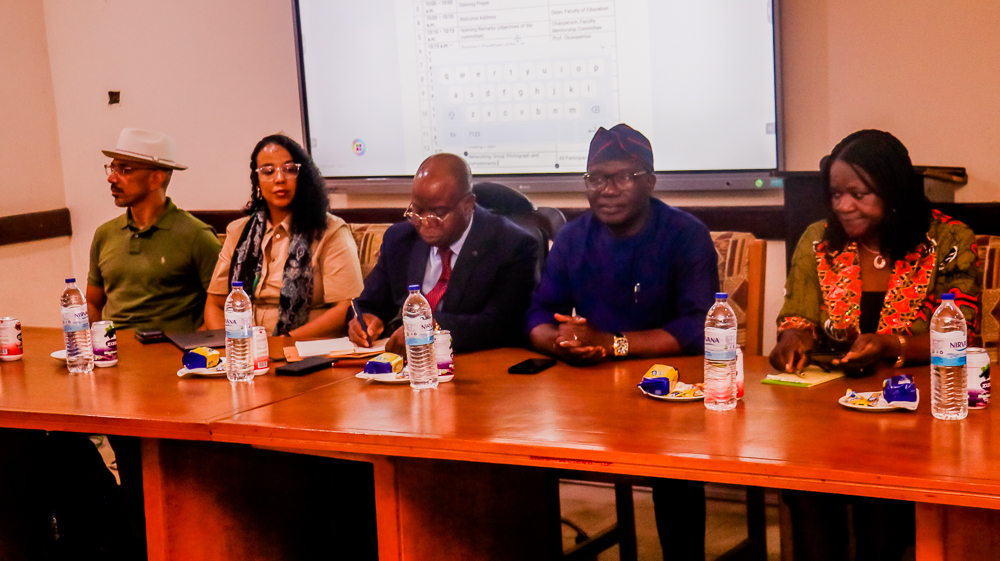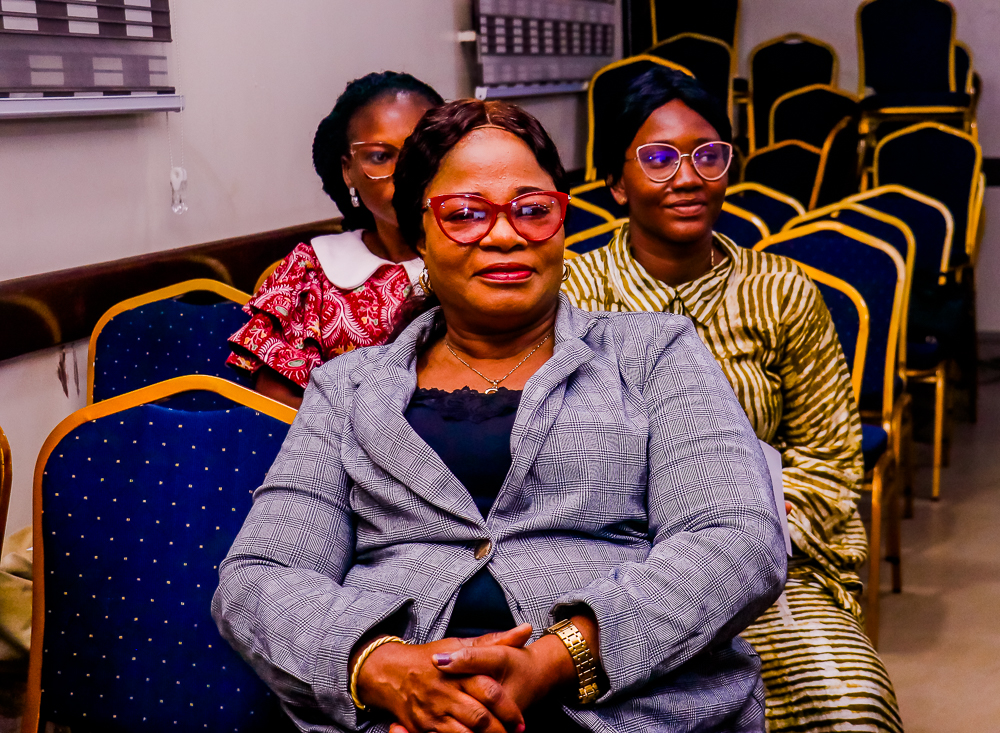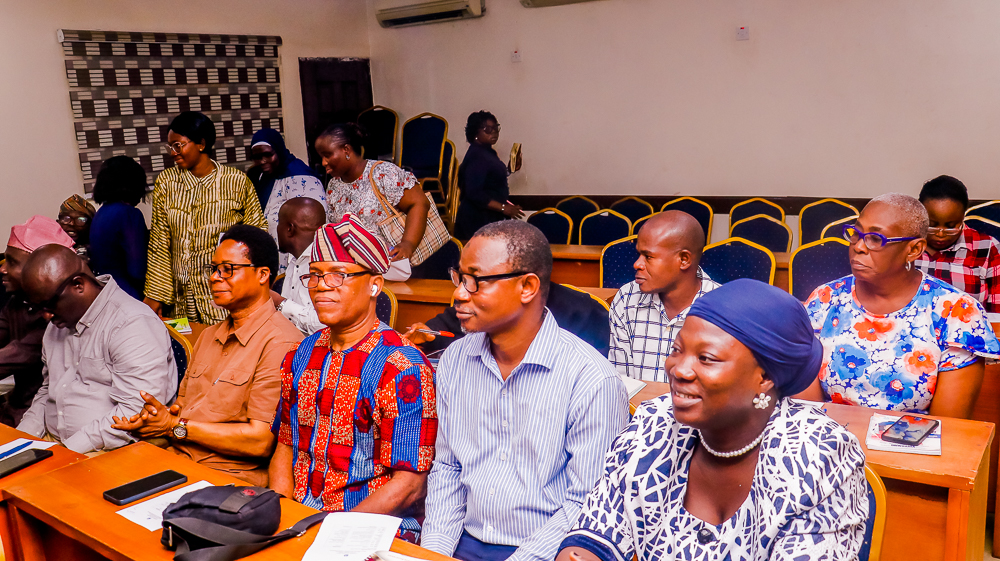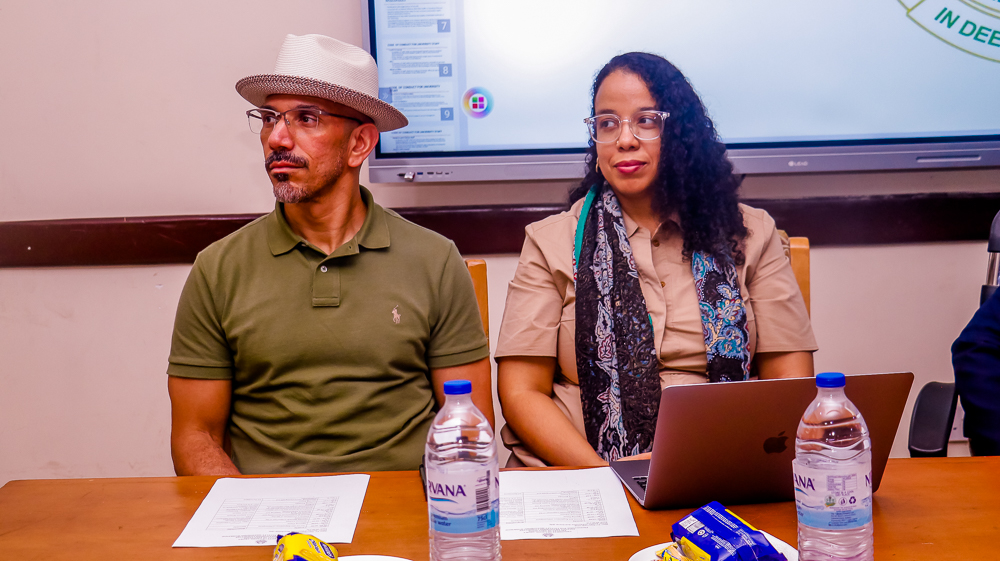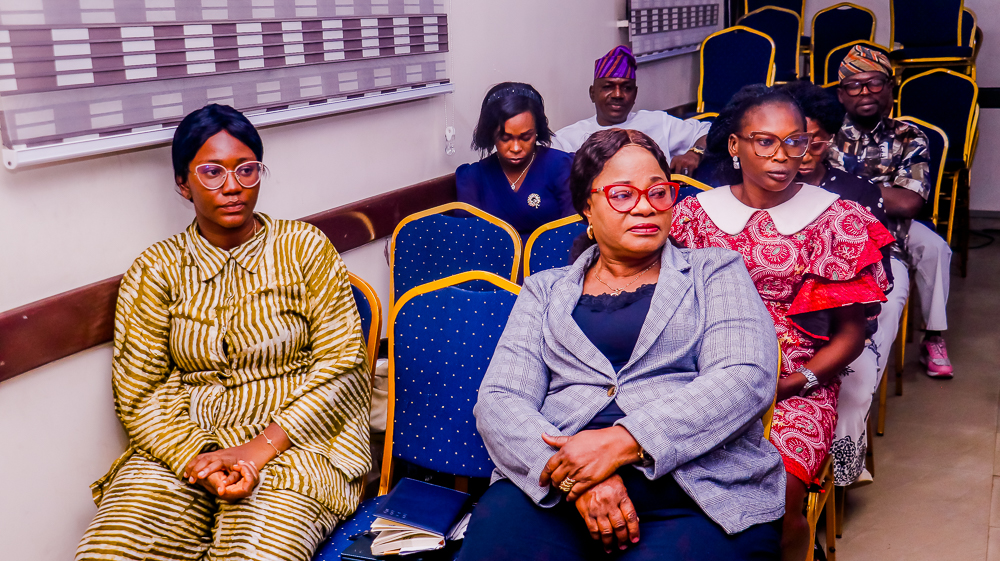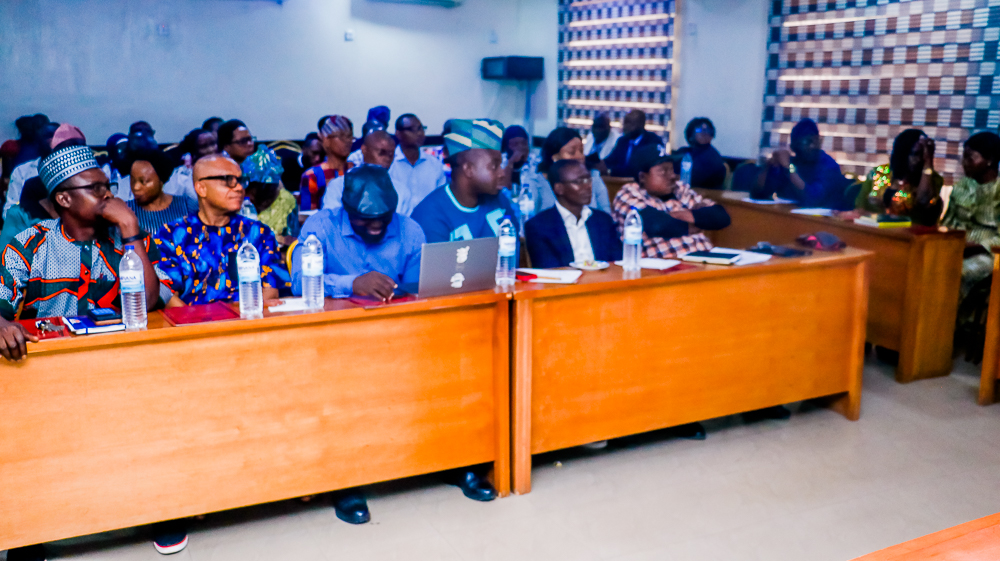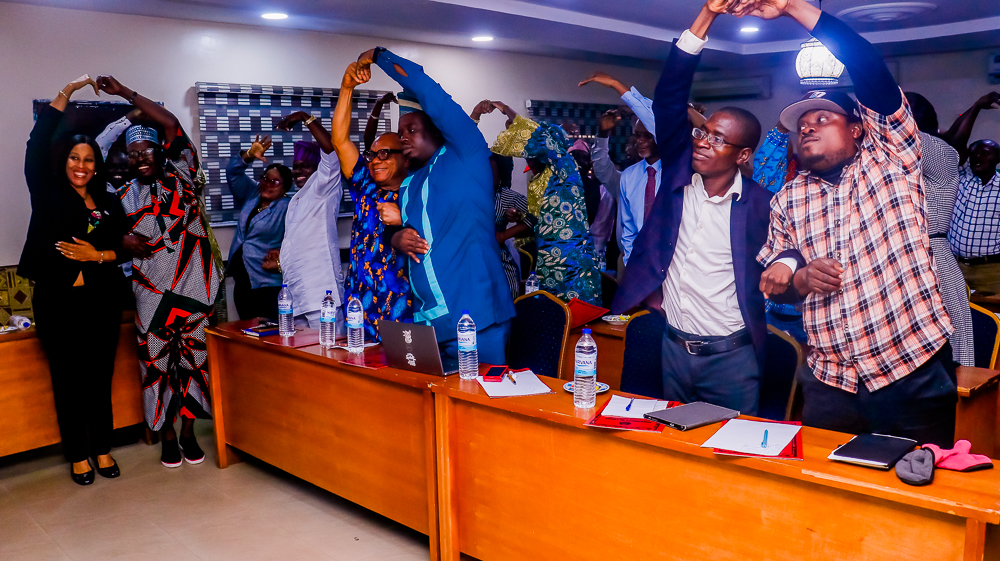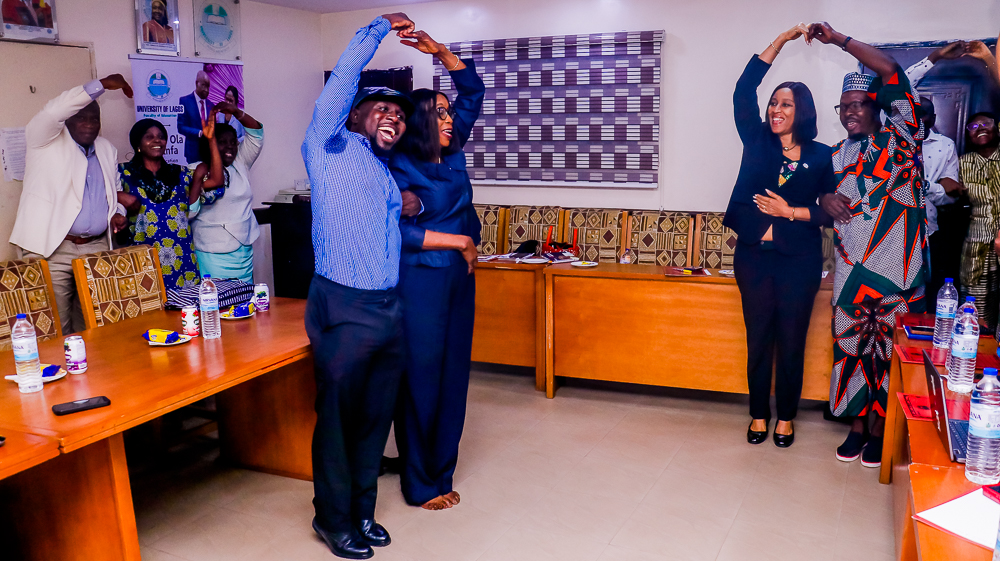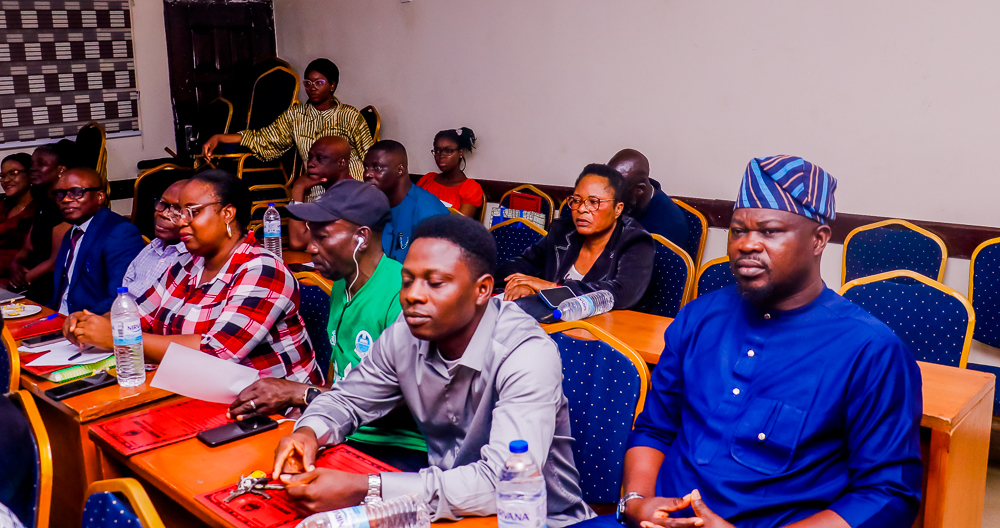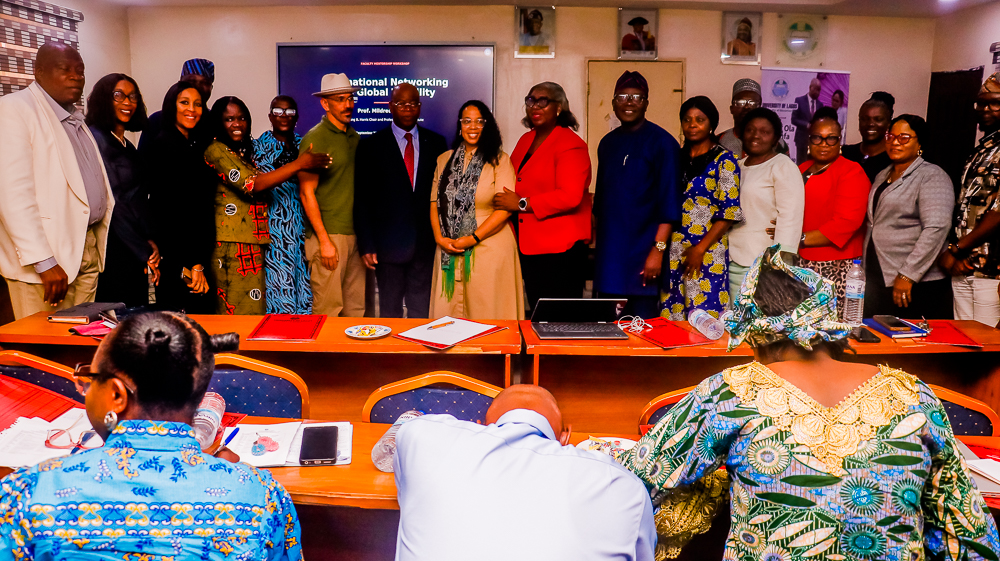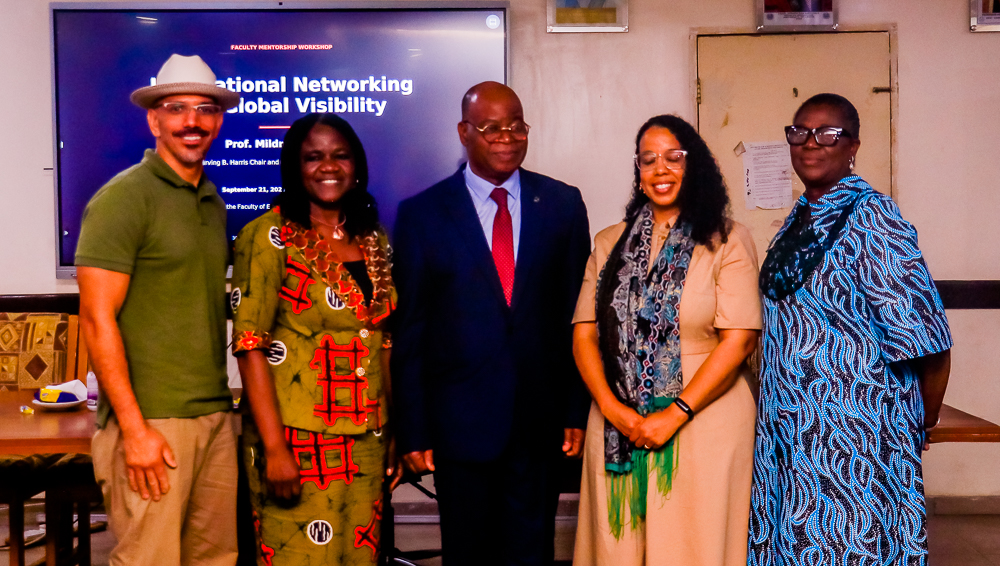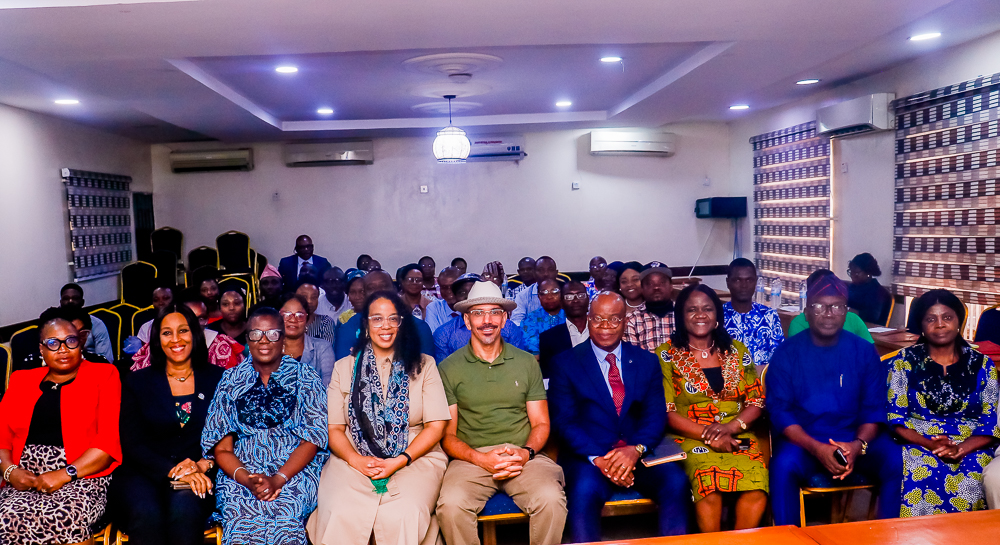
The Faculty of Education, University of Lagos (UNILAG), on Monday, September 21, 2026, hosted a mentorship workshop for newly appointed academic staff.
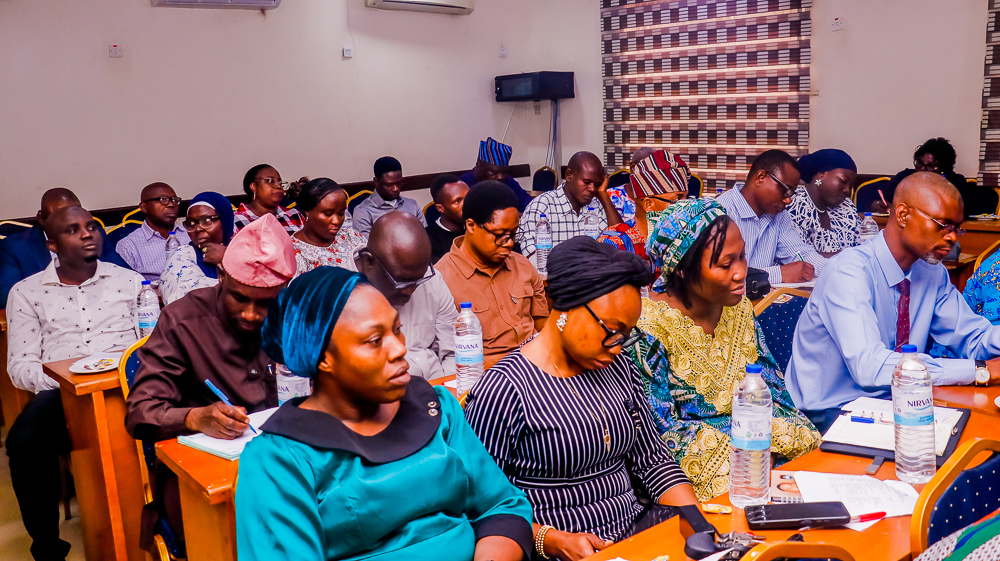
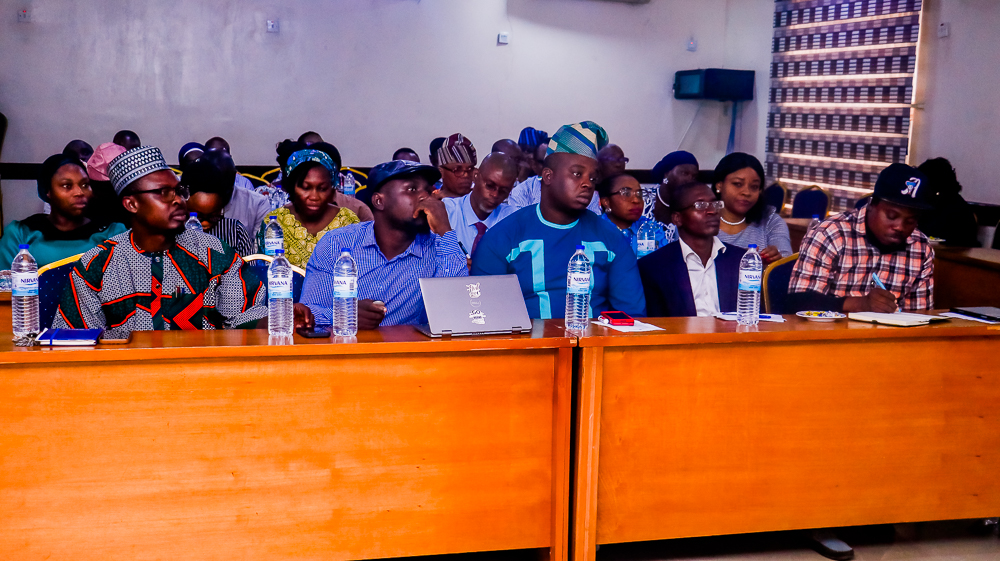
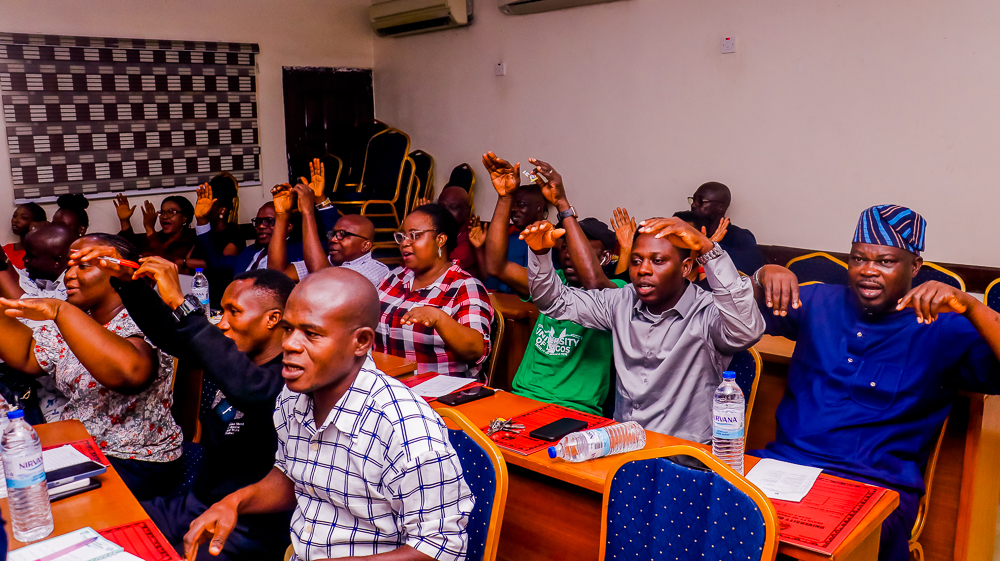
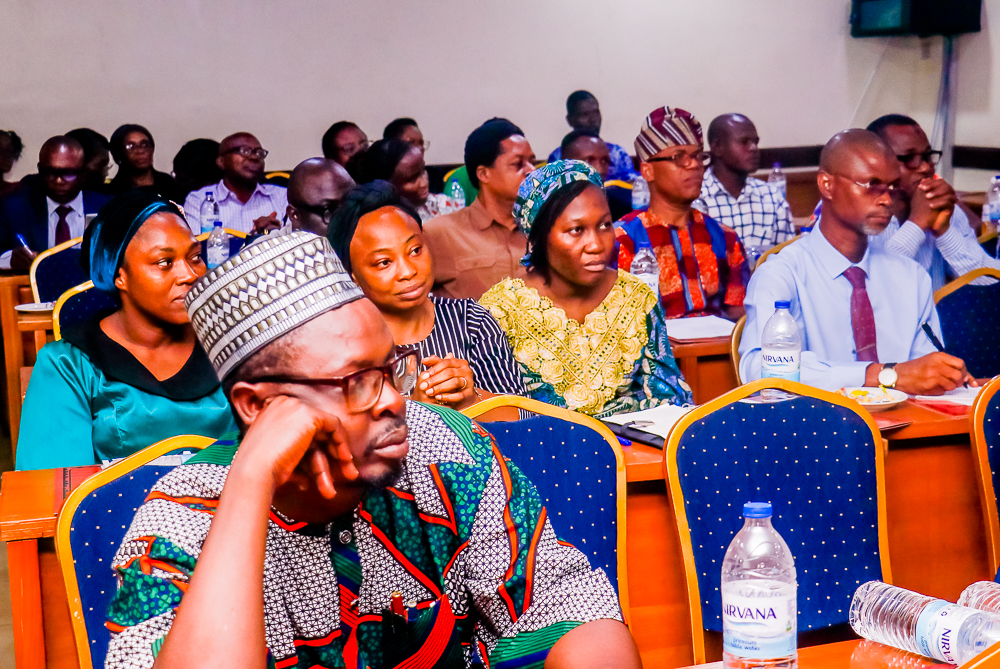
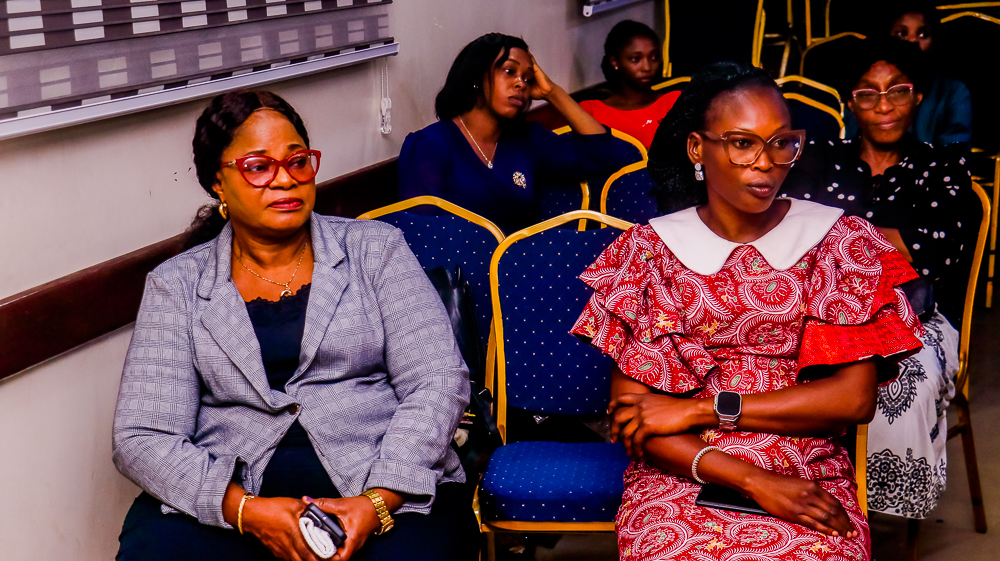
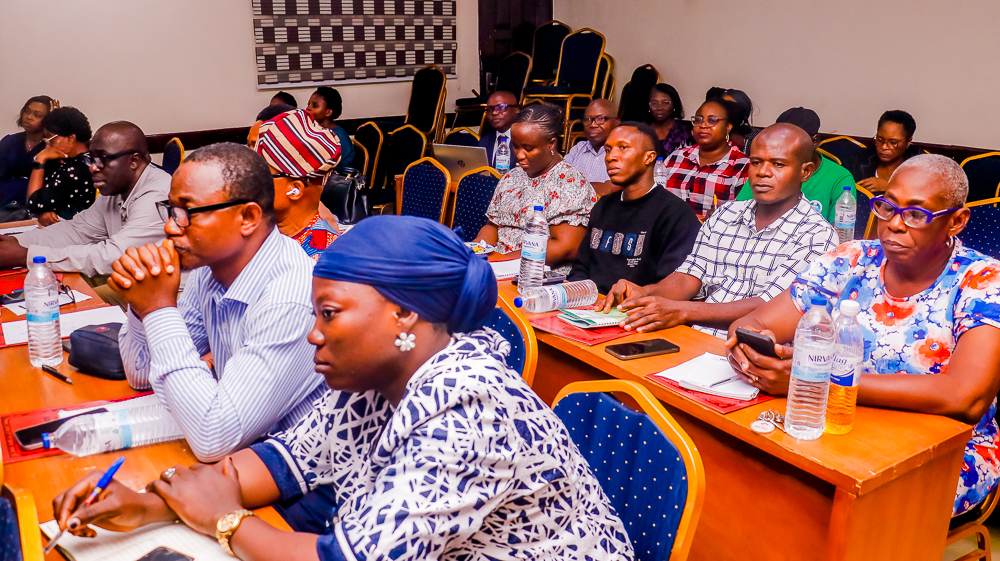
Aimed at advancing their professional careers and strengthening the Faculty’s academic environment, the workshop was held in the Faculty of Education. It was attended by academic staff members of the Faculty.
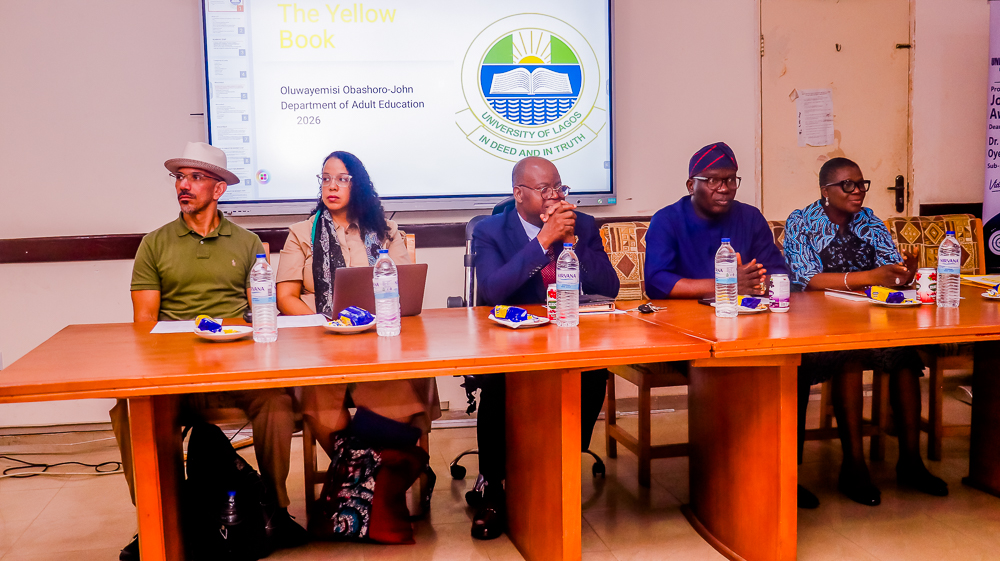
In his address, the Dean of the Faculty of Education, Prof. Joseph Ola Awoyinfa, emphasised a new institutional vision that prioritises professional development and formal orientation for newly appointed academic staff.
Prof. Awoyinfa highlighted the participation of international experts from different countries who would provide quality instruction and guidance to enhance the teaching and research capabilities of the participants. Using the contrast between simply “walking” and the “principled running” required for excellence, he encouraged staff to pursue excellence through purposeful and continuous professional development.
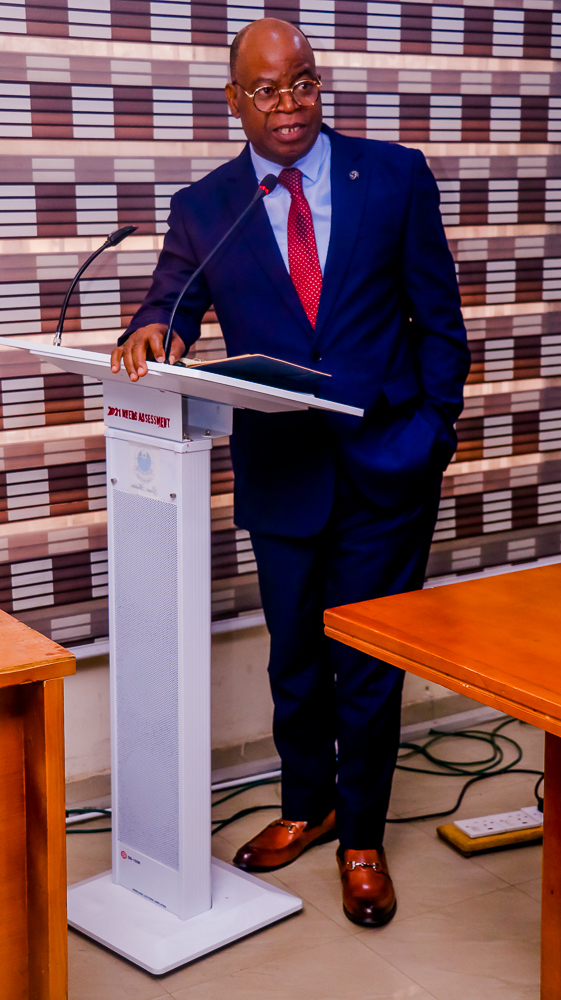
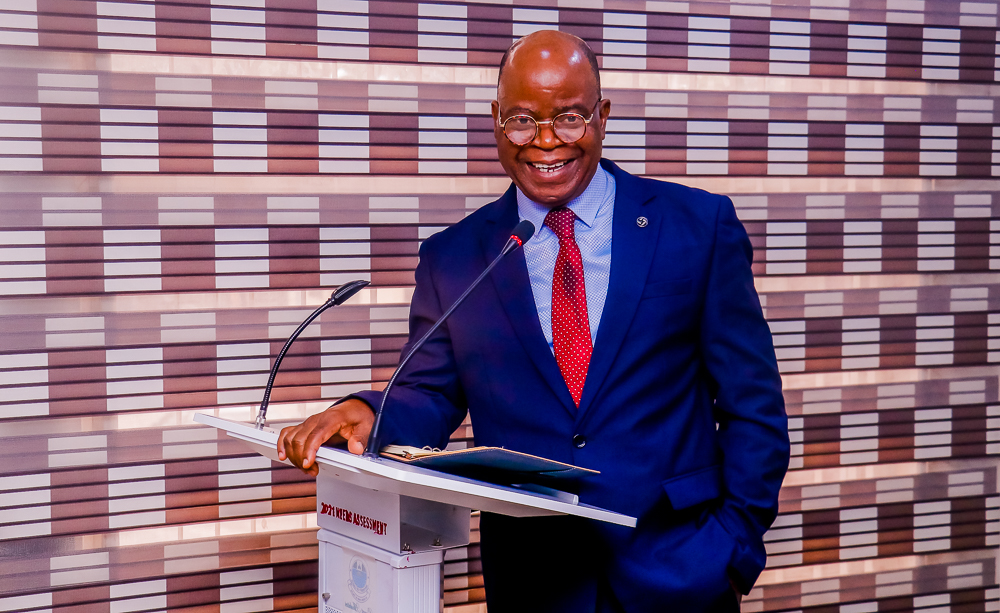
The Dean urged his colleagues to cultivate a spirit of continuous learning in order to avoid intellectual stagnation. He reaffirmed his commitment to staff welfare and the physical improvement of the Faculty’s environment to create a more conducive atmosphere for teaching, research, and other academic responsibilities.
The workshop marked an important step towards strengthening the Faculty’s academic culture, professional standards, and reputation as a leading centre of educational scholarship.
Similarly, the Chairperson of the Faculty of Education Mentorship Committee, Prof. Grace Otinwa, expressed appreciation to the facilitators and members of the committee for their punctuality, commitment, and dedication to the success of the programme. She also acknowledged colleagues who had recently attained notable academic achievements at the state and national levels.
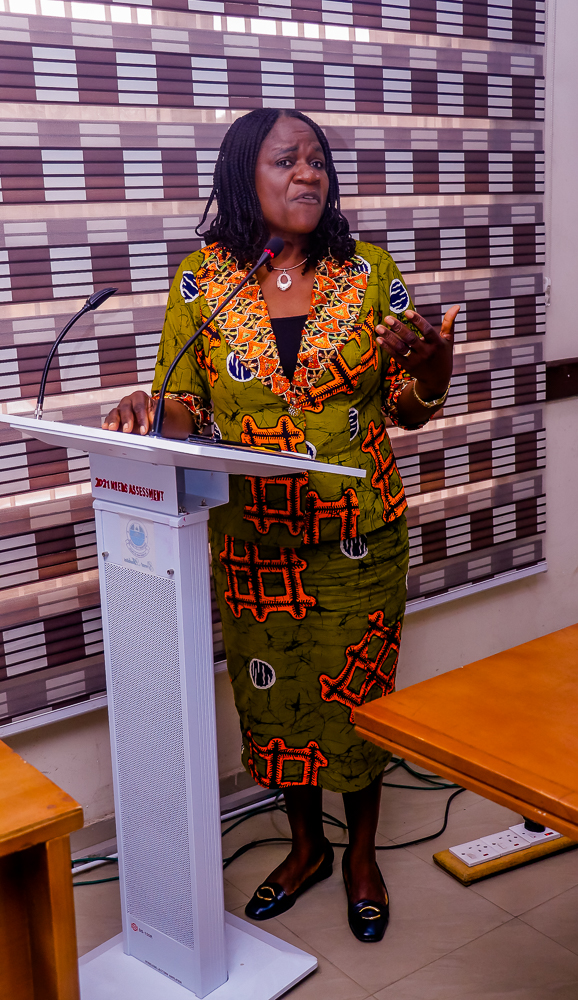
Prof. Otinwa explained that the primary objective of the Mentorship Committee was to bridge the gap between senior academics and early-career staff by fostering a supportive environment for professional growth. She noted that formalising mentorship relationships would provide newly appointed academic staff with structured guidance, professional visibility, and the support required to progress in their careers.
According to her, the initiative represents a shift from informal observation and learning to a more systematic approach to career development, mentorship, and academic excellence.
UNILAG Conditions of Service
The first session of the workshop, facilitated by Prof. Oluwayemisi Obasoro-John, provided a comprehensive orientation on the University’s conditions of service, professional identity, and ethical conduct.
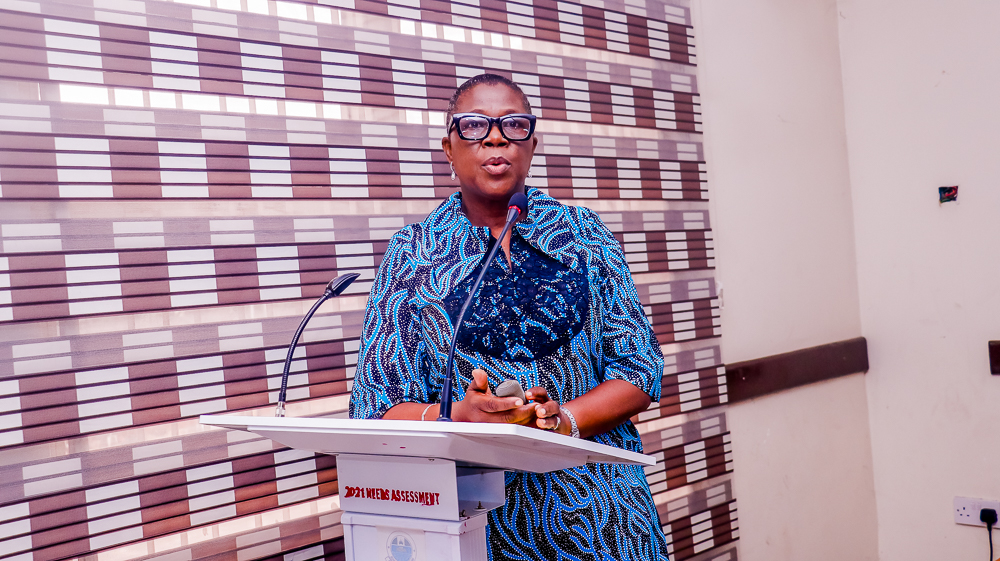
She highlighted the importance of becoming familiar with the University’s regulations, popularly referred to as the “Yellow Book,” and cautioned that ignorance of institutional rules could result in disciplinary action, including termination of appointment where applicable.
The session covered key administrative matters, including various categories of leave, the importance of self-funded research, and the need for academic staff to develop a distinct area of scholarly expertise.

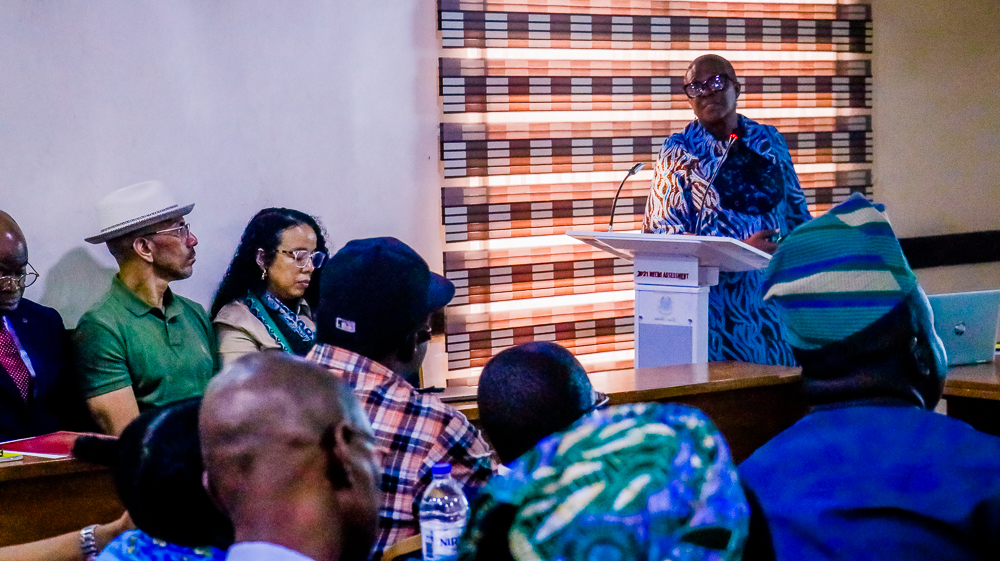
Prof. Obasoro-John also addressed issues of professional misconduct, cautioning staff against sexual exploitation, plagiarism, and the unauthorised use of University resources. She encouraged participants to seek quality mentorship, uphold professional integrity, and maintain high ethical standards throughout their academic careers.
The session provided participants with practical guidance on navigating the rights, responsibilities, and expectations associated with academic life at the University.
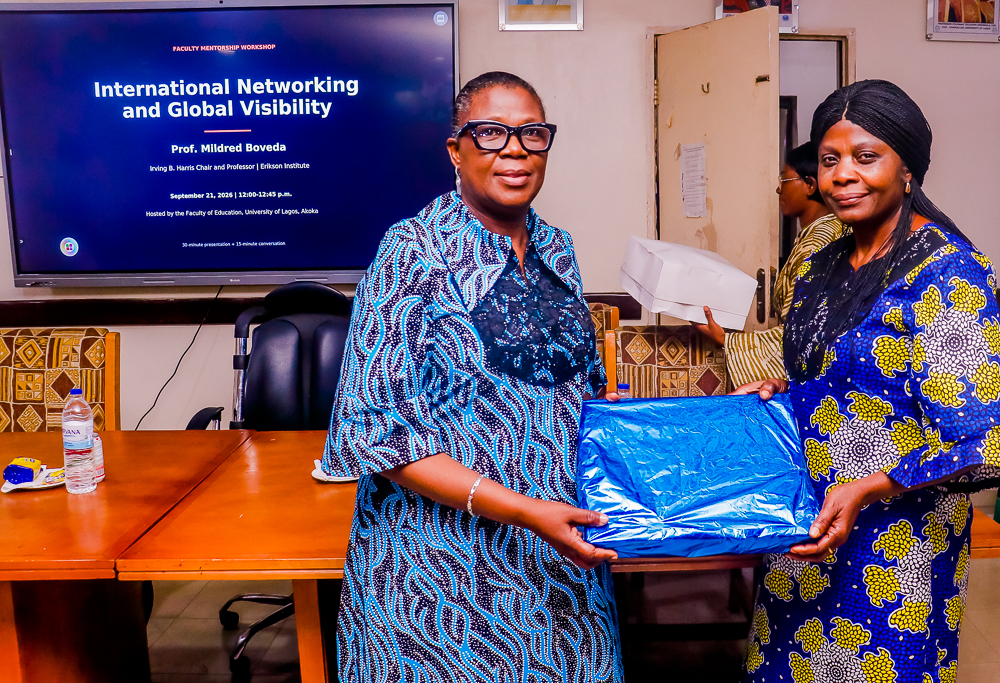
International Networking and Global Visibility
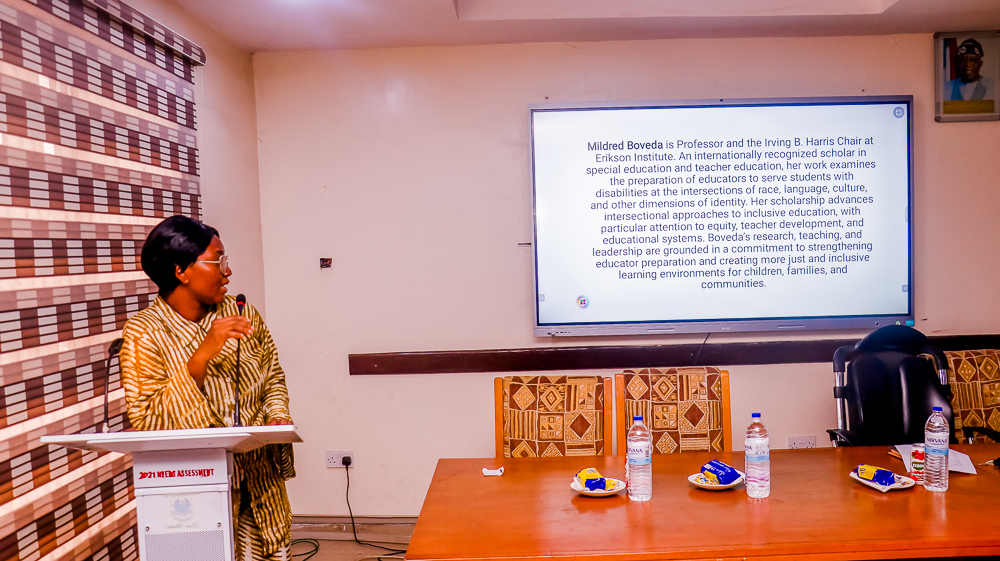
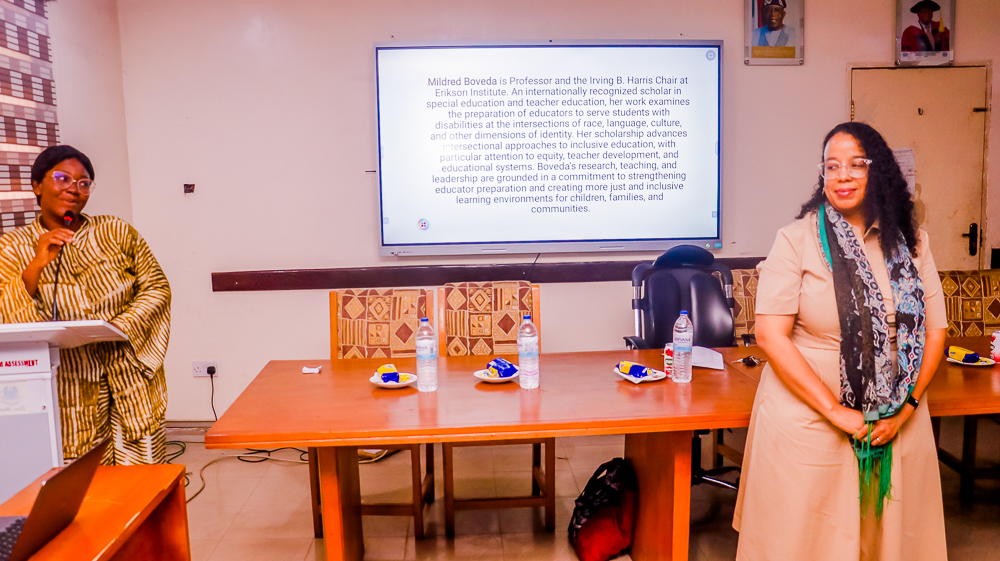
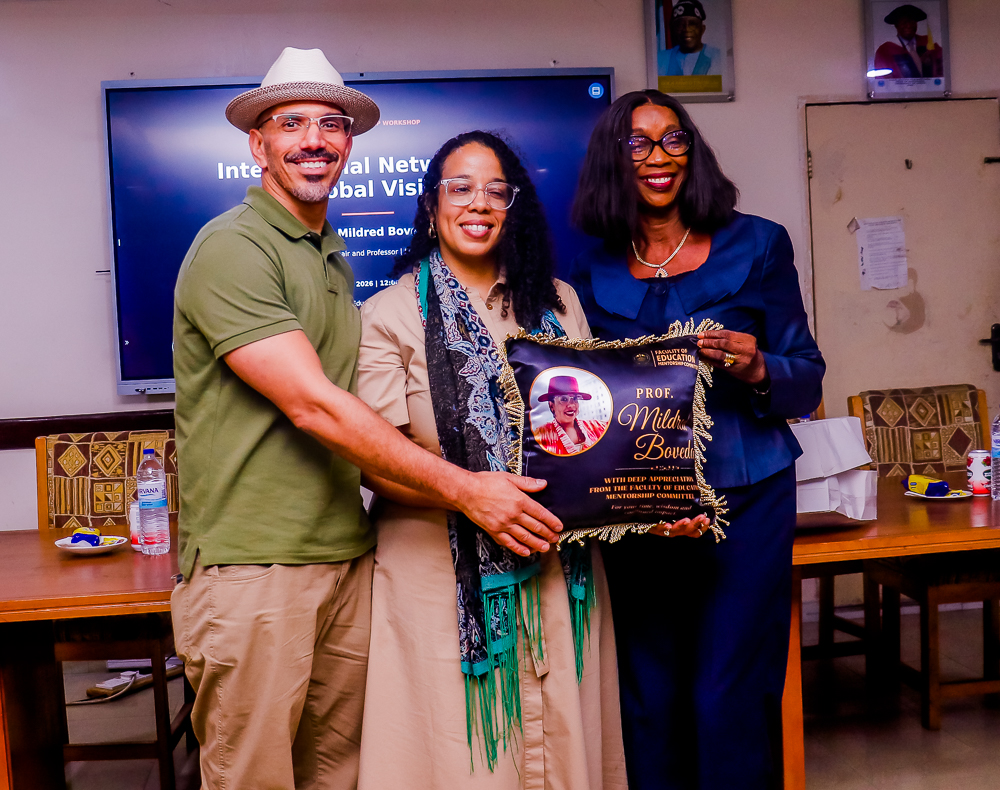
The second session featured Prof. Mildred Boveda from the United Kingdom as the guest speaker. The Ivan B. Harris Chair at the Erikson Institute spoke on the development of global scholarly partnerships and strategies for enhancing international visibility among academics.
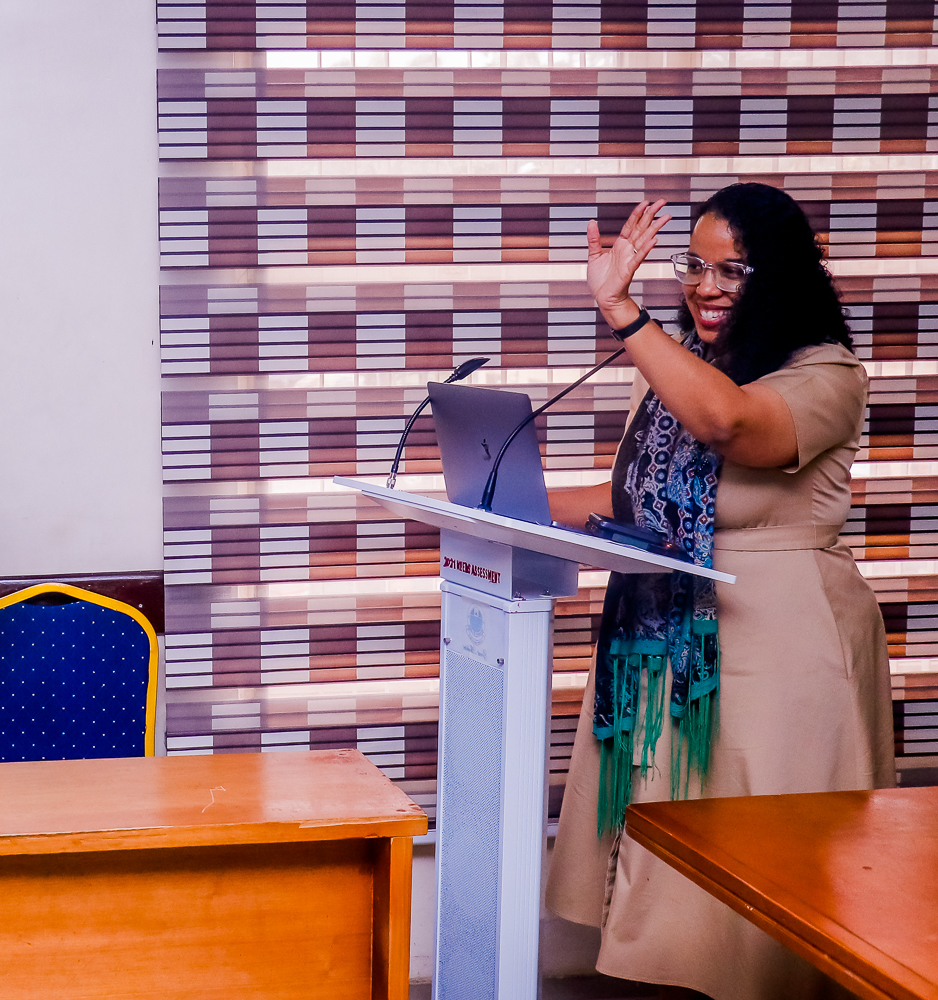
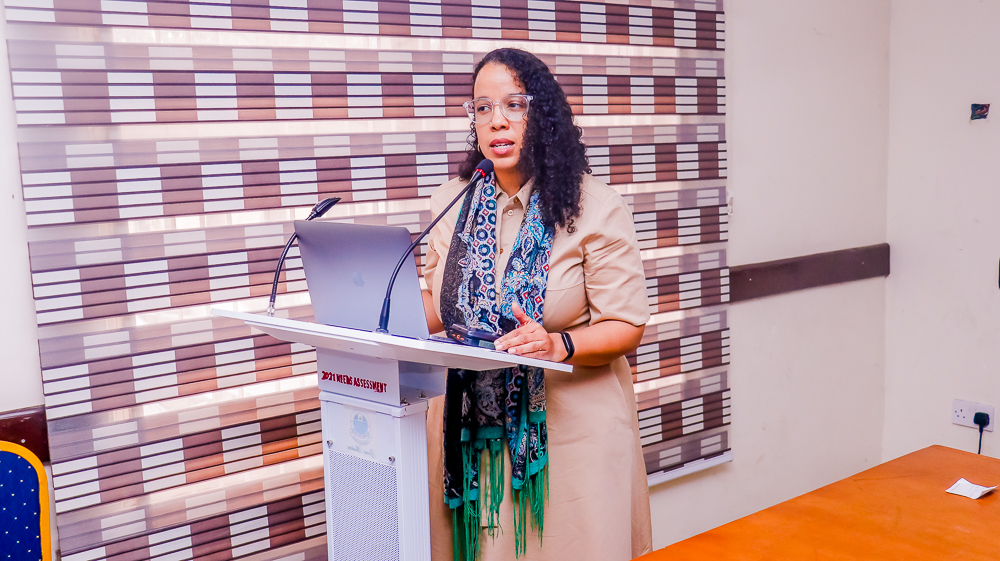
Prof. Boveda shared aspects of her personal background, explaining how her mother’s lack of formal education influenced her commitment to inclusive research and academic excellence.
She encouraged participants to develop clearly defined research agenda and master the “elevator speech” (a concise explanation of their research interests and professional value) to communicate effectively with international scholars and potential collaborators.
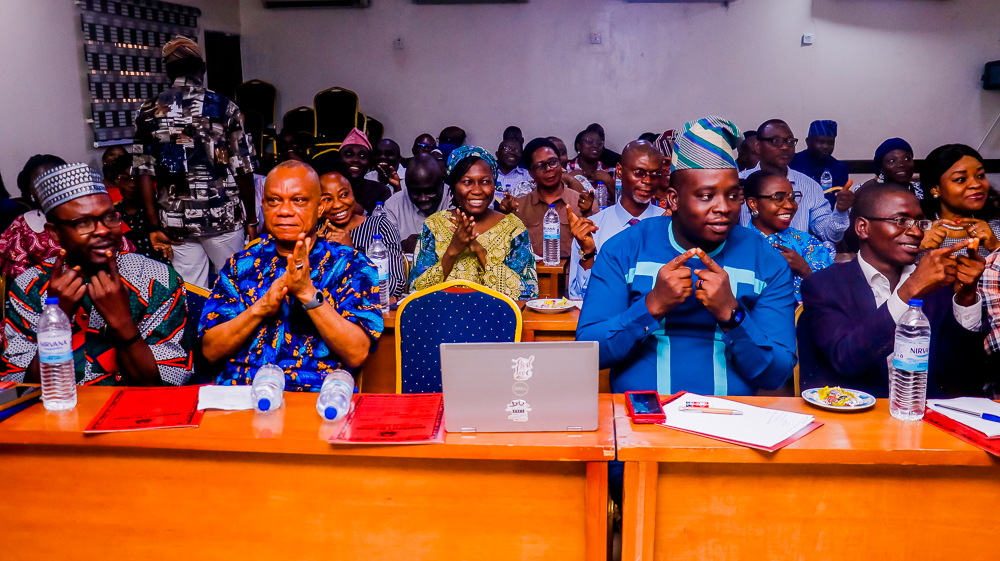

Prof. Boveda further emphasised that successful academic networking requires institutional pride, a clear understanding of one’s workload, and the humility to remain open to learning and new opportunities. She provided practical guidance on how researchers can leverage their local expertise to establish broader international visibility, partnerships, and research collaborations.
Work Ethics, Teaching and Workplace Relationships
During the third session, the immediate past Director of Quality Assurance and SERVICOM, UNILAG, Prof. Grace Otinwa, outlined the fundamental work ethics and professional standards expected of academic staff at the University.
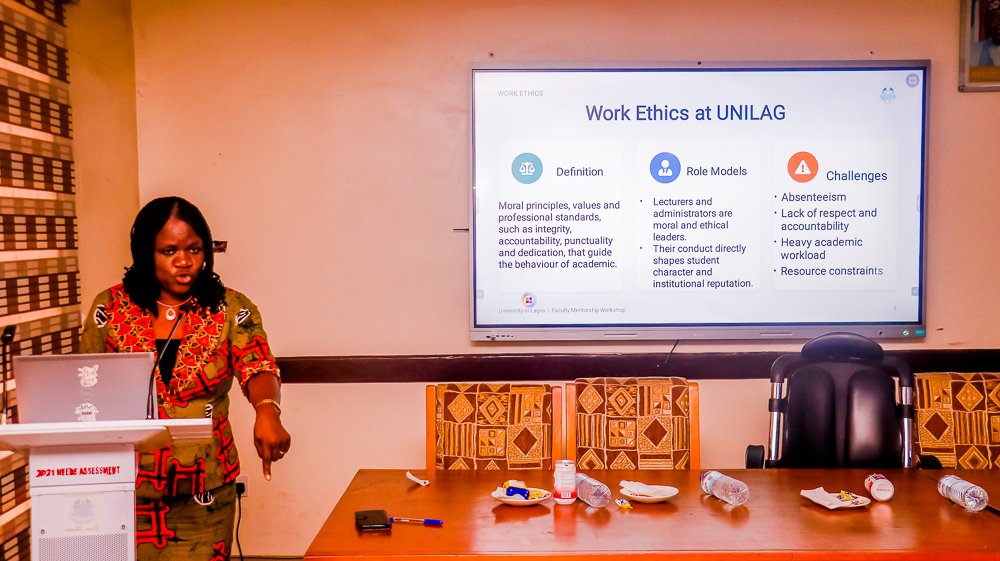
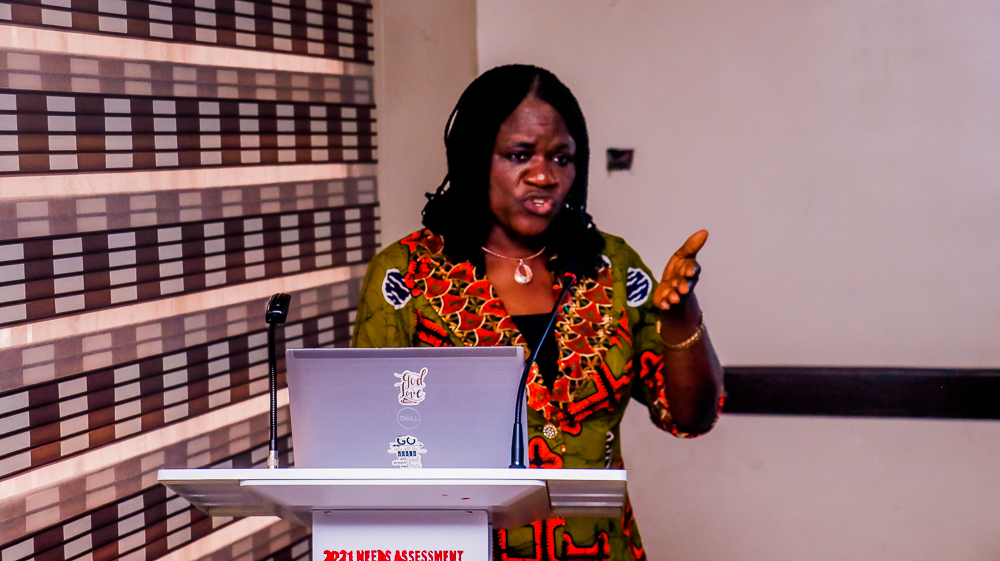
She emphasised the importance of mentorship, accountability, and maintaining a balance among the three core responsibilities of academic staff: teaching, research, and community service.
Detailed guidance was provided on the proper administration of examinations, adherence to institutional policies, and the ethical management of students’ results. Staff were cautioned against practices that could constitute academic or administrative misconduct.
Prof. Otinwa also advocated the cultivation of healthy workplace relationships based on mutual respect, courteous communication, and professional collegiality among senior and junior colleagues.
She encouraged academics to serve as role models to their students, actively pursue research grants, and contribute meaningfully to community development. The session provided participants with practical guidance on navigating the administrative, ethical, and interpersonal dimensions of a successful career in higher education.
Academic Career Promotion and Faculty Development in African Universities: A Comparative Insight from Cameroon and Nigeria
The research presentation session examined academic promotion frameworks and their influence on faculty development at the University of Lagos, Nigeria, and the University of Maroua, Cameroon.
The presentation was delivered by a Senior Lecturer, Dr. Djiraro Mangue Celestine Laure, of the University of Maroua, Cameroon. She employed a qualitative comparative approach to examine how institutional and national policies influence the career progression of lecturers within the two higher education systems.
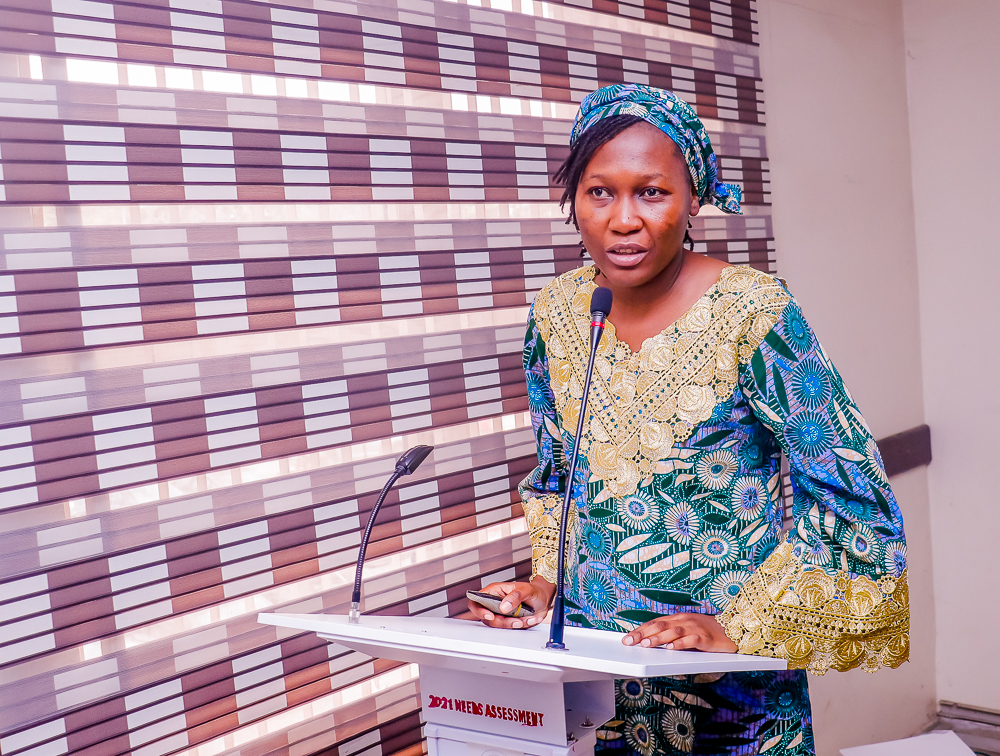
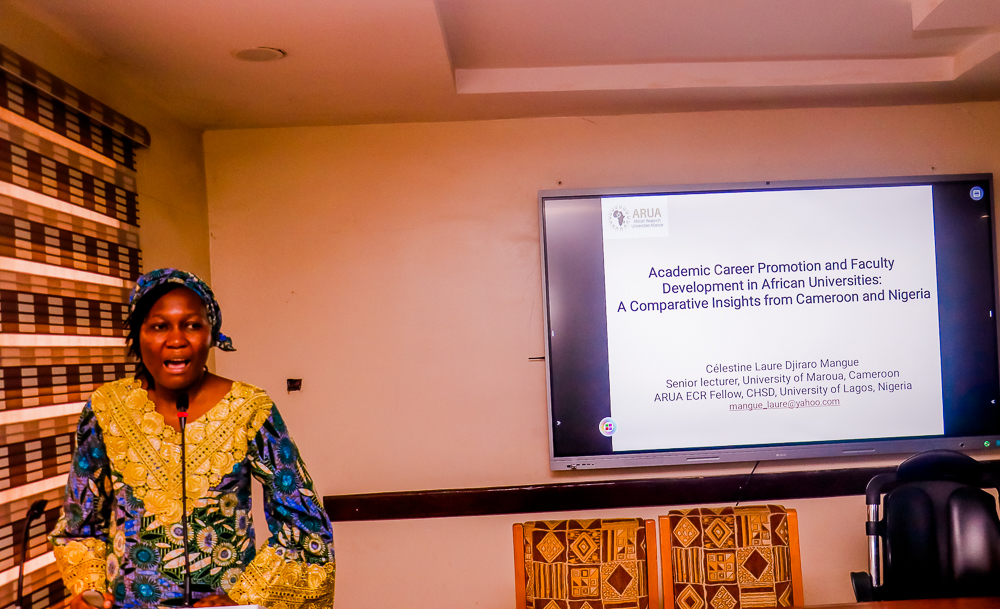
Dr. Djiraro noted that although both systems place considerable emphasis on research publications as a requirement for career advancement, the practical expectations often exceed the officially stated guidelines, thereby creating significant workload pressures for academic staff.
The study also highlighted a shared desire among academics for more balanced promotion criteria that give appropriate consideration to teaching, community service, innovation, and research.
Dr. Djiraro recommended the simplification of administrative procedures through digital transformation to facilitate professional development. She also advocated transparent promotion policies that would support staff motivation and contribute to institutional excellence within African higher education.
Report: Oluwatoyin Ojo-Alo
Photography: Michael Joshua