“Never doubt that a small group of thoughtful, committed citizens can change the world; indeed, it is the only thing that ever has.”
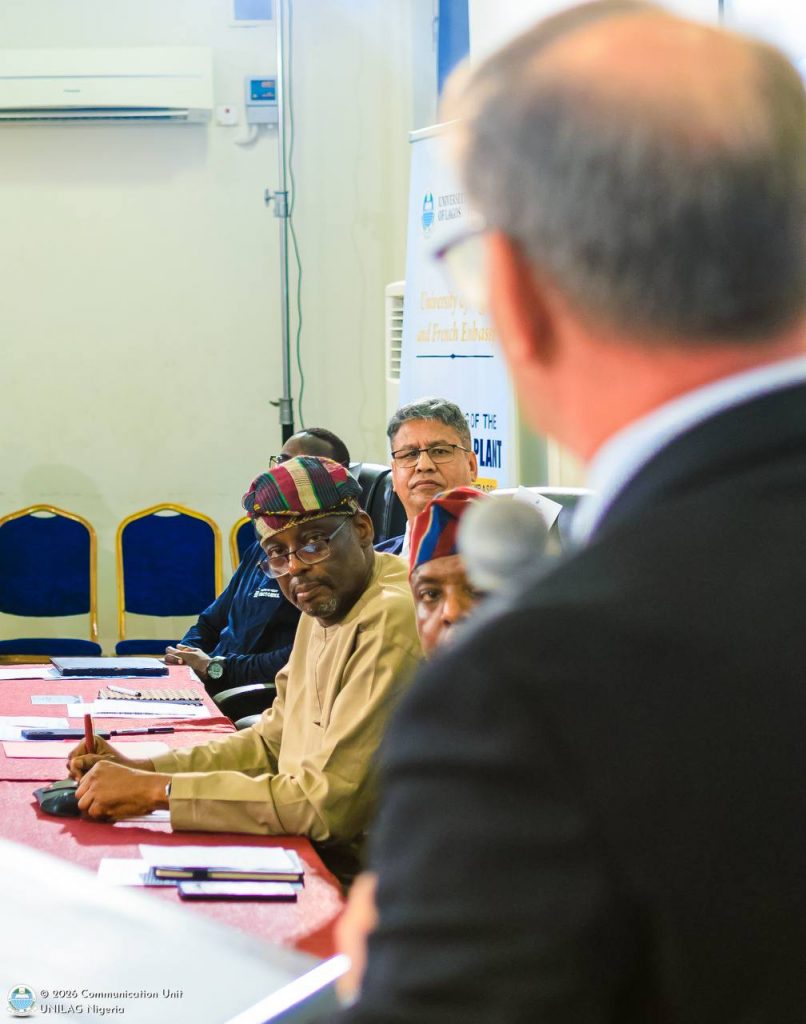
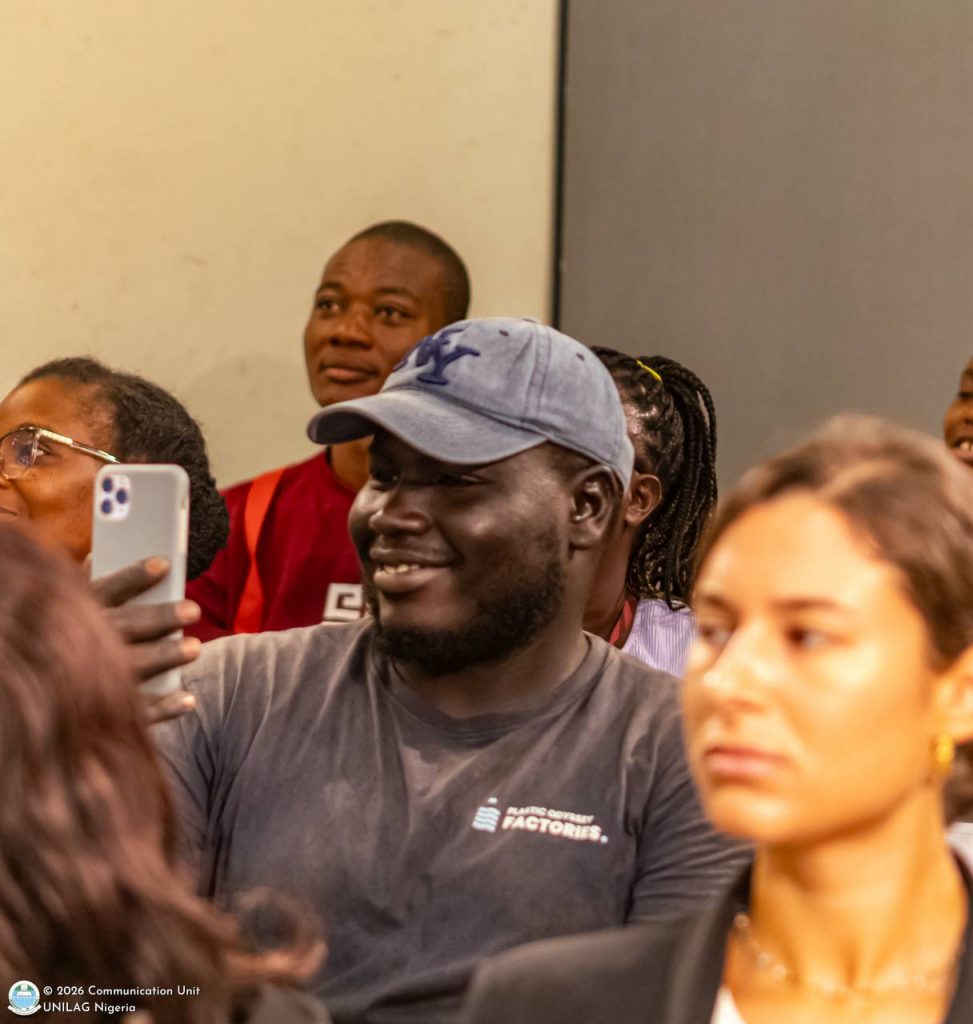
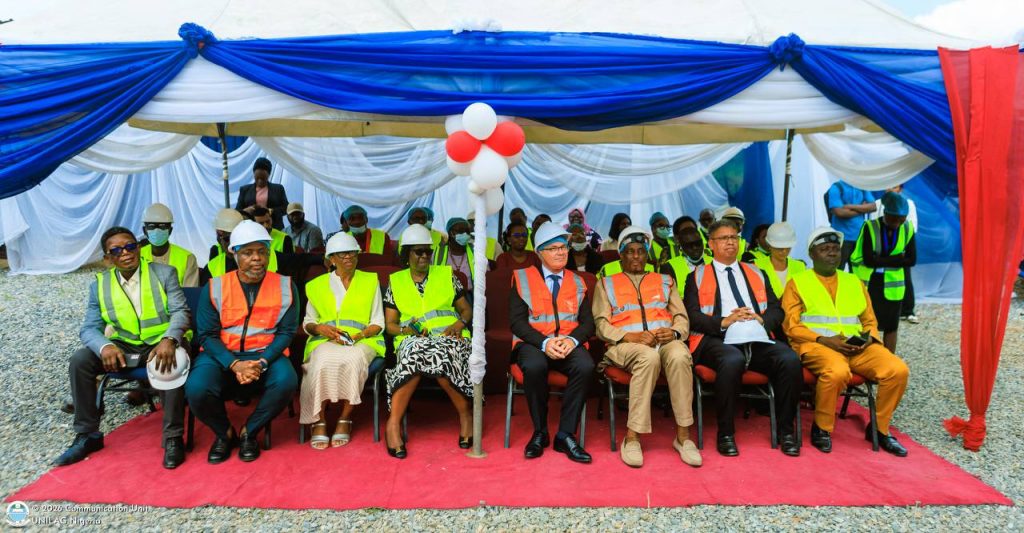
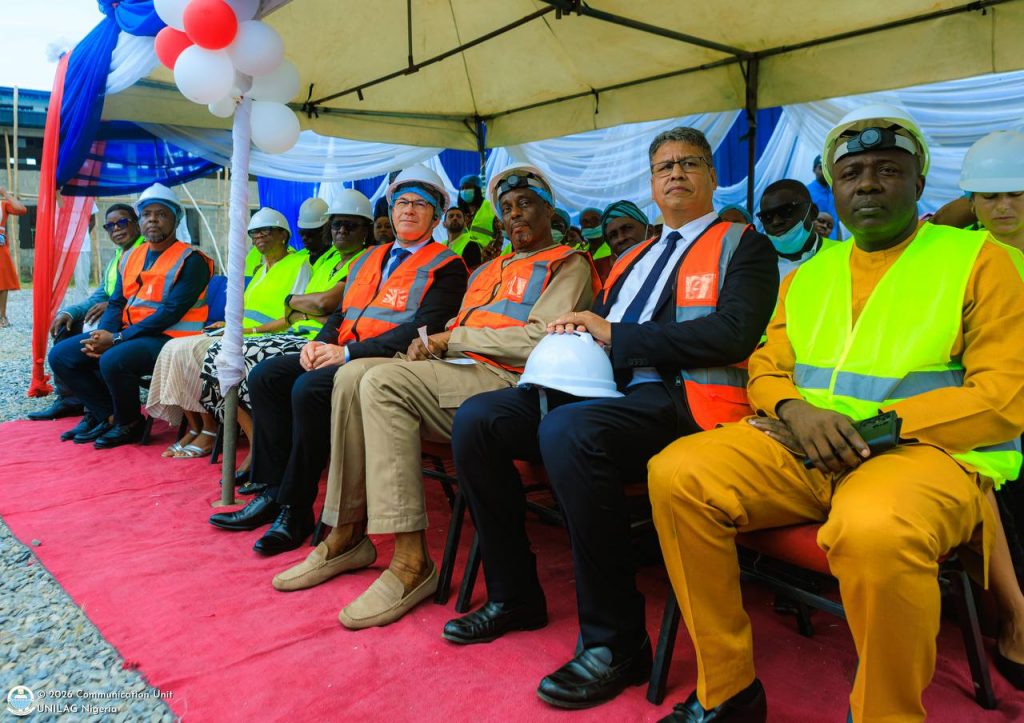
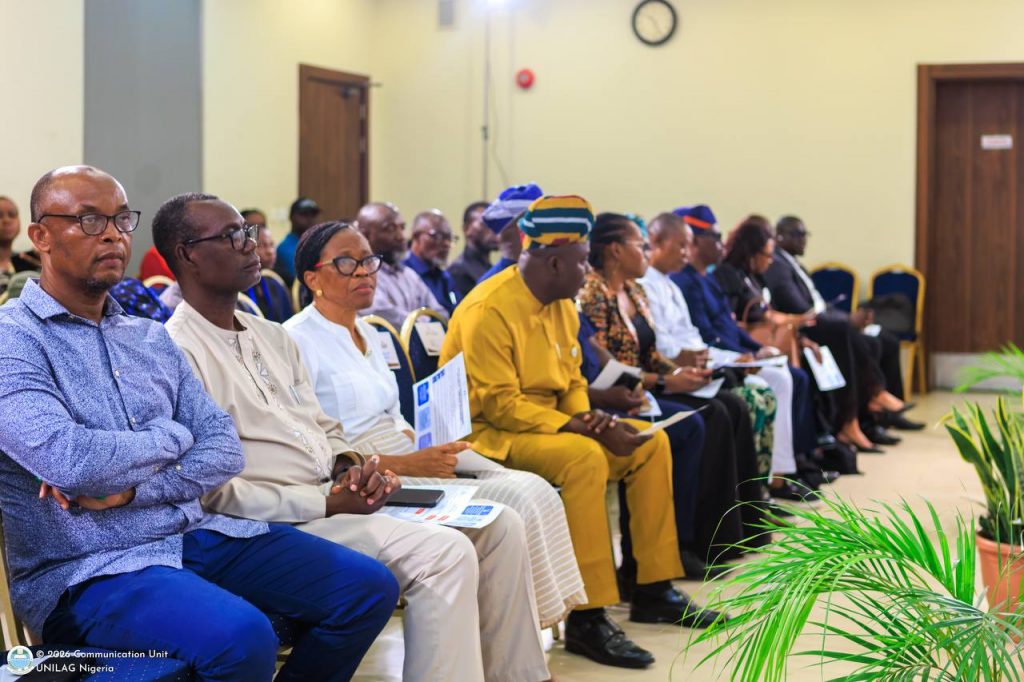
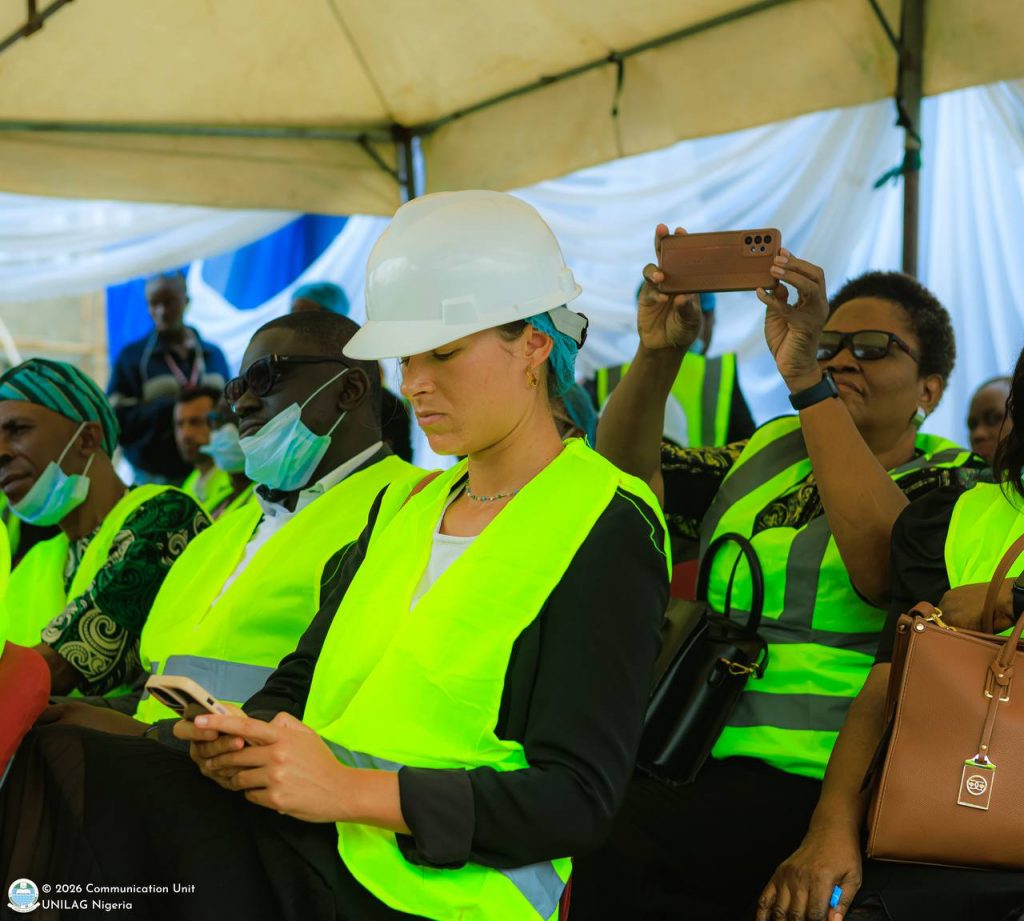
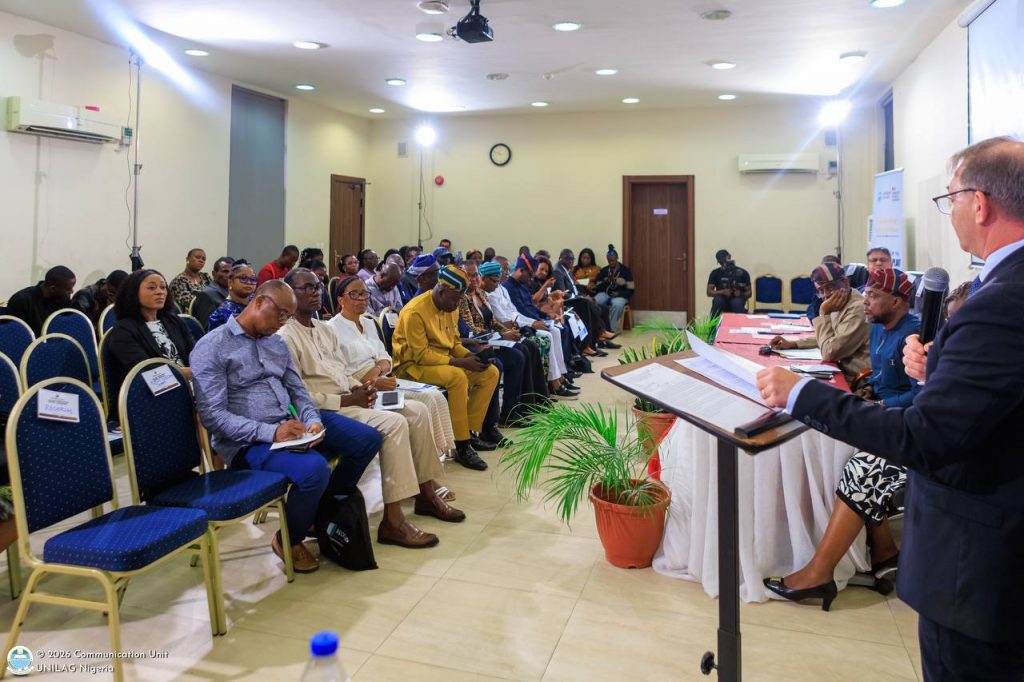
Those enduring words by cultural anthropologist Margaret Mead found living expression at the University of Lagos (UNILAG) on Wednesday, May 13, 2026, as academia, government, and industry converged in a bold demonstration of how collaboration can drive practical solutions to one of the world’s most pressing environmental challenges: plastic pollution.
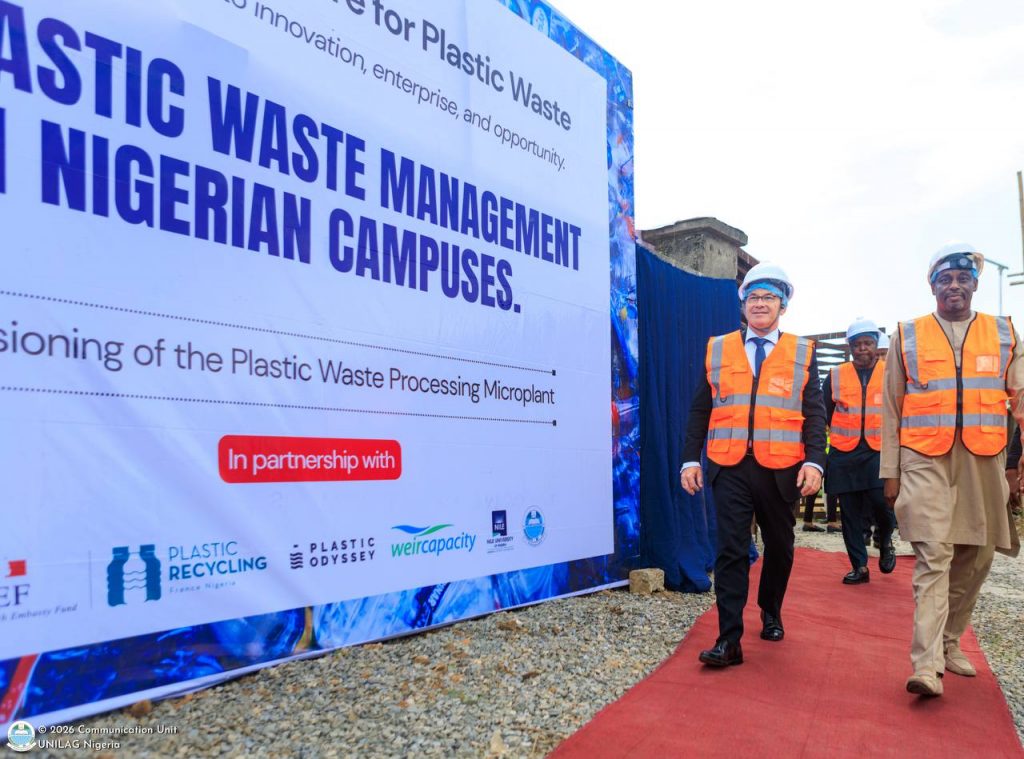
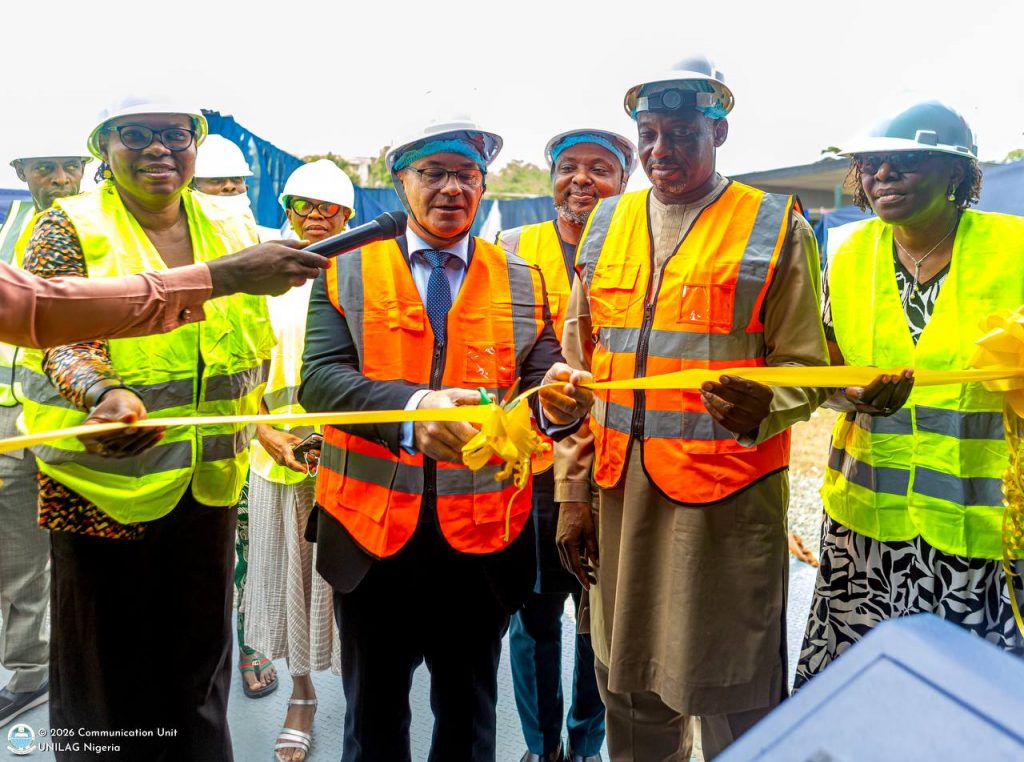
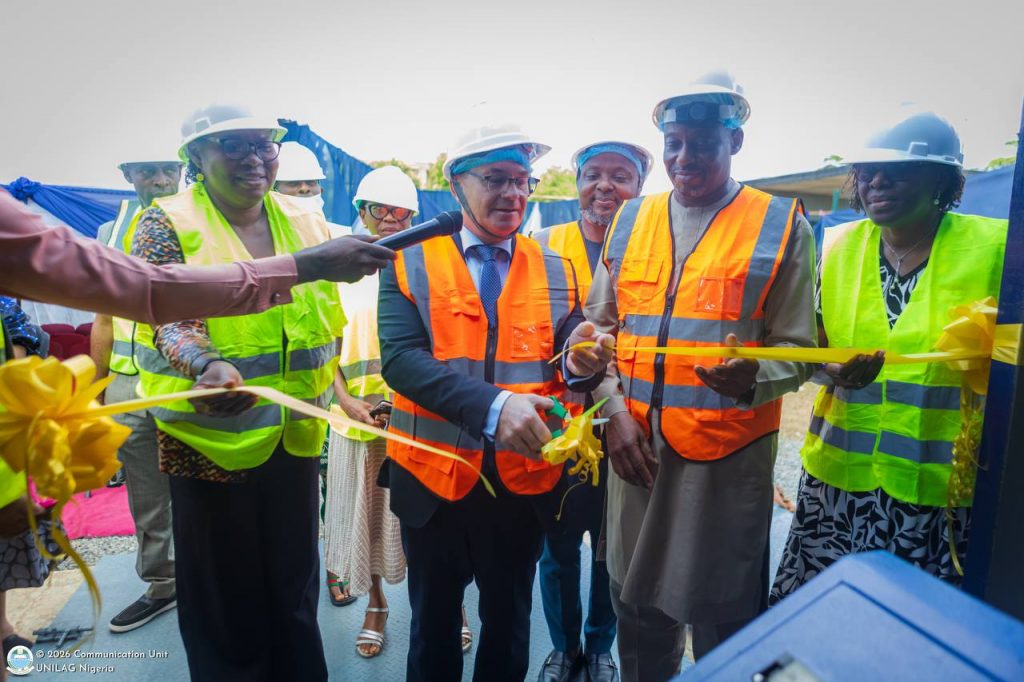
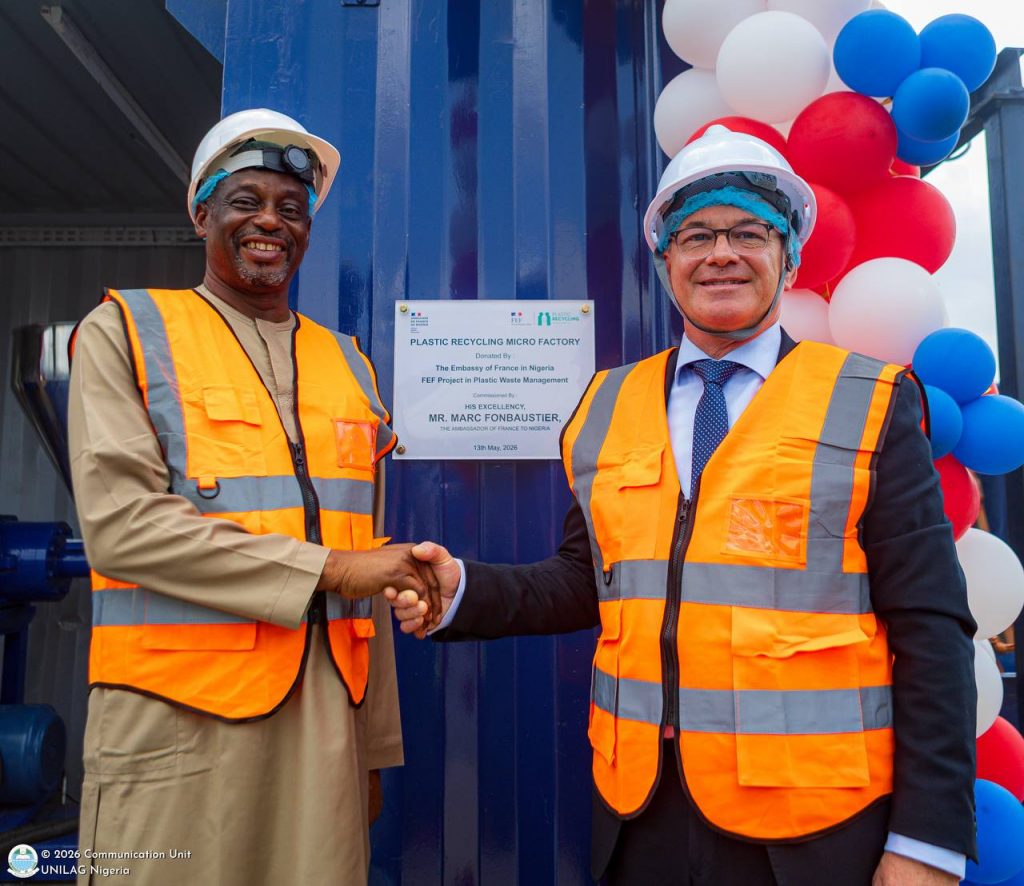
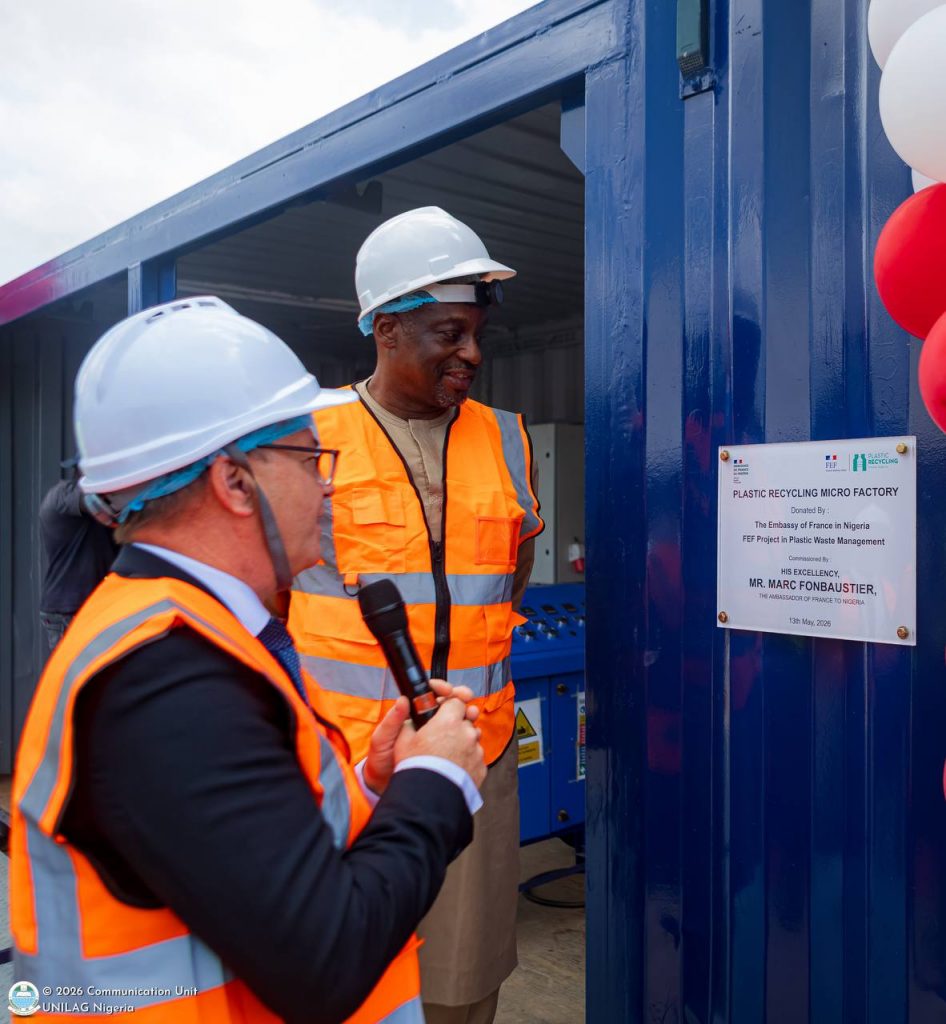
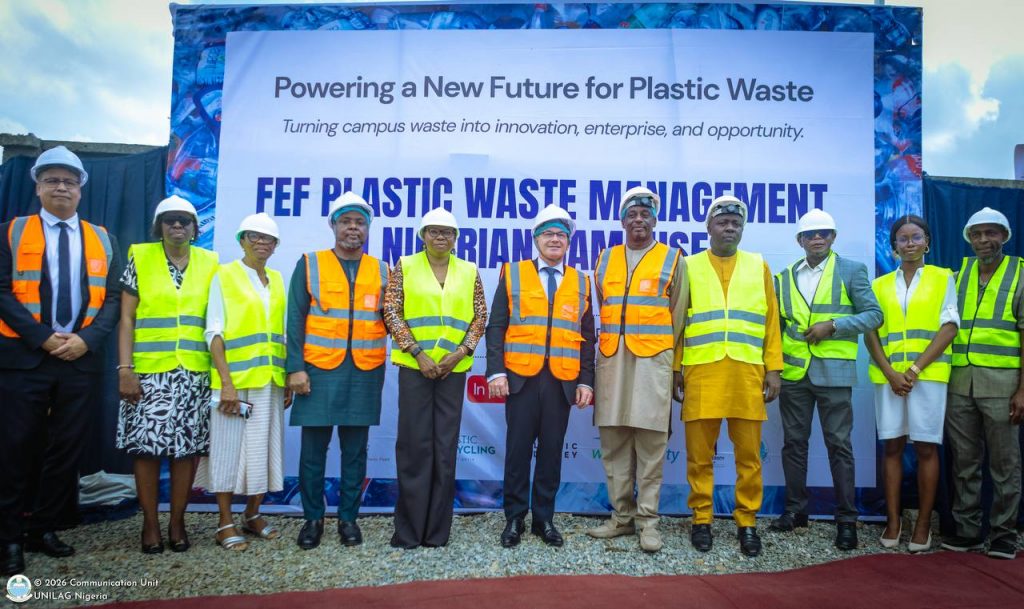
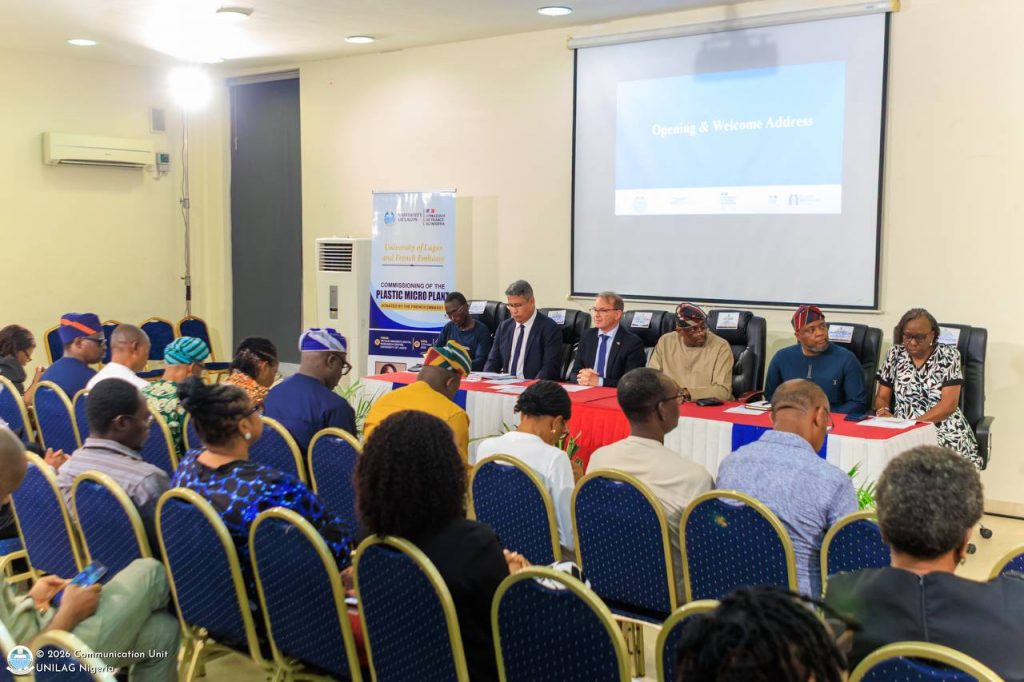
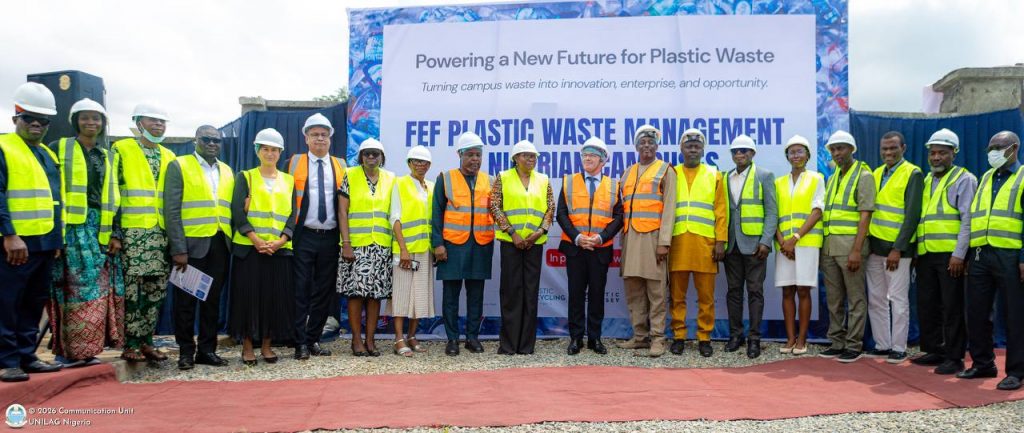
In a landmark step towards sustainable waste management and circular economy innovation, the University of Lagos (UNILAG), in partnership with the French Embassy in Nigeria, Plastic Odyssey, and Weircapacity, officially commissioned a Plastic Recycling Micro-Plant designed to transform plastic waste into reusable and economically valuable products.
Far more than the unveiling of another facility, the commissioning represented the emergence of a new model of environmental action in Nigeria, one in which universities are not merely centres of theoretical learning, but active laboratories for solving real societal problems.
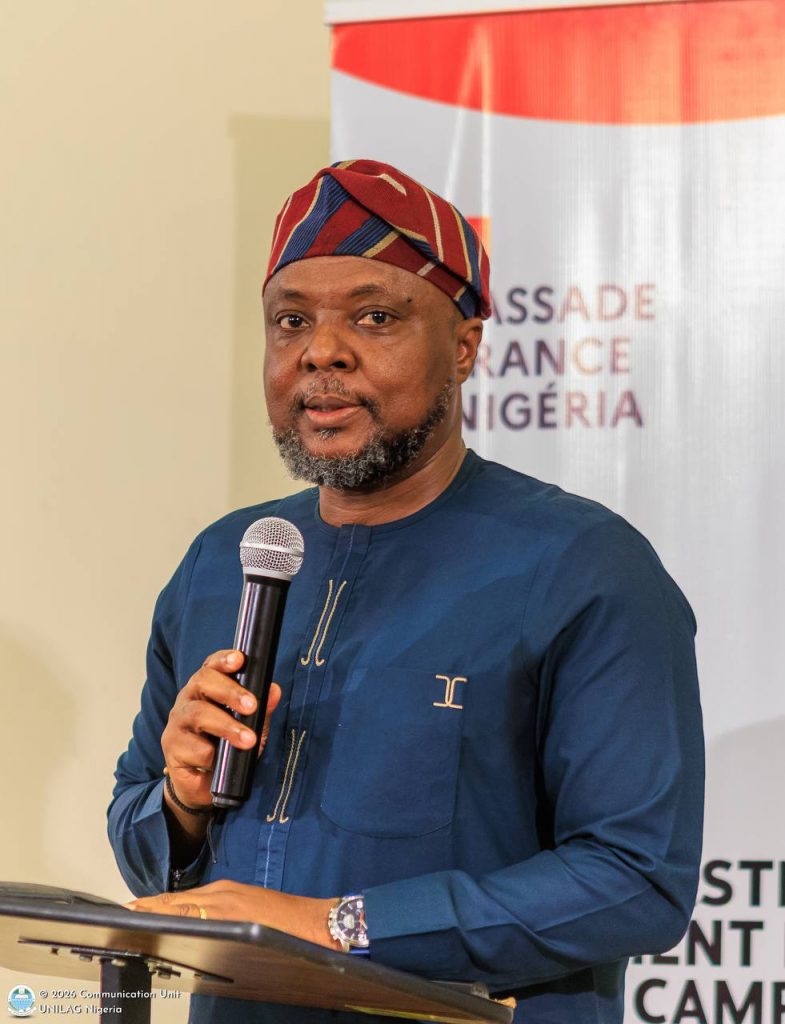
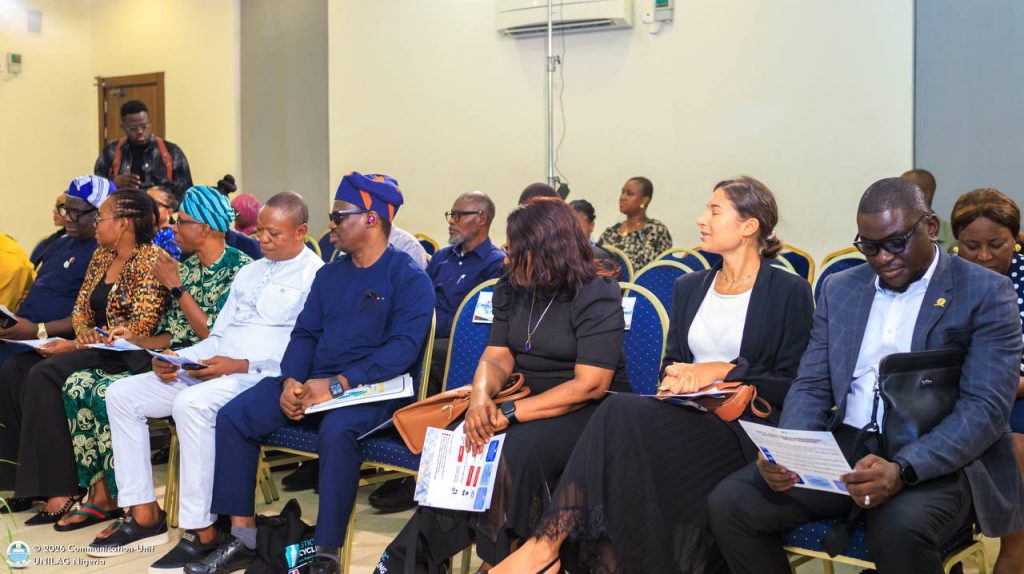
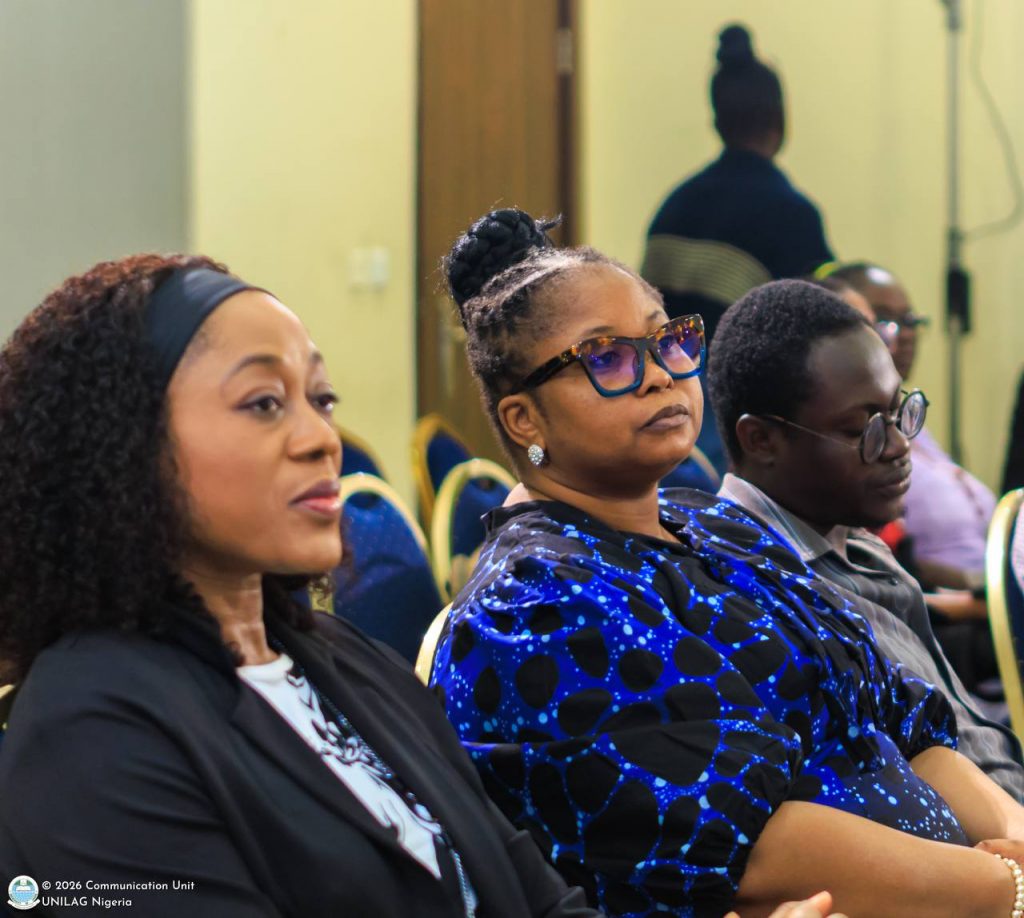
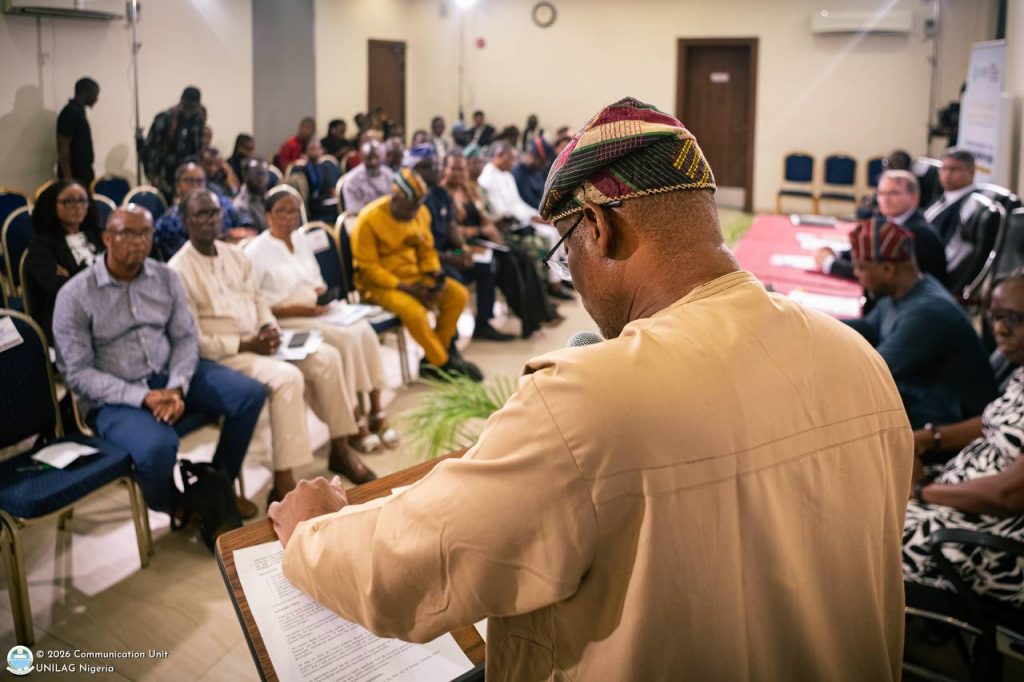
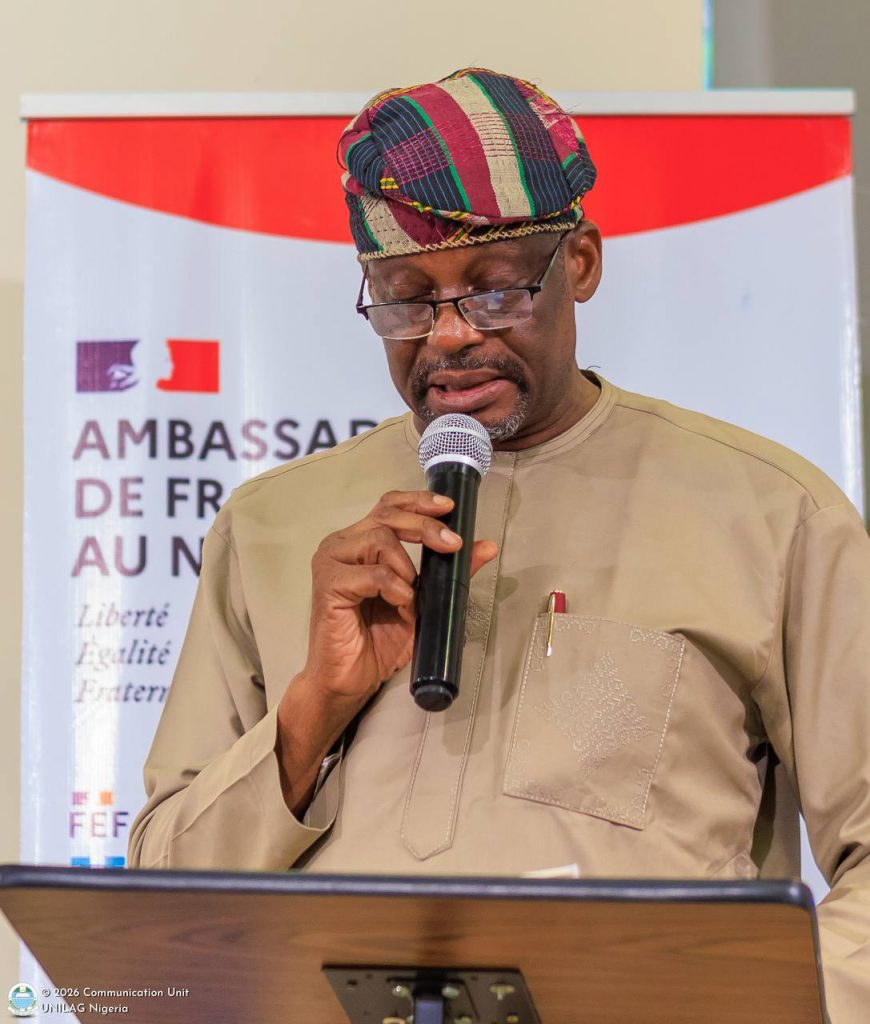
Welcoming guests to the commissioning ceremony,the Deputy Vice-Chancellor (Development Services), Professor Foluso E. A. Lesi, who represented the Vice-Chancellor of UNILAG, Professor Folasade T. Ogunsola, OON, FAS, described the occasion as “a defining moment” in the University’s journey towards environmental stewardship, innovation, and international collaboration.
Professor Lesi noted that the project emerged from the growing partnership between the French Embassy and the University, built on a shared conviction that higher institutions must serve as engines for innovative solutions to pressing environmental and societal challenges.
He revealed that the initiative began on June 14, 2024, when the French Embassy, through its Cooperation and Cultural Department, launched a plastic waste management initiative under the French Embassy Fund (FEF), valued at €753,000 and involving 13 Nigerian universities committed to promoting sustainable environmental practices.
Out of the participating institutions, UNILAG was selected as one of only two universities entrusted with co-designing and hosting the innovative micro-plant facility.
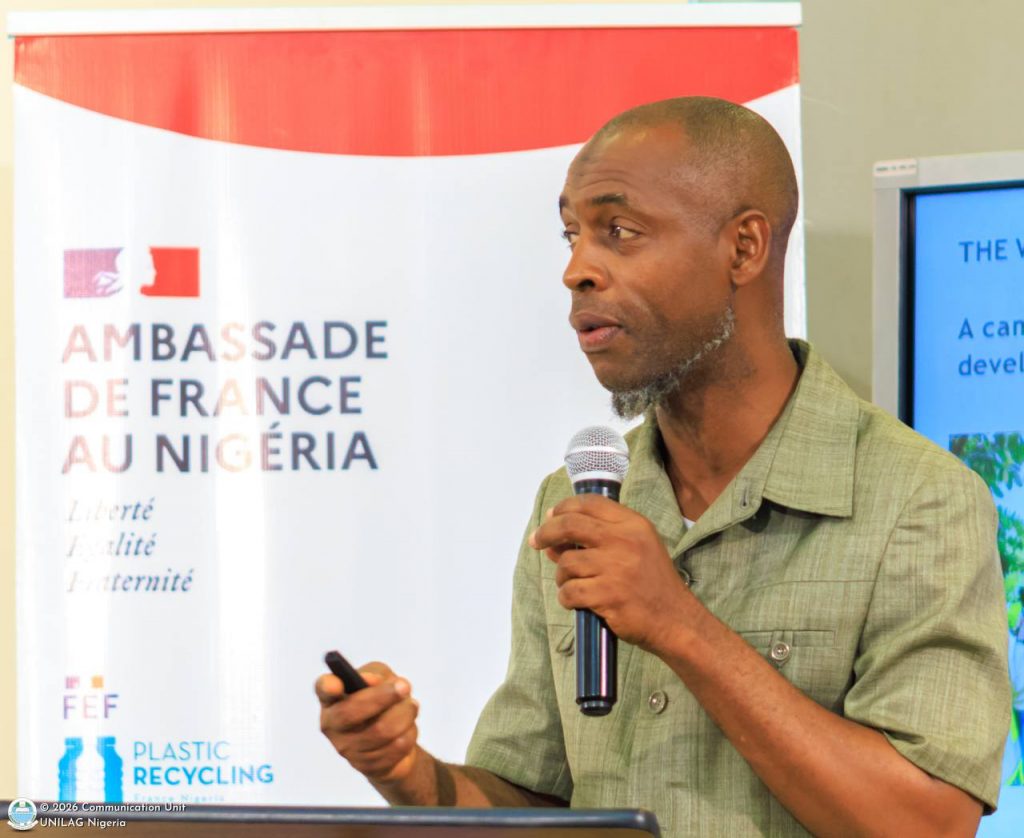
The significance of the project becomes even clearer against the backdrop of the University’s environmental realities. In a project overview presentation delivered by Dr. Abdulganiyu Adelopo of the UNILAG Department of Works and Physical Planning, the institution was described as “a campus the size of a city,” generating an estimated 32.4 tonnes of solid waste daily, with plastic waste forming a significant proportion of the burden.
Yet, rather than viewing waste solely as a problem, the University chose to see possibility within it.
From strategic planning meetings and technical assessments to awareness campaigns, infrastructure investments, international collaborations, and equipment installation, the journey from conception to commissioning reflected months of shared expertise and collective commitment.
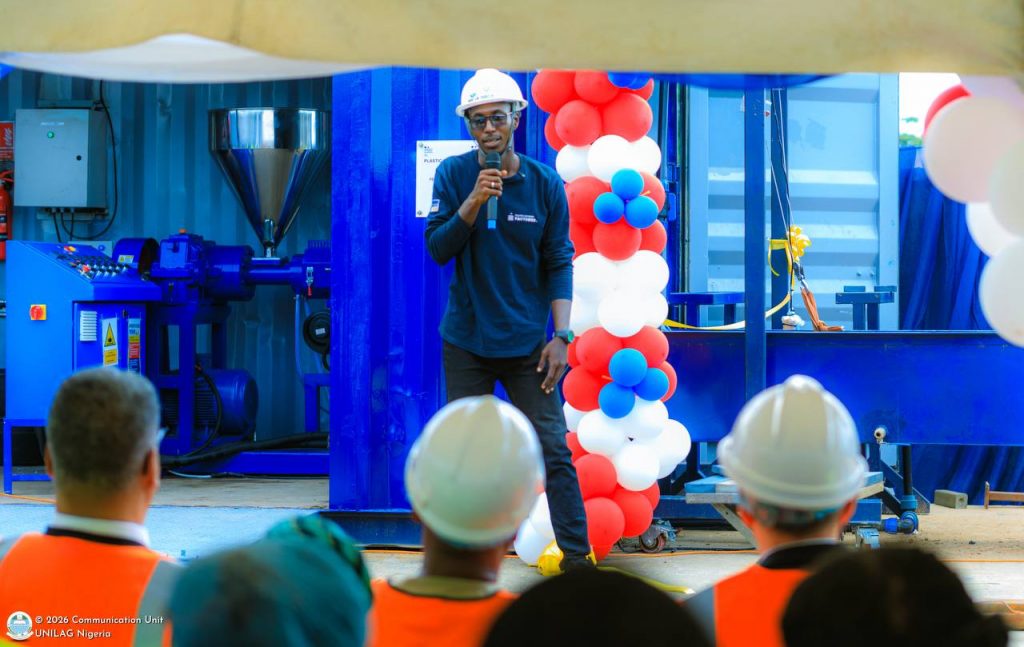
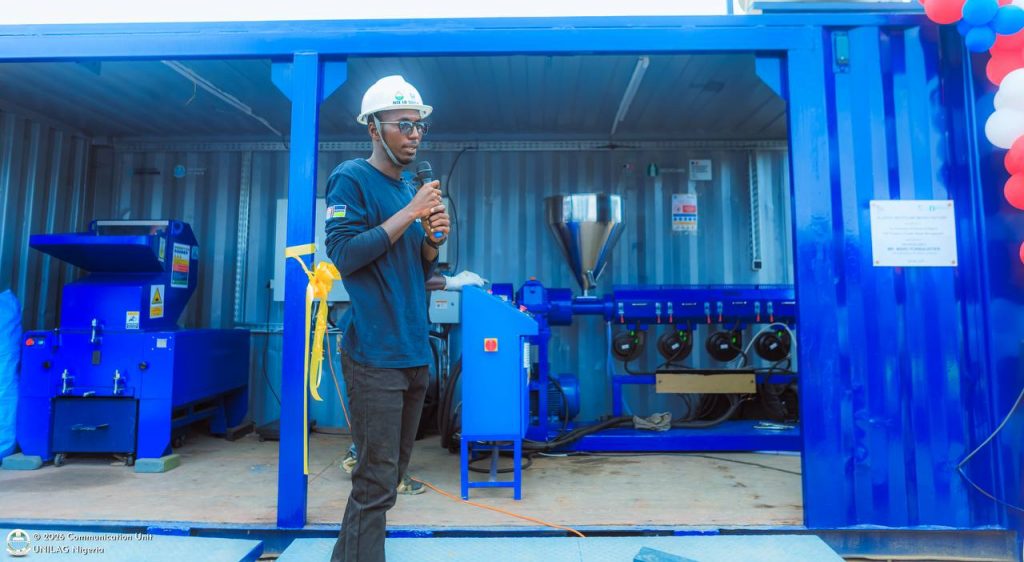
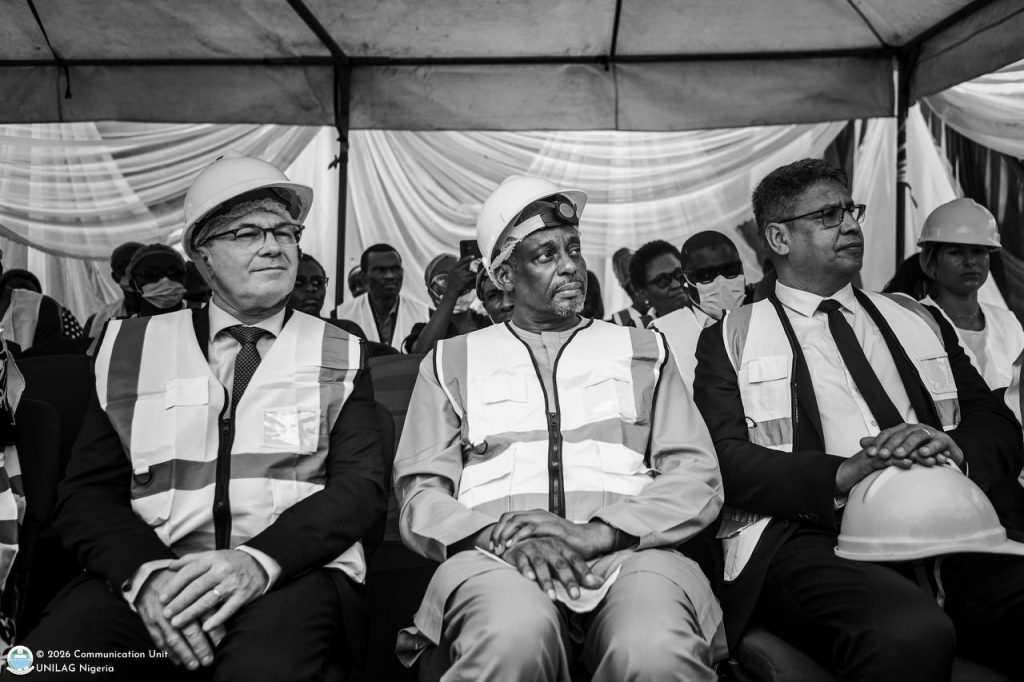
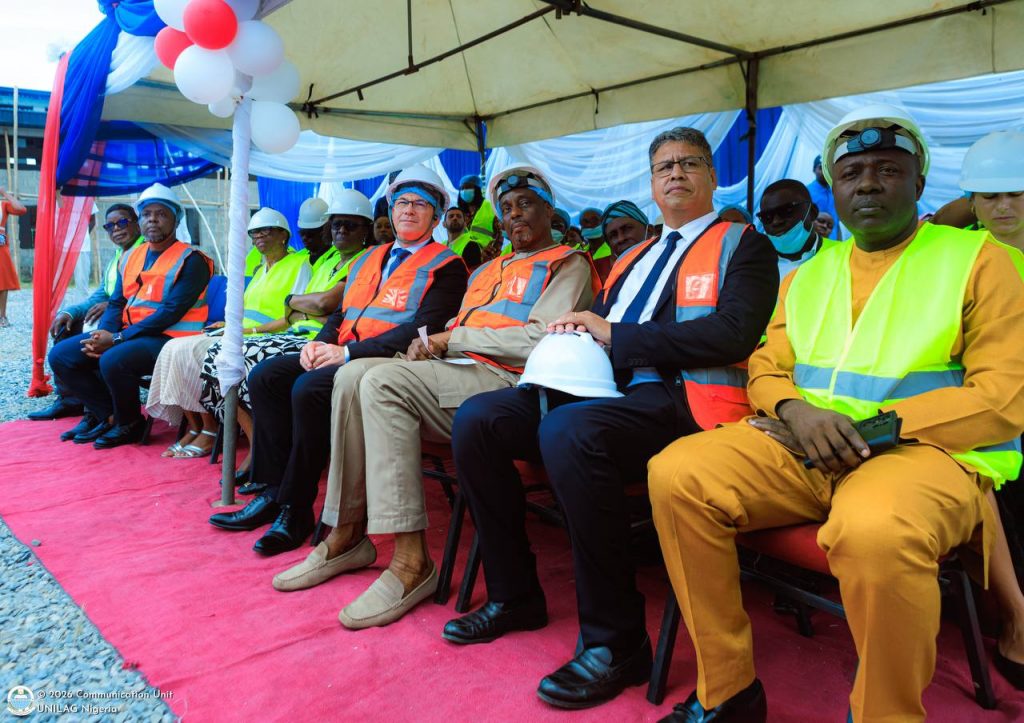
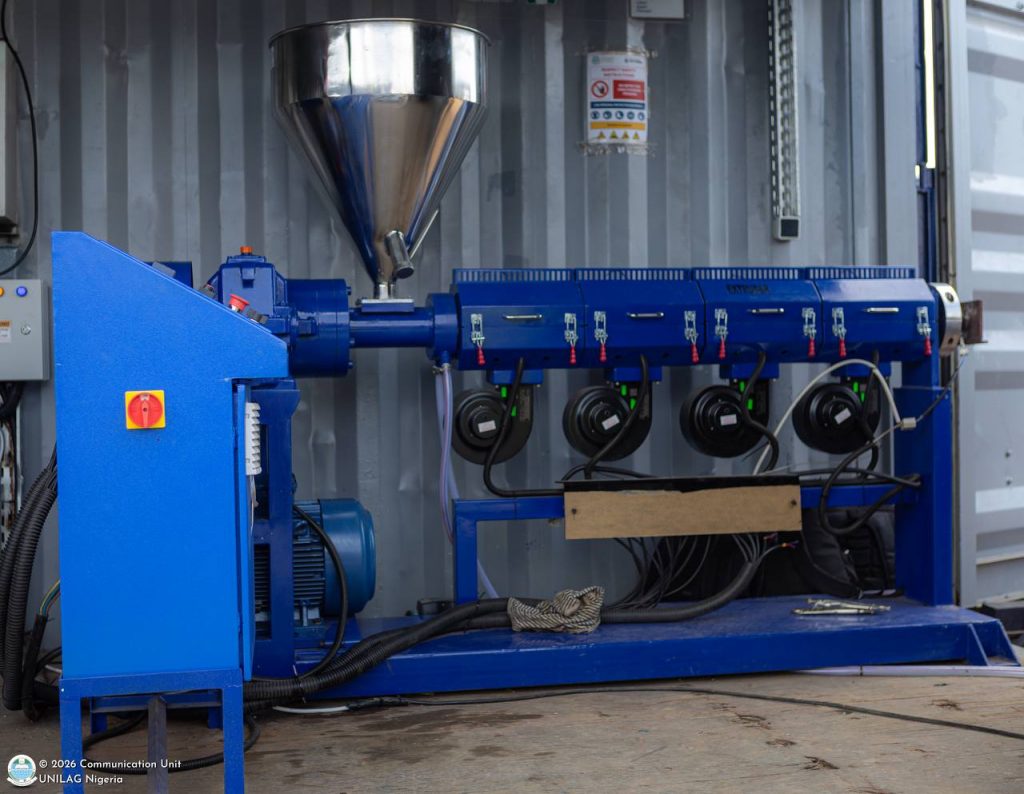
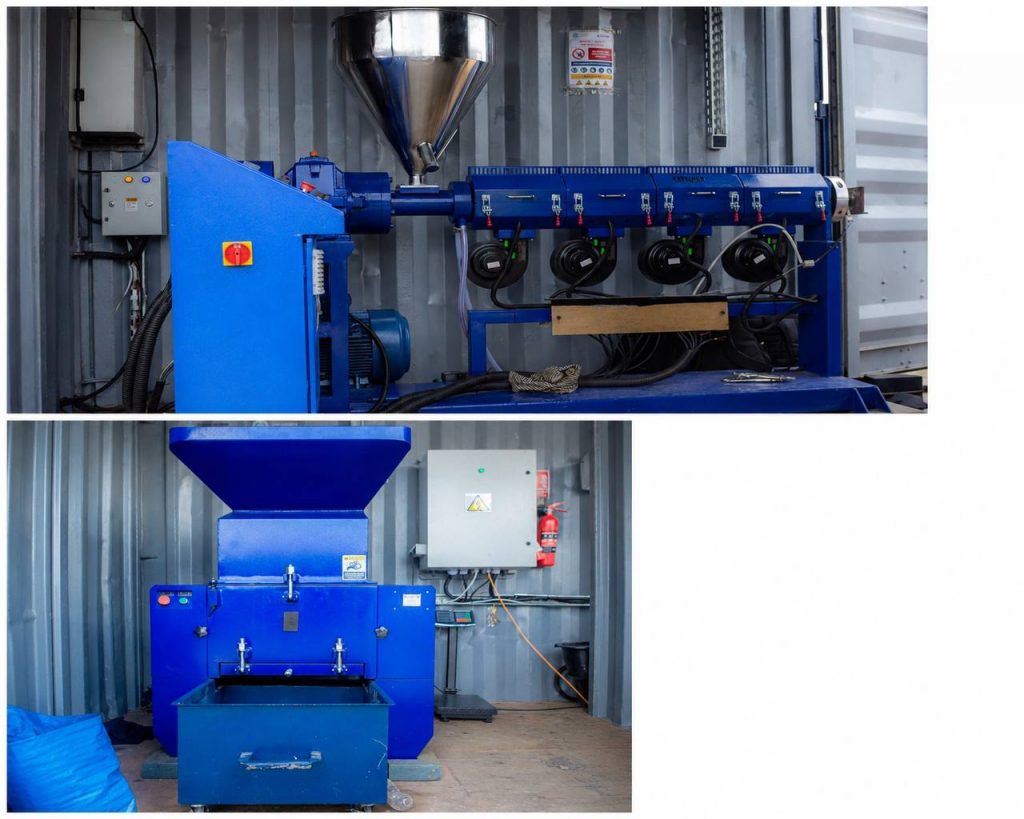
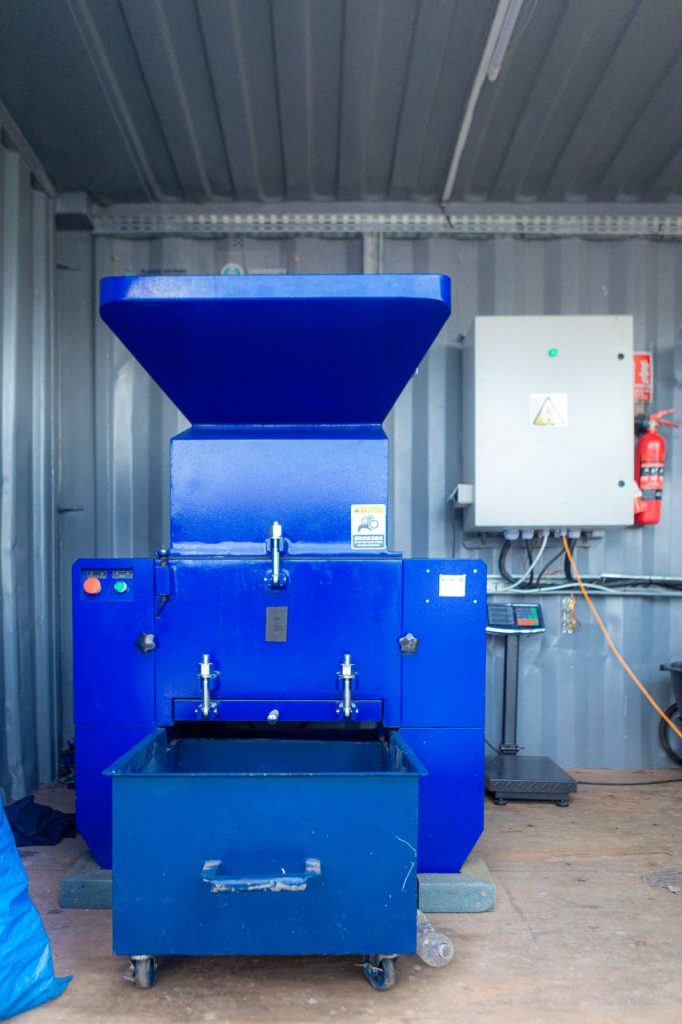
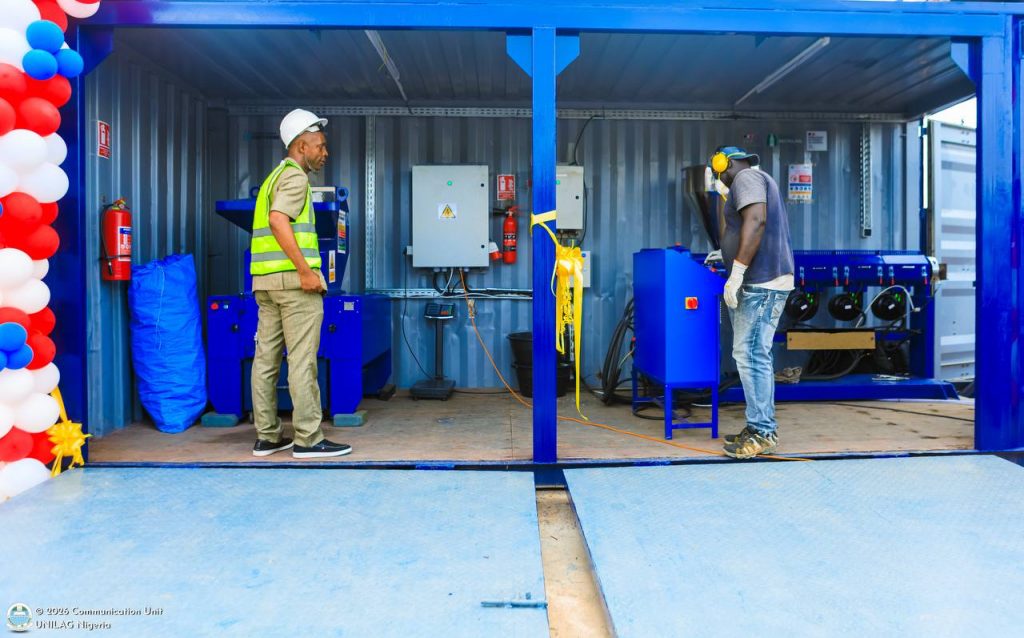
The commissioned micro-plant now stands firmly at the UNILAG Waste Management site. It is equipped with modern recycling machinery, including crushers, extruders, injection presses, compression ovens, and plate presses capable of converting discarded plastics into furniture planks, tiles, beams, and other reusable products.
At full operational capacity, the facility is projected to recycle up to 126 tonnes of plastic waste annually.
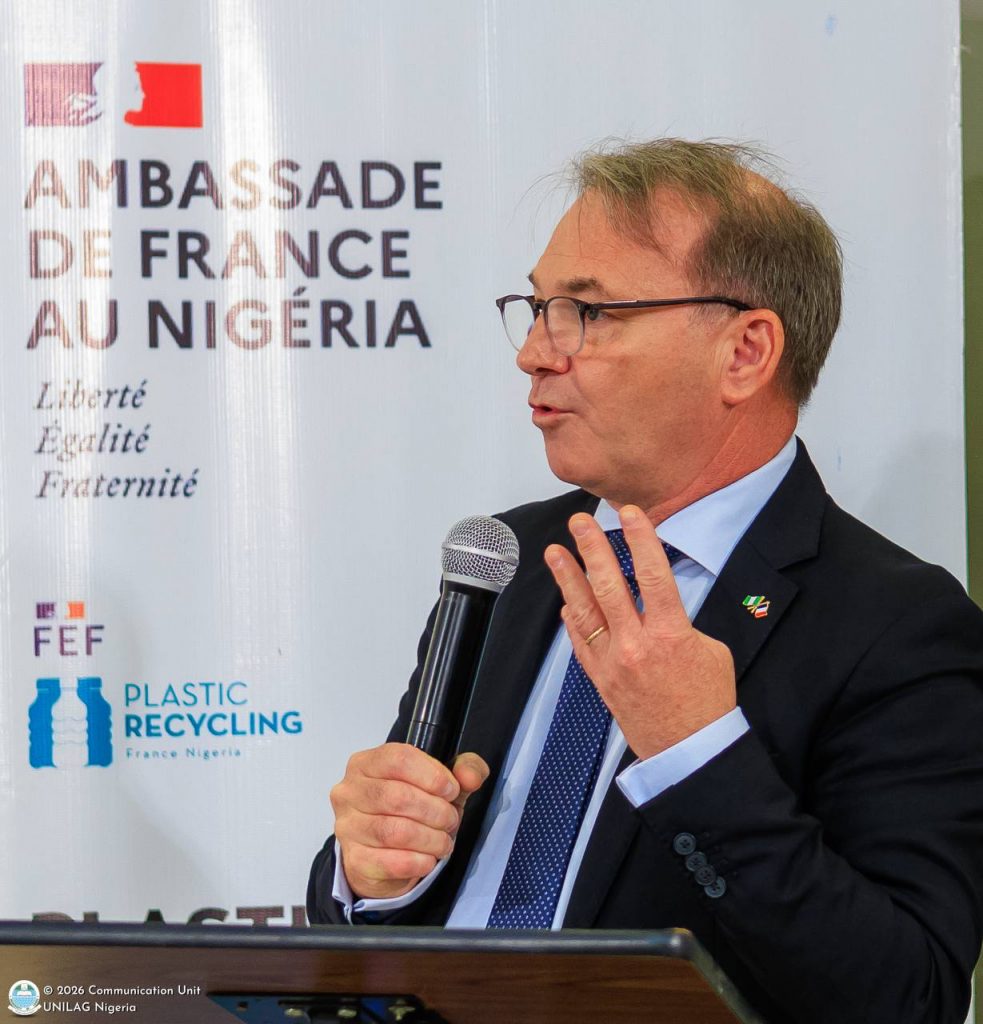
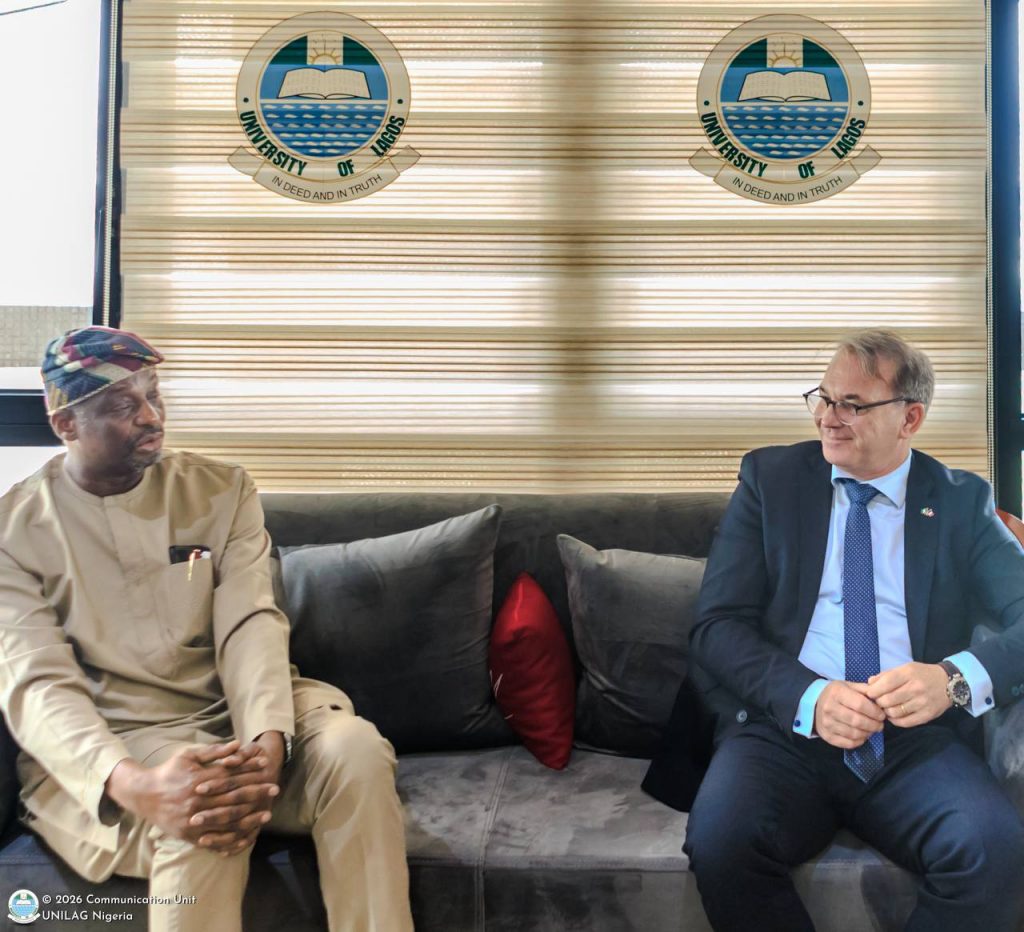
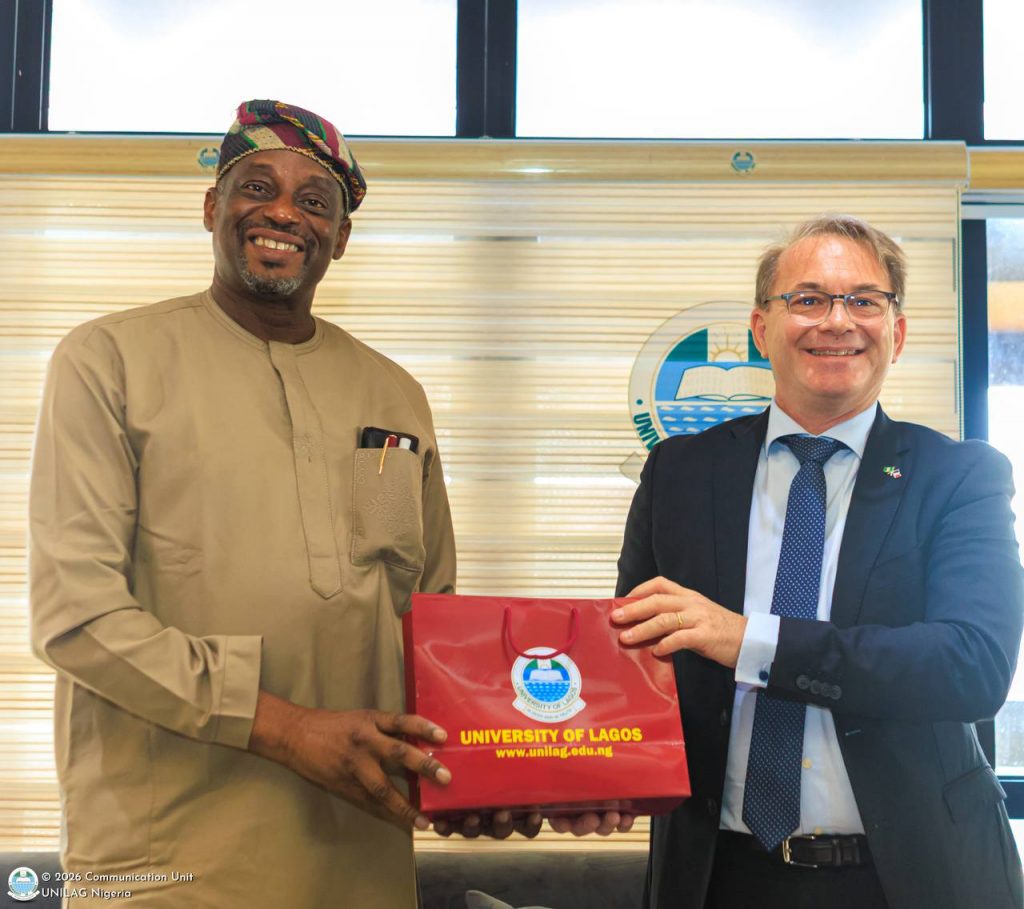
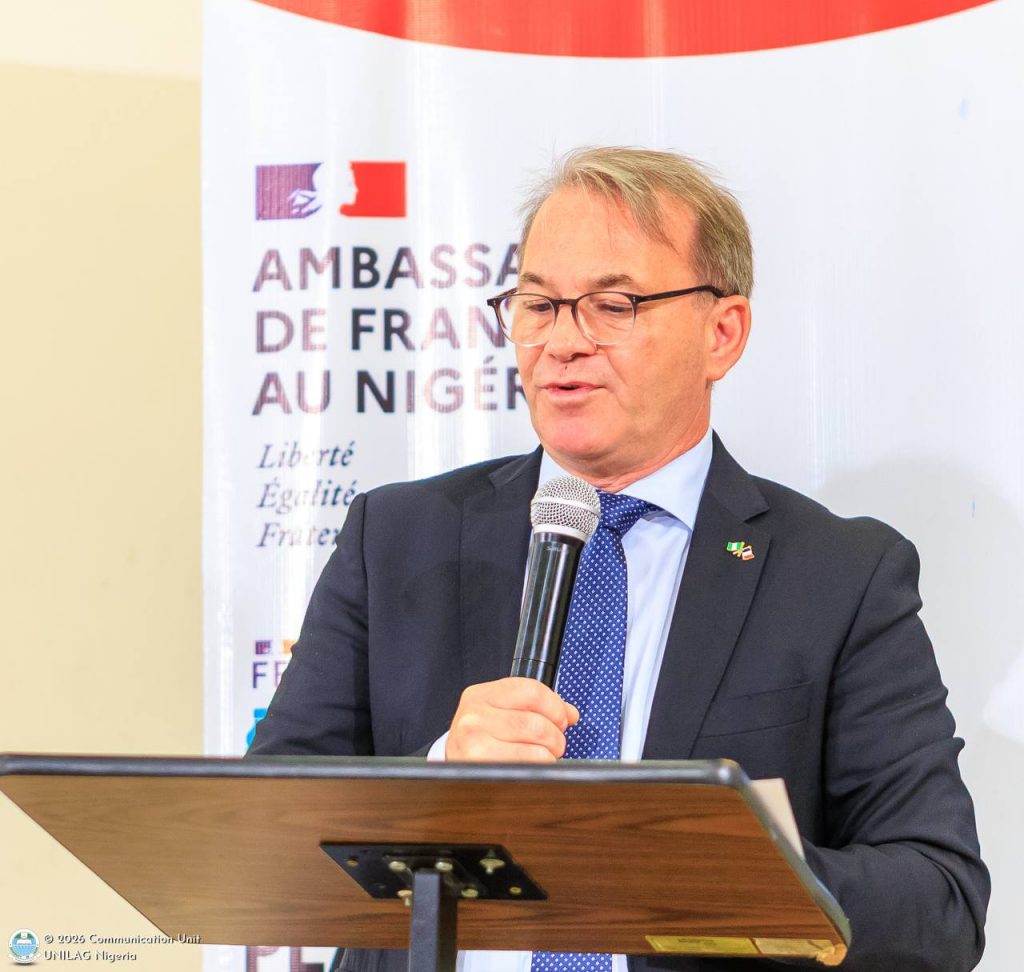
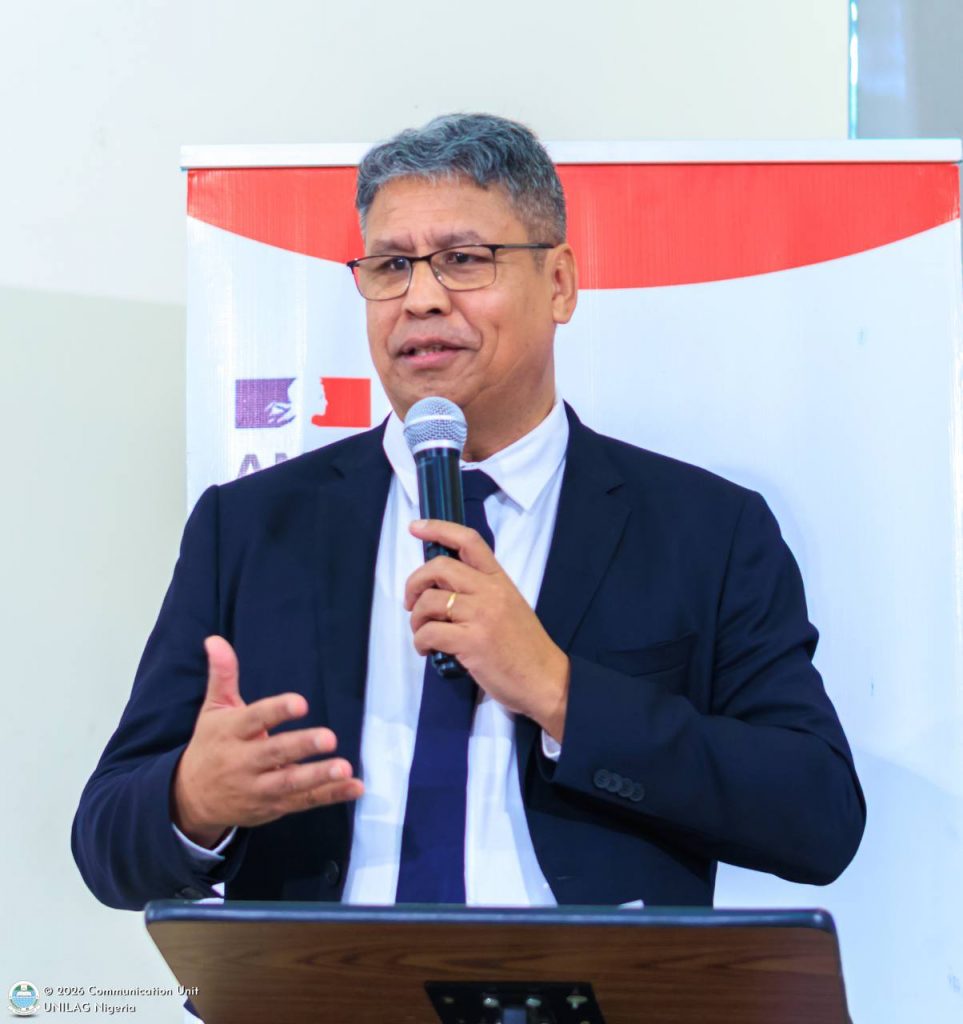
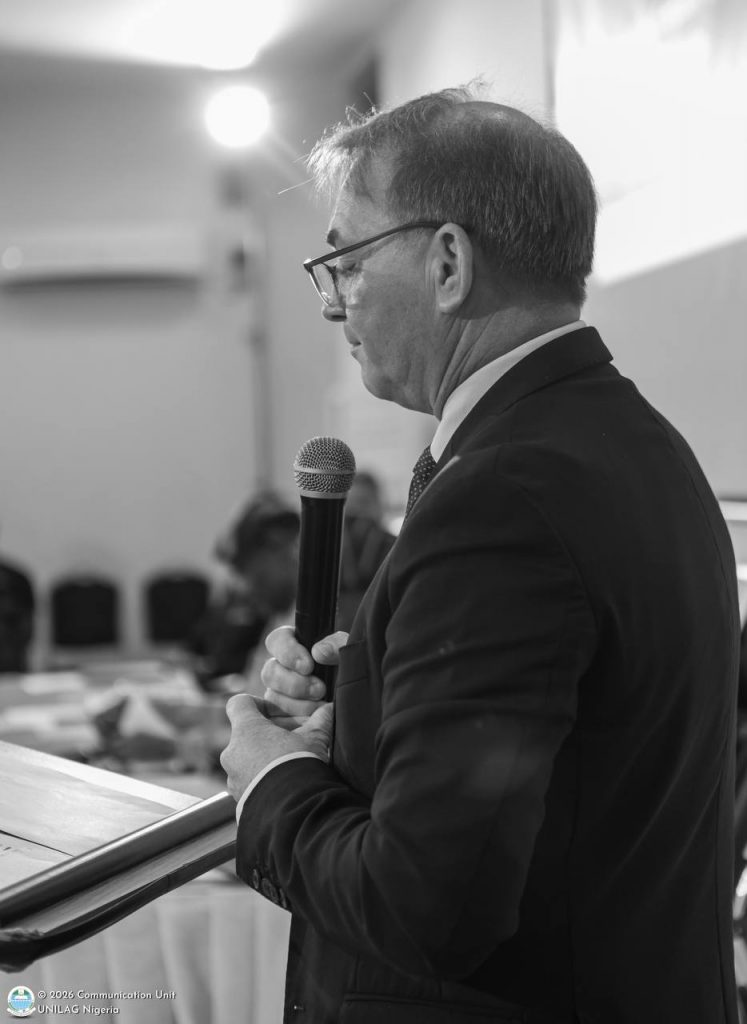
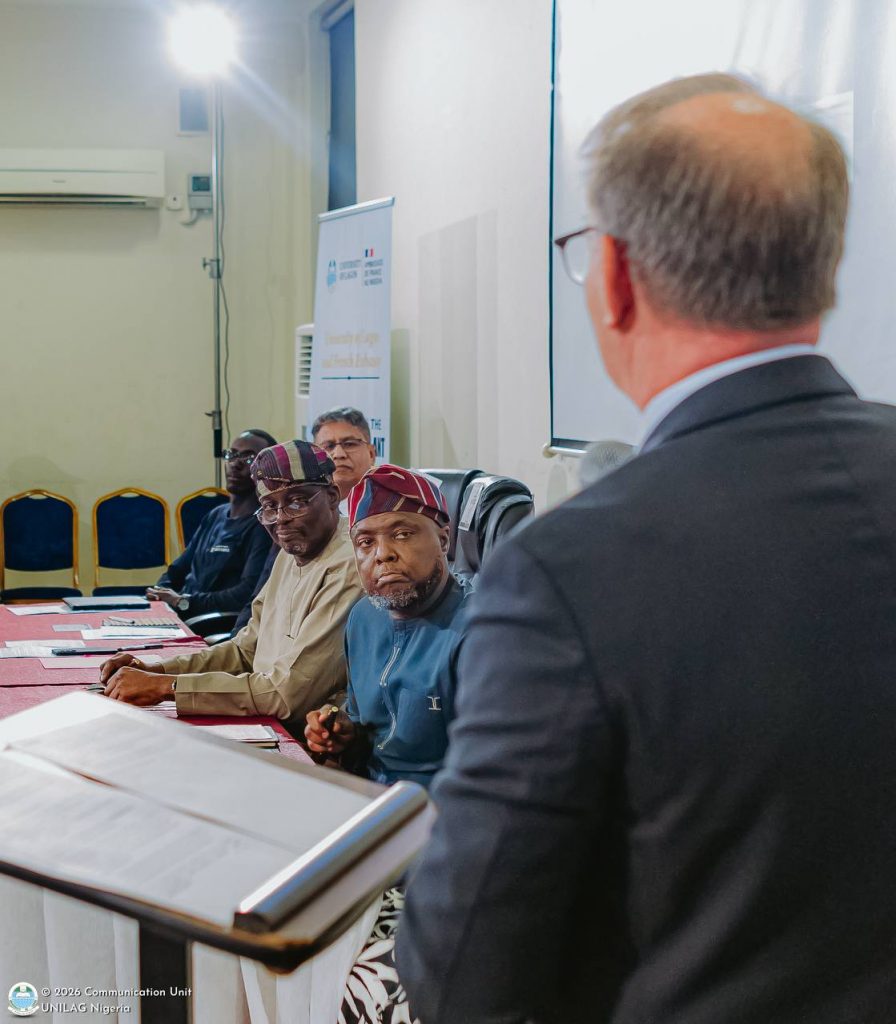
Speaking during the ceremony, the Consul General of France in Lagos, Mr. Laurent Favier, described the inauguration as the culmination of a project that has remained deeply important to the French Embassy.
According to him, the initiative demonstrates how practical action, no matter how modest it may appear, can connect with broader global efforts aimed at addressing environmental sustainability and plastic pollution.
Referencing recent global environmental conversations, including the United Nations Ocean Conference held in Nice, France, and the One Health Summit in Lyon, Mr. Favier noted that the fight against plastic pollution has become an urgent international priority.
He also acknowledged Nigeria’s own national policy on plastic waste management introduced in 2021, which seeks to regulate the entire lifecycle of plastics while promoting recycling and reuse.
For the French Embassy and its partners, the UNILAG micro-plant represents more than an environmental intervention. It is a platform capable of improving daily life on campus, supporting economic activity through the production of recycled goods, and creating new opportunities for academic research and experimentation.
In one of the most reflective moments of the ceremony, Mr. Favier remarked that an old plastic bottle discarded somewhere along the pathways of the University could now begin “a second life” within the machines of the micro-plant and in the minds of those driving its transformation.
“Nothing is created, everything is transformed,” he stated.
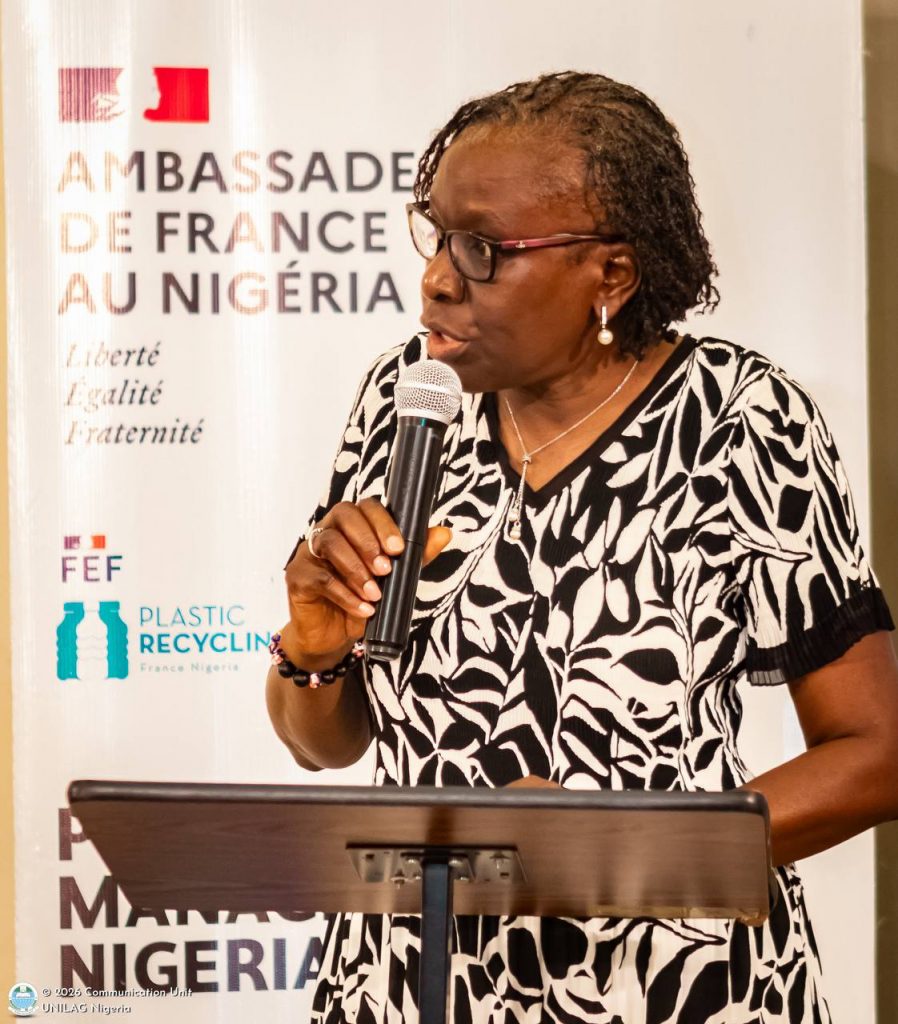
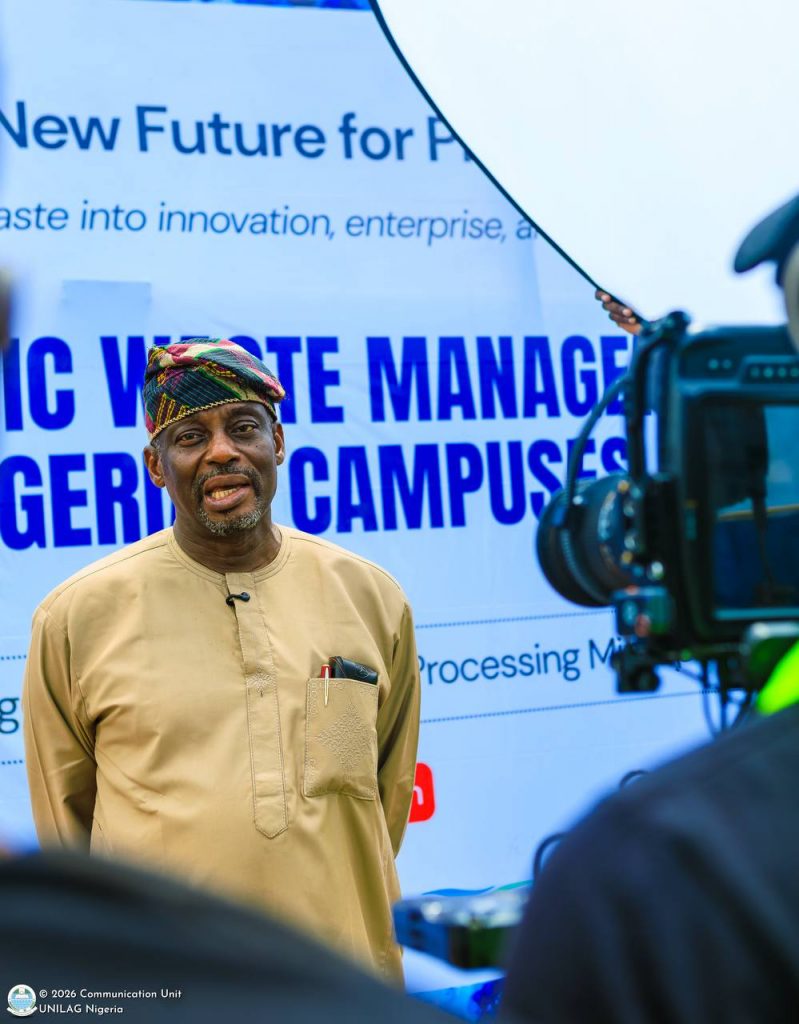
The Project Coordinator of the UNILAG Plastic Recycling Micro-Plant, Professor Bola Oboh, who is also he immediate past Deputy Vice-Chancellor (Academics & Research), UNILAG, explained that the facility aligns with the third phase of the University’s Zero Waste Strategy and builds upon several sustainability initiatives already established within the institution, including recycling hubs, environmental orientation programmes, Green Eco Hubs, and sustainability challenge projects.
Professor Oboh described the plant as a symbol of innovation, sustainability, and community impact capable of converting waste into social and economic value, particularly through the production of school furniture and other materials that could benefit underserved communities.
She stressed that the project demonstrates that waste is not merely an environmental burden, but a resource capable of creating jobs, supporting education, and driving community development.
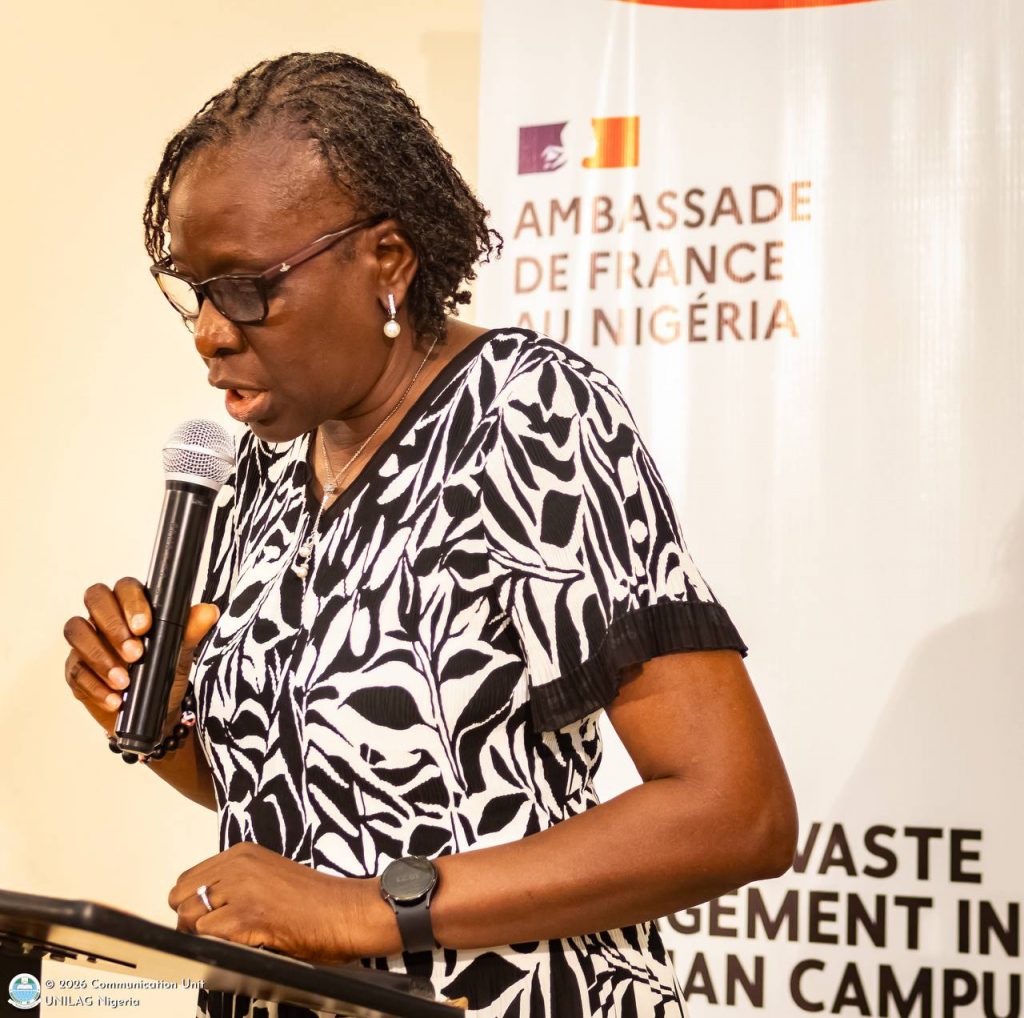
The FEF Project Coordinator, Enobong Samson, echoed similar sentiments, describing plastic pollution as one of the most pressing environmental challenges of modern times. According to her, the installation of the micro-plant goes beyond awareness creation by providing practical infrastructure for learning, experimentation, product development, and potentially even commercial activity around recycled plastic materials.
She further noted that the project brings together universities, technical experts, entrepreneurs, and students to collectively reimagine plastic waste as a resource for innovation and enterprise development.
Beyond its environmental value, the project also positions the University of Lagos as a living laboratory for hands-on learning and interdisciplinary collaboration. Students and researchers across Engineering, Environmental Sciences, Business, and related disciplines are expected to engage directly with recycling technology, sustainable manufacturing systems, circular economy practices, and green entrepreneurship models.
Importantly, the collaboration itself tells a larger story.
One in which UNILAG, a Nigerian university, joins forces with the Government of France, while leveraging technical expertise from Senegal through Plastic Odyssey, and local implementation partnerships through Weircapacity, to transform waste into opportunity.
Together, they have built something tangible, practical, and urgently relevant.
At a time when conversations around sustainability often remain confined to policy documents and conference halls, the commissioning of the UNILAG Plastic Recycling Micro-Plant offered something refreshingly different: action.
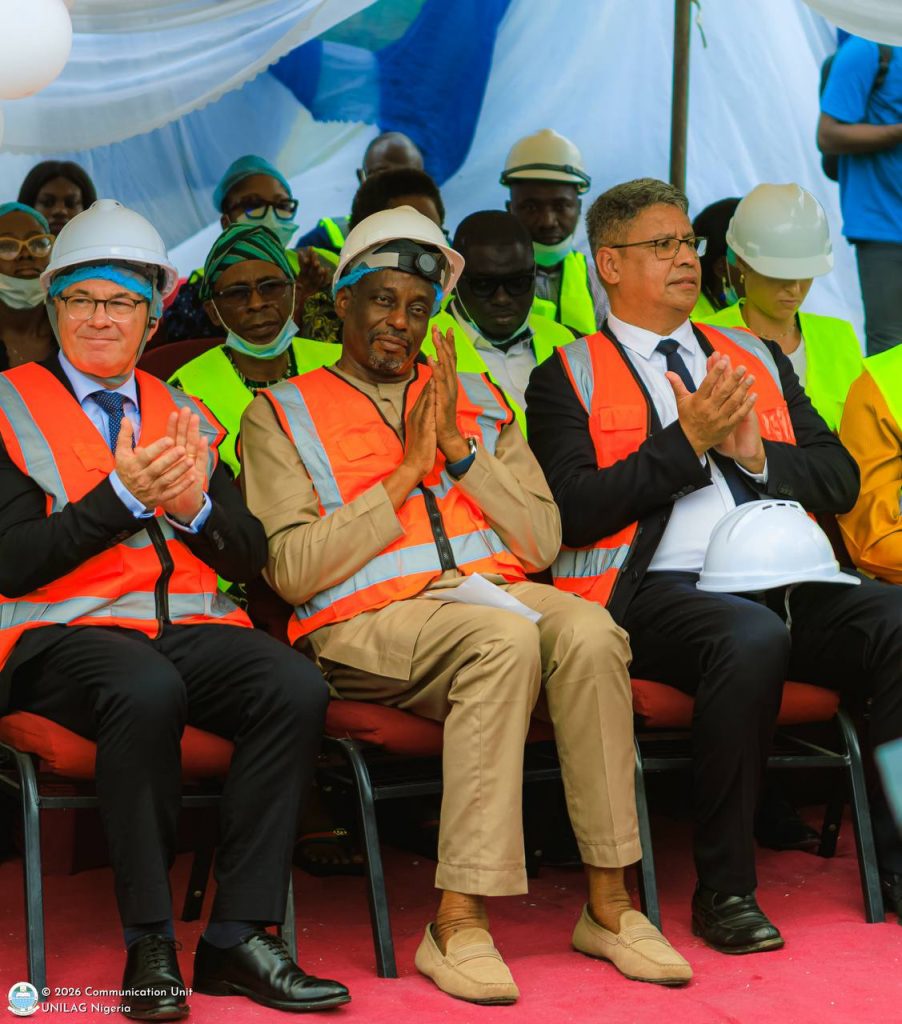
As the ceremony drew to a close, the facility stood quietly behind the speeches and applause, not simply as machinery enclosed within steel walls, but as proof that when academia, government, and industry move in the same direction, pollution itself can begin to lose ground.
Author: Nike Ogunshakin
Photographer: Ayomide Oloyede
Article Editor: Adejoke Alaga-Ibraheem