
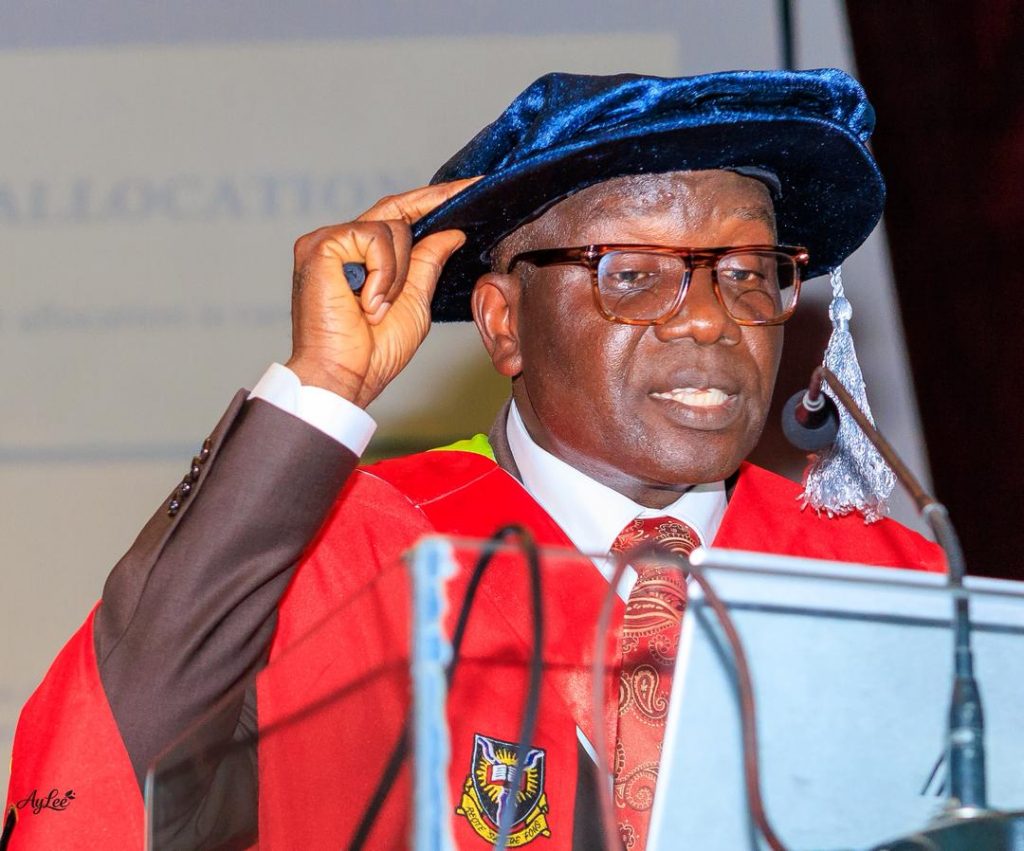
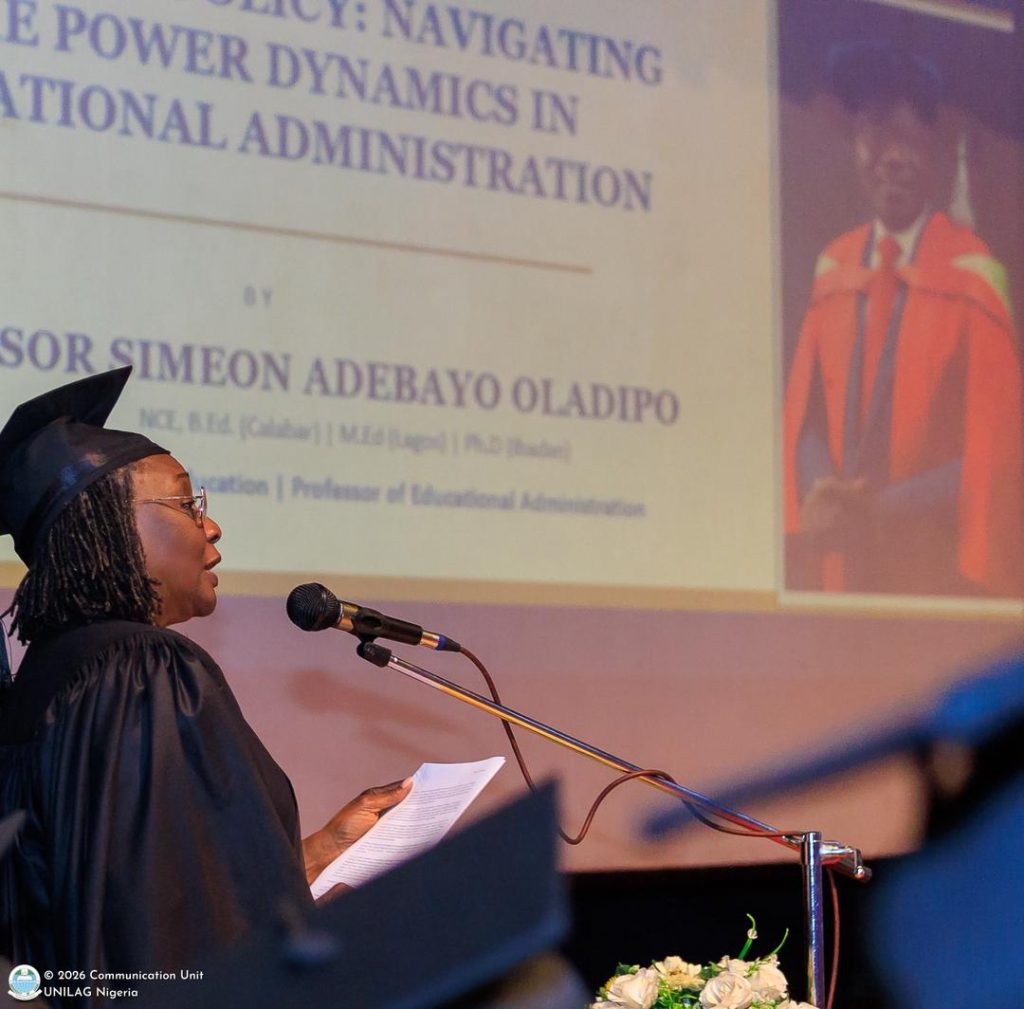
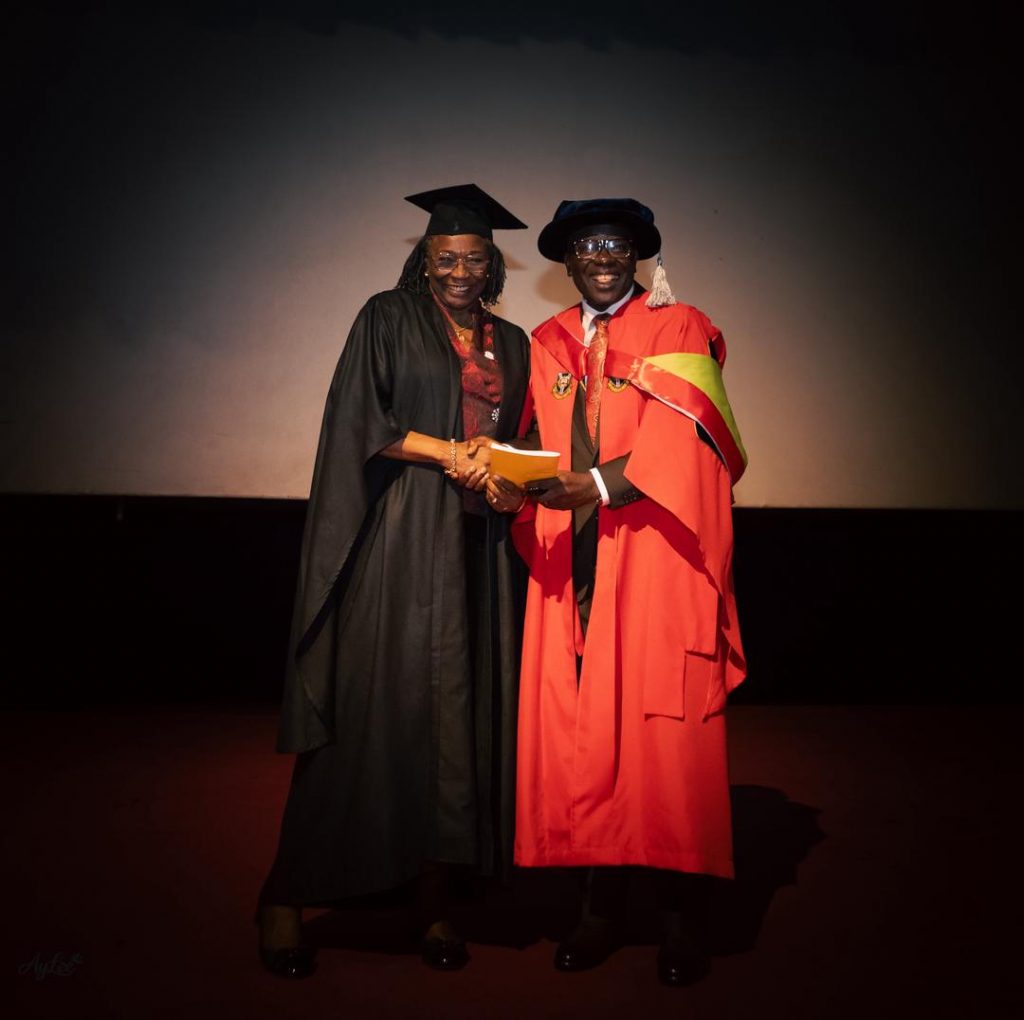
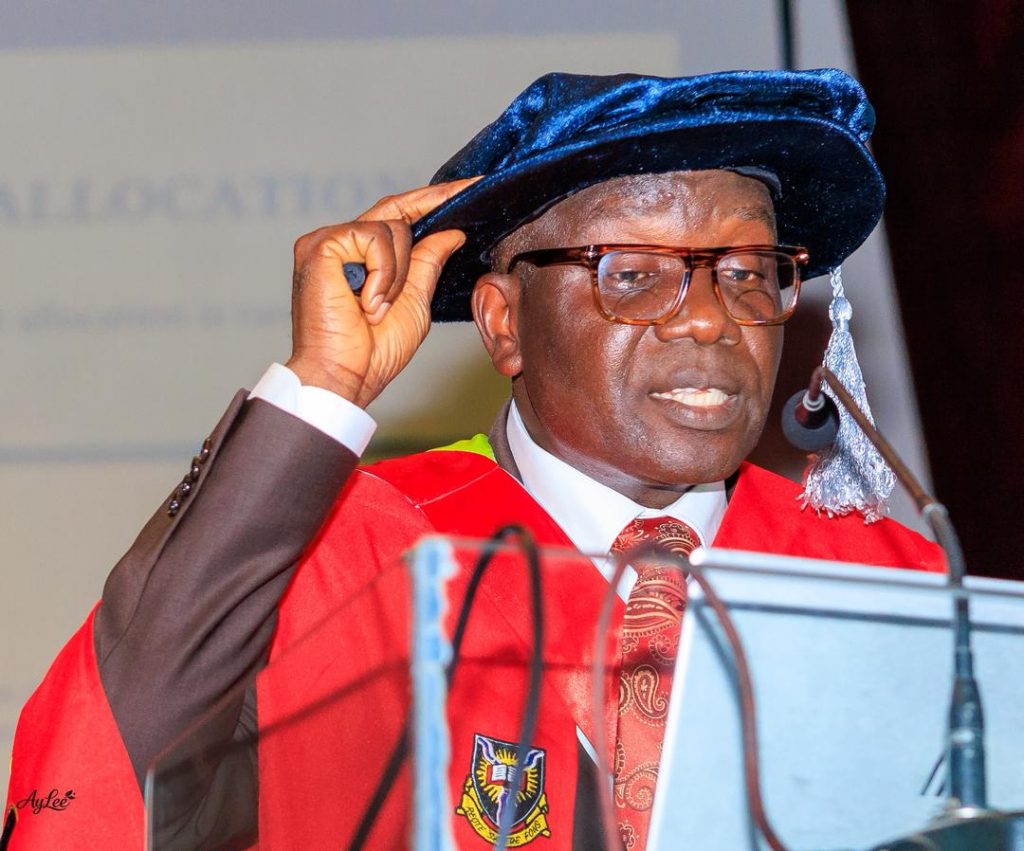
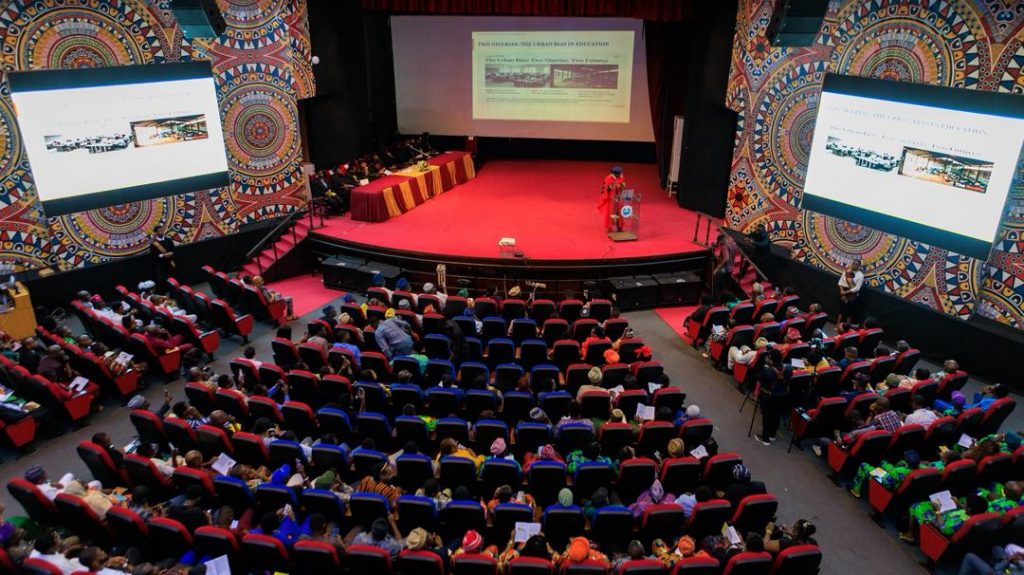
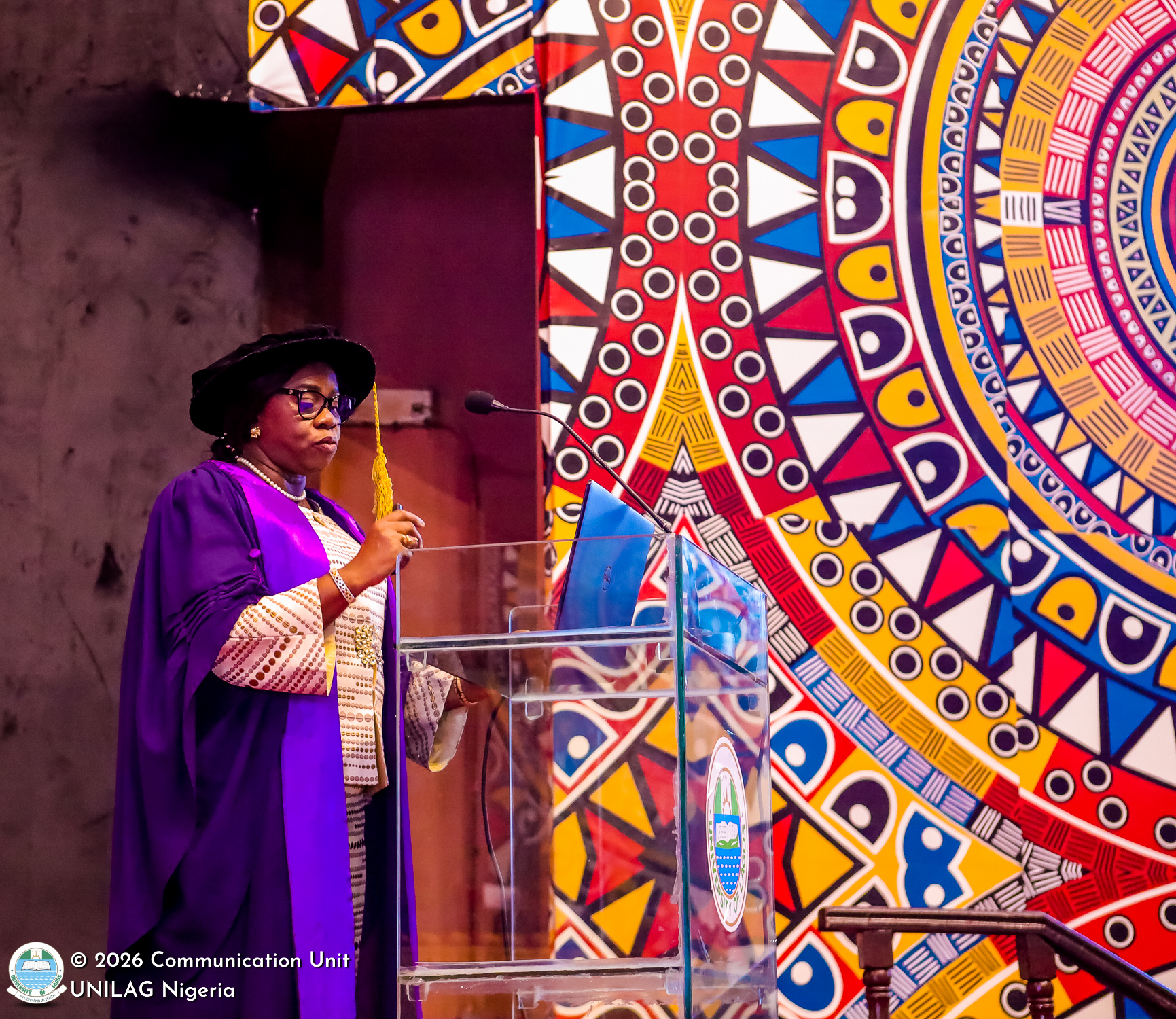
In a far-reaching interrogation of Nigeria’s educational architecture, Professor Simeon Adebayo Oladipo of the Department of Educational Management, and current Dean of the Faculty of Education, delivered the 457th Inaugural Lecture of the University of Lagos (UNILAG) on Wednesday, April 15, 2026, at the J.F. Ade. Ajayi (Main) Auditorium, UNILAG.
Titled Politics to Policy: Navigating the Power Dynamics in Educational Administration, the Professor of Educational Administration and Leadership drew on over four decades of experience in teaching, training, and institutional development to examine the complex and often uneasy relationship between education and politics in Nigeria.
At the heart of his lecture was a compelling question: How can power be made to serve education?
Politics, Policy, and Power
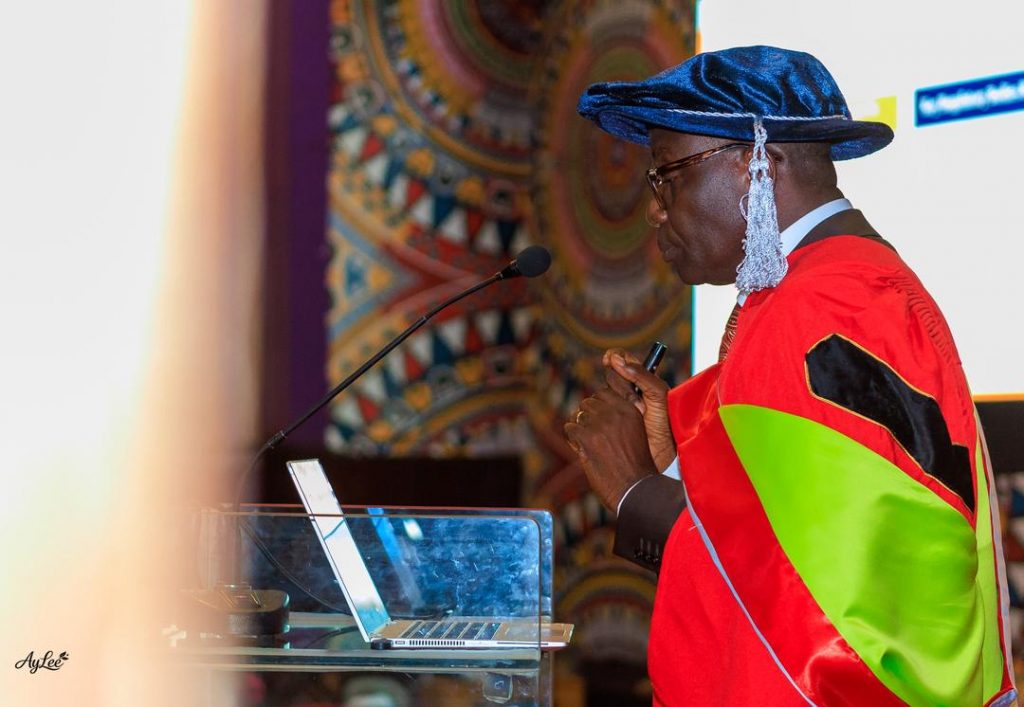
Professor Oladipo framed his discourse around the interplay of Politics, Policy, and Power (PPP), arguing that while policy should ideally be rational and evidence-based, it is frequently shaped and sometimes distorted by political expediency.
“Education policy in Nigeria has never been neutral. It has always been influenced by the ideological leanings of those in power,” he asserted.
The astute academic warned that the persistent subordination of policy to political considerations has entrenched mediocrity by prioritising loyalty over competence.
“We can not transform Nigeria’s educational system without restructuring the political context that shapes it. When merit is sidelined, mediocrity is institutionalised,” he said.
Describing education as a “political football” and a “bargaining chip” for influence, Oladipo maintained that no nation can build a sustainable education system on the whims of political actors alone.
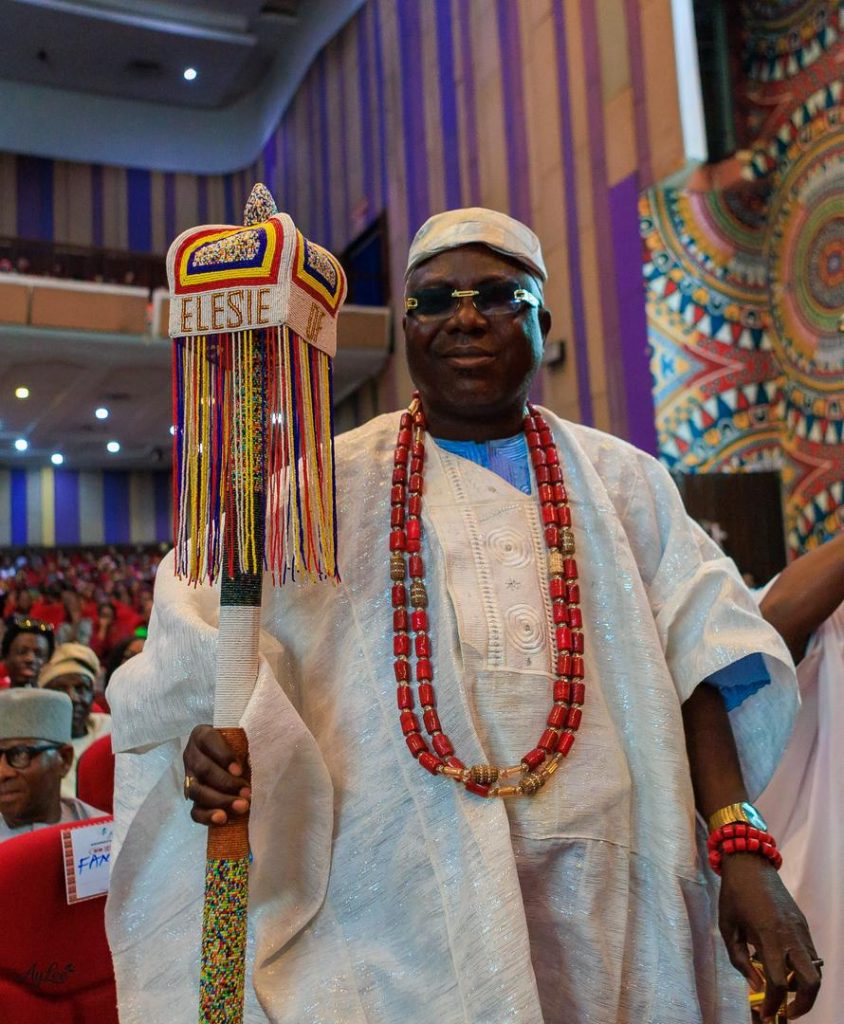
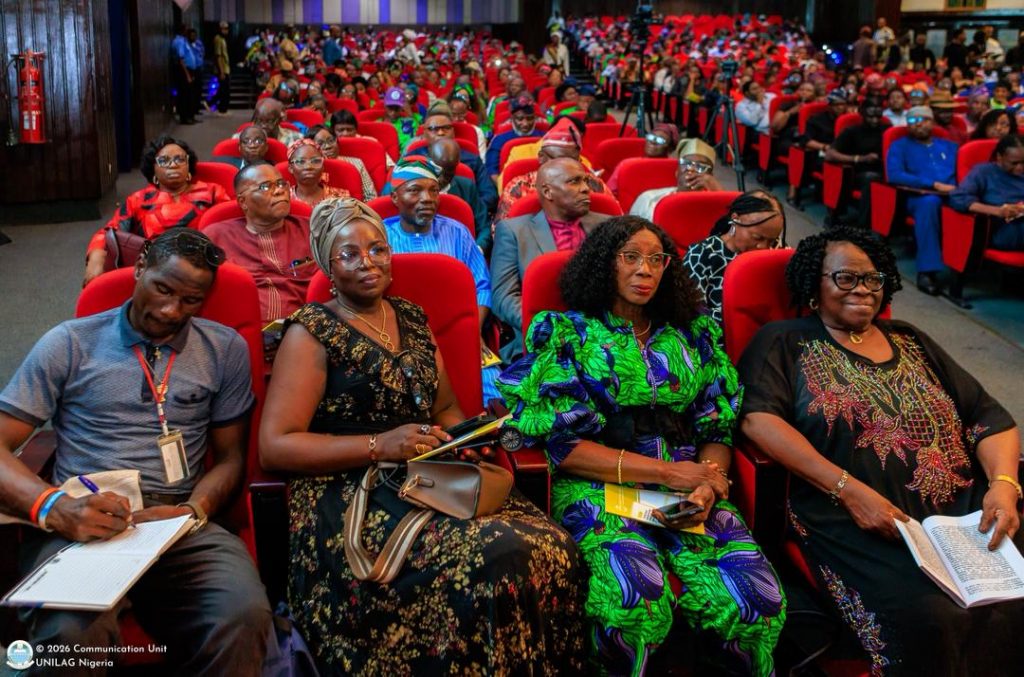
Structural Fault Lines
Drawing on empirical insights, the inaugural lecturer identified critical fault lines within Nigeria’s educational administration. He highlighted the stark urban–rural divide, noting that a significant majority of out-of-school children are concentrated in rural communities, where schools often operate under severely dilapidated conditions compared to their urban counterpart.
Professor Oladipo also decried the erosion of institutional autonomy, observing that school and university administrators are frequently constrained by political interference in decisions relating to staffing, budgeting, and discipline.
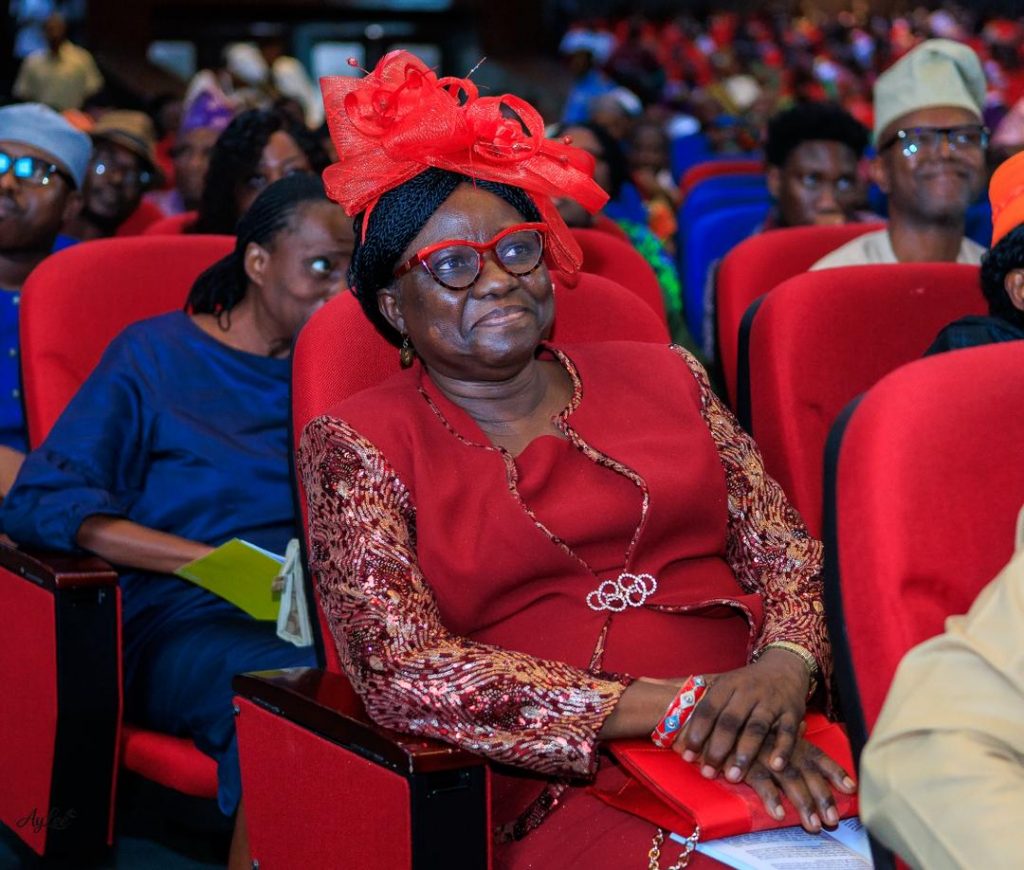
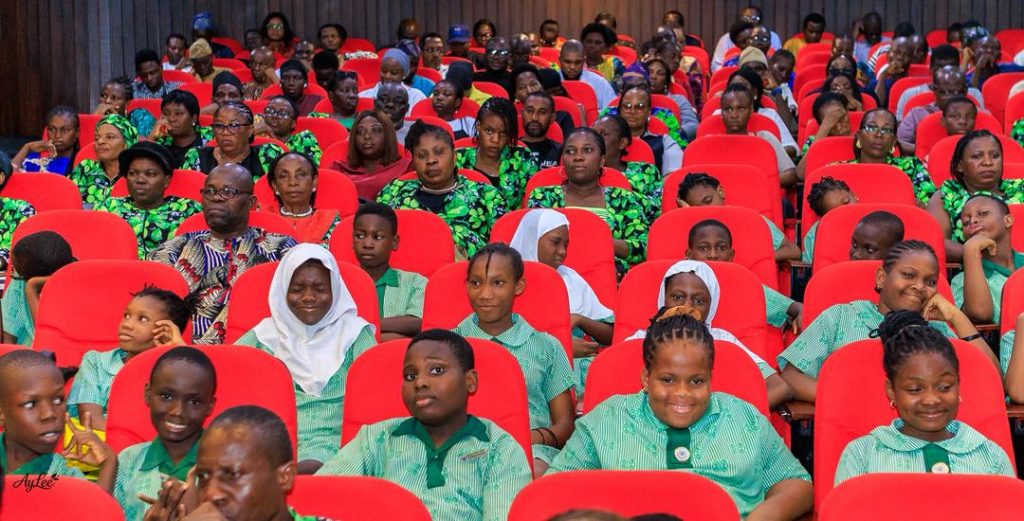
Citing research findings, he revealed that a substantial proportion of recruitment processes and funding allocations in certain districts are politically influenced. A trend, he described, as detrimental to human capital development and national progress.
Professor Oladipo further identified infrastructural deficits, including unreliable electricity supply and limited internet access in marginalised communities, as significant barriers to educational equity and quality.
From Diagnosis to Reform
Moving beyond critique, Professor Oladipo advanced a series of reform proposals aimed at strengthening educational governance and outcomes.
He recounted his pioneering application of private-sector Management Control Systems within public universities as a strategy for safeguarding academic autonomy from excessive state control. He also advocated for rural education as a fundamental right, supported by targeted extension education models tailored to under-served populations.
Addressing the challenge of graduate unemployment, which he characterised as a failure of curriculum management, Professor Oladipo proposed the establishment of a National Graduate Employability Index to better align educational outcomes with labour market demands.
In his concluding remarks, the Professor of Educational Administration and Leadership called for the enactment of an Education Governance and Autonomy Act to insulate educational administration and appointments from political manipulation.
He further proposed the creation of Education Accountability Assemblies to empower citizens to actively monitor and evaluate school performance. “Education is not merely administered,” he concluded. “It is stewardship, and stewardship demands competence and courage.”
A Milestone and a Clarion Call
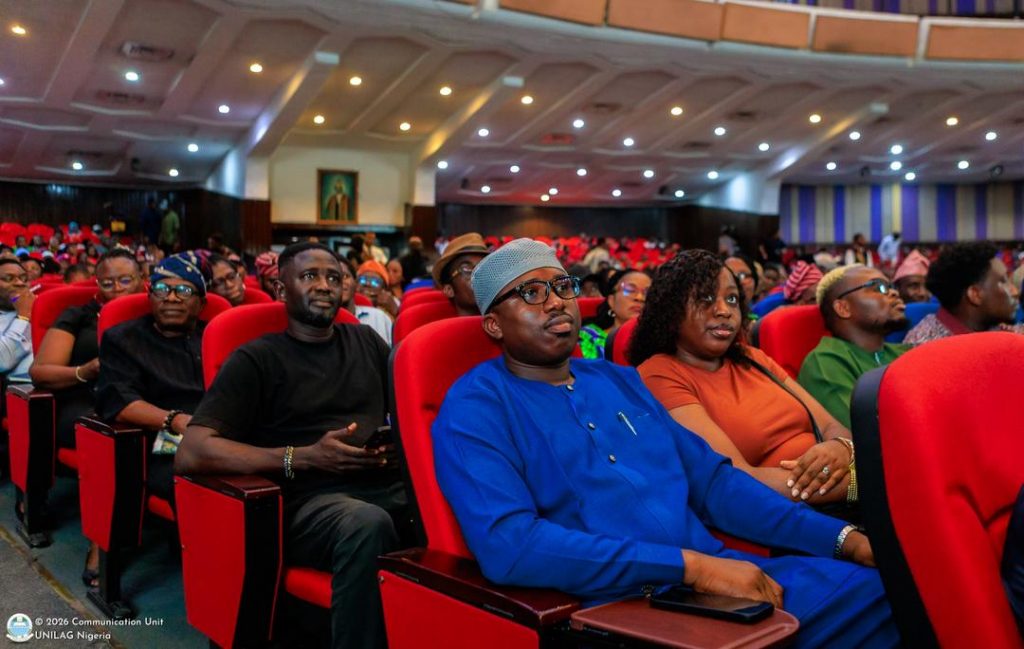
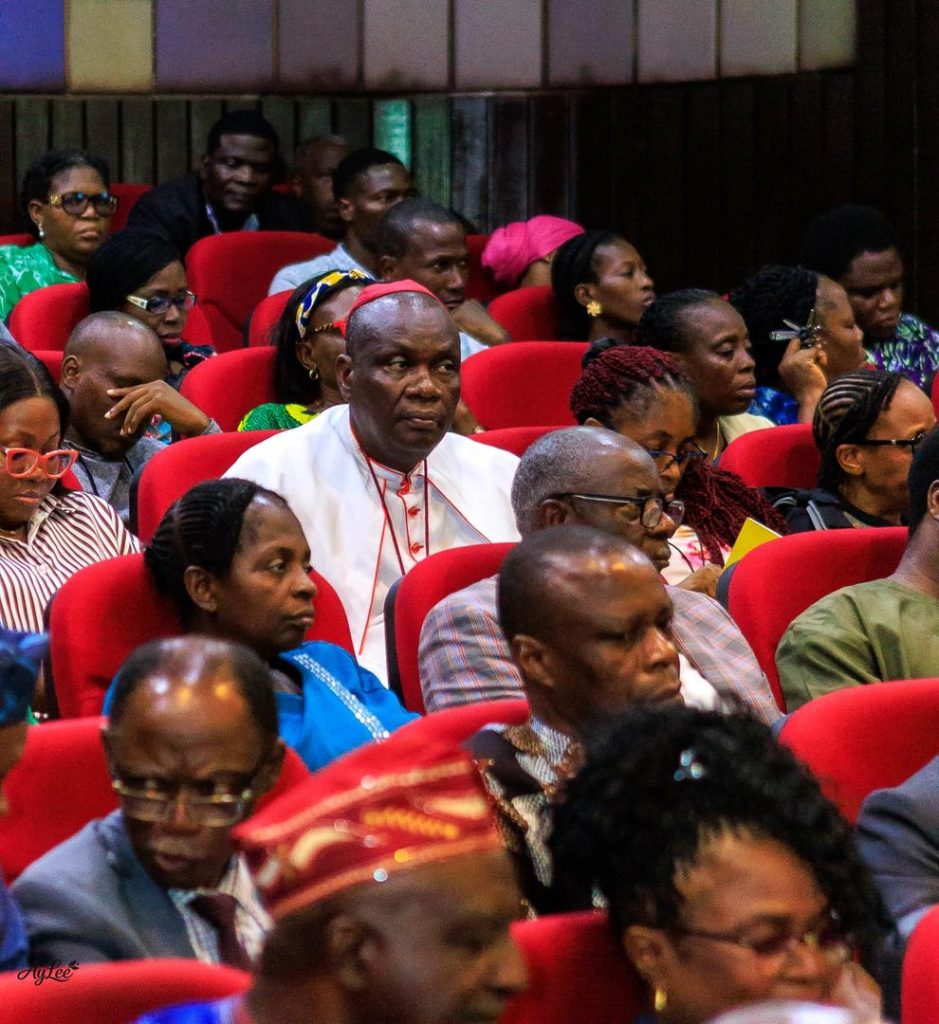
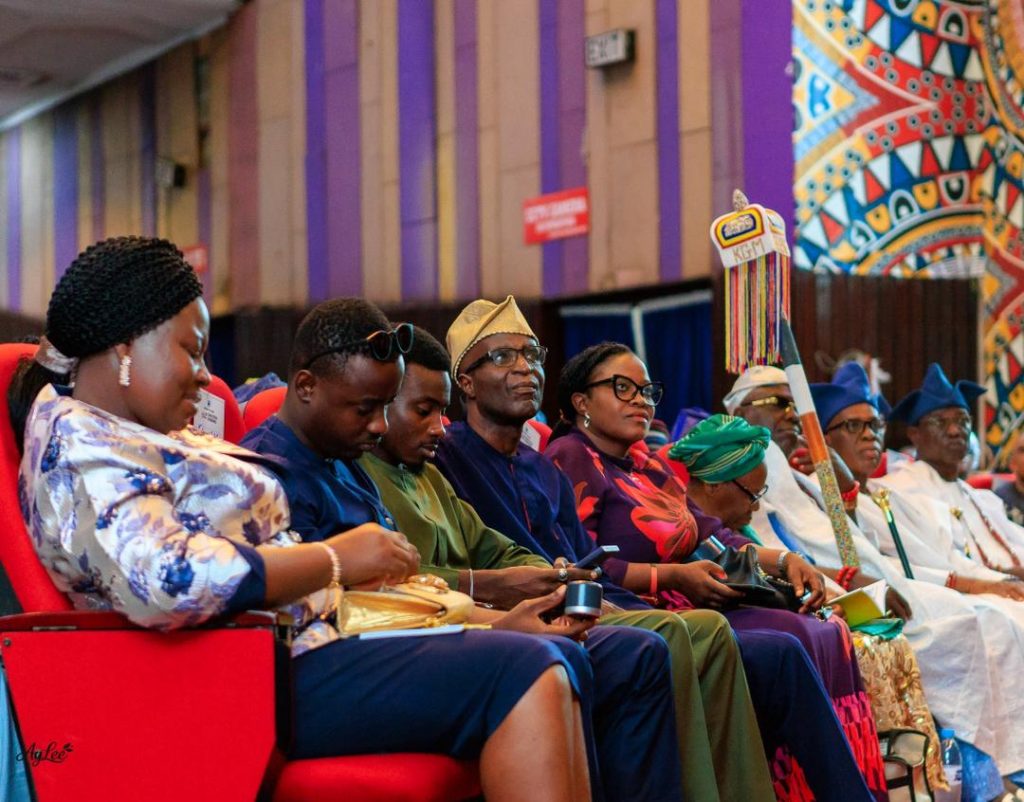
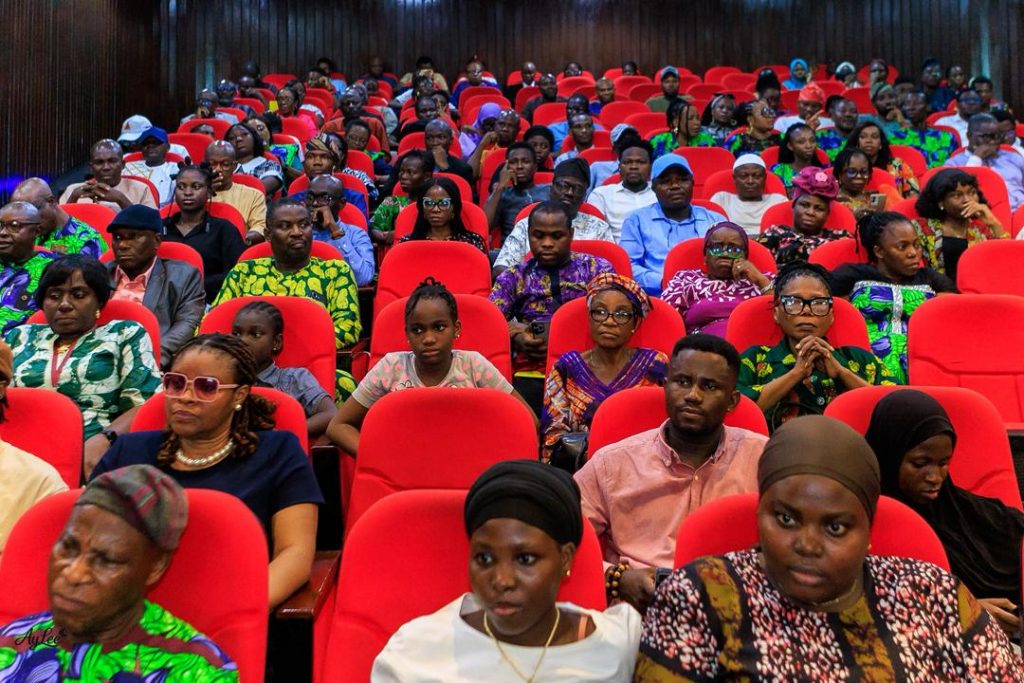
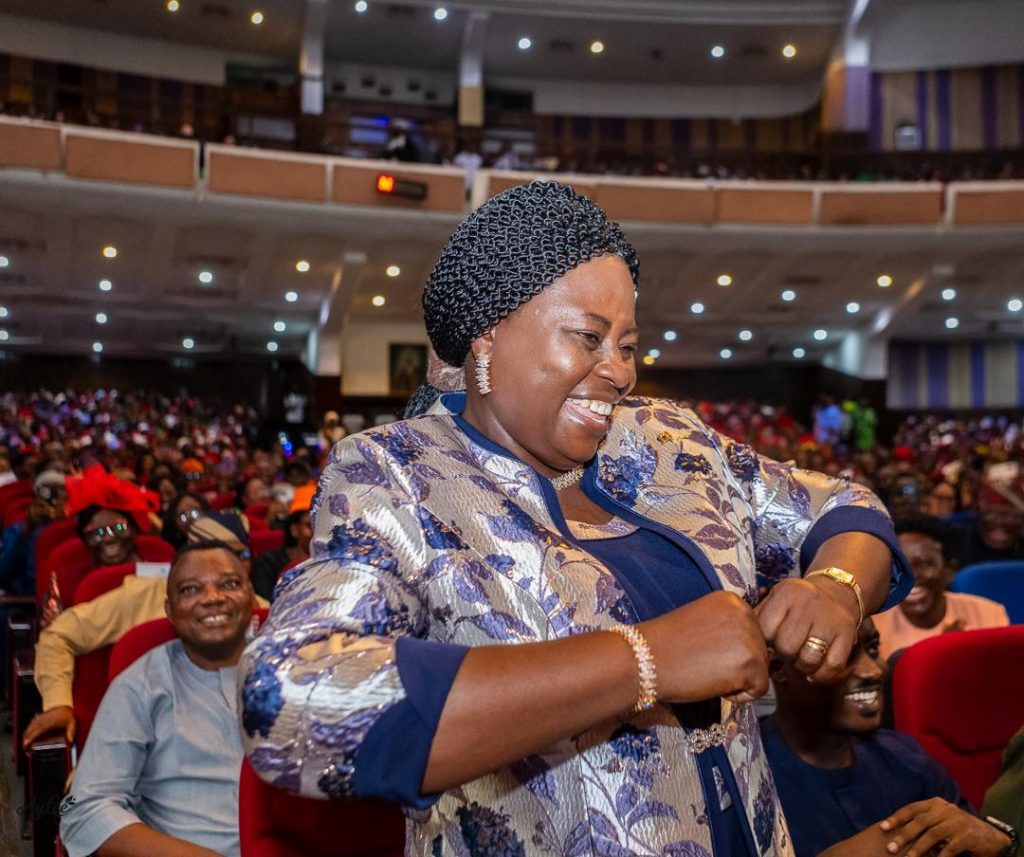
The lecture, chaired by the Vice-Chancellor, Professor Folasade Ogunsola, OON, FAS, was attended by members of the university community, as well as family and friends who gathered to celebrate the distinguished scholar.
As the 11th inaugural lecture of the 2025/2026 academic session, Professor Oladipo’s presentation reaffirmed the role of UNILAG as a hub of critical thought and national reflection, while contributing meaningfully to its enduring intellectual legacy.
About Professor Simeon Adebayo Oladipo
Professor Simeon Adebayo Oladipo was born on Thursday, June 5, 1958 in Irepodun Local Government Area of Kwara State. His portfolio of academic and professional qualifications include a Teachers’ Grade II Certificate (Teachers’ College, Offa, Kwara State: 1979), Nigeria Certificate in Education (Lagos State College of Education, Ijanikin, Lagos: 1986), B.Ed Elementary Education (University of Calabar, Calabar: 1988), M.Ed Educational Administration and Planning (University of Lagos, Lagos: 1990), Ph.D Educational Management (University of Ibadan, Ibadan: 2000) and Teachers Registration Council of Nigeria Certificate (TRCN Certificate: 2010).
He joined the services of the University of Lagos in 2004 as an Assistant Lecturer and rose to become a Professor of Educational Administration and Leadership in 2020. His areas of research interest include Institutional Administration, Human Behaviour in the Workplace and School Quality Improvement.
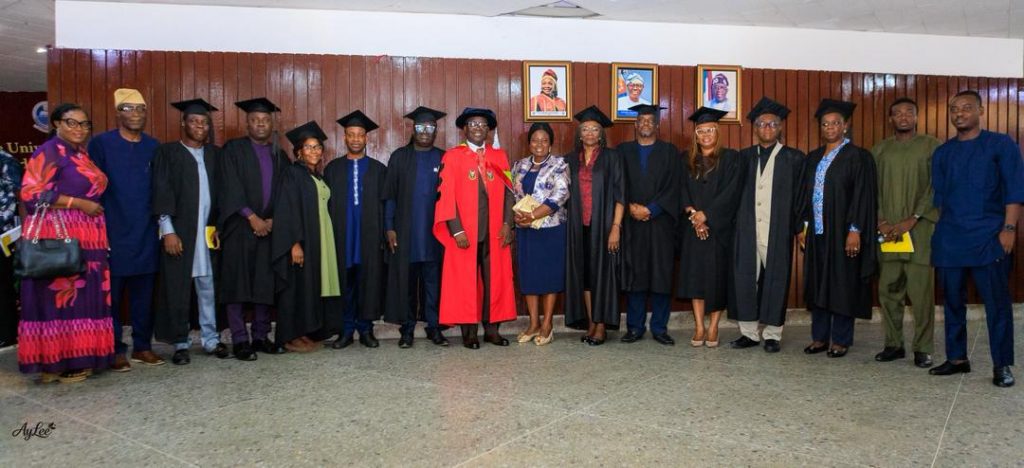
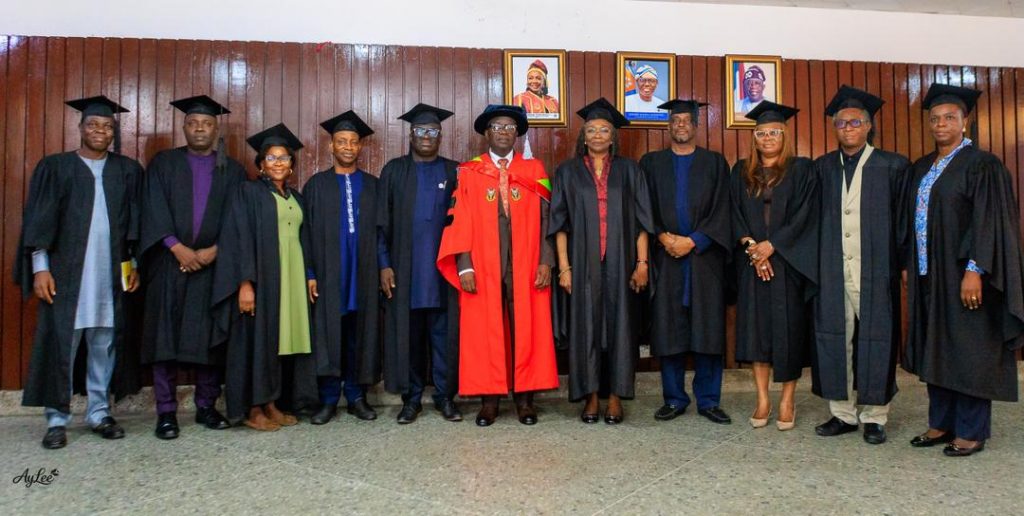
With a teaching career spanning over forty (40) years across every level of education, Professor Oladipo’s impact is in the hundreds of undergraduate and Masters students that he has taught and the ten PhD candidates that he has mentored to become the next generation of leaders.
Beyond the classroom, he continues to serve the University meritoriously in several roles including Chairman of UNILAG Staff School Board of Governors. As former Acting Principal of the International School, UNILAG (ISL; 2008 – 2011), he managed a community of over two thousand, seven hundred (2,700) students and staff, leaving a legacy of improved infrastructure, enhanced academic performance and organisational tranquility.
Professor Oladipo’s influence extends far beyond the walls of UNILAG. He is a Resource Person for the National Universities Commission (2022 to date) and Supervisor, Joint Universities Preliminary Examination Board (2016 to date). He is an External Examiner and professorial assessor for universities in Nigeria and other countries. He also serves as a Principal Consultant at Teaching Trade Ltd.
The distinguished academic has contributed to National Strategic Development in Education with his service to the World Bank as a Facilitator on multiple education projects. He has also provided expert services to the Lagos State Ministry of Education and Lagos State Universal Basic Education Board, where he anchored the recruitment of over one thousand (1,000) teachers for the state’s basic education classes.
In global education diplomacy, Professor Oladipo played a pivotal role as Co-Host for the Fulbright-Hays African Studies project, bridging the gap between Nigerian experts and American educators to implement African curricula in South Carolina classrooms. Through his leadership training at the Beijing Institute of Technology, he pioneered the introduction and teaching of the Chinese language in selected Nigerian schools, championing cross-cultural and diversity education.
Professor Oladipo has over eighty (80) publications in reputable national and international journals. His record of high-level leadership and professional excellence awards include national education honours, institutional leadership recognitions, and fellowship distinctions.
He is an active member of numerous professional associations including the Nigerian Academy of Education, Nigerian Institute of Management, British Educational Leadership Management and Administration Society, as well as the Educational Research Network for West and Central Africa Africa-Asia Universities Dialogue Network in Japan. He is also a Fellow of the Association of Educational Management & Policy Practitioners; Nigerian Institute of Educational Leadership Practitioners; Institute of Security, Nigeria; and Nigerian Association for Educational Administration and Planning, an Affiliate of the Commonwealth Council on Educational Administration and Management.
Professor Simeon Adebayo Oladipo is happily married and blessed with children.
Article: Isaiah Kumuyi
Photographs: Ayo Oloyede



4 responses
The article is good and well explained. The site is
useful and informative.
Thank you.
Very educative and informative inaugural. Good job.
Thank you, Prof.