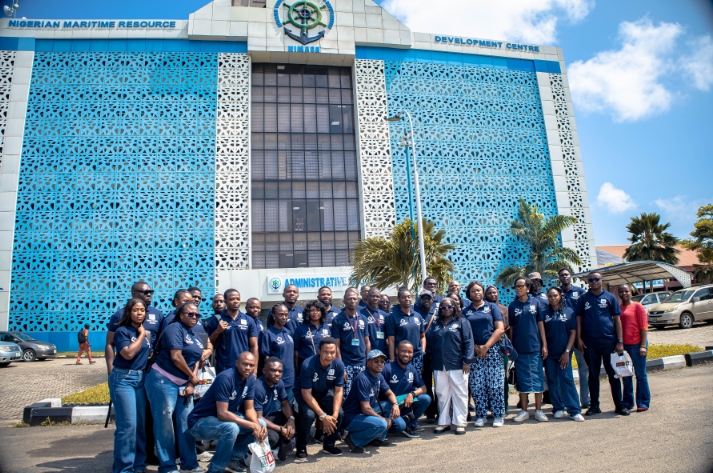
The future of Nigeria’s maritime sector received a boost as students of the Institute of Maritime Studies (IMS), University of Lagos, stepped out of the classroom into the heart of maritime regulation and innovation, the Nigerian Maritime Administration and Safety Agency (NIMASA).
A Journey Beyond the Textbooks
For the Master’s students in Maritime Administration and Management, it was more than an academic outing. It was a rare opportunity to witness firsthand how Nigeria is shaping its Blue Economy, enforcing maritime safety, and deploying cutting-edge technology to secure its waters.

Led by the Director, IMS-UNILAG, Professor Abiodun Mary Odukoya, the students were warmly received by Dr. Oma Offodile, Director of Maritime Environmental Management, who represented the Director-General/CEO, Dr. Dayo Mobereola, at the Agency’s Kirikiri Office, Lagos.

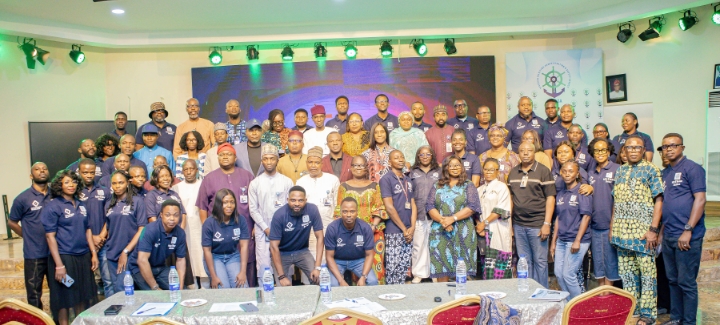
Inside NIMASA’s Multipurpose Hall, the students engaged in lively, interactive sessions with departmental representatives. Discussions focused on the critical role of maritime governance in Nigeria’s economic diversification drive and the Blue Economy development agenda.
Technology Meets Security: The C4i Centre
The highlight of the visit was a guided tour of NIMASA’s state-of-the-art C4i Maritime Surveillance Centre. There, students saw technology in action, real-time monitoring systems, advanced surveillance tools, and inter-agency collaboration securing Nigeria’s maritime domain.
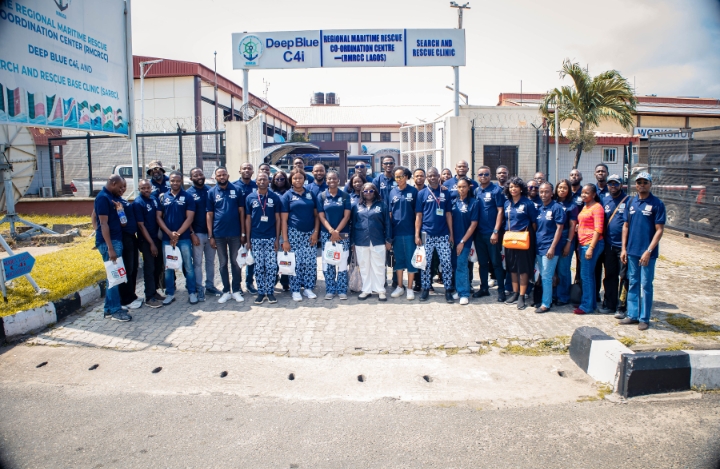
They learnt how NIMASA works hand-in-hand with the Nigerian Navy, Army and Police to share intelligence and coordinate rapid response to threats. Officials explained that this synergy has significantly improved maritime security, earning Nigeria recognition across Africa as a model for effective surveillance and cooperation.
Bridging Academia and Industry
The visit underscored UNILAG’s commitment to preparing students for workplace realities. Professor Odukoya emphasised that such industry engagements help students connect theory with practice, while exposing them to emerging opportunities and challenges in the maritime sector.

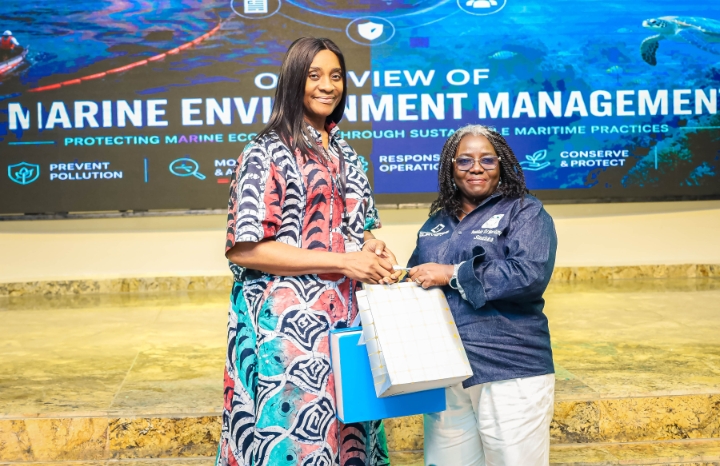
She expressed gratitude to NIMASA’s leadership and experts for their openness and for providing the students with a valuable learning experience.
Shaping Tomorrow’s Maritime Leaders
For the students, the day was more than an excursion, it was a glimpse into their future. With exposure to real-world maritime administration, advanced surveillance technology and Nigeria’s ambitious Blue Economy agenda, they left NIMASA inspired and better equipped to contribute to the sustainable growth of the nation’s maritime industry.
Photos: IMS