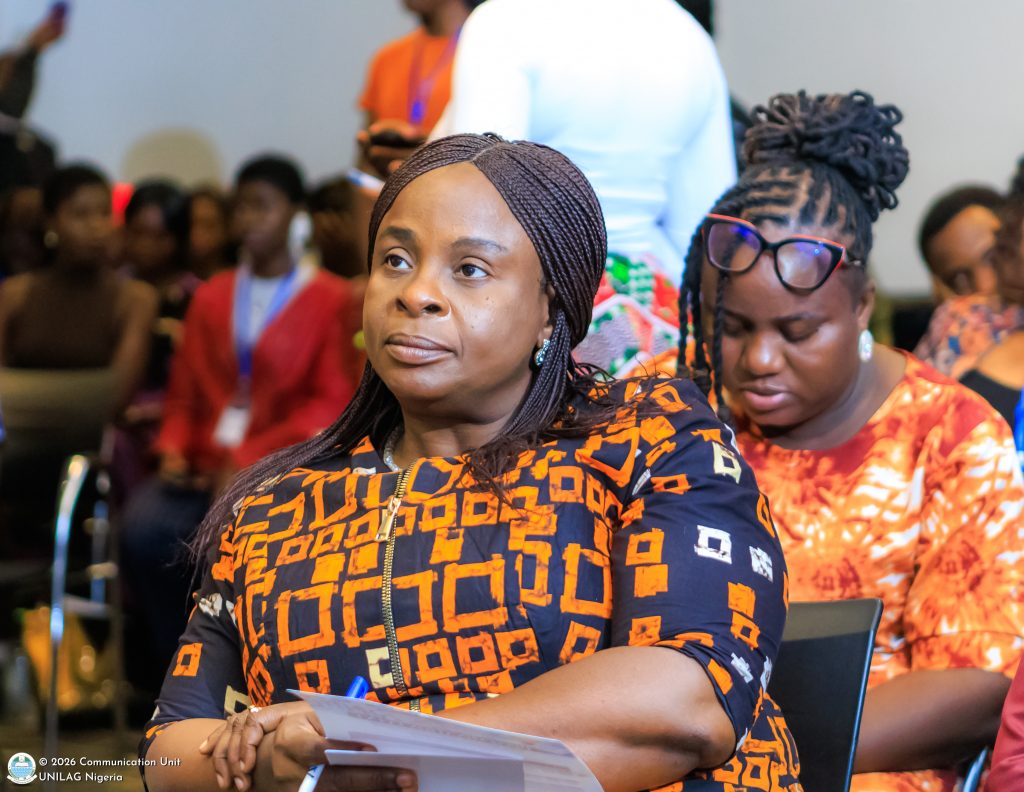
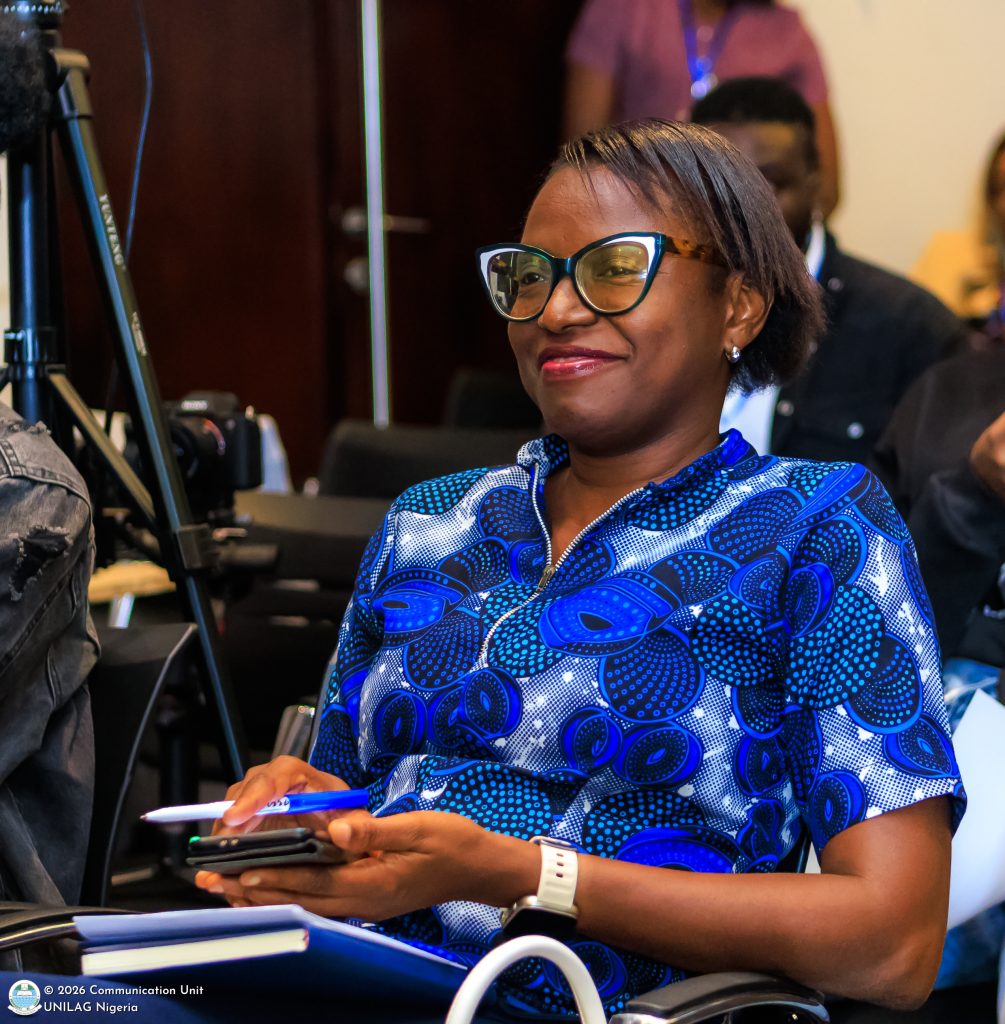
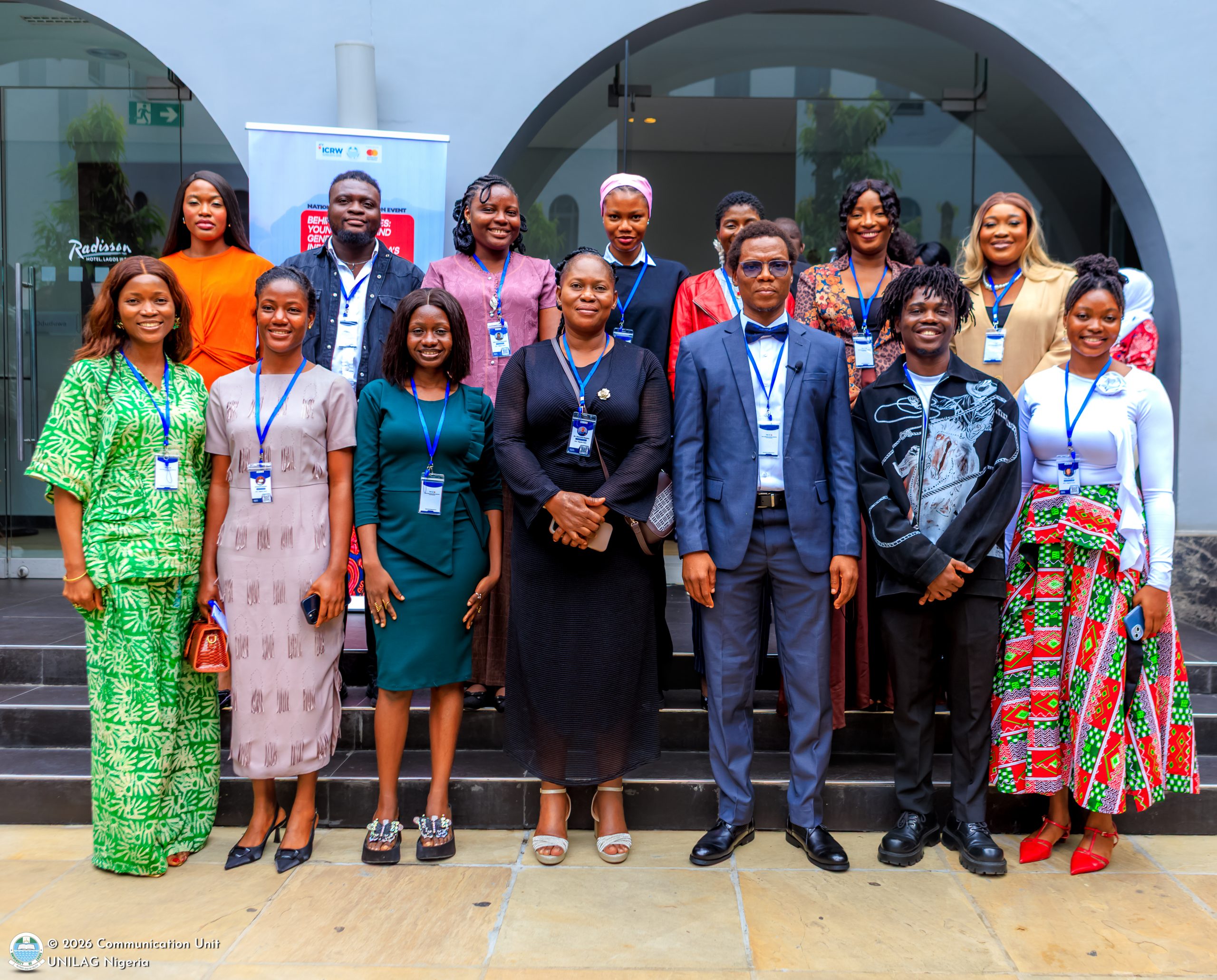
The stories that shape society are often told on stage, on screen, through music, fashion, design, and digital media. Yet behind many of those stories are young women whose own experiences of navigating Africa’s creative industries frequently remain unheard.
Two researchers from the University of Lagos (UNILAG), Professor Michael Kunnuji of the Department of Sociology, Faculty of Social Sciences and Dr Florence Nweke of the Department of Music, Faculty of Creative Arts, organised a National Dissemination Event for a project addressing this issue, tagged “Behind the Scenes” (BTS) Project.
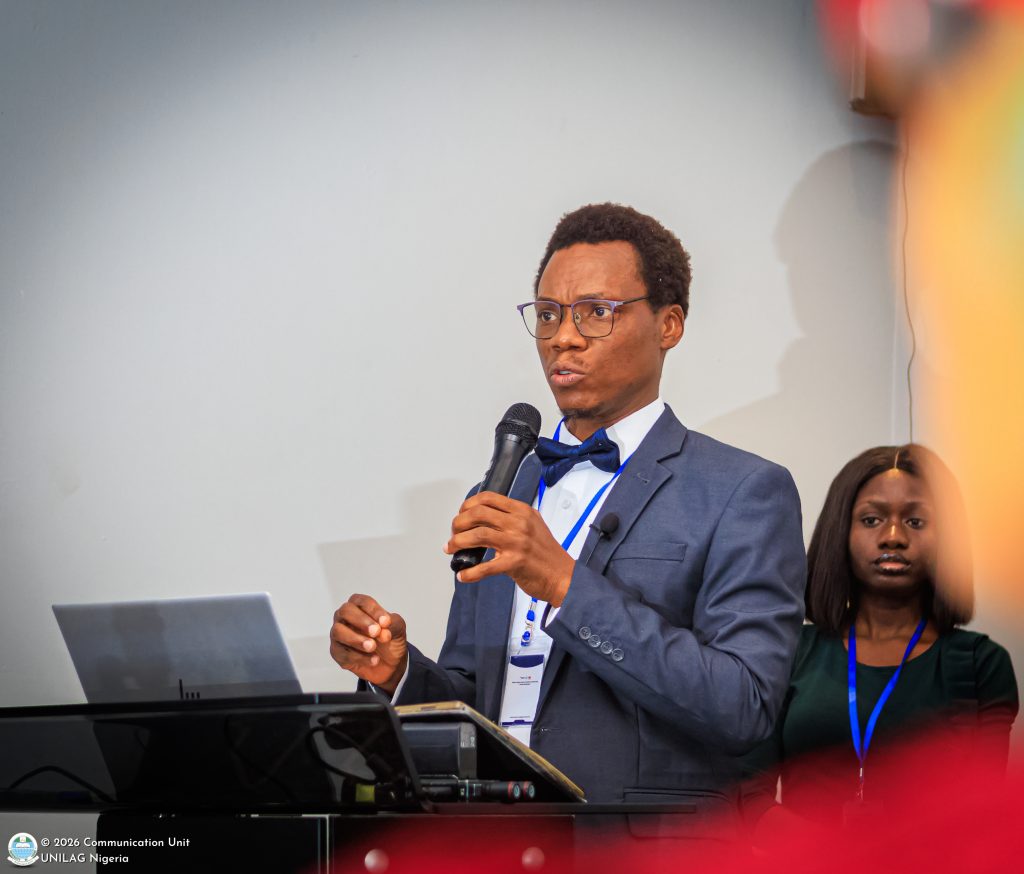
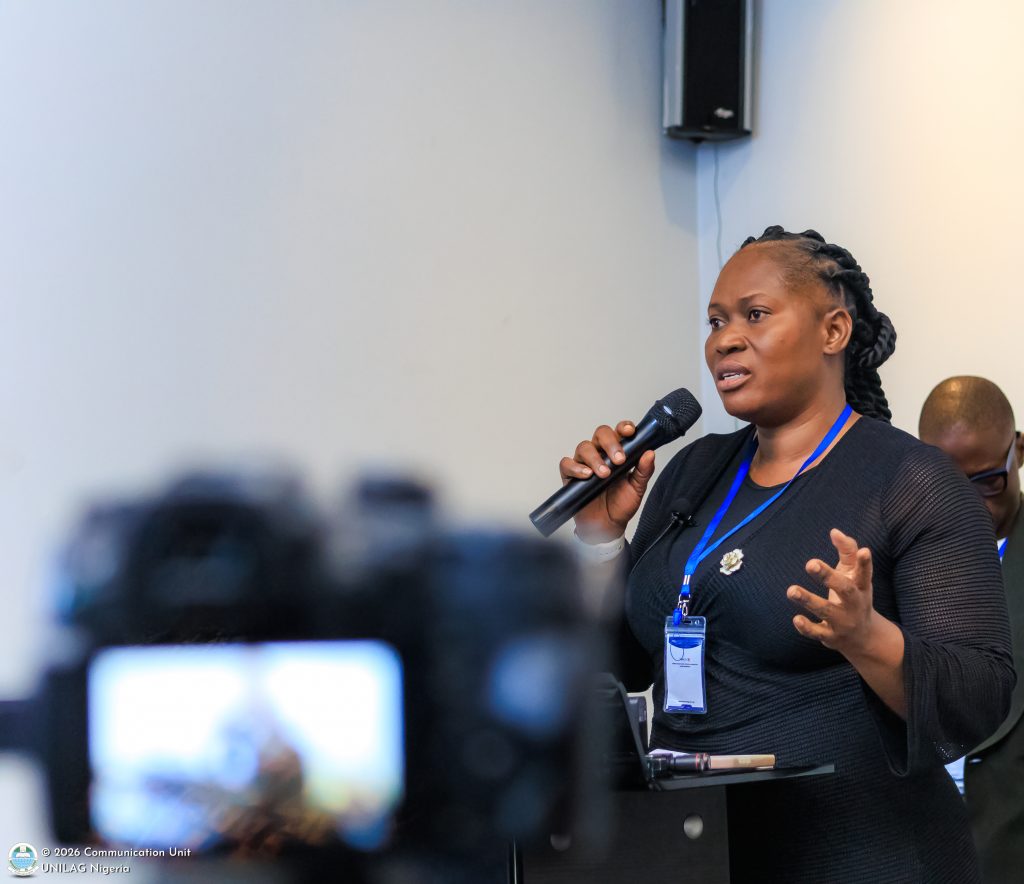
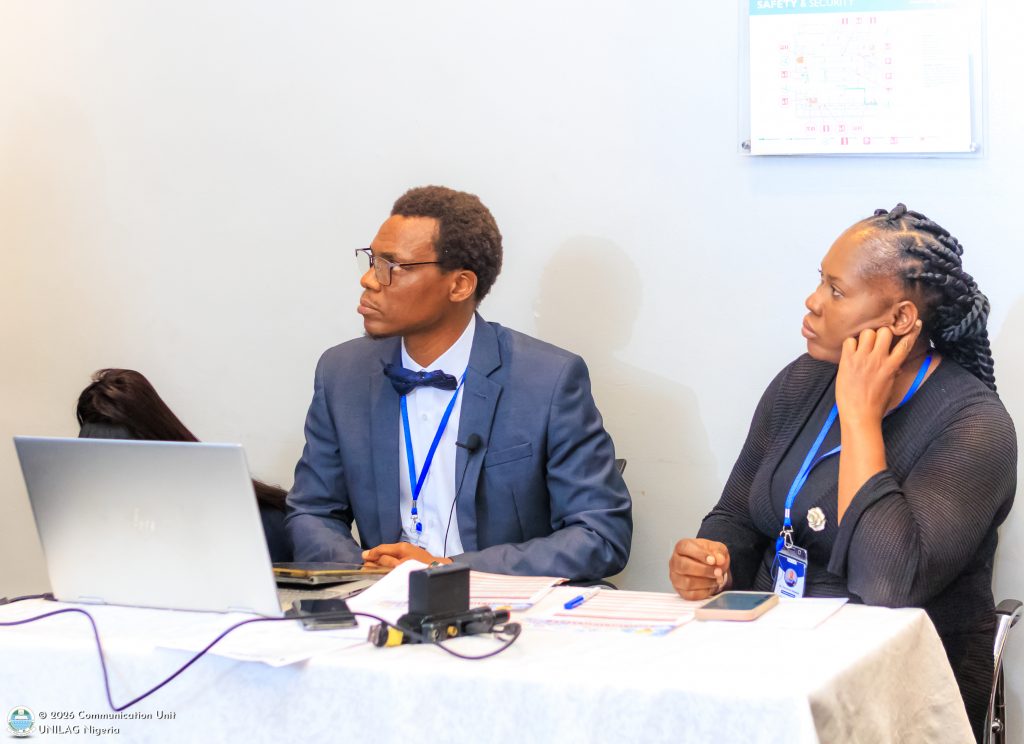
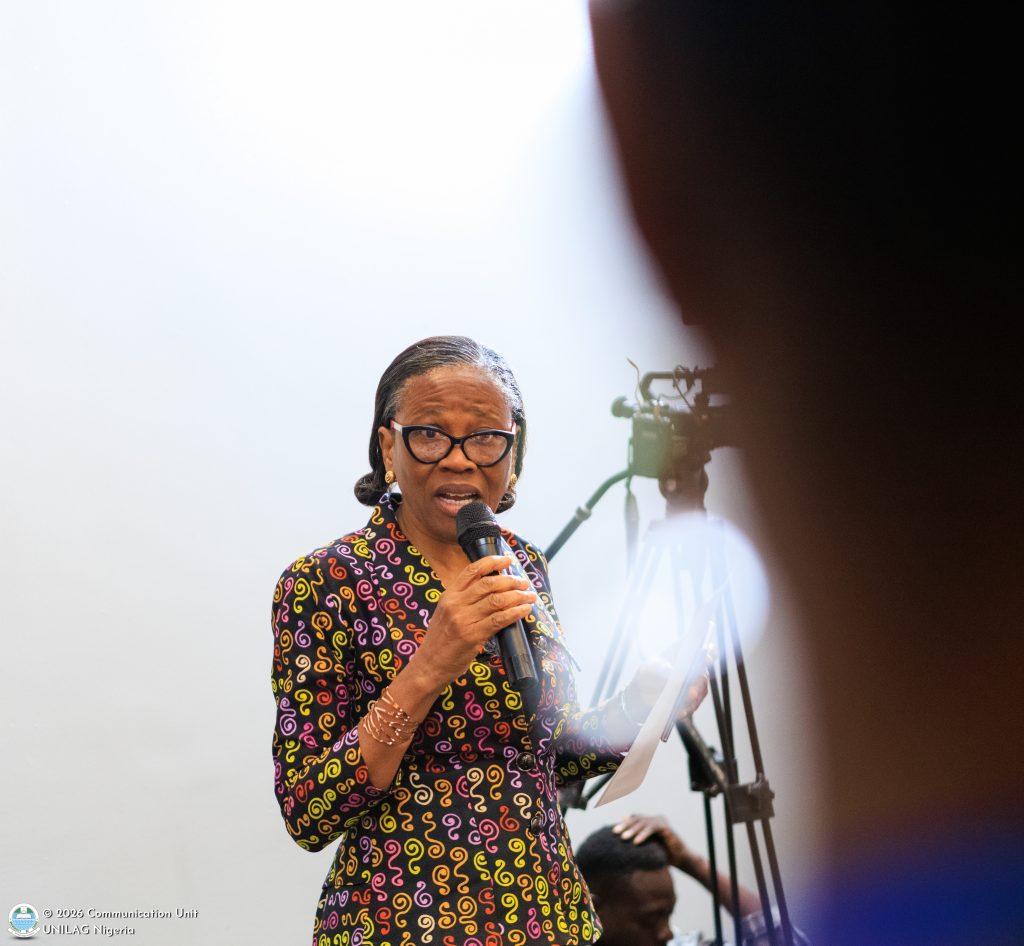
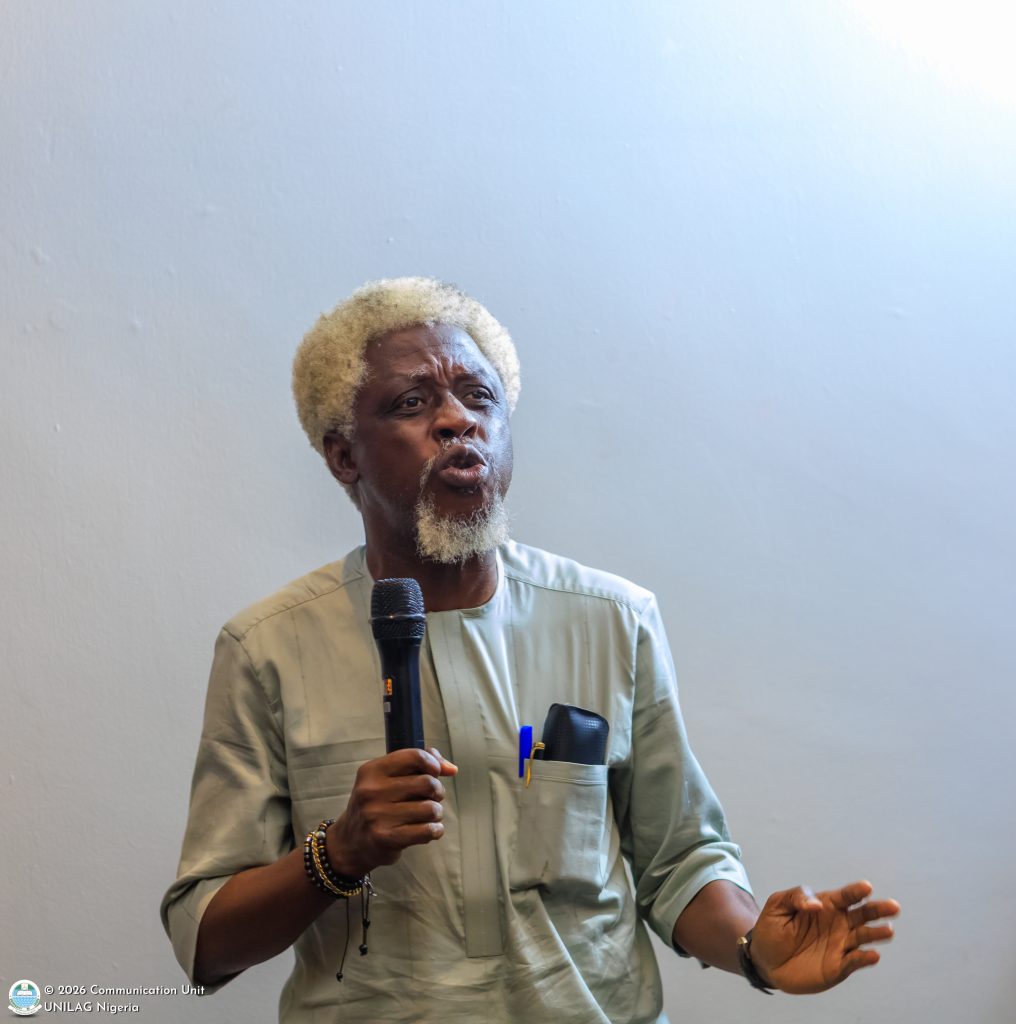
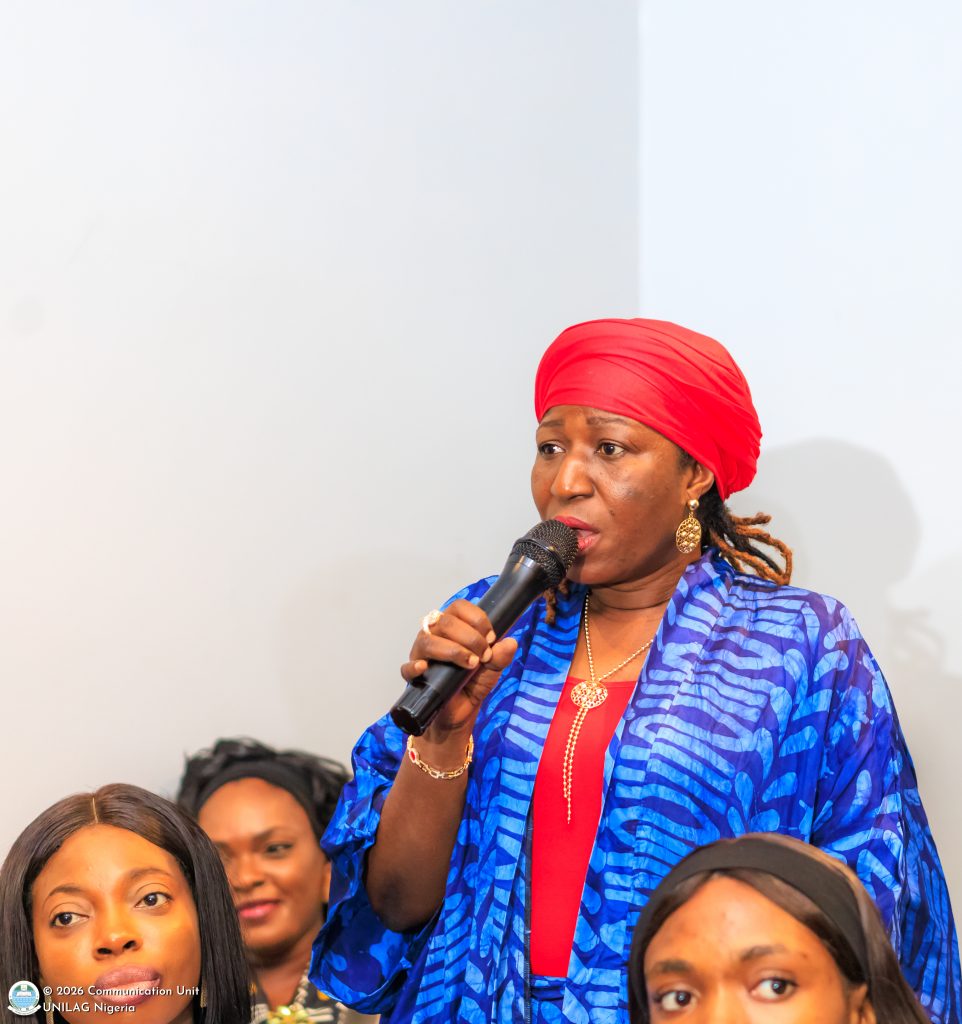
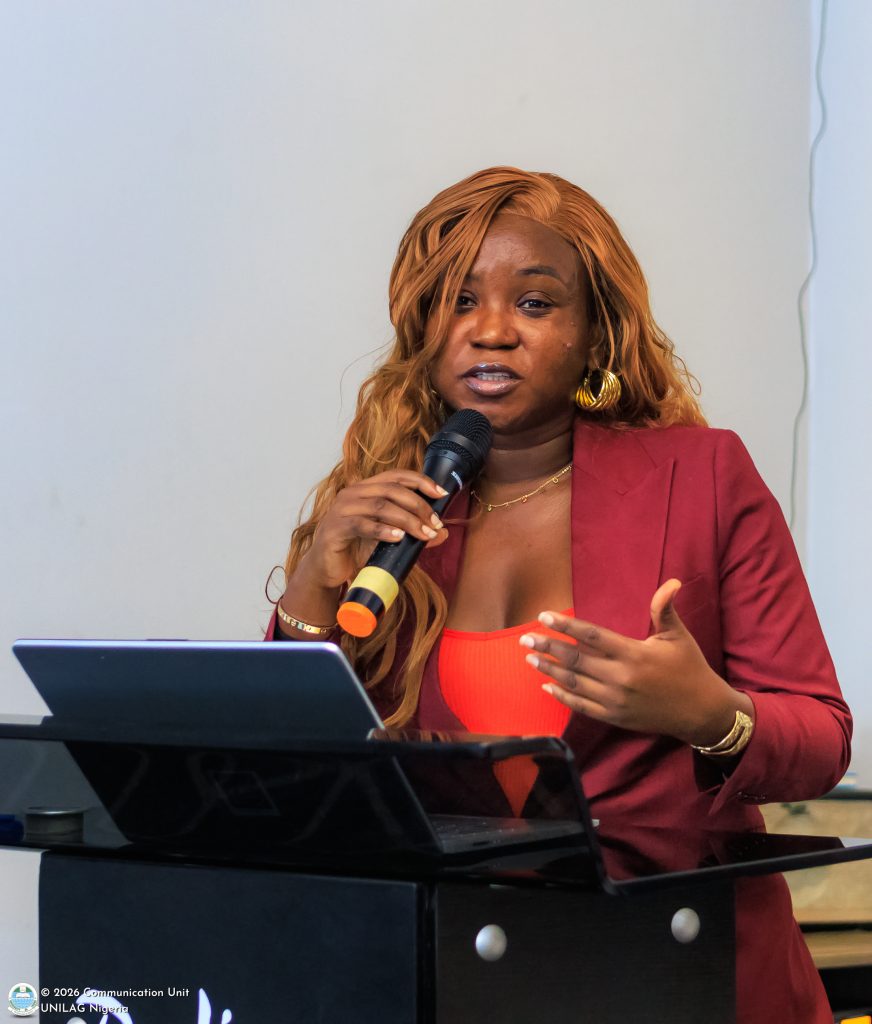
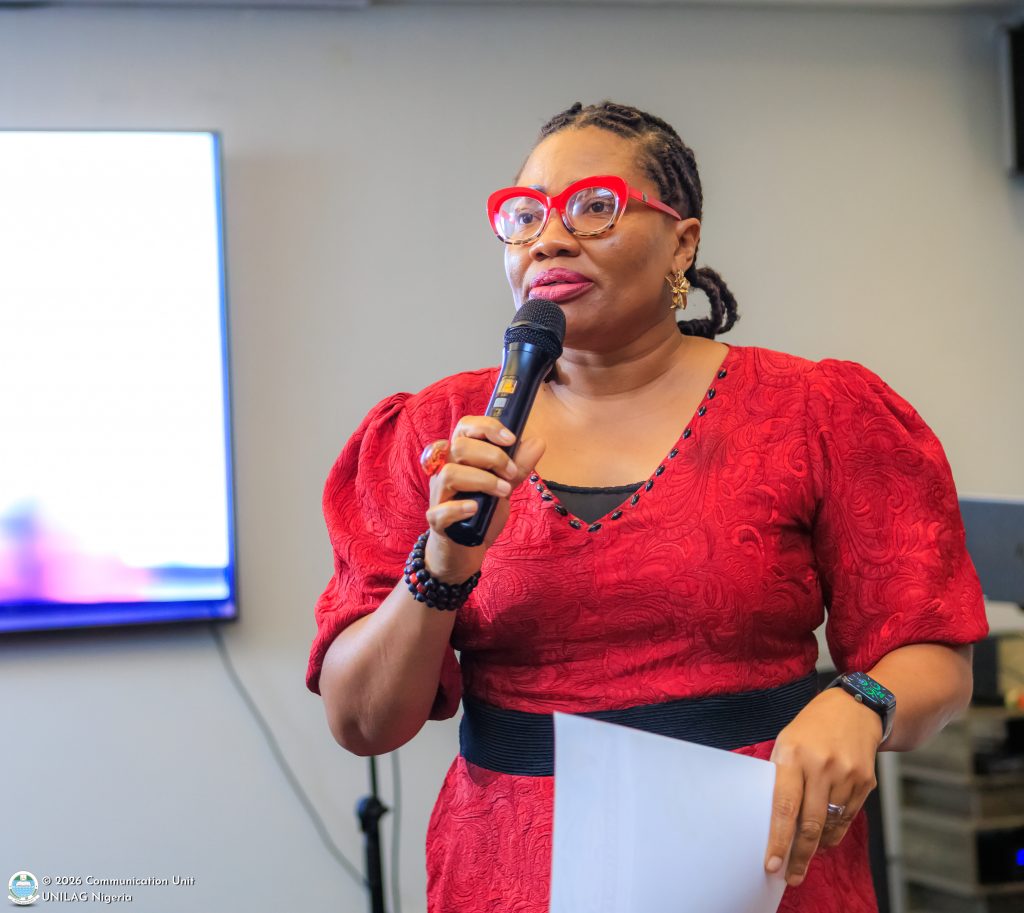
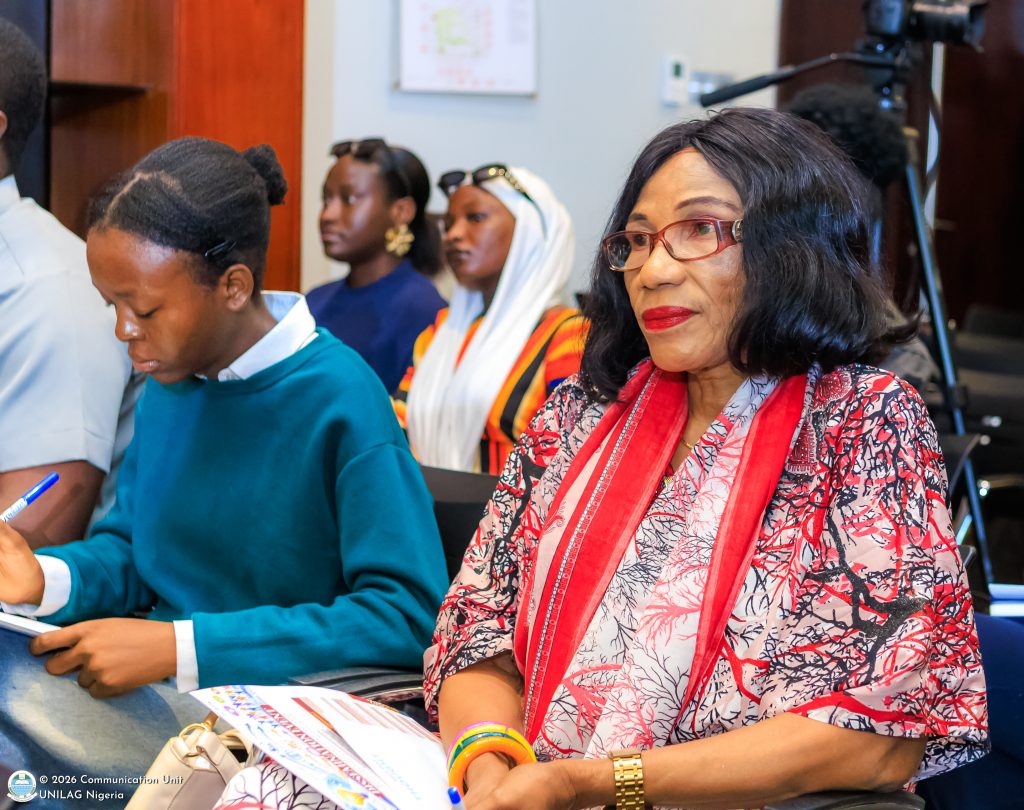
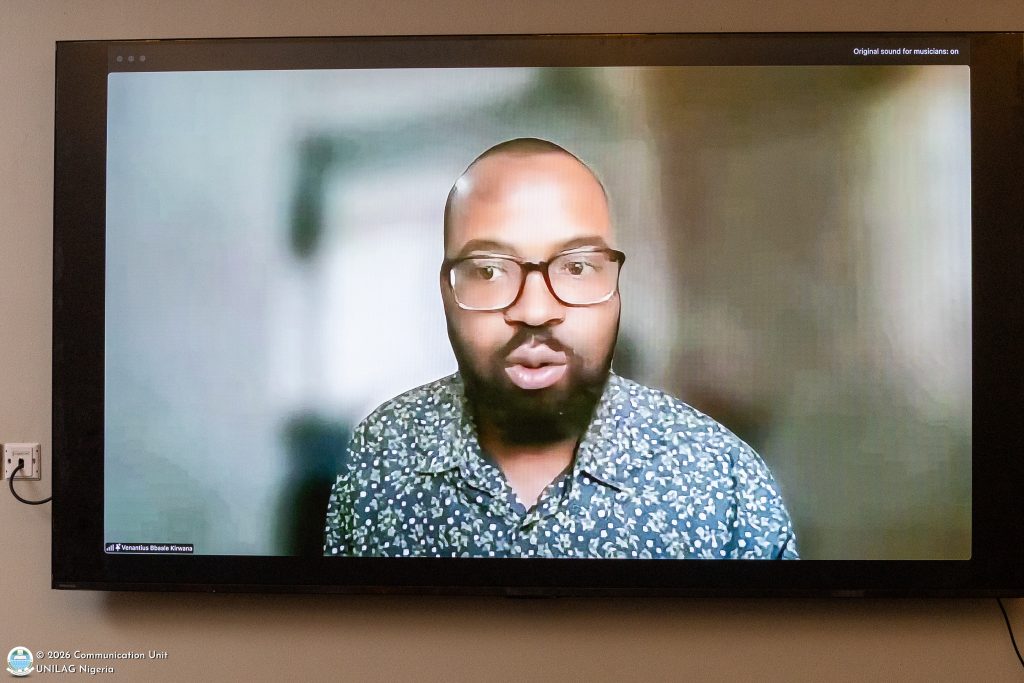
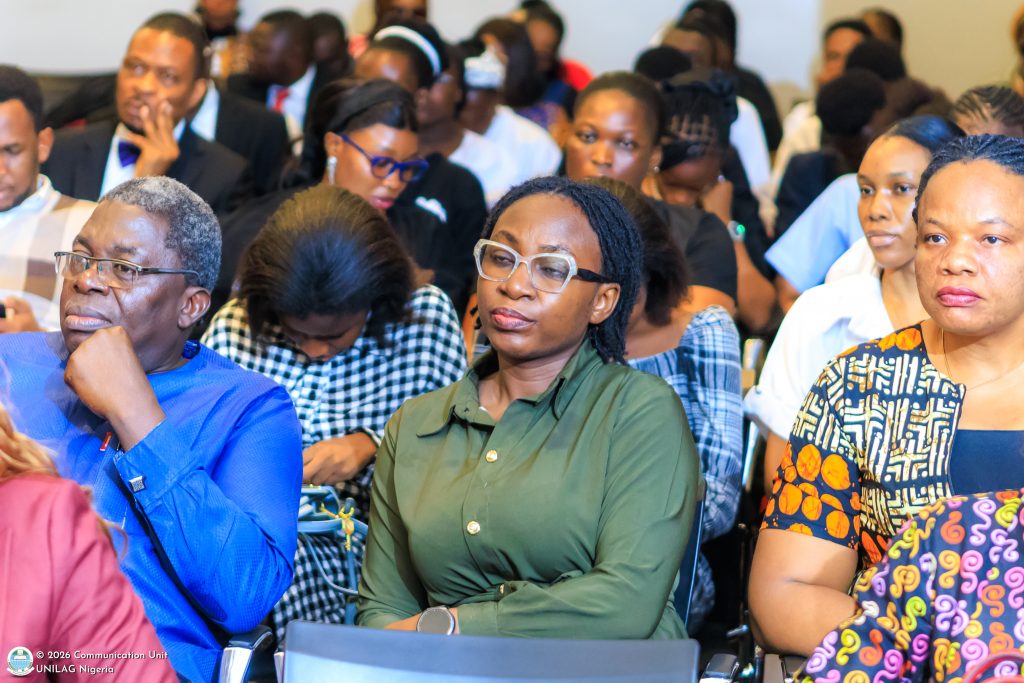
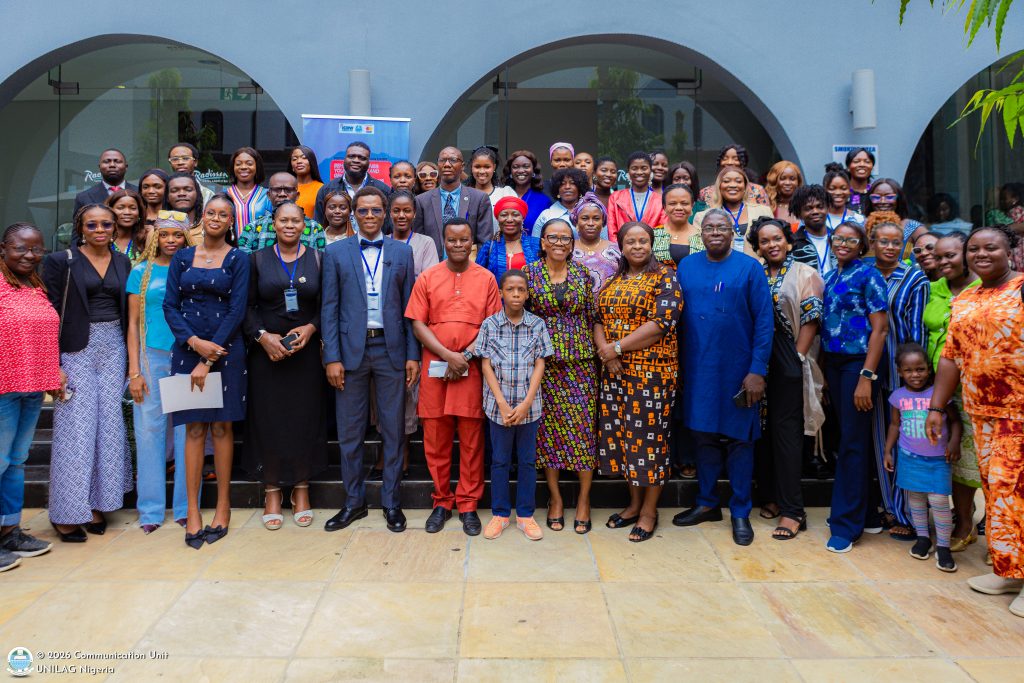
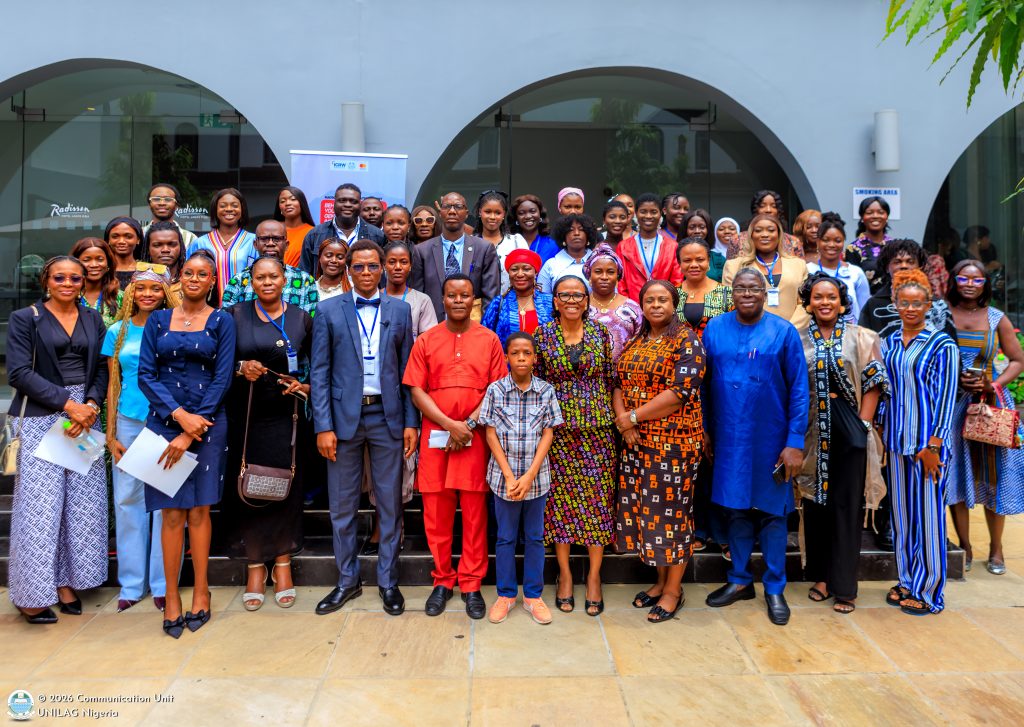
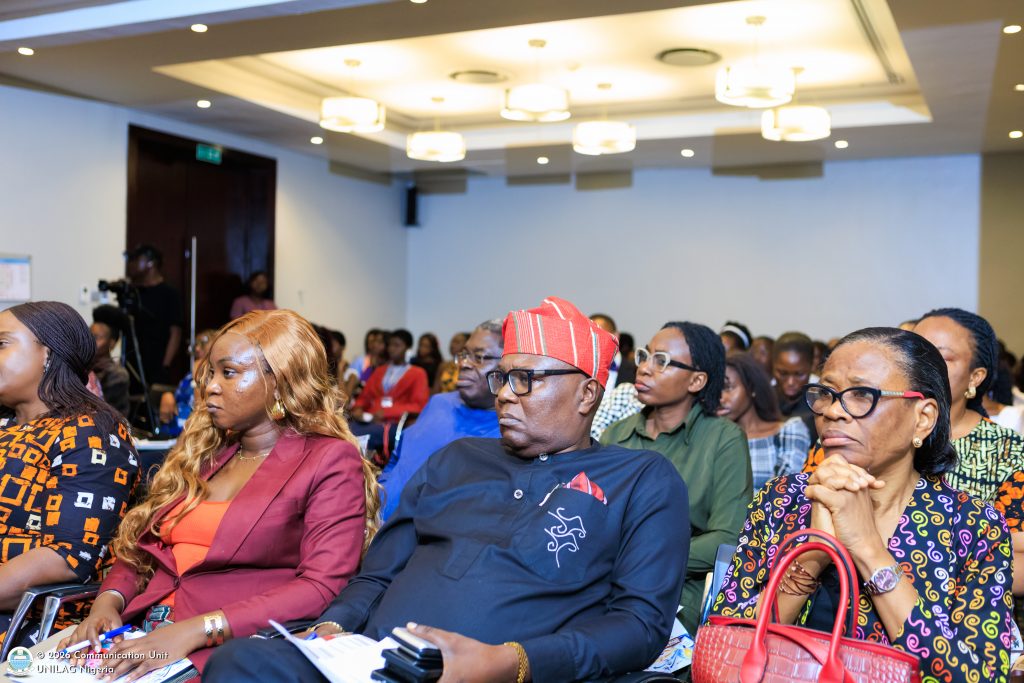
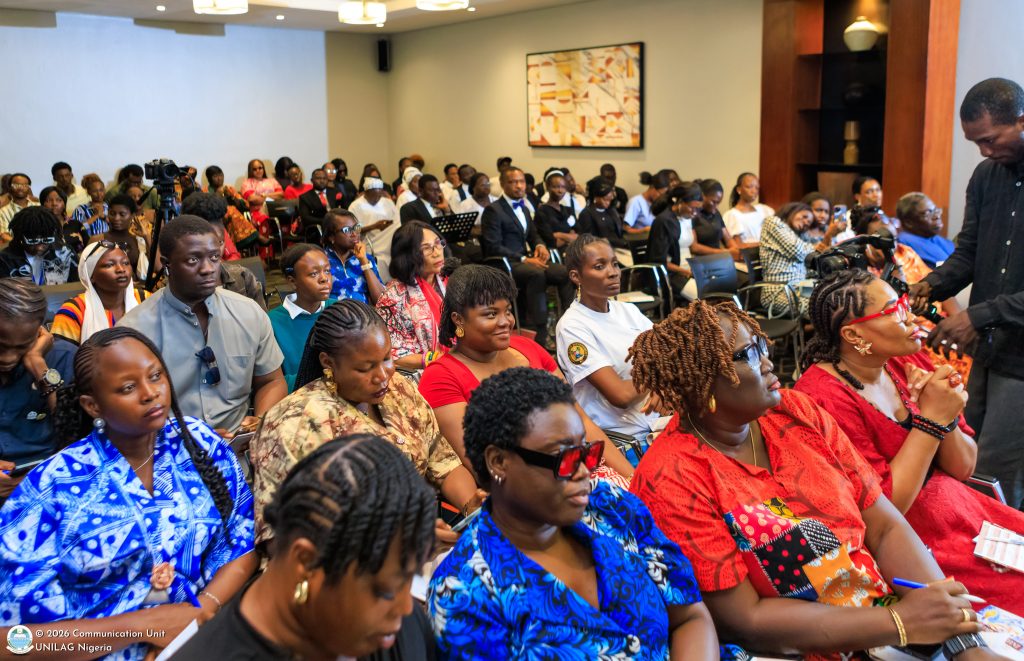
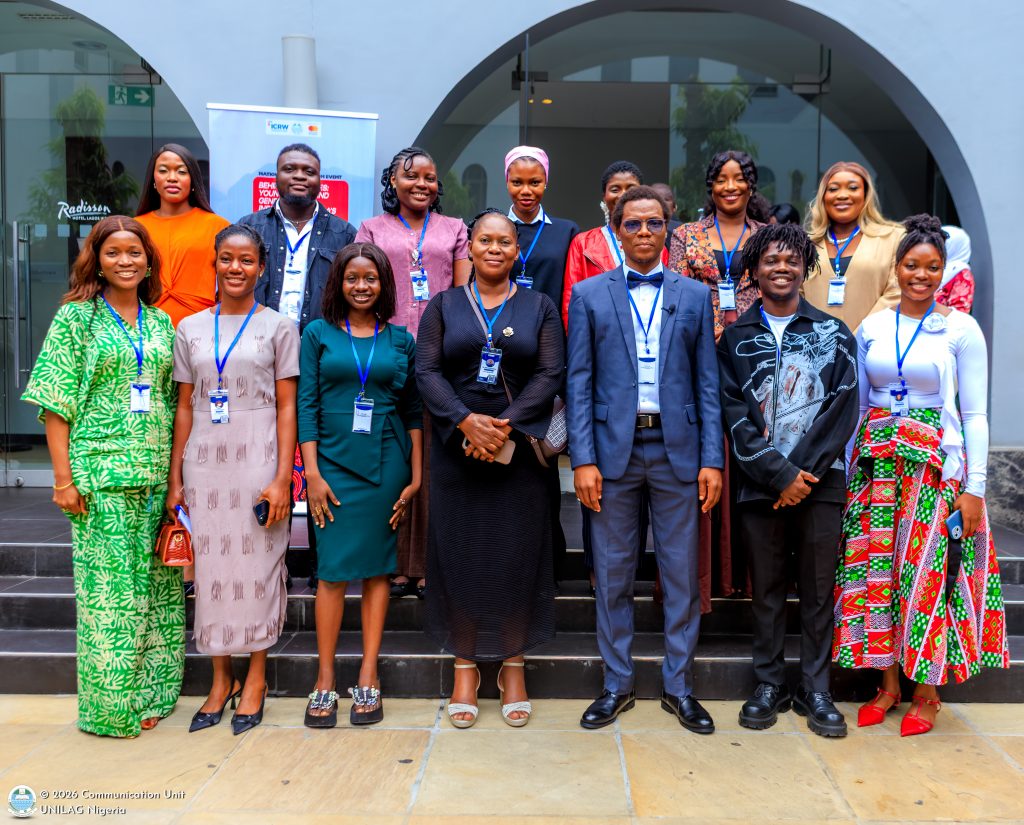
With the theme: “Behind the Scenes: Young Women and Gender-Based Inequities in Africa’s Creative Sector,” the dissemination event, which was held on Saturday, June 20, 2026 at the Radisson Hotel, Ikeja, brought together voices from academia, government, and creative industry to examine one of the most comprehensive studies yet undertaken on the realities facing young female creatives across Africa.
Led in Nigeria by Professor Michael Kunnuji as Principal Investigator I and Dr Florence Nweke as Principal Investigator II, the BTS Project is a multi-country research initiative spanning Ethiopia, Ghana, Kenya, Nigeria, Rwanda, Senegal, and Uganda. Conducted in collaboration with the International Center for Research on Women (ICRW) and the Mastercard Foundation, the project sought to investigate and illuminate the gender-based inequities that continue to shape the experiences of young women working within Africa’s vibrant creative economy.
The event represented the culmination of months of rigorous research, collaboration, and capacity building. Following an open call in February 2024, young researchers were recruited and trained to contribute to data collection, analysis, and interpretation, ensuring that the study was enriched by diverse perspectives and grounded in lived realities.
Welcoming participants to the dissemination event, Professor Michael Kunnuji described the project as a deliberate effort to move beyond superficial narratives and uncover the structural barriers limiting opportunities for young women in the creative sector. He noted that the project was built on three foundational pillars: capacity building, international exchange, and industry-aligned guidance.
According to him, young researchers, predominantly women, were equipped with advanced research skills, while a two-month internship and fellowship programme fostered collaboration across African countries. Nigerian youth researchers undertook placements in Ethiopia, Kenya, and Uganda, while fellows from Ethiopia and Uganda were hosted in Nigeria. The project also benefited from the guidance of a Country Advisory Group comprising industry experts and policymakers who helped ensure the relevance and practical application of the research.
Professor Kunnuji emphasised that the BTS Project is distinguished by its unique blend of academic rigour and industry relevance. Through an extensive scoping review and empirical fieldwork, researchers not only examined statistics but also listened carefully to the lived experiences of young women creatives navigating professional spaces across the continent.
“The findings we present are not mere academic exercises,” he remarked. “They are mirrors reflecting the current state of the industry and blueprints for where we must go.”
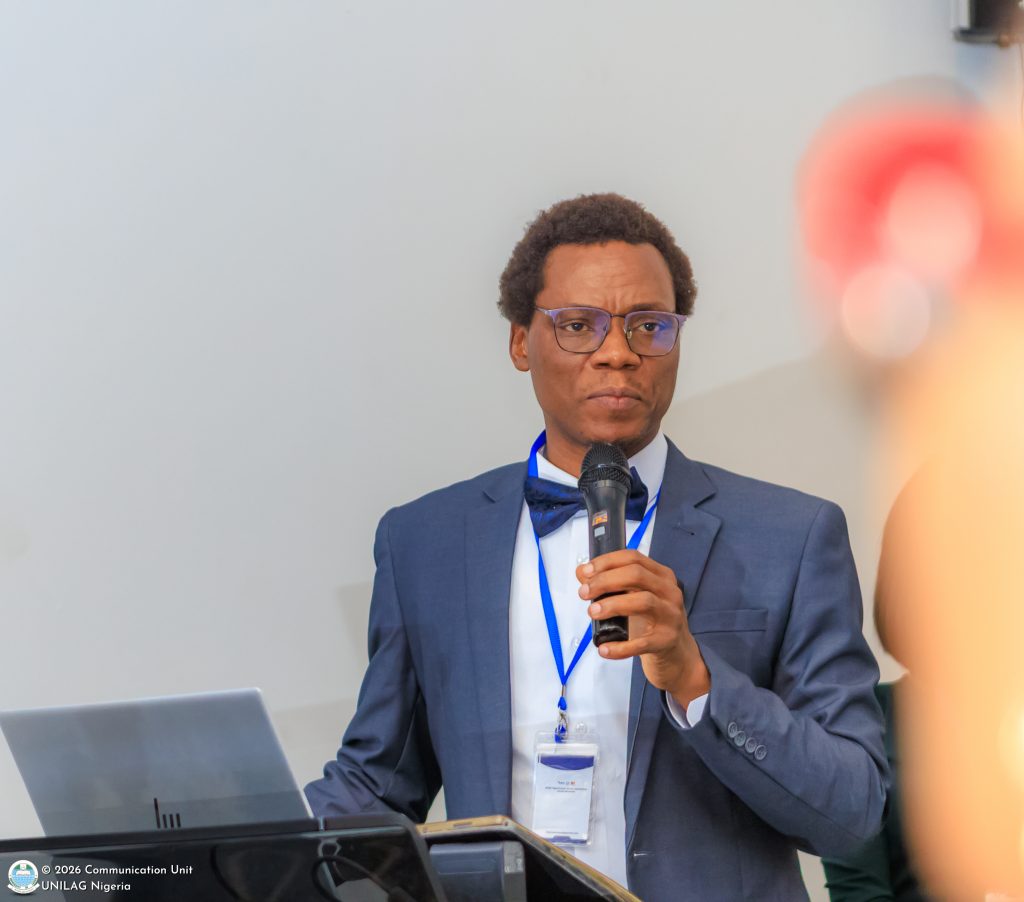
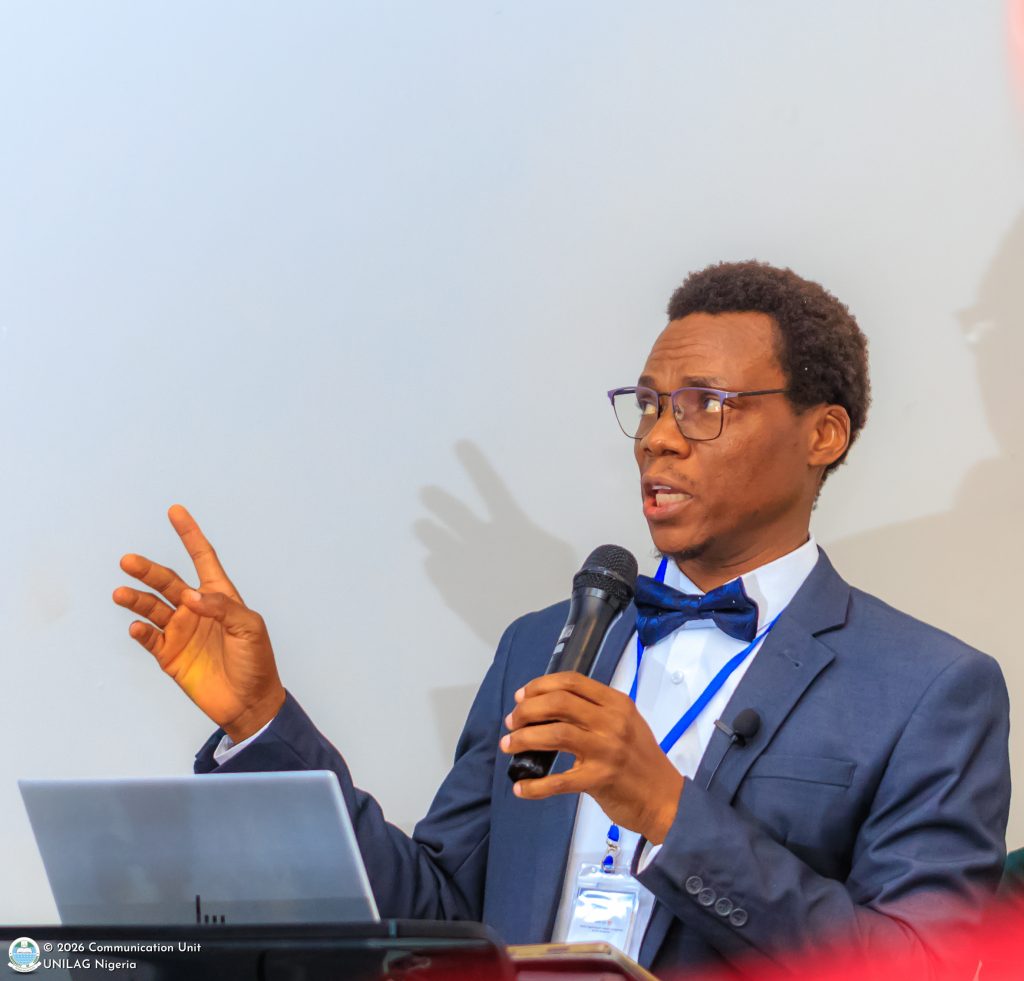
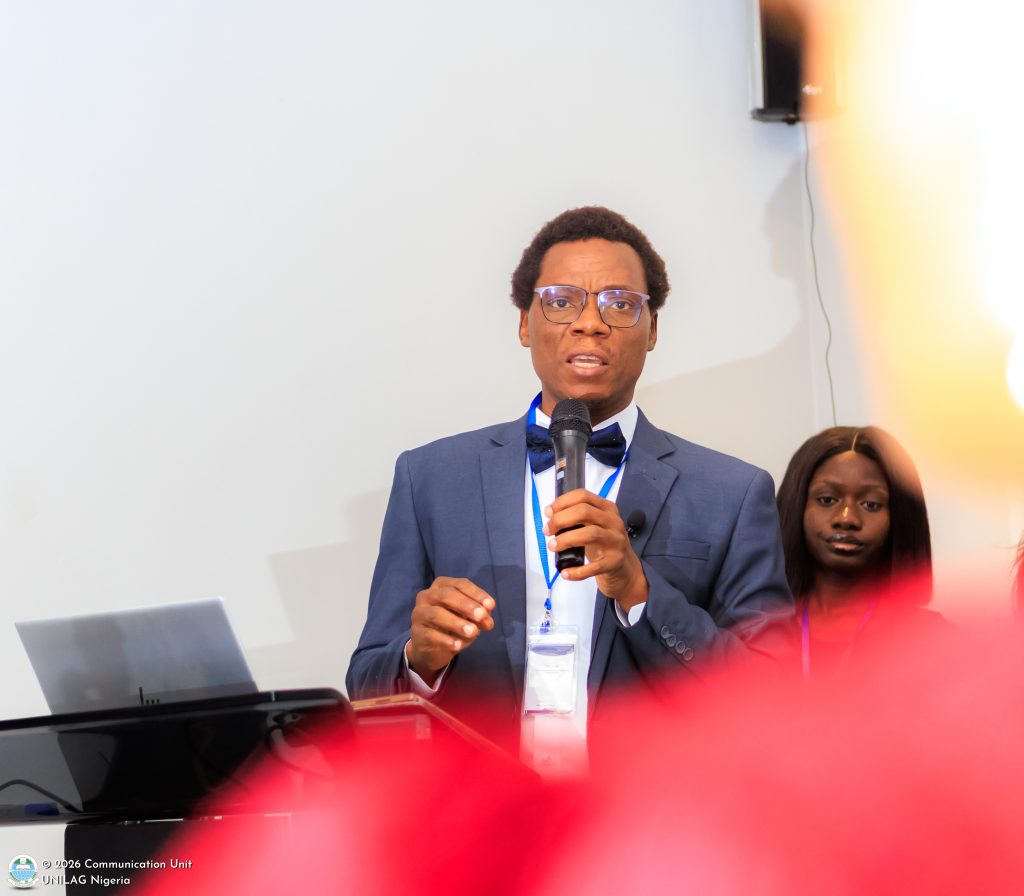
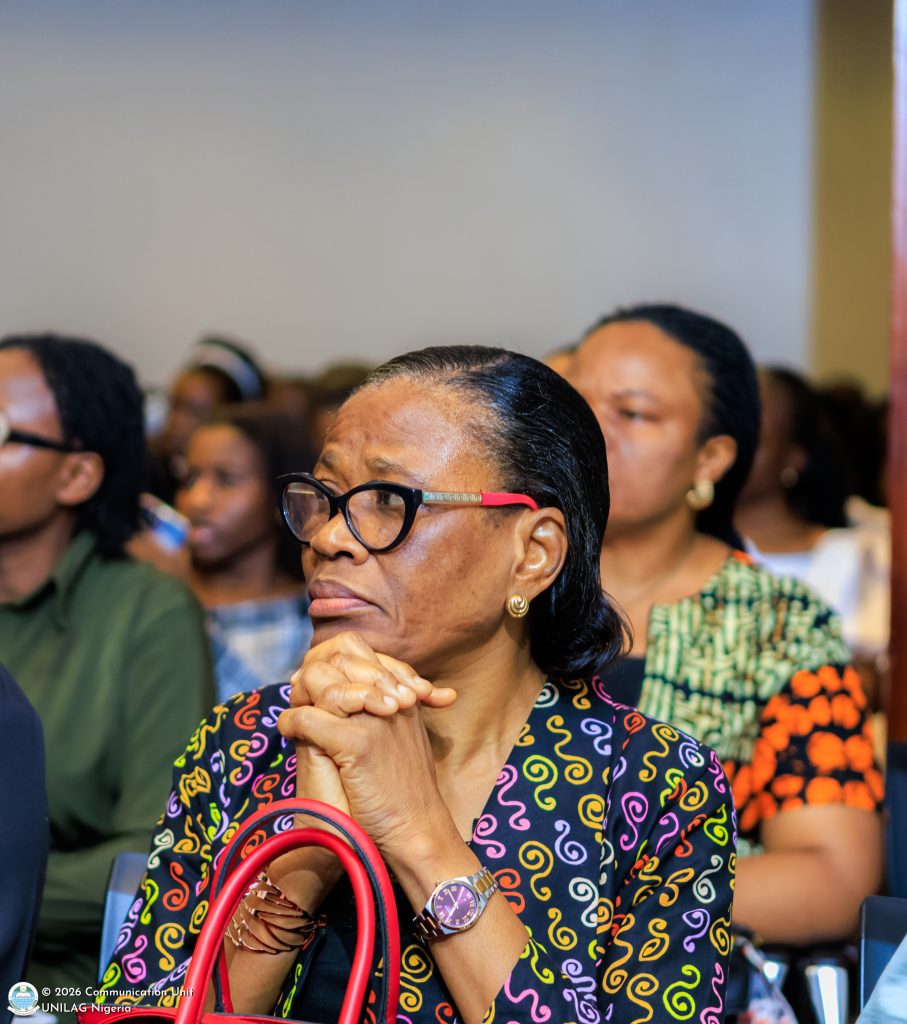
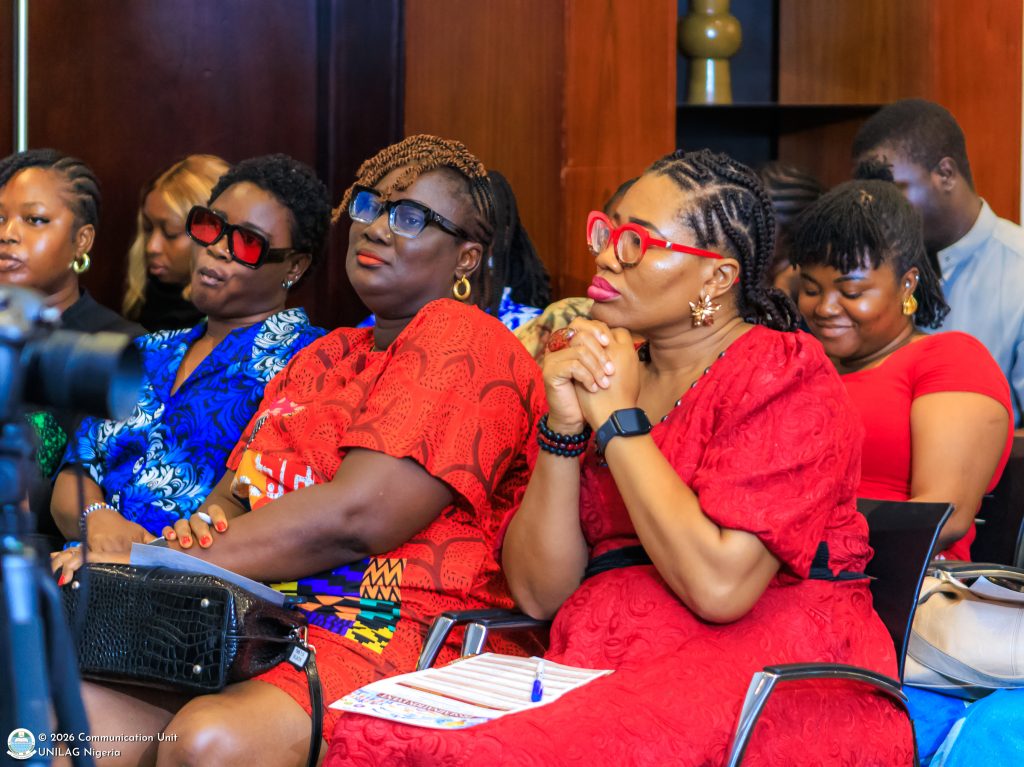

Delivering the keynote address on behalf of the Permanent Secretary of the Lagos State Ministry of Tourism, Arts and Culture, Princess Adebopo Oyekan-Ismaila, the Director of the Ministry, Mr Idowu Olulowo Johnson, commended the BTS Project team for generating evidence capable of informing policy and strengthening the creative ecosystem.
He described Nigeria’s creative industry as one of the nation’s most powerful drivers of economic growth, cultural identity, youth empowerment, and international recognition. However, he noted that behind every successful production, performance, exhibition, or cultural event are professionals whose contributions often remain unseen.
According to him, the significance of the BTS Project lies in its ability to shift attention towards the structures, labour conditions, policies, and systems that sustain the creative sector.
He further stressed that reliable data remains indispensable for effective policymaking, planning, and investment, adding that the dissemination event provided stakeholders with practical recommendations capable of supporting a more sustainable and inclusive creative economy.
The presentation of key findings provided compelling insights into the realities experienced by young women across Nigeria’s creative sector.
Professor Kunnuji explained that the study covered seven strategic locations: Lagos, Kano, Plateau, Adamawa, Enugu, Cross River, and the Federal Capital Territory. Each location was selected for its unique significance within Nigeria’s creative landscape, from Lagos as the epicentre of Nollywood, Afrobeats, advertising, and new media, to Kano’s prominence as the home of Kannywood, Enugu’s historical role in the development of Nollywood in south eastern Nigeria, and Cross River’s reputation as a major tourism hub, to mention a few.
Importantly, the research received ethical approval from the UNILAG Research Ethics Committee, ensuring adherence to established standards throughout the study.
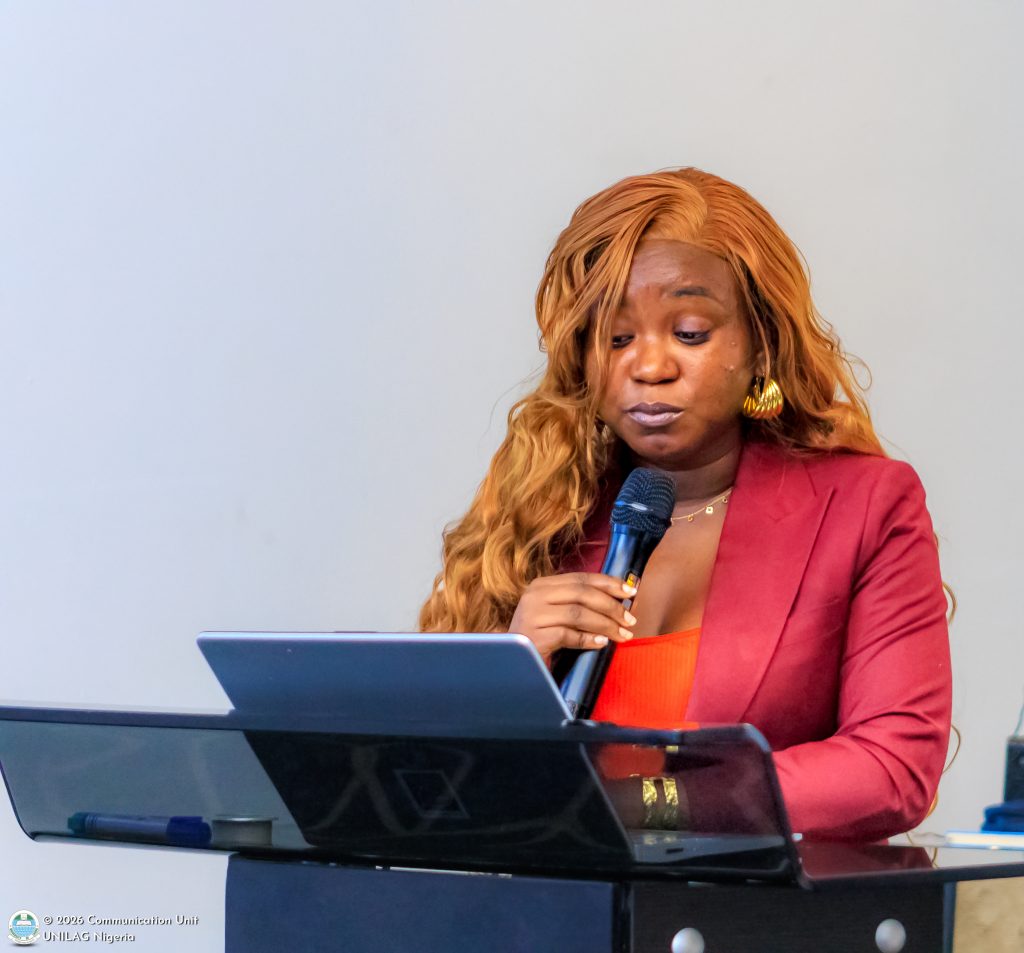
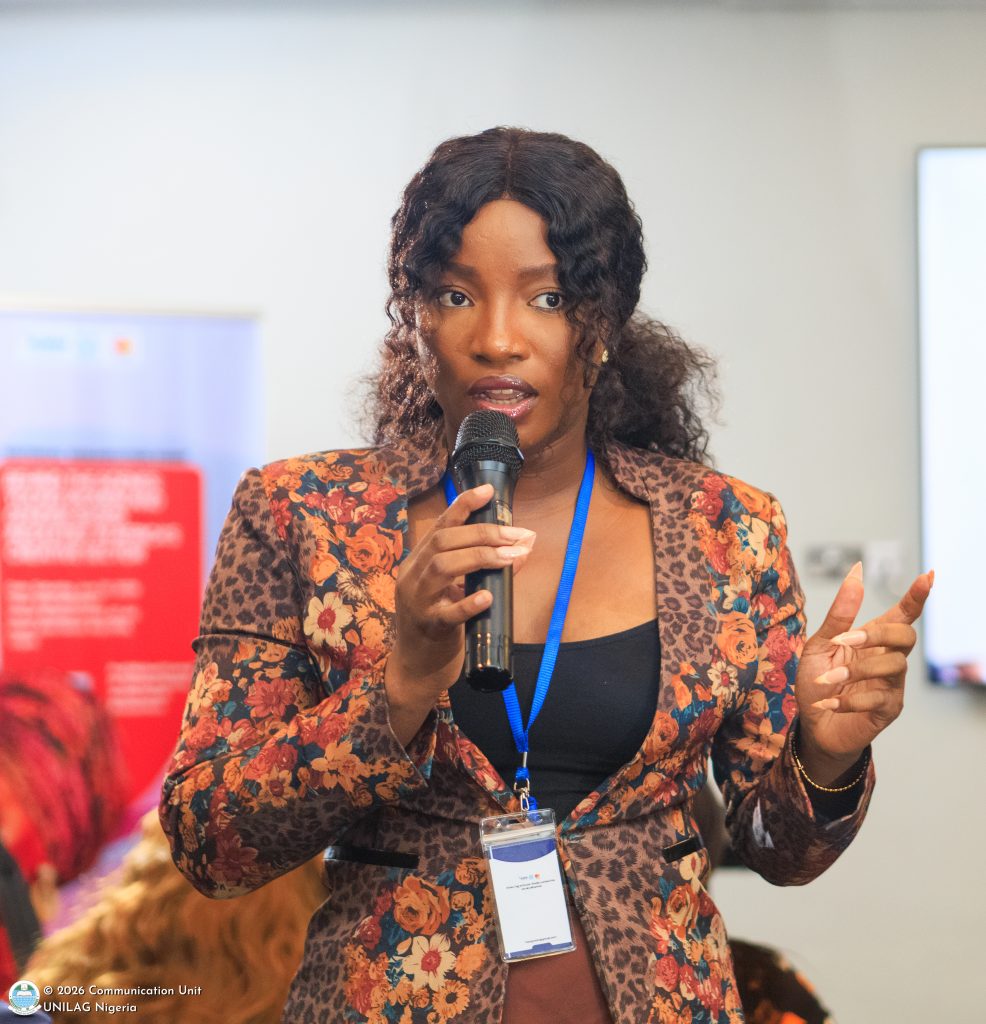
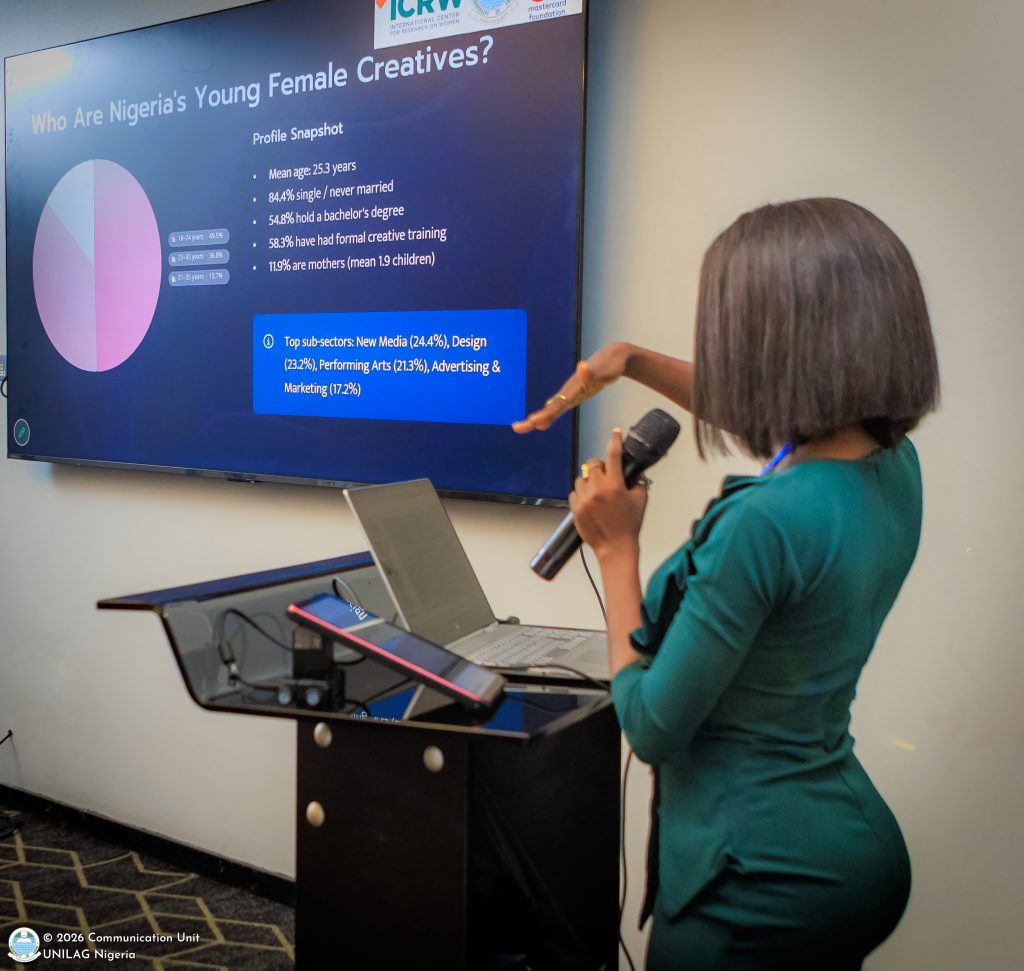
Presenting findings on the profile of Nigeria’s young female creatives, Youth Researcher Favour Ujor Agi revealed that many women within the sector operate across multiple creative roles and disciplines, demonstrating remarkable versatility and adaptability.
Yet alongside these strengths emerged troubling patterns. Participants reported experiences of workplace discrimination, being undermined by junior male colleagues without consequence, sexual harassment, intrusive questions about marriage and motherhood, and unequal pay compared to male counterparts performing similar roles.
The cumulative effect of these experiences, the study found, often erodes confidence, limits opportunities, and affects long-term career progression.
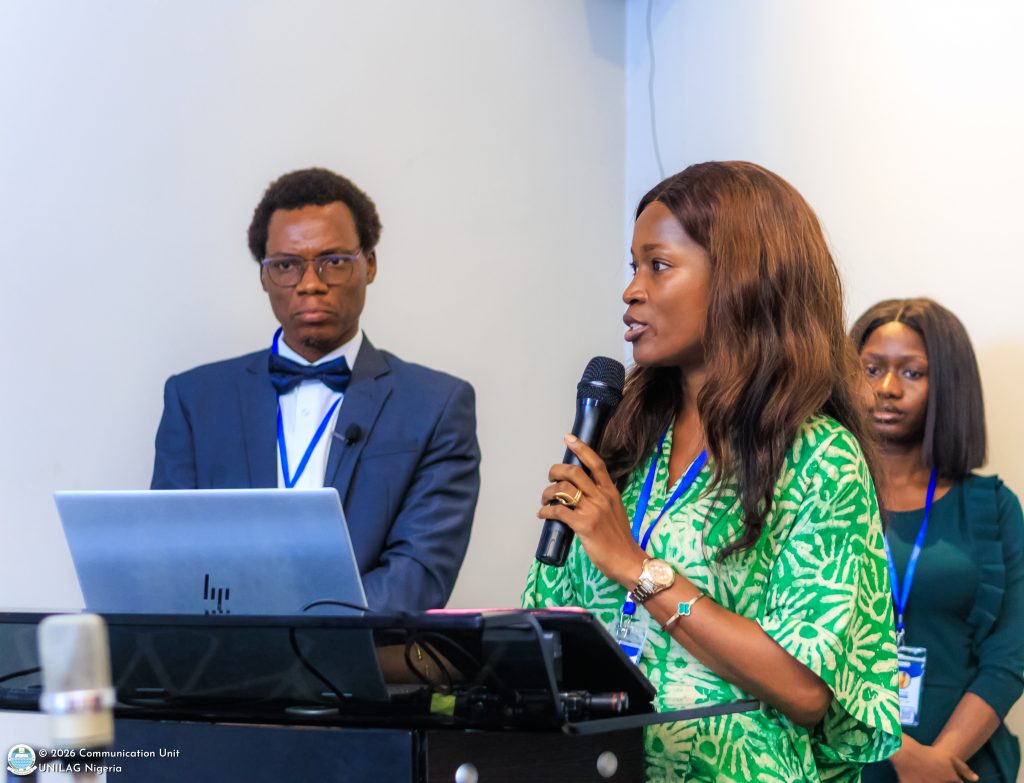
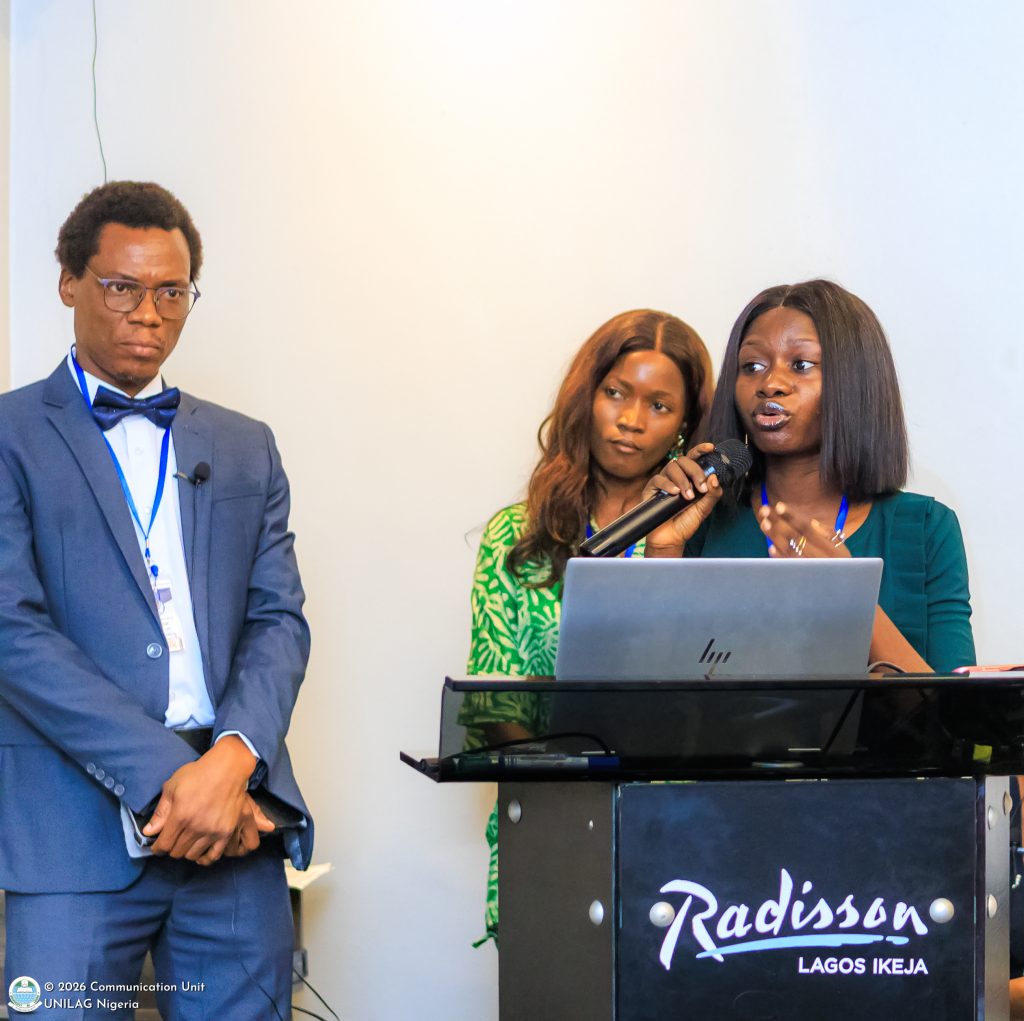
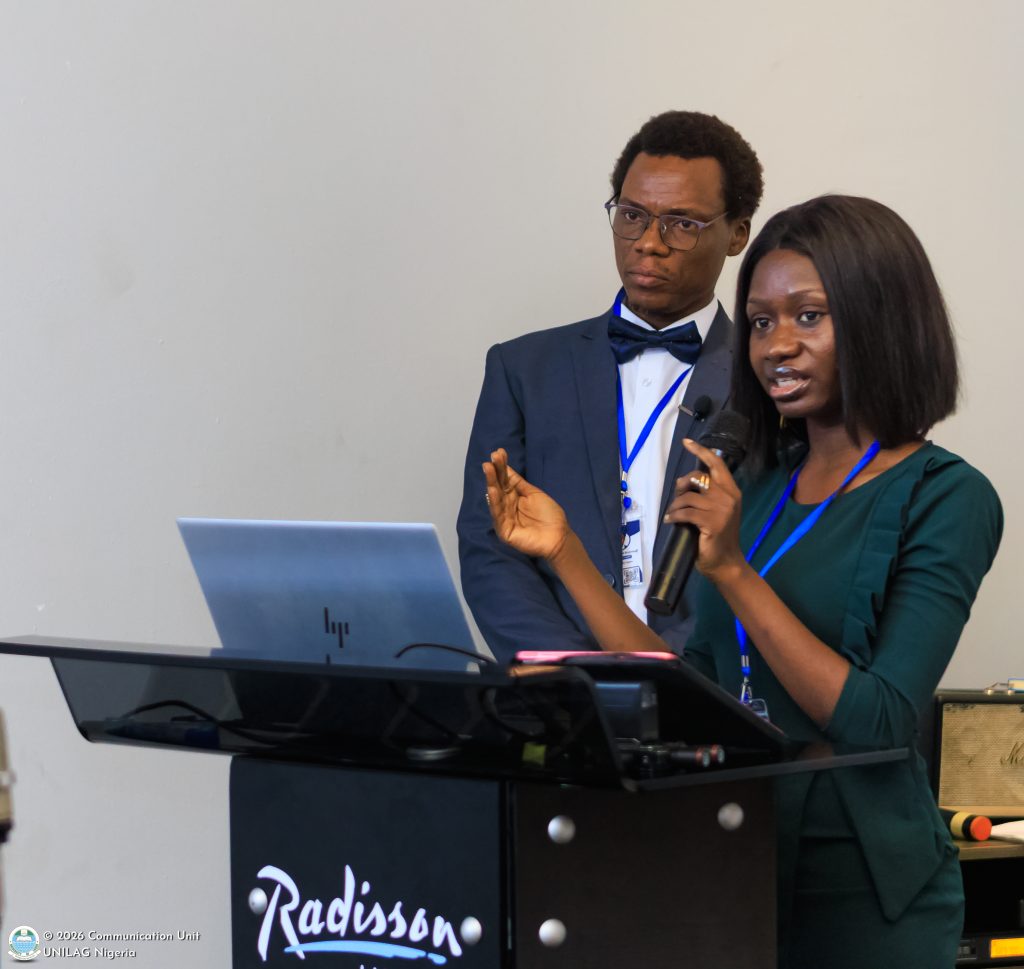
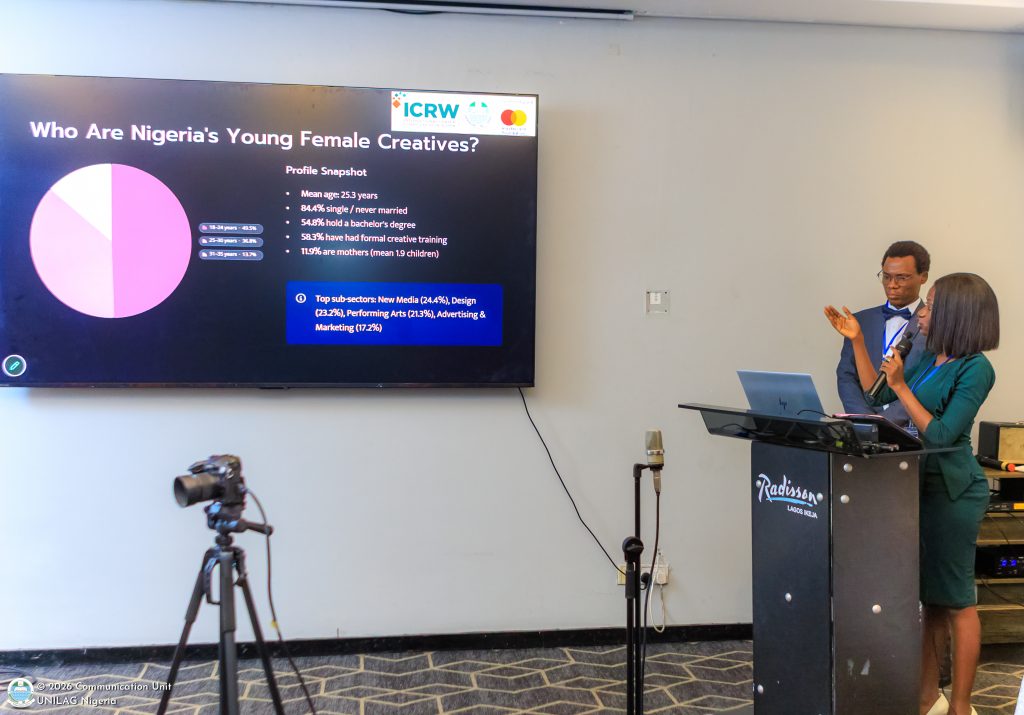
Another striking dimension of the research emerged during the presentation by Youth Researcher Oluwaseun Adesola Muraina, who explored the phenomenon of internalised gender bias.
Described as “the unicorn in the mix,” the finding revealed that gender stereotypes are sometimes reinforced by women themselves. In certain creative spaces, women reported perceiving men as inherently more competent or capable. Others disclosed feeling compelled to adopt more traditionally masculine appearances, demeanours, or communication styles in order to be taken seriously within male-dominated fields such as photography, cinematography etc.
Yet despite these challenges, the study found that women continue to demonstrate extraordinary resilience. Rather than withdrawing from the industry, many have reinvented themselves, adapted, and continued to create pathways for success.
The findings ultimately reinforced a simple but powerful conclusion: women deserve work that is dignified, fulfilling, and safe.
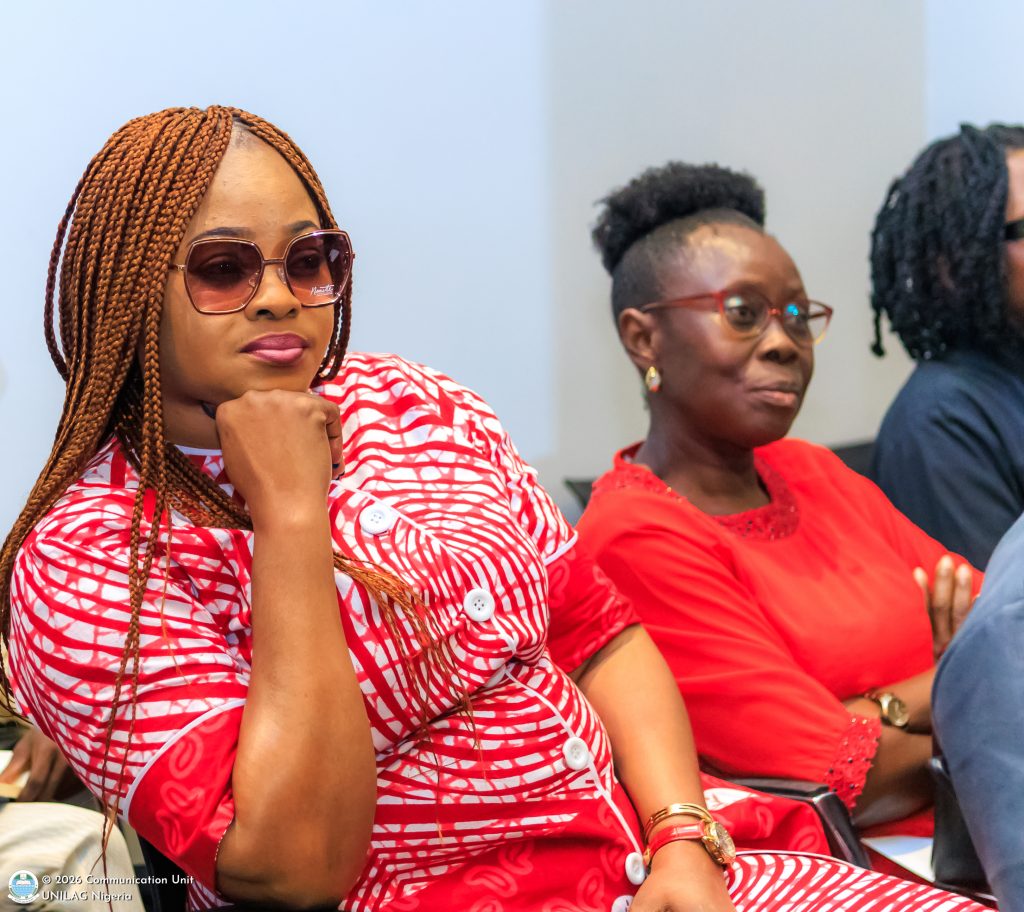
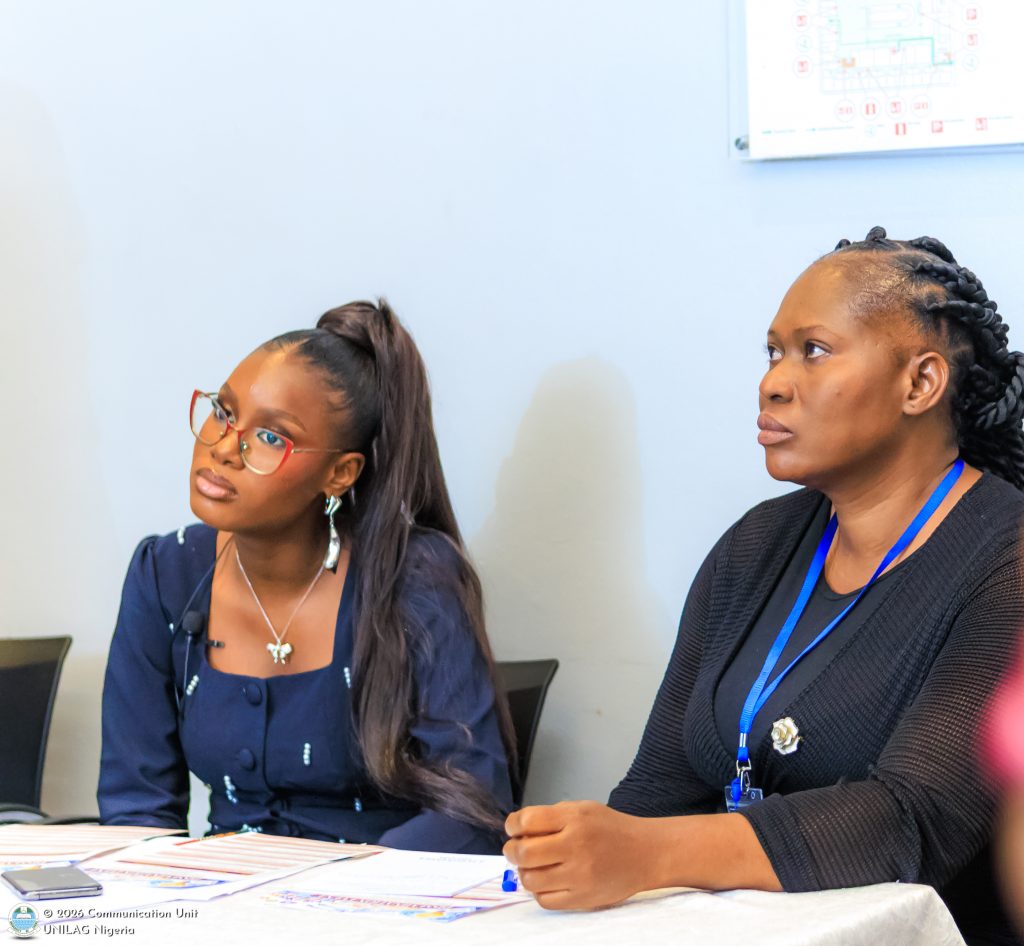
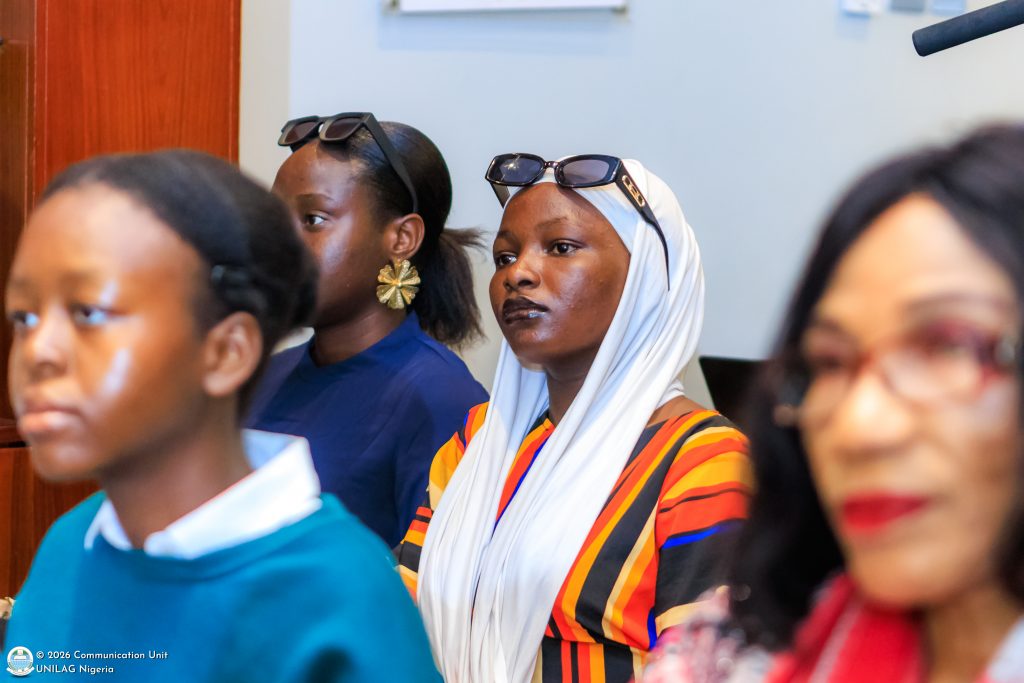
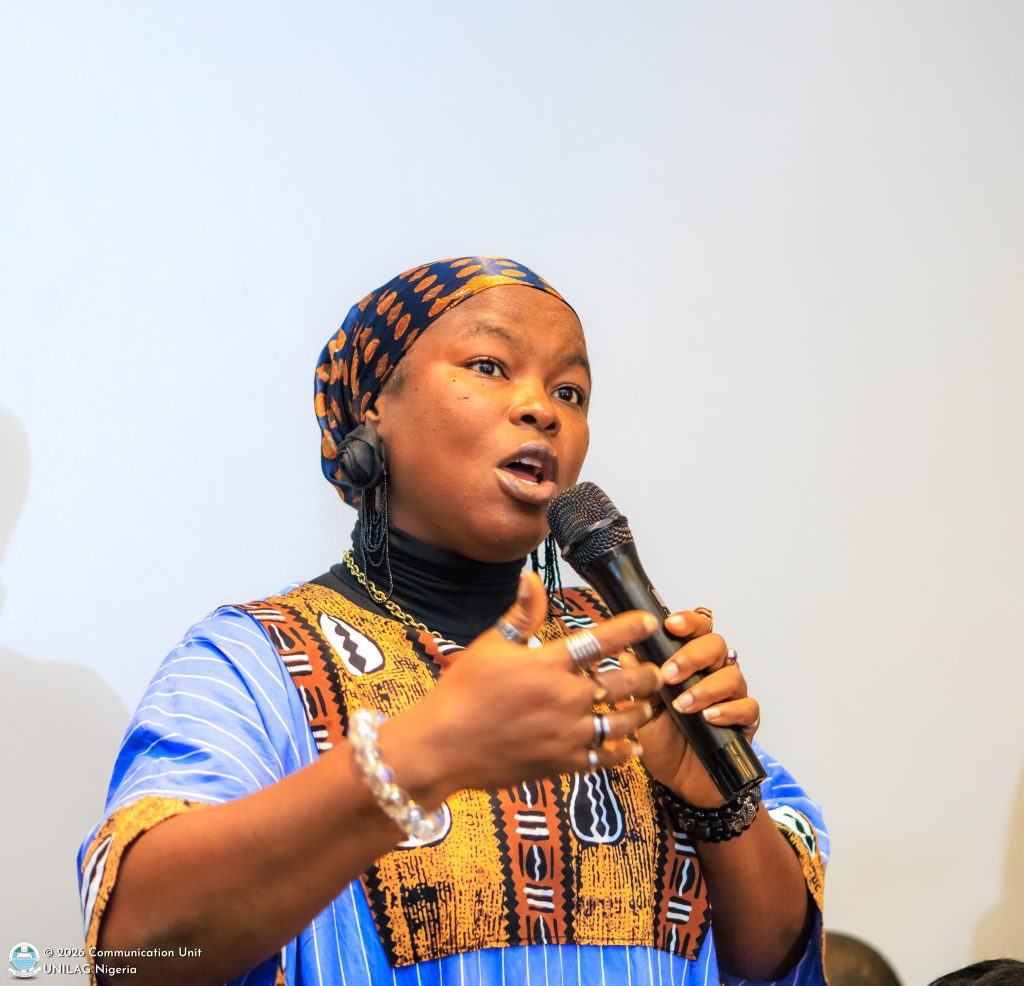
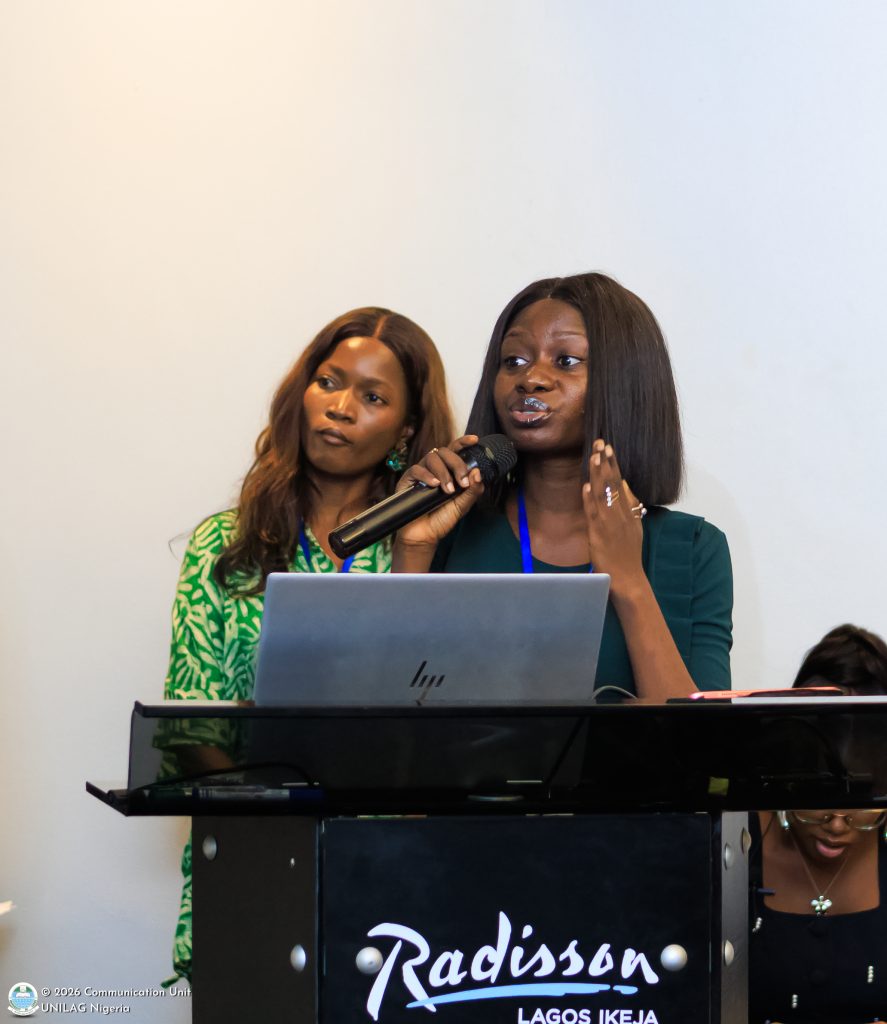
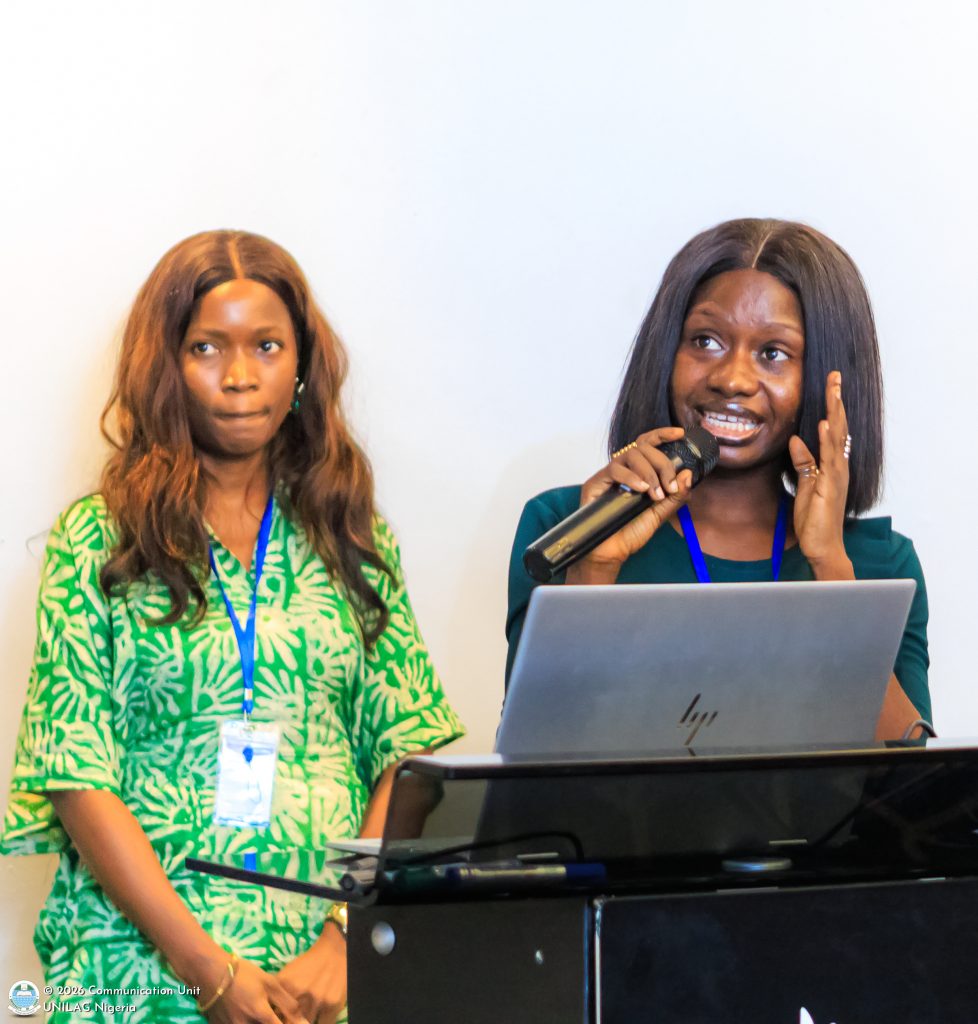
The second dissemination session, led by Dr Florence Nweke and Youth Researcher Folajumi Sefiu, translated the research findings into actionable policy recommendations.
The study identified five major barriers constraining the growth and advancement of female creatives: harassment and safety concerns, gender pay disparities, limited access to capital, restrictive gender norms, and policy gaps that fail to adequately guarantee gender justice within creative spaces.
Presenters noted that while women often develop strategies to survive these conditions, including setting strict professional boundaries, over-performing to earn recognition, building emotional resilience, and adapting their appearance or behaviour to fit prevailing workplace norms, these responses should not be mistaken for solutions.
“The burden of change should not rest on women alone,” stressed Folajumi.
To address these challenges, the project proposed a series of policy and programmatic recommendations, including enforceable anti-harassment and equal pay regulations, standardised codes of conduct across creative associations and guilds, increased funding opportunities for women-led creative enterprises, workplace policies that support caregivers, and stronger gender-based violence support systems and advocacy platforms.
Dr Nweke emphasised that meaningful change would require coordinated action from government institutions, academia, development partners, industry leaders, and creative professionals themselves.
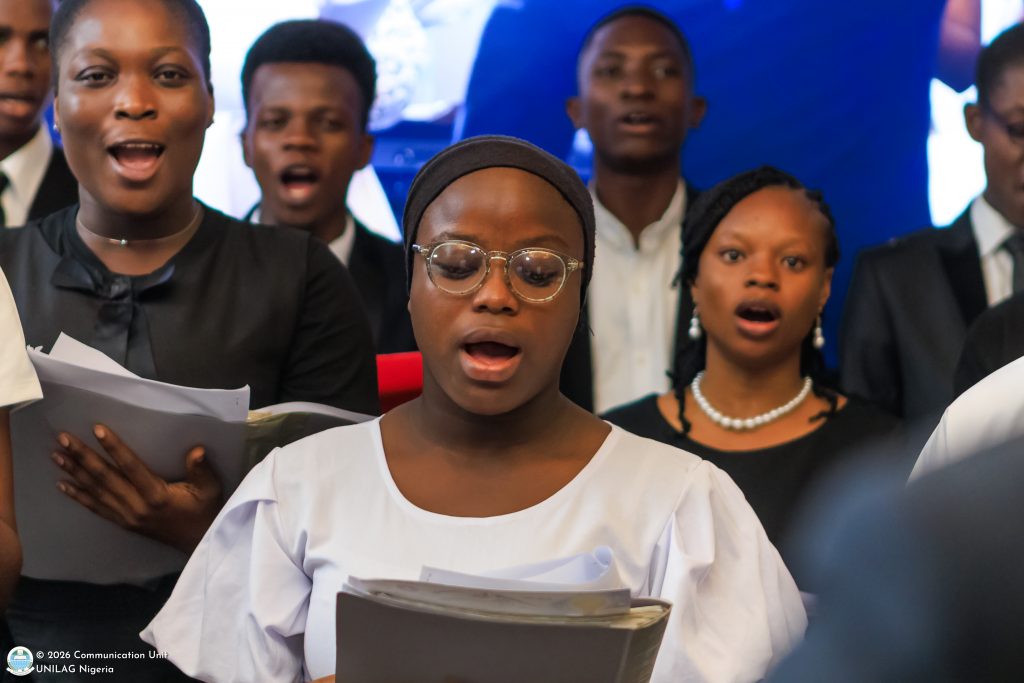
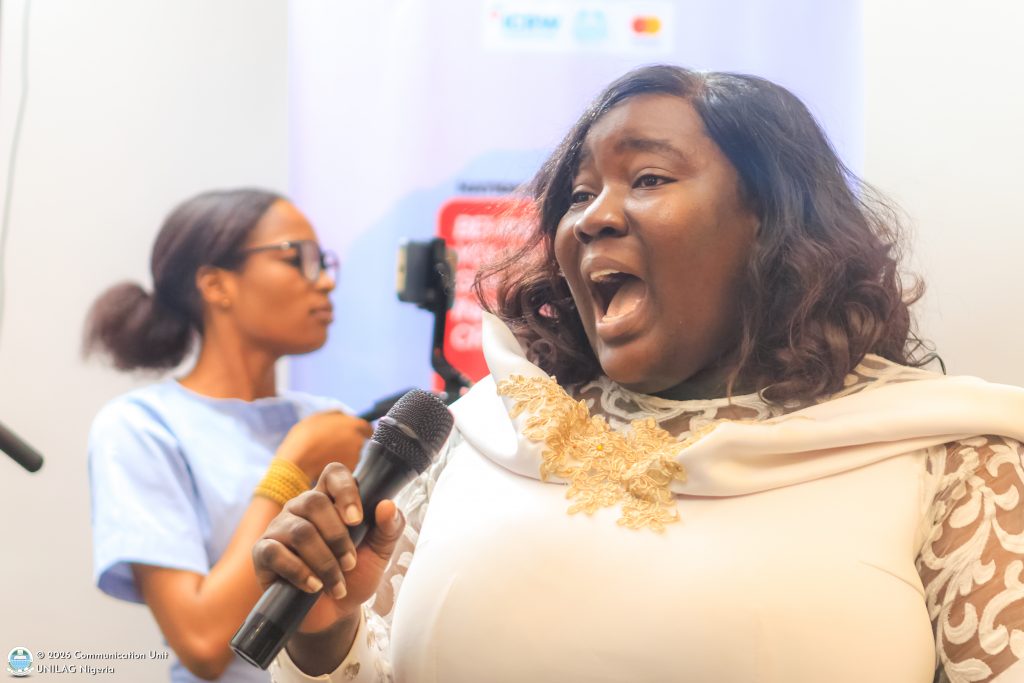
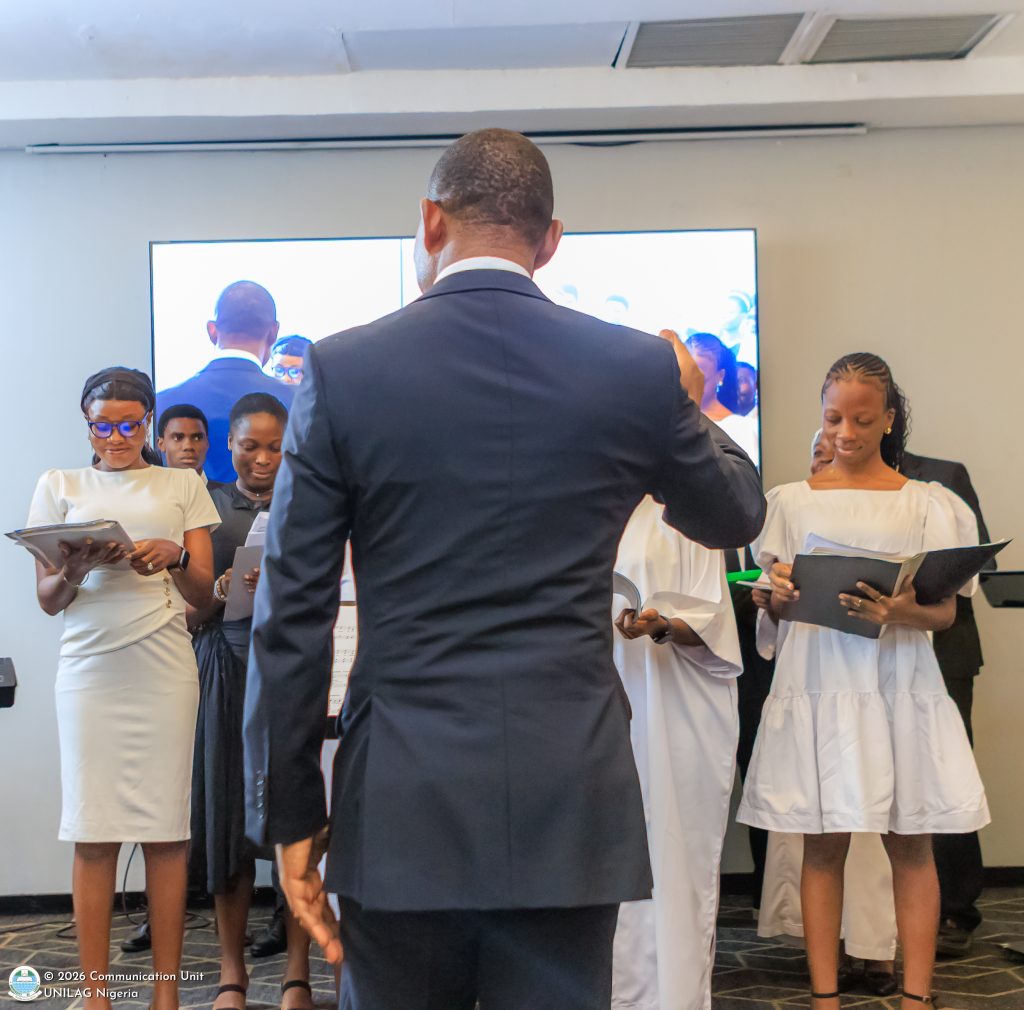
To cheer the audience at intervals during the event, the audience were treated to sonorous and creative musical renditions by the Urban Peace Voices, whose re-imagination of classics like Sound of Music into a Yoruba version and other awe-inspiring numbers brightened the gathering.
As discussions concluded, one message resonated clearly throughout the event: evidence matters, but action matters even more.
The BTS Project has not only documented the realities faced by young women in Africa’s creative sector; it has also provided a roadmap for transformation. By bringing together research, policy, industry expertise, and the voices of young creatives themselves, the initiative has opened an important conversation about what a truly inclusive creative economy could look like.
For many of the young women whose experiences informed this study, the hope is that future generations will no longer have to navigate the same barriers hidden behind the spotlight.
And if the conversations sparked at this dissemination event are any indication, the work of building that future has already begun.
The full research team encompasses Principal Investigators and Youth Researchers as listed below:
Principal Investigators
- Professor Michael Kunnuji
- Dr Florence Nweke
Youth Researchers
- Folajumi Sefiu
- Esther Olayinka Omoyele
- Evidence Adjarho
- Mofopefoluwa O. Adeaga
- Oluwaseun Adesola Muraina
- Patience Inyang
- Favour Ujor Agi
- Babatunde Joseph
- Fathiat Omolayo
- Abimbola Akinyeye
- Goodness Henry
- Chidinma Sandra Ojukwu
- Temiloluwa Olatiboye
- Chikodi Christabel Ezinwa
- Tomisin Akintibu (National Creative Ambassador)
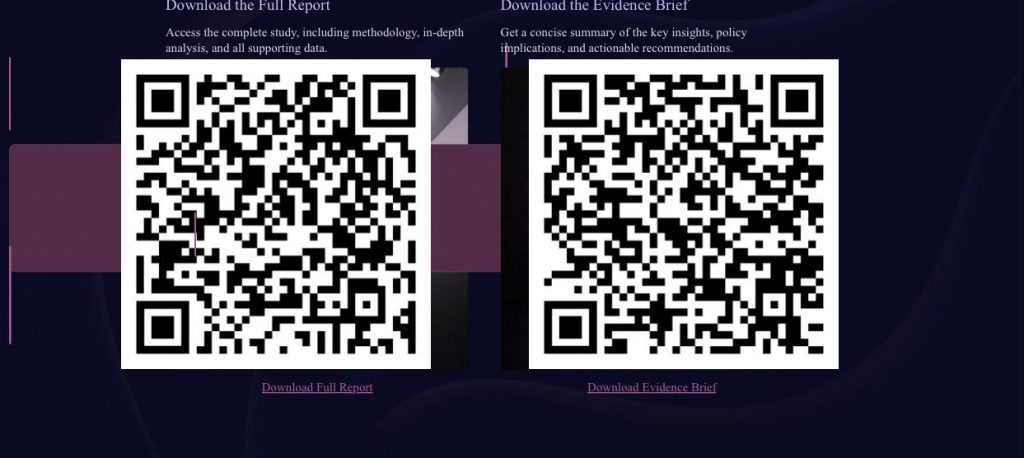
To access the full research, scan the QR Codes above or click here —-> https://bit.ly/BTSFullReport to download the full report or click here —-> https://bit.lyBTSEvidenceBrief to download the evidence brief.
Author: Nike Ogunshakin
Photographer: Ayomide Oloyede
Article Editor: Adejoke Alaga-Ibraheem
Videographer: Idara Iwok
Video Editor: Àwòrán by Nike Thaddeus
Click the red play button below or this link —-> https://youtu.be/hsUFOQwbG0Q to watch a video highlight of the event.